





The Rice Lands of Tarlac: Where Golden Harvests Begin
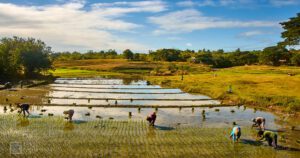
Many motorists know Tarlac as a province crossed on the journey to northern Luzon, yet once the highways give way to municipal roads, another landscape
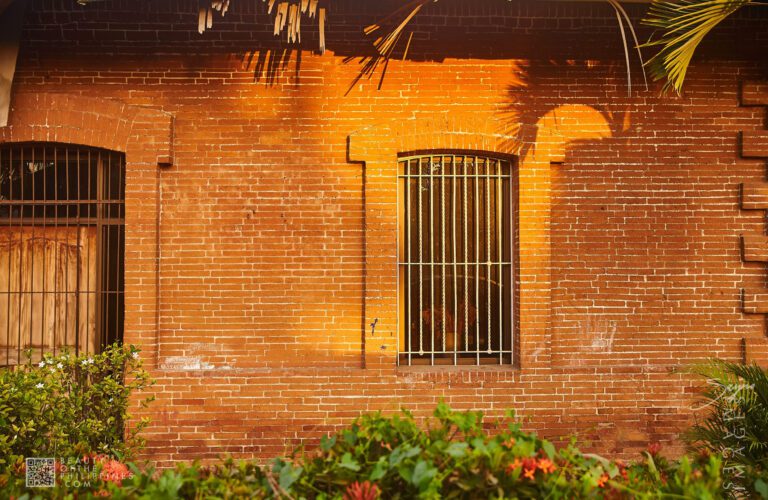
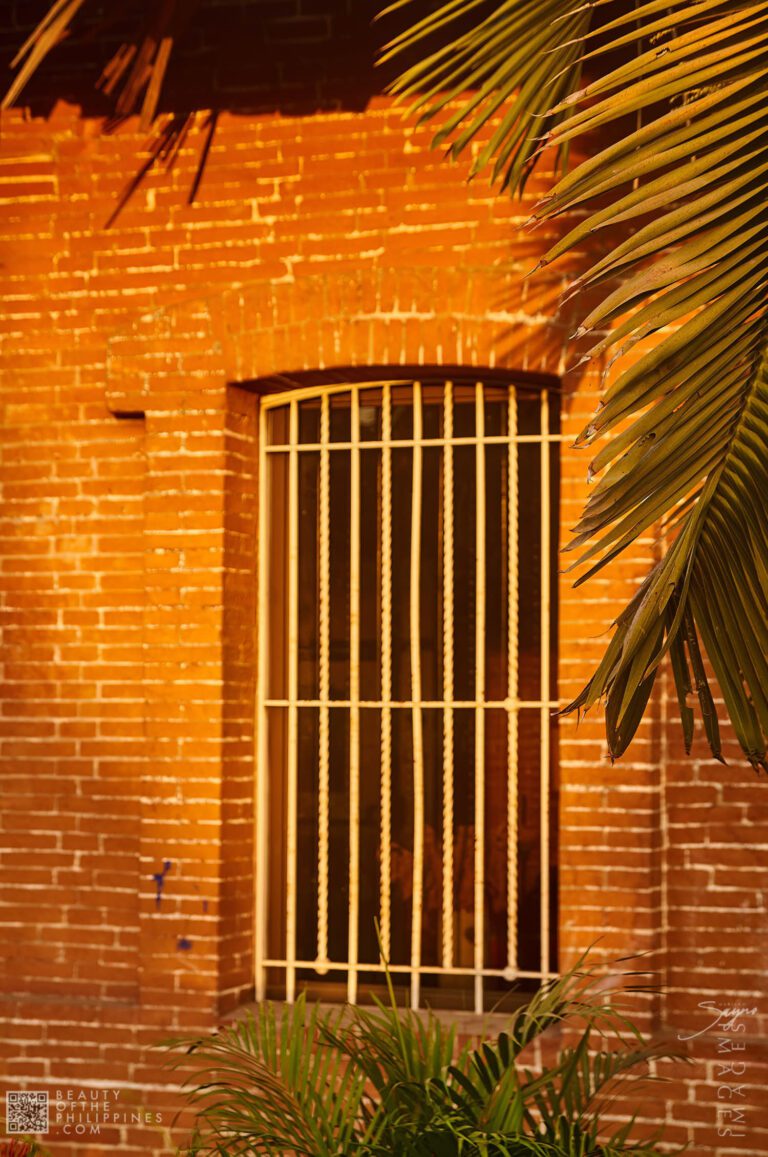
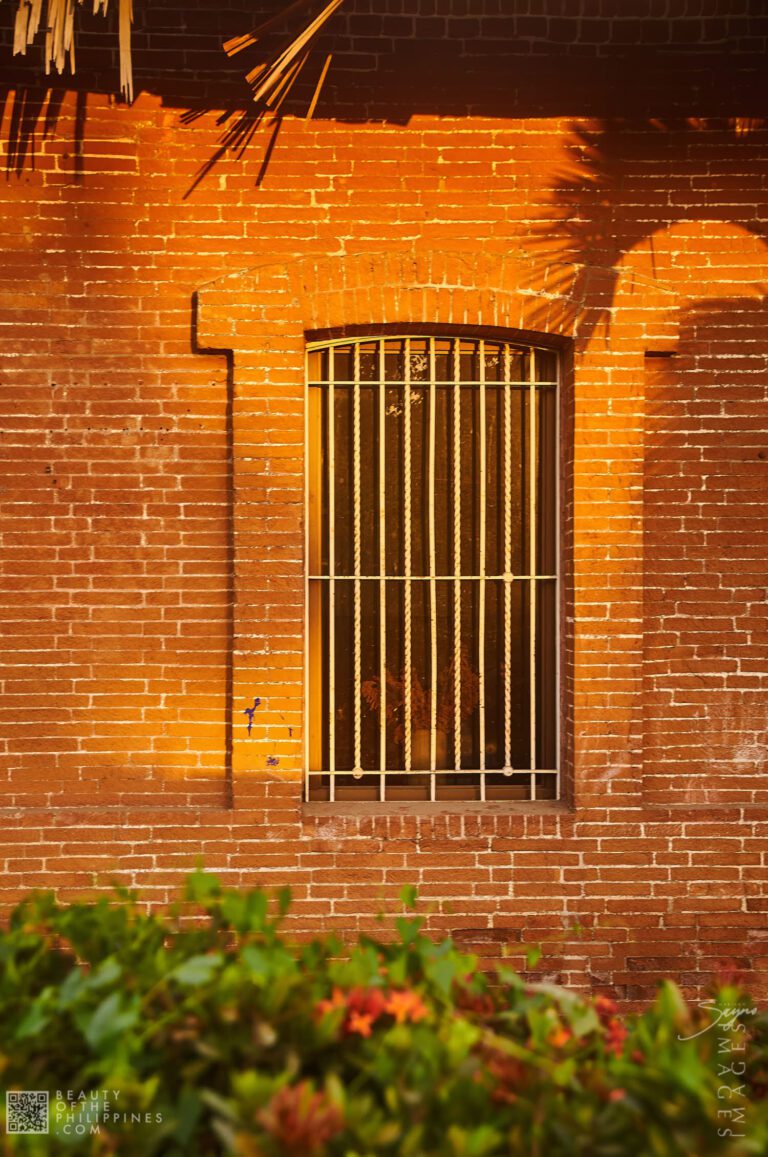
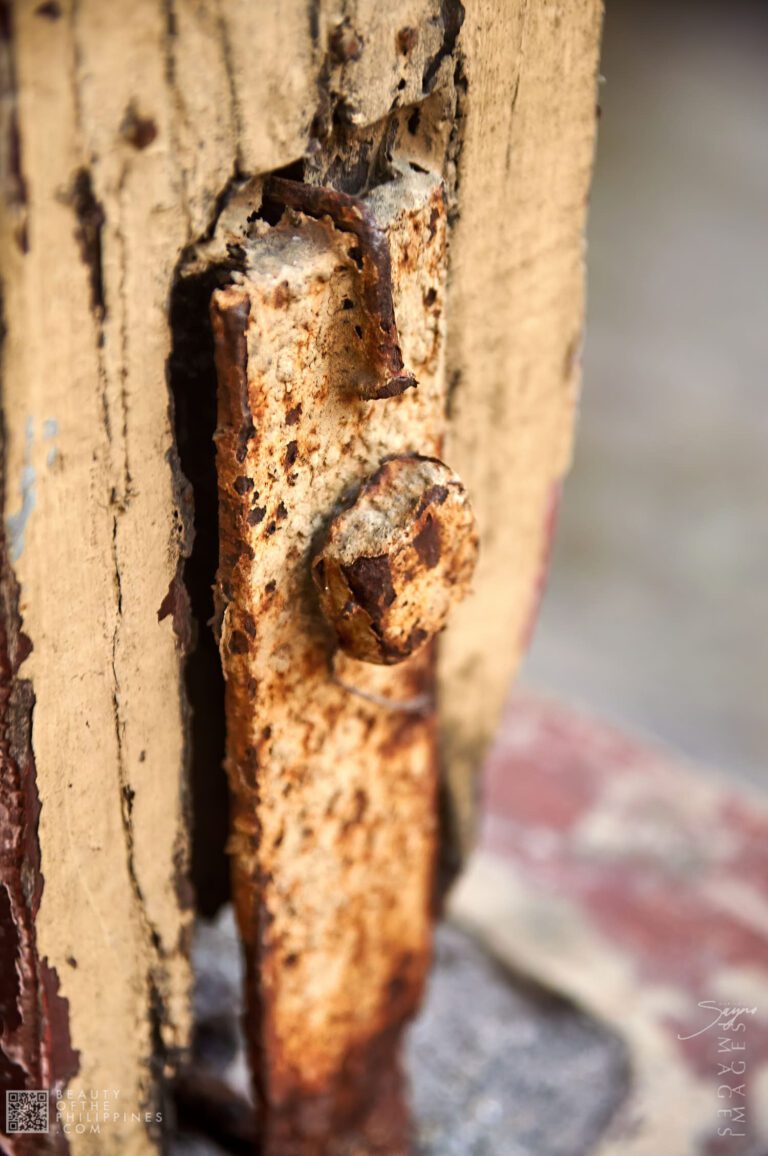
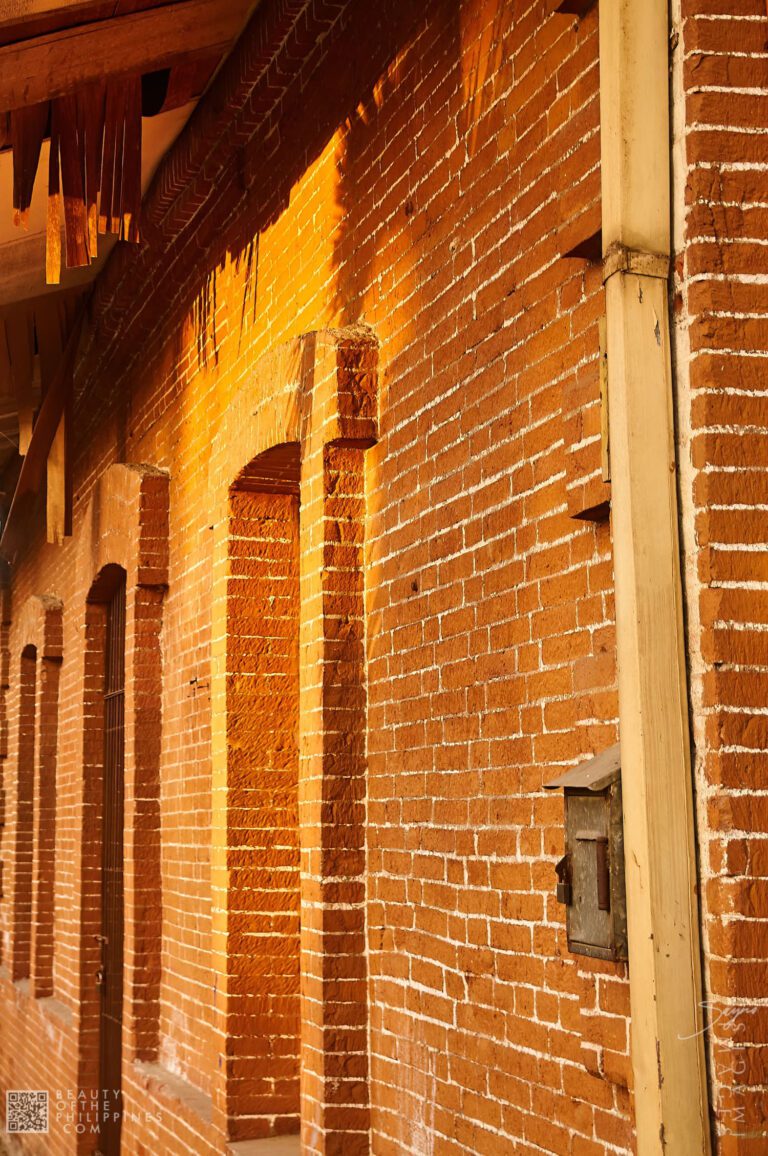
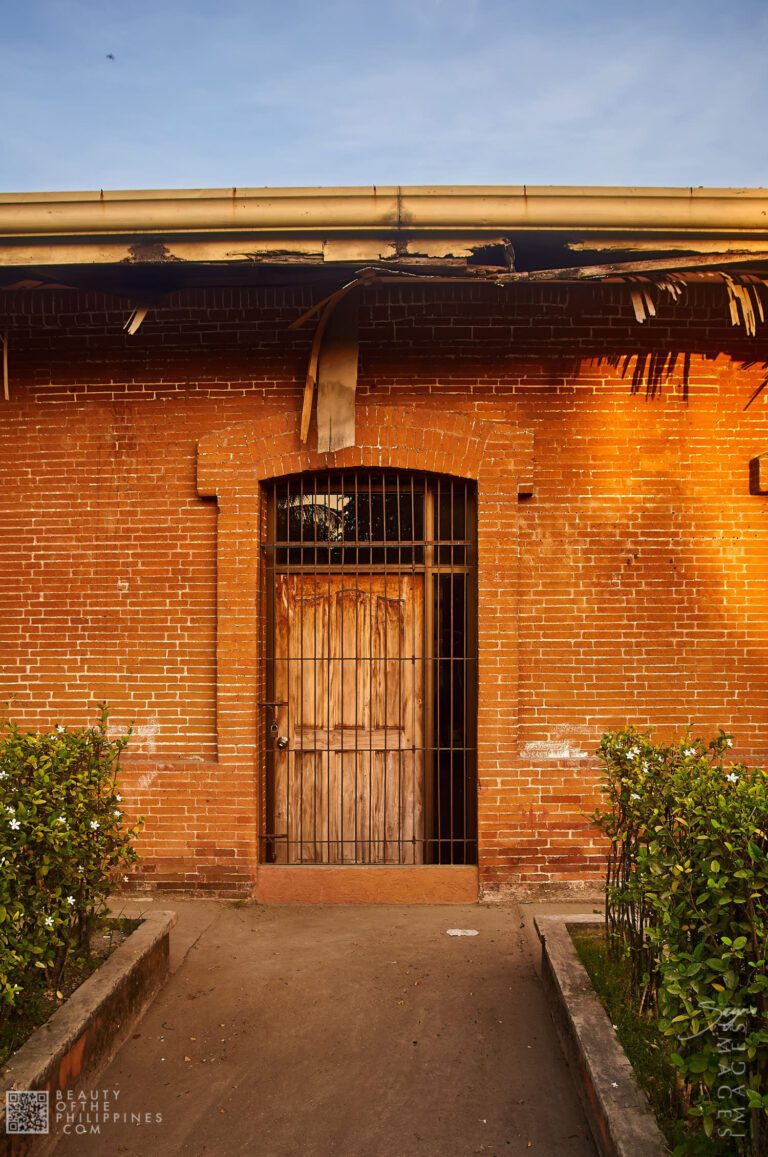
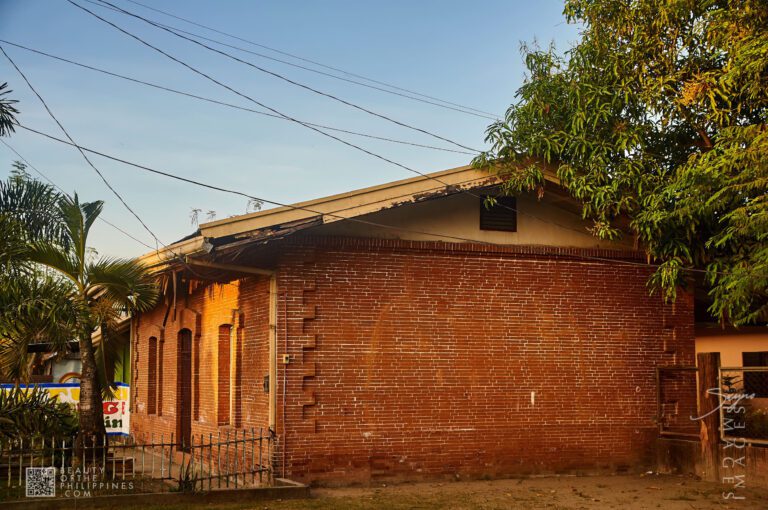
The Capas Train Station is located in Barangay Sto. Domingo II, Capas, Tarlac, and was once part of the historic Manila–Dagupan railway line operated by the Philippine National Railways. Built during the late Spanish colonial period, the station became operational when the railway line officially began service in 1892.
In its early years, this station functioned as a practical stop along the northern rail route, supporting trade, travel, and movement between Manila and Northern Luzon. Over time, as rail transport declined, regular train services in the north were gradually reduced and eventually ceased in the 1980s, leaving the station abandoned but not forgotten.
The historical weight of Capas Train Station comes sharply into focus during World War II. In April 1942, following the fall of Bataan, thousands of Filipino and American soldiers were captured by Imperial Japanese forces. These prisoners endured the infamous Bataan Death March, beginning in Mariveles, Bataan, and marching approximately 102 kilometers to San Fernando, Pampanga.
From San Fernando, survivors were forced into overcrowded boxcars and transported by train to Capas. This station area became the disembarkation point where prisoners, already weakened by dehydration, starvation, and abuse, were unloaded.
After arriving at Capas Train Station, prisoners were compelled to march an additional 6 to 14 kilometers to Camp O’Donnell, a former U.S. Army base converted into a Japanese concentration camp. Many did not survive this final stretch. Disease, malnutrition, and mistreatment continued inside the camp, resulting in tens of thousands of deaths.
Because of this, Capas Train Station is permanently tied to one of the most harrowing episodes in both Philippine and United States military history.
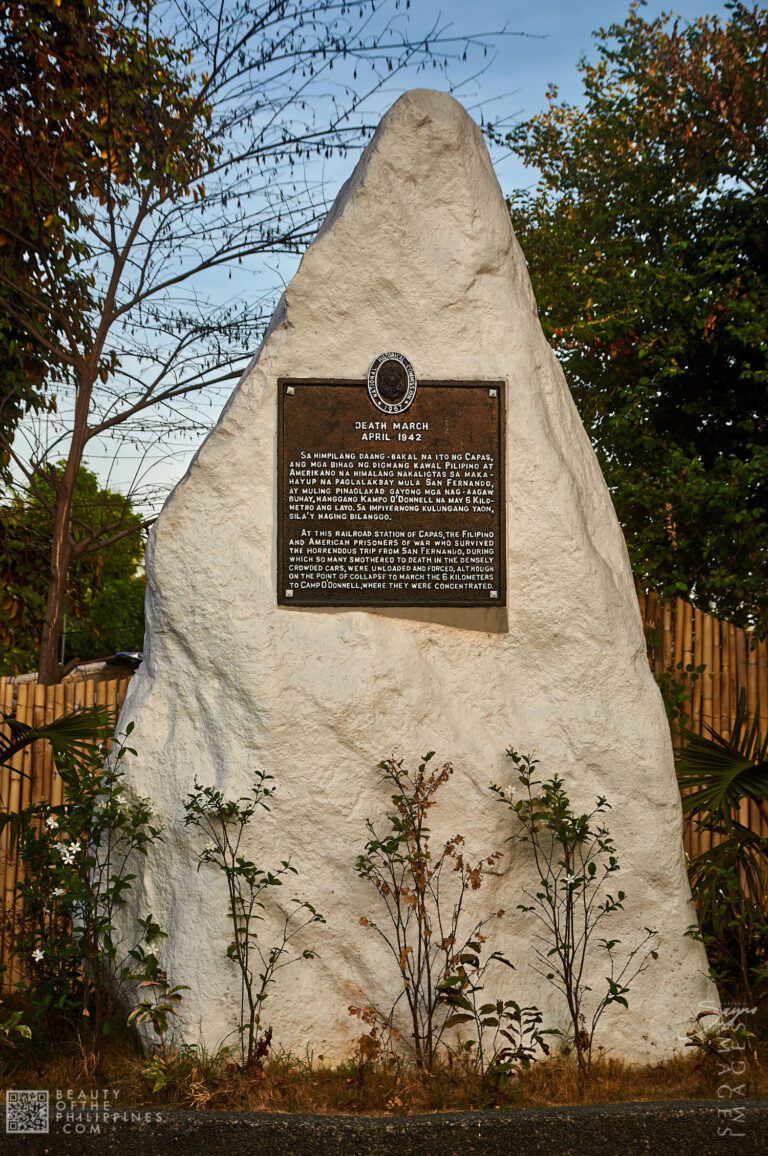
Near the former station site stands the Sto. Domingo II Train Station Death March Marker (1942, Km. 106). This marker identifies the precise location where prisoners were unloaded from the trains to begin the final phase of their suffering. The kilometre designation reflects its place along the historic Death March route.
The marker was sponsored by the Battling Bastards of Bataan Association, an organization committed to preserving the memory of those who endured the march. While the station property remains under Philippine National Railways, the marker is administered by the Philippine Tourism Authority in coordination with local Capas officials.
The story of Capas Train Station connects directly to other key sites across Central Luzon. A corresponding marker at San Fernando Station marks where prisoners were loaded onto trains, while the nearby Capas National Shrine commemorates those who perished at Camp O’Donnell.
Together, these locations trace the logistical route and human cost of the Bataan Death March, transforming ordinary places into powerful spaces of remembrance.
Walking near the old Capas Train Station, there’s no grand structure demanding attention. Instead, the silence does the work. As a photographer, I find myself framing absence — empty ground, weathered markers, and the invisible lines where history once moved in pain and exhaustion. It’s not a place you rush through. You stand, you read, you imagine, and you leave quieter than when you arrived.
RELATED STORIES

Many motorists know Tarlac as a province crossed on the journey to northern Luzon, yet once the highways give way to municipal roads, another landscape


The Philippine International Hot Air Balloon Fiesta in New Clark City offered a spectacular showcase of aviation prowess and cultural celebration, leaving attendees captivated by
I’m looking forward to the stories and images leaving a lasting positive impression on you, just as they have on me. Stay connected with us on social media for a weekly exploration of travel assignments and breathtaking visuals. Our focus is on championing local tourism, showcasing small businesses, and honoring the magnificence of the Philippines through the content we curate. Join us in spreading the word by clicking the ‘share’ buttons below. Your support means the world to us.
EXPLORE MORE about


The Philippine International Hot Air Balloon Fiesta in New Clark City offered a spectacular showcase of aviation prowess and cultural celebration, leaving attendees captivated by




Many motorists know Tarlac as a province crossed on the journey to northern Luzon, yet once the highways give way to municipal roads, another landscape
BROWSE BY CATEGORIES
BROWSE BY PROVINCE