BROWSE BY PROVINCE

Tarlac, Philippines
The Rice Lands of Tarlac
Where Golden Harvests Begin
Share
Tweet
Email
EXPLORE The Rice Lands of Tarlac

PUBLISHED November 28, 2015

PHOTOS | WORDS BY MARIANO SAYNO

  • Tarlac, Philippines
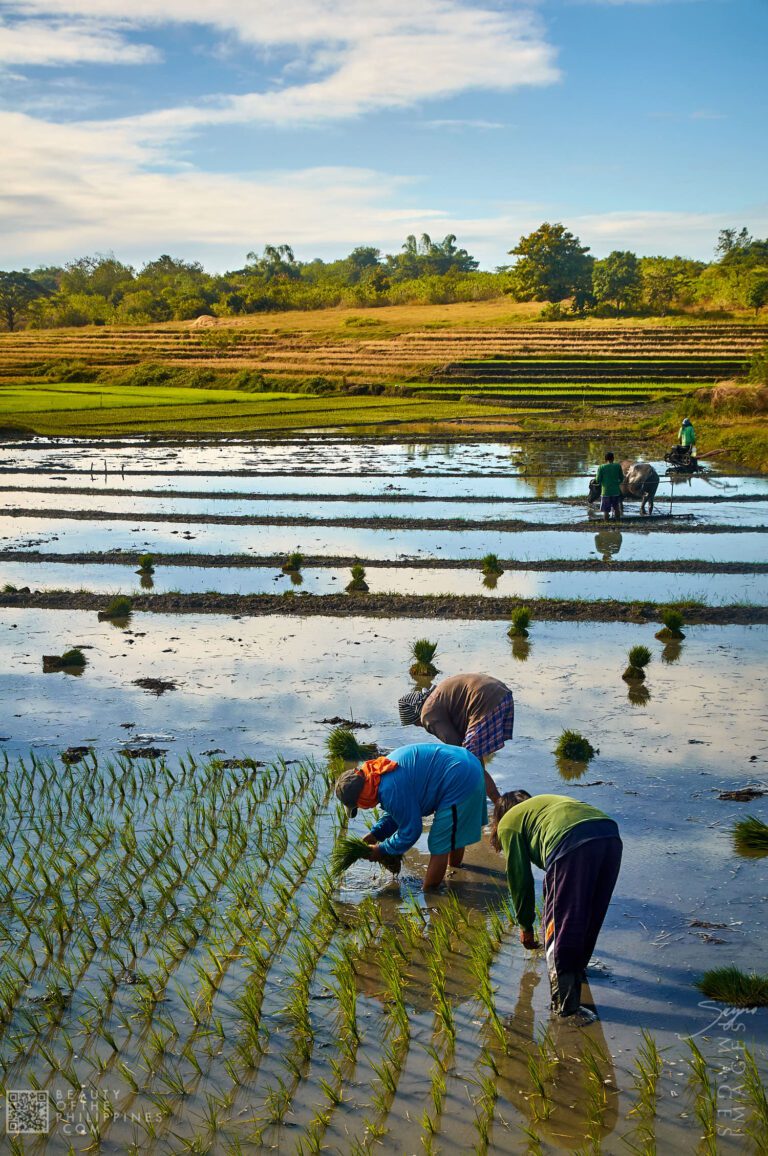
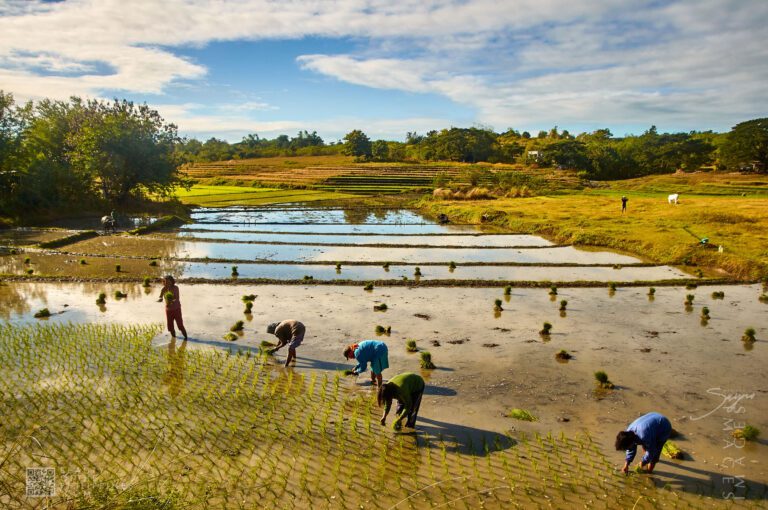
Across the wide plains of Tarlac, rice fields stretch in changing colors depending on the season—silver with water, green with growth, gold with harvest. Many travelers pass through this province on the way north, but slowing down reveals another side of Central Luzon: farm roads, sunrise mist, working landscapes, and communities shaped by agriculture. For photographers, curious travelers, and those wanting a quieter countryside story, the rice lands of Tarlac hold remarkable potential.
Explore the Philippines through my lens as we venture into The Rice Lands of Tarlac with Point of View (POV) photography. Using a body cam, I’ll guide you on an interactive tour, revealing the behind-the-scenes of capturing the shots shared here. Let’s dive into this visual journey together and uncover the wonders through my lens!
Let’s explore the PHILIPPINES through my lens as we journey on a photo slideshow to The Rice Lands of Tarlac. Join me in this visual adventure and discover the wonders captured through my lens! Check out the shared slideshow here.
Where the Plains Begin to Open

Many motorists know Tarlac as a province crossed on the journey to northern Luzon, yet once the highways give way to municipal roads, another landscape appears. Broad agricultural plains dominate much of the province, and rice farming has long shaped local life here. These fertile lowlands, supported by irrigation systems and favorable terrain, place Tarlac among the agricultural heartlands of the Philippines.


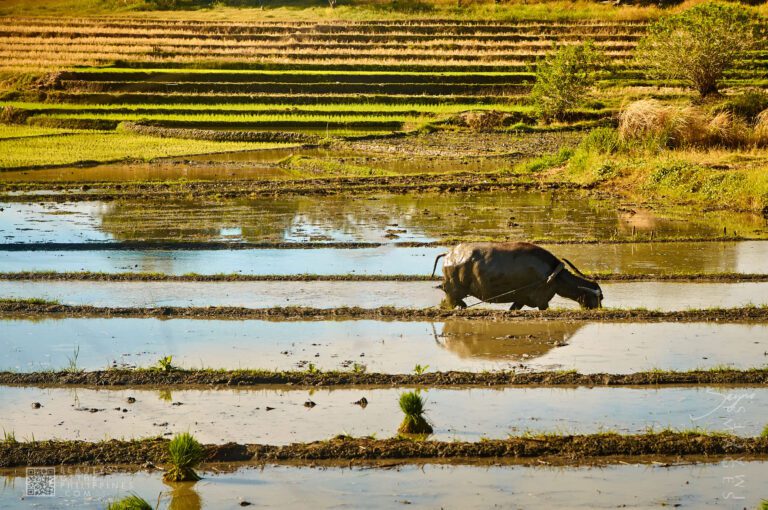
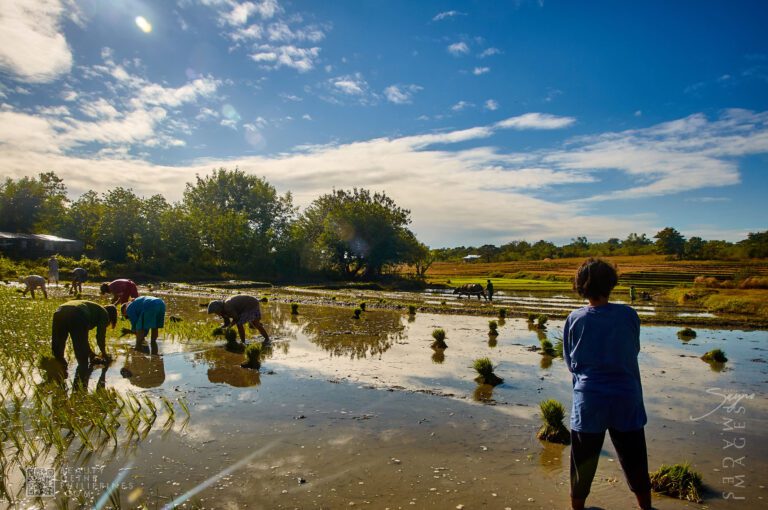
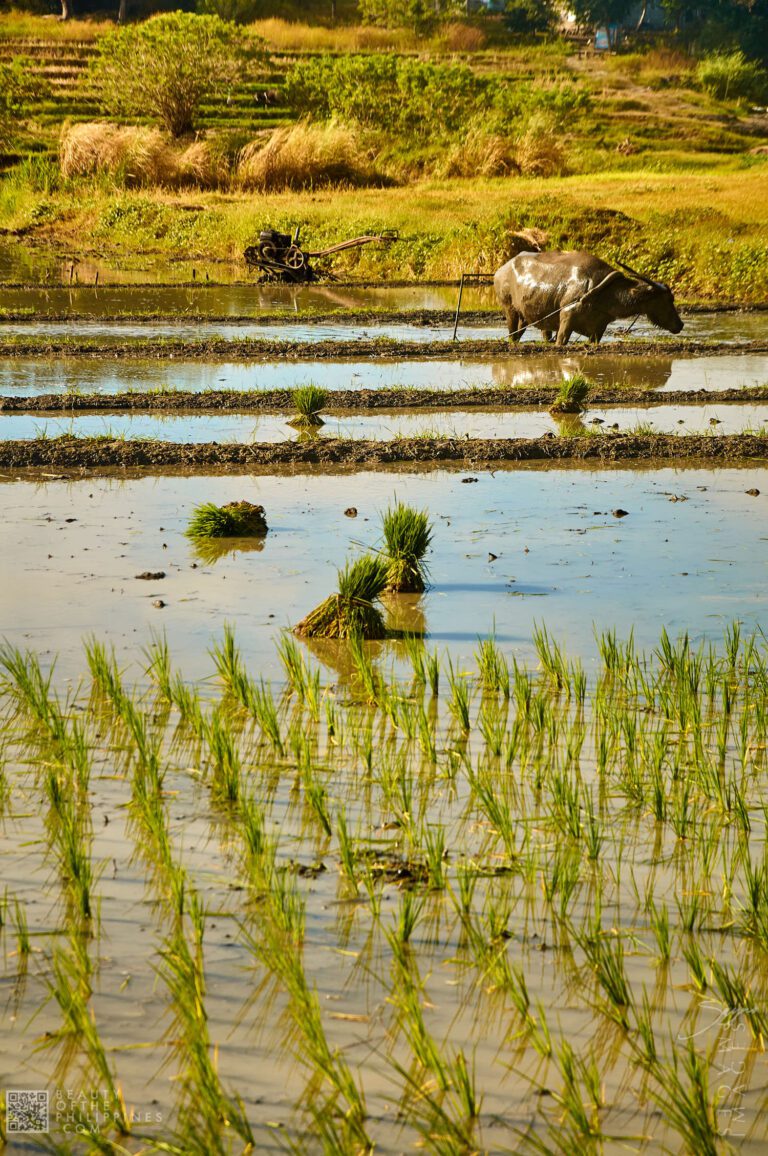
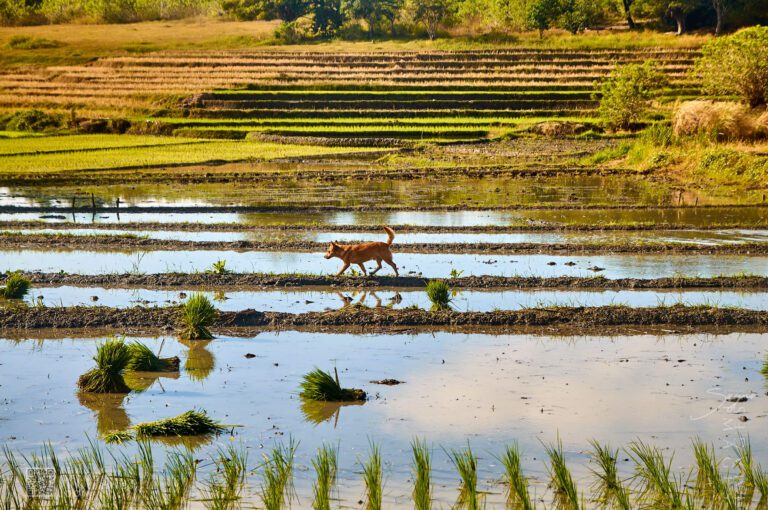
For a traveler carrying a camera, the first impression is space. The horizon feels wider here. Roads run beside paddies for kilometers, interrupted only by trees, homes, irrigation canals, and the occasional carabao resting near the field edge.

Check out the video for more highlights. See what I’ve captured through my lens with Point of View (POV) photography. Using a body cam, I’ll take you on an interactive tour, showing you behind-the-scenes moments of capturing the shots shared here.
Check out the video below for additional features. Explore what I’ve captured through my lens in this cinematic slideshow.
A Province That Changes With the Season

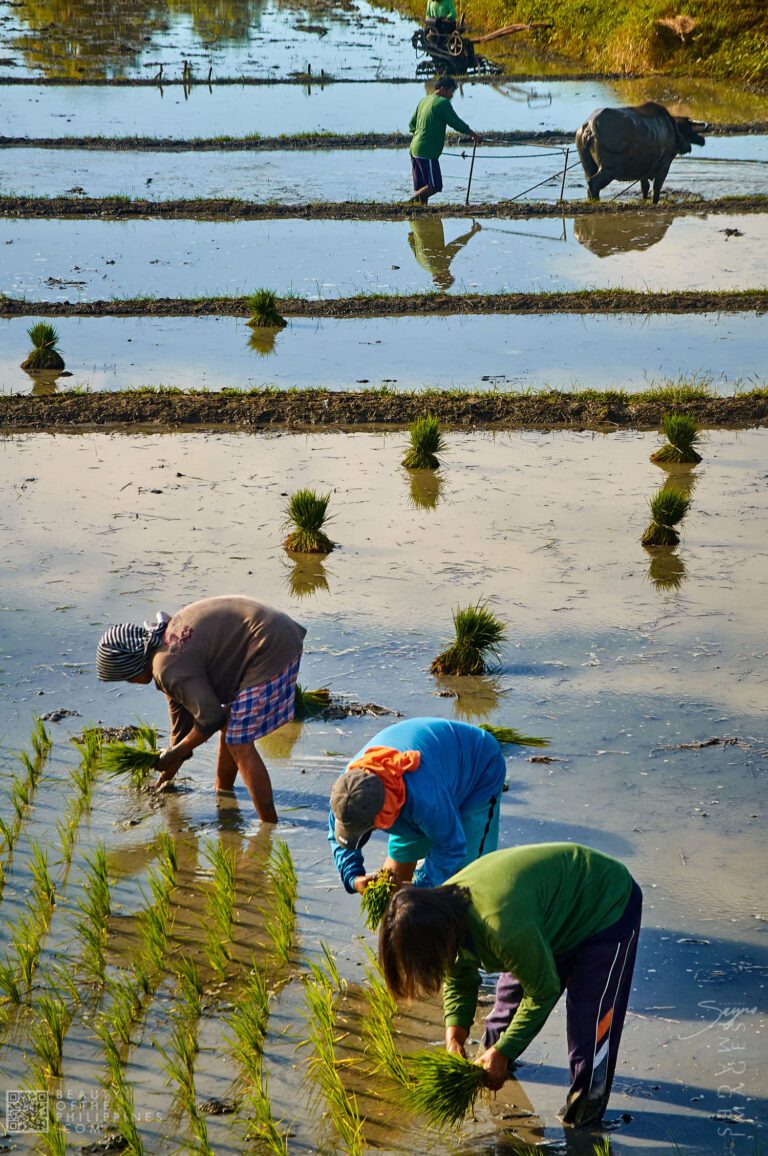
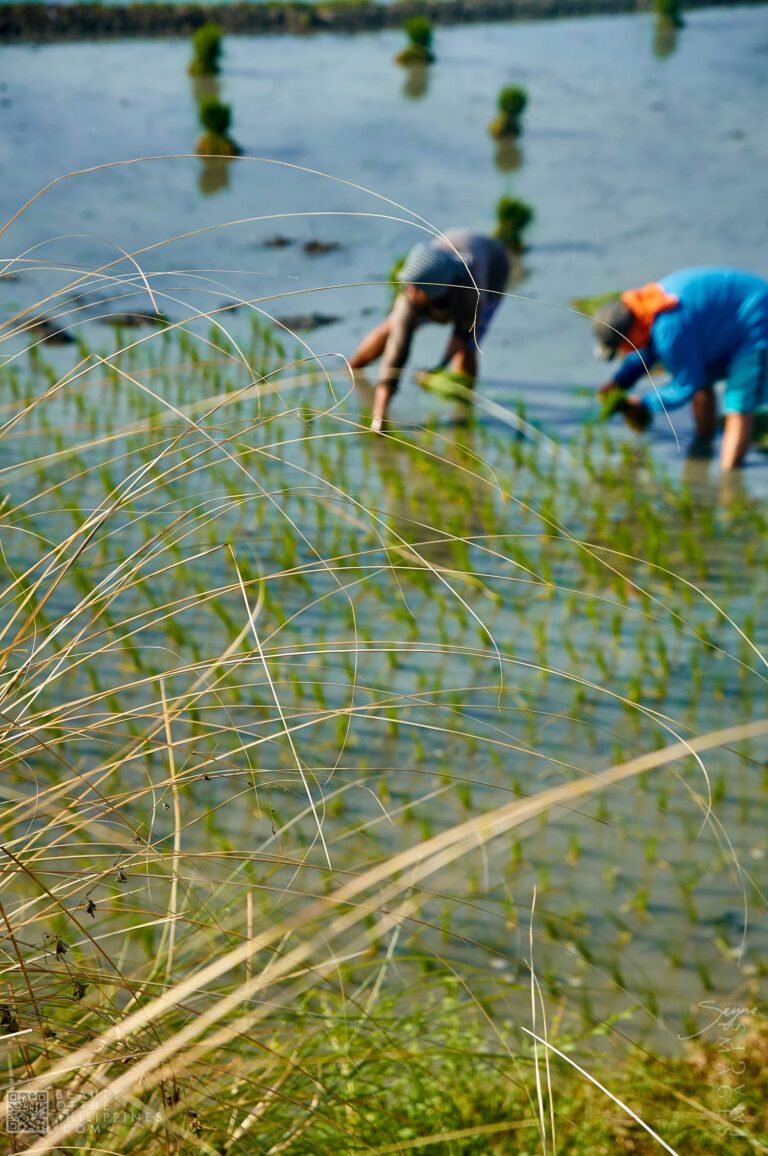
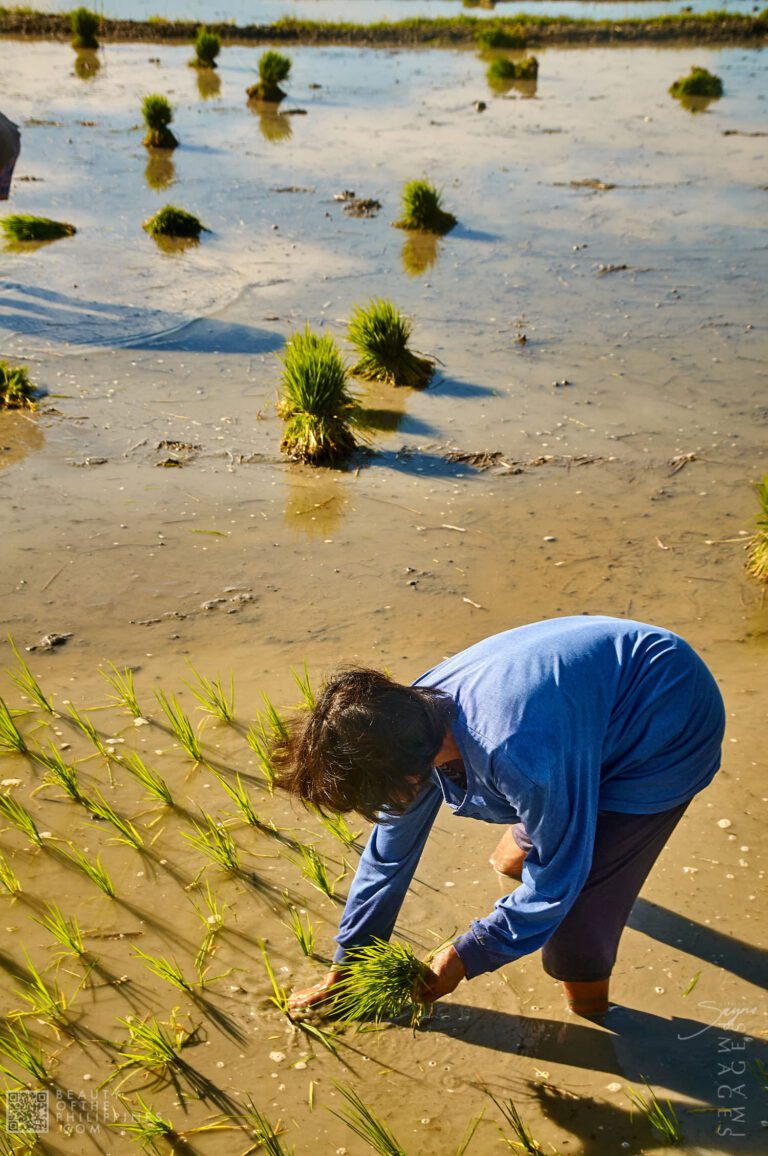
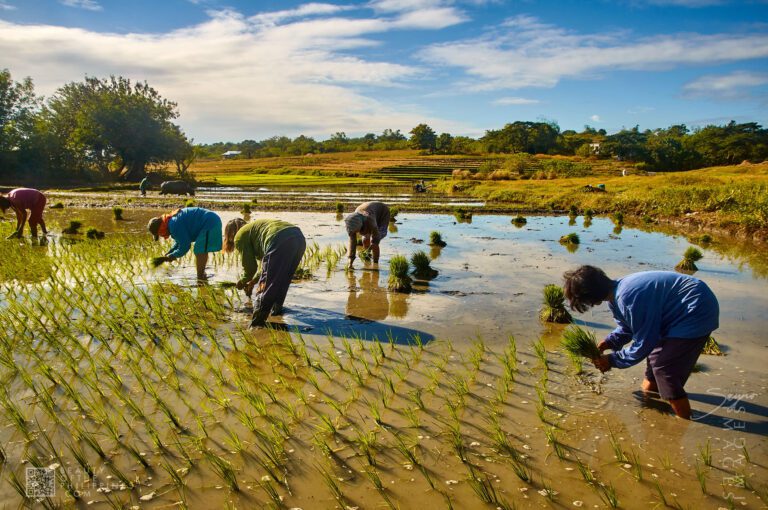
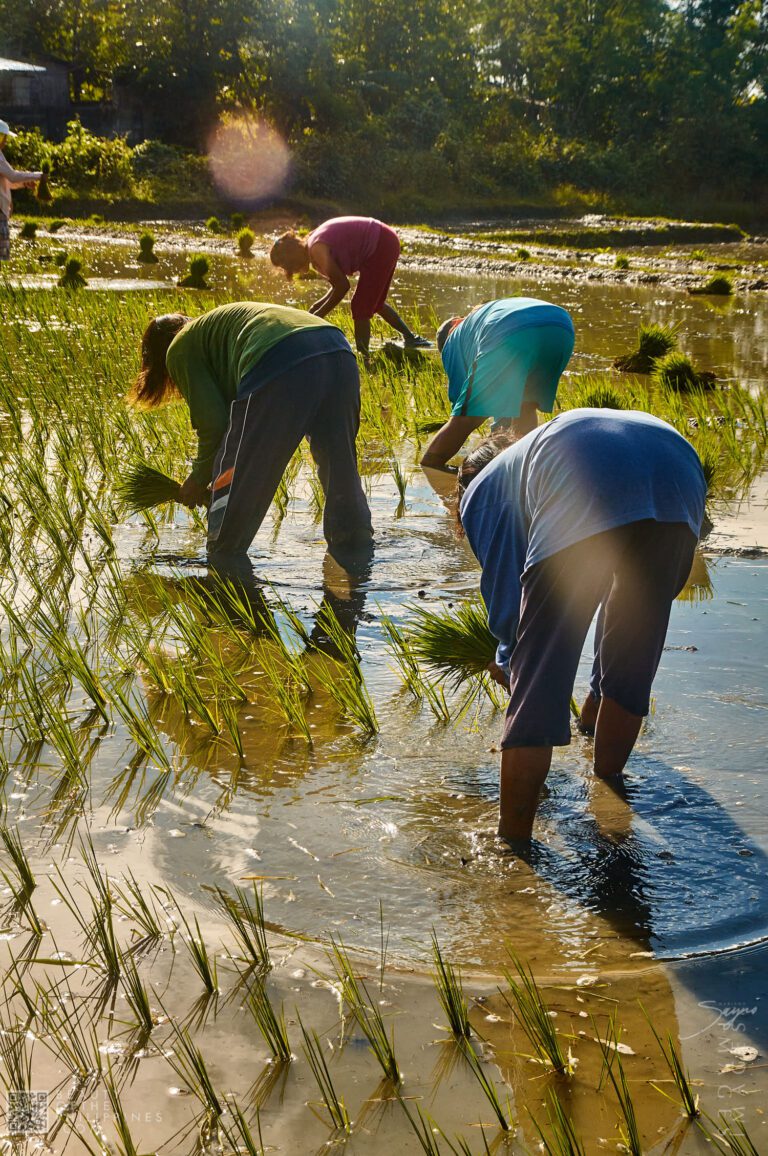
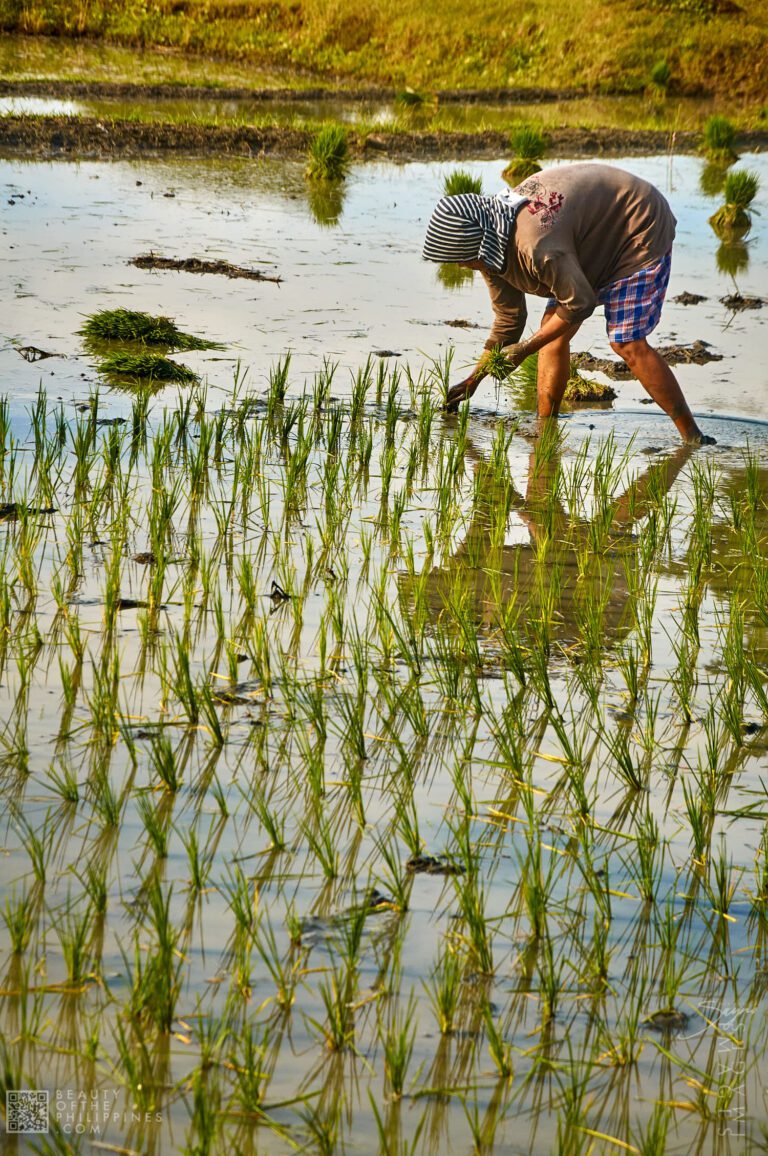
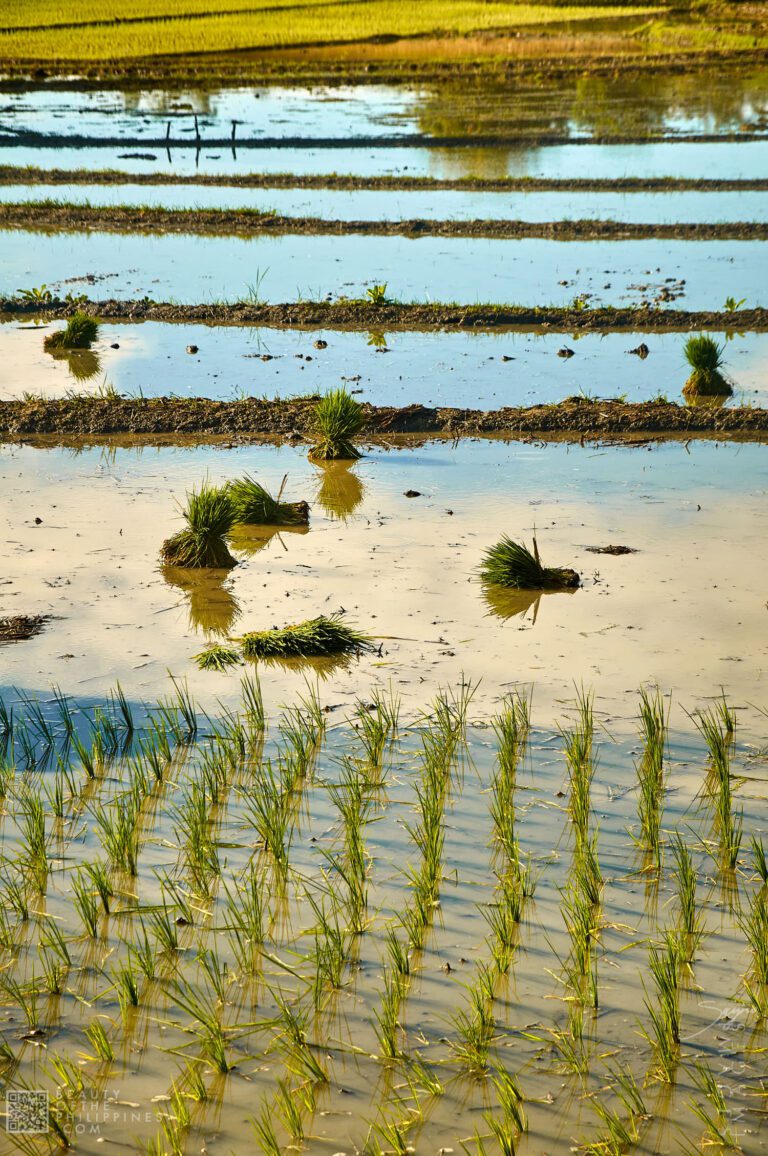
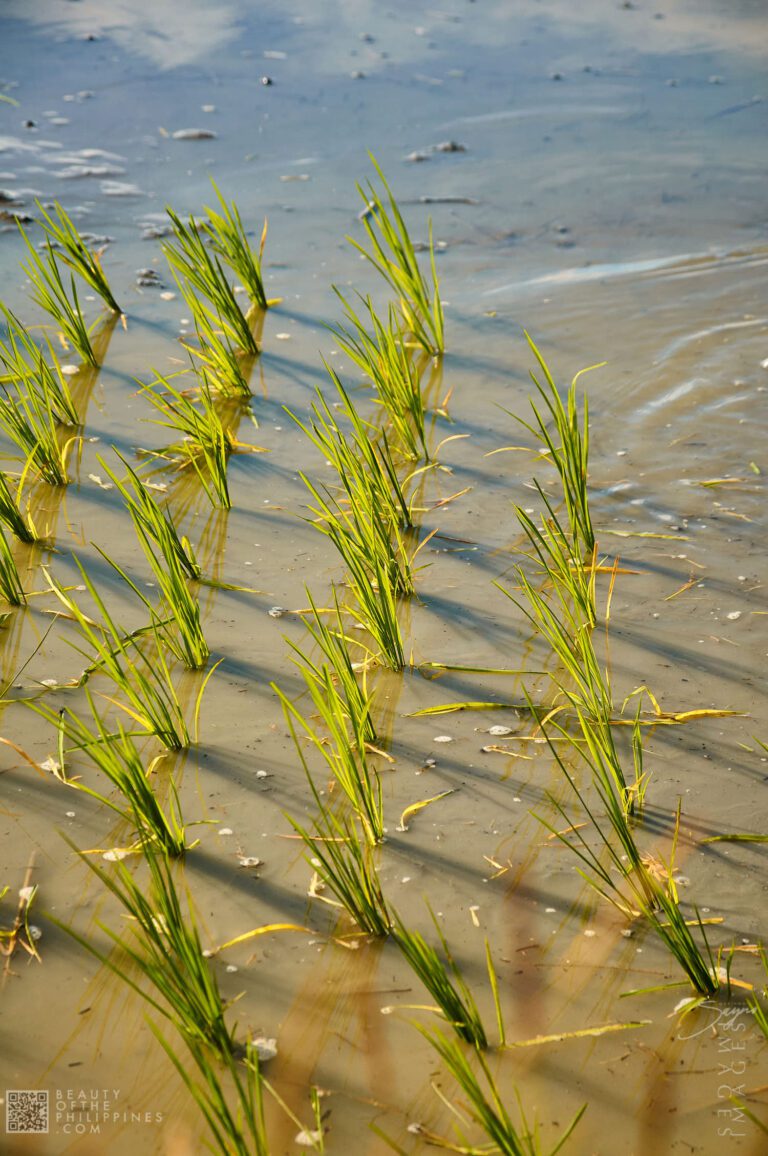
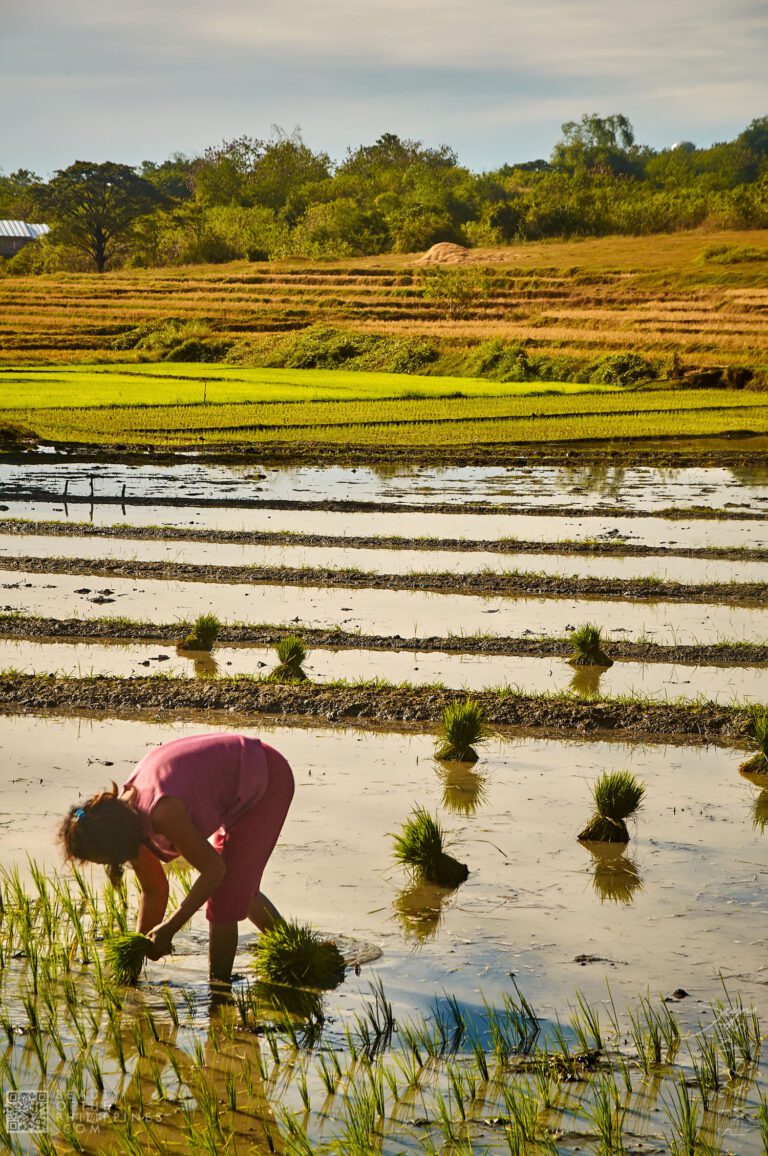
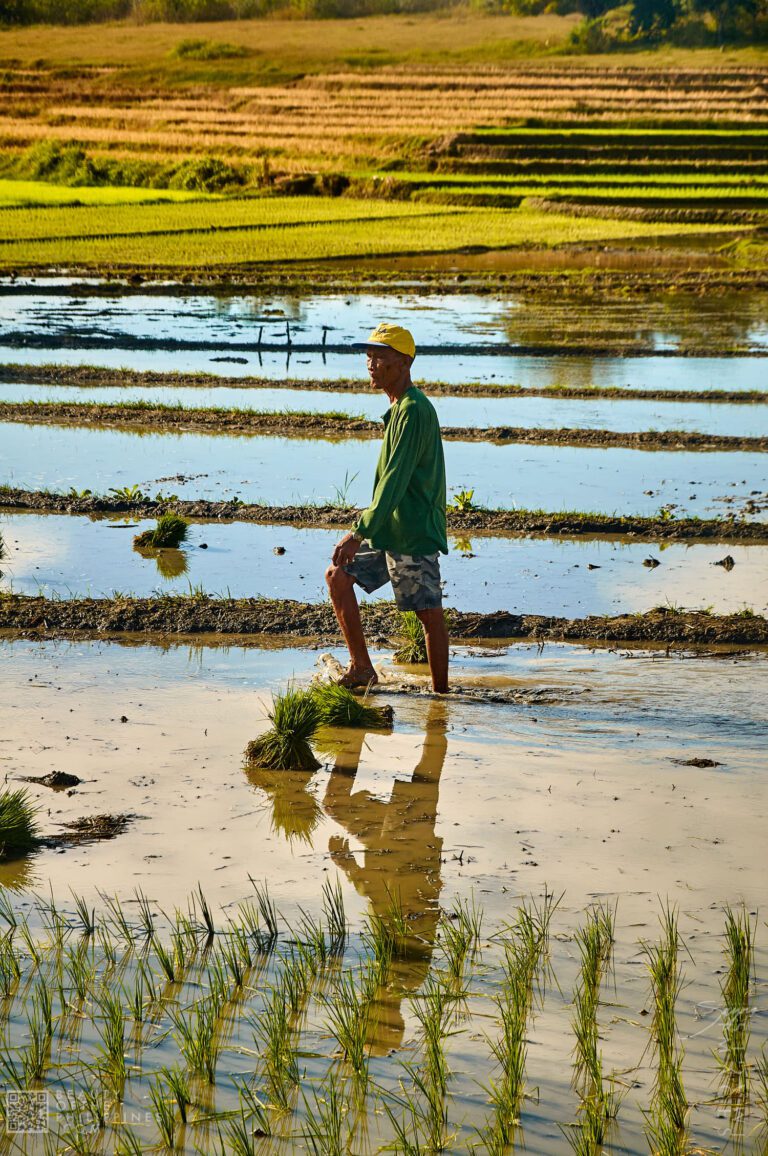
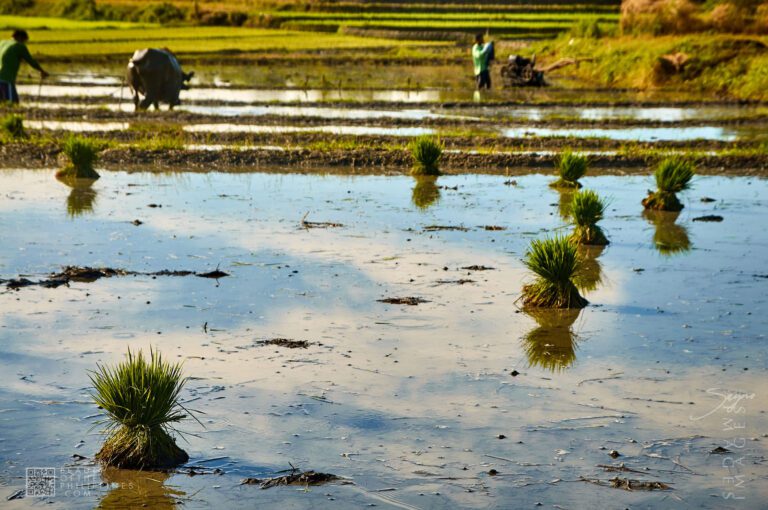
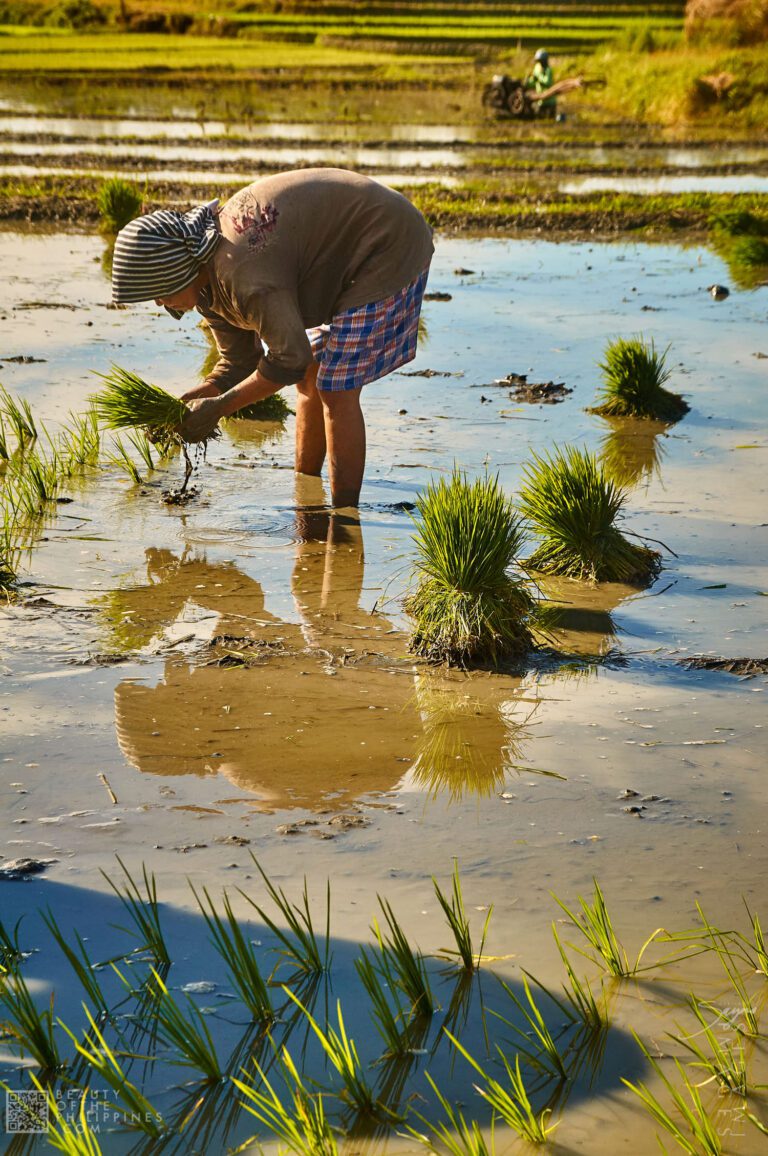
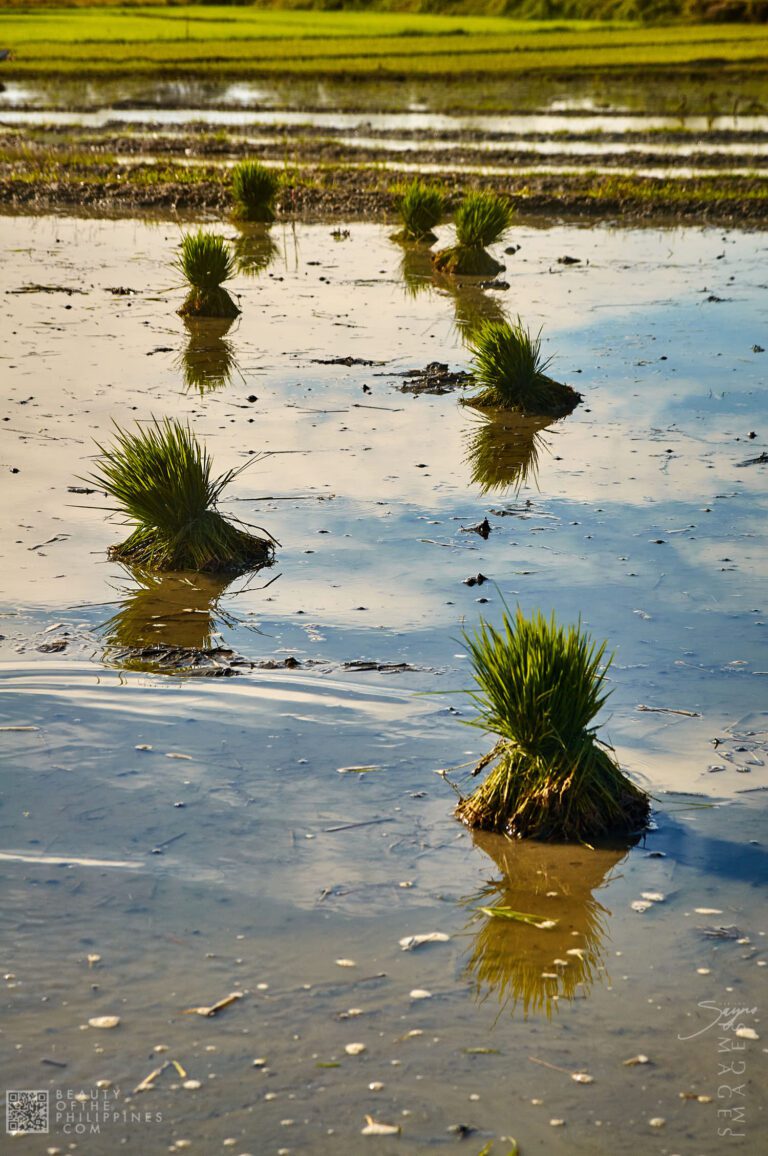
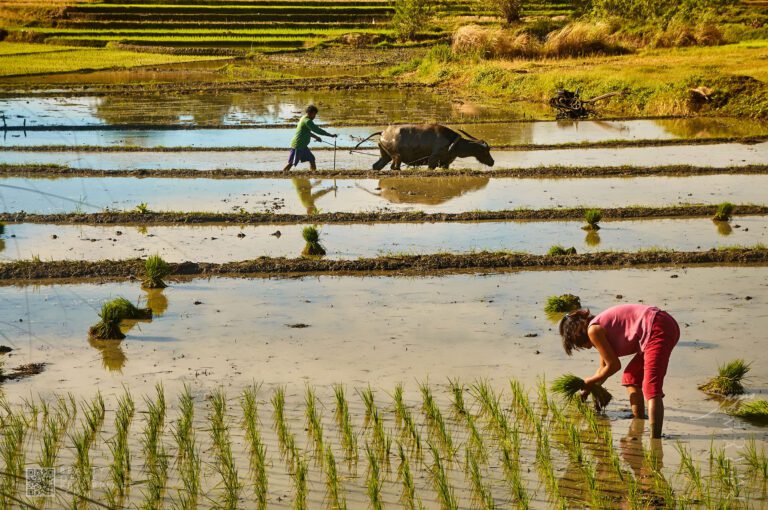
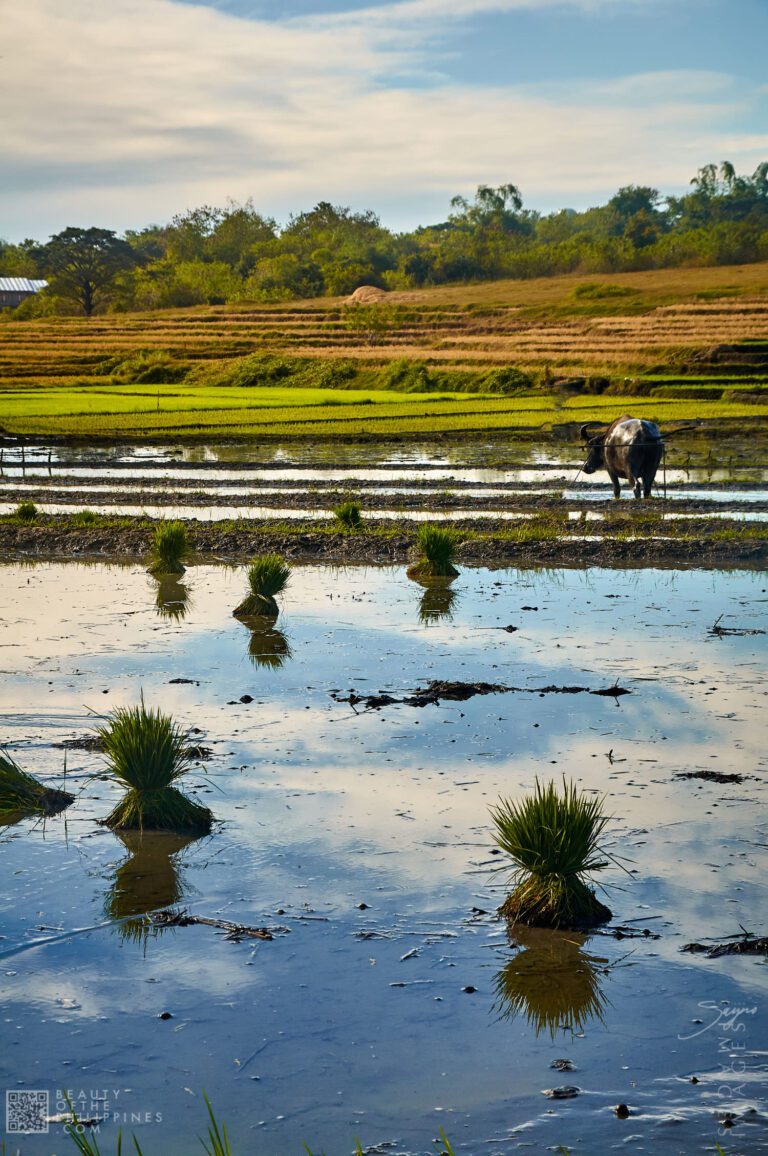
Rice fields in Tarlac are never fixed in one appearance. During planting periods, paddies fill with shallow water, turning the land into reflective surfaces that mirror clouds and sunrise colors. In growing months, the same areas become layers of vivid green moving with the wind. Before harvest, fields shift into warm gold tones that glow best in late afternoon light.


This seasonal transformation gives the province an advantage many destinations seek: reasons to return more than once. A visit during planting offers one mood, while harvest months tell an entirely different visual story.

Closer Than Many Expect

Accessibility is one of Tarlac’s strongest tourism assets. From Metro Manila, travel is made easier through major road links such as SCTEX and TPLEX, making day trips, weekend drives, school excursions, and even company retreats realistic options. Unlike more remote farm provinces requiring longer journeys, Tarlac sits within practical reach of urban travelers wanting countryside air without committing to a long expedition.


That convenience matters. Rural tourism often depends not only on beauty, but on how easily people can reach it.

Life in the Fields, Not Just Views

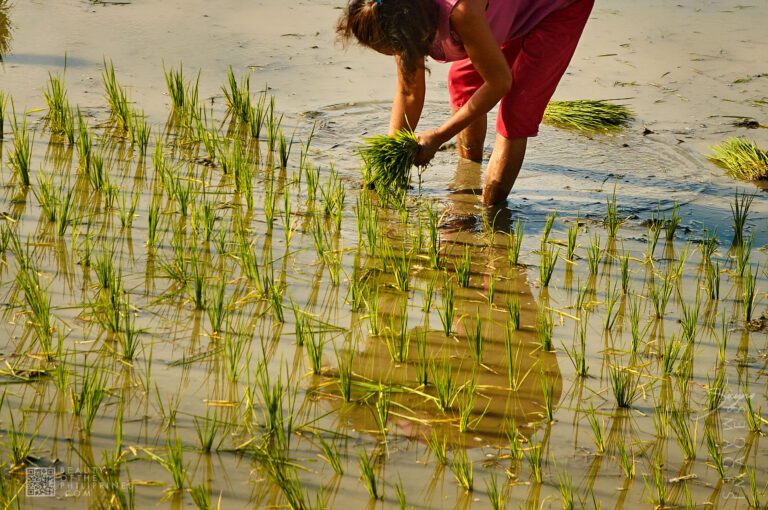
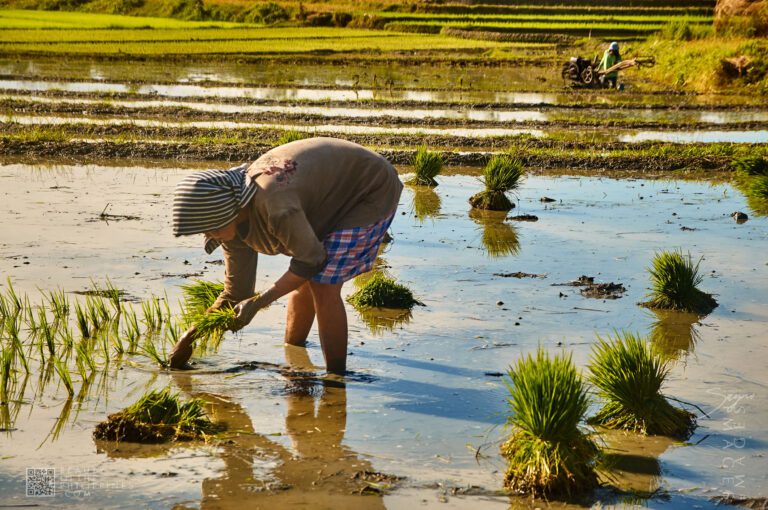
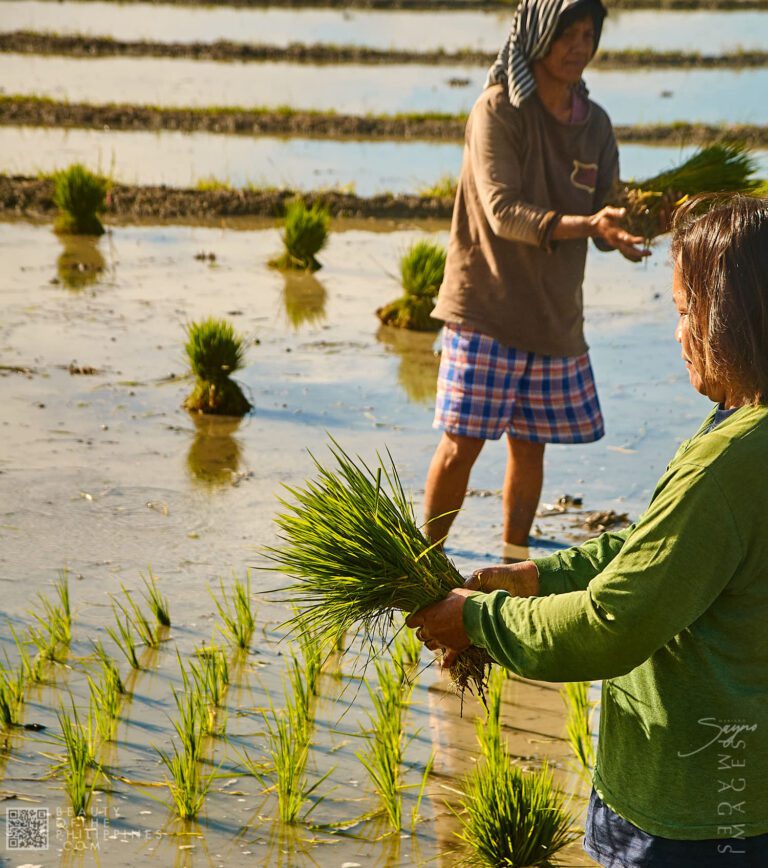
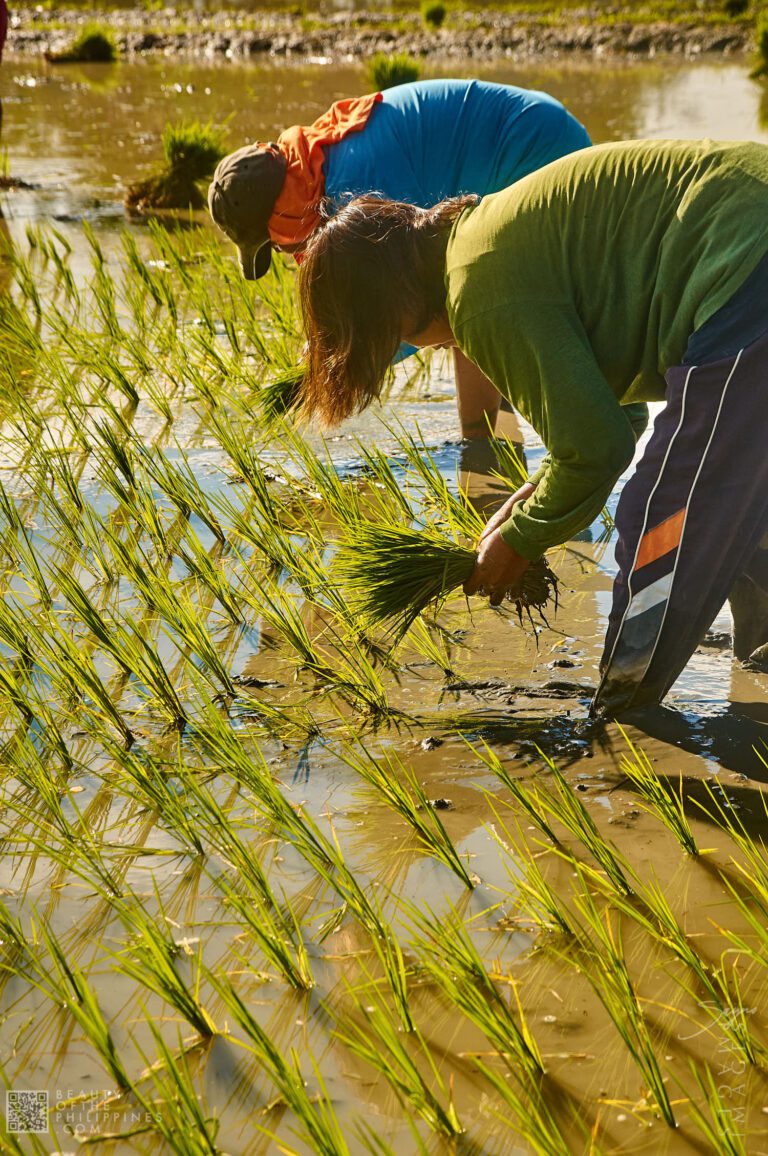
Rice tourism should never stop at scenery. The deeper value lies in understanding the work behind each harvest. Farms in Tarlac have the potential to welcome visitors into hands-on planting sessions where boots sink into mud and seedlings are transplanted by hand. Seasonal guests could also witness cutting stalks, threshing demonstrations, grain drying, and hauling sacks after harvest.


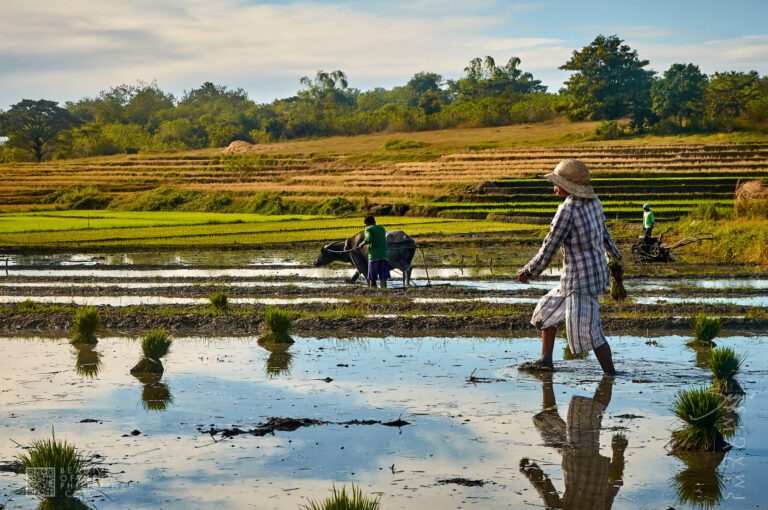
Traditional farming methods using carabaos still carry cultural appeal, while modern operations featuring tractors, seeders, irrigation systems, dryers, and rice mills tell the story of how farming continues to evolve.


These experiences turn a simple field into a living classroom.

Through the Lens: Why Tarlac Photographs Beautifully

For photographers, Tarlac offers something increasingly rare—clean horizons and uncluttered compositions. Sunrise mist over flooded paddies creates mirror reflections. Golden-hour light during harvest can make even an ordinary roadside field look cinematic.


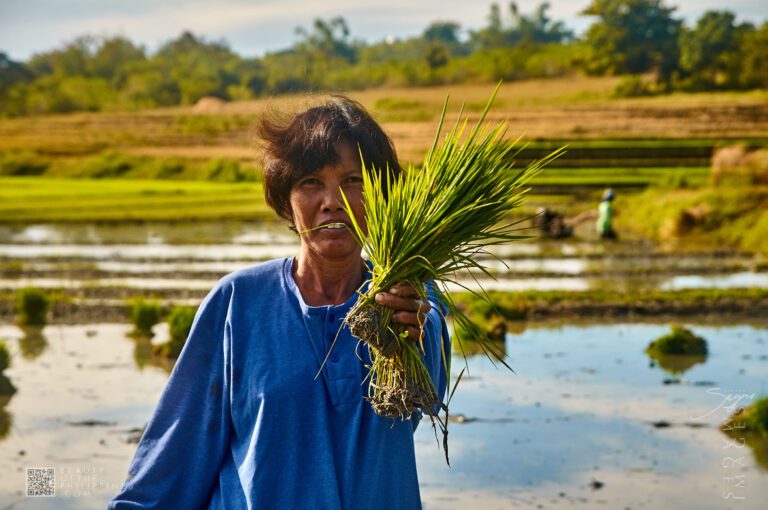
Then there are the human moments: farmers repairing dikes, lifting sacks, planting rows by hand, pausing under hats during noon heat. These scenes carry weight because they are real and unperformed. During monsoon months, dramatic skies rolling over open plains can transform the landscape into something almost theatrical.


The province’s openness gives the sky room to participate in every frame.

Rice Beyond the Field

Agricultural travel becomes richer when it reaches the table. In Tarlac, rice-centered tourism could naturally include farm lunches built around fresh vegetables, local poultry, grilled fish, and heirloom family recipes. Traditional delicacies such as bibingka, suman, puto, and biko would fit easily into workshop-style visitor experiences.


Even the process itself has appeal: from palay to milling, from milling to cooking, from cooking to tasting. That journey connects visitors to food in a direct and memorable way.

Momentum Already Taking Shape

The province is not beginning from zero. Barangay Dolores in Capas has been recognized as an emerging agri-tourism area where farms offer tours, healthy dining, produce sales, accommodations, and educational activities. Flower farms in the province have also attracted attention, proving that travelers are willing to drive to Tarlac for visually rewarding rural experiences.


That matters because it shows existing demand. Rice tourism would be building on momentum already present.

Places With Strong Potential

Several municipalities stand out for future rice-focused travel experiences. Victoria carries a strong farming identity. Pura offers large agricultural lands and a traditional rural atmosphere. Gerona combines productive farmlands with easier access. Ramos presents scenic countryside settings. Capas benefits from tourism traffic linked to Mt. Pinatubo and the New Clark corridor. Even the outskirts of Tarlac City could host short farm visits for urban travelers.


Each area offers a slightly different version of the same countryside story.

RELATED STORIES

Capas Train Station: Kilometre 106 of Memory

The Capas Train Station is located in Barangay Sto. Domingo II, Capas, Tarlac, and was once part of the historic Manila–Dagupan railway line operated by


Read More »

Philippine International Hot Air Balloon Fiesta: Rekindling the Magic of Flight

The Philippine International Hot Air Balloon Fiesta in New Clark City offered a spectacular showcase of aviation prowess and cultural celebration, leaving attendees captivated by

Read More »
What Still Holds It Back

Awareness remains one of the biggest obstacles. Many travelers simply do not know what Tarlac offers beyond highways and transit stops. Other barriers include limited branding, uneven visitor facilities, seasonal weather risks, lack of packaged tours, and stronger competition from provinces already known for tourism.


Still, these are solvable issues. What the province already possesses—authentic farming landscapes and real agricultural identity—cannot be manufactured elsewhere.

A Future Rooted in the Land

The rice lands of Tarlac hold more than crops. They hold opportunities for farmers to diversify income, for rural communities to create jobs, for younger generations to remain engaged in agriculture, and for visitors to understand where daily food truly begins.


Some destinations build attractions from scratch. Tarlac already has one. It is written in soil, water, weather, and the steady rhythm of planting and harvest. Those who slow down long enough to see it often leave with a deeper appreciation of the Philippine countryside.

I’m looking forward to the stories and images leaving a lasting positive impression on you, just as they have on me. Stay connected with us on social media for a weekly exploration of travel assignments and breathtaking visuals. Our focus is on championing local tourism, showcasing small businesses, and honoring the magnificence of the Philippines through the content we curate. Join us in spreading the word by clicking the ‘share’ buttons below. Your support means the world to us.

BROWSE BY REGION
  • metro MANILA
  • abra
  • albay
  • baguio city
  • BATAAN
  • batangas
  • Benguet
  • bulacan
  • cagayan
  • cavite
  • cebu
  • cotabato
  • davao oriental
  • Guimaras
  • ilocos norte
  • ilocos sur
  • Iloilo
  • Isabela
  • laguna
  • lanao del norte
  • maguindanao
  • negros occidental
  • nueva vizcaya
  • palawan
  • Pampanga
  • pangasinan
  • QUEZON
  • rizal
  • Samar
  • sarangani
  • sorsogon
  • Tarlac
  • zambales
  • zamboanga city

EXPLORE MORE about

  • Tarlac

Capas Train Station: Kilometre 106 of Memory

The Capas Train Station is located in Barangay Sto. Domingo II, Capas, Tarlac, and was once part of the historic Manila–Dagupan railway line operated by
Read More »

Philippine International Hot Air Balloon Fiesta: Rekindling the Magic of Flight

The Philippine International Hot Air Balloon Fiesta in New Clark City offered a spectacular showcase of aviation prowess and cultural celebration, leaving attendees captivated by
Read More »

BROWSE BY CATEGORIES

LOCATIONS
PROVINCES

Abra

Albay

Baguio City

Bataan

Batangas

Benguet

Bulacan

Cagayan

Cavite

Cebu

Cotabato

Davao Oriental

Guimaras

Ilocos Norte

Ilocos Sur

Iloilo

Isabela

Laguna

Lanao del Norte

Maguindanao

Manila

Negros Occidental

Nueva Vizcaya

Palawan

Pampanga

Pangasinan

Quezon

Rizal

Samar

Sarangani

Sorsogon

Tarlac

Zambales

Zamboanga City

ARCHITECTURE
HERITAGE

Bonifacio Monument Tutuban

Burdang Lumban Festival

Cagsawa Festival

Capones Lighthouse

Casa Manila

Christ the King Seminary

Corregidor Island Dark Tour Experience

Corregidor Island Reopens

Corregidor Island

Cultural Center of the Philippines

Fantasy World

Gabriela Silang Memorial Shrine

Gomburza National Monument

Hondagua

Iloilo Customs House

Intramuros

Jones Bridge

Jones Bridge

Kartilya ng Katipunan

La Loma Cemetery

LOAD MORE

CHURCHES
FAITH

Bacolor Church

Baguio Cathedral

Barasoain Church

Binondo Church

Calaca Church

Calumpit Church

Chong Hock Tong Temple

Feast of Black Nazarene

Greenbelt Chapel

Guadalupe Chapel Intramuros

Guadalupe Ruins Makati

La Naval de Manila

Las Piñas Bamboo Organ

Las Piñas Church

Lingayen Cathedral

Lubenas Festival

Lucban Church

Malate Church

Manila Abbey

Manila Cathedral

LOAD MORE

NATURAL & MAN-MADE
ATTRACTIONS

A&J Cafe

Alligator Lake

Amare La Cucina Baguio

Ambuklao Dam

Antipolo Cathedral

Apurawan Beach

Atimonan Port

Avilon Zoo

Azalea Hotels & Residences Baguio

Bagac Beach

Baguio Media Newseum

Balai Isabel

Balayan Bay

Baluarte de San Diego

Betis Church

Binondo Chinatown

Bustos Dam

Café Khawa

Callao Cave

Camara Island

LOAD MORE

FESTIVALS &
EVENTS

Al Cinco de Noviembre Festival

Ana Kalang Festival

Antipolo Maytime Festival

Balacat Festival

Balitok Ti Alicia Festival

Bañamos Festival

Bato Art Festival

Bato Art Festival

Boling-Boling Festival

Buhayani Festival

Burdang Lumban Festival

Candle Festival

Dinagyang Festival

Feast of Santo Niño

Gilingan Festival

Halamanan Festival

Hambujan Festival

Iloilo Dinagyang Festival

Inaul Festival

Itik Festival

LOAD MORE
Facebook Twitter Instagram Envelope

All photographs that appear on the site are copyright of Mariano Sayno ©2022 Beauty of the philippines

All photographs that appear on the site are copyright of Mariano Sayno ©2022 Beauty of the philippines.com

Beauty of the philipipnes LOGO WHITE

BROWSE BY PROVINCE

Abra

Albay

Baguio City

Bataan

Batangas

Benguet

Bulacan

Cagayan

corregidor-island

Cavite

Cebu

Cotabato

Davao Oriental

Manggahan aFestival of Guimaras

Guimaras

Ilocos Norte

Ilocos Sur

dinagyang aliwan friesta husayno mariano sayno

Iloilo

Isabela

Laguna

Lanao del Norte

Maguindanao

Manila Bay by Mariano Sayno

Manila

Negros Occidental

Magat River Dupax Del Norte

Nueva Vizcaya

Palawan

Pampanga

Lingayen Cathedral

Pangasinan

Quezon

Rizal

Samar

Sarangani

Sorsogon

Tarlac

Zambales

Zamboanga City

Tarlac City, Tarlac, Philippines