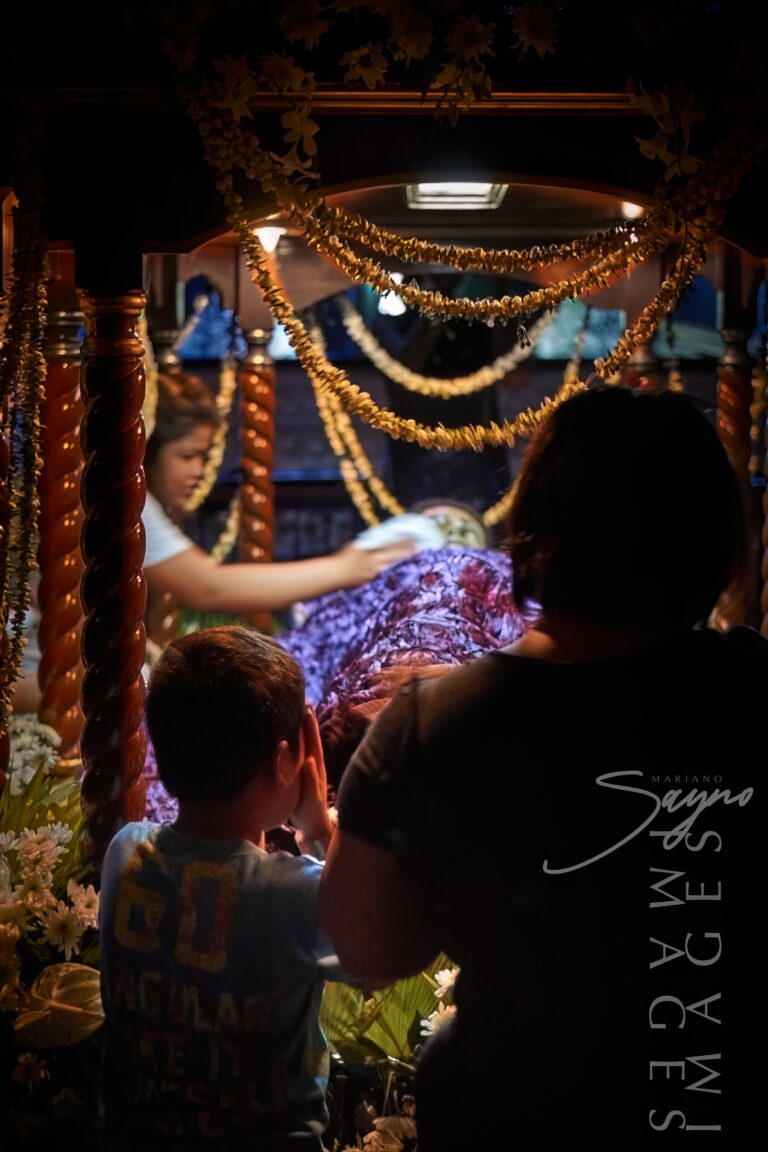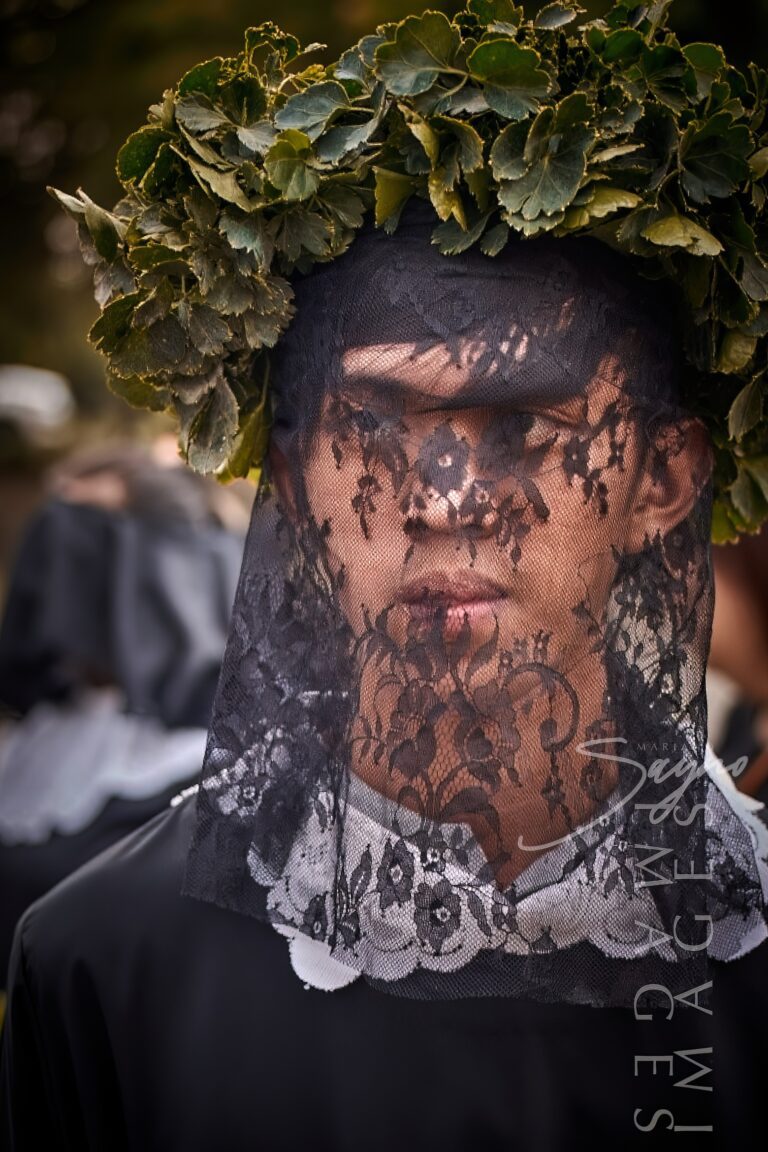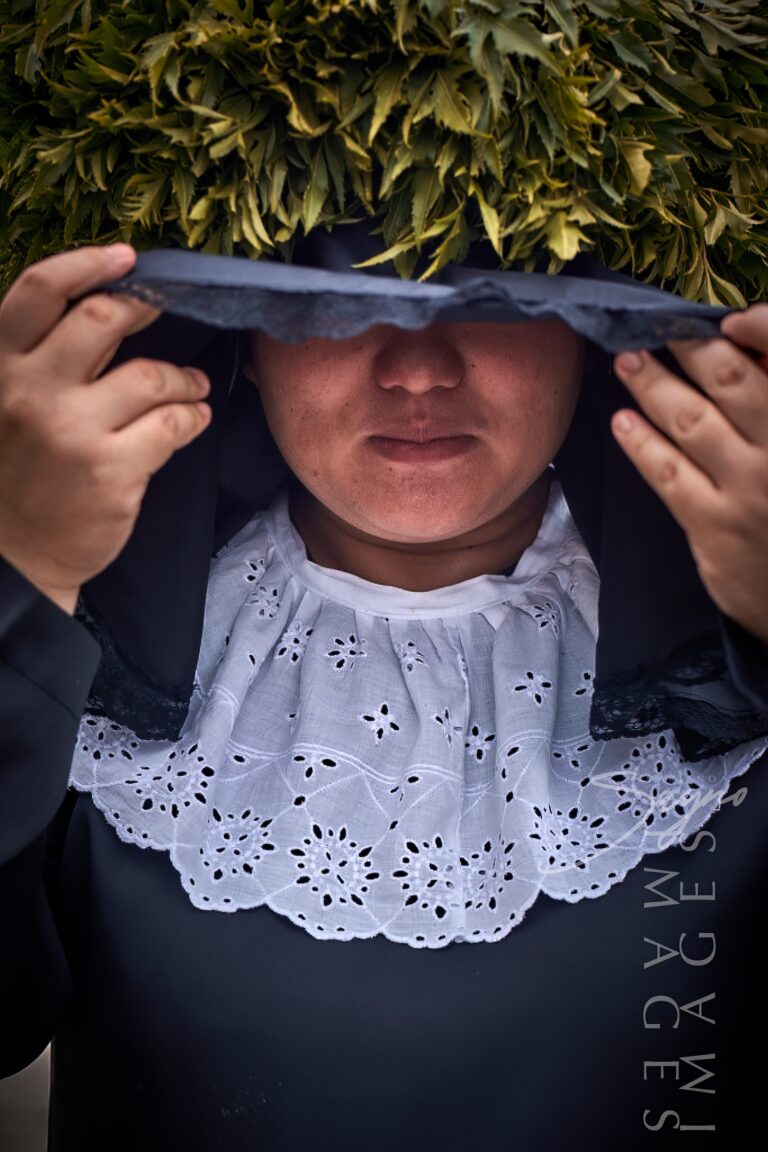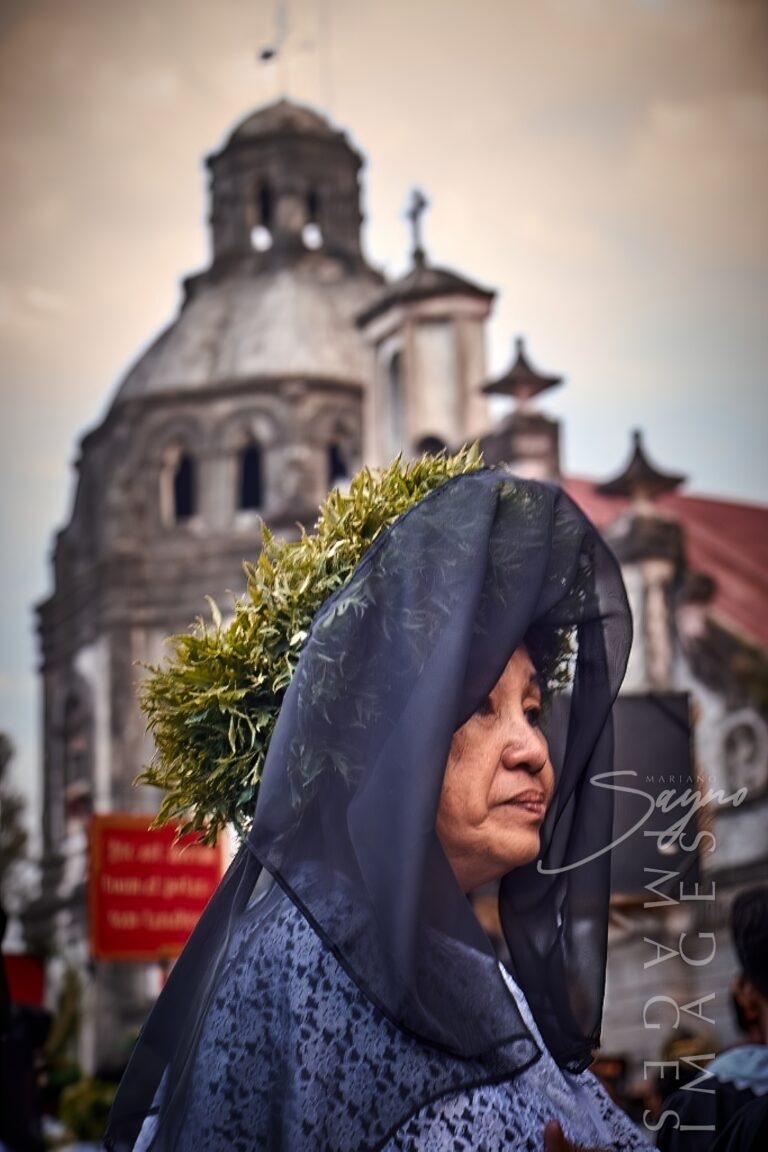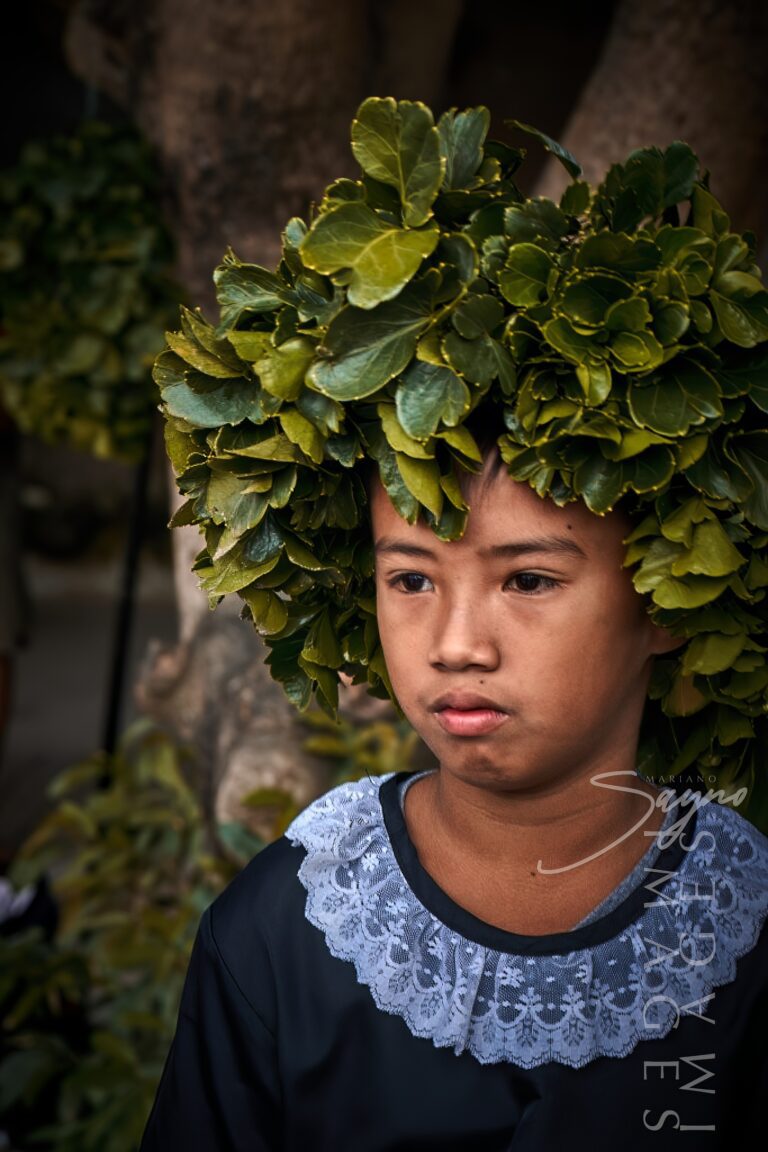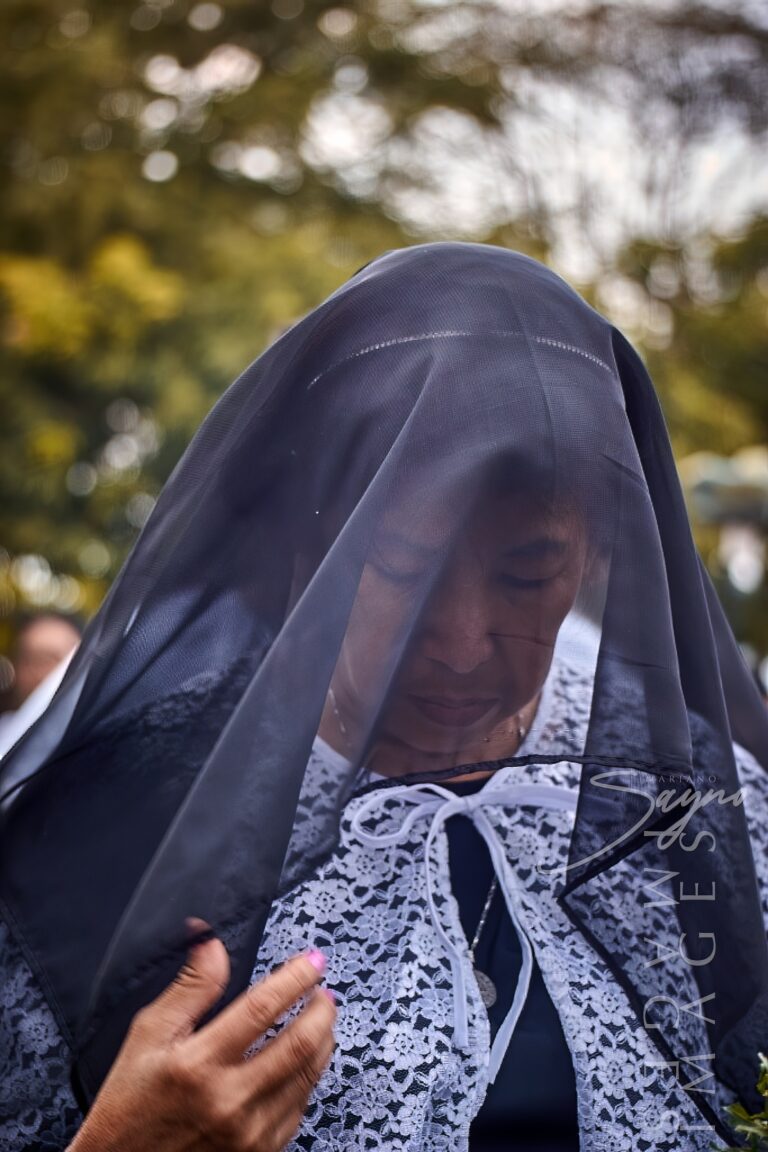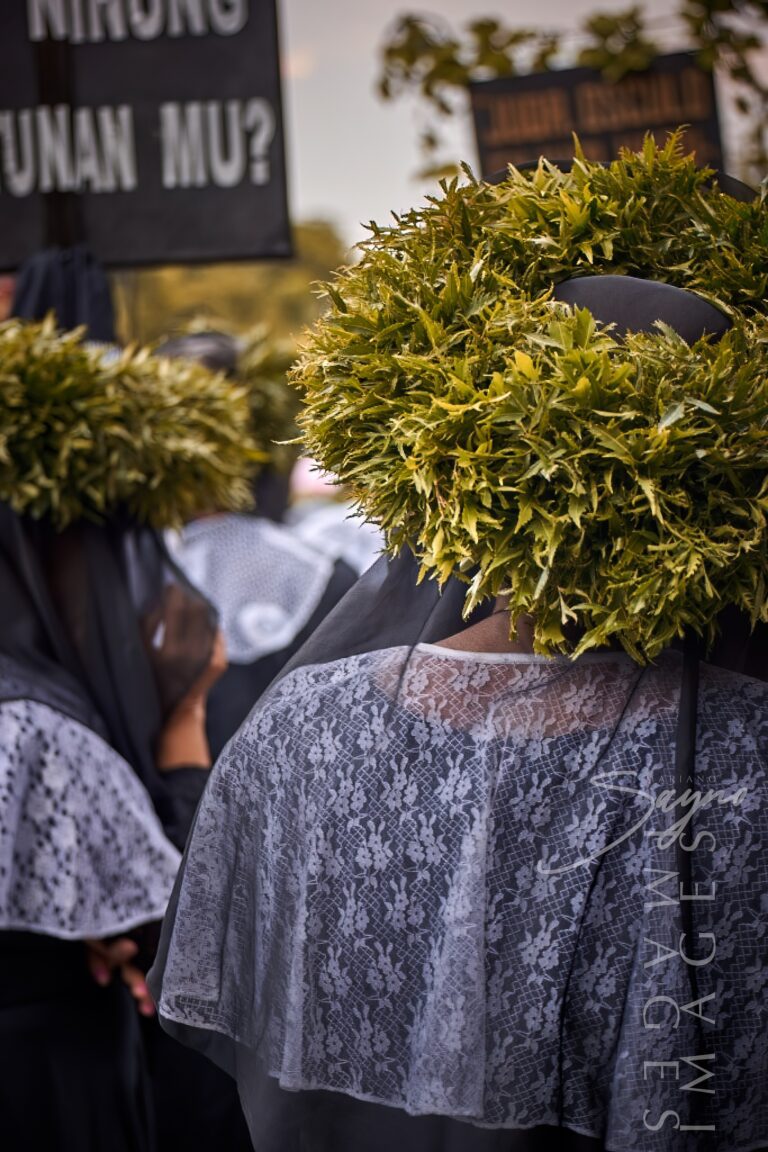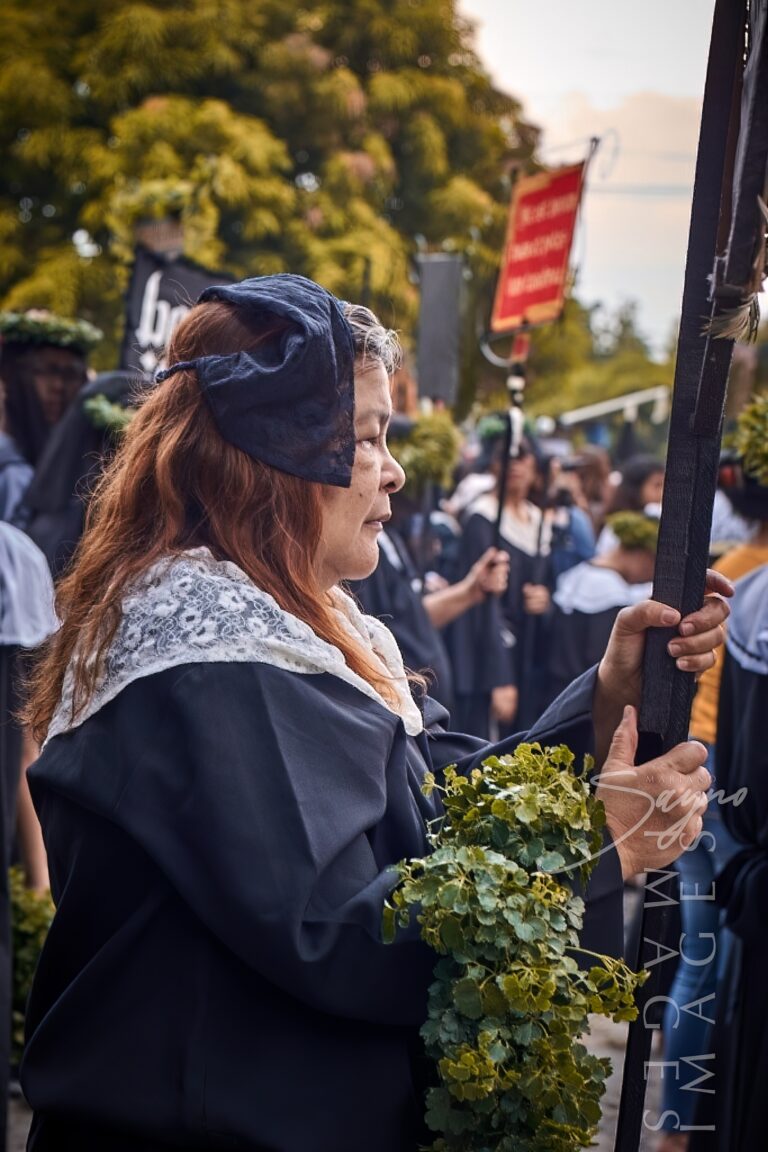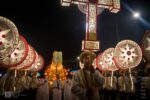
ABOVE: A religious ceremony with a statue draped in a purple cloth, tended by devotees amid floral decorations.

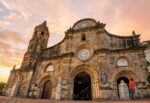
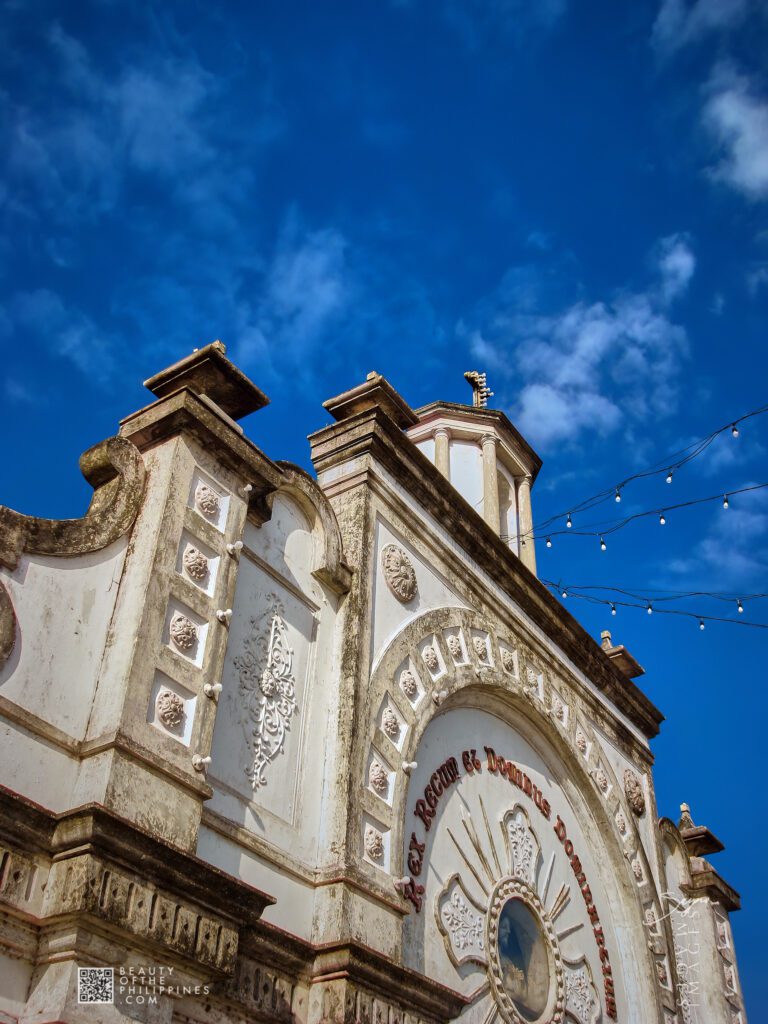
In the heart of Bacolor, Pampanga, stands San Guillermo Parish Church, a structure that has witnessed centuries of devotion, disaster, and determination. Known today simply as Bacolor Church, it continues to function not just as a place of worship but as a marker of how a community chooses to endure.
Founded in 1576 by Augustinian friars, the church was built on land owned by Don Guillermo Manabat, a prominent figure credited with the founding of Bacolor itself. Even the name of the church is intertwined with the town’s origins, grounding faith and place into a shared identity that has lasted generations.
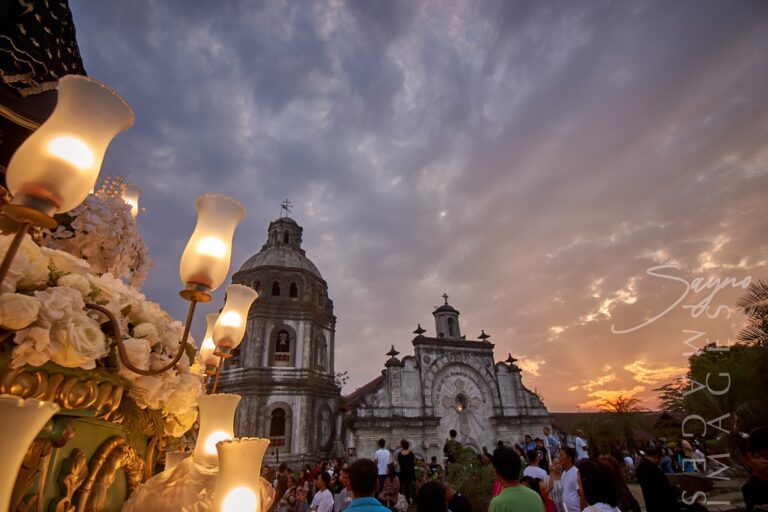
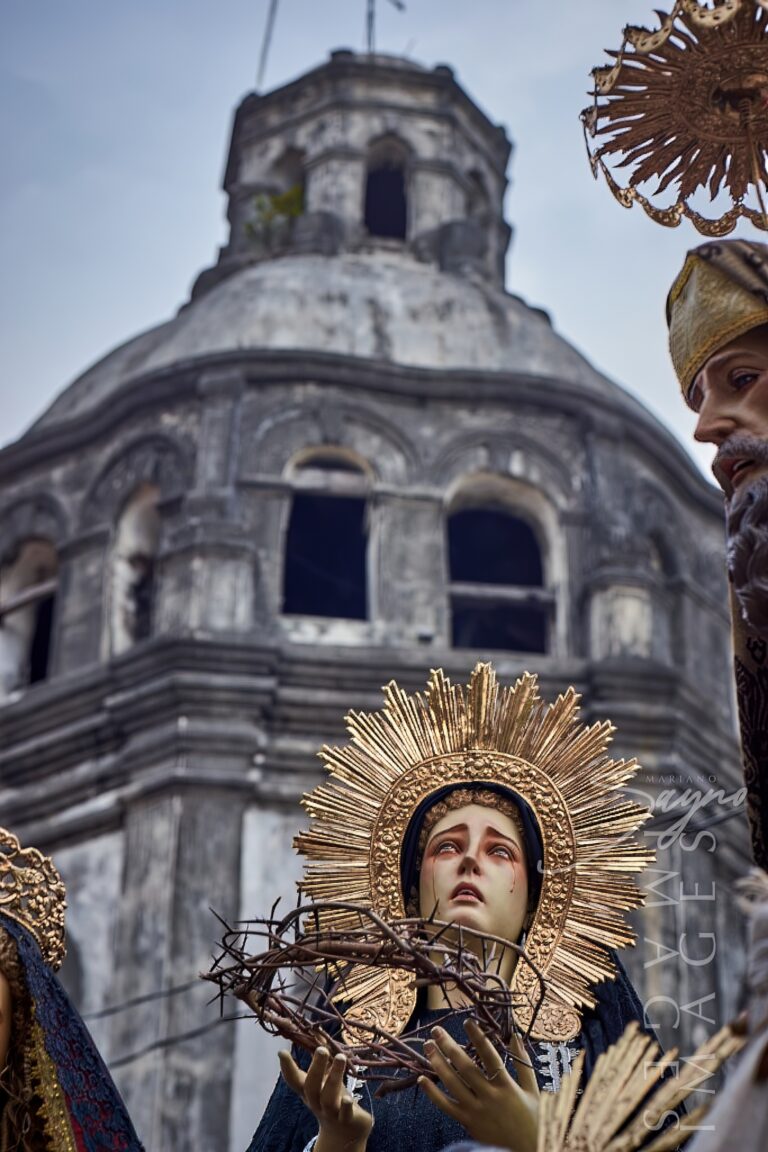
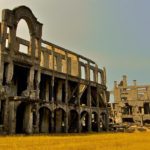
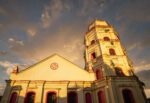
ABOVE: San Guillermo Parish Church in Bacolor, Pampanga, where crowds gather beside a glowing carroza in front of the lahar-buried stone church.
Long before volcanic ash reshaped the town, the church had already endured hardship. An earthquake in 1880 nearly destroyed the structure, forcing the community to confront the fragility of what they had built. Instead of abandoning it, reconstruction followed in 1886, reinforcing both the physical church and the resolve of its parishioners.
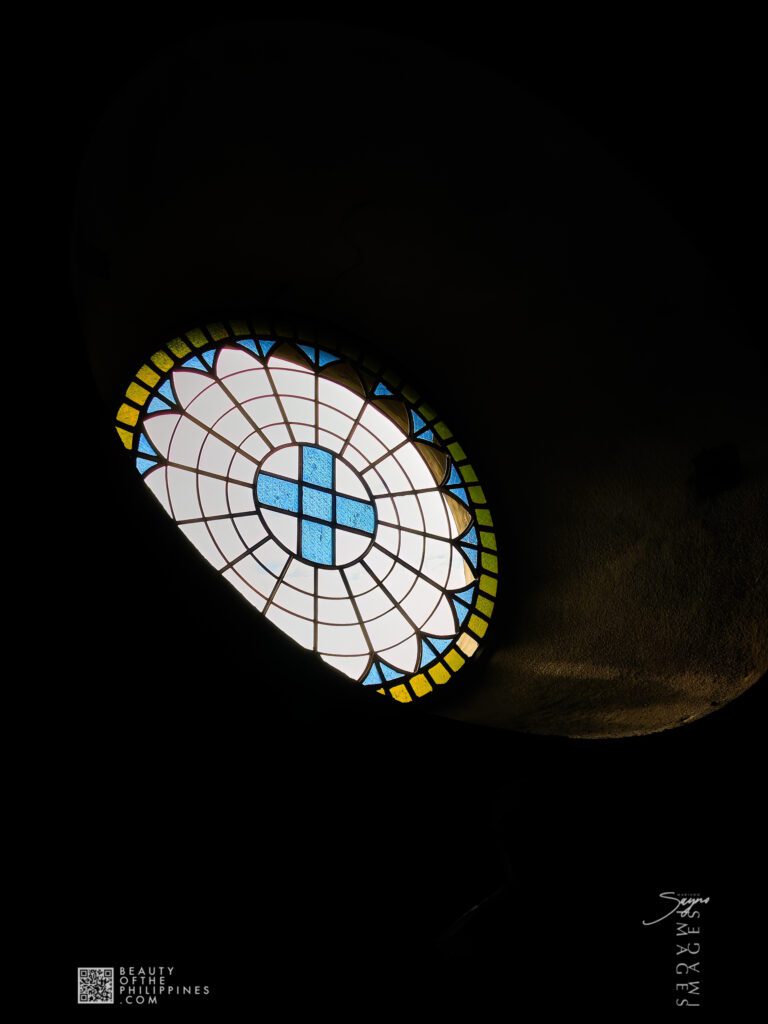
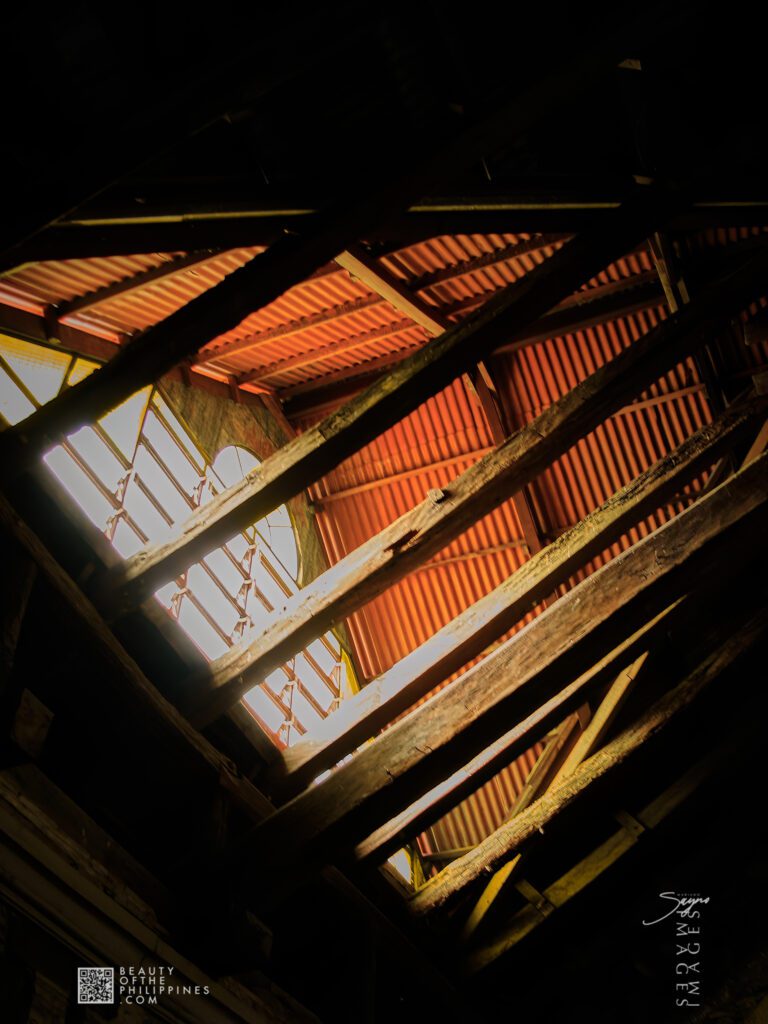
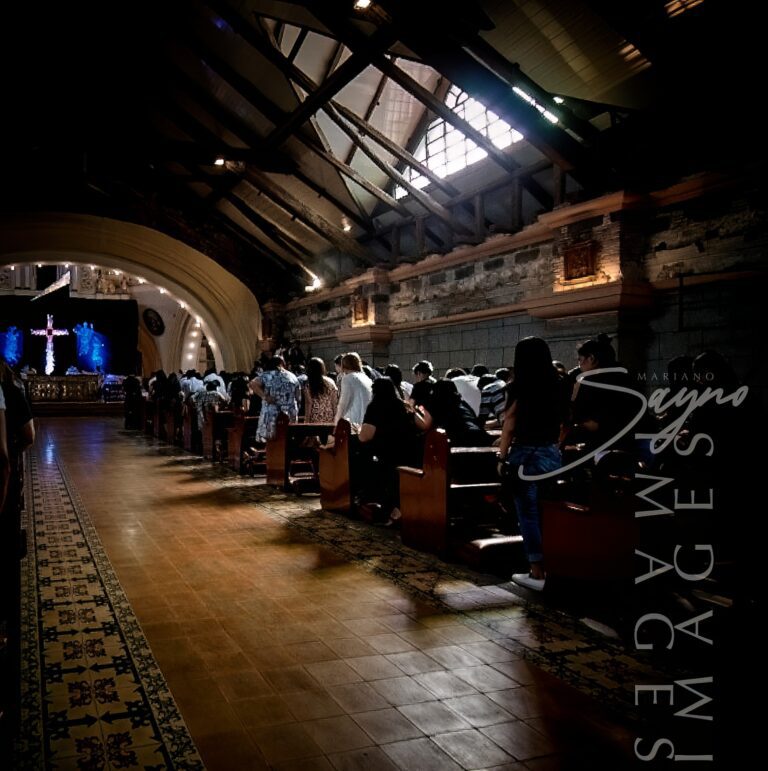
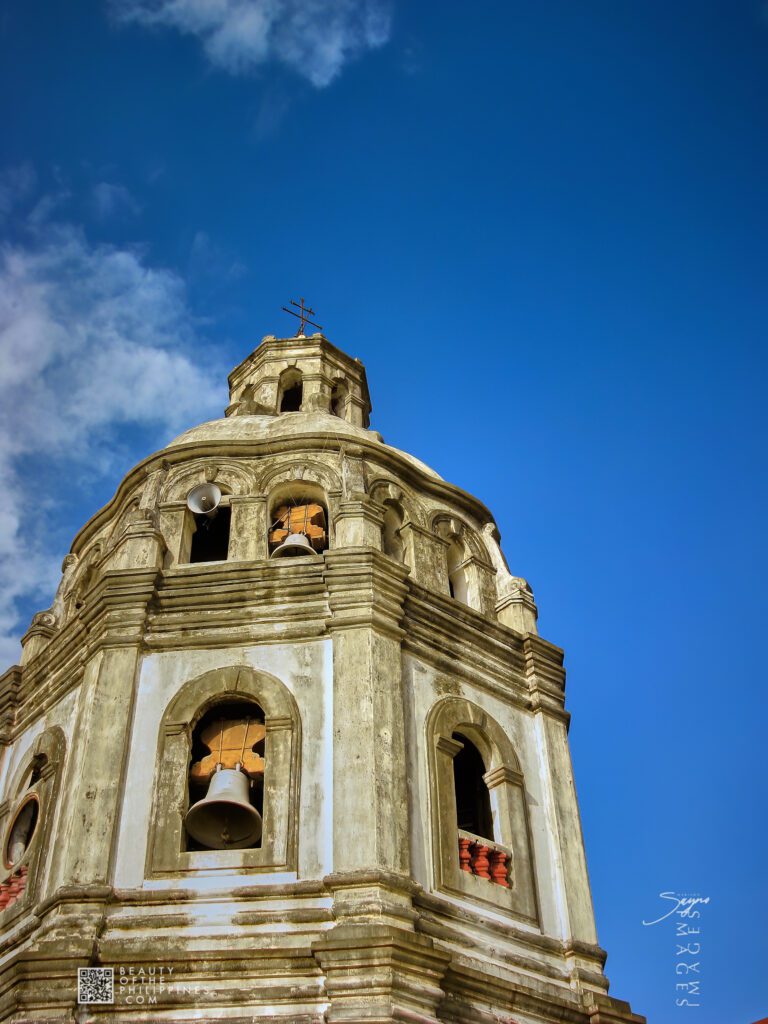
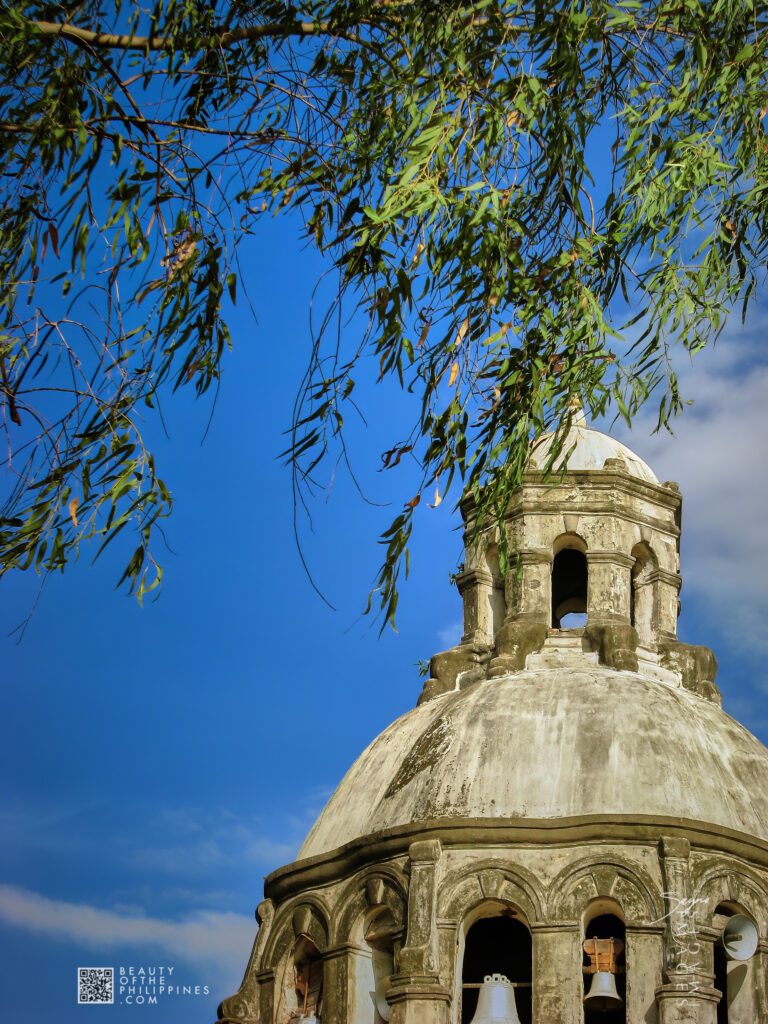
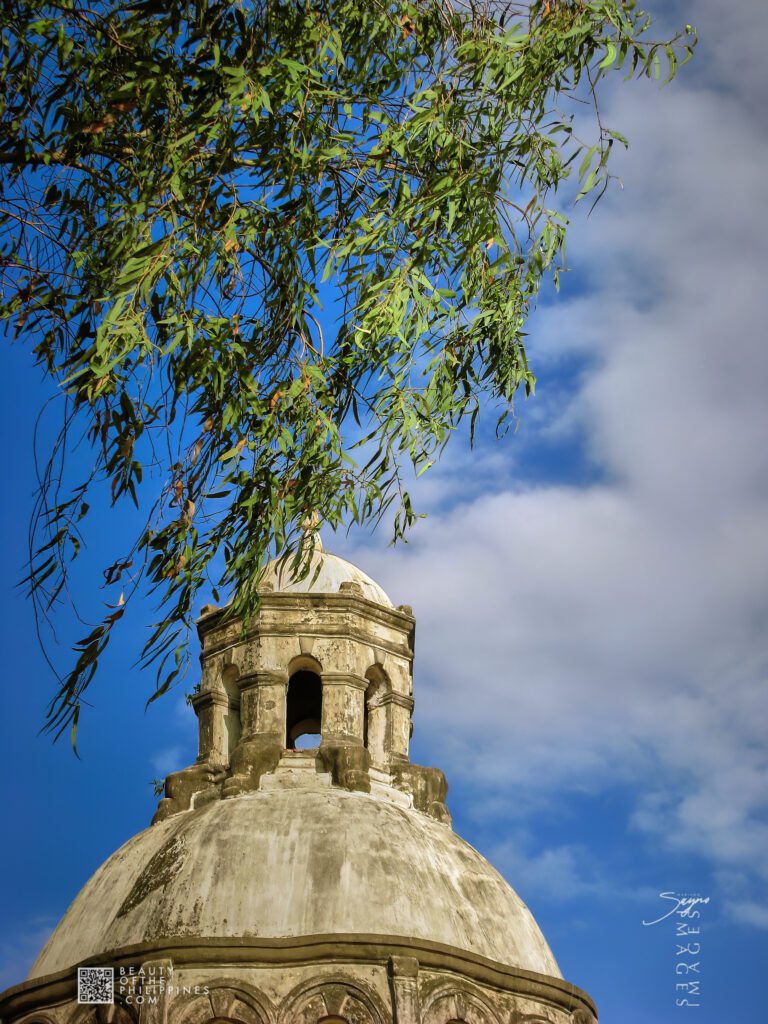
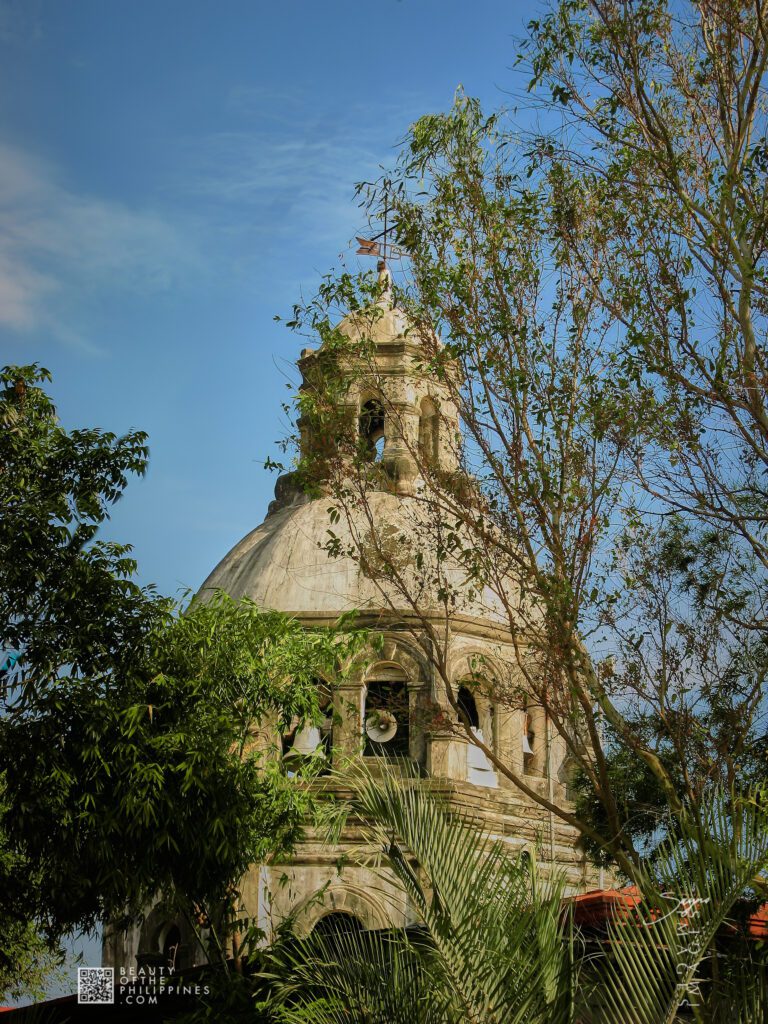
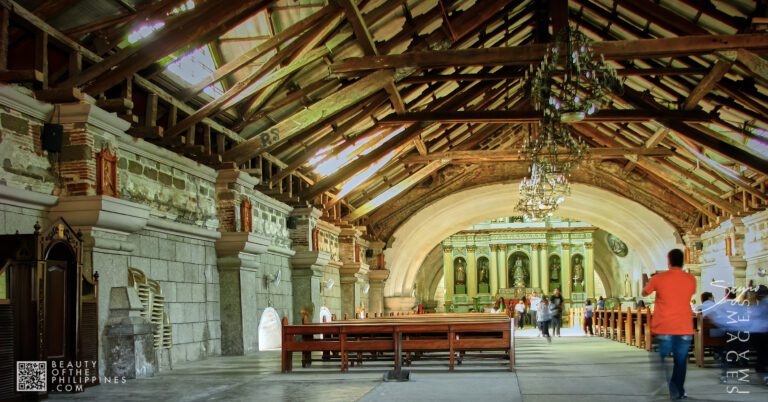
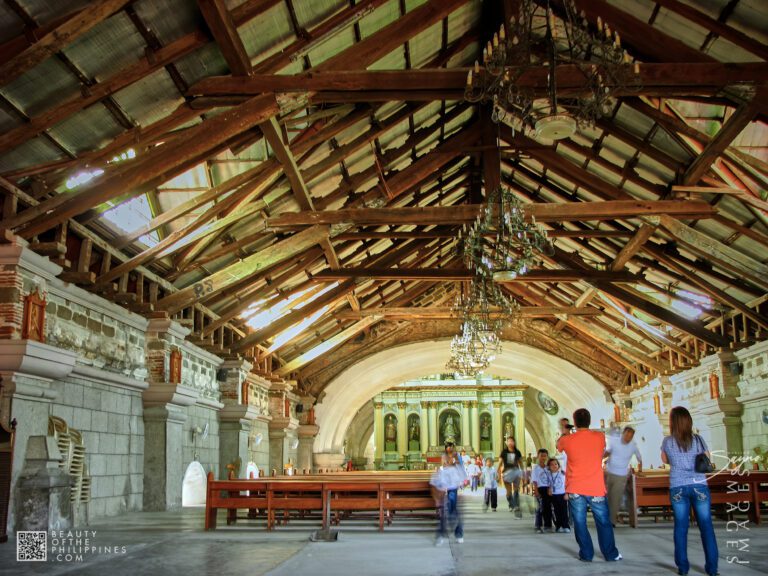
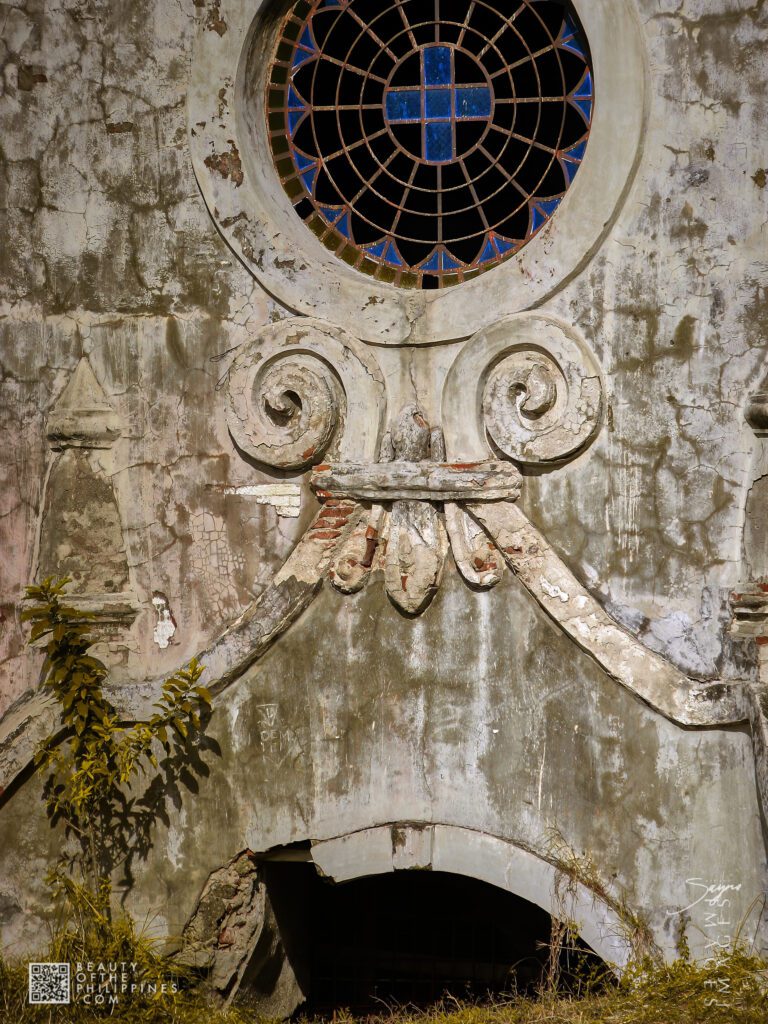
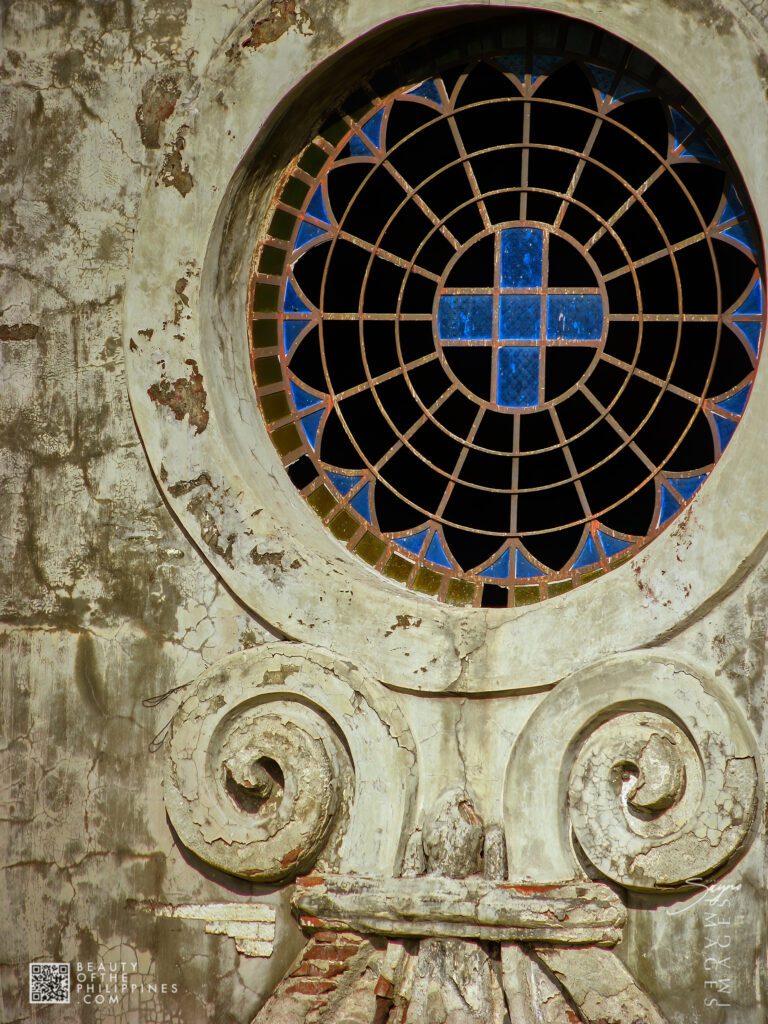
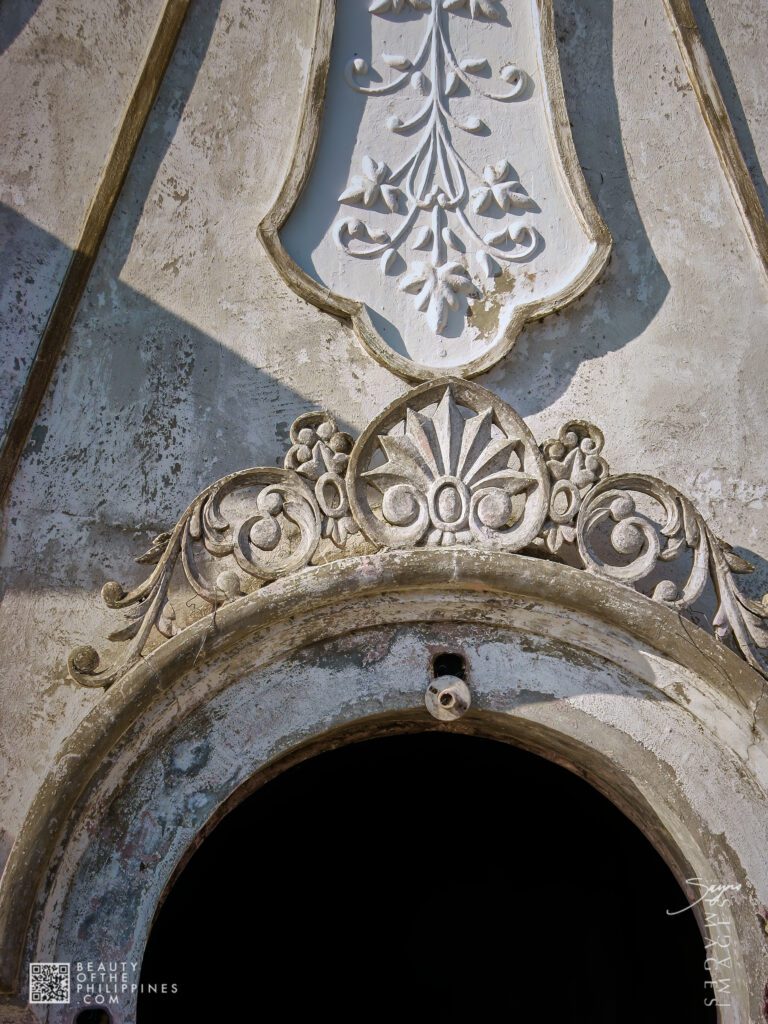
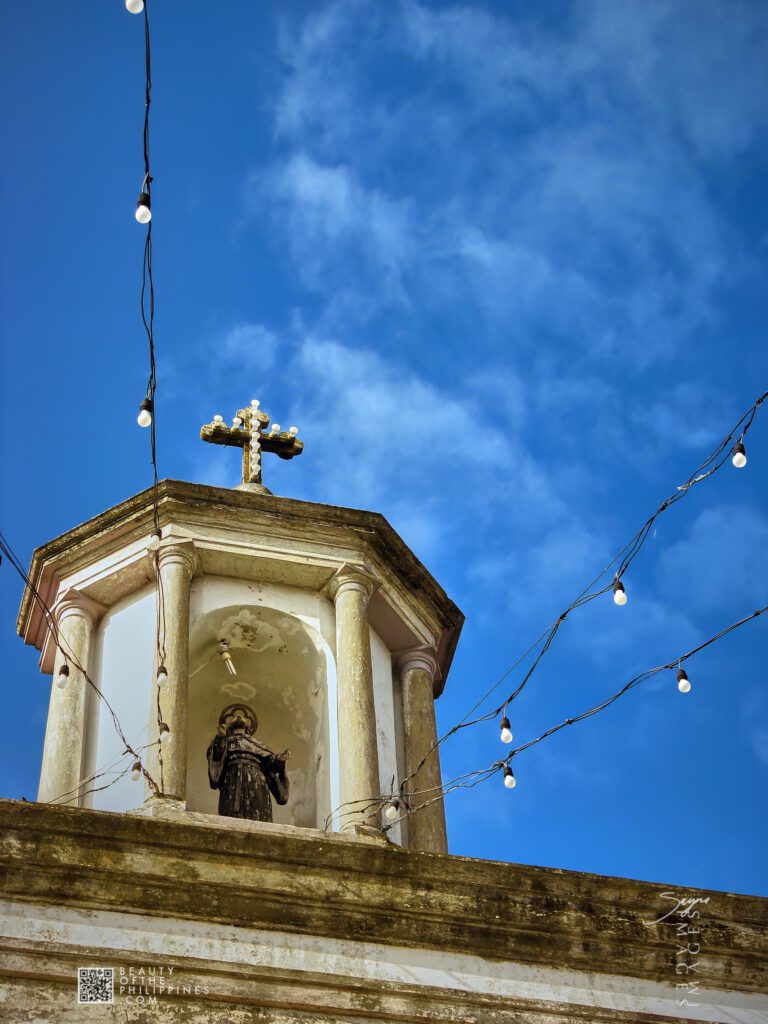
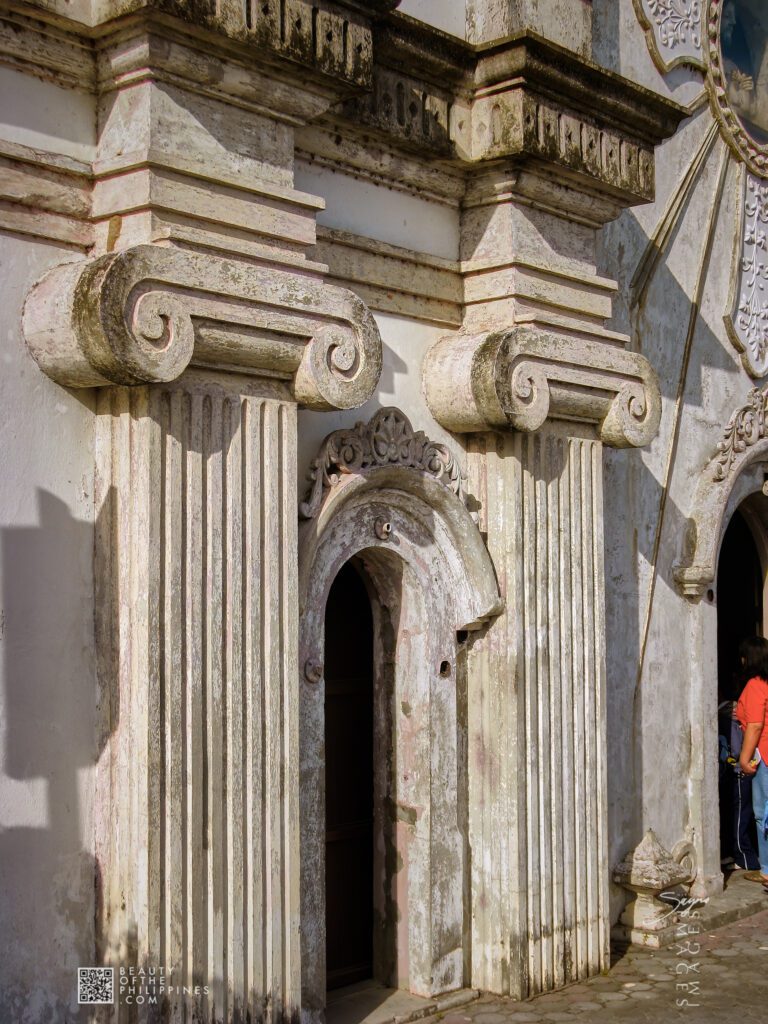
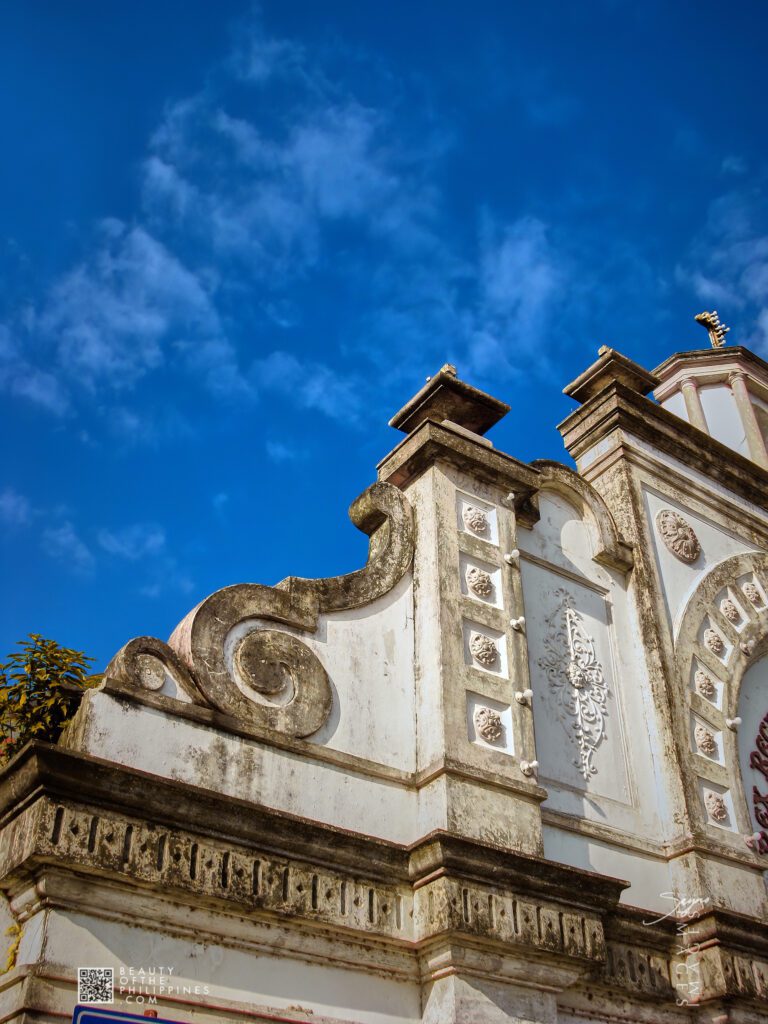
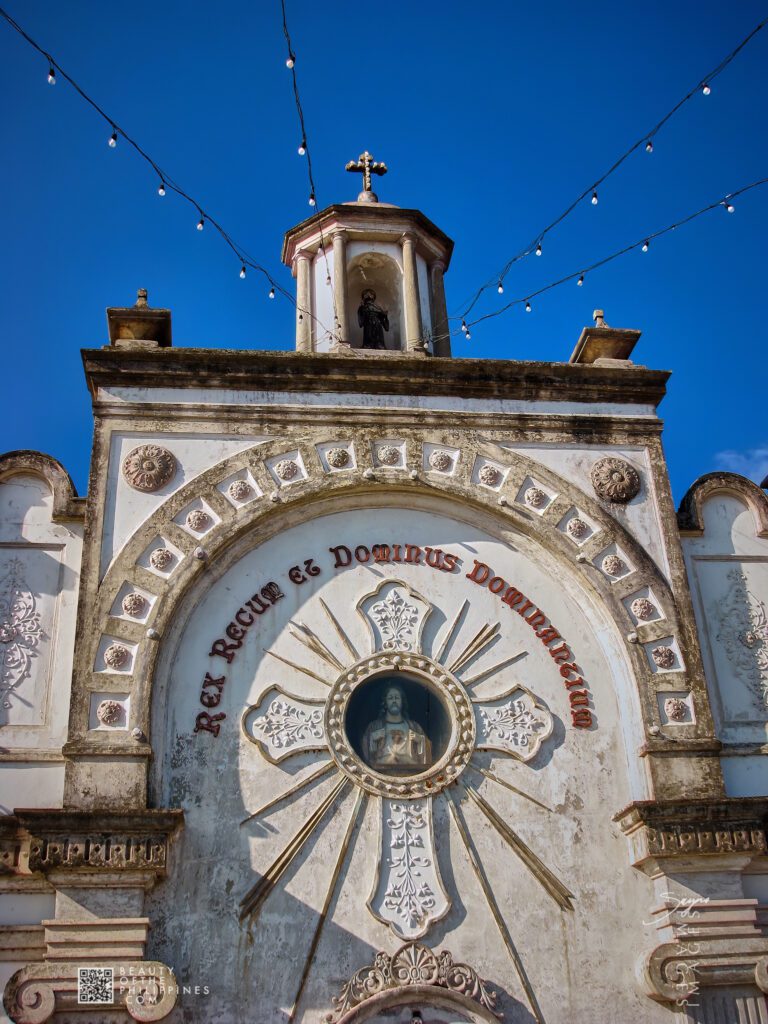
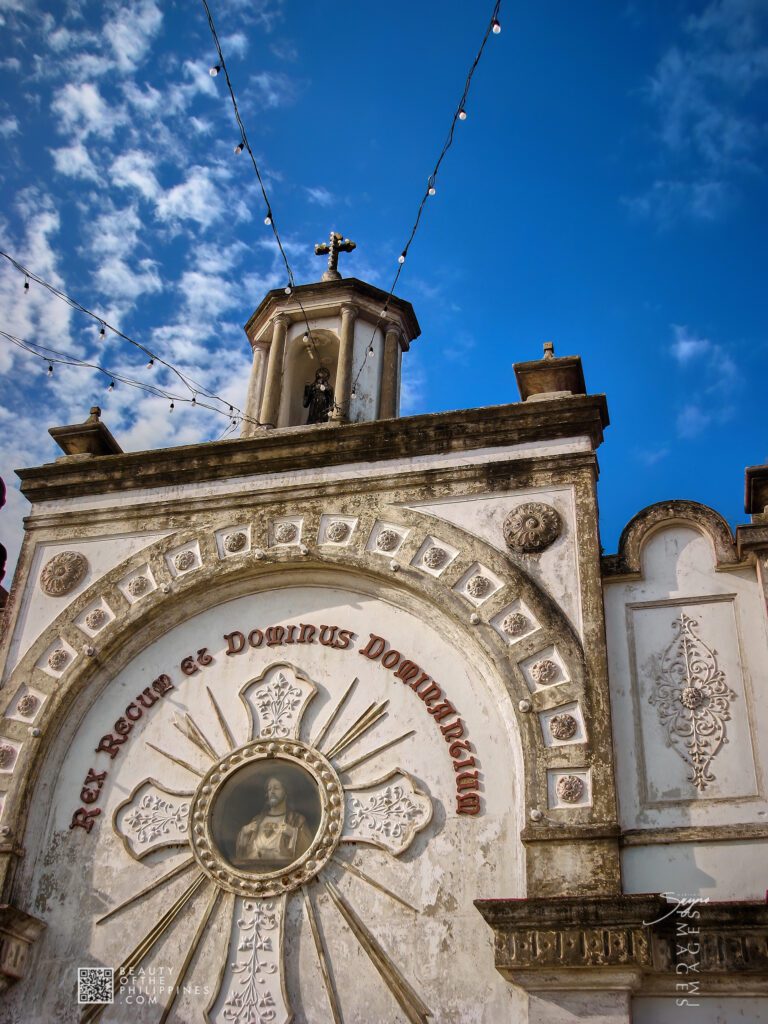
Architecturally, the church emerged as a strong example of Baroque-Rococo influence in the Philippines. Its layout featured a central nave and transept designed to draw light inward, illuminating richly decorated interiors that reflected Pampanga’s reputation for advanced craftsmanship during the Spanish colonial period.
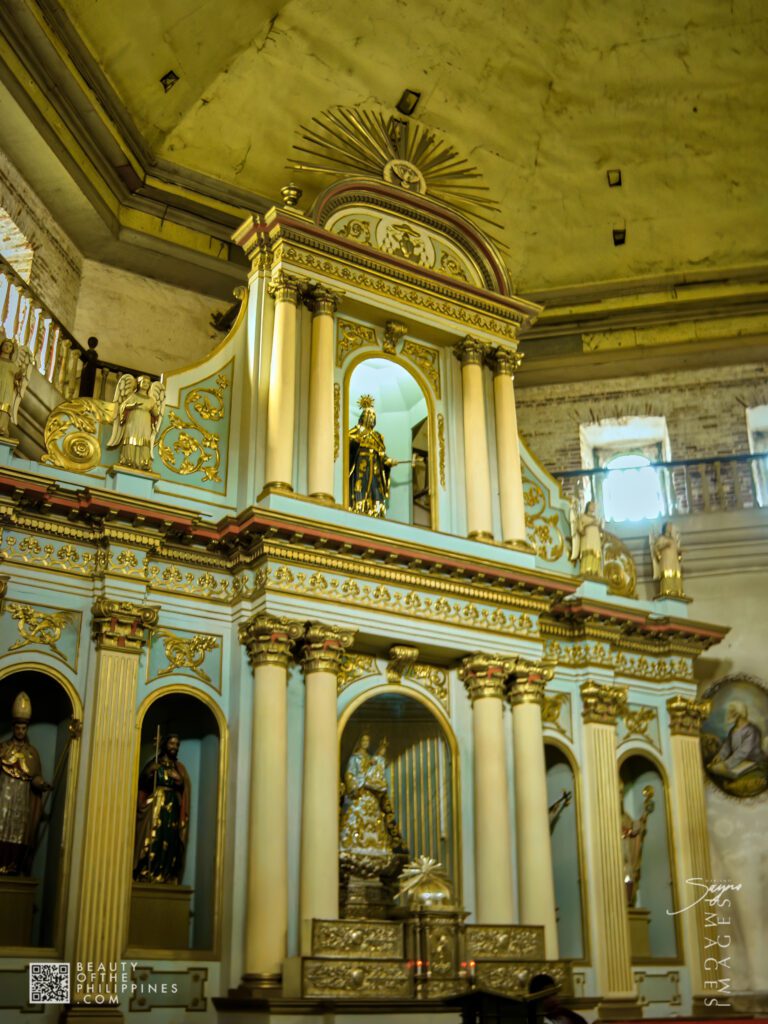
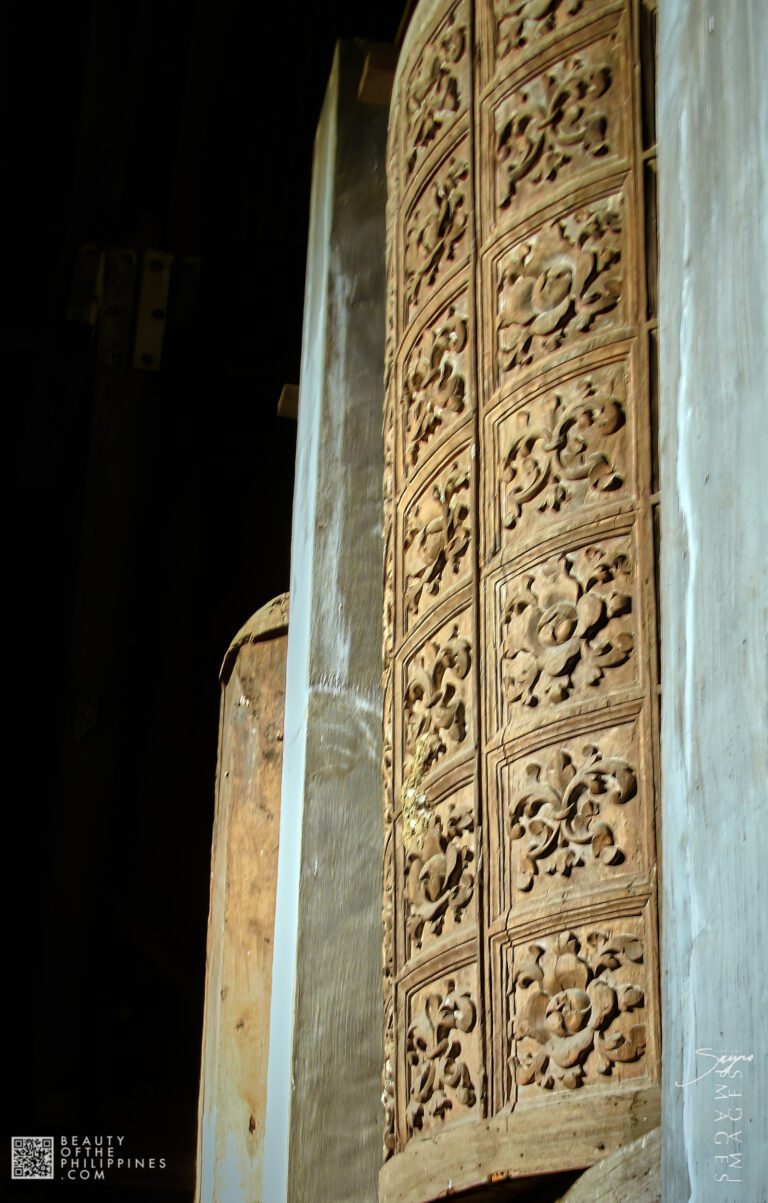
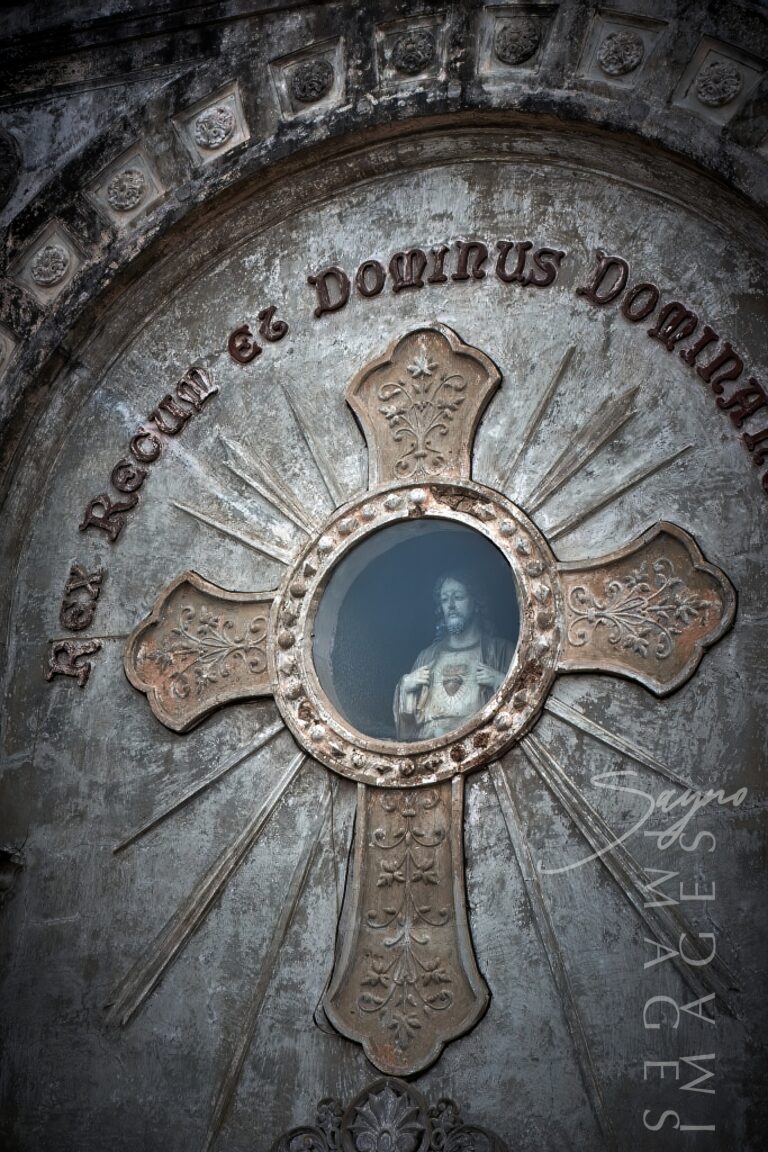
Inside, the church revealed its true artistry. The retablos, pulpit, and altarpieces were lavishly gilded with gold leaf, creating a visual contrast between solemn devotion and artistic celebration. These details weren’t decorative excess — they were expressions of faith translated through skilled local hands.
Even today, many of these elements survive, preserved and repositioned, offering visitors a rare glimpse into the depth of ecclesiastical art that once flourished far beyond major colonial capitals.
The defining moment in the church’s story arrived not through war or neglect, but through nature. The 1991 eruption of Mount Pinatubo altered Central Luzon forever. In Bacolor, the aftermath came in the form of relentless lahar — volcanic mudflows that slowly advanced into the town over several years.
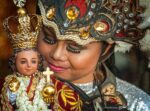
ABOVE: A religious ceremony with a statue draped in a purple cloth, tended by devotees amid floral decorations.

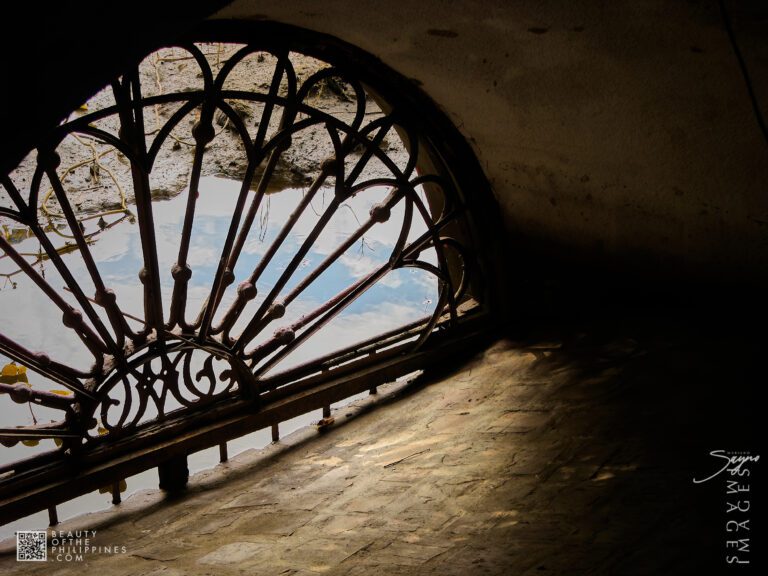
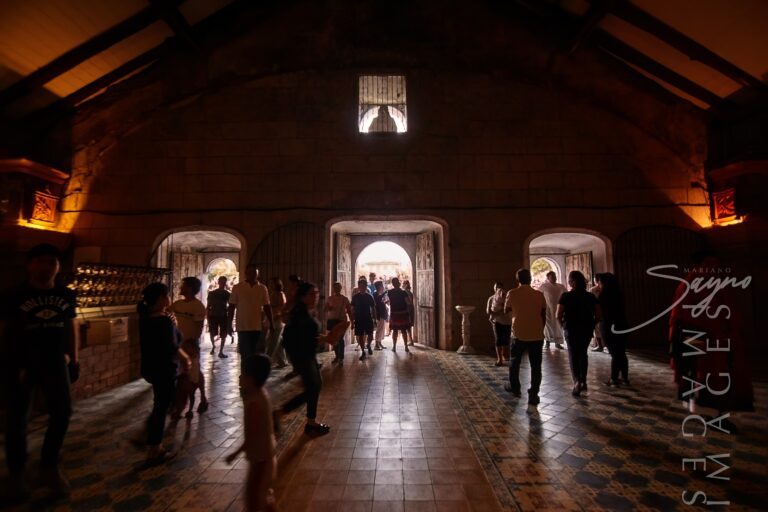
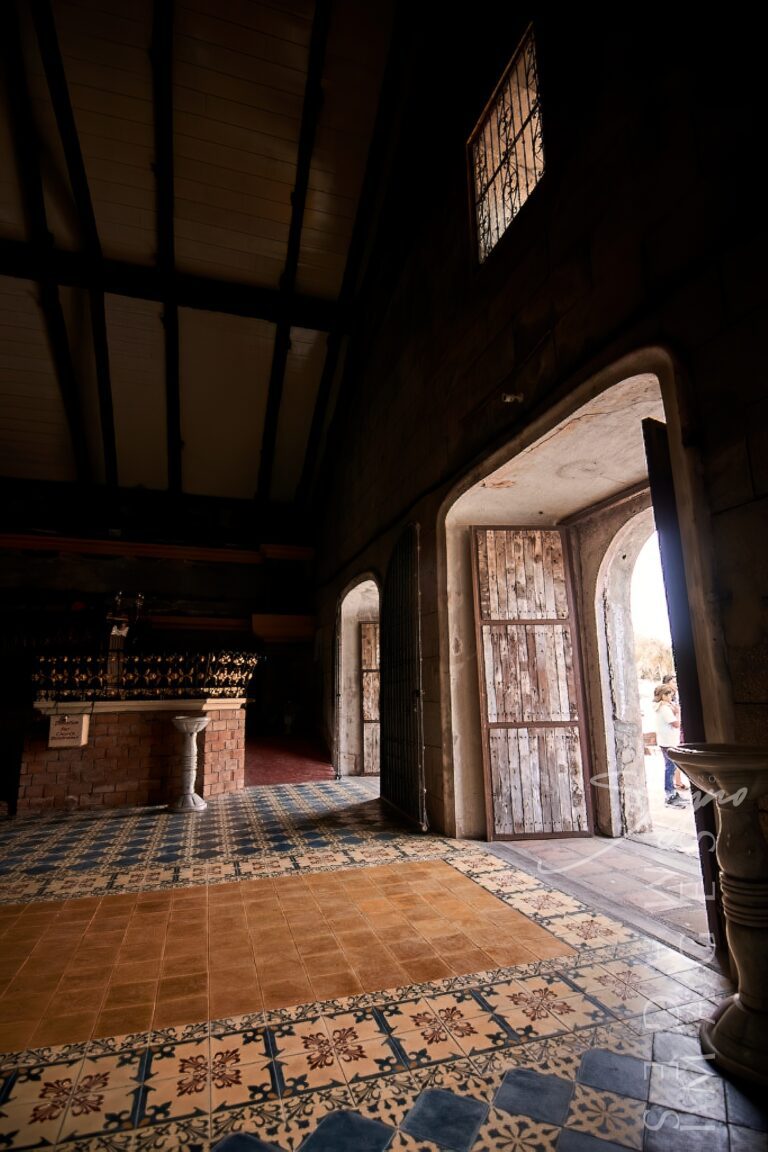
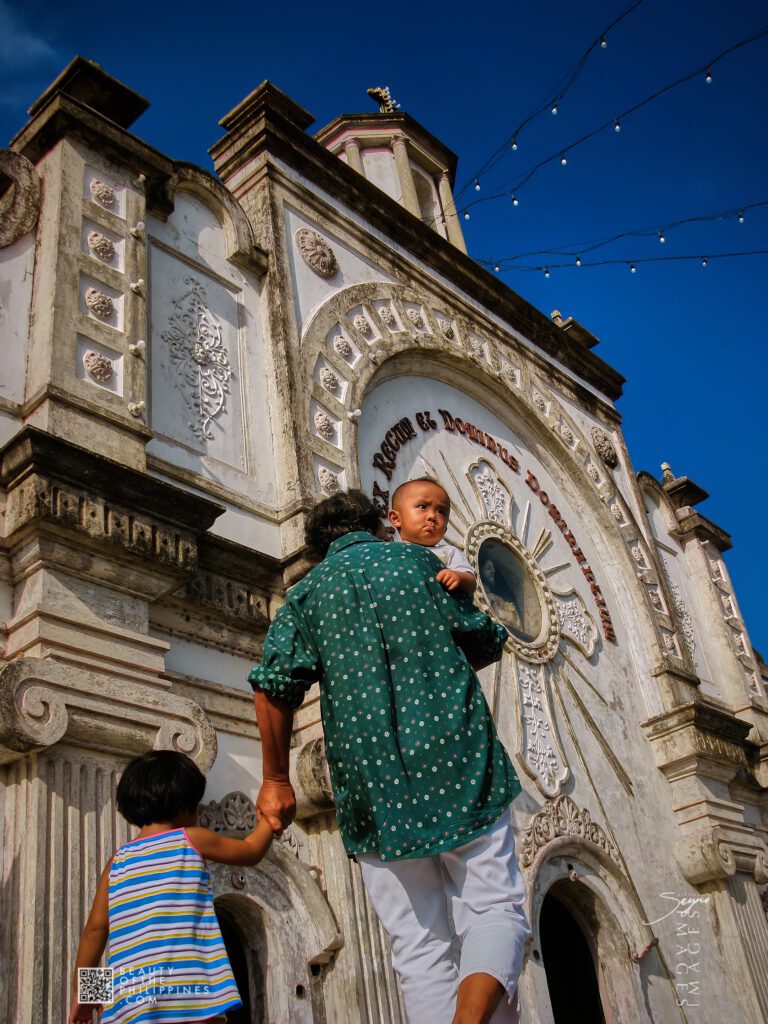
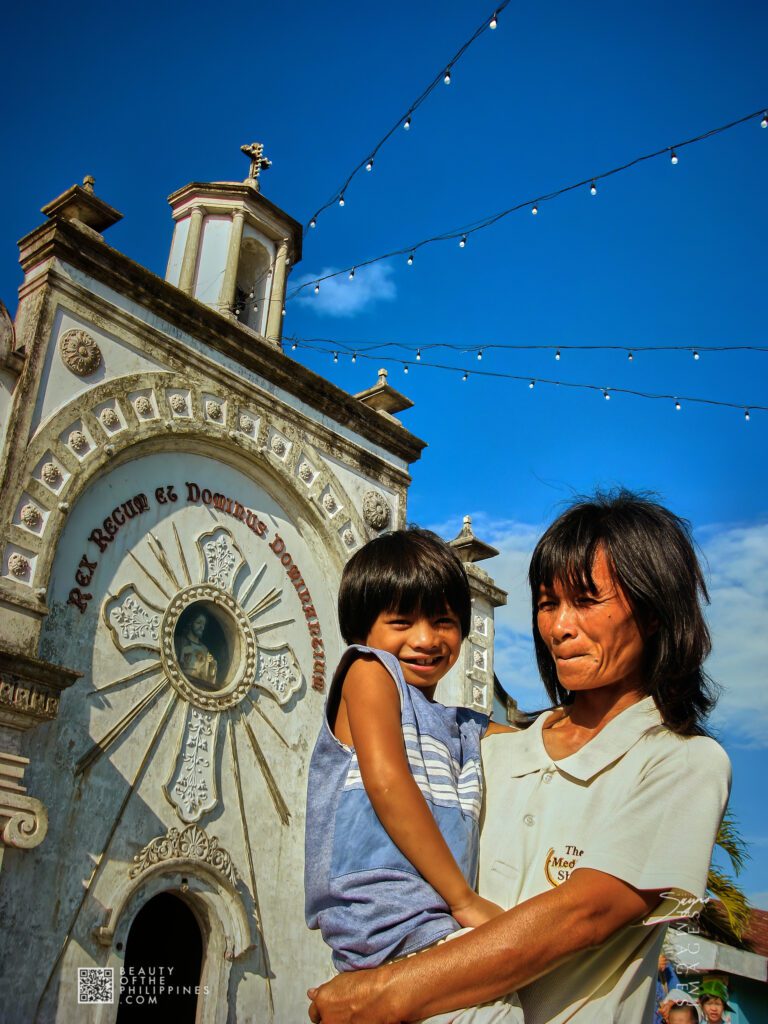
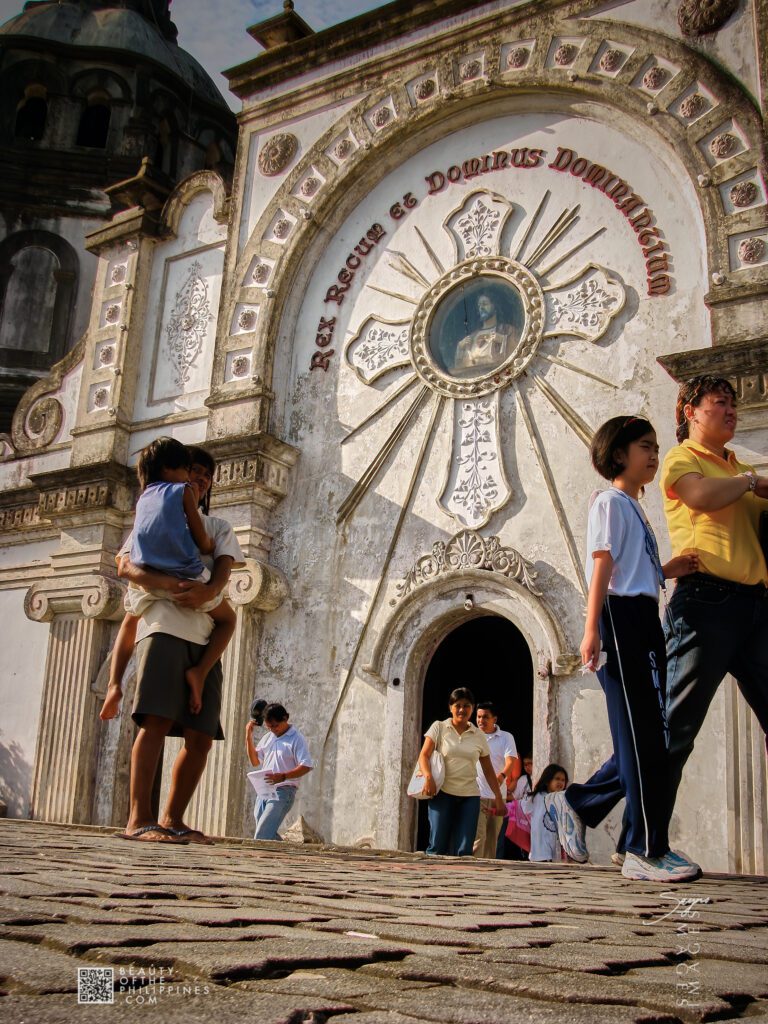
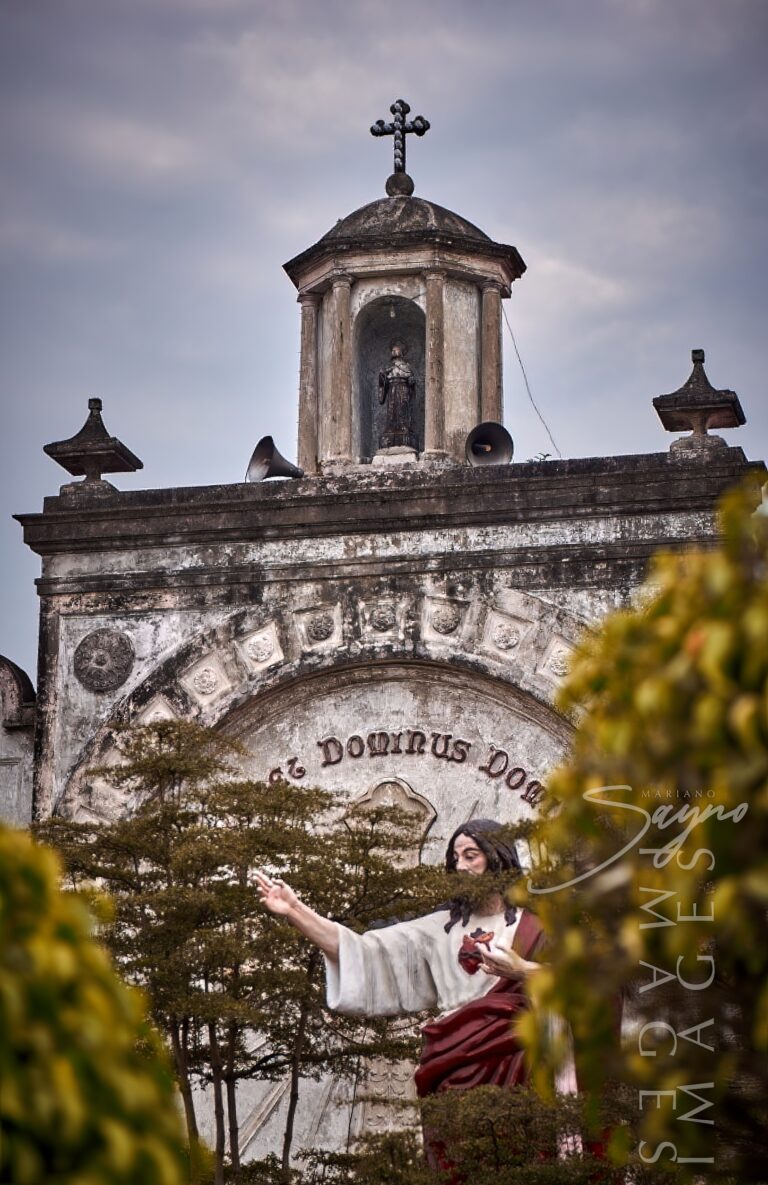
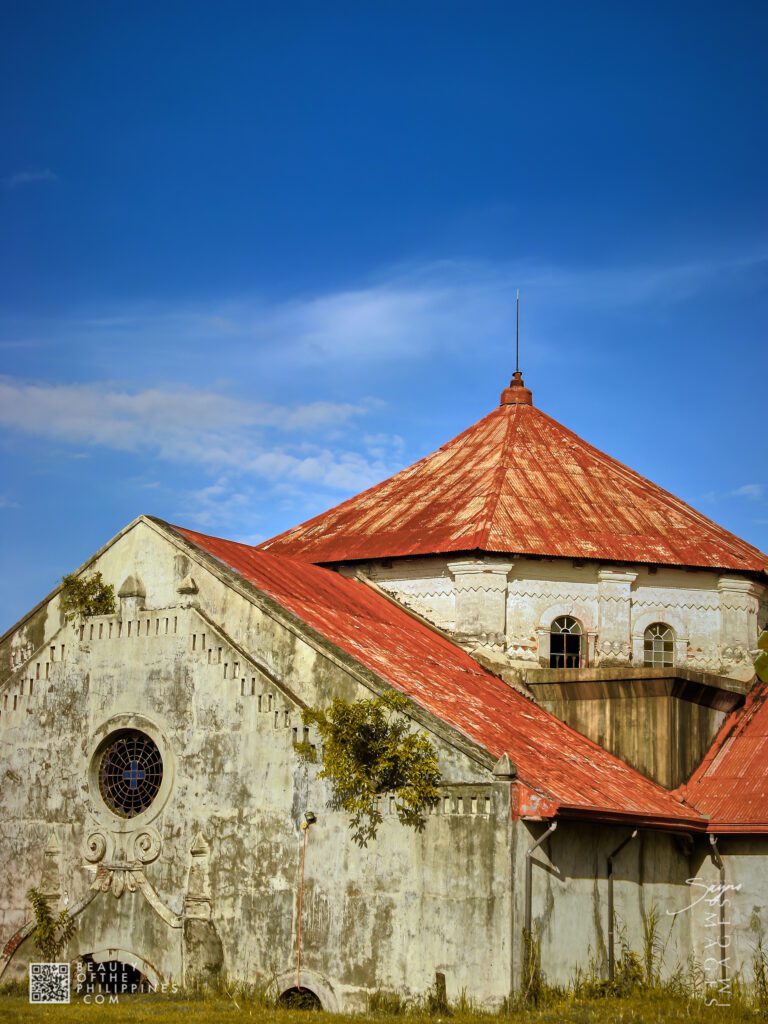
By September 3, 1995, lahar had buried nearly half of San Guillermo Parish Church. The original entrance vanished beneath meters of hardened ash. What once stood proudly at ground level was sealed below, turning the church into a haunting visual reminder of scale and loss.
RELATED STORIES

Walking into Insectlandia inside Clark Picnic Grounds, Clark Freeport Zone, Pampanga, feels like stepping into a playful, oversized insect world. Part of the broader Dinosaurs


Dinosaurs Island sits inside Clark Freeport Zone, Pampanga, and it immediately signals its audience—families, kids, and anyone curious about the prehistoric world. Known as the


The Balacat Festival in Mabalacat, Pampanga, stands as a vibrant celebration of the city’s rich culture and heritage, attracting visitors from far and wide to


The Lubenas Festival in Magalang has its roots in the Spanish Catholic novena, nine days of prayer before a major feast, which evolved into a


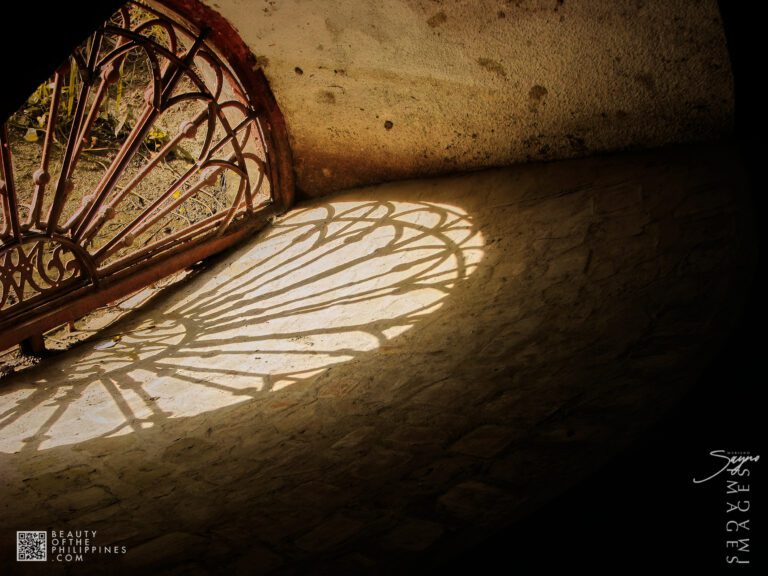
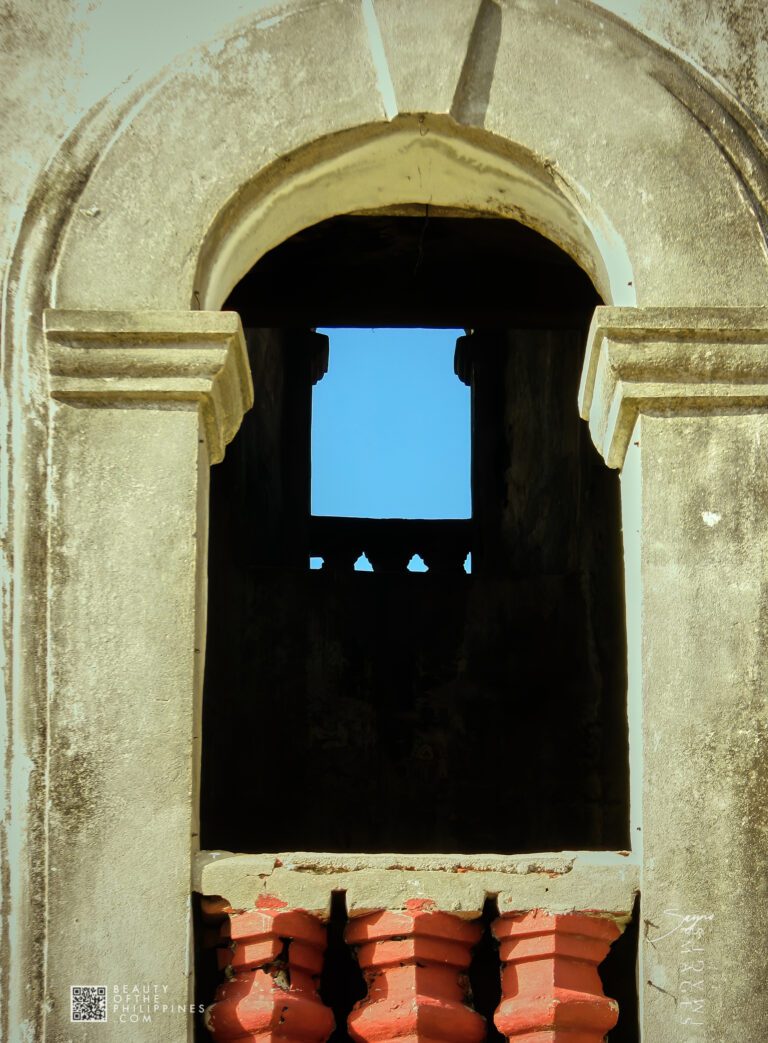
Today, visitors enter through what were originally second-floor windows, now transformed into doorways. The shift is impossible to ignore — a physical record of how the land itself was rewritten.


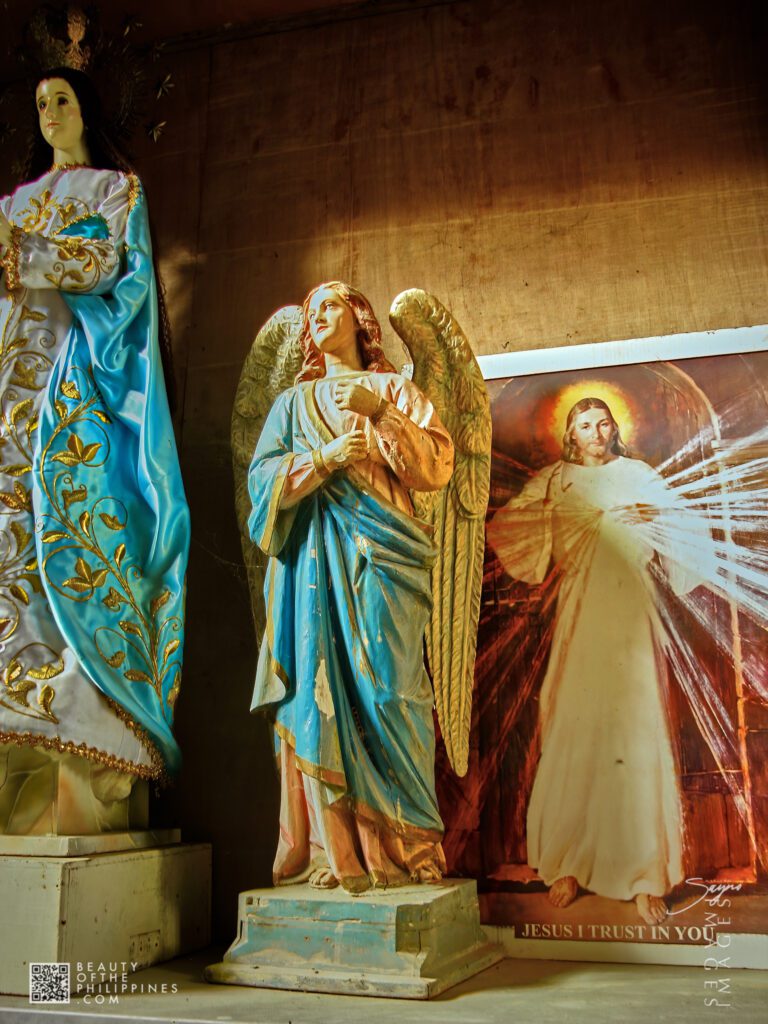
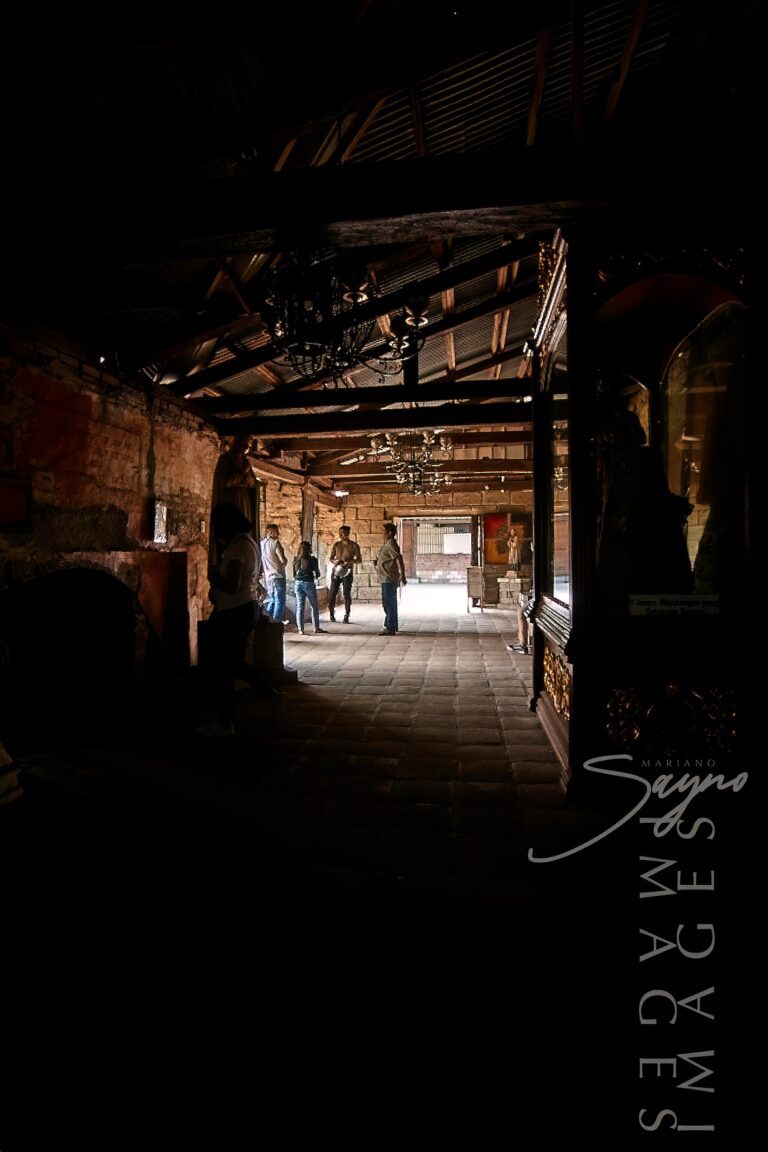
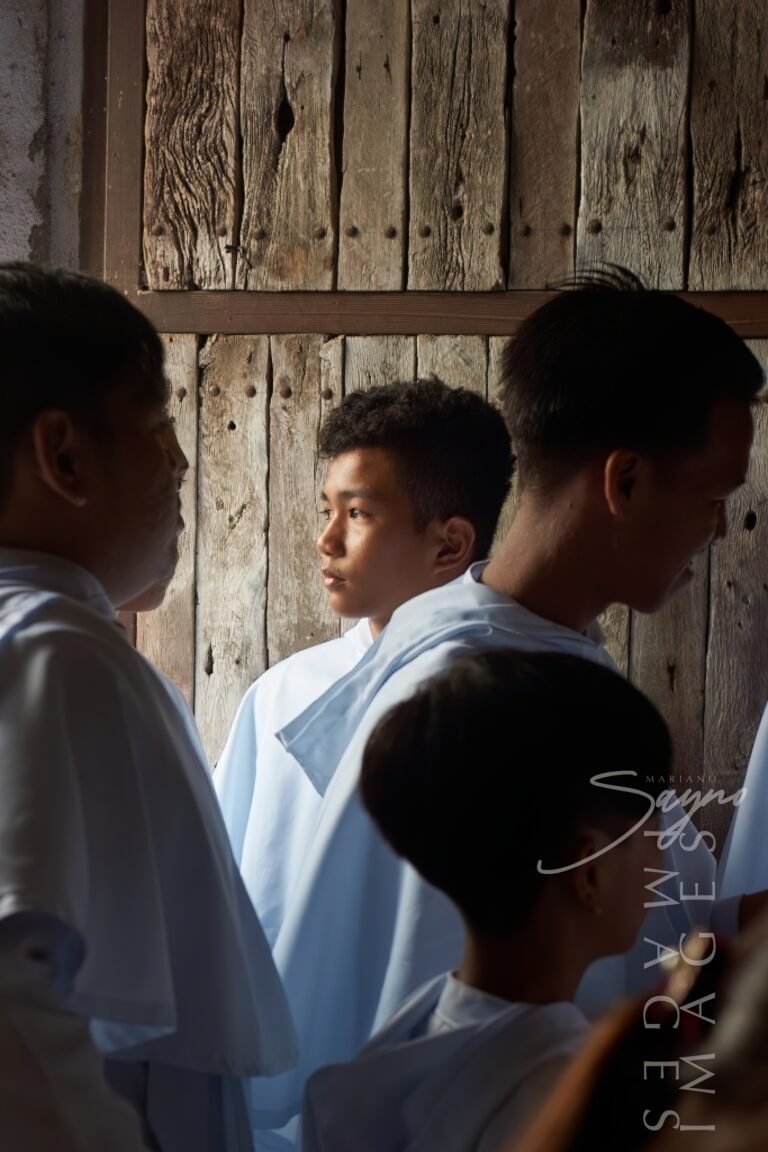
What followed was not retreat, but response. Rather than abandon their church, the people of Bacolor worked to recover what could be saved. Buried altars, statues, and carved elements were excavated, cleaned, restored, and placed back within the altered interior. These surviving images now stand as quiet witnesses — not just to faith, but to persistence. The church continued to function, Masses continued to be held, and devotion continued despite the changed landscape.


As a heritage site, Bacolor Church holds a unique place in Philippine cultural tourism. It is not preserved behind glass or frozen in time. Instead, it exists in its altered state, openly showing the consequences of disaster and the choices made afterward.
Visitors who arrive here encounter more than architecture. They encounter context — Spanish colonial artistry meeting volcanic force, and human resolve responding without spectacle. The experience lingers, especially for those who see travel not as checklist tourism, but as observation.
Located in the town center of Bacolor, Pampanga, the church remains accessible via major routes from Manila and Clark. It is open year-round, continuing to host religious services within its transformed interior. Exploring the nearby plaza and heritage sites adds depth, offering a fuller understanding of how the town itself adapted alongside its church.
I’m looking forward to the stories and images leaving a lasting positive impression on you, just as they have on me. Stay connected with us on social media for a weekly exploration of travel assignments and breathtaking visuals. Our focus is on championing local tourism, showcasing small businesses, and honoring the magnificence of the Philippines through the content we curate. Join us in spreading the word by clicking the ‘share’ buttons below. Your support means the world to us.
EXPLORE MORE about


The Balacat Festival in Mabalacat, Pampanga, stands as a vibrant celebration of the city’s rich culture and heritage, attracting visitors from far and wide to


Walking into Insectlandia inside Clark Picnic Grounds, Clark Freeport Zone, Pampanga, feels like stepping into a playful, oversized insect world. Part of the broader Dinosaurs


The Lubenas Festival in Magalang has its roots in the Spanish Catholic novena, nine days of prayer before a major feast, which evolved into a


If you’re cruising through Pampanga, you simply can’t miss Betis Church — officially known as the Parish Church of Saint James the Apostle. This church


Dinosaurs Island sits inside Clark Freeport Zone, Pampanga, and it immediately signals its audience—families, kids, and anyone curious about the prehistoric world. Known as the
BROWSE BY CATEGORIES
BROWSE BY PROVINCE