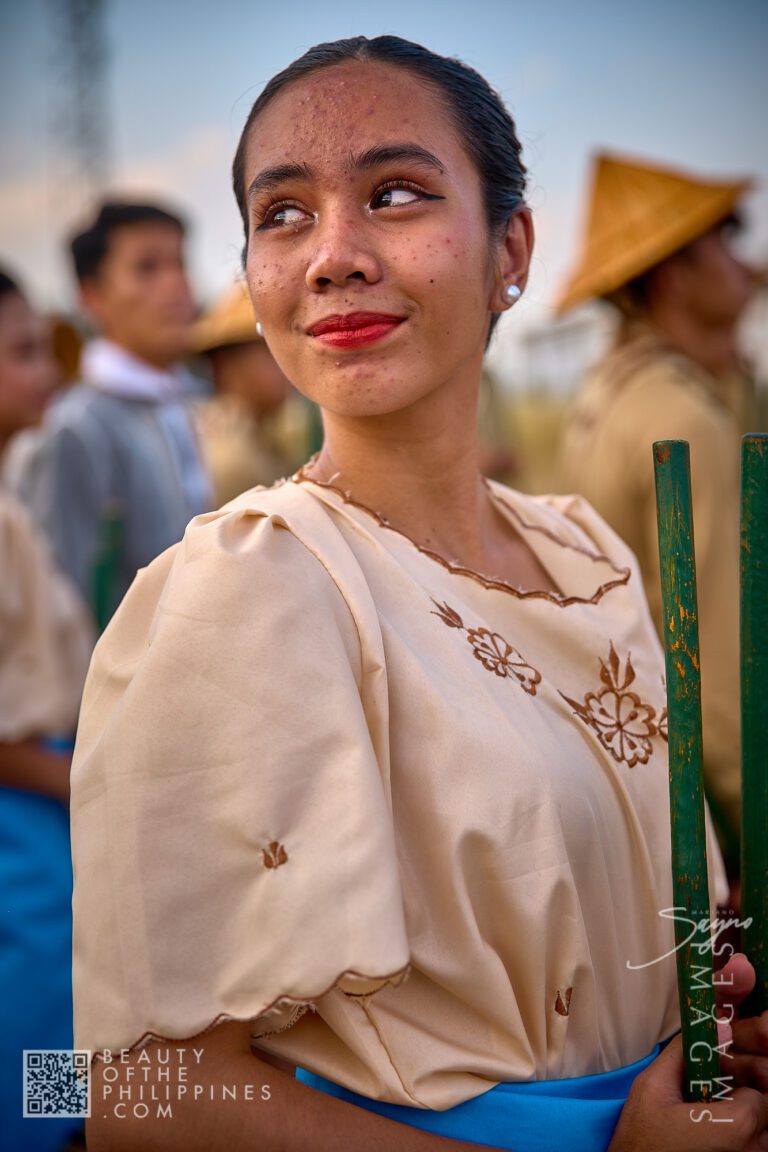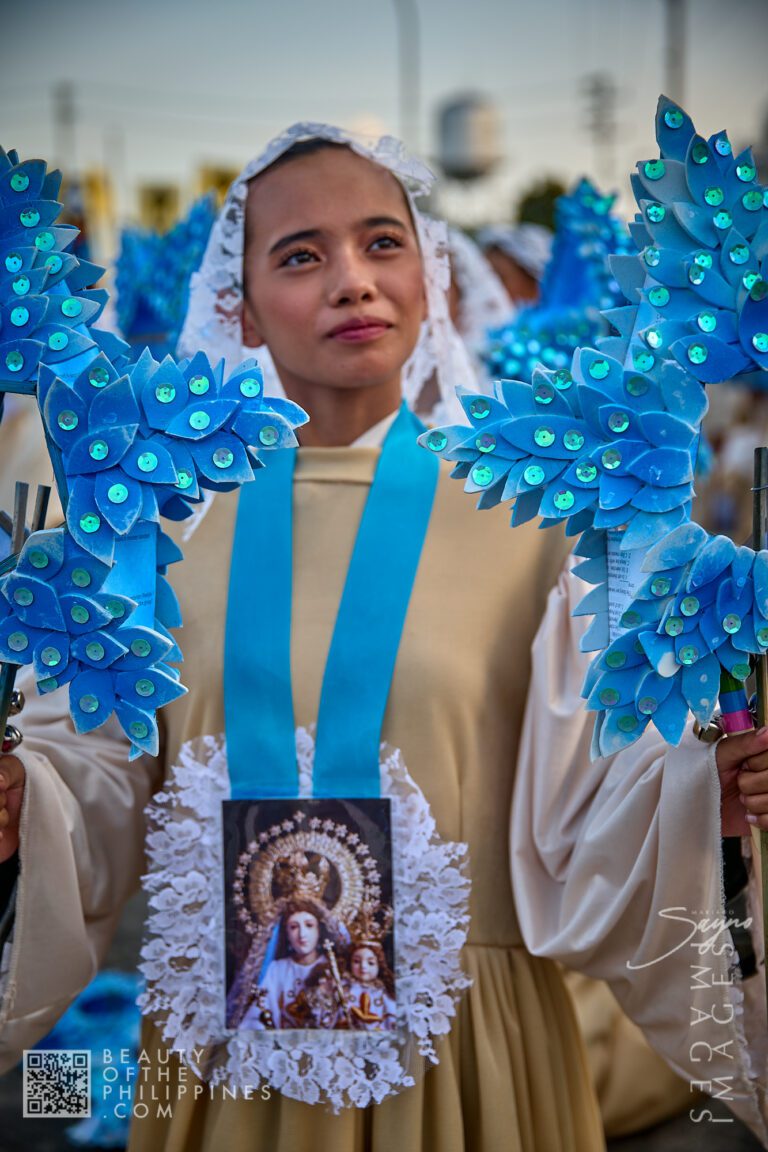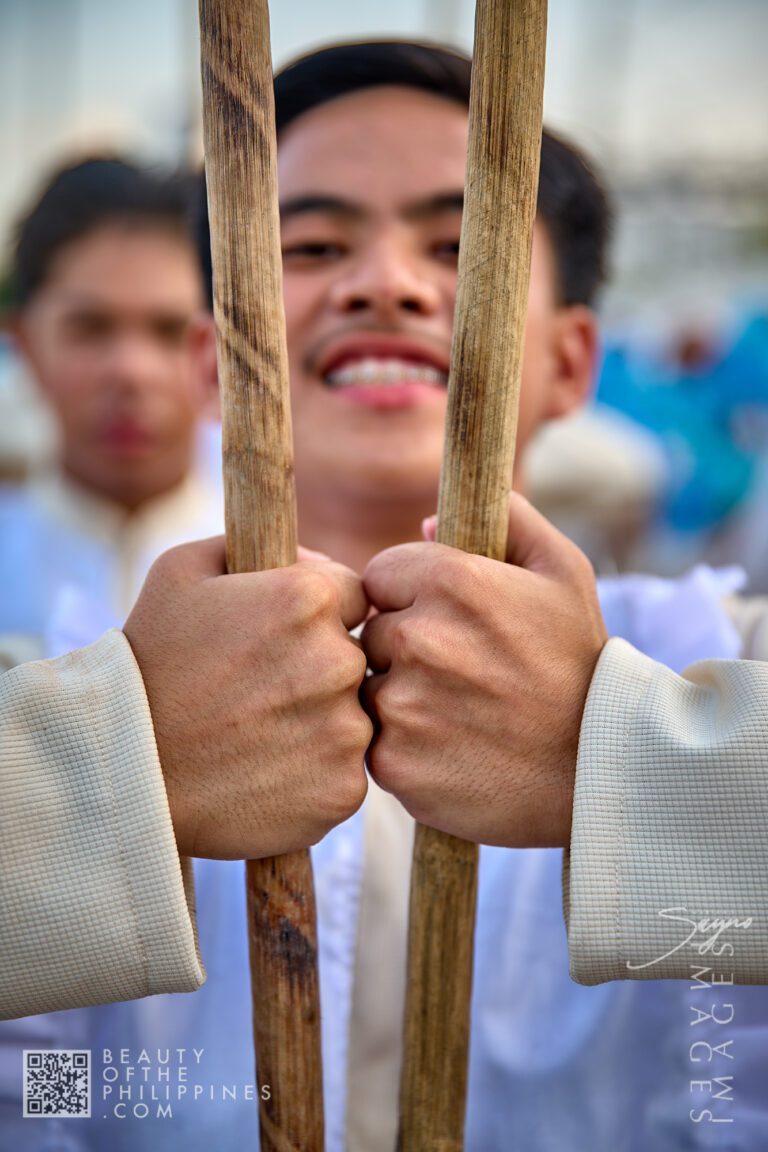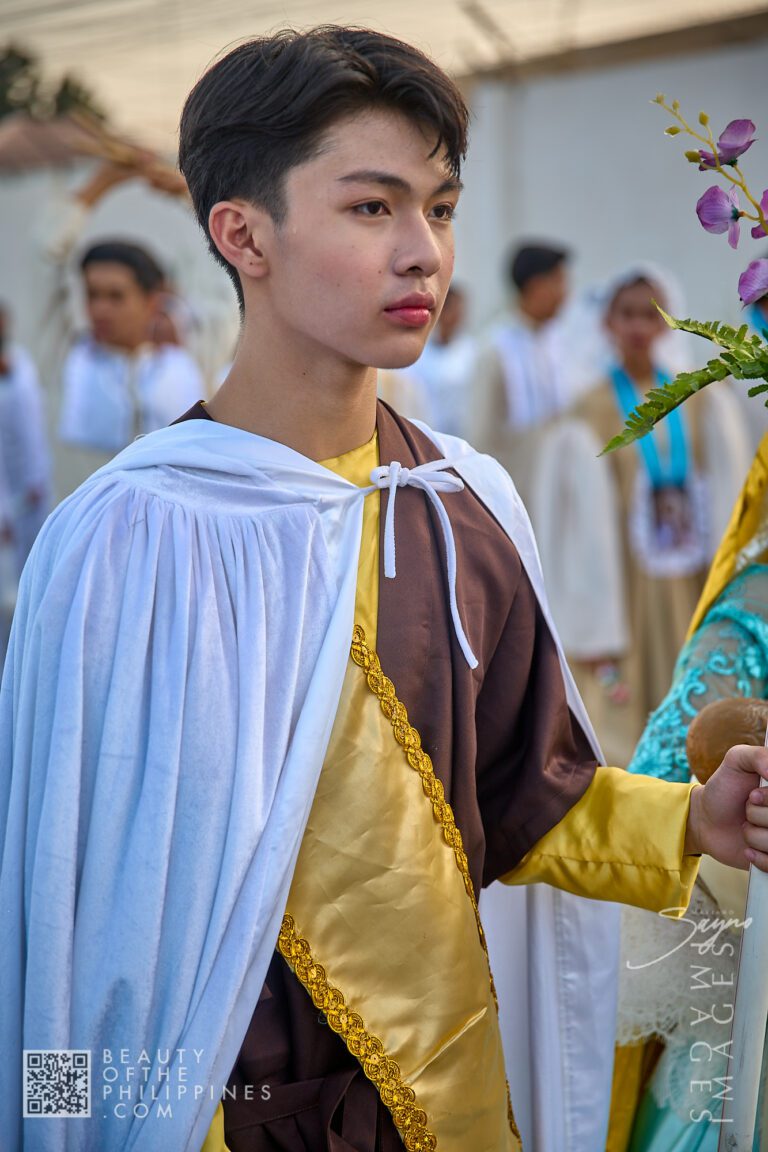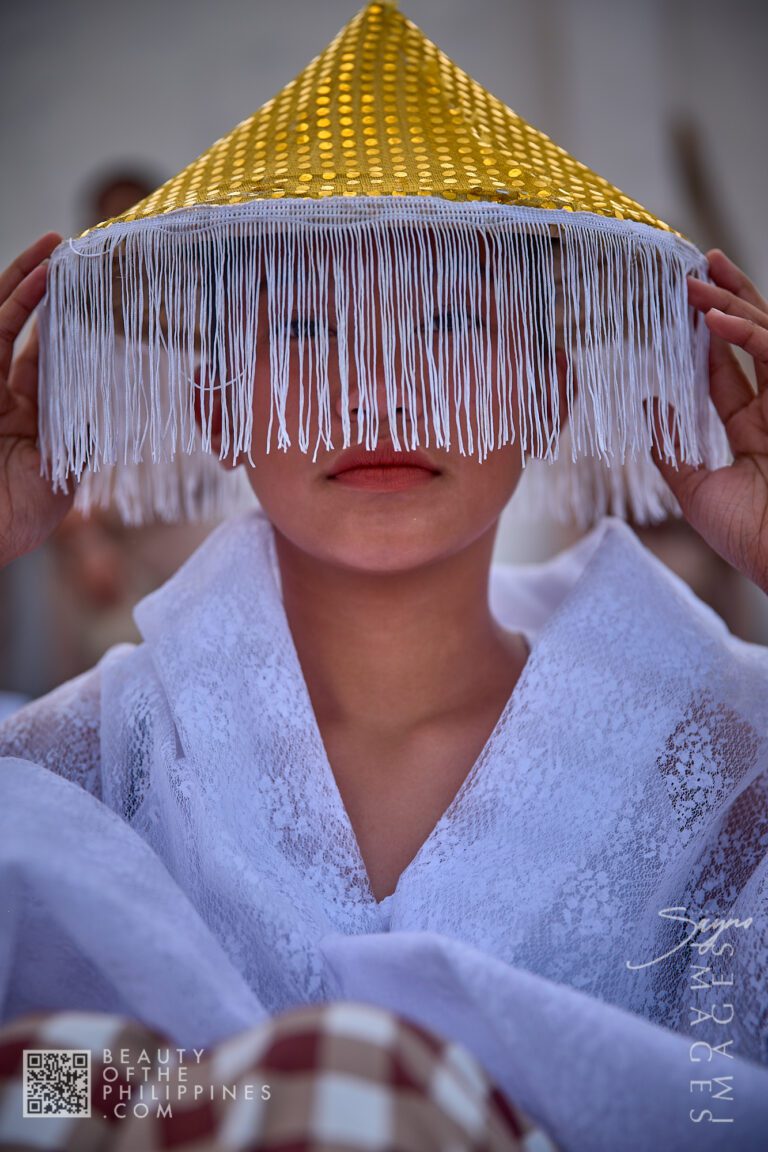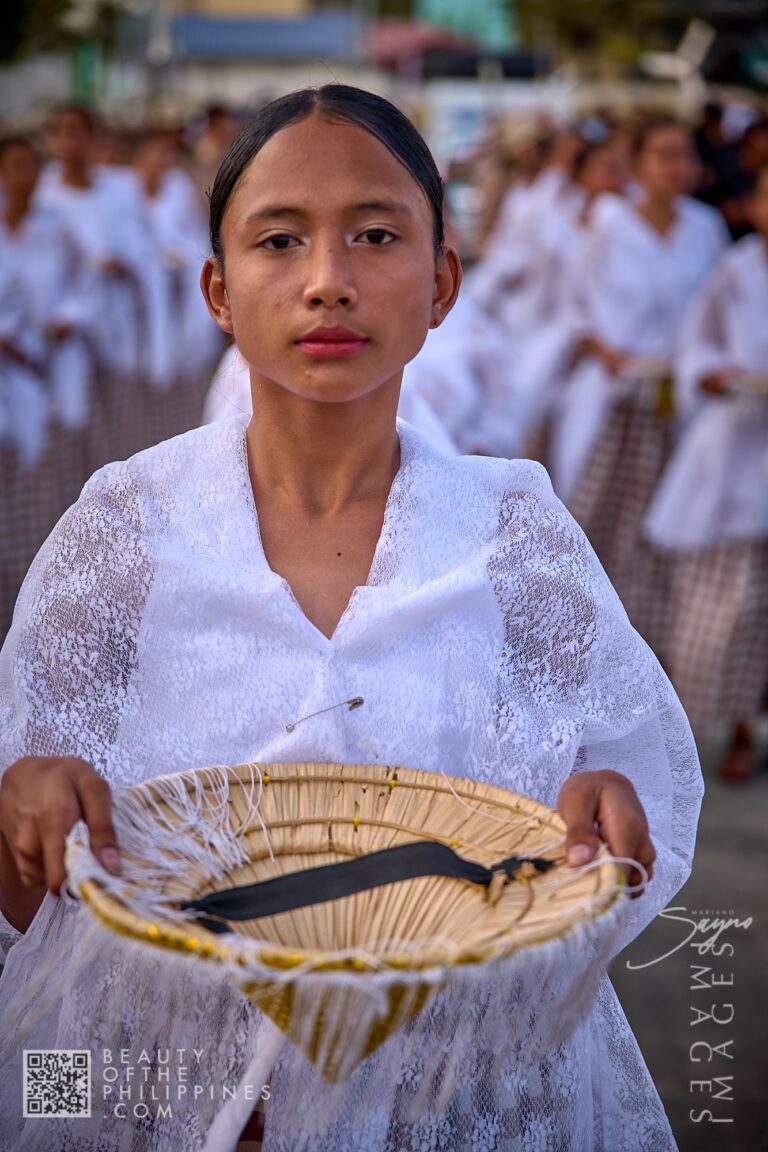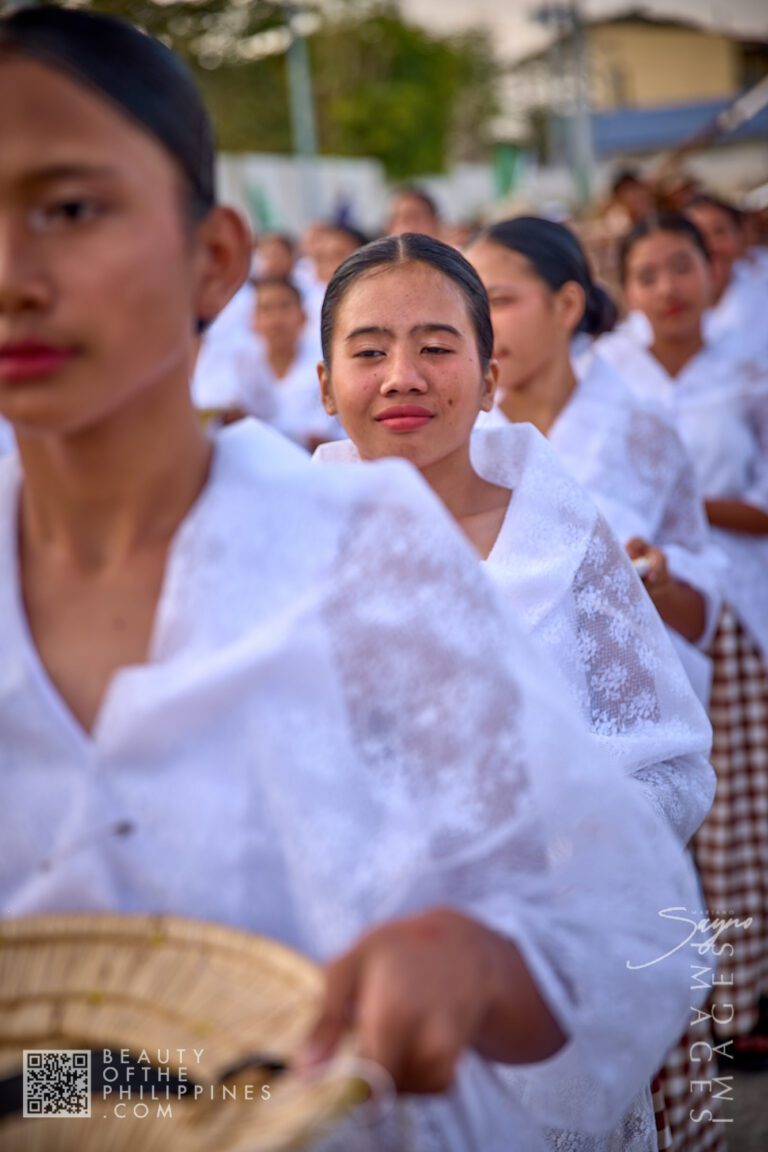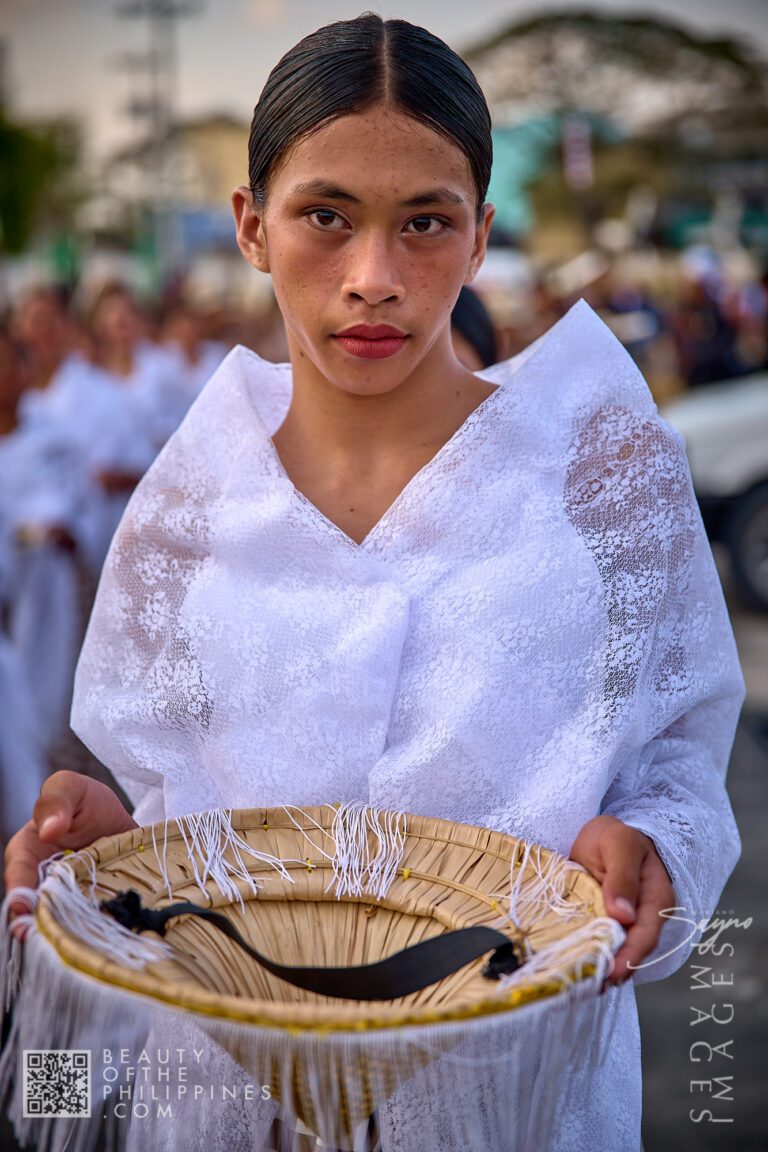
Lubenas Festival: Magalang Kapampangan Christmas Tradition
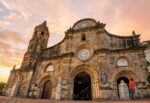
The Lubenas Festival in Magalang has its roots in the Spanish Catholic novena, nine days of prayer before a major feast, which evolved into a
Mabalacat, located in Pampanga, has transformed into a vibrant destination, featuring attractions such as Dinosaurs Island, Insectlandia, and Clark Parade Grounds. This once-quiet city has evolved into a lively urban hub in Central Luzon. Filled with pride for its advancements, Mabalacat commemorates its growth and success through an annual festival, reflecting the tradition seen in numerous other municipalities throughout the country.
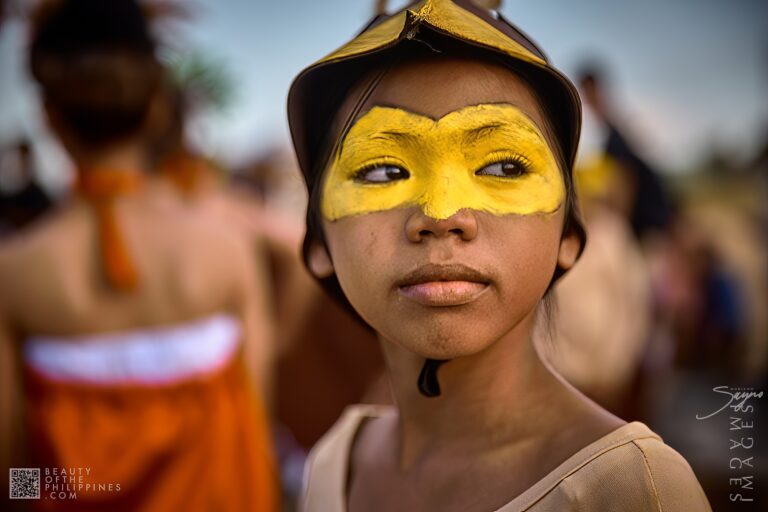
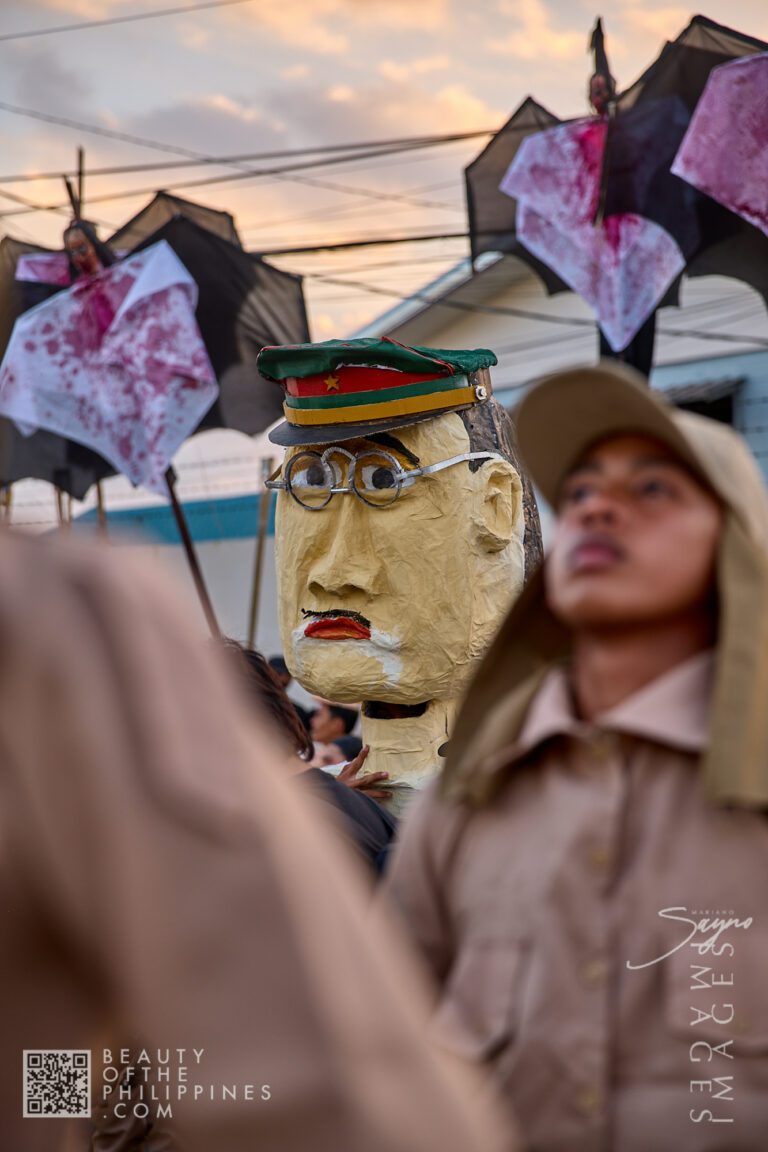
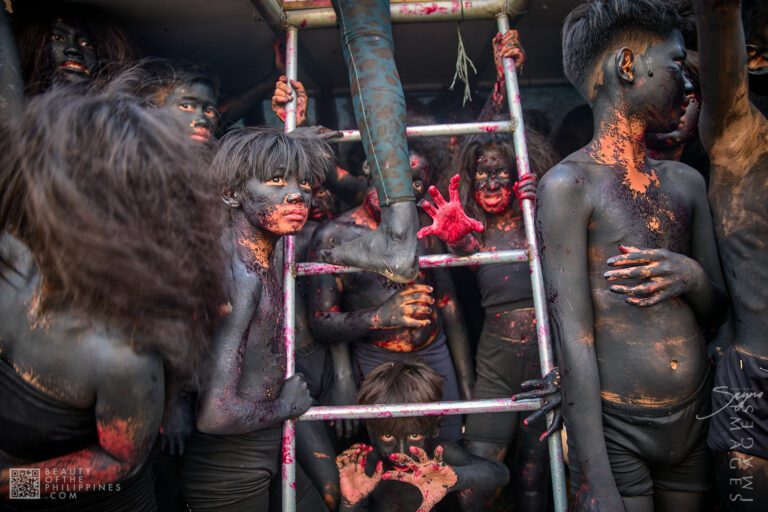
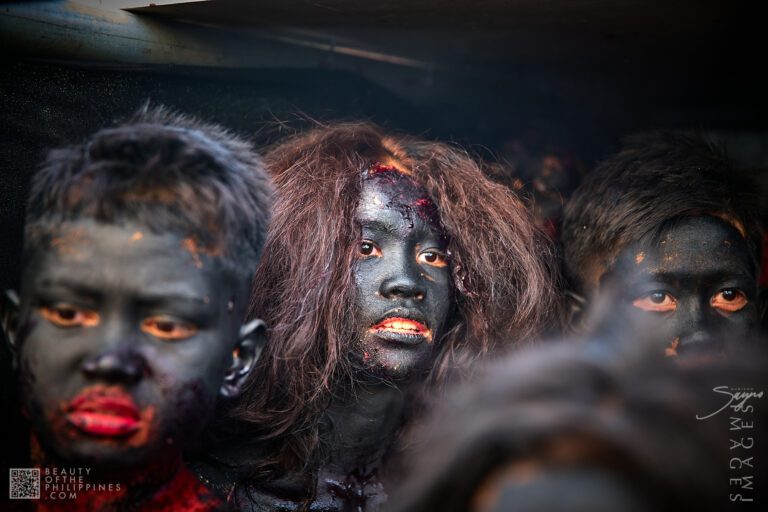
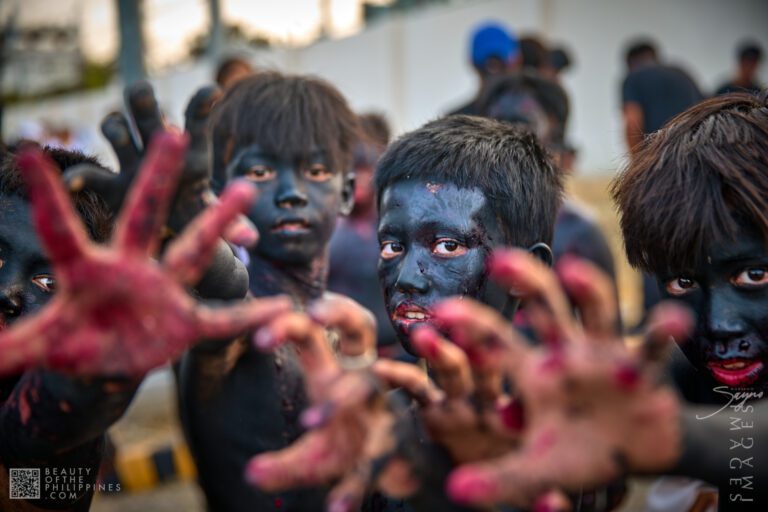
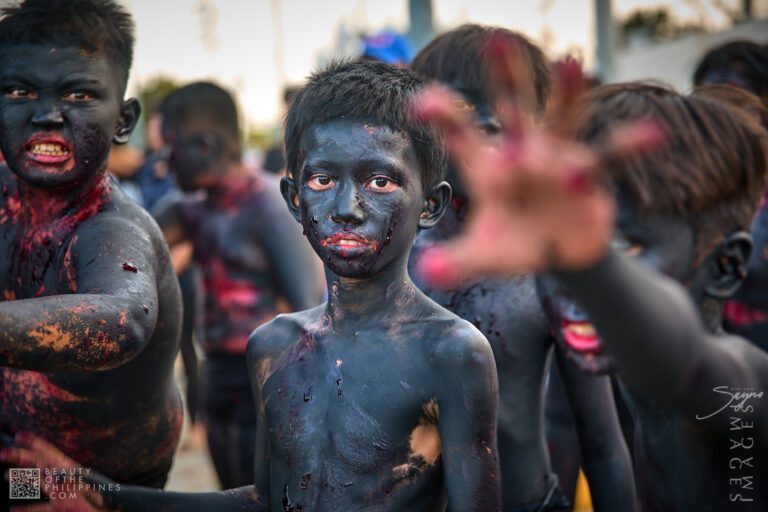
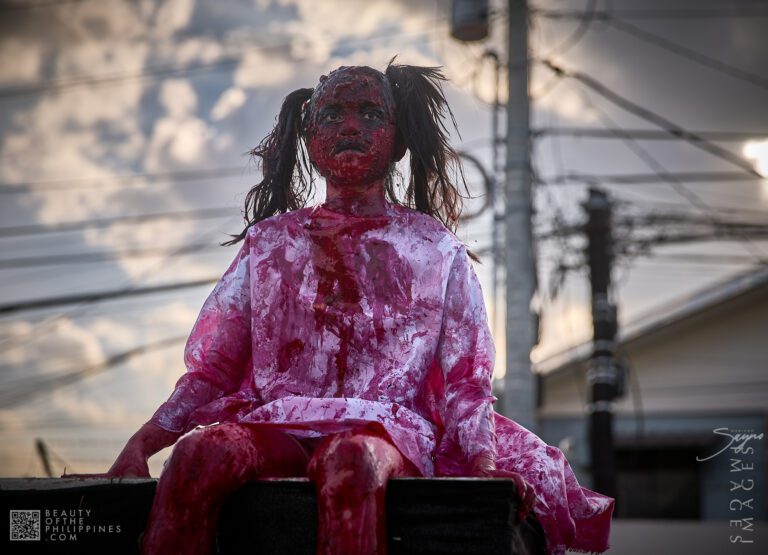
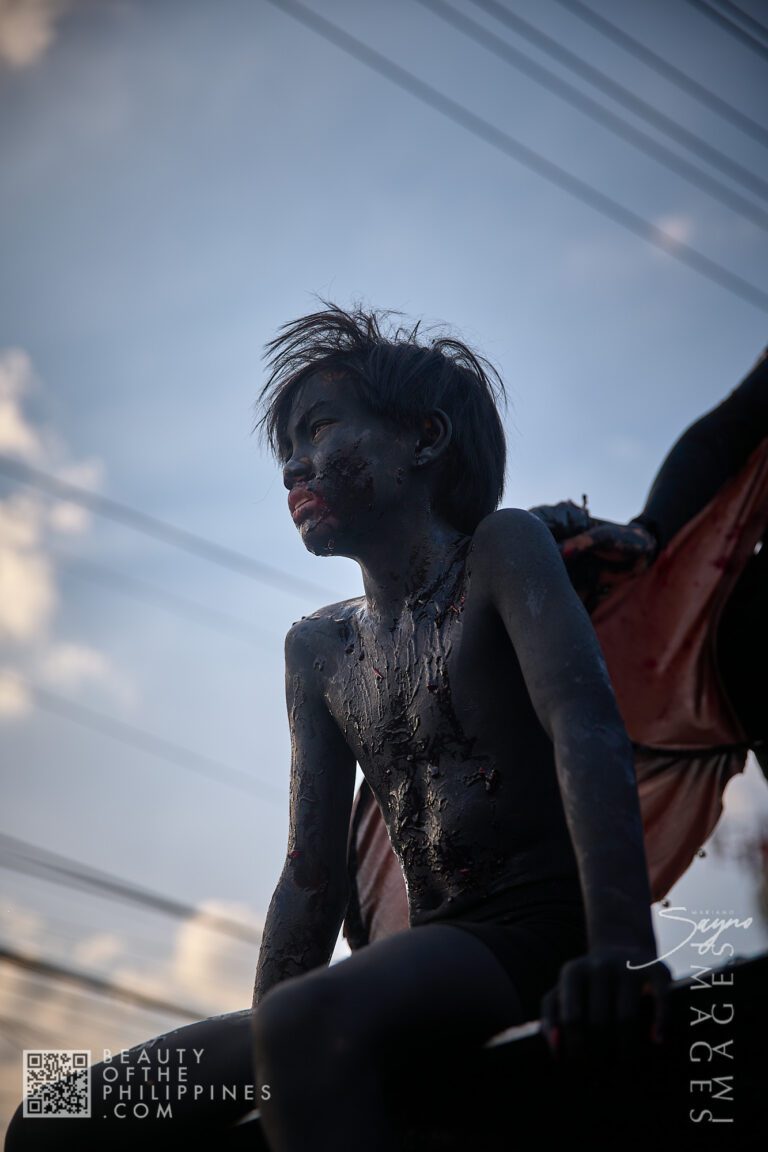
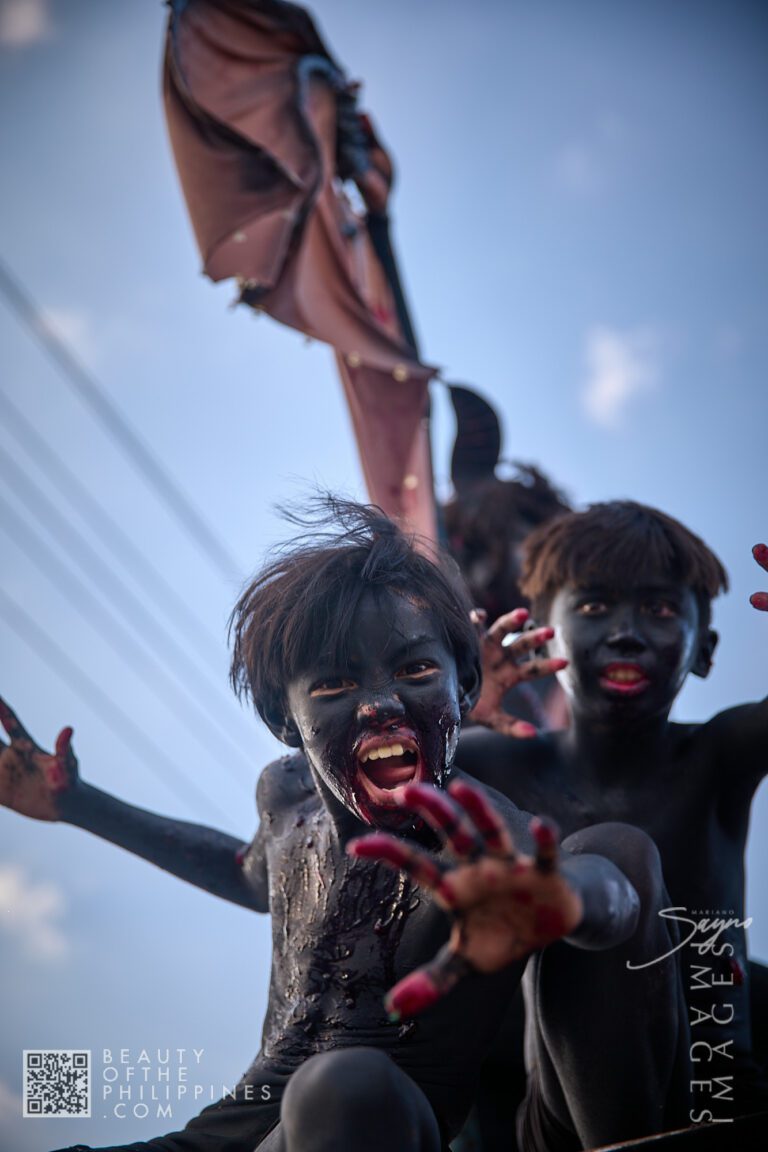
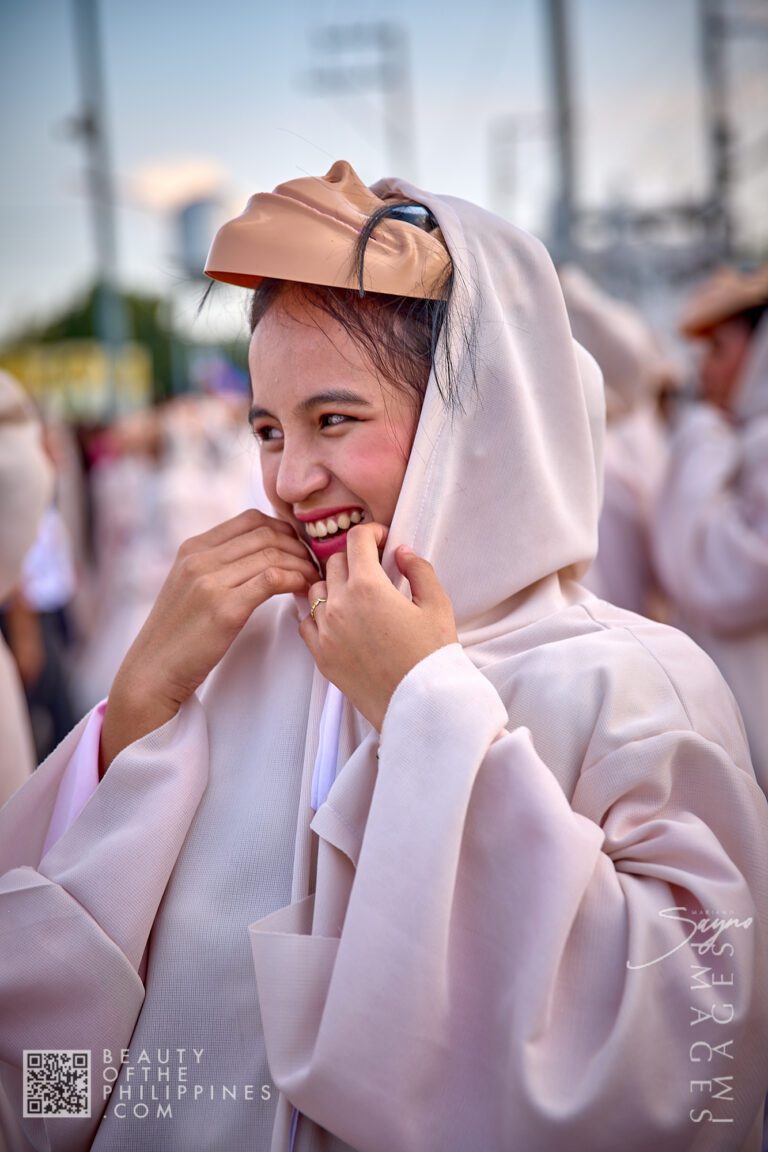
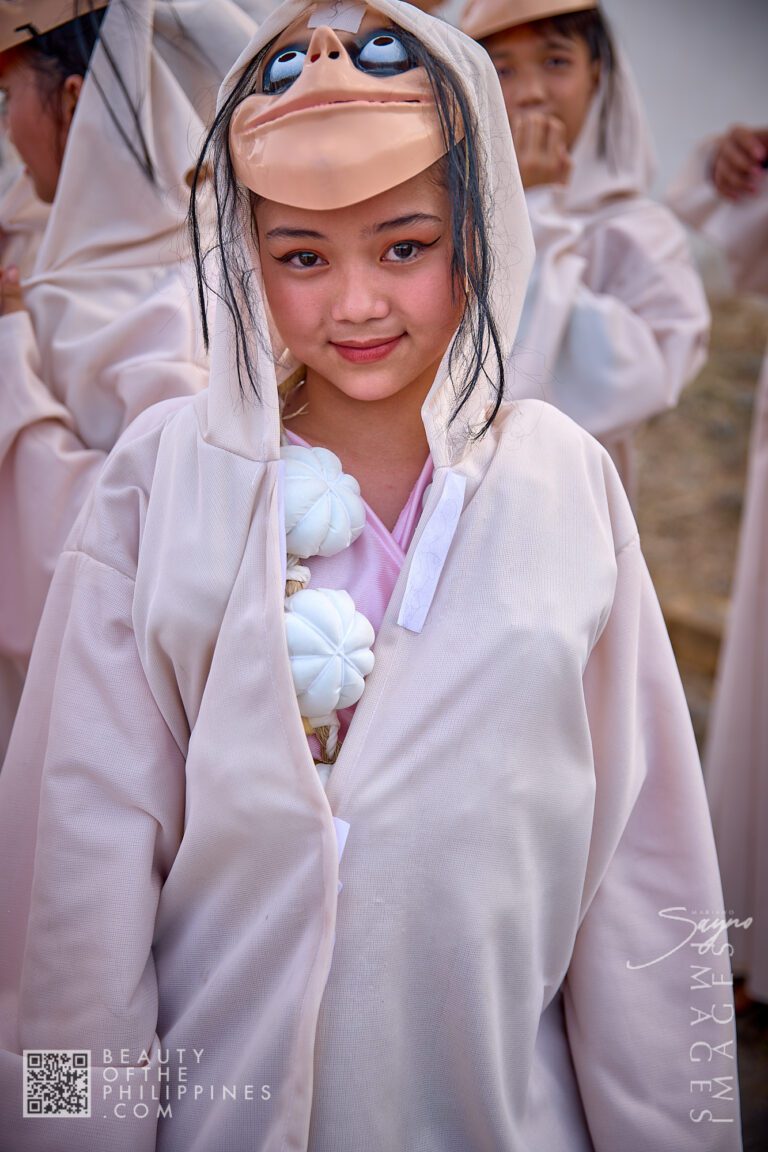
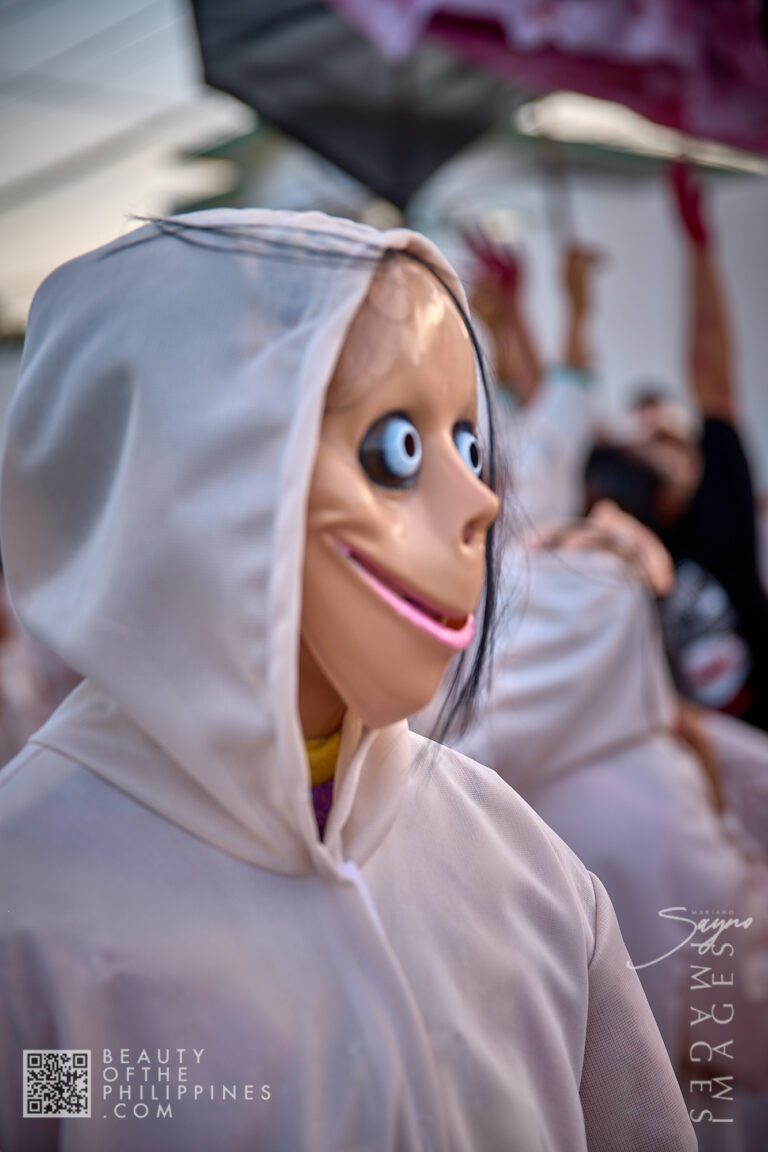
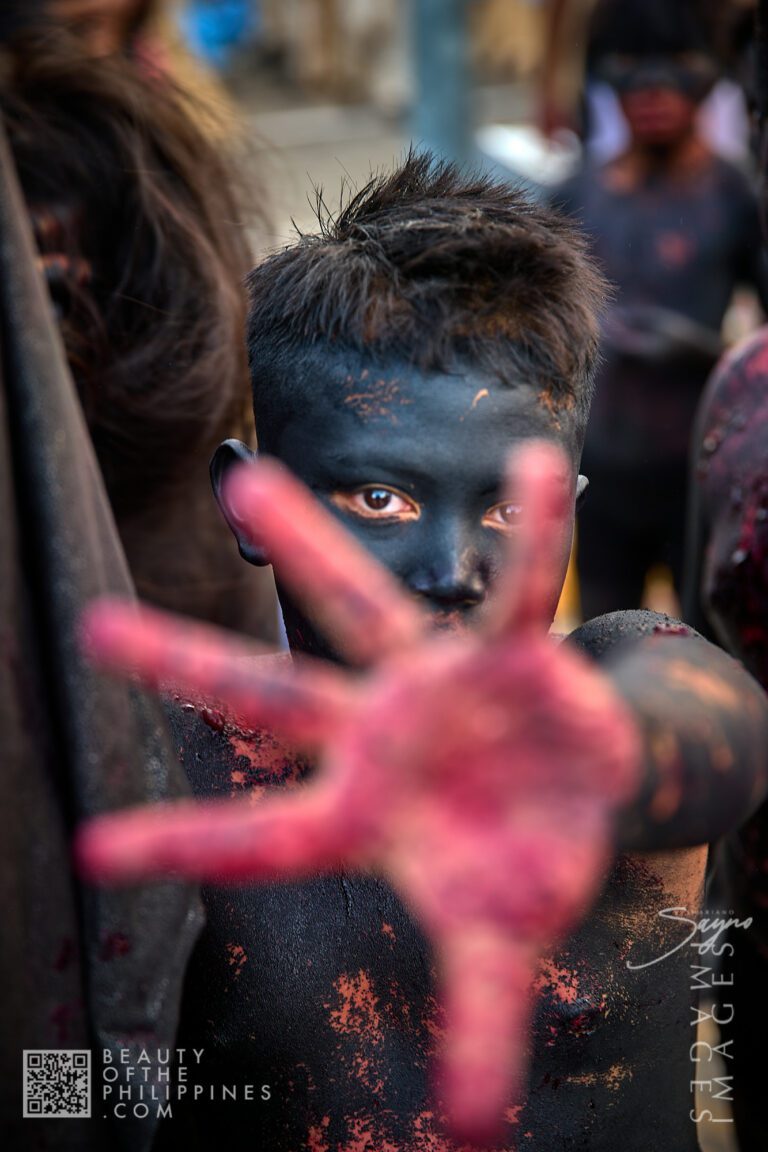
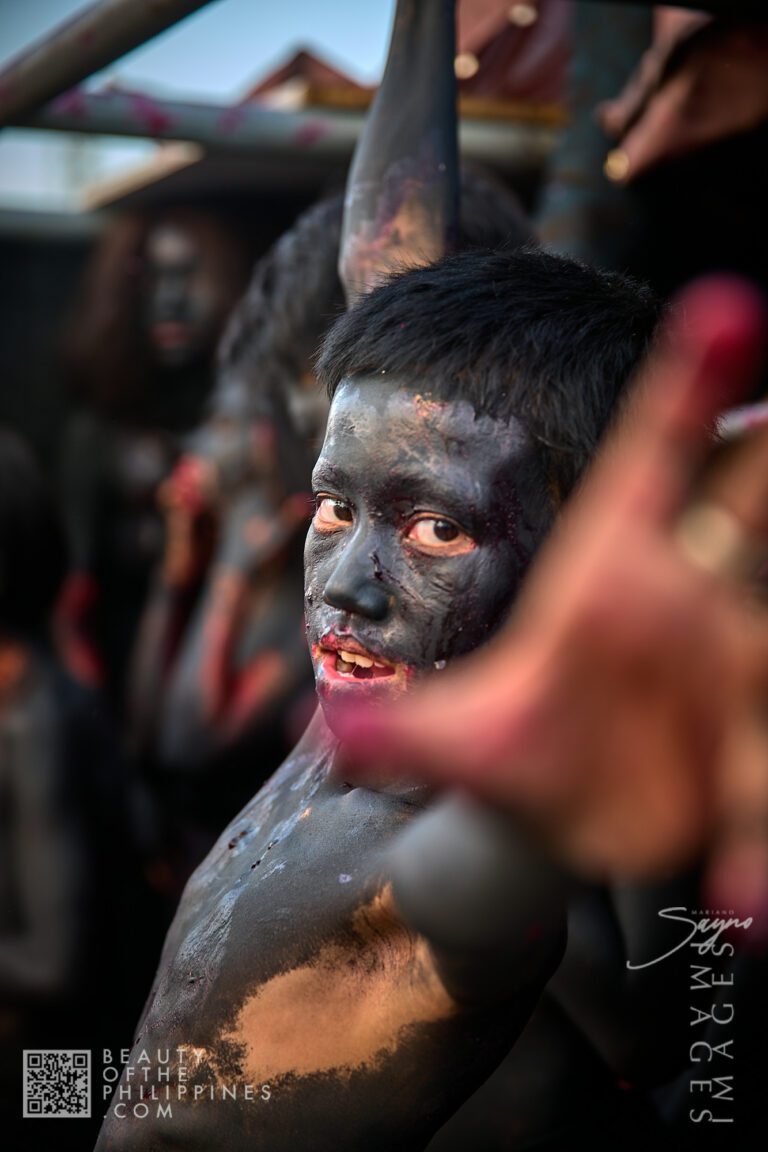
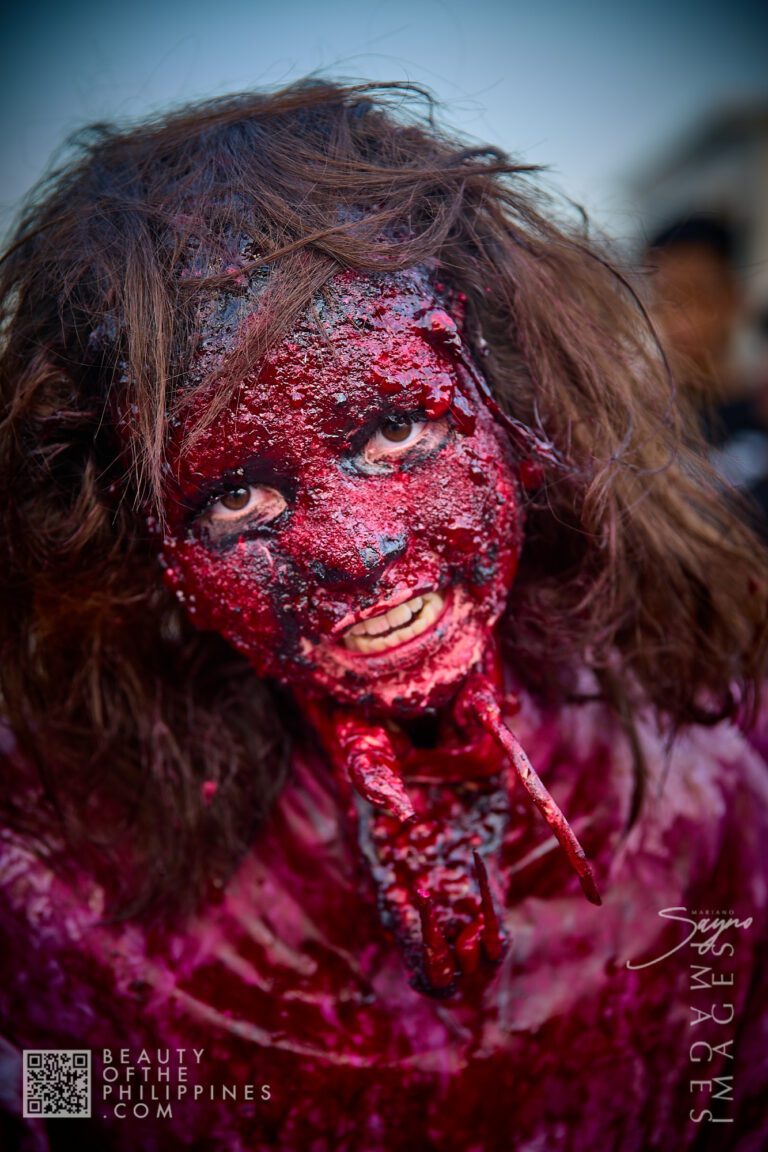
ABOVE: The champion team explored the theme “Folk Beliefs around Mabalacat City” with flair. Their captivating presentation delved into local folklore, highlighting creatures like the Mananangal and Malignos. Emphasizing the community’s religious faith in overcoming fear, the presentation featured costumes adorned with oversized garlic accents. Additionally, some participants were painted in eerie black and bloody red hues to enhance their frightening appearance.
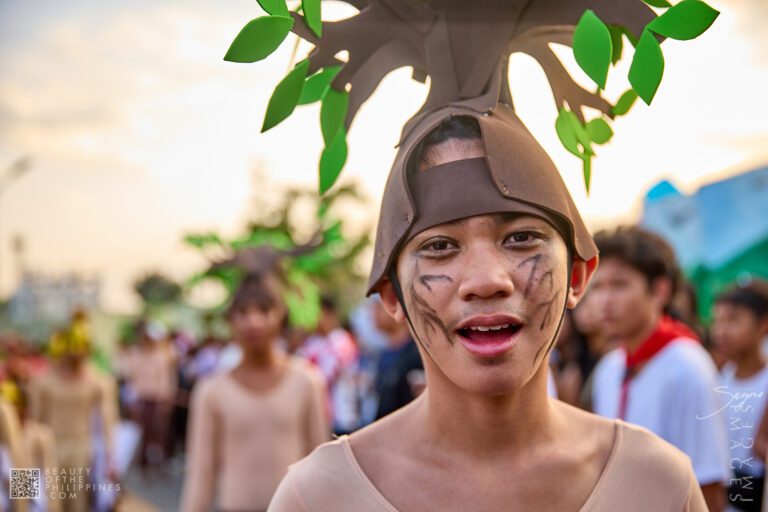
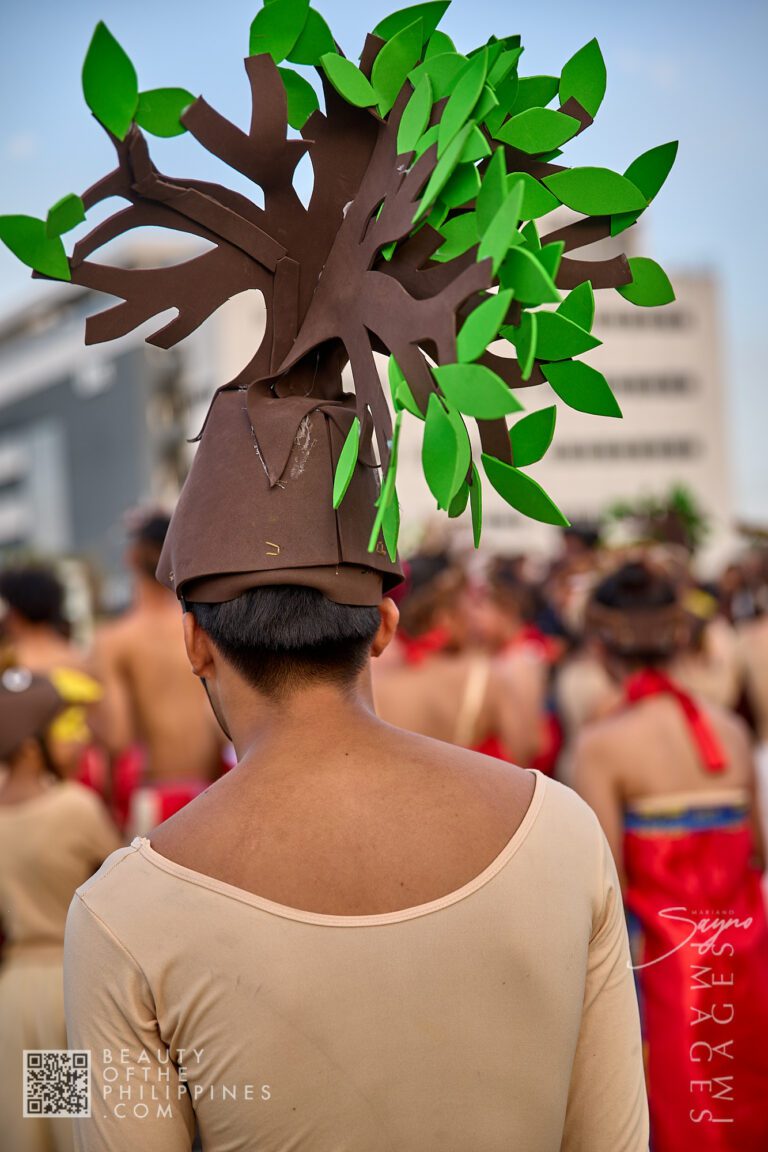
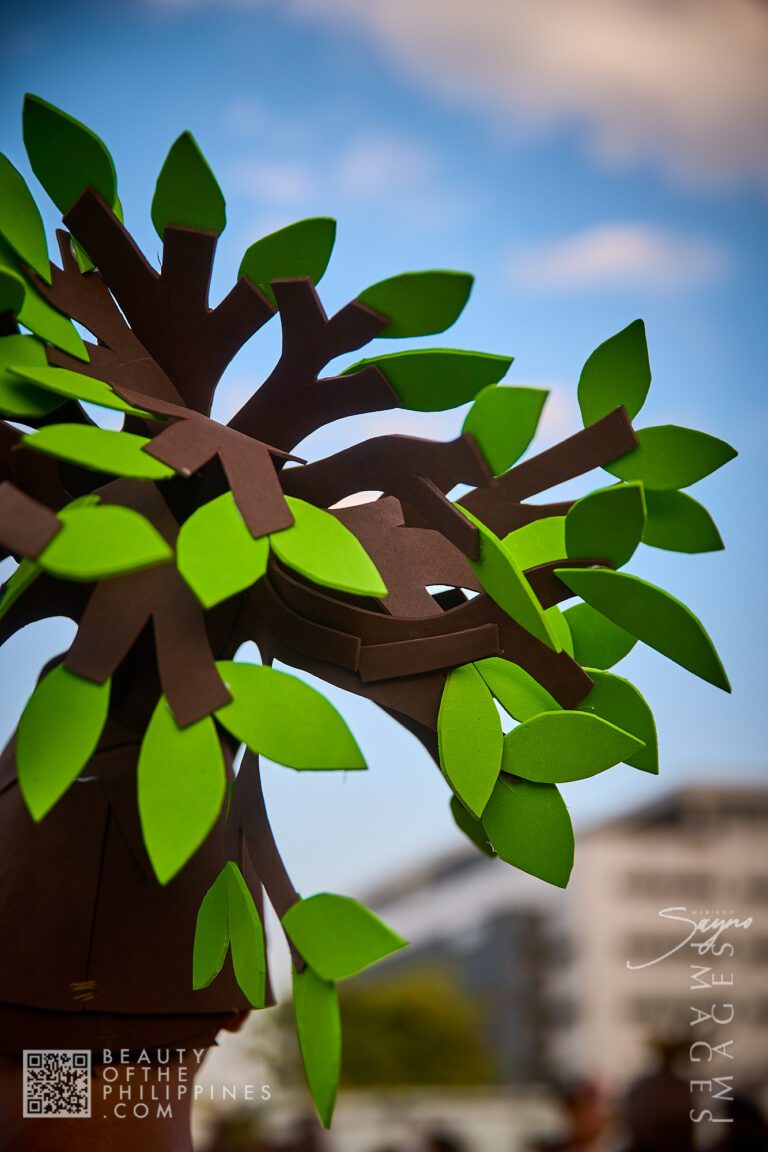
In the year 2023, a notable transformation occurred within the festival. Previously known as the Caragan Festival, in honor of the city’s indigenous Aeta founder, it underwent a rebranding initiative and was reborn as the Balacat Festival. This name change was a deliberate homage to the Balacat tree, whose abundance in the area gave rise to the name Mabalacat. According to local legend, the indigenous Aeta Chief Caragan gave the city its name due to the profusion of Balacat trees in the vicinity, with the term “balakat” thought to originate from the Aeta language. This renaming not only reflects the deep-rooted connection between the city and its natural surroundings but also pays tribute to its rich cultural heritage.
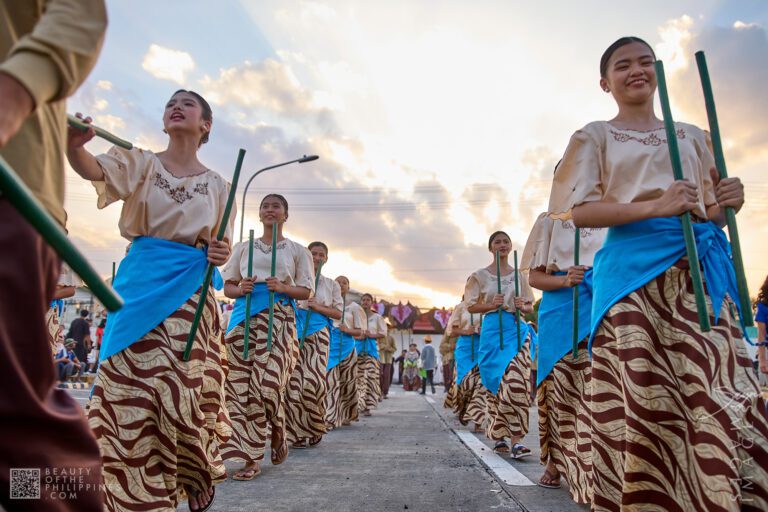
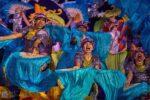
ABOVE: The Balacat Festival redefined street dance competitions by exploring diverse aspects of the city’s rich history. Performances covered indigenous heritage, Spanish colonization, American occupation, World War II struggles, local folklore, Pinatubo eruption aftermath, and modernization. This multifaceted approach entertained and educated spectators about Mabalacat’s past and present.
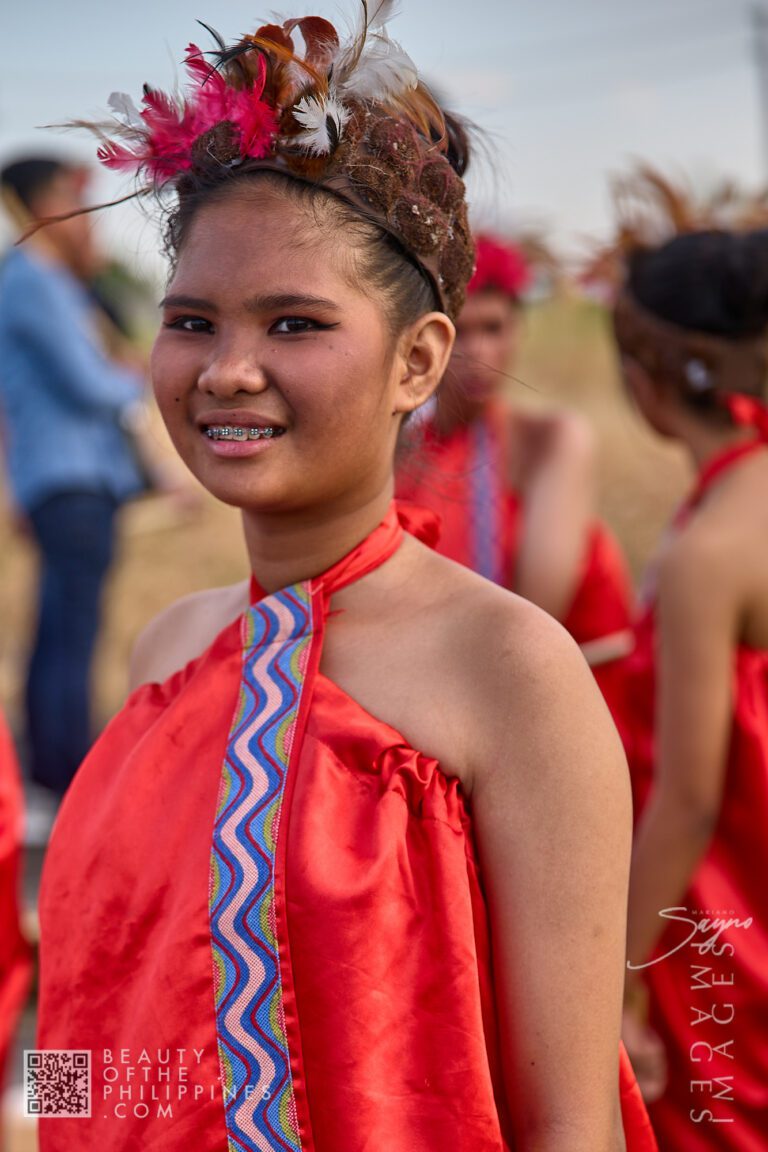
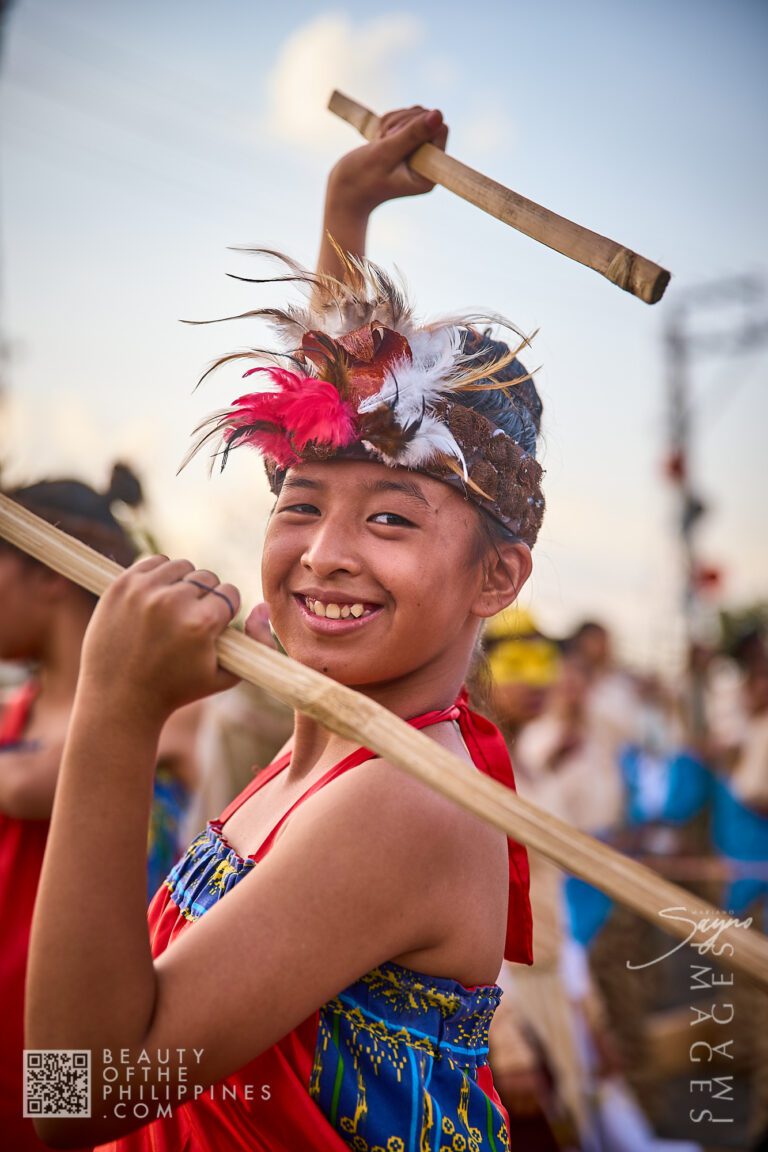
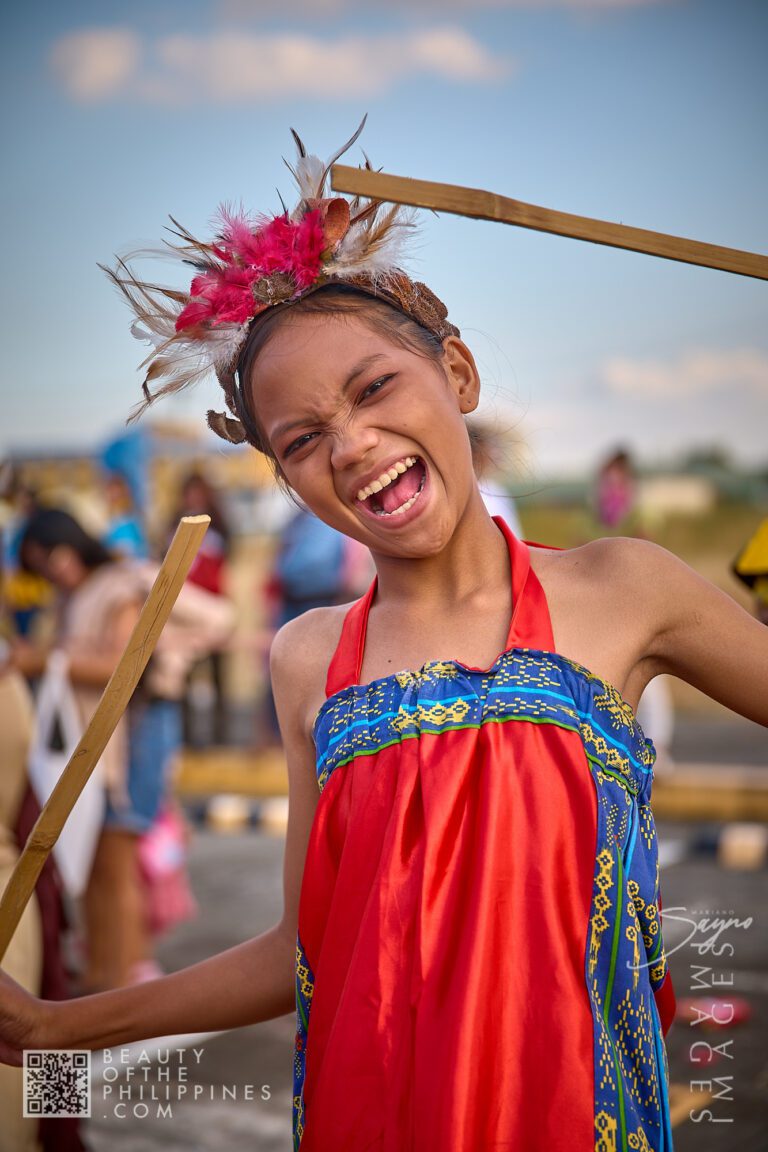
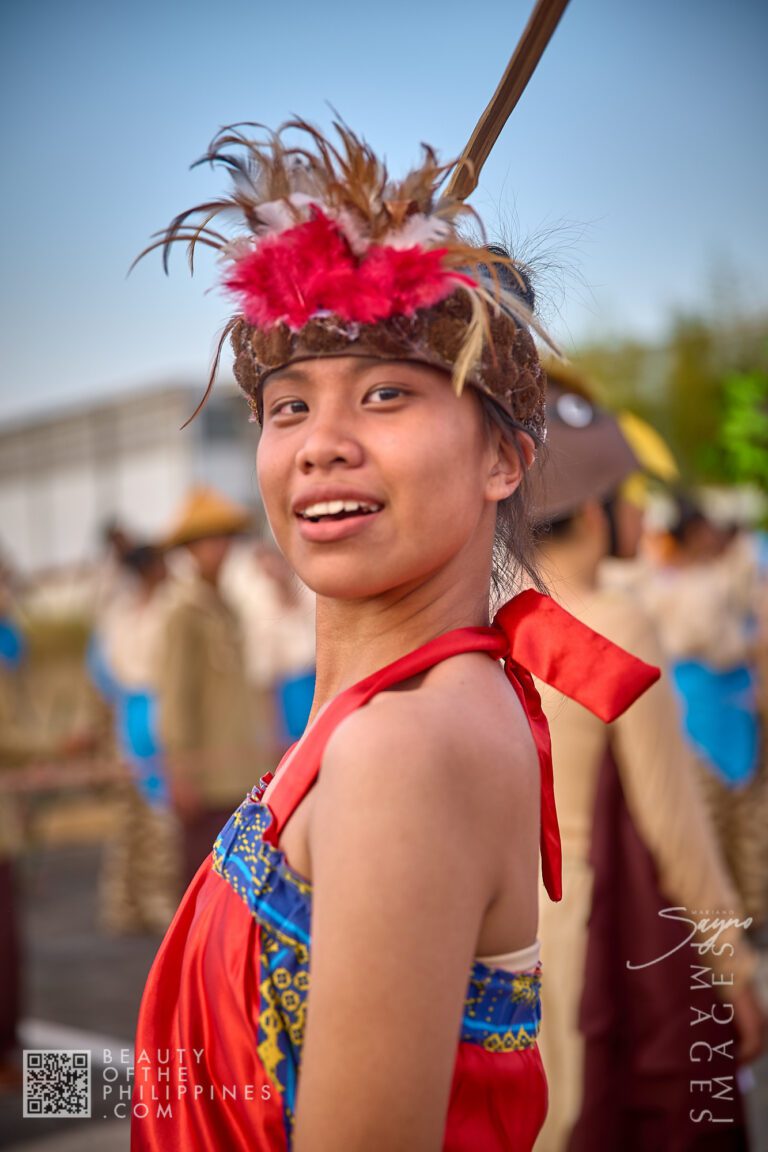
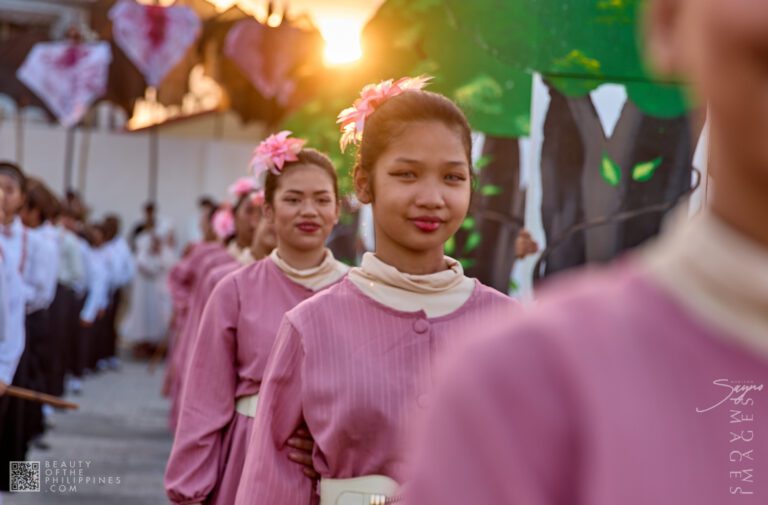
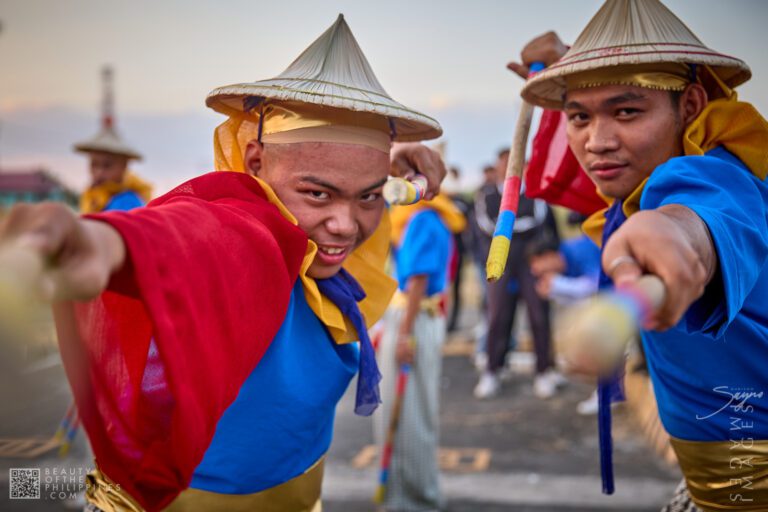
Throughout the week-long Balacat Festival, one of its most anticipated highlights is the street dance parade. On March 1, 2024, during the festival’s second year, the streets of McArthur Highway and the 3-hectare Balacat Village bustled with locals and tourists, all eager to witness the spectacle of the street dance and free dance interpretation competitions.
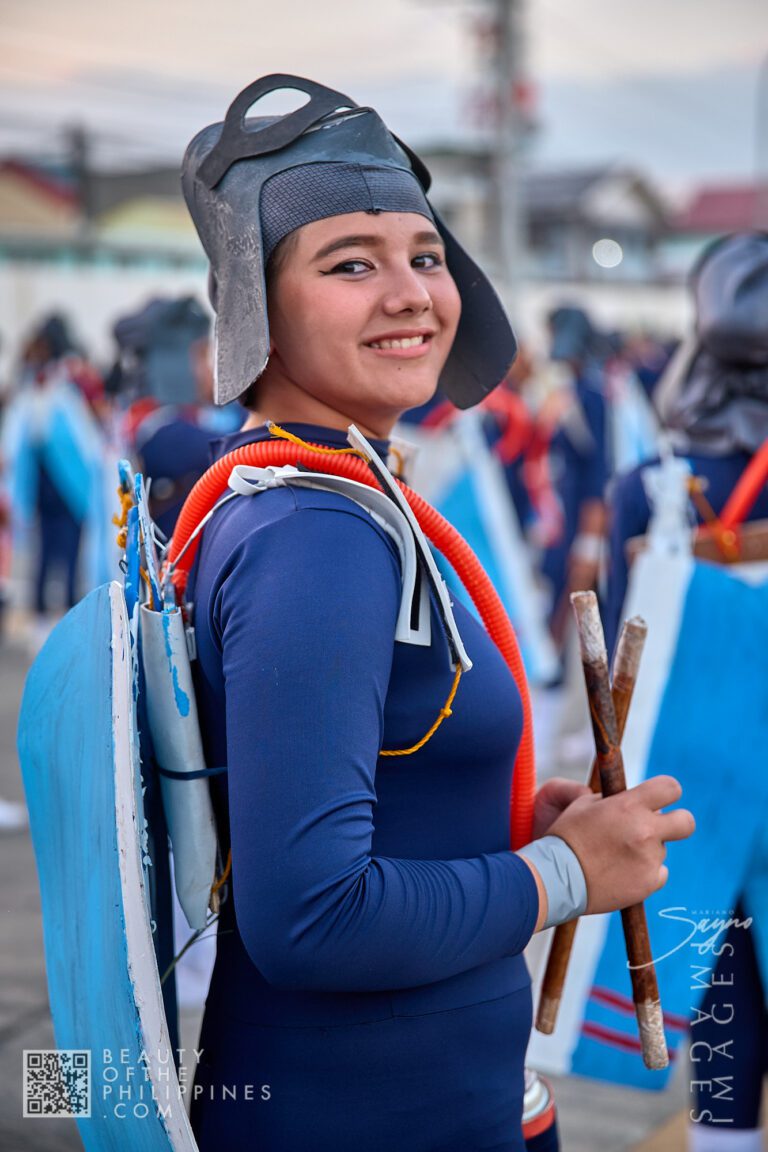
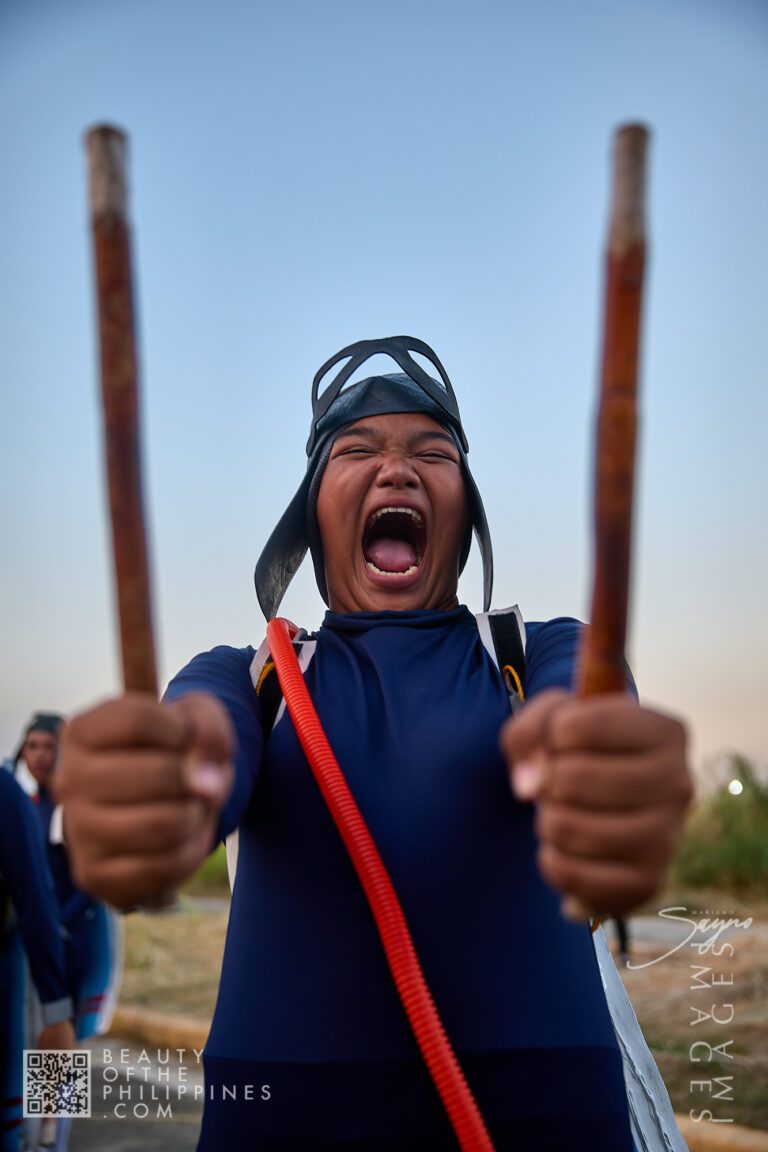
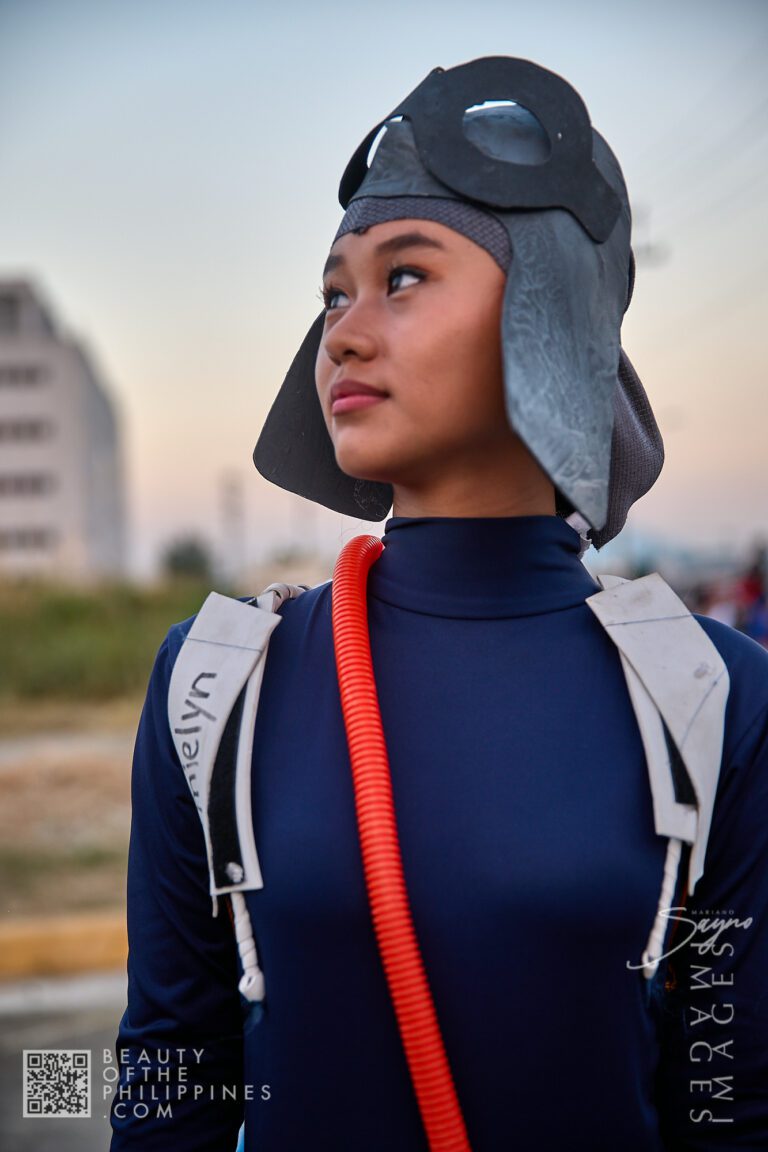
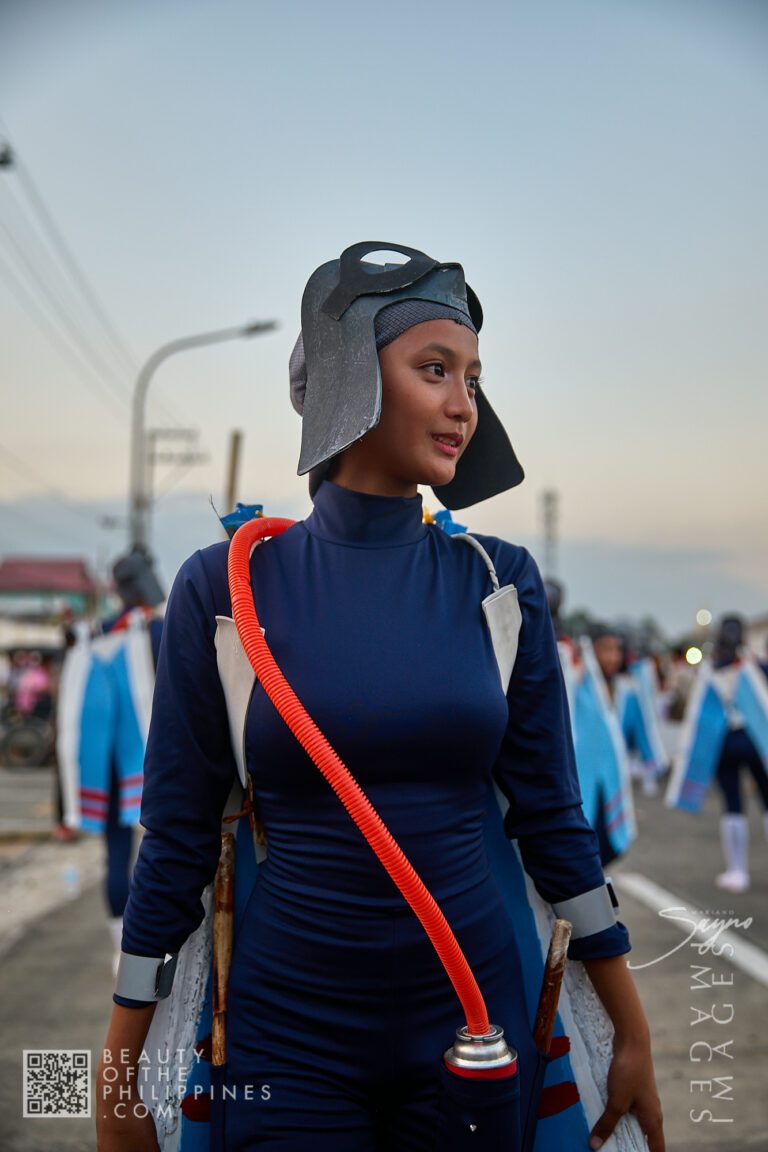
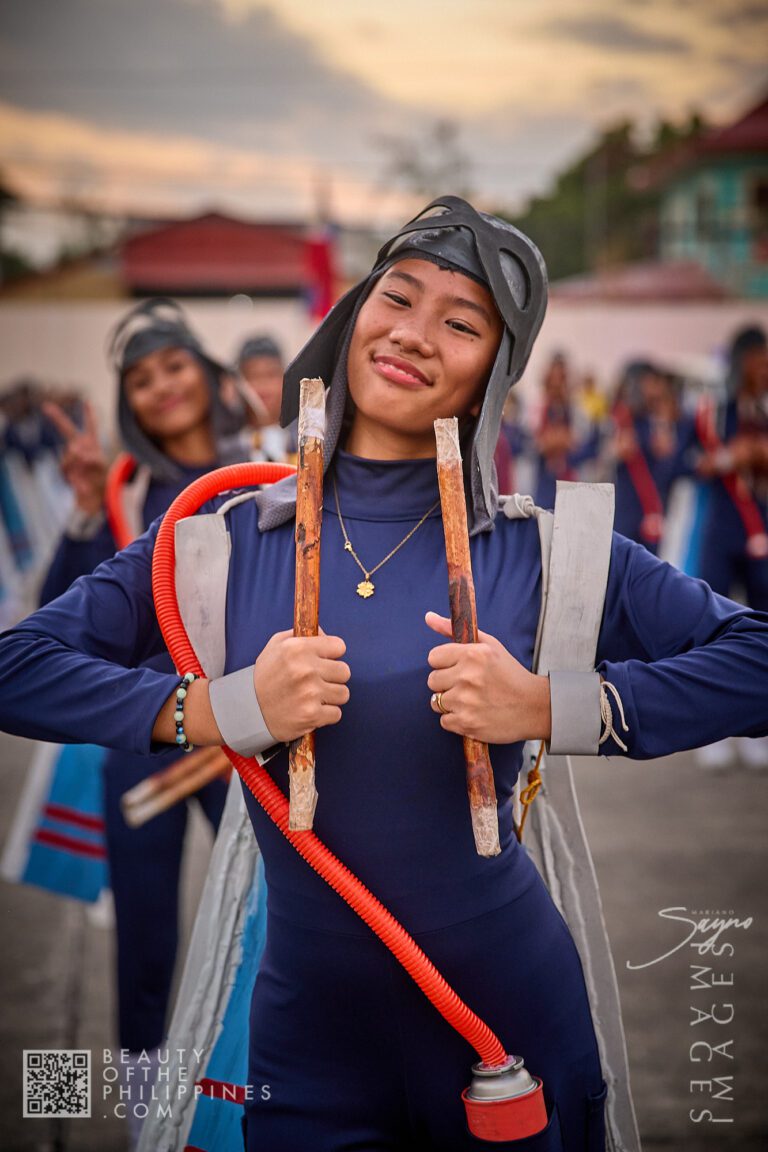
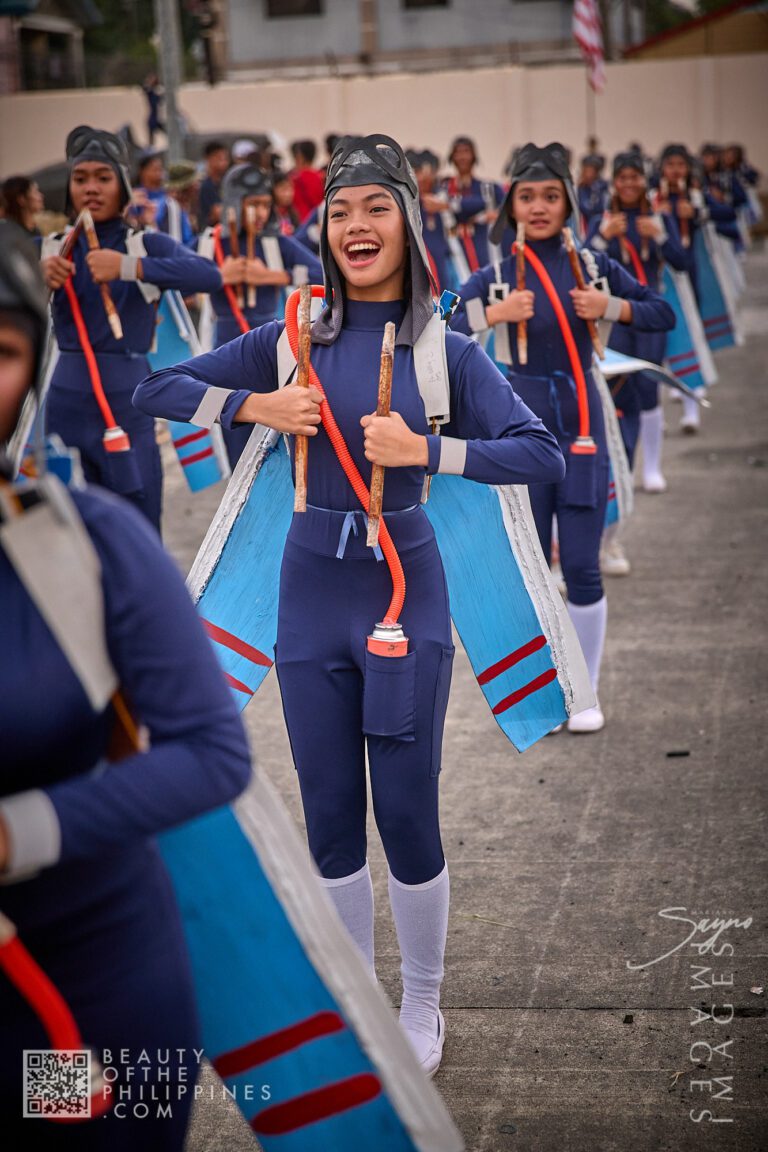
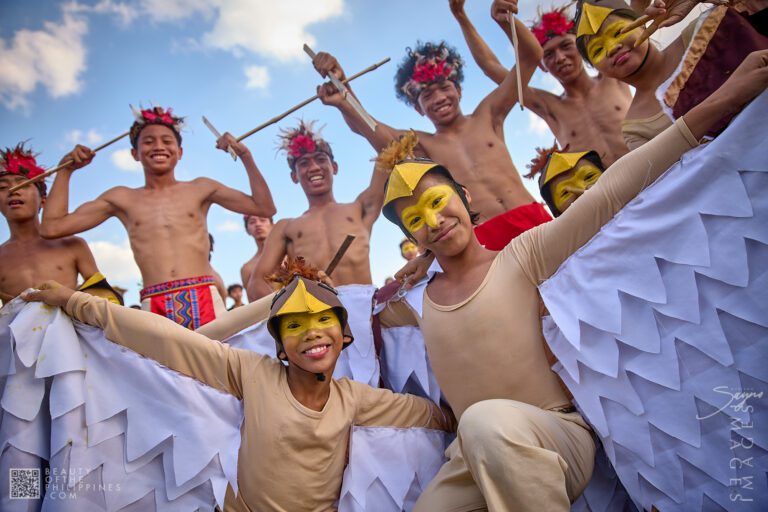
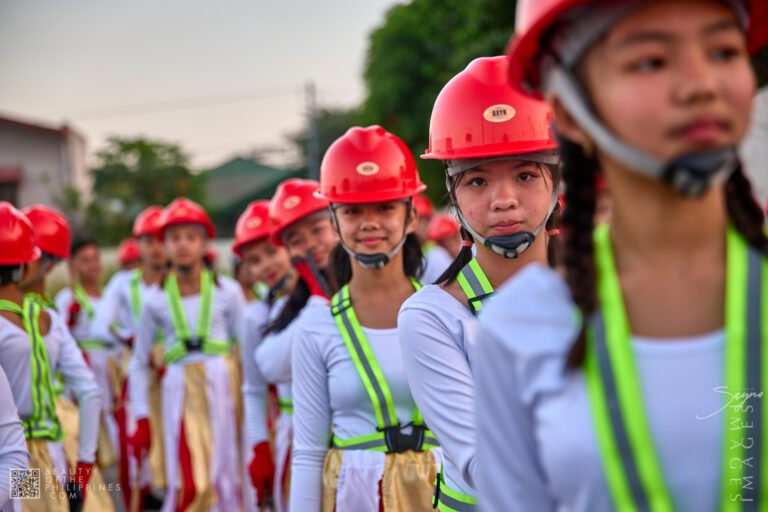
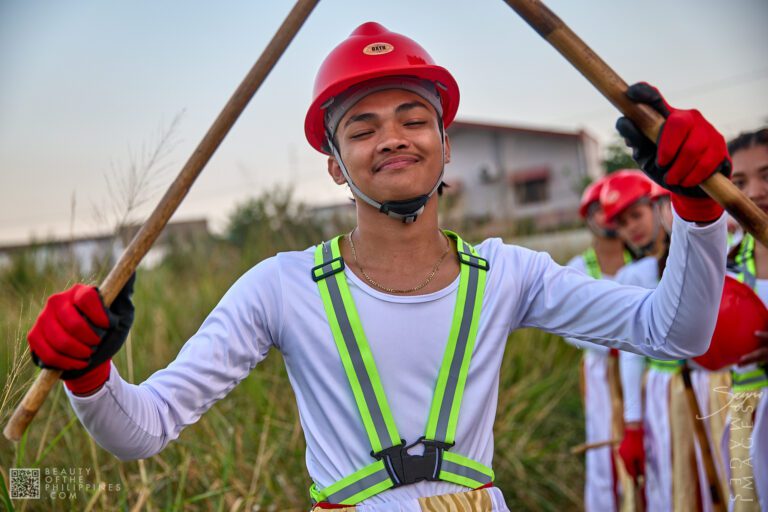
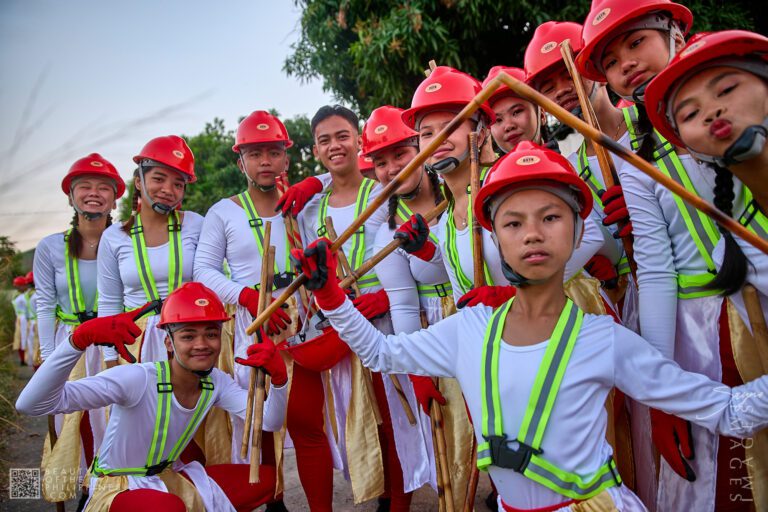
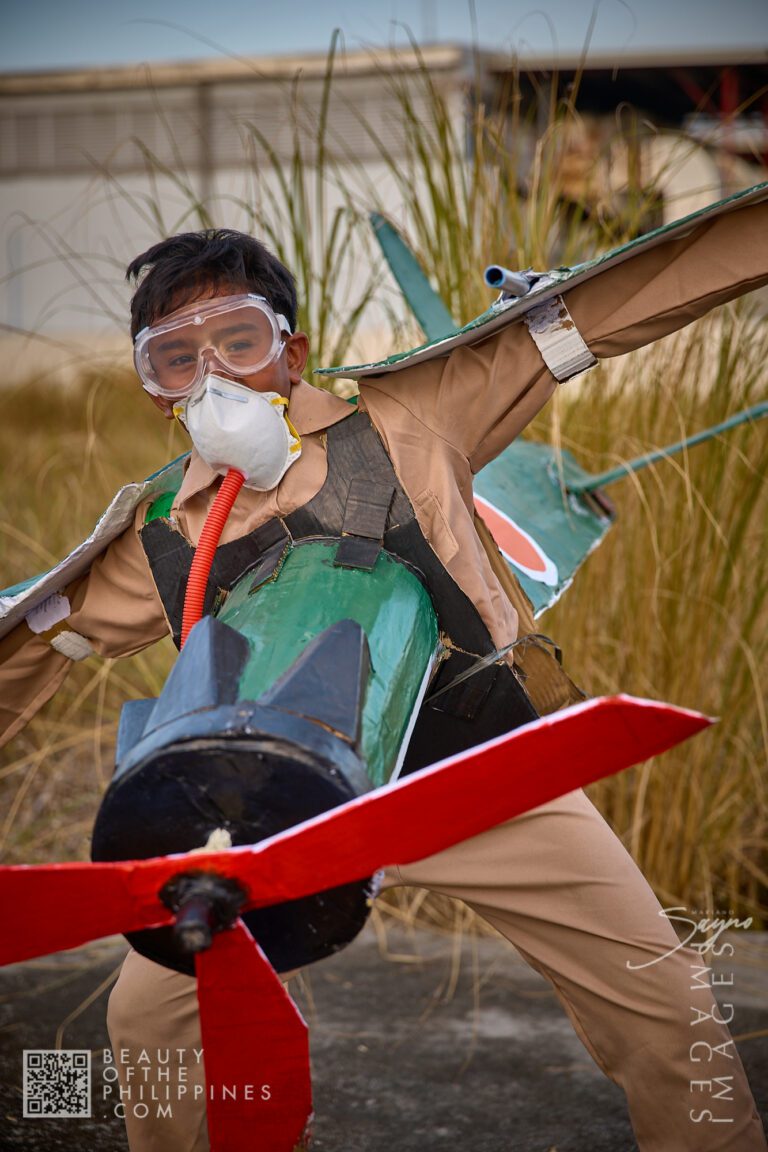
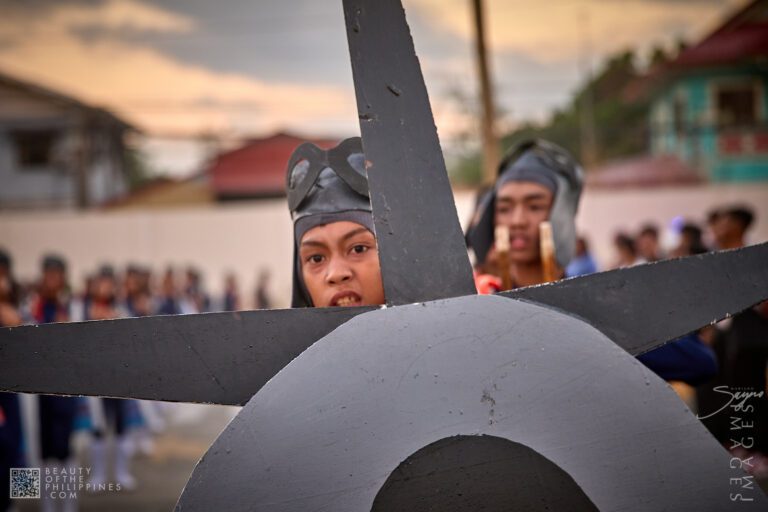
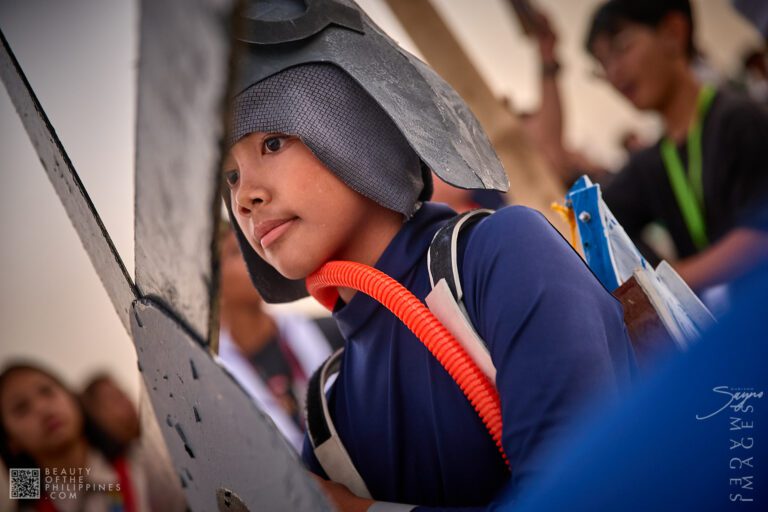
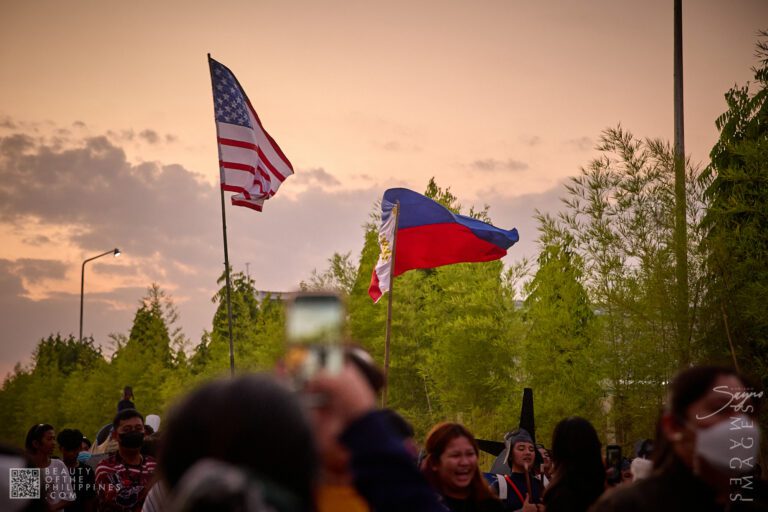
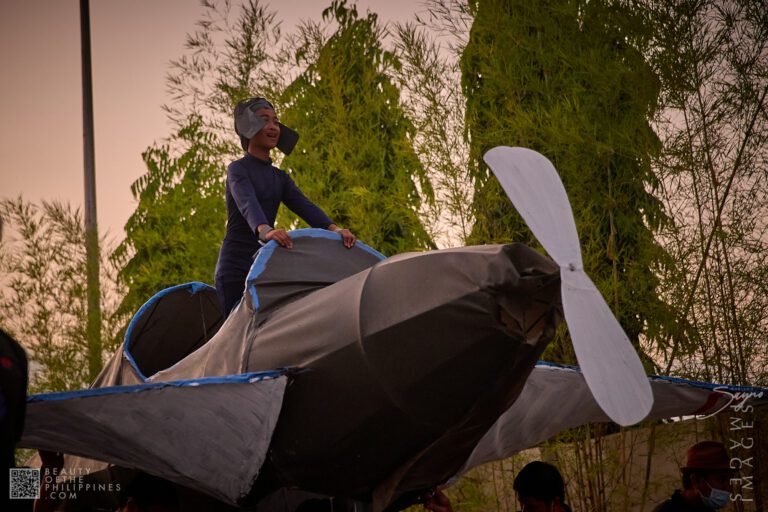
ABOVE: This team showcased the theme “Clark as the largest air force base of the United States.”
They dressed up in costumes representing a blend of pilot and aircraft themes, featuring large aircraft wings on their backs and pilot headgear.
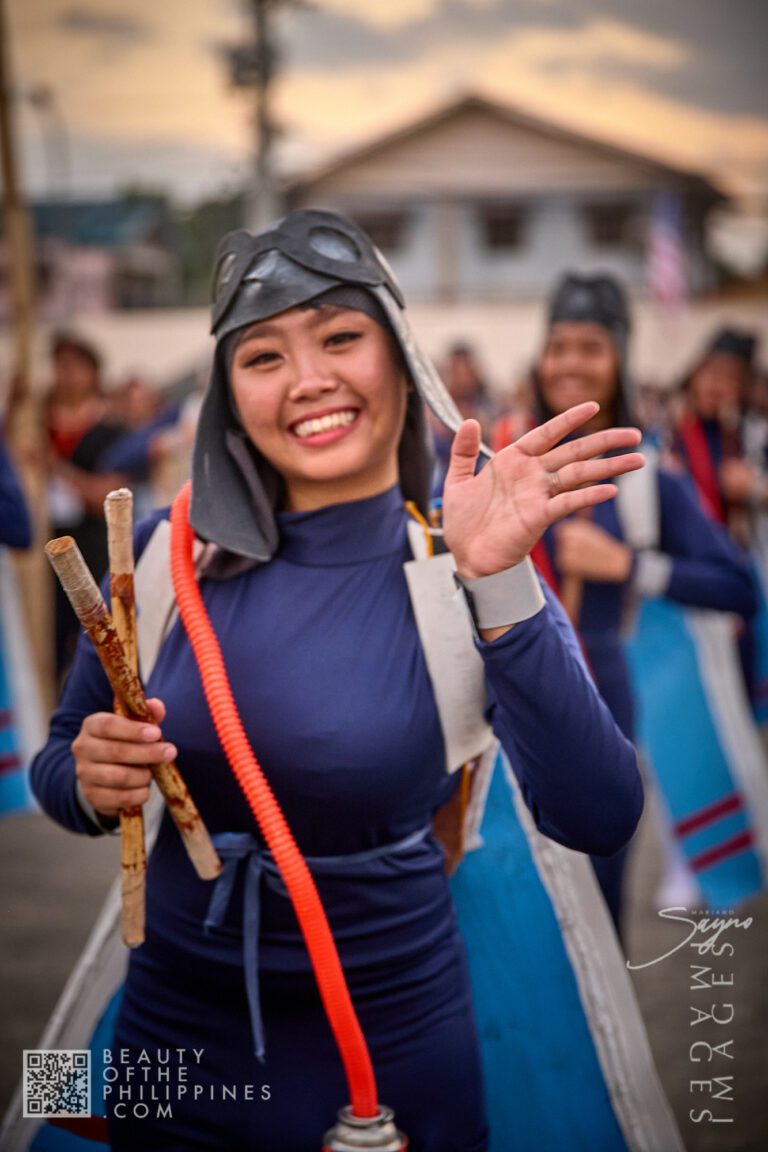
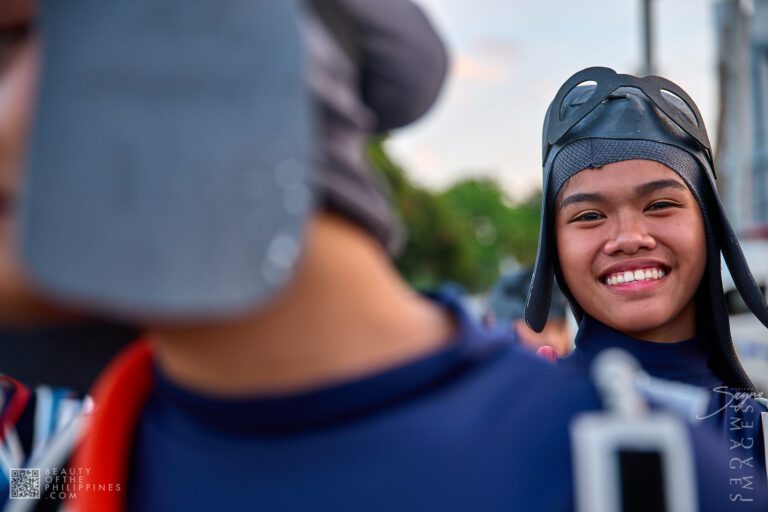
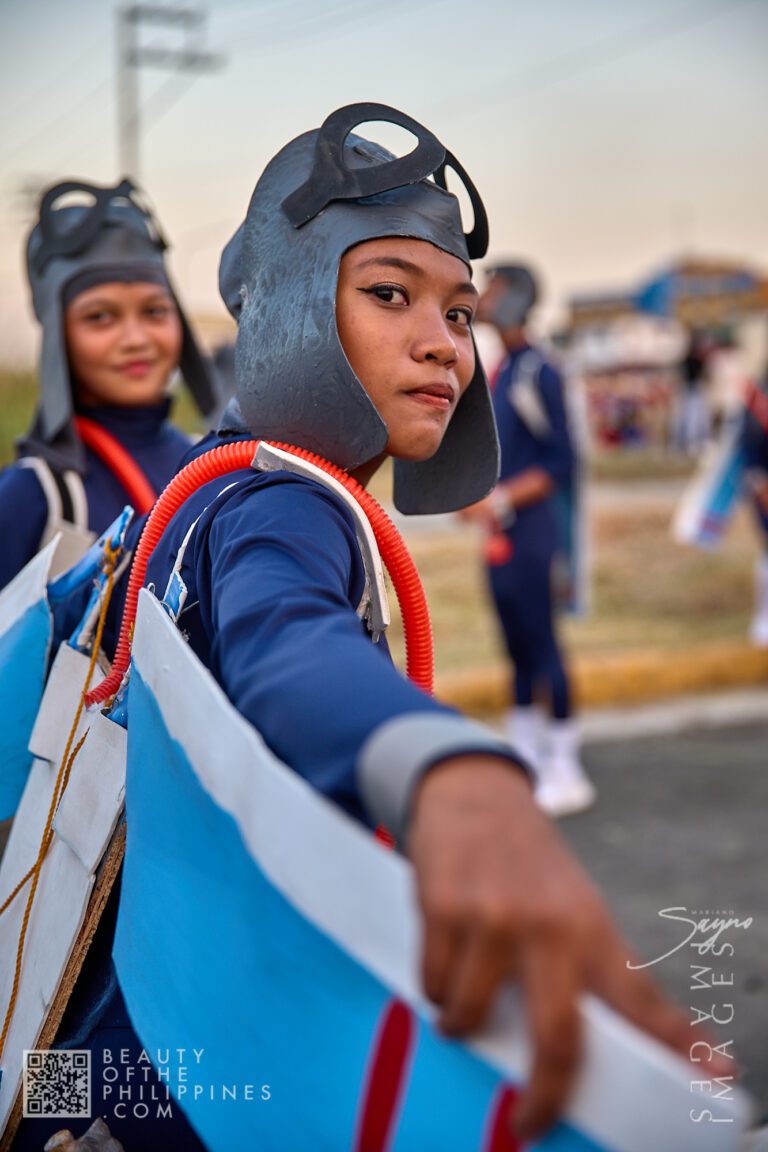
ABOVE: This team showcased the theme “Clark as the largest air force base of the United States.”
They dressed up in costumes representing a blend of pilot and aircraft themes, featuring large aircraft wings on their backs and pilot headgear.
The distinctive feature of the Balacat Festival was its innovative take on street dance competitions. Instead of adhering to a singular theme, the performances explored diverse aspects of the city’s rich history. They covered a wide range of narratives, including the heritage of indigenous tribes, the era of Spanish colonization, the impact of American occupation, the struggles of World War II, the richness of local folklore, the aftermath of the Pinatubo eruption, and the city’s evolution towards modernization. This multifaceted approach not only provided entertainment but also served as a journey through Mabalacat‘s past and present, offering spectators a deeper understanding.
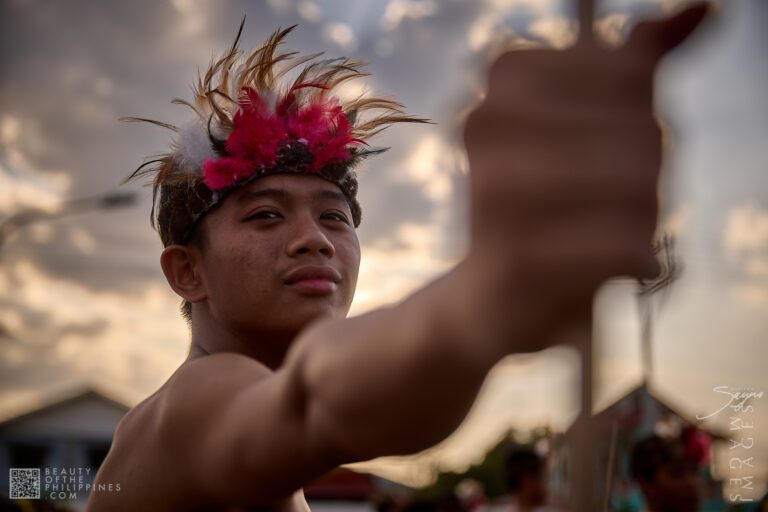
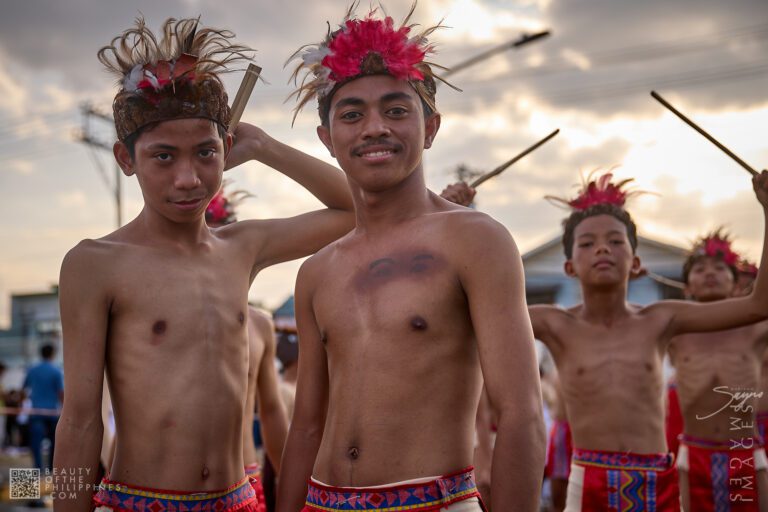
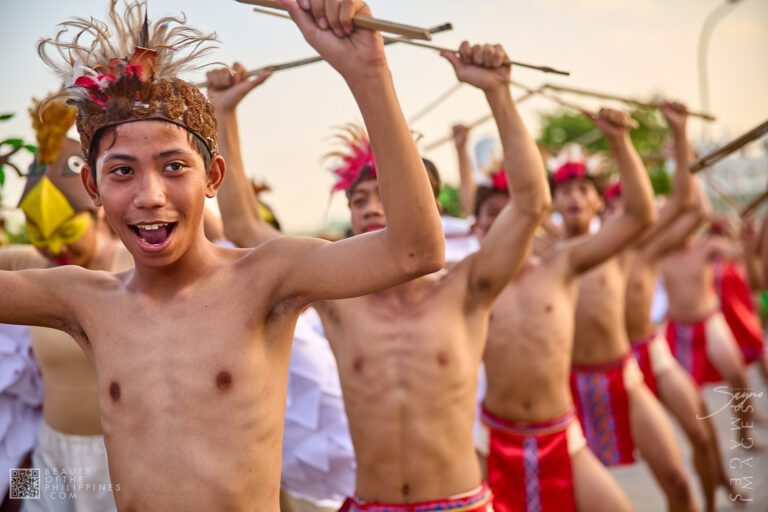
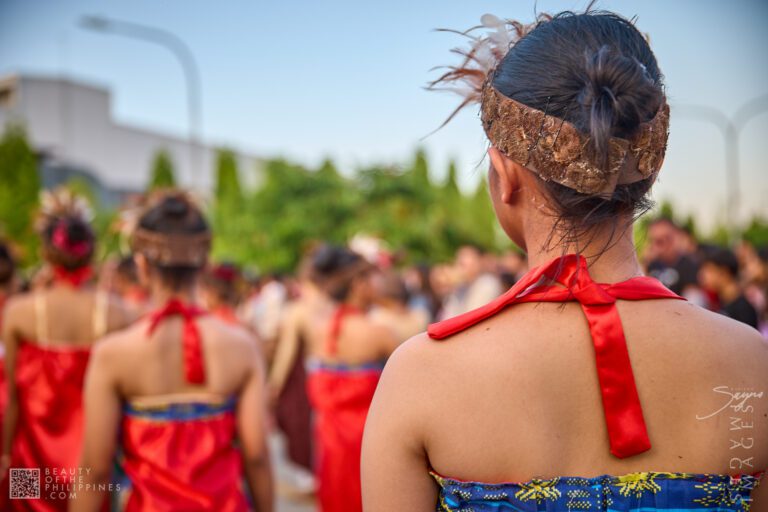
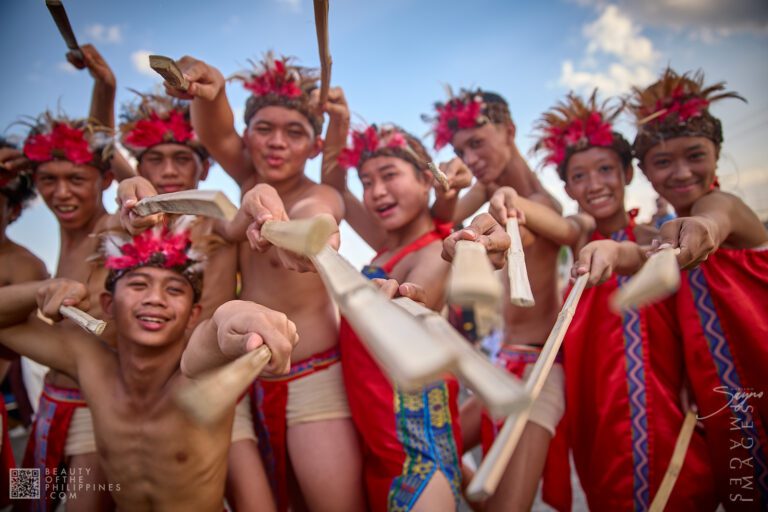
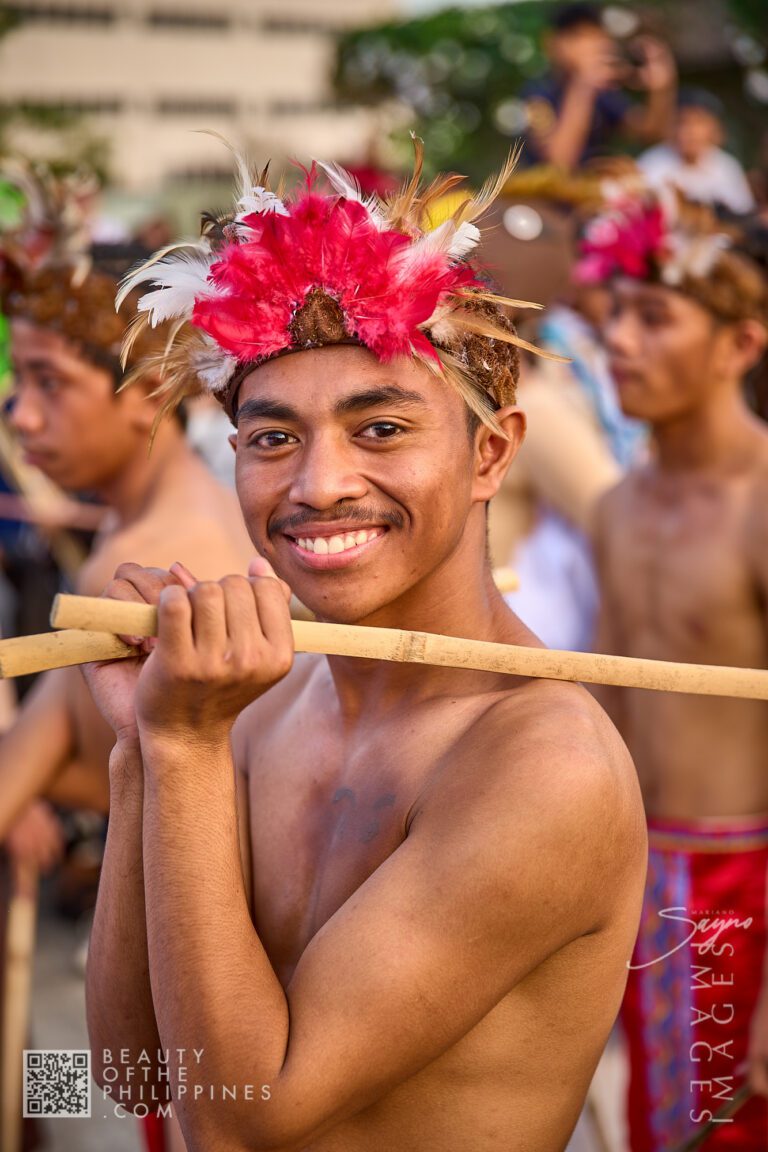
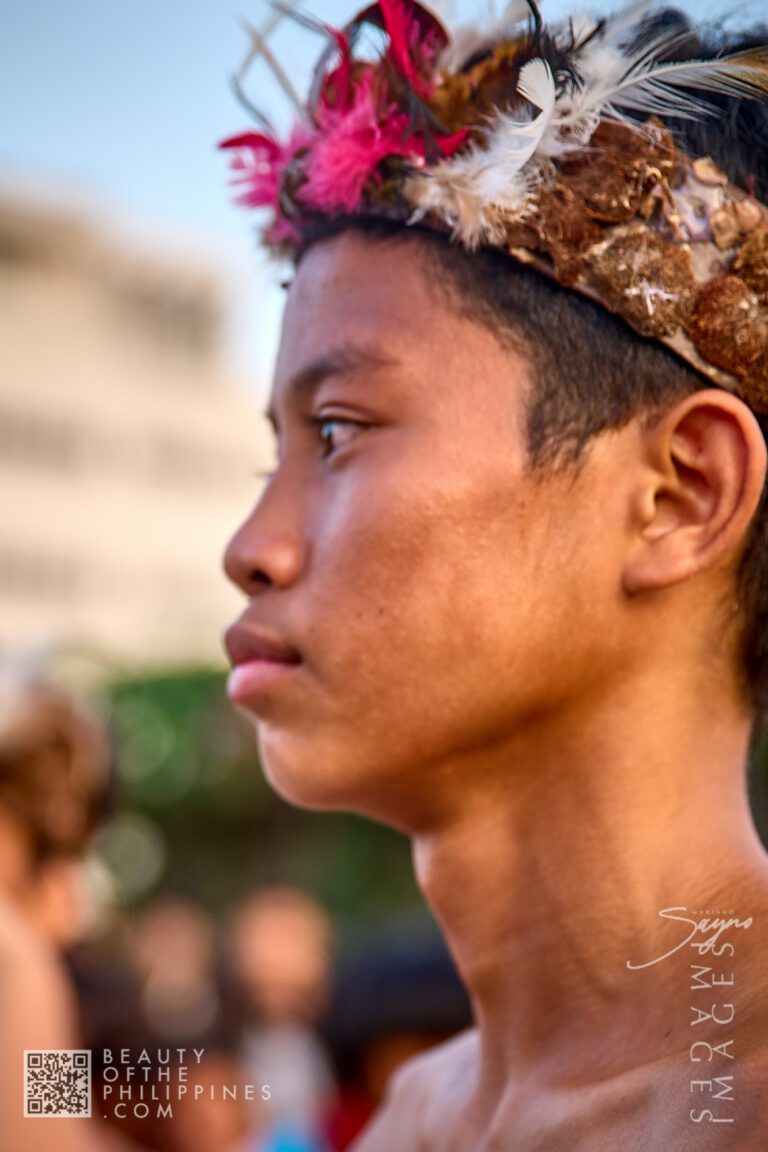
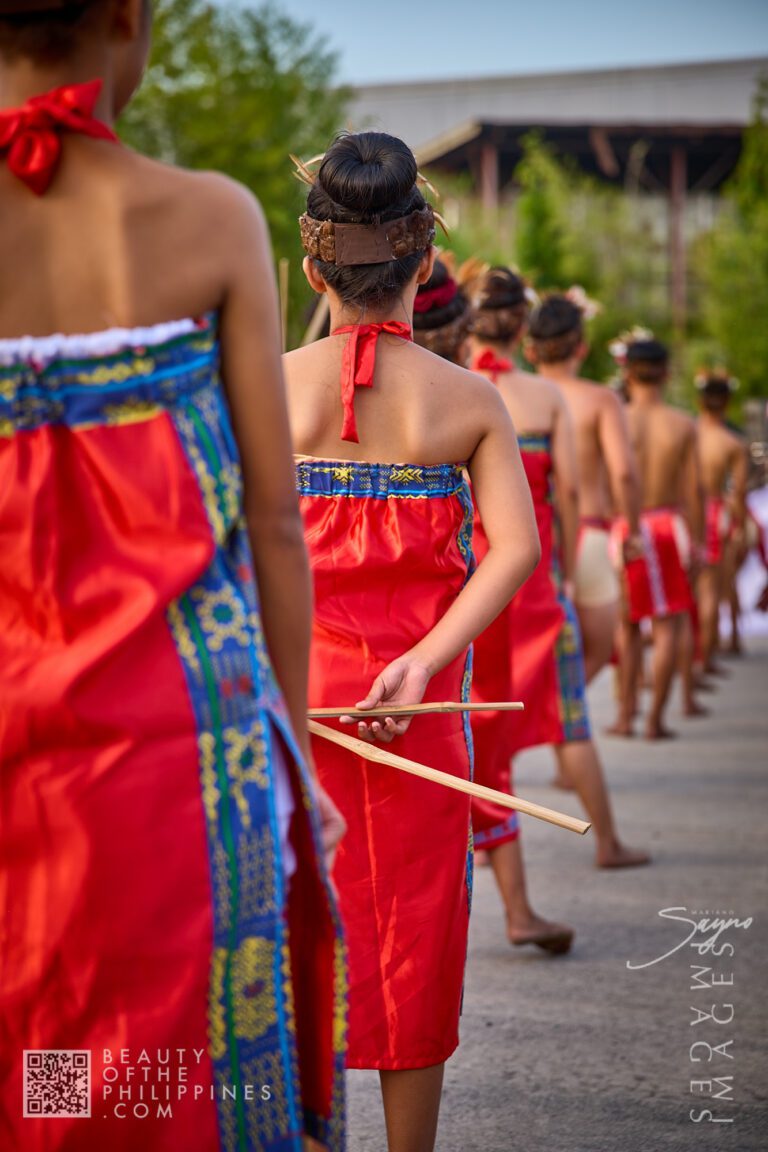
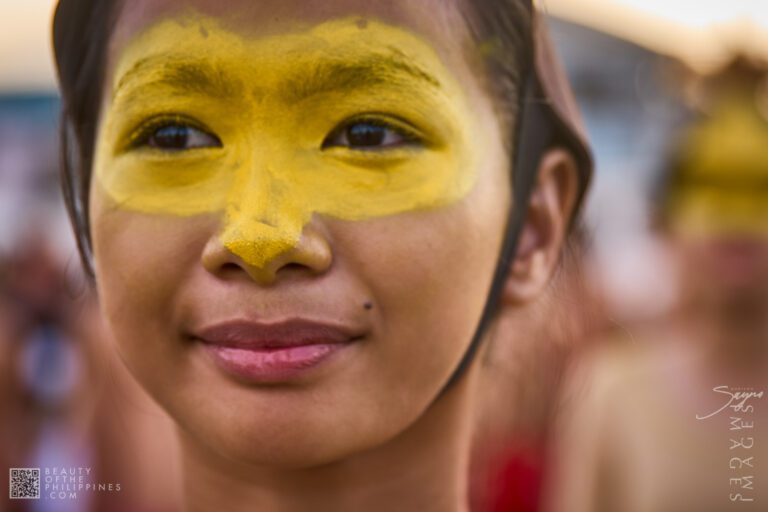
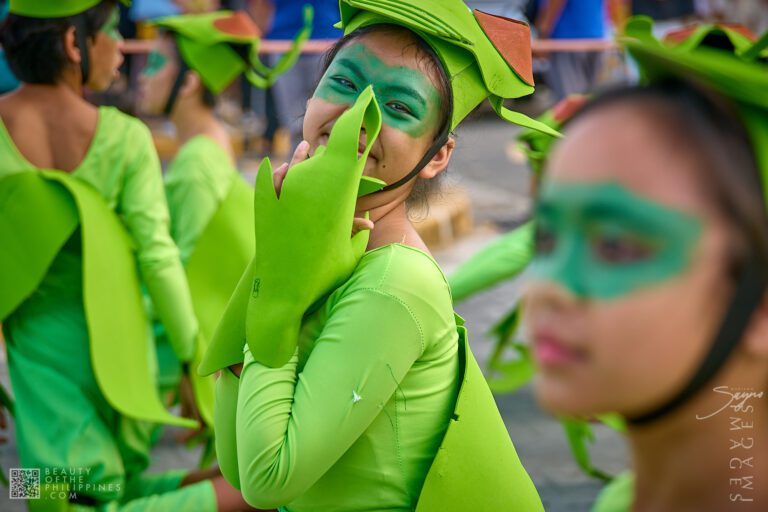
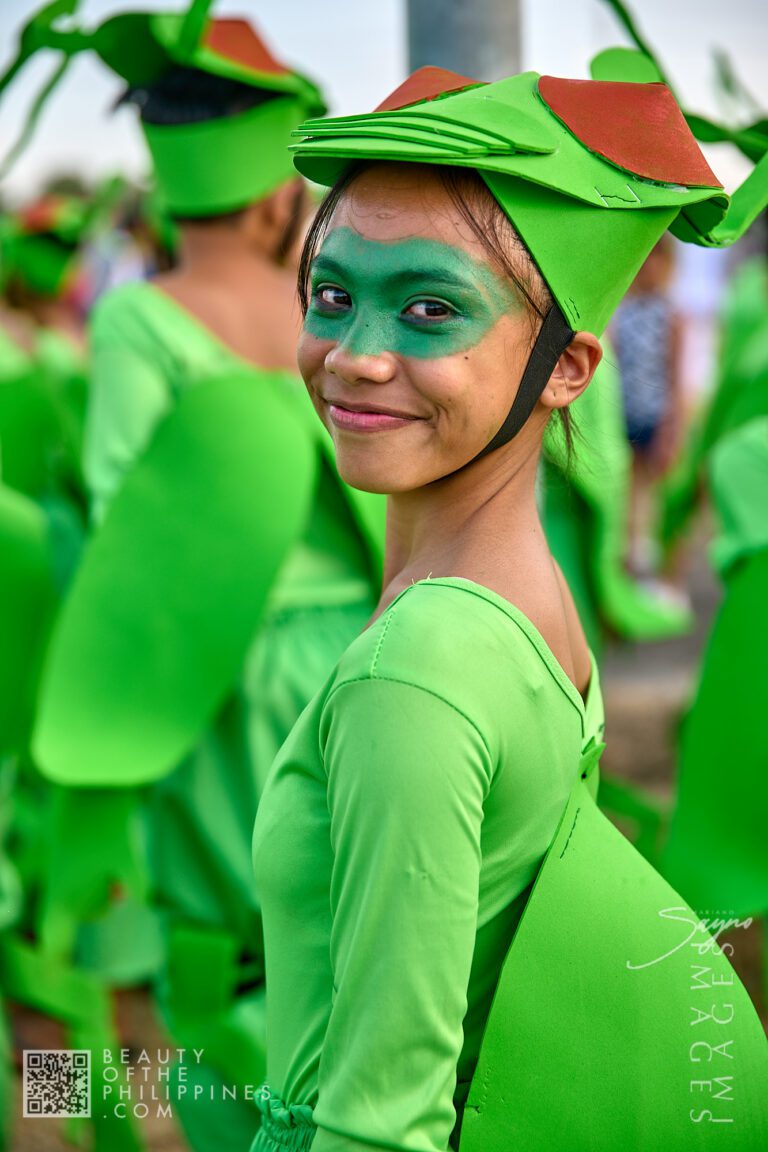
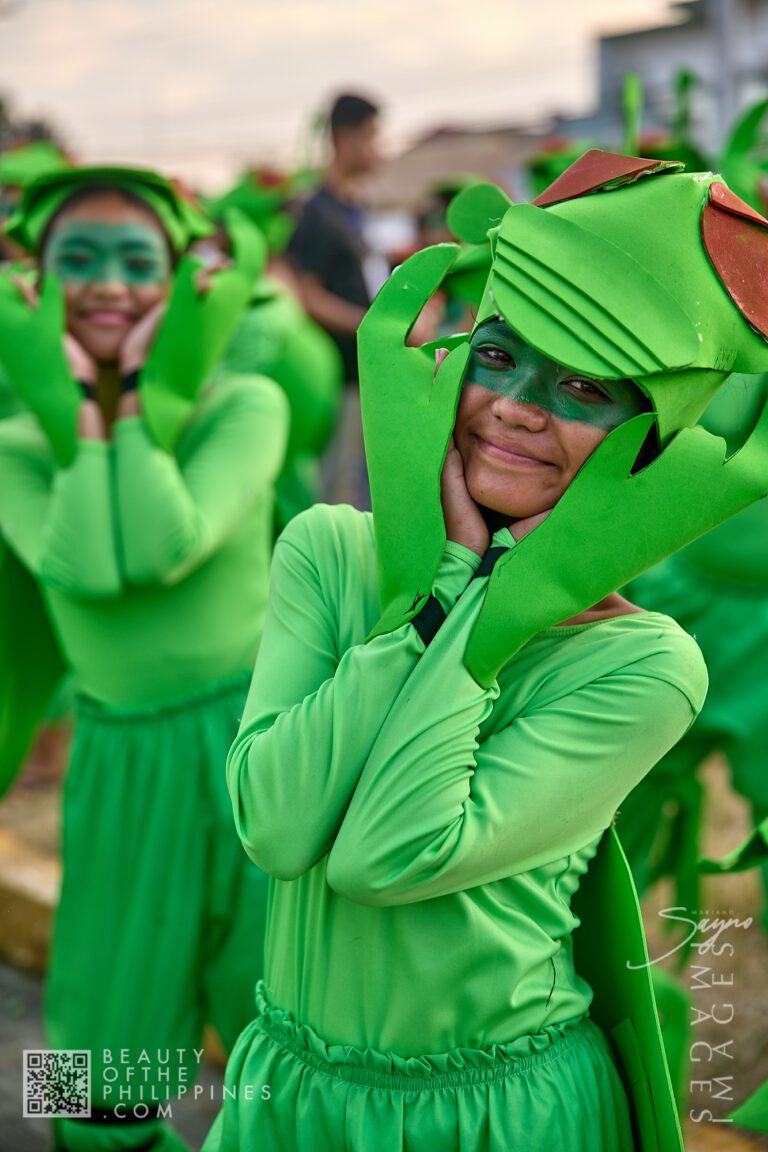
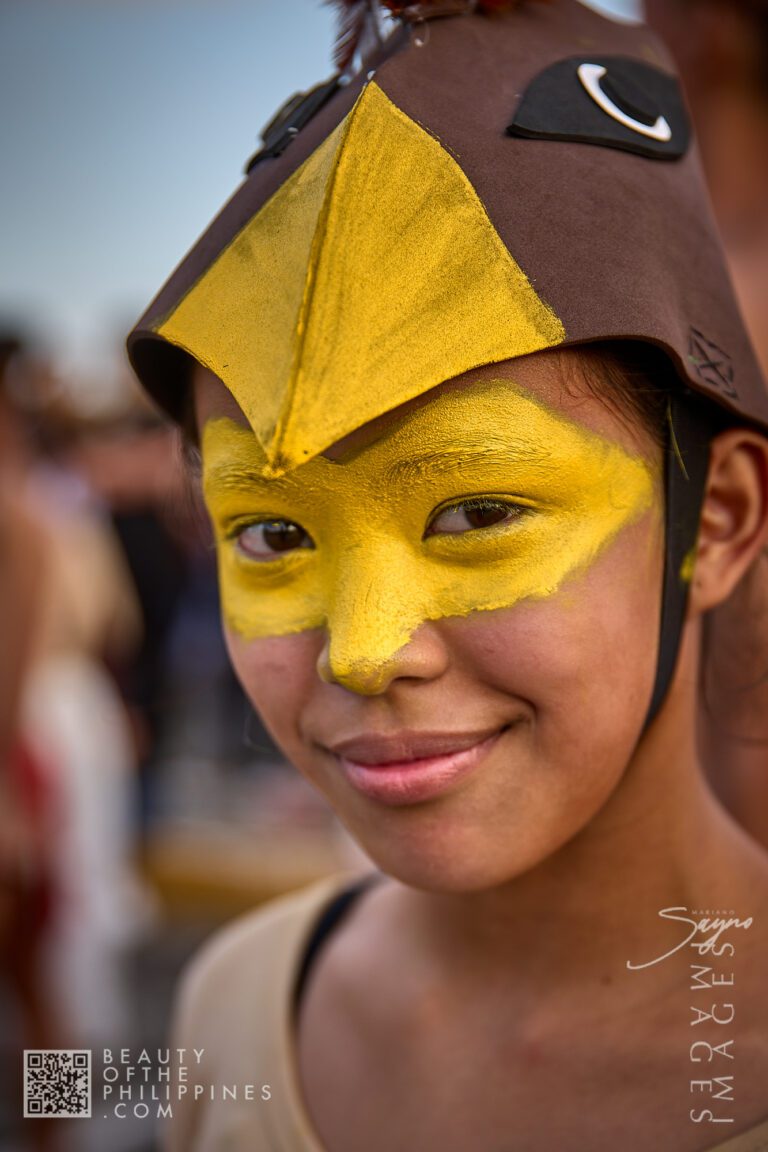
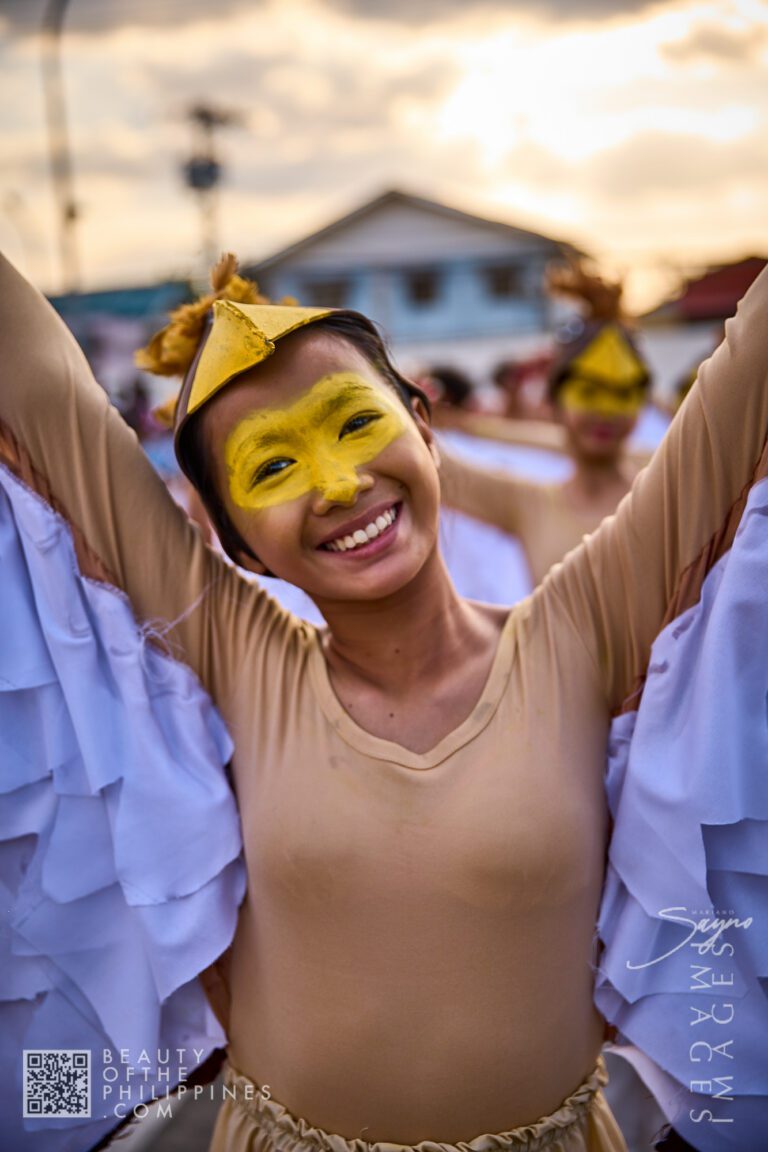
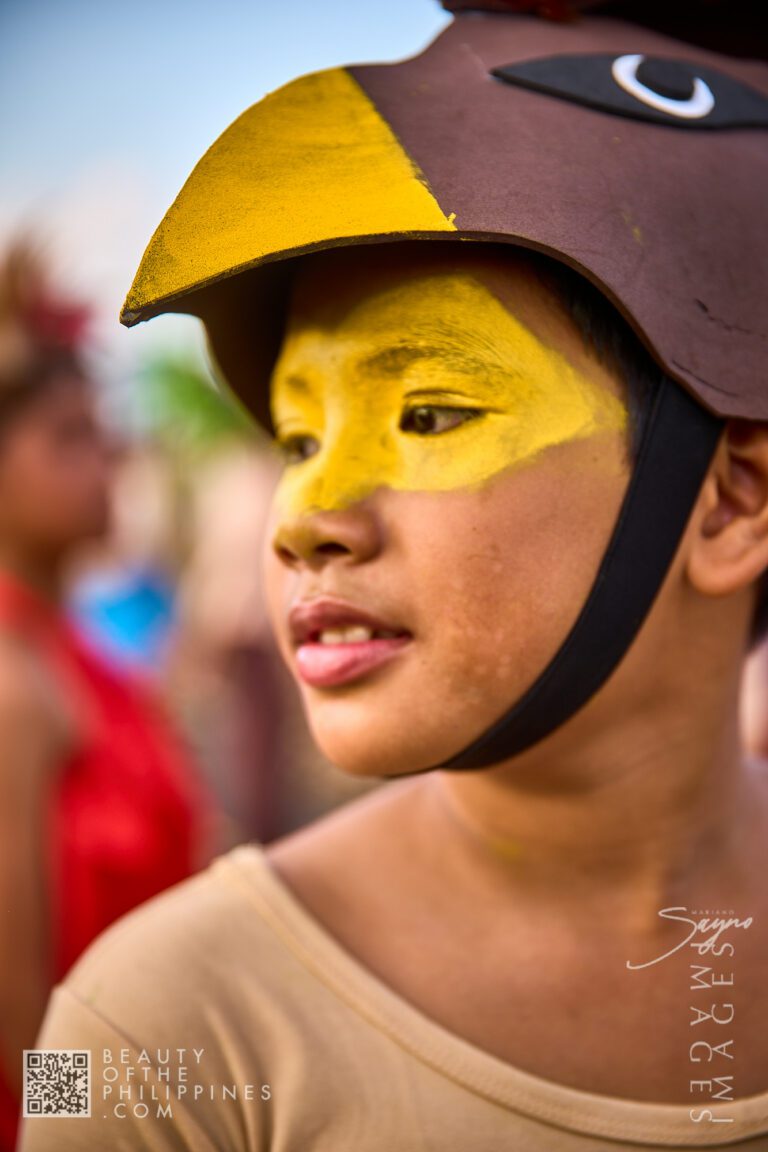
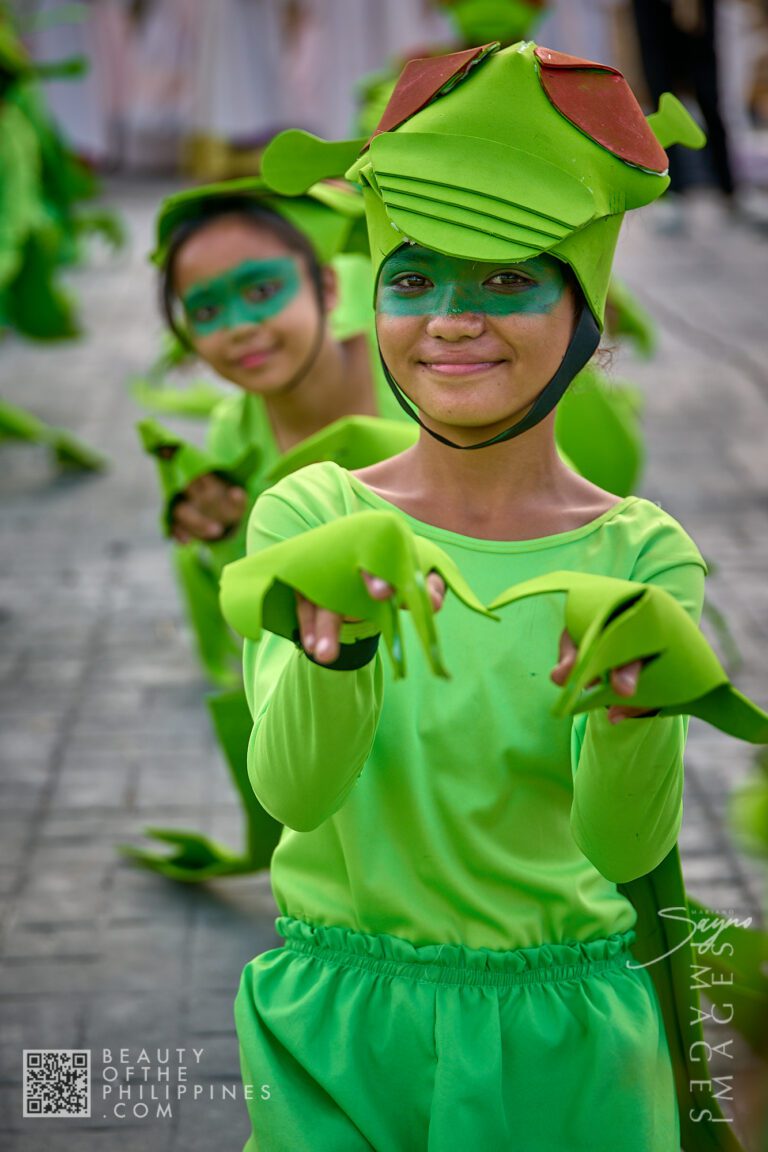
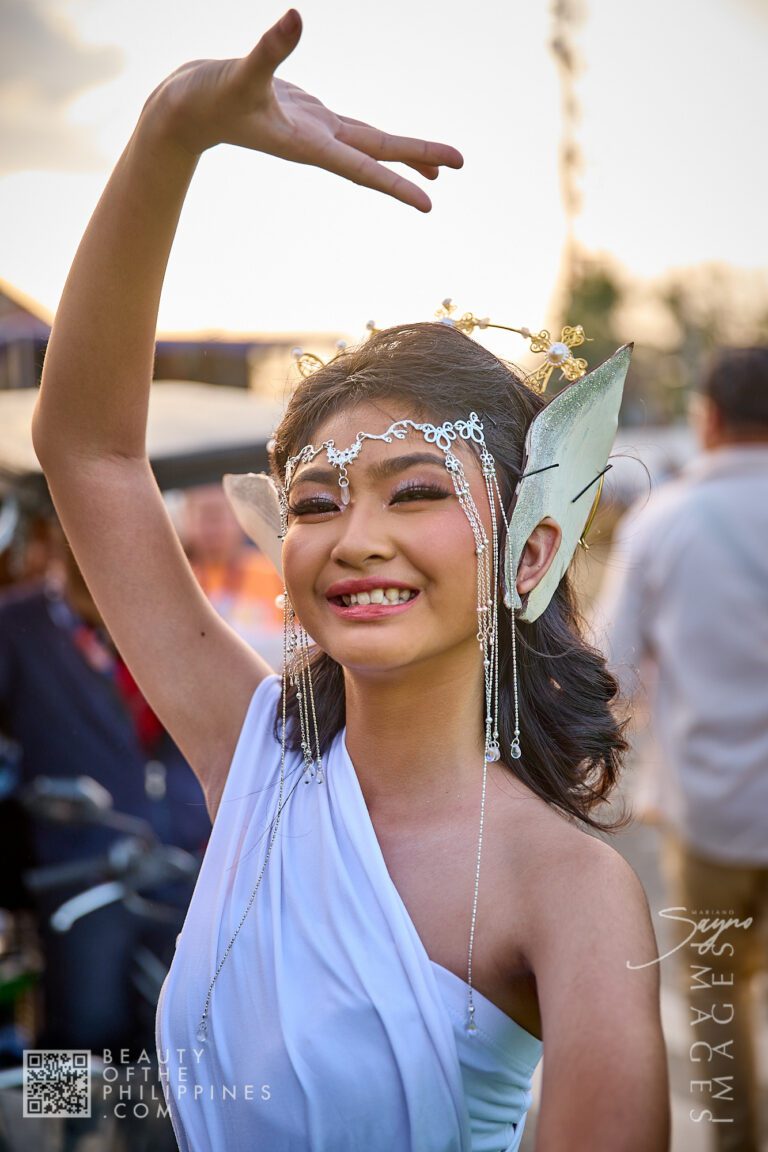
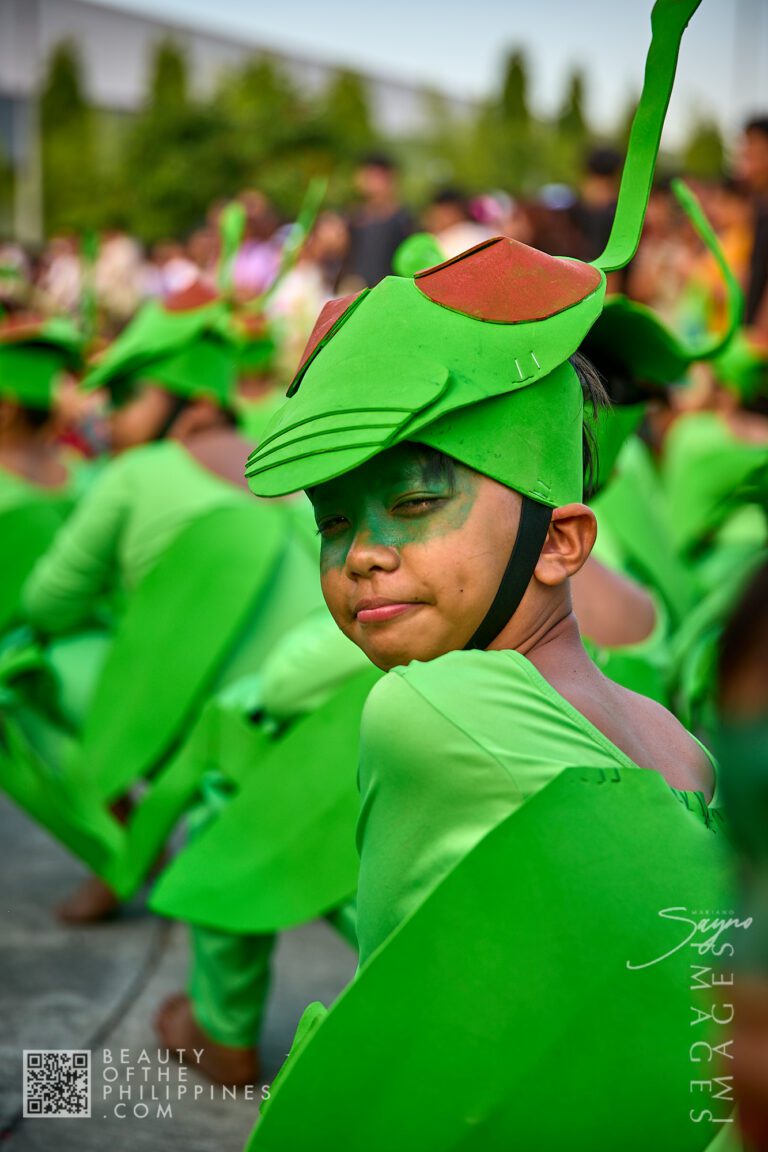
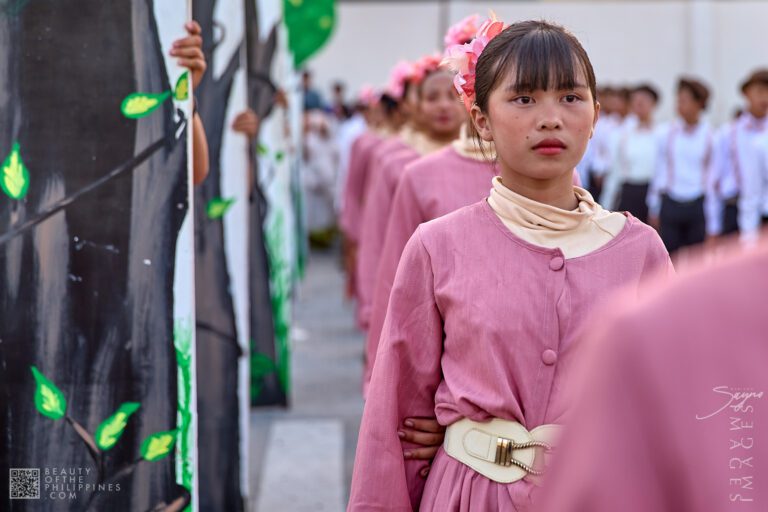
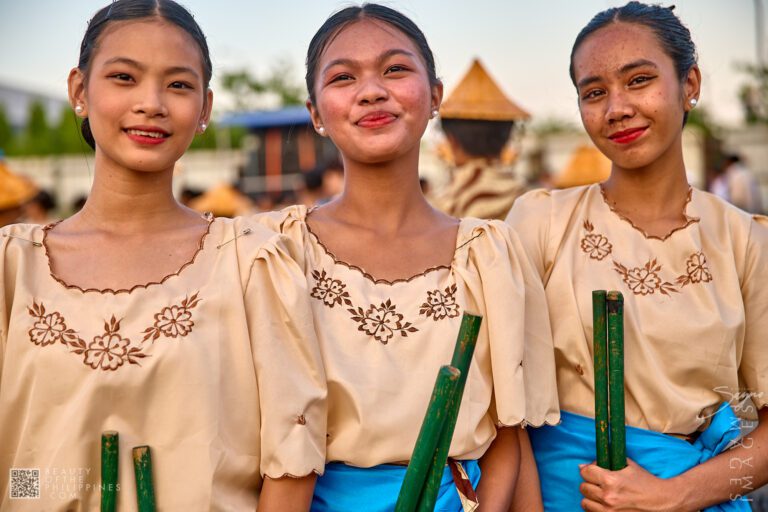
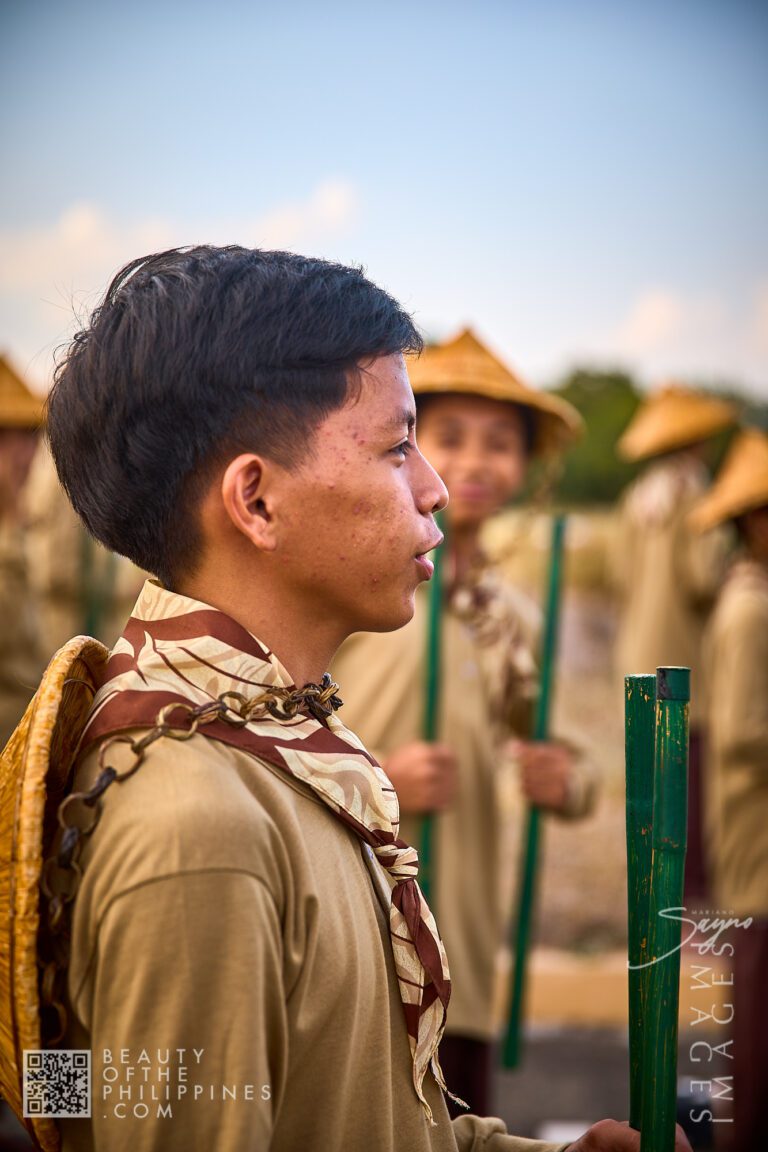
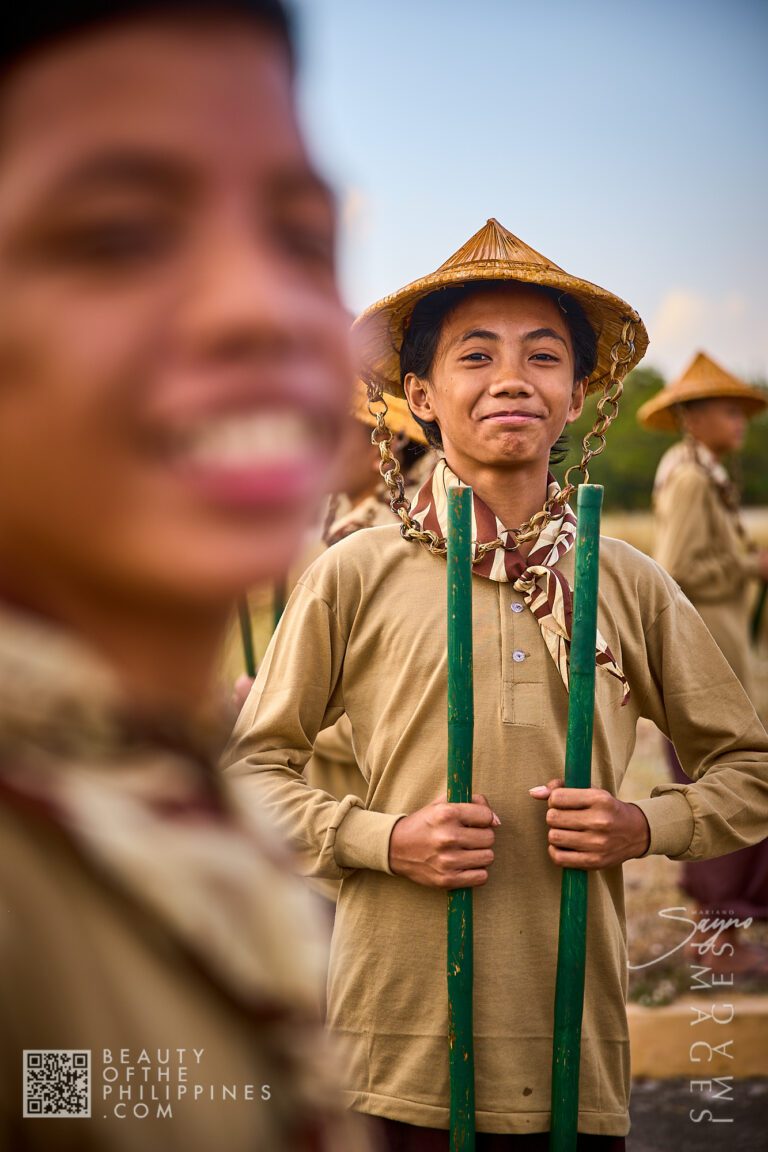
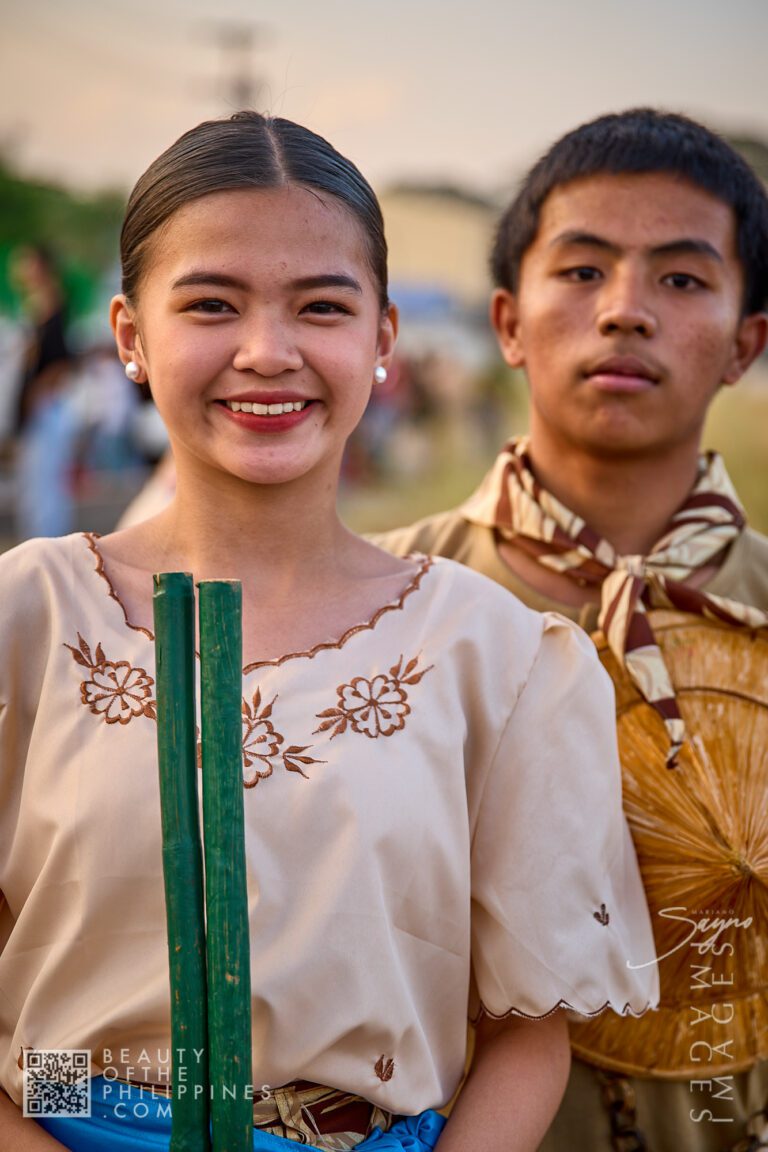
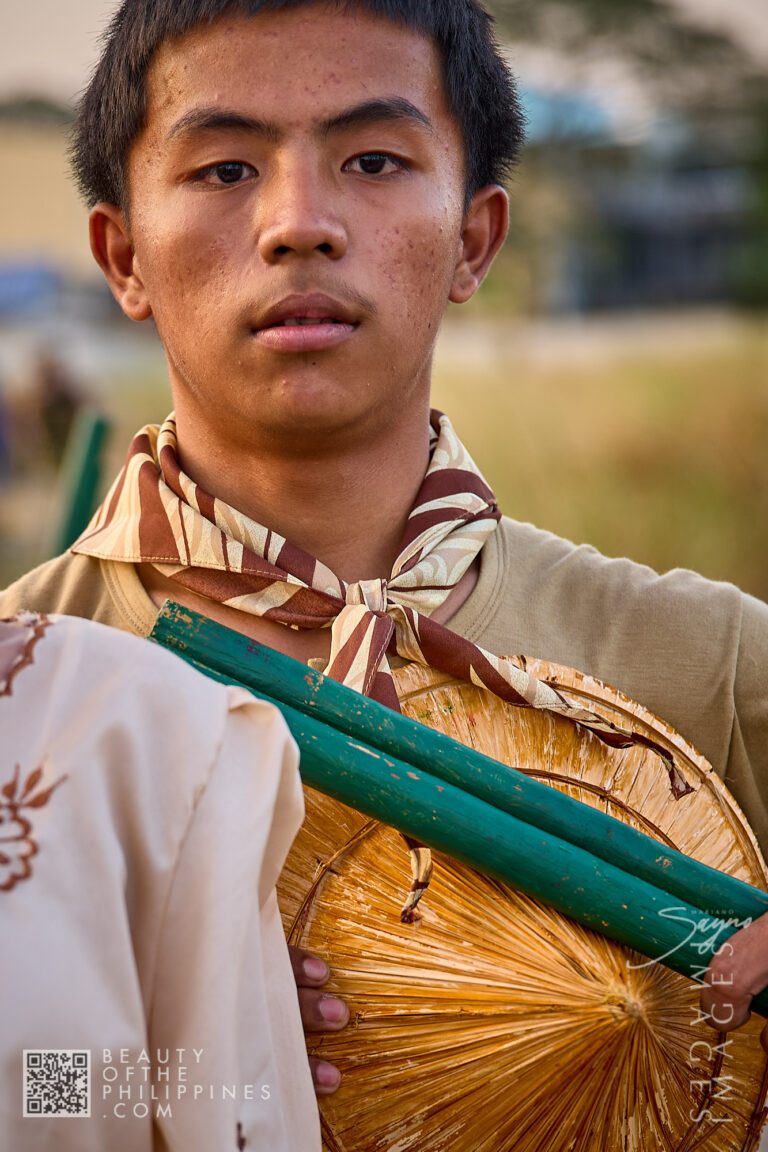
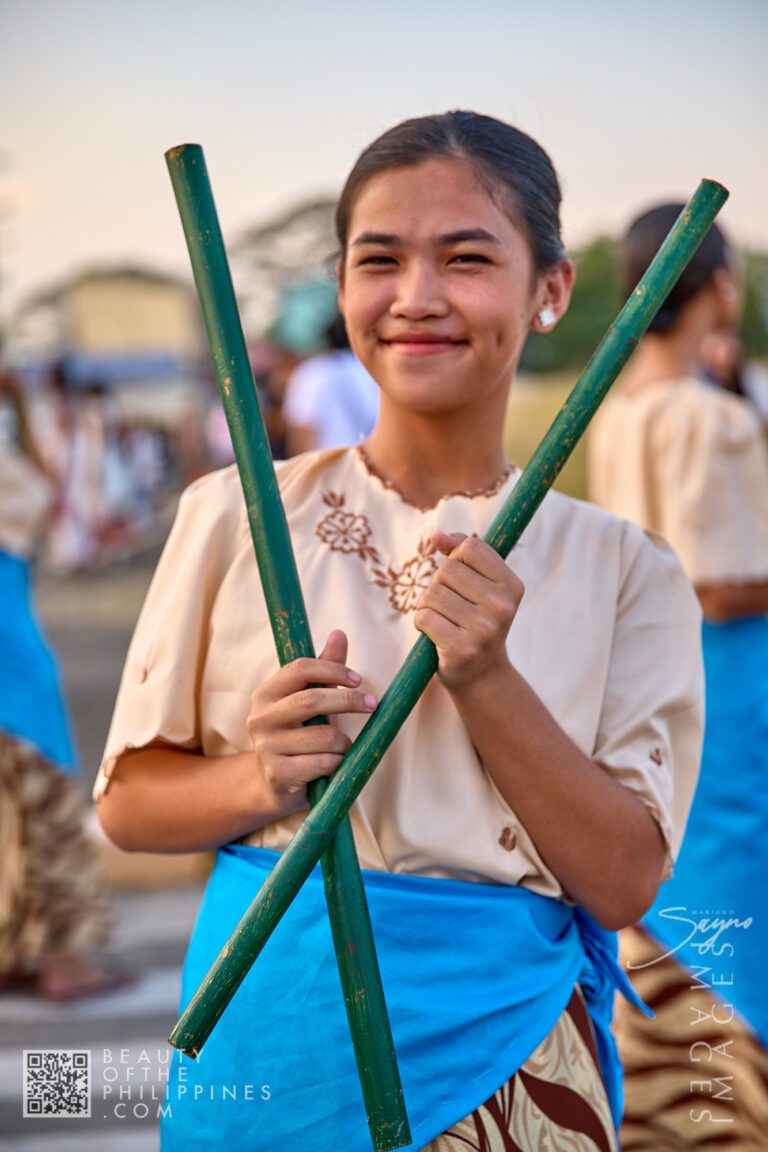
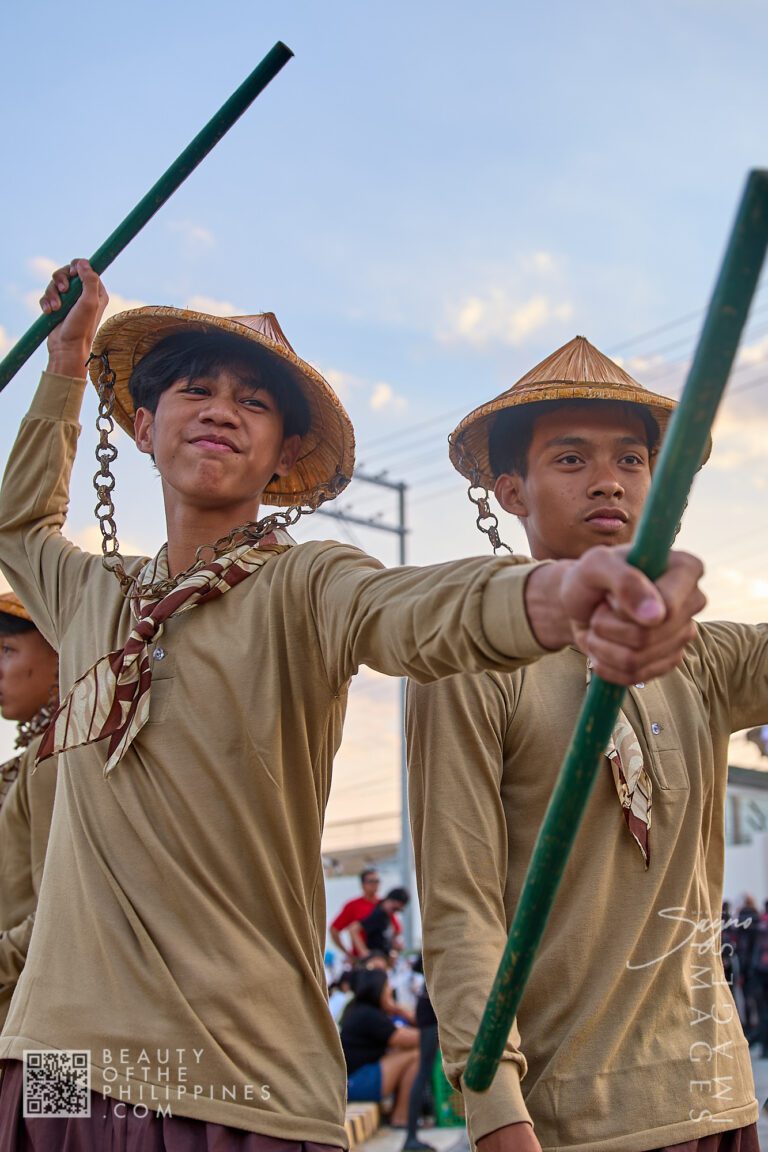
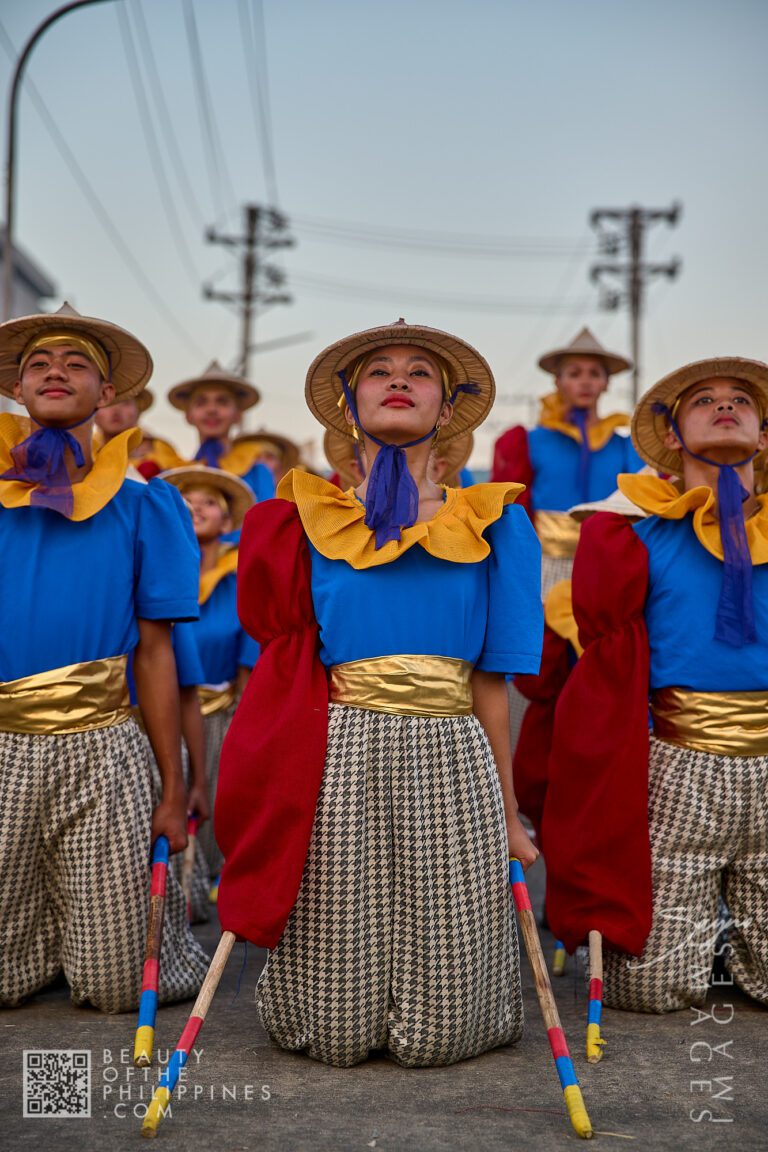
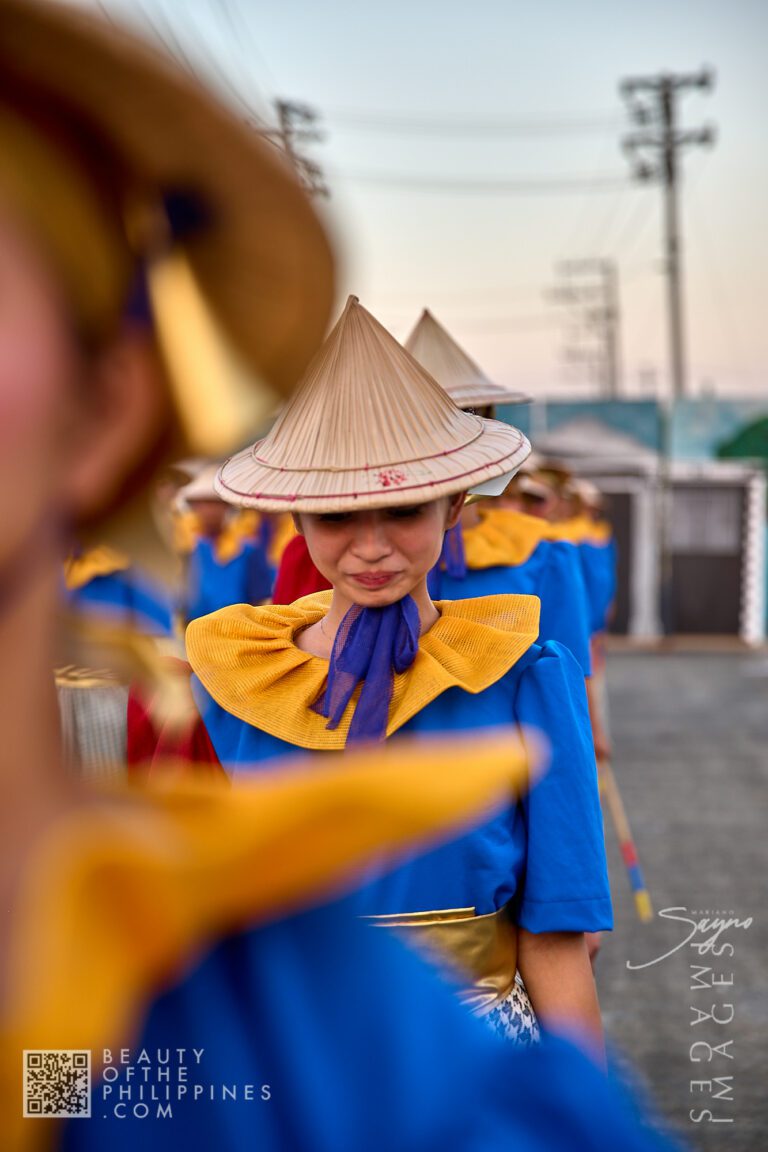
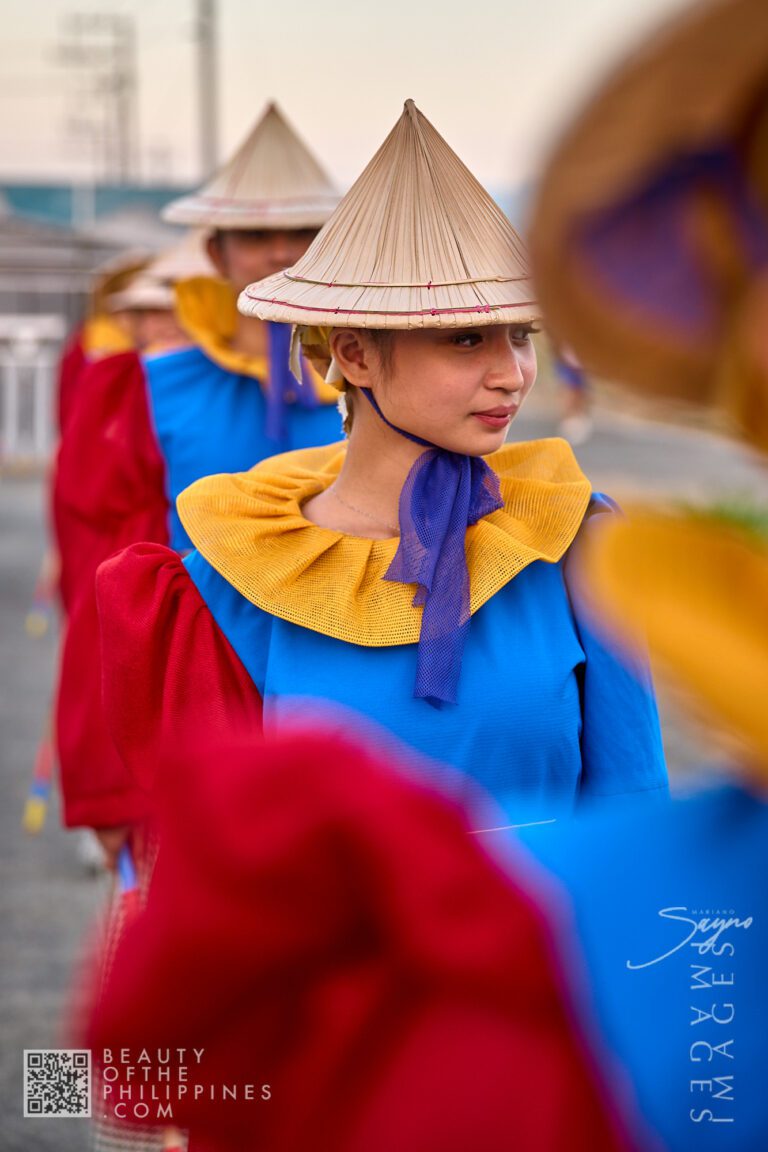
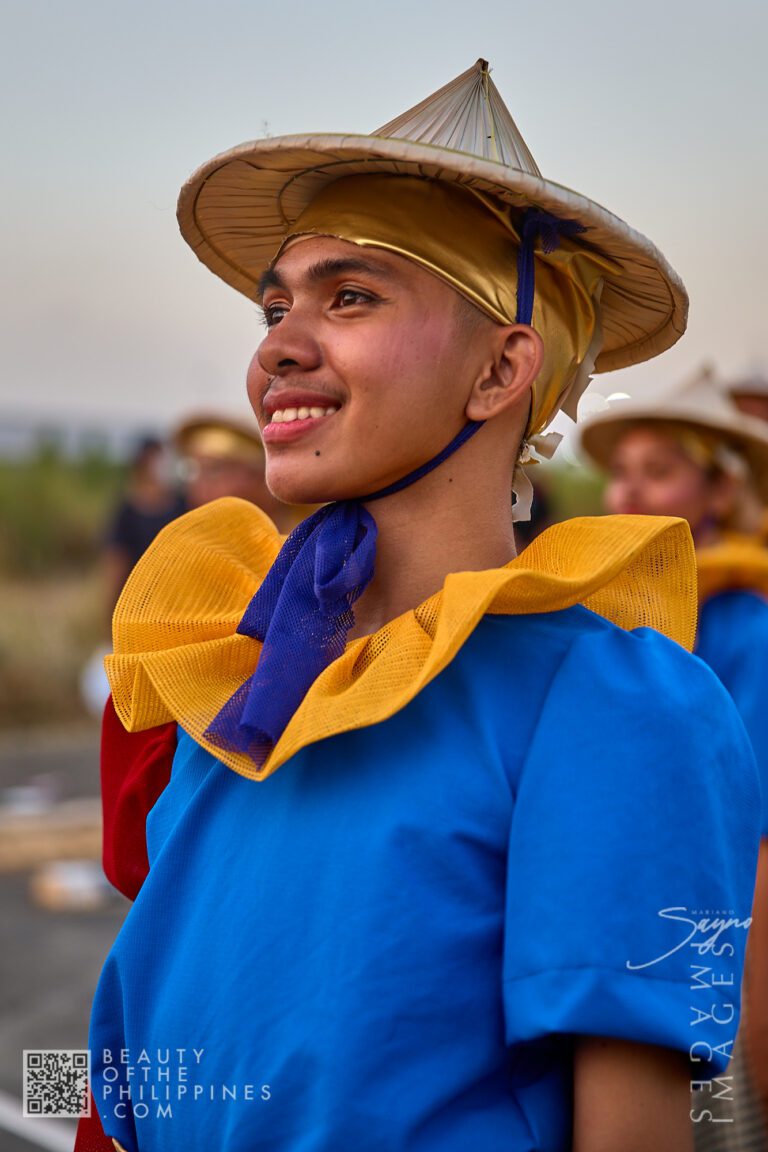
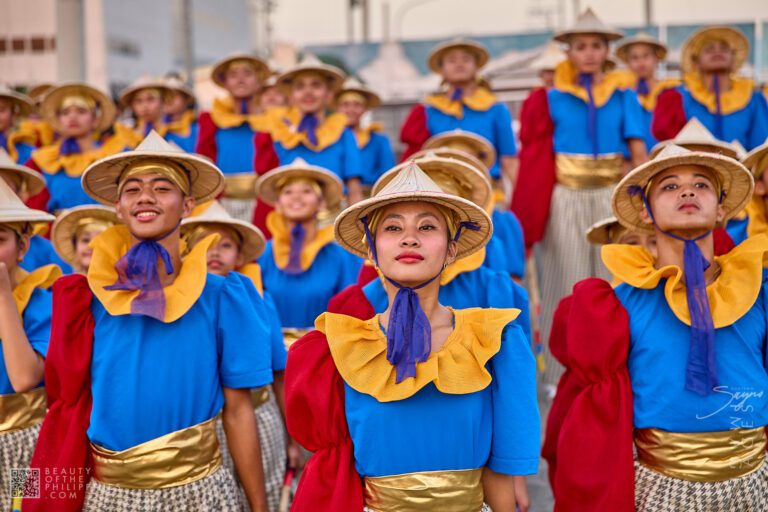
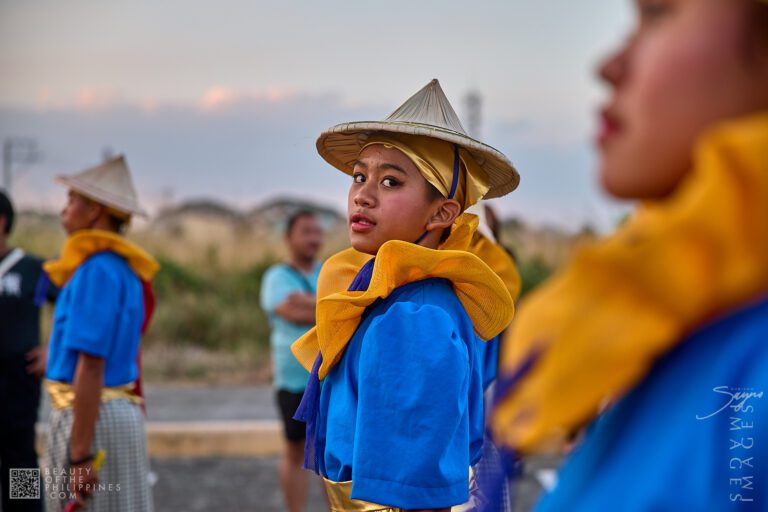
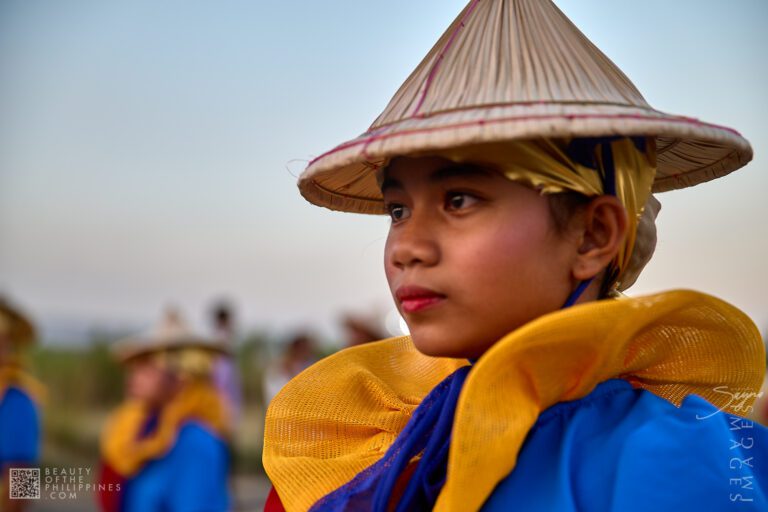
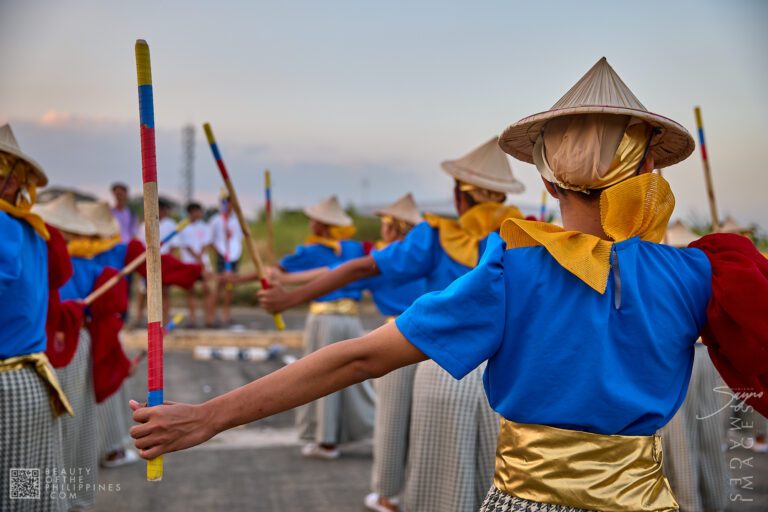
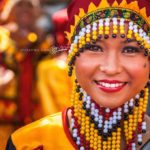
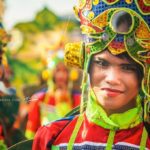
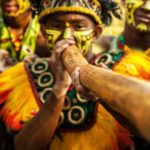
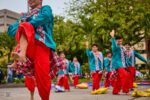
ABOVE: One of the dance troupes depicted the concept of “Aeta Community as custodians of the lush lands of Mabalacat.” Their attire consisted of traditional garments, with some members donning green attire to symbolize locust pests, while others were dressed as birds aiding the Aeta in addressing their land challenges. The performance also featured a representation of a goddess, adding an element of interest.
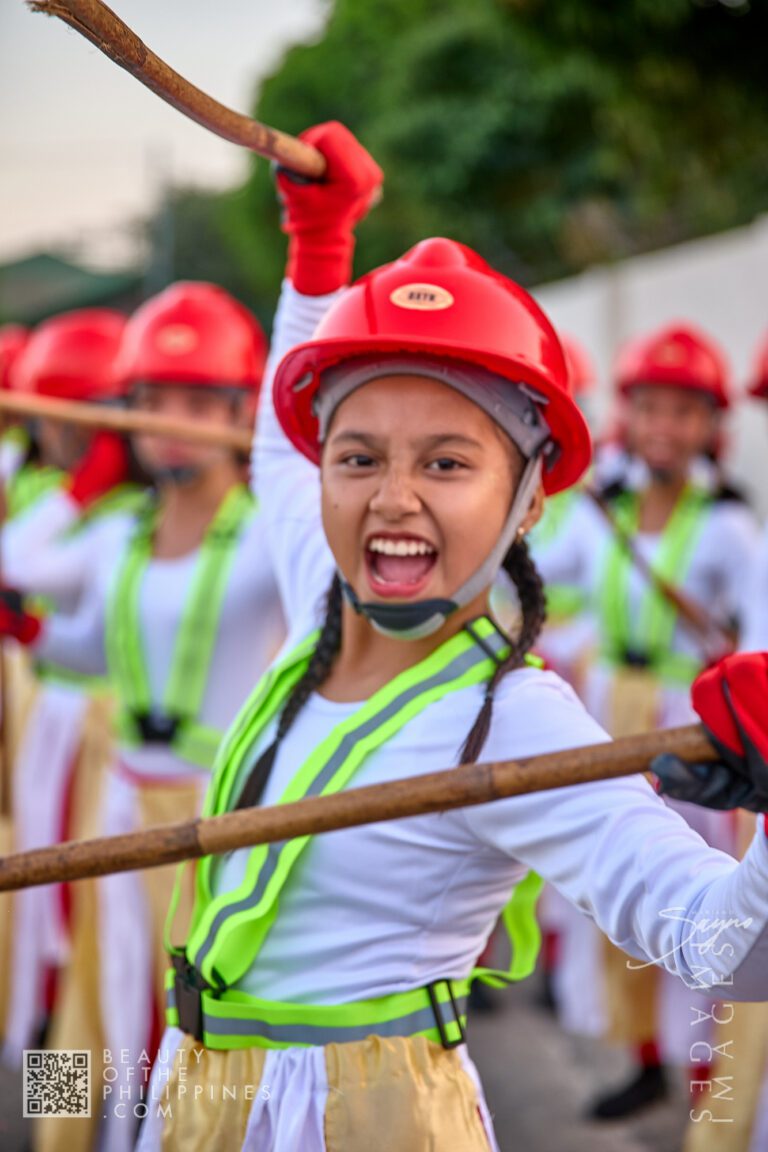
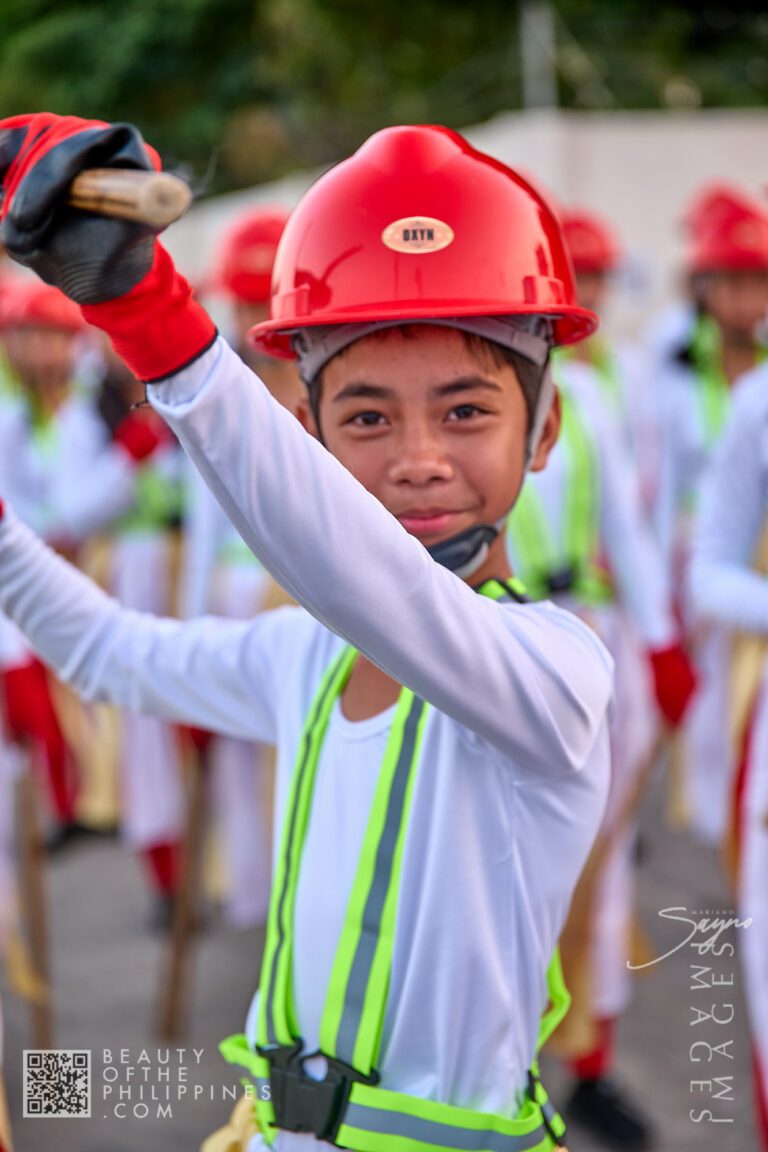
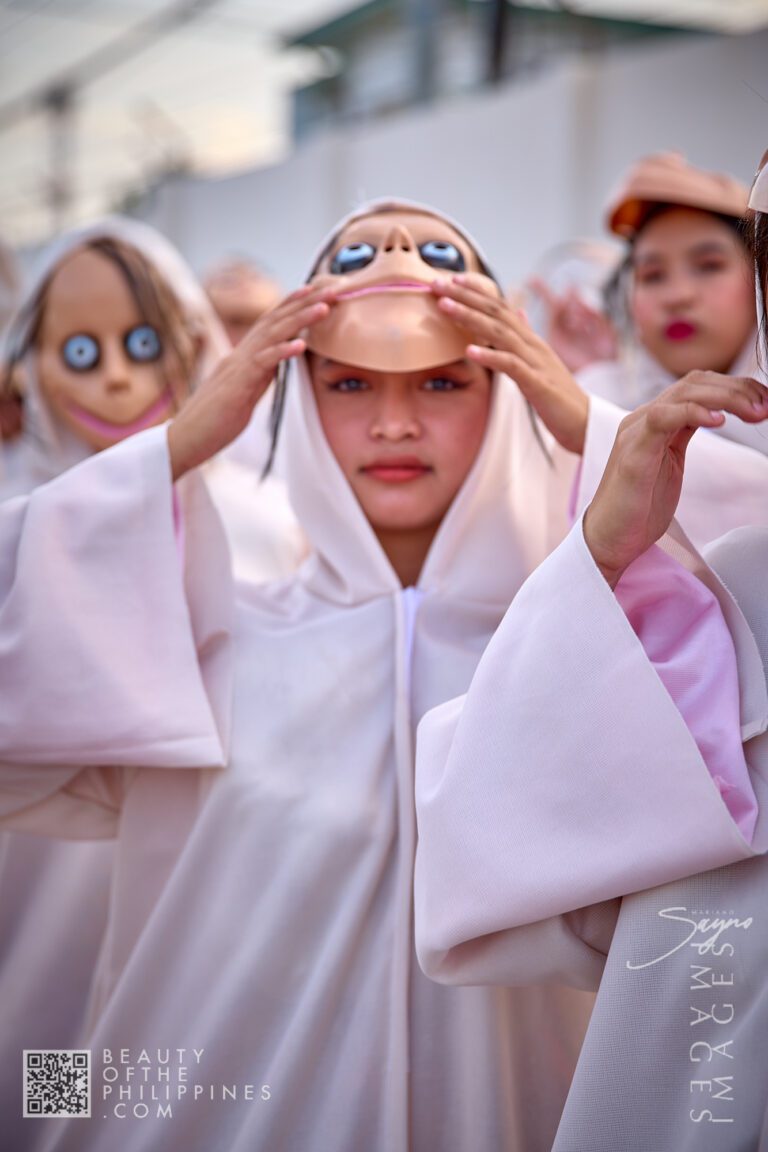
Ten dance groups participated in the competition, each presenting captivating performances that held the audience’s attention. The imaginative use of art direction and colorful costumes enhanced the impact of the dances, enchanting the spectators.
Furthermore, music and dance were integral components of the festival, with a variety of concerts and cultural performances featuring traditional music and dance styles. These showcases not only entertained the attendees but also offered them a glimpse into the diverse cultural heritage of the local community.
ABOVE: Some participants wore green clothing to represent locust pests, while others dressed up as birds helping the Aeta people deal with their land issues. The show also included a depiction of a goddess, which added an intriguing aspect to the performance.
Of course, no Filipino festival would be complete without enjoying the delicious variety of local dishes and street food. The Balacat Festival offered a tempting selection, including grilled meats, fish, and vegetables.
This lively and colorful festival serves as evidence of the rich culture and traditions of the local community, attracting visitors from all over the country to join in the festivities.
RELATED STORIES

The Lubenas Festival in Magalang has its roots in the Spanish Catholic novena, nine days of prayer before a major feast, which evolved into a


Dinosaurs Island sits inside Clark Freeport Zone, Pampanga, and it immediately signals its audience—families, kids, and anyone curious about the prehistoric world. Known as the


Bacolor, Pampanga, a town steeped in history and culture, is home to the Bacolor Church also known as San Guillermo Parish Church, a landmark that


If you’re cruising through Pampanga, you simply can’t miss Betis Church — officially known as the Parish Church of Saint James the Apostle. This church


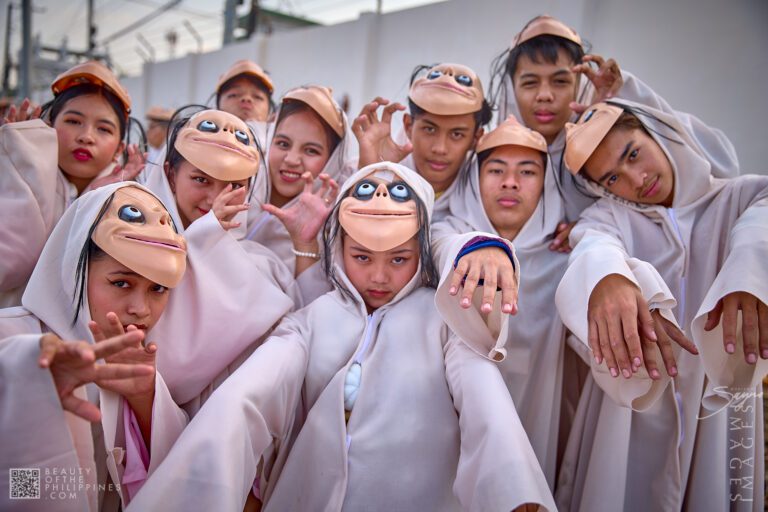
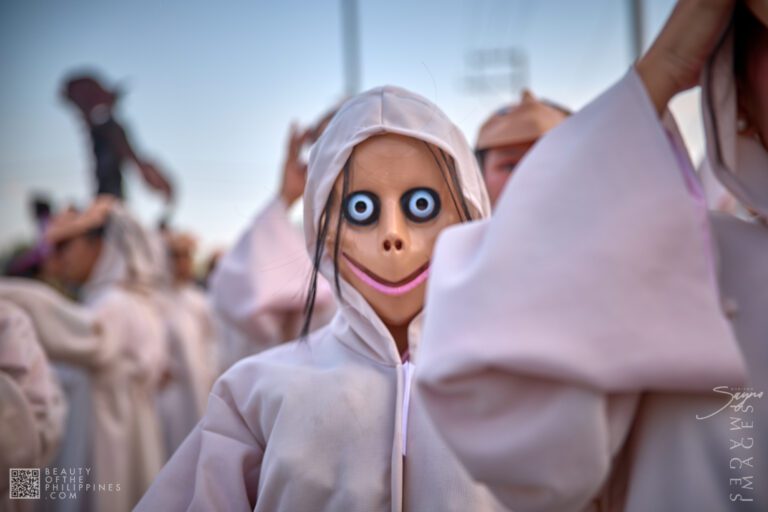


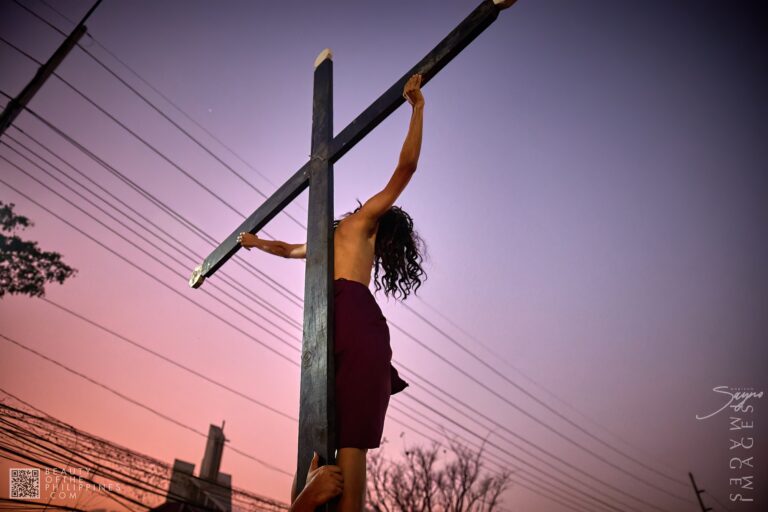
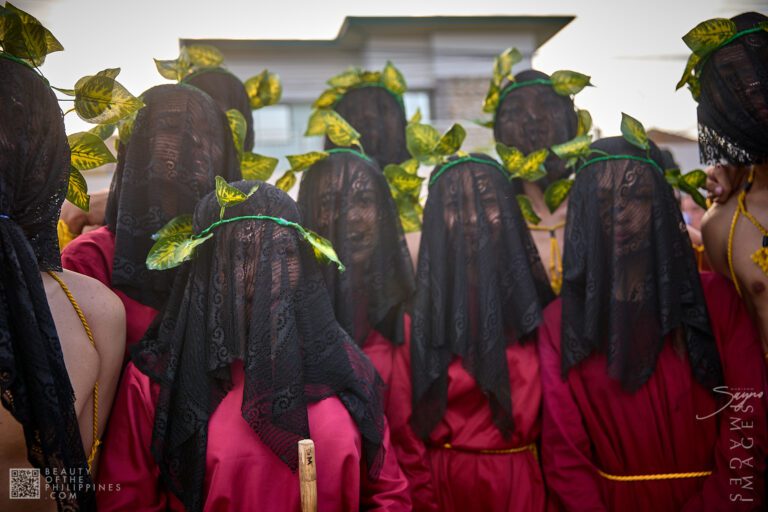
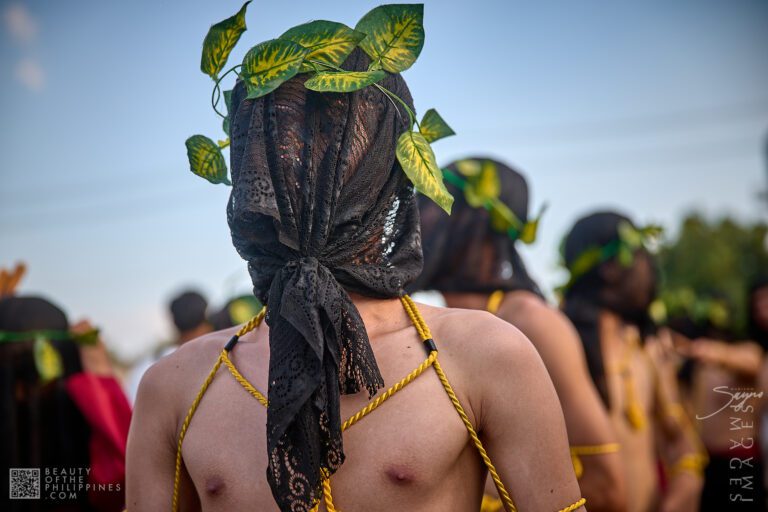
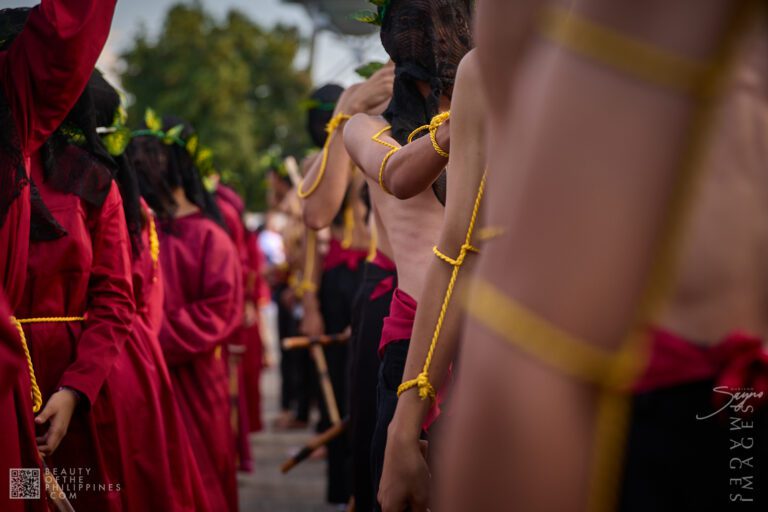
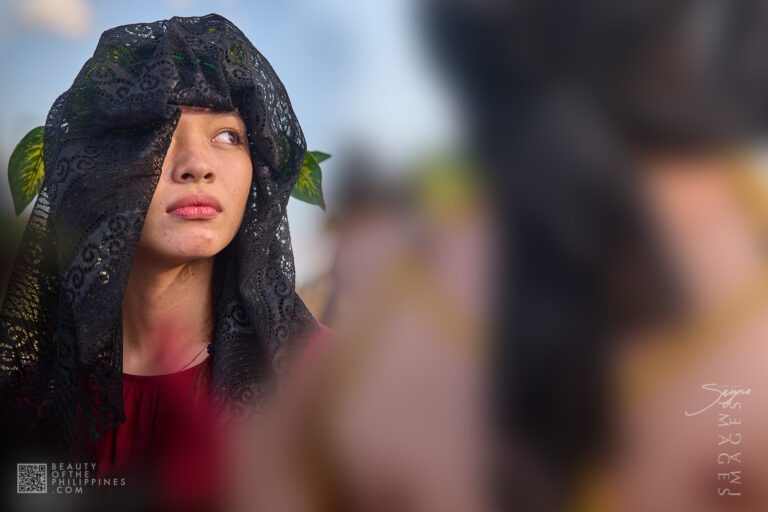
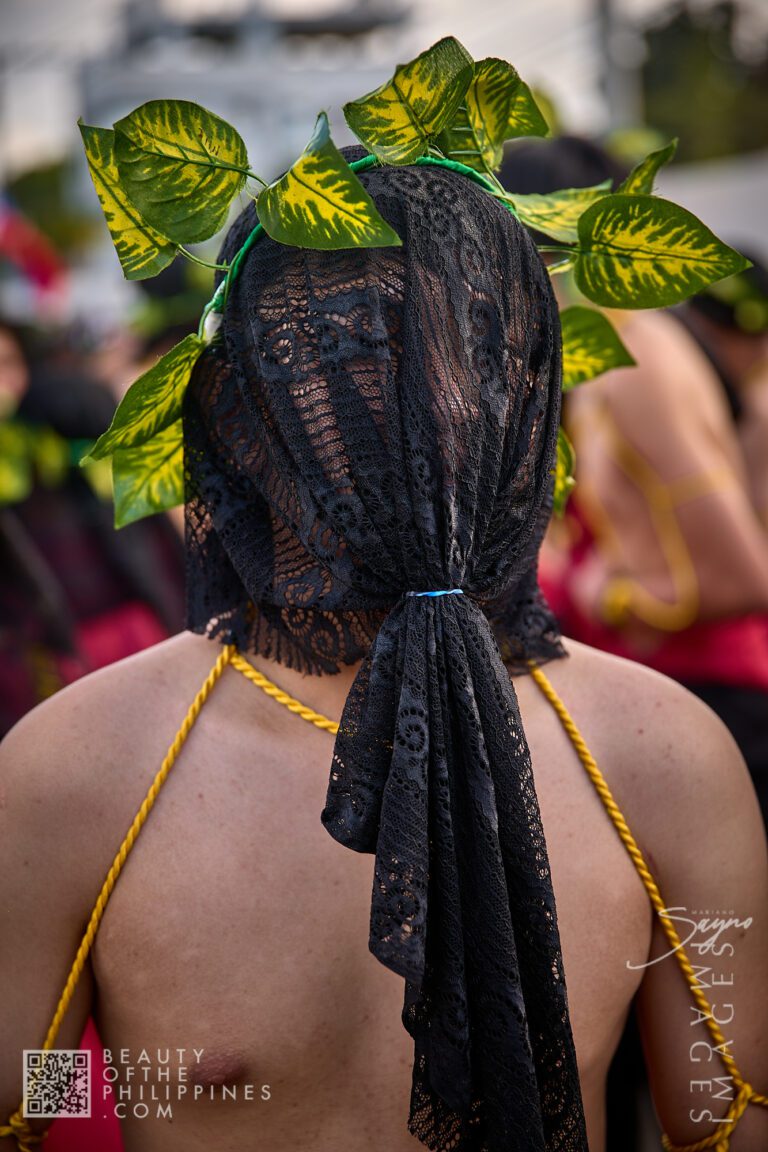
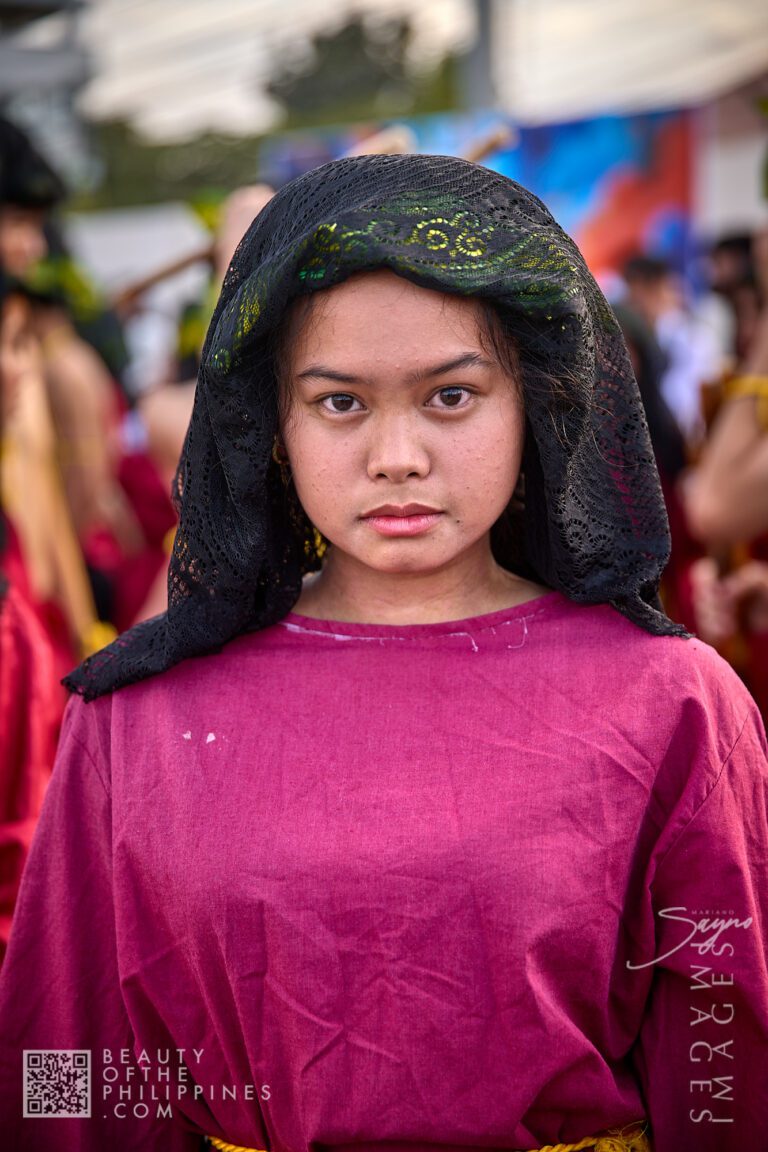
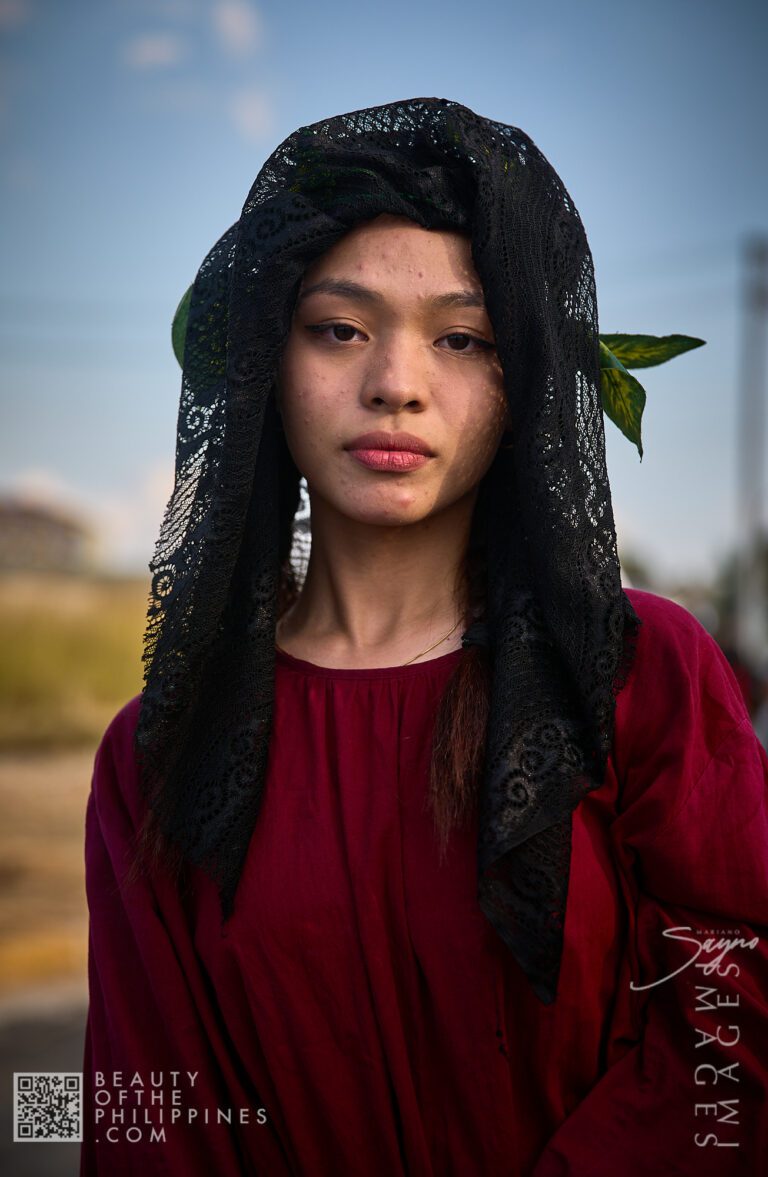
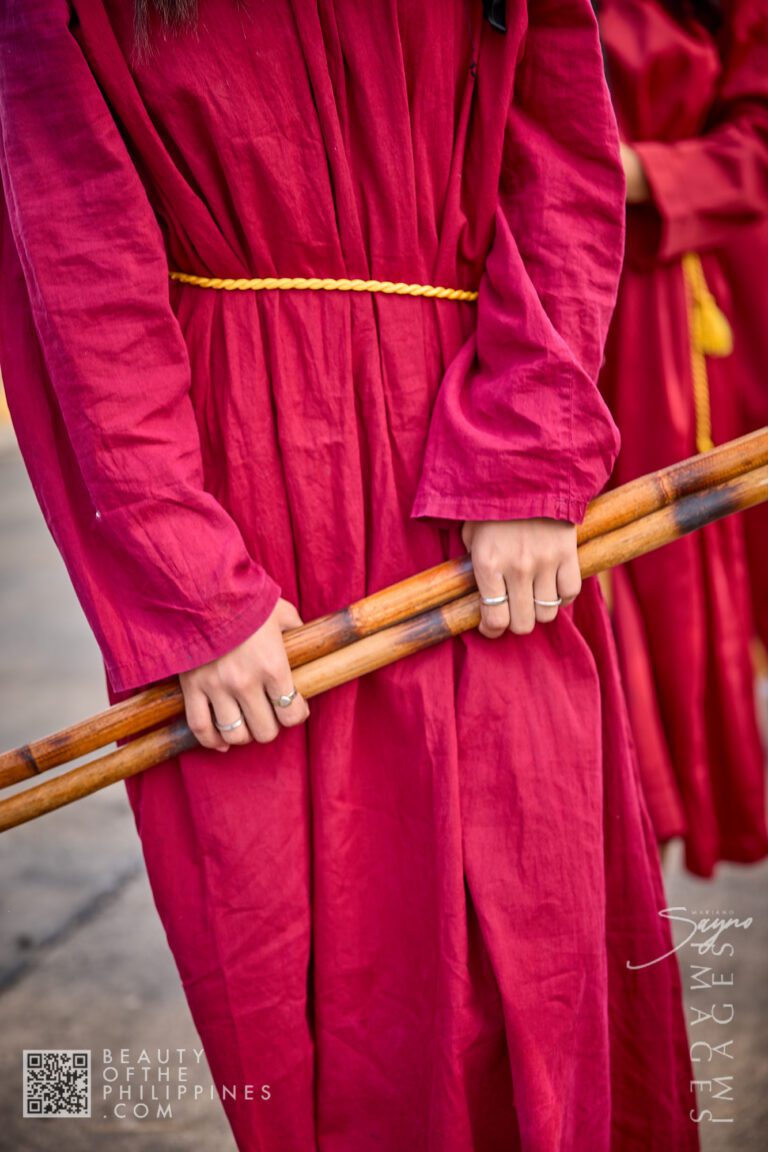
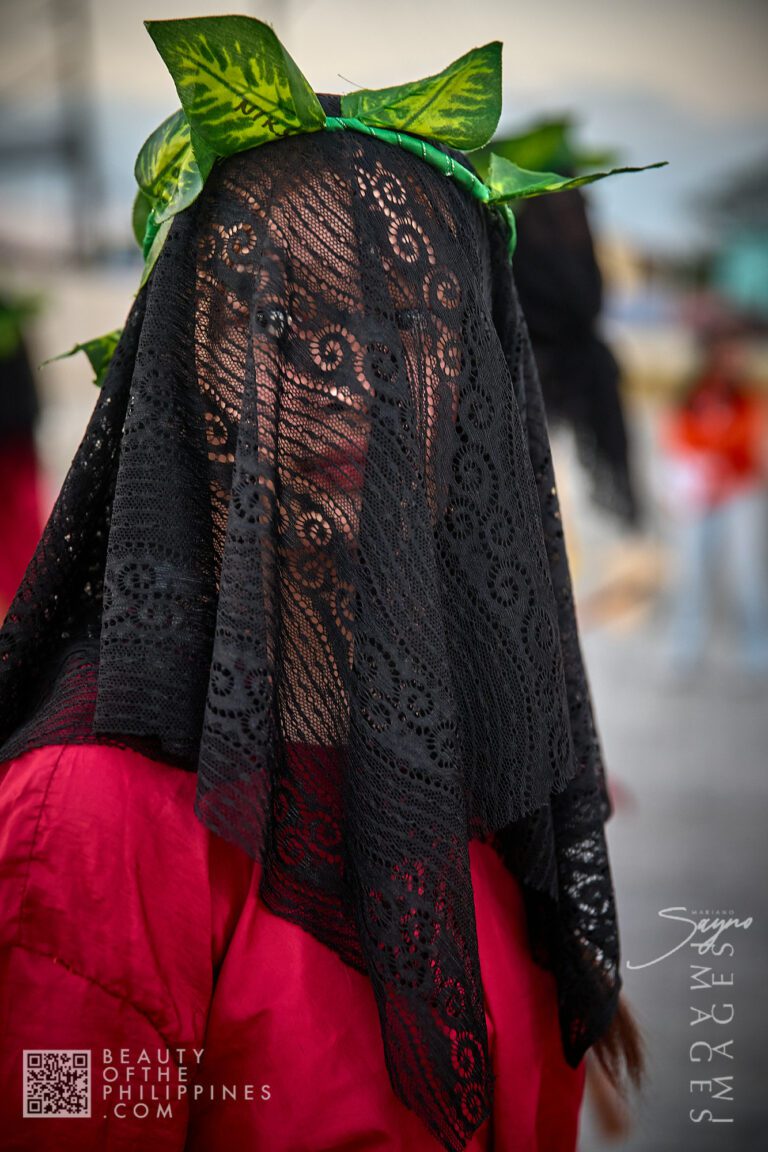
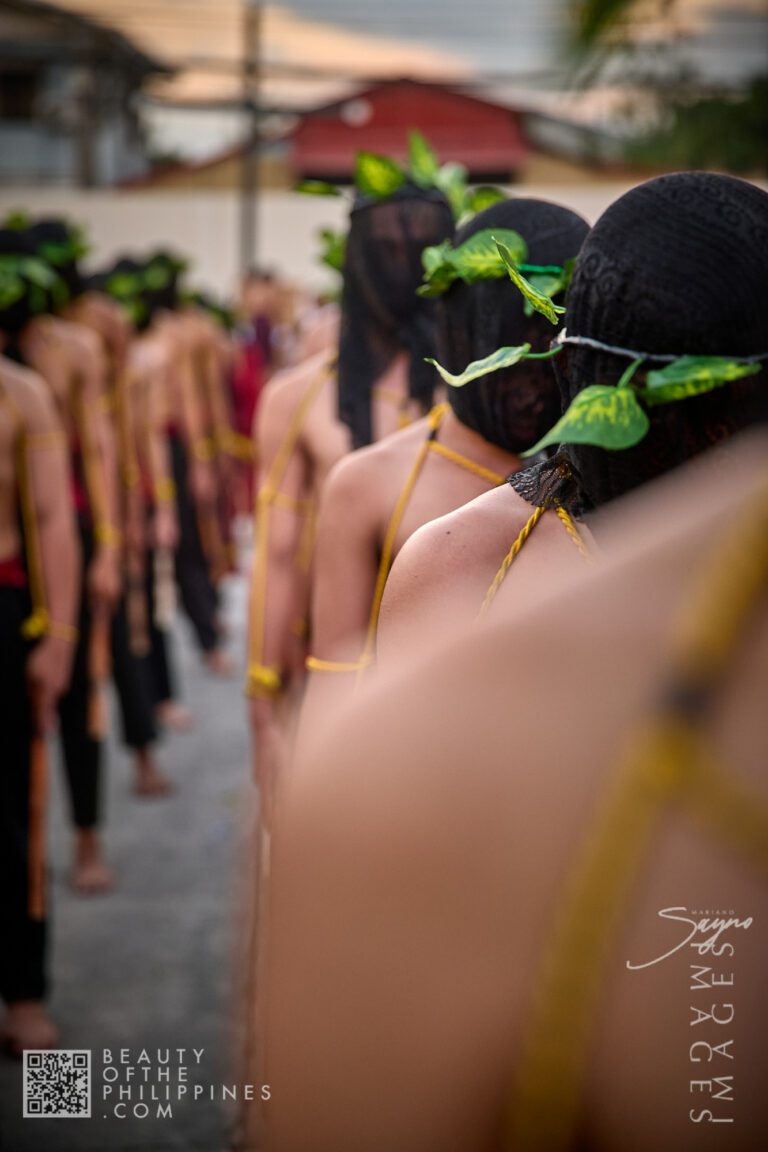
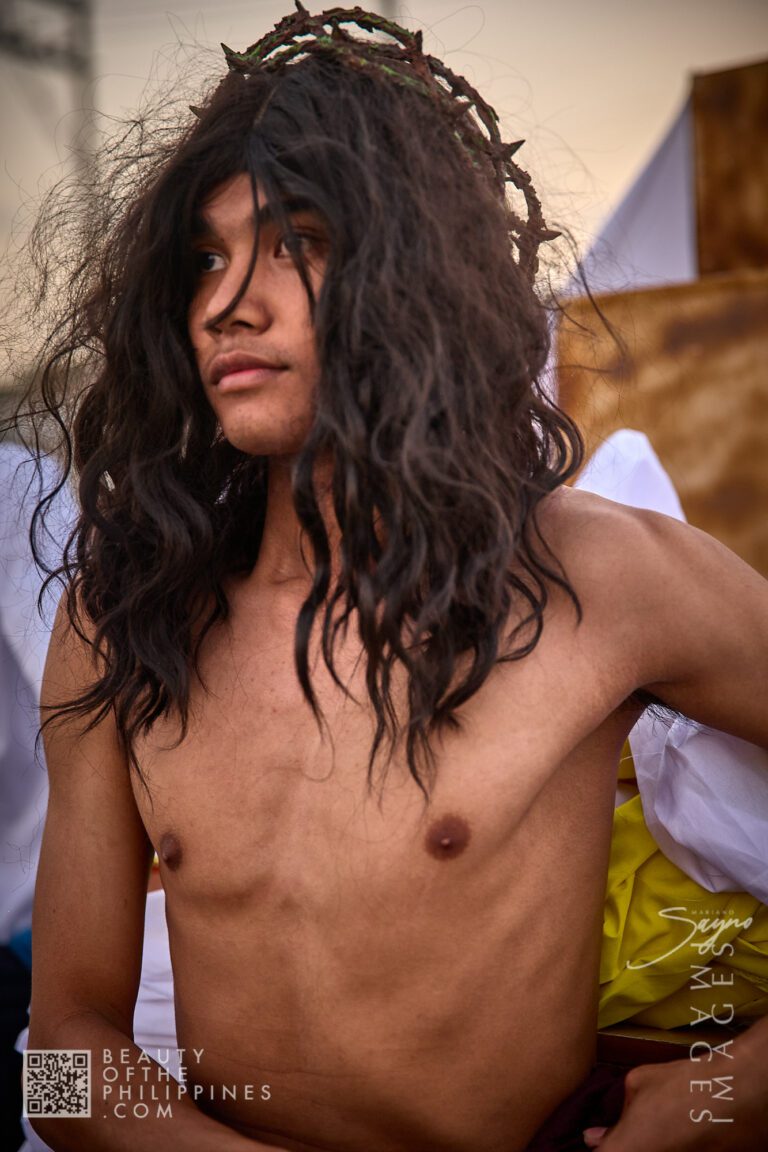
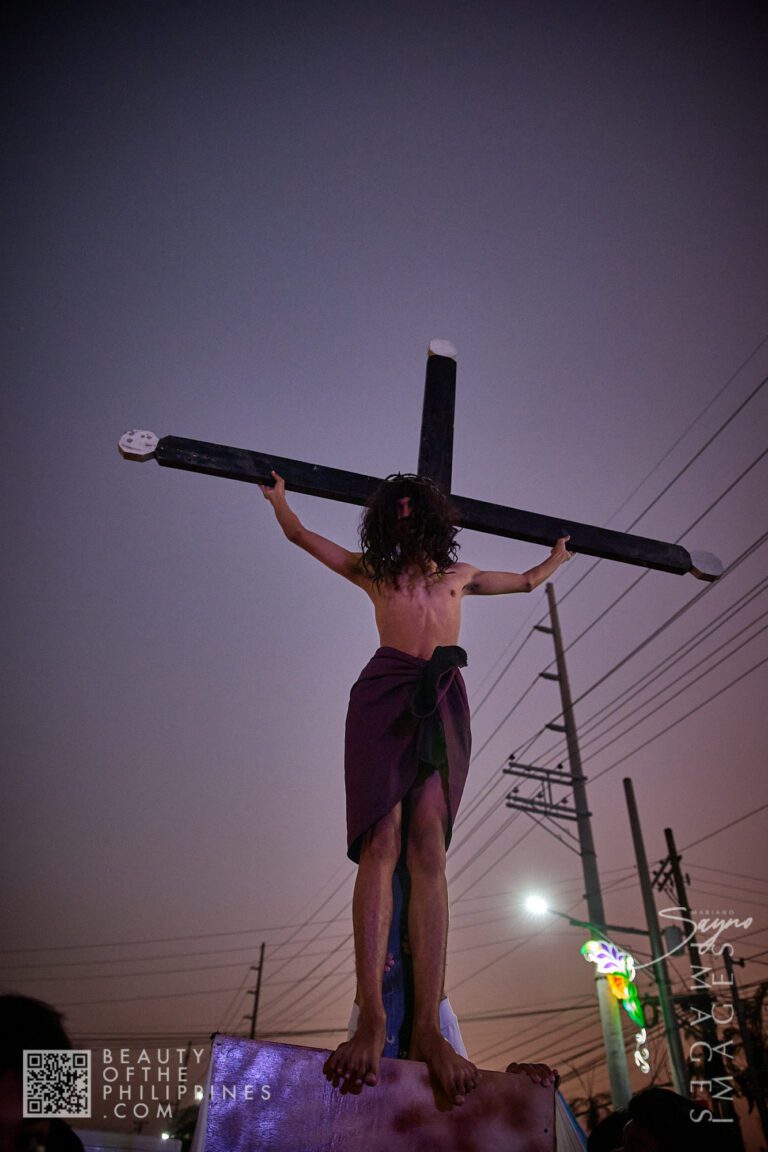
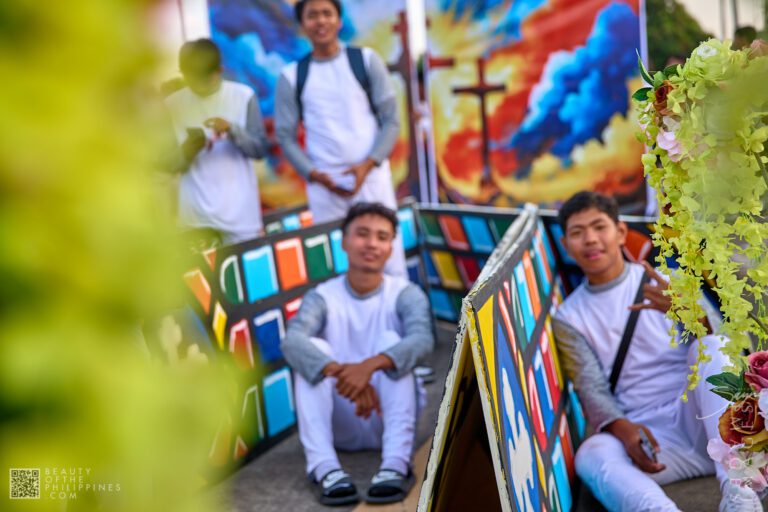
ABOVE: One of the dance groups performed a piece themed around “The Pabasa and the Mamusan Cruz during Holy Week.” The male performers donned black veils and black pants, while the females wore black veils with maroon robes. Their performance depicted the suffering of Jesus Christ leading up to his crucifixion. In the finale, the resurrected Christ emerged from the center of the stage.


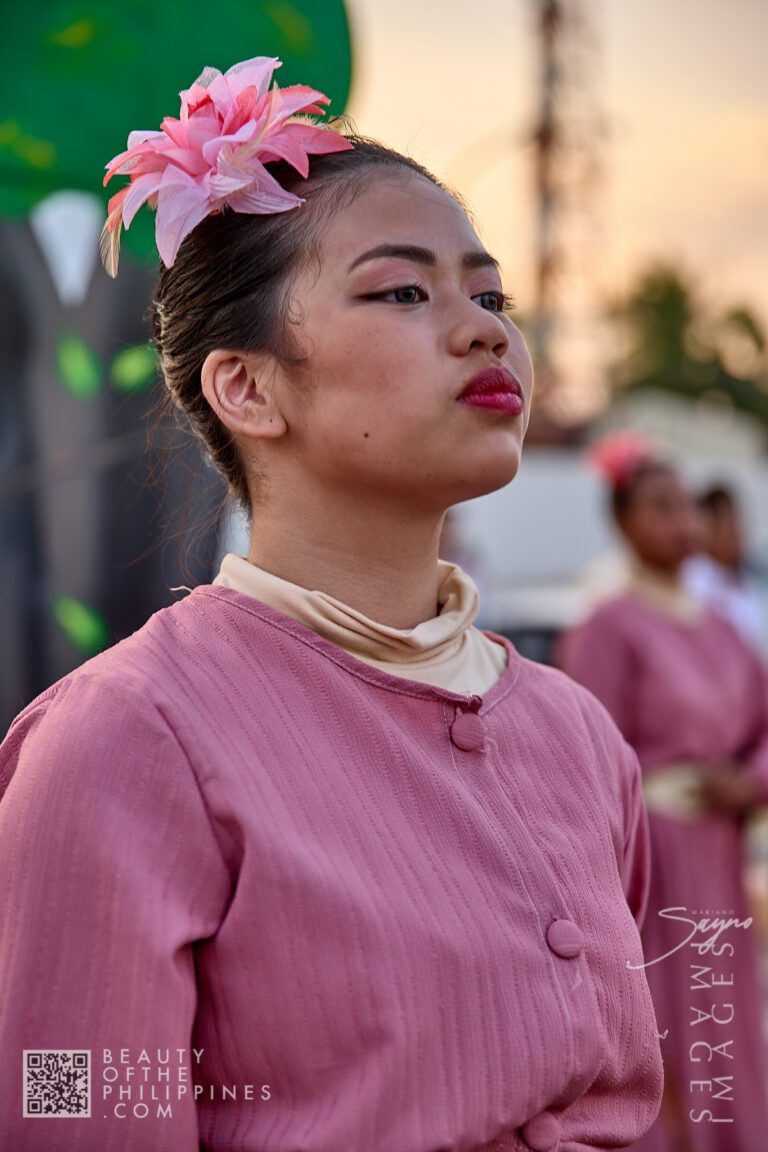
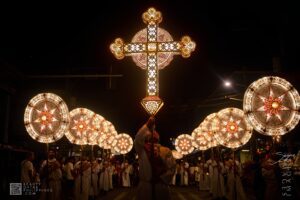
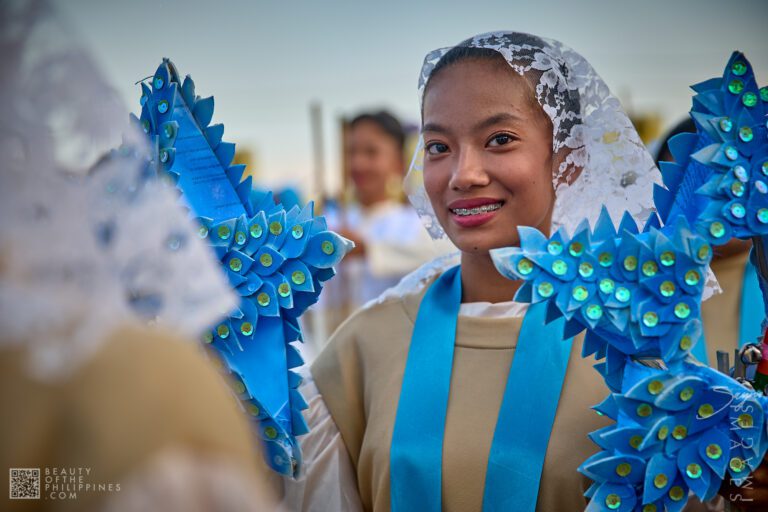
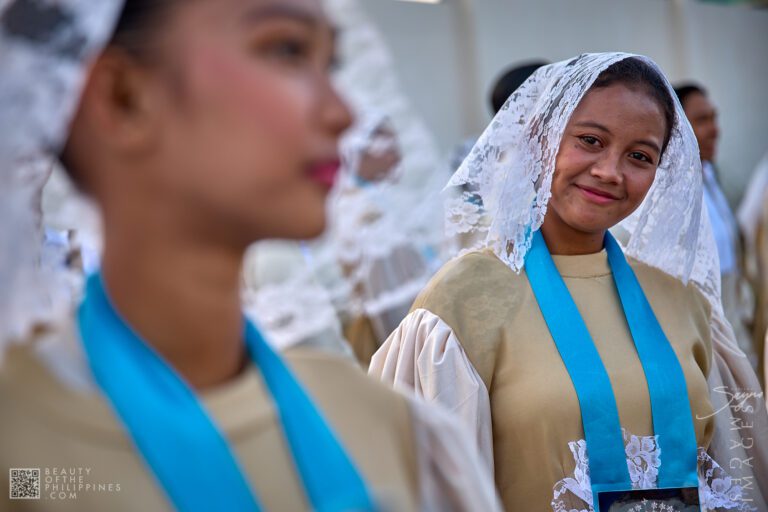
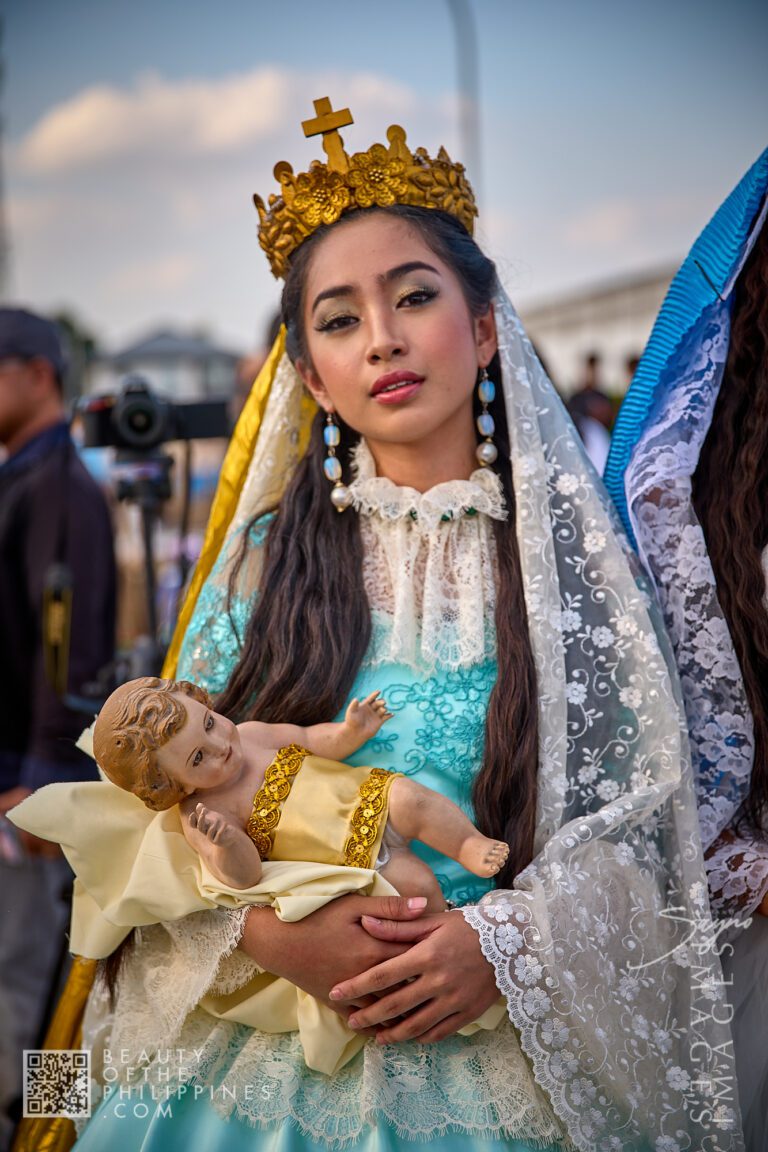
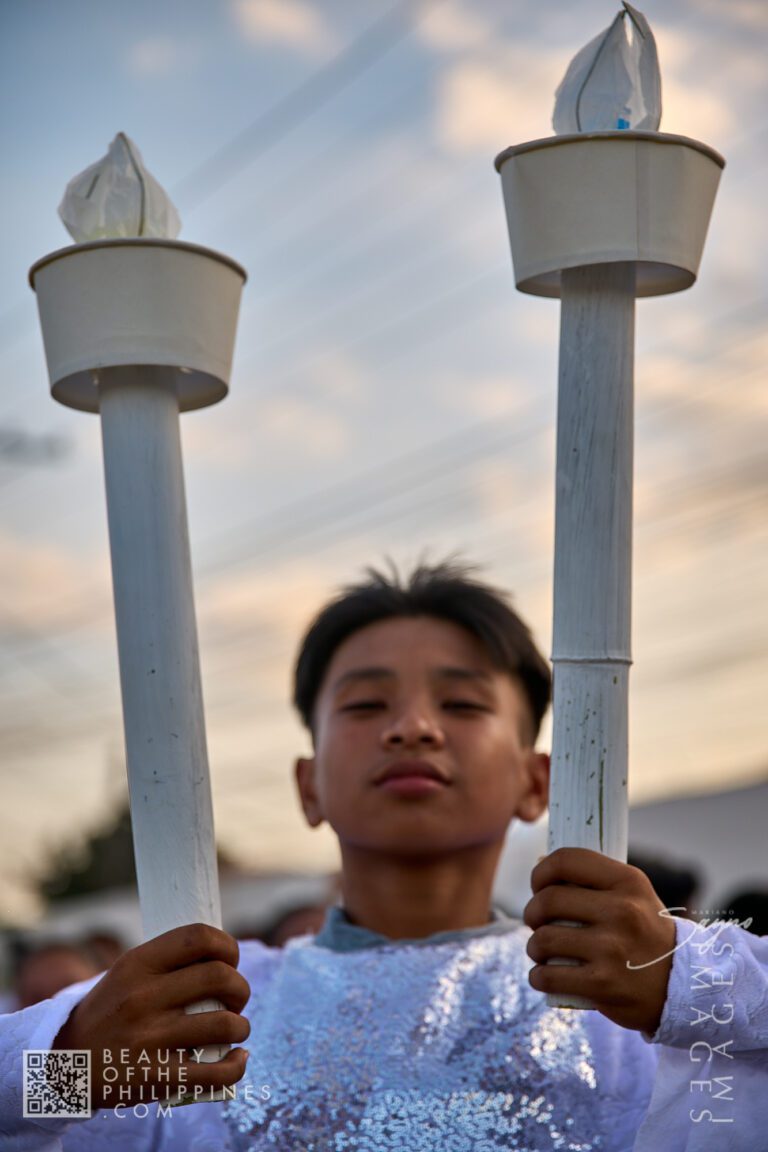
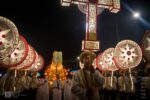
ABOVE: This ensemble showcased the theme “Misa de Aguinaldo and the Lubenas Procession.” They adorned themselves in costumes representing Filipino religious beliefs, donning traditional Filipino attire. Their performance shone brightly as they carried illuminated candles and lanterns, leaving the audience in awe.


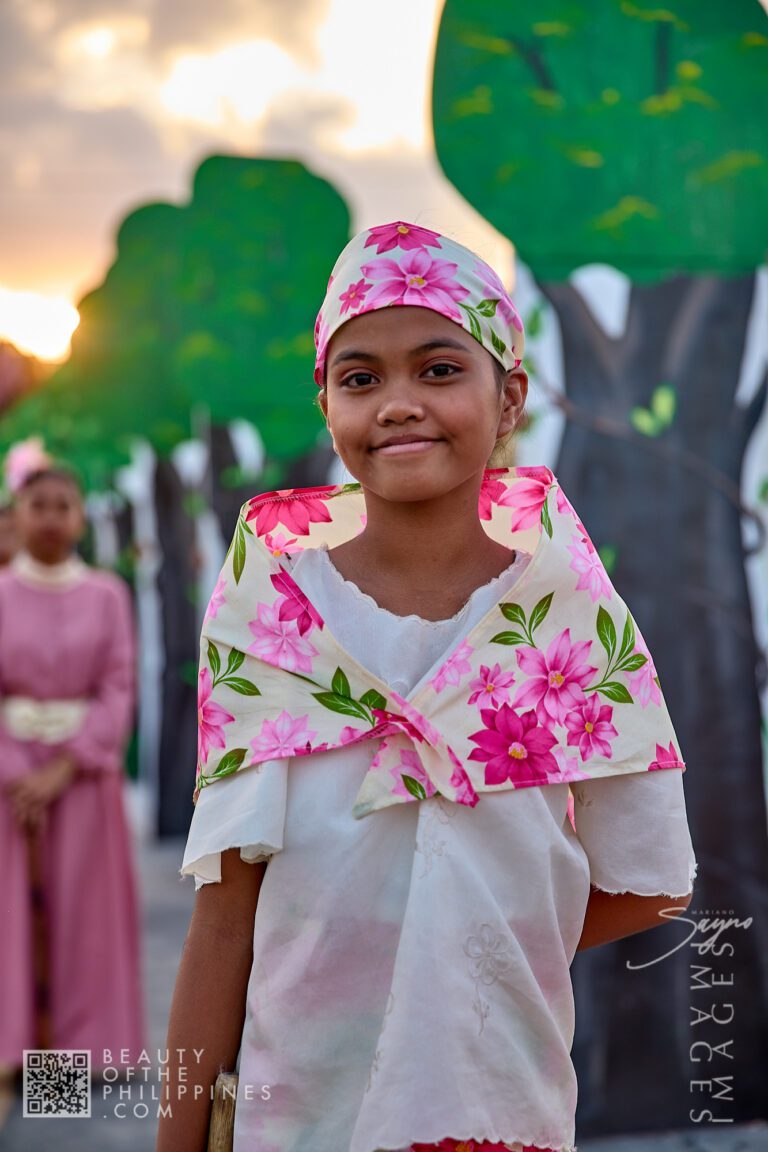
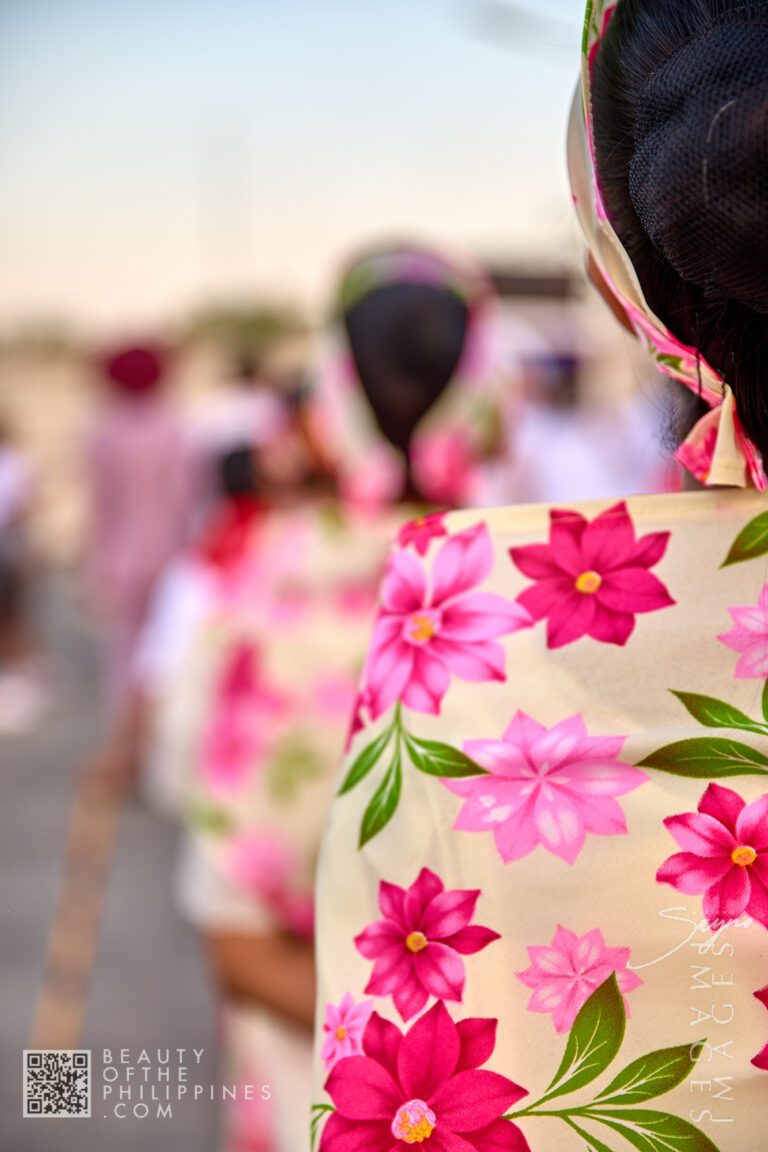
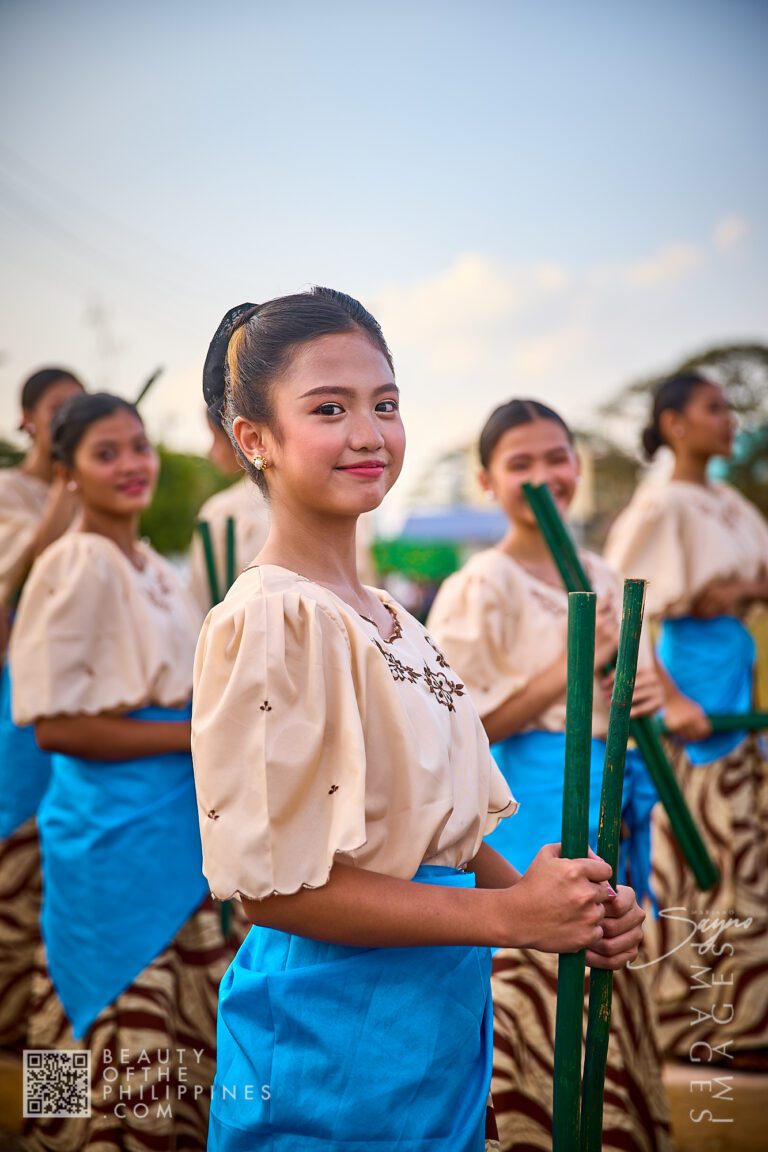
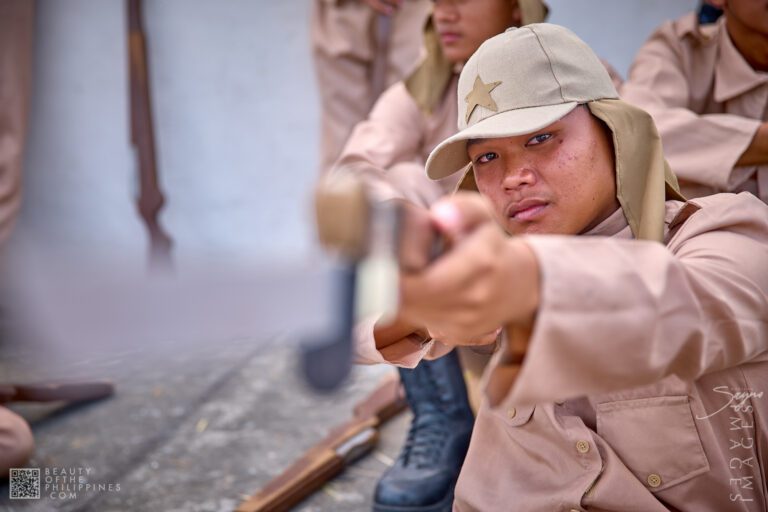
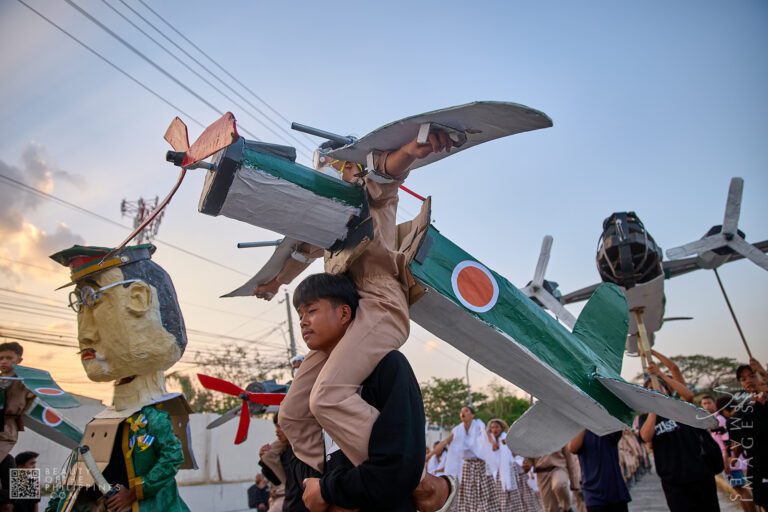
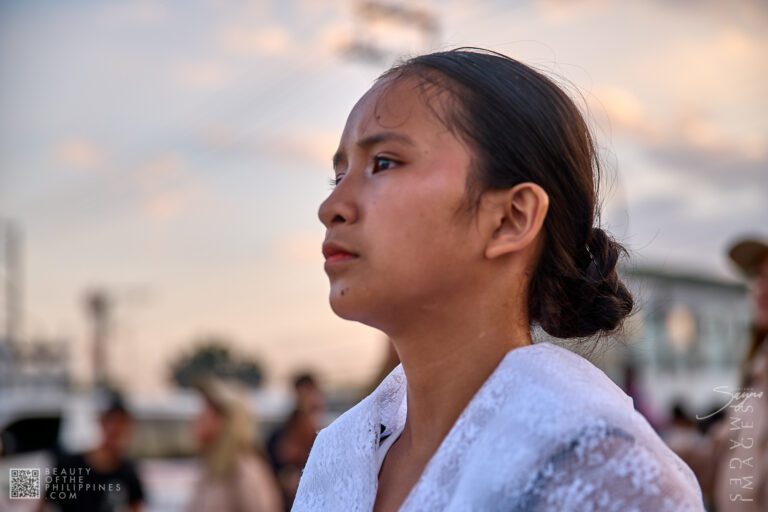
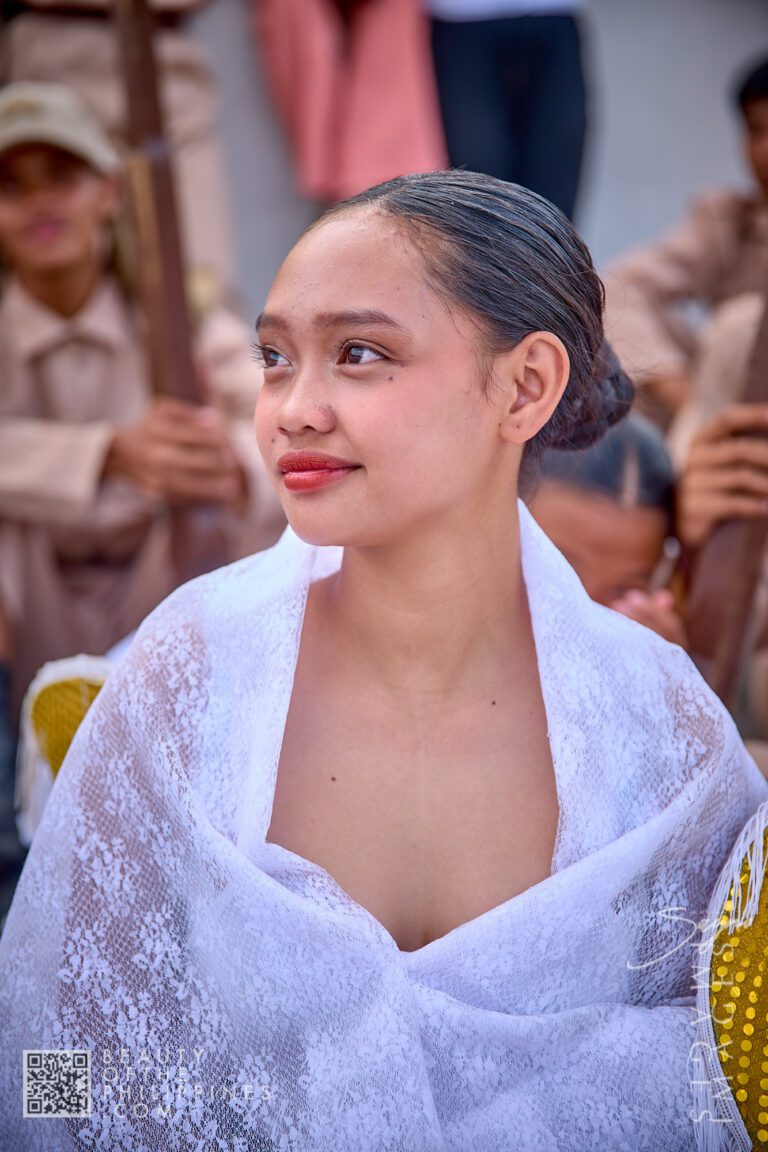
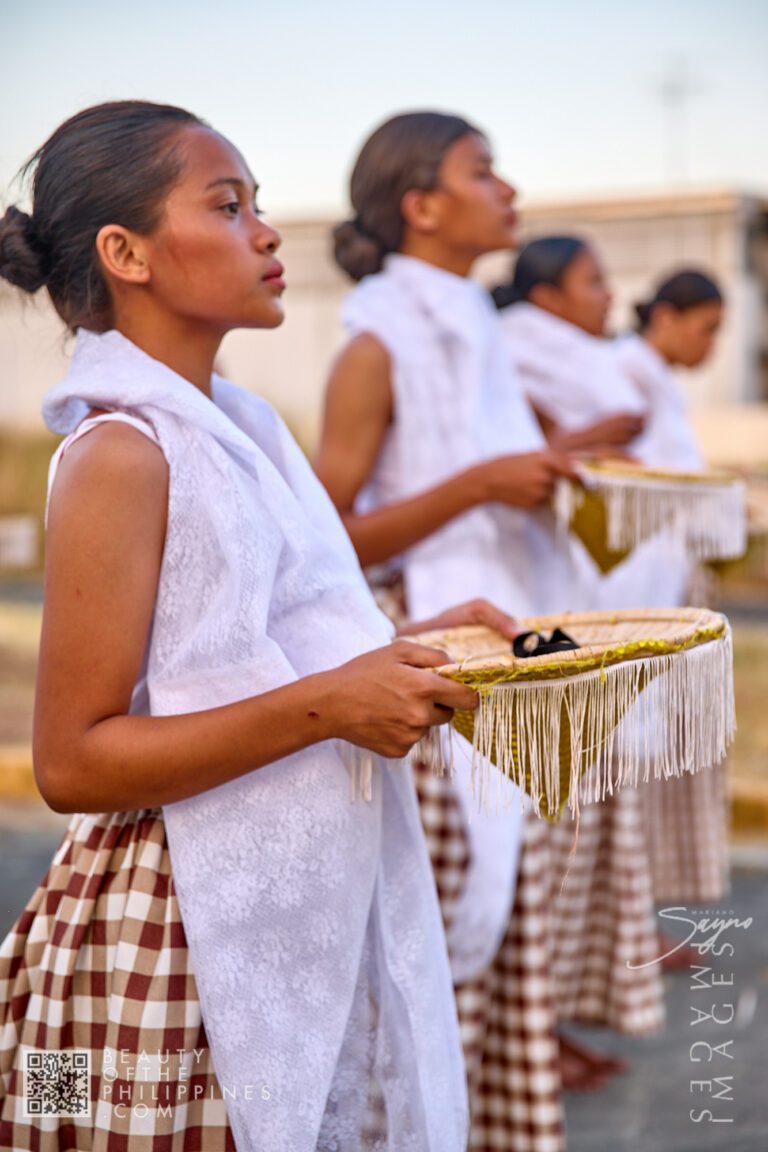
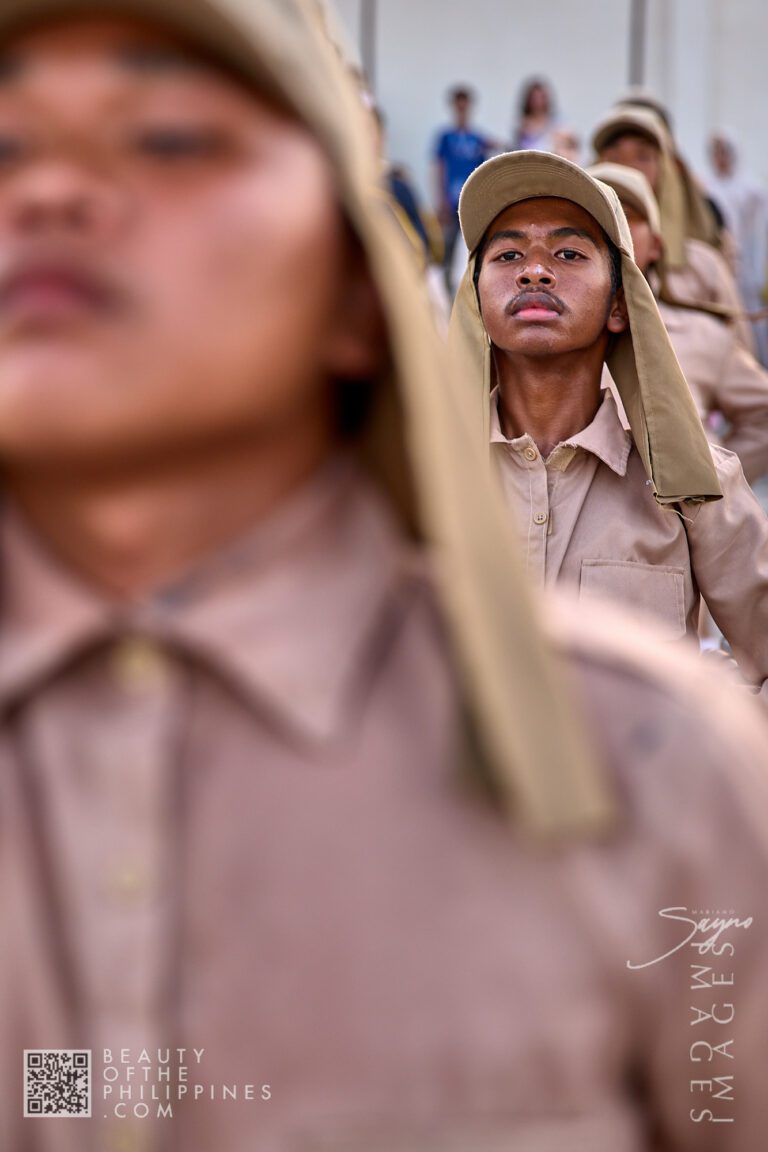
ABOVE: One of the dance groups showcased a performance centered around the theme of “The bombing of the Clark Airbase by the Japanese.” In their presentation, male members portrayed Japanese soldiers, while female members donned traditional Filipino attire known as baro’t saya to represent Filipinos. The group incorporated large cardboard props resembling Japanese aircraft, some of which were wearable by elementary school students and brought onto the stage.


I’m looking forward to the stories and images leaving a lasting positive impression on you, just as they have on me. Stay connected with us on social media for a weekly exploration of travel assignments and breathtaking visuals. Our focus is on championing local tourism, showcasing small businesses, and honoring the magnificence of the Philippines through the content we curate. Join us in spreading the word by clicking the ‘share’ buttons below. Your support means the world to us.
EXPLORE MORE about


Dinosaurs Island sits inside Clark Freeport Zone, Pampanga, and it immediately signals its audience—families, kids, and anyone curious about the prehistoric world. Known as the


Bacolor, Pampanga, a town steeped in history and culture, is home to the Bacolor Church also known as San Guillermo Parish Church, a landmark that


Walking into Insectlandia inside Clark Picnic Grounds, Clark Freeport Zone, Pampanga, feels like stepping into a playful, oversized insect world. Part of the broader Dinosaurs


The Lubenas Festival in Magalang has its roots in the Spanish Catholic novena, nine days of prayer before a major feast, which evolved into a


If you’re cruising through Pampanga, you simply can’t miss Betis Church — officially known as the Parish Church of Saint James the Apostle. This church
BROWSE BY CATEGORIES
BROWSE BY PROVINCE