BROWSE BY PROVINCE

Siniloan, Laguna
Gilingan Festival
The Story That Shaped Siniloan
Share
Tweet
Email
EXPLORE Gilingan Festival

PUBLISHED March 10, 2024

PHOTOS | WORDS BY MARIANO SAYNO

  • Siniloan, Laguna
Sometimes, understanding a town starts with something small and ordinary. In Siniloan, that something is a grindstone—simple, heavy, and circular—quietly turning history into a living celebration through the Gilingan Festival.
Explore the Philippines through my lens as we venture into Gilingan Festival with Point of View (POV) photography. Using a body cam, I’ll guide you on an interactive tour, revealing the behind-the-scenes of capturing the shots shared here. Let’s dive into this visual journey together and uncover the wonders through my lens!
Let’s explore the PHILIPPINES through my lens as we journey on a photo slideshow to Gilingan Festival. Join me in this visual adventure and discover the wonders captured through my lens! Check out the shared slideshow here.
A Festival Rooted in a Name

Standing in Siniloan during festival season, you begin to notice how one object keeps appearing—in costumes, in floats, in stories passed between generations. The gilingan, or traditional stone grindstone, isn’t just a design choice here. It’s the reason the town is called Siniloan in the first place.

Check out the video for more highlights. See what I’ve captured through my lens with Point of View (POV) photography. Using a body cam, I’ll take you on an interactive tour, showing you behind-the-scenes moments of capturing the shots shared here.
Check out the video below for additional features. Explore what I’ve captured through my lens in this cinematic slideshow.

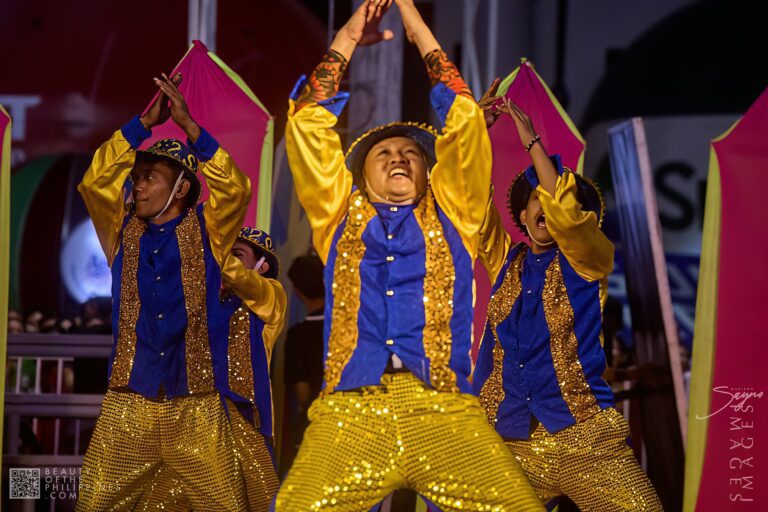
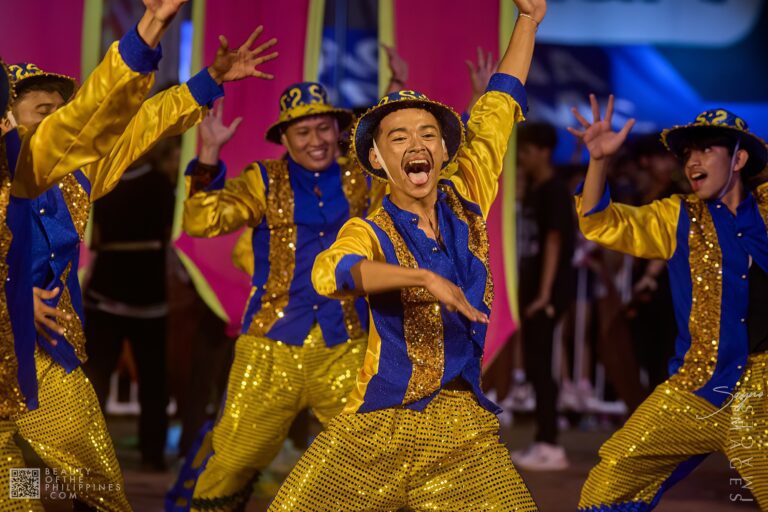
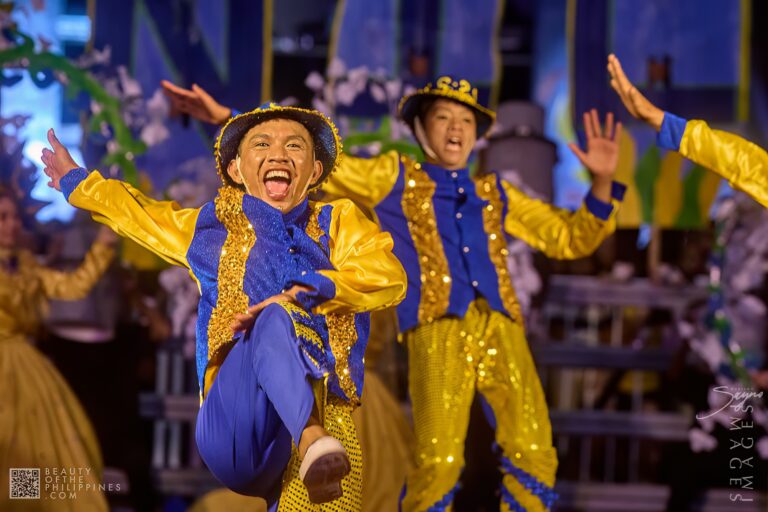
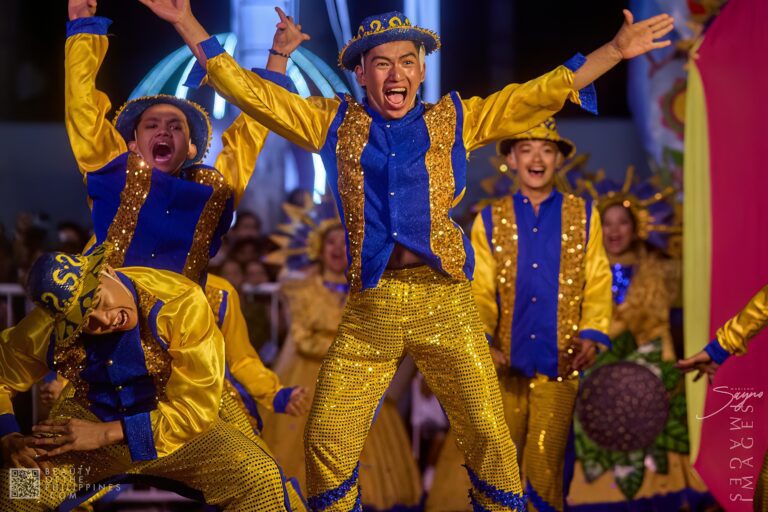
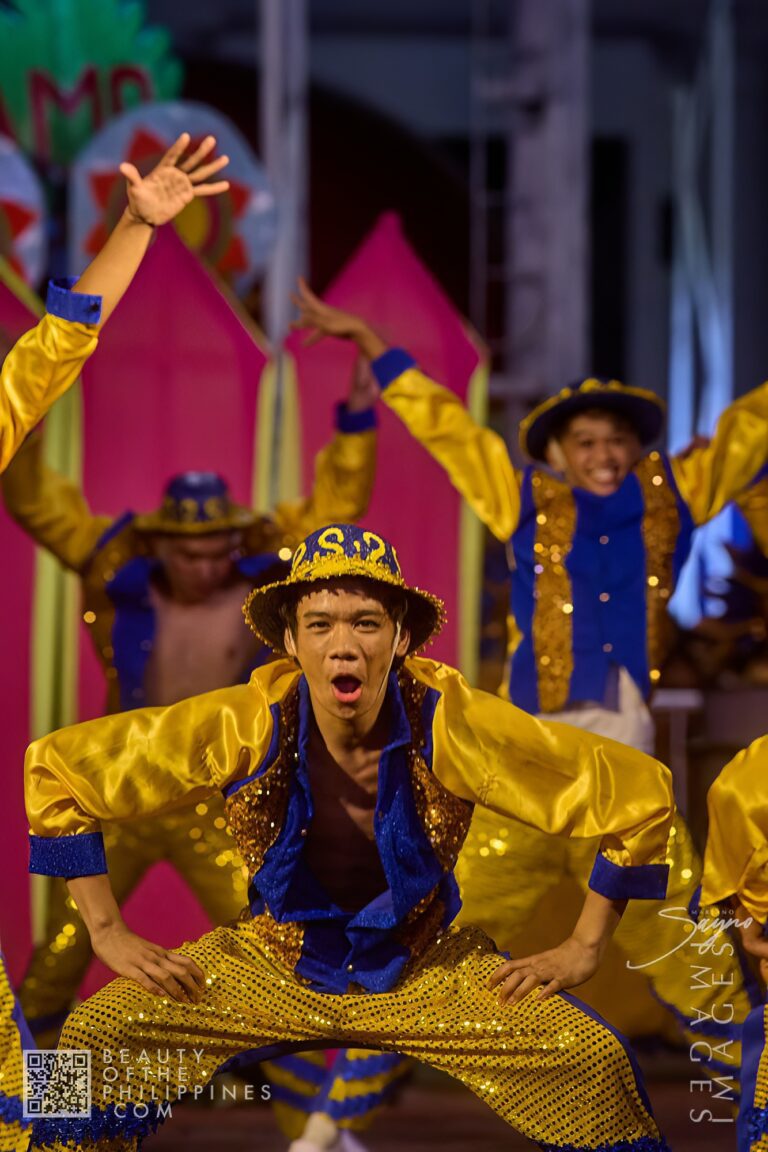
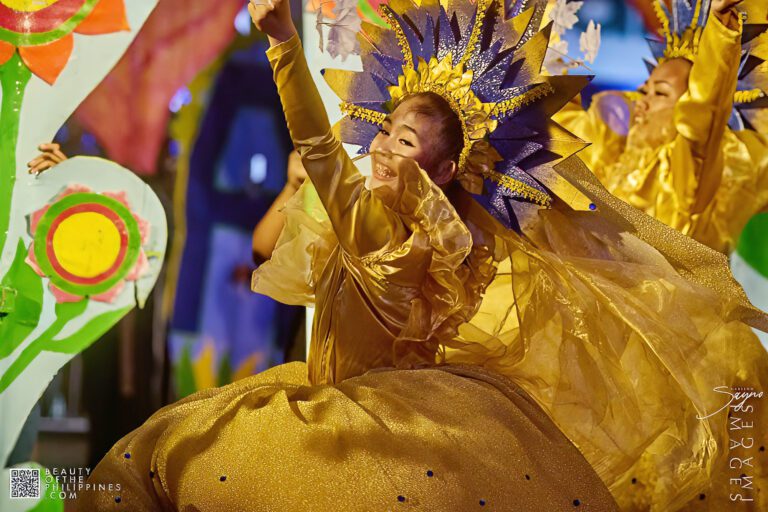
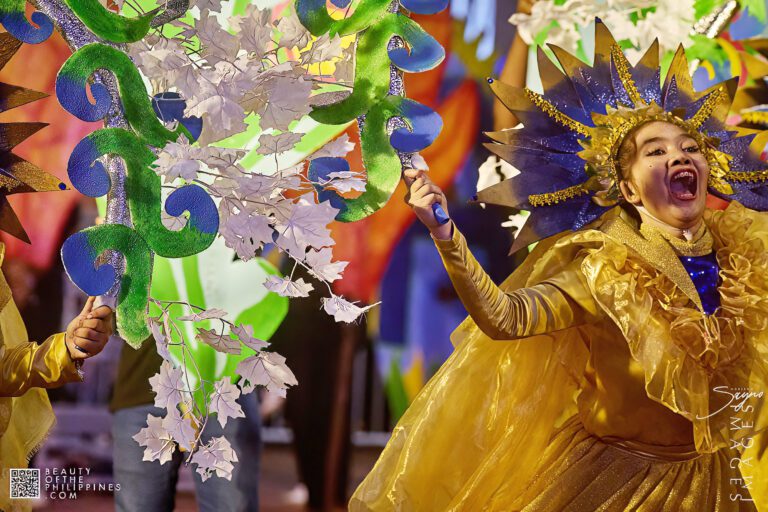
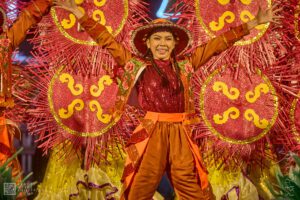
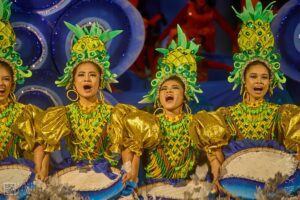
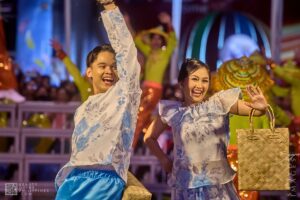
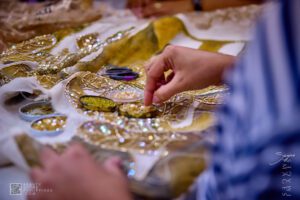
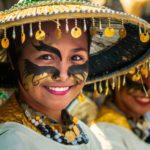
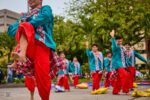
ABOVE: Siniloan’s Gilingan Festival, held every last Friday of August, is a vibrant celebration that honors the town’s foundation in 1583 and pays tribute to its rich cultural heritage and hardworking spirit, with its name rooted in the historical “gilingang bato” or grindstones once used by local women—an image so striking to early Spanish colonizers that they named the town “Guiling-Guiling,” which eventually evolved into Siniloan.

ABOVE: Siniloan’s Gilingan Festival, held every last Friday of August, is a vibrant celebration that honors the town’s foundation in 1583 and pays tribute to its rich cultural heritage and hardworking spirit, with its name rooted in the historical “gilingang bato” or grindstones once used by local women—an image so striking to early Spanish colonizers that they named the town “Guiling-Guiling,” which eventually evolved into Siniloan.

Early Spanish accounts describe seeing local women rhythmically grinding rice using gilingang bato. The repeated motion, the sound, the sight—it left an impression strong enough that the place was referred to as “Guiling-Guiling.” Over time, the name softened into Siniloan, but the symbol never left. The Gilingan Festival exists because that memory never faded.

Why the Gilingan Still Matters

The grindstone represents more than food preparation. It speaks of labor shared, of patience, of community rhythm. In a town shaped by agriculture, the gilingan became shorthand for resilience and unity. Naming the festival after it was never about nostalgia alone—it was about honoring values that still hold the community together.

That symbolism runs through the entire celebration, quietly grounding even the most colorful moments.

When the Town Comes Alive

The Gilingan Festival is held every last Friday of August, marking Siniloan’s Foundation Day—dating back to 1583, making it one of the earliest established towns in Laguna. Timing matters here. August places the festival at the heart of agricultural cycles, reinforcing its connection to land, rice, and shared work.

What unfolds isn’t just a party. It’s a collective pause, a reminder of where the town began and why it continues.

Street Parades and Living Motifs

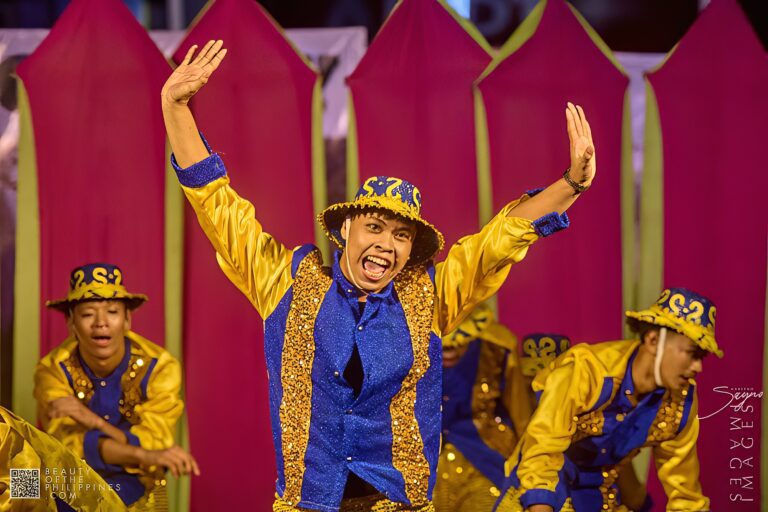
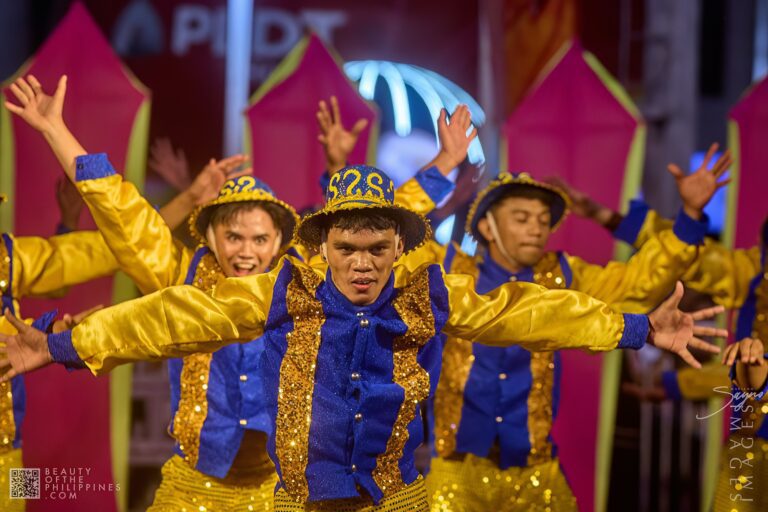
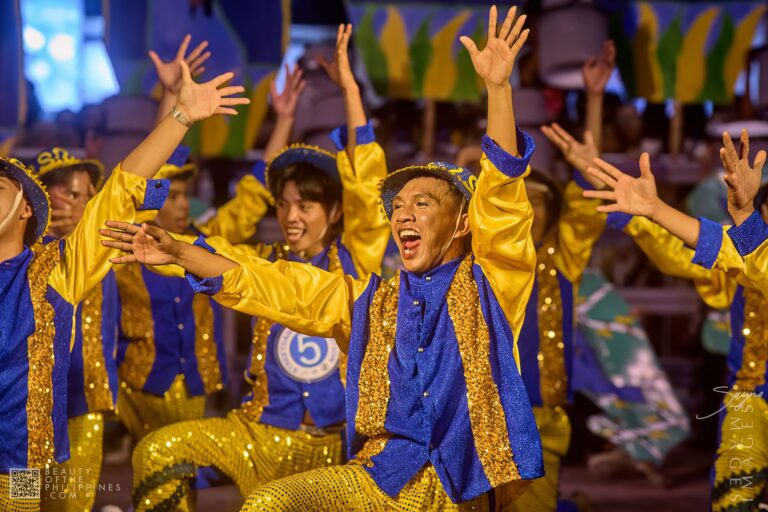
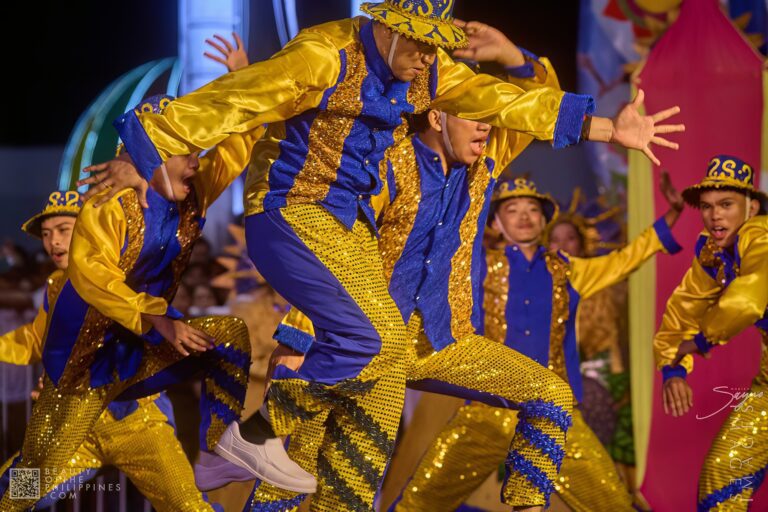
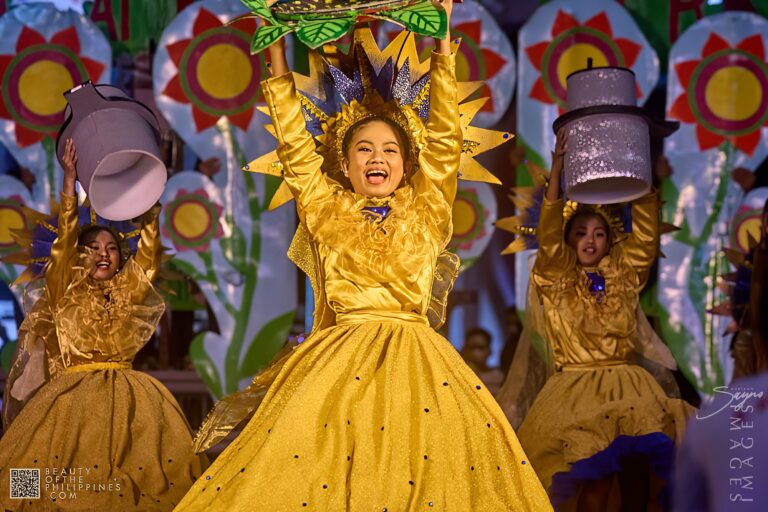
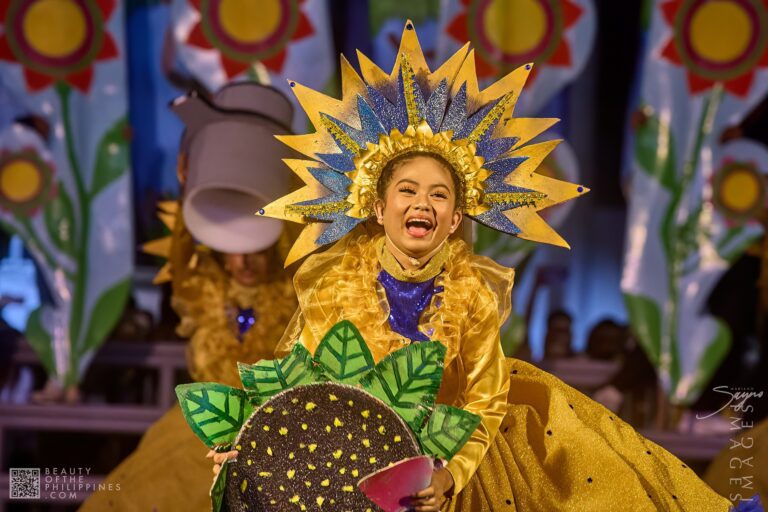
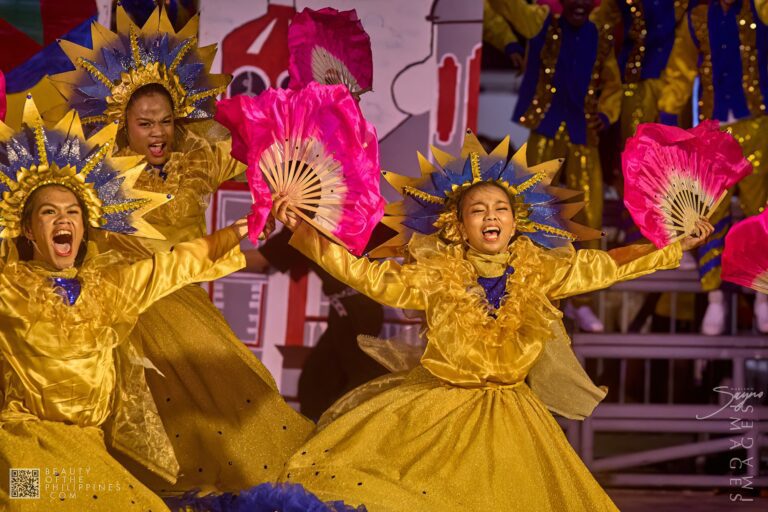
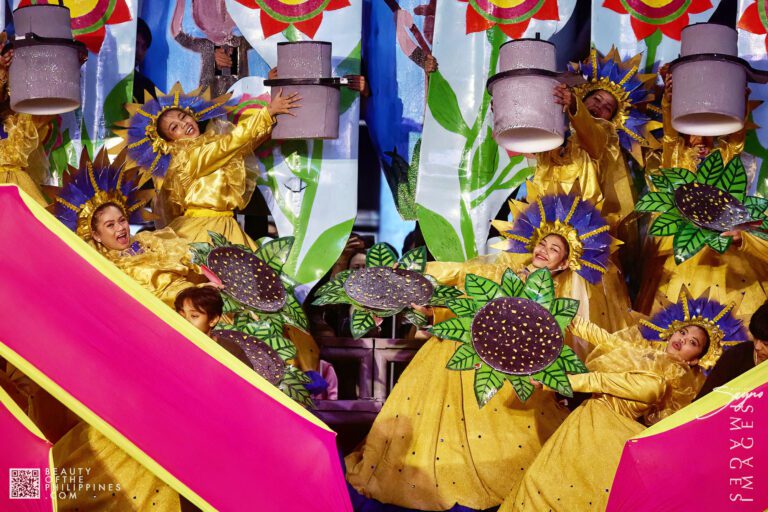
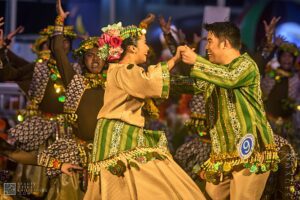
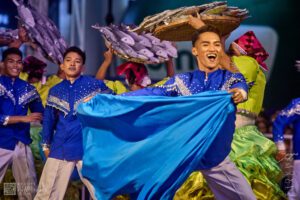
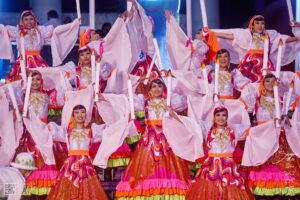
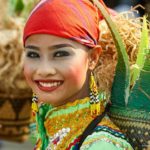
One of the strongest visual memories comes from the street parade. Floats roll by decorated with grindstones, rice stalks, and scenes of rural life. Dancers wear traditional attire, moving in patterns that echo agricultural routines—steady, grounded, intentional.

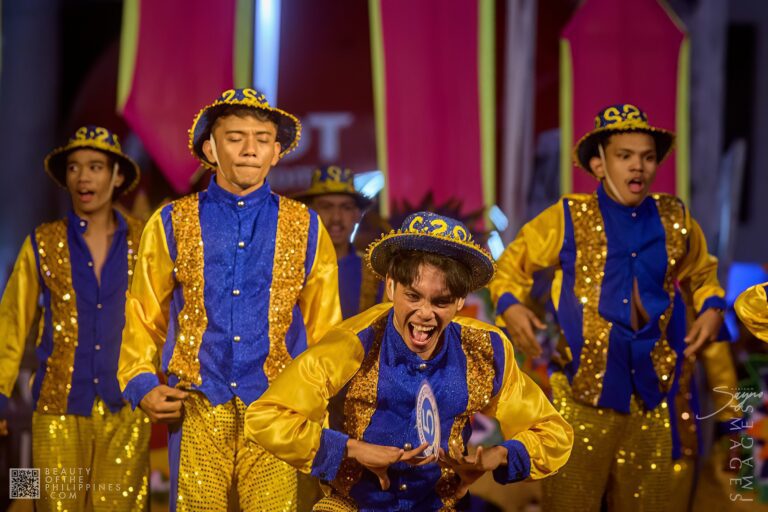
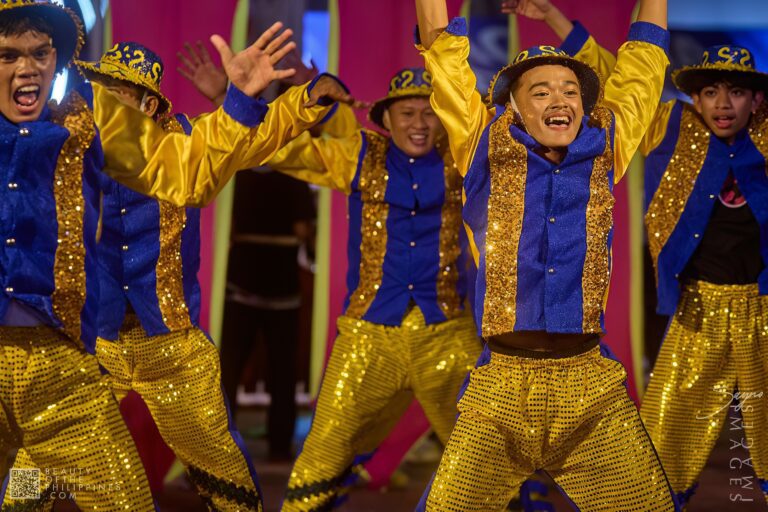
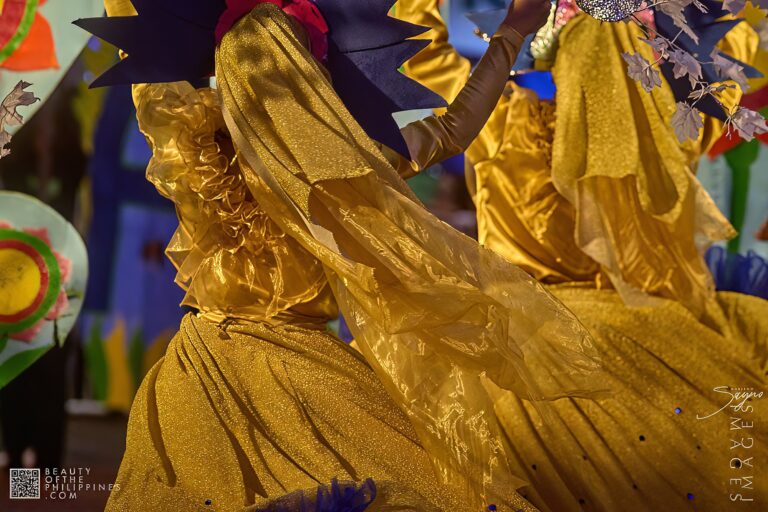
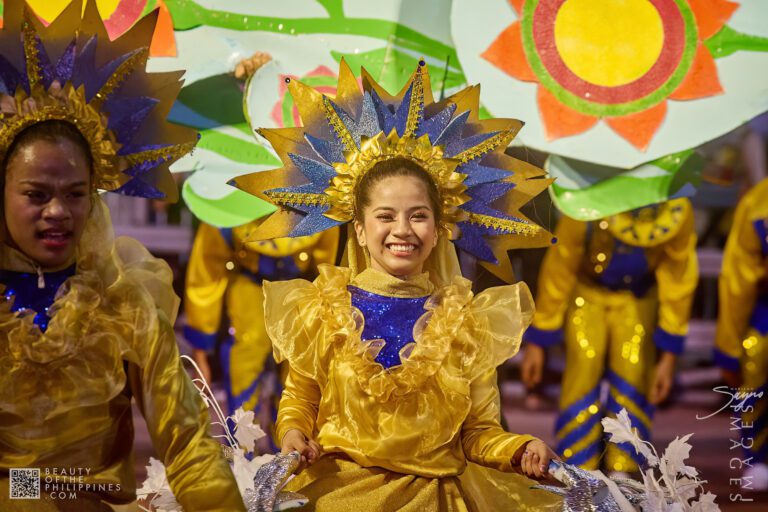
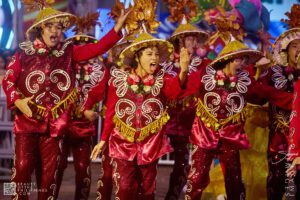
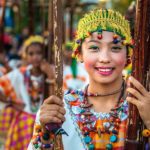
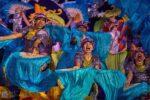
ABOVE: The Gilingan Festival celebrates a unique historical anecdote while honoring the town’s deep-rooted connection to traditional practices and agriculture, with the grindstone—or “gilingan”—standing as a symbol of the community’s resilience, hard work, and unity, proudly showcased through events and activities that highlight its cultural legacy.

ABOVE: The Gilingan Festival celebrates a unique historical anecdote while honoring the town’s deep-rooted connection to traditional practices and agriculture, with the grindstone—or “gilingan”—standing as a symbol of the community’s resilience, hard work, and unity, proudly showcased through events and activities that highlight its cultural legacy.

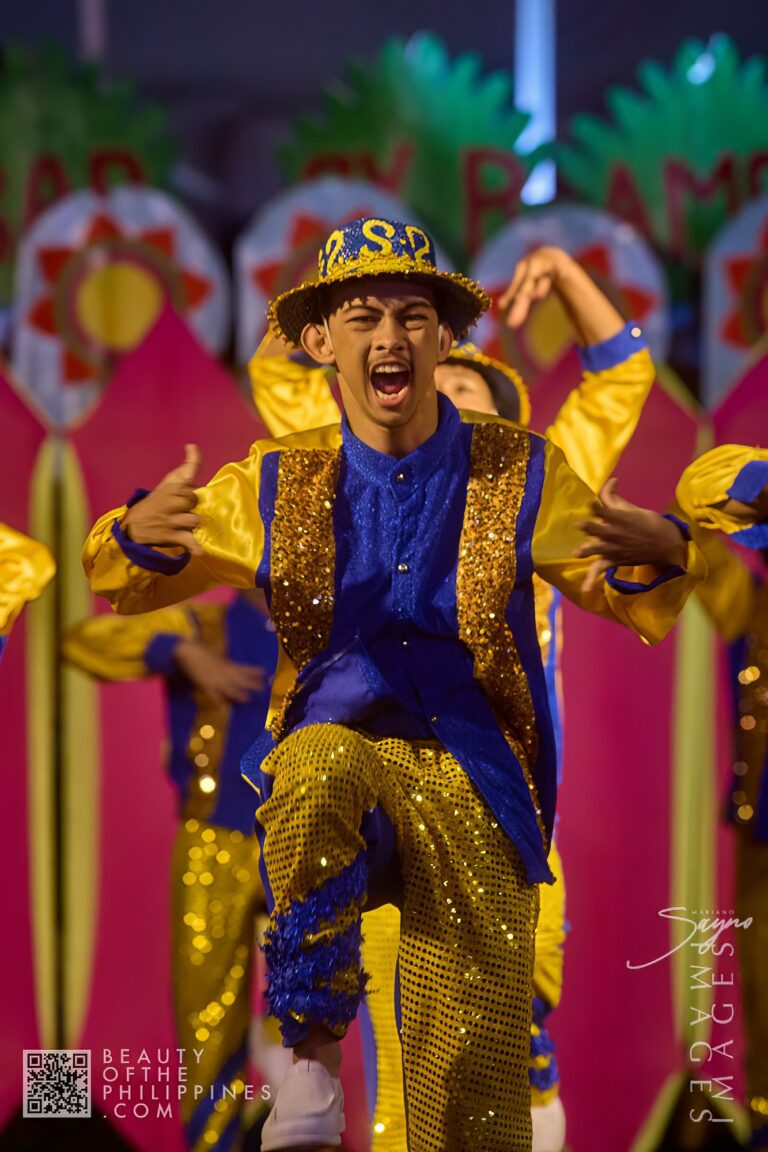
From a photographer’s point of view, it’s not about chasing spectacle. It’s about catching moments where movement and meaning align—when a dancer smiles mid-step, or when an elder watches quietly from the roadside, recognizing something familiar in the choreography.

Music, Movement, and Communal Rhythm

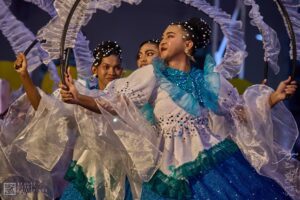
Cultural performances anchor the festival program. Folk dances and music reflect daily life rather than staged perfection. There’s a certain looseness to it—performances that feel lived-in, not rehearsed just for show.

You can sense that these rhythms once guided workdays, not stages. And for visitors, that’s often the moment the festival shifts from entertainment to understanding.

Revisiting Rice, One Stone at a Time

Traditional rice-milling demonstrations are among the most grounding parts of the celebration. These aren’t reenactments meant to impress. They’re quiet lessons.

Younger residents try tools that once defined daily survival. Elders explain motions that muscles remember better than words. Watching this unfold, you realize the festival isn’t only about preserving objects—it’s about passing on muscle memory, patience, and respect for labor.

RELATED STORIES

Sambalilo Festival: Celebrating Cavinti’s Iconic Pandan Weaving and Culture

Understanding the Sambalilo Festival The Sambalilo Festival is the signature cultural celebration of Cavinti, a municipality in Laguna. Traditionally held during the first week of

Read More »

Ana Kalang Festival: Where Kalang-Kalang and Street Dancing Meet Tradition

Nagcarlan Awakens: The Spirit of Ana Kalang Visiting Nagcarlan, Laguna in the third week of April, you immediately sense the town has transformed. The Ana

Read More »

Nagcarlan Underground Cemetery: Exploring Laguna’s Hidden Colonial Heritage

The Nagcarlan Underground Cemetery in Barangay Bambang, Nagcarlan, Laguna stands as one of the most unique historical sites in the Philippines. Unlike typical cemeteries, this

Read More »

Three Kings Festival: Mabitac’s Colorful Epiphany Celebration

In Mabitac, Laguna, the celebration has been embraced wholeheartedly, particularly intertwining it with the town’s founding anniversary to create a grand town festival. It has

Read More »

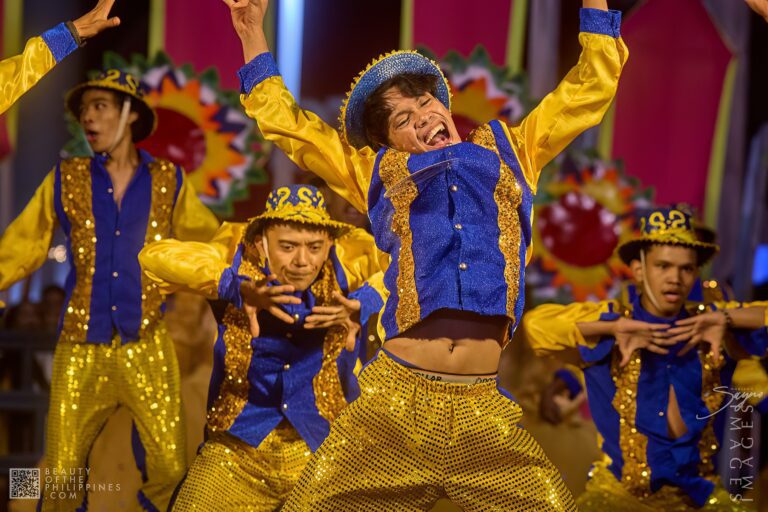
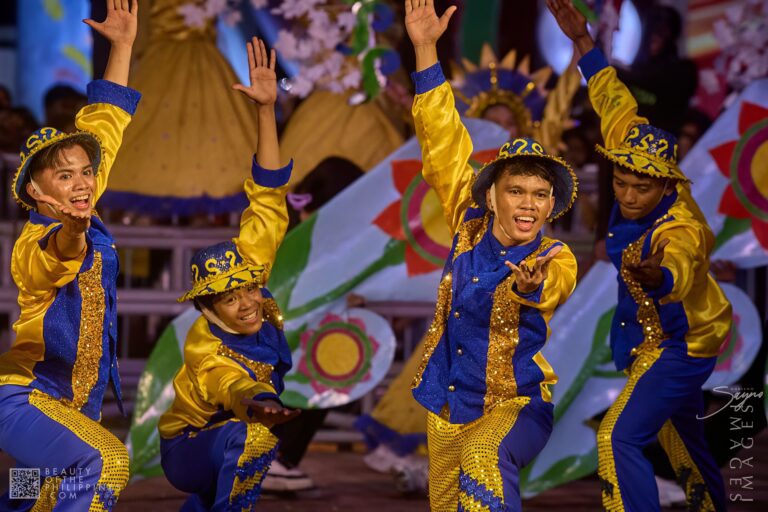
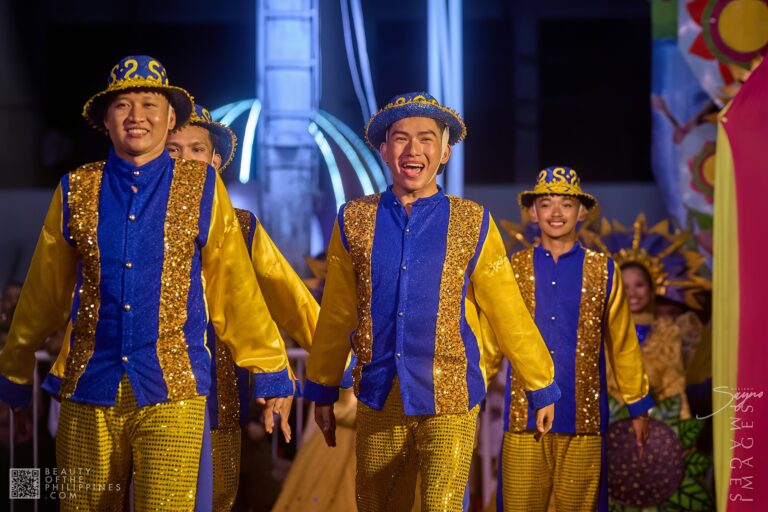
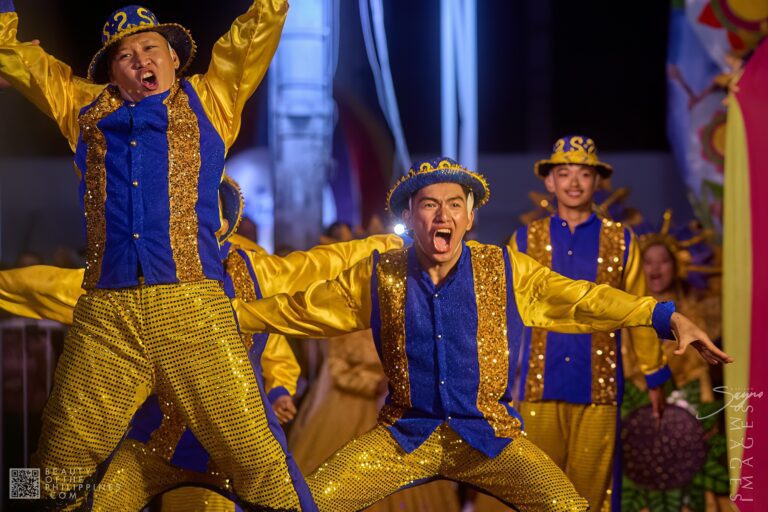
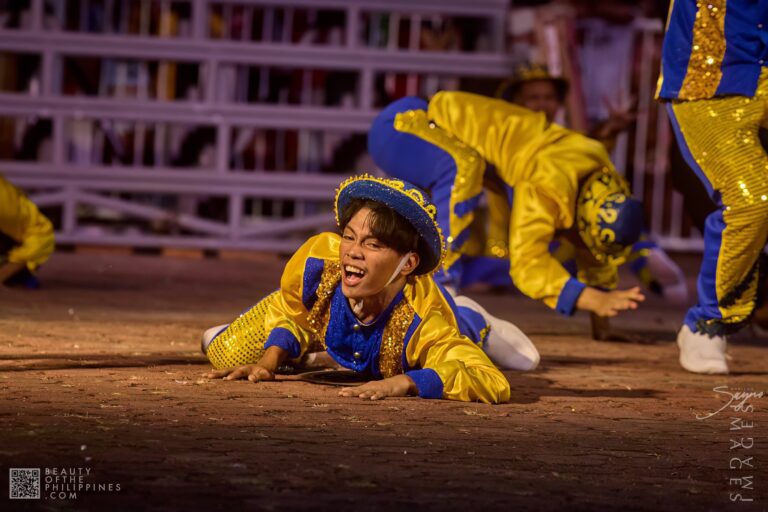
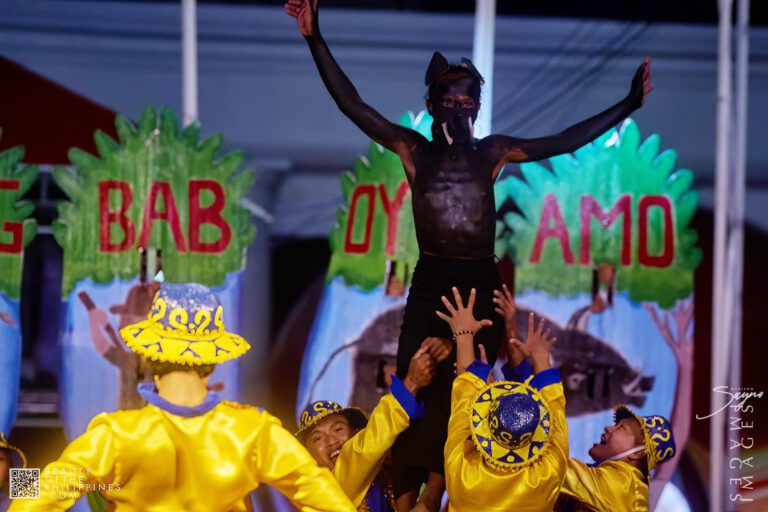
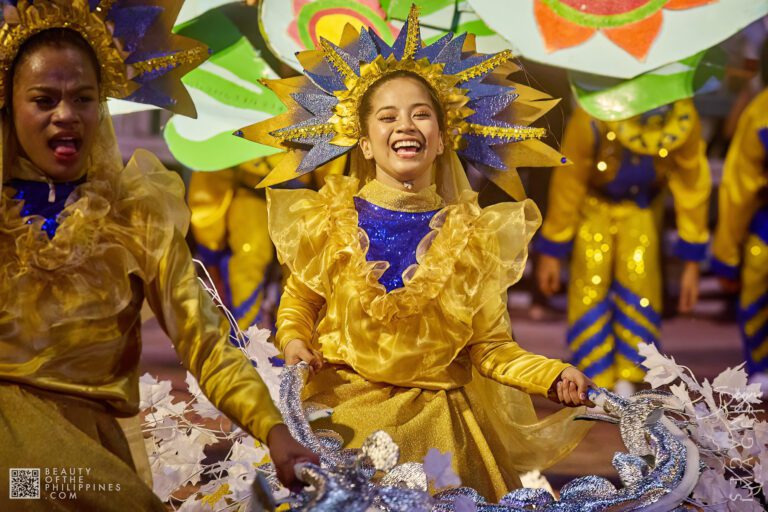
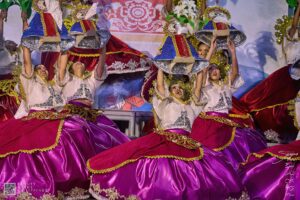
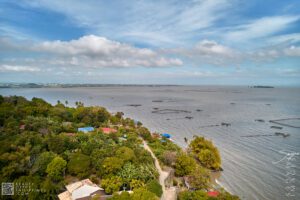
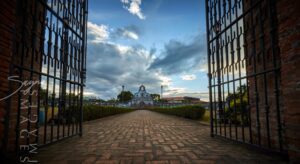
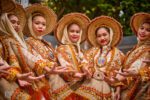
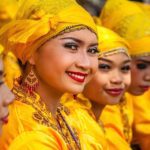
ABOVE: The Gilingan Festival is a proud affirmation of Siniloan’s heritage—a deeply symbolic celebration where the community comes together to honor its shared history, preserve its cultural identity, and joyfully pass on the stories and traditions that have shaped the town for generations.

ABOVE: The Gilingan Festival is a proud affirmation of Siniloan’s heritage—a deeply symbolic celebration where the community comes together to honor its shared history, preserve its cultural identity, and joyfully pass on the stories and traditions that have shaped the town for generations.

History on Display

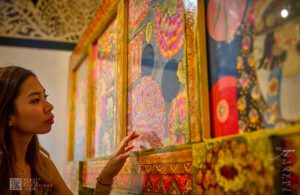
Throughout the festival grounds, exhibits feature photographs, artifacts, and narrative panels recounting Siniloan’s story—especially the evolution of its name and the central role of the gilingan.

These displays don’t overwhelm. They supplement. They give context to what you’re already seeing on the streets, allowing visitors to connect performance with history instead of treating them as separate experiences.

Siniloan at the Anilag Festival

Beyond its local celebration, the Gilingan Festival found a larger stage through Siniloan’s participation in the Anilag Festival, Laguna’s province-wide cultural gathering held every March. Known as the “Mother of All Festivals” in Laguna, Anilag brings together all municipalities and cities to showcase identity, products, and heritage.

Anilag—derived from Ani (harvest) and Laguna—mirrors the same agricultural pride that defines the Gilingan Festival.

During this provincial celebration, Siniloan carried its grindstone narrative into land float parades, street dancing competitions, and cultural showcases. The gilingan motif traveled beyond town borders, allowing wider audiences to encounter Siniloan’s story through movement, design, and performance.

Participation here wasn’t just representation. It was amplification—placing a deeply local symbol into a shared provincial conversation about identity and heritage.

Why the Gilingan Festival Endures

The Gilingan Festival continues because it serves many roles at once. It acts as a living archive, a classroom without walls, a reunion point for the community, and a cultural marker within Laguna’s broader tourism landscape.

For travelers, it offers context. For locals, it offers continuity. And for those documenting places through photography or writing, it offers something rare—a festival that doesn’t need to reinvent itself to stay relevant.

Sometimes, history doesn’t shout. It turns slowly, like a grindstone, shaping meaning over time. In Siniloan, that turning never stopped.

I’m looking forward to the stories and images leaving a lasting positive impression on you, just as they have on me. Stay connected with us on social media for a weekly exploration of travel assignments and breathtaking visuals. Our focus is on championing local tourism, showcasing small businesses, and honoring the magnificence of the Philippines through the content we curate. Join us in spreading the word by clicking the ‘share’ buttons below. Your support means the world to us.

BROWSE BY REGION
  • metro MANILA
  • abra
  • albay
  • baguio city
  • BATAAN
  • batangas
  • Benguet
  • bulacan
  • cagayan
  • cavite
  • cebu
  • cotabato
  • davao oriental
  • Guimaras
  • ilocos norte
  • ilocos sur
  • Iloilo
  • Isabela
  • laguna
  • lanao del norte
  • maguindanao
  • negros occidental
  • nueva vizcaya
  • Pampanga
  • pangasinan
  • QUEZON
  • rizal
  • Samar
  • sarangani
  • Tarlac
  • zambales
  • zamboanga city

EXPLORE MORE about

  • laguna

Laguna de Bay: Exploring the Philippines’ Largest Lake and Cultural Hub

Laguna de Bay, or Laguna Lake, is much more than the Philippines’ largest freshwater lake. Covering approximately 900 km² with a 220 km shoreline, it stretches across

Read More »

Alligator Lake: Tadlac’s Quiet Crater of Laguna

Tucked into Barangay Tadlac in Los Baños, Alligator Lake stands apart from Laguna’s more bustling attractions. While many flock to the town’s famed hot springs,

Read More »

Itik Festival: A Colorful Tribute to Victoria’s Duck-Raising Heritage

Origins and Cultural Significance If you wander Victoria during the festival, it’s immediately clear that the Itik Festival is more than a celebration—it’s a living

Read More »

Nagcarlan Underground Cemetery: Exploring Laguna’s Hidden Colonial Heritage

The Nagcarlan Underground Cemetery in Barangay Bambang, Nagcarlan, Laguna stands as one of the most unique historical sites in the Philippines. Unlike typical cemeteries, this

Read More »

Kesong Puti Festival: Culinary Heritage Alive in Santa Cruz

Santa Cruz, a first-class urban municipality and the capital of Laguna province in the Philippines, is a place where tradition, culture, and culinary delights converge.

Read More »

Pinya Festival: Celebrating Pineapple and Culture in Calauan

A Sweet Harvest in Motion: Calauan’s Pinya Festival Walking through Calauan in early May, you immediately feel the energy of a community united in celebration.

Read More »

Majayjay Church: Exploring Laguna’s Ancient Sanctuary of Faith and History

Tucked high on Mt. Banahaw and overlooking verdant valleys, Majayjay Church, formally known as the Saint Gregory the Great Parish Church, stands as one of

Read More »

Turumba Festival: Devotion and Dance in Pakil, Laguna

The Turumba Festival in Pakil, Laguna, centered around the veneration of Our Lady of Sorrows of Turumba, continues to unite locals and attract visitors, showcasing

Read More »

Enchanted Kingdom: Why EK Remains the Top Theme Park Destination in the Philippines

Enchanted Kingdom, often simply called EK, stands as the Philippines’ first and only world-class theme park in 2012. Located in San Lorenzo South, Santa Rosa


Read More »

Bañamos Festival: Where Hot Springs Meet Festive Street Parades

What the Bañamos Festival Is About The Bañamos Festival is the signature cultural and tourism celebration of the Municipality of Los Baños, Laguna, commemorating the

Read More »

Burdang Lumban Festival: Laguna’s Living Tapestry of Heritage

Lumban, recognized as the “Embroidery Capital of the Philippines,” comes alive every third week of September with its vibrant Burdang Lumban Festival, a celebration of

Read More »

Ana Kalang Festival: Where Kalang-Kalang and Street Dancing Meet Tradition

Nagcarlan Awakens: The Spirit of Ana Kalang Visiting Nagcarlan, Laguna in the third week of April, you immediately sense the town has transformed. The Ana
Read More »

Three Kings Festival: Mabitac’s Colorful Epiphany Celebration

In Mabitac, Laguna, the celebration has been embraced wholeheartedly, particularly intertwining it with the town’s founding anniversary to create a grand town festival. It has

Read More »

Buhayani Festival: Calamba’s Tribute to Rizal Through Parade and Performance

The Buhayani Festival, held every June 19 in Calamba, Laguna, honors the life and heroism of Dr. José Rizal, the city’s most celebrated son. First

Read More »

Sambalilo Festival: Celebrating Cavinti’s Iconic Pandan Weaving and Culture

Understanding the Sambalilo Festival The Sambalilo Festival is the signature cultural celebration of Cavinti, a municipality in Laguna. Traditionally held during the first week of
Read More »

BROWSE BY CATEGORIES

LOCATIONS
PROVINCES

Abra

Albay

Baguio City

Bataan

Batangas

Benguet

Bulacan

Cagayan

Cavite

Cebu

Cotabato

Davao Oriental

Guimaras

Ilocos Norte

Ilocos Sur

Iloilo

Isabela

Laguna

Lanao del Norte

Maguindanao

Manila

Negros Occidental

Nueva Vizcaya

Pampanga

Pangasinan

Quezon

Rizal

Samar

Sarangani

Tarlac

Zambales

Zamboanga City

ARCHITECTURE
HERITAGE

Andres Bonifacio Birthplace Monument

Bonifacio Monumento

Burdang Lumban Festival

Cagsawa Festival

Capones Lighthouse

Casa Manila

Christ the King Seminary

Corregidor Island Dark Tour Experience

Corregidor Island Reopens

Corregidor Island

Cultural Center of the Philippines

Fantasy World

Gabriela Silang Memorial Shrine

Gomburza National Monument

Hondagua

Iloilo Customs House

Intramuros

Jones Bridge

Kartilya ng Katipunan

La Loma Cemetery

LOAD MORE

CHURCHES
FAITH

Bacolor Church

Baguio Cathedral

Barasoain Church

Binondo Church

Calaca Church

Calumpit Church

Chong Hock Tong Temple

Greenbelt Chapel

Guadalupe Church Ruins

La Naval de Manila

Lingayen Cathedral

Lubenas Festival

Lucban Church

Malate Church

Manila Abbey

Manila Cathedral

The Manila Golden Mosque

Meycauayan Church

Morong Church

Mount Carmel Shrine

LOAD MORE

NATURAL & MAN-MADE
ATTRACTIONS

A&J Cafe

Alligator Lake

Amare La Cucina Baguio

Ambuklao Dam

Antipolo Church

Atimonan Port

Avilon Zoo

Azalea Hotels & Residences Baguio

Bagac Beach

Baguio Media Newseum

Balai Isabel

Balayan Bay

Baluarte de San Diego

Betis Church

Binondo Chinatown

Café Khawa

Callao Cave

Camara Island

Candle Festival of Candelaria

Capas Train Station

LOAD MORE

FESTIVALS &
EVENTS

Al Cinco de Noviembre Festival

Ana Kalang Festival

Antipolo Maytime Festival

Balacat Festival

Balitok Ti Alicia Festival

Bañamos Festival

Bato Art Festival

Boling-Boling Festival

Buhayani Festival

Burdang Lumban Festival

Candle Festival

Dinagyang Festival

Feast of Santo Niño de Tondo

Gilingan Festival

Halamanan Festival

Hambujan Festival

Iloilo Dinagyang Festival

Inaul Festival

Itik Festival

Kalivungan Festival

LOAD MORE
Facebook Twitter Instagram Envelope

All photographs that appear on the site are copyright of Mariano Sayno ©2022 Beauty of the philippines

All photographs that appear on the site are copyright of Mariano Sayno ©2022 Beauty of the philippines.com

Beauty of the philipipnes LOGO WHITE

BROWSE BY PROVINCE

Abra

Albay

Baguio City

Bataan

Batangas

Benguet

Bulacan

Cagayan

corregidor-island

Cavite

Cebu

Cotabato

Davao Oriental

Manggahan aFestival of Guimaras

Guimaras

Ilocos Norte

Ilocos Sur

dinagyang aliwan friesta husayno mariano sayno

Iloilo

Isabela

Laguna

Lanao del Norte

Maguindanao

Manila Bay by Mariano Sayno

Manila

Negros Occidental

Magat River Dupax Del Norte

Nueva Vizcaya

Pampanga

Lingayen Cathedral

Pangasinan

Quezon

Rizal

Samar

Sarangani

Tarlac

Zambales

Zamboanga City

Siniloan, Laguna, Philippines