BROWSE BY PROVINCE

Mabitac, Laguna
Three Kings Festival
Mabitac’s Colorful Epiphany Celebration
Share
Tweet
Email
EXPLORE Three Kings Festival

PUBLISHED March 10, 2024

PHOTOS | WORDS BY MARIANO SAYNO

  • Mabitac, Laguna
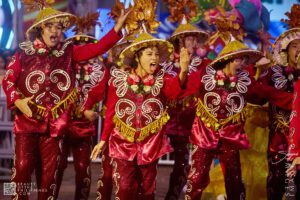
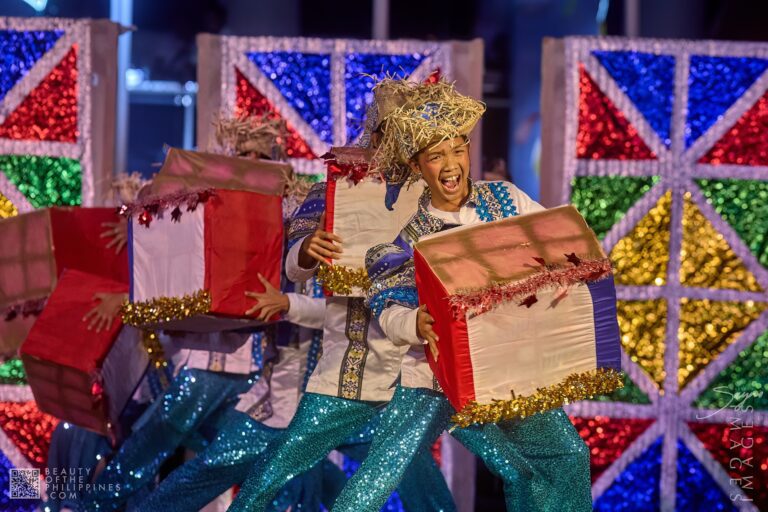
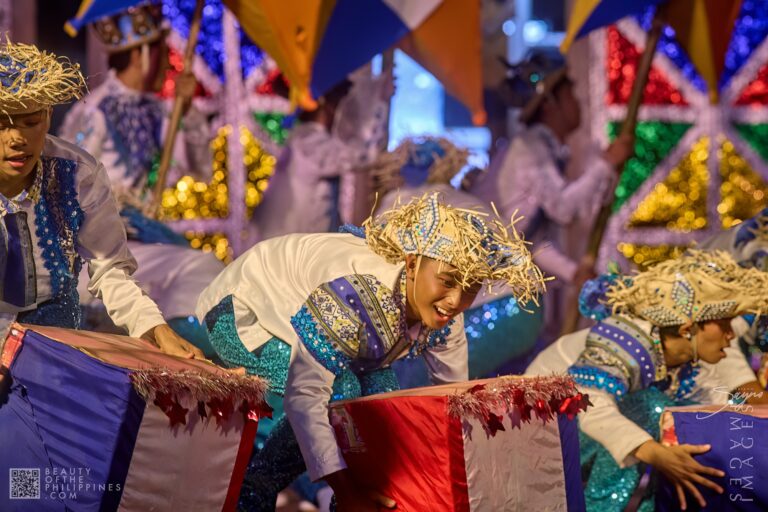
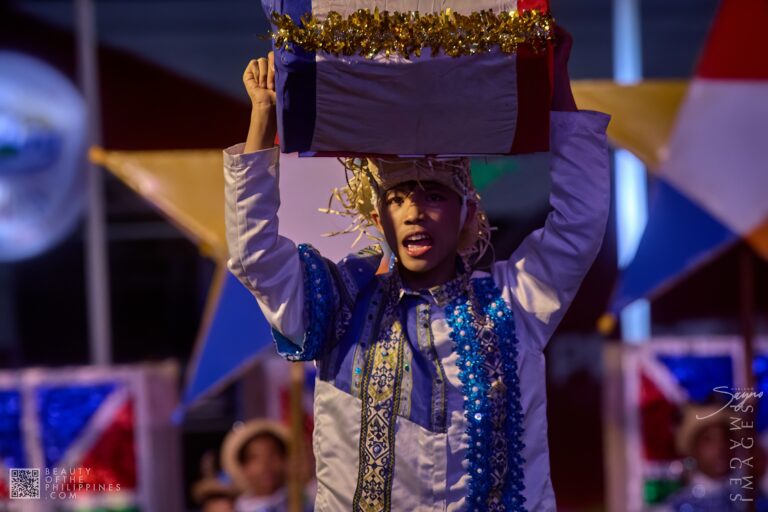
Experiencing the Three Kings Festival in Mabitac is like stepping into a vibrant story of faith and community. Streets come alive with horse processions, elaborately dressed children portraying the Three Kings, and the joyful chaos of Pasabog ng Pera, where money rains over the crowd in a uniquely Filipino gesture of generosity. Beyond the spectacle, the festival reflects deep respect for elders, family reunions, and the continuity of local traditions that bind this Laguna town together.
Explore the Philippines through my lens as we venture into Three Kings Festival with Point of View (POV) photography. Using a body cam, I’ll guide you on an interactive tour, revealing the behind-the-scenes of capturing the shots shared here. Let’s dive into this visual journey together and uncover the wonders through my lens!
Let’s explore the PHILIPPINES through my lens as we journey on a photo slideshow to Three Kings Festival. Join me in this visual adventure and discover the wonders captured through my lens! Check out the shared slideshow here.
What the Three Kings Festival Is

The Three Kings Festival in Mabitac, Laguna is a vivid local celebration held every January 6 in honor of the Feast of the Epiphany. While the Christian observance marks the journey of the Three Wise Men to the newborn Jesus, in Mabitac it takes on a uniquely Filipino character that blends religious devotion, family gatherings, and communal festivities. Locally, the day is also called “Pasko ng Matatanda,” a time to honor elders through reunions, meals, and blessings, embedding gratitude and continuity into the celebrations.

Check out the video for more highlights. See what I’ve captured through my lens with Point of View (POV) photography. Using a body cam, I’ll take you on an interactive tour, showing you behind-the-scenes moments of capturing the shots shared here.
Check out the video below for additional features. Explore what I’ve captured through my lens in this cinematic slideshow.
Mabitac’s Signature Traditions

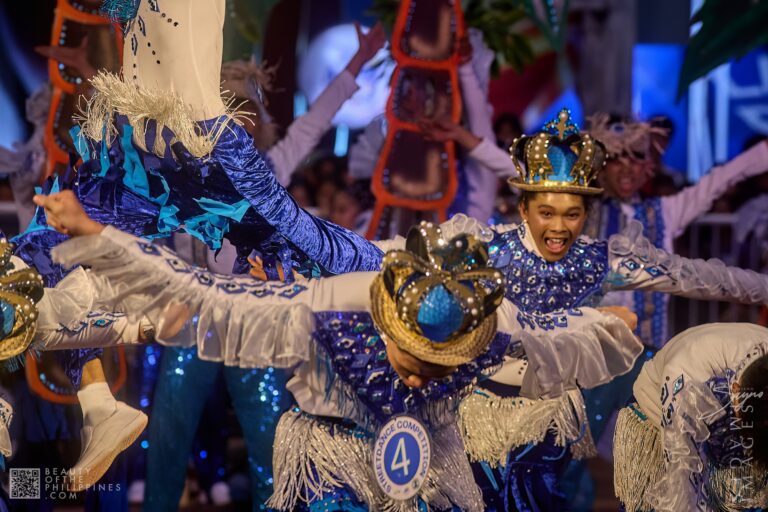
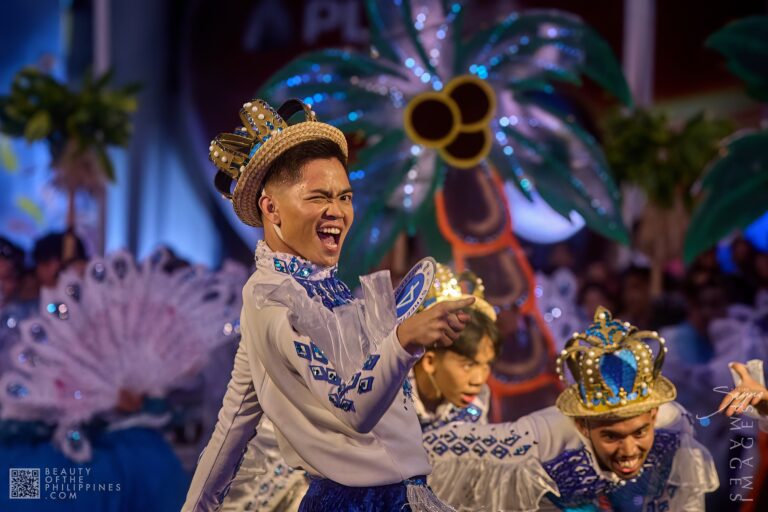
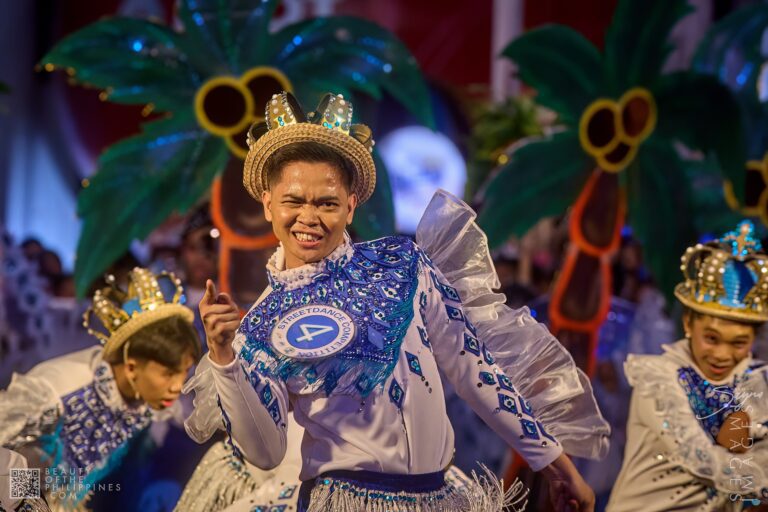
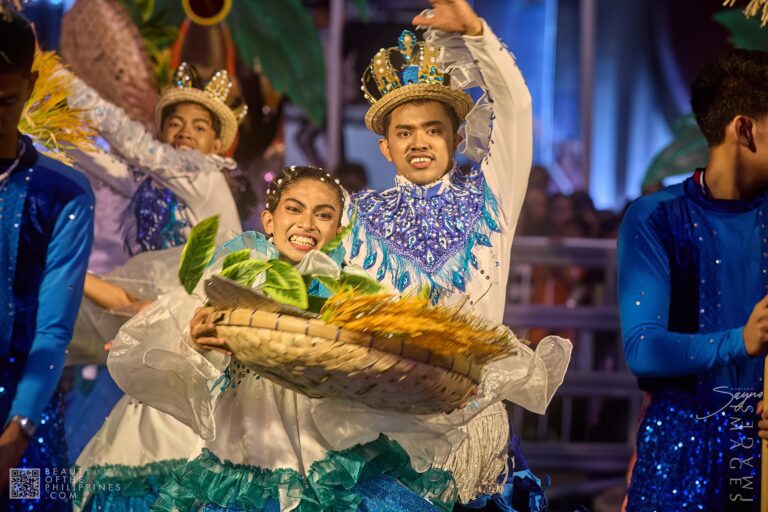
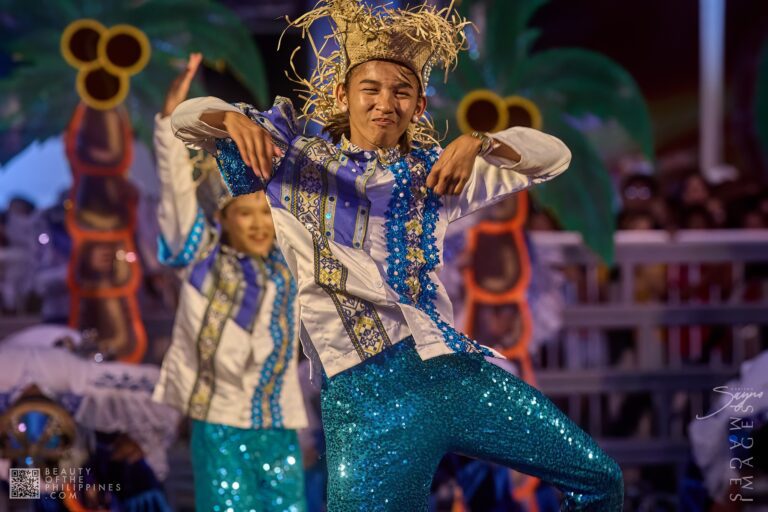
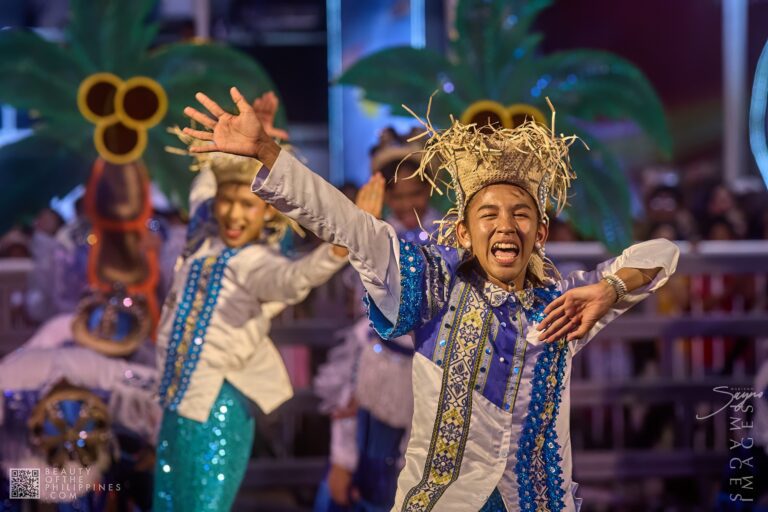
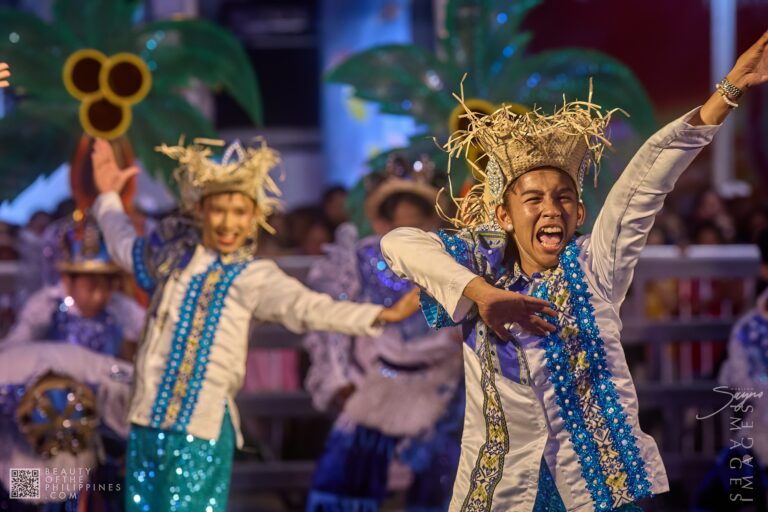
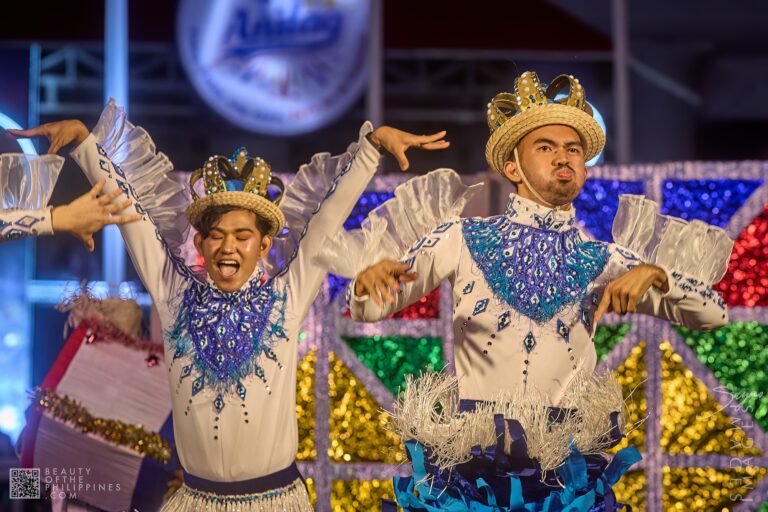
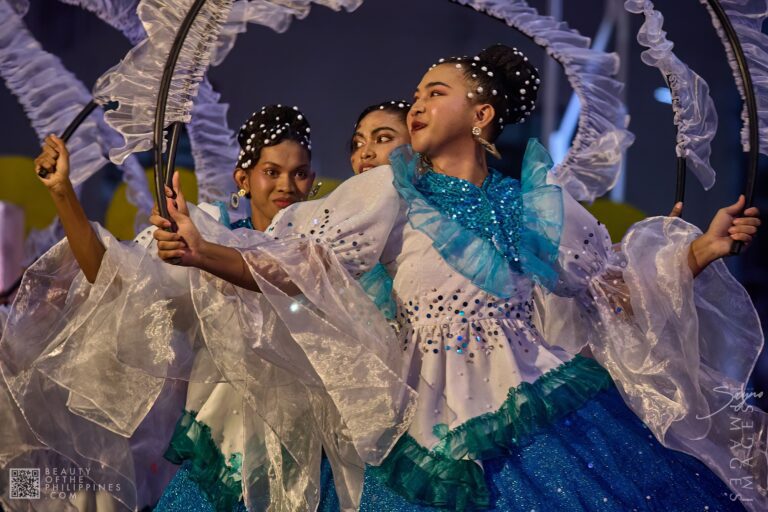
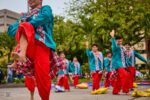
What makes Mabitac’s celebration stand out is the procession of the Three Kings themselves. Children portraying Gaspar, Melchor, and Balthazar ride through the streets, accompanied by the “Traditional Cabesillas,” elegantly dressed women who add grace and ceremonial presence. The streets fill with color, music, and an atmosphere of joyful anticipation. Adding a uniquely local twist, the Pasabog ng Pera turns the festival into a playful display of generosity. Officials and invited guests toss coins and bills into the crowd, creating a scene that is both festive and symbolic of communal sharing.

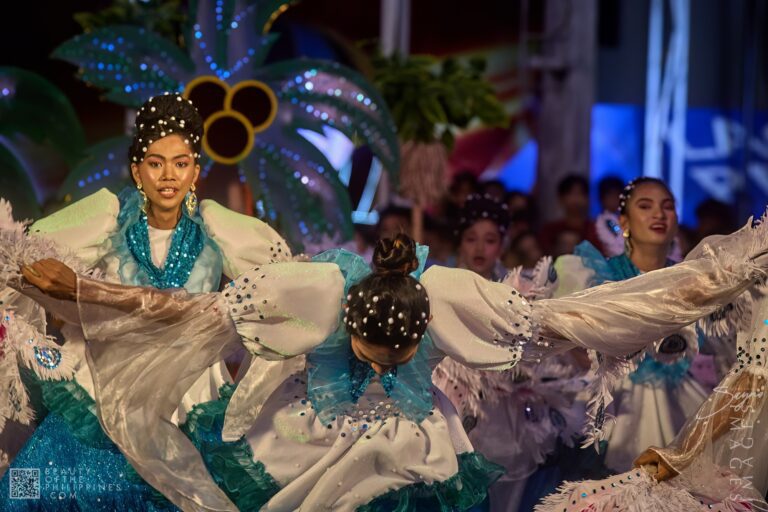
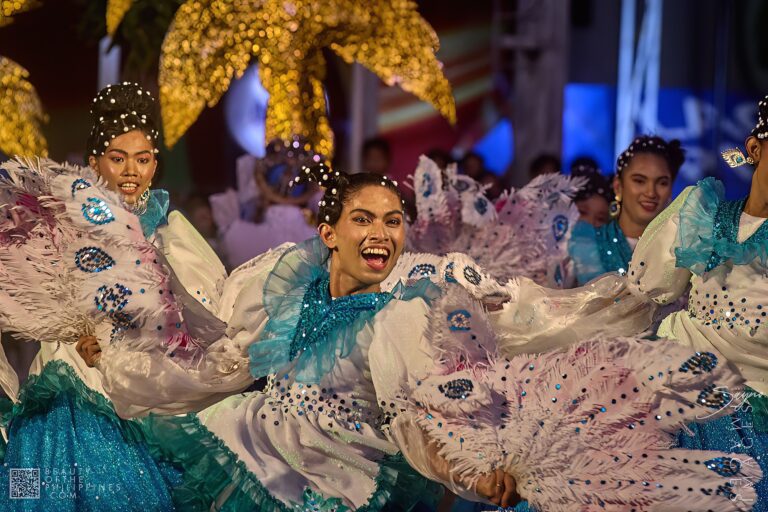
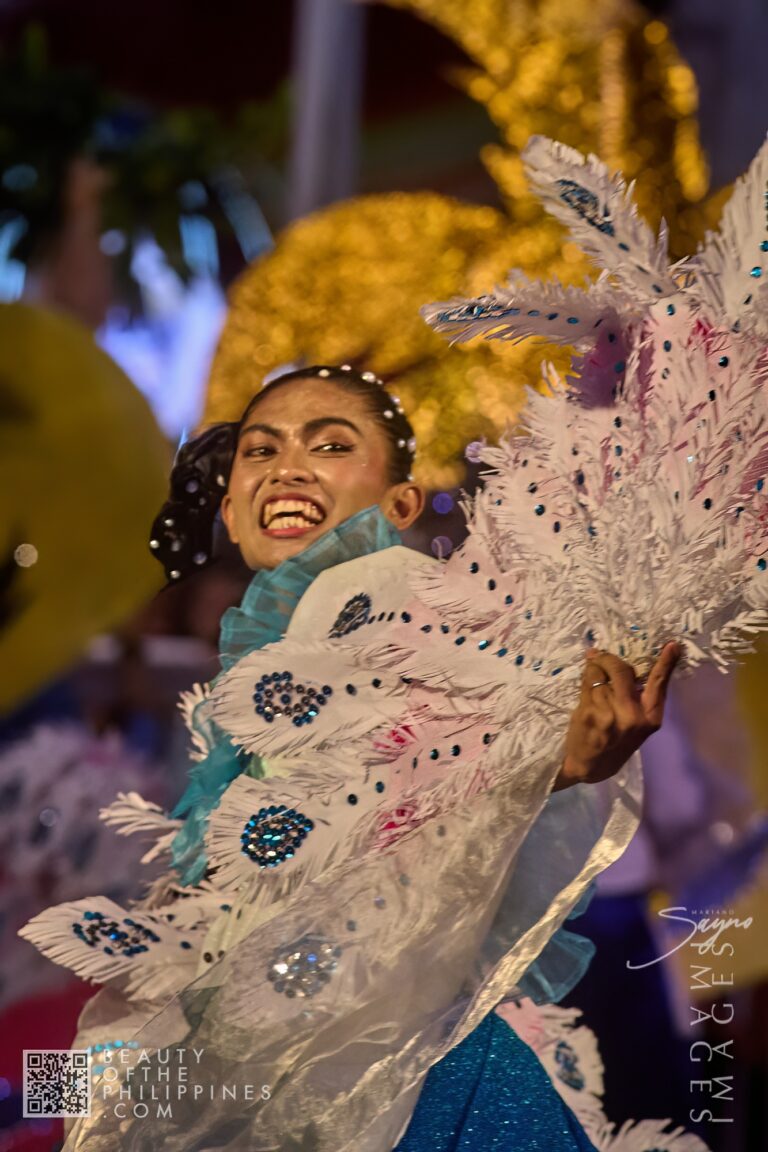
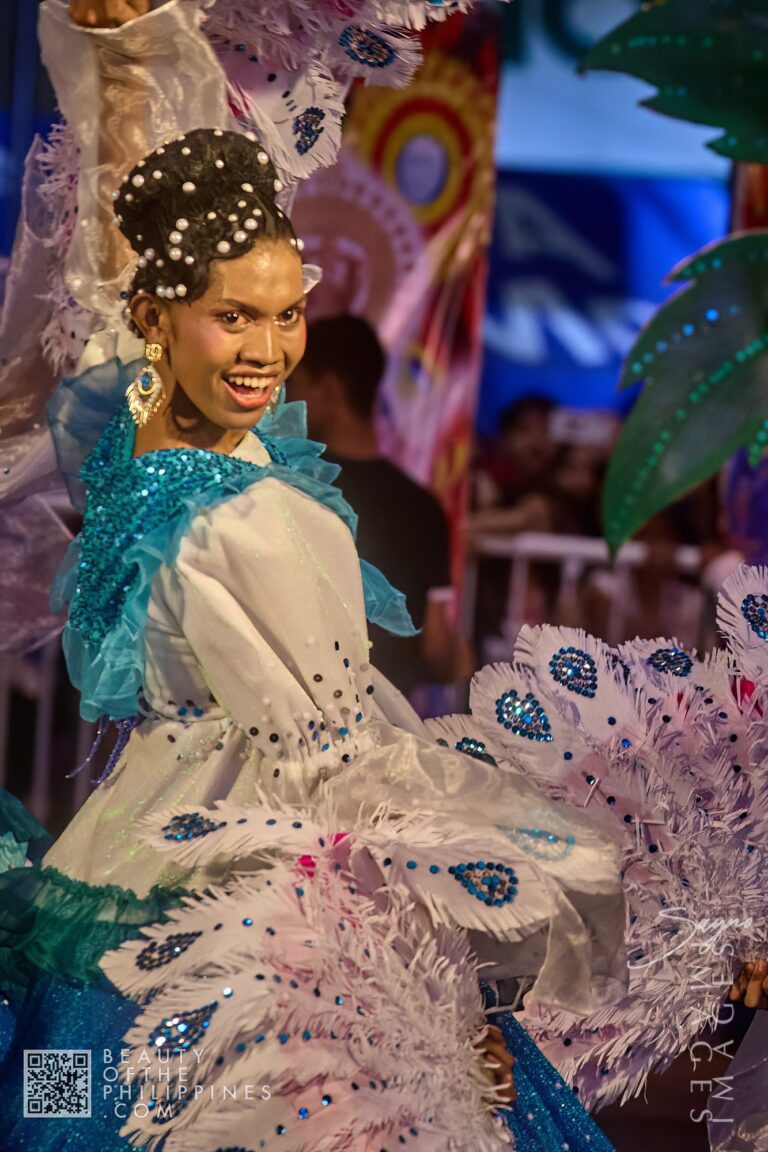
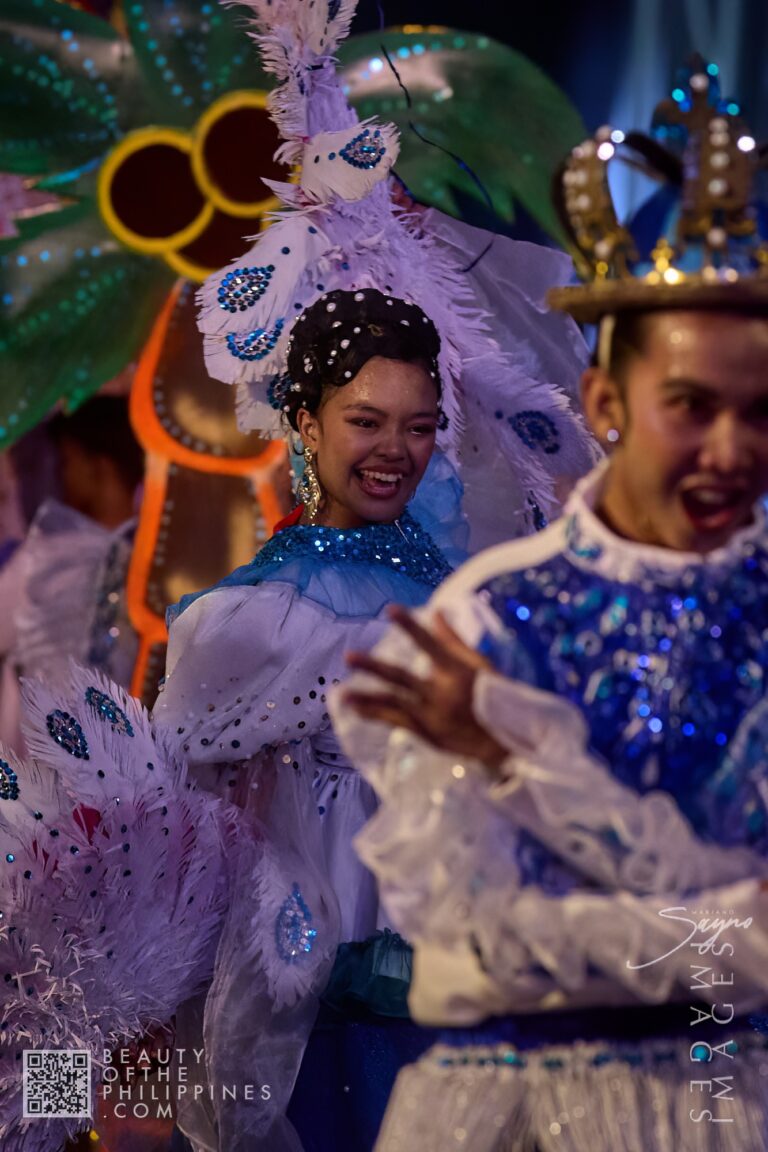
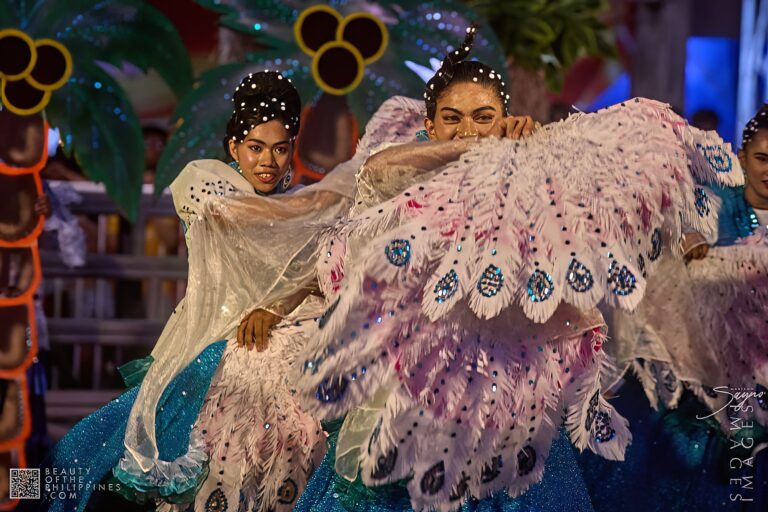
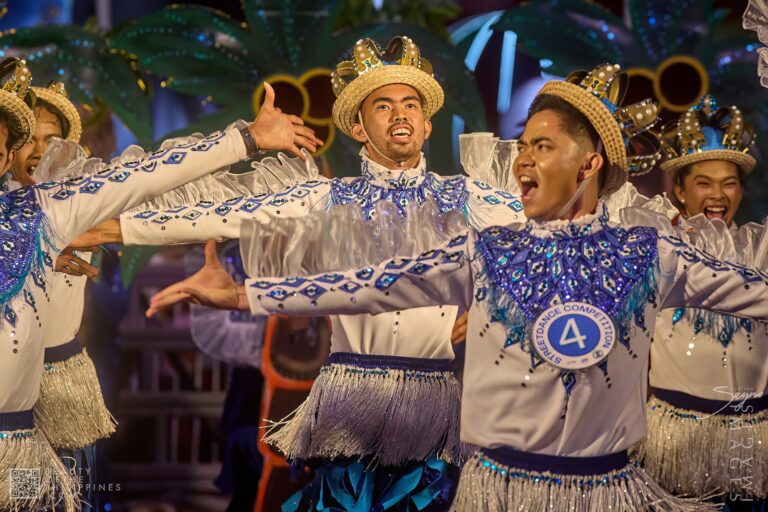
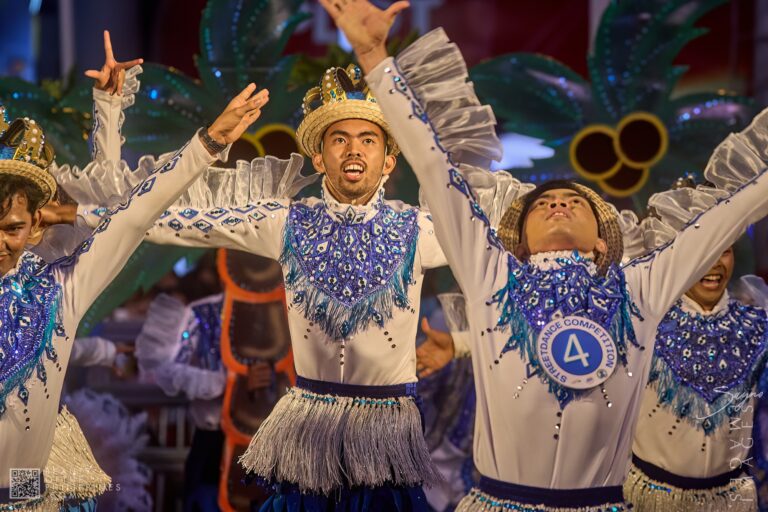
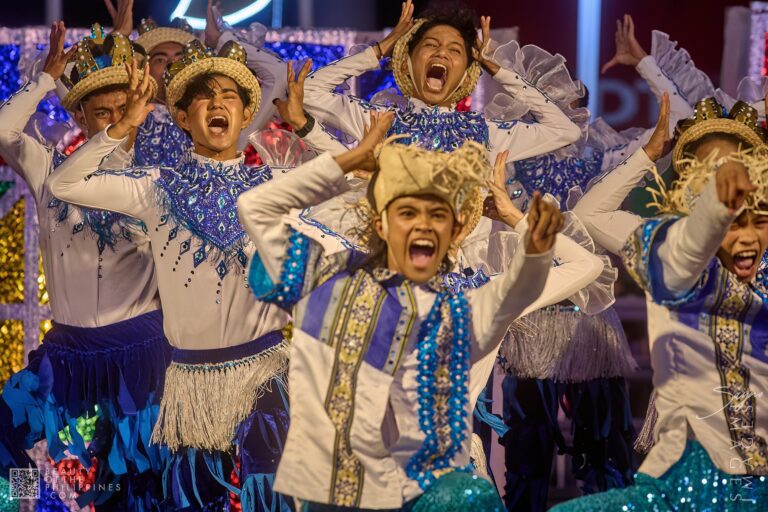
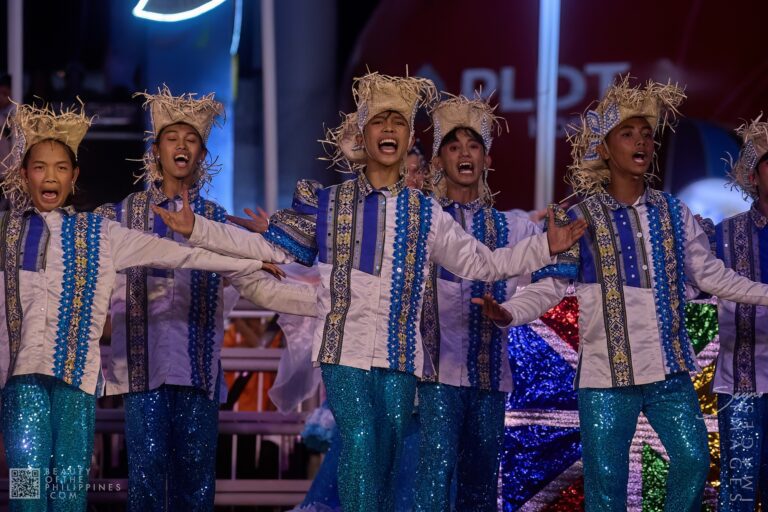
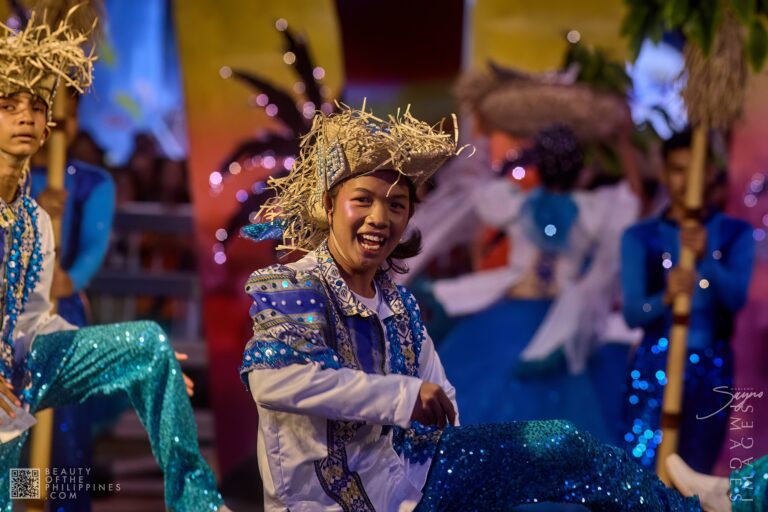
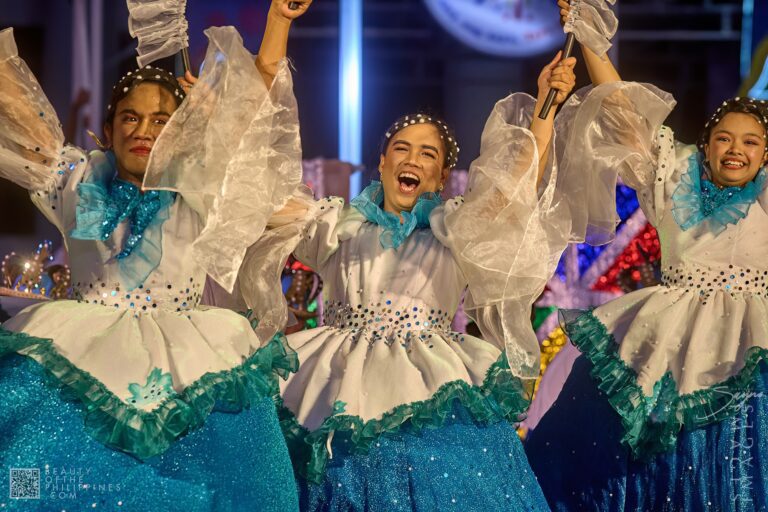
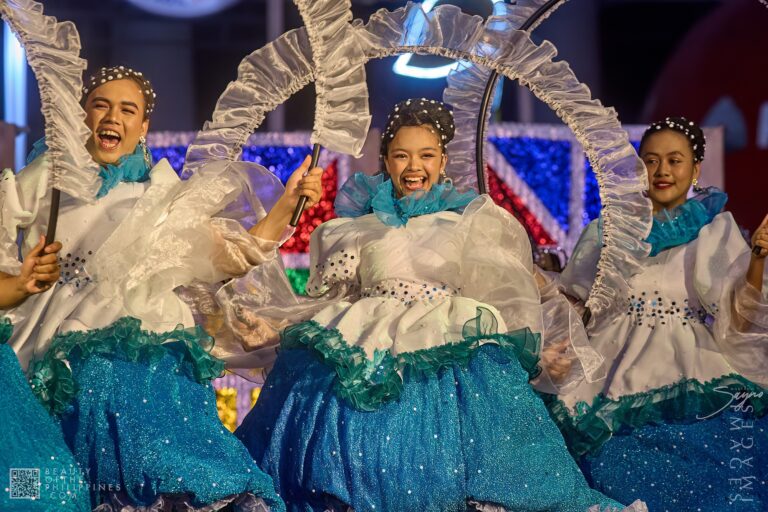
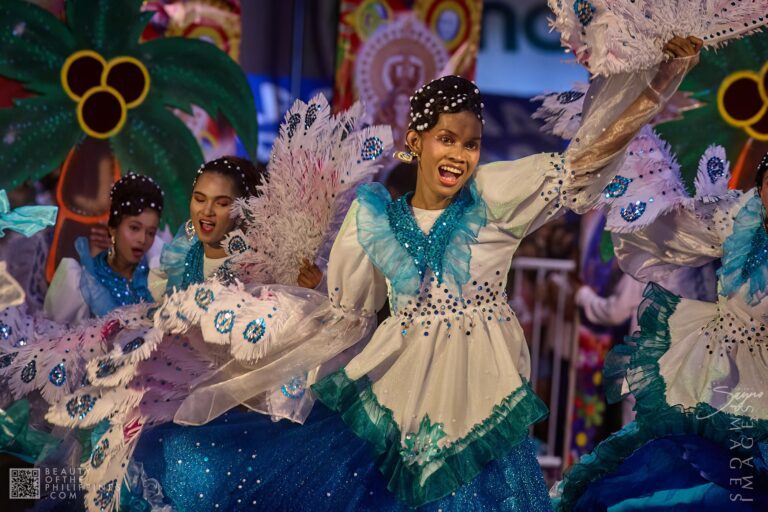
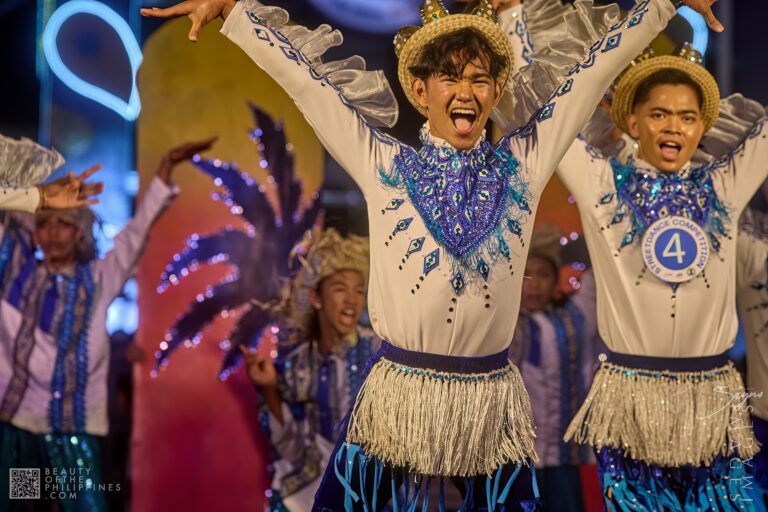
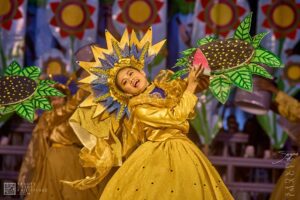
ABOVE: In Mabitac, Laguna, the Three Kings Festival—also known as the Feast of the Epiphany and celebrated every January 6th—has become a cherished and unifying tradition among Filipino Catholics, embraced wholeheartedly by the town as it coincides with its founding anniversary, turning the occasion into a grand and significant local festival.

ABOVE: In Mabitac, Laguna, the Three Kings Festival—also known as the Feast of the Epiphany and celebrated every January 6th—has become a cherished and unifying tradition among Filipino Catholics, embraced wholeheartedly by the town as it coincides with its founding anniversary, turning the occasion into a grand and significant local festival.

The festival also doubles as a tribute to elders. Families gather for reunions and special meals, emphasizing the deep respect embedded in Filipino culture. This combination of pageantry, devotion, and family celebration illustrates how Mabitac transforms a religious feast into a full-bodied cultural expression that strengthens local identity.

Historical and Cultural Context

The Feast of the Epiphany, celebrated on January 6, marks the biblical visit of the Magi who offered gold, frankincense, and myrrh to the infant Jesus. In the Philippines, observances vary by town, but the blending of social, cultural, and religious activity is a constant. In some regions, local “kingdoms” form for the occasion, combining costume, feasting, and street festivities. Mabitac’s version uniquely balances spirituality with communal celebration, reflecting both Catholic devotion and the joy of shared traditions.

Three Kings Festival and Anilag Festival

In 2024, Mabitac’s Three Kings Festival gained wider exposure through its participation in the Anilag Festival, Laguna’s annual provincial celebration of harvest, culture, and creative arts. During Anilag, municipalities like Mabitac were given additional resources to showcase their traditions, from street parades to cultural exhibits. This platform amplified the visibility of the town’s Three Kings festivities, including its distinctive Pasabog ng Pera, traditional costumes, and family-oriented ceremonies, helping tourists and locals alike appreciate its cultural richness and tourism potential.

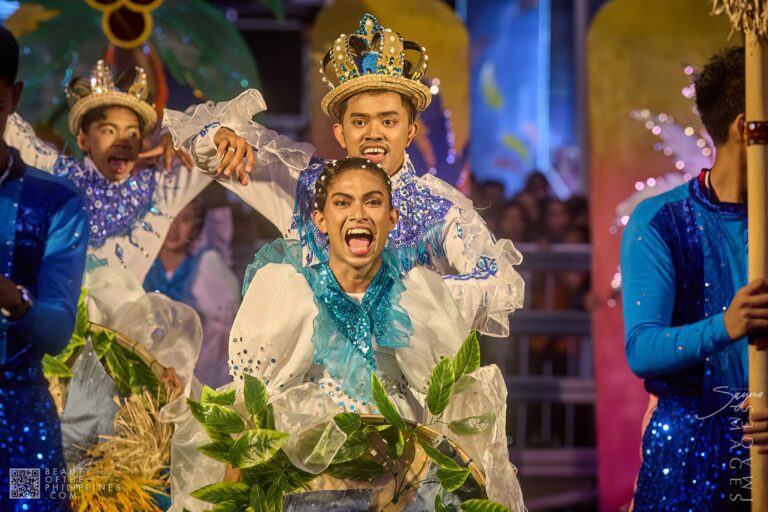
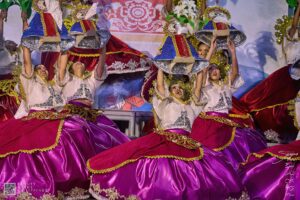
ABOVE: One of the most captivating parts of the celebration in Mabitac is the vibrant presence of the Traditional Cabesillas—four elegantly dressed ladies accompanied by three children portraying the Three Kings—riding horses in full costume, followed by the lively Pasabog ng Pera, where local officials and guests enthusiastically toss coins and bills into the crowd, turning the moment into a thrilling and uniquely Mabitac experience.

ABOVE: One of the most captivating parts of the celebration in Mabitac is the vibrant presence of the Traditional Cabesillas—four elegantly dressed ladies accompanied by three children portraying the Three Kings—riding horses in full costume, followed by the lively Pasabog ng Pera, where local officials and guests enthusiastically toss coins and bills into the crowd, turning the moment into a thrilling and uniquely Mabitac experience.

Why the Three Kings Festival Matters

The Three Kings Festival encapsulates key aspects of Filipino life: living faith expressed through devotion, a strong sense of local identity, intergenerational bonding, and the promotion of cultural tourism. It is both a religious and civic occasion that highlights how small towns like Mabitac weave spiritual observance into community pride. The festival’s energy, colors, and family-centered activities provide a window into the rhythms of local life while connecting participants to a broader Philippine festive tradition.

RELATED STORIES

Turumba Festival: Devotion and Dance in Pakil, Laguna

The Turumba Festival in Pakil, Laguna, centered around the veneration of Our Lady of Sorrows of Turumba, continues to unite locals and attract visitors, showcasing

Read More »

Itik Festival: A Colorful Tribute to Victoria’s Duck-Raising Heritage

Origins and Cultural Significance If you wander Victoria during the festival, it’s immediately clear that the Itik Festival is more than a celebration—it’s a living

Read More »

Kesong Puti Festival: Culinary Heritage Alive in Santa Cruz

Santa Cruz, a first-class urban municipality and the capital of Laguna province in the Philippines, is a place where tradition, culture, and culinary delights converge.

Read More »

Pinya Festival: Celebrating Pineapple and Culture in Calauan

A Sweet Harvest in Motion: Calauan’s Pinya Festival Walking through Calauan in early May, you immediately feel the energy of a community united in celebration.


Read More »

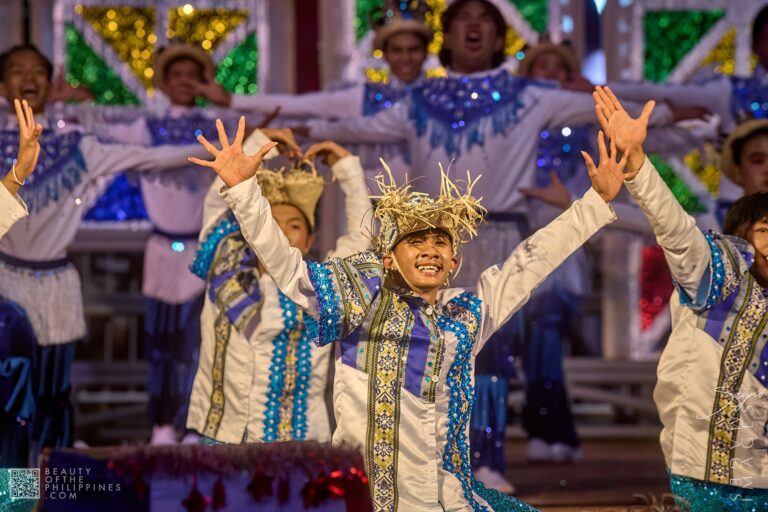
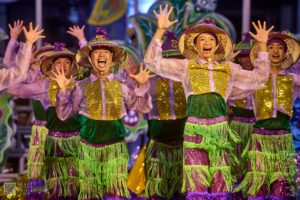
ABOVE: Beyond the festivities, the occasion—known in the Philippines as Pasko ng Matatanda or the Feast of the Elderly—serves as a heartfelt tribute to the wisdom and experience of the older generation, honoring their vital role in the community and deepening family and communal ties through expressions of respect and gratitude.

ABOVE: Beyond the festivities, the occasion—known in the Philippines as Pasko ng Matatanda or the Feast of the Elderly—serves as a heartfelt tribute to the wisdom and experience of the older generation, honoring their vital role in the community and deepening family and communal ties through expressions of respect and gratitude.

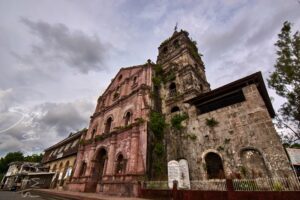
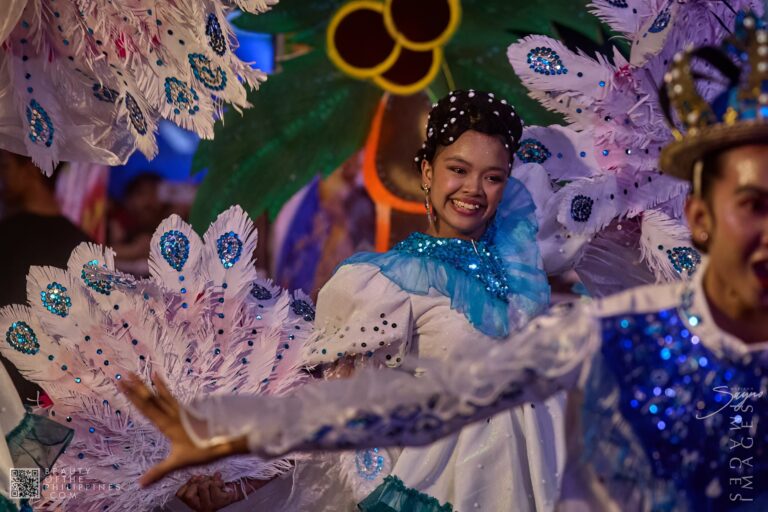
ABOVE: Mabitac, a fifth class municipality in Laguna, Philippines, with a 2010 population of 18,618 across roughly 80.76 square kilometers, was once known centuries ago as a prime hunting ground where locals set numerous “bitag” or traps—giving rise to its name, “Mabitag,” meaning “a place with many traps.”

ABOVE: Mabitac, a fifth class municipality in Laguna, Philippines, with a 2010 population of 18,618 across roughly 80.76 square kilometers, was once known centuries ago as a prime hunting ground where locals set numerous “bitag” or traps—giving rise to its name, “Mabitag,” meaning “a place with many traps.”

I’m looking forward to the stories and images leaving a lasting positive impression on you, just as they have on me. Stay connected with us on social media for a weekly exploration of travel assignments and breathtaking visuals. Our focus is on championing local tourism, showcasing small businesses, and honoring the magnificence of the Philippines through the content we curate. Join us in spreading the word by clicking the ‘share’ buttons below. Your support means the world to us.

BROWSE BY REGION
  • metro MANILA
  • abra
  • albay
  • baguio city
  • BATAAN
  • batangas
  • Benguet
  • bulacan
  • cagayan
  • cavite
  • cebu
  • cotabato
  • davao oriental
  • Guimaras
  • ilocos norte
  • ilocos sur
  • Iloilo
  • Isabela
  • laguna
  • lanao del norte
  • maguindanao
  • negros occidental
  • nueva vizcaya
  • Pampanga
  • pangasinan
  • QUEZON
  • rizal
  • Samar
  • sarangani
  • Tarlac
  • zambales
  • zamboanga city

EXPLORE MORE about

  • laguna

Nagcarlan Underground Cemetery: Exploring Laguna’s Hidden Colonial Heritage

The Nagcarlan Underground Cemetery in Barangay Bambang, Nagcarlan, Laguna stands as one of the most unique historical sites in the Philippines. Unlike typical cemeteries, this

Read More »

Bañamos Festival: Where Hot Springs Meet Festive Street Parades

What the Bañamos Festival Is About The Bañamos Festival is the signature cultural and tourism celebration of the Municipality of Los Baños, Laguna, commemorating the

Read More »

Gilingan Festival: The Story That Shaped Siniloan

A Festival Rooted in a Name Standing in Siniloan during festival season, you begin to notice how one object keeps appearing—in costumes, in floats, in

Read More »

Sambalilo Festival: Celebrating Cavinti’s Iconic Pandan Weaving and Culture

Understanding the Sambalilo Festival The Sambalilo Festival is the signature cultural celebration of Cavinti, a municipality in Laguna. Traditionally held during the first week of

Read More »

Buhayani Festival: Calamba’s Tribute to Rizal Through Parade and Performance

The Buhayani Festival, held every June 19 in Calamba, Laguna, honors the life and heroism of Dr. José Rizal, the city’s most celebrated son. First

Read More »

Laguna de Bay: Exploring the Philippines’ Largest Lake and Cultural Hub

Laguna de Bay, or Laguna Lake, is much more than the Philippines’ largest freshwater lake. Covering approximately 900 km² with a 220 km shoreline, it stretches across

Read More »

Turumba Festival: Devotion and Dance in Pakil, Laguna

The Turumba Festival in Pakil, Laguna, centered around the veneration of Our Lady of Sorrows of Turumba, continues to unite locals and attract visitors, showcasing

Read More »

Alligator Lake: Tadlac’s Quiet Crater of Laguna

Tucked into Barangay Tadlac in Los Baños, Alligator Lake stands apart from Laguna’s more bustling attractions. While many flock to the town’s famed hot springs,

Read More »

Itik Festival: A Colorful Tribute to Victoria’s Duck-Raising Heritage

Origins and Cultural Significance If you wander Victoria during the festival, it’s immediately clear that the Itik Festival is more than a celebration—it’s a living

Read More »

Enchanted Kingdom: Why EK Remains the Top Theme Park Destination in the Philippines

Enchanted Kingdom, often simply called EK, stands as the Philippines’ first and only world-class theme park in 2012. Located in San Lorenzo South, Santa Rosa

Read More »

Ana Kalang Festival: Where Kalang-Kalang and Street Dancing Meet Tradition

Nagcarlan Awakens: The Spirit of Ana Kalang Visiting Nagcarlan, Laguna in the third week of April, you immediately sense the town has transformed. The Ana

Read More »

Burdang Lumban Festival: Laguna’s Living Tapestry of Heritage

Lumban, recognized as the “Embroidery Capital of the Philippines,” comes alive every third week of September with its vibrant Burdang Lumban Festival, a celebration of

Read More »

Pinya Festival: Celebrating Pineapple and Culture in Calauan

A Sweet Harvest in Motion: Calauan’s Pinya Festival Walking through Calauan in early May, you immediately feel the energy of a community united in celebration.
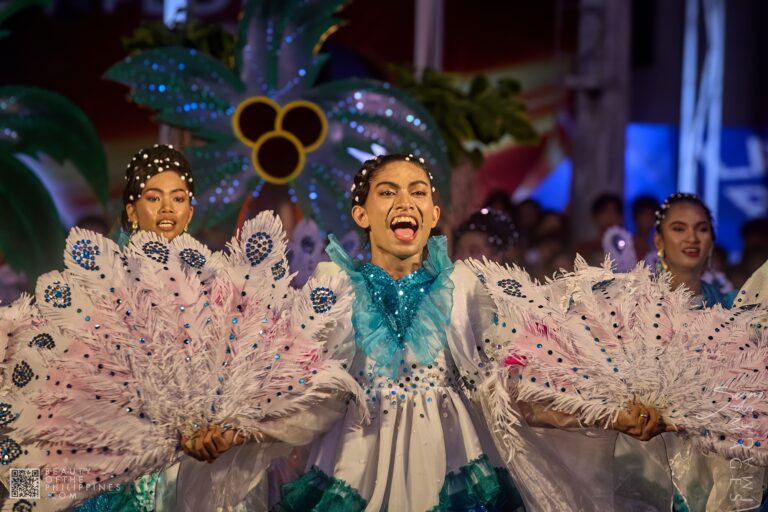
Read More »

Kesong Puti Festival: Culinary Heritage Alive in Santa Cruz

Santa Cruz, a first-class urban municipality and the capital of Laguna province in the Philippines, is a place where tradition, culture, and culinary delights converge.

Read More »

Majayjay Church: Exploring Laguna’s Ancient Sanctuary of Faith and History

Tucked high on Mt. Banahaw and overlooking verdant valleys, Majayjay Church, formally known as the Saint Gregory the Great Parish Church, stands as one of
Read More »

BROWSE BY CATEGORIES

LOCATIONS
PROVINCES

Abra

Albay

Baguio City

Bataan

Batangas

Benguet

Bulacan

Cagayan

Cavite

Cebu

Cotabato

Davao Oriental

Guimaras

Ilocos Norte

Ilocos Sur

Iloilo

Isabela

Laguna

Lanao del Norte

Maguindanao

Manila

Negros Occidental

Nueva Vizcaya

Pampanga

Pangasinan

Quezon

Rizal

Samar

Sarangani

Tarlac

Zambales

Zamboanga City

ARCHITECTURE
HERITAGE

Andres Bonifacio Birthplace Monument

Bonifacio Monumento

Burdang Lumban Festival

Cagsawa Festival

Capones Lighthouse

Casa Manila

Christ the King Seminary

Corregidor Island Dark Tour Experience

Corregidor Island Reopens

Corregidor Island

Cultural Center of the Philippines

Fantasy World

Gabriela Silang Memorial Shrine

Gomburza National Monument

Hondagua

Iloilo Customs House

Intramuros

Jones Bridge

Kartilya ng Katipunan

La Loma Cemetery

LOAD MORE

CHURCHES
FAITH

Bacolor Church

Baguio Cathedral

Barasoain Church

Binondo Church

Calaca Church

Calumpit Church

Chong Hock Tong Temple

Greenbelt Chapel

Guadalupe Church Ruins

La Naval de Manila

Lingayen Cathedral

Lubenas Festival

Lucban Church

Malate Church

Manila Abbey

Manila Cathedral

The Manila Golden Mosque

Meycauayan Church

Morong Church

Mount Carmel Shrine

LOAD MORE

NATURAL & MAN-MADE
ATTRACTIONS

A&J Cafe

Alligator Lake

Amare La Cucina Baguio

Ambuklao Dam

Antipolo Church

Atimonan Port

Avilon Zoo

Azalea Hotels & Residences Baguio

Bagac Beach

Baguio Media Newseum

Balai Isabel

Balayan Bay

Baluarte de San Diego

Betis Church

Binondo Chinatown

Café Khawa

Callao Cave

Camara Island

Candle Festival of Candelaria

Capas Train Station

LOAD MORE

FESTIVALS &
EVENTS

Al Cinco de Noviembre Festival

Ana Kalang Festival

Antipolo Maytime Festival

Balacat Festival

Balitok Ti Alicia Festival

Bañamos Festival

Bato Art Festival

Boling-Boling Festival

Buhayani Festival

Burdang Lumban Festival

Candle Festival

Dinagyang Festival

Feast of Santo Niño de Tondo

Gilingan Festival

Halamanan Festival

Hambujan Festival

Iloilo Dinagyang Festival

Inaul Festival

Itik Festival

Kalivungan Festival

LOAD MORE
Facebook Twitter Instagram Envelope

All photographs that appear on the site are copyright of Mariano Sayno ©2022 Beauty of the philippines

All photographs that appear on the site are copyright of Mariano Sayno ©2022 Beauty of the philippines.com

Beauty of the philipipnes LOGO WHITE

BROWSE BY PROVINCE

Abra

Albay

Baguio City

Bataan

Batangas

Benguet

Bulacan

Cagayan

corregidor-island

Cavite

Cebu

Cotabato

Davao Oriental

Manggahan aFestival of Guimaras

Guimaras

Ilocos Norte

Ilocos Sur

dinagyang aliwan friesta husayno mariano sayno

Iloilo

Isabela

Laguna

Lanao del Norte

Maguindanao

Manila Bay by Mariano Sayno

Manila

Negros Occidental

Magat River Dupax Del Norte

Nueva Vizcaya

Pampanga

Lingayen Cathedral

Pangasinan

Quezon

Rizal

Samar

Sarangani

Tarlac

Zambales

Zamboanga City

Mabitac, Laguna, Philippines