
Laguna de Bay: Exploring the Philippines’ Largest Lake and Cultural Hub
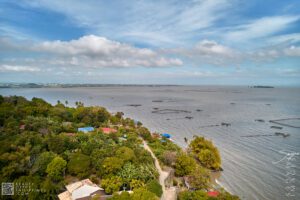
Laguna de Bay, or Laguna Lake, is much more than the Philippines’ largest freshwater lake. Covering approximately 900 km² with a 220 km shoreline, it stretches across
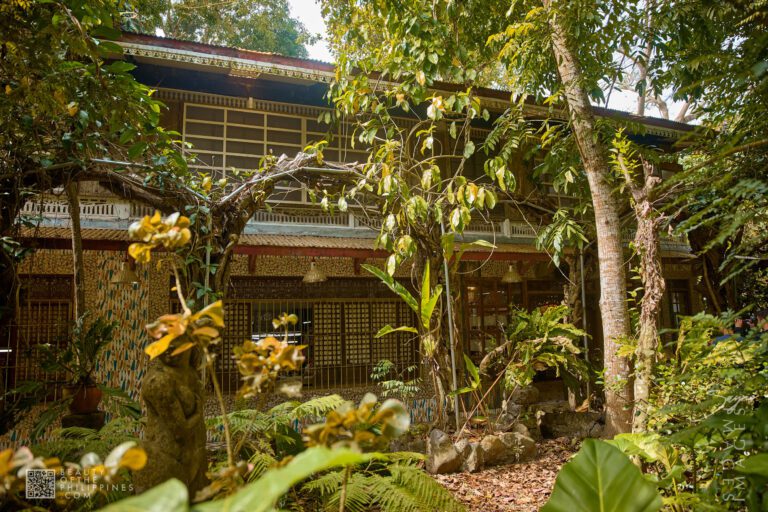
Patis Tito Garden Café is more than a restaurant; it is a place where the presentation of Filipino and Asian dishes is inseparable from the cultivated aesthetic that surrounds them. Founded in April 2011 by designer, gardener, cook, and cultural custodian Patis Pamintuan Tesoro alongside her late husband Tito Tesoro, the café occupies a restored Filipino home within a lush garden, creating a sense of domestic intimacy and cultural depth. Diners encounter thoughtfully plated offerings such as garden salads, fresh juices, and vegetable kare-kare, complemented by local coffee and unique Filipino desserts.
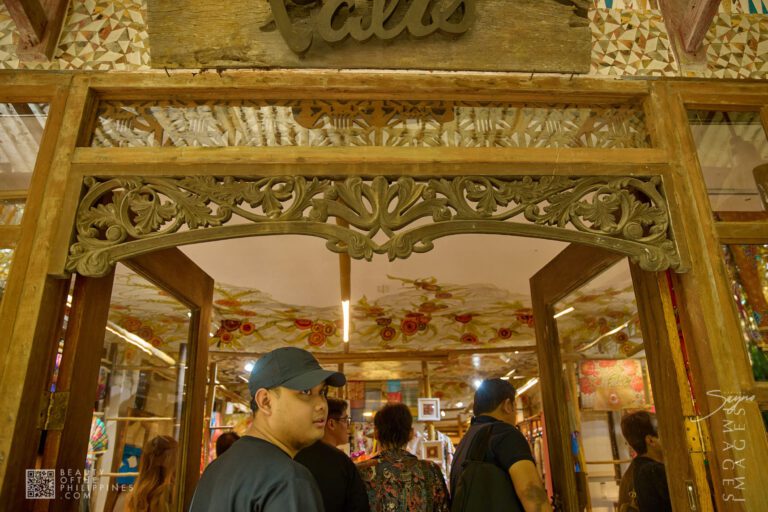
Every table sits amid antique furnishings, wood carvings, and patterns inspired by indigenous crafts, reflecting the careful curation of a space meant to honor Filipino design. The experience is immersive yet gentle, inviting visitors to observe, photograph, and linger while engaging with flavors that are as mindful as the surroundings themselves.
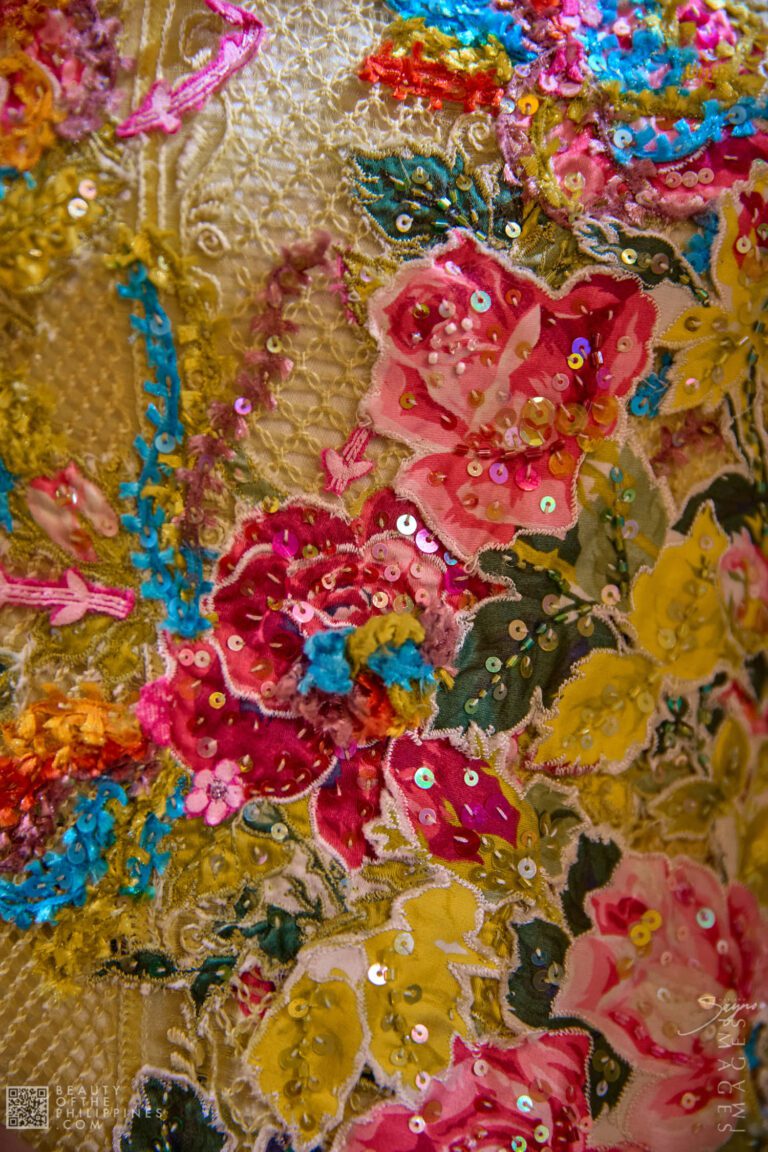
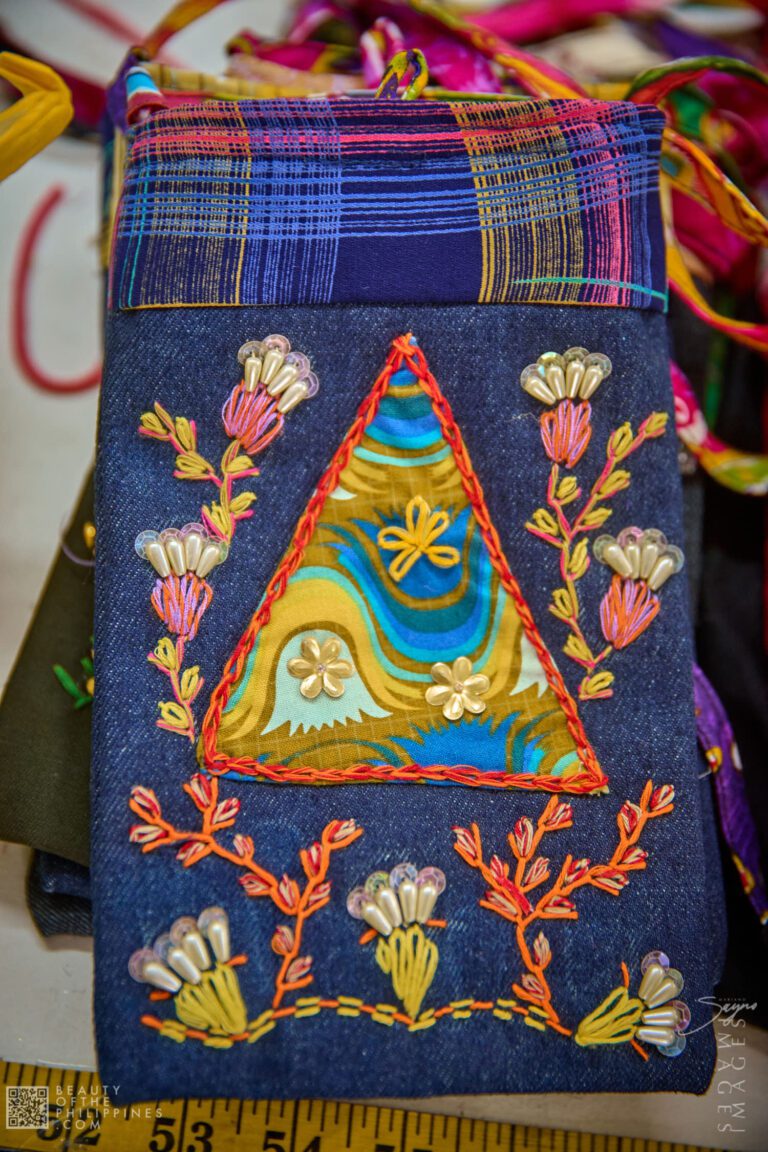
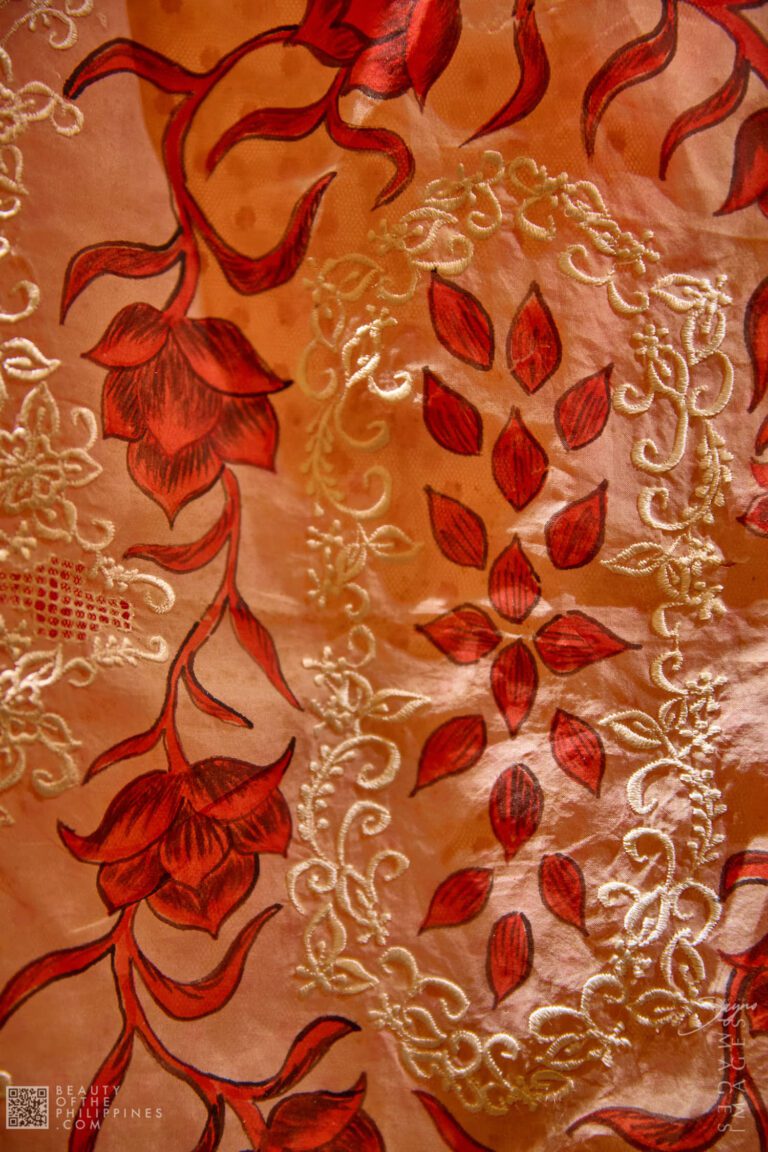
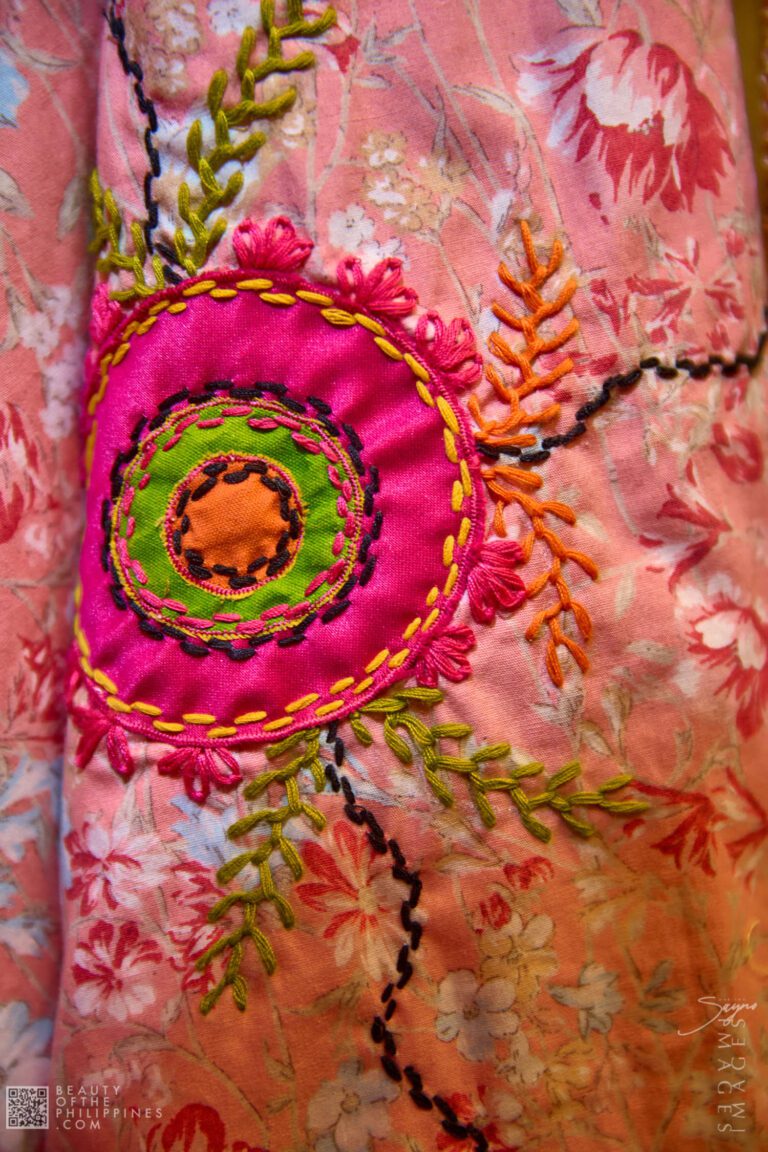
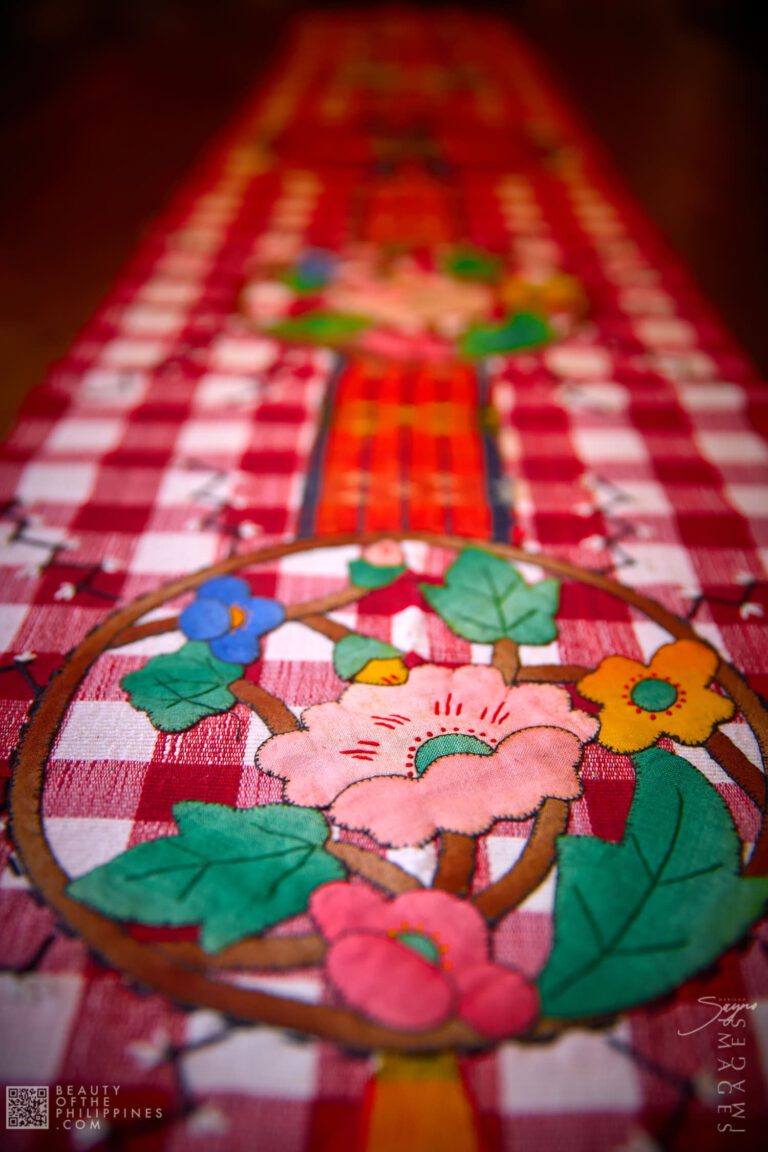
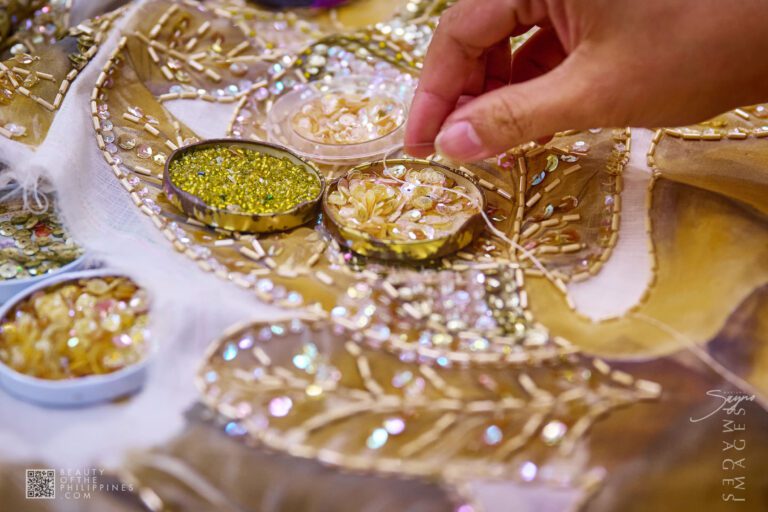
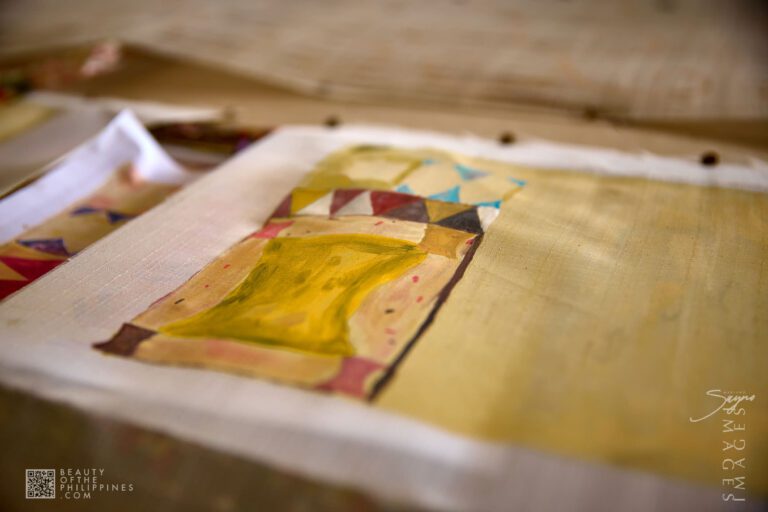
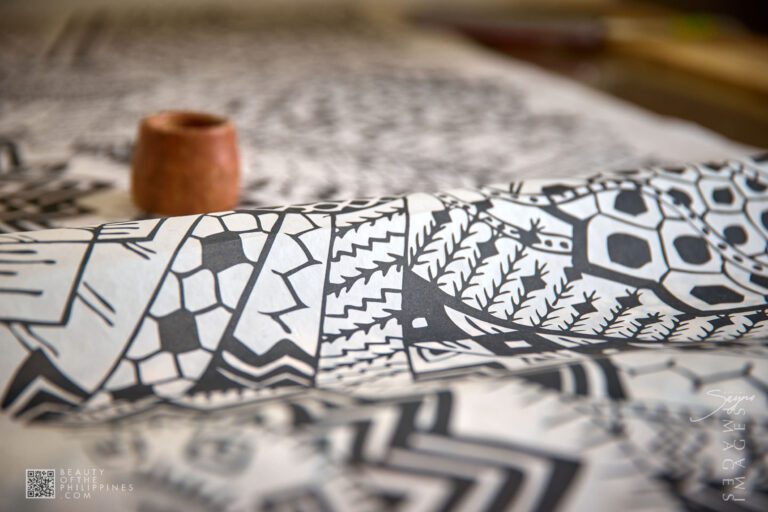
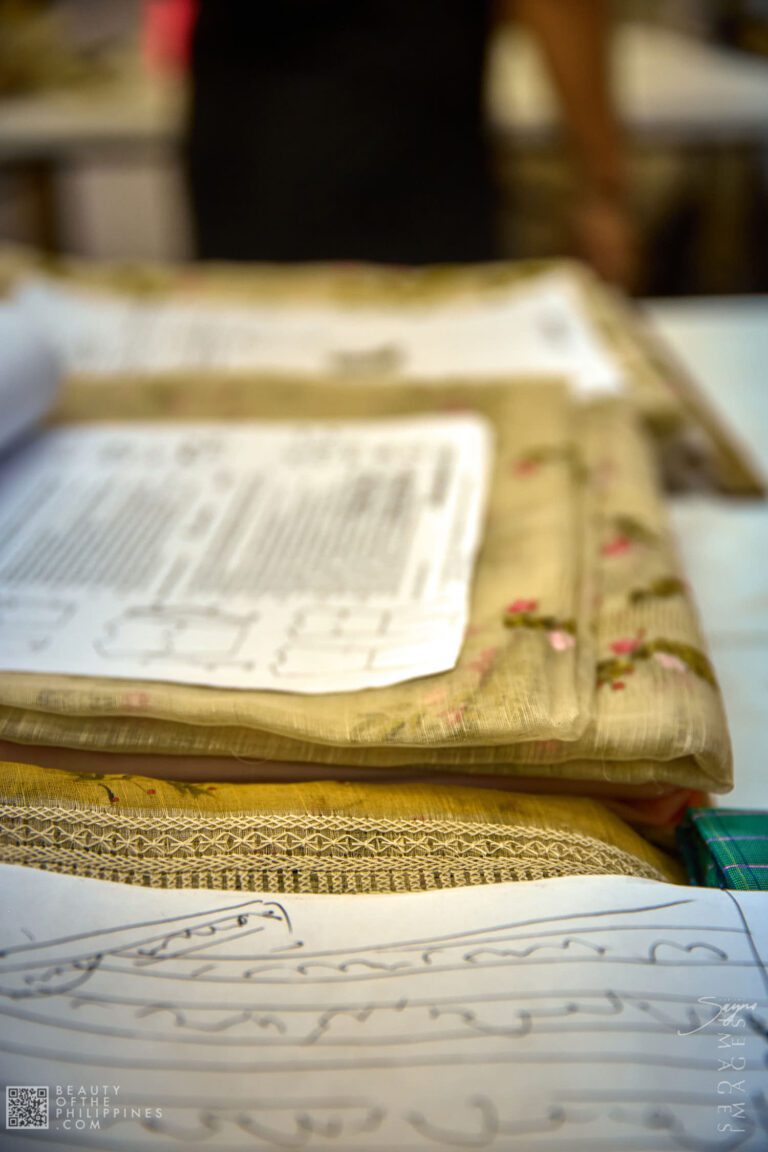
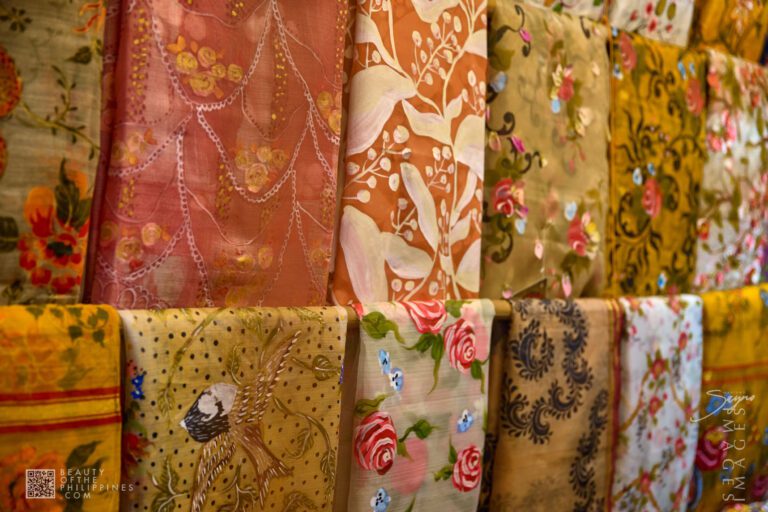
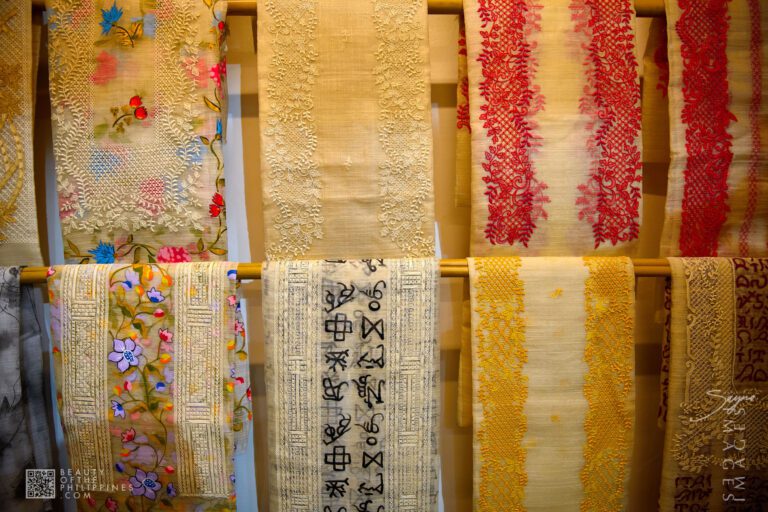
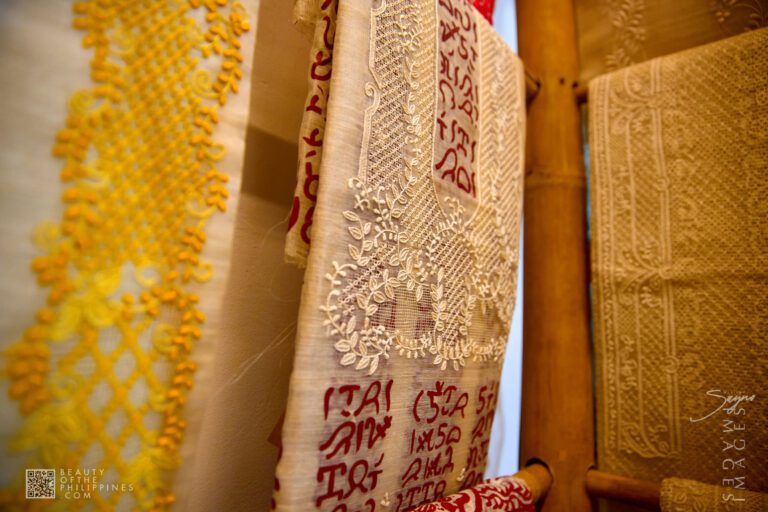
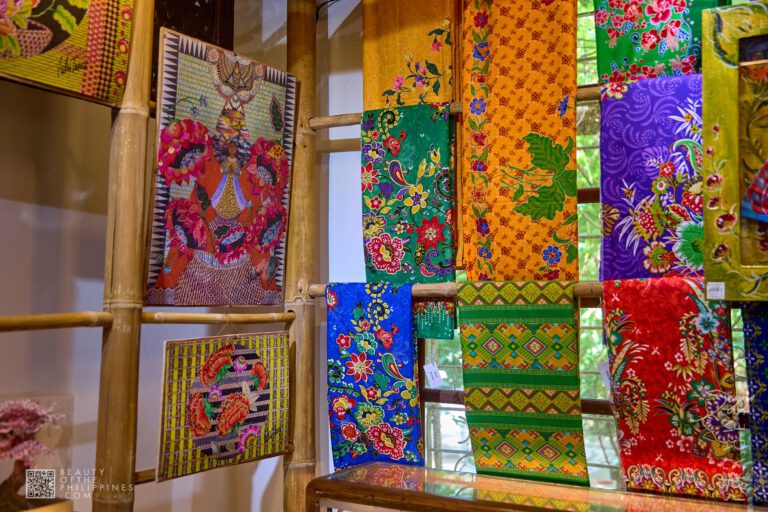
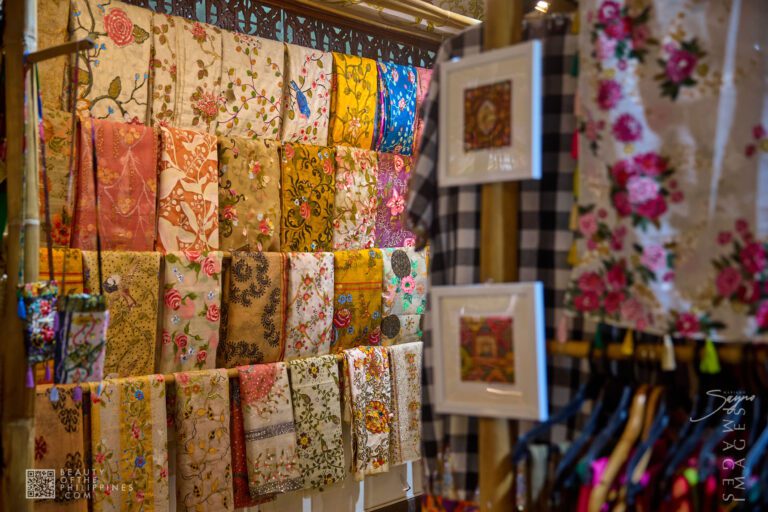
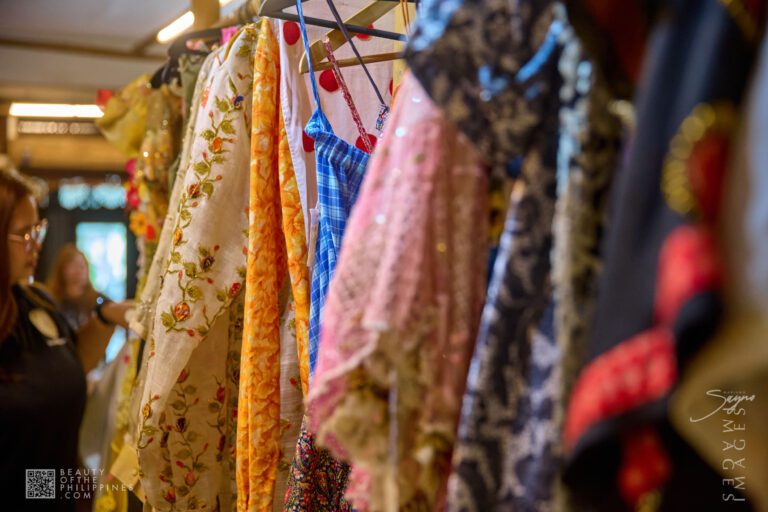
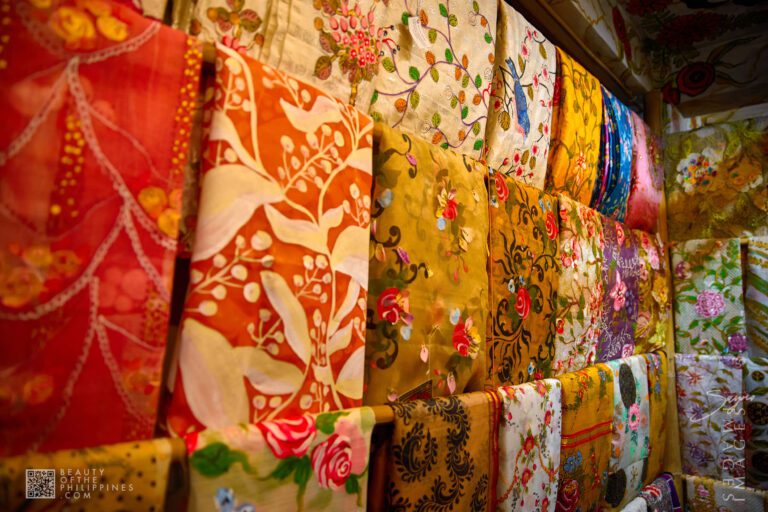
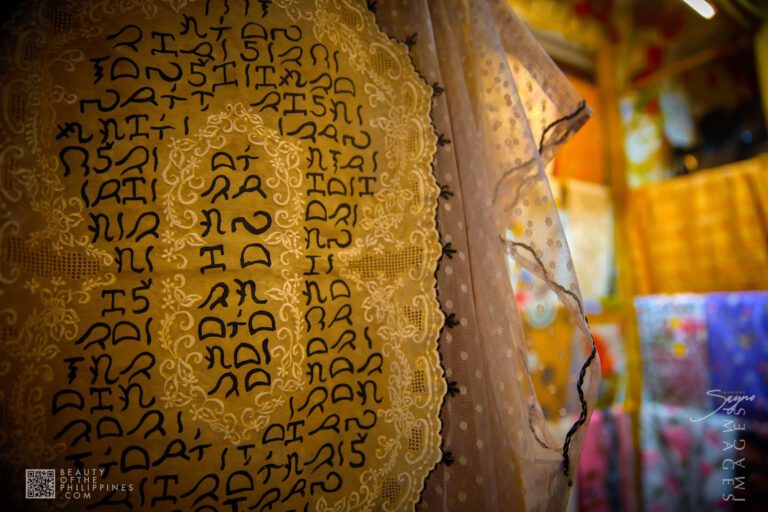
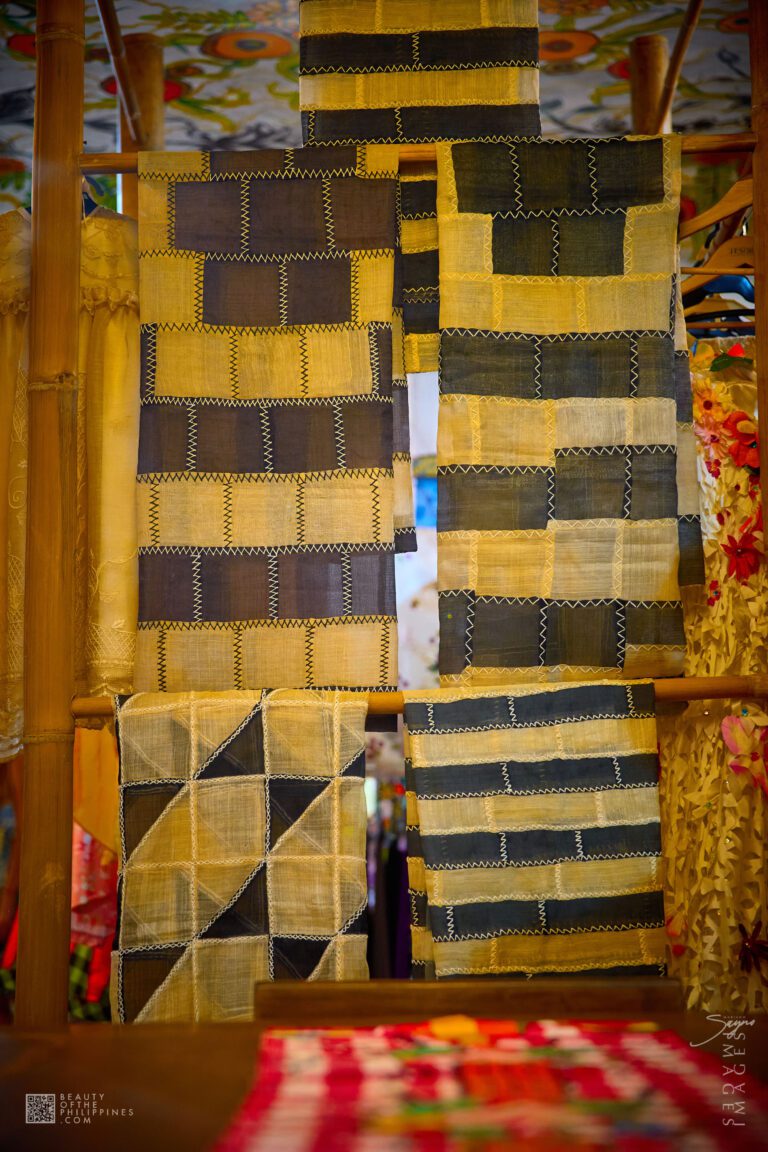
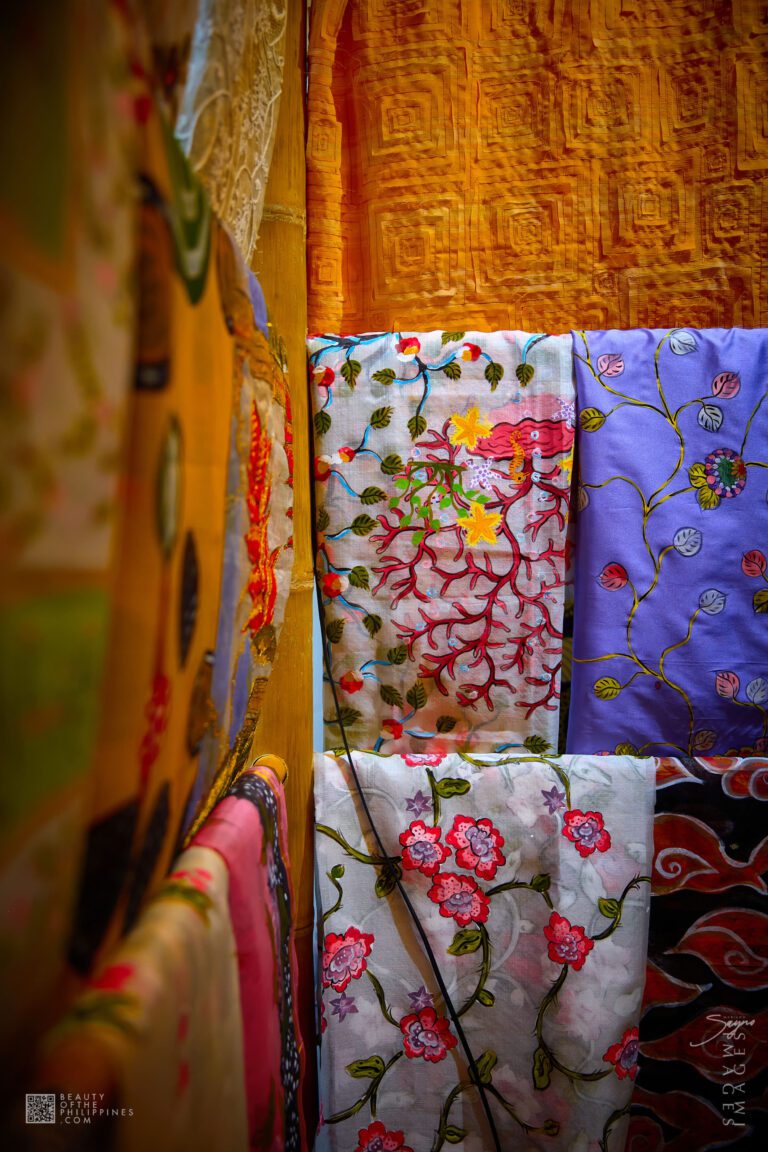
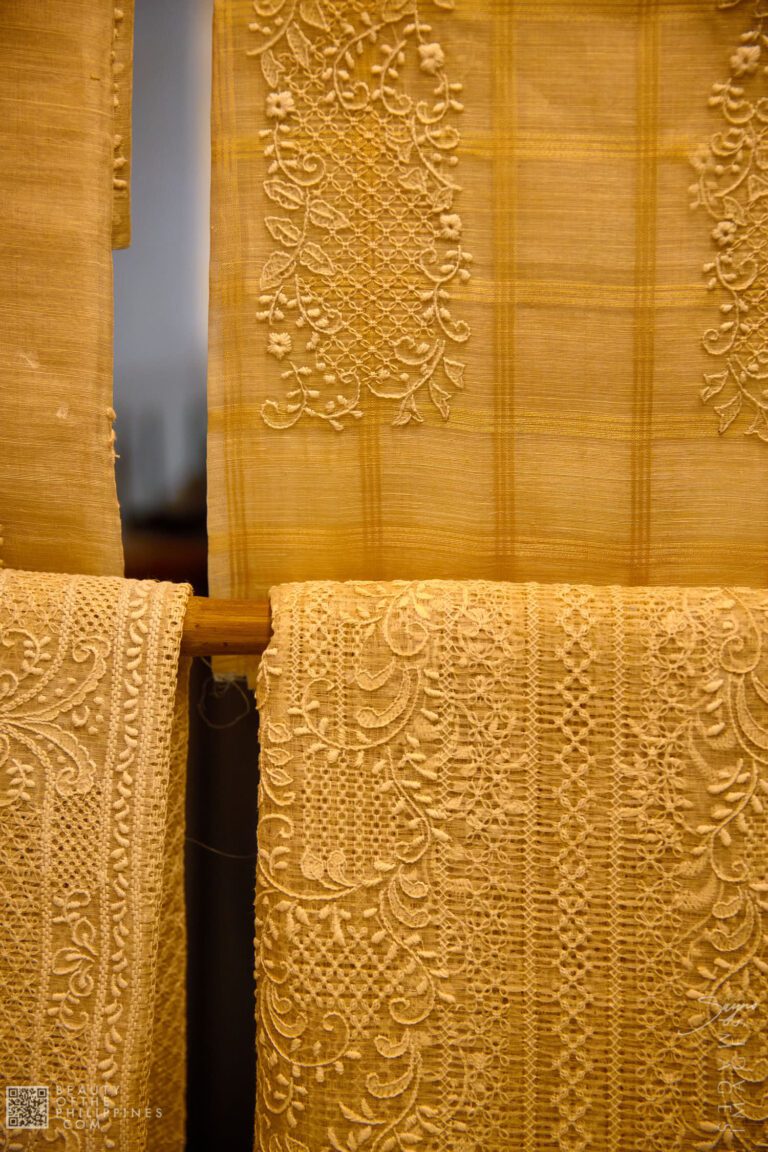
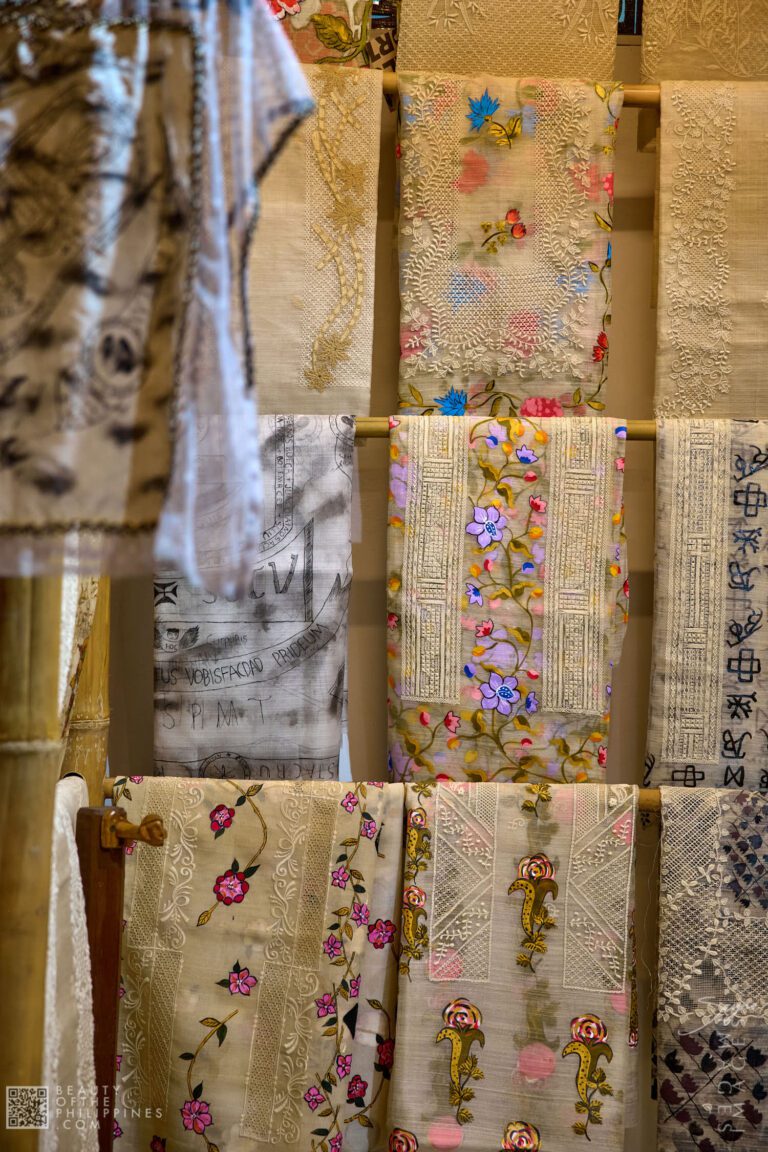
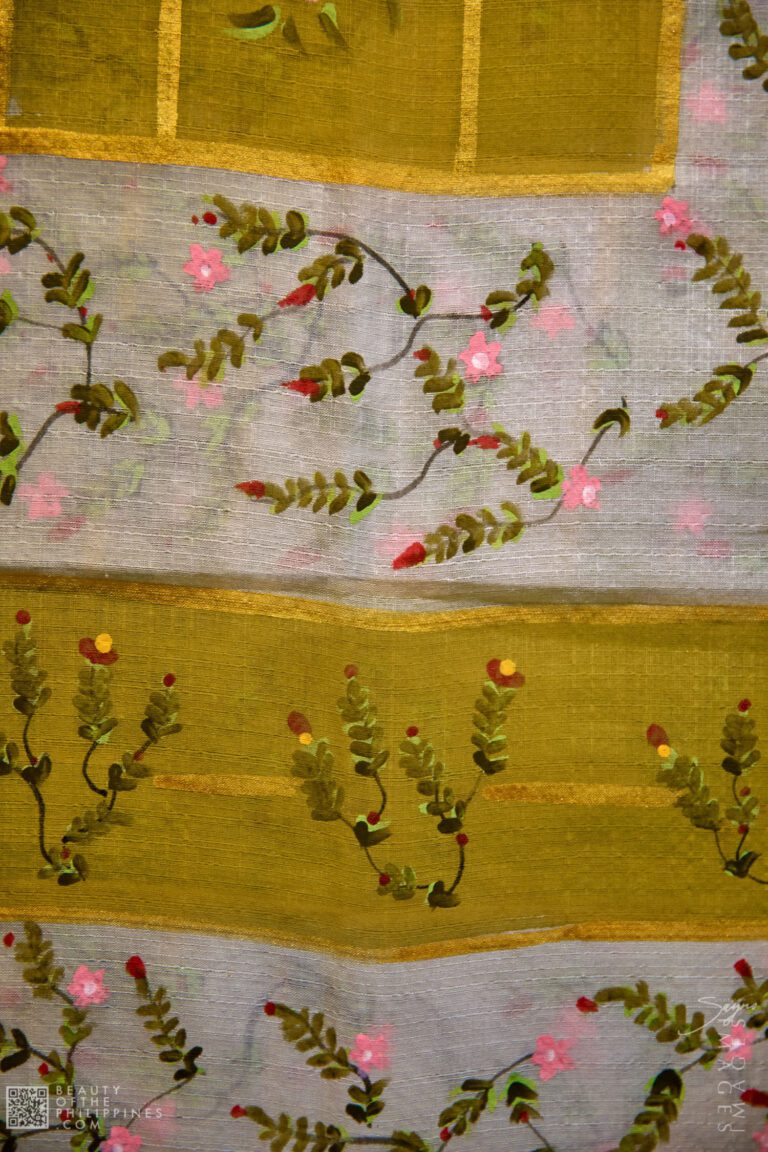
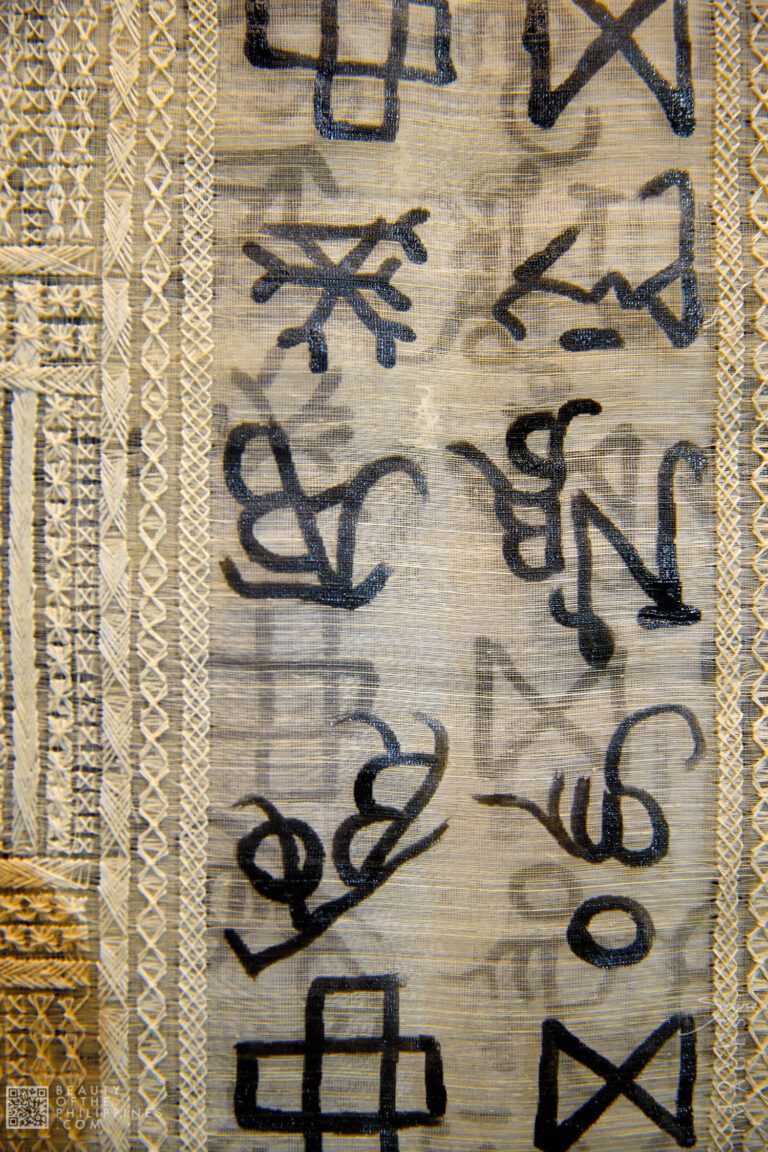
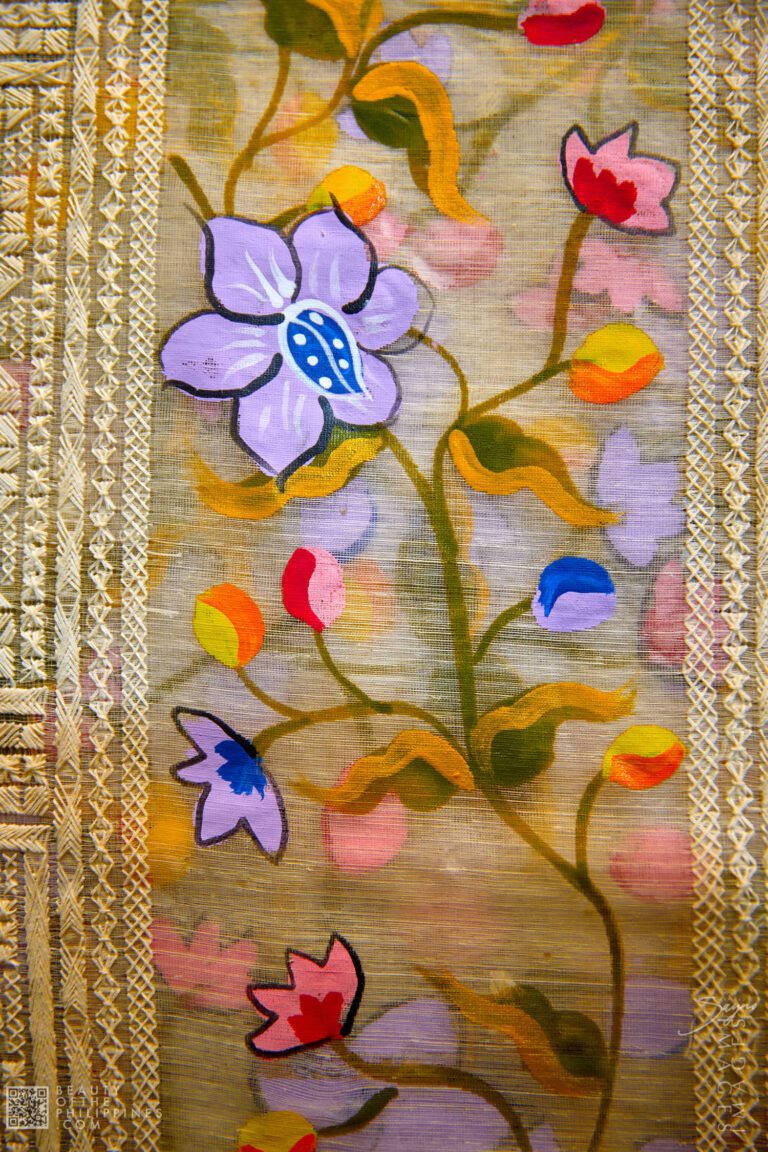
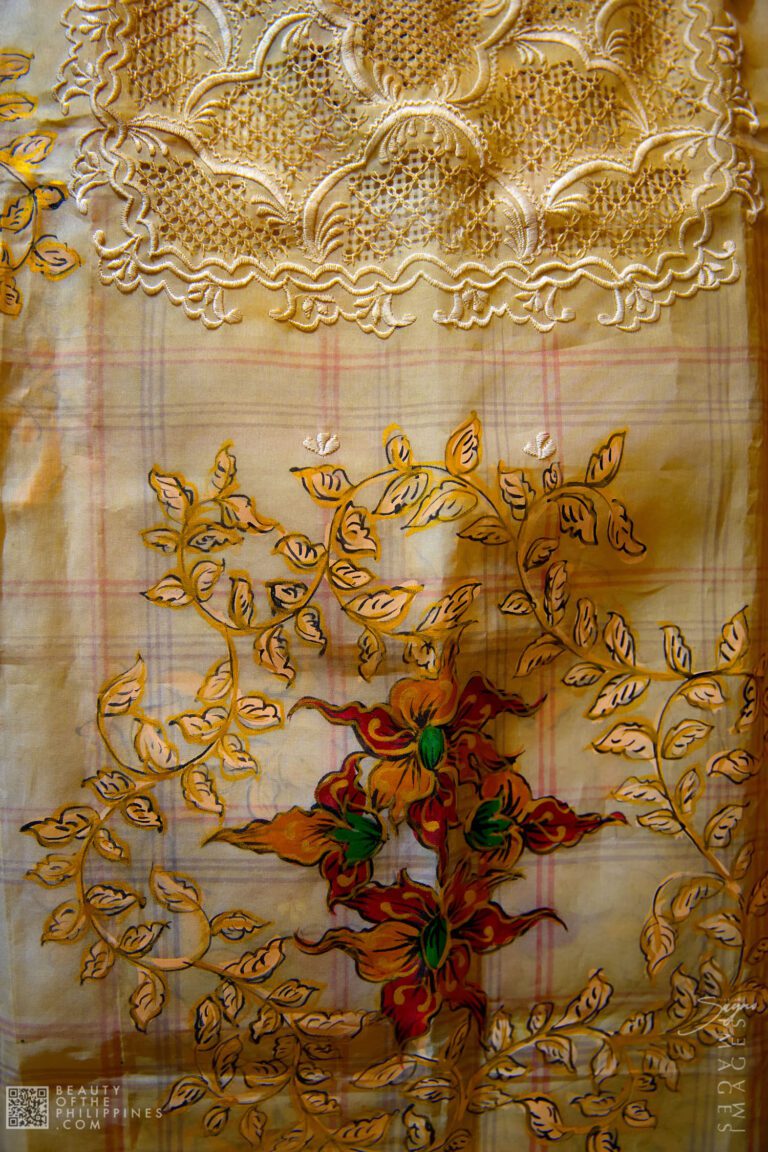
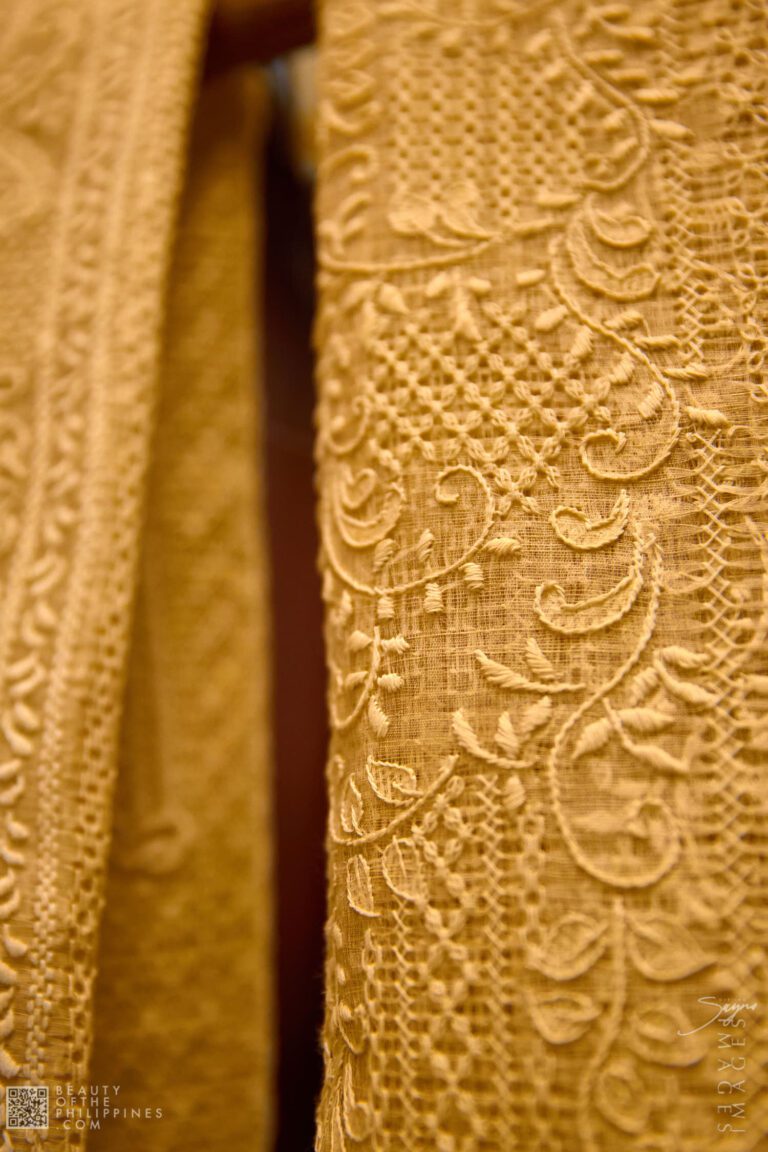
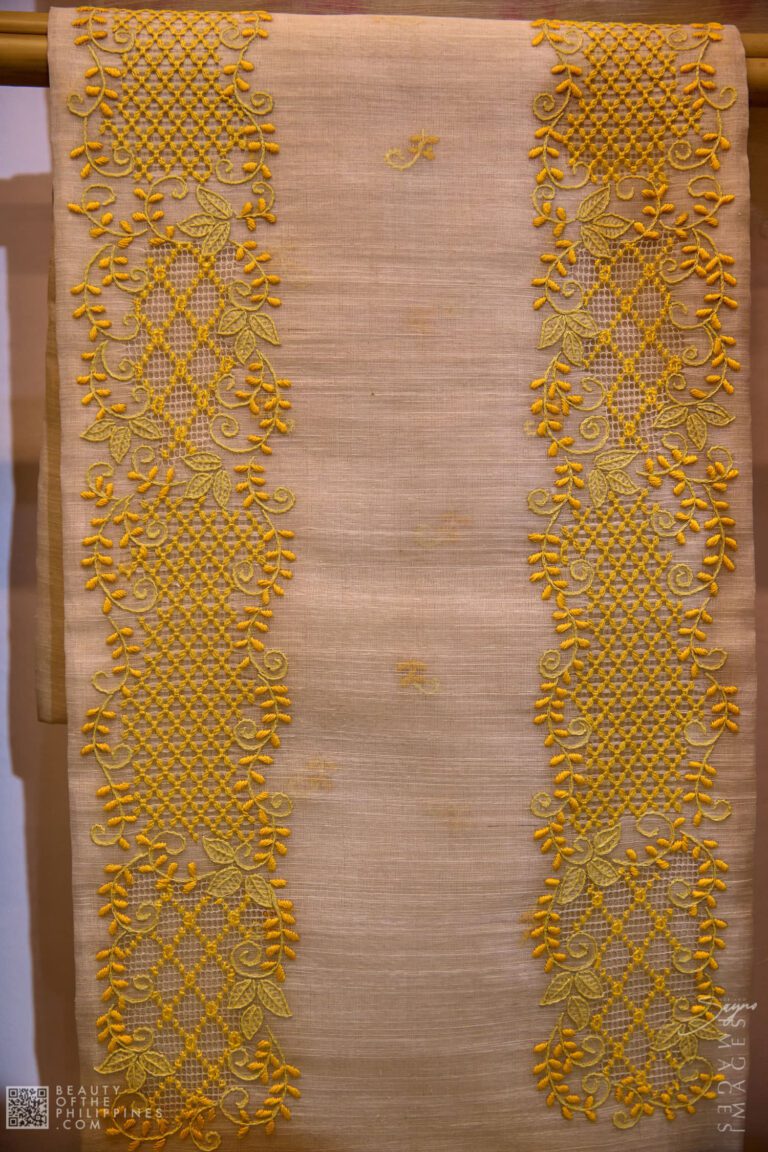
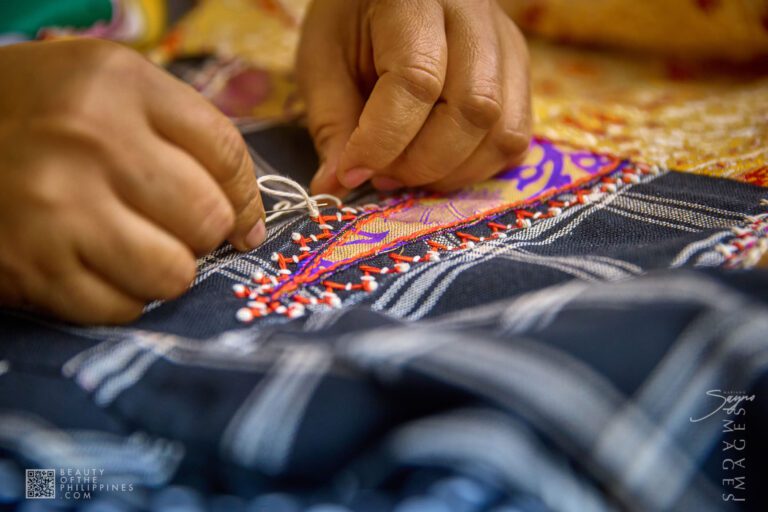
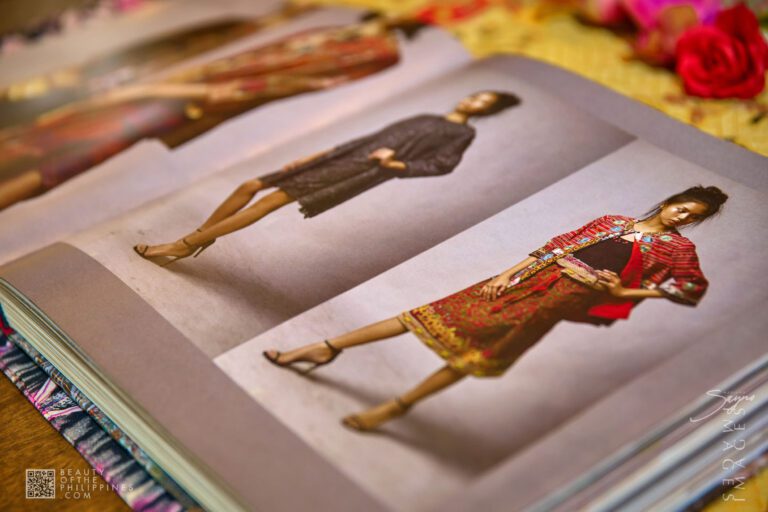
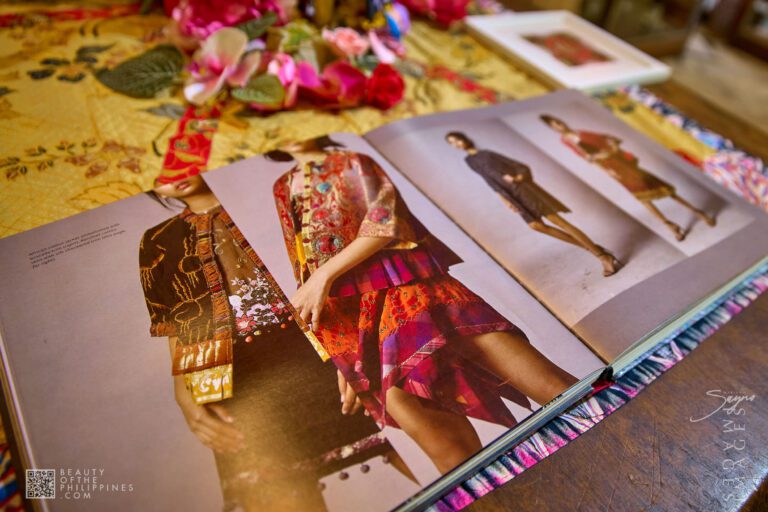
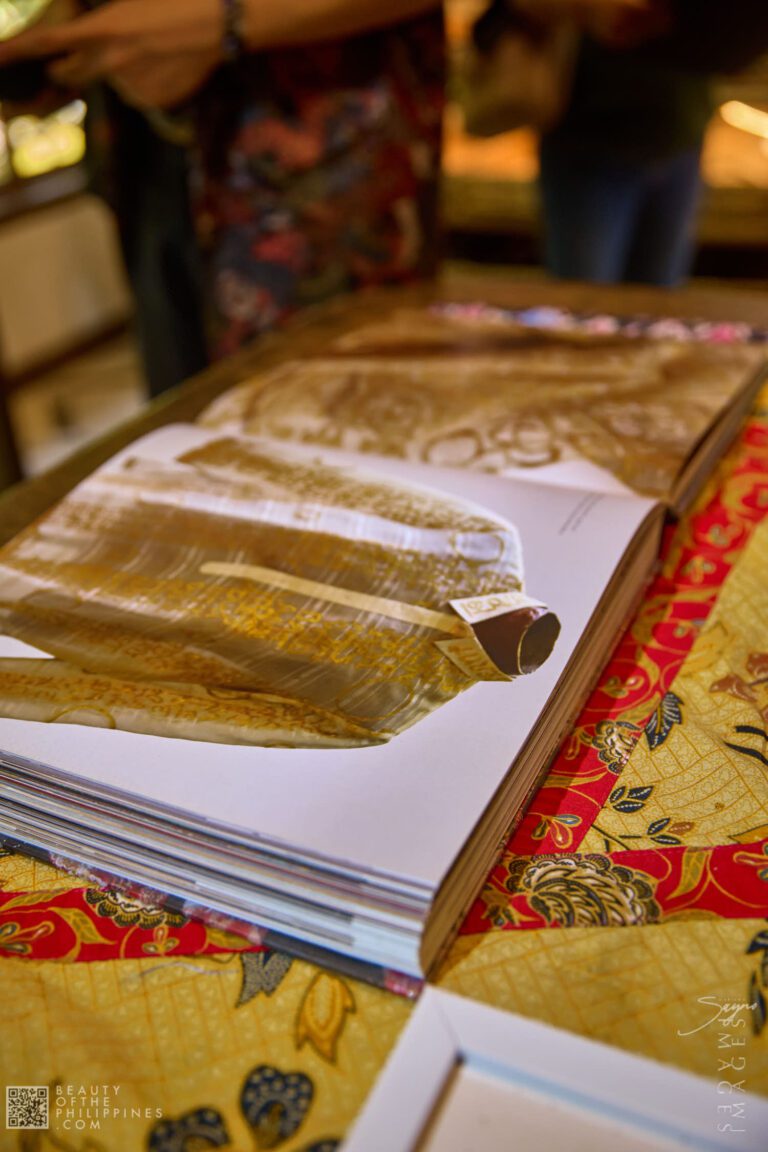
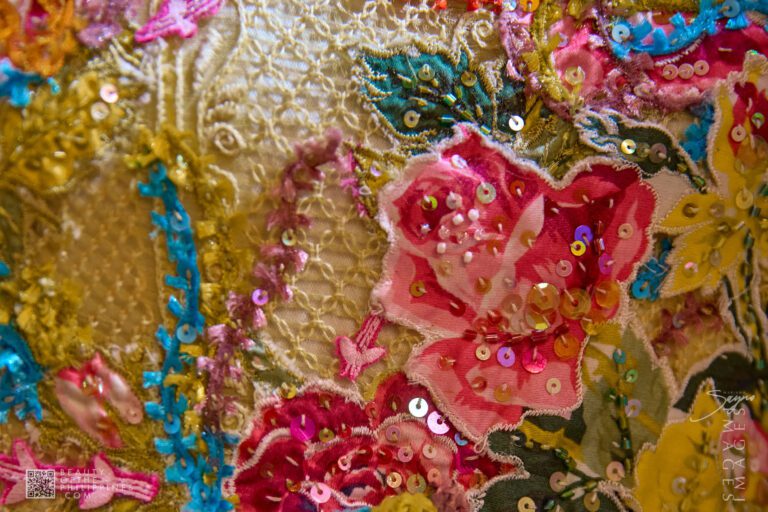
At the heart of the café lies the artistic and cultural legacy of Patis Pamintuan Tesoro, revered as the “Grand Dame of Philippine Fashion.” Her five decades of work preserving indigenous textiles, embroidery, and traditional clothing have shaped the space into a living homage to Philippine craft. Through piña, abaca, jusi, and regional handweaves, Tesoro has safeguarded techniques that take months or even years to complete, preserving knowledge that might otherwise be lost. Visitors can trace the artistry in every hand-embroidered motif, from traditional baro’t saya to contemporary designs inspired by Filipino heritage. The café embodies this cultural lineage, turning ordinary interactions with fabric and craft into an educational, sensory-rich encounter that ties historical technique to present-day appreciation.
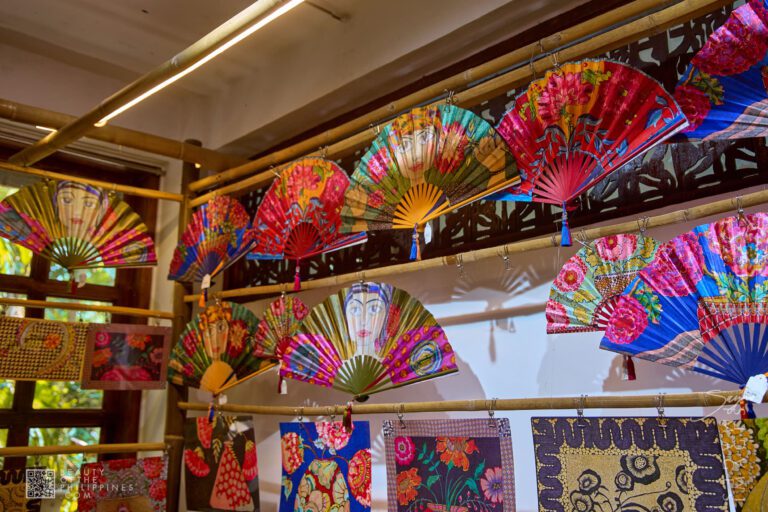
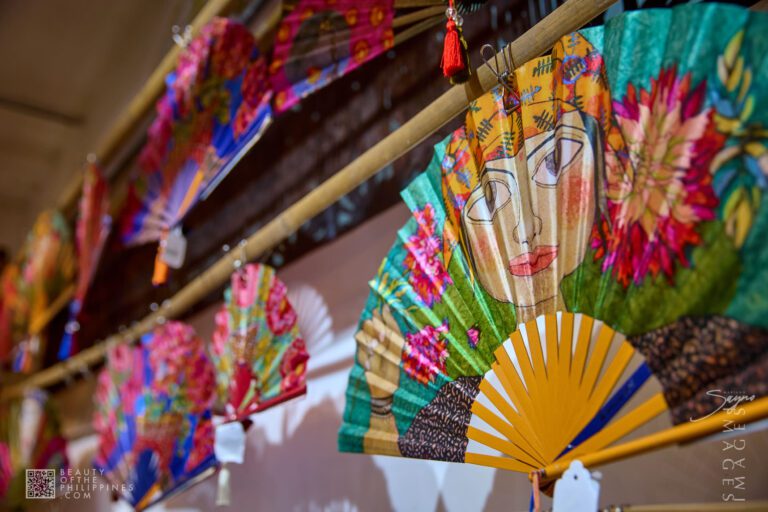
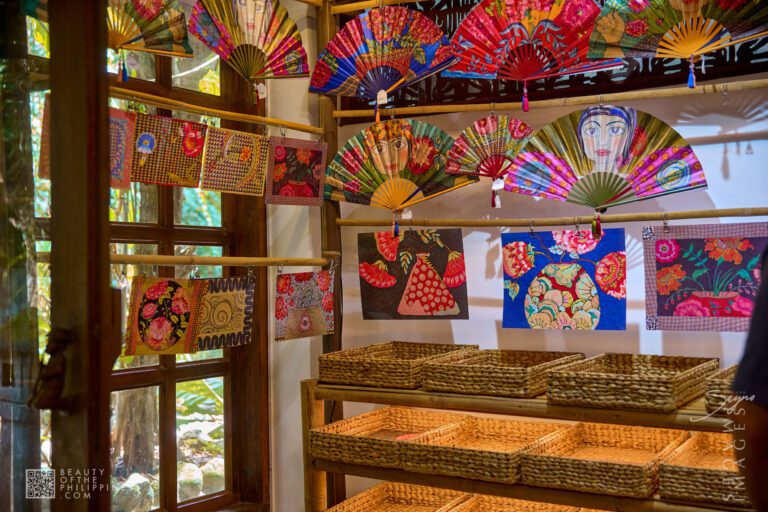
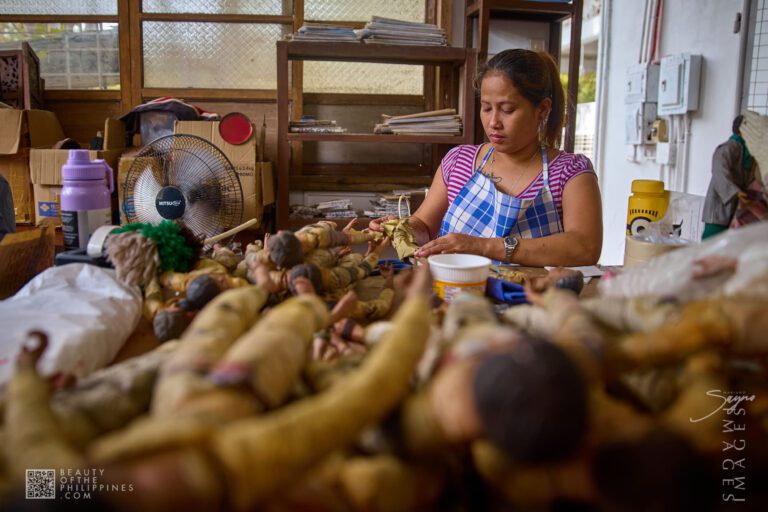
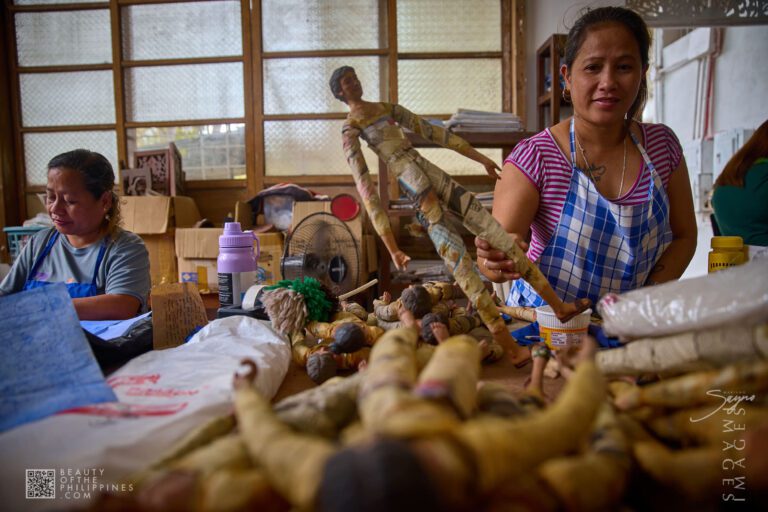
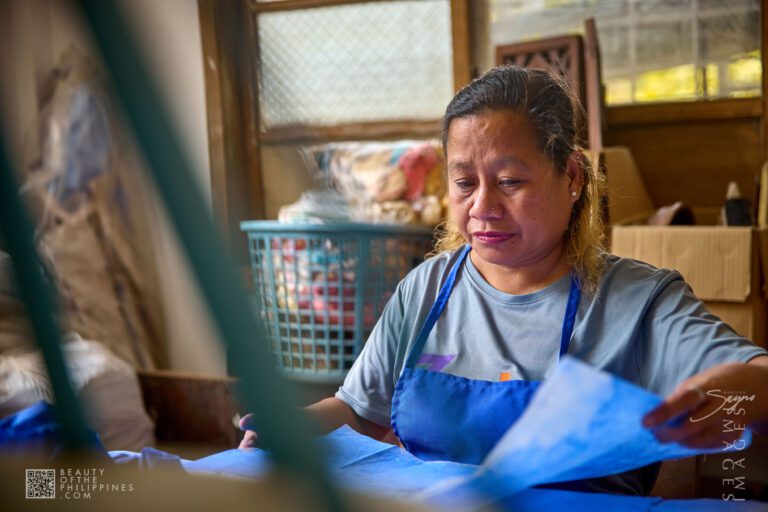
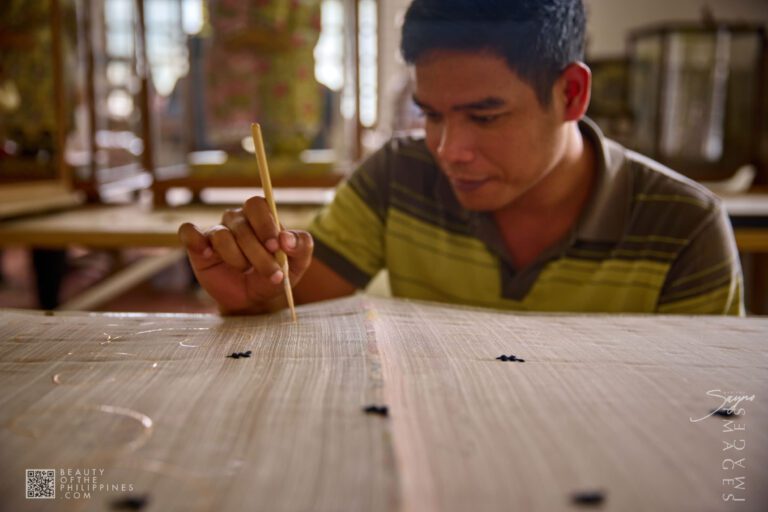
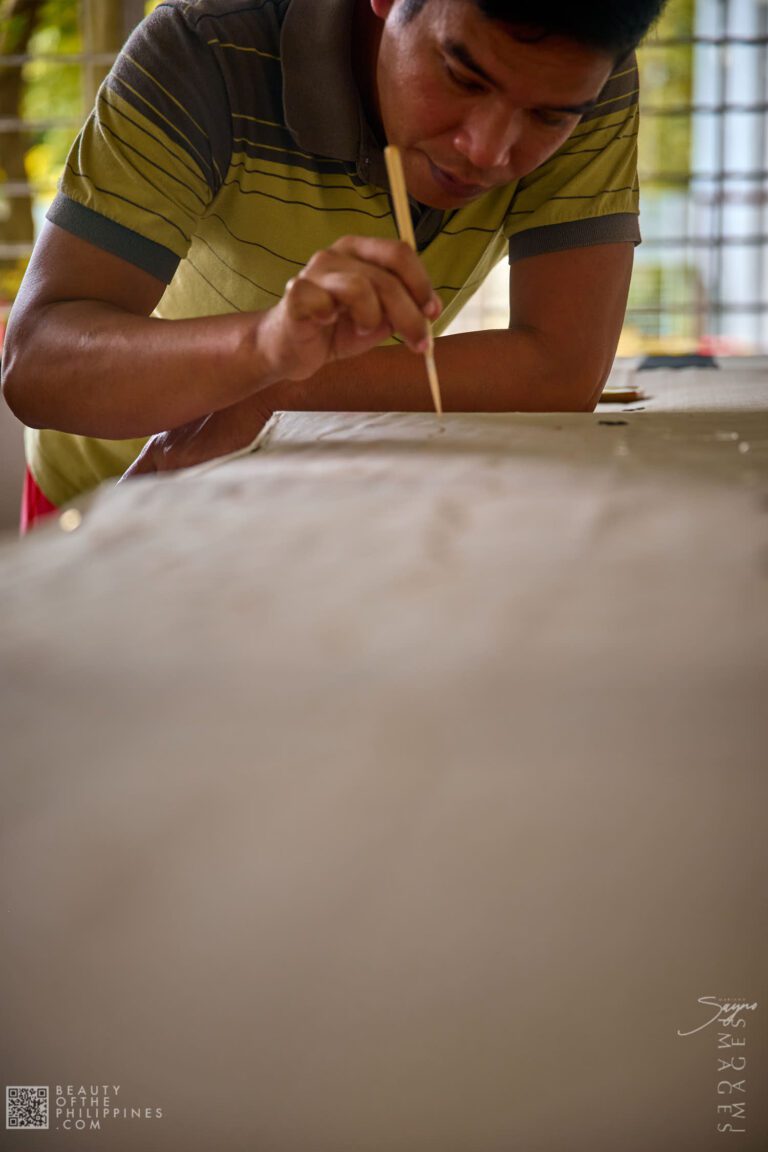
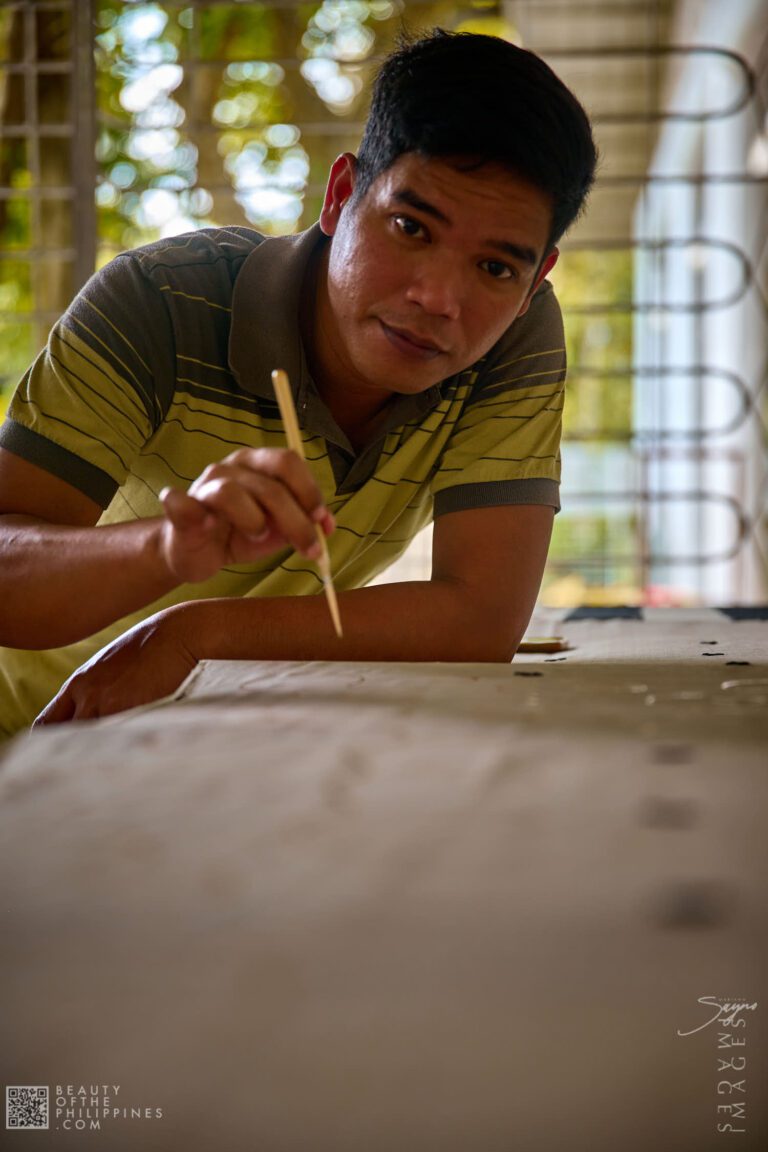
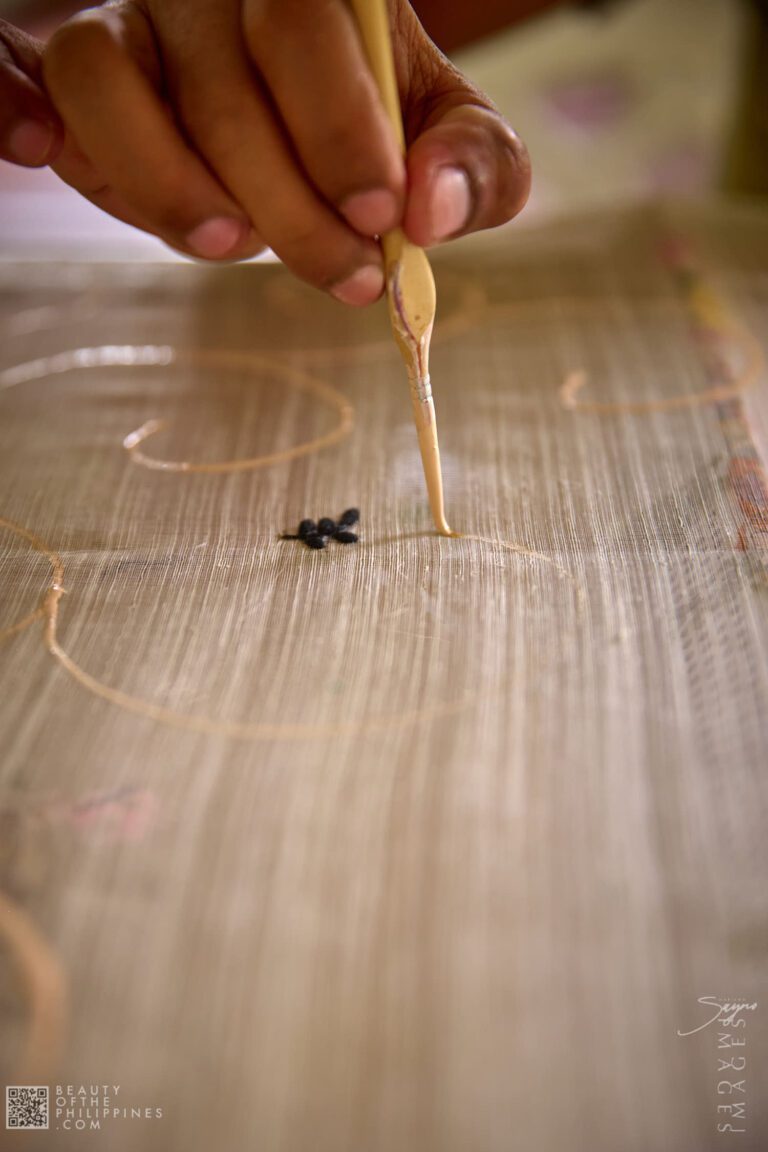
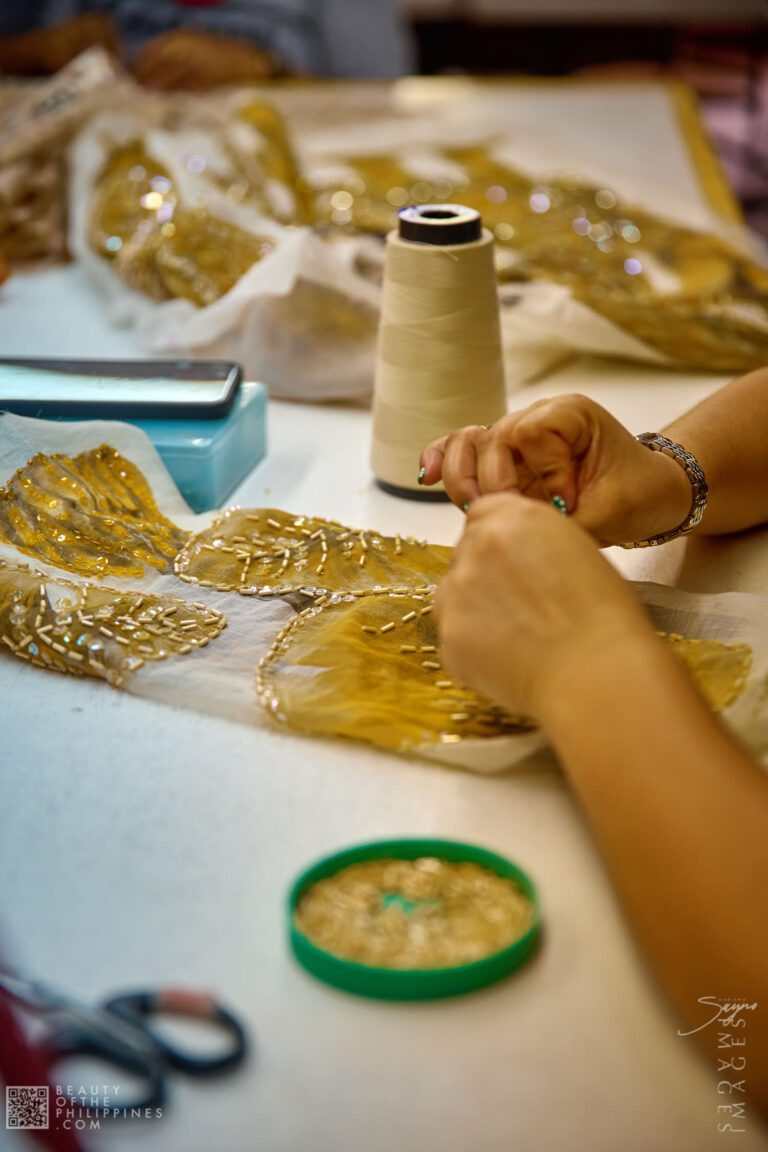
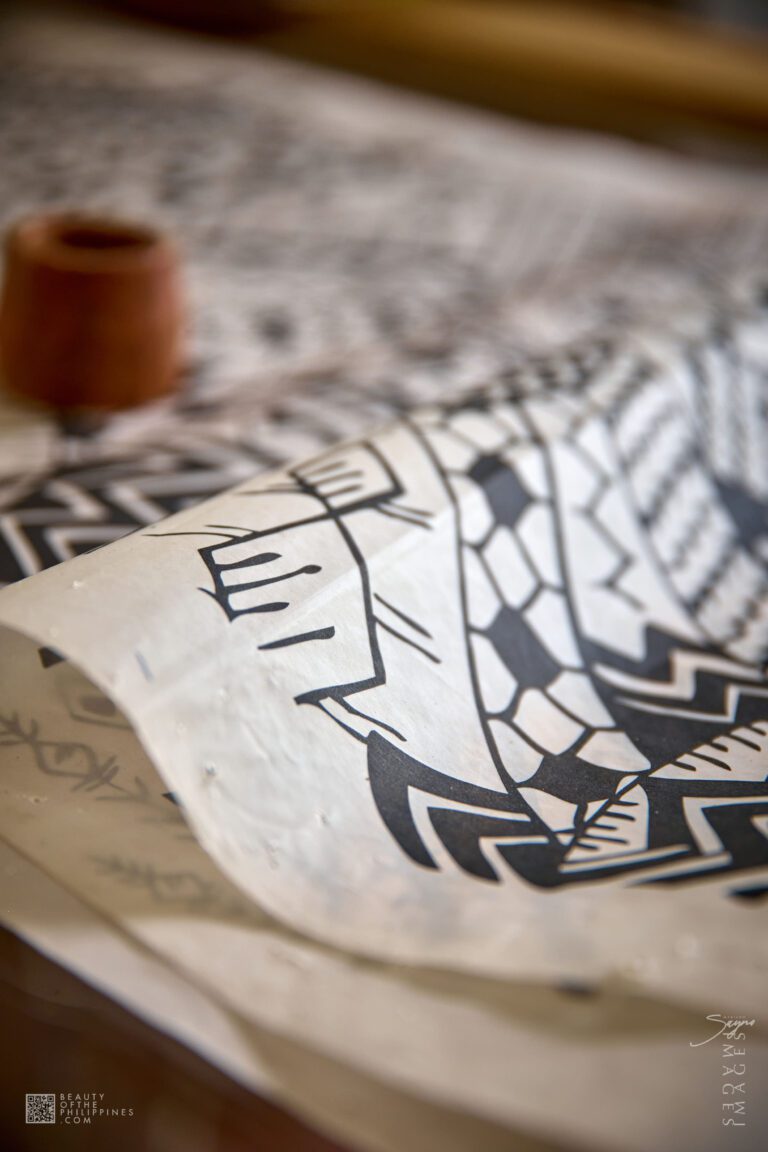
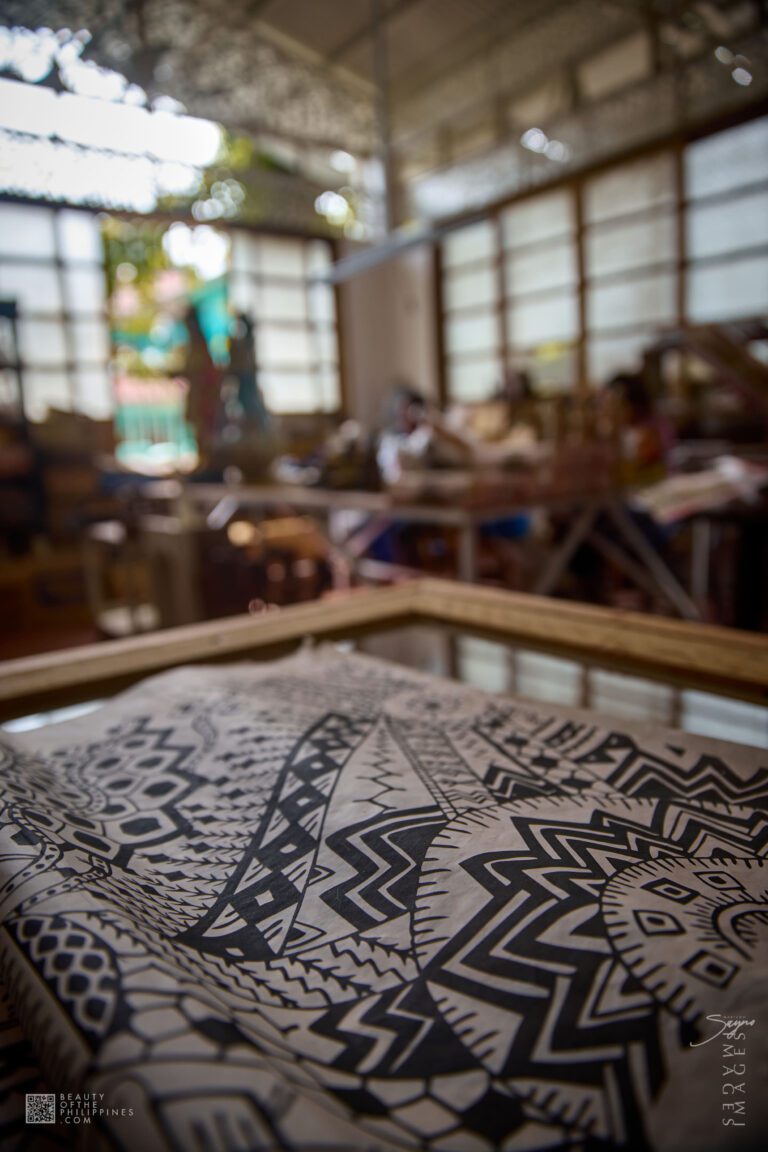
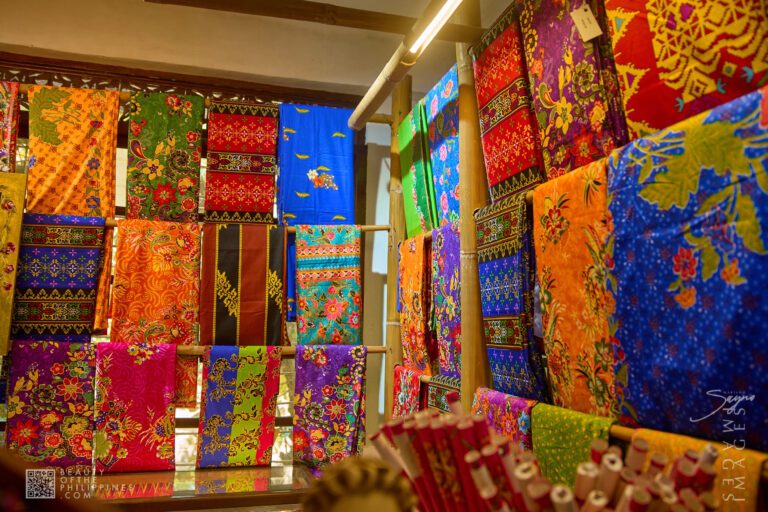
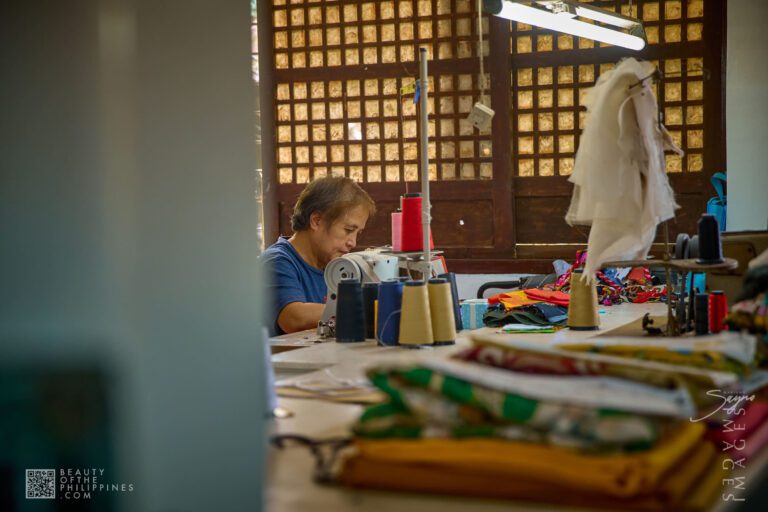
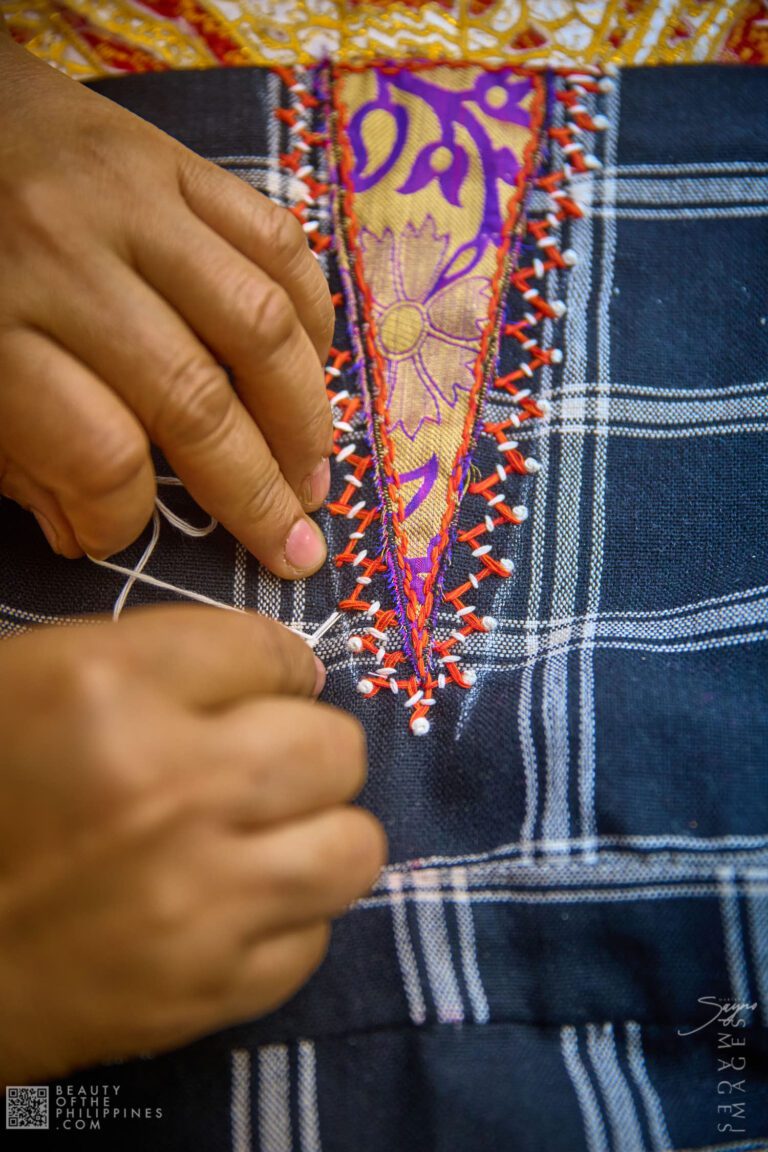
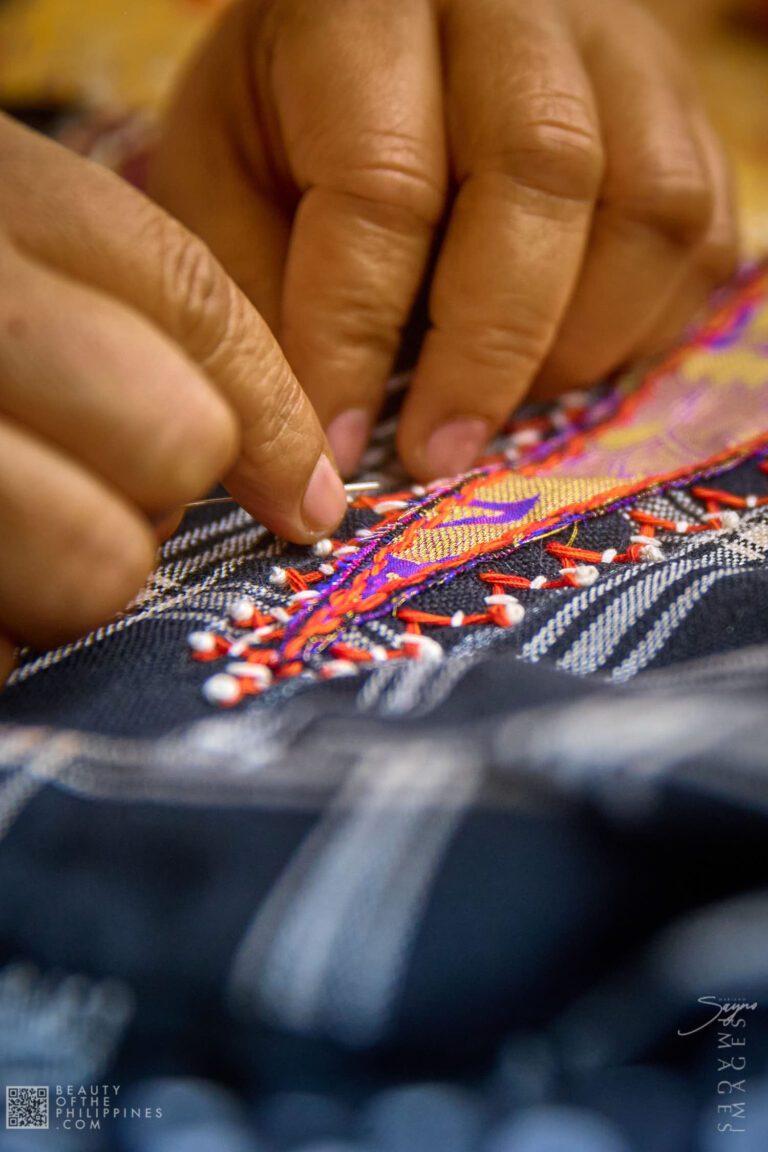
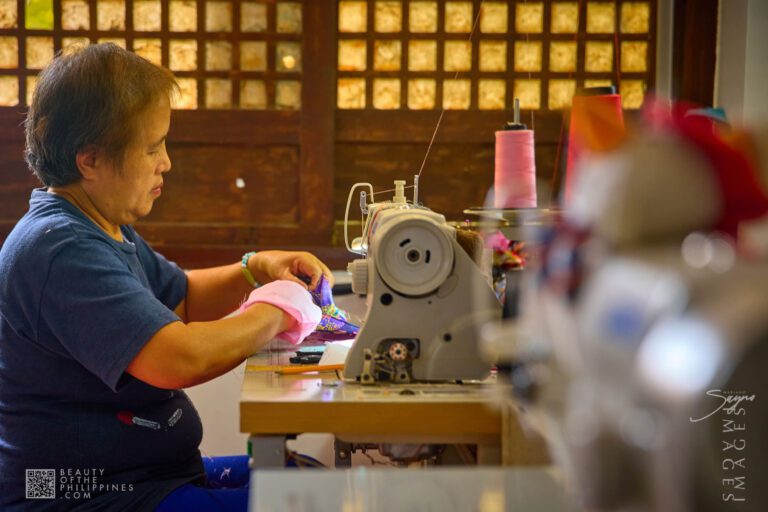
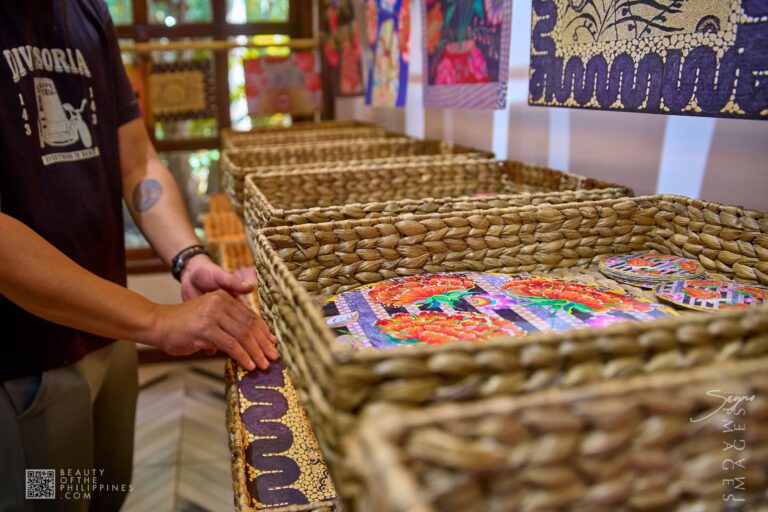
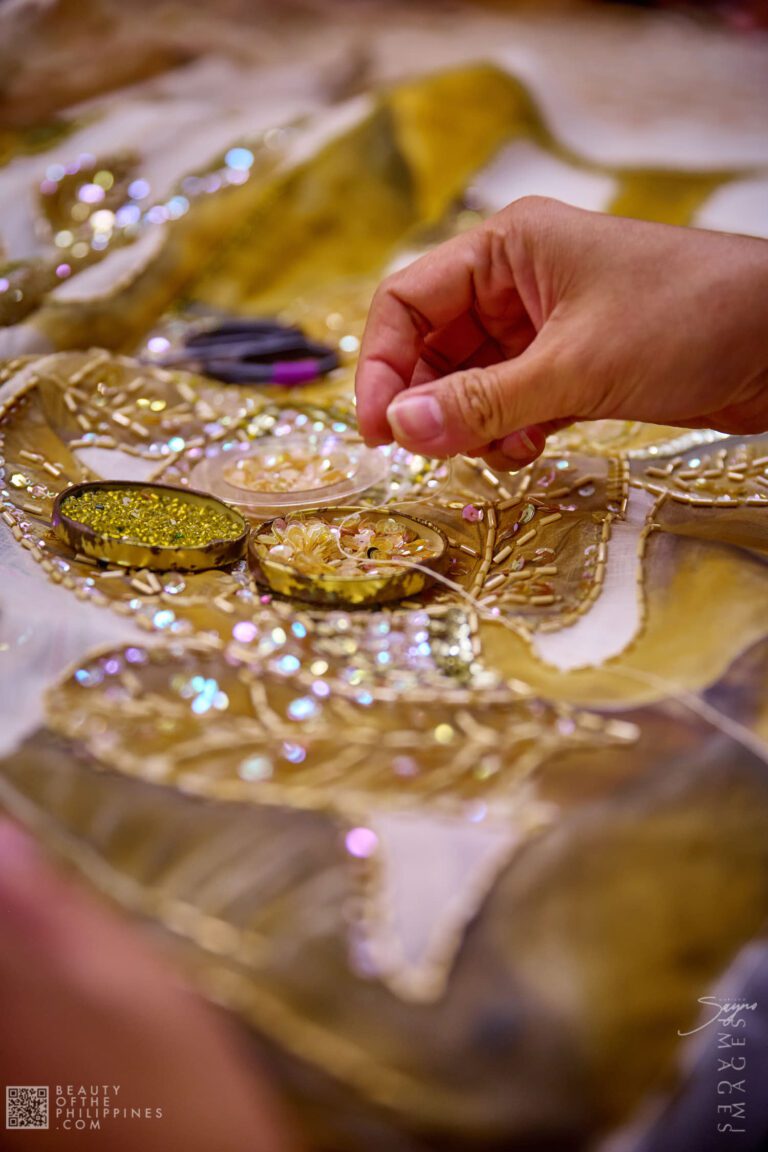
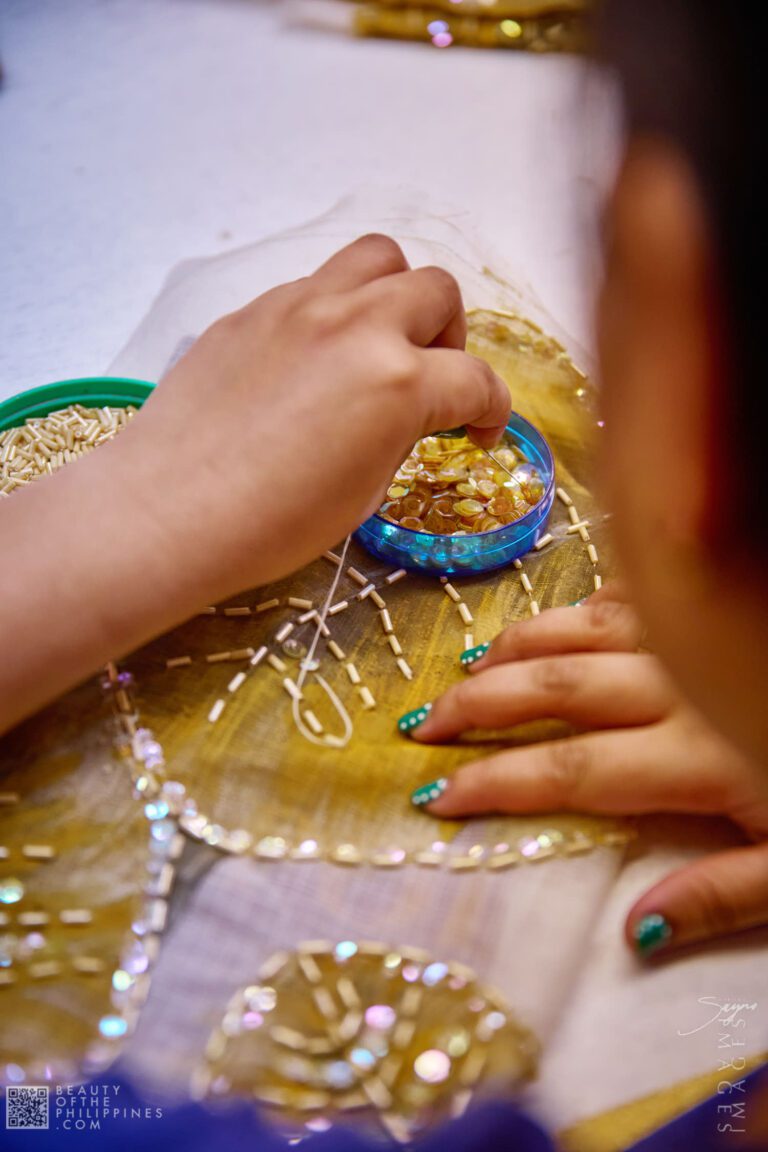
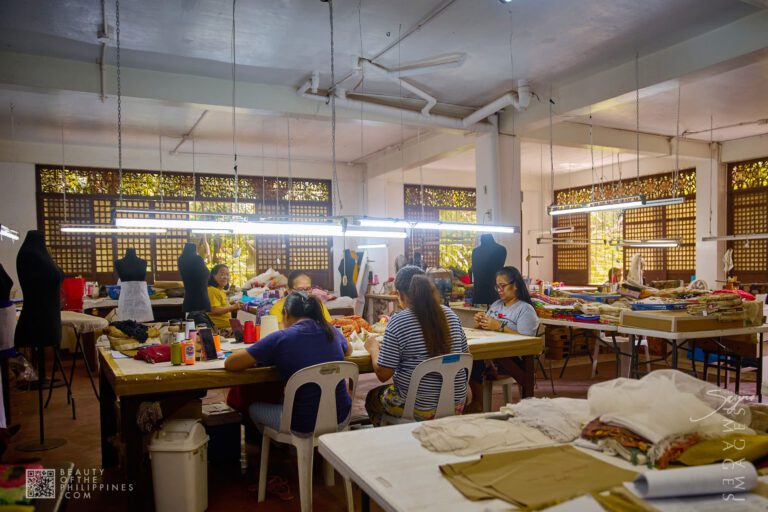
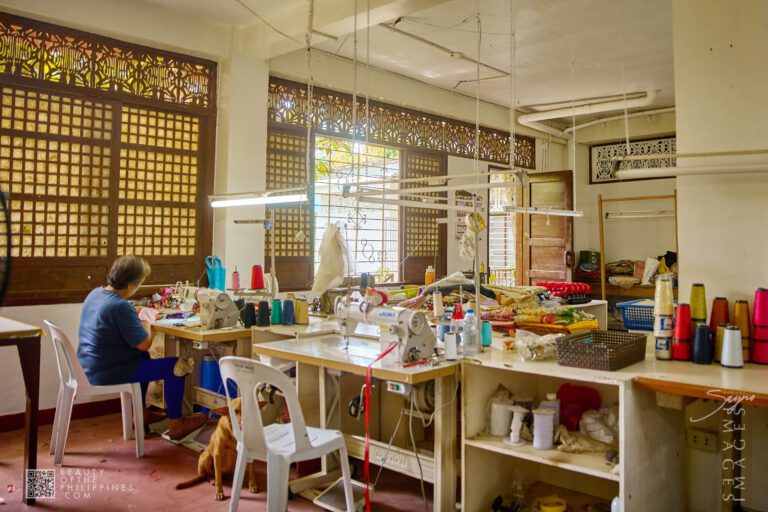
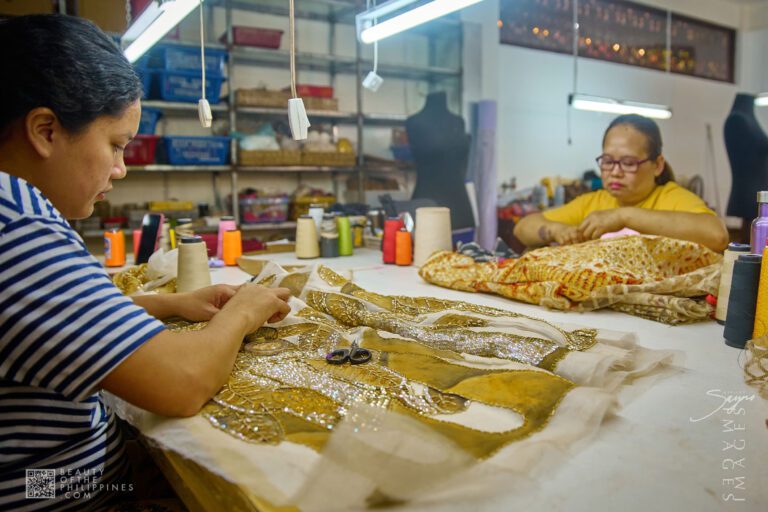
What distinguishes Patis Tito Garden Café from conventional heritage sites is the active presence of craft within its walls. Within the café, artisans including Tinggian weavers from Abra and burda practitioners from Lumban, Laguna continue their work on textiles, allowing visitors to witness sewing, weaving, and embroidery firsthand. These are not staged demonstrations but living practices, part of the ongoing rhythm of Filipino craft. The adjacent shop showcases heritage textiles, hand-embroidered pieces, and curated fashion collections, providing tangible access to the artistry of Patis Tesoro and her collaborators. Events such as the Embroidery Exchange encourage dialogue between makers and travelers, revealing not just the beauty of design, but the cultural stories and symbolism embedded in each stitch. The café functions as a hybrid of home, atelier, and classroom, where artistry is performed, displayed, and experienced simultaneously.
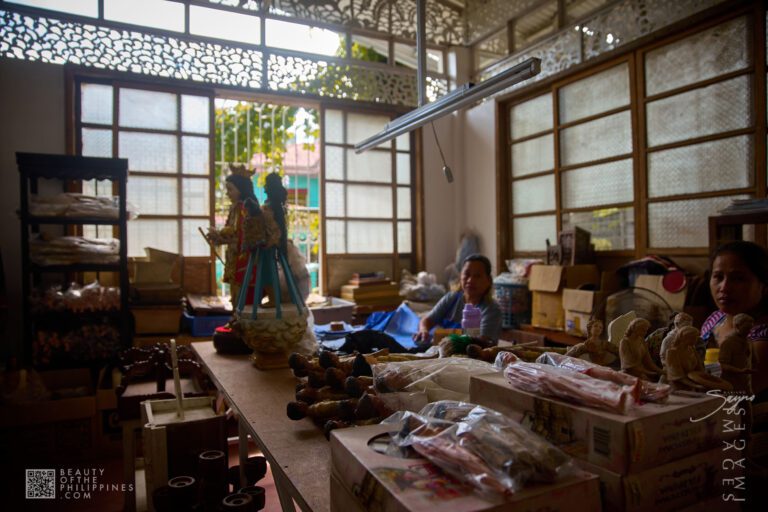
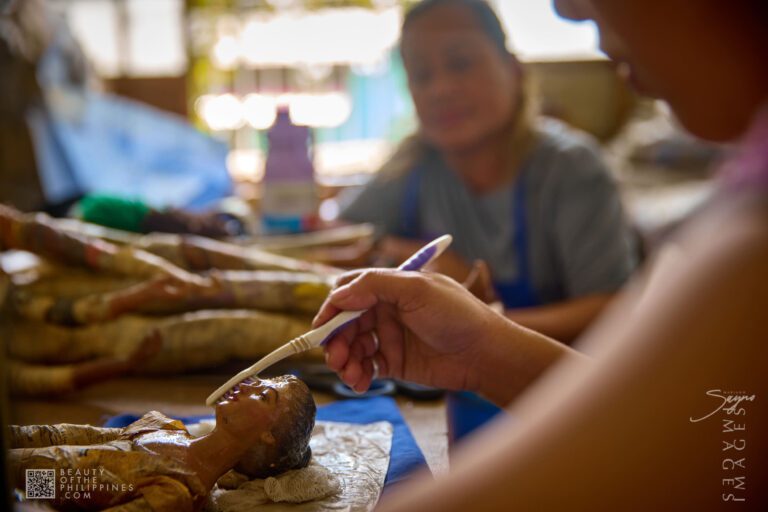
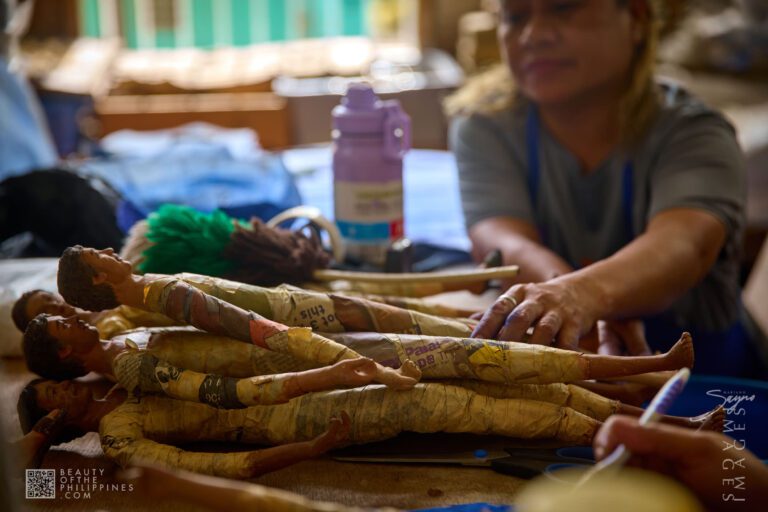
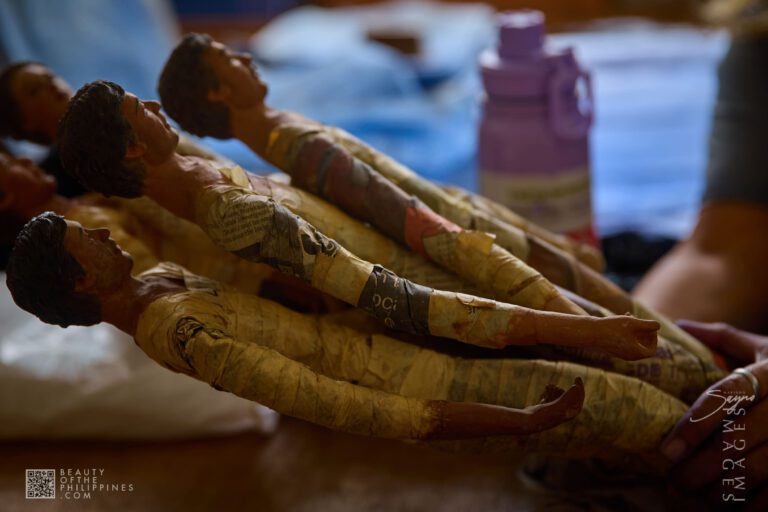
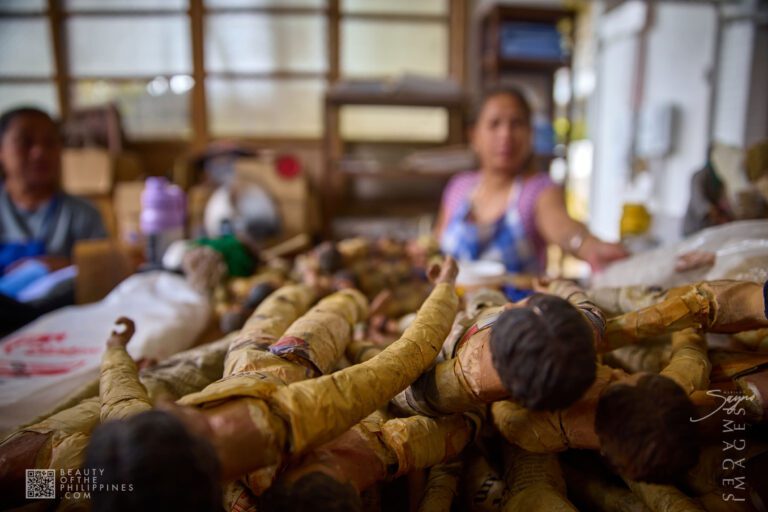
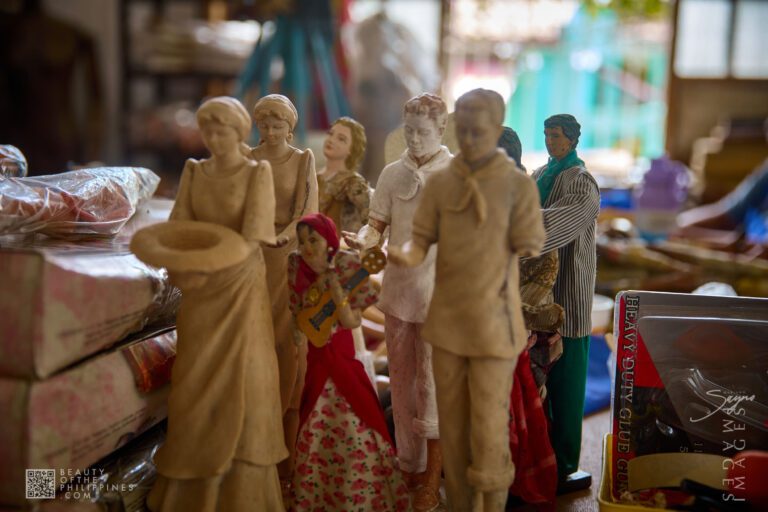
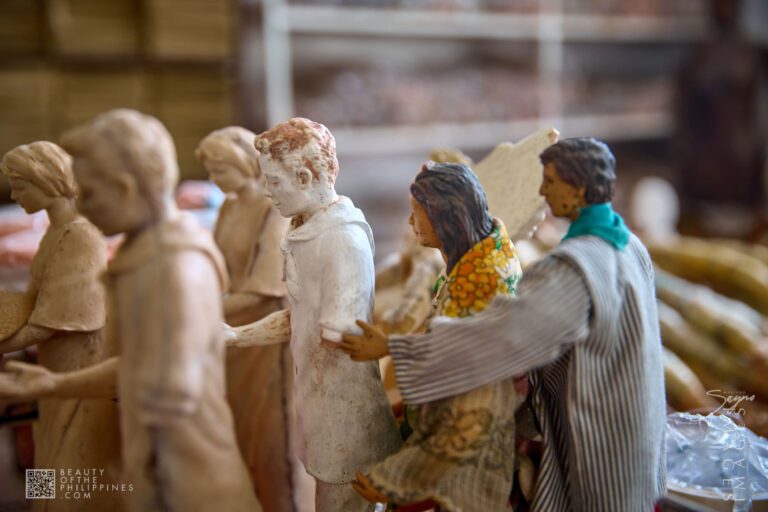
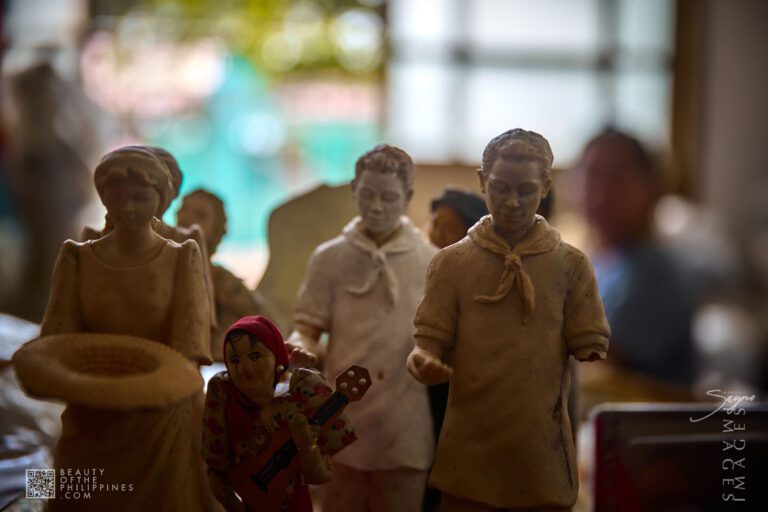
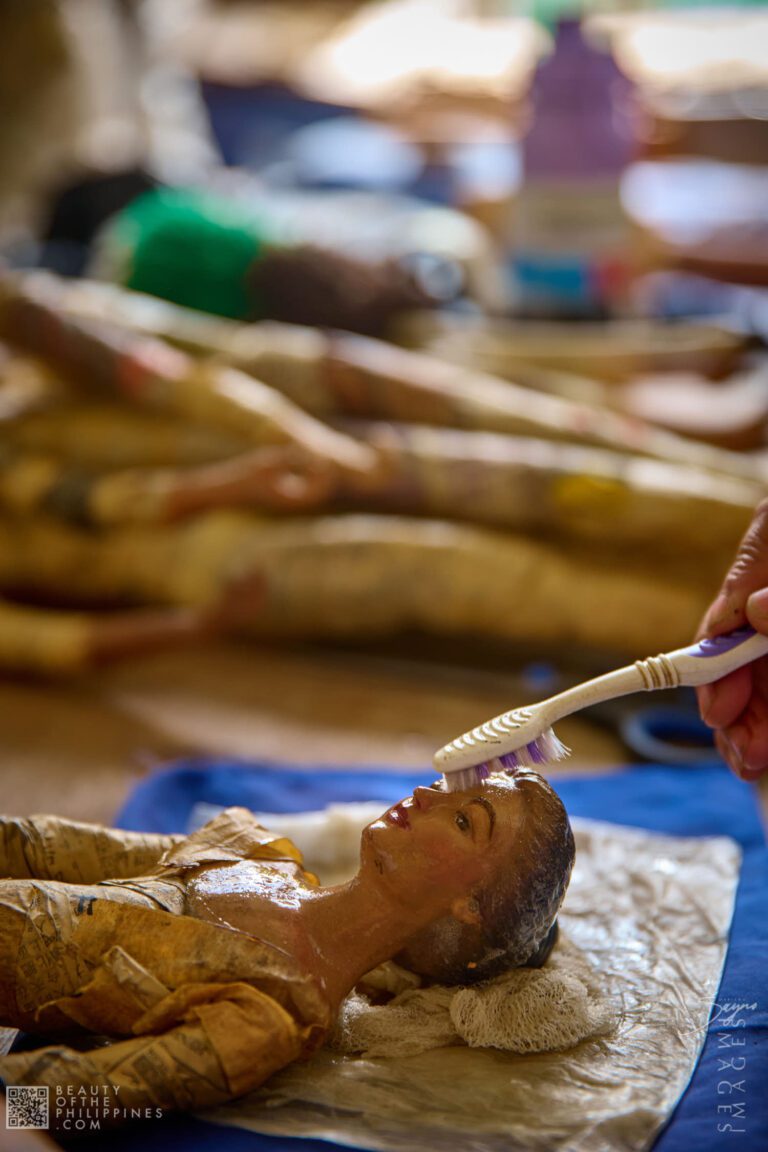
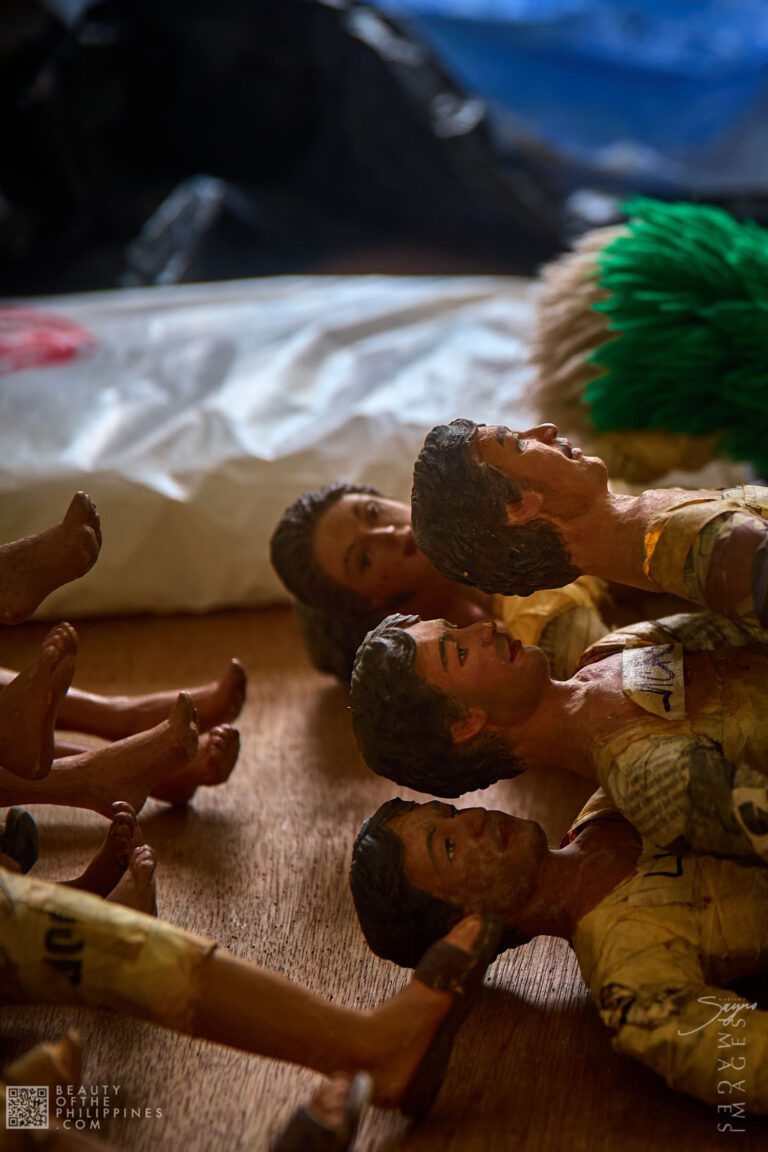
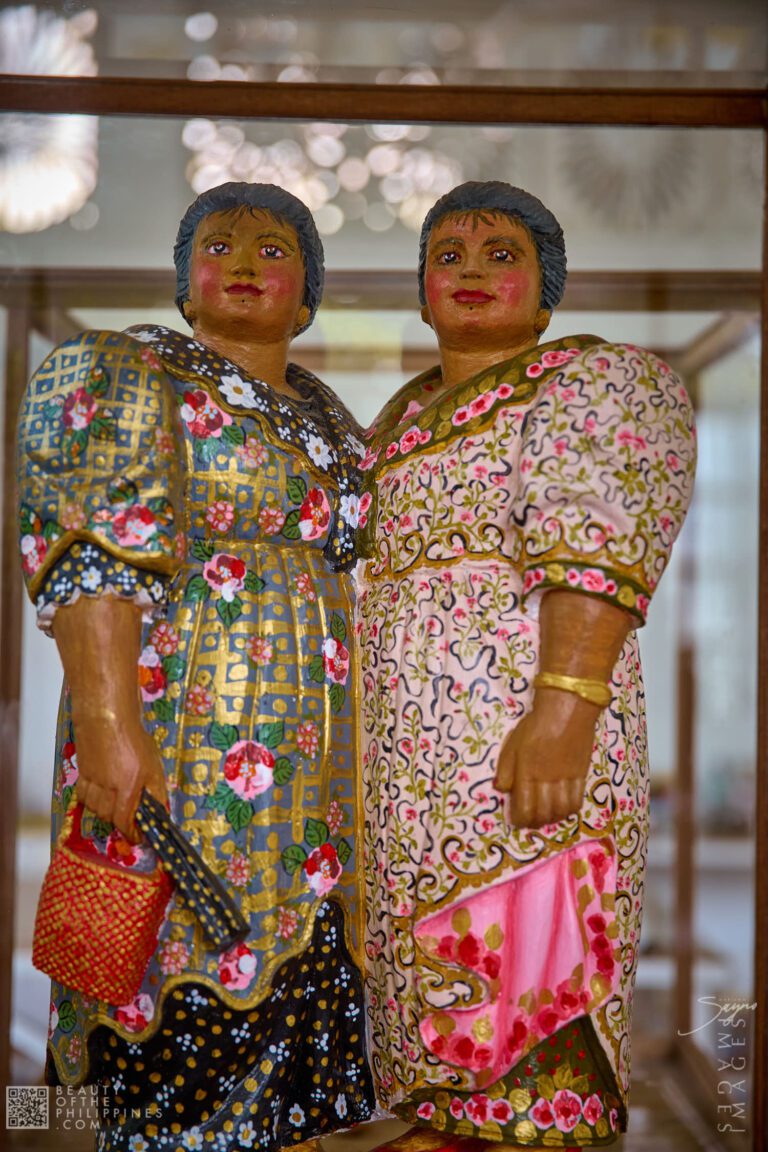
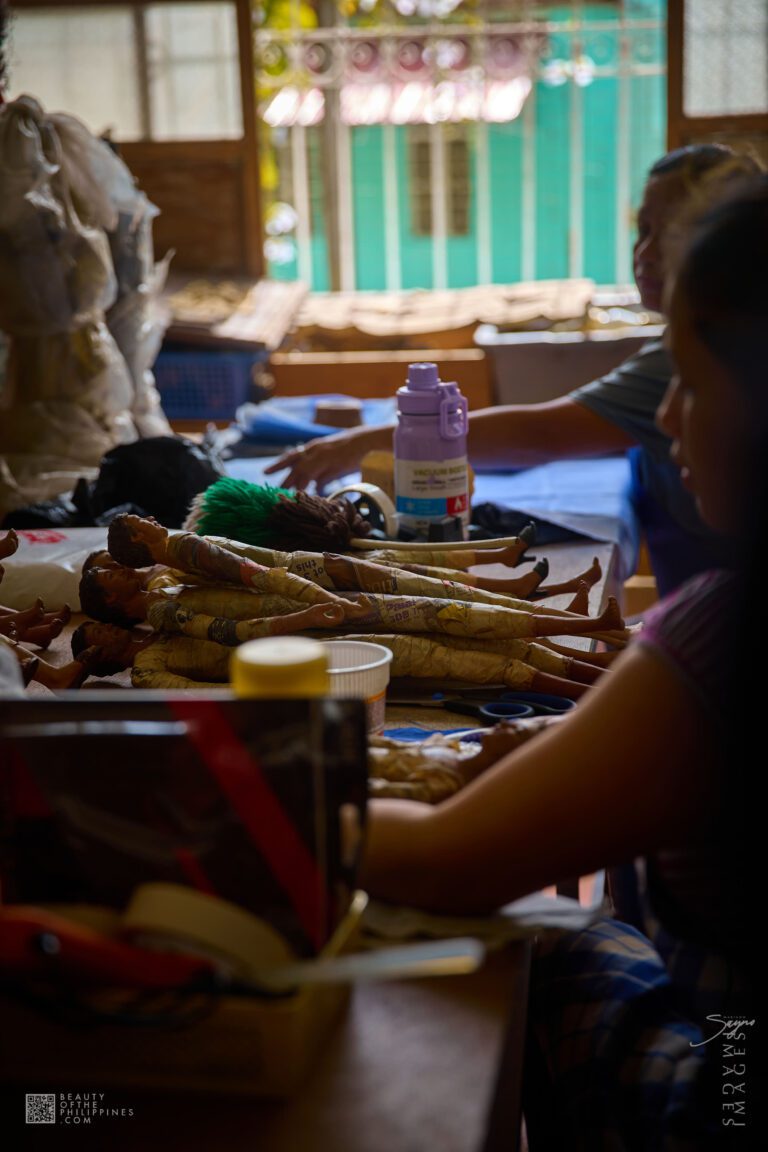
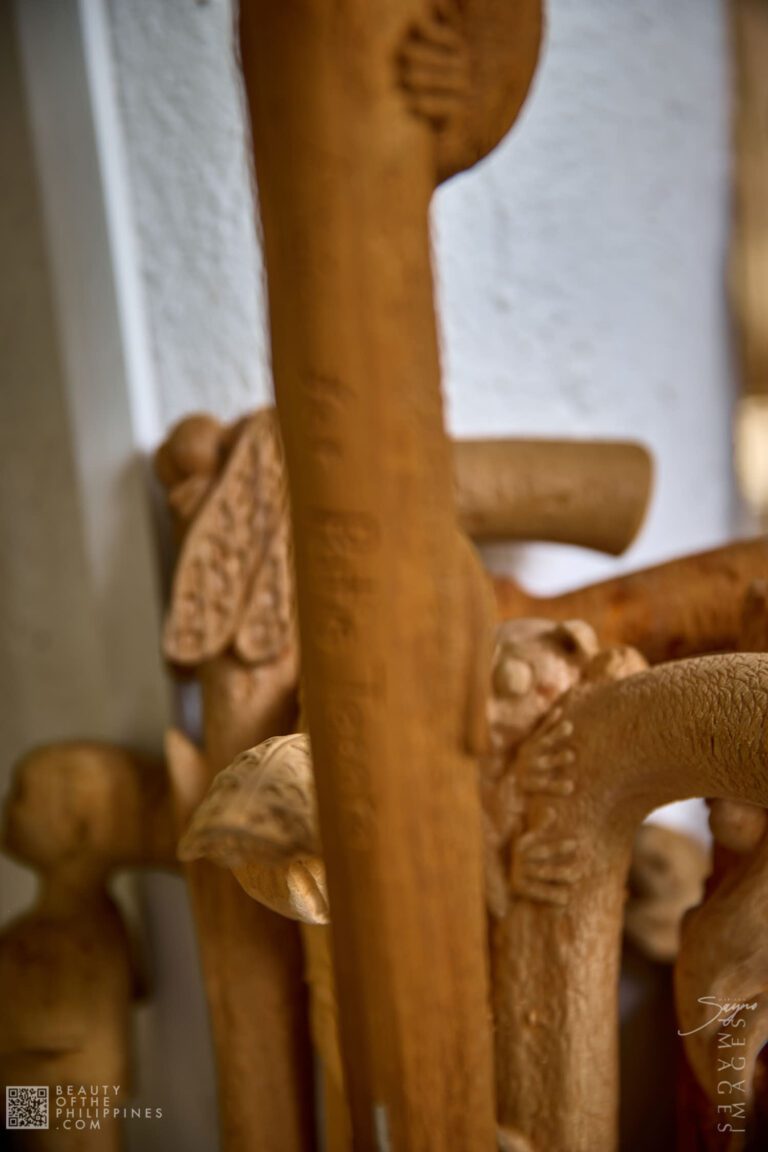
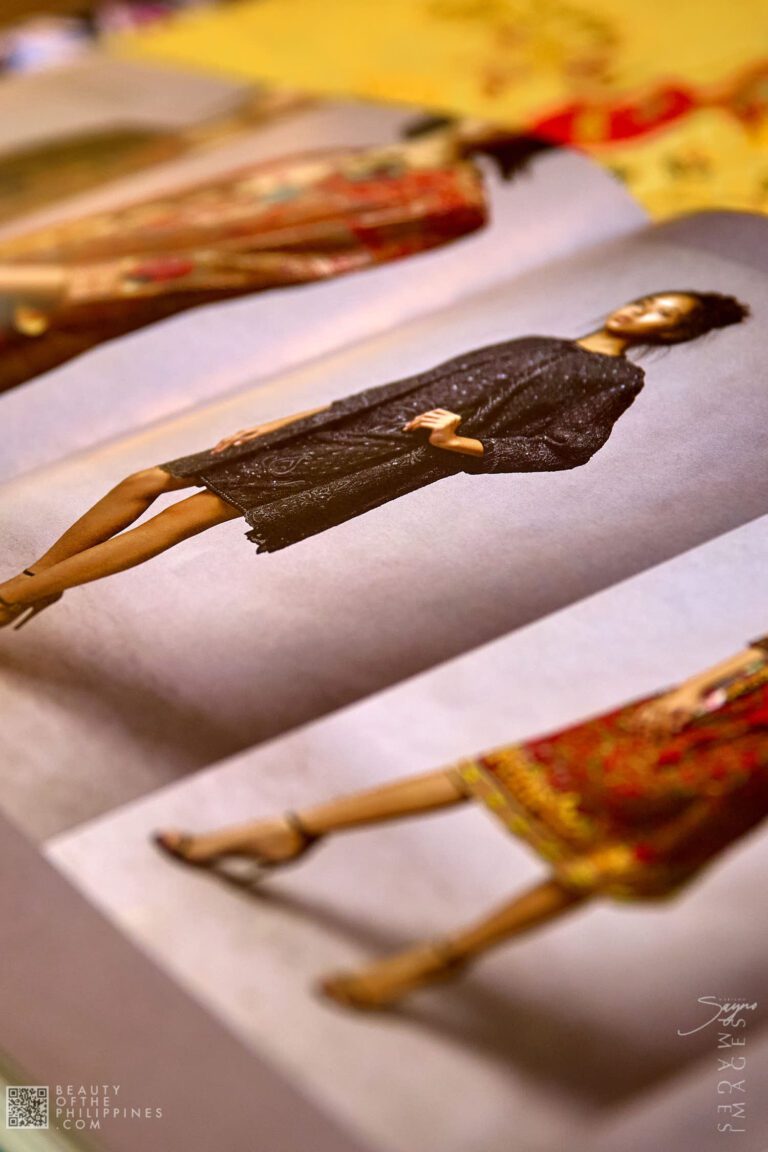
Beyond textiles and embroidery, another layer of Patis Pamintuan Tesoro’s creative universe appears in her extraordinary dolls and traditional woodcarvings. These are not decorative afterthoughts; they are cultural statements rendered in miniature and in hardwood. Her handcrafted dolls, dressed in piña, jusi, and regional weaves, carefully replicate the baro’t saya and other traditional silhouettes with remarkable precision. Each one feels like a scaled archive of Philippine dress history. Over the years, Tesoro’s doll artistry gained international attention, including a collaboration with Mattel, where Filipino heritage costumes were interpreted through globally recognized fashion dolls. That partnership quietly underscored what her work has long demonstrated: traditional Filipino design holds its own on the world stage.
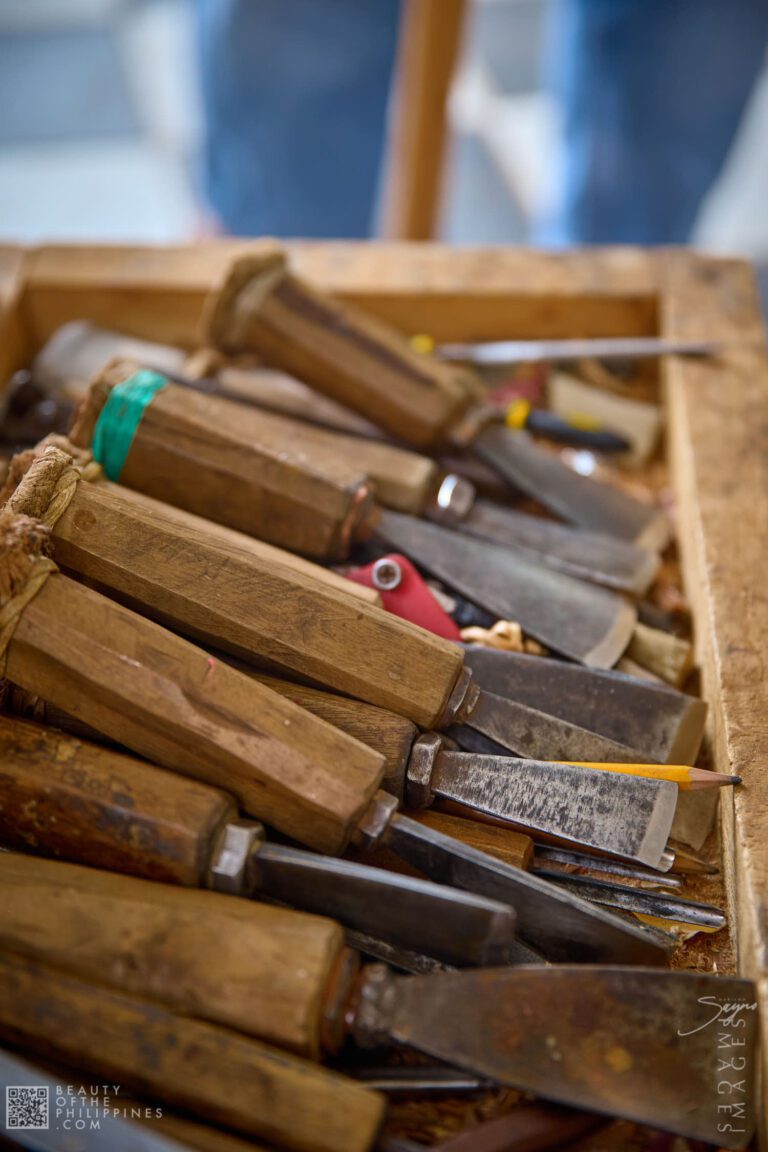
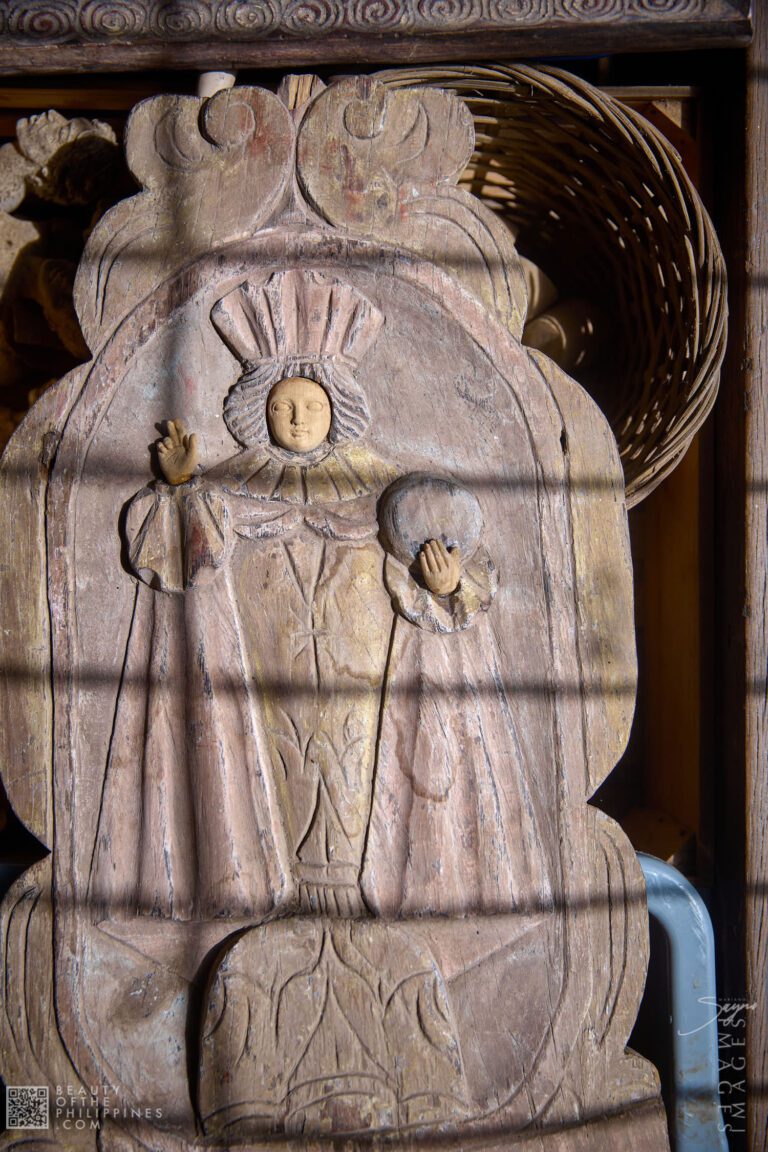
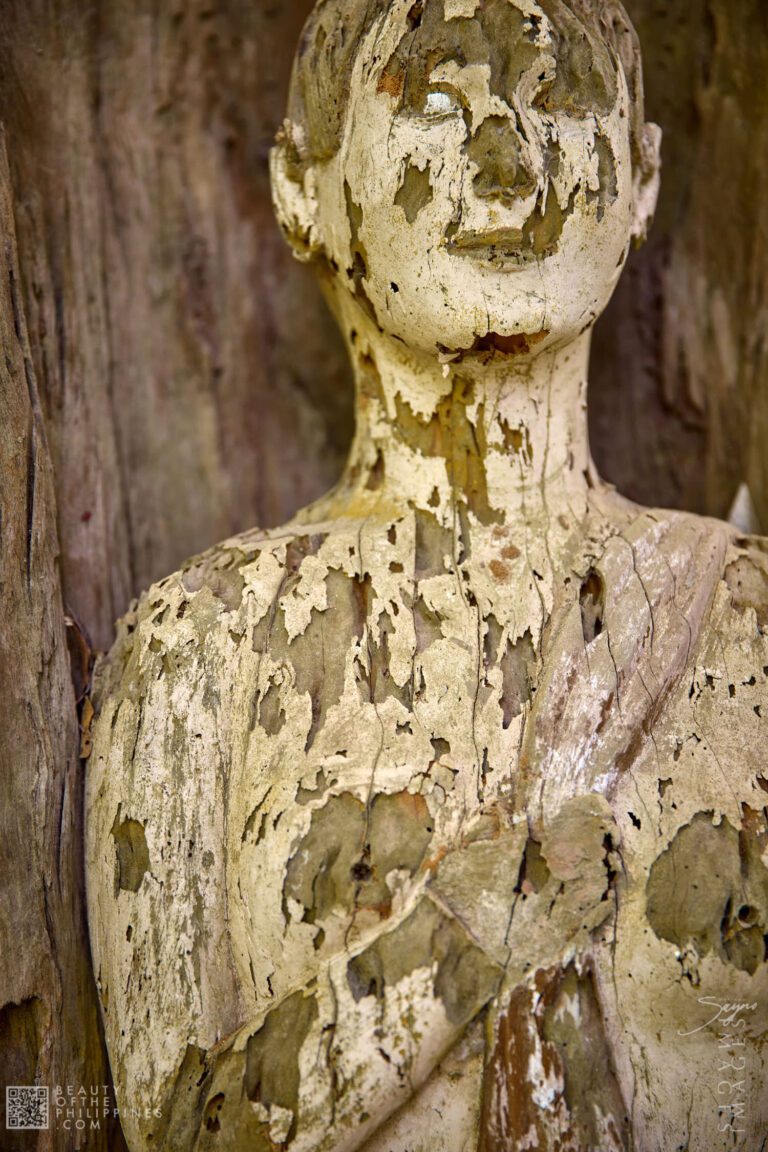
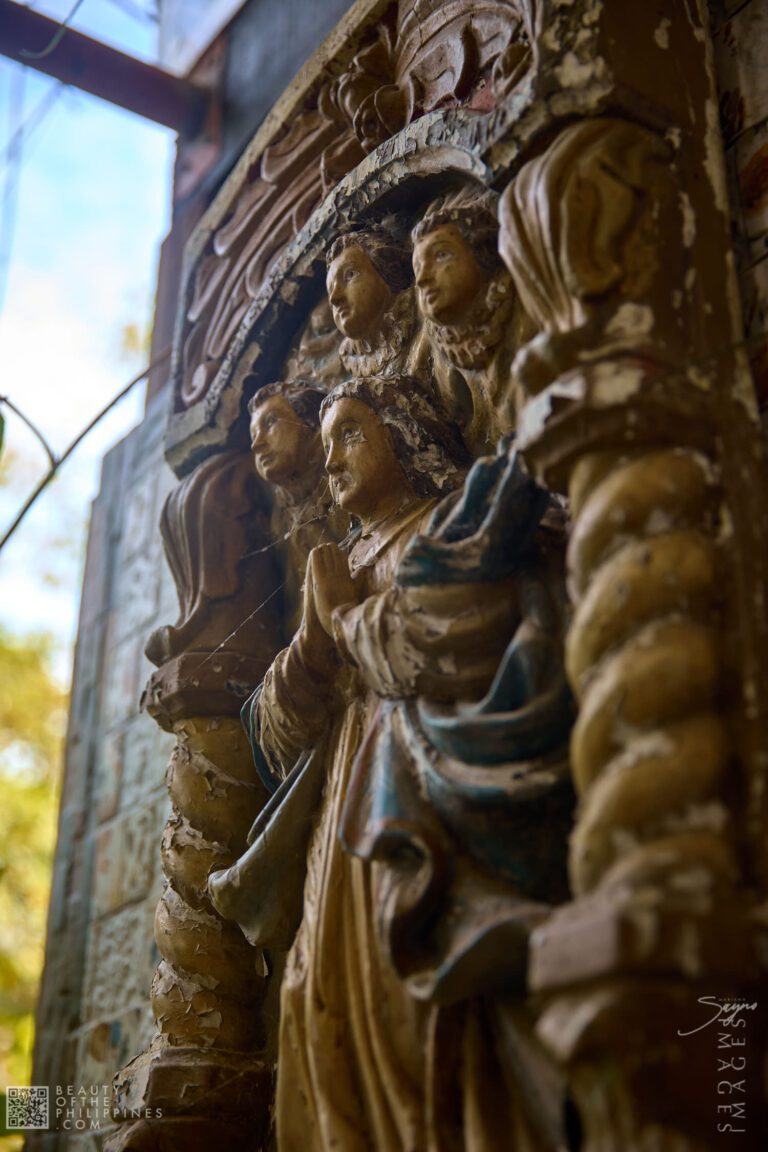
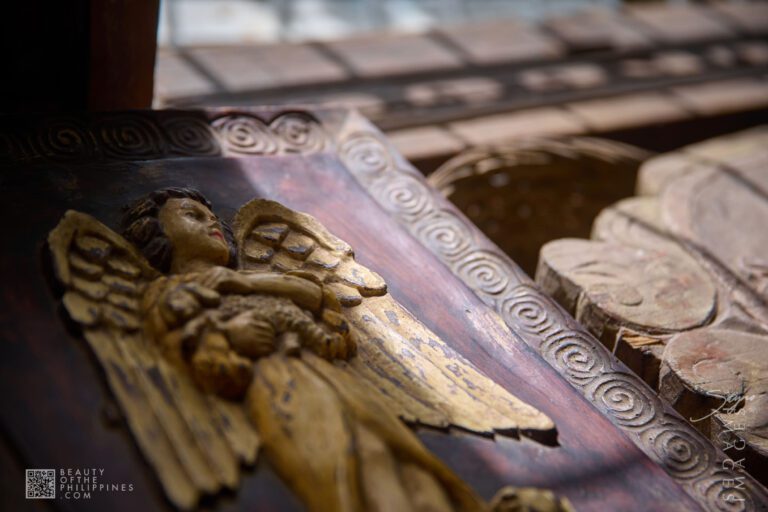
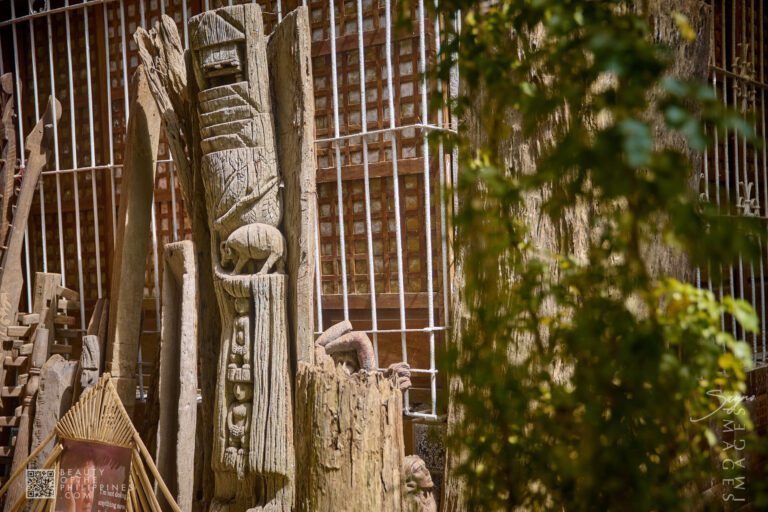
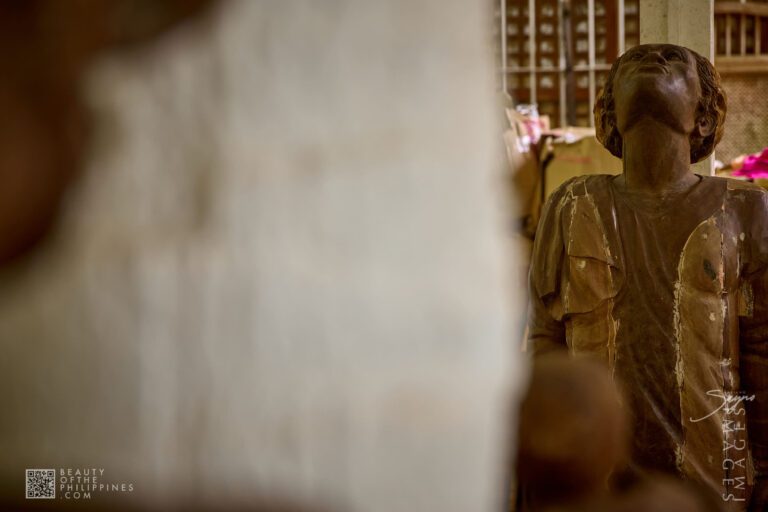
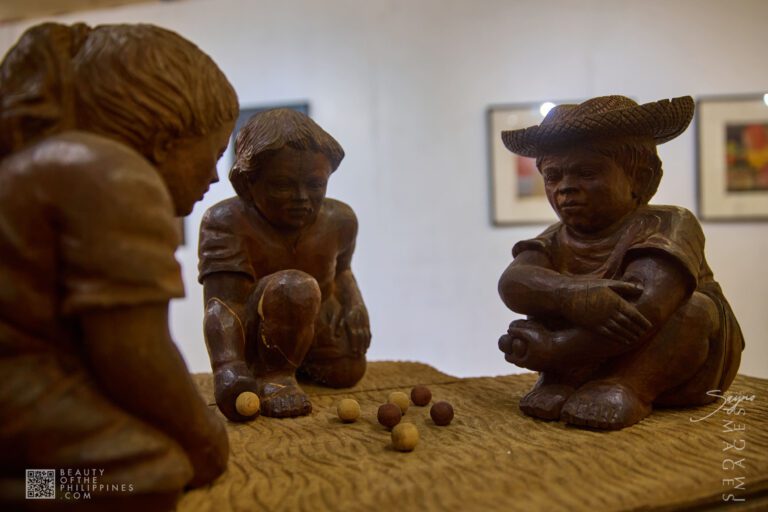
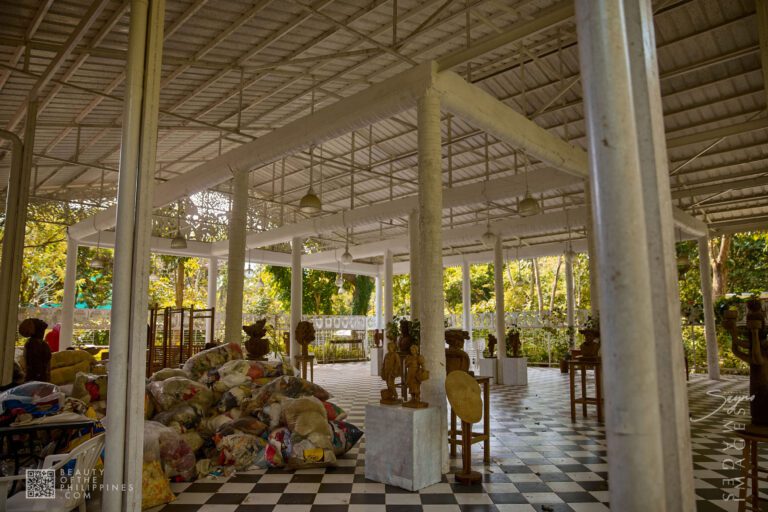
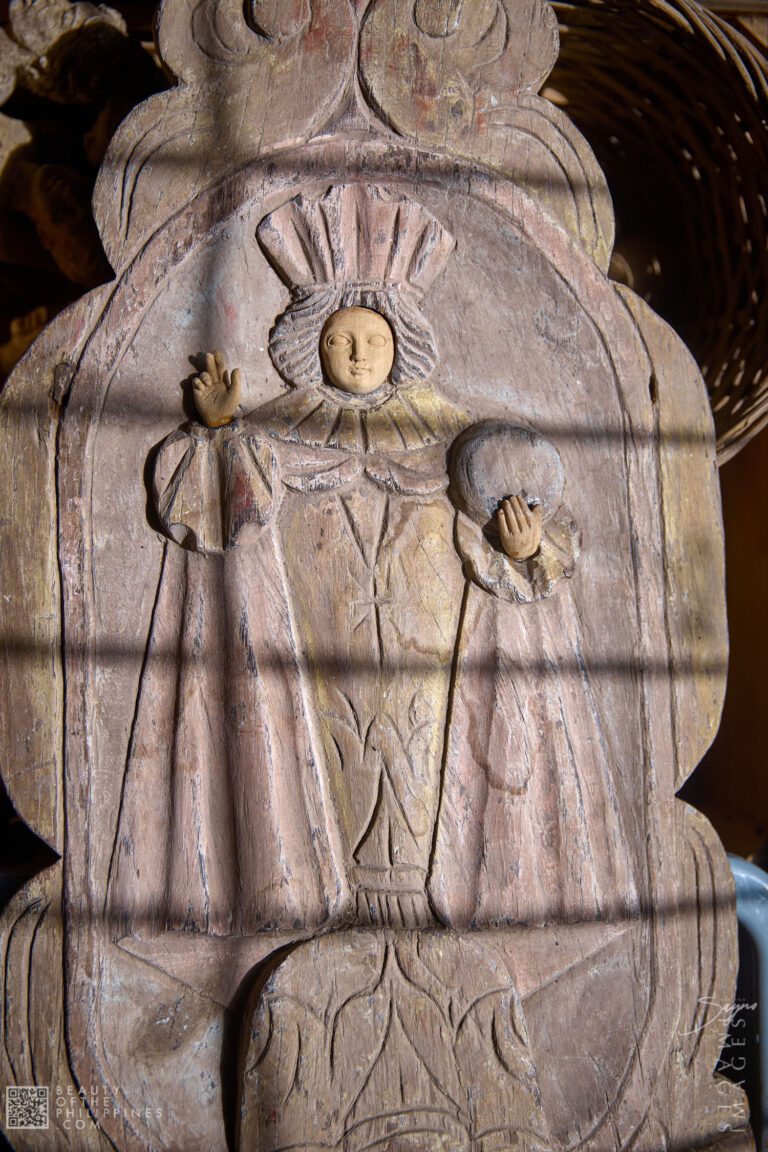
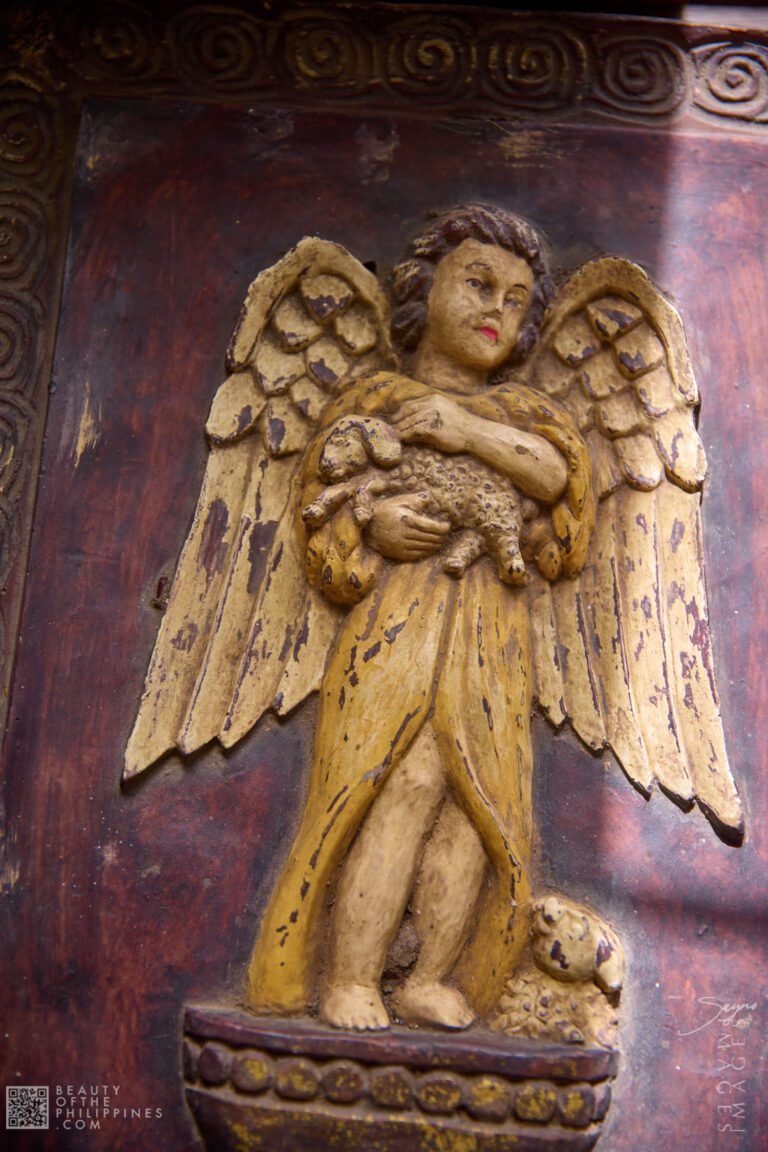
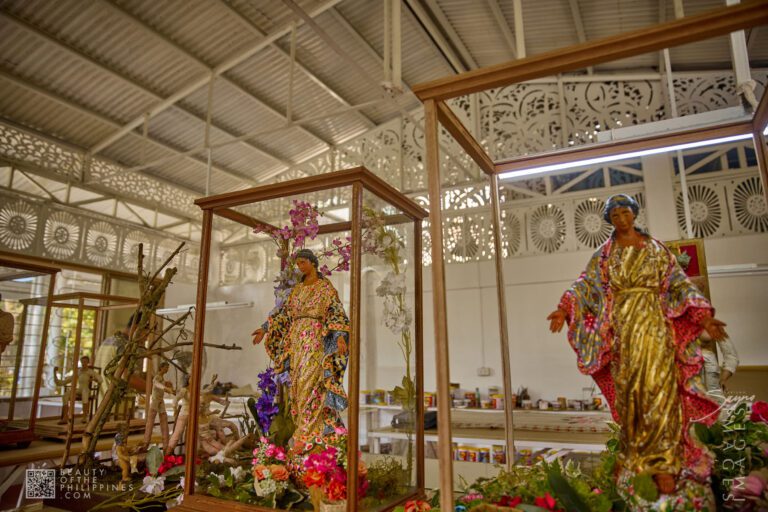
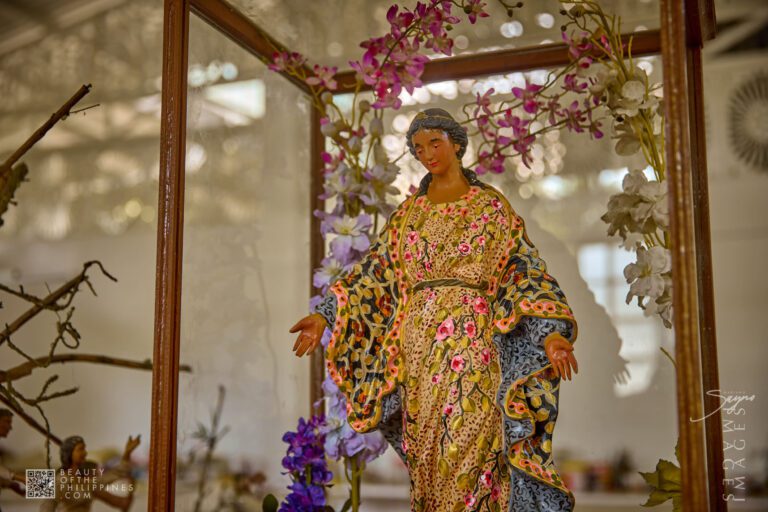
Surrounding these figures are carved santos, devotional icons, and indigenous-inspired wood pieces shaped by skilled Filipino artisans. The woodcarvings carry both sacred and everyday narratives—saints with serene expressions, rural scenes etched into hardwood, motifs drawn from flora and folklore. Together, dolls and carvings create a conversation between fabric and timber, softness and solidity. You begin to notice how embroidery mirrors carved detail, how a painted doll’s expression echoes the calm gaze of a santo. Inside the café, these works are not confined behind glass like distant artifacts; they coexist with diners and conversations, reinforcing the idea that Filipino heritage is not static. It is worn, carved, interpreted, and continually reimagined—sometimes even in dialogue with global brands—yet always grounded in local craftsmanship.
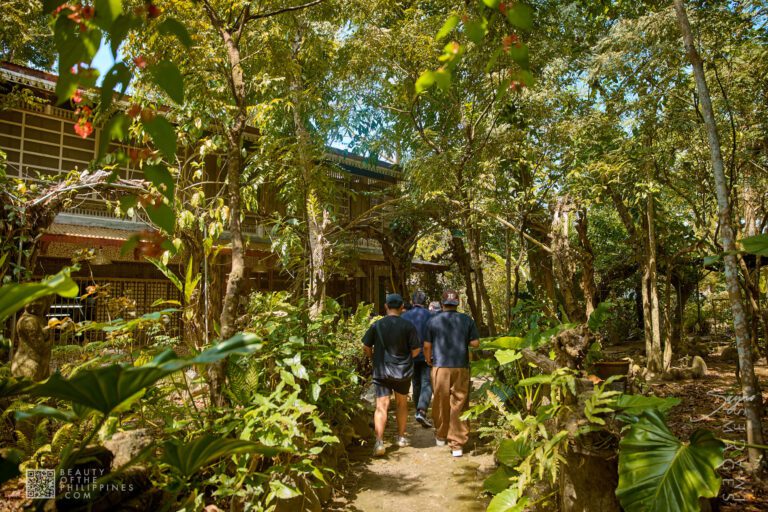
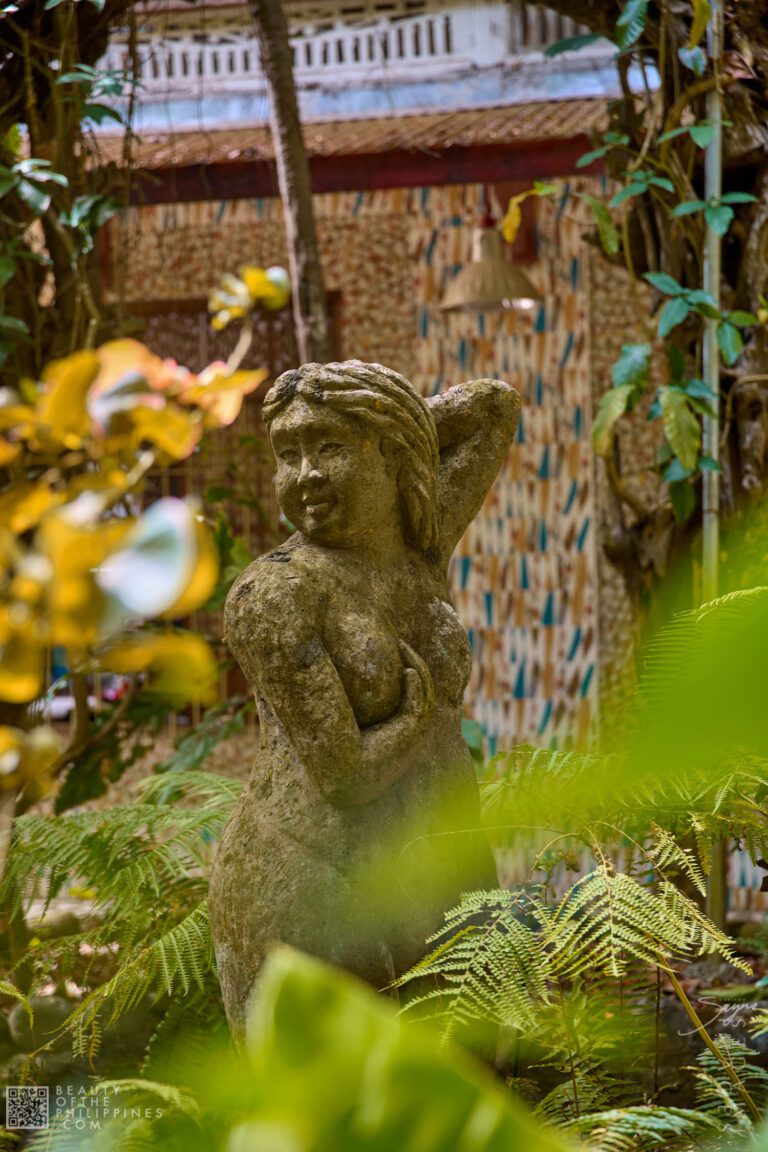
The surrounding gardens mirror the care and thoughtfulness present inside the café. Meandering paths, flowering plants, and shaded corners provide quiet spaces to pause and observe, creating a rhythm of slow discovery as visitors move through the property. Each space, whether it is a corner of the garden or a carefully curated seating area, carries the imprint of decades of horticultural practice and design sensibilities cultivated by the Tesoro family. Photography and observation are naturally intertwined here, as the landscape frames both the culinary and craft experiences. For travelers, the gardens offer a moment to slow down, reflect, and appreciate the tactile and visual elements of Filipino heritage that unfold organically throughout the property.
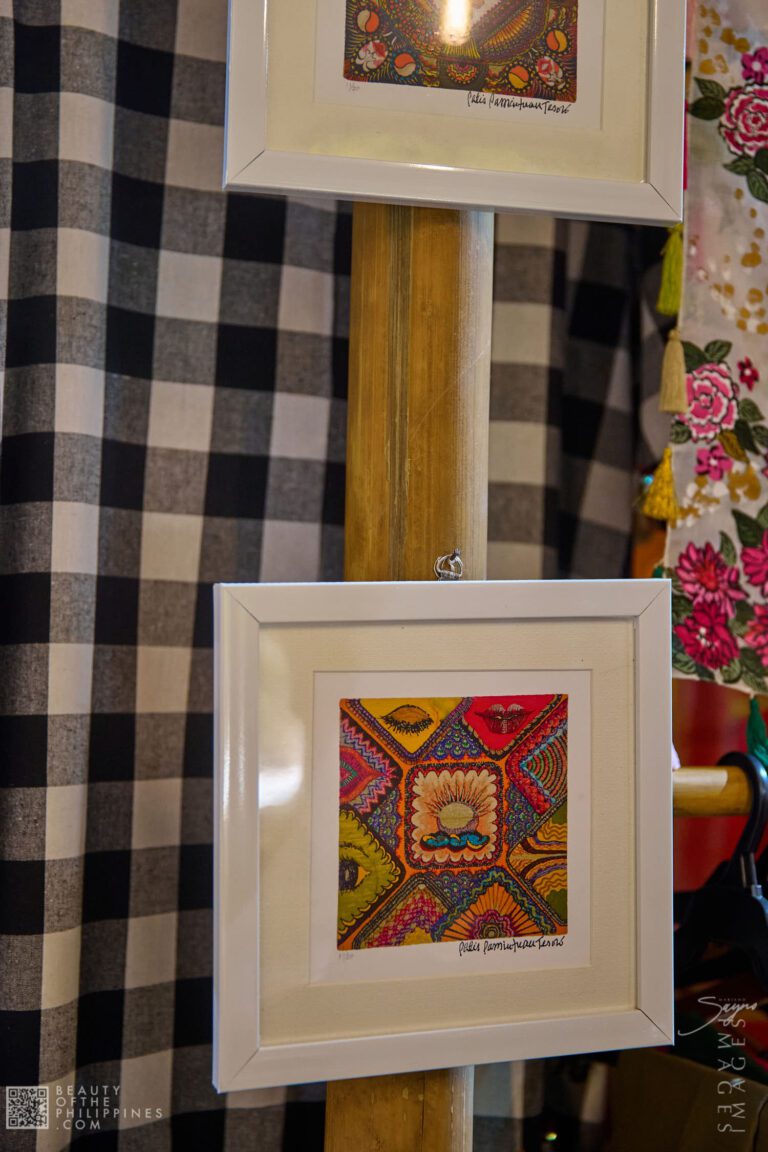
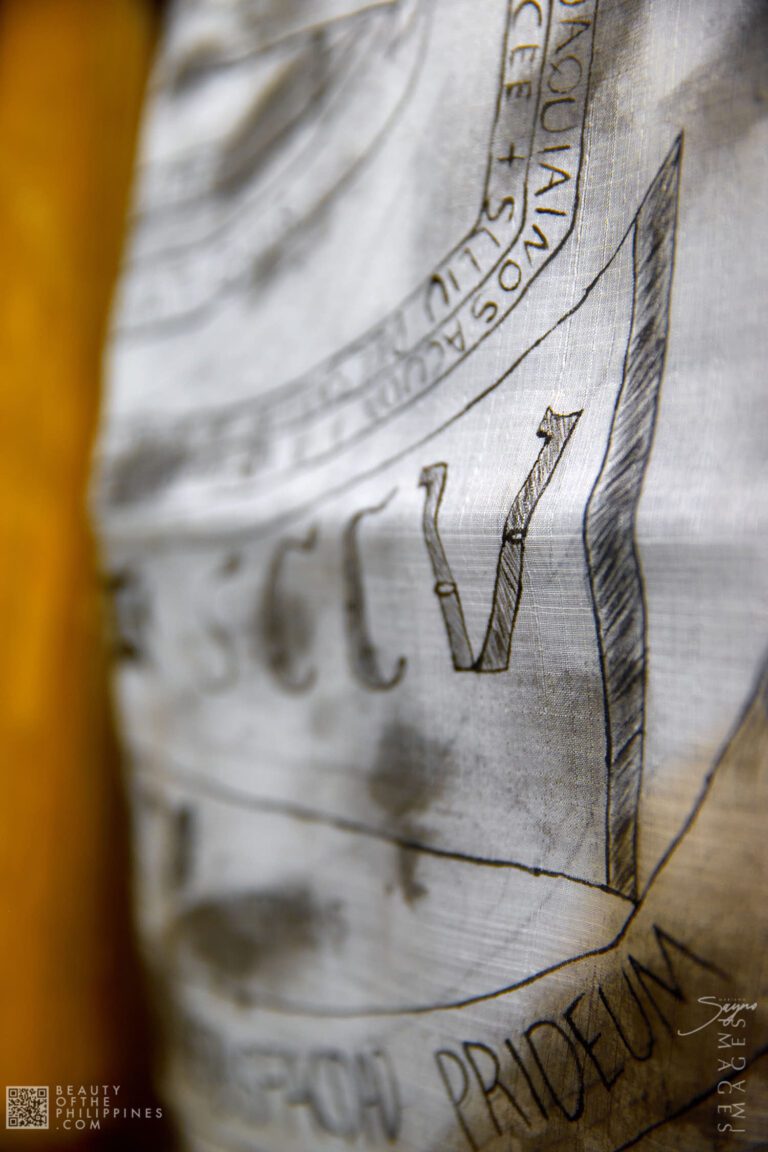
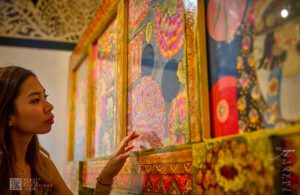
Within the property, Verbena Gallery extends the café’s commitment to cultural preservation into a more formal exhibition setting. Guided by Patis Pamintuan Tesoro’s curatorial vision, the space presents rotating exhibitions that move fluidly between heritage textiles and contemporary visual expression. Archival garments, piña gowns, handwoven fabrics, and detailed embroidery studies are displayed alongside visual art paintings and traditional wood carvings, creating a conversation across mediums. Rather than isolating textile from canvas or wood, the gallery frames them as parallel forms of cultural record—each carrying regional memory, technique, and identity in its own material language.
RELATED STORIES

Laguna de Bay, or Laguna Lake, is much more than the Philippines’ largest freshwater lake. Covering approximately 900 km² with a 220 km shoreline, it stretches across


Origins and Cultural Significance If you wander Victoria during the festival, it’s immediately clear that the Itik Festival is more than a celebration—it’s a living


Lumban, recognized as the “Embroidery Capital of the Philippines,” comes alive every third week of September with its vibrant Burdang Lumban Festival, a celebration of


Enchanted Kingdom, often simply called EK, stands as the Philippines’ first and only world-class theme park in 2012. Located in San Lorenzo South, Santa Rosa


Verbena Gallery has also participated in the San Pablo Art Circuit (SaPaC), a city-wide celebration held during Museums and Galleries Month each October, where multiple creative venues open their doors to highlight Laguna’s artistic community. During these circuits, the gallery contributes curated exhibitions that place Filipino craftsmanship within a broader contemporary arts dialogue, welcoming both seasoned collectors and curious travelers. The result feels less like a static exhibit and more like an evolving cultural exchange—one that reinforces the café’s role not only as a dining destination, but as an active participant in the region’s living arts landscape.


For cultural travelers exploring Laguna or the wider CALABARZON region, Patis Tito Garden Café offers a layered experience where heritage, gastronomy, and craft intersect. Reservations are recommended because of the café’s intimate scale and the presence of active artisan spaces. Scheduling visits around special workshops or craft events allows visitors to engage directly with makers, observing embroidery, weaving, and textile preparation.


Despite occasional comments on variability in food service, the overarching experience of wandering through verdant gardens, dining amid hand-crafted décor, and witnessing living Philippine textile traditions makes the café a destination that extends beyond conventional culinary tourism. It is a space where the visitor participates in the continuity of Filipino heritage, appreciating craft and cuisine as interwoven elements of local wisdom.


I’m looking forward to the stories and images leaving a lasting positive impression on you, just as they have on me. Stay connected with us on social media for a weekly exploration of travel assignments and breathtaking visuals. Our focus is on championing local tourism, showcasing small businesses, and honoring the magnificence of the Philippines through the content we curate. Join us in spreading the word by clicking the ‘share’ buttons below. Your support means the world to us.
EXPLORE MORE about


What the Bañamos Festival Is About The Bañamos Festival is the signature cultural and tourism celebration of the Municipality of Los Baños, Laguna, commemorating the


Nagcarlan Awakens: The Spirit of Ana Kalang Visiting Nagcarlan, Laguna in the third week of April, you immediately sense the town has transformed. The Ana


Tucked into Barangay Tadlac in Los Baños, Alligator Lake stands apart from Laguna’s more bustling attractions. While many flock to the town’s famed hot springs,


Enchanted Kingdom, often simply called EK, stands as the Philippines’ first and only world-class theme park in 2012. Located in San Lorenzo South, Santa Rosa


Understanding the Sambalilo Festival The Sambalilo Festival is the signature cultural celebration of Cavinti, a municipality in Laguna. Traditionally held during the first week of


Laguna de Bay, or Laguna Lake, is much more than the Philippines’ largest freshwater lake. Covering approximately 900 km² with a 220 km shoreline, it stretches across


The Turumba Festival in Pakil, Laguna, centered around the veneration of Our Lady of Sorrows of Turumba, continues to unite locals and attract visitors, showcasing

Tucked high on Mt. Banahaw and overlooking verdant valleys, Majayjay Church, formally known as the Saint Gregory the Great Parish Church, stands as one of


Origins and Cultural Significance If you wander Victoria during the festival, it’s immediately clear that the Itik Festival is more than a celebration—it’s a living


Verbena Gallery is located within Patis Tito Garden in Barangay San Antonio, San Pablo City, Laguna, roughly a two to three hour drive from Metro
The Nagcarlan Underground Cemetery in Barangay Bambang, Nagcarlan, Laguna stands as one of the most unique historical sites in the Philippines. Unlike typical cemeteries, this


Lumban, recognized as the “Embroidery Capital of the Philippines,” comes alive every third week of September with its vibrant Burdang Lumban Festival, a celebration of


In Mabitac, Laguna, the celebration has been embraced wholeheartedly, particularly intertwining it with the town’s founding anniversary to create a grand town festival. It has


Santa Cruz, a first-class urban municipality and the capital of Laguna province in the Philippines, is a place where tradition, culture, and culinary delights converge.


The Buhayani Festival, held every June 19 in Calamba, Laguna, honors the life and heroism of Dr. José Rizal, the city’s most celebrated son. First


A Festival Rooted in a Name Standing in Siniloan during festival season, you begin to notice how one object keeps appearing—in costumes, in floats, in


A Sweet Harvest in Motion: Calauan’s Pinya Festival Walking through Calauan in early May, you immediately feel the energy of a community united in celebration.
BROWSE BY CATEGORIES
BROWSE BY PROVINCE