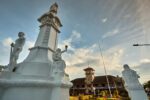
Meguyaya Festival: Celebrating Cultural Diversity in Upi, Maguindanao
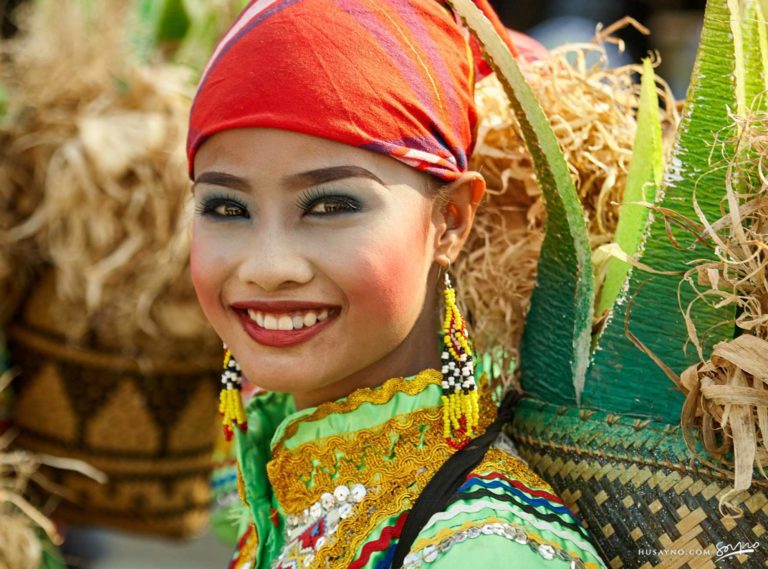
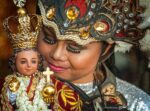
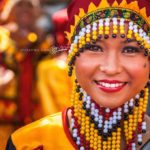
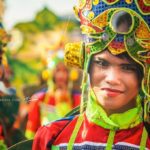
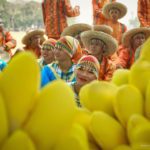
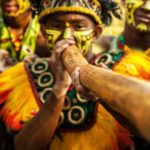
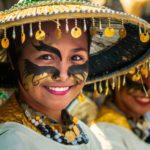
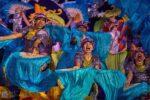
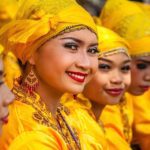
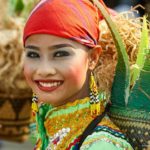
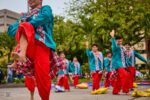
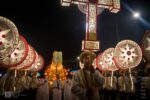
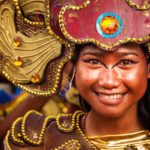
The Meguyaya Festival in Upi, Maguindanao del Norte, Mindanao, held annually for a week, finds its linguistic origins in the Teduray language, encompassing both gratitude
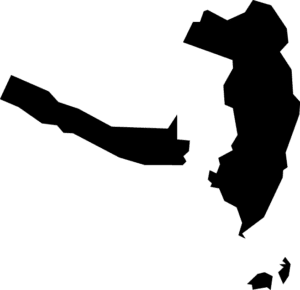
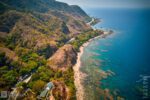
Traveling through Maguindanao Province feels like entering a world shaped by rivers, lakes, and resilient communities. The Cotabato River and its tributaries dominate the landscape, guiding life and movement across towns like invisible highways. Early mornings are defined by mist hovering over water and fields, while afternoons stretch long shadows across settlements that have endured generations of change.
In Buluan, the provincial capital, life revolves around the river and the central plaza. Vendors set up their stalls along busy streets, while children play near the riverbank and boats prepare for the day’s work. The city balances administrative functions with intimate, human-scale activity, making every corner feel alive yet approachable.
Towns like Datu Odin Sinsuat and Shariff Aguak illustrate the intertwining of water, culture, and livelihood. Fishing, small-scale farming, and river transport shape daily routines, while mosques and community centers anchor social life. Photography here captures not only scenery but the rhythm of people moving in harmony with their environment.
Along the coast of Datu Piang and Pagalungan, marshlands and tidal areas highlight the province’s relationship with water. Boats glide silently through narrow channels, and the reflections of wooden houses on stilts create moments of calm observation. Even the simplest shots — a basket of fish, a child’s bamboo raft, a narrow wooden bridge — tell stories of resilience and adaptation.

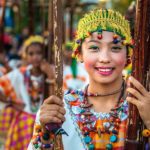
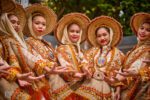
The Meguyaya Festival in Upi, Maguindanao del Norte, Mindanao, held annually for a week, finds its linguistic origins in the Teduray language, encompassing both gratitude

This festival is dedicated to the beautiful handicrafts made by the people of Maguindanao and the time-honored weaving tradition of the people of Maguindanao, known

Inland towns such as Mamasapano and Pagagawan reveal agricultural life in motion. Rice paddies, cornfields, and small plots of vegetables follow the curves of the land, demonstrating how geography shapes culture. Festivals, rituals, and local crafts are interwoven with daily work, providing depth to what might otherwise appear ordinary.
Food in Maguindanao Province is grounded in local ingredients and centuries-old culinary traditions. Dishes emphasize fish, river prawns, and native spices, while communal dining reflects the importance of family and community. The flavors feel tied to both land and water, nourishing as well as culturally meaningful.
As a traveler and photographer, Maguindanao Province rewards patience and observation. Rivers, marshes, towns, and communities all coexist in a way that’s subtle yet visually rich. Every bend in the river, every market scene, and every reflection on water becomes part of the narrative, offering layered perspectives for those willing to pause.
Leaving Maguindanao, the impression that lingers is of continuity — a province where geography, culture, and daily life are inseparable, offering both stories and images that endure long after the journey ends.
EXPLORE MORE ABOUT THE
Philippines
BROWSE BY CATEGORIES
BROWSE BY PROVINCE