Iwahig River: Through the Mangrove Corridors of Puerto Princesa
The experience of arriving at Iwahig River feels noticeably different from many of the tourism routes more commonly associated with Palawan. Leaving the busier sections

Among the cultural stops commonly included in inland tours around Puerto Princesa City, few places combine craftsmanship, livelihood, heritage, and tourism as naturally as Binuatan Creations. Located in the Sta. Monica area along Puerto Princesa South Road, the weaving center has steadily become one of the city’s most recognized destinations for travelers interested in local artistry and handmade products connected directly to Palawan rather than mass-produced souvenir trade.
For many visitors arriving in Puerto Princesa, the province is initially associated with island landscapes, beaches, marine parks, and destinations such as Honda Bay or the Puerto Princesa Underground River. Yet inland cultural stops like Binuatan Creations reveal another layer of the province’s tourism identity — one shaped not by coastlines and seascapes alone, but by artisan communities, weaving traditions, and locally rooted craftsmanship that continues to survive within the city itself.
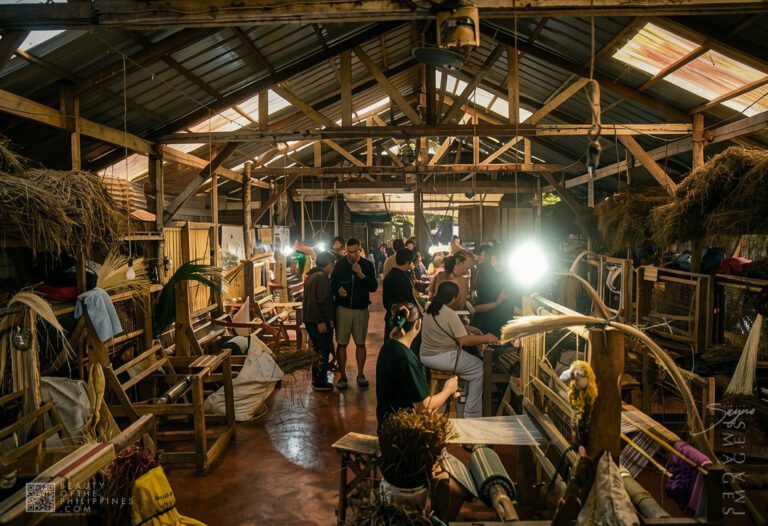
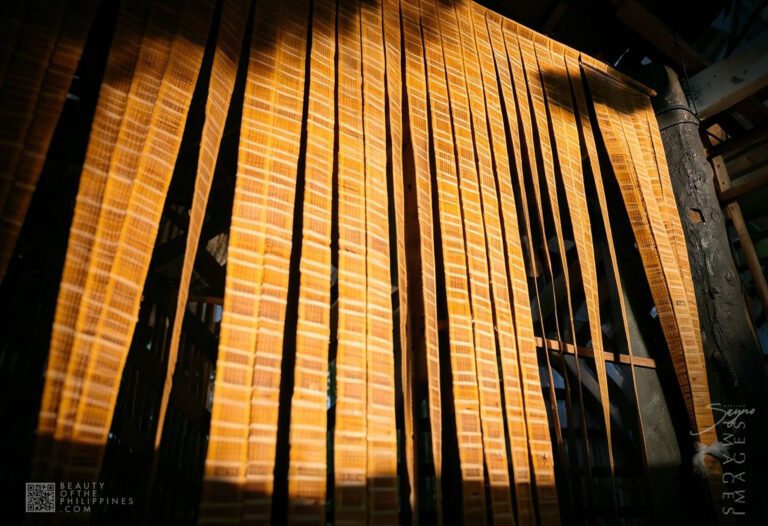
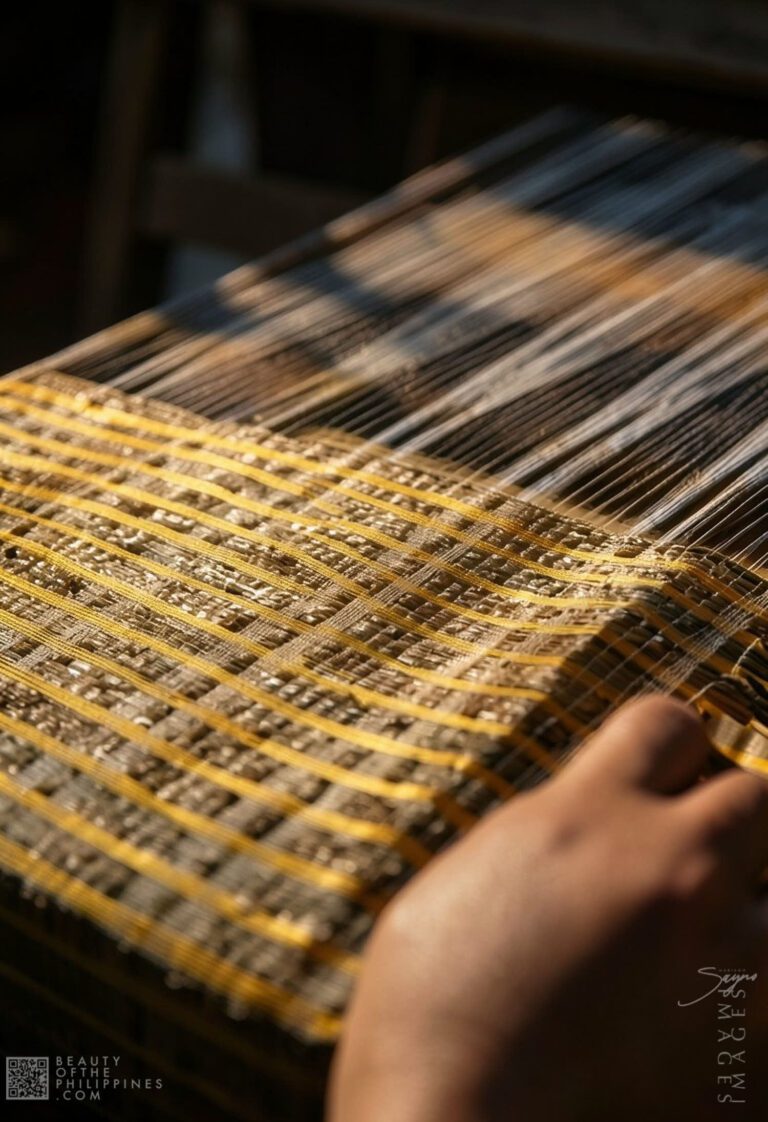
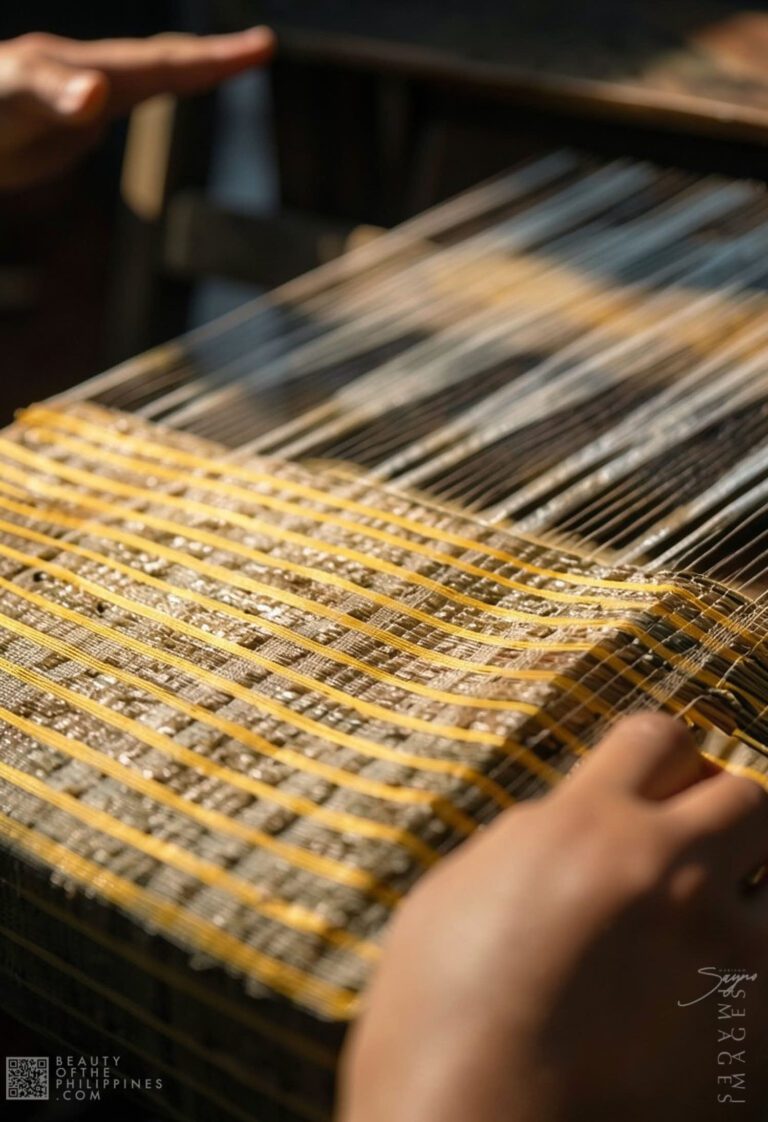
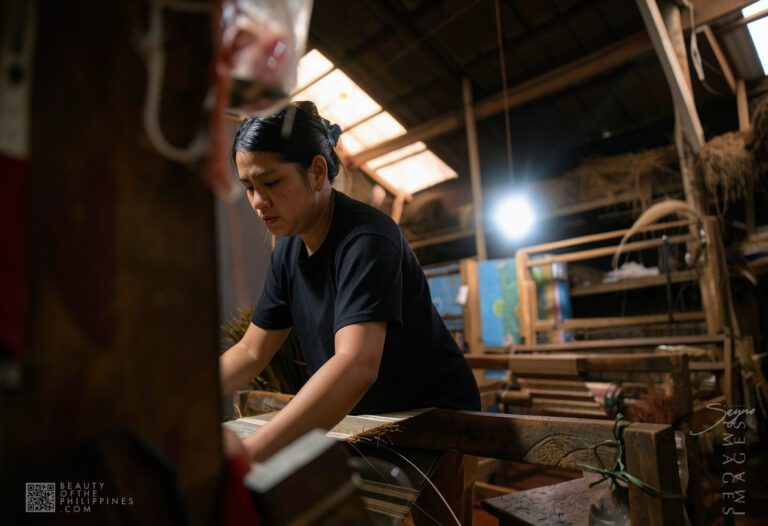
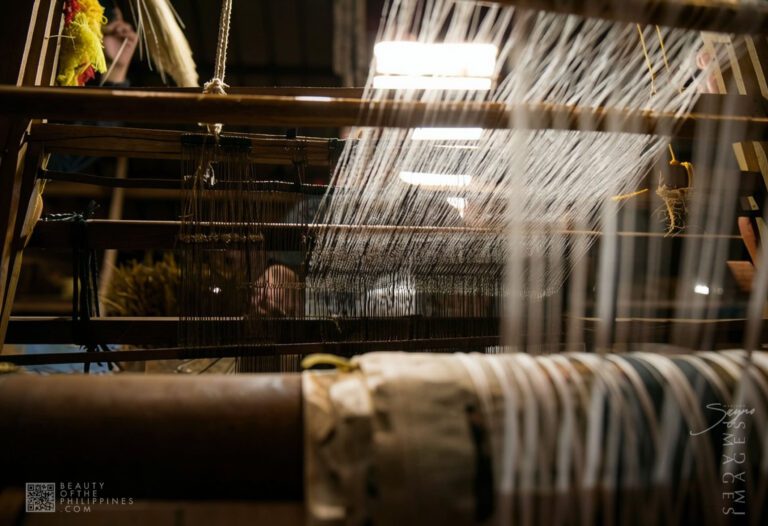
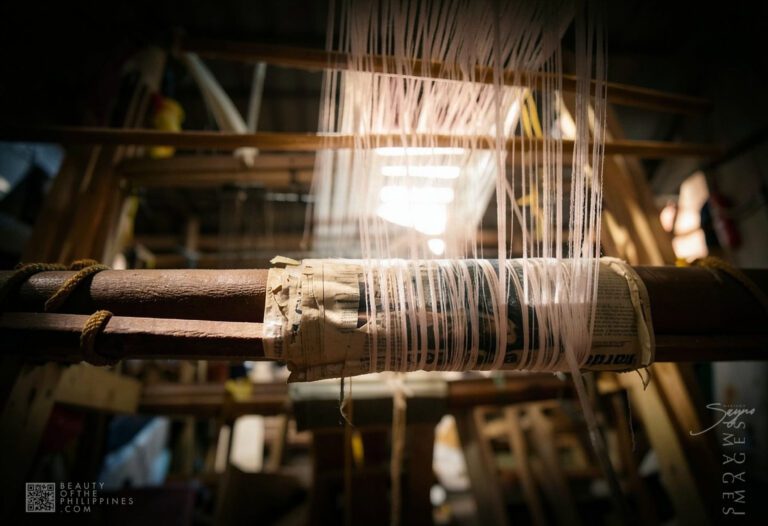
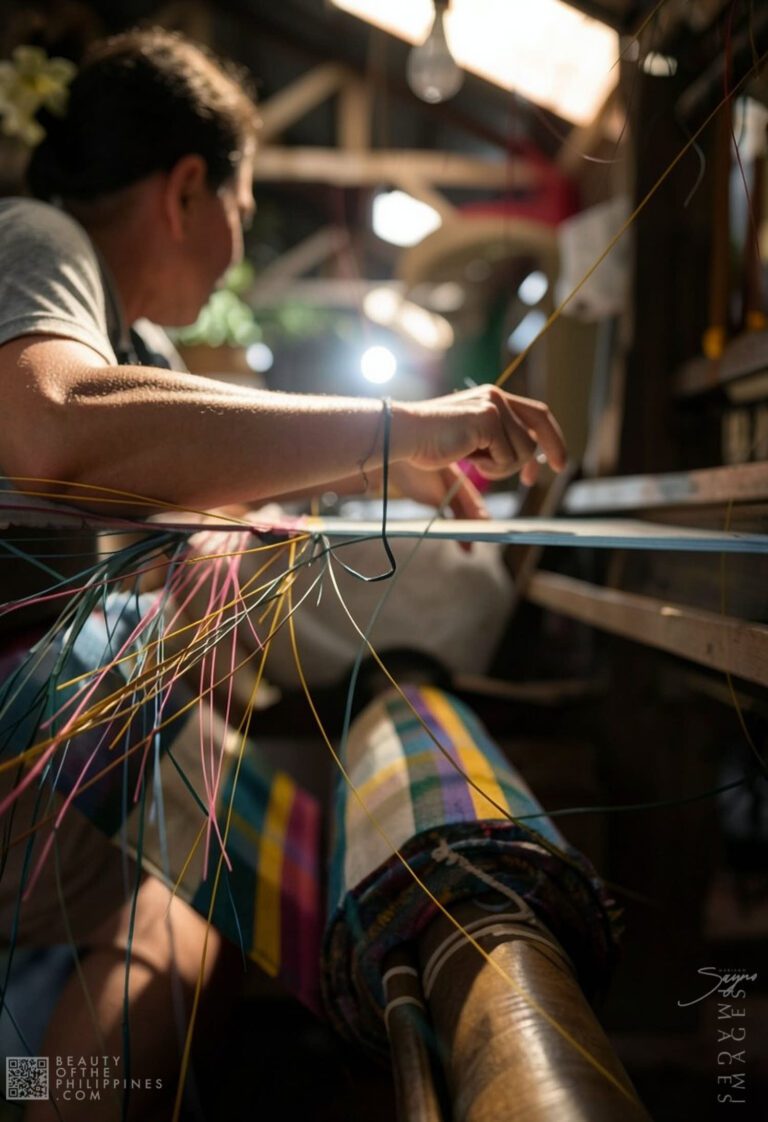
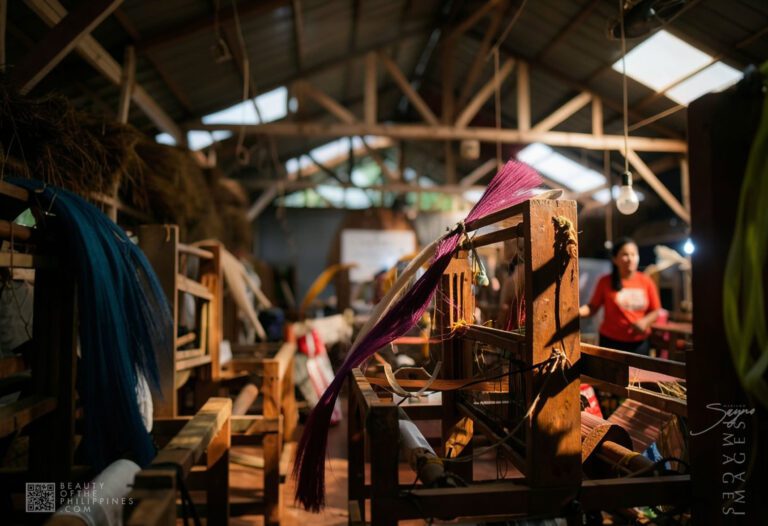
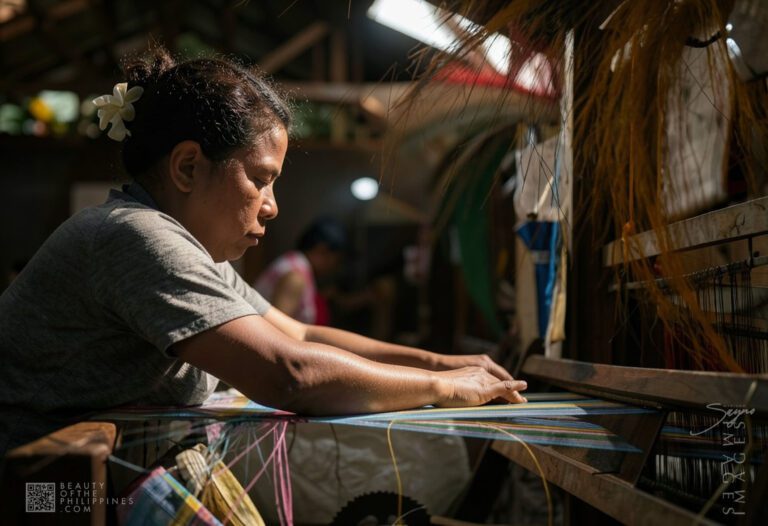
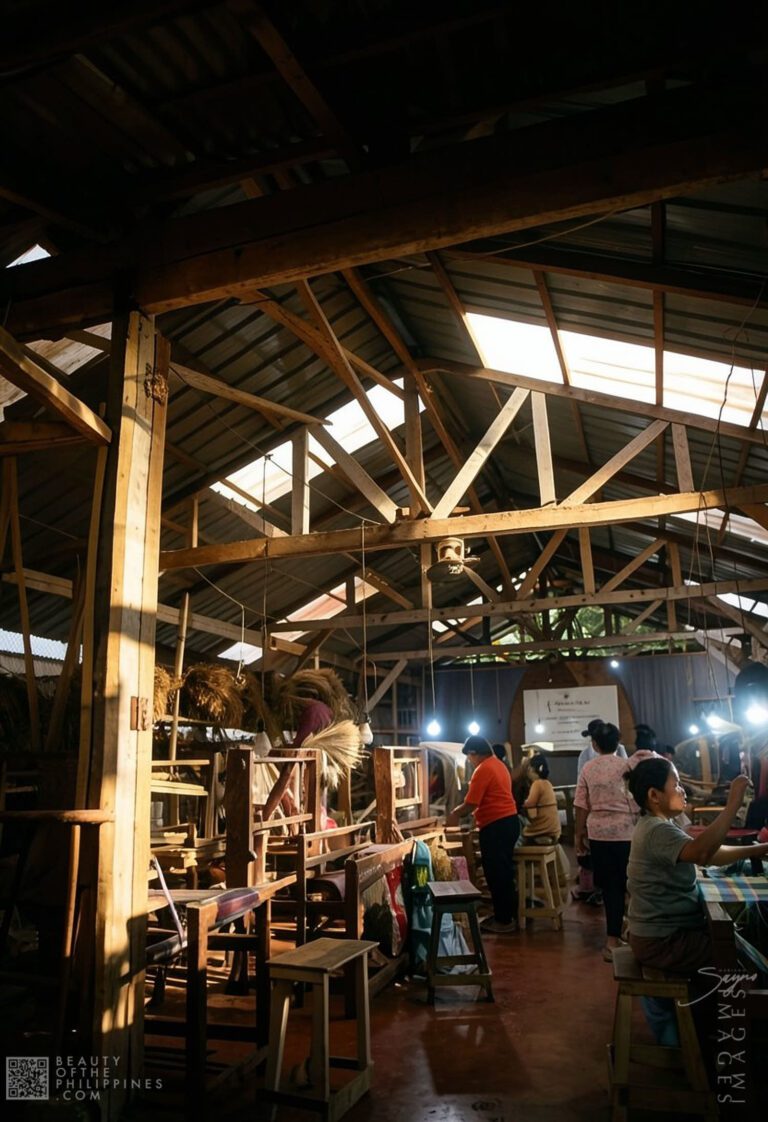
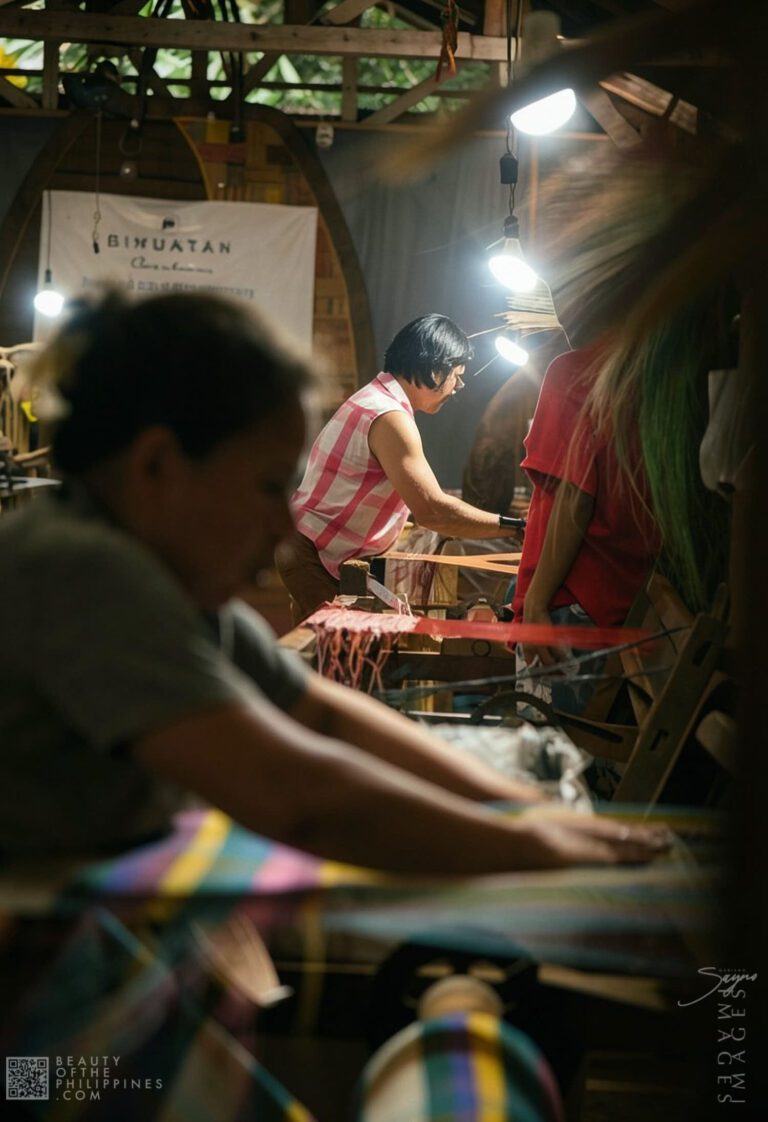
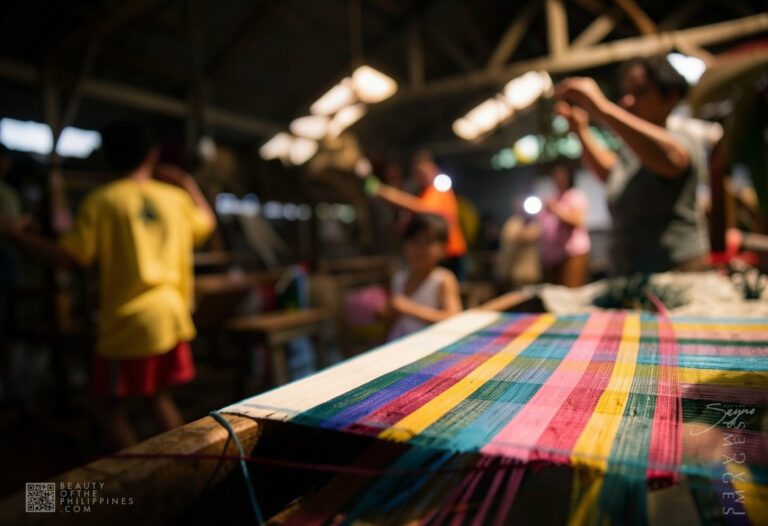
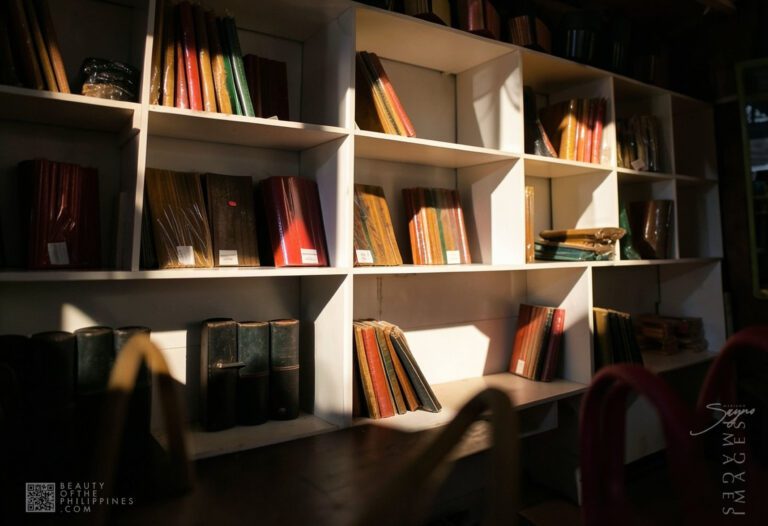
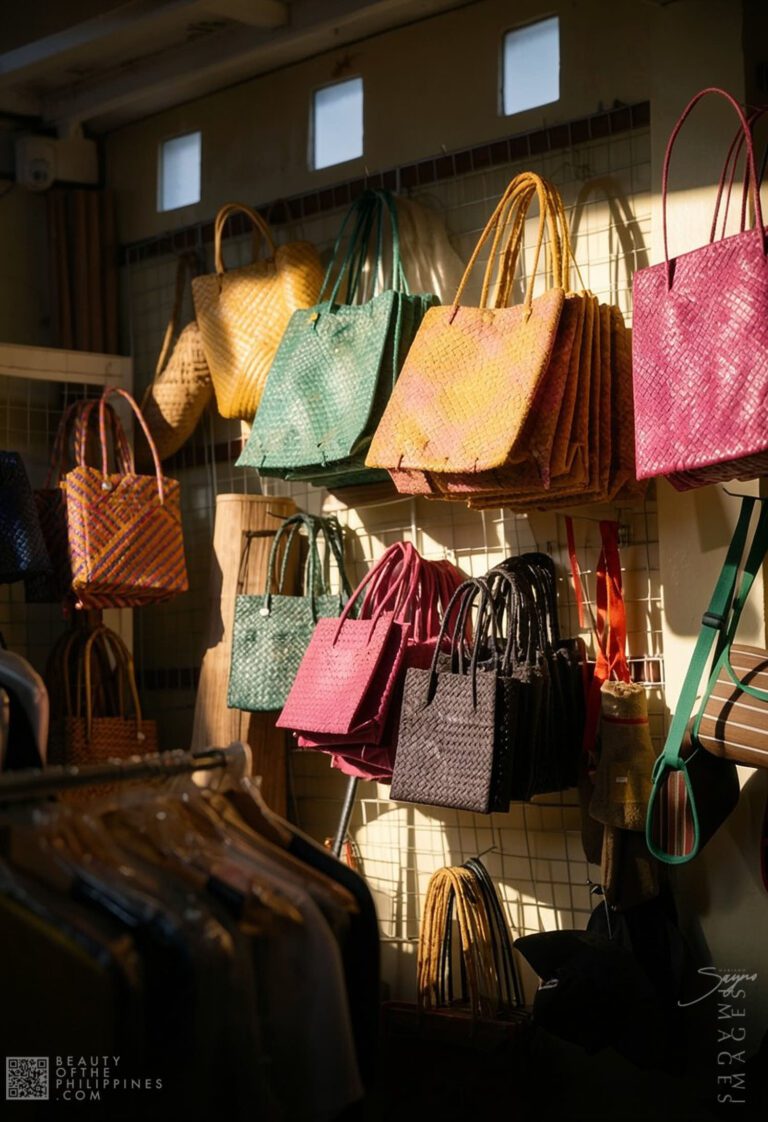
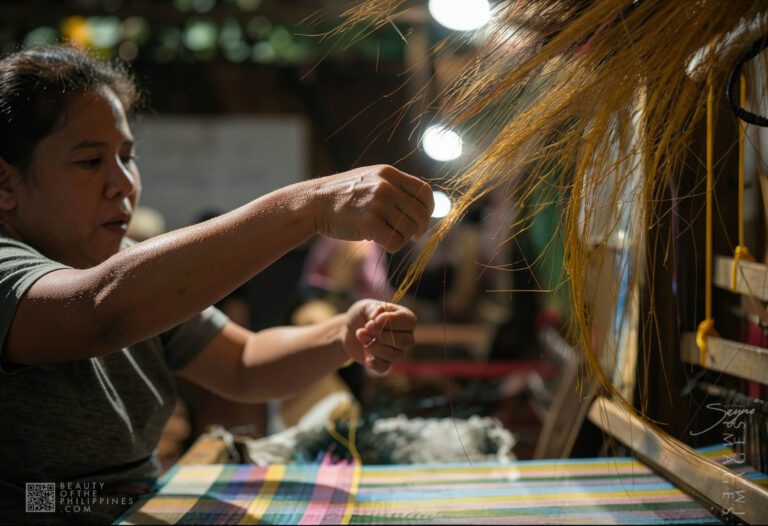
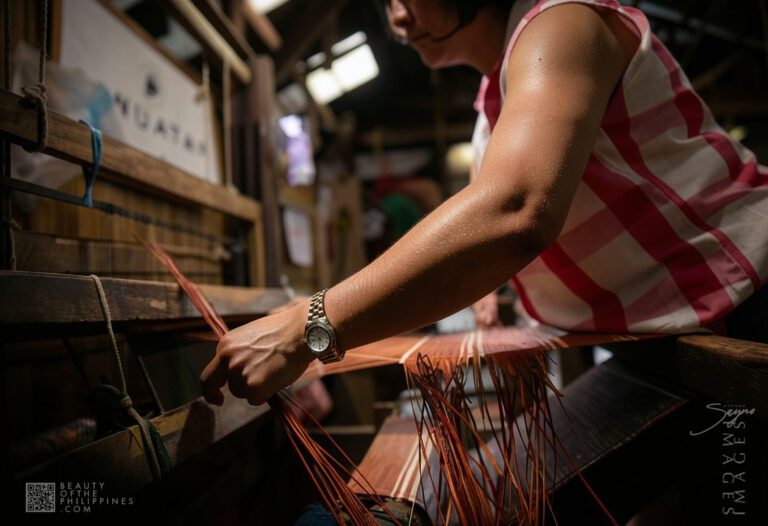
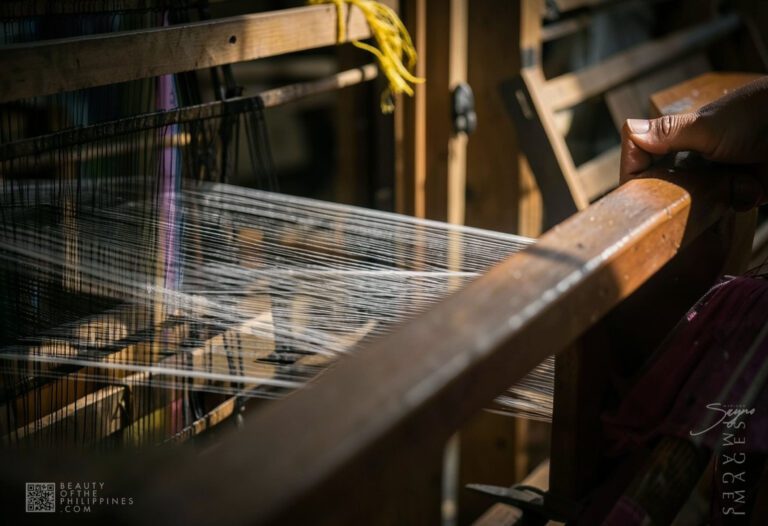
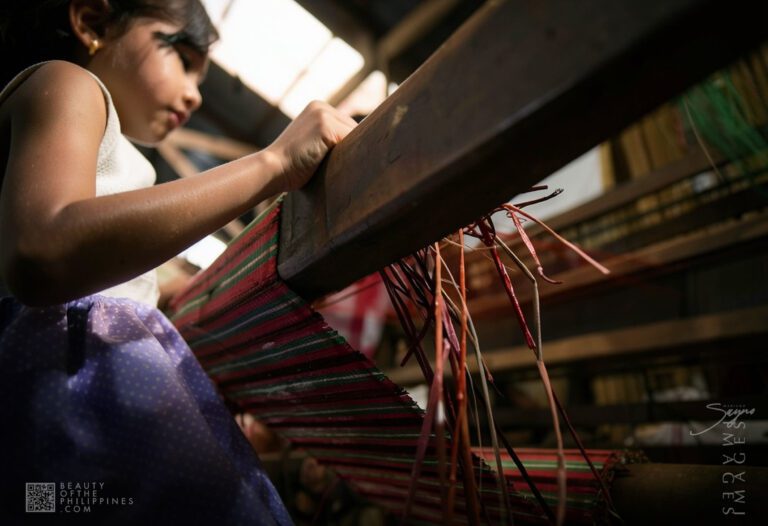
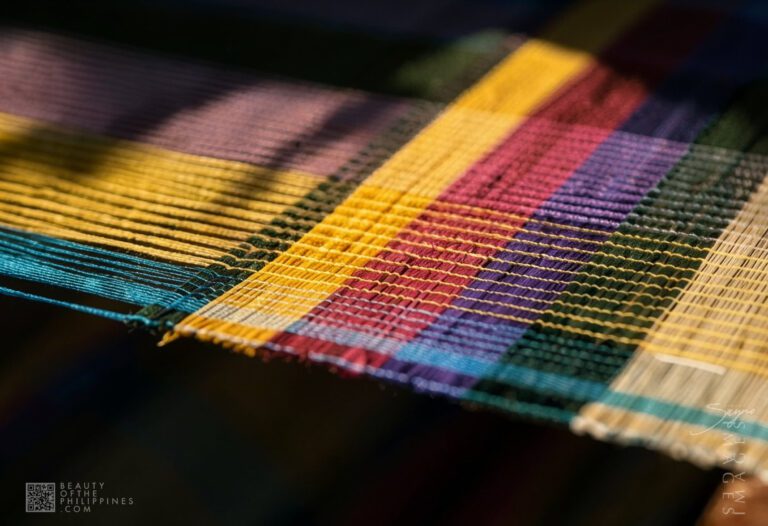
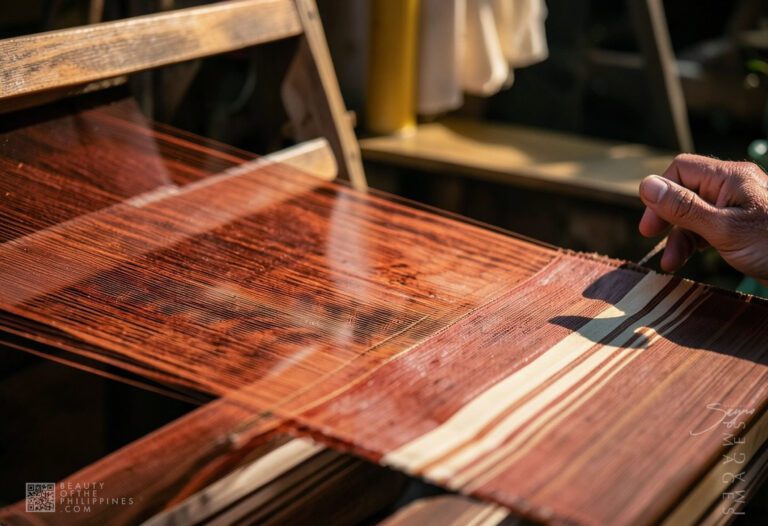
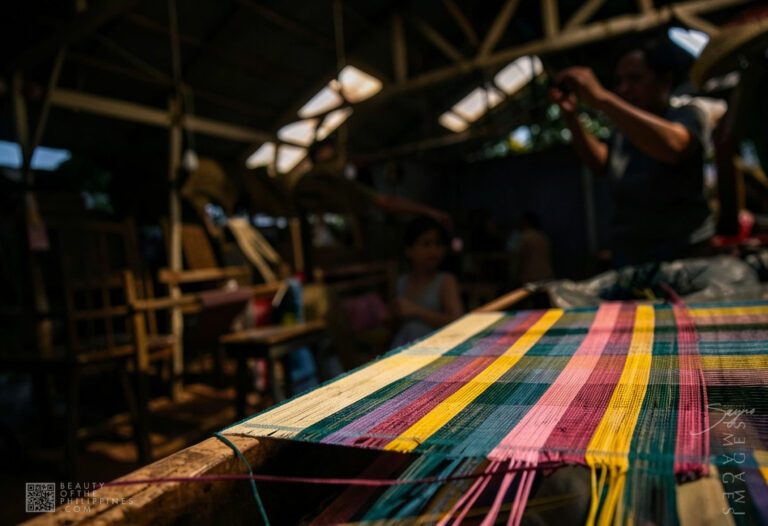
The experience of visiting the weaving center feels noticeably different from entering a standard commercial souvenir shop. The compound carries the atmosphere of an active workshop where production, livelihood, and tourism all exist simultaneously. Visitors encounter rows of hanging woven products, stacks of baskets, bundles of dried fibers waiting for processing, and handloom stations occupied by artisans carefully working strand by strand through colorful weaving patterns. Rather than simply displaying finished products behind glass shelves, the site allows travelers to witness the process itself.
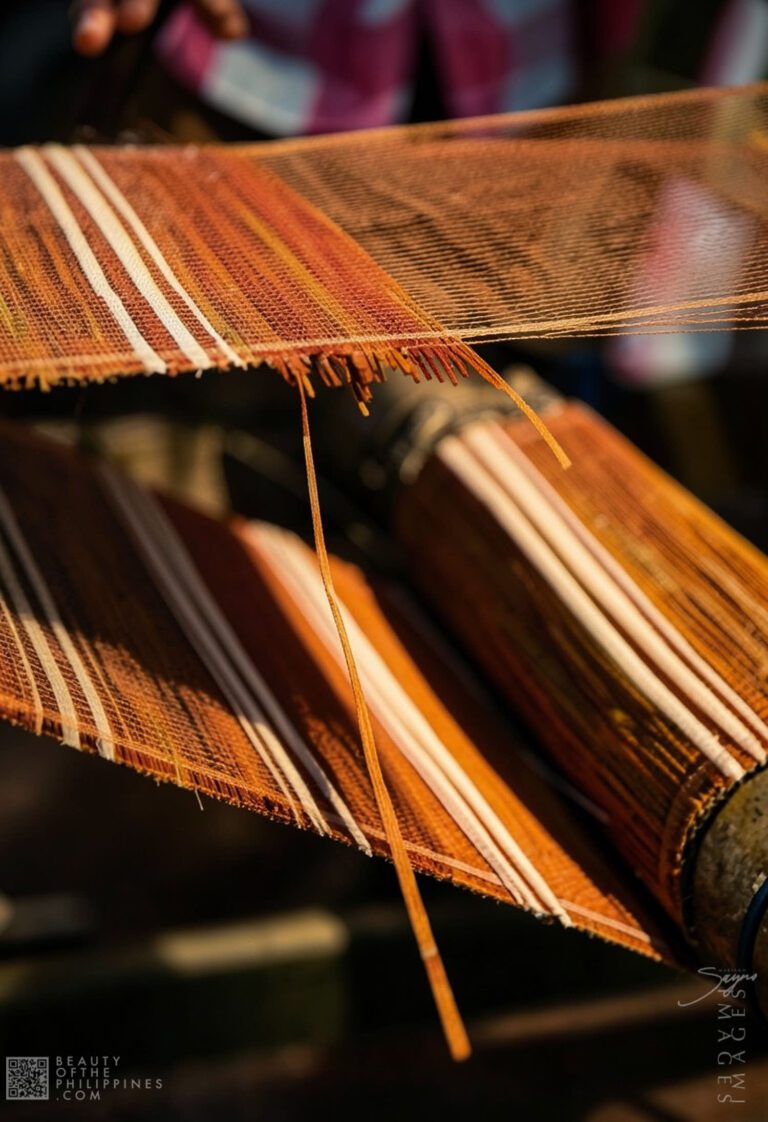
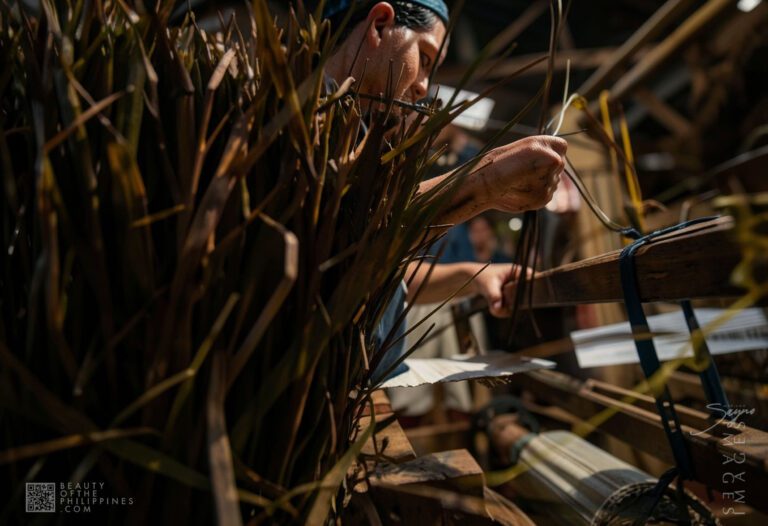
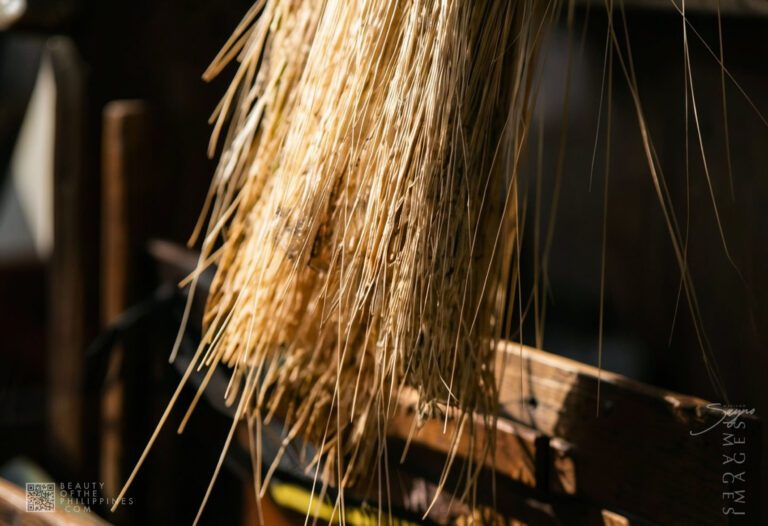
The name Binuatan comes from a local Palawan term associated with “creation” or “pagawaan,” an appropriate description for a place where natural fibers are transformed by hand into woven products through labor-intensive craftsmanship. Over the years, the weaving center became widely recognized for producing handloom items using locally sourced grasses and fibers including abaca, tikog, buri, pandan, and vetiver grass.
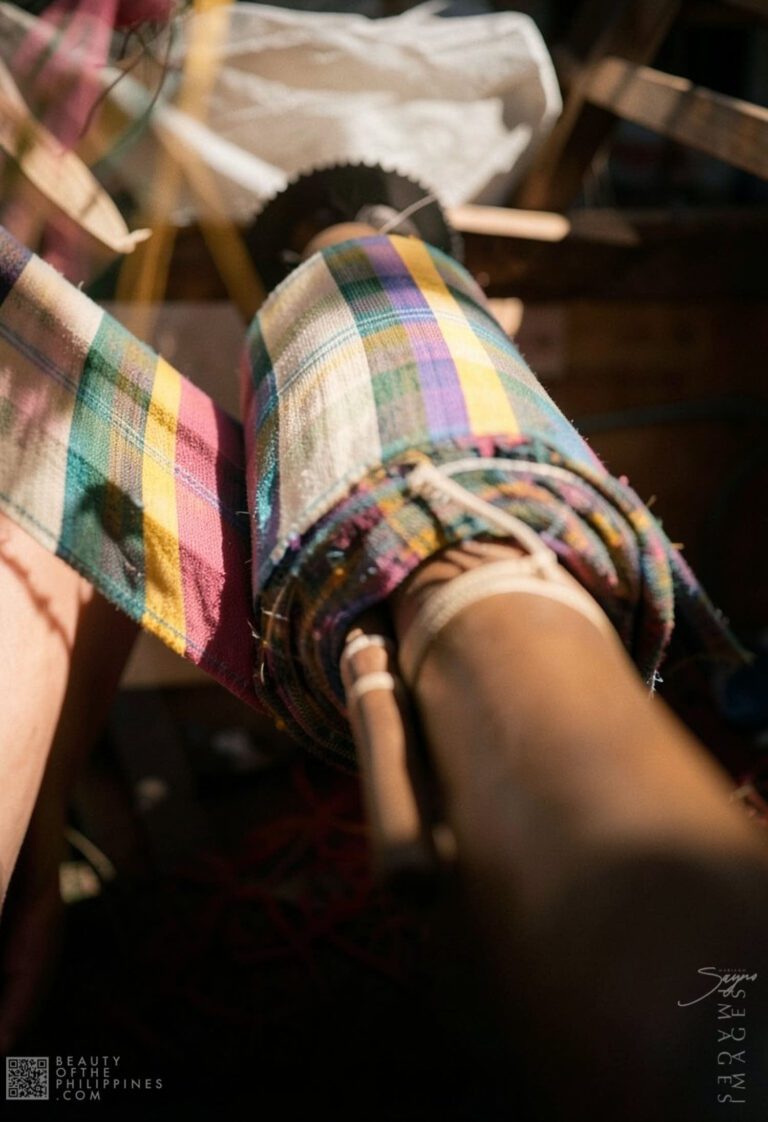
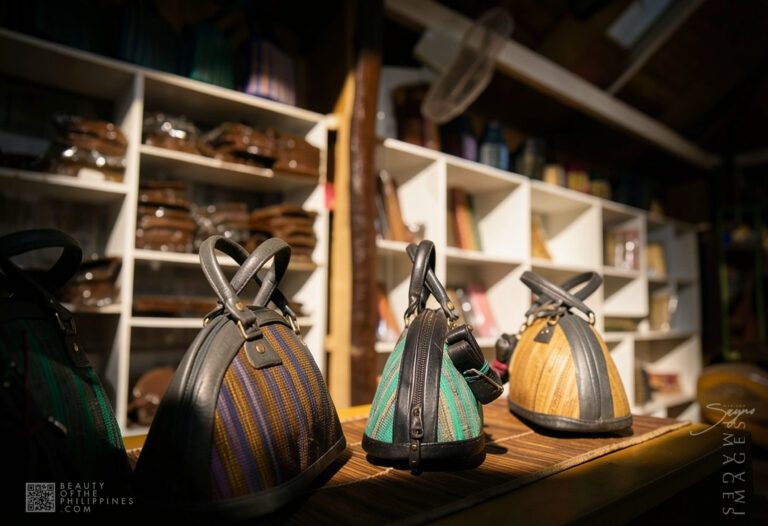
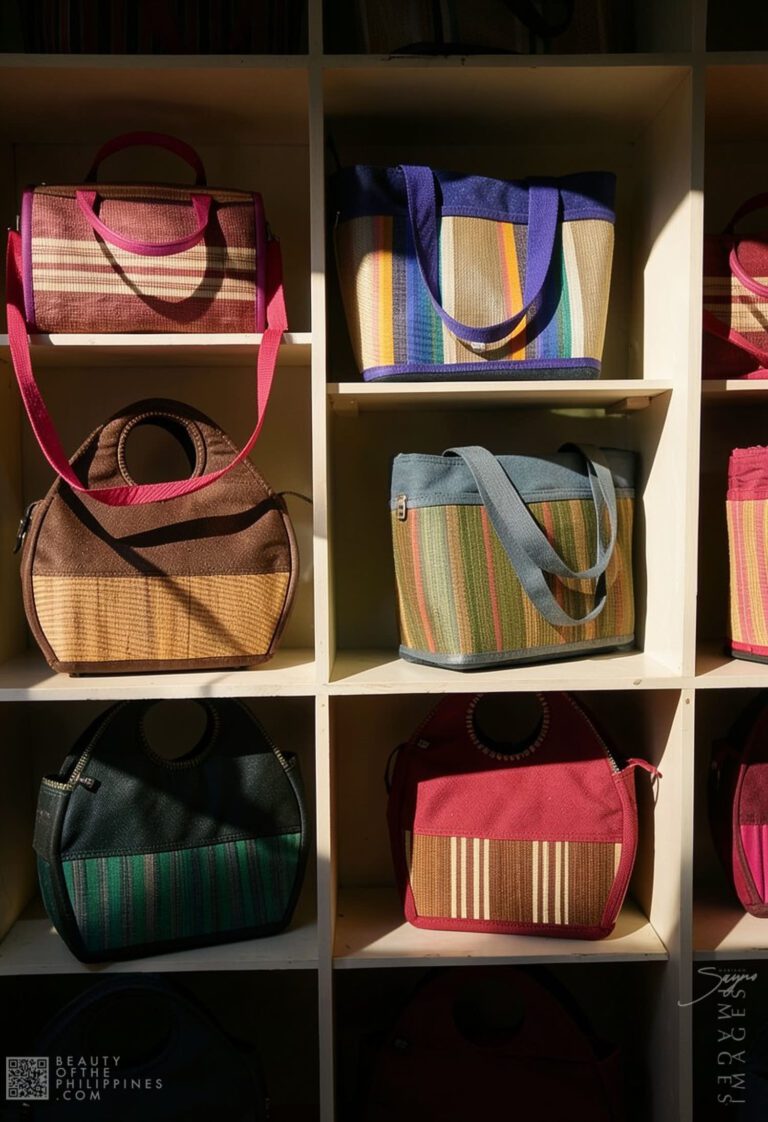
These raw materials are woven into bags, wallets, placemats, slippers, table runners, home décor pieces, baskets, and souvenir items that combine traditional weaving techniques with contemporary product design. The earthy textures and woven surfaces of these products immediately distinguish them from factory-produced merchandise commonly found in urban shopping centers.
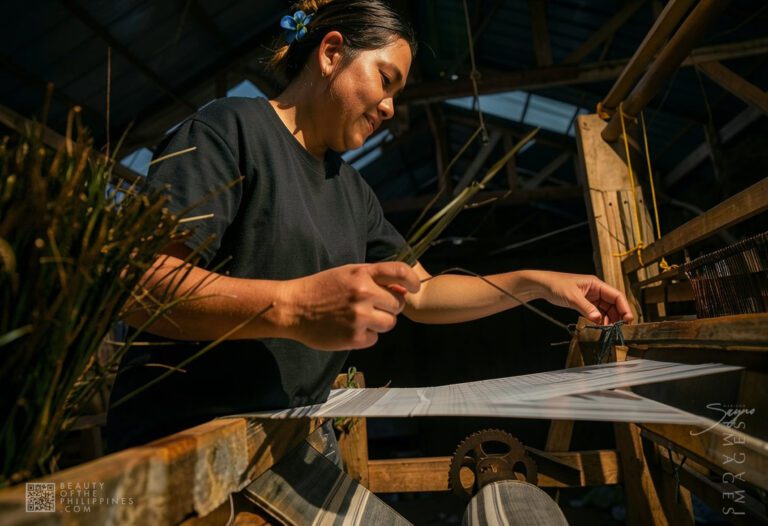
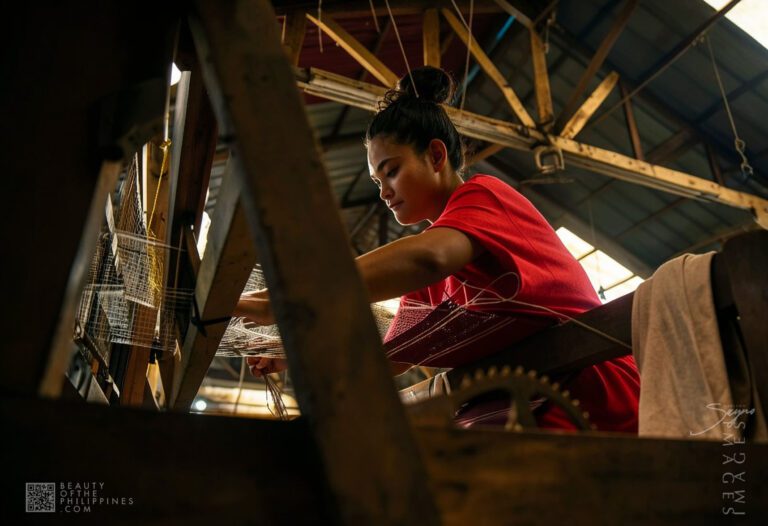
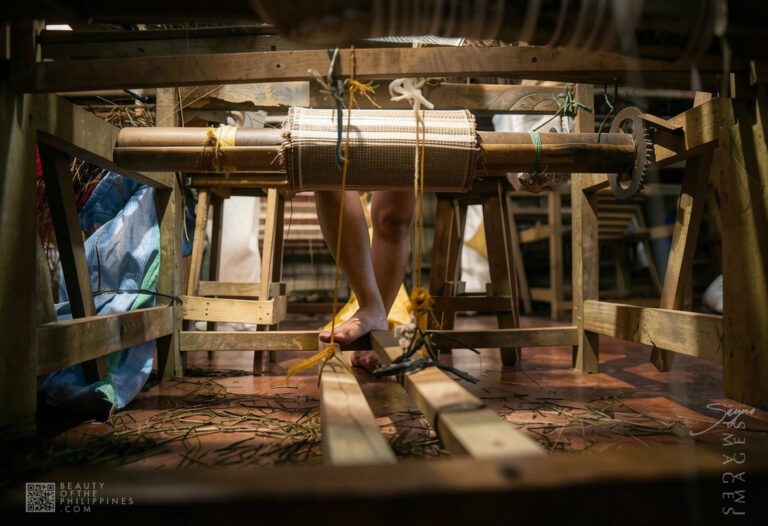
What strengthens the tourism appeal of Binuatan Creations is the visible connection between the natural materials and the finished products themselves. Visitors can see dyed fibers sorted by color, grasses prepared for weaving, and artisans seated before manually operated handlooms carefully assembling each design. The process remains highly manual, requiring patience, rhythm, and consistency rather than industrial automation.
Several travelers describe the weaving demonstrations as one of the most memorable parts of the visit because guests are sometimes encouraged to try operating the loom themselves. This interaction transforms the stop from a passive shopping experience into a hands-on cultural encounter connected directly to local craftsmanship.
One of the strongest tourism values associated with Binuatan Creations lies in its role in preserving traditional weaving practices in Palawan. Across many parts of the Philippines, handloom weaving traditions declined over time because of industrial textile production, imported commercial products, and changing economic conditions. In many communities, traditional weaving gradually became less economically sustainable compared with mass manufacturing.
Rather than allowing weaving to survive only as a museum display or fading heritage practice, Binuatan Creations adapted traditional craftsmanship into a working tourism and livelihood model. The weaving center helped transform handloom weaving into an economically active industry connected directly to local visitors, domestic travelers, and international markets.
This balance between heritage preservation and commercial sustainability became one of the reasons the center remained relevant within Puerto Princesa’s tourism economy. The products sold at the workshop are not treated merely as decorative artifacts but as usable handmade items integrated into contemporary markets while still retaining visible links to traditional weaving methods.
For travelers, this creates a stronger sense of authenticity compared with souvenir shopping experiences dominated by generic imported products. The woven goods sold at Binuatan Creations remain closely tied to local materials, local labor, and regional identity, giving visitors a stronger connection to the cultural environment of Palawan itself.
The weaving enterprise was founded by engineer and entrepreneur Eva Valledor, who developed the project after gaining exposure to weaving initiatives connected to the Department of Trade and Industry (DTI). According to interviews published in Palawan media, the original goal behind the project centered heavily on community livelihood generation, particularly for mothers, out-of-school youth, and residents with limited employment opportunities.
What began as a relatively small initiative eventually expanded into one of the most recognized weaving centers in Puerto Princesa City. Over time, the project became both a tourism destination and a livelihood network supporting artisans from different barangays throughout the city.
Training new weavers reportedly requires years of practice because handloom weaving depends on timing, muscle memory, precision, and mastery of weaving rhythm. The manual nature of the work means every finished item carries visible traces of individual craftsmanship rather than machine-standardized production.
The weaving center also sources many raw materials from local communities around Palawan, creating additional income opportunities extending beyond the workshop itself. This wider economic structure contributes to the significance of Binuatan Creations within the province because its tourism impact reaches not only the showroom floor but also surrounding communities involved in gathering and supplying weaving materials.
Tourism-wise, Binuatan Creations is frequently included in inland Puerto Princesa city tours alongside destinations such as Baker’s Hill, the Palawan Wildlife Rescue and Conservation Center, and the Palawan Butterfly Ecological Garden and Tribal Village. Its location along major city routes makes it a convenient stop for travelers arriving from or returning to the city proper before scheduled flights.
Many tours treat the weaving center as both a shopping destination and a cultural demonstration venue. Visitors often arrive expecting a brief souvenir stop but leave spending extended time observing the weaving process and exploring the displays inside the compound. The environment itself contributes strongly to this experience. Rows of colorful woven products hanging throughout the workshop create a distinctly local visual atmosphere that contrasts sharply with the polished uniformity of modern shopping centers.
The setting feels closer to a craft village or artisan workspace than a conventional retail establishment. Handloom stations remain active while visitors move through the compound, allowing travelers to see production happening in real time rather than simply purchasing finished goods detached from their makers.
RELATED STORIES

The experience of arriving at Iwahig River feels noticeably different from many of the tourism routes more commonly associated with Palawan. Leaving the busier sections


On the western shores of Aborlan, Palawan, Apurawan Beach quietly stretches along the West Philippine Sea, offering travelers a retreat from the island’s busier tourist


Tucked away in the lush greenery of Quezon, Palawan, Tumarbong Falls is a stunning waterfall destination that combines natural beauty, adventure, and cultural heritage. This


One reason many travelers prioritize Binuatan Creations when searching for pasalubong is the distinctly Palaweño identity of its products. The woven items sold at the center are strongly associated with local natural materials and regional craftsmanship rather than imported souvenir inventory.
Patterns, textures, and colors drawn from grasses and fibers immediately separate these products from machine-made commercial souvenirs commonly found in larger malls. For visitors interested in bringing home items connected directly to Palawan, the weaving center offers products carrying visible traces of local labor and handcrafted production.


Travel reviews frequently mention woven baskets, table runners, mats, wallets, and bags as popular purchases because they remain relatively affordable despite the labor-intensive process required to produce them. Several travelers specifically note the value of purchasing directly from a weaving center where proceeds help support local artisans and community-based livelihood efforts.
Beyond the local tourism market, Binuatan Creations also gained attention for exporting woven products internationally. Reports indicate that some items eventually reached overseas buyers and international fashion-related retail channels, illustrating how a community-oriented weaving initiative from Puerto Princesa expanded beyond the province’s tourism economy into wider global markets.
For cultural tourism in Puerto Princesa, Binuatan Creations represents an important reminder that Palawan’s visitor economy extends beyond beaches, diving sites, and marine attractions. While destinations such as Honda Bay and the Puerto Princesa Underground River continue dominating international tourism marketing, weaving centers like Binuatan highlight the continuing importance of inland cultural experiences within the province.
The weaving center demonstrates how tourism in Palawan also depends on living traditions, artisan communities, entrepreneurship, and heritage preservation. Visitors do not simply encounter finished souvenirs here; they witness an active cultural practice sustained through tourism, craftsmanship, and local enterprise.
Today, Binuatan Creations remains recognized as one of the most established handloom weaving destinations in Puerto Princesa City. For travelers, the weaving center functions simultaneously as a workshop, cultural demonstration site, livelihood project, souvenir destination, and documentation of continuing Palaweño craftsmanship. Within the broader tourism landscape of Palawan, it stands as an enduring example of how traditional weaving traditions can remain economically relevant through cultural preservation, local entrepreneurship, and the continued movement of travelers through the city.
I’m looking forward to the stories and images leaving a lasting positive impression on you, just as they have on me. Stay connected with us on social media for a weekly exploration of travel assignments and breathtaking visuals. Our focus is on championing local tourism, showcasing small businesses, and honoring the magnificence of the Philippines through the content we curate. Join us in spreading the word by clicking the ‘share’ buttons below. Your support means the world to us.
EXPLORE MORE about


The experience of arriving at Iwahig River feels noticeably different from many of the tourism routes more commonly associated with Palawan. Leaving the busier sections


Tucked away in the lush greenery of Quezon, Palawan, Tumarbong Falls is a stunning waterfall destination that combines natural beauty, adventure, and cultural heritage. This


On the western shores of Aborlan, Palawan, Apurawan Beach quietly stretches along the West Philippine Sea, offering travelers a retreat from the island’s busier tourist

BROWSE BY CATEGORIES
BROWSE BY PROVINCE