BROWSE BY PROVINCE

Puerto Princesa, Palawan
Iwahig River
Through the Mangrove Corridors of Puerto Princesa
Share
Tweet
Email
EXPLORE Iwahig River

PUBLISHED November 16, 2025

PHOTOS | WORDS BY MARIANO SAYNO

  • Puerto Princesa, Palawan
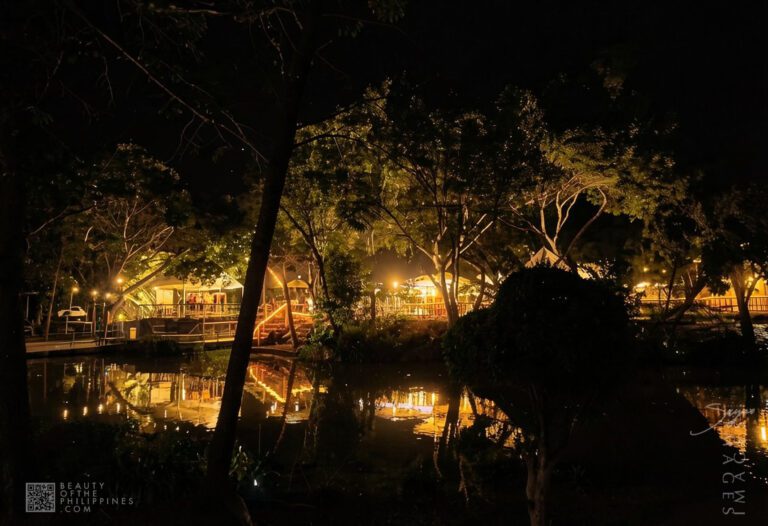
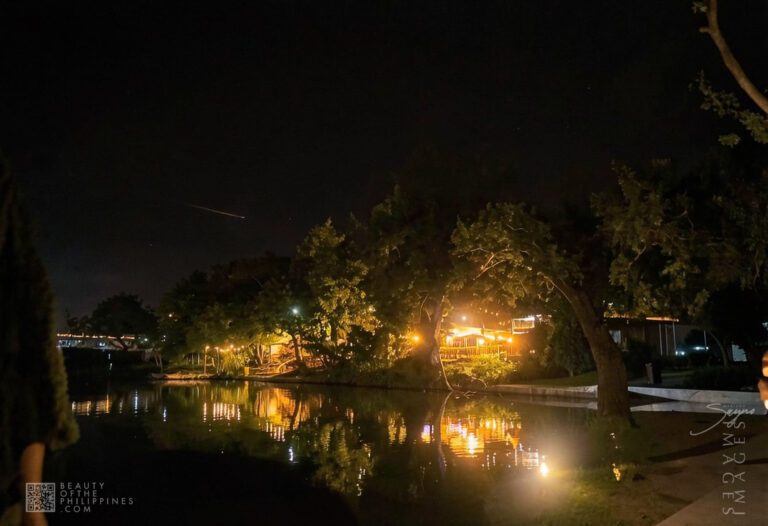
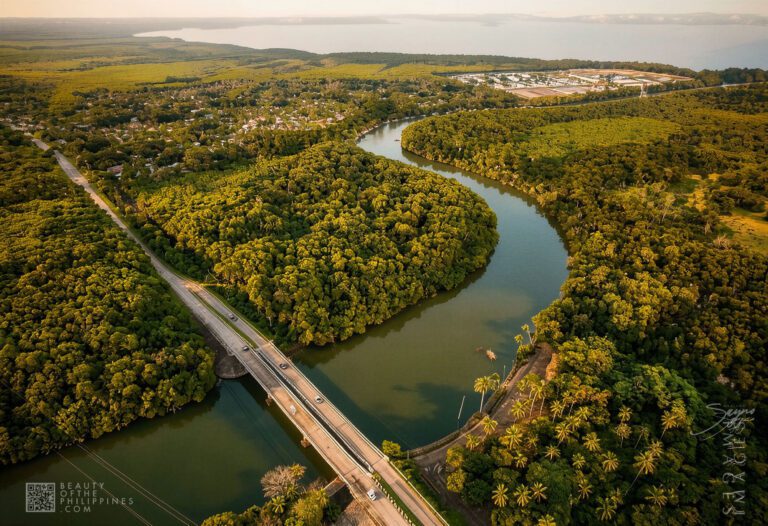
Seen beyond the more heavily photographed coastlines of Palawan, the waterways of Iwahig River reveal a quieter landscape shaped by tides, mangrove forests, fishing communities, and the slow movement of estuarine life south of Puerto Princesa. The river is often associated with nighttime firefly tours, yet daytime visits uncover a very different atmosphere where muddy banks, reflective brackish waters, exposed mangrove roots, and scattered wooden boats define the scenery far more than spectacle. Located within the wider Iwahig area historically connected to the Iwahig Penal Colony, the river forms part of an ecologically important watershed flowing toward Puerto Princesa Bay and the Sulu Sea. Its tourism value comes not from dramatic limestone formations or crowded island excursions, but from environmental continuity and community-centered ecotourism shaped by local guides, fishermen, and riverside residents. For travelers moving through southern Puerto Princesa, the river offers a slower encounter with Palawan — one grounded in mangrove conservation, estuarine biodiversity, and the changing rhythms of coastal life.
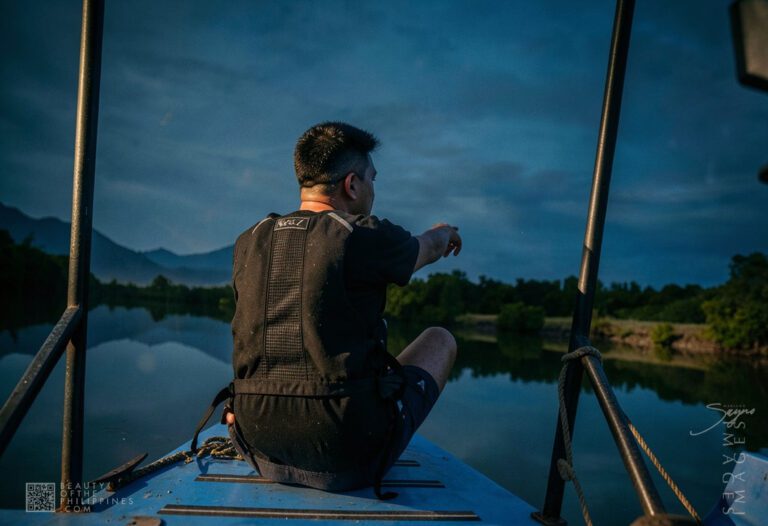
Explore the Philippines through my lens as we venture into Iwahig River with Point of View (POV) photography. Using a body cam, I’ll guide you on an interactive tour, revealing the behind-the-scenes of capturing the shots shared here. Let’s dive into this visual journey together and uncover the wonders through my lens!
Let’s explore the PHILIPPINES through my lens as we journey on a photo slideshow to Iwahig River. Join me in this visual adventure and discover the wonders captured through my lens! Check out the shared slideshow here.
Where the River Slows the Rhythm of Puerto Princesa

The experience of arriving at Iwahig River feels noticeably different from many of the tourism routes more commonly associated with Palawan. Leaving the busier sections of downtown Puerto Princesa, the drive southward along the South National Highway gradually changes in atmosphere as commercial districts thin out and greener roadside landscapes begin to dominate the route. Travelers pass through areas such as Irawan before reaching the broader Iwahig district, where coconut trees, agricultural lots, roadside eateries, and quieter barangay scenery begin replacing the denser urban environment closer to the city center.


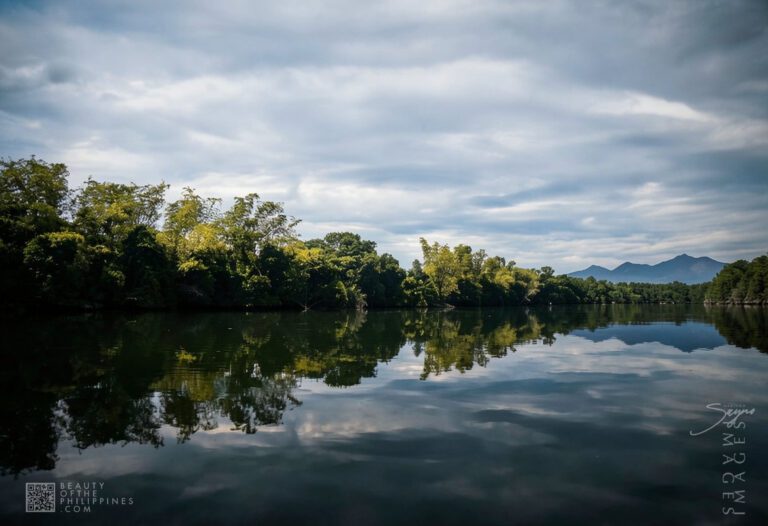
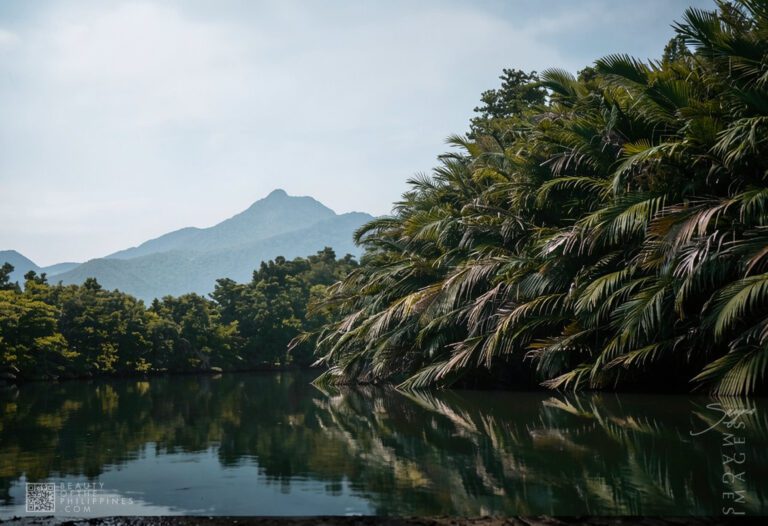
By the time visitors approach the river, the landscape already feels slower and more rural. Unlike the dramatic karst cliffs and island lagoons frequently used in international tourism campaigns for Palawan, the scenery surrounding Iwahig River is softer and more grounded. Calm brackish waters, muddy estuarine banks, mangrove corridors, nipa vegetation, fishing boats, and reflective tidal channels shape the environment instead of limestone formations or white-sand beaches.


This quieter environmental character defines much of the river’s tourism identity. Visitors do not usually arrive expecting spectacle. Instead, the river offers an observational landscape where movement happens gradually through tides, changing light conditions, wildlife activity, and the slow rhythm of the surrounding communities.

Check out the video for more highlights. See what I’ve captured through my lens with Point of View (POV) photography. Using a body cam, I’ll take you on an interactive tour, showing you behind-the-scenes moments of capturing the shots shared here.
Check out the video below for additional features. Explore what I’ve captured through my lens in this cinematic slideshow.
The River Once Known as Balsahan

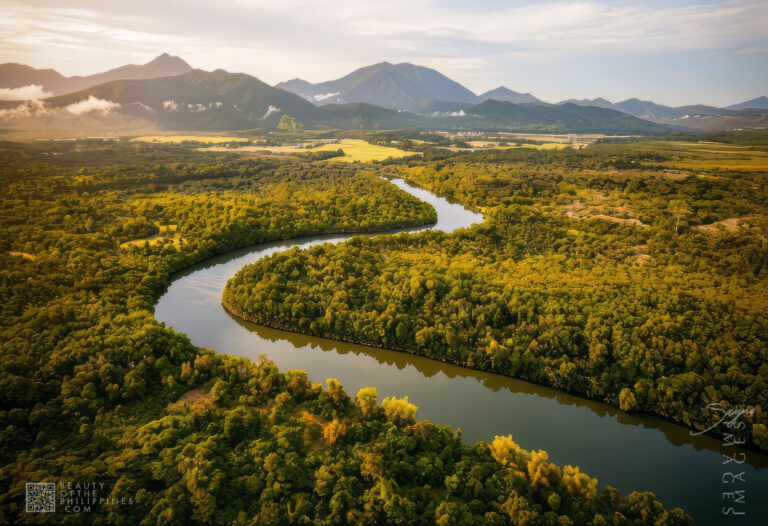
Historically referred to in some older accounts as the Balsahan River, Iwahig River forms part of a broader watershed basin estimated at around 22,859 hectares draining toward Puerto Princesa Bay and eventually the Sulu Sea. The river system belongs to the southern lowland and estuarine network of Puerto Princesa, where flatter terrain and tidal waterways shape the geography more strongly than mountainous river systems elsewhere in the country.


Hydrologically, the river functions as both a freshwater and brackish water environment depending on tidal conditions. During high tide, saline water from the bay reaches portions of the lower river, while upstream areas maintain more freshwater characteristics. This interaction creates an estuarine ecosystem — one of the most biologically productive environmental zones in tropical coastal regions.


Unlike rivers known for rapids or steep mountain flow, Iwahig River is defined by calmer water movement, shallow sections, exposed muddy banks, tidal fluctuations, and interconnected mangrove channels. This calmness eventually made the river suitable for low-impact ecotourism activities such as paddle boating, river excursions, wildlife observation, and the firefly tours that later became internationally associated with the area.

Mangroves That Shape Both Landscape and Life

More than the river channel itself, the mangrove forests surrounding Iwahig River form the defining visual and ecological feature of the area. Dense mangrove systems line large sections of the waterway, creating corridors that narrow and widen depending on the tidal flow and shape of the estuary. In some portions, the vegetation arches closely toward the river, casting shadows across the water while creating cooler and quieter passages through the landscape.


These mangroves serve functions far beyond scenery alone. Environmental studies conducted within the Iwahig estuary documented the importance of mangrove litter production and nutrient cycling in sustaining marine productivity around Puerto Princesa Bay. The forests support shoreline stabilization, sediment trapping, flood buffering, water filtration, biodiversity protection, and carbon sequestration while also functioning as nurseries for juvenile fish, crustaceans, and aquatic organisms.


Species identified in the area include Rhizophora apiculata, Rhizophora mucronata, Sonneratia alba, Bruguiera sexangula, and Xylocarpus granatum. Their exposed root systems, especially visible during low tide, help stabilize sediment, prevent erosion, shelter crabs and mollusks, and oxygenate submerged root zones throughout the estuary.


The ecological health of these mangroves also explains the continued presence of fireflies in the area. Fireflies thrive in ecosystems with limited artificial lighting, stable humidity, healthy vegetation, and relatively low pollution levels. Their survival therefore reflects the broader environmental condition of the river itself. Even though tourism often separates daytime river visits from nighttime firefly tours, both experiences remain connected through the health of the same ecosystem.

A Different Face of Palawan Tourism

The tourism appeal of Iwahig River differs greatly from the mainstream imagery often associated with Palawan. Much of the province’s international reputation centers on island hopping, turquoise lagoons, diving destinations, limestone cliffs, coral reefs, and beach landscapes. The river instead highlights inland ecology, estuarine systems, quiet waterways, and community-based environmental tourism.


This distinction is important in understanding the broader tourism identity of Puerto Princesa, long promoted as the Philippines’ “Eco-Tourism Capital.” The city’s environmental branding has historically emphasized conservation and sustainability alongside tourism growth, and Iwahig River fits strongly within that identity.


Rather than offering spectacle-driven tourism, the river encourages slower observation. During daytime visits, travelers often notice details overlooked during evening firefly excursions: mangrove textures exposed during low tide, shifting reflections on the water surface, tidal movement along muddy banks, birds resting near quieter sections of the estuary, and fishermen preparing nets beside wooden boats tied near the shoreline.


The river environment constantly changes depending on weather conditions, sunlight, and tide cycles. Morning hours usually produce softer reflections and calmer waters, while stronger afternoon light intensifies the green tones of the mangroves. During overcast weather, the estuary develops a darker and more muted appearance that emphasizes the earthy colors of the riverbanks and dense vegetation.

Community-Based Ecotourism Along the Waterway

One of the defining aspects of tourism around Iwahig River is its connection to community participation. Tourism activities along the river historically involved local guides, boat operators, and residents from Barangay Iwahig, helping establish the area as part of Puerto Princesa’s wider community-based ecotourism network.


This relationship between conservation and local livelihood became central to the river’s tourism development. Instead of relying solely on large-scale resort infrastructure, tourism around the river remained closely tied to smaller local operations connected to the surrounding barangays. Visitors therefore encounter not only a natural landscape but also an environment where local communities remain actively involved in shaping the tourism experience.


The surrounding barangay scenery contributes strongly to this atmosphere. Much of Barangay Iwahig remains semi-rural despite the continuing growth of Puerto Princesa as a tourism hub. Coconut groves, agricultural land, roadside food stalls, and scattered riverside settlements continue to dominate large portions of the district, preserving a landscape that feels noticeably less commercialized than many tourism-heavy coastal areas elsewhere in the province.

The Shadow of the Iwahig Penal Colony

The broader Iwahig area also carries deep historical significance because of the presence of the Iwahig Penal Colony, established during the American colonial era in 1904. Known as one of the oldest and largest open penal institutions in the Philippines, the colony eventually became associated with correctional reforms, agriculture, forestry activities, and extensive land management across southern Puerto Princesa.


Although contemporary tourism around the river no longer centers heavily on the penal colony itself, its historical presence significantly shaped settlement patterns, transportation access, agricultural development, and land use throughout the surrounding district. In many ways, the ecological and human history of the river evolved alongside the larger development of the Iwahig Penal Colony lands.


Because large sections of the surrounding environment remained forested or sparsely urbanized for decades, portions of the river system avoided the severe industrial degradation experienced by many mainland Philippine rivers. This relative environmental continuity helped preserve cleaner water conditions and stable estuarine ecosystems that continue supporting wildlife and firefly populations today.

Wildlife Along the Estuarine Corridors

Birdlife forms another important yet often understated part of the river environment. While Iwahig River is not heavily marketed as a birdwatching destination, quieter mangrove sections continue supporting both migratory and resident wetland species where vegetation density remains high.


Early morning visits sometimes reveal egrets, kingfishers, herons, and other birds moving through the estuarine corridors. Mudskippers, mangrove crabs, shell organisms, aquatic insects, and small fish schools also become visible in calmer sections of the river, especially during low tide and periods with minimal boat activity.


These quieter daytime conditions reveal a very different side of the river compared with the more organized nighttime tourism operations. During the day, the atmosphere feels less activity-driven and more ecological in character. Soundscapes created by insects, birds, water movement, and wind through the mangroves replace the theatrical focus often associated with firefly tours.


Older tourism accounts also mention large acacia trees, picnic grounds, cottages, and resting areas historically connected to portions once commonly referred to as Balsahan River. These recreational spaces reflected an earlier period when local families visited the river as a freshwater and nature-oriented retreat outside the urban center.

Environmental Pressures and the Future of the River

Despite its relatively preserved condition, Iwahig River continues facing environmental pressures linked to urban expansion and tourism growth in parts of Puerto Princesa. Discussions surrounding watershed management, flood-control projects, pollution runoff, mangrove disturbance, improper waste disposal, sedimentation, and habitat disruption periodically emerge in local environmental conversations, particularly during periods of heavy rainfall affecting sections of the Iwahig watershed.


Maintaining low-impact tourism practices remains essential because the river’s tourism value depends entirely on ecological health. Unlike artificial attractions, the appeal of Iwahig River cannot be separated from the condition of its mangroves, estuarine systems, wildlife habitats, and water quality.


This reality reinforces the river’s role within the environmental identity of Puerto Princesa. While larger attractions such as Honda Bay and the Puerto Princesa Subterranean River National Park continue drawing large visitor numbers, Iwahig River complements these destinations by offering a quieter and more community-centered encounter with the natural systems of Palawan.

RELATED STORIES

Tumarbong Falls, Quezon Palawan: A Hidden Gem of Nature and Adventure

Tucked away in the lush greenery of Quezon, Palawan, Tumarbong Falls is a stunning waterfall destination that combines natural beauty, adventure, and cultural heritage. This

Read More »

Binuatan Creations: The Living Craftsmanship of Palaweño Weaving

Among the cultural stops commonly included in inland tours around Puerto Princesa City, few places combine craftsmanship, livelihood, heritage, and tourism as naturally as Binuatan

Read More »

Apurawan Beach: A Coastal Journey Beyond the Usual

On the western shores of Aborlan, Palawan, Apurawan Beach quietly stretches along the West Philippine Sea, offering travelers a retreat from the island’s busier tourist


Read More »
The River and the Older Rhythm of Palawan

In many ways, Iwahig River preserves an older image of tourism in Palawan — one shaped less by spectacle and more by continuity between people, water, vegetation, and coastal ecosystems. Before the province became globally associated with crowded island destinations and highly commercialized travel imagery, many parts of Puerto Princesa’s tourism identity revolved around forests, rivers, mangroves, and environmental preservation.


That atmosphere remains visible along the river today. The value of the place does not depend on dramatic scenery alone but on the persistence of a living ecosystem where tides, wildlife, local communities, and mangrove forests continue shaping the character of the landscape.


For travelers willing to move beyond the province’s more heavily promoted destinations, Iwahig River reveals a quieter side of southern Puerto Princesa — one where the movement of water through mangrove roots, the reflections across estuarine channels, and the slower pace of the surrounding communities continue defining the experience of the river long after the tour boats leave the shoreline.

I’m looking forward to the stories and images leaving a lasting positive impression on you, just as they have on me. Stay connected with us on social media for a weekly exploration of travel assignments and breathtaking visuals. Our focus is on championing local tourism, showcasing small businesses, and honoring the magnificence of the Philippines through the content we curate. Join us in spreading the word by clicking the ‘share’ buttons below. Your support means the world to us.

BROWSE BY REGION
  • metro MANILA
  • abra
  • albay
  • baguio city
  • BATAAN
  • batangas
  • Benguet
  • bulacan
  • cagayan
  • cavite
  • cebu
  • cotabato
  • davao oriental
  • Guimaras
  • ilocos norte
  • ilocos sur
  • Iloilo
  • Isabela
  • laguna
  • lanao del norte
  • maguindanao
  • negros occidental
  • nueva vizcaya
  • palawan
  • Pampanga
  • pangasinan
  • QUEZON
  • rizal
  • Samar
  • sarangani
  • sorsogon
  • Tarlac
  • zambales
  • zamboanga city

EXPLORE MORE about

  • Palawan

Apurawan Beach: A Coastal Journey Beyond the Usual

On the western shores of Aborlan, Palawan, Apurawan Beach quietly stretches along the West Philippine Sea, offering travelers a retreat from the island’s busier tourist
Read More »

Tumarbong Falls, Quezon Palawan: A Hidden Gem of Nature and Adventure

Tucked away in the lush greenery of Quezon, Palawan, Tumarbong Falls is a stunning waterfall destination that combines natural beauty, adventure, and cultural heritage. This

Read More »

Binuatan Creations: The Living Craftsmanship of Palaweño Weaving

Among the cultural stops commonly included in inland tours around Puerto Princesa City, few places combine craftsmanship, livelihood, heritage, and tourism as naturally as Binuatan

Read More »

BROWSE BY CATEGORIES

LOCATIONS
PROVINCES

Abra

Albay

Baguio City

Bataan

Batangas

Benguet

Bulacan

Cagayan

Cavite

Cebu

Cotabato

Davao Oriental

Guimaras

Ilocos Norte

Ilocos Sur

Iloilo

Isabela

Laguna

Lanao del Norte

Maguindanao

Manila

Negros Occidental

Nueva Vizcaya

Palawan

Pampanga

Pangasinan

Quezon

Rizal

Samar

Sarangani

Sorsogon

Tarlac

Zambales

Zamboanga City

ARCHITECTURE
HERITAGE

Bonifacio Monument Tutuban

Burdang Lumban Festival

Cagsawa Festival

Capones Lighthouse

Casa Manila

Christ the King Seminary

Corregidor Island Dark Tour Experience

Corregidor Island Reopens

Corregidor Island

Cultural Center of the Philippines

Fantasy World

Gabriela Silang Memorial Shrine

Gomburza National Monument

Hondagua

Iloilo Customs House

Intramuros

Jones Bridge

Jones Bridge

Kartilya ng Katipunan

La Loma Cemetery

LOAD MORE

CHURCHES
FAITH

Bacolor Church

Baguio Cathedral

Barasoain Church

Binondo Church

Calaca Church

Calumpit Church

Chong Hock Tong Temple

Feast of Black Nazarene

Greenbelt Chapel

Guadalupe Chapel Intramuros

Guadalupe Ruins Makati

La Naval de Manila

Las Piñas Bamboo Organ

Las Piñas Church

Lingayen Cathedral

Lubenas Festival

Lucban Church

Malate Church

Manila Abbey

Manila Cathedral

LOAD MORE

NATURAL & MAN-MADE
ATTRACTIONS

A&J Cafe

Alligator Lake

Amare La Cucina Baguio

Ambuklao Dam

Angeles City Holy Rosary Parish Church

Antipolo Cathedral

Apurawan Beach

Atimonan Port

Avilon Zoo

Azalea Hotels & Residences Baguio

Bagac Beach

Baguio Media Newseum

Balai Isabel

Balayan Bay

Baluarte de San Diego

Betis Church

Binondo Chinatown

Binuatan Creations

Bustos Dam

Café Khawa

LOAD MORE

FESTIVALS &
EVENTS

Al Cinco de Noviembre Festival

Ana Kalang Festival

Antipolo Maytime Festival

Balacat Festival

Balitok Ti Alicia Festival

Bañamos Festival

Bato Art Festival

Bato Art Festival

Boling-Boling Festival

Buhayani Festival

Burdang Lumban Festival

Candle Festival

Dinagyang Festival

Feast of Santo Niño

Gilingan Festival

Halamanan Festival

Hambujan Festival

Iloilo Dinagyang Festival

Inaul Festival

Itik Festival

LOAD MORE
Facebook Twitter Instagram Envelope

All photographs that appear on the site are copyright of Mariano Sayno ©2022 Beauty of the philippines

All photographs that appear on the site are copyright of Mariano Sayno ©2022 Beauty of the philippines.com

Beauty of the philipipnes LOGO WHITE

BROWSE BY PROVINCE

Abra

Albay

Baguio City

Bataan

Batangas

Benguet

Bulacan

Cagayan

corregidor-island

Cavite

Cebu

Cotabato

Davao Oriental

Manggahan aFestival of Guimaras

Guimaras

Ilocos Norte

Ilocos Sur

dinagyang aliwan friesta husayno mariano sayno

Iloilo

Isabela

Laguna

Lanao del Norte

Maguindanao

Manila Bay by Mariano Sayno

Manila

Negros Occidental

Magat River Dupax Del Norte

Nueva Vizcaya

Palawan

Pampanga

Lingayen Cathedral

Pangasinan

Quezon

Rizal

Samar

Sarangani

Sorsogon

Tarlac

Zambales

Zamboanga City

Iwahig River, Philippines