Sabang Beach: A Serene Fishing Village Experience in Morong, Bataan
Sabang Beach in Morong, Bataan isn’t a tourist-packed resort strip. Instead, it feels like a living coastal village where everyday life blends with nature. In
There’s a quiet strength that defines Bataan Province. It doesn’t announce itself loudly, and it doesn’t need to. The moment you cross into the peninsula, the landscape begins to narrow, the air shifts, and history seems to walk beside you rather than sit behind glass. Roads curve gently between forested hills and coastal flats, and before long, you realize this is a place best experienced slowly — with the windows down and time on your side.
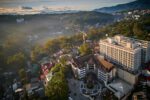
In Balanga City, the provincial capital, life feels steady and grounded. It’s modern enough to be comfortable, yet calm enough to breathe in. Cafés open early, streets stay walkable, and there’s a noticeable pride in how the city carries its role as both administrative center and cultural anchor. Nearby, the Bataan World War II Museum offers a quiet but powerful pause, grounding visitors in the deeper story of sacrifice and survival that shaped the province.
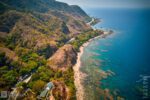
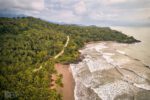
History, of course, is never far away in Bataan. In Bagac and Morong, coastal roads trace the same routes once used during the war years, now softened by trees and sea breeze. The shores here are gentle rather than flashy — long stretches of sand, modest resorts, and fishing boats resting near the tide line. At sunset, the sky leans into warm oranges and muted blues, the kind of light that makes even simple compositions feel intentional.
Head further west and you’ll reach Mariveles, where the peninsula narrows and mountains begin to lean toward the sea. The drive itself becomes part of the experience. Dense greenery frames the road, and occasional clearings reveal views of Manila Bay from angles that feel unfamiliar and refreshing. There’s a rawness here — not undeveloped, just honest — where nature still sets the pace.
One of the most reflective stops in the province lies in Orani, home to the National Shrine of Our Lady of the Rosary of La Naval de Bataan. Pilgrims arrive quietly, some after long drives, others on foot. The church grounds offer more than religious significance; they provide space — literal and emotional — to slow down. Even visitors with no devotional intent often find themselves lingering, drawn in by the stillness.

Sabang Beach in Morong, Bataan isn’t a tourist-packed resort strip. Instead, it feels like a living coastal village where everyday life blends with nature. In

Located in the town of Dinalupihan, Bataan, Mount Malasimbo—also known as “Little Mayon”—is a striking natural landmark recognized for its conical shape, reminiscent of the

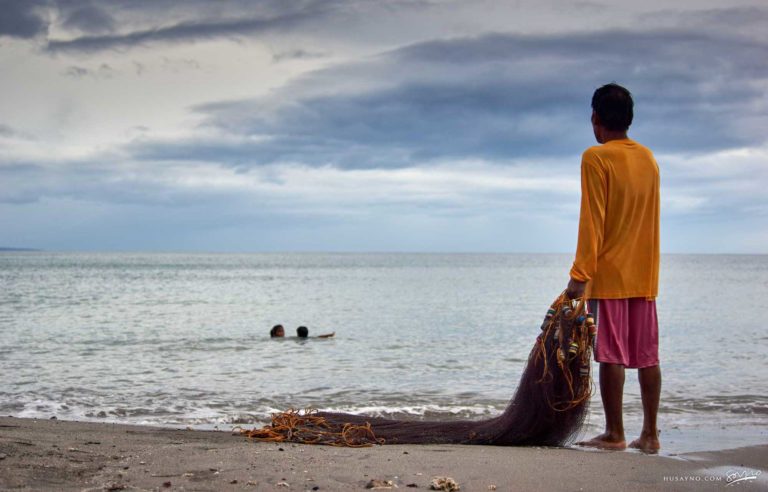
Nagbalayong Beach stretches along the South China Sea in Morong, Bataan Province, offering a long, tranquil shoreline that feels far removed from crowded tourist spots.


Located on Mount Samat in Pilar, Bataan, Philippines, the Mount Samat National Shrine, also known as Dambana ng Kagitingan (Shrine of Valor), commemorates the heroism
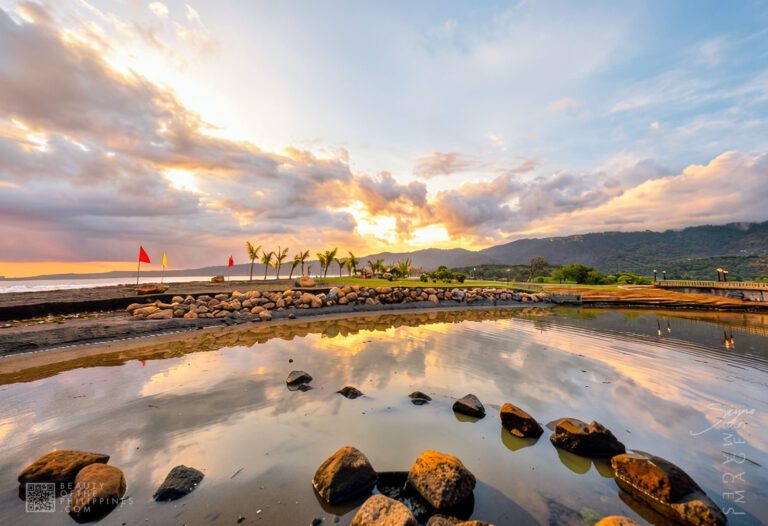
Bagac Beach refers to the coastal areas lining Bagac Bay in the municipality of Bagac, Bataan, facing the West Philippine Sea. Rather than being a

Nature lovers often find their way to Dinalupihan and Hermosa, where forested trails and rivers hint at Bataan’s inland character. These areas feel transitional — where plains meet uplands — and they show a different rhythm of daily life. Farms stretch out beside highways, roadside fruit stalls appear without warning, and mornings arrive wrapped in light mist that lifts as the day warms.

Food in Bataan doesn’t try to impress; it tries to satisfy — and it does. Local eateries serve comforting plates of ginataang seafood, grilled fish fresh from nearby waters, and home-style dishes that feel meant to be shared. In coastal towns, meals tend to follow the tide, while inland, they follow the harvest. Either way, everything feels rooted, familiar, and quietly generous.
What makes Bataan Province compelling isn’t just its landmarks or its historical weight — it’s how all of it coexists. Beaches don’t compete with memorials. Cities don’t overpower forests. Everything feels measured, like a conversation that knows when to pause. As a traveler, and especially as a photographer, you begin to notice the in-between moments: light filtering through acacia trees, children biking along seawalls, elders sitting by the road watching the day pass.

By the time you leave Bataan, there’s a sense that you didn’t just visit a place — you listened to it. And honestly, that’s rare. This is a province that doesn’t rush to be seen, but stays with you long after the road opens up again.
EXPLORE MORE ABOUT THE
Philippines
BROWSE BY CATEGORIES
BROWSE BY PROVINCE