Callao Cave: Unraveling Ancient History and Natural Wonders in the Philippines
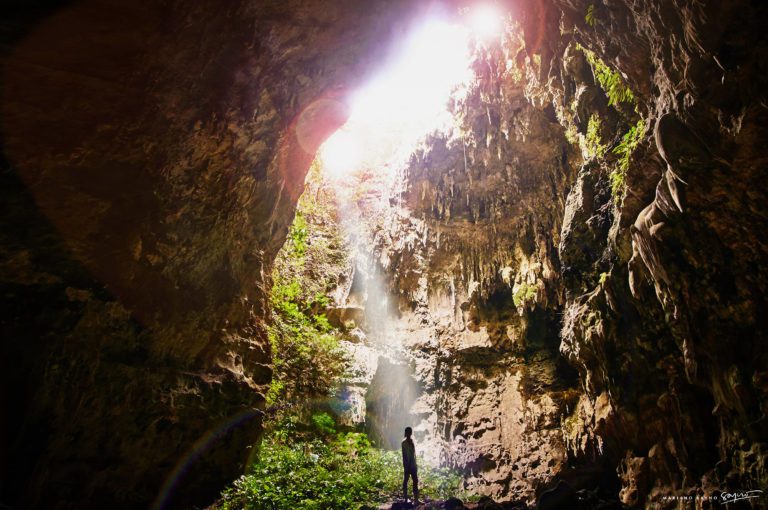
In addition to being known as the “Seven Chamber Show Cave” in the province of Cagayan, the Callao Cave is also one of the limestone

There’s a wide‑open feel to Cagayan Province that makes it such a compelling place to explore. Stretching across the northeastern tip of Luzon, where rivers meet sea and ancient limestone rises from earth, this part of the Philippines reveals landscapes and stories you won’t forget. The province’s capital, Tuguegarao City, lies along the mighty Cagayan River — the longest and widest river in the country — and from here, roads fan out to rolling hills, rugged coasts, cool waterfalls, and heritage villages that feel distinctively northern yet unmistakably Filipino.
One of the most striking natural wonders here is Callao Cave in Peñablanca, a sprawling limestone cave system with seven chambers that includes a chapel chamber where sunlight filters down and highlights the rock formations. Exploring its chambers and taking in views of the surrounding protected landscape feels like walking into a natural cathedral shaped by time.
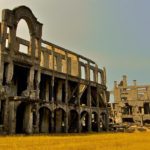
Not far from the caves, the Basilica Minore of Our Lady of Piat in Piat is a cultural anchor for the province. Known locally as a major pilgrimage site, this century‑old basilica houses the revered image of the Black Madonna, drawing both devotees and culture seekers who admire its architecture and quiet atmosphere.
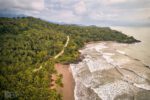
No visit to Cagayan feels complete without heading north to Palaui Island off the coast of Santa Ana. Rugged and wild, Palaui offers dramatic seascapes, white‑sand beaches like Anguib Beach, and panoramic hikes up to the historic Cape Engaño Lighthouse, where views stretch over ocean waters and little islands beyond. These cliffs and trails make the island a dream for landscape photography and wide‑angle vistas.
The coastline in Santa Ana also teases adventure with game fishing, serene bay views, and opportunities for beach camping where the Pacific rolls in slow and steady. Amidst this, small villages and local hosts share stories of life lived close to the water and the winds that define this part of the archipelago.

In addition to being known as the “Seven Chamber Show Cave” in the province of Cagayan, the Callao Cave is also one of the limestone

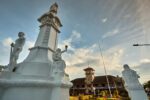
Closer to city life, Tuguegarao holds its own with landmarks like the iconic Buntun Bridge, an old steel structure that spans the Cagayan River in long, sweeping lines that feel perfect at sunrise and sunset for photography. Magapit Suspension Bridge in Lal‑lo — sometimes called the “Golden Gate of Cagayan” — also invites curious visitors to walk or pause and take in long river views framed against hill slopes.
For those who enjoy gentle adventure, nature hides treasures like Baggao Blue Waterfalls deep in the hinterlands of Baggao, where turquoise cascades and quiet plunge pools allow for cooling dips after forest hikes. Tracing the river paths and tiny trails here can feel like discovering hidden corners of jungle and rock that aren’t on every map — a reminder of how vast and quietly wild Cagayan can be.
Slow down in towns like Iguig, known for its pottery tradition and rolling red clay plains, or take a cruise along the peaceful waters in Pamplona, where riverside cottages and fresh seafood set a soft, restorative rhythm to the day. Inland villages offer a blend of woven banig mats, local longganisa specialties, and simple dishes that reflect the bounty of land and river alike.
Whether your lens is drawn to coastal horizons, limestone caves, heritage churches, or the simple flow of river life, Cagayan Province moves at a pace that rewards curiosity and patience. Each stop — from the chapels of old to the wild beaches of the north — feels like another chapter in a story that’s as broad as the rivers that define this land.

EXPLORE MORE ABOUT THE
Philippines
BROWSE BY CATEGORIES
BROWSE BY PROVINCE