Mines View Park: Iconic Baguio Viewpoints and Highland Scenery
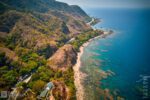
For many people, it has always been a dream to visit a place that offers a breathtaking view surrounded by a natural atmosphere that is
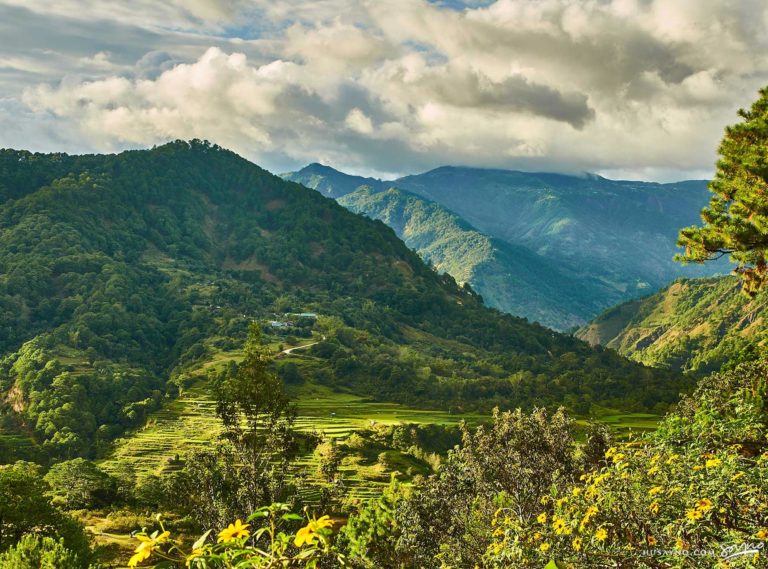
You know that feeling when the air hits different—cooler, crisper, with a hint of pine? That’s Benguet for you. Tucked away in the Cordillera region, this province in northern Luzon isn’t just about strawberries and cold weather. It’s the soul of the highlands—a place where nature, culture, and quiet adventure meet.
Benguet isn’t flashy. It doesn’t scream for your attention. But if you take the time to explore, you’ll find yourself falling for its calm energy, scenic routes, and traditions that feel untouched by time.
Let’s be real—most people think of Baguio when they hear Benguet. And while the City of Pines is technically within its borders, there’s so much more to the province than Session Road and Burnham Park.
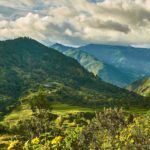
Once you go beyond Baguio’s bustle, you’re greeted by winding roads, rolling vegetable terraces, and quiet towns like La Trinidad, Atok, and Kabayan—each with its own flavor and story to tell.
Let’s start with something sweet. La Trinidad is known for its strawberry fields where, yes, you can pick your own. It’s touristy, sure, but it’s also fun and oddly satisfying. Plus, where else can you get strawberry taho?
Welcome to the rooftop of Luzon. At over 2,900 meters above sea level, Mount Pulag is famous for its sea of clouds and breathtaking sunrise. But don’t expect a walk in the park—this hike takes preparation and respect for both the trail and the indigenous communities that call it sacred.
Imagine standing in a field of colorful flowers, fog rolling in, the sun peeking out just enough to warm your cheeks. Northern Blossom is like stepping into a dreamy postcard. Perfect for slow mornings and endless photo ops.
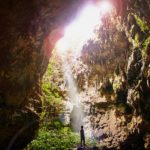
Now this one’s a little eerie—but in a fascinating way. Deep in Kabayan’s mountains lie caves with centuries-old mummies, preserved through a traditional process involving herbs and smoke. It’s not just a spooky side trip; it’s a powerful glimpse into pre-colonial practices.
Benguet is home to the Ibaloi, Kankanaey, and Kalanguya peoples. Their traditions, woven into everything from clothing to rituals to the rice fields they’ve shaped over generations, offer a living history. If you’re lucky enough to witness a cañao (a traditional feast), consider it a rare and rich cultural moment.
There’s also the art—woven fabrics, intricate woodcarvings, and handmade baskets you’ll spot in roadside markets and souvenir stalls. These aren’t just crafts—they’re stories in material form.
Let’s talk about vegetables. Benguet is called the “Salad Bowl of the Philippines” for a reason. Here, the produce isn’t just fresh—it’s still wearing morning dew. Local markets like the one in La Trinidad are a dream for foodies and home cooks alike.
Feeling chilly? Grab a bowl of pinikpikan, a local chicken soup made with native herbs. A bit controversial due to its traditional preparation, yes, but undeniably part of the cultural identity here.
And for coffee lovers—don’t skip Benguet Arabica. Grown on mountain slopes and handpicked, it’s earthy, smooth, and best enjoyed while staring out over a foggy ridge.
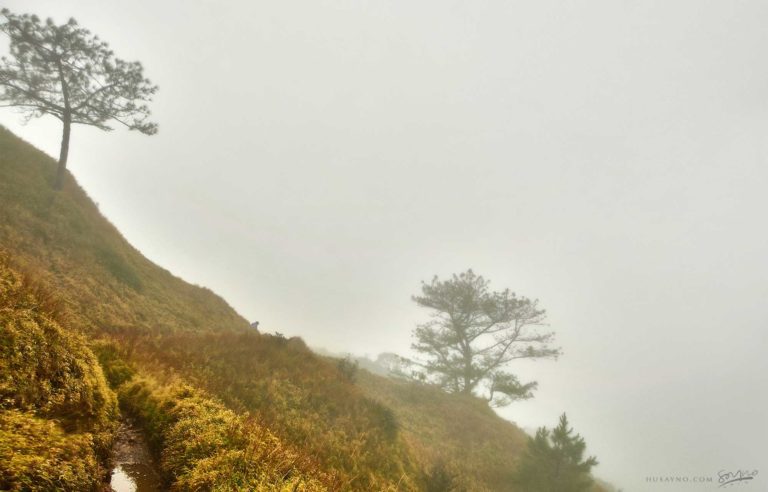
The best months to visit Benguet? November to February if you’re chasing that cold-weather vibe. But even in the rainy months, there’s a moody charm to the misty hills and soft rains.
From Manila, you can hop on a bus to Baguio (around 4-6 hours), then rent a car or ride a jeepney to explore the more remote parts of the province. Some roads are steep and narrow, but that’s part of the adventure.
If you’re planning to explore Benguet, here’s a bit of friendly advice. First off, pack warm clothes—even if you’re visiting during the dry season. Trust me, the nights can get unexpectedly cold, especially in the higher towns like Atok or Kabayan. Also, remember to respect the land. Places like Mount Pulag aren’t just tourist spots; they’re sacred to local communities. Follow the guidelines, keep the trails clean, and always leave no trace.
While you’re out there, don’t be shy—talk to the locals. Most folks are incredibly warm and welcoming, and even just greeting someone with a cheerful “Naimbag nga aldaw!” (Good day!) can spark a smile or even a short conversation. And most importantly, take it slow. Benguet isn’t meant to be rushed. The province rewards those who take their time—who linger by the view, sip coffee by the fog, and listen when the mountains speak.
Here’s the thing—Benguet might not always make it to the top of every travel bucket list, but once you’ve been, it sticks with you. Maybe it’s the people. Maybe it’s the mountains. Maybe it’s the quiet magic in the way morning fog hugs the hills.

For many people, it has always been a dream to visit a place that offers a breathtaking view surrounded by a natural atmosphere that is

When you think of Baguio, you imagine pine‑scented breezes, foggy mornings, and cozy cafés tucked into the city’s winding streets. Among these, Guest Haven Coffee

Travelers wandering through the cool, pine-scented corners of Baguio often search for places that blend good food, local creativity, and that distinct highland charm the

Originally known as the Baguio Flower Festival, the Panagbenga Festival is a month-long annual flower festival held every February in Baguio City, that celebrates and

Amid the cool mountain air and pine-scented streets of Baguio City, there is a place where the warmth of a crackling wood-fired oven meets the

Le Coq Bleu Baguio is a welcoming space where comfort meets creativity. Owned by Chantal Michaut-Pangilinan, a Frenchwoman who has lived in the city for

Baguio City, the Summer Capital of the Philippines, has long been celebrated for its vibrant art scene and rich cultural heritage. In 2025, the Ibagiw

Kabayan, Benguet is a fourth-class municipality in the Cordillera Administrative Region of northern Luzon, Philippines. Covering roughly 242.69 km² of mountainous terrain, it is home to

Nestled in the heart of Baguio City, the Our Lady of Atonement Cathedral—more popularly known as Baguio Cathedral—stands as a masterpiece of neo-Romanesque architecture and

Azalea Residences Baguio welcomes travelers with the perfect balance of comfort, convenience, and modern design in the heart of the City of Pines. Nestled along

Pilak Silvercraft and Gift Shoppe is one of Baguio City’s enduring gateways into the proud tradition of Cordilleran craftsmanship. Located along Leonard Wood Road,

Ambuklao Dam is located in Barangay Ambuclao, Municipality of Bokod, Benguet, roughly 36 kilometers from Baguio City in northern Luzon. It spans the Agno River


Mount Pulag, rising to 2,922–2,928 meters above sea level, is the highest peak in Luzon and the third-highest in the Philippines. Its summit sits at


If you are planning a trip to the highlands of the Philippines, particularly around Baguio or Benguet, a visit to Dulche Chocolates offers a uniquely

Perched along Marcos Highway inside The Podium Boutique Hotel, Hoka Brew welcomes visitors with a warm, wood-themed interior and wide windows framing the lush, pine-covered

The Kasiyana “All Will Be Well” Art Exhibit at Gallery 2600 in Baguio brings together more than 20 local artists whose works reflect the Kankanaey
Baguio City has long been celebrated for its cool climate, mountain landscapes, and thriving creative culture. Within the Baguio Botanical Garden sits the Harvest Creative

High above the bustle of Baguio’s commercial districts, Café Khawa rises along Loakan Road as a ridge-top sanctuary where sweeping mountain views dominate the experience.

Baguio Media Newseum, also known as the Art World & Media Newseum, offers travelers a unique experience beyond the familiar pine forests and scenic viewpoints
EXPLORE MORE ABOUT THE
Philippines
BROWSE BY CATEGORIES