CCLEX Beyond the Bridge: More Than Just a Road in Cebu
When we talk about Cebu, the first things that come to mind are sinfully good lechon, crystal-clear beaches, and a mix of urban chaos and
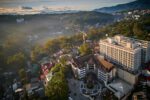
Traveling through Cebu Province is an experience that balances urban pulse with island calm. From the bustle of Cebu City to quieter coastal towns, the province offers a spectrum of life and landscape. Streets hum with commerce and local routines, while mountains, rivers, and shorelines quietly frame the activity, reminding you that Cebu is as much about natural rhythm as human energy.
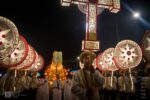
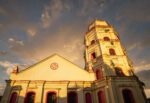
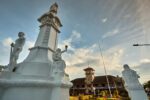
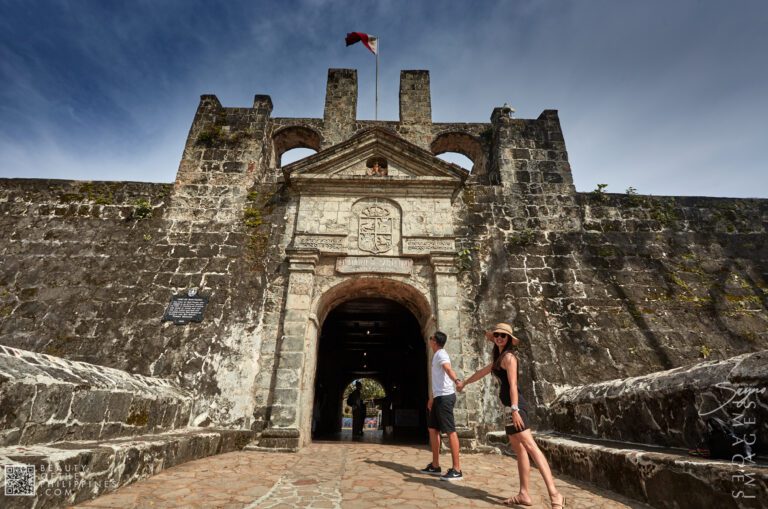
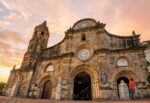
In Cebu City, heritage sits comfortably beside modern development. Walking through Colon Street and around Fort San Pedro, you notice layers of history embedded in brick walls, cobbled pathways, and public plazas. Churches like Basilica del Santo Niño continue to serve as spiritual and social anchors, where daily life and ritual intersect seamlessly.
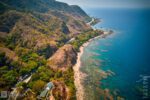
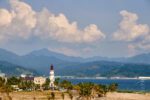
Heading north toward Danao and Bogo, the landscape shifts to rugged coastlines, rolling hills, and quieter towns. Fishing villages and small ports dot the shore, and mornings are filled with the rhythm of nets being cast and boats setting out to sea. These towns feel measured and purposeful, perfect for photography that seeks quiet narratives rather than staged panoramas.
Southward, Carcar and Talisay reveal a different side of Cebu — cultural and culinary heritage. Old houses, artisan workshops, and local delicacies like lechon and chicharon offer insights into a province that values craft, taste, and tradition equally. Street scenes, markets, and small plazas here provide a mix of color and movement that feels authentic and lived-in.
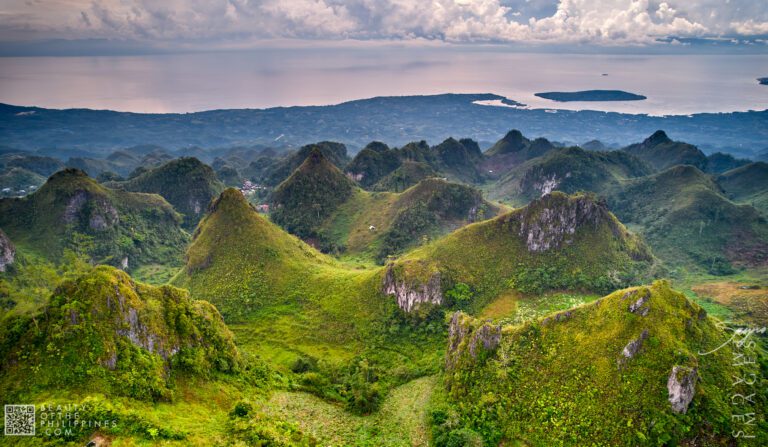
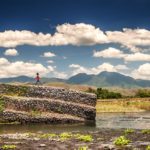
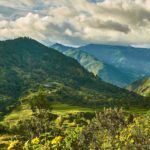
Nature dominates inland areas like Dalaguete and Argao. Rolling fields, rivers, and Mount Osmeña’s backdrop create opportunities for contemplative photography. Trails and rural roads highlight local farming life, showing how communities interact with land and seasons in ways that remain consistent yet quietly evolving.

When we talk about Cebu, the first things that come to mind are sinfully good lechon, crystal-clear beaches, and a mix of urban chaos and

Osmeña Peak, situated in Dalaguete, Cebu province, was once known as Tan-awan. This striking summit carries the name of President Sergio Osmeña Sr., born in

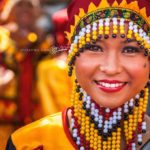
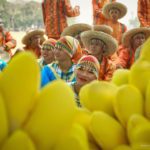
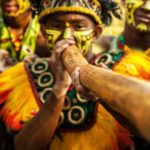
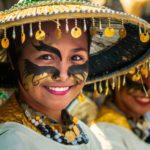
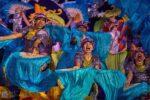
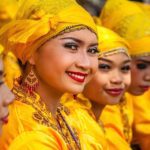
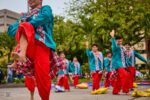
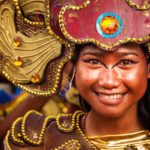
Every January, Cebu City comes alive with devotion, music, and dance during the Sinulog Festival, honoring the Santo Niño de Cebu. The festival traces its

Right in the heart of Cebu City, where history meets modern life, stands Fort San Pedro—the oldest and smallest Spanish fort in the Philippines. Though

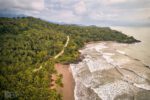
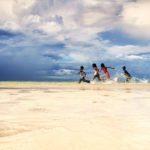
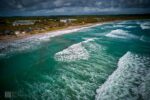
Along the western coast, Moalboal and Alcoy offer marine adventures that balance calm coves and active dive sites. Tides shape both the work and leisure of locals, and the vibrant underwater life adds a different layer of visual storytelling. Even casual shots of the shoreline convey a sense of continuity between people, water, and sky.

Food is central in Cebu. From coastal towns where fresh seafood dominates, to city eateries offering traditional dishes, meals connect you to both place and people. Dishes are bold, precise, and comforting — each bite echoing local tastes that have been perfected over generations.
As a traveler and photographer, Cebu Province encourages attention to both detail and scale. You notice subtle moments in everyday life alongside vast landscapes, finding harmony in contrasts: urban energy versus coastal calm, historic structures versus modern life, mountains framing towns versus waves meeting the shore.
EXPLORE MORE ABOUT THE
Philippines
BROWSE BY CATEGORIES
BROWSE BY PROVINCE