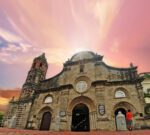
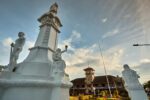
Simborio Chapel: A Spanish Architectural Gem Amidst Resilience and Transformation in Plaridel
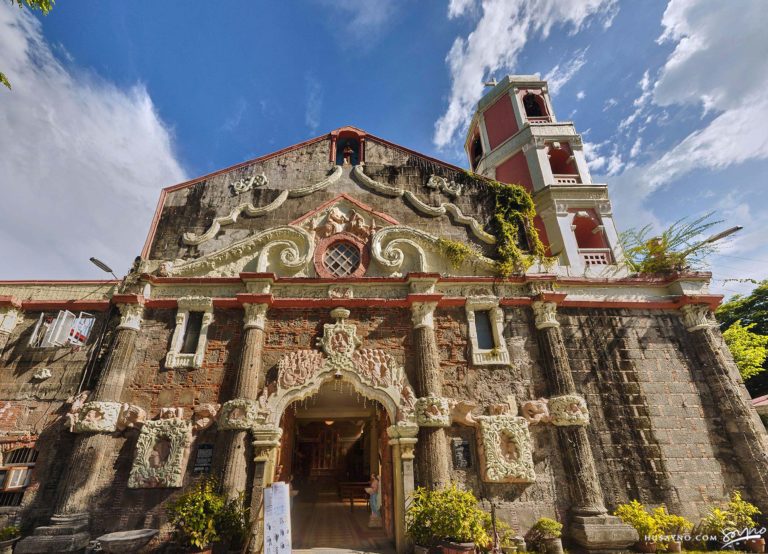
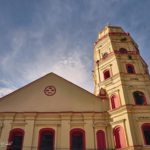
A heritage site, the Plaridel’s Simborio chapel was built during the 1700’s and it is considered one of the oldest structures in the Bulacan Province
There’s something quietly familiar about Bulacan Province. Maybe it’s the way towns flow seamlessly into one another, or how history feels woven into everyday routines rather than set apart. Traveling through Bulacan doesn’t feel like chasing highlights; it feels like observing continuity — traditions carried forward while daily life moves at its own steady pace.
In Malolos City, the sense of history is immediate but grounded. This is where stories of governance and nationhood unfolded, yet the streets today are active and lived-in. Heritage houses stand beside small businesses, and the presence of Barasoain Church is felt not as a monument, but as a quiet anchor. The light here is gentle in the late afternoon, ideal for slowing down and noticing details — capiz windows, weathered doors, handwritten signage.
Move north and you’ll encounter towns shaped by craft and creativity. Paombong and Hagonoy reveal Bulacan’s relationship with water, where rivers and fishponds define both livelihood and rhythm. Boats glide past stilted homes, and mornings arrive with a soft haze rising from the waterways. These are scenes that don’t need framing tricks — they already know where they belong.
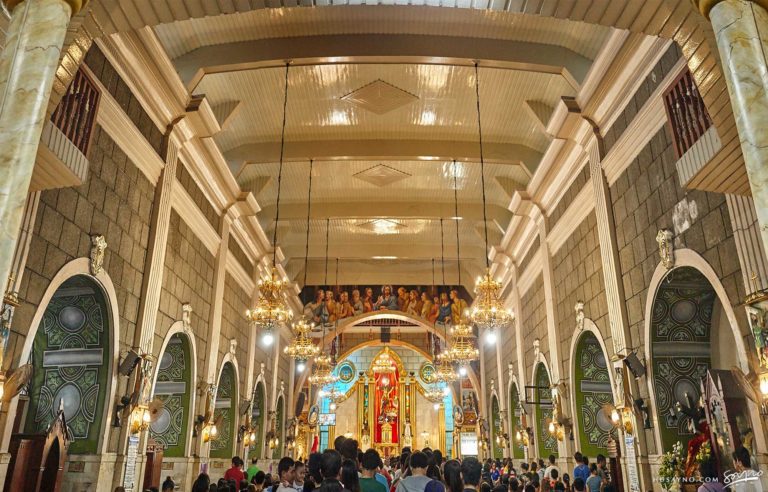
Cultural heritage comes alive in places like Angat and Bustos, where music, faith, and community gatherings remain central. The sound of brass bands during town celebrations, the presence of long-standing churches, and the way public plazas still function as meeting points all speak to Bulacan’s strong sense of collective identity. Nothing feels staged; it simply continues because it always has.

A heritage site, the Plaridel’s Simborio chapel was built during the 1700’s and it is considered one of the oldest structures in the Bulacan Province

As it is commonly known, the Barasoain Church, one of the most historic religious buildings in the Philippines, and the site of the first Philippine

Calumpit Church or St. John’s Church has been recognized as the oldest church in Bulacan Province and the first site of Augustinian evangelisation in the

In the Diocese of Malolos, the Saint Francis of Assisi Parish Church or better known as Meycauayan Church, is the largest parish in Bulacan, and

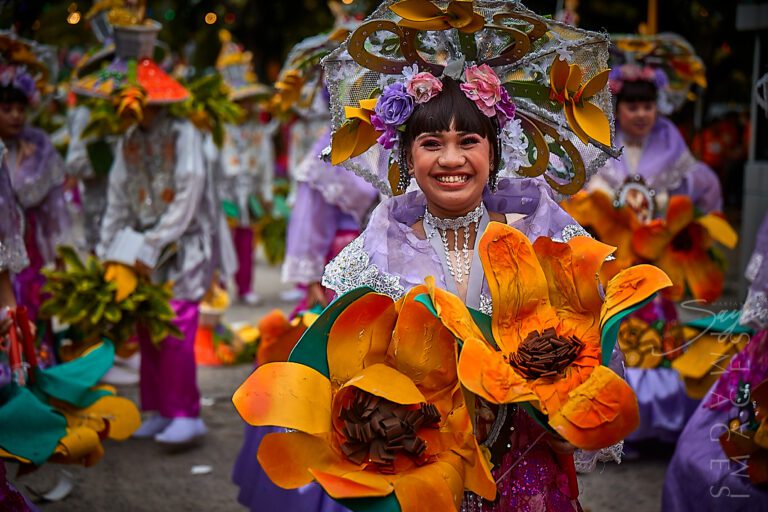
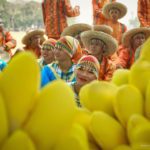
Halamanan Festival is a celebration that takes place every January 23rd in Guiguinto, Bulacan, the Garden Capital of the Philippines, celebrating the beauty of the
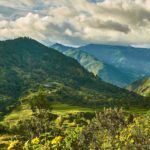
Along the eastern side, San Miguel and Doña Remedios Trinidad show a different face of the province. Here, the land begins to rise, fields widen, and the horizon opens. The drive becomes quieter, marked by roadside farms and distant mountain outlines. It’s a slower landscape — one that rewards patience and early mornings, especially when mist lingers low over the fields.
Food in Bulacan feels deeply personal. In towns like Baliwag and Meycauayan, recipes are tied to memory rather than trend. Long tables fill with familiar dishes during gatherings, and small eateries continue to serve flavors that haven’t needed reinvention. Eating here feels less like discovery and more like recognition — flavors that stay because they work.
What stands out most while moving through Bulacan Province is how balanced it feels. Urban growth doesn’t erase tradition, and progress doesn’t demand forgetting. As a traveler and photographer, you find yourself paying attention to gestures instead of grand scenes — a vendor arranging goods at dawn, sunlight hitting church walls just right, conversations unfolding on shaded sidewalks.
Bulacan doesn’t ask to be admired from a distance. It invites you to walk its streets, sit for a while, and notice how history continues quietly, one ordinary day at a time.
EXPLORE MORE ABOUT THE
Philippines
BROWSE BY CATEGORIES
BROWSE BY PROVINCE