Tangke Saltwater Lagoon: Iloiloās Hidden “Natural Pool” Adventure
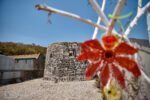
If youāre craving an adventure that feels straight out of a tropical dream, let me tell you about a little slice of paradise tucked away
Traveling through Iloilo Province is like stepping into a rhythm that blends heritage, waterways, and vibrant community life. From the moment you arrive, thereās a sense of continuity ā towns and cities shaped by centuries of trade, faith, and culture, yet moving steadily into the present.
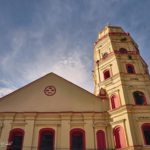
In Iloilo City, the provincial capital, colonial streets meet modern streetscapes, creating layers of history and daily life. Walking along Jaro and Molo, you notice old churches and ancestral houses that stand quietly among markets, schools, and cafƩs. Molo Church and Jaro Cathedral are more than landmarks; they are hubs of community life, hosting masses, festivals, and simple daily routines alike.
Eastward, towns like Oton and Pavia reveal the provinceās agricultural backbone. Rice fields stretch in patterns that change with the season, and small roads weave through communities where farming dictates the dayās tempo. Early morning light here transforms ordinary fields into compositions of green and gold, making even routine scenes photogenic.
Along the coast, Concepcion and Carles offer access to islands and coastal life. Fishing communities, mangroves, and small harbors define daily routines, and local markets brim with the dayās catch. The sea and sky dominate the horizon, and every sunrise and sunset seems to emphasize the relationship between land and water.

If youāre craving an adventure that feels straight out of a tropical dream, let me tell you about a little slice of paradise tucked away

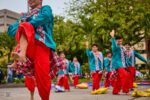
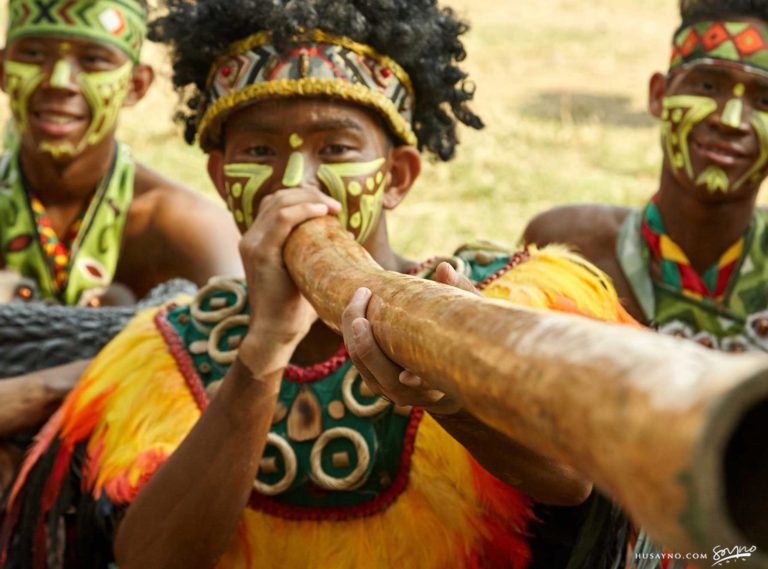
You know what? You havenāt truly felt the power of Filipino pride until youāve seen the pulse of Dinagyang beating alongside the roar of Independence

Are you ready to experience some of the most unique and vivid festivities in the Philippines – Dinagyang Festival? This vibrant celebration is one of


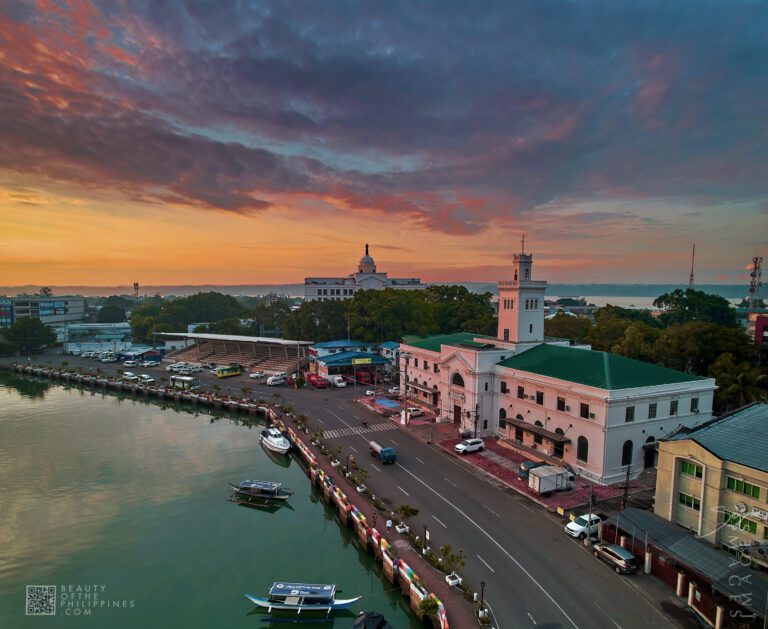
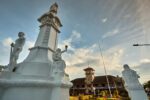
The Iloilo Customs House, also known as Aduana de IloĆlo in Spanish, is a historic building in Iloilo City constructed in 1916 during the American
Inland towns such as San Joaquin and Igbaras showcase both heritage and natural beauty. Old churches, quiet plazas, and local festivals keep history alive, while hills and rivers offer spaces for reflection and exploration. Photography opportunities appear in unexpected corners ā a schoolyard, a riverside, a marketplace ā each telling stories of everyday life.
Food in Iloilo Province is inseparable from its culture. In towns like Guimbal and Miag-ao, dishes reflect a balance of flavor and tradition. From freshly cooked seafood along coastal towns to local specialties like batchoy in Iloilo City, meals offer a sense of place that sustains both body and attention. Culinary experiences become storytelling, adding depth to each frame you capture.
Moving through Iloilo Province, you begin to notice patterns: how faith, trade, and nature shape communities, how people interact with space, and how the past quietly coexists with the present. Itās a province that doesnāt demand attention but rewards careful observation and slow movement.
By the time you leave, the images linger: church spires against the morning light, boats gliding through calm waters, rice fields waving under the sun, and streets that continue their rhythm uninterrupted.
EXPLORE MORE ABOUT THE
Philippines
BROWSE BY CATEGORIES
BROWSE BY PROVINCE