BROWSE BY PROVINCE

Mabalacat City, Pampanga
Balacat Festival
A Pampanga Celebration of Community and Culture
Share
Tweet
Email
EXPLORE Balacat Festival

PUBLISHED March 7, 2024

PHOTOS | WORDS BY MARIANO SAYNO

Video by French Miles Legaspi

  • Mabalacat City, Pampanga
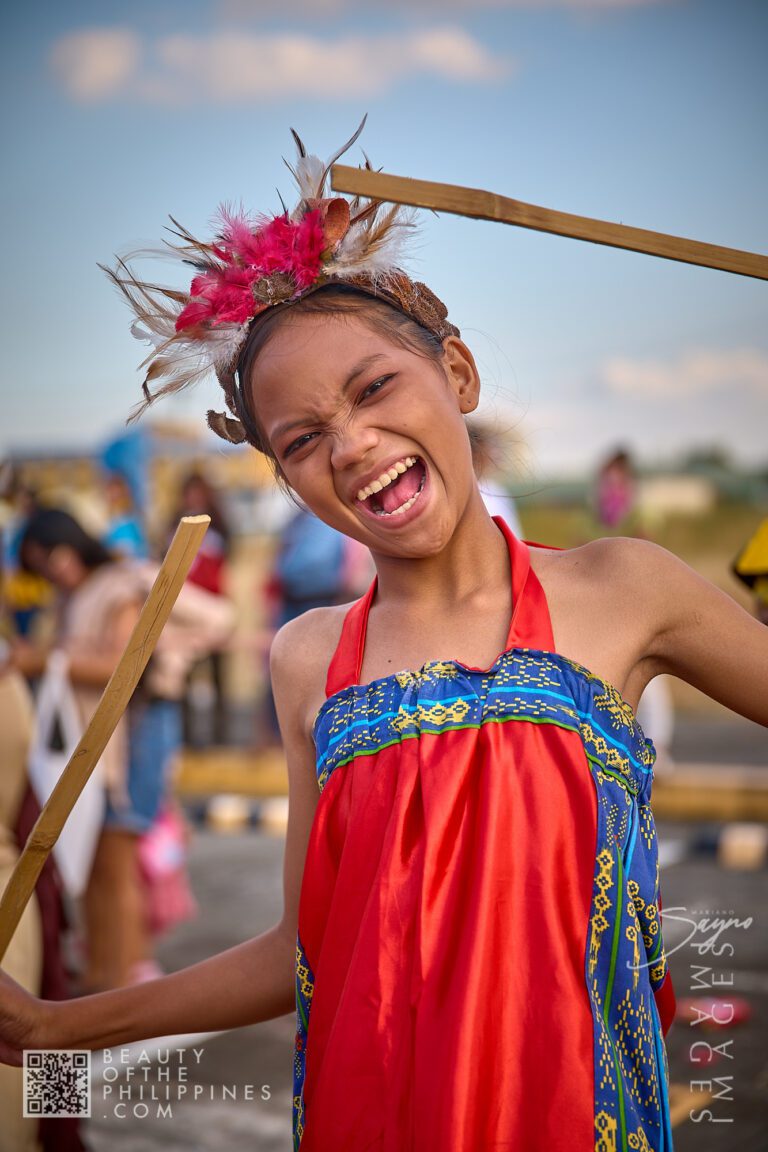
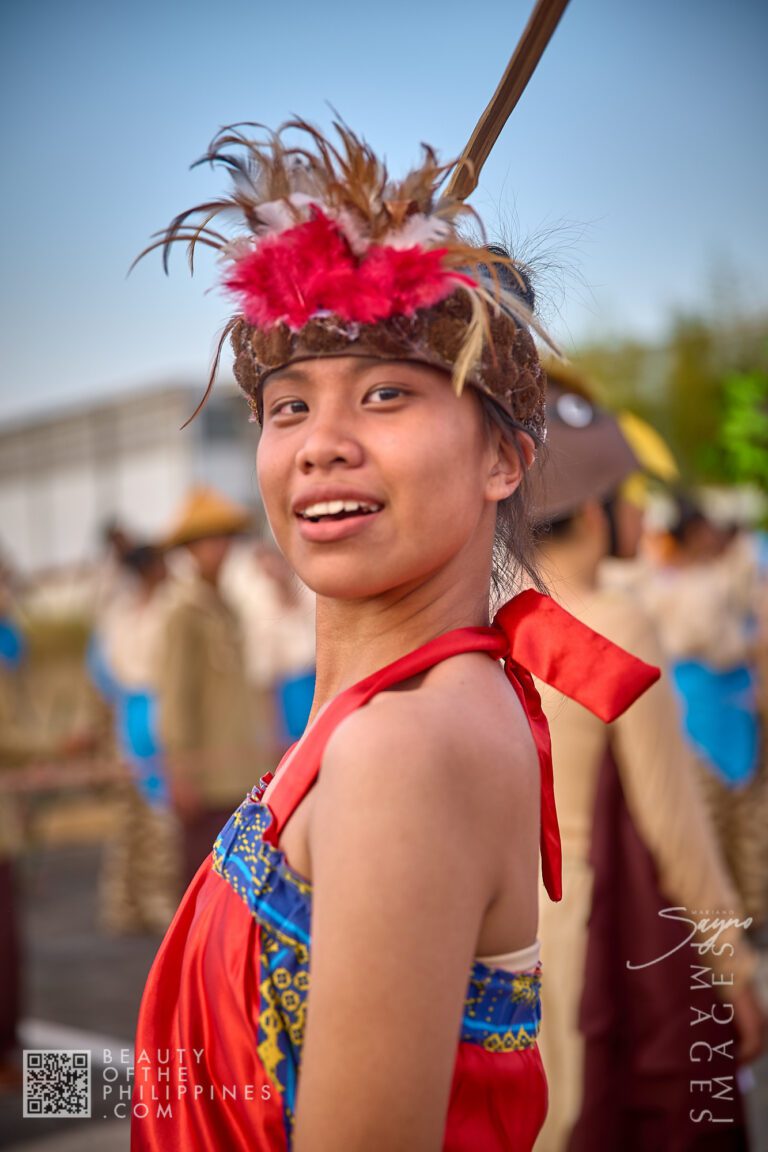
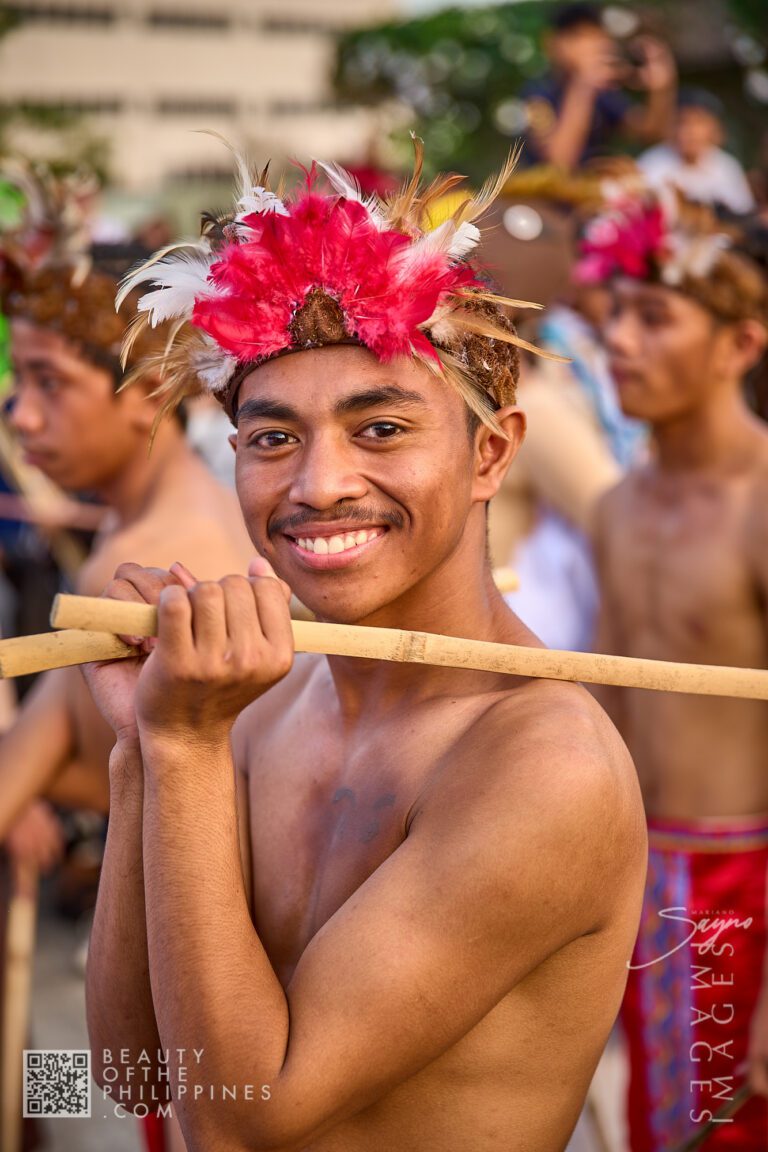
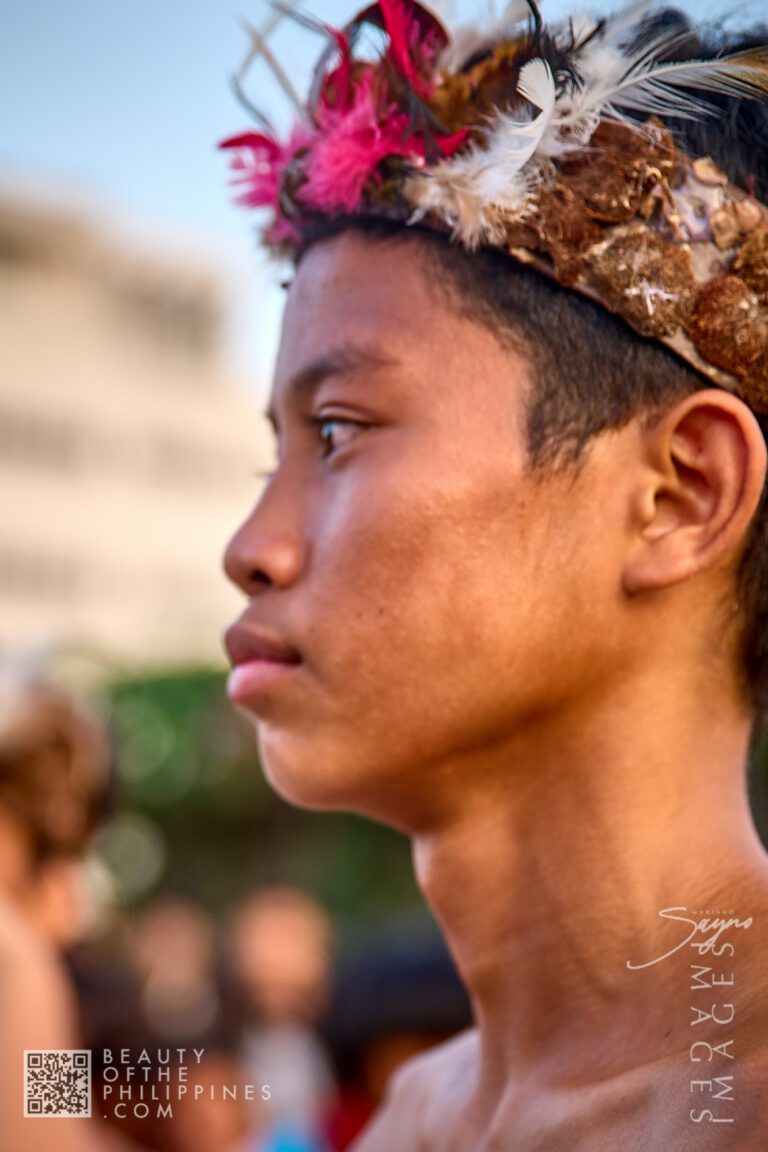
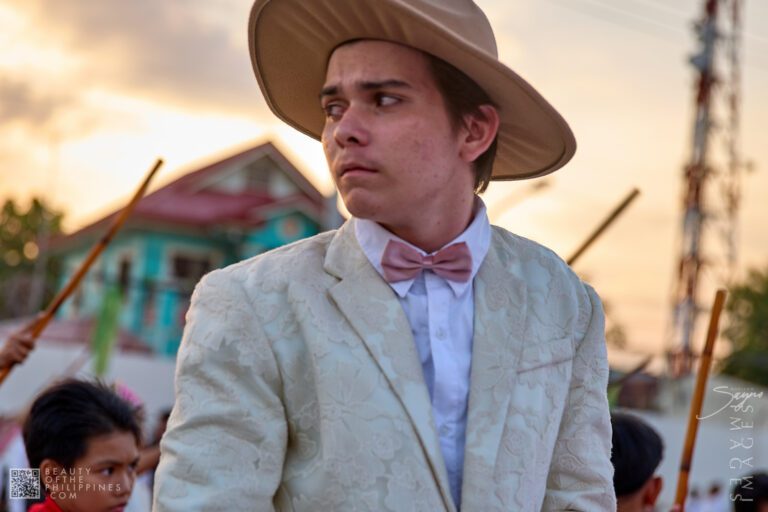
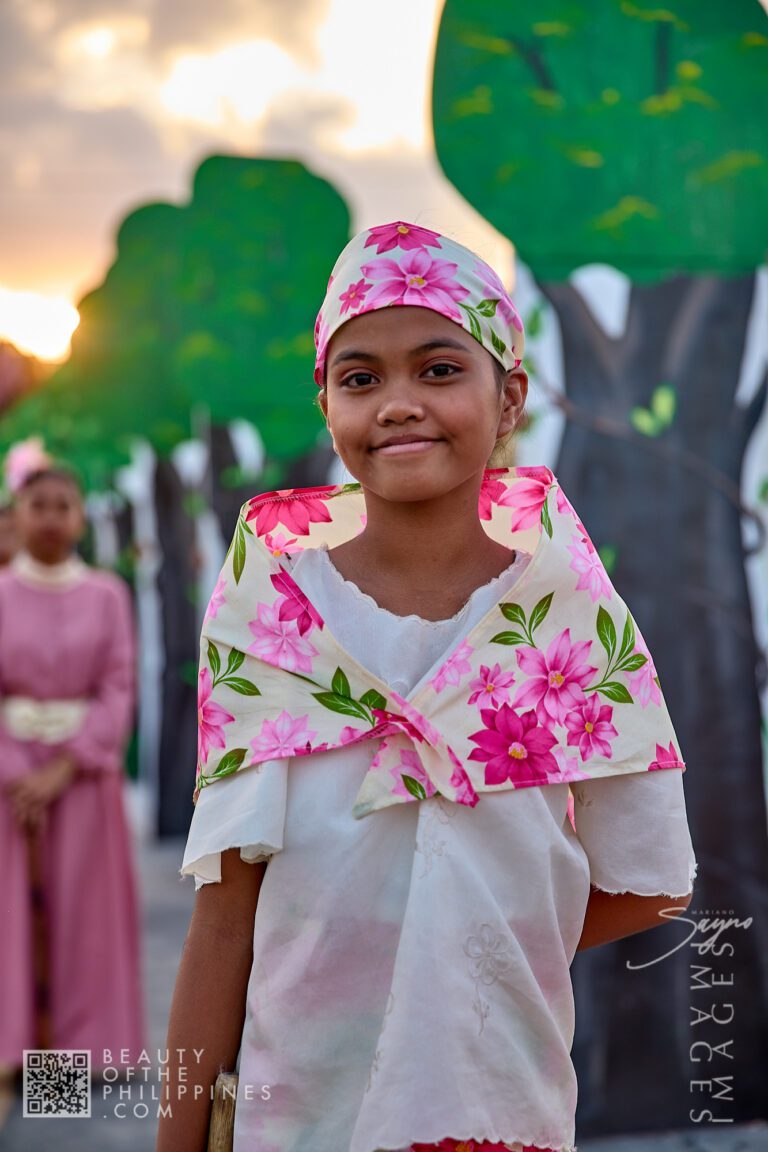
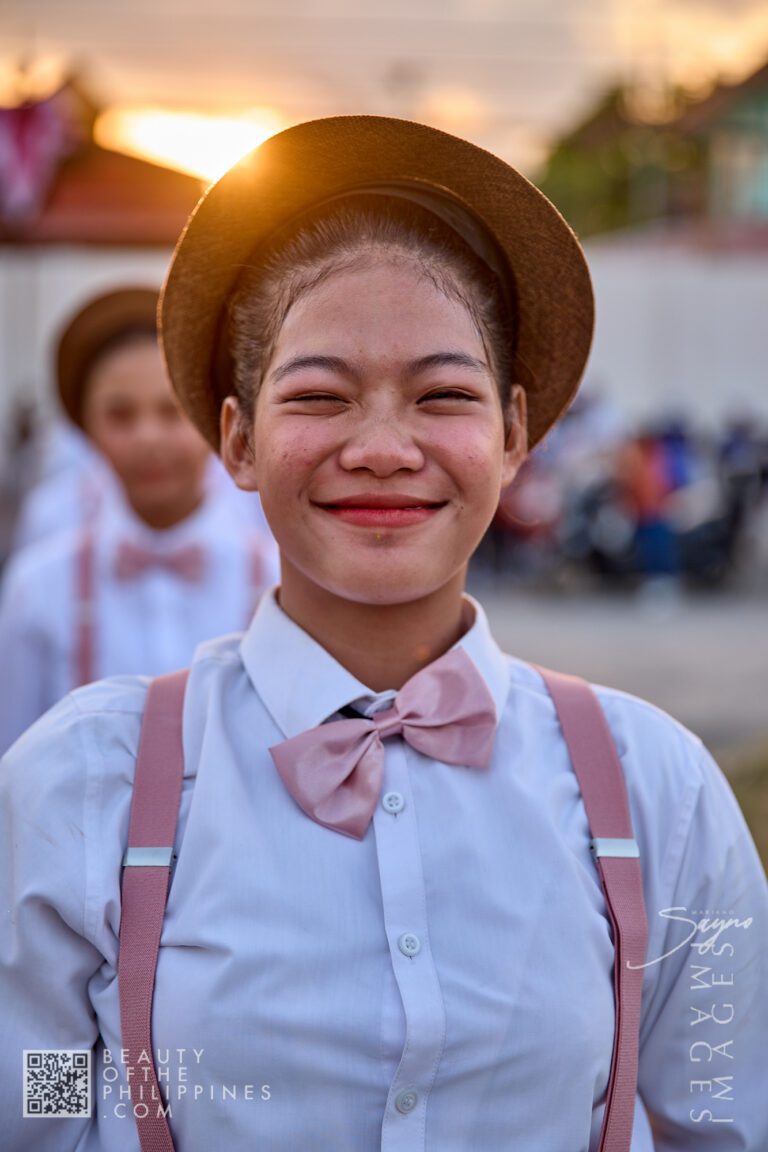
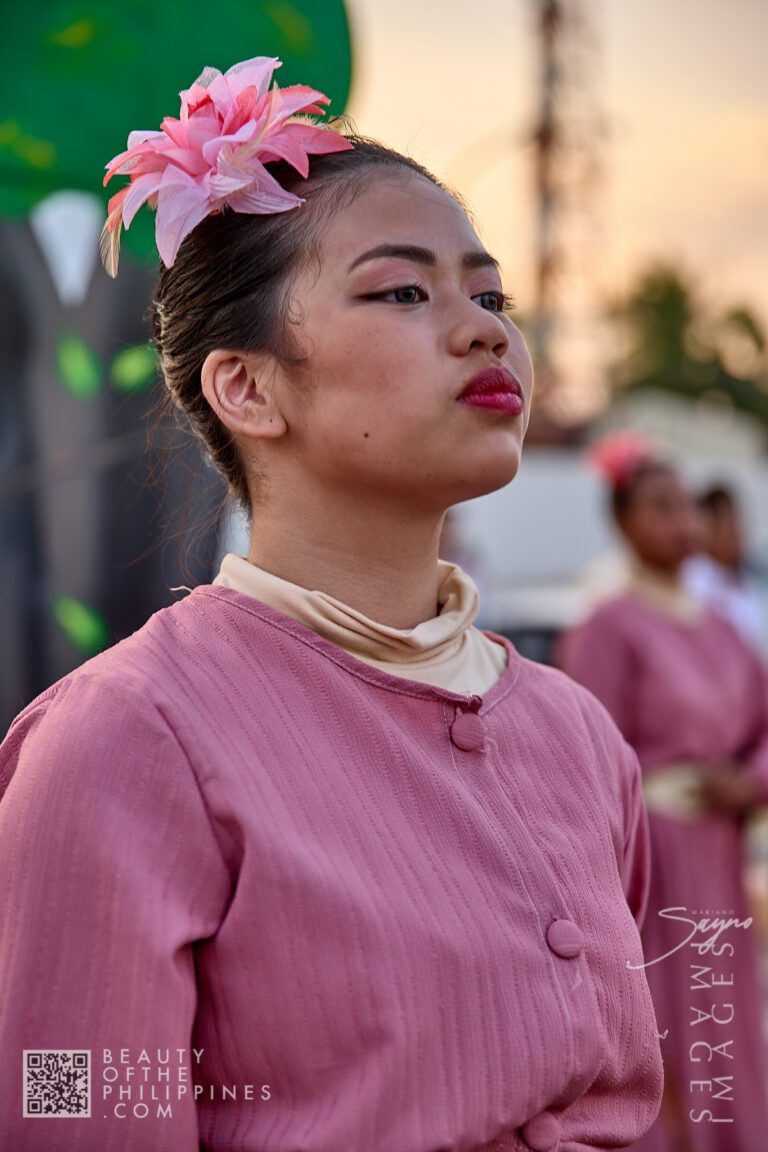
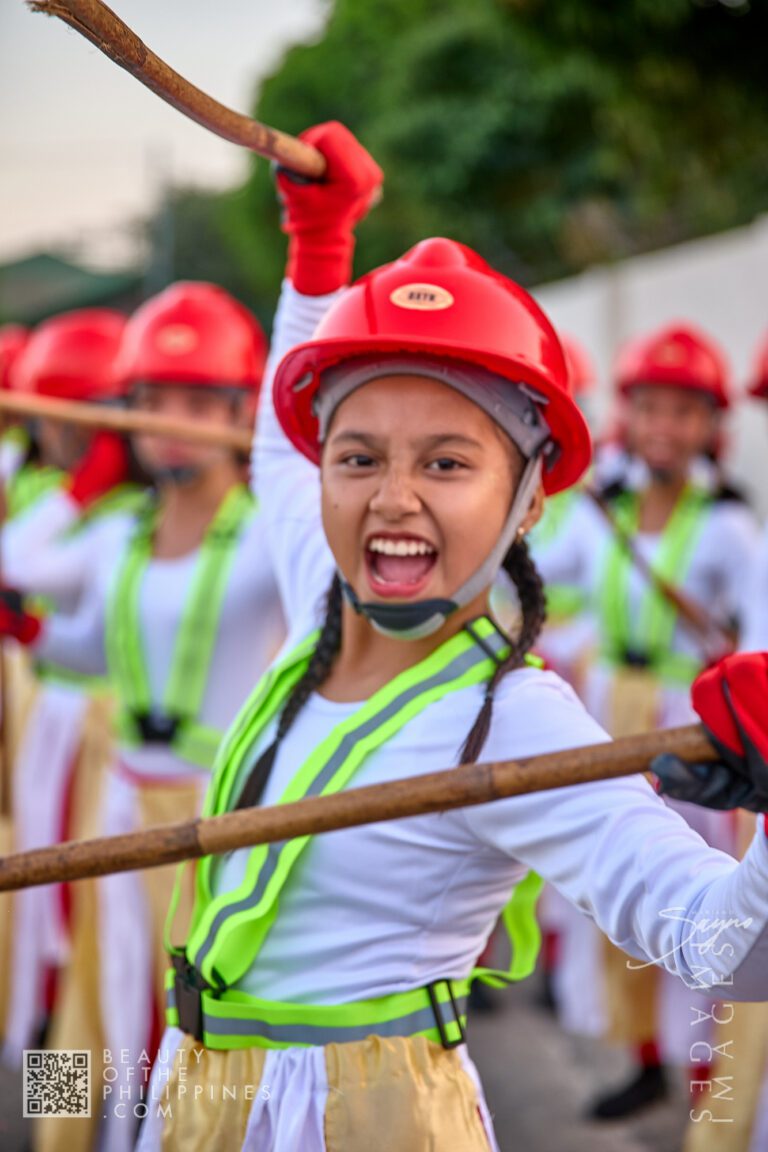
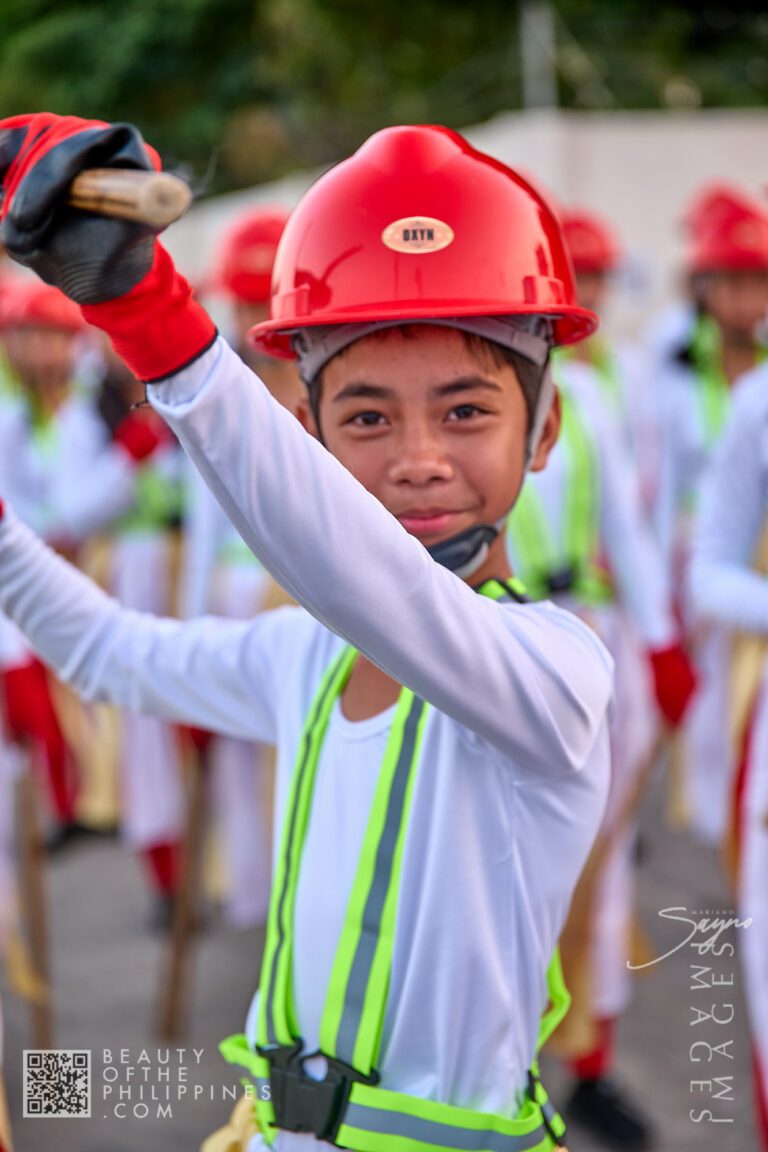
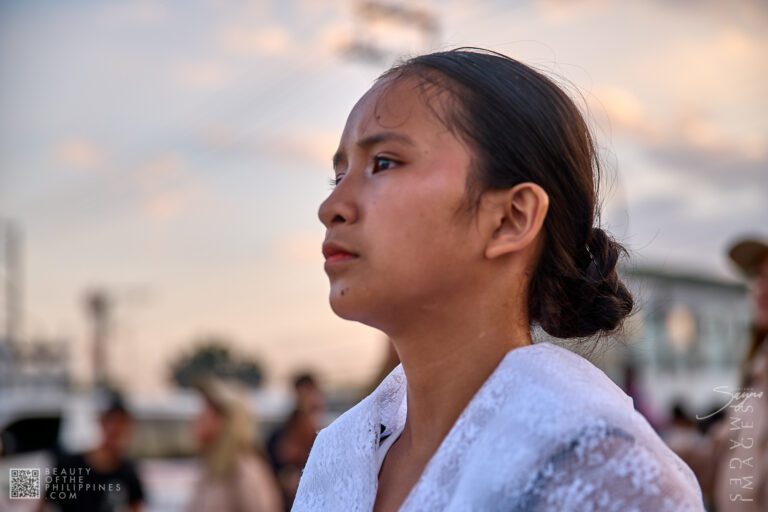
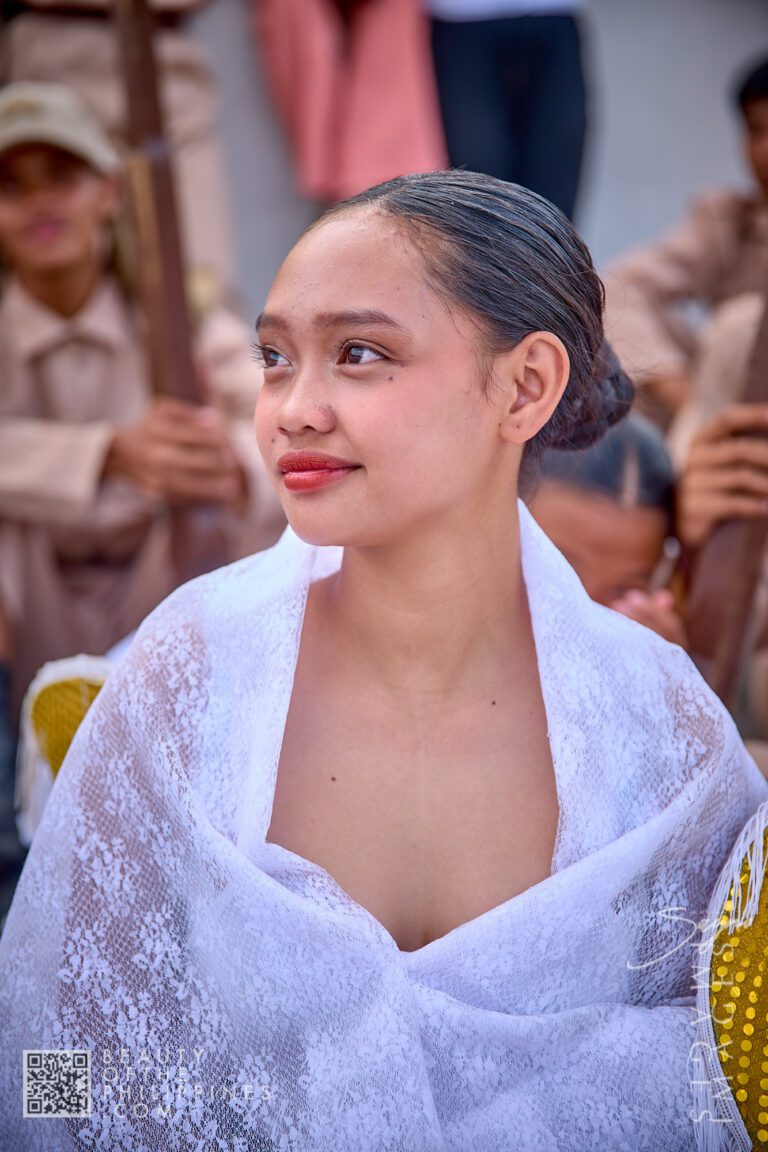
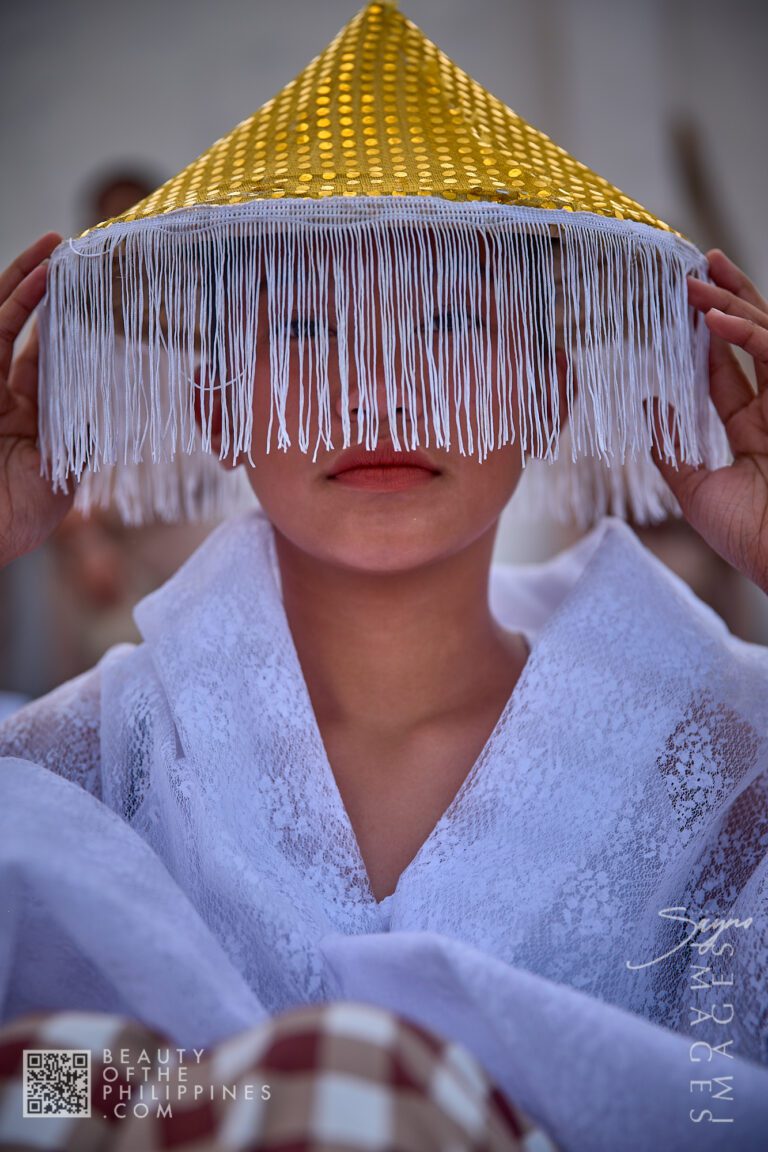
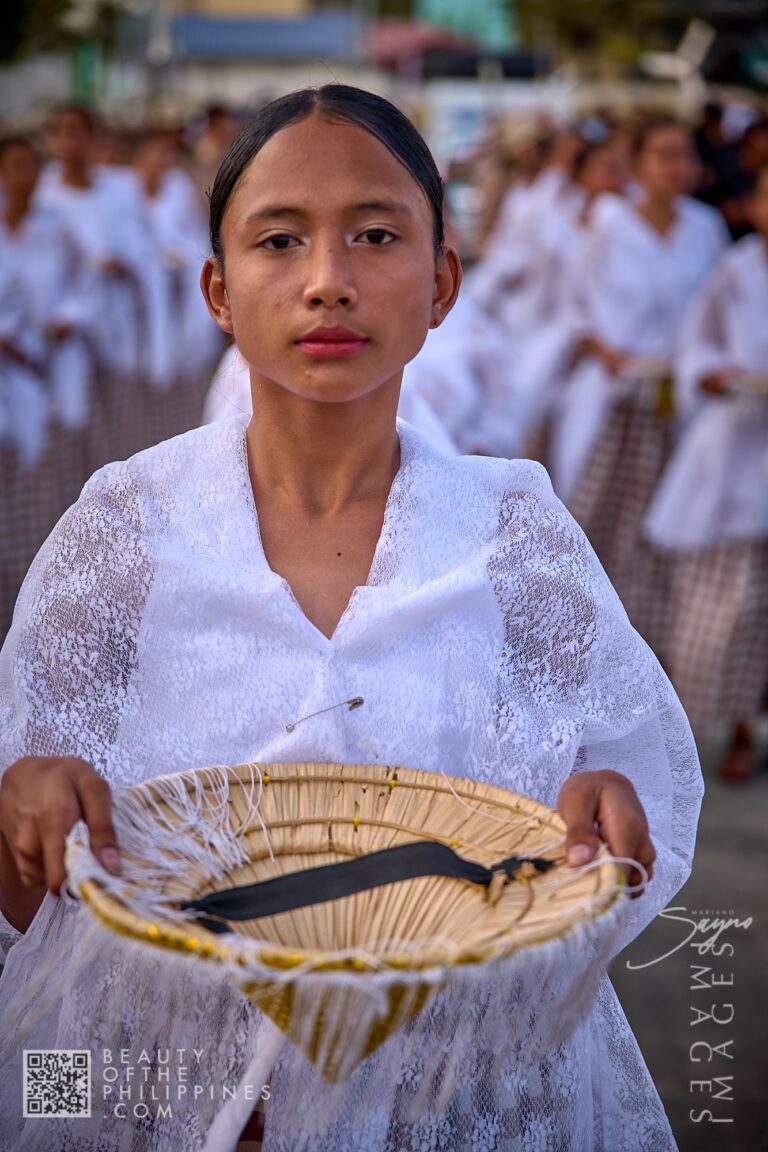
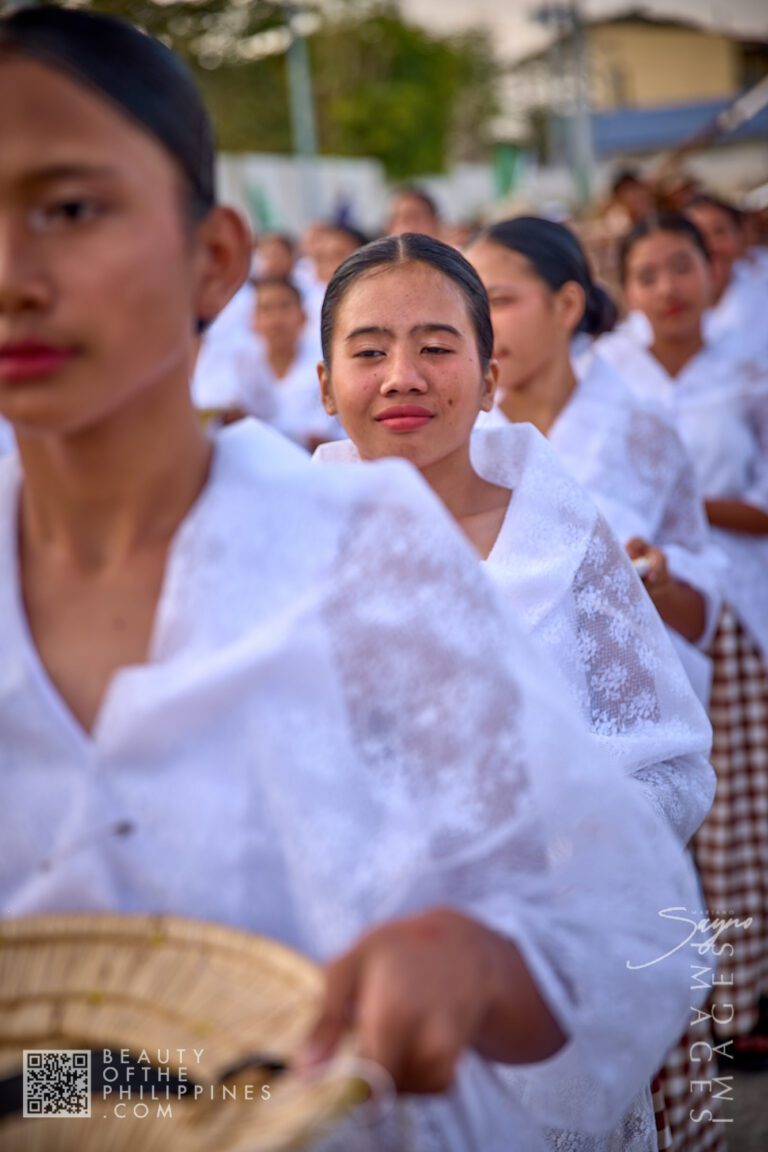
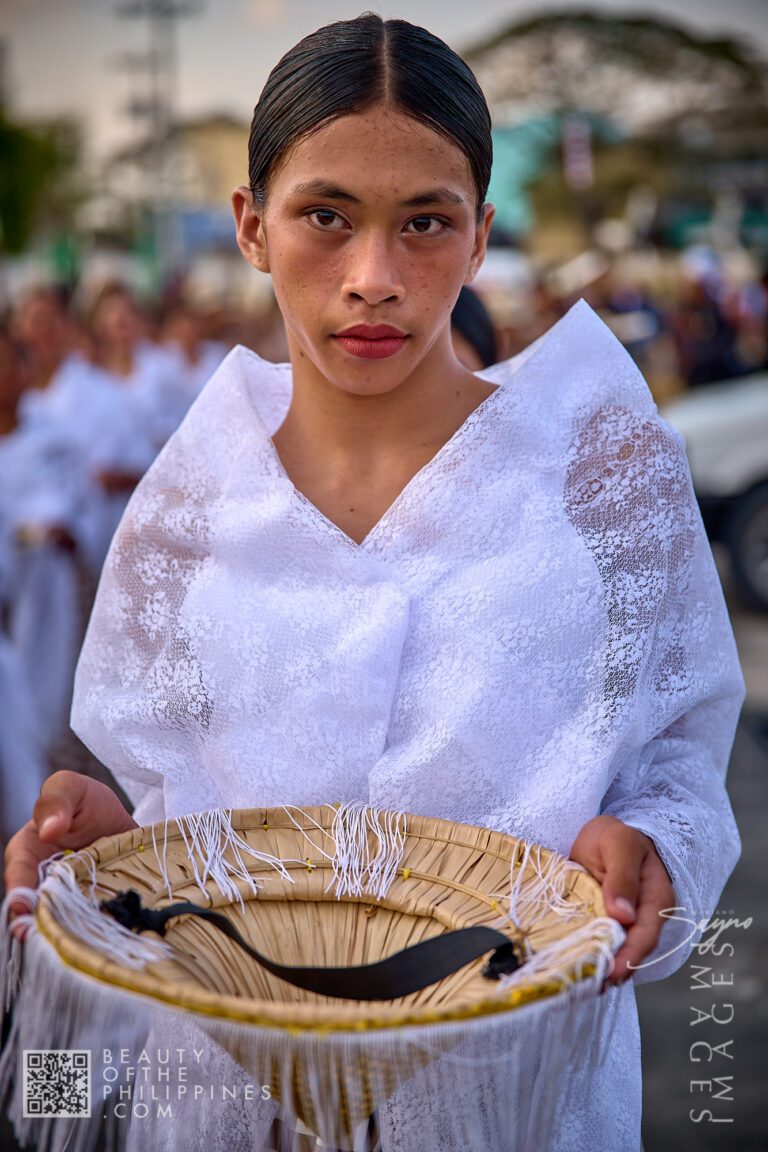
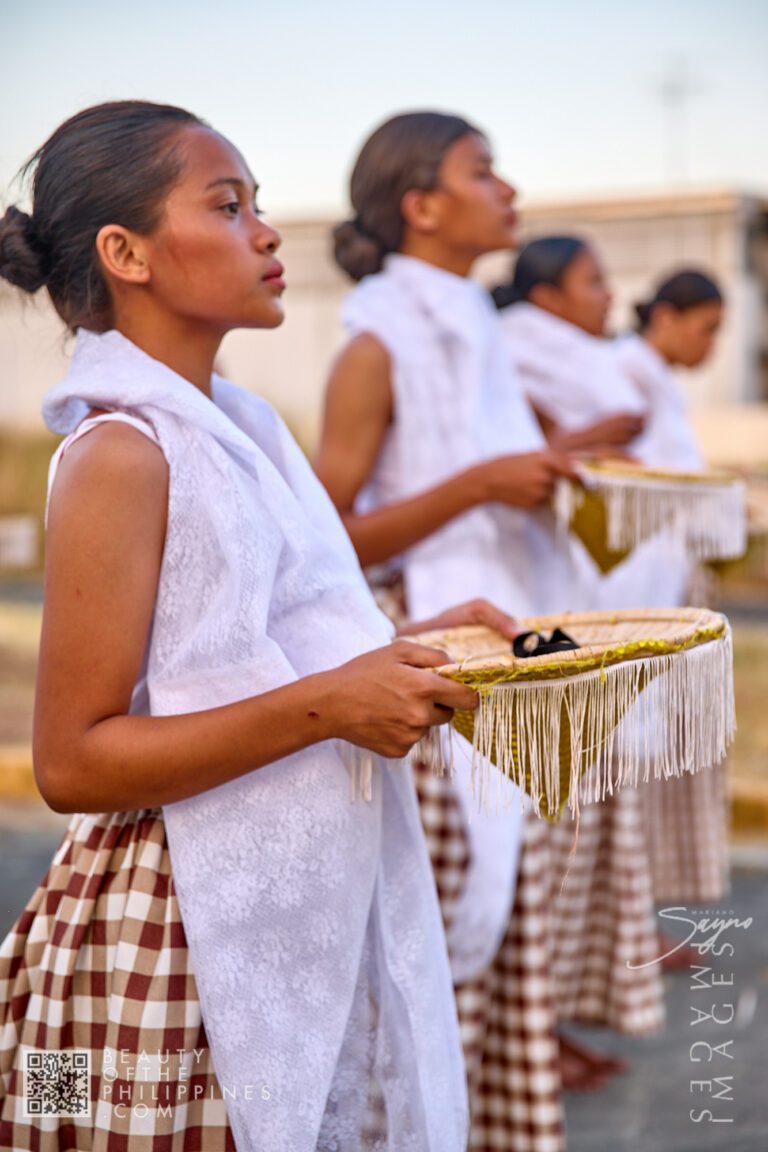
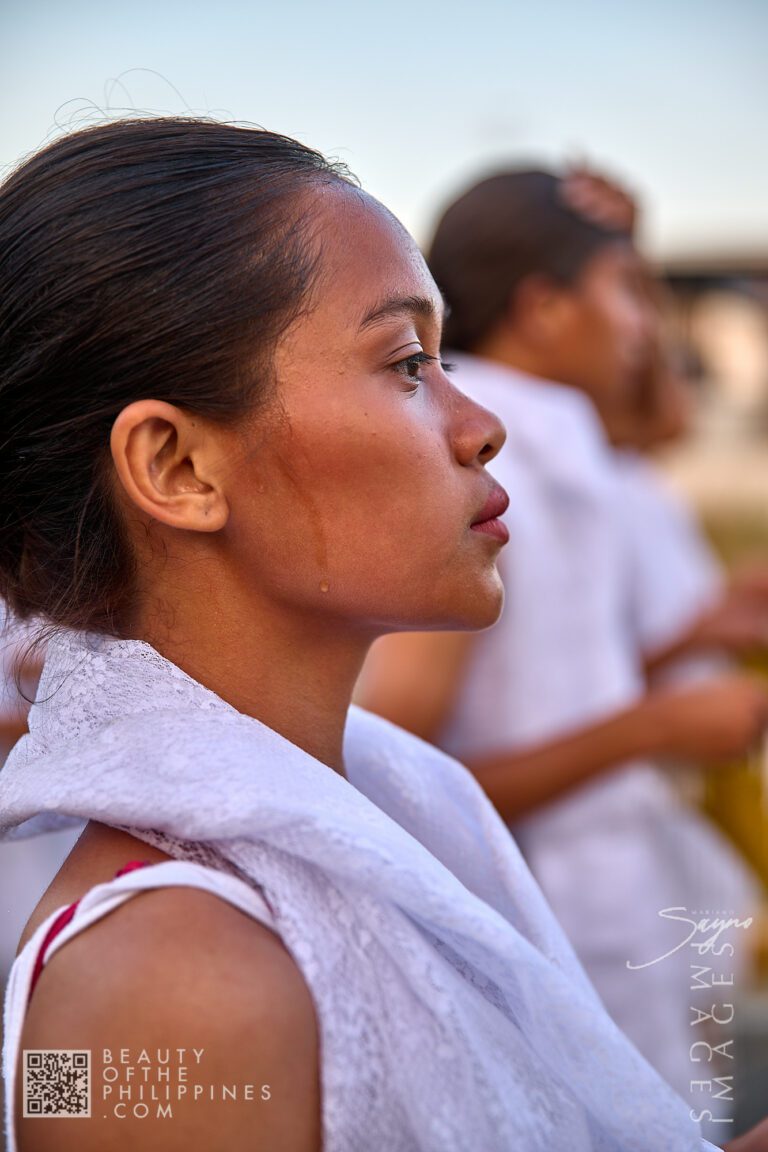
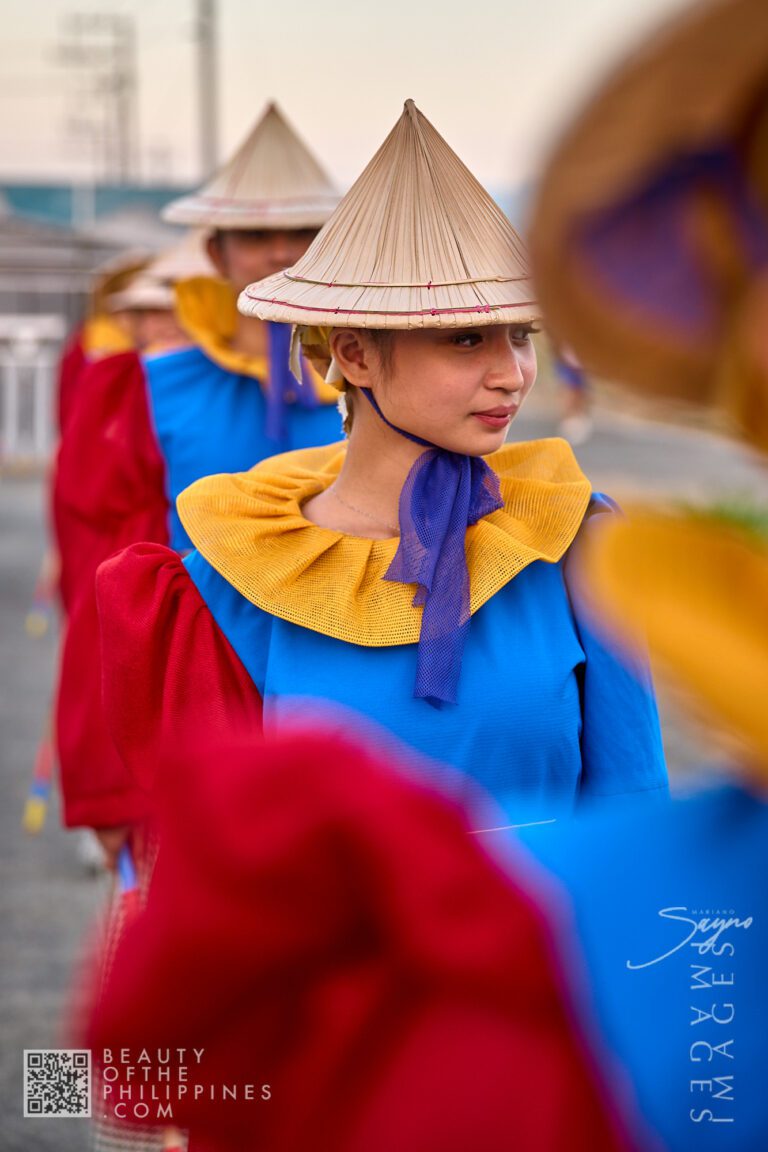
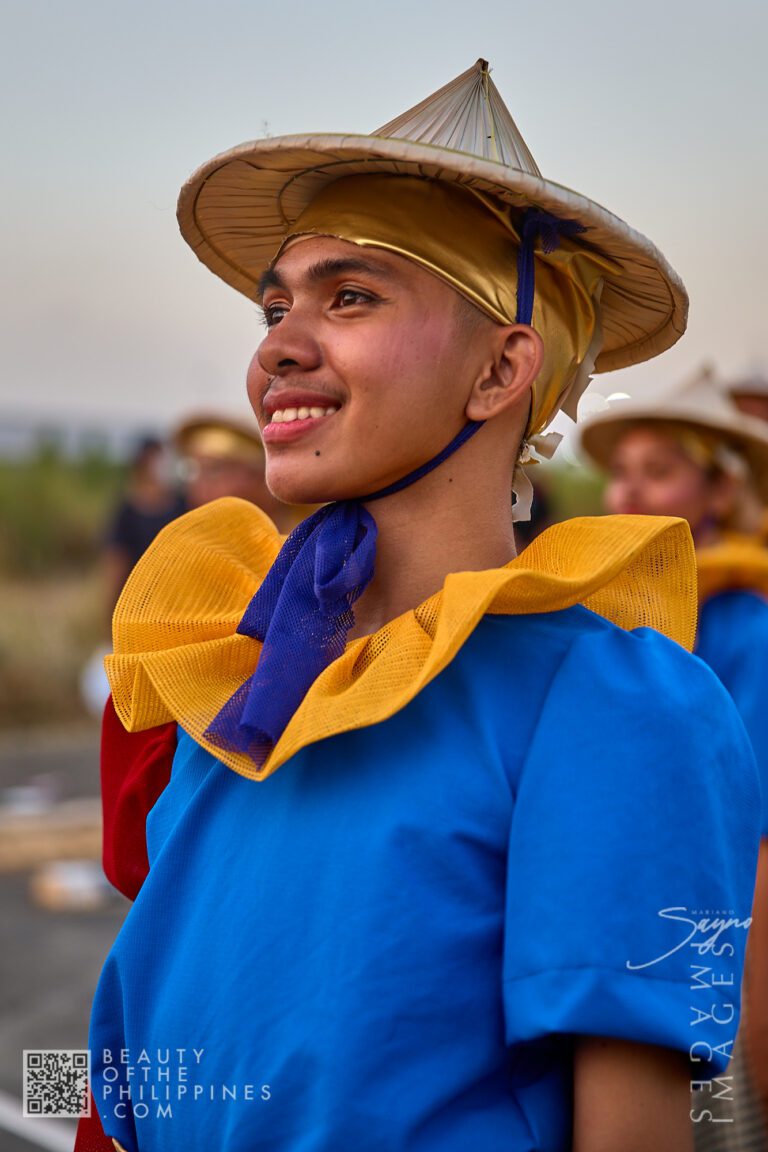
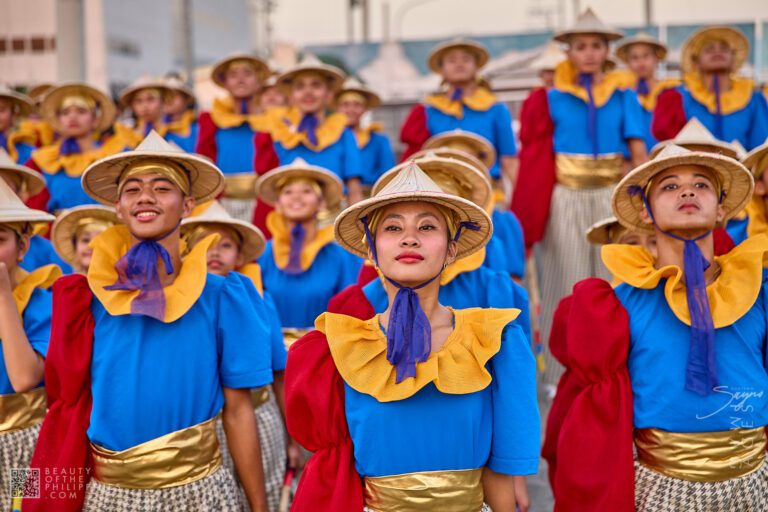
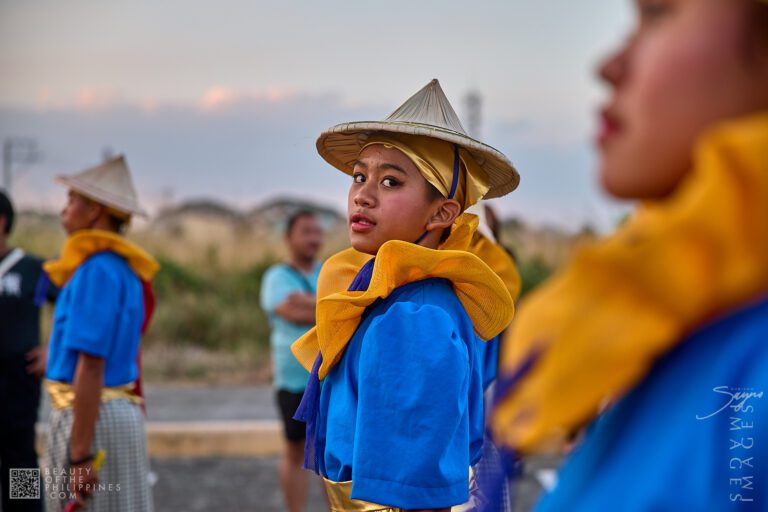
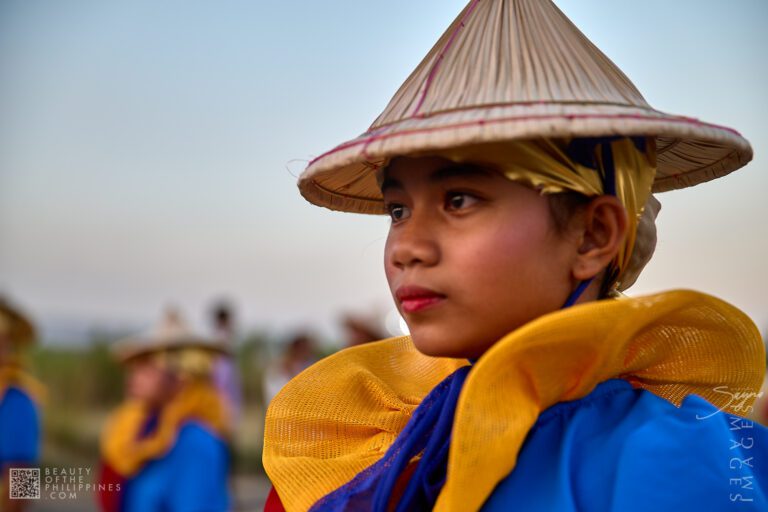
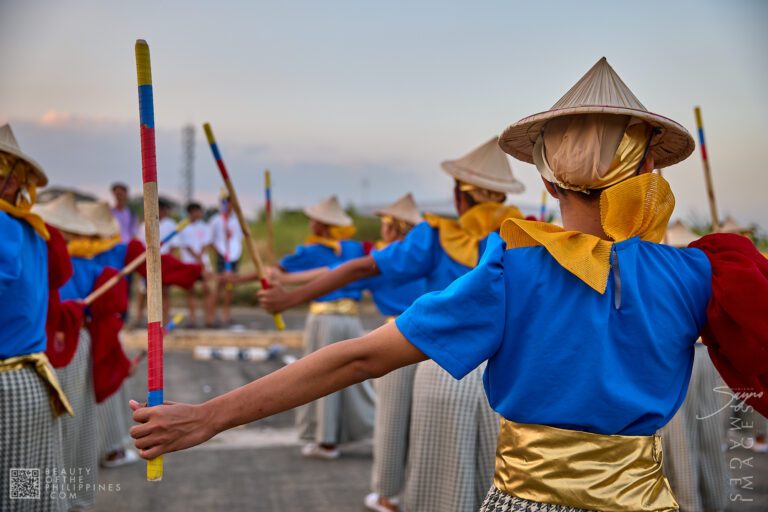
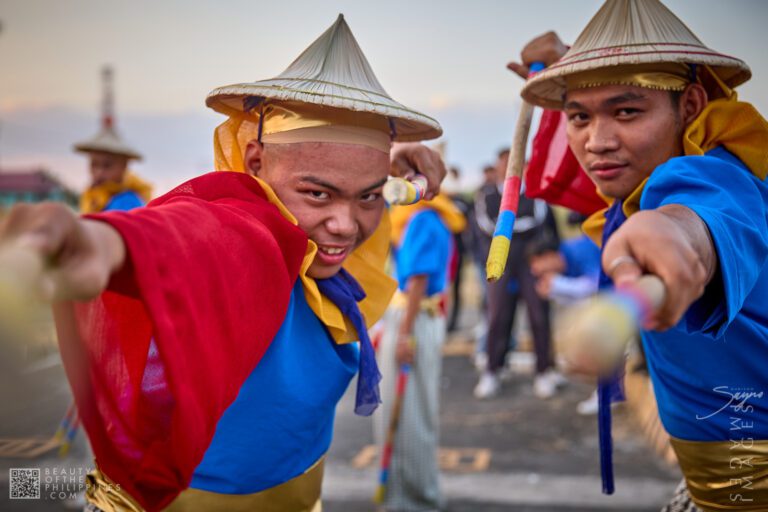
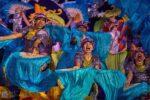
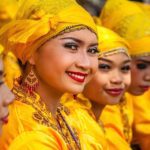
Color, choreography, and collective memory meet in the streets of Mabalacat City during the Balacat Festival. What unfolds is more than spectacle — it is a city narrating its past through dance, food, civic engagement, and symbols drawn from the enduring Balakat tree. From indigenous heritage to modern resilience, the celebration moves like a timeline brought to life.
Explore the Philippines through my lens as we venture into Balacat Festival with Point of View (POV) photography. Using a body cam, I’ll guide you on an interactive tour, revealing the behind-the-scenes of capturing the shots shared here. Let’s dive into this visual journey together and uncover the wonders through my lens!
Let’s explore the PHILIPPINES through my lens as we journey on a photo slideshow to Balacat Festival. Join me in this visual adventure and discover the wonders captured through my lens! Check out the shared slideshow here.
From Caragan to Balacat: Reframing Identity

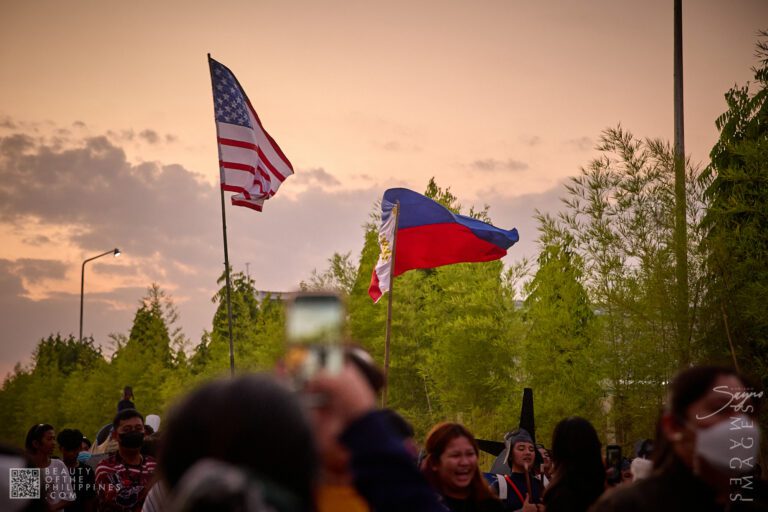
Standing along McArthur Highway during festival week, you feel immediately that this is a celebration shaped by intention. The Balacat Festival did not simply appear — it evolved. For years, Mabalacat City honored the Caragan Festival, rooted in the legend of Haring Caragan, the Aeta chieftain believed to have founded the early settlement. According to lore, the abundance of the Balakat tree inspired the name Ma-balacat — the place rich with balakat.

Check out the video for more highlights. See what I’ve captured through my lens with Point of View (POV) photography. Using a body cam, I’ll take you on an interactive tour, showing you behind-the-scenes moments of capturing the shots shared here.
Check out the video below for additional features. Explore what I’ve captured through my lens in this cinematic slideshow.

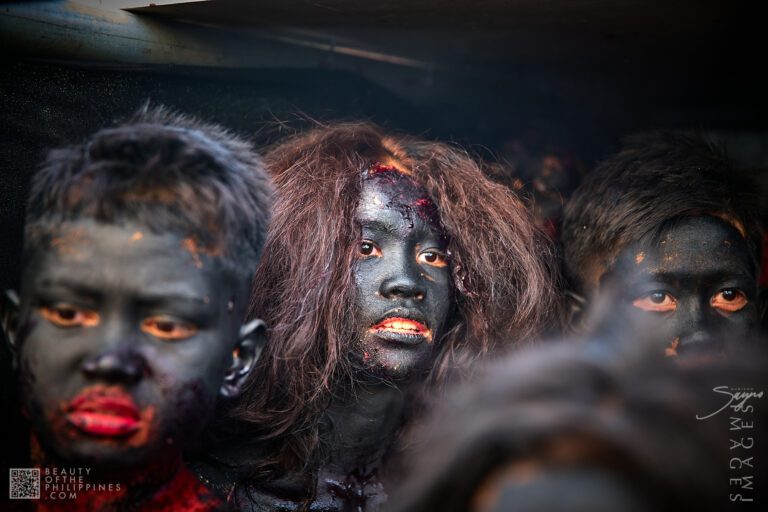
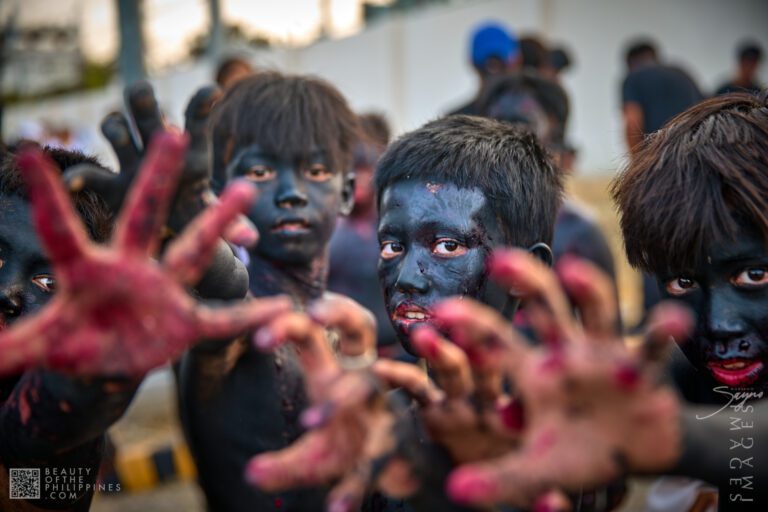
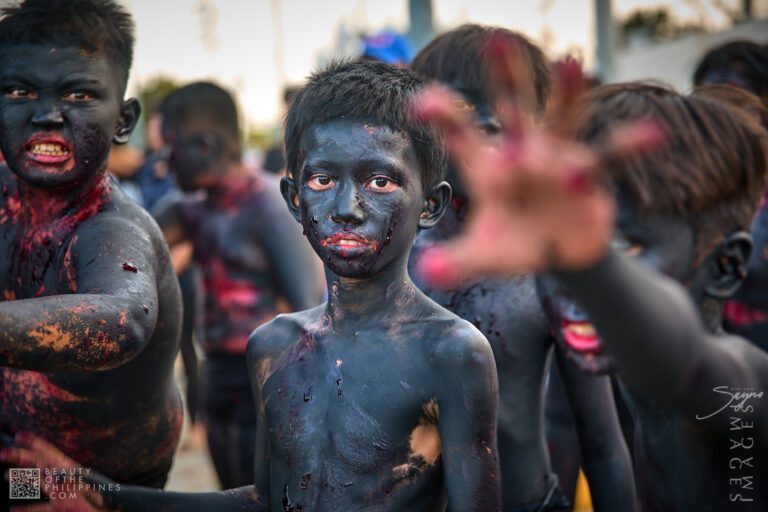
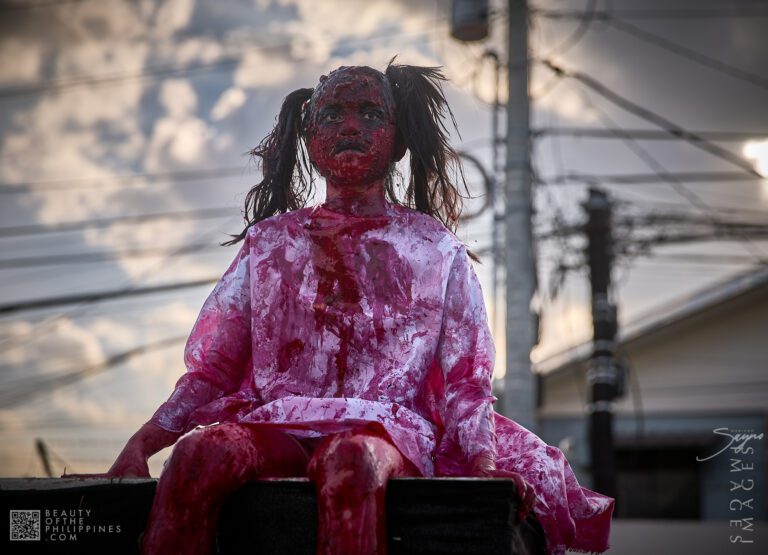
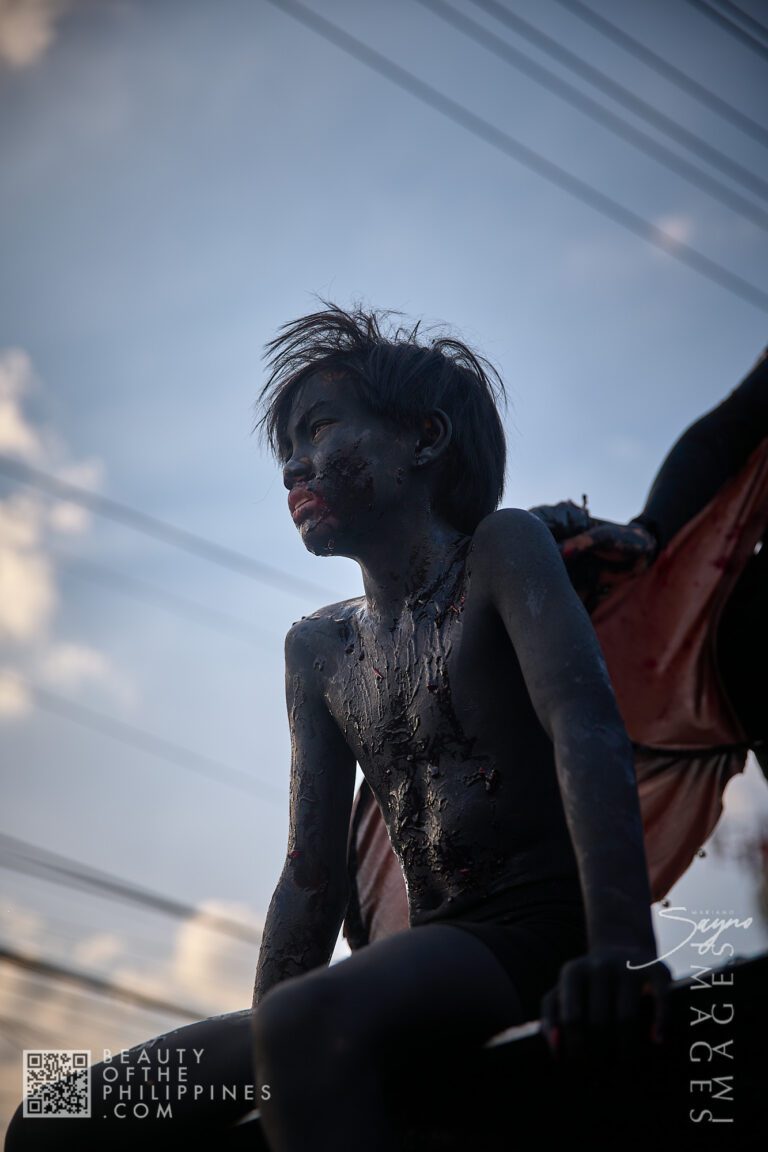
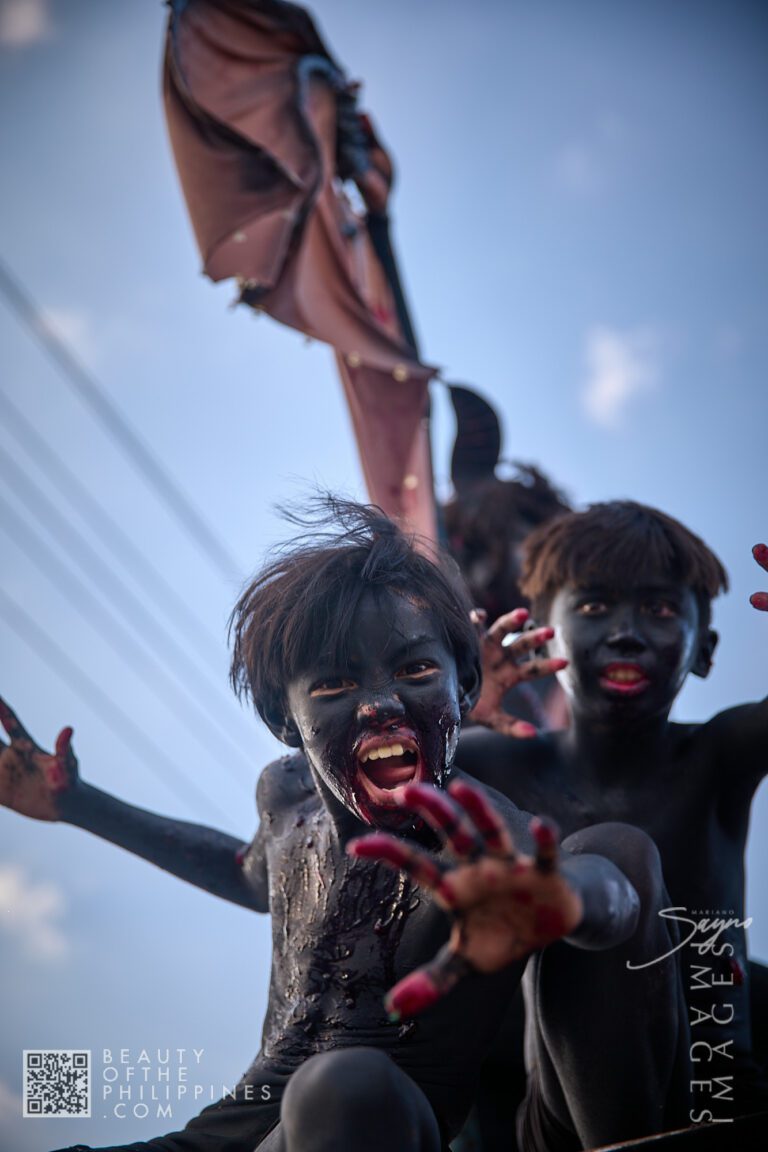
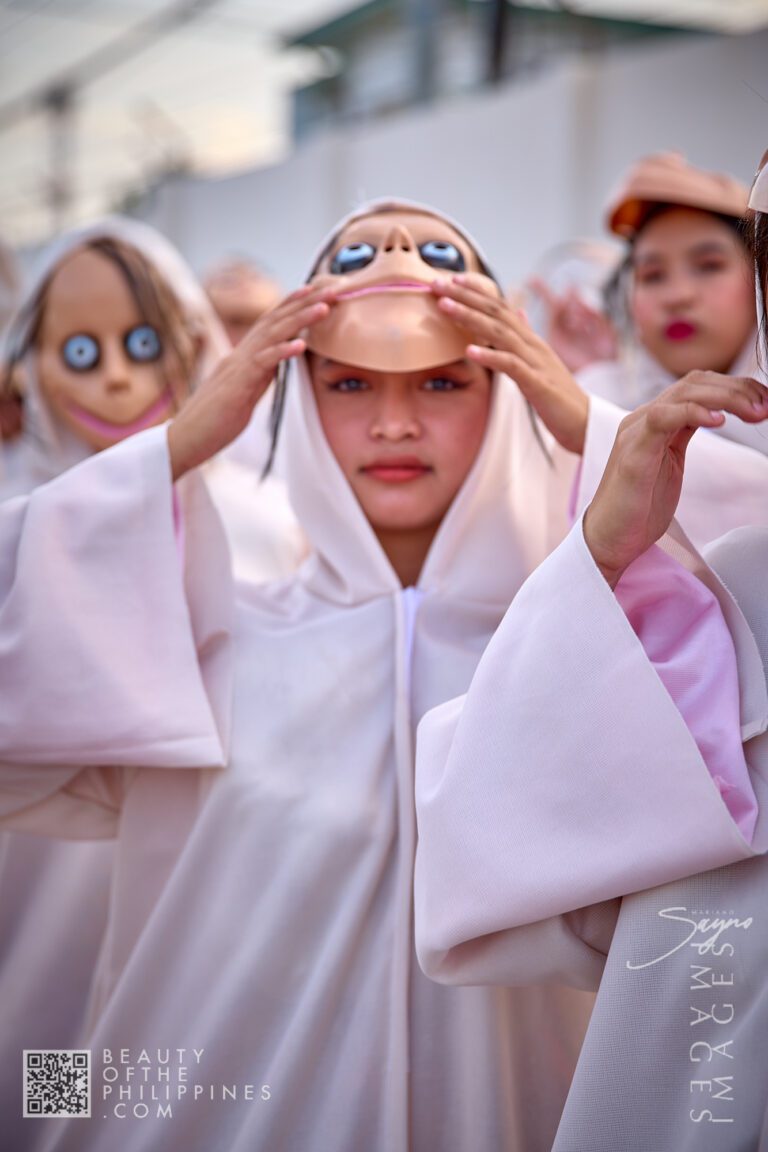
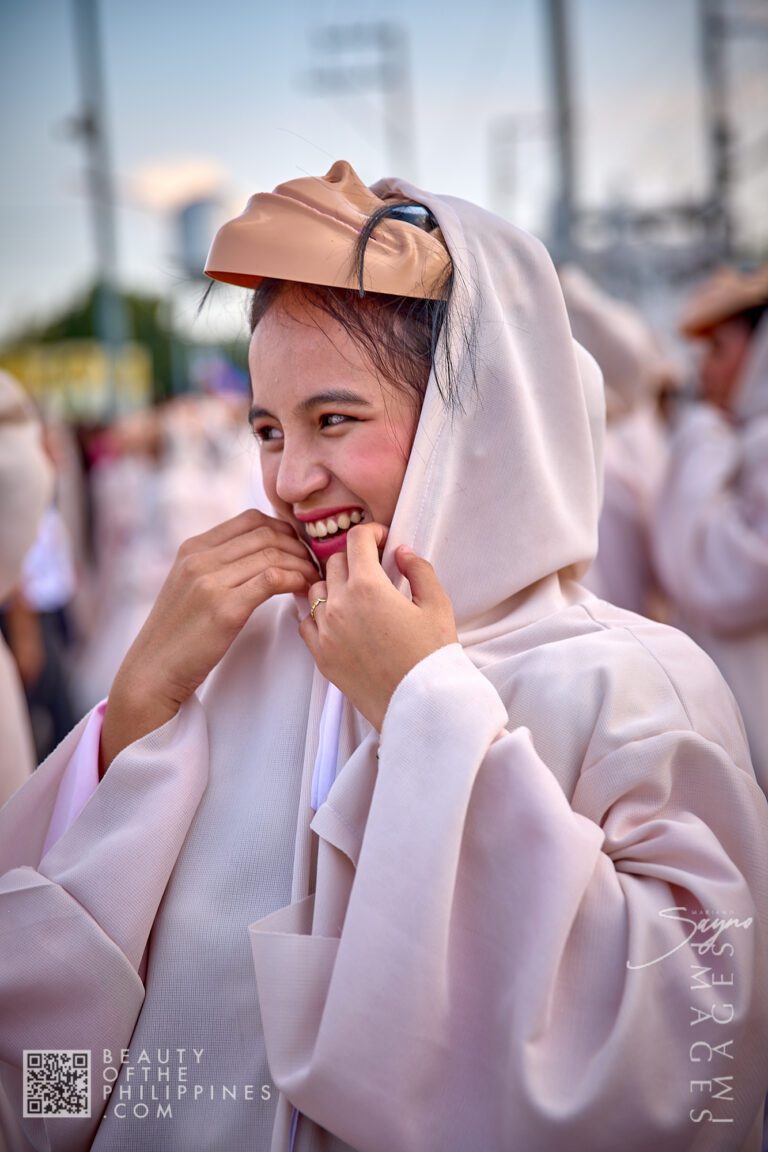
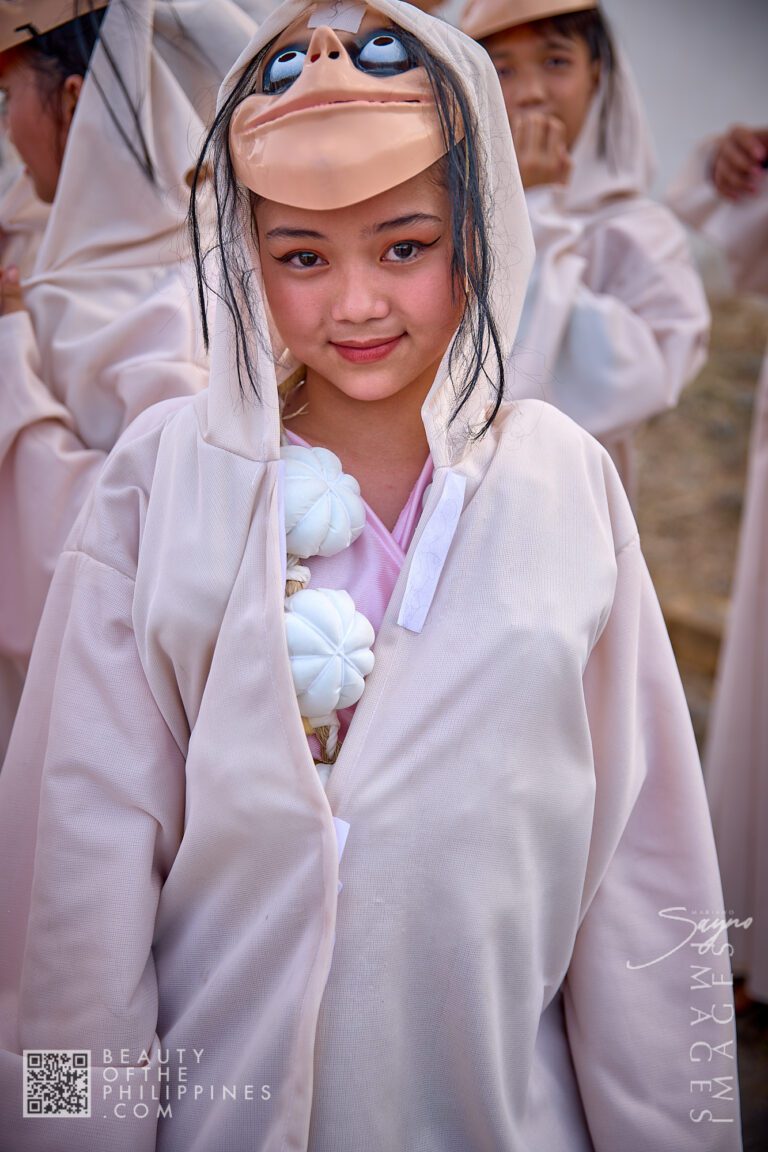
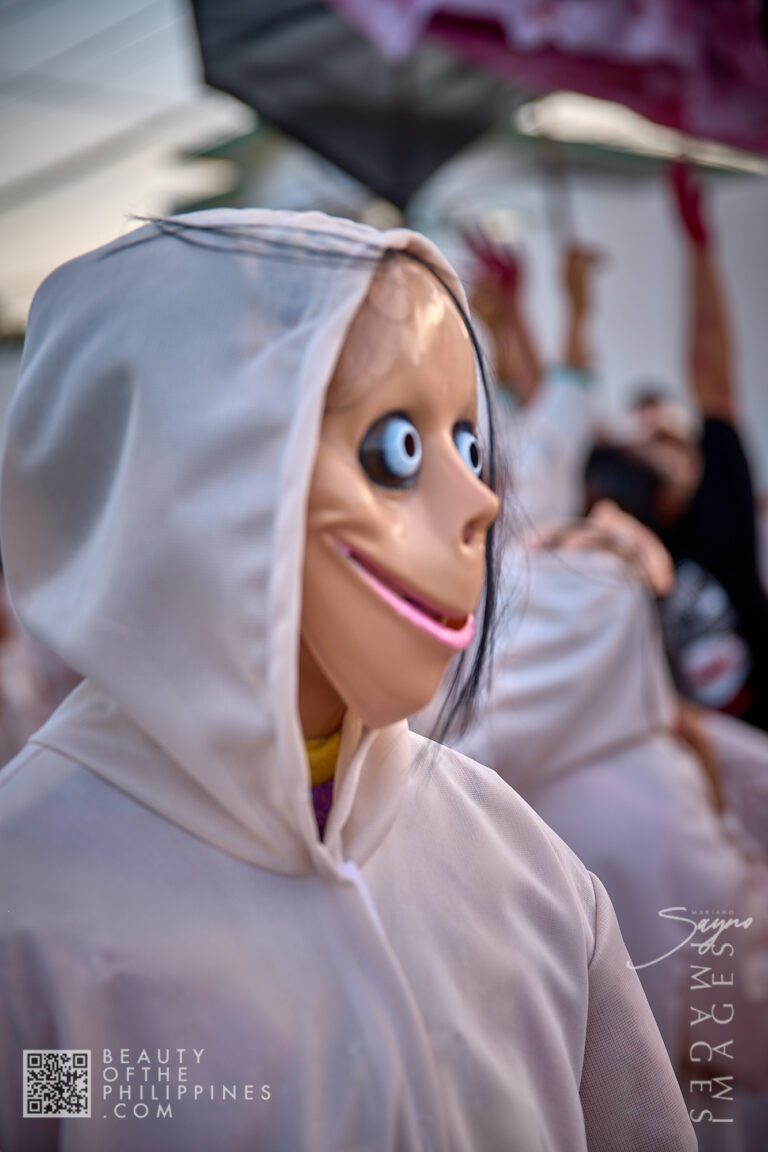
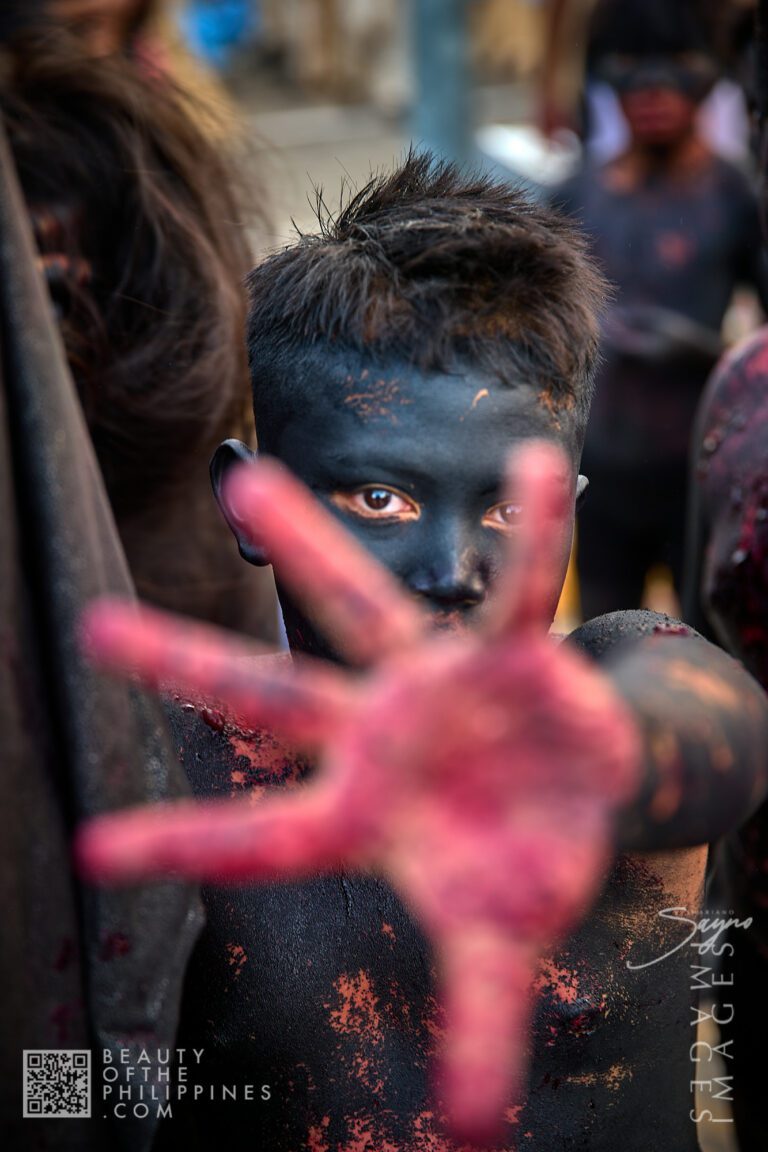
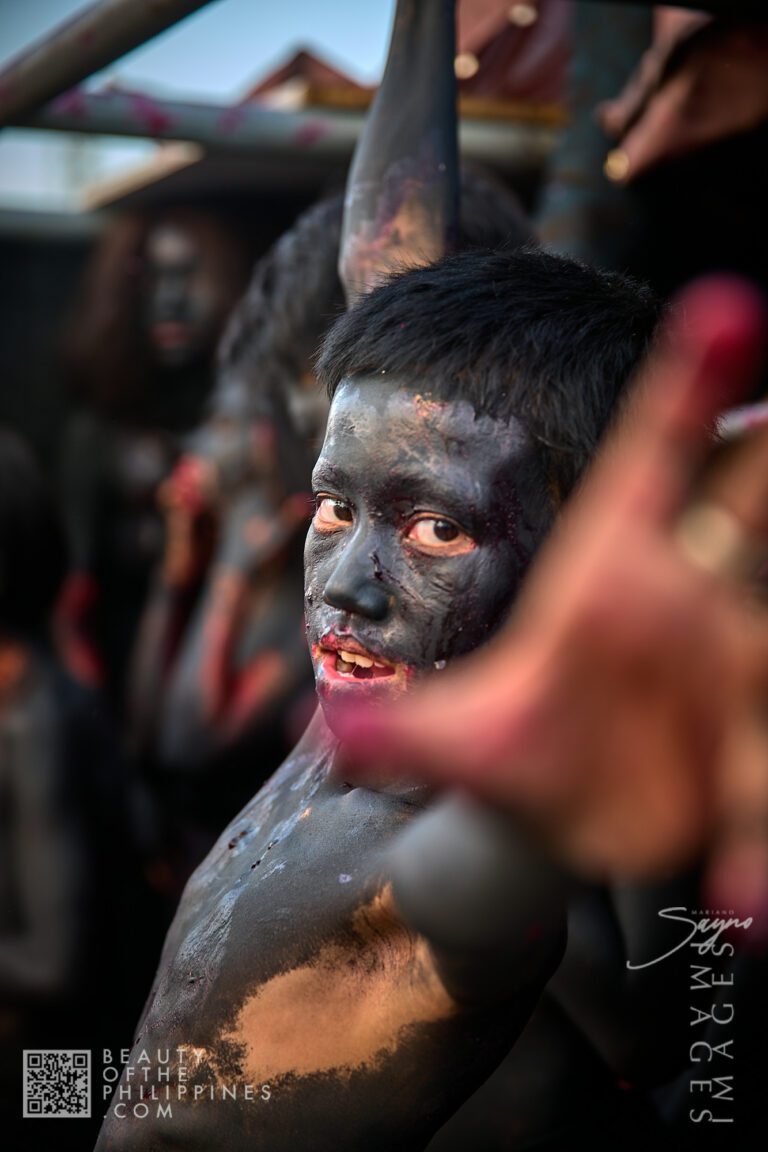
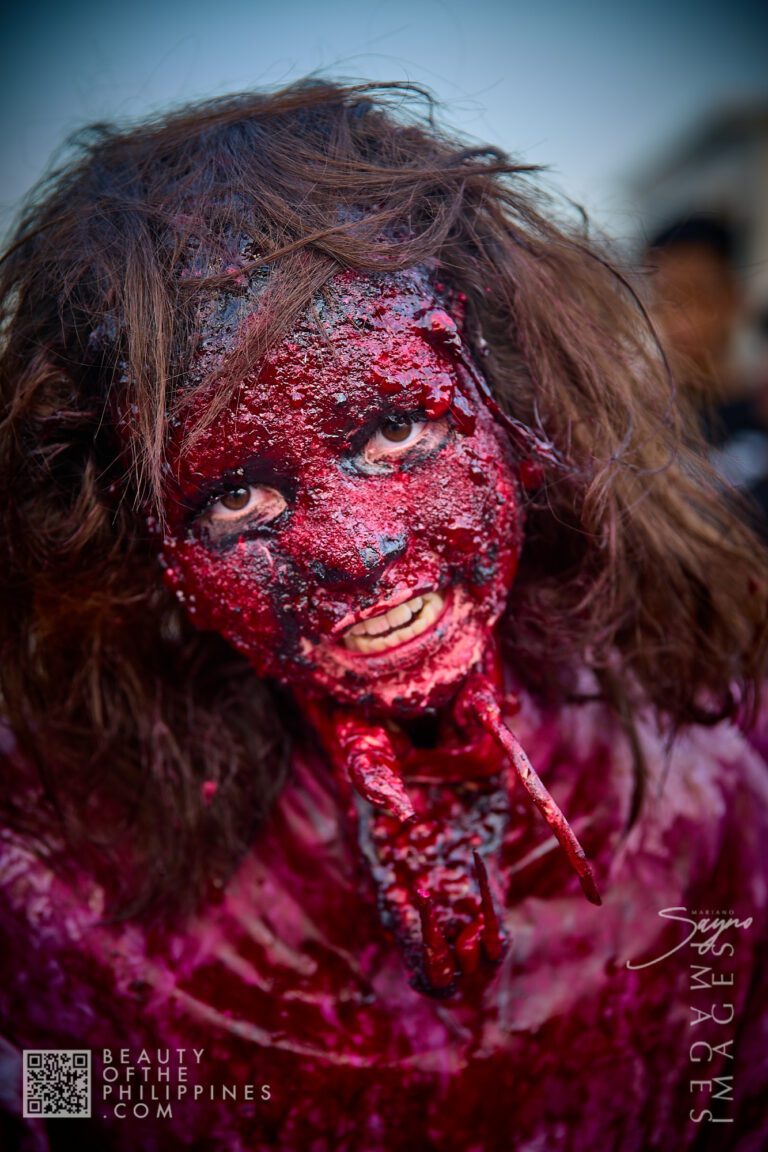
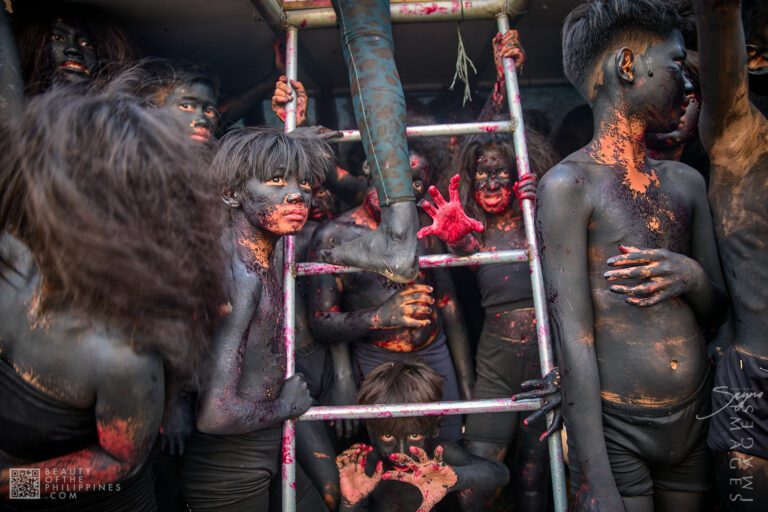
ABOVE: The champion team explored the theme “Folk Beliefs around Mabalacat City” with flair. Their captivating presentation delved into local folklore, highlighting creatures like the Mananangal and Malignos. Emphasizing the community’s religious faith in overcoming fear, the presentation featured costumes adorned with oversized garlic accents. Additionally, some participants were painted in eerie black and bloody red hues to enhance their frightening appearance.

ABOVE: The champion team explored the theme “Folk Beliefs around Mabalacat City” with flair. Their captivating presentation delved into local folklore, highlighting creatures like the Mananangal and Malignos. Emphasizing the community’s religious faith in overcoming fear, the presentation featured costumes adorned with oversized garlic accents. Additionally, some participants were painted in eerie black and bloody red hues to enhance their frightening appearance.

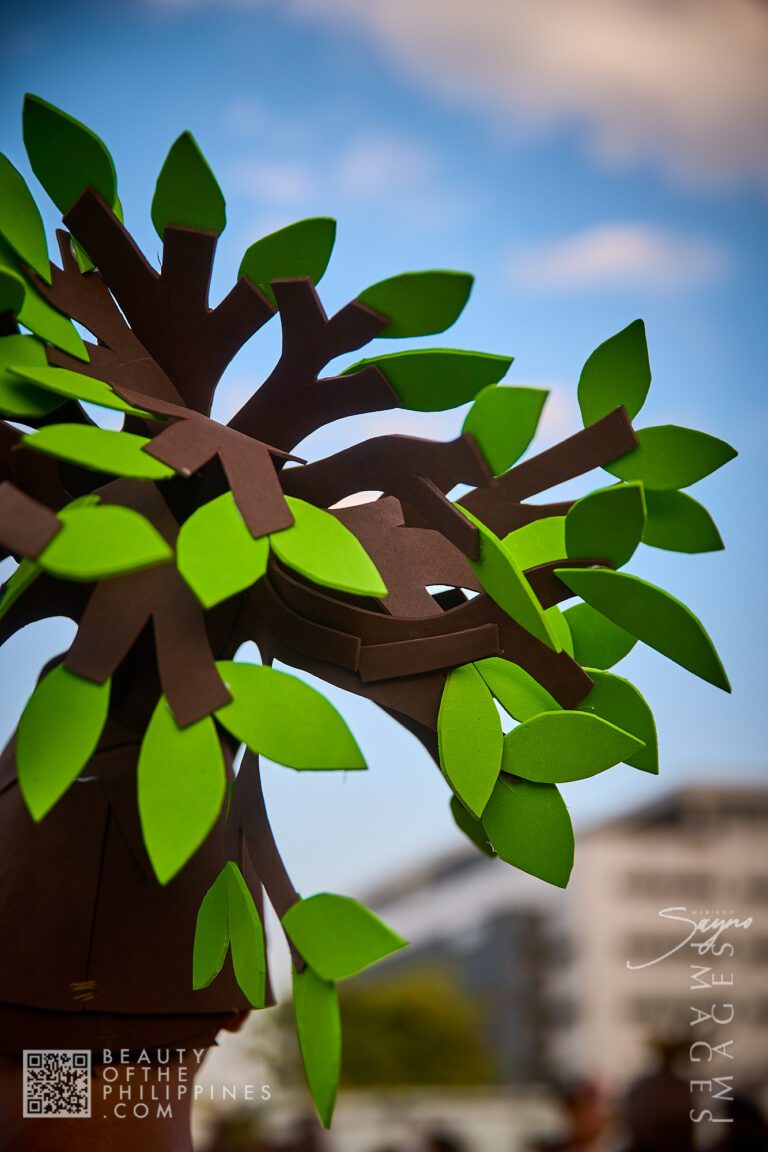
When the city rebranded the celebration into Balacat Festival, the shift was symbolic. It expanded the narrative from one heroic figure to an entire community. The Balakat tree became the metaphor — strong, grounded, resilient. That symbolism threads through every performance, pavilion, and presentation.


The festival grounds at Balacat Village in Barangay Mabiga transform into a central stage, yet the energy radiates outward into all 27 barangays. Each one contributes — not as spectators, but as active storytellers.

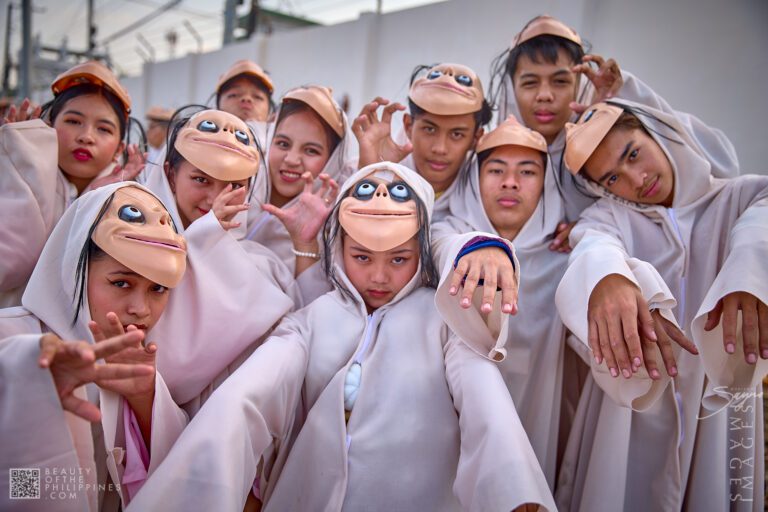
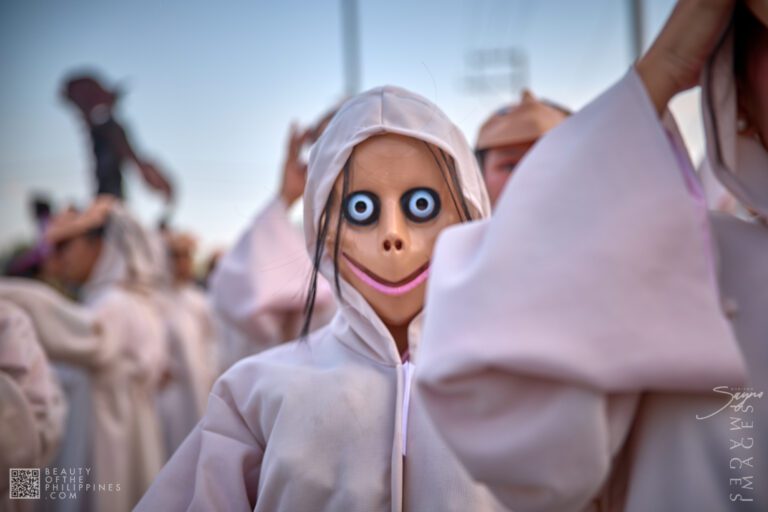
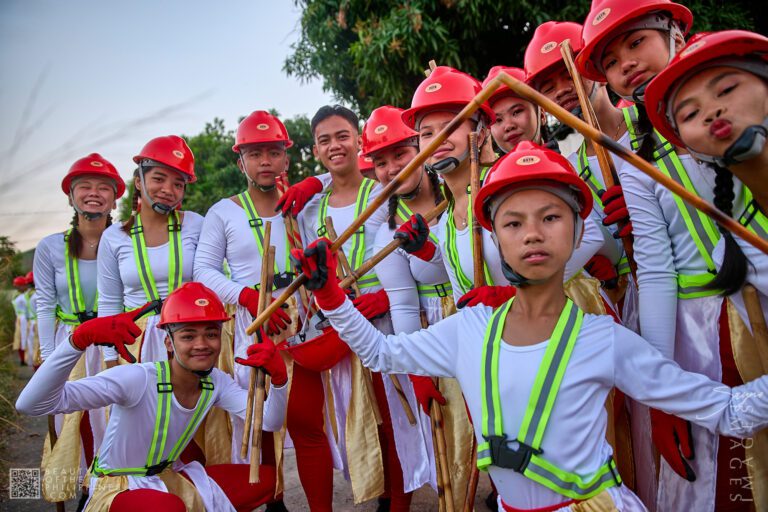
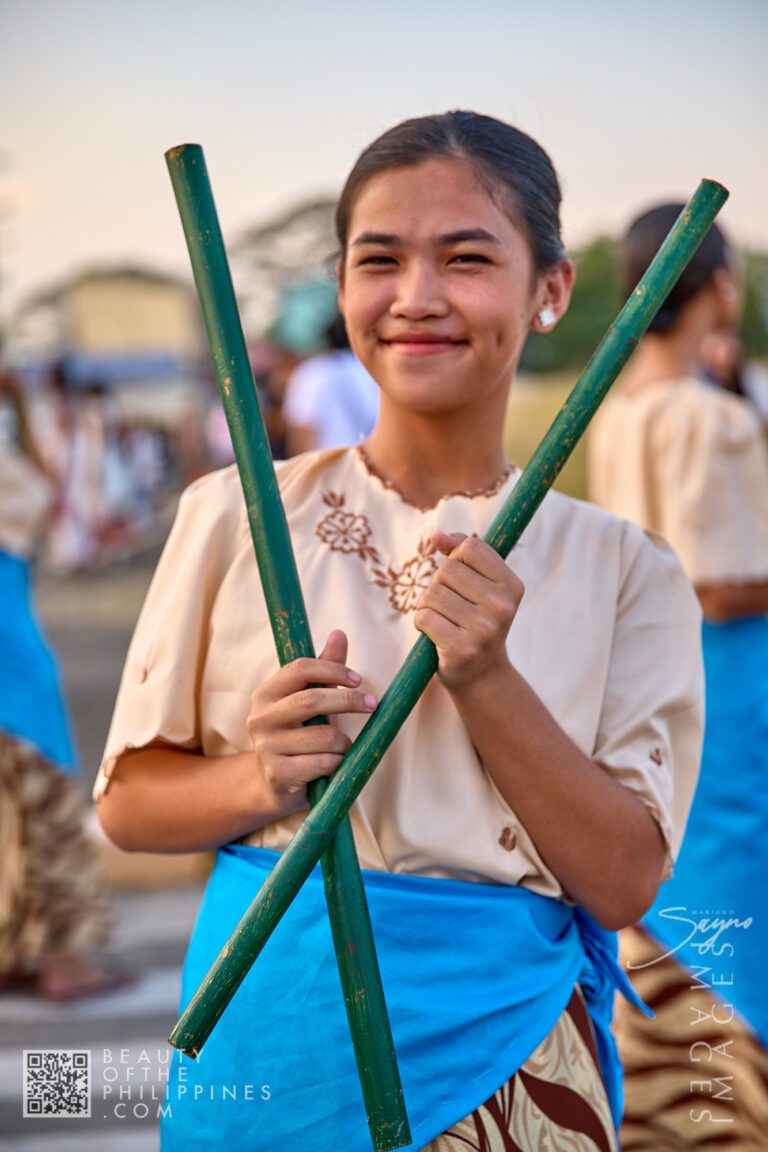
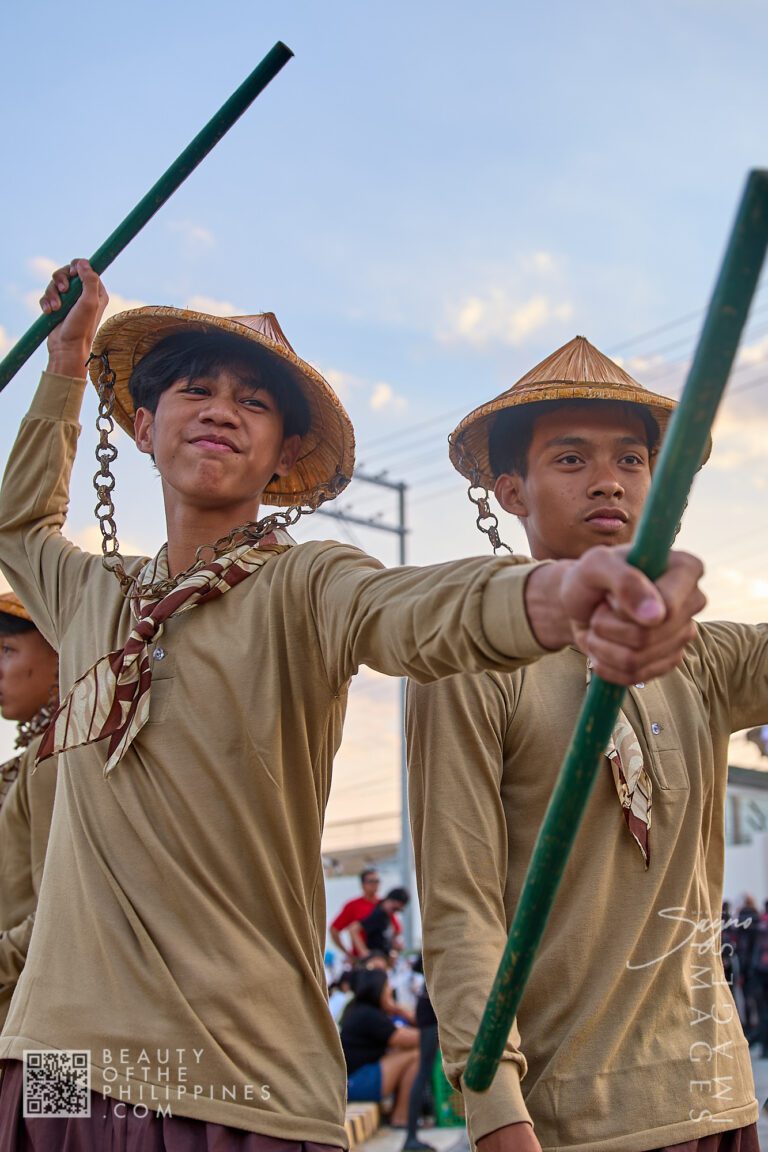
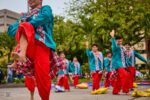
ABOVE: The Balacat Festival redefined street dance competitions by exploring diverse aspects of the city’s rich history. Performances covered indigenous heritage, Spanish colonization, American occupation, World War II struggles, local folklore, Pinatubo eruption aftermath, and modernization. This multifaceted approach entertained and educated spectators about Mabalacat’s past and present.

ABOVE: The Balacat Festival redefined street dance competitions by exploring diverse aspects of the city’s rich history. Performances covered indigenous heritage, Spanish colonization, American occupation, World War II struggles, local folklore, Pinatubo eruption aftermath, and modernization. This multifaceted approach entertained and educated spectators about Mabalacat’s past and present.

The Street Dance as Living History

What sets the Balacat Festival apart — especially for someone observing through a camera lens — is how its street dance competition unfolds like a chronological performance. It is not random choreography. It is narrative.

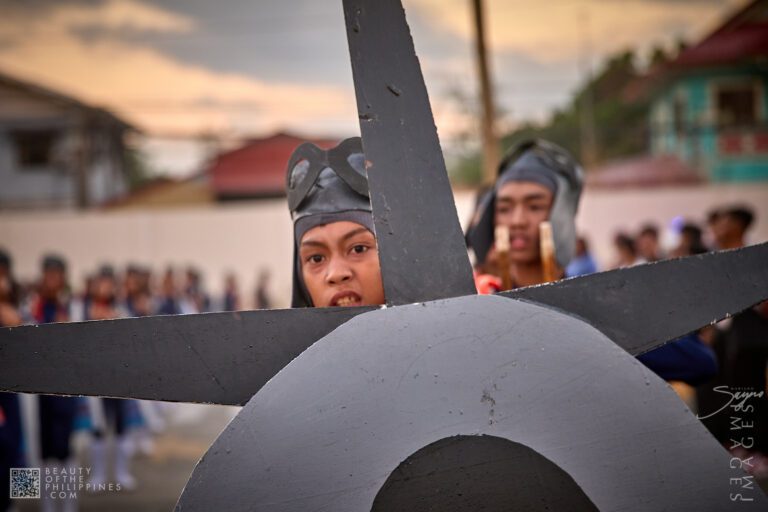
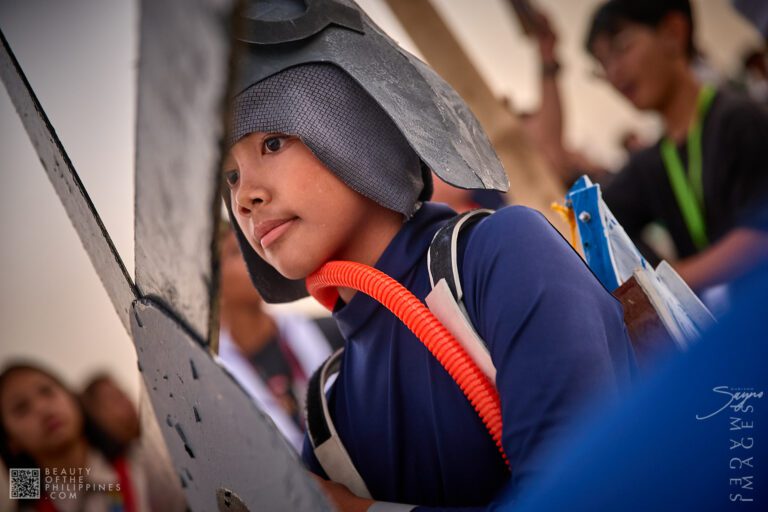
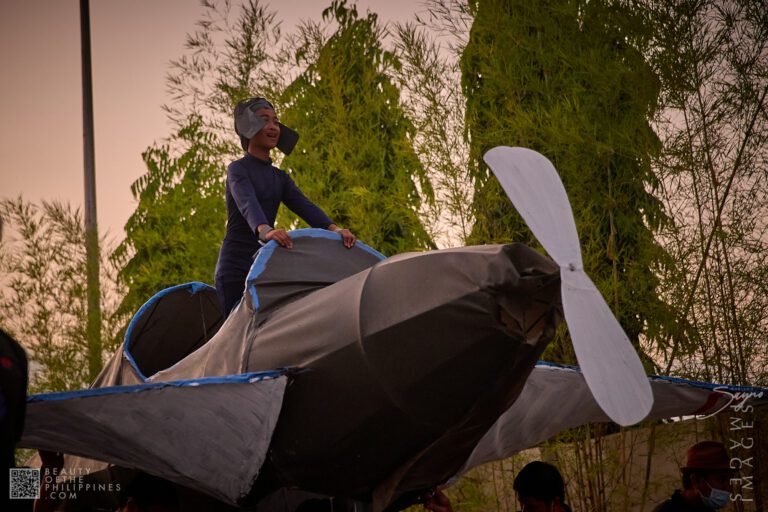
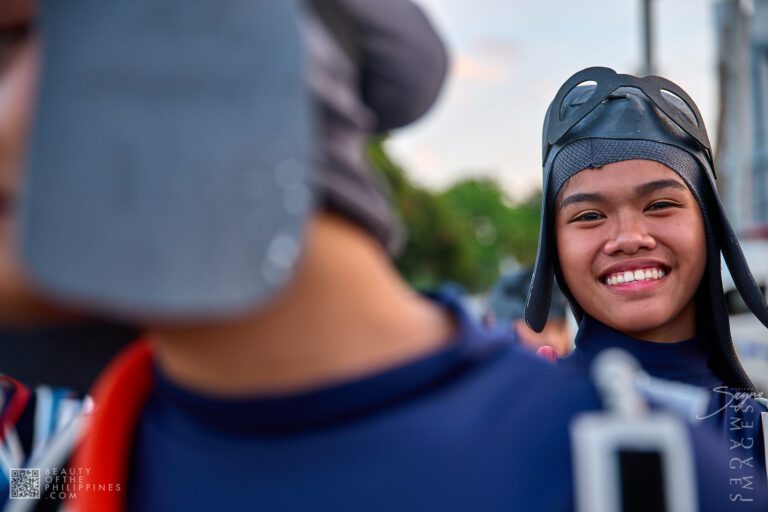
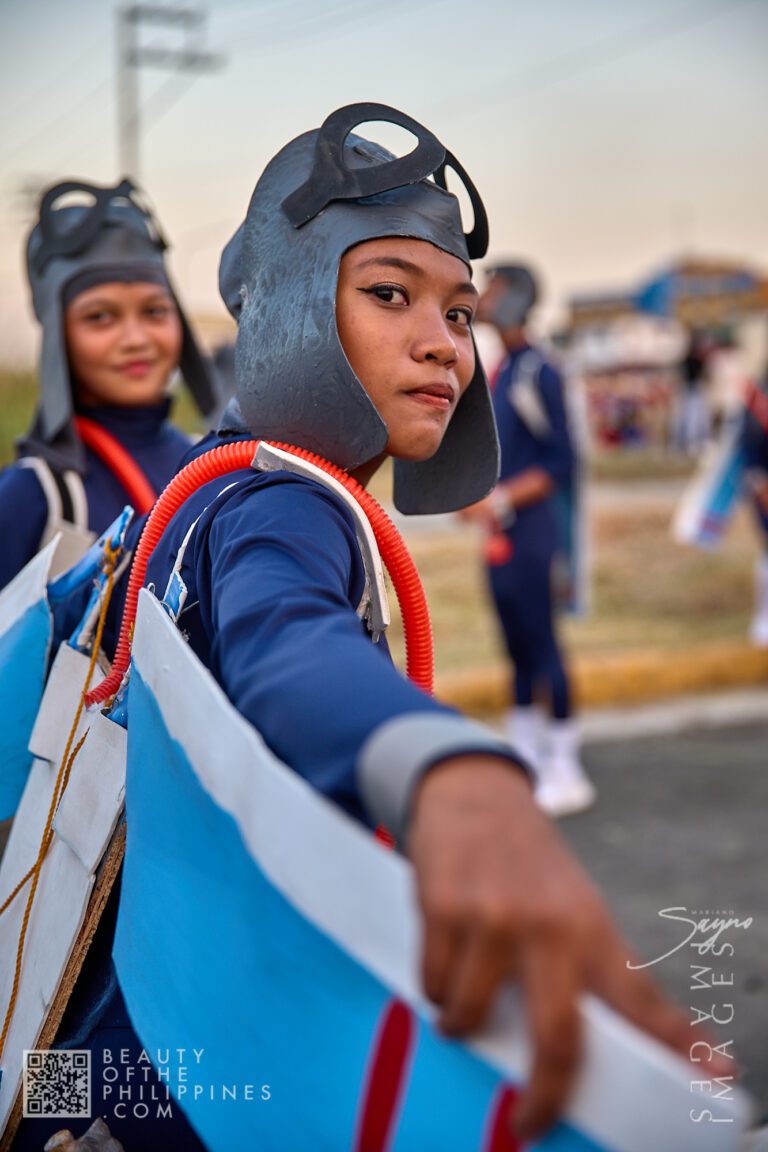
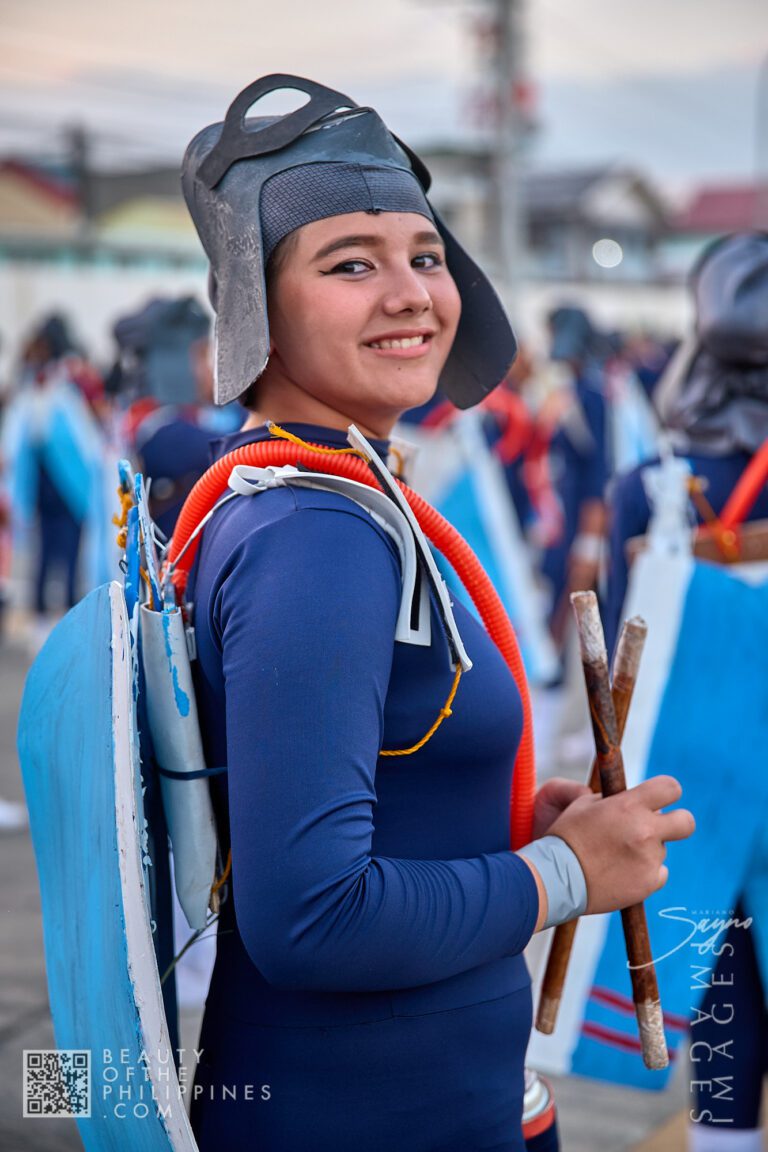
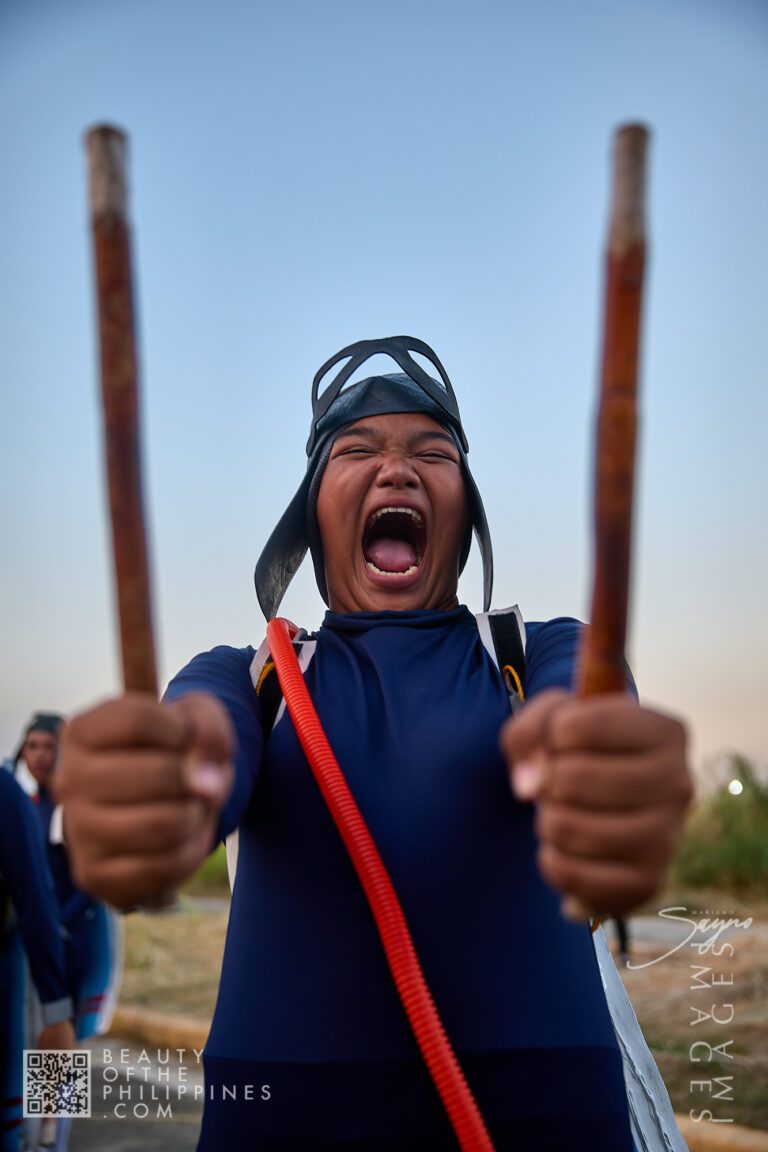
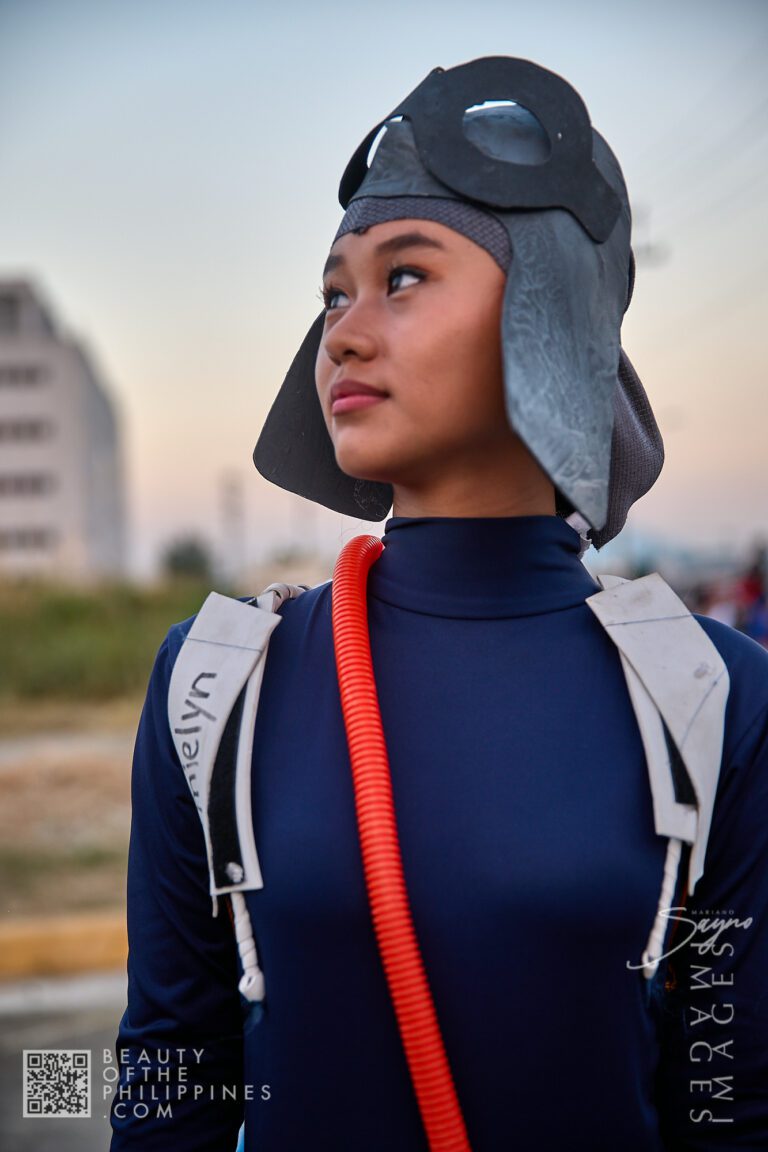
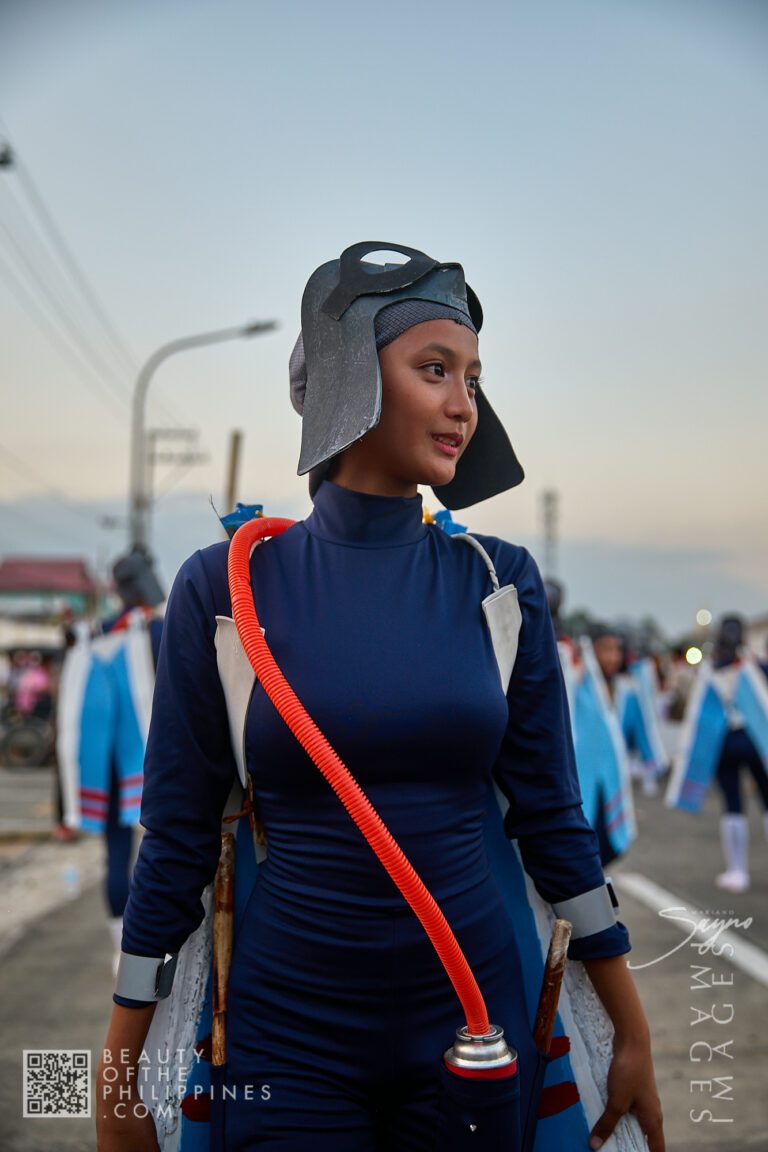
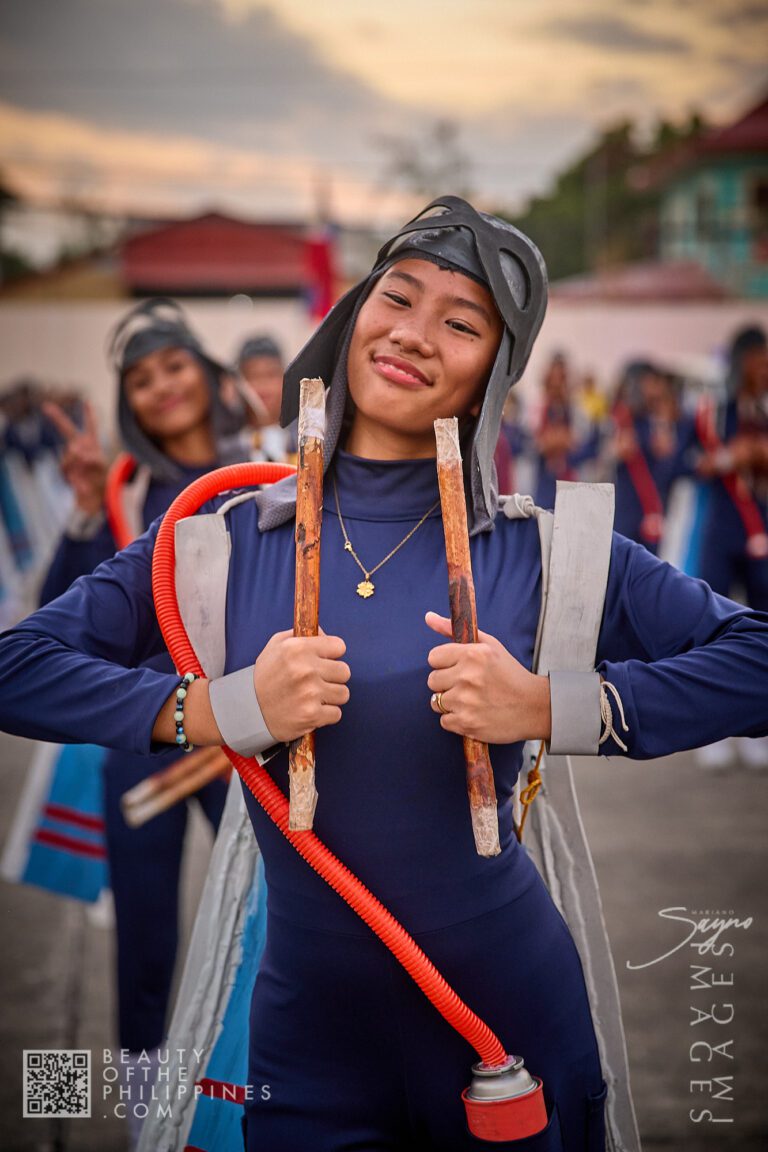
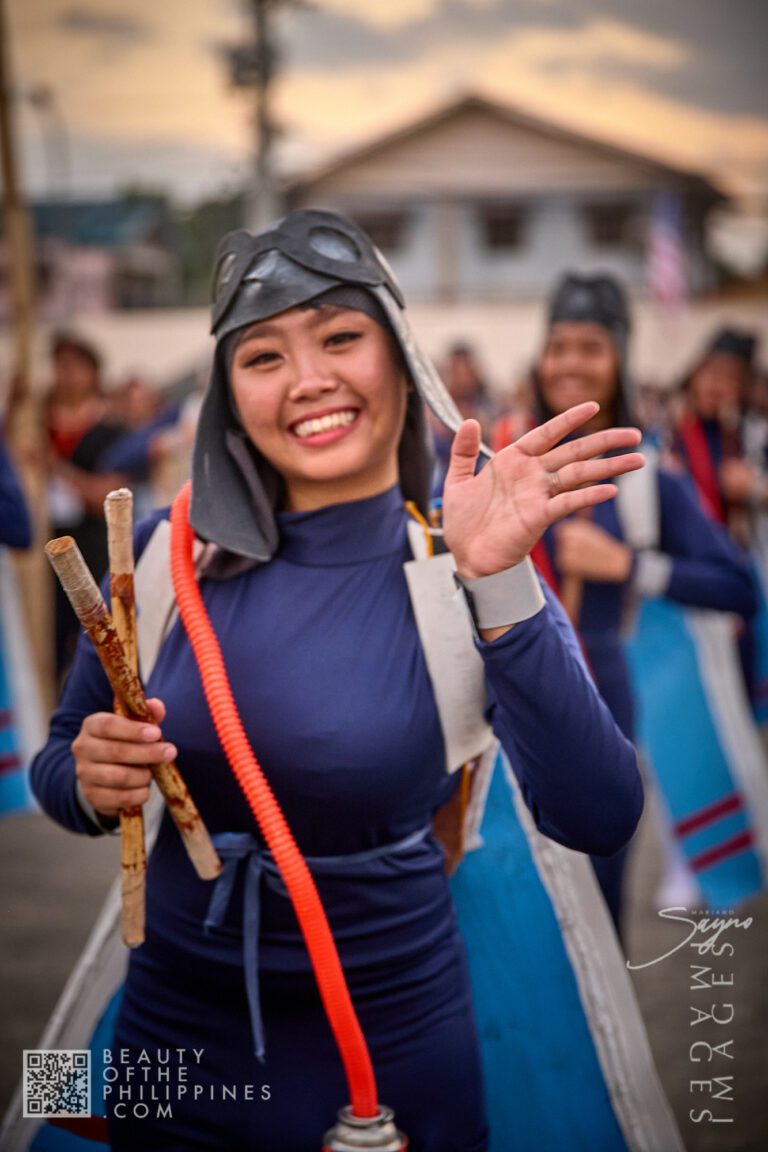
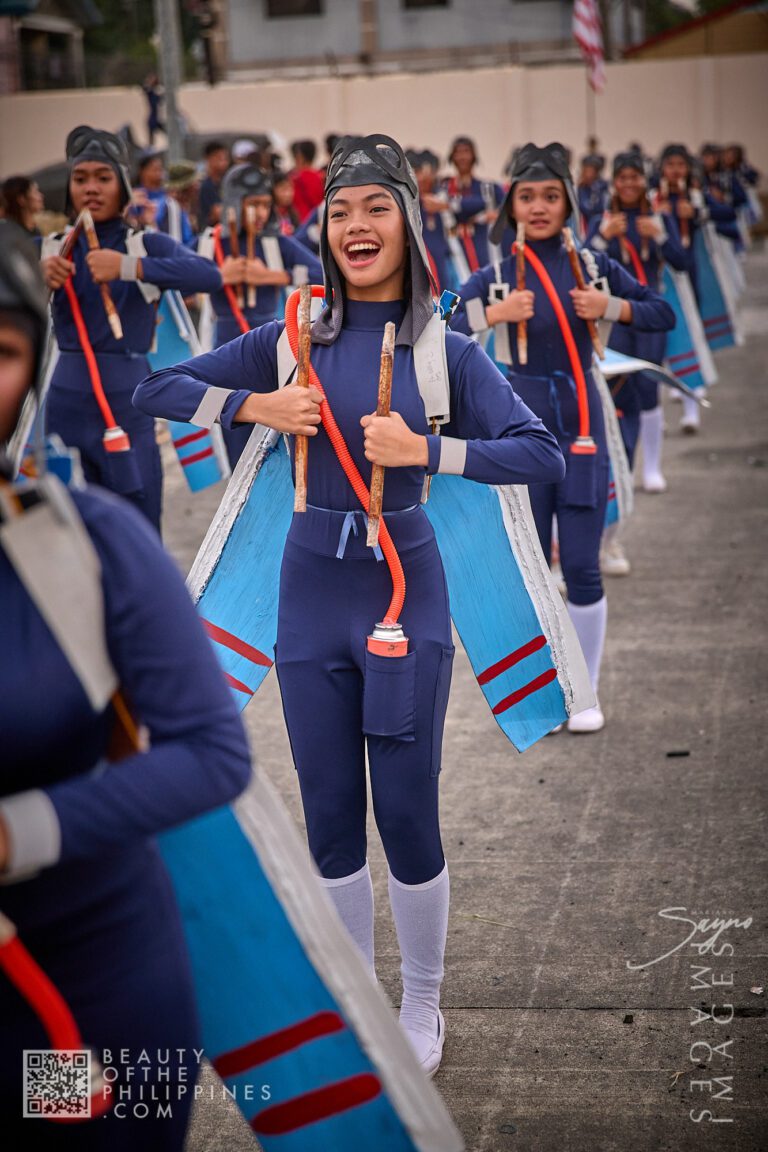
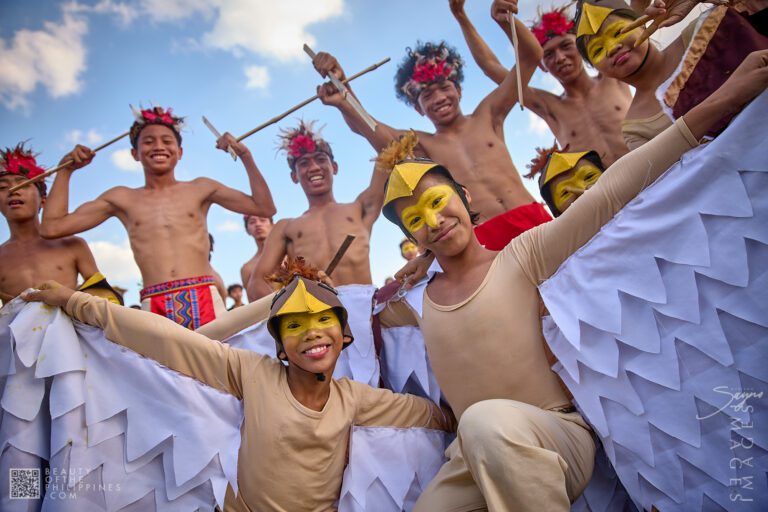
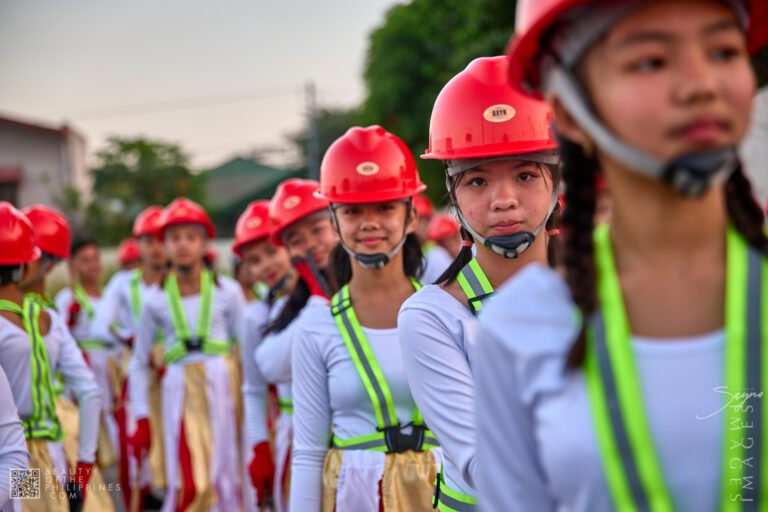
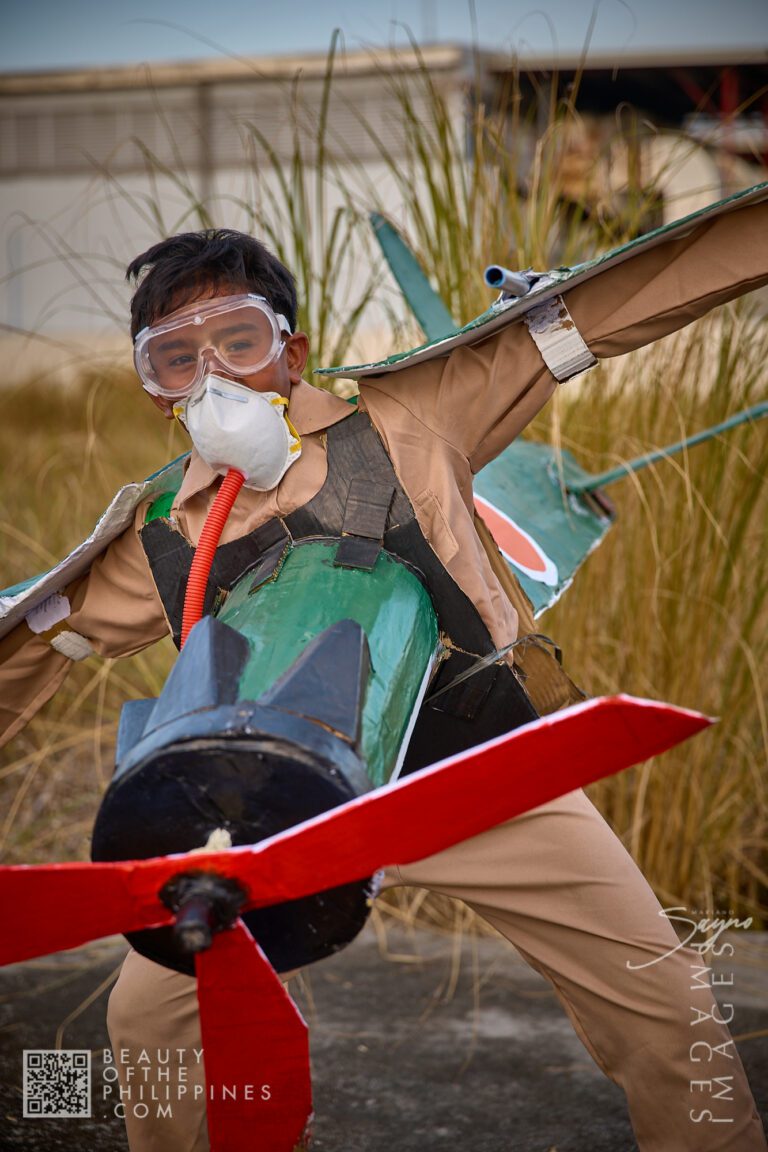
ABOVE: This team showcased the theme “Clark as the largest air force base of the United States.”
They dressed up in costumes representing a blend of pilot and aircraft themes, featuring large aircraft wings on their backs and pilot headgear.

ABOVE: This team showcased the theme “Clark as the largest air force base of the United States.”
They dressed up in costumes representing a blend of pilot and aircraft themes, featuring large aircraft wings on their backs and pilot headgear.

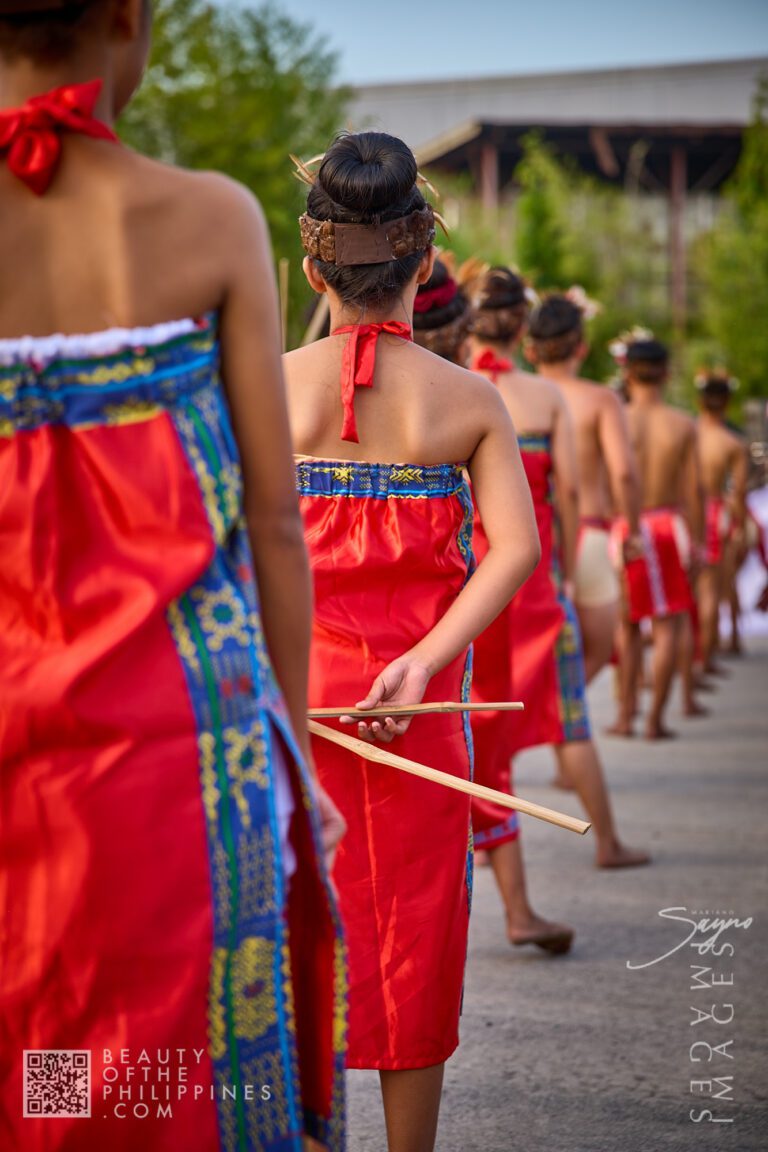
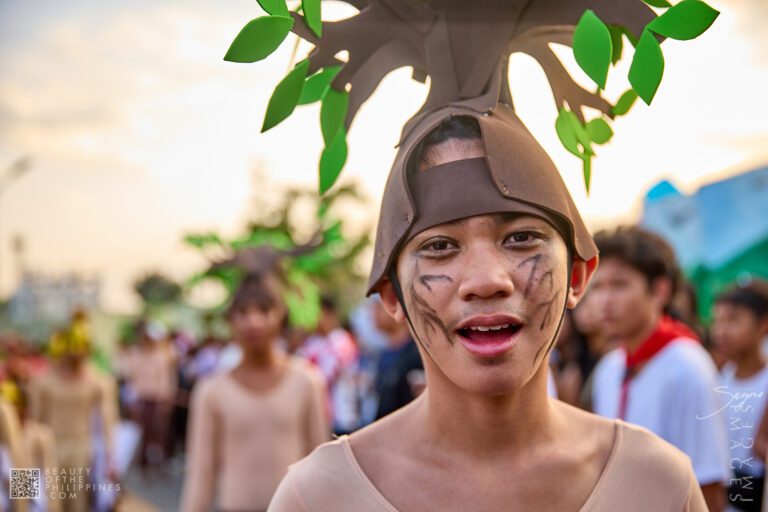
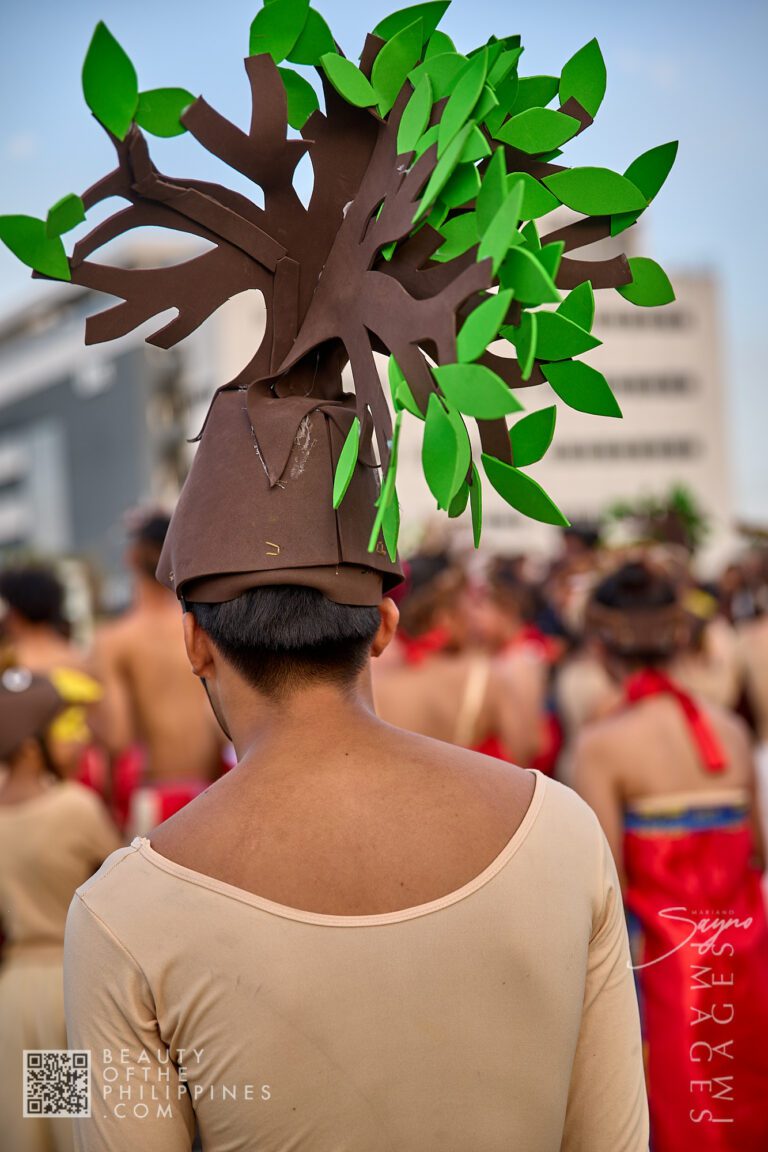
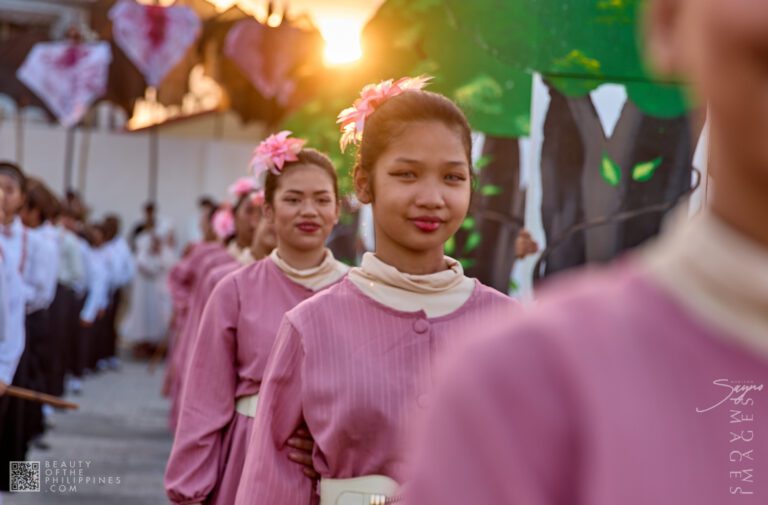
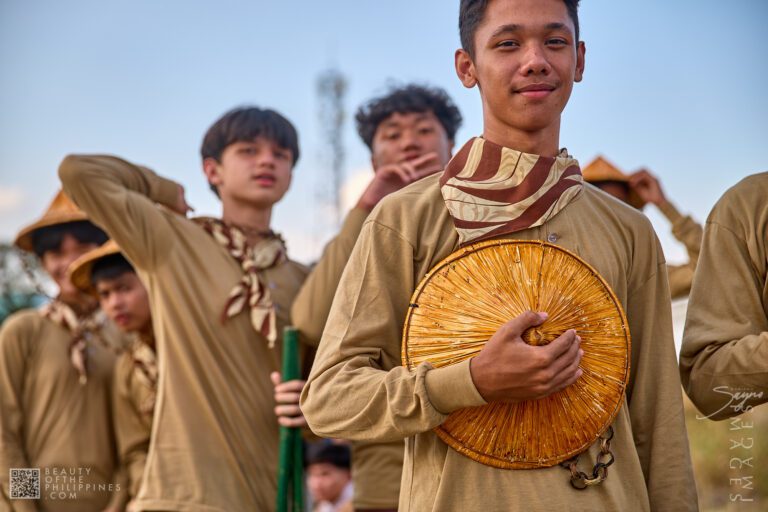
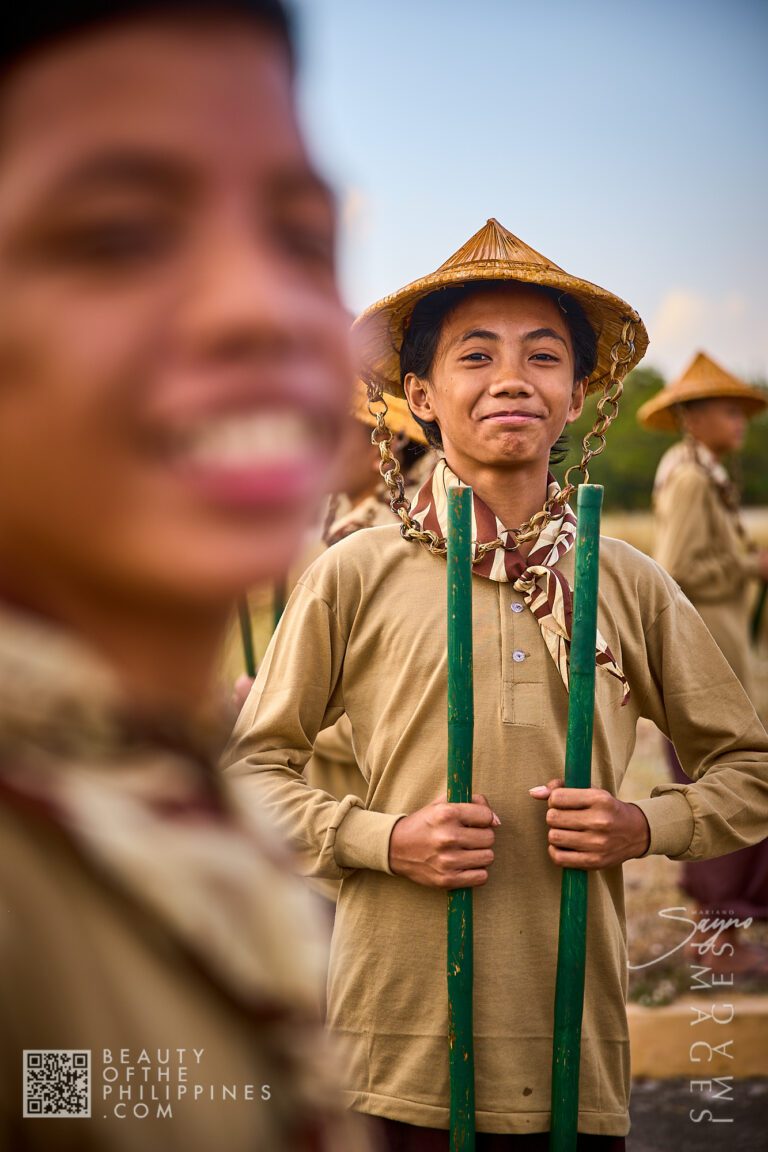
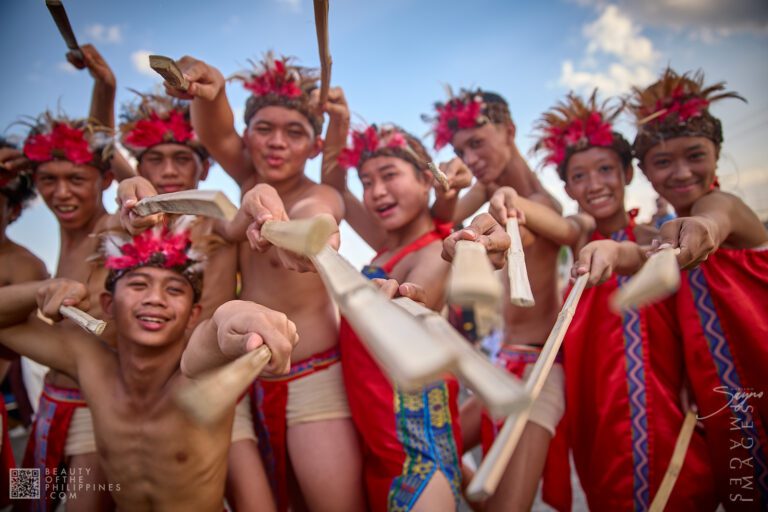
One contingent opens with a portrayal of Aeta heritage, dancers barefoot or in earth-toned costumes, movements grounded and rhythmic. Their formations often mimic mountains and forests, referencing ancestral stewardship of land long before colonization. Props resemble woven baskets, hunting tools, and symbolic trees — particularly the Balakat — reinforcing the city’s origin story.


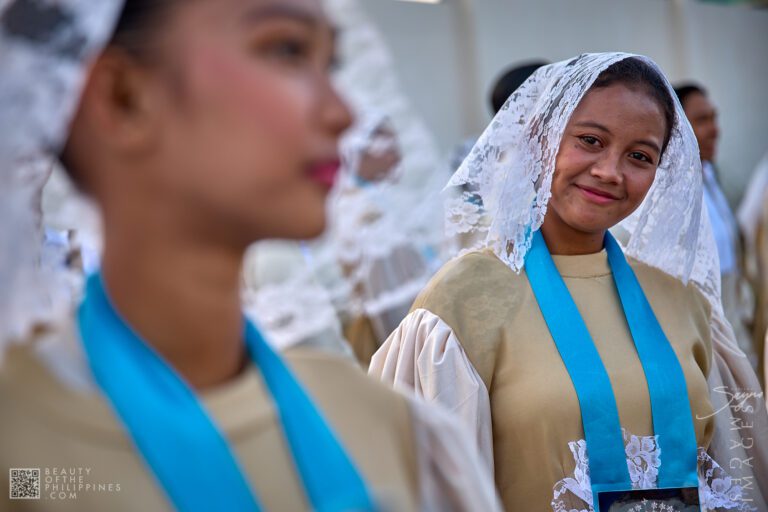
Another group shifts the tone entirely. Spanish-inspired costumes emerge, referencing the arrival of missionaries and the influence of the Recoletos. The choreography becomes structured, incorporating church-inspired gestures, rosary imagery, and dramatic formations that depict early community transformation. You can see in their staging an attempt to reconcile faith, colonization, and adaptation.

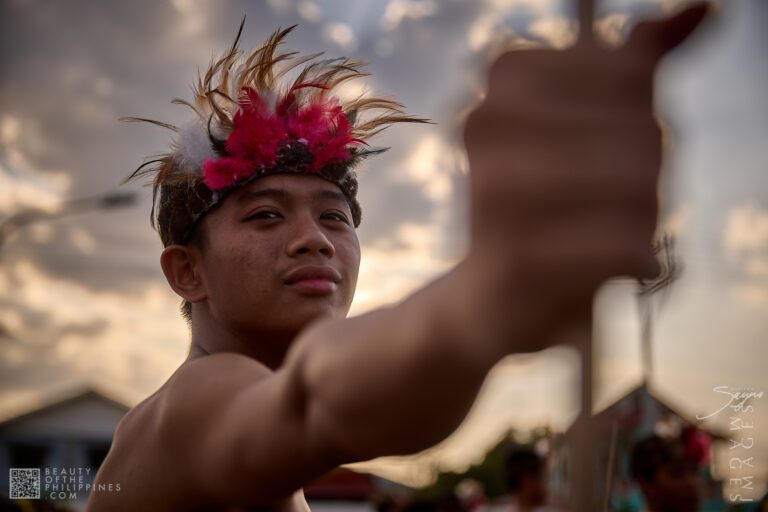
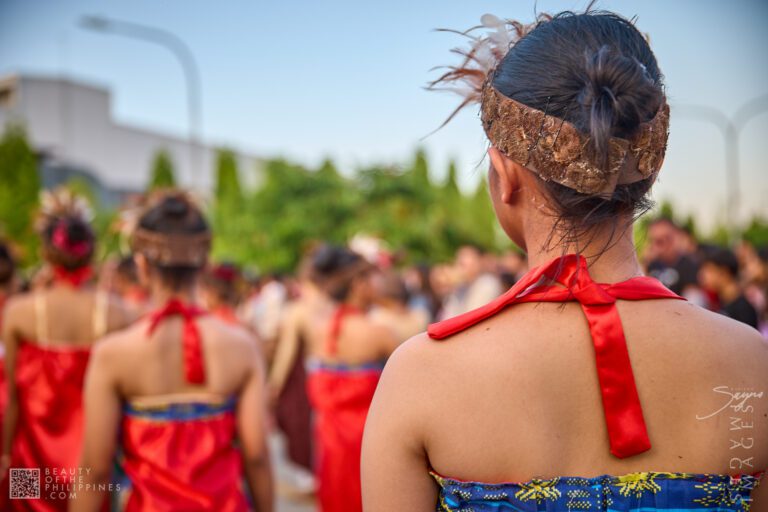
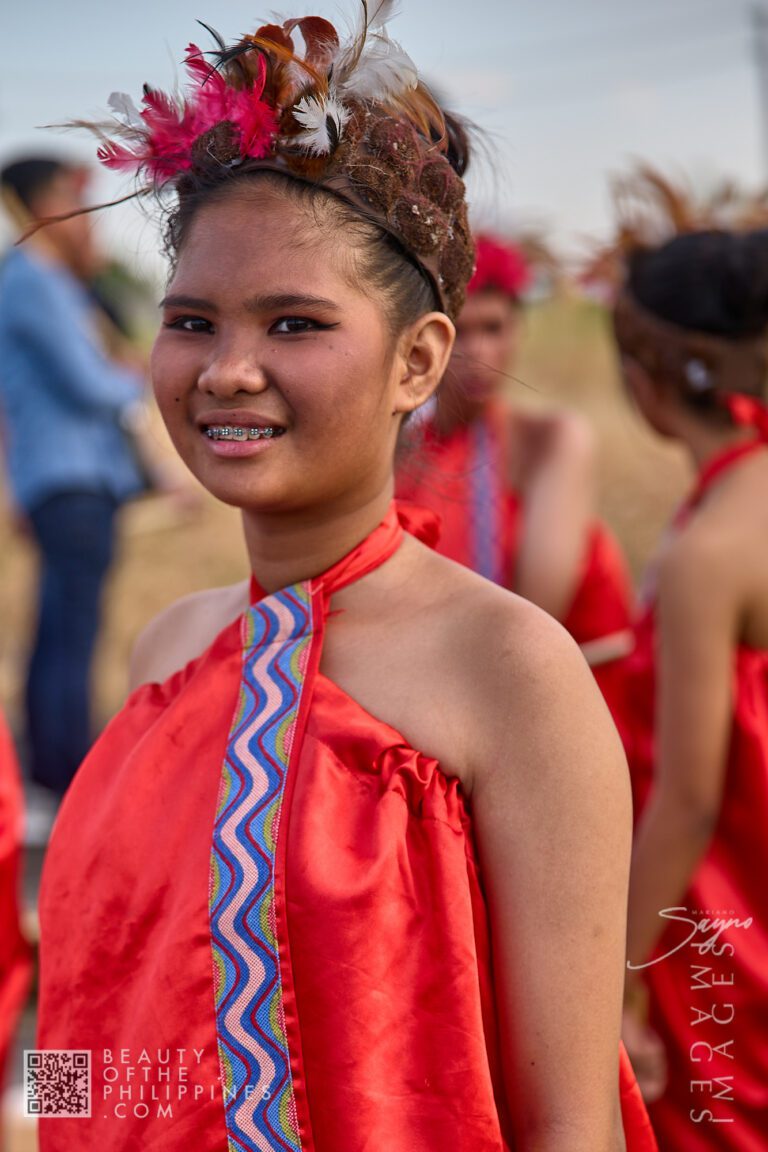
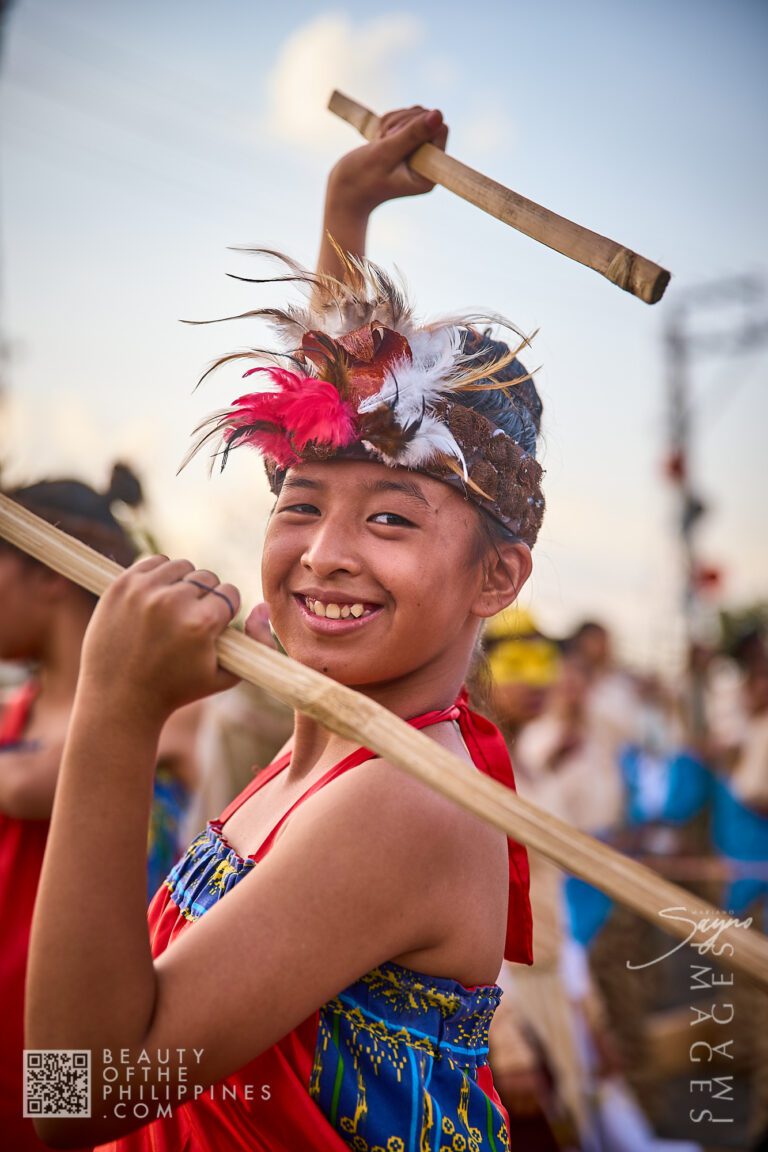
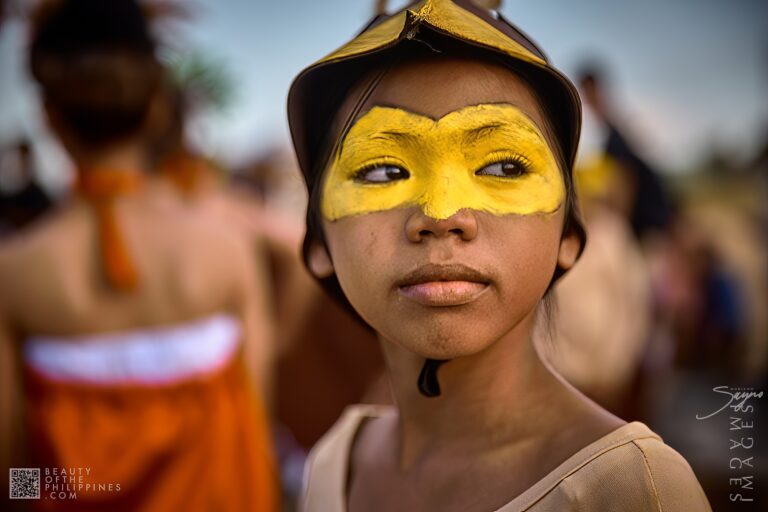
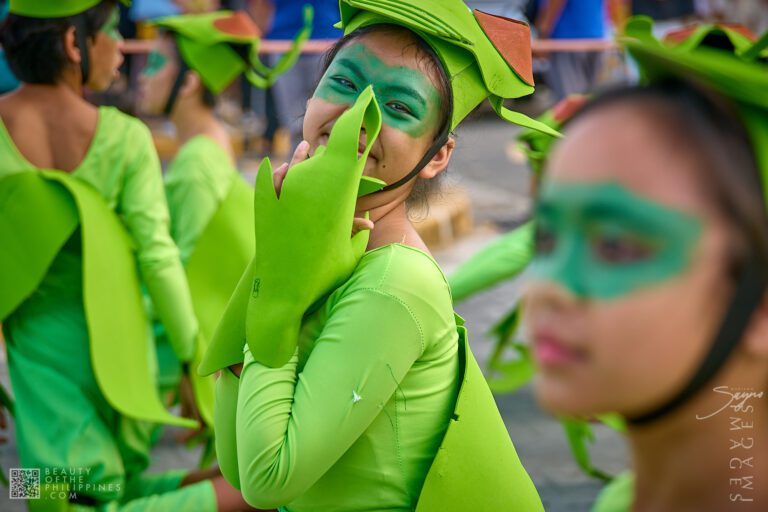
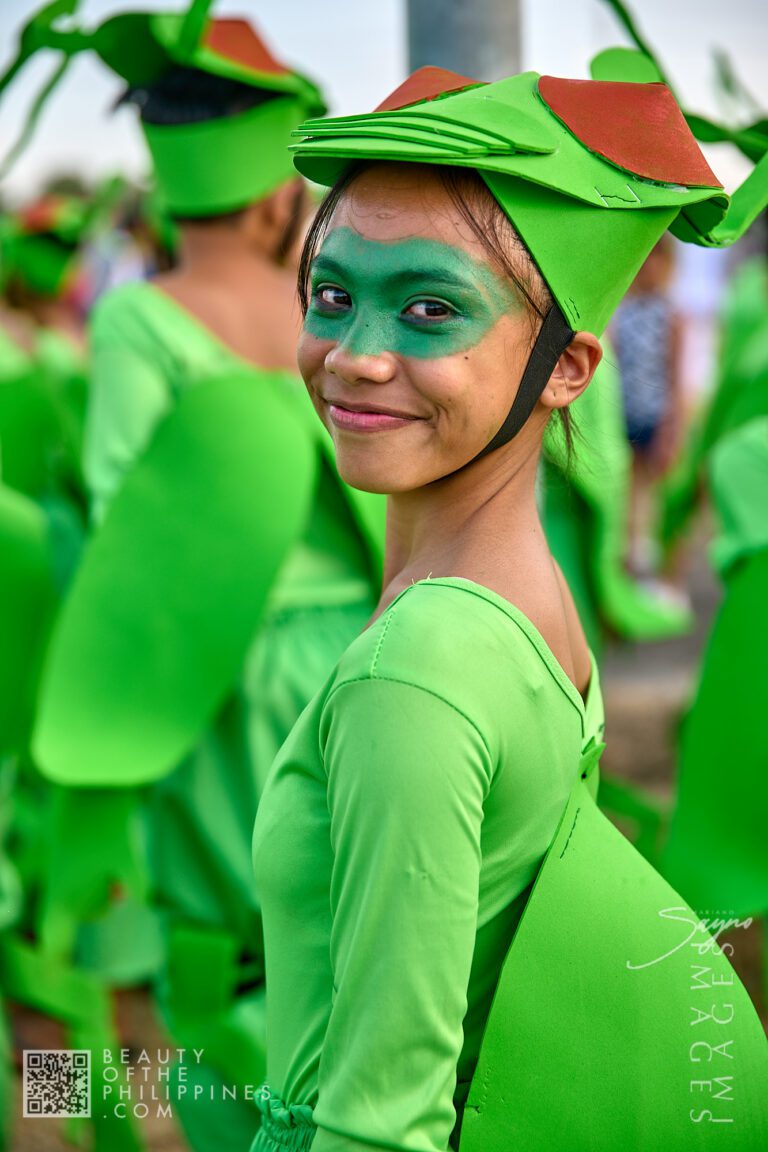
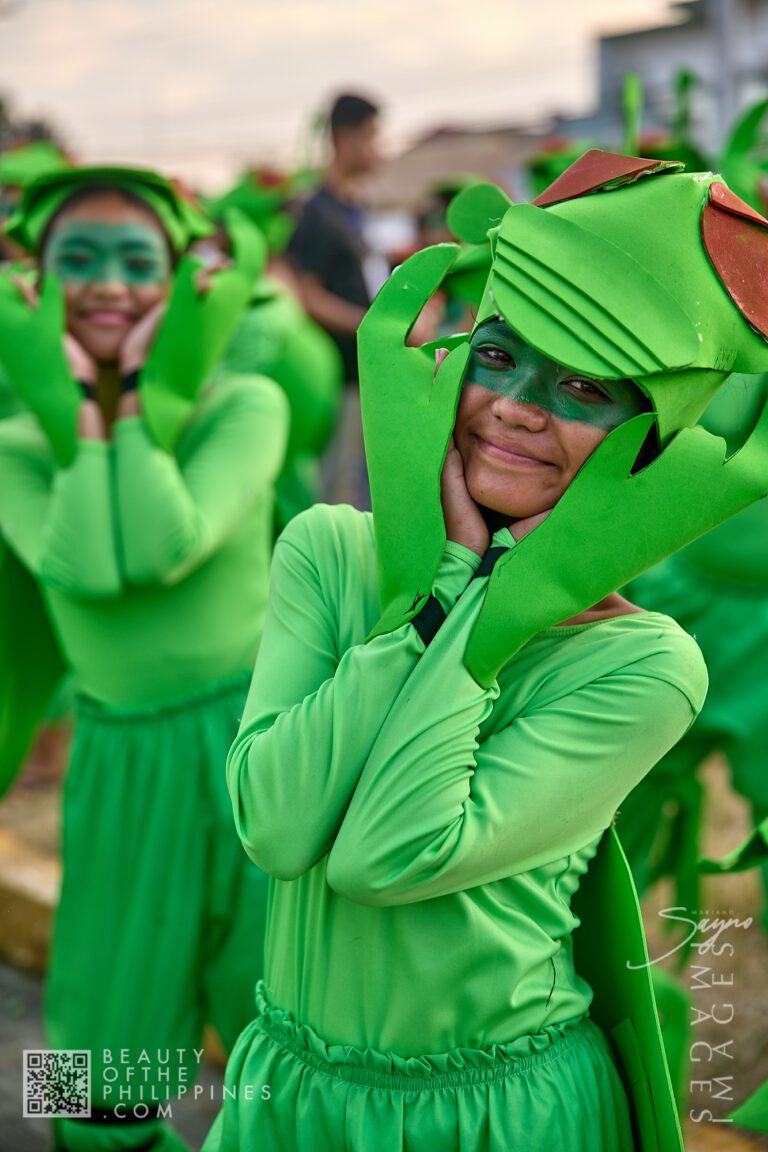
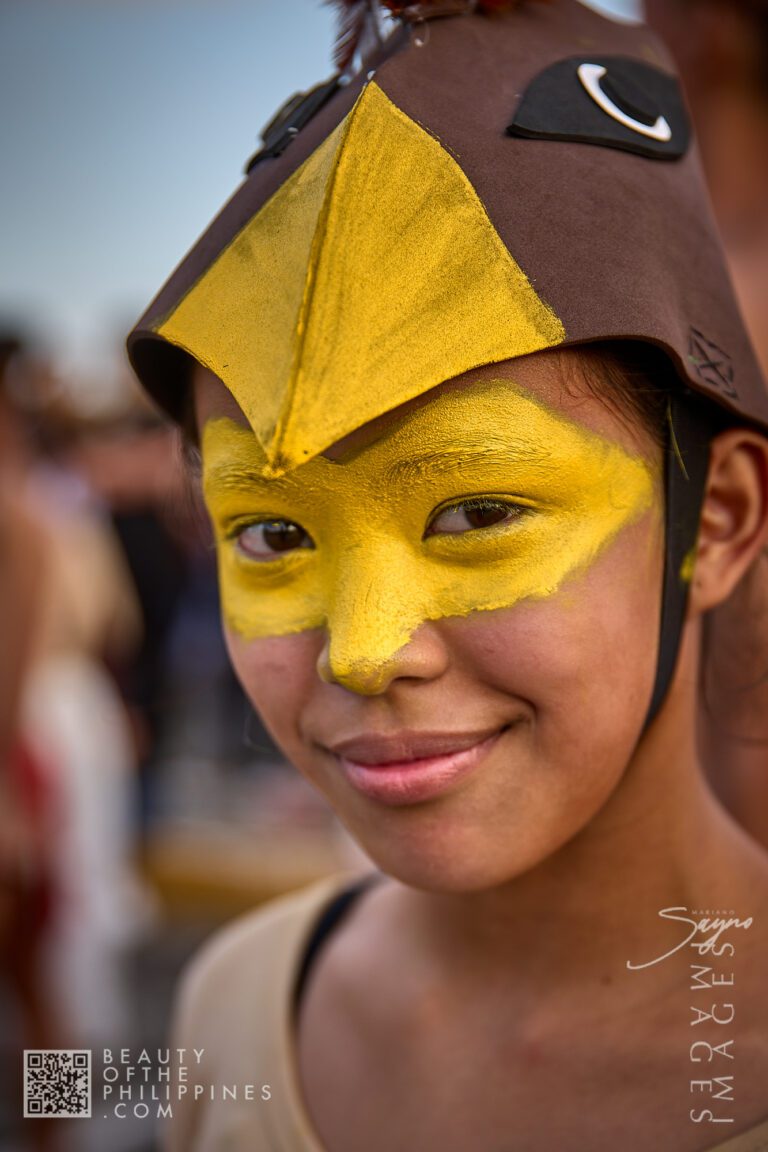
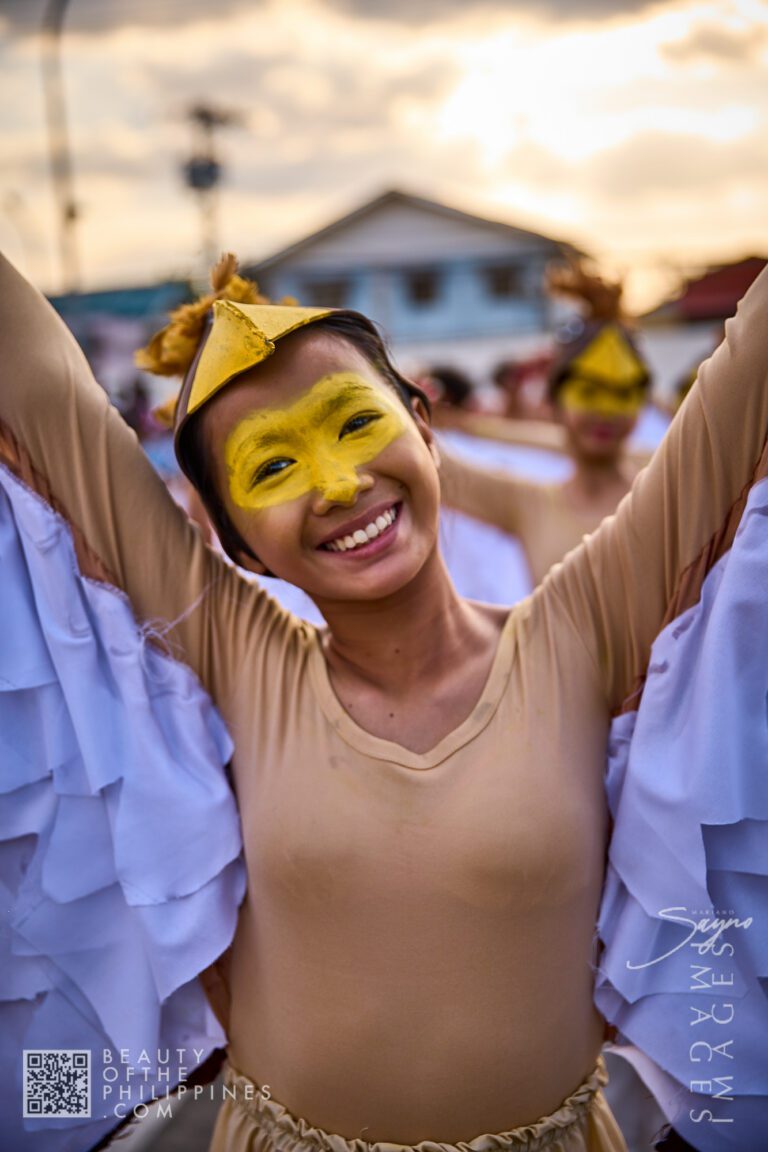
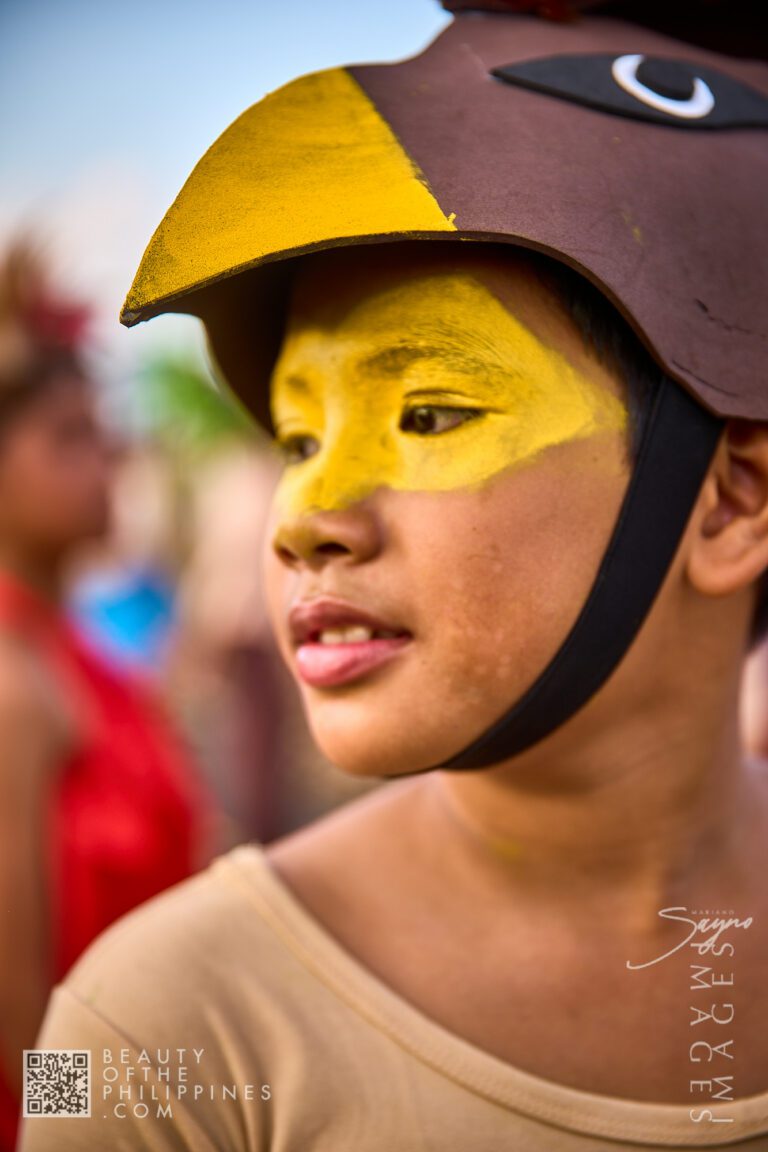
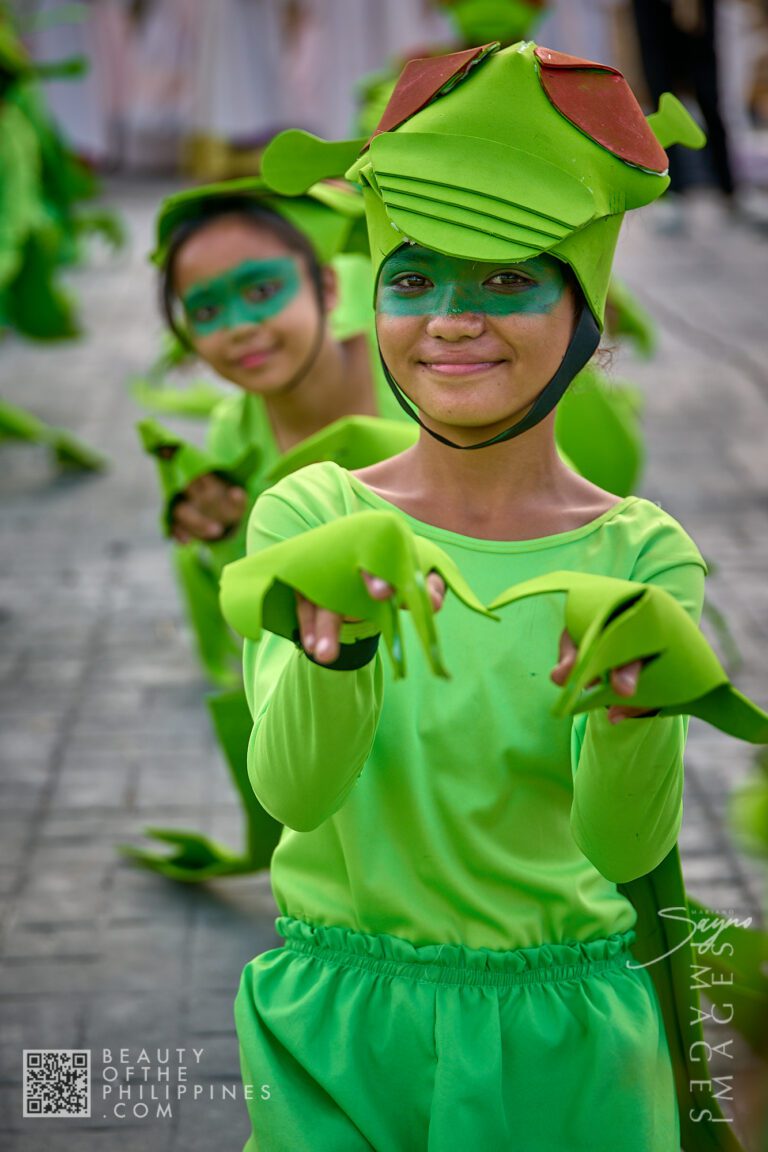
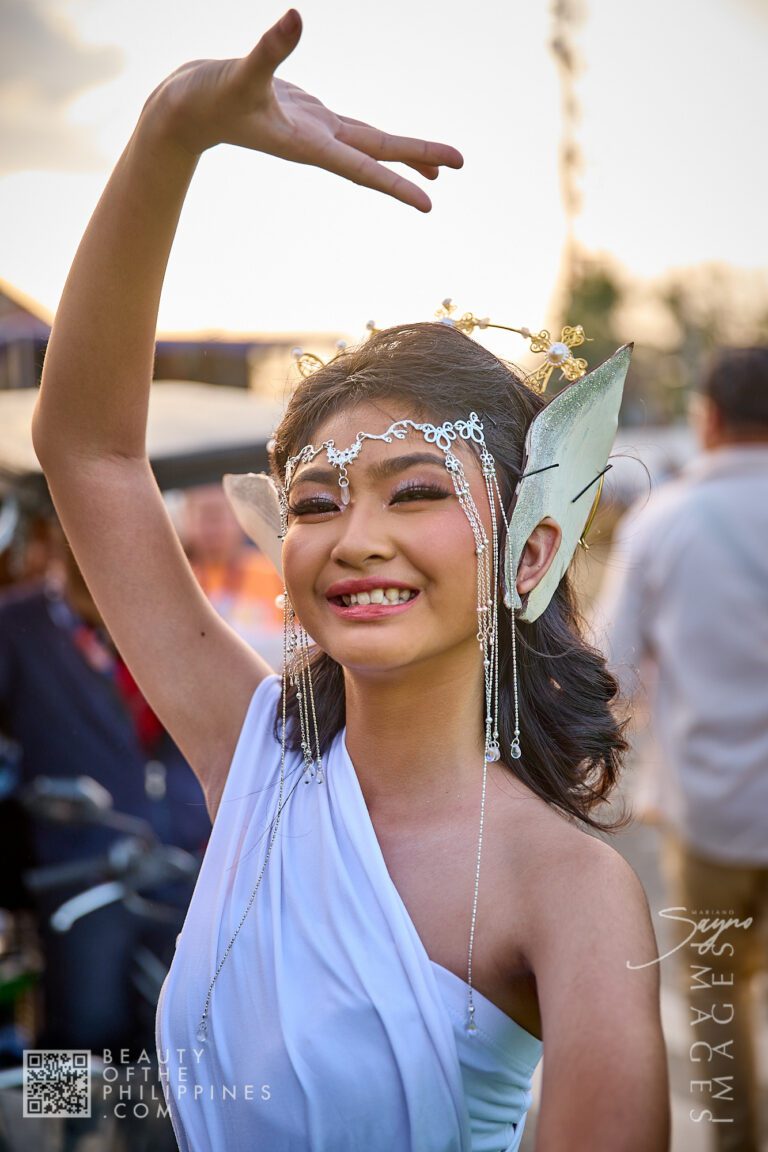
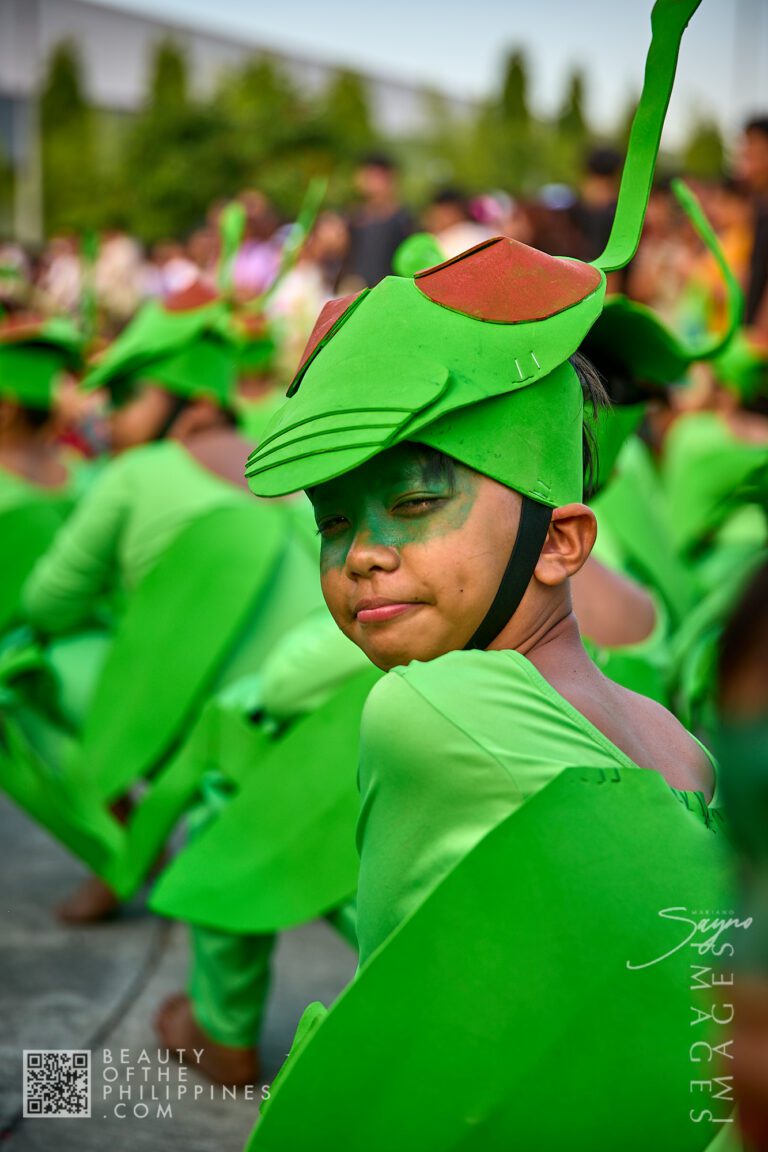
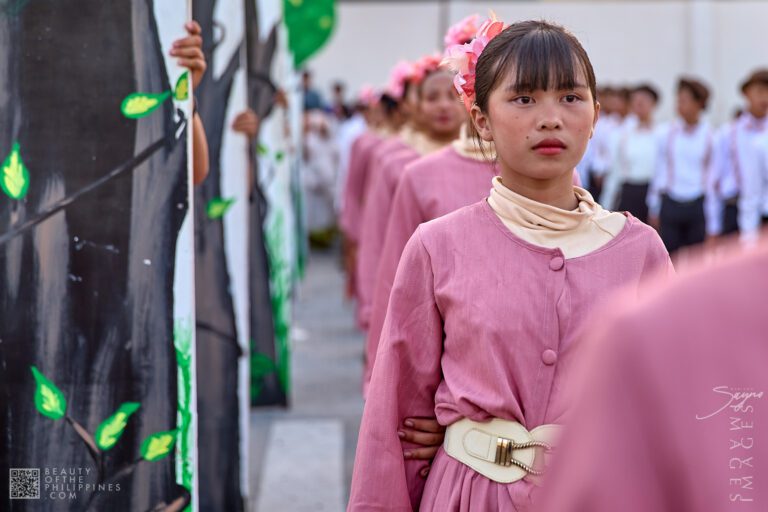
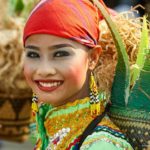
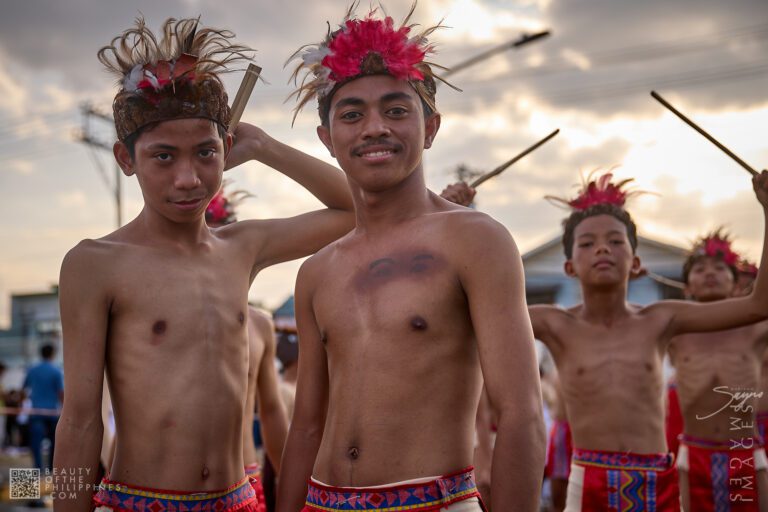
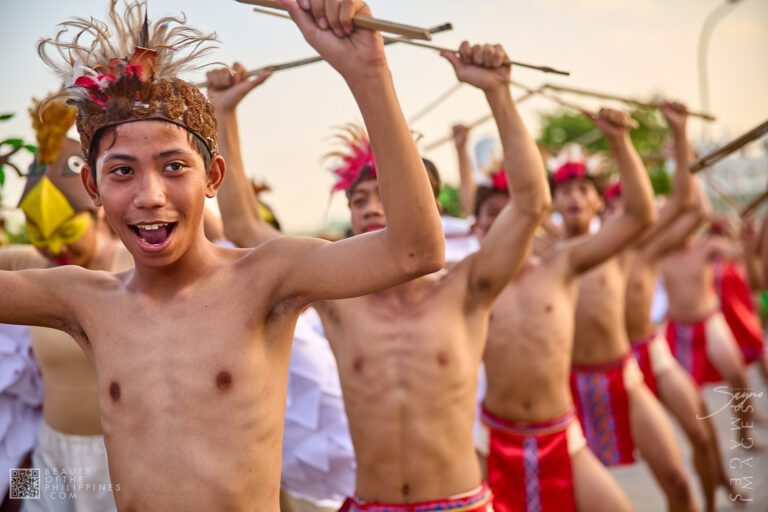
ABOVE: One of the dance troupes depicted the concept of “Aeta Community as custodians of the lush lands of Mabalacat.” Their attire consisted of traditional garments, with some members donning green attire to symbolize locust pests, while others were dressed as birds aiding the Aeta in addressing their land challenges. The performance also featured a representation of a goddess, adding an element of interest.

ABOVE: One of the dance troupes depicted the concept of “Aeta Community as custodians of the lush lands of Mabalacat.” Their attire consisted of traditional garments, with some members donning green attire to symbolize locust pests, while others were dressed as birds aiding the Aeta in addressing their land challenges. The performance also featured a representation of a goddess, adding an element of interest.

The American era segment introduces lighter palettes and architectural references — performers forming human outlines of Gabaldon school buildings, symbolizing public education reforms. Their transitions often include stylized marching steps, evoking structured governance and modernization.


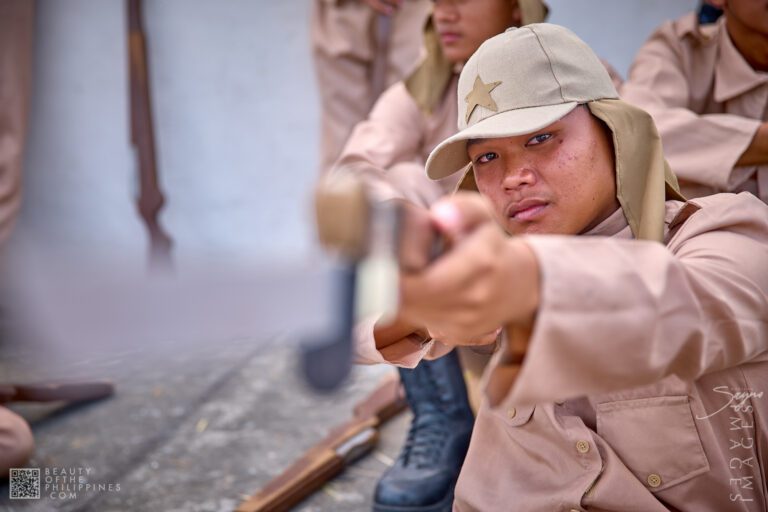
Then comes one of the most powerful chapters — World War II and the rise of Clark Air Base. Dancers recreate moments of tension through sharp, synchronized steps. Metallic tones dominate costumes. There are sequences portraying evacuation, resistance, and recovery. It becomes clear that this is not merely dance — it is collective memory staged in rhythm.

The eruption of Mt. Pinatubo forms another emotional centerpiece. Here, choreography turns chaotic and layered. Grey fabrics swirl upward to mimic ash clouds. Performers collapse and rise again, symbolizing devastation and rebirth. When the formation finally shifts into bright greens and blues, the message is unmistakable — resilience defines Mabalacat City.


From a photography standpoint, this progression offers something rare: movement with meaning. Every costume color, prop detail, and rhythmic shift aligns with a specific historical period. It becomes less about capturing a “beautiful shot” and more about documenting a civic narrative unfolding in public space.

ABOVE: Some participants wore green clothing to represent locust pests, while others dressed up as birds helping the Aeta people deal with their land issues. The show also included a depiction of a goddess, which added an intriguing aspect to the performance.

ABOVE: Some participants wore green clothing to represent locust pests, while others dressed up as birds helping the Aeta people deal with their land issues. The show also included a depiction of a goddess, which added an intriguing aspect to the performance.

Pavilions of Taste and Trade

Beyond the performances, the Agro-Industrial Trade and Food Expo turns the festival into a sensory corridor. Each barangay sets up pavilions showcasing produce, local specialties, and distinctly Kapampangan cuisine. Grilled dishes smoke under open tents. Native sweets line bamboo tables. The atmosphere feels like a living marketplace rather than a commercial fair.

These pavilions are cultural declarations. They demonstrate that Balacat Festival is not confined to spectacle; it is economic participation. Visitors do not just watch — they taste, buy, and engage.

RELATED STORIES

Insectlandia Clark: A Quirky Stop for Families and Curious Minds

Walking into Insectlandia inside Clark Picnic Grounds, Clark Freeport Zone, Pampanga, feels like stepping into a playful, oversized insect world. Part of the broader Dinosaurs

Read More »

Lubenas Festival: Magalang Kapampangan Christmas Tradition

The Lubenas Festival in Magalang has its roots in the Spanish Catholic novena, nine days of prayer before a major feast, which evolved into a

Read More »

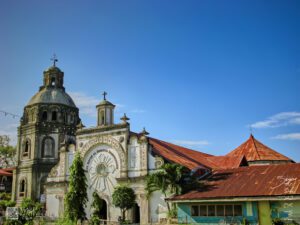
Bacolor Church: Baroque Beauty Beneath the Lahar

Bacolor, Pampanga, a town steeped in history and culture, is home to the Bacolor Church also known as San Guillermo Parish Church, a landmark that


Read More »

Dinosaurs Island Clark: A Family Stop Worth Noting

Dinosaurs Island sits inside Clark Freeport Zone, Pampanga, and it immediately signals its audience—families, kids, and anyone curious about the prehistoric world. Known as the

Read More »

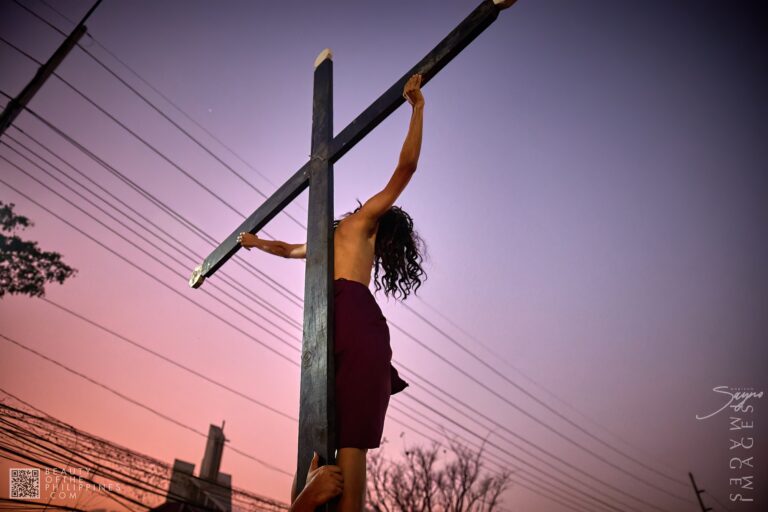
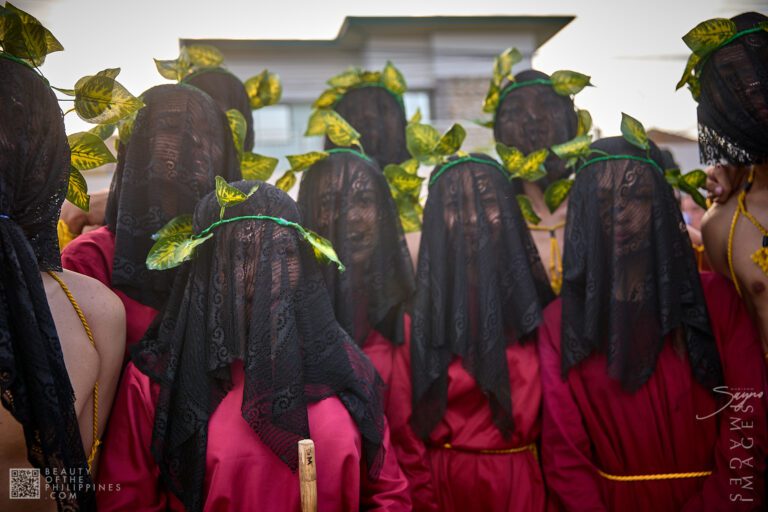
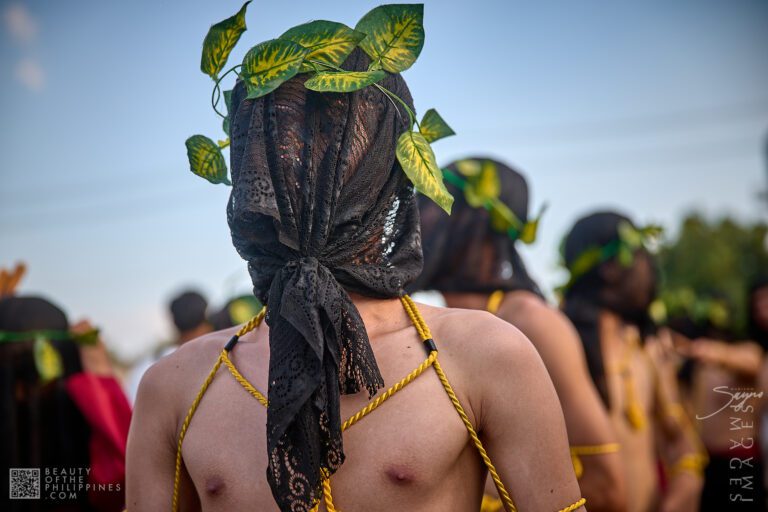
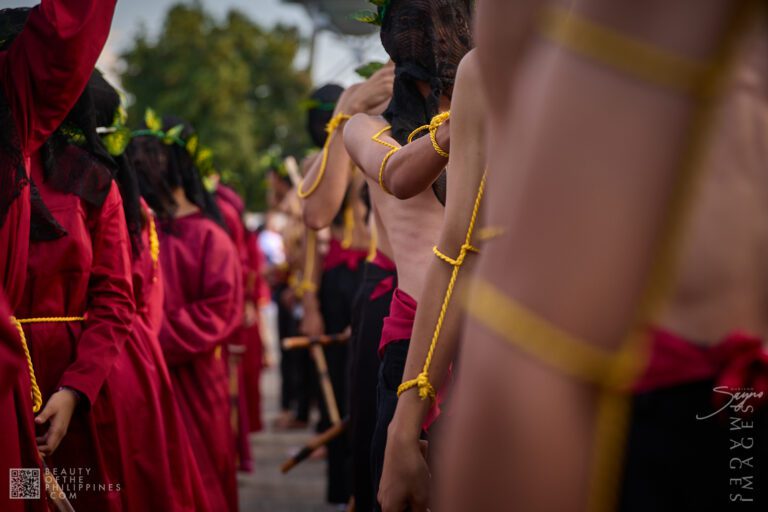
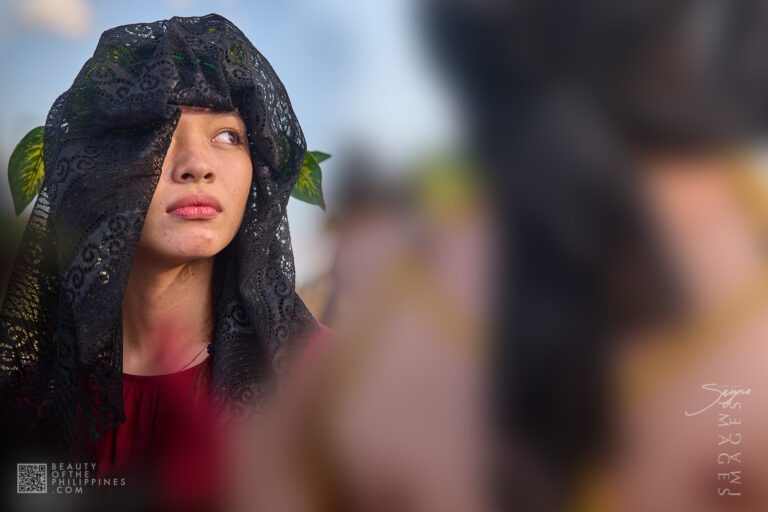
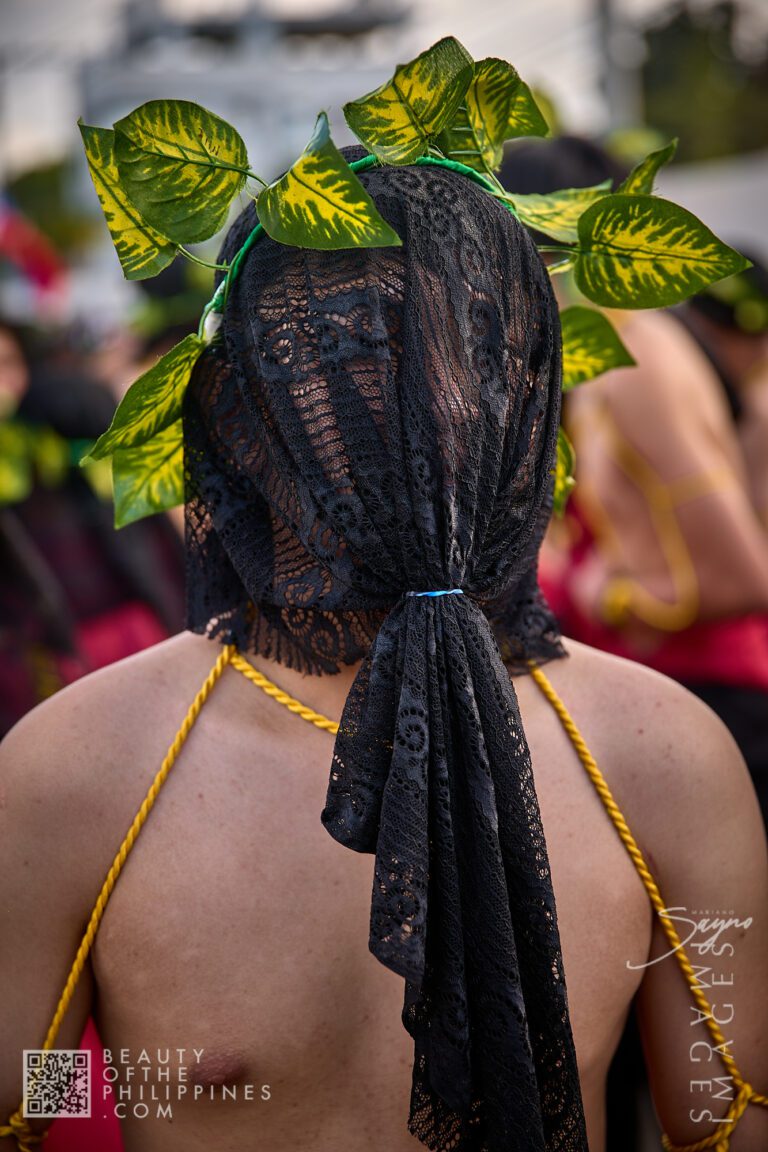
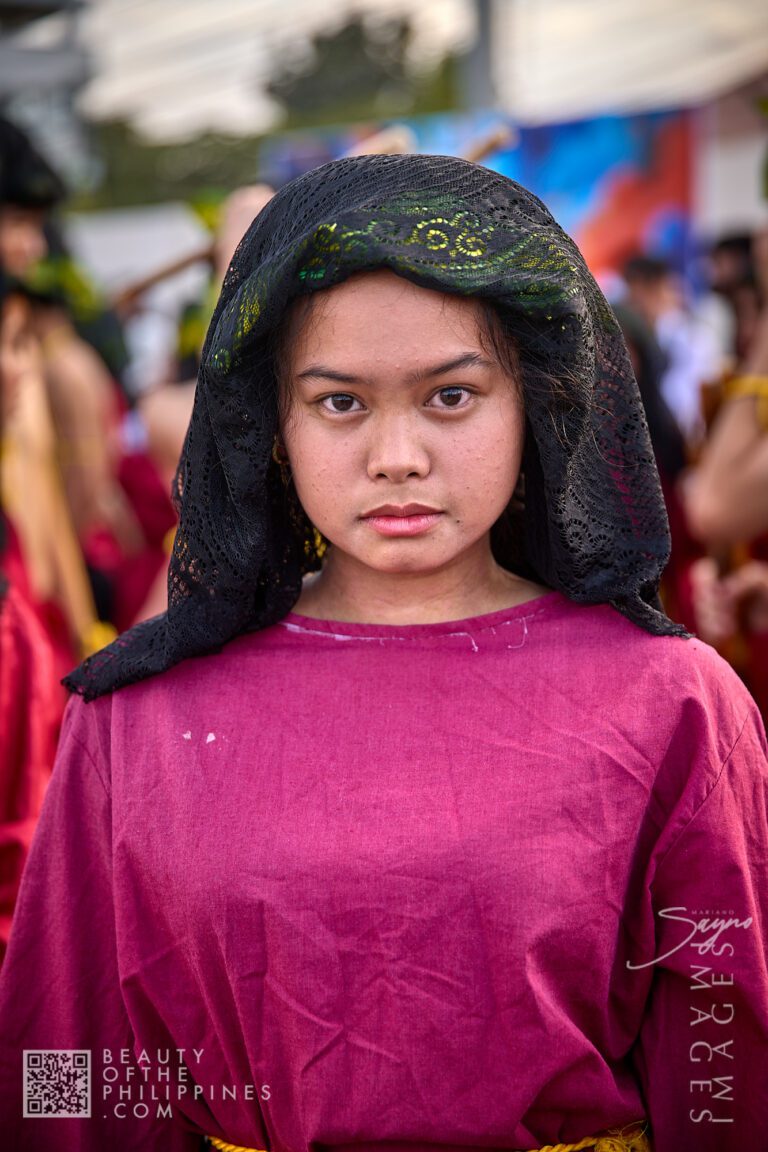
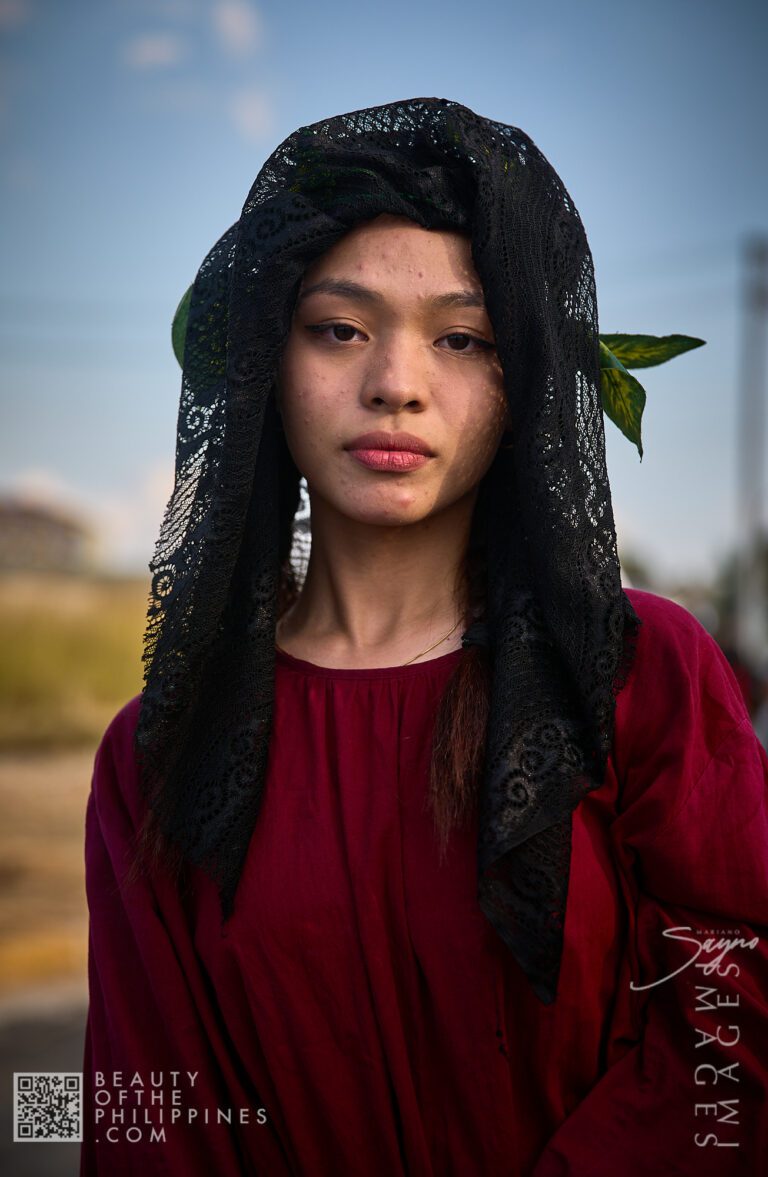
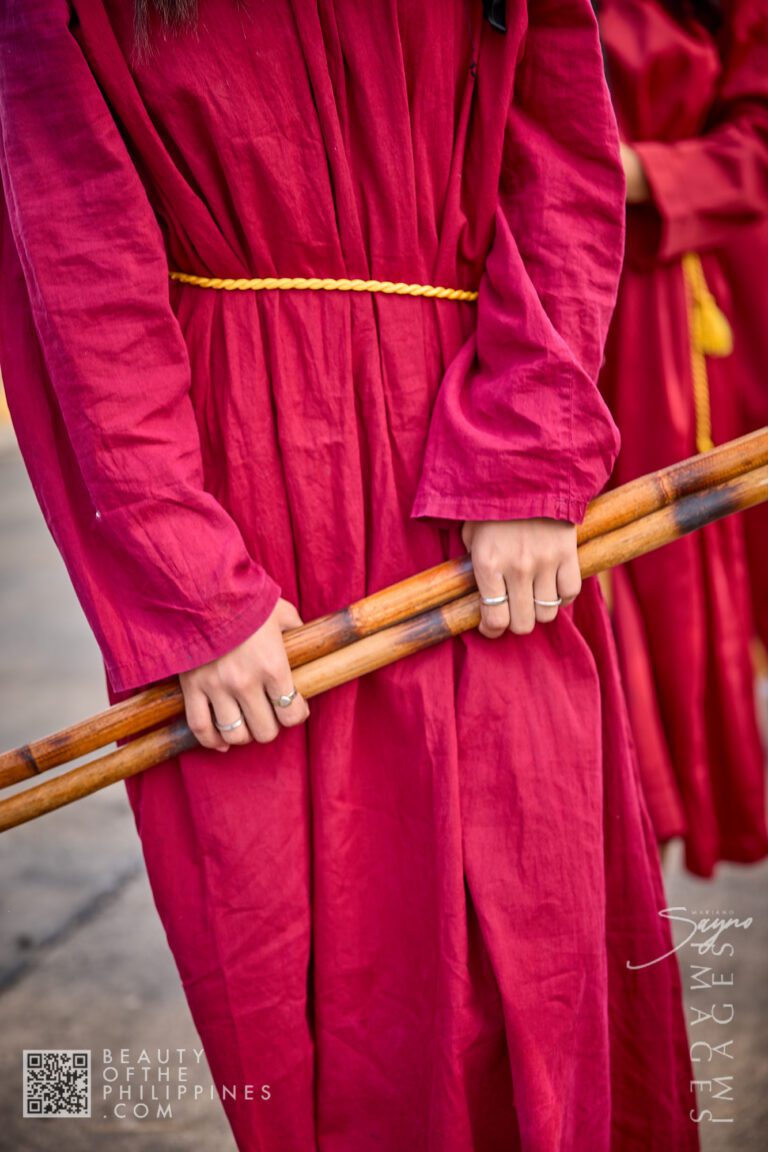
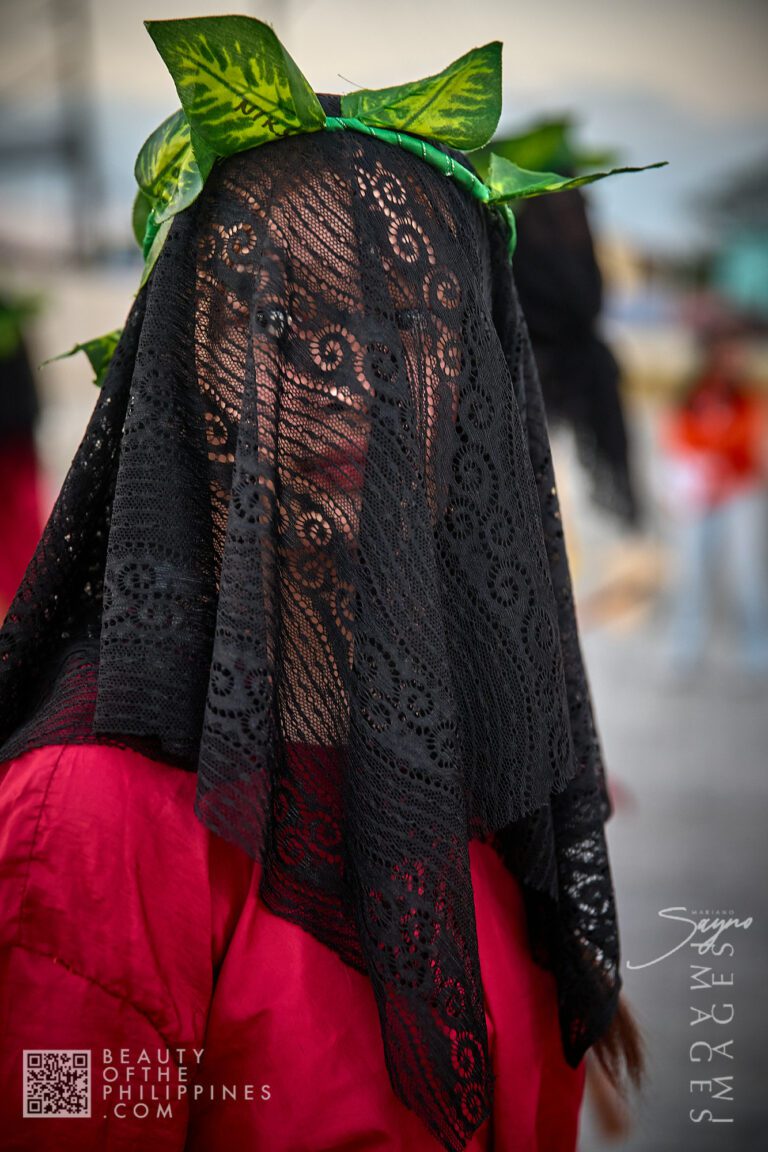
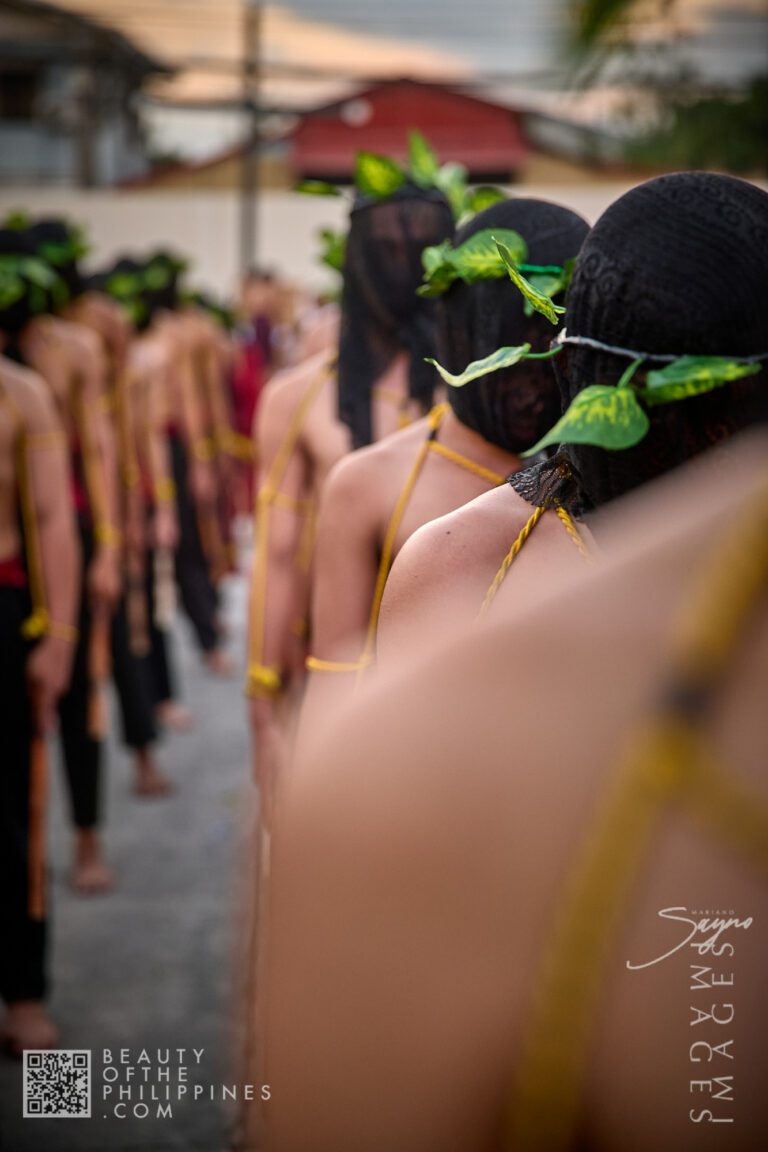
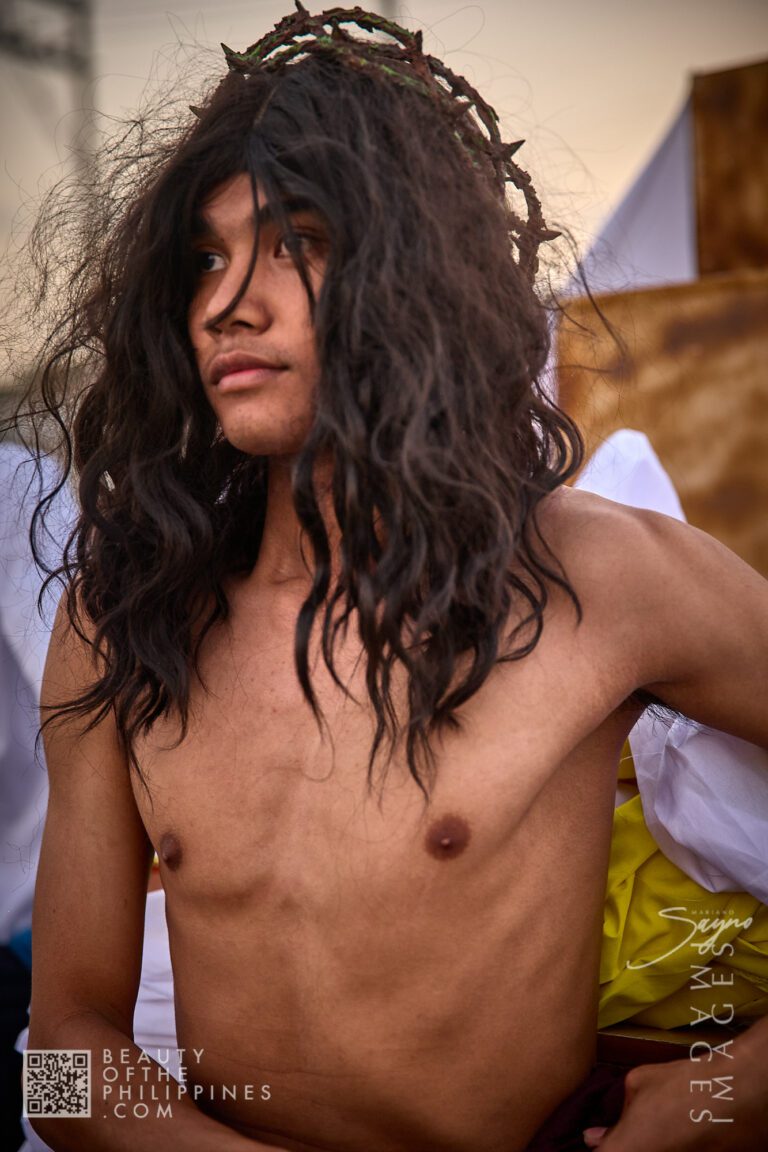
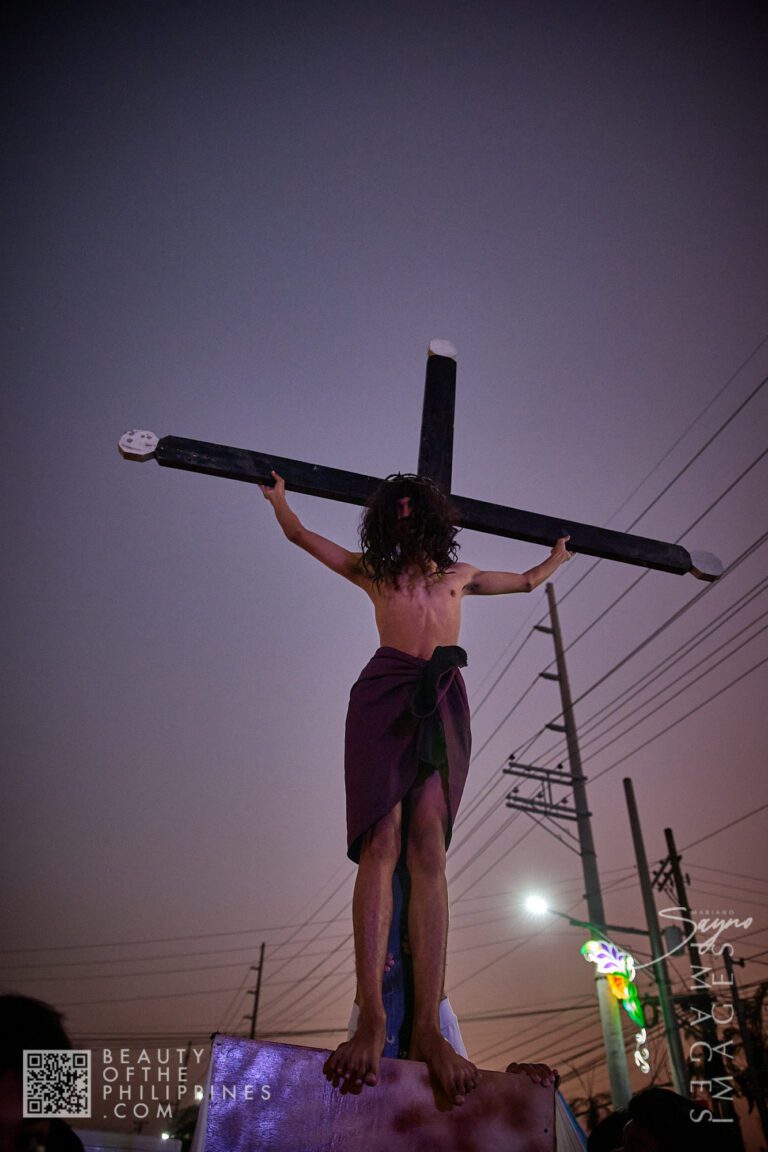
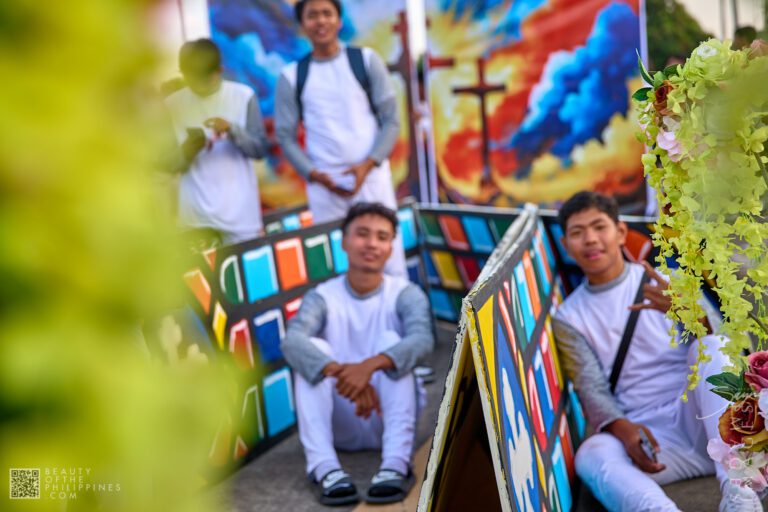
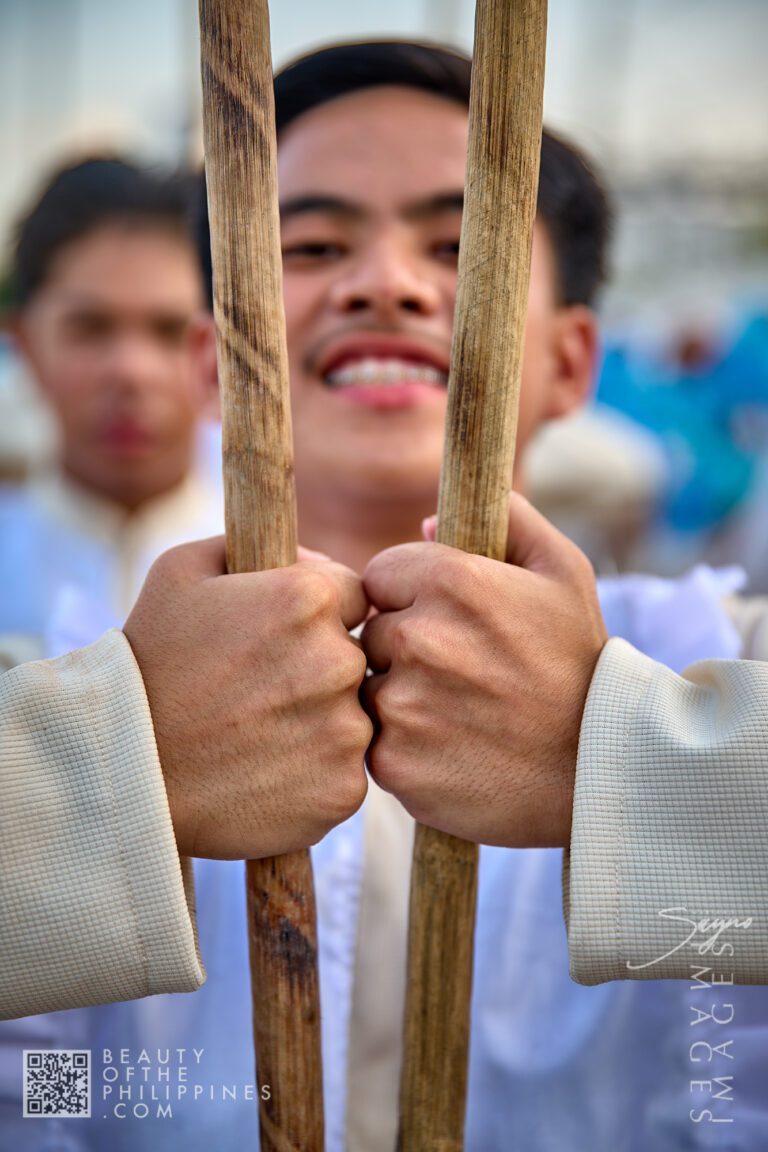
ABOVE: One of the dance groups performed a piece themed around “The Pabasa and the Mamusan Cruz during Holy Week.” The male performers donned black veils and black pants, while the females wore black veils with maroon robes. Their performance depicted the suffering of Jesus Christ leading up to his crucifixion. In the finale, the resurrected Christ emerged from the center of the stage.

ABOVE: One of the dance groups performed a piece themed around “The Pabasa and the Mamusan Cruz during Holy Week.” The male performers donned black veils and black pants, while the females wore black veils with maroon robes. Their performance depicted the suffering of Jesus Christ leading up to his crucifixion. In the finale, the resurrected Christ emerged from the center of the stage.

Civic Spirit Woven into Celebration

Another layer becomes visible through programs like Barangaynihan, where government services are brought directly to communities. Civil registration, health assistance, and business support operate alongside performances. There are tree-planting activities reinforcing the symbolic importance of the Balakat tree, and fun runs encouraging wellness and environmental awareness.

The festival thus balances pageantry with practicality. It acknowledges that culture thrives best when supported by accessible governance.

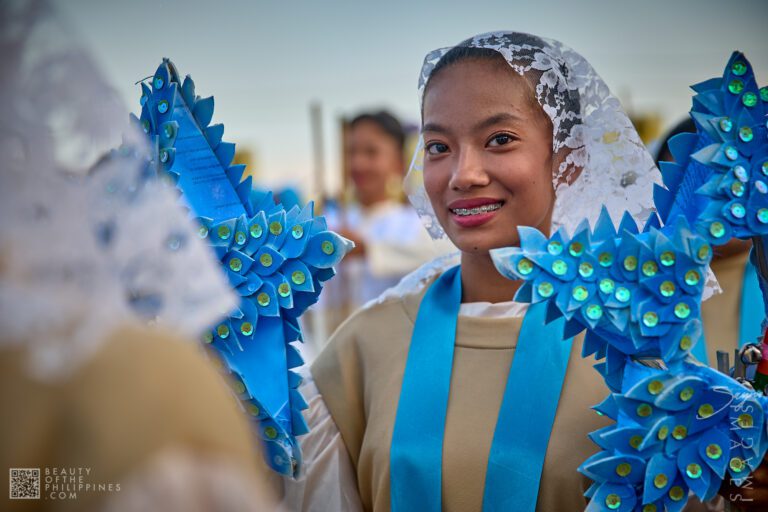
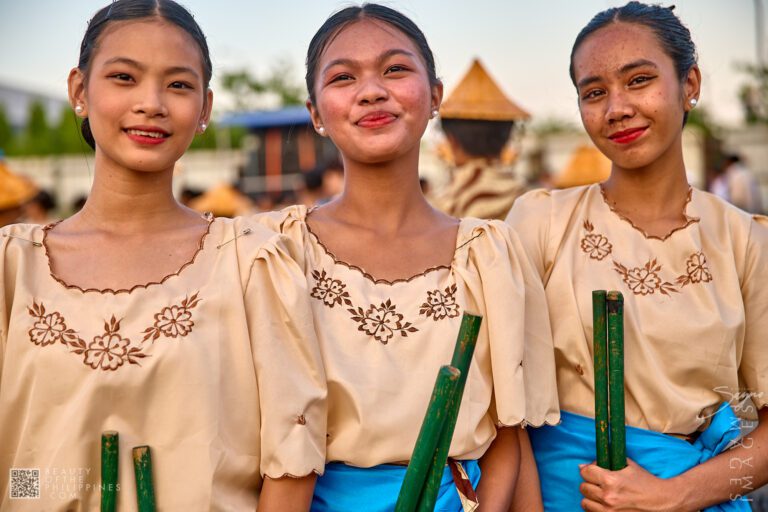
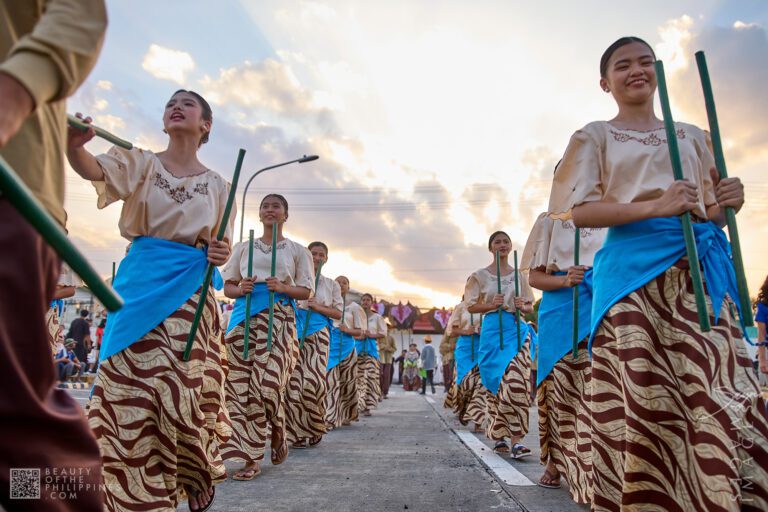
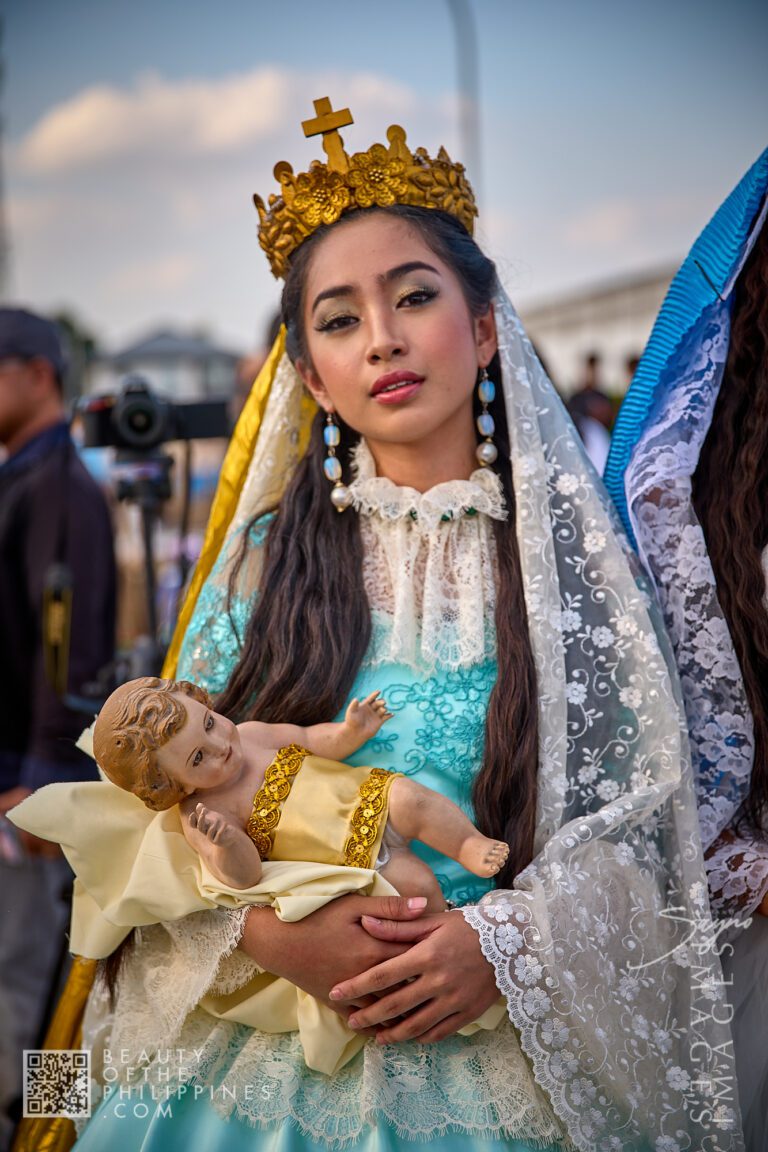
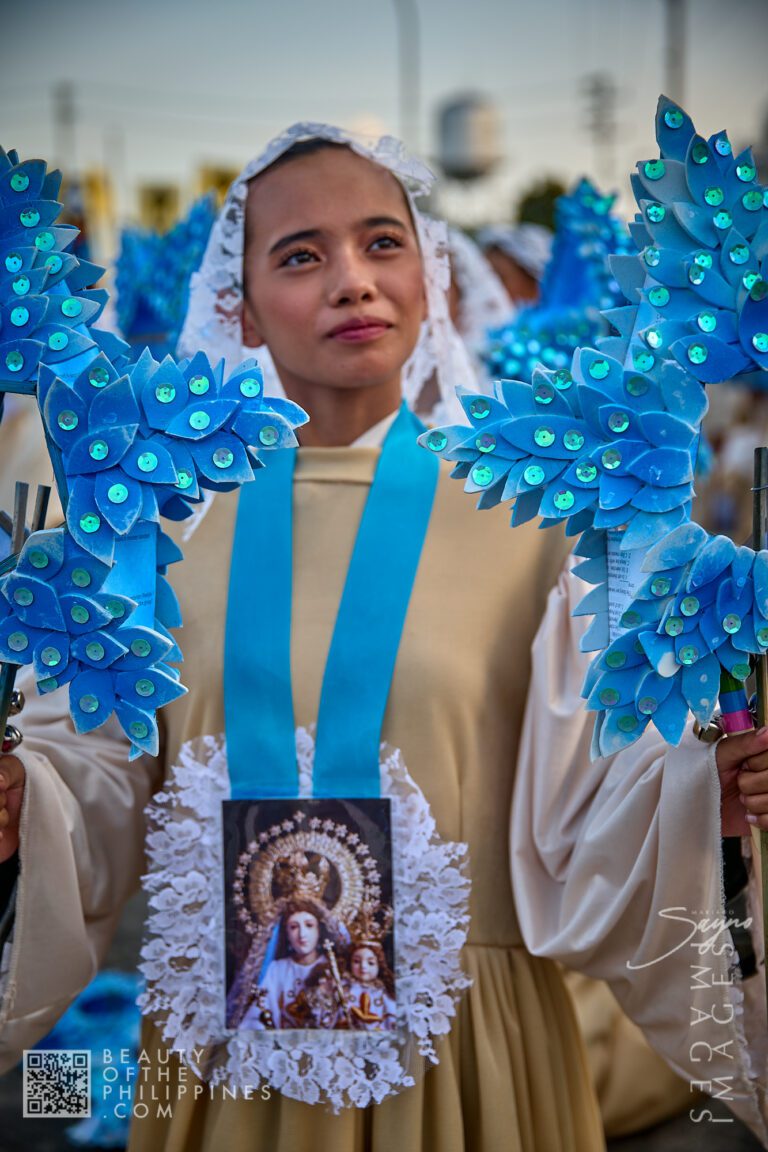
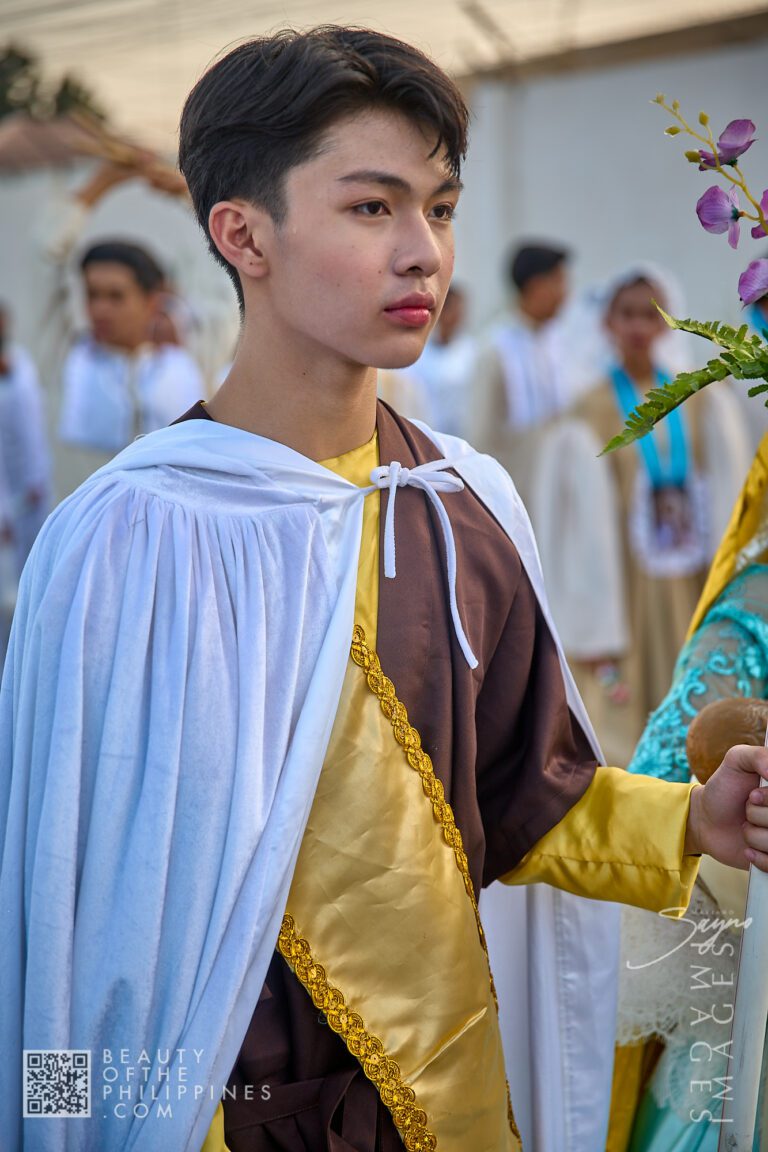
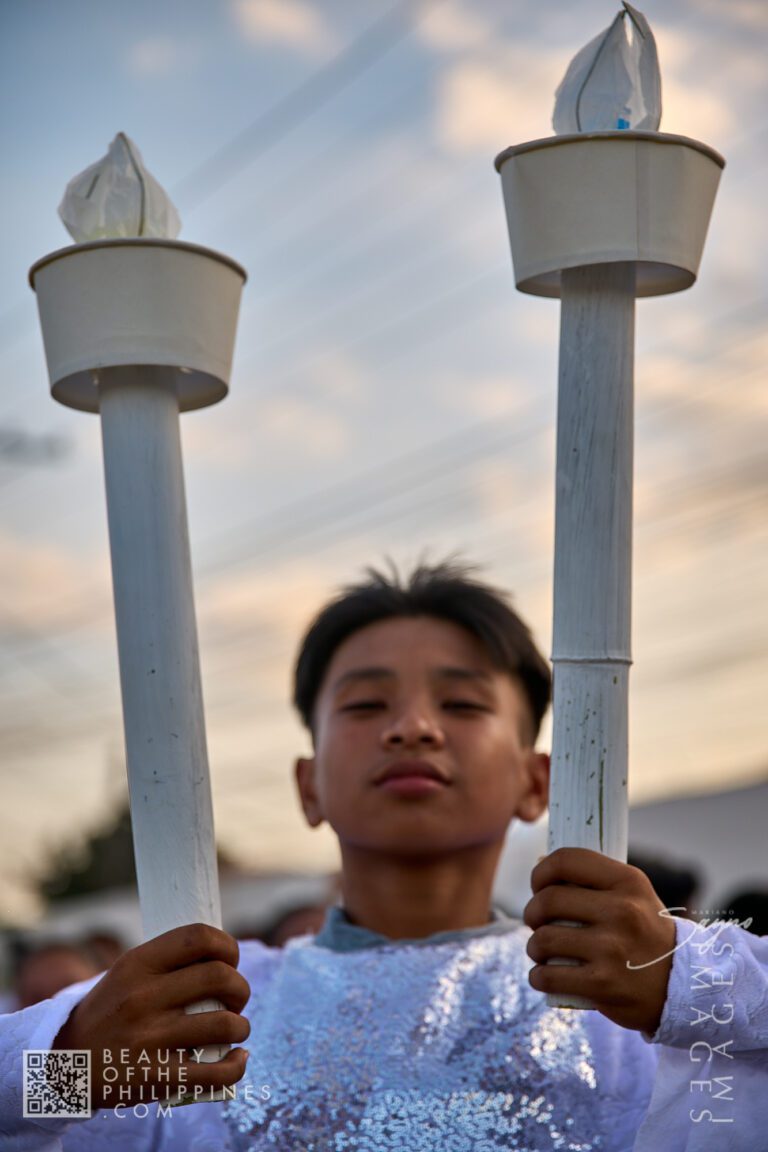
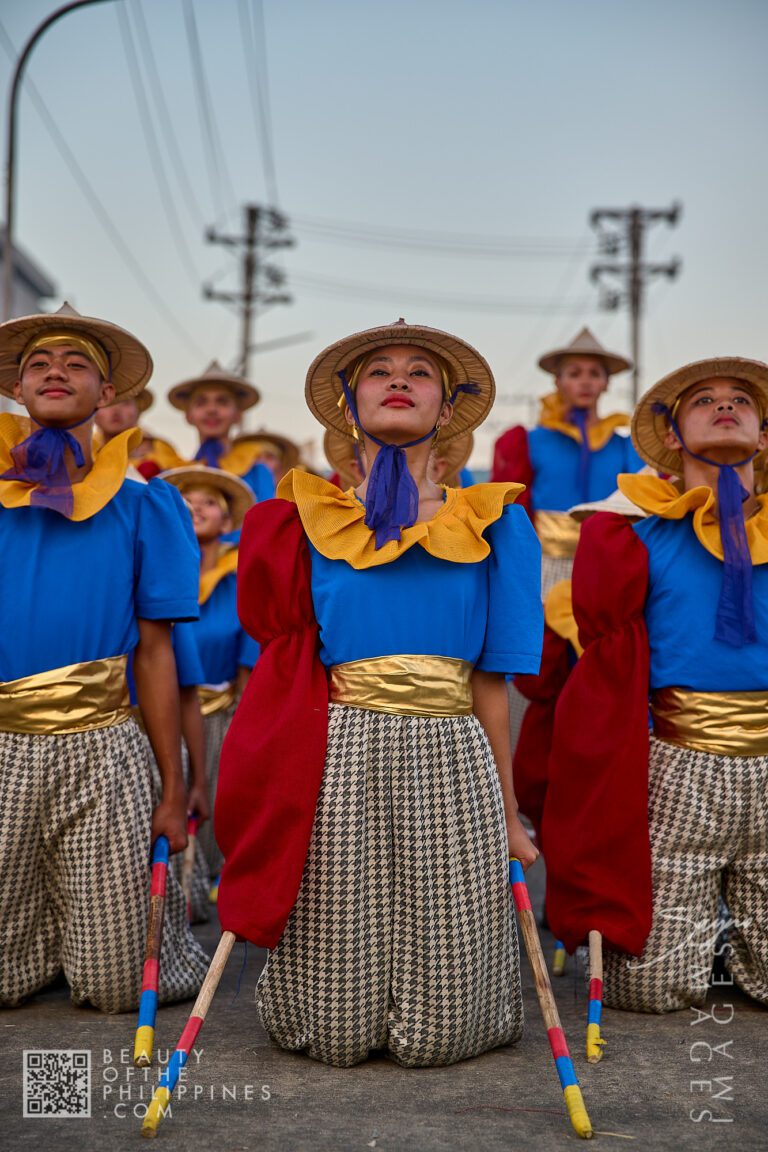
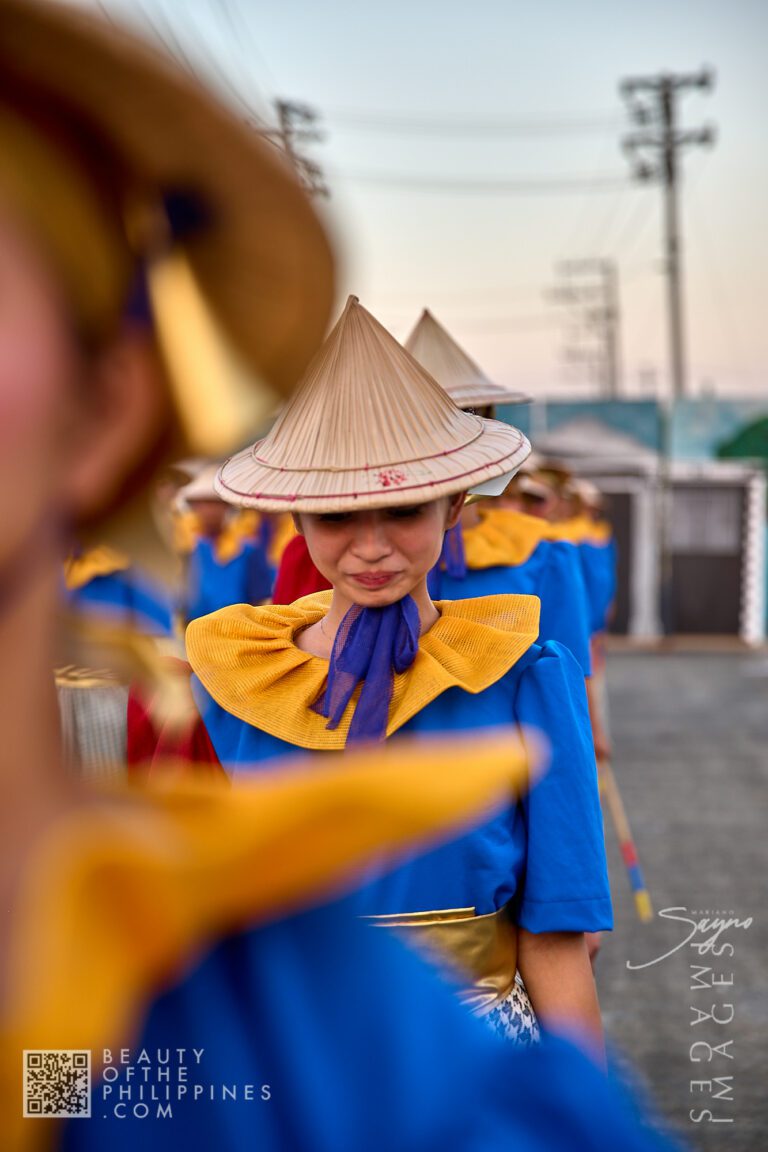
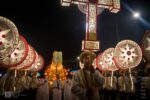
ABOVE: This ensemble showcased the theme “Misa de Aguinaldo and the Lubenas Procession.” They adorned themselves in costumes representing Filipino religious beliefs, donning traditional Filipino attire. Their performance shone brightly as they carried illuminated candles and lanterns, leaving the audience in awe.

ABOVE: This ensemble showcased the theme “Misa de Aguinaldo and the Lubenas Procession.” They adorned themselves in costumes representing Filipino religious beliefs, donning traditional Filipino attire. Their performance shone brightly as they carried illuminated candles and lanterns, leaving the audience in awe.

Stage Lights and City Pride

Evening programs introduce pageantry through Miss Mabalacat City, where candidates represent barangays with poise and advocacy. Cultural exhibits highlight paintings and historical displays, adding quiet reflection to an otherwise high-energy week.

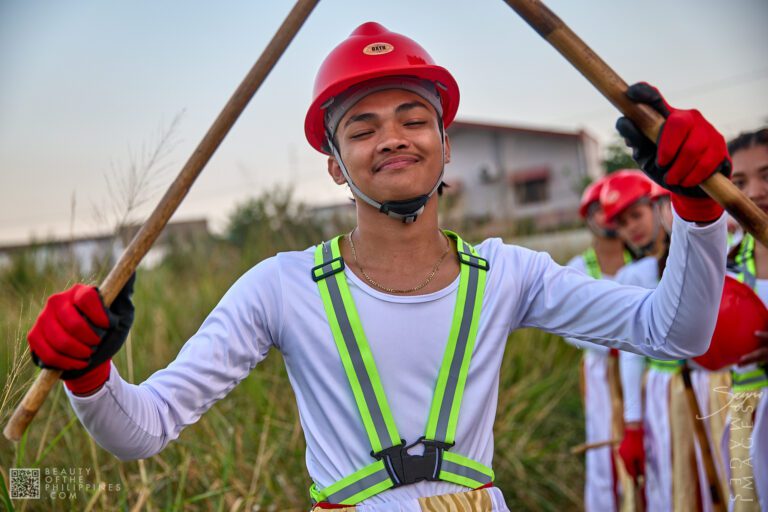
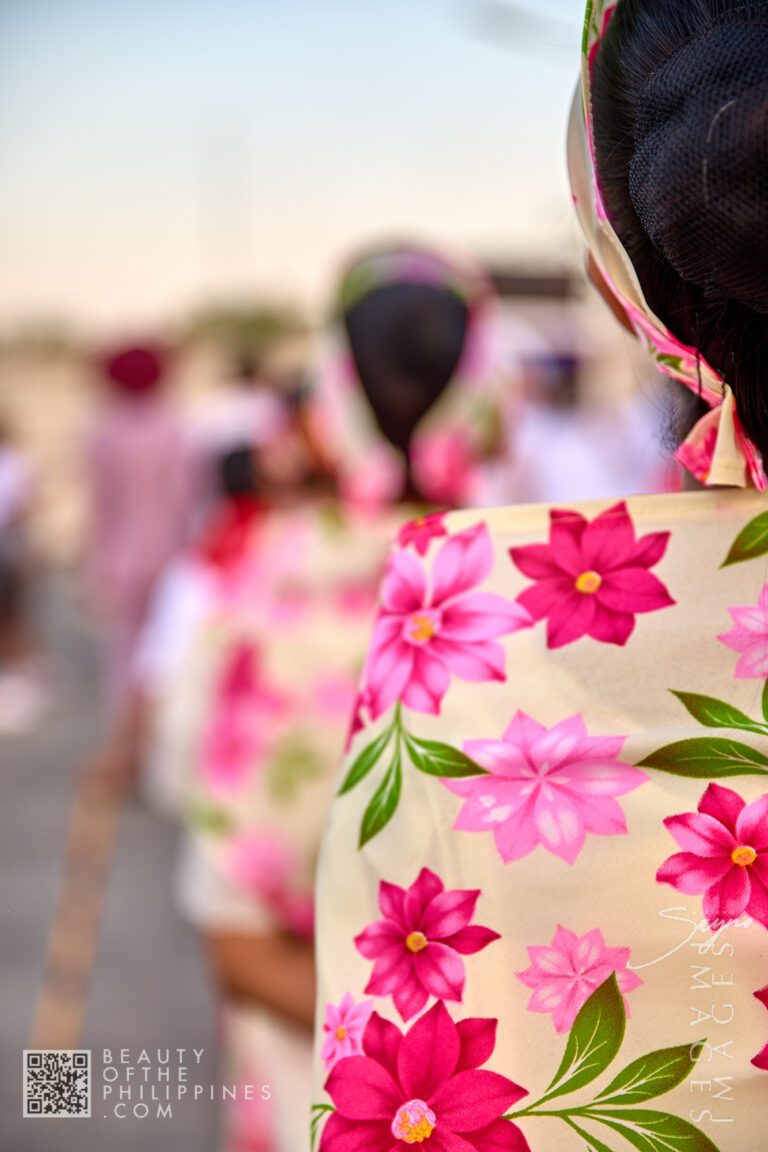
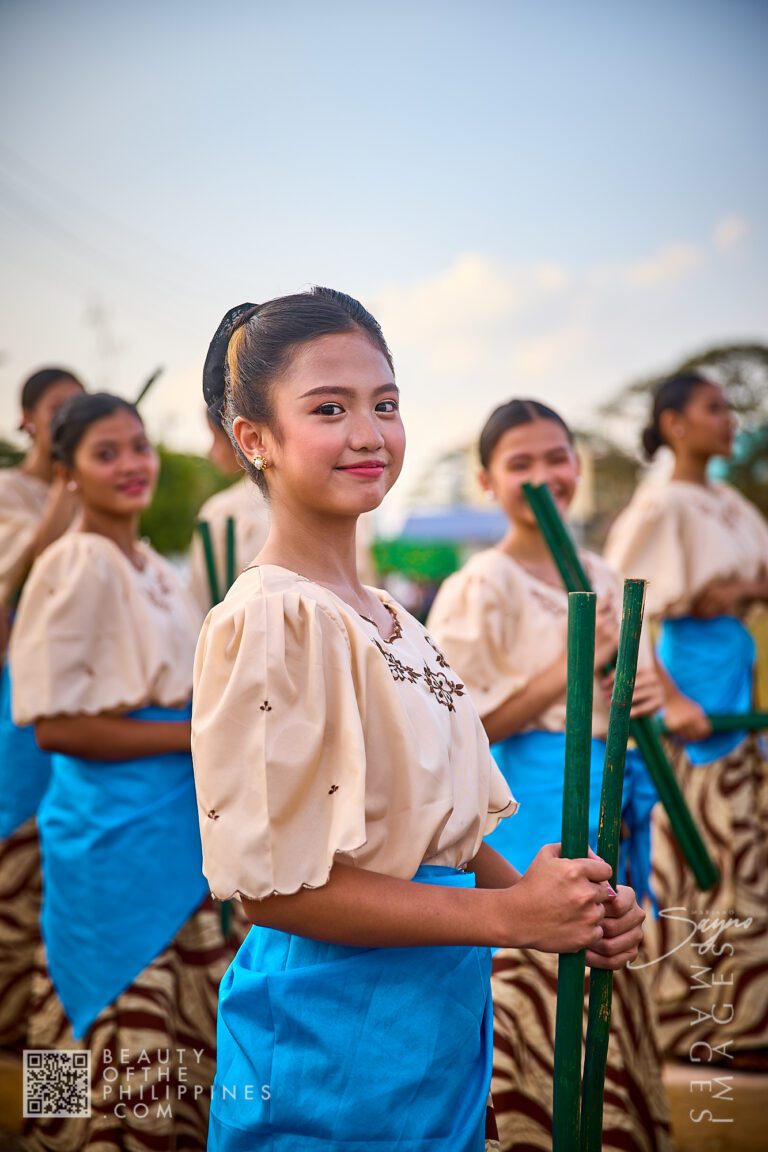
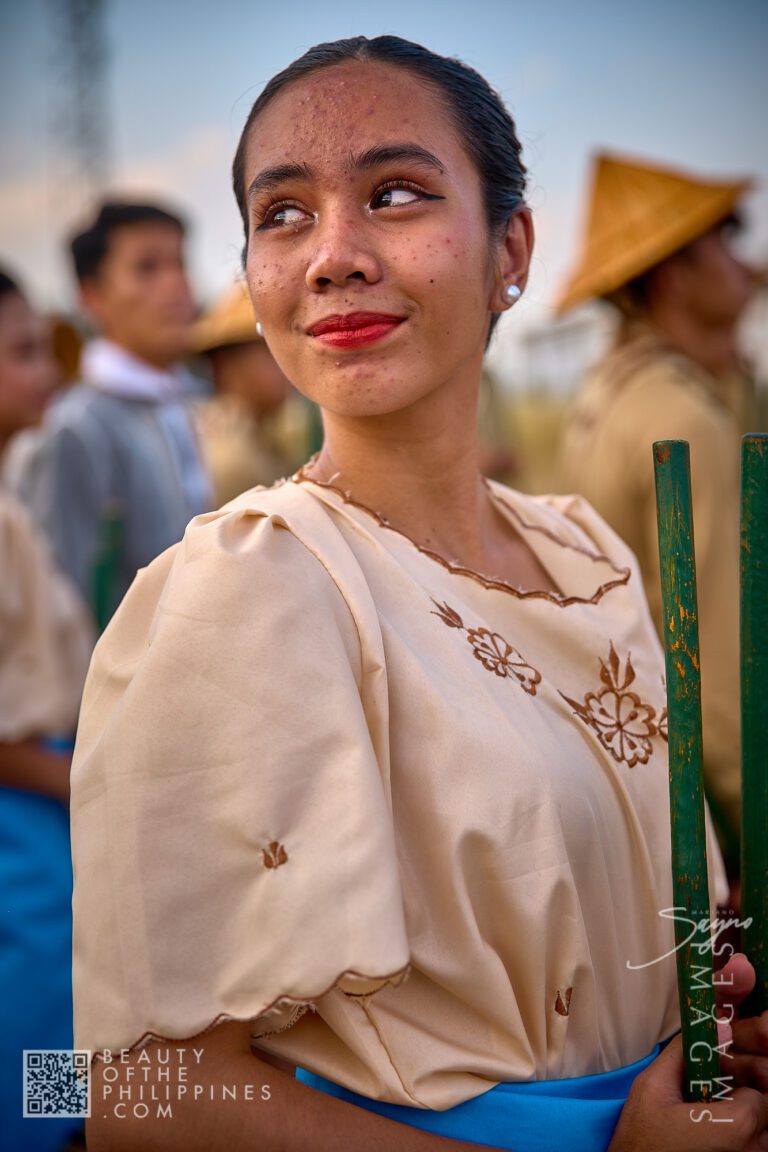
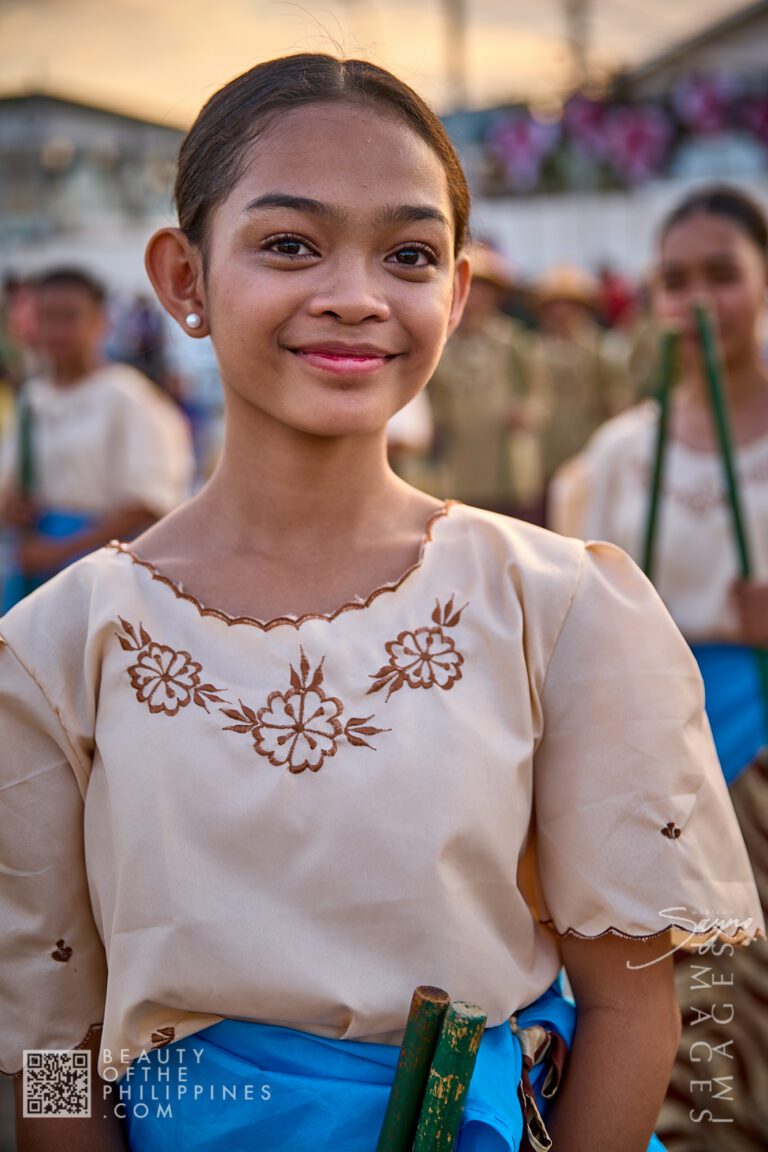
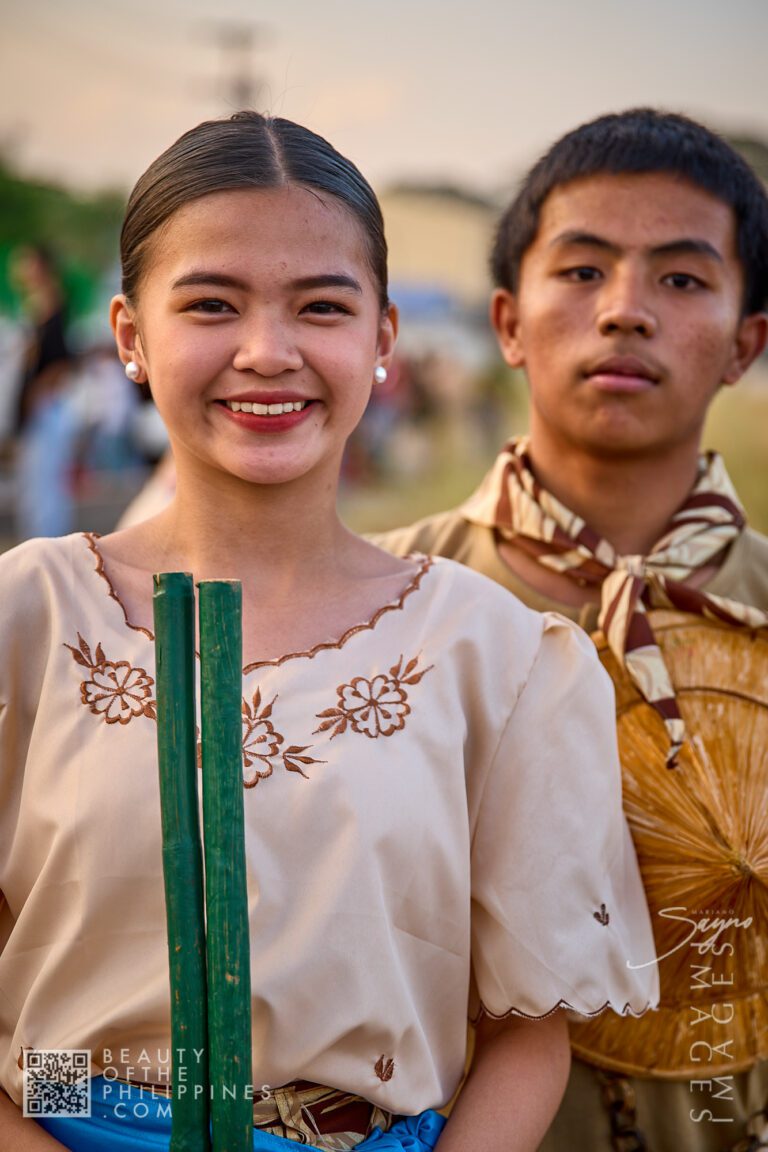
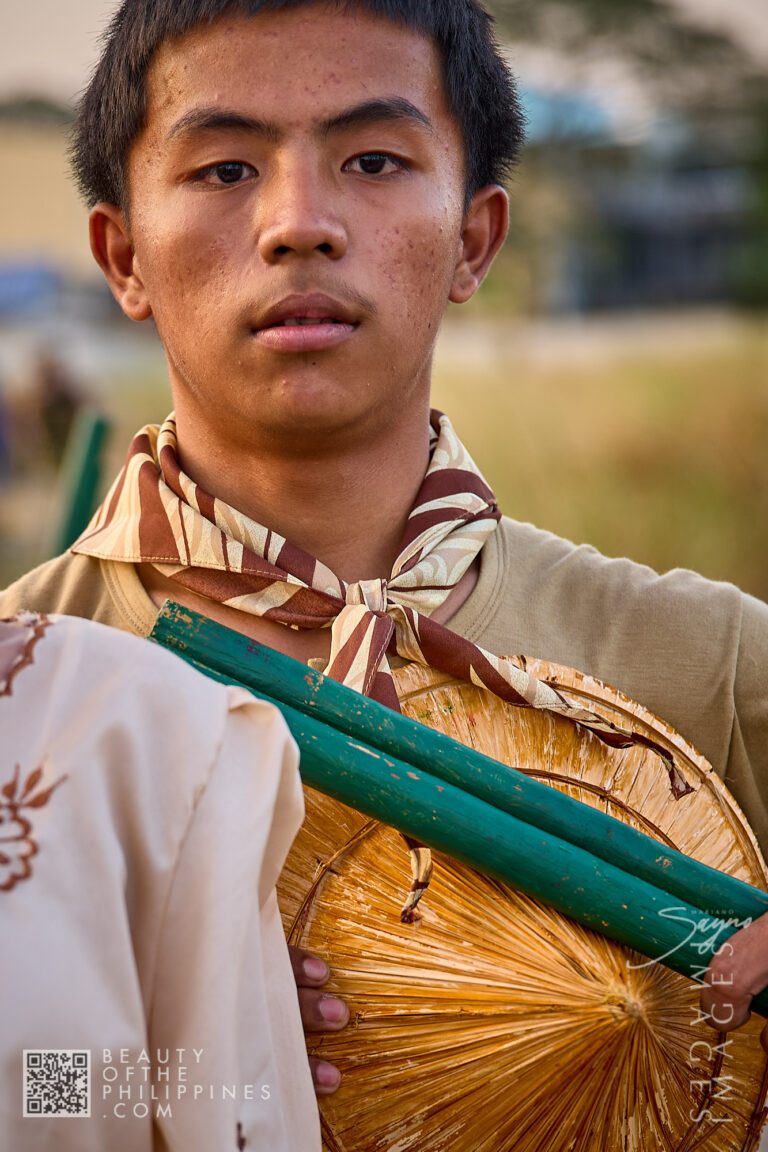
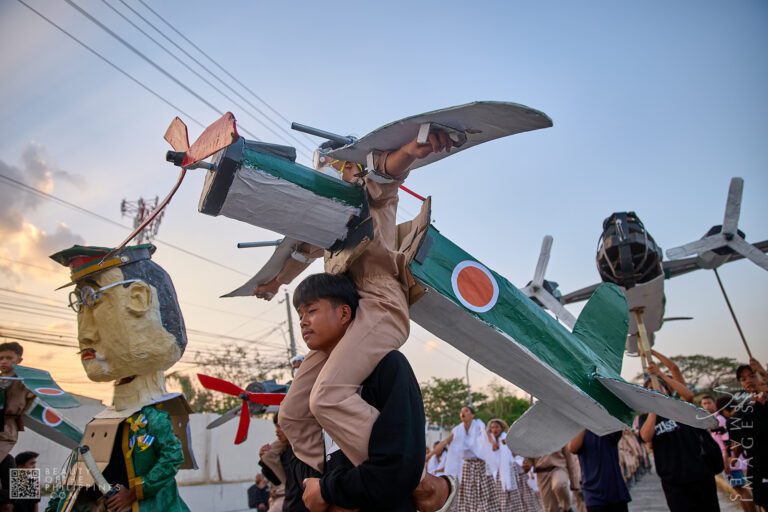
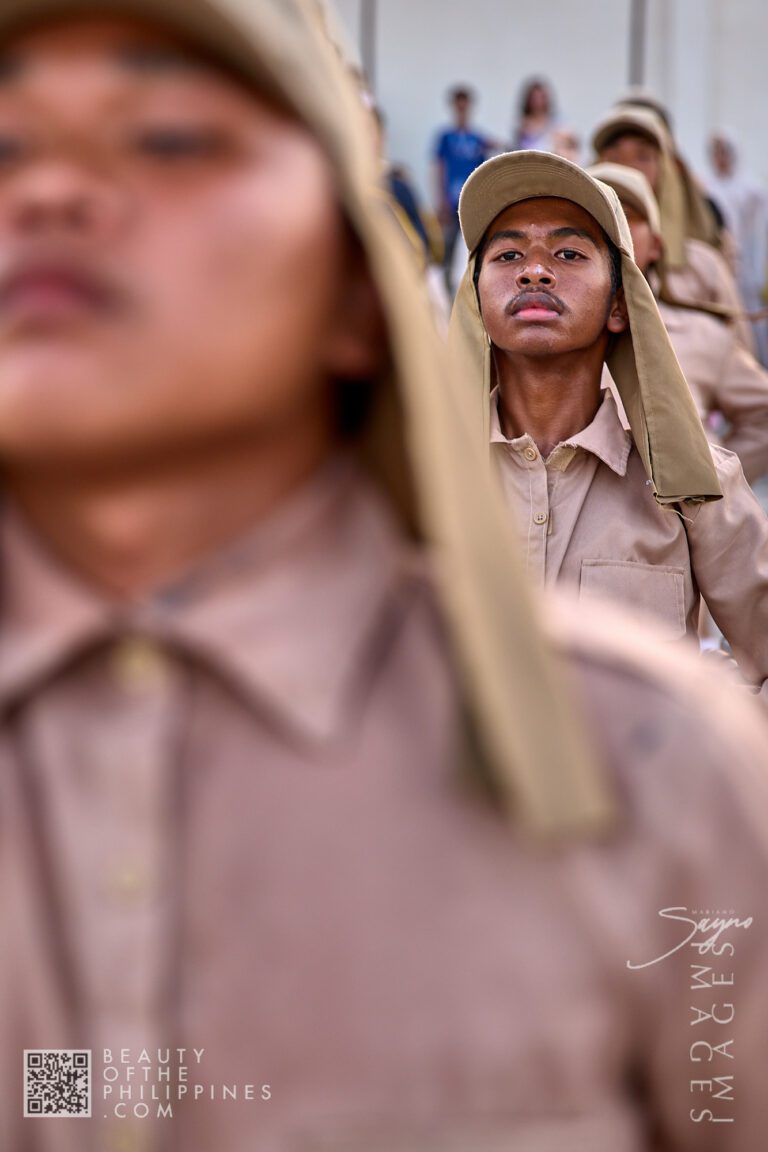
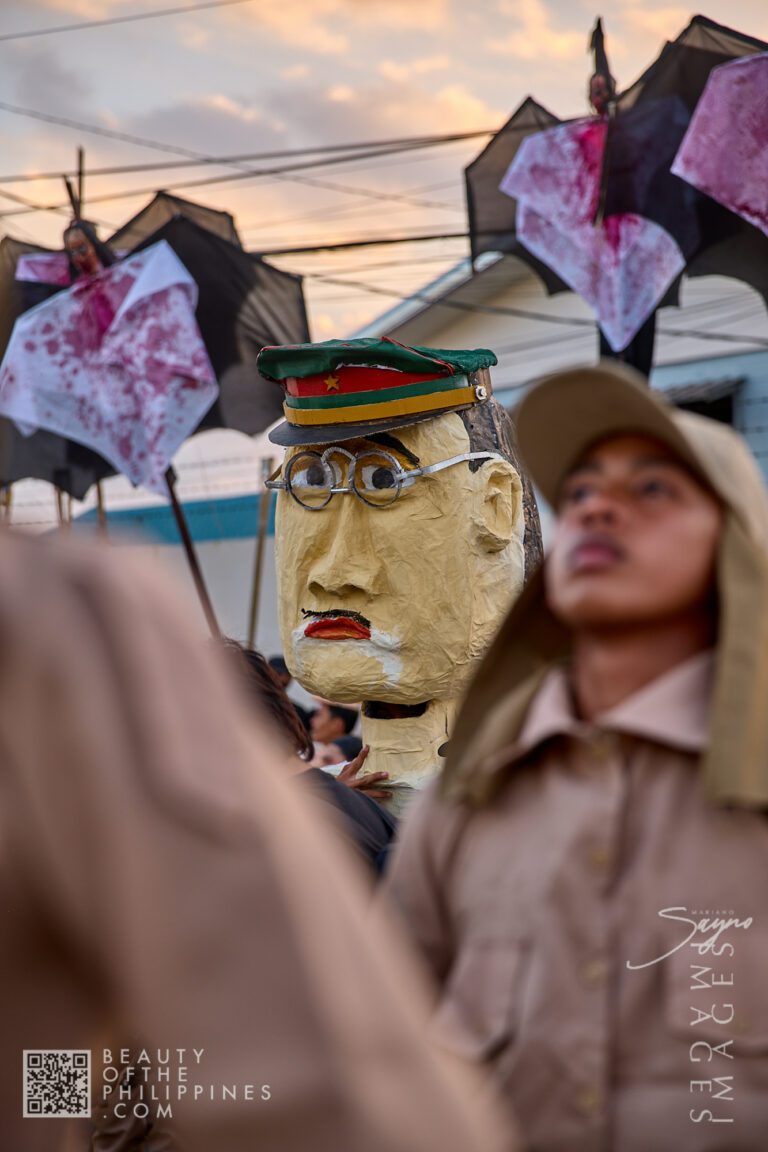
ABOVE: One of the dance groups showcased a performance centered around the theme of “The bombing of the Clark Airbase by the Japanese.” In their presentation, male members portrayed Japanese soldiers, while female members donned traditional Filipino attire known as baro’t saya to represent Filipinos. The group incorporated large cardboard props resembling Japanese aircraft, some of which were wearable by elementary school students and brought onto the stage.

ABOVE: One of the dance groups showcased a performance centered around the theme of “The bombing of the Clark Airbase by the Japanese.” In their presentation, male members portrayed Japanese soldiers, while female members donned traditional Filipino attire known as baro’t saya to represent Filipinos. The group incorporated large cardboard props resembling Japanese aircraft, some of which were wearable by elementary school students and brought onto the stage.

Seen as a whole, the Balacat Festival is layered — street narratives, economic exchange, environmental advocacy, civic outreach, and artistic competition all intersecting in one citywide celebration.

I’m looking forward to the stories and images leaving a lasting positive impression on you, just as they have on me. Stay connected with us on social media for a weekly exploration of travel assignments and breathtaking visuals. Our focus is on championing local tourism, showcasing small businesses, and honoring the magnificence of the Philippines through the content we curate. Join us in spreading the word by clicking the ‘share’ buttons below. Your support means the world to us.

BROWSE BY REGION
  • metro MANILA
  • abra
  • albay
  • baguio city
  • BATAAN
  • batangas
  • Benguet
  • bulacan
  • cagayan
  • cavite
  • cebu
  • cotabato
  • davao oriental
  • Guimaras
  • ilocos norte
  • ilocos sur
  • Iloilo
  • Isabela
  • laguna
  • lanao del norte
  • maguindanao
  • negros occidental
  • nueva vizcaya
  • Pampanga
  • pangasinan
  • QUEZON
  • rizal
  • Samar
  • sarangani
  • Tarlac
  • zambales
  • zamboanga city

EXPLORE MORE about

  • pampanga

Lubenas Festival: Magalang Kapampangan Christmas Tradition

The Lubenas Festival in Magalang has its roots in the Spanish Catholic novena, nine days of prayer before a major feast, which evolved into a

Read More »

Dinosaurs Island Clark: A Family Stop Worth Noting

Dinosaurs Island sits inside Clark Freeport Zone, Pampanga, and it immediately signals its audience—families, kids, and anyone curious about the prehistoric world. Known as the

Read More »

Bacolor Church: Baroque Beauty Beneath the Lahar

Bacolor, Pampanga, a town steeped in history and culture, is home to the Bacolor Church also known as San Guillermo Parish Church, a landmark that
Read More »

Betis Church: The Hidden Baroque Gem of Pampanga

If you’re cruising through Pampanga, you simply can’t miss Betis Church — officially known as the Parish Church of Saint James the Apostle. This church

Read More »

Insectlandia Clark: A Quirky Stop for Families and Curious Minds

Walking into Insectlandia inside Clark Picnic Grounds, Clark Freeport Zone, Pampanga, feels like stepping into a playful, oversized insect world. Part of the broader Dinosaurs

Read More »

BROWSE BY CATEGORIES

LOCATIONS
PROVINCES

Abra

Albay

Baguio City

Bataan

Batangas

Benguet

Bulacan

Cagayan

Cavite

Cebu

Cotabato

Davao Oriental

Guimaras

Ilocos Norte

Ilocos Sur

Iloilo

Isabela

Laguna

Lanao del Norte

Maguindanao

Manila

Negros Occidental

Nueva Vizcaya

Pampanga

Pangasinan

Quezon

Rizal

Samar

Sarangani

Tarlac

Zambales

Zamboanga City

ARCHITECTURE
HERITAGE

Bonifacio Monument Tutuban

Burdang Lumban Festival

Cagsawa Festival

Capones Lighthouse

Casa Manila

Christ the King Seminary

Corregidor Island Dark Tour Experience

Corregidor Island Reopens

Corregidor Island

Cultural Center of the Philippines

Fantasy World

Gabriela Silang Memorial Shrine

Gomburza National Monument

Hondagua

Iloilo Customs House

Intramuros

Jones Bridge

Jones Bridge

Kartilya ng Katipunan

La Loma Cemetery

LOAD MORE

CHURCHES
FAITH

Bacolor Church

Baguio Cathedral

Barasoain Church

Binondo Church

Calaca Church

Calumpit Church

Chong Hock Tong Temple

Feast of Black Nazarene

Greenbelt Chapel

Guadalupe Chapel Intramuros

Guadalupe Ruins Makati

La Naval de Manila

Las Piñas Bamboo Organ

Las Piñas Church

Lingayen Cathedral

Lubenas Festival

Lucban Church

Malate Church

Manila Abbey

Manila Cathedral

LOAD MORE

NATURAL & MAN-MADE
ATTRACTIONS

A&J Cafe

Alligator Lake

Amare La Cucina Baguio

Ambuklao Dam

Antipolo Cathedral

Apurawan Beach

Atimonan Port

Avilon Zoo

Azalea Hotels & Residences Baguio

Bagac Beach

Baguio Media Newseum

Balai Isabel

Balayan Bay

Baluarte de San Diego

Betis Church

Binondo Chinatown

Café Khawa

Callao Cave

Camara Island

Candle Festival of Candelaria

LOAD MORE

FESTIVALS &
EVENTS

Al Cinco de Noviembre Festival

Ana Kalang Festival

Antipolo Maytime Festival

Balacat Festival

Balitok Ti Alicia Festival

Bañamos Festival

Bato Art Festival

Bato Art Festival

Boling-Boling Festival

Buhayani Festival

Burdang Lumban Festival

Candle Festival

Dinagyang Festival

Feast of Santo Niño

Gilingan Festival

Halamanan Festival

Hambujan Festival

Iloilo Dinagyang Festival

Inaul Festival

Itik Festival

LOAD MORE
Facebook Twitter Instagram Envelope

All photographs that appear on the site are copyright of Mariano Sayno ©2022 Beauty of the philippines
All photographs that appear on the site are copyright of Mariano Sayno ©2022 Beauty of the philippines.com
Beauty of the philipipnes LOGO WHITE

BROWSE BY PROVINCE

Abra

Albay

Baguio City

Bataan

Batangas

Benguet

Bulacan

Cagayan

corregidor-island

Cavite

Cebu

Cotabato

Davao Oriental

Manggahan aFestival of Guimaras

Guimaras

Ilocos Norte

Ilocos Sur

dinagyang aliwan friesta husayno mariano sayno

Iloilo

Isabela

Laguna

Lanao del Norte

Maguindanao

Manila Bay by Mariano Sayno

Manila

Negros Occidental

Magat River Dupax Del Norte
Nueva Vizcaya

Pampanga

Lingayen Cathedral

Pangasinan

Quezon

Rizal

Samar

Sarangani

Tarlac

Zambales

Zamboanga City

Mabalacat City, Pampanga, Philippines