

Timpuyog Festival: Unity in Motion in Kiamba, Sarangani
The Timpuyog Festival in Kiamba was a truly awe-inspiring event. As I joined the locals in the celebration, I was amazed by the strong sense

I arrived in North Cotabato, now officially called Cotabato Province, with the sound of gongs echoing from a distance. September 1 carries a particular energy here — it marks the province’s foundation anniversary, and with it comes the annual Kalivungan Festival.
The word “Kalivungan” comes from the Manobo language, meaning gathering or convergence. And standing along the main streets, camera in hand, I could see that meaning unfold in real time. This is not a festival of one tribe or one belief. It is a meeting point — of Muslims, Christians, and various Lumad groups including the Manobo, Aromanen, B’laan, Tagabawa, Ilianen, Teduray, and Tinananon. What makes Kalivungan compelling for tourism is precisely this — diversity presented not as contrast, but as harmony.
Older locals still remember when the celebration was known as Hinugyaw, a Hiligaynon term meaning lively merrymaking. Historical accounts trace the first recorded Kalivungan Festival to May 8, 1974, held in Kidapawan City. The celebration did not always happen consistently — financial and organizational challenges caused interruptions — but by the mid-1990s, it had found its footing.
By the time I witnessed it, the festival had matured into a signature provincial event. It was no longer simply a commemoration. It had become an expression of identity, a structured presentation of cultural pride aligned with the province’s founding anniversary.


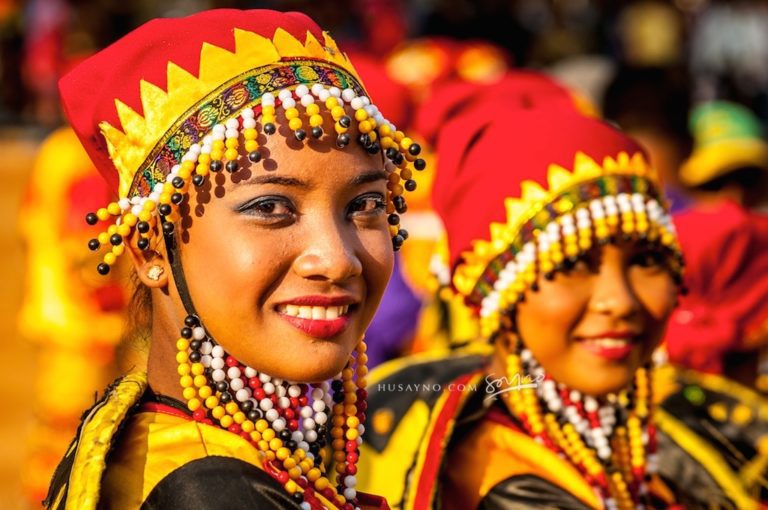
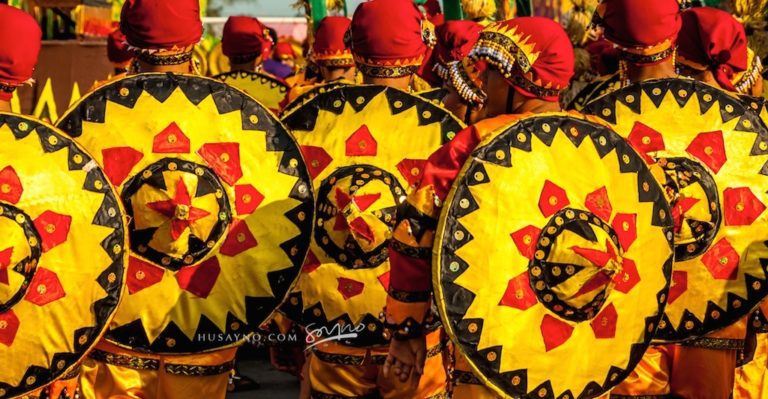
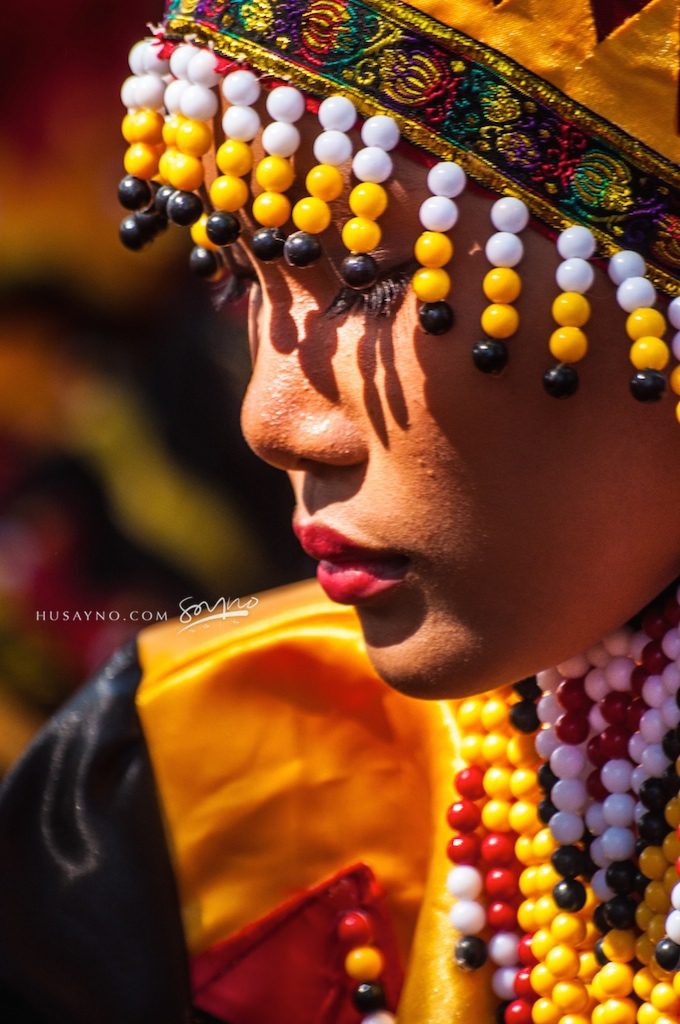
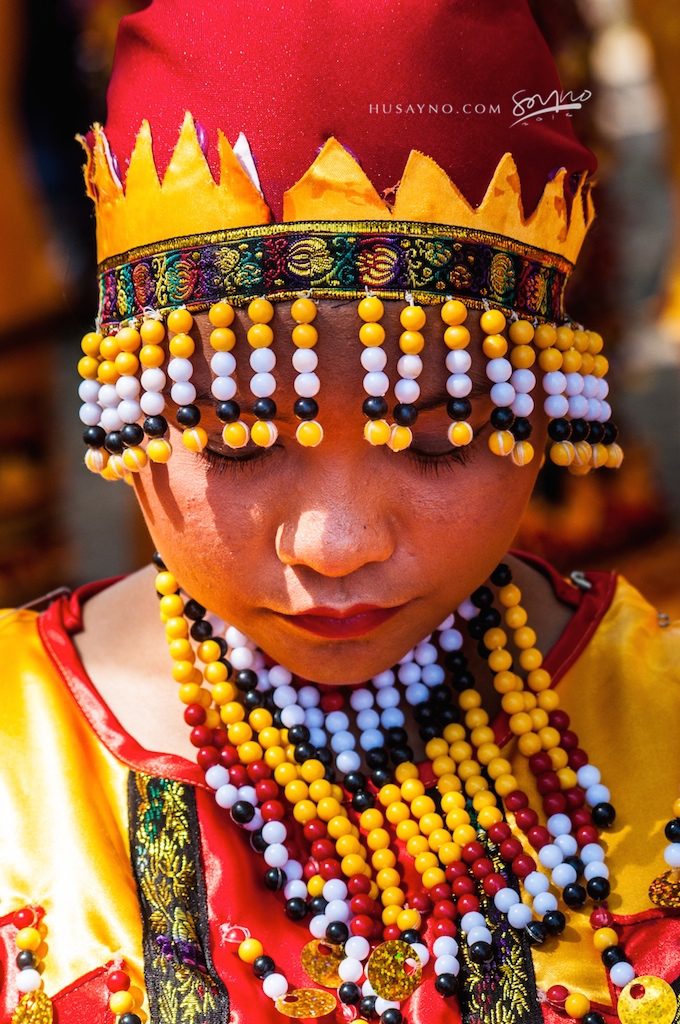
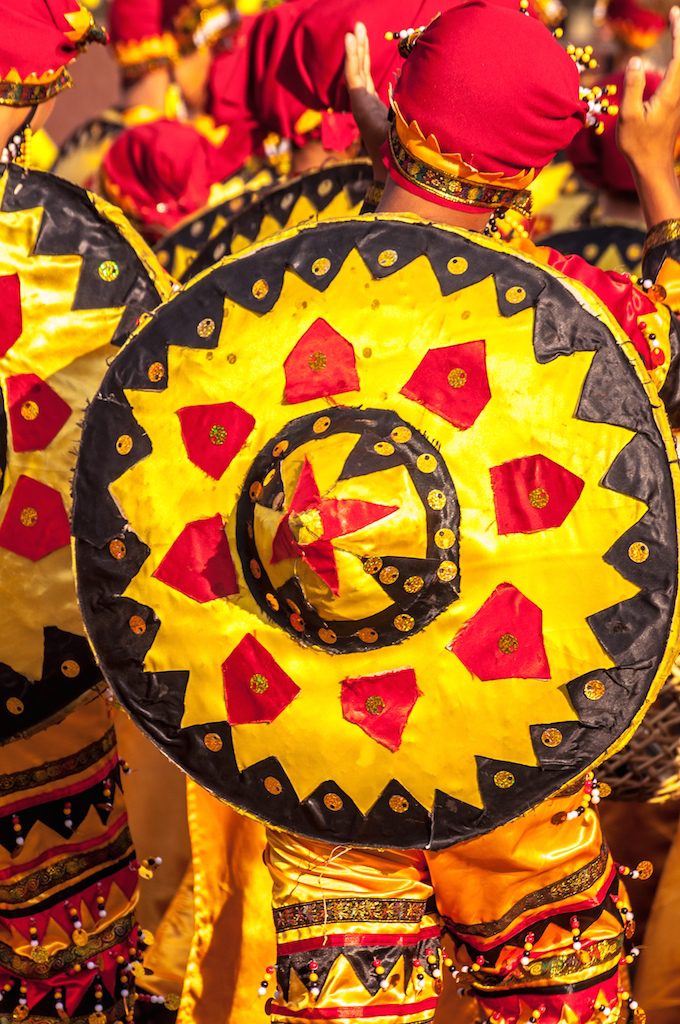
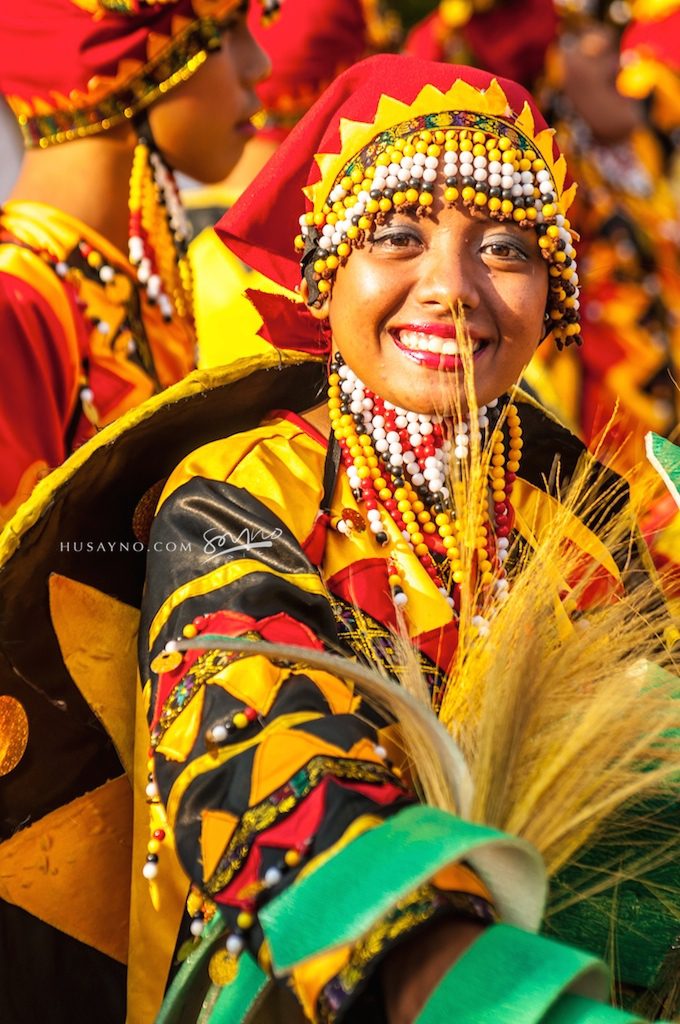
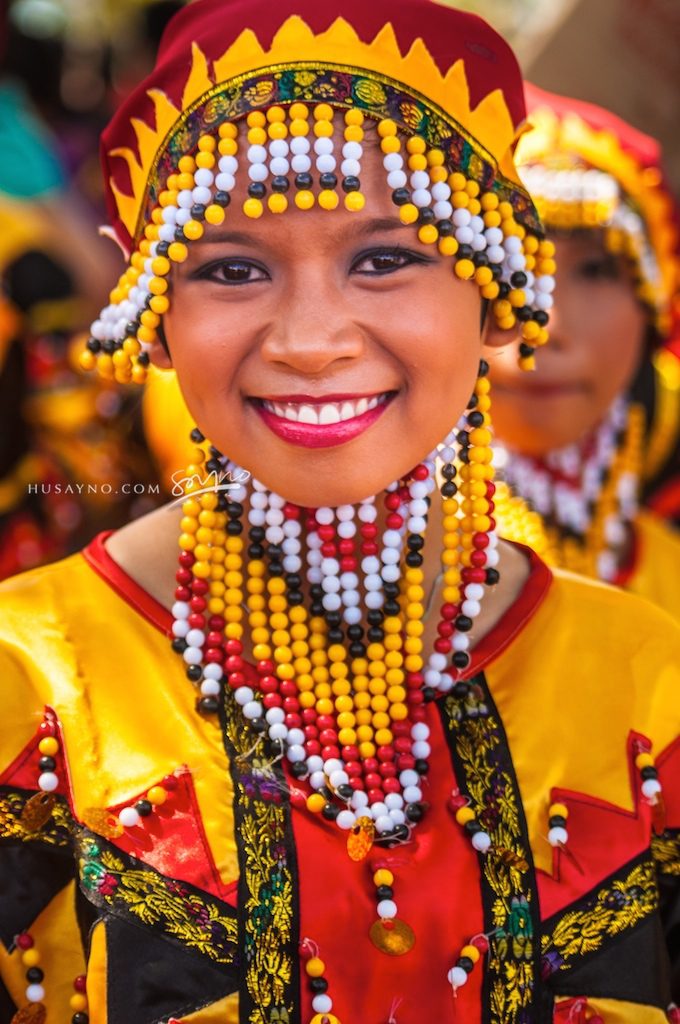
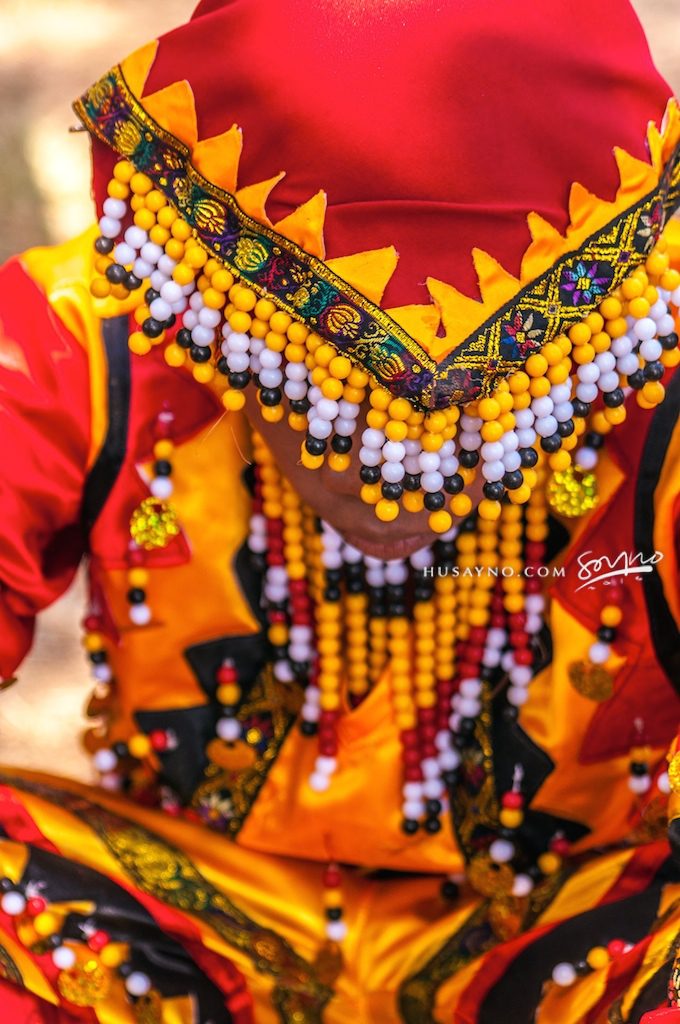
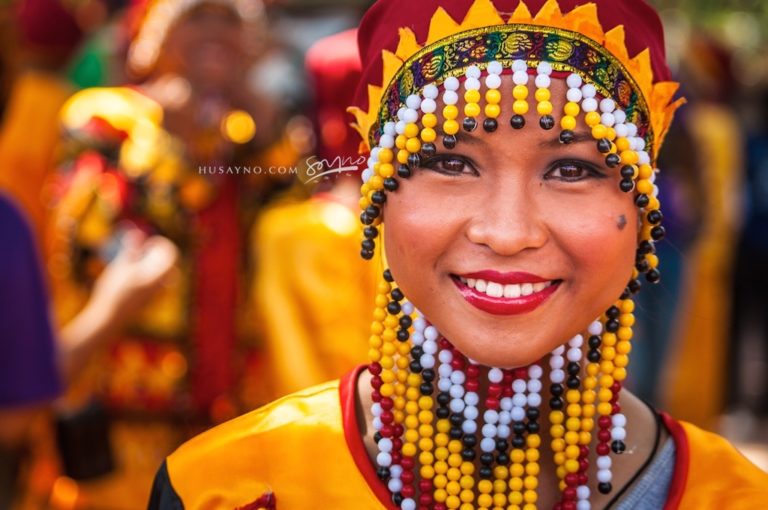
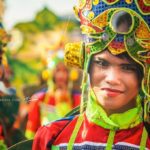
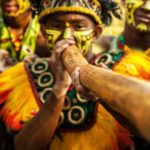
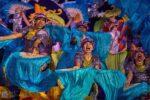
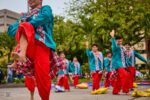
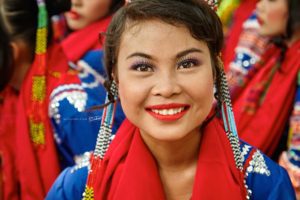
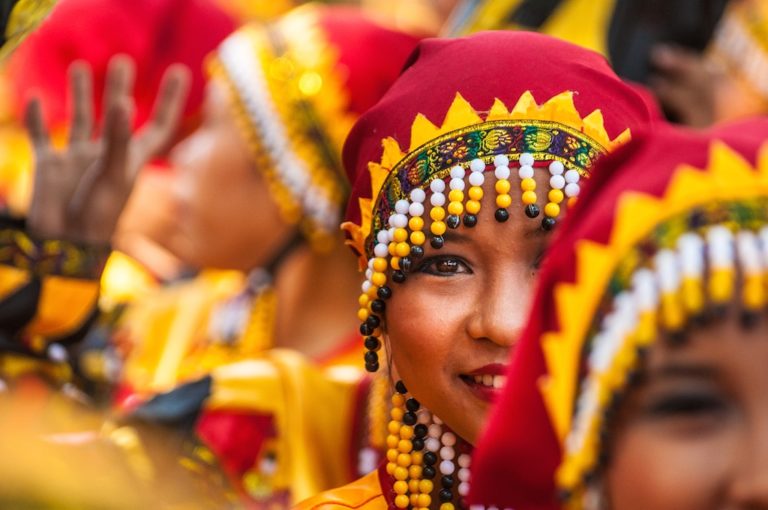
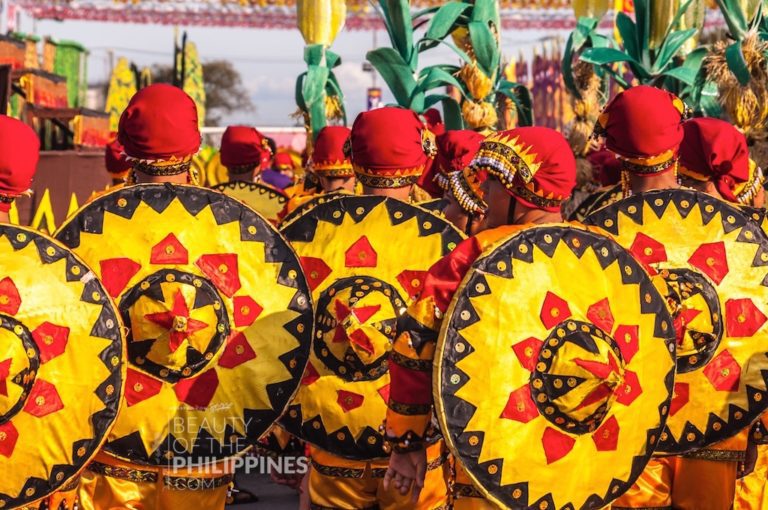
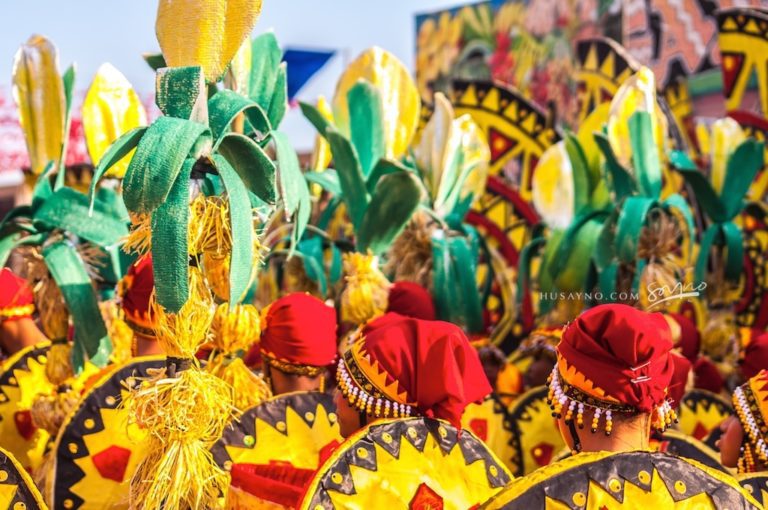
The highlight, without question, is the street dancing competition. Contingents from the province’s 17 municipalities and Kidapawan City transform the streets into a moving gallery of choreography and symbolism. Costumes reflect indigenous patterns and agricultural motifs. Movements echo ritual dances rooted in ancestral memory.
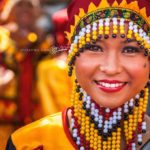
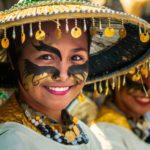
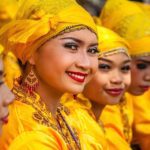
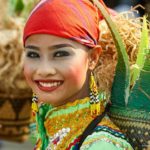
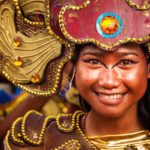
As a photographer, I found myself shifting between wide frames and tight portraits — the determination in a dancer’s eyes, the texture of beadwork, the synchronized lift of shields. These performances are not random spectacle. They narrate thanksgiving for peace, harvest, and prosperity.


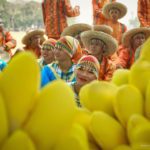
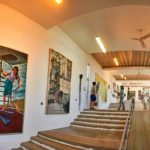
Inside the newly constructed Provincial Pavilion, the agri-tourism exhibit offered another dimension of the festival. Local produce, native delicacies, woven crafts, and entrepreneurial booths filled the space. Investors mingled with farmers. Visitors sampled products grown in the fertile lands surrounding Mount Apo’s foothills.
The “market-market” setup created an atmosphere that felt grounded in everyday village life. Commerce met culture seamlessly. For tourism stakeholders, this is where Kalivungan becomes more than performance — it becomes economic strategy.


Later that year, the festival’s reach extended far beyond Cotabato Province. The Kalivungan Festival contingent represented the province at the Aliwan Fiesta in Pasay City, often dubbed the “Philippines’ Grandest Fiesta.”
Performers from Dilangalen National High School in Midsayap carried the story of Kalivungan to a national audience. Their choreography highlighted indigenous traditions, particularly those rooted in Manobo heritage. The contingent placed as a runner-up in the street dance competition and received distinctions recognizing the authenticity of their costumes and performance aesthetics.
For a provincial festival, this was more than placement. It was cultural export — a reminder that what begins in local soil can resonate across the country.


Spending time in Kalivungan Festival made something clear to me: this celebration operates as cultural diplomacy. It gathers communities of different religions and tribes not just to perform, but to stand together. It supports tourism, strengthens local businesses, and keeps indigenous traditions visible to younger generations.
There is spectacle, yes — but there is also intention.


From a tourism perspective, Kalivungan offers visual richness and narrative depth. For travel features, photo essays, and cultural documentation, it provides layers — agriculture, interfaith harmony, indigenous heritage, and provincial pride — all unfolding within a single celebration.


And as I packed my gear after sunset, I realized that what lingers most is not just color or choreography, but the feeling of shared space. That, perhaps, is the true essence of Kalivungan.


RELATED STORIES


The Timpuyog Festival in Kiamba was a truly awe-inspiring event. As I joined the locals in the celebration, I was amazed by the strong sense


I’m looking forward to the stories and images leaving a lasting positive impression on you, just as they have on me. Stay connected with us on social media for a weekly exploration of travel assignments and breathtaking visuals. Our focus is on championing local tourism, showcasing small businesses, and honoring the magnificence of the Philippines through the content we curate. Join us in spreading the word by clicking the ‘share’ buttons below. Your support means the world to us.
EXPLORE MORE about


The Timpuyog Festival in Kiamba was a truly awe-inspiring event. As I joined the locals in the celebration, I was amazed by the strong sense
BROWSE BY CATEGORIES
BROWSE BY PROVINCE