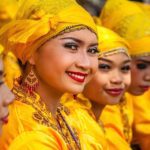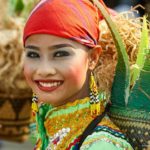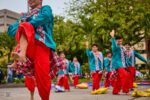
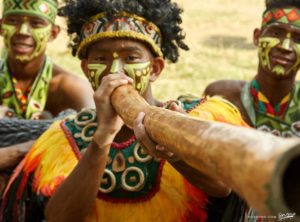
Iloilo Dinagyang Festival: A Cultural Highlight of the 127th Philippine Independence Day
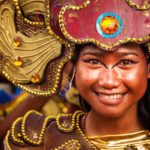
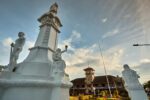
You know what? You haven’t truly felt the power of Filipino pride until you’ve seen the pulse of Dinagyang beating alongside the roar of Independence
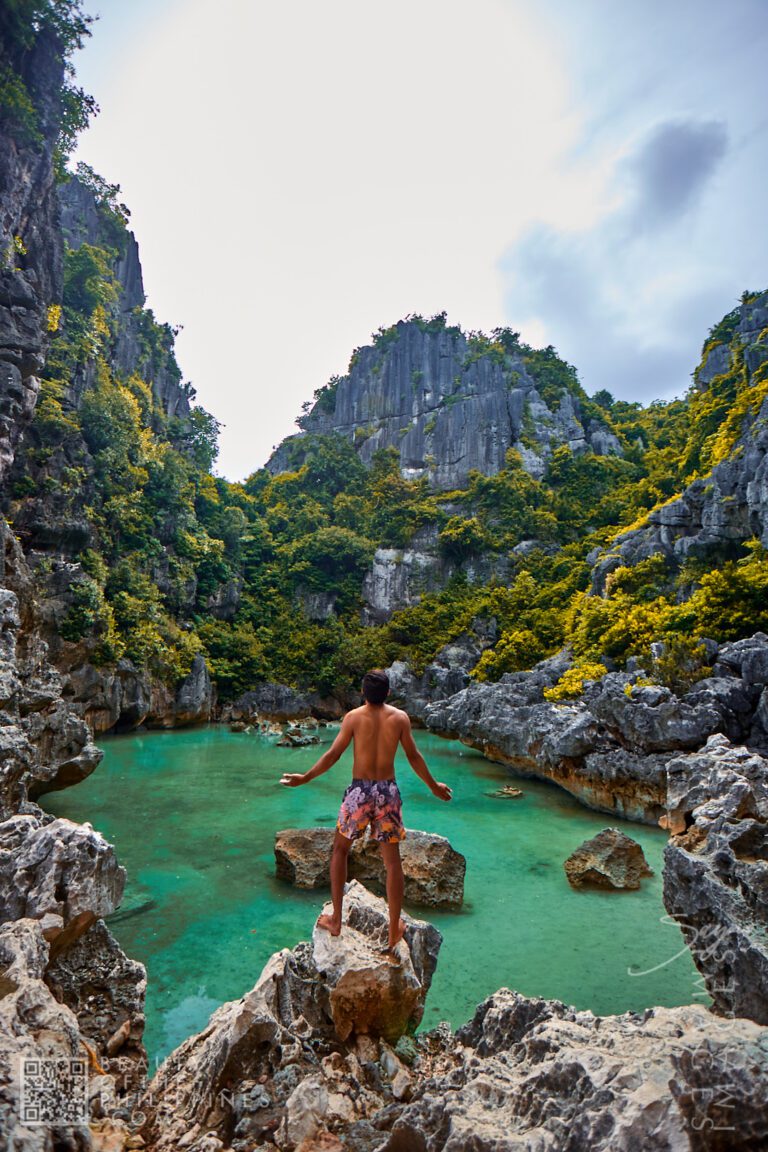
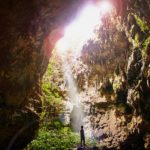
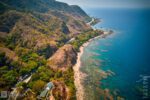
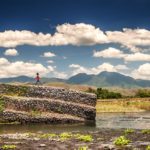
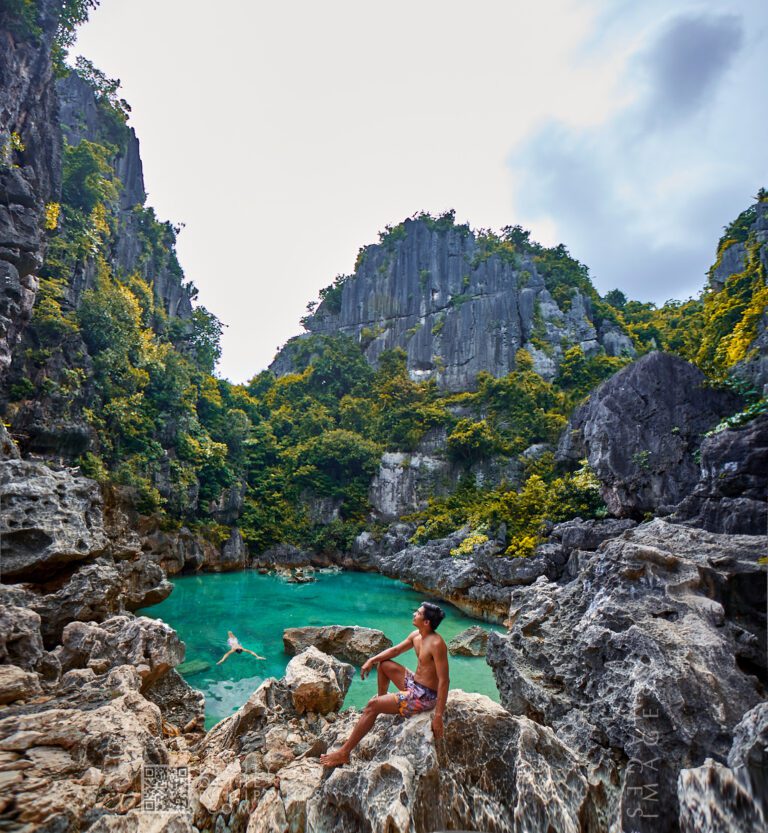
Tangke Saltwater Lagoon—often shortened to just Tangke—sits quietly on Isla de Gigantes Sur, part of the municipality of Carles in northern Iloilo. You don’t spot it from afar. It doesn’t announce itself with a shoreline or wide beach. Instead, it stays hidden behind jagged limestone cliffs, revealed only once your boat pulls close and you climb a short stretch of rock.
The name itself explains the place. Tangke comes from the Filipino word for “tank,” and that’s exactly what it is—a natural rock basin that fills with seawater through narrow openings in the cliffs. No pipes, no pumps. Just the tide doing its work, quietly and repeatedly.
What makes Tangke different from open beaches is the feeling of enclosure. The limestone walls seal the lagoon off from the wider sea, turning it into a calm, saltwater pool. When the tide is right, the water deepens and clears, reflecting light in shifting shades—emerald, jade, sometimes aquamarine depending on the sun’s angle.
From a photographer’s point of view, this place changes by the hour. Late morning to early afternoon, roughly between 10 AM and 2 PM, is when the colors come alive. Earlier or later, the mood shifts—darker tones, stronger shadows, a quieter palette. Low tide tells a different story altogether, when parts of the lagoon become shallow or briefly dry, exposing the rock basin that gives Tangke its name.
Most travelers don’t come to Tangke alone. It’s usually part of an Islas de Gigantes island-hopping route, paired with stops like Cabugao Gamay, known for its twin sandbar and viewpoint; Antonia Beach, popular for snorkeling and seafood lunches; and Pulupandan Islet, often a quick but scenic pause.
Boats typically depart from Estancia Port or Bancal Port in Carles. From there, the ride to Gigantes Sur takes about one to two hours, depending on sea conditions. The journey itself sets the tone—open water, shifting skies, and the sense that you’re moving farther away from the mainland’s pace.
Accessing Tangke isn’t complicated, but it does involve a short rock climb from where the boat docks. It’s brief, manageable, and adds a bit of adventure—enough to make entry feel earned. Once inside, the sound changes. Waves soften. Voices echo lightly against stone.
Local guides sometimes share stories passed down through the community—tales of mystical waters or unseen guardians believed to protect the lagoon. Whether taken as folklore or simply part of island storytelling, these narratives add depth, reminding visitors that places like Tangke are more than photo stops. They’re held in memory by the people who live nearby.
The best time to visit Tangke Saltwater Lagoon falls within the dry season, from November to May, when seas are calmer and boat access is safer. March to May brings peak season—clear skies, fuller lagoons at high tide, and more visitors sharing the space.
From June to October, the southwest monsoon or Habagat changes everything. Stronger waves and unpredictable weather often lead to closures, prioritizing safety over access.
Tangke’s beauty comes with responsibility. The Local Government of Carles periodically closes the lagoon to protect its fragile environment. Under Executive Order No. 94, Series of 2025, Tangke is scheduled for closure from September 1 to September 30, 2025, allowing time for rehabilitation, clean-up, and ecosystem recovery.
On regular visiting days, rules are enforced—limited time per group, no littering, no vandalism, no feeding of marine life. These aren’t restrictions meant to lessen the experience; they’re safeguards ensuring Tangke remains what it is: unspoiled, quiet, and alive.
Environmental and entrance fees are usually settled at the port before departure. Tide awareness matters—what feels like a perfect swimming pool at high tide can look entirely different hours later. And when waves are high, access may be restricted altogether. Here, nature always gets the final say.
Reaching Tangke is part of a larger Iloilo journey. From Iloilo City, travel to Carles takes around three to four hours by land. From there, the sea takes over. Tangke becomes one chapter in a half-day or full-day island-hopping story—short, but memorable.
RELATED STORIES

You know what? You haven’t truly felt the power of Filipino pride until you’ve seen the pulse of Dinagyang beating alongside the roar of Independence


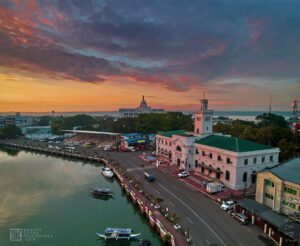
The Iloilo Customs House, also known as Aduana de Iloílo in Spanish, is a historic building in Iloilo City constructed in 1916 during the American



Are you ready to experience some of the most unique and vivid festivities in the Philippines – Dinagyang Festival? This vibrant celebration is one of


Tangke Saltwater Lagoon isn’t loud about its beauty. It doesn’t compete with wide beaches or dramatic viewpoints. Instead, it offers something more restrained—a moment between cliffs and tide, where seawater rests, light dances briefly, and the world feels held in place.
For travelers who value stillness, for photographers who chase subtle shifts rather than grand scenes, Tangke stays with you. Not as a checklist item, but as a quiet memory shaped by stone and sea.
I’m looking forward to the stories and images leaving a lasting positive impression on you, just as they have on me. Stay connected with us on social media for a weekly exploration of travel assignments and breathtaking visuals. Our focus is on championing local tourism, showcasing small businesses, and honoring the magnificence of the Philippines through the content we curate. Join us in spreading the word by clicking the ‘share’ buttons below. Your support means the world to us.
EXPLORE MORE about


Are you ready to experience some of the most unique and vivid festivities in the Philippines – Dinagyang Festival? This vibrant celebration is one of


The Iloilo Customs House, also known as Aduana de Iloílo in Spanish, is a historic building in Iloilo City constructed in 1916 during the American


You know what? You haven’t truly felt the power of Filipino pride until you’ve seen the pulse of Dinagyang beating alongside the roar of Independence
BROWSE BY CATEGORIES
BROWSE BY PROVINCE