Meycauayan Church: as a Witness to Time in Bulacan
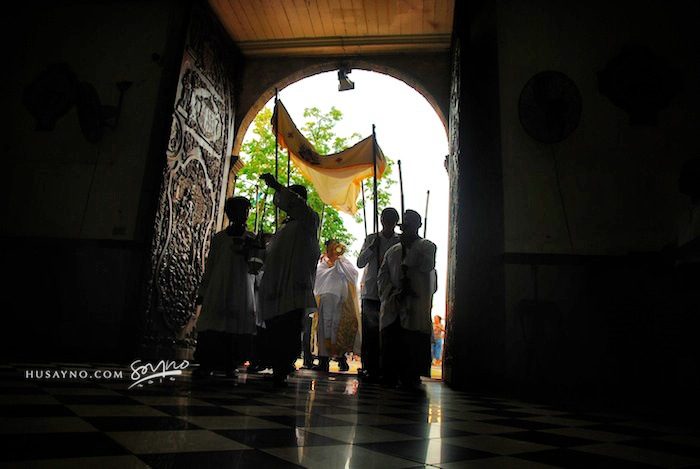
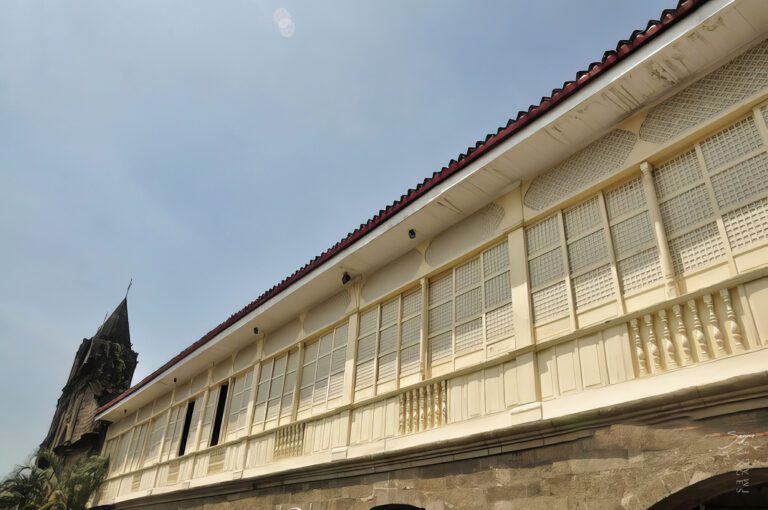
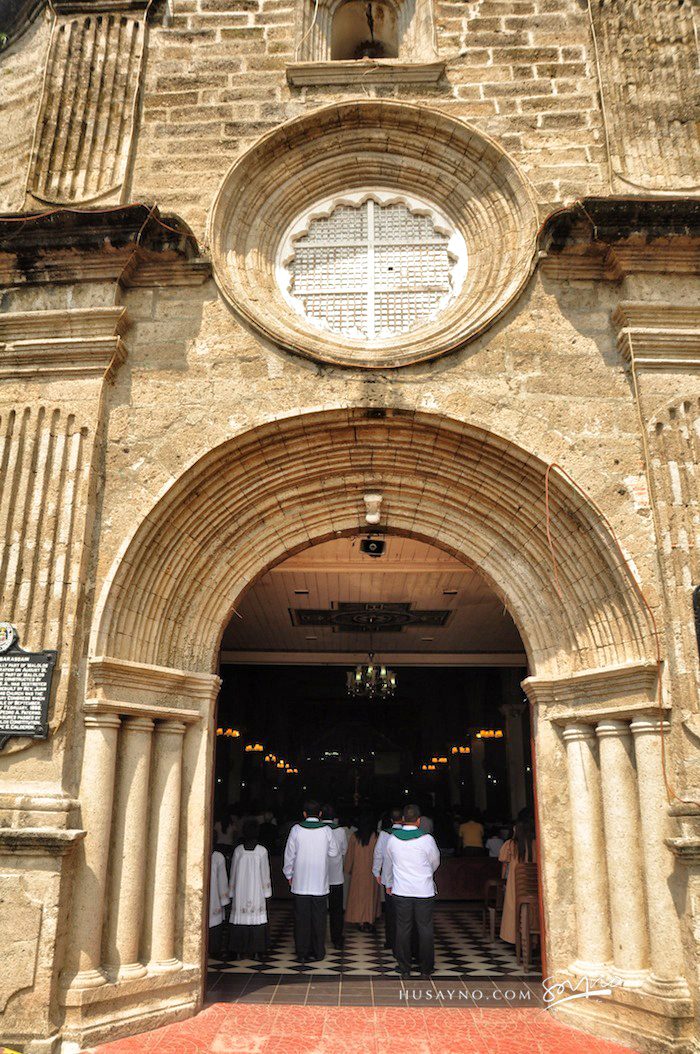
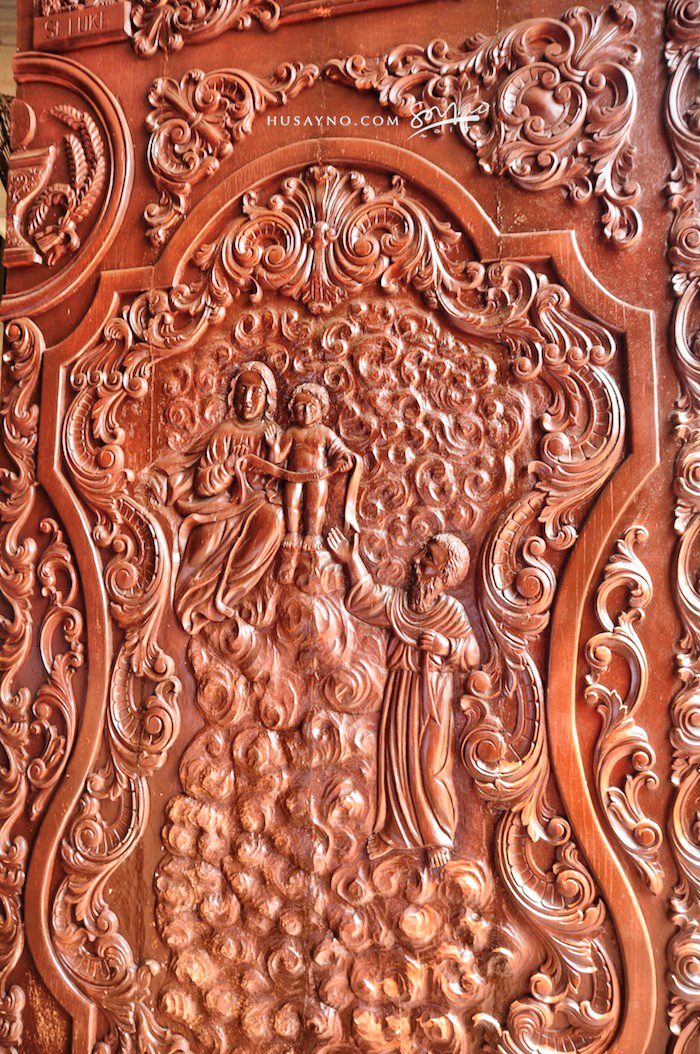
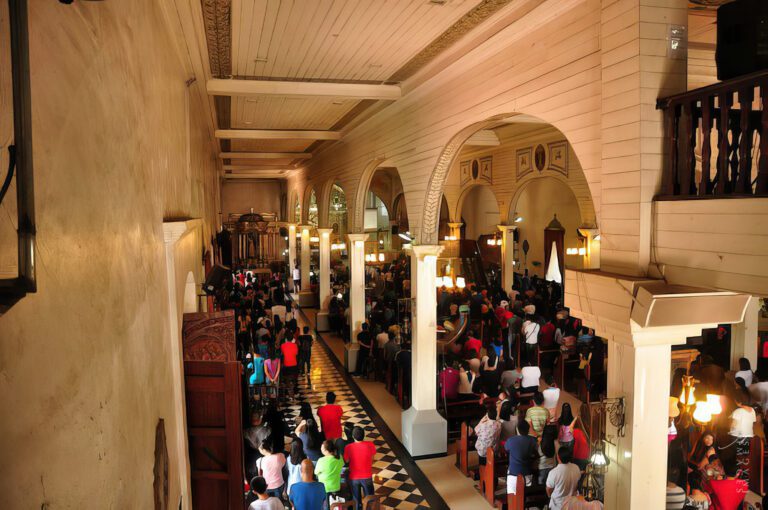
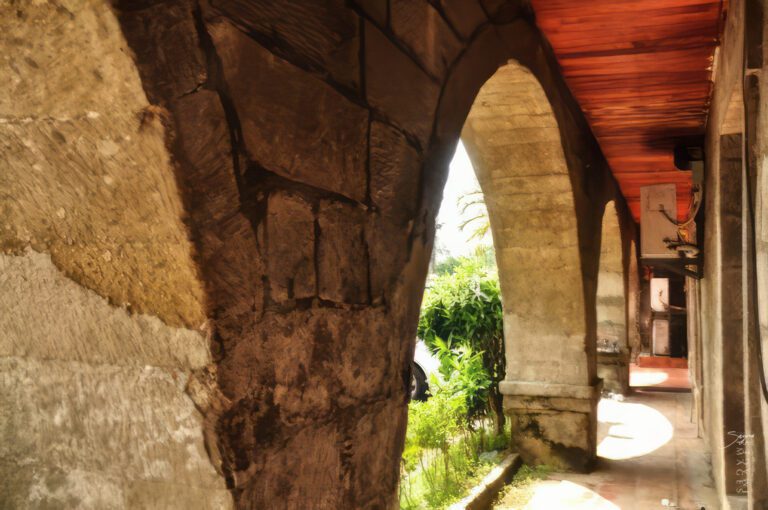
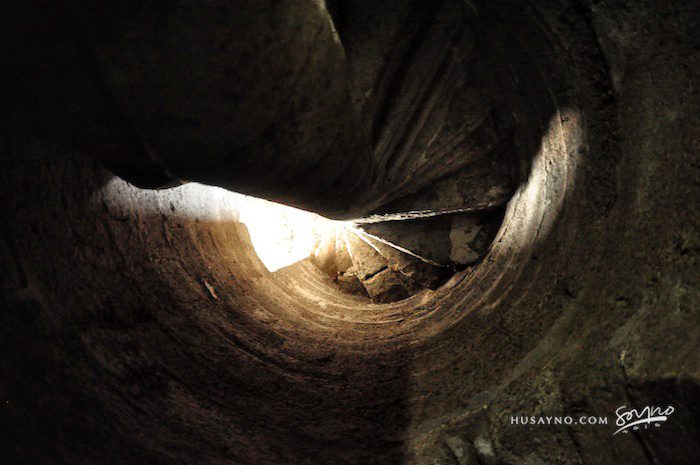
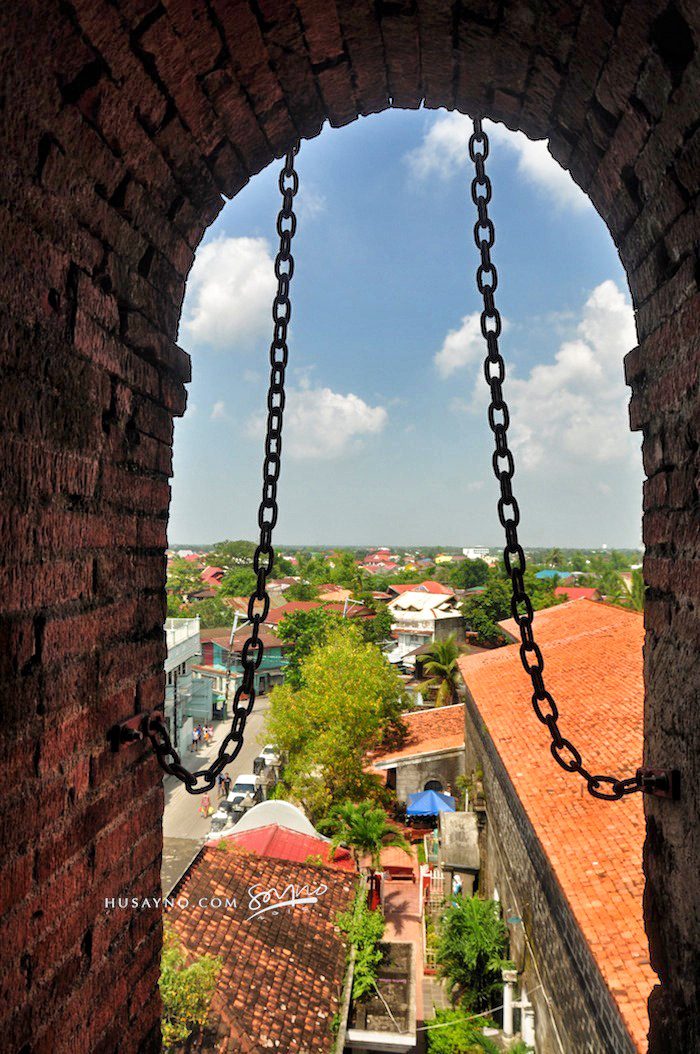
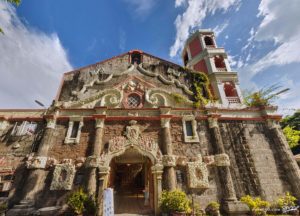
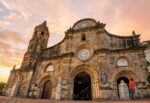
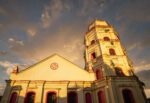
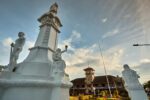
Standing in Poblacion, Meycauayan City, Bulacan, the Saint Francis of Assisi Parish Church, more commonly called Meycauayan Church, anchors the town both physically and emotionally.
Standing at the heart of Malolos City, Bulacan, Barasoain Church rises with a presence that feels both solemn and proud. Officially known as the Our Lady of Mount Carmel Parish, it functions as a place of worship, yes — but it also stands as one of the most important landmarks in Philippine history. This is not just a church you visit; it’s a site you listen to. Every stone seems to carry echoes of debate, courage, and belief in self-rule.
Barasoain Church was founded as a parish on August 31, 1859, under the Augustinian Order, dedicated to Our Lady of Mount Carmel. Its name traces back to Barásoain, a town in Navarre, Spain, chosen by early missionaries who saw a striking resemblance between the two places. Before the structure we see today existed, earlier versions of the church were destroyed by fire. The present building was completed between 1885 and 1888, constructed mainly of adobe and stone — materials that give it that grounded, enduring feel even after more than a century.
Architecturally, the church reflects Spanish Baroque and Renaissance influences, evident in its solid bell tower, symmetrical façade, and restrained ornamentation. It doesn’t overwhelm; instead, it holds its ground with quiet confidence.
Step inside, and the atmosphere changes. This is where history stops being abstract. Between September 15, 1898 and February 1899, Barasoain Church hosted the First Philippine Congress, also known as the Malolos Congress. Within these walls, Filipino leaders gathered to debate and draft what would become the Malolos Constitution — recognized as Asia’s first republican constitution.
Not long after, on January 23, 1899, the church became the backdrop for the inauguration of the First Philippine Republic, with General Emilio Aguinaldo taking his oath as the first President of a free Philippines. It’s this sequence of events that earned Barasoain Church its enduring title: the “Cradle of Democracy in the East.” Standing here, you don’t need imagination — the weight of that moment feels close.
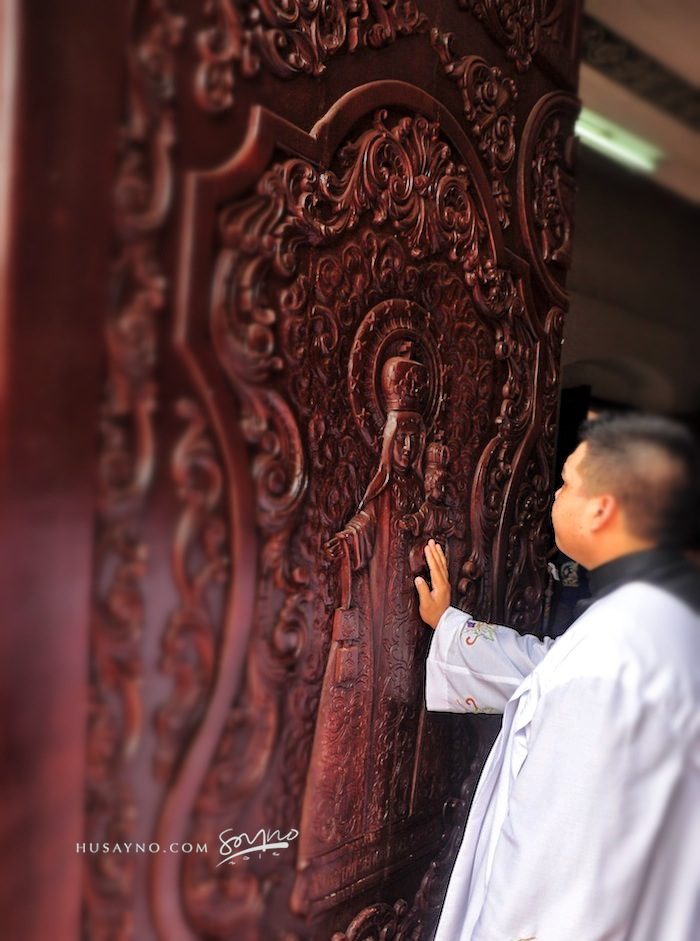
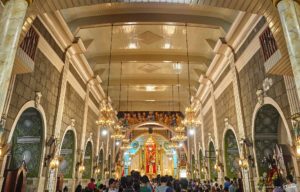
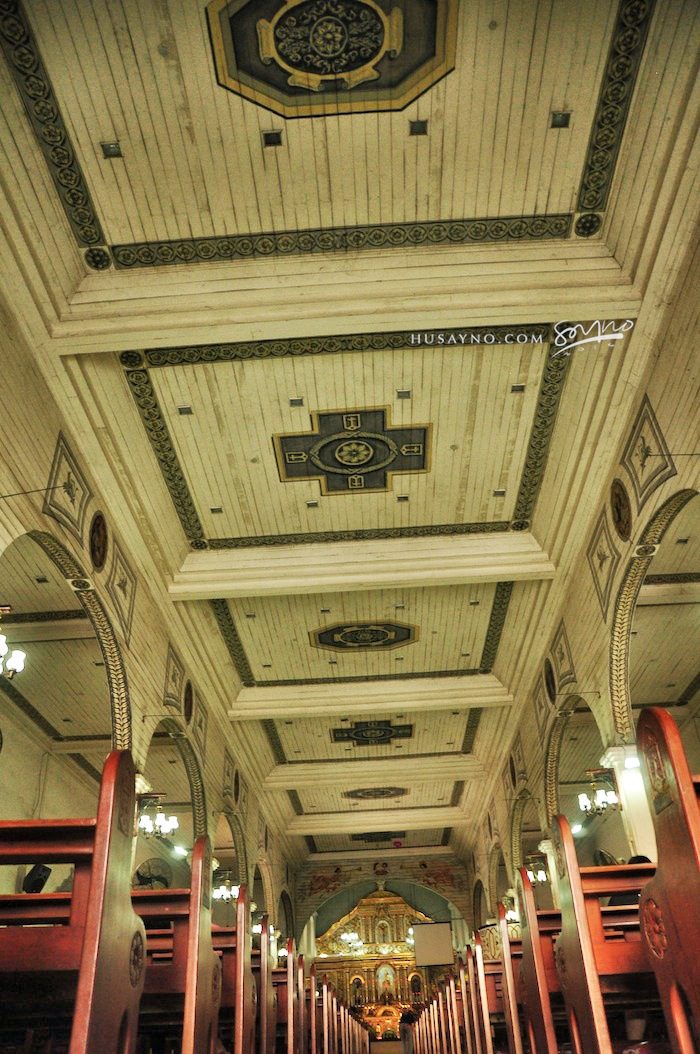
The interior rewards slow observation. Floral motifs, ceiling paintings of angels and saints, and an ornate retablo draw your eyes upward, while the high ceilings create a sense of openness and reflection. The space balances devotion and dignity — a church designed not only for prayer, but for purpose.
Just beside it stands the Barasoain Museum, also known as the Museo ng Republika ng 1899. Inside are artifacts, dioramas, and carefully curated exhibits that explain the Malolos Congress and the formation of the First Republic. For visitors, especially students and photographers, the museum turns dates and names into something tangible.
In recognition of its national importance, Barasoain Church was declared a National Shrine by President Ferdinand Marcos through Presidential Decree No. 260. This designation affirmed what Filipinos already knew — that the church’s value goes beyond faith. It belongs to the nation’s collective memory, preserved in textbooks, heritage maps, and even currency designs from past decades.
Located about 42 kilometers north of Manila, Barasoain Church anchors Malolos Heritage Town, an area rich with ancestral houses and historic structures. Visitors often pair a church visit with heritage walks, museum tours, or quiet time observing how modern life continues around a place so deeply rooted in the past.
RELATED STORIES

Standing in Poblacion, Meycauayan City, Bulacan, the Saint Francis of Assisi Parish Church, more commonly called Meycauayan Church, anchors the town both physically and emotionally.


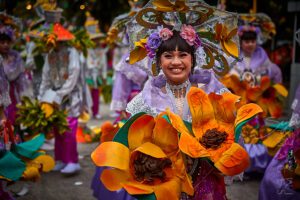
Halamanan Festival is a celebration that takes place every January 23rd in Guiguinto, Bulacan, the Garden Capital of the Philippines, celebrating the beauty of the


In the heart of Calumpit, Bulacan, rises San Juan Bautista Parish Church, more commonly called Calumpit Church. You don’t need a guidebook to sense its


In the middle of modern homes and daily routines in Plaridel, Bulacan, the Simborio Chapel stands with a kind of calm persistence. It doesn’t tower


Some come to attend Mass. Others come to learn. Many arrive simply to stand still, camera in hand, aware that few places manage to hold faith, politics, and identity in one frame as powerfully as this.
Barasoain Church doesn’t demand attention — it earns it. And long after you leave Malolos, the feeling of having stood at the birthplace of a nation tends to stay with you.


I’m looking forward to the stories and images leaving a lasting positive impression on you, just as they have on me. Stay connected with us on social media for a weekly exploration of travel assignments and breathtaking visuals. Our focus is on championing local tourism, showcasing small businesses, and honoring the magnificence of the Philippines through the content we curate. Join us in spreading the word by clicking the ‘share’ buttons below. Your support means the world to us.
EXPLORE MORE about


In the heart of Calumpit, Bulacan, rises San Juan Bautista Parish Church, more commonly called Calumpit Church. You don’t need a guidebook to sense its


Standing in Poblacion, Meycauayan City, Bulacan, the Saint Francis of Assisi Parish Church, more commonly called Meycauayan Church, anchors the town both physically and emotionally.

In the middle of modern homes and daily routines in Plaridel, Bulacan, the Simborio Chapel stands with a kind of calm persistence. It doesn’t tower


Halamanan Festival is a celebration that takes place every January 23rd in Guiguinto, Bulacan, the Garden Capital of the Philippines, celebrating the beauty of the

BROWSE BY CATEGORIES
BROWSE BY PROVINCE