Le Coq Bleu Homestay Baguio: Filipino Hospitality with a French Touch in Baguio
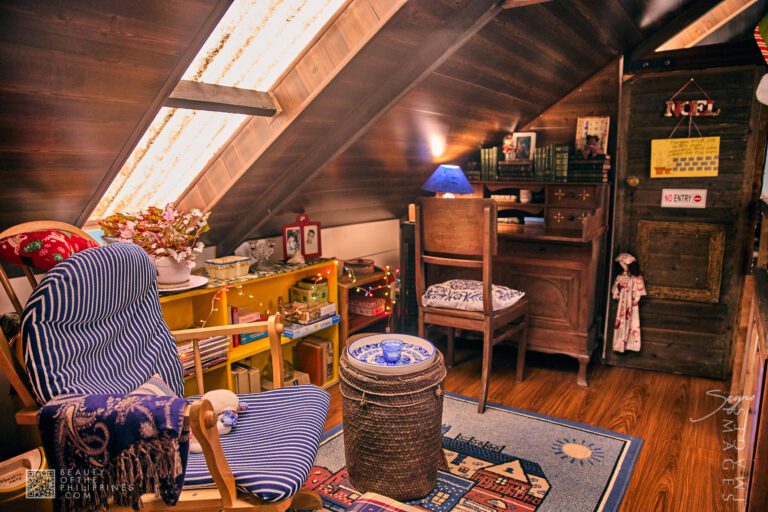
Le Coq Bleu Baguio is a welcoming space where comfort meets creativity. Owned by Chantal Michaut-Pangilinan, a Frenchwoman who has lived in the city for

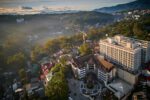
Exploring Baguio City is like entering a highland rhythm where cool air, greenery, and urban life meet seamlessly. The city sits atop the Cordillera Mountains, giving streets, parks, and markets a distinctive character shaped by altitude, climate, and culture. Here, daily life flows steadily, punctuated by tourist activity but firmly rooted in local routines.
Burnham Park serves as the city’s heart, where joggers, street vendors, and families coexist with open lawns and ponds. Early mornings are quiet, yet alive with activity: people walking dogs, cyclists weaving through paths, and vendors setting up stalls for the day. Photography opportunities appear in the ordinary — reflections in the lake, sunlight filtering through trees, or children feeding ducks.
The streets of Session Road show another face of Baguio. Cafés, shops, and heritage buildings create layers of history and commerce, while side streets lead to local markets where produce, textiles, and crafts are sold. The mixture of tourists and residents adds energy without overwhelming the city’s natural rhythm.
Neighborhoods like Camp John Hay and Loakan balance recreation, history, and practicality. Camp John Hay offers forested trails and wide open spaces, while Loakan connects the city to surrounding highland towns and natural landmarks. Roads here allow moments of reflection as you move through pine-lined avenues, misty hills, and open fields.

Le Coq Bleu Baguio is a welcoming space where comfort meets creativity. Owned by Chantal Michaut-Pangilinan, a Frenchwoman who has lived in the city for


Baguio City, the Summer Capital of the Philippines, has long been celebrated for its vibrant art scene and rich cultural heritage. In 2025, the Ibagiw
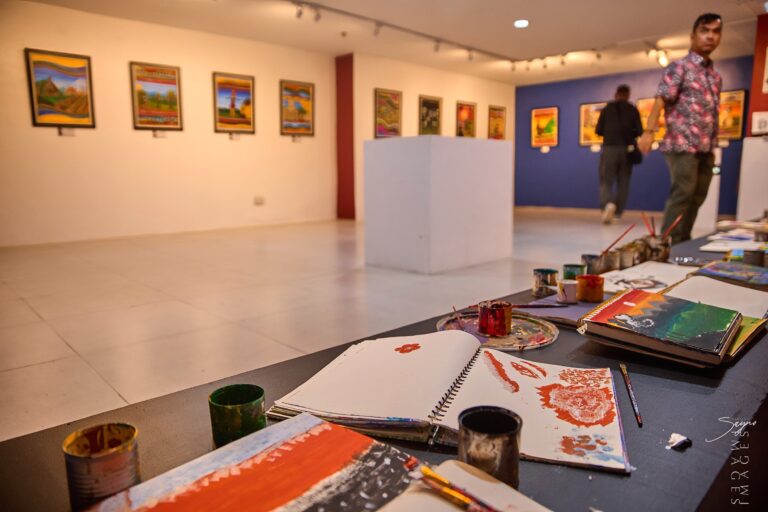
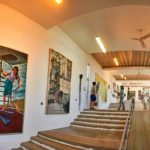
The Kasiyana “All Will Be Well” Art Exhibit at Gallery 2600 in Baguio brings together more than 20 local artists whose works reflect the Kankanaey
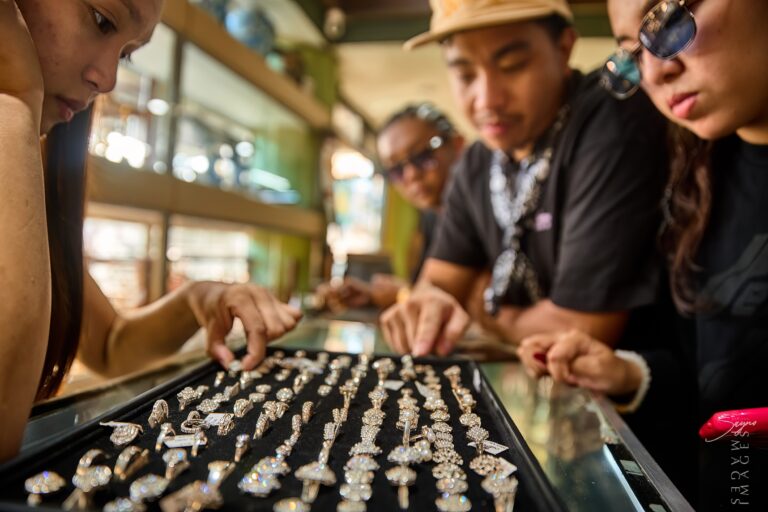
Pilak Silvercraft and Gift Shoppe is one of Baguio City’s enduring gateways into the proud tradition of Cordilleran craftsmanship. Located along Leonard Wood Road,

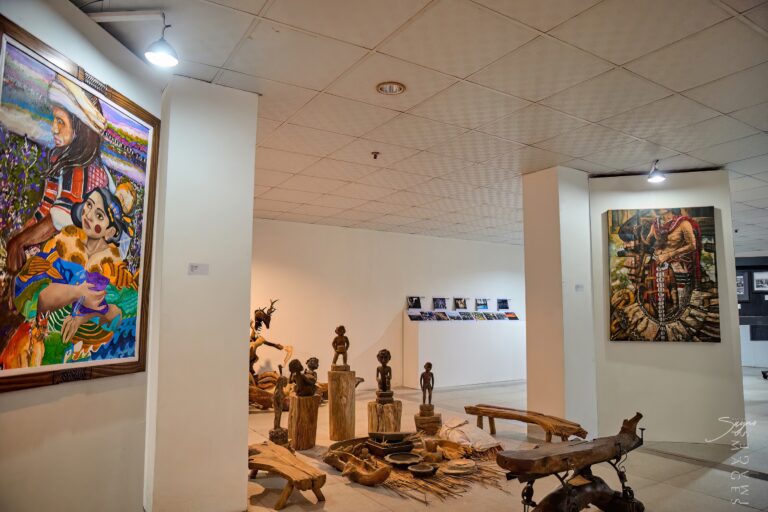
Baguio Media Newseum, also known as the Art World & Media Newseum, offers travelers a unique experience beyond the familiar pine forests and scenic viewpoints
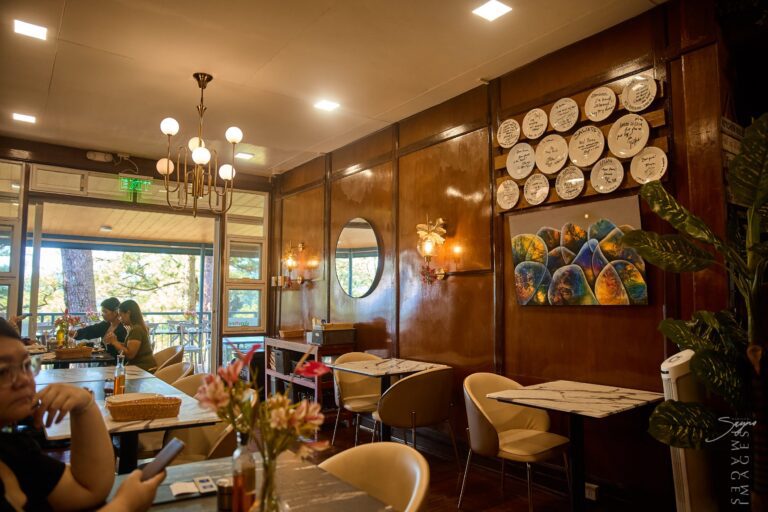
Amid the cool mountain air and pine-scented streets of Baguio City, there is a place where the warmth of a crackling wood-fired oven meets the
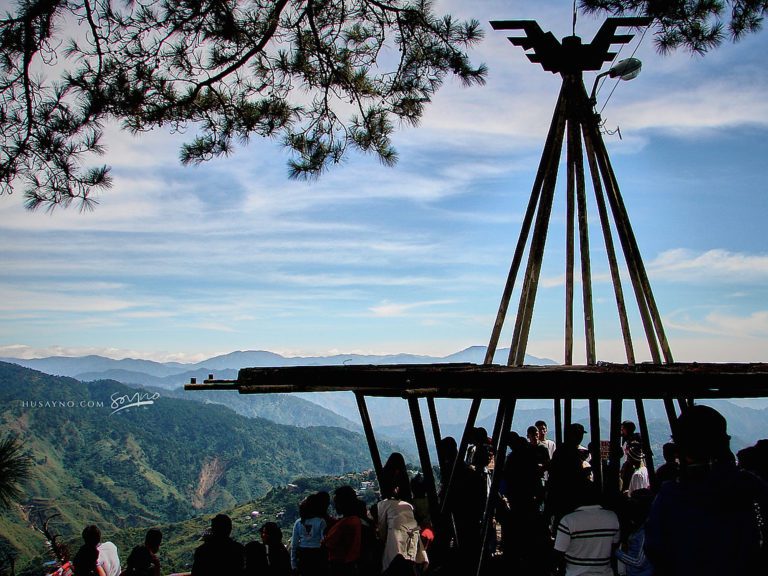
Mines View Park stands as one of Baguio City’s most iconic and historically layered landmarks — a place where sweeping mountain scenery meets memory, labor,
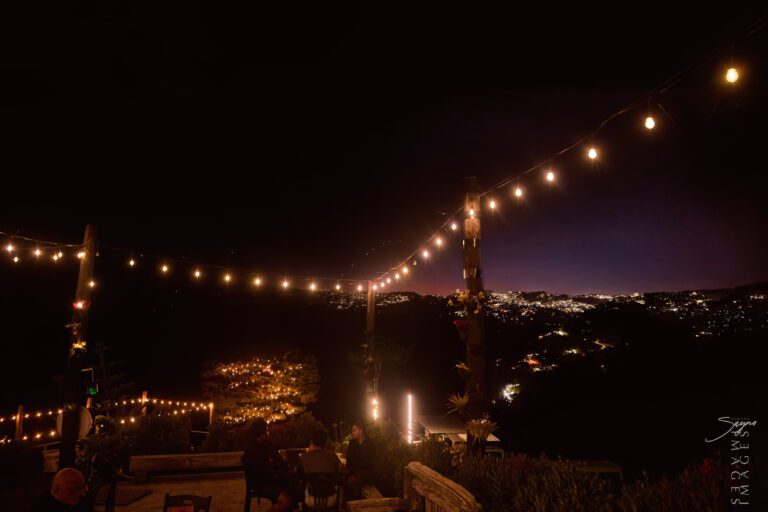
High above the bustle of Baguio’s commercial districts, Café Khawa rises along Loakan Road as a ridge-top sanctuary where sweeping mountain views dominate the experience.
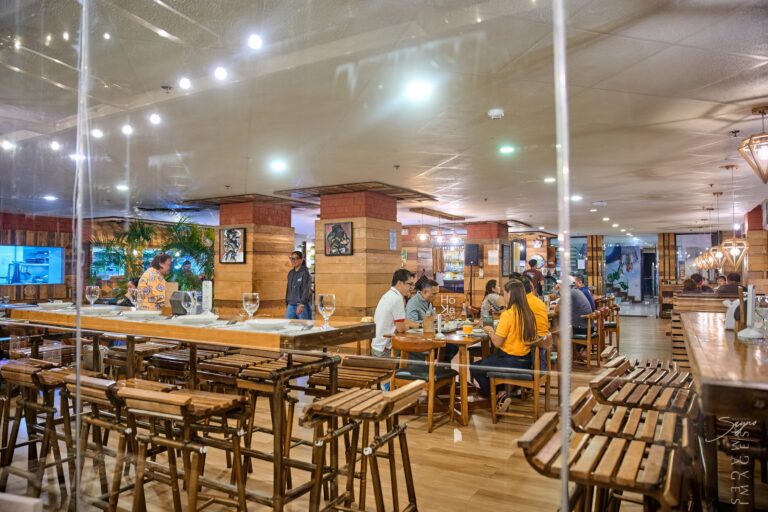
Perched along Marcos Highway inside The Podium Boutique Hotel, Hoka Brew welcomes visitors with a warm, wood-themed interior and wide windows framing the lush, pine-covered
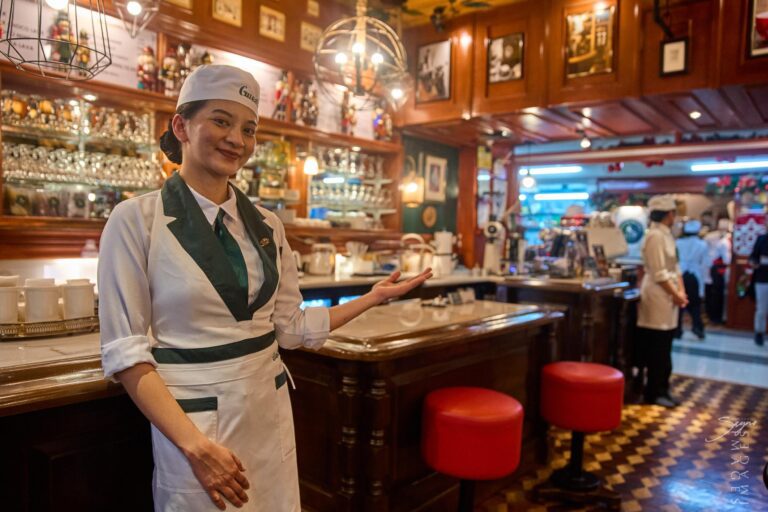
When you think of Baguio, you imagine pine‑scented breezes, foggy mornings, and cozy cafés tucked into the city’s winding streets. Among these, Guest Haven Coffee
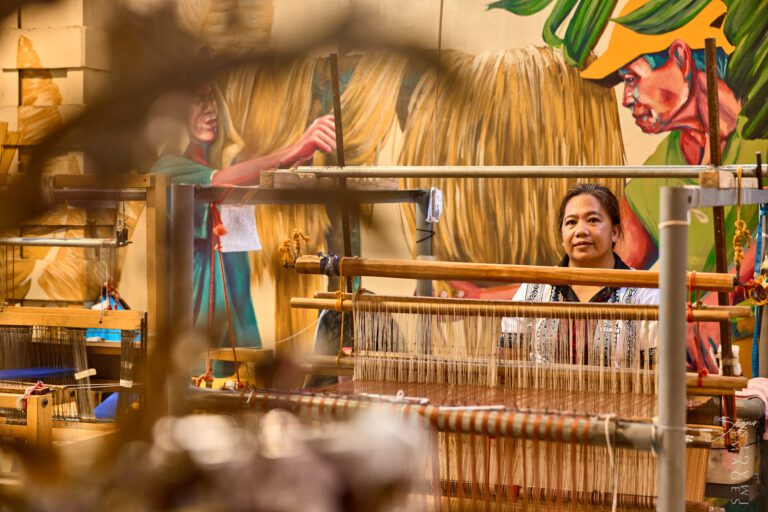
Baguio City has long been celebrated for its cool climate, mountain landscapes, and thriving creative culture. Within the Baguio Botanical Garden sits the Harvest Creative

Azalea Residences Baguio welcomes travelers with the perfect balance of comfort, convenience, and modern design in the heart of the City of Pines. Nestled along

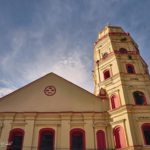
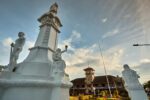
Nestled in the heart of Baguio City, the Our Lady of Atonement Cathedral—more popularly known as Baguio Cathedral—stands as a masterpiece of neo-Romanesque architecture and
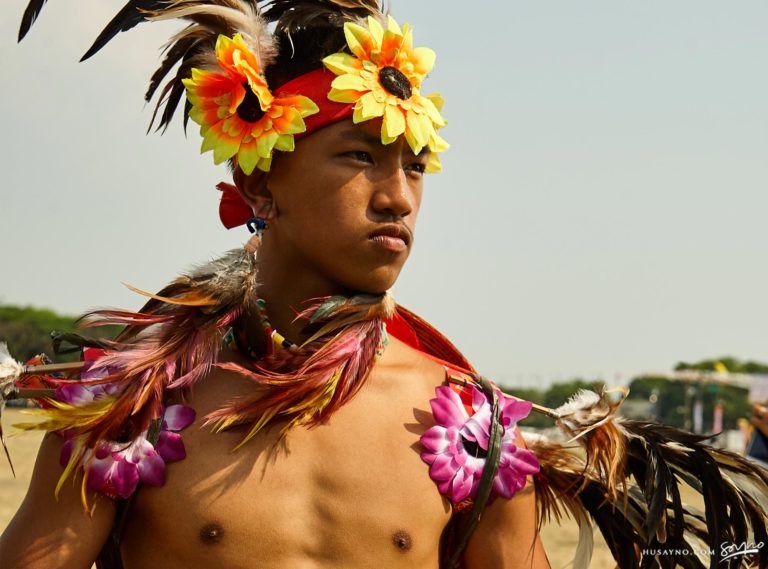
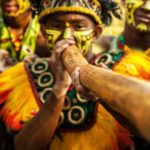
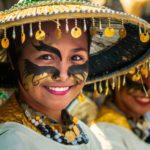
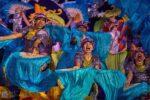
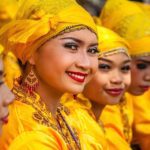
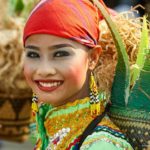
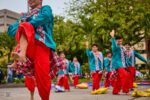
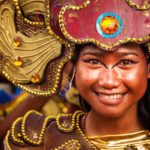
Originally known as the Baguio Flower Festival, the Panagbenga Festival is a month-long annual flower festival held every February in Baguio City, that celebrates and
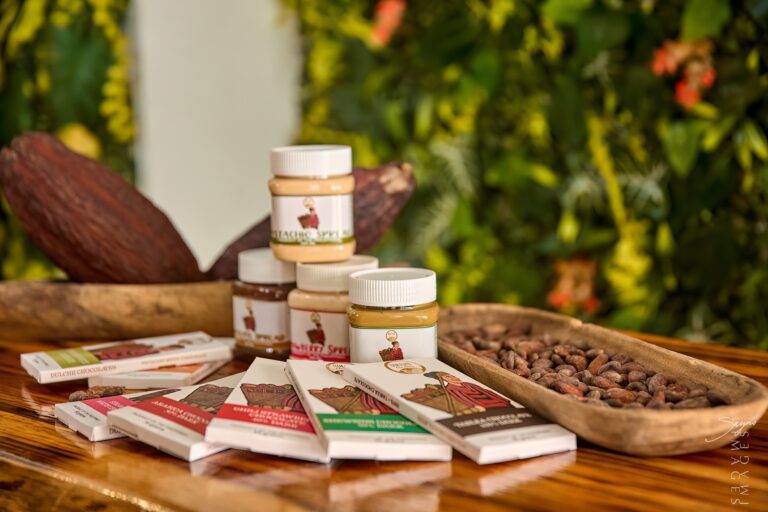
If you are planning a trip to the highlands of the Philippines, particularly around Baguio or Benguet, a visit to Dulche Chocolates offers a uniquely
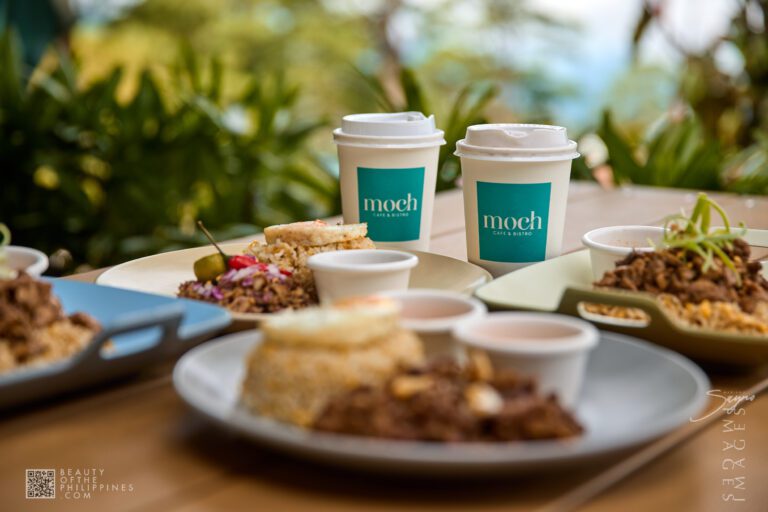
Travelers wandering through the cool, pine-scented corners of Baguio often search for places that blend good food, local creativity, and that distinct highland charm the

In areas like La Trinidad, just outside the city, terraces and farmlands extend toward the horizon. Local farmers maintain crops like strawberries and vegetables, creating vivid seasonal colors. Markets in the city center showcase these products, linking rural life to urban consumption seamlessly.
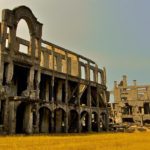
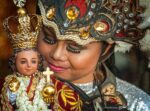
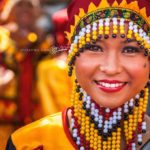
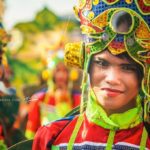
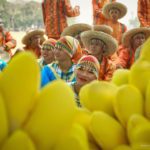
Cultural life thrives across Baguio. Festivals, art fairs, and small community rituals reflect both indigenous and colonial heritage. From Philippine Military Academy parades to street performances during the Panagbenga Flower Festival, tradition and everyday life intertwine effortlessly, offering rich material for observation and photography.
Food in Baguio City is equally compelling. Cafés, street stalls, and family-run restaurants feature ingredients sourced locally and prepared with care. Meals here range from hearty Cordilleran fare to light snacks, reflecting both the city’s highland environment and its evolving culinary culture.
As a traveler and photographer, Baguio City rewards patience and attentiveness. Each street, park, and neighborhood has its own pace, offering moments where ordinary life becomes visually and culturally meaningful. The city doesn’t need grand gestures — its charm lies in observation, movement, and the interplay of nature and urban life.
Leaving Baguio, what stays with you isn’t just the cool air or pine-lined streets, but the rhythm of a city alive yet grounded, steeped in heritage, and open to those who notice carefully.
EXPLORE MORE ABOUT THE
Philippines
BROWSE BY CATEGORIES
BROWSE BY PROVINCE