Pilak Silvercraft and Gift Shoppe: A Journey into Baguio’s Living Silver Heritage
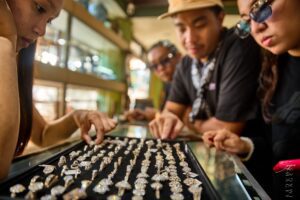
Pilak Silvercraft and Gift Shoppe is one of Baguio City’s enduring gateways into the proud tradition of Cordilleran craftsmanship. Located along Leonard Wood Road,
Mines View Park stands as one of Baguio City’s most iconic and historically layered landmarks — a place where sweeping mountain scenery meets memory, labor, and colonial history. Sitting on the northeastern edge of the city, this viewpoint has long been part of the classic Baguio experience. Even without trying too hard, it quietly tells a bigger story about why the city exists where it does.
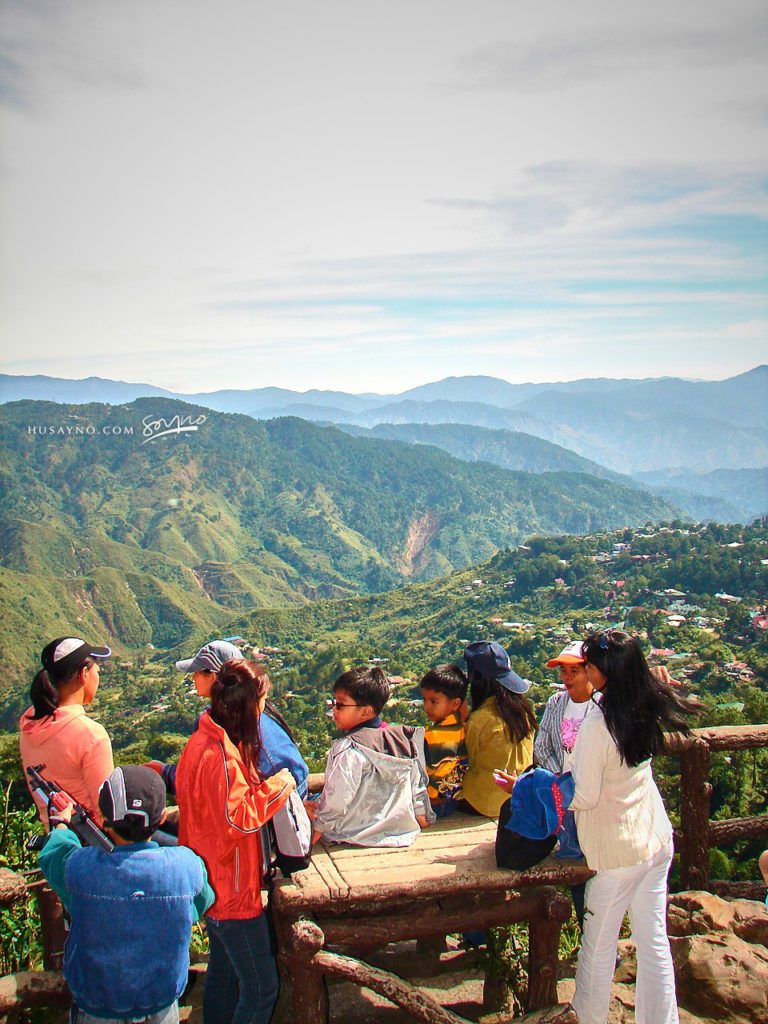
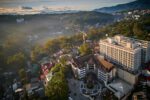
ABOVE: Mines View Park is a peaceful haven for families, both local and visiting, where vibrant gardens, well-kept pathways, and thoughtfully positioned benches provide an ideal backdrop for relaxation and scenic enjoyment.
Located roughly 4 kilometers from Baguio’s city center, Mines View Park occupies a natural promontory overlooking the Amburayan Valley and the forested slopes of the Cordillera Mountains. From the deck, the eye is drawn toward Itogon, Benguet, once a center of gold and copper mining. The ridges, cuts, and terraced forms in the distance aren’t random — they’re the physical record of decades of extraction that shaped both the land and the local economy.
The park’s name is literal. What you’re seeing is not just a mountain view, but a direct line of sight toward historic mining zones that once fed regional and national industries.
The significance of Mines View Park became firmly established during the American colonial period in the early 20th century, when Baguio was developed as a hill station and summer capital. American planners, engineers, and administrators recognized the city’s strategic position — not only for climate and governance, but also for its proximity to Benguet’s mining districts.
During this period, viewpoints like Mines View were valued because they offered a clear vantage toward American-run mining operations in Itogon. Roads, lookouts, and recreational spaces were designed with both leisure and oversight in mind. The park’s orientation reflects this dual purpose: scenic on the surface, but deeply connected to the economic and colonial planning of Northern Luzon.
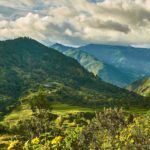
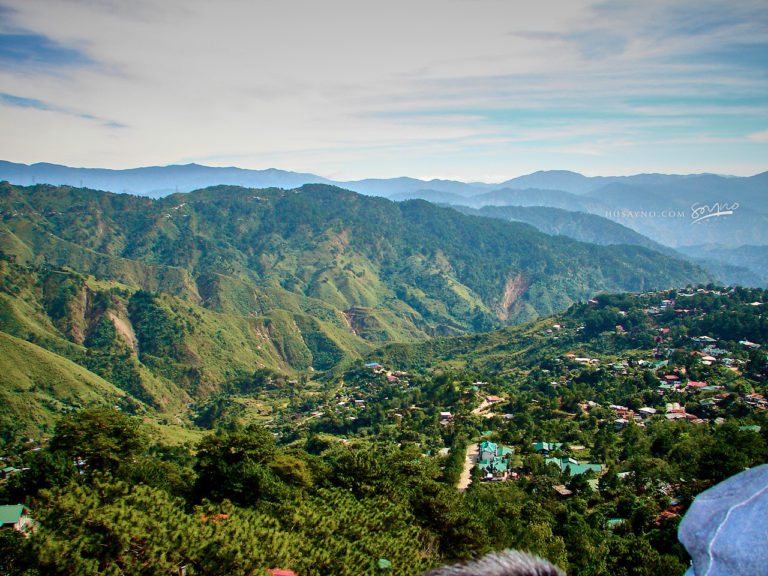
ABOVE: Mines View Park’s observation deck provides breathtaking views of hills, valleys, and distant mountains, especially beautiful at sunrise.
At the heart of the park is the observation deck, reached by a stone stairway from the main entrance. Standing here, the landscape unfolds in layers — mountain ridges fading into one another, valleys dropping sharply below, and traces of former mining activity etched into the hillsides.
From a photographer’s perspective, early morning offers the cleanest light and sharpest contrast. Late afternoon, on the other hand, softens the terrain and gives the scene a quieter mood. Either way, this deck remains one of the most photographed viewpoints in Baguio City, and for good reason.
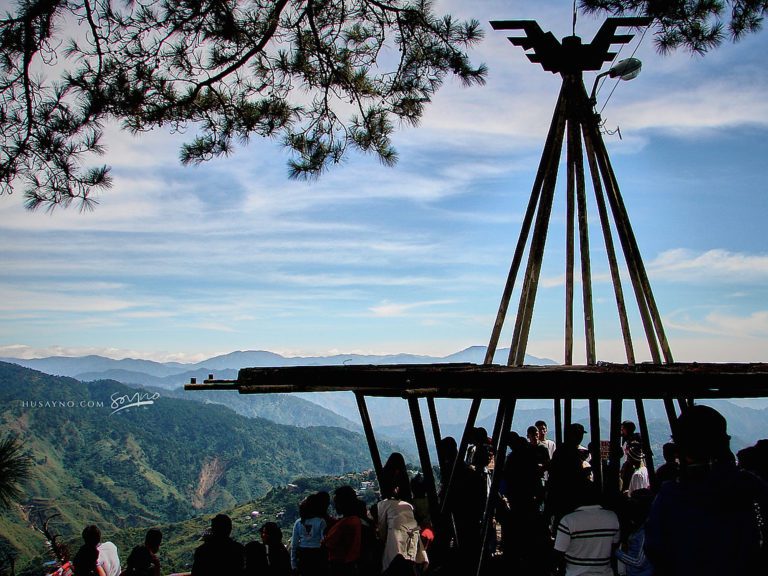
ABOVE: During peak season, Mines View Park in Baguio City attracts a bustling crowd of tourists from various regions and cities, all eager to take in the breathtaking vistas of the Cordillera mountains and the Amburayan Valley.
Beyond the view, Mines View Park has always functioned as a lively cultural space. Along the approach to the deck, vendors sell woven bags, silver jewelry, wood carvings, and locally made souvenirs tied to Cordilleran traditions.
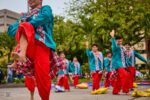
One familiar experience is traditional attire photography, where visitors briefly wear Cordillera-inspired garments and pose against the mountain backdrop. It’s simple, slightly playful, and very much part of the park’s long-standing rhythm. Benches, shaded spots, and small garden paths make the area easy to linger in, even when crowds pass through.
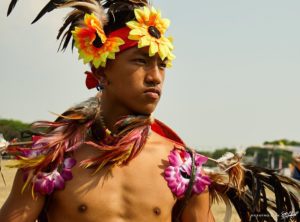
ABOVE: The indigenous people of Baguio primarily belong to the Ibaloi, Kankanaey, and Kalanguya ethnic groups, who have preserved their rich traditions, rituals, and agricultural practices despite the city’s urbanization.
Part of the park’s long memory includes informal interactions with locals — including the once-common sight of children below the deck collecting coins tossed by visitors. While practices like these have evolved over time, they remain part of the park’s shared folklore.
Other small details — binocular rentals, casual photo opportunities, and brief conversations with vendors — add texture to the visit. These moments, more than the view alone, give Mines View Park its lived-in character.
Reaching Mines View Park is straightforward, whether by jeepney or taxi, following the winding uphill roads from central Baguio. Entry to the park itself has traditionally been free, with small fees only for optional services like costume photos or viewing aids.
Clear weather matters here. Visibility defines the experience, and when clouds lift, the park reveals why it has endured as a city landmark for generations.
RELATED STORIES

Pilak Silvercraft and Gift Shoppe is one of Baguio City’s enduring gateways into the proud tradition of Cordilleran craftsmanship. Located along Leonard Wood Road,


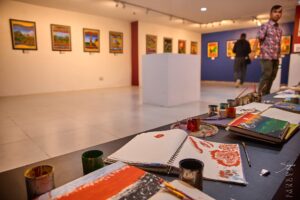
The Kasiyana “All Will Be Well” Art Exhibit at Gallery 2600 in Baguio brings together more than 20 local artists whose works reflect the Kankanaey


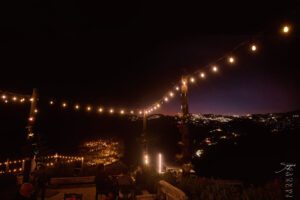
Baguio City, the Summer Capital of the Philippines, has long been celebrated for its vibrant art scene and rich cultural heritage. In 2025, the Ibagiw


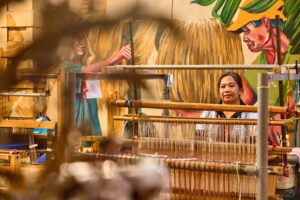
Baguio Media Newseum, also known as the Art World & Media Newseum, offers travelers a unique experience beyond the familiar pine forests and scenic viewpoints
Over time, Mines View Park has become more than a lookout. It represents Baguio’s layered identity — a city shaped by American colonial planning, Cordilleran landscapes, mining history, and everyday tourism. The view tells one story, but the setting tells many others at once.
You don’t need to know all the history to feel it. Standing there, camera in hand, the place quietly explains itself.
I’m looking forward to the stories and images leaving a lasting positive impression on you, just as they have on me. Stay connected with us on social media for a weekly exploration of travel assignments and breathtaking visuals. Our focus is on championing local tourism, showcasing small businesses, and honoring the magnificence of the Philippines through the content we curate. Join us in spreading the word by clicking the ‘share’ buttons below. Your support means the world to us.
EXPLORE MORE about


Baguio Media Newseum, also known as the Art World & Media Newseum, offers travelers a unique experience beyond the familiar pine forests and scenic viewpoints


Amid the cool mountain air and pine-scented streets of Baguio City, there is a place where the warmth of a crackling wood-fired oven meets the


Originally known as the Baguio Flower Festival, the Panagbenga Festival is a month-long annual flower festival held every February in Baguio City, that celebrates and


High above the bustle of Baguio’s commercial districts, Café Khawa rises along Loakan Road as a ridge-top sanctuary where sweeping mountain views dominate the experience.


Pilak Silvercraft and Gift Shoppe is one of Baguio City’s enduring gateways into the proud tradition of Cordilleran craftsmanship. Located along Leonard Wood Road,


If you are planning a trip to the highlands of the Philippines, particularly around Baguio or Benguet, a visit to Dulche Chocolates offers a uniquely


Travelers wandering through the cool, pine-scented corners of Baguio often search for places that blend good food, local creativity, and that distinct highland charm the


Perched along Marcos Highway inside The Podium Boutique Hotel, Hoka Brew welcomes visitors with a warm, wood-themed interior and wide windows framing the lush, pine-covered


Baguio City, the Summer Capital of the Philippines, has long been celebrated for its vibrant art scene and rich cultural heritage. In 2025, the Ibagiw


Le Coq Bleu Baguio is a welcoming space where comfort meets creativity. Owned by Chantal Michaut-Pangilinan, a Frenchwoman who has lived in the city for

When you think of Baguio, you imagine pine‑scented breezes, foggy mornings, and cozy cafés tucked into the city’s winding streets. Among these, Guest Haven Coffee
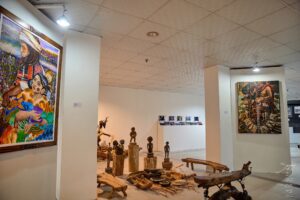


The Kasiyana “All Will Be Well” Art Exhibit at Gallery 2600 in Baguio brings together more than 20 local artists whose works reflect the Kankanaey


Nestled in the heart of Baguio City, the Our Lady of Atonement Cathedral—more popularly known as Baguio Cathedral—stands as a masterpiece of neo-Romanesque architecture and


Azalea Residences Baguio welcomes travelers with the perfect balance of comfort, convenience, and modern design in the heart of the City of Pines. Nestled along


Baguio City has long been celebrated for its cool climate, mountain landscapes, and thriving creative culture. Within the Baguio Botanical Garden sits the Harvest Creative
BROWSE BY CATEGORIES
BROWSE BY PROVINCE