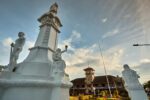
Kalivungan Festival: A Gathering of Unity in Cotabato
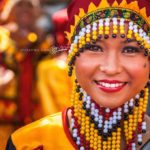
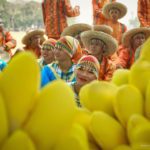
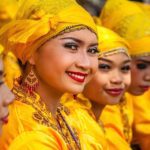
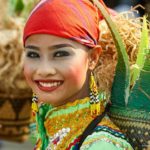
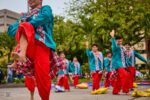
I arrived in North Cotabato, now officially called Cotabato Province, with the sound of gongs echoing from a distance. September 1 carries a particular energy

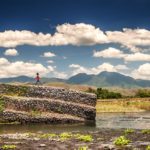
The rivers of Cotabato Province have a quiet insistence. They carve the land, feed the fields, and shape the pace of daily life. From the first glance, you realize that water isn’t just part of the scenery here — it’s the pulse that guides towns, farms, and communities. Crossing a narrow bamboo bridge in Matalam, you can feel how human routines have adapted to the flow, every ripple marking the day’s rhythm.
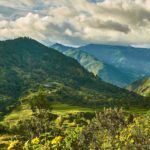
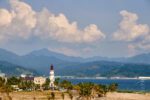
In Kidapawan City, the provincial capital, the urban pace balances naturally with the mountains in the distance. Mt. Apo looms as a silent guardian, its slopes occasionally shrouded in clouds, reminding everyone that the land commands respect. Markets brim with fresh produce, street vendors move steadily, and public plazas host children playing, elders walking, and small vendors calling out, all under the backdrop of highland air and sunlight that filters through scattered trees.
Traveling toward M’lang and Pikit, the province unfolds into fertile plains. Endless fields of rice and corn stretch between clusters of houses, interrupted by winding canals and irrigation channels. Early mornings here are particularly striking: mist rises from the paddies, roosters crow in the distance, and farmers begin work with movements that have been repeated for generations. Every detail — from the curve of a canal to the angle of a plow — seems designed for the careful observer.
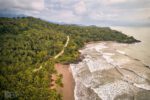
Inland and closer to the foothills, towns like Makilala and Arakan reveal another layer of Cotabato. Highland rivers and forested hills provide a backdrop to communities shaped by both agriculture and history. Small footpaths and local trails offer chances to witness daily routines: children carrying water, farmers inspecting crops, and elders sitting quietly in shaded verandas. These micro-moments anchor a traveler’s understanding of the province beyond maps or guides.
Along the riverbanks in Antipas and Matalam, life flows in harmony with water. Fishermen push small boats at dawn, and the occasional coconut tree leans over the bank, casting shadows on glistening water. The rivers themselves become natural stages for observation — reflections, light, and movement intersecting in ways that reward a photographer who waits patiently.

I arrived in North Cotabato, now officially called Cotabato Province, with the sound of gongs echoing from a distance. September 1 carries a particular energy

Cultural traditions remain visible and unpretentious. Festivals, markets, and rituals punctuate weeks and months, showing the continuity of life. In towns like Magpet and Makilala, preparations for local events can be witnessed in marketplaces, in homes, and along streets, offering insights into the woven fabric of community, faith, and heritage.
Food in Cotabato Province reflects the land’s abundance. Meals are grounded in rice, vegetables, river fish, and locally grown fruits. Vendors along market streets in Kidapawan and M’lang serve dishes that are practical, fresh, and deeply connected to daily life. Each bite seems like a direct conversation with the land and its rhythms.
As a traveler and photographer, Cotabato Province teaches attention. The eyes start to notice subtle details: the bend of a river, the sway of crops in wind, and the quiet choreography of community life. Photography here isn’t about grand monuments alone; it’s about capturing the ongoing dialogue between people and place.
Leaving Cotabato, you carry with you more than images. You take the feeling of continuity: rivers that sustain, mountains that watch, and communities that move gracefully alongside nature’s own pace.
EXPLORE MORE ABOUT THE
Philippines
BROWSE BY CATEGORIES
BROWSE BY PROVINCE