Betis Church: The Hidden Baroque Gem of Pampanga
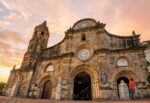
If you’re cruising through Pampanga, you simply can’t miss Betis Church — officially known as the Parish Church of Saint James the Apostle. This church
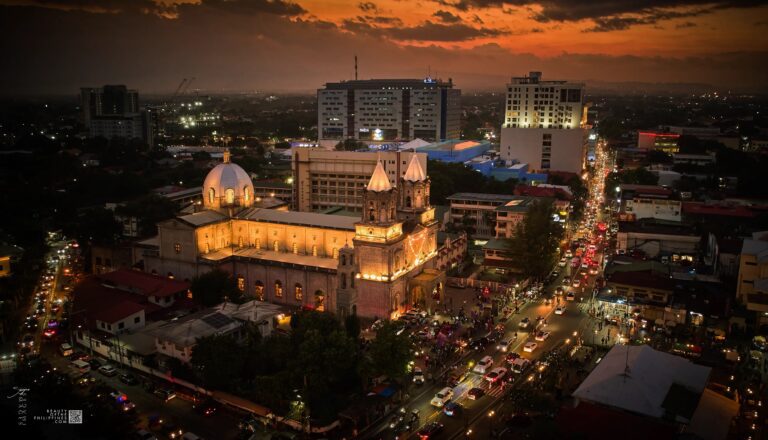
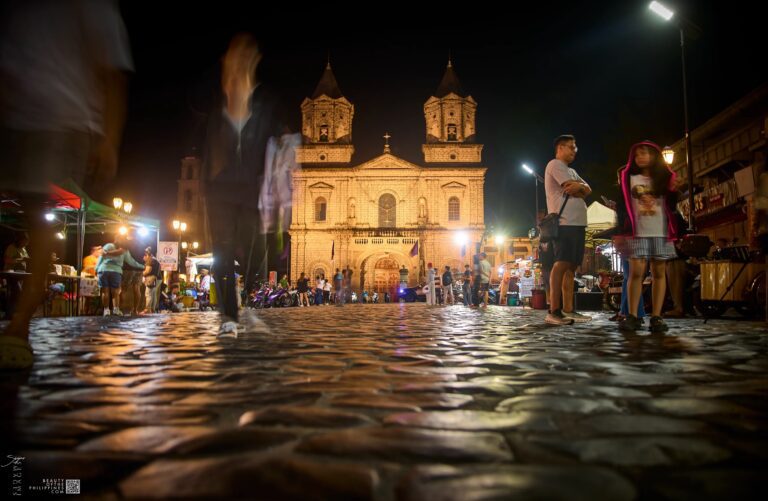
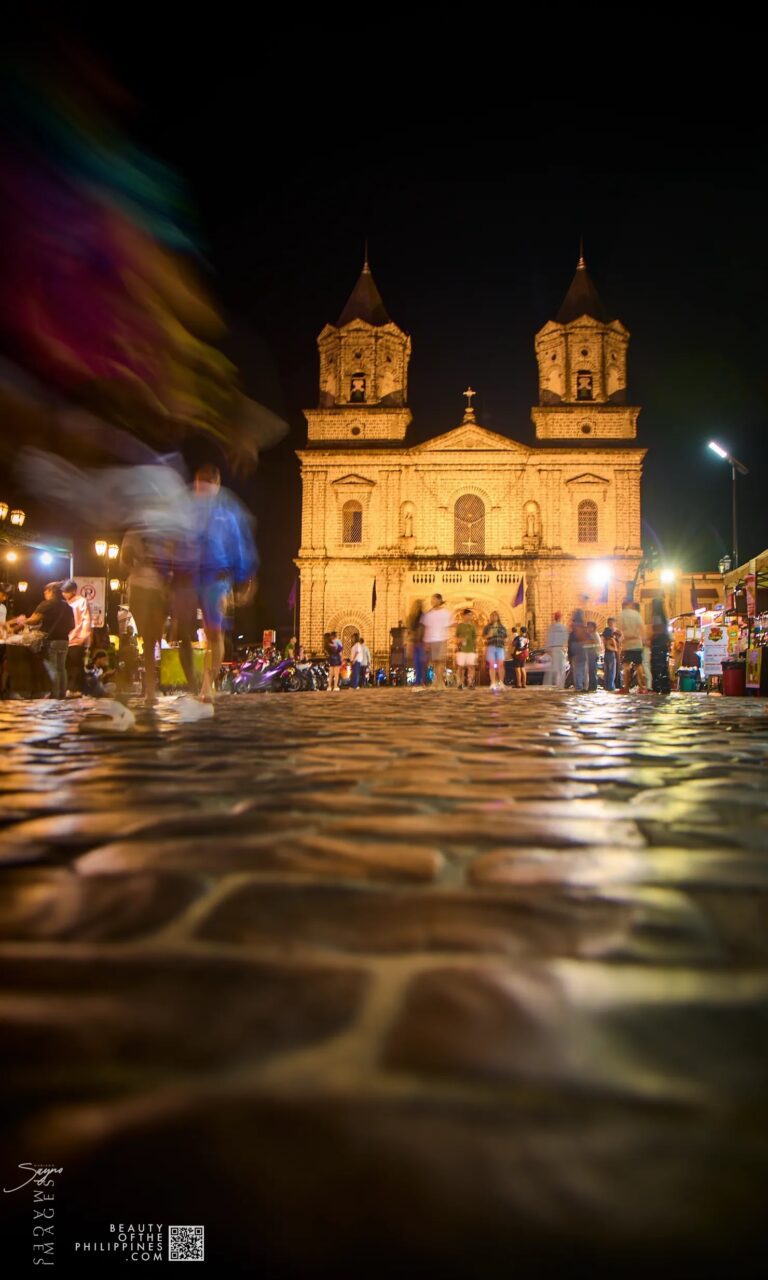
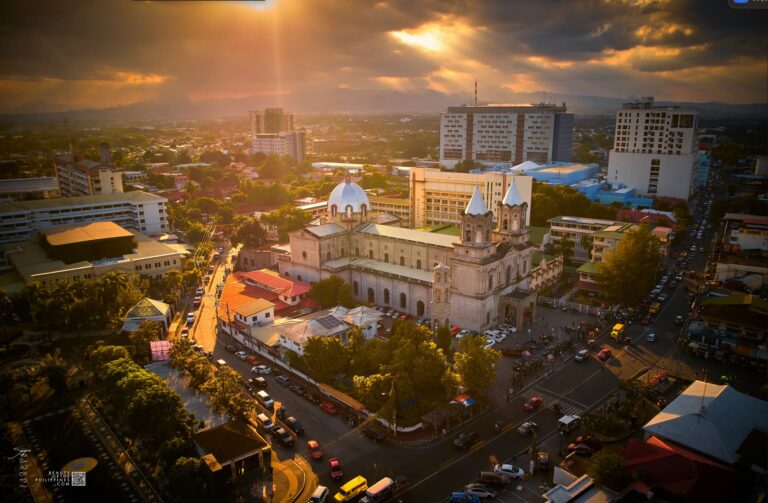
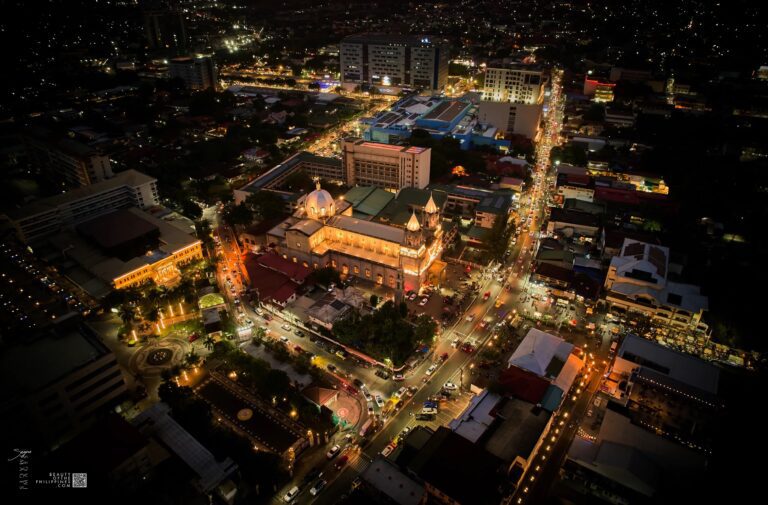
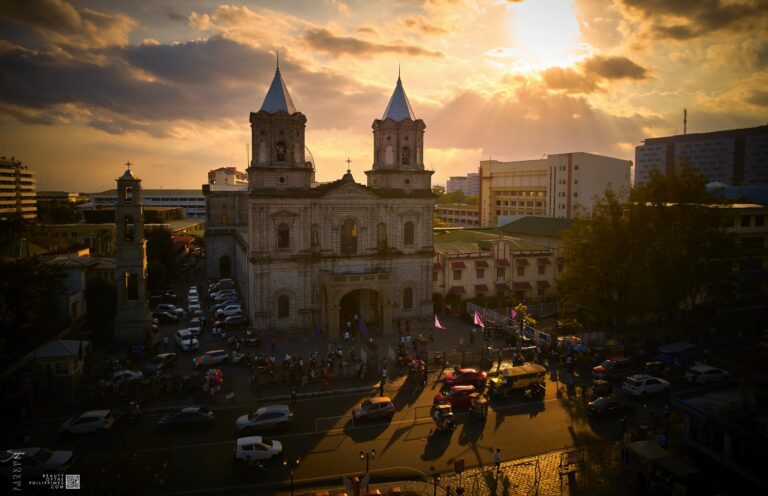
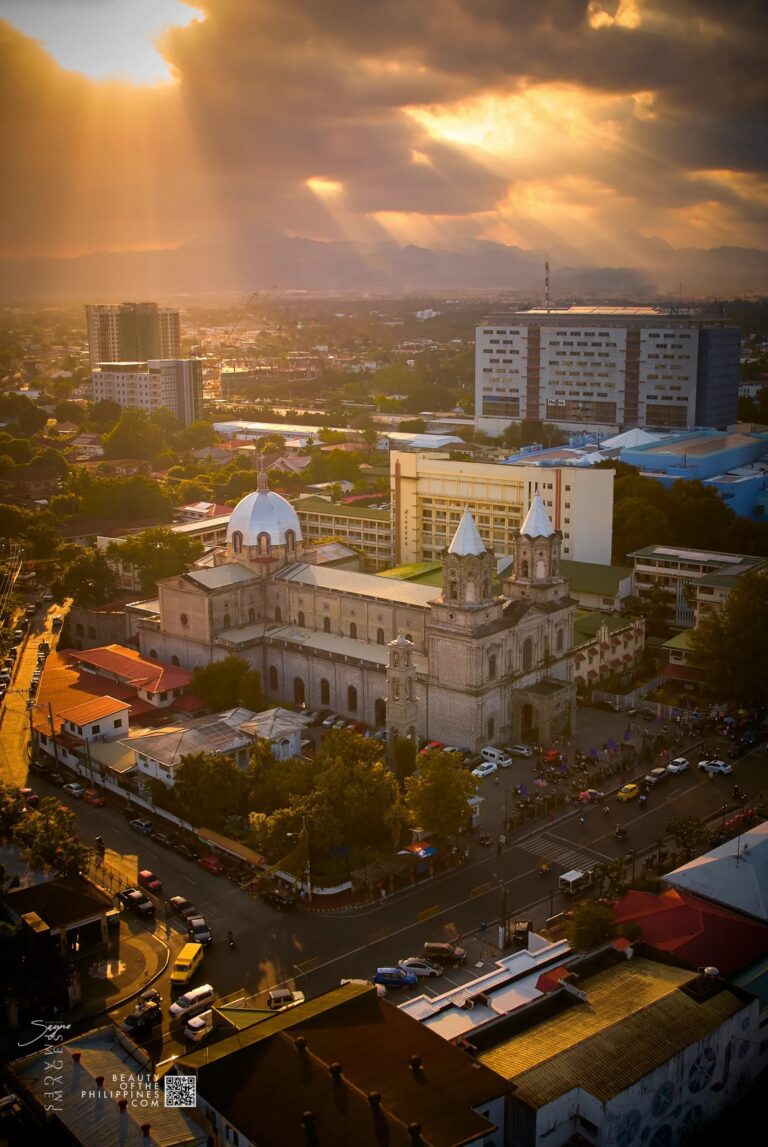
At the center of Angeles City, Pampanga, stands the Holy Rosary Parish Church, long regarded as one of the most significant religious landmarks in Central Luzon. Known locally as Pisamban Maragul or the “Big Church,” it serves as both a parish church and a recognized heritage site, anchoring the city’s old town in Sto. Rosario Barangay.For visitors today, it represents a convergence of faith, architecture, and history that continues to shape the civic identity of the community.
The church traces its beginnings to October 18, 1877, when families of the former Barrio Culiat initiated construction of a permanent stone church dedicated to the Most Holy Virgin of the Rosary. Prominent civic leader Don Mariano V. Henson played a key role in organizing the project.
Built during the Spanish colonial era, the structure was constructed through the polo y servicio system, which required Filipino men to render forced labor for public works. The first half of the church was completed on April 14, 1886. The second half, including its dome, was finished on September 17, 1891. Its twin bells rang publicly for the first time on February 12, 1896, and by 1909 the structure had reached its present architectural form.
The lengthy construction period reflects both colonial realities and the enduring commitment of the Angeles community to establish a monumental parish church.
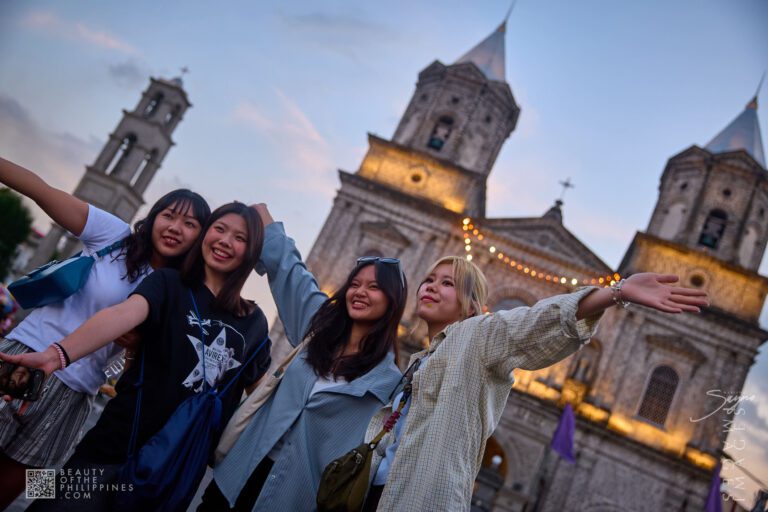
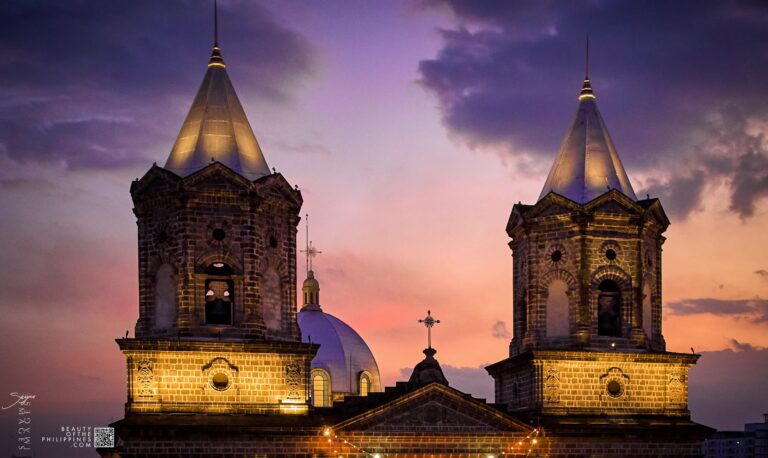
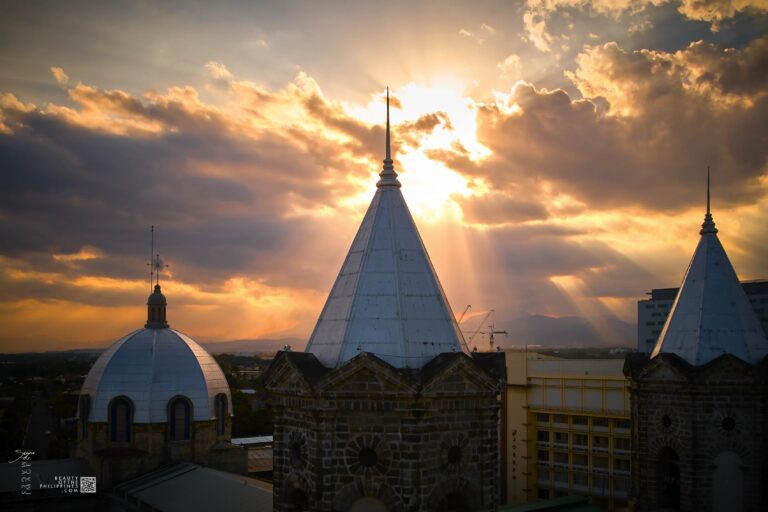
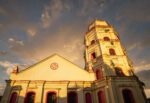
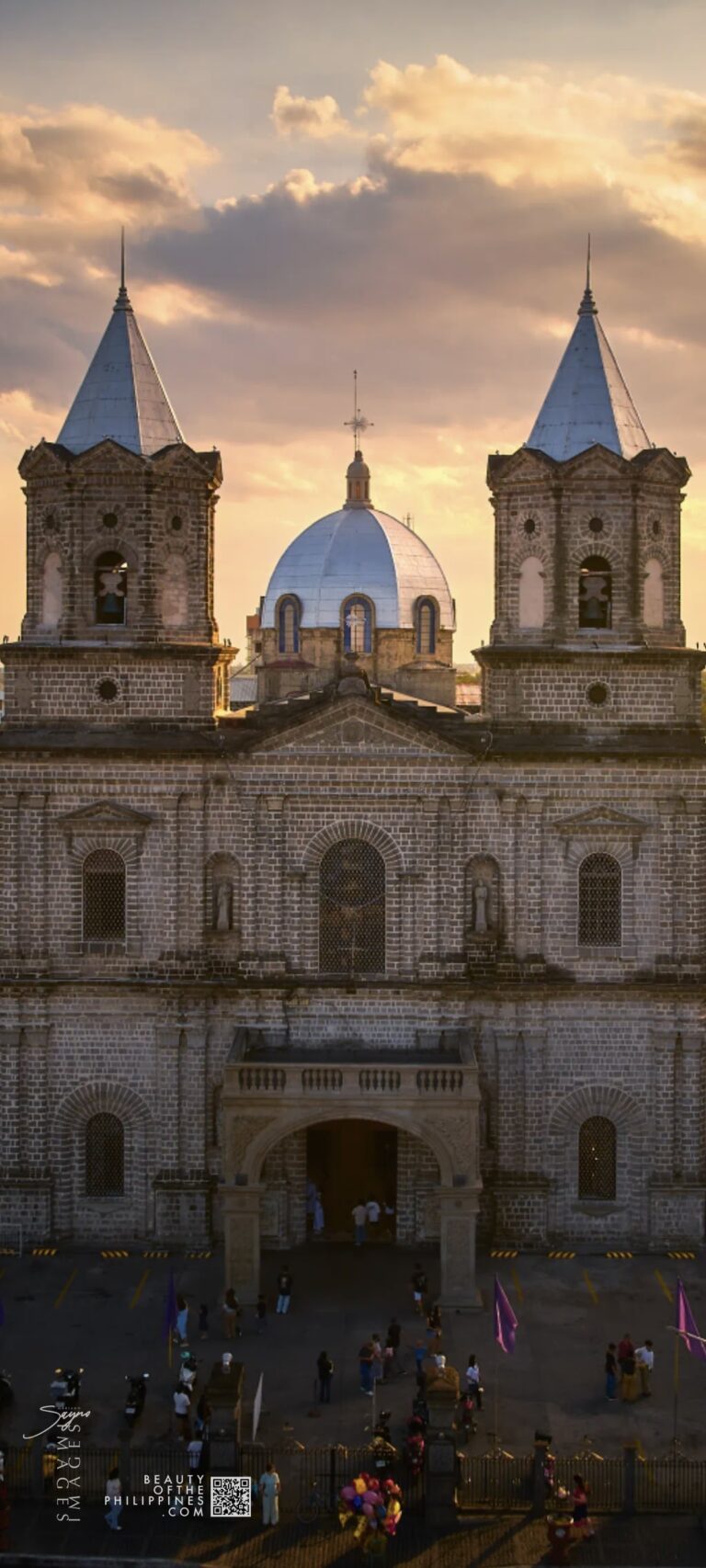
The Holy Rosary Parish Church combines Spanish colonial foundations with Gothic Revival and Romanesque elements. Its symmetrical façade, arched windows, and twin bell towers create a commanding yet balanced exterior visible from Sto. Rosario Street.
Constructed from locally sourced materials and shaped by Filipino artisans under Spanish supervision, the church presents a monumental yet harmonious design. Inside, a high nave draws the eye upward toward stained glass windows and intricately carved altars. Sacred statues and devotional images line the sanctuary, presenting Catholic iconography that continues to guide liturgical practice.
Daily Masses and traditional rites sustain the building as a living church rather than a preserved relic.
Over the decades, the church has stood at the center of major historical events.
Between 1896 and 1898, during the Philippine Revolution, its backyard became an execution ground for suspected rebels under Spanish authority. Following the revolution, from 1899 to 1900, American forces repurposed the church grounds as a military hospital.
During the Second World War, fighting in the 1940s destroyed the belfry. Restoration followed with assistance from American troops, completed in the early 1940s.
More recently, a magnitude 6.1 earthquake on April 22, 2019 caused structural damage, prompting renewed restoration and reinforcement efforts.
In the years following the earthquake, significant rehabilitation work was undertaken to preserve the church’s structural stability and historical character. In 2024 and 2025, the Hann Foundation, Inc. contributed ₱5 million toward restoring key interior sections, including the Chapel of Devotion, the Baptistry, the Confessionals, and the Narthex Gallery of Saints.
These efforts strengthened the church’s integrity while enhancing the experience of parishioners and visitors. The restoration reflects collaboration between local authorities, private partners, and the parish community.
The Holy Rosary Parish Church has been recognized by the National Museum of the Philippines as an Important Cultural Property and by the National Commission for Culture and the Arts as a National Historical Site.
In 2026, it was elevated to the status of Minor Basilica, becoming the first Minor Basilica in the Archdiocese of San Fernando and the 30th in the Philippines. This designation affirms its liturgical importance and role as a pilgrimage destination.
Located in Sto. Rosario Barangay, the church is easily accessible on foot, by tricycle, or by private vehicle. It stands near heritage attractions such as Museo ning Angeles and Pamintuan Mansion, allowing visitors to integrate it into a broader exploration of Angeles’ old town.
Photographers are often drawn to its façade and bell towers, particularly in late afternoon light. Inside, stained glass and devotional art offer quieter visual study. Outdoor spaces adjacent to the church provide areas for reflection, while the steady rhythm of daily and Sunday Mass reveals the living character of the parish.
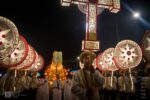
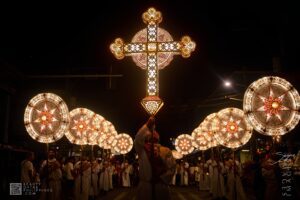
Major liturgical seasons such as Holy Week, the Feast of Our Lady of the Holy Rosary in October, and Christmas bring heightened activity, giving travelers insight into Filipino Catholic traditions and communal celebrations.
Beyond its architecture, the Holy Rosary Parish Church continues to function as the spiritual center of Angeles City. It hosts baptisms, weddings, confirmations, and community gatherings, reinforcing its place in the lives of residents.
As both heritage landmark and active parish, it bridges past and present—linking colonial foundations, revolutionary memory, wartime recovery, and contemporary restoration with ongoing devotional life.
RELATED STORIES

If you’re cruising through Pampanga, you simply can’t miss Betis Church — officially known as the Parish Church of Saint James the Apostle. This church


Walking into Insectlandia inside Clark Picnic Grounds, Clark Freeport Zone, Pampanga, feels like stepping into a playful, oversized insect world. Part of the broader Dinosaurs


Dinosaurs Island sits inside Clark Freeport Zone, Pampanga, and it immediately signals its audience—families, kids, and anyone curious about the prehistoric world. Known as the


The Balacat Festival in Mabalacat, Pampanga, stands as a vibrant celebration of the city’s rich culture and heritage, attracting visitors from far and wide to
Today, the Holy Rosary Parish Church remains one of Central Luzon’s most enduring religious landmarks. Its layered history, architectural character, and recent conservation efforts ensure that it continues to serve both as a sacred space and as a destination for cultural tourism.
For travelers visiting Angeles City, it offers more than architectural appreciation. It provides a tangible connection to the city’s faith, resilience, and collective memory.


I’m looking forward to the stories and images leaving a lasting positive impression on you, just as they have on me. Stay connected with us on social media for a weekly exploration of travel assignments and breathtaking visuals. Our focus is on championing local tourism, showcasing small businesses, and honoring the magnificence of the Philippines through the content we curate. Join us in spreading the word by clicking the ‘share’ buttons below. Your support means the world to us.
EXPLORE MORE about


Walking into Insectlandia inside Clark Picnic Grounds, Clark Freeport Zone, Pampanga, feels like stepping into a playful, oversized insect world. Part of the broader Dinosaurs


Dinosaurs Island sits inside Clark Freeport Zone, Pampanga, and it immediately signals its audience—families, kids, and anyone curious about the prehistoric world. Known as the

The Lubenas Festival in Magalang has its roots in the Spanish Catholic novena, nine days of prayer before a major feast, which evolved into a


Bacolor, Pampanga, a town steeped in history and culture, is home to the Bacolor Church also known as San Guillermo Parish Church, a landmark that


If you’re cruising through Pampanga, you simply can’t miss Betis Church — officially known as the Parish Church of Saint James the Apostle. This church


The Balacat Festival in Mabalacat, Pampanga, stands as a vibrant celebration of the city’s rich culture and heritage, attracting visitors from far and wide to
BROWSE BY CATEGORIES
BROWSE BY PROVINCE