BROWSE BY PROVINCE

Plaridel, Bulacan
Plaridel’s Simborio Chapel
Bulacan’s Octagonal Memory
Share
Tweet
Email
EXPLORE Plaridel’s Simborio Chapel

PUBLISHED February 20, 2016

PHOTOS | WORDS BY MARIANO SAYNO

  • Plaridel, Bulacan
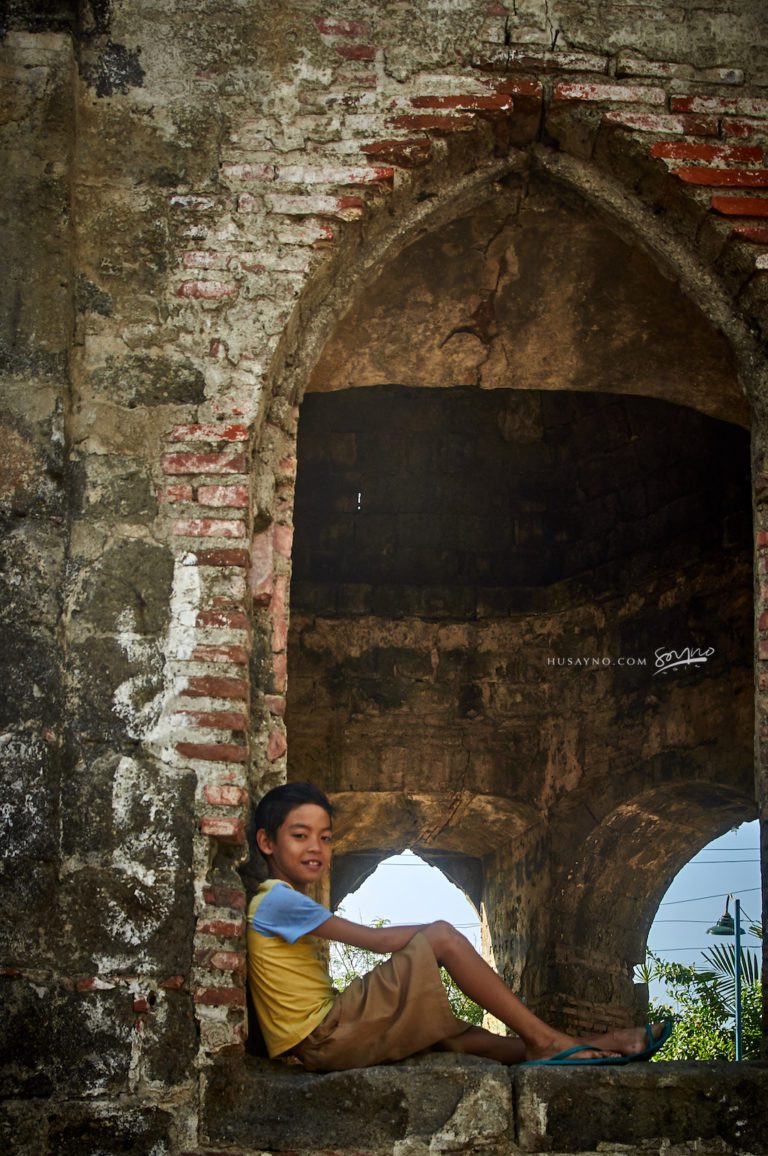
At first glance, it blends into the neighborhood — quiet, compact, almost easy to miss. But spend a few minutes near the Simborio Chapel of Plaridel and you start to feel how deeply rooted it is in the town’s memory. This isn’t the kind of heritage site that announces itself loudly; it waits, holding layers of faith, loss, and everyday history within its walls.
Explore the Philippines through my lens as we venture into Plaridel’s Simborio Chapel with Point of View (POV) photography. Using a body cam, I’ll guide you on an interactive tour, revealing the behind-the-scenes of capturing the shots shared here. Let’s dive into this visual journey together and uncover the wonders through my lens!
Let’s explore the PHILIPPINES through my lens as we journey on a photo slideshow to Plaridel’s Simborio Chapel. Join me in this visual adventure and discover the wonders captured through my lens! Check out the shared slideshow here.
A Modest Structure in the Middle of Everyday Life

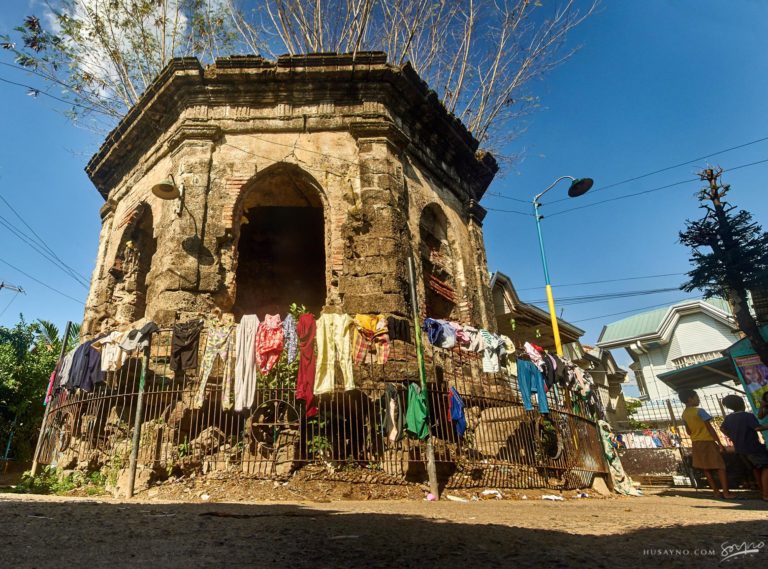
In the middle of modern homes and daily routines in Plaridel, Bulacan, the Simborio Chapel stands with a kind of calm persistence. It doesn’t tower or demand attention. Instead, it holds its ground quietly — one of the oldest surviving Spanish-era structures in the town, existing not inside a gated heritage park, but right where life continues to unfold.


Located near the historic Santiago Apostol Parish Church, once known as the parish of old Quingua, the chapel feels like a footnote that somehow refused to fade. While the parish church anchors Plaridel’s religious identity, Simborio adds a more intimate layer — one that speaks less about grandeur and more about community ritual.

Check out the video for more highlights. See what I’ve captured through my lens with Point of View (POV) photography. Using a body cam, I’ll take you on an interactive tour, showing you behind-the-scenes moments of capturing the shots shared here.
Check out the video below for additional features. Explore what I’ve captured through my lens in this cinematic slideshow.

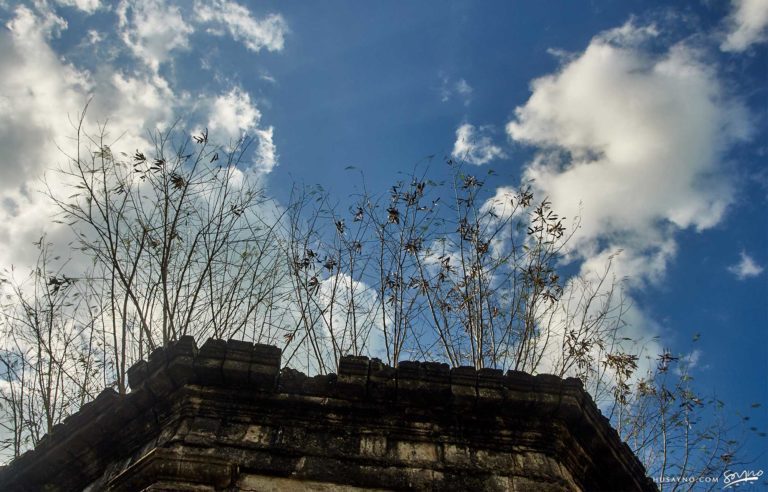
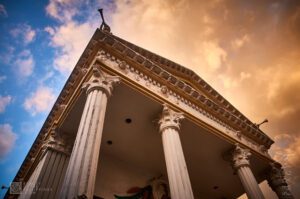
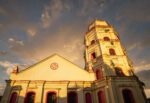
Constructed in the 1800s in what was once called Quingua, the Simborio Chapel was originally established as a mortuary within a cemetery. Over the years, the surrounding area has evolved into a residential neighborhood, leaving the chapel as the last surviving Spanish structure in the vicinity. Its unique octagonal shape and striking dome, adorned with artistic windows, set it apart from typical architectural designs, reminiscent of a church bell tower. The use of adobe bricks in its construction brings to mind the famed Cagsawa Church in the Bicol region.

From Quingua to Plaridel: A Name, a Town, a Transition

The chapel traces its roots to the Spanish colonial period, when Plaridel was still known as Quingua, long before the town was renamed in honor of Marcelo H. del Pilar. Local accounts suggest the structure emerged in the 1800s, a time when religious spaces were deeply woven into everyday life, even in matters of death.


Historians believe Simborio originally functioned as a mortuary chapel within the old parish cemetery. It served burial rites, particularly for those who died before baptism — a reflection of beliefs that shaped life, loss, and faith during the colonial era. Inside, faint niches remain, quietly hinting at their former purpose. Standing there, it’s hard not to feel the weight of those unrecorded lives once entrusted to this space.

An Octagon That Breaks the Mold

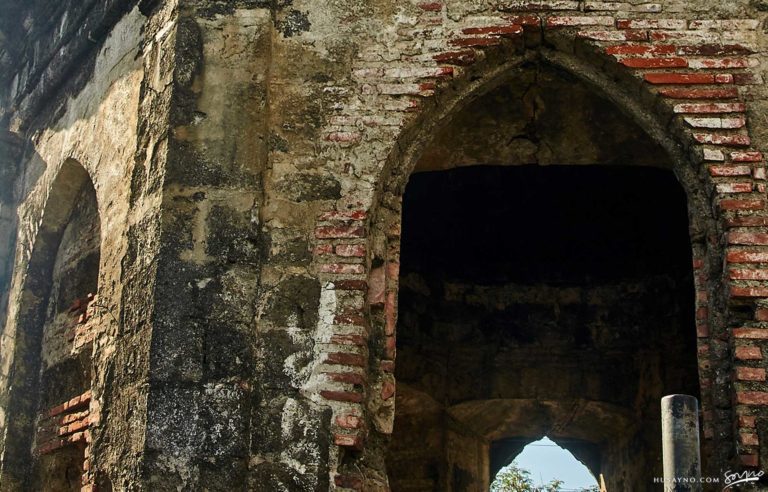
Architecturally, Simborio immediately sets itself apart. Its octagonal plan is uncommon among Philippine colonial structures, especially when compared to the familiar cruciform layout of most churches. Built from adobe bricks and mortar, the chapel carries the marks of age — softened edges, weathered surfaces — yet its form remains intact.


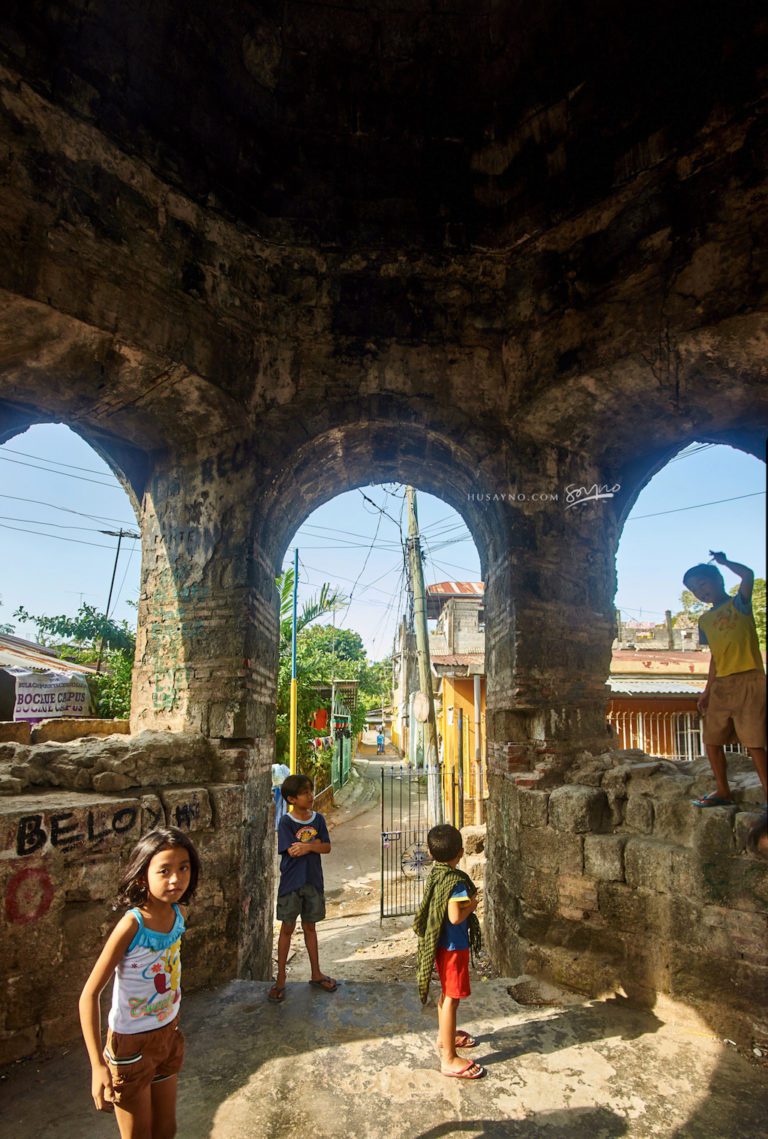
Pointed arch windows punctuate the walls, while semicircular niches line the lower sections, details that quietly reveal its ceremonial role. The structure is low and compact, suggesting a space meant for closeness rather than spectacle. From a photographer’s point of view, its geometry is striking, especially when light hits the stone unevenly, revealing texture rather than polish.

A Heritage Piece Without a Fence

What makes Simborio especially compelling is where it stands today. The cemetery that once surrounded it is gone, replaced by residential development. Unlike heritage sites buffered by open grounds or formal boundaries, this chapel lives among people — children passing by, neighbors chatting nearby, daily life brushing right up against centuries-old stone.


That setting feels symbolic. Simborio survived not because it was isolated, but because it adapted — lingering quietly while the town grew around it. Its presence becomes a reminder that heritage doesn’t always sit apart from modern life; sometimes, it coexists with it.

Plaridel’s Bigger Story, Told Softly

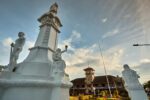
Plaridel is no stranger to history. From the Santiago Apostol Parish Church to civic landmarks like Casa Real and markers tied to the Battle of Quingua, the town’s past is often told through grand narratives. Simborio, by contrast, tells a softer story — one of everyday faith, funerary tradition, and community rituals that rarely make it into textbooks.


This contrast gives the chapel its strength. It doesn’t compete with larger monuments; it complements them, filling in the quieter gaps of Plaridel’s historical landscape.

Preservation, Presence, and the Visitor’s Moment

Being surrounded by daily life has also posed challenges. Exposure, limited awareness, and the pressures of urban growth have tested the structure over time. Still, interest from local authorities and heritage advocates continues, part of a broader effort in Bulacan to protect lesser-known historical sites alongside famous landmarks.


For visitors, encountering Simborio feels like stepping slightly off the main trail. There are no crowds, no scripted narratives — just a structure that invites you to slow down. For travel photographers and heritage seekers, it offers something rare: authenticity without spectacle.

RELATED STORIES

Meycauayan Church

Meycauayan Church: as a Witness to Time in Bulacan

Standing in Poblacion, Meycauayan City, Bulacan, the Saint Francis of Assisi Parish Church, more commonly called Meycauayan Church, anchors the town both physically and emotionally.


Read More »

Halamanan Festival: Guiguinto’s Floral Pride in Full Bloom

Halamanan Festival is a celebration that takes place every January 23rd in Guiguinto, Bulacan, the Garden Capital of the Philippines, celebrating the beauty of the

Read More »

Barasoain Church: The Cradle of Democracy

Standing at the heart of Malolos City, Bulacan, Barasoain Church rises with a presence that feels both solemn and proud. Officially known as the Our

Read More »
Calumpit Church Bulacan

Calumpit Church: and the River-Born Story of a Town

In the heart of Calumpit, Bulacan, rises San Juan Bautista Parish Church, more commonly called Calumpit Church. You don’t need a guidebook to sense its

Read More »
Why Simborio Stays With You

The Simborio Chapel may be small, but it carries centuries within its walls. It reflects how faith once shaped even the most practical aspects of life, how communities honored their dead, and how history can survive quietly amid change.


In a town filled with well-known heritage markers, Simborio stands as a reminder that sometimes the most meaningful stories aren’t the loudest — they’re the ones that endure, quietly, right where people live.

I’m looking forward to the stories and images leaving a lasting positive impression on you, just as they have on me. Stay connected with us on social media for a weekly exploration of travel assignments and breathtaking visuals. Our focus is on championing local tourism, showcasing small businesses, and honoring the magnificence of the Philippines through the content we curate. Join us in spreading the word by clicking the ‘share’ buttons below. Your support means the world to us.

BROWSE BY REGION
  • metro MANILA
  • abra
  • albay
  • baguio city
  • BATAAN
  • batangas
  • Benguet
  • bulacan
  • cagayan
  • cavite
  • cebu
  • cotabato
  • davao oriental
  • Guimaras
  • ilocos norte
  • ilocos sur
  • Iloilo
  • Isabela
  • laguna
  • lanao del norte
  • maguindanao
  • negros occidental
  • nueva vizcaya
  • Pampanga
  • pangasinan
  • QUEZON
  • rizal
  • Samar
  • sarangani
  • Tarlac
  • zambales
  • zamboanga city

EXPLORE MORE about

  • bulacan
Meycauayan Church

Meycauayan Church: as a Witness to Time in Bulacan

Standing in Poblacion, Meycauayan City, Bulacan, the Saint Francis of Assisi Parish Church, more commonly called Meycauayan Church, anchors the town both physically and emotionally.

Read More »

Halamanan Festival: Guiguinto’s Floral Pride in Full Bloom

Halamanan Festival is a celebration that takes place every January 23rd in Guiguinto, Bulacan, the Garden Capital of the Philippines, celebrating the beauty of the

Read More »

Barasoain Church: The Cradle of Democracy

Standing at the heart of Malolos City, Bulacan, Barasoain Church rises with a presence that feels both solemn and proud. Officially known as the Our
Read More »
Calumpit Church Bulacan

Calumpit Church: and the River-Born Story of a Town

In the heart of Calumpit, Bulacan, rises San Juan Bautista Parish Church, more commonly called Calumpit Church. You don’t need a guidebook to sense its

Read More »

BROWSE BY CATEGORIES

LOCATIONS
PROVINCES

Abra

Albay

Baguio City

Bataan

Batangas

Benguet

Bulacan

Cagayan

Cavite

Cebu

Cotabato

Davao Oriental

Guimaras

Ilocos Norte

Ilocos Sur

Iloilo

Isabela

Laguna

Lanao del Norte

Maguindanao

Manila

Negros Occidental

Nueva Vizcaya

Pampanga

Pangasinan

Quezon

Rizal

Samar

Sarangani

Tarlac

Zambales

Zamboanga City

ARCHITECTURE
HERITAGE

Bonifacio Monument Tutuban

Burdang Lumban Festival

Cagsawa Festival

Capones Lighthouse

Casa Manila

Christ the King Seminary

Corregidor Island Dark Tour Experience

Corregidor Island Reopens

Corregidor Island

Cultural Center of the Philippines

Fantasy World

Gabriela Silang Memorial Shrine

Gomburza National Monument

Hondagua

Iloilo Customs House

Intramuros

Jones Bridge

Jones Bridge

Kartilya ng Katipunan

La Loma Cemetery

LOAD MORE

CHURCHES
FAITH

Bacolor Church

Baguio Cathedral

Barasoain Church

Binondo Church

Calaca Church

Calumpit Church

Chong Hock Tong Temple

Feast of Black Nazarene

Greenbelt Chapel

Guadalupe Chapel Intramuros

Guadalupe Ruins Makati

La Naval de Manila

Las Piñas Bamboo Organ

Las Piñas Church

Lingayen Cathedral

Lubenas Festival

Lucban Church

Malate Church

Manila Abbey

Manila Cathedral

LOAD MORE

NATURAL & MAN-MADE
ATTRACTIONS

A&J Cafe

Alligator Lake

Amare La Cucina Baguio

Ambuklao Dam

Antipolo Cathedral

Apurawan Beach

Atimonan Port

Avilon Zoo

Azalea Hotels & Residences Baguio

Bagac Beach

Baguio Media Newseum

Balai Isabel

Balayan Bay

Baluarte de San Diego

Betis Church

Binondo Chinatown

Café Khawa

Callao Cave

Camara Island

Candle Festival of Candelaria

LOAD MORE

FESTIVALS &
EVENTS

Al Cinco de Noviembre Festival

Ana Kalang Festival

Antipolo Maytime Festival

Balacat Festival

Balitok Ti Alicia Festival

Bañamos Festival

Bato Art Festival

Bato Art Festival

Boling-Boling Festival

Buhayani Festival

Burdang Lumban Festival

Candle Festival

Dinagyang Festival

Feast of Santo Niño

Gilingan Festival

Halamanan Festival

Hambujan Festival

Iloilo Dinagyang Festival

Inaul Festival

Itik Festival

LOAD MORE
Facebook Twitter Instagram Envelope

All photographs that appear on the site are copyright of Mariano Sayno ©2022 Beauty of the philippines

All photographs that appear on the site are copyright of Mariano Sayno ©2022 Beauty of the philippines.com

Beauty of the philipipnes LOGO WHITE

BROWSE BY PROVINCE

Abra

Albay

Baguio City

Bataan

Batangas

Benguet

Bulacan

Cagayan

corregidor-island

Cavite

Cebu

Cotabato

Davao Oriental

Manggahan aFestival of Guimaras

Guimaras

Ilocos Norte

Ilocos Sur

dinagyang aliwan friesta husayno mariano sayno

Iloilo

Isabela

Laguna

Lanao del Norte

Maguindanao

Manila Bay by Mariano Sayno

Manila

Negros Occidental

Magat River Dupax Del Norte

Nueva Vizcaya

Pampanga

Lingayen Cathedral

Pangasinan

Quezon

Rizal

Samar

Sarangani

Tarlac

Zambales

Zamboanga City

Simborio Chapel, Plaridel, Bulacan, Philippines