BROWSE BY PROVINCE

Calumpit, Bulacan
Calumpit Church
and the River-Born Story of a Town
Share
Tweet
Email
EXPLORE Calumpit Church

PUBLISHED May 29, 2013

PHOTOS | WORDS BY MARIANO SAYNO

  • Calumpit, Bulacan
Some places don’t announce their importance loudly — they let time do the talking. Standing quietly in Calumpit, the church carries centuries in its walls, shaped by rivers, rituals, and generations who kept returning, not just to pray, but to remember who they were and where their faith first took root.
Explore the Philippines through my lens as we venture into Calumpit Church with Point of View (POV) photography. Using a body cam, I’ll guide you on an interactive tour, revealing the behind-the-scenes of capturing the shots shared here. Let’s dive into this visual journey together and uncover the wonders through my lens!
Let’s explore the PHILIPPINES through my lens as we journey on a photo slideshow to Calumpit Church. Join me in this visual adventure and discover the wonders captured through my lens! Check out the shared slideshow here.
Where Calumpit’s Story Begins

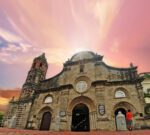
In the heart of Calumpit, Bulacan, rises San Juan Bautista Parish Church, more commonly called Calumpit Church. You don’t need a guidebook to sense its weight. The moment you stand before it, there’s a feeling that this is not just a building people pass through — it’s a place that has watched people arrive, leave, return, and believe for more than four centuries.


Built during the late 16th century, Calumpit Church is recognized as one of the oldest churches in the Philippines. More than its age, though, it carries the quiet authority of a landmark that shaped an entire region’s spiritual life.

Check out the video for more highlights. See what I’ve captured through my lens with Point of View (POV) photography. Using a body cam, I’ll take you on an interactive tour, showing you behind-the-scenes moments of capturing the shots shared here.
Check out the video below for additional features. Explore what I’ve captured through my lens in this cinematic slideshow.
A First Footstep of Christianity in Northern Luzon

Calumpit holds a rare distinction in Philippine history. It became the first center of Christian evangelization in northern Luzon, led by Augustinian friars at a time when rivers served as roads and faith traveled by boat.


On May 3, 1572, Augustinian missionaries Fray Martín de Rada, Fray Diego de Herrera, and Fray Diego Vivar-Ordóñez established Calumpit as one of the earliest mission outposts in the northern Philippines, alongside Lubao and Betis. Initially, it functioned as a priorato under the Convento of Tondo, a modest mission chapel that laid the groundwork for Christianity in Bulacan and neighboring regions.


The parish was originally placed under the patronage of Saint Nicholas of Tolentine. By December 31, 1576, it became known as La Casa de San Juan Bautista, formally dedicating the town’s spiritual life to Saint John the Baptist, whose presence continues to shape Calumpit’s religious identity.

Stone, Style, and Spanish Imagination

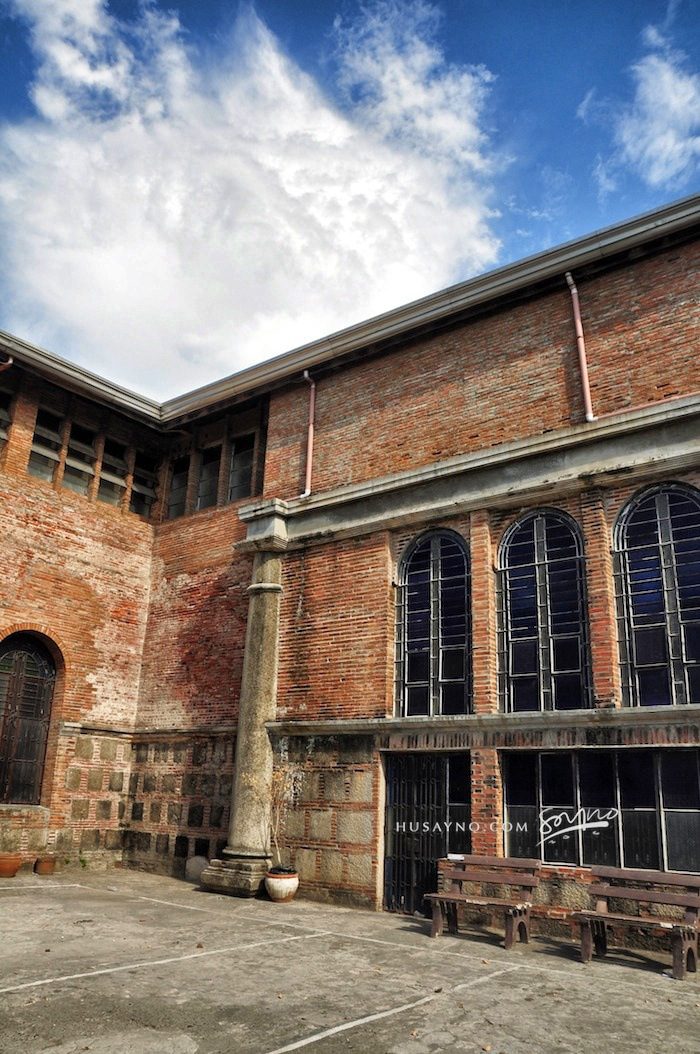
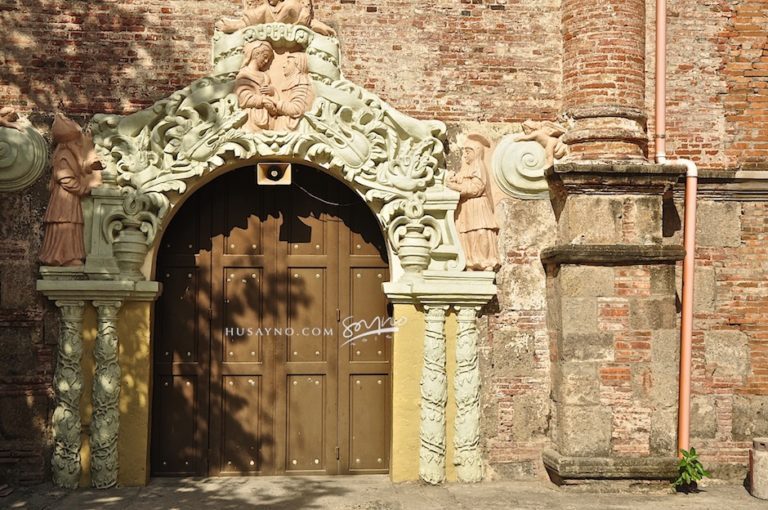
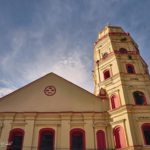
The present church structure was completed in 1779 and reflects Baroque and insipient Baroque architectural styles introduced by Spanish missionaries and interpreted by local artisans. Its façade reveals a confident blend of European order and Filipino expression.


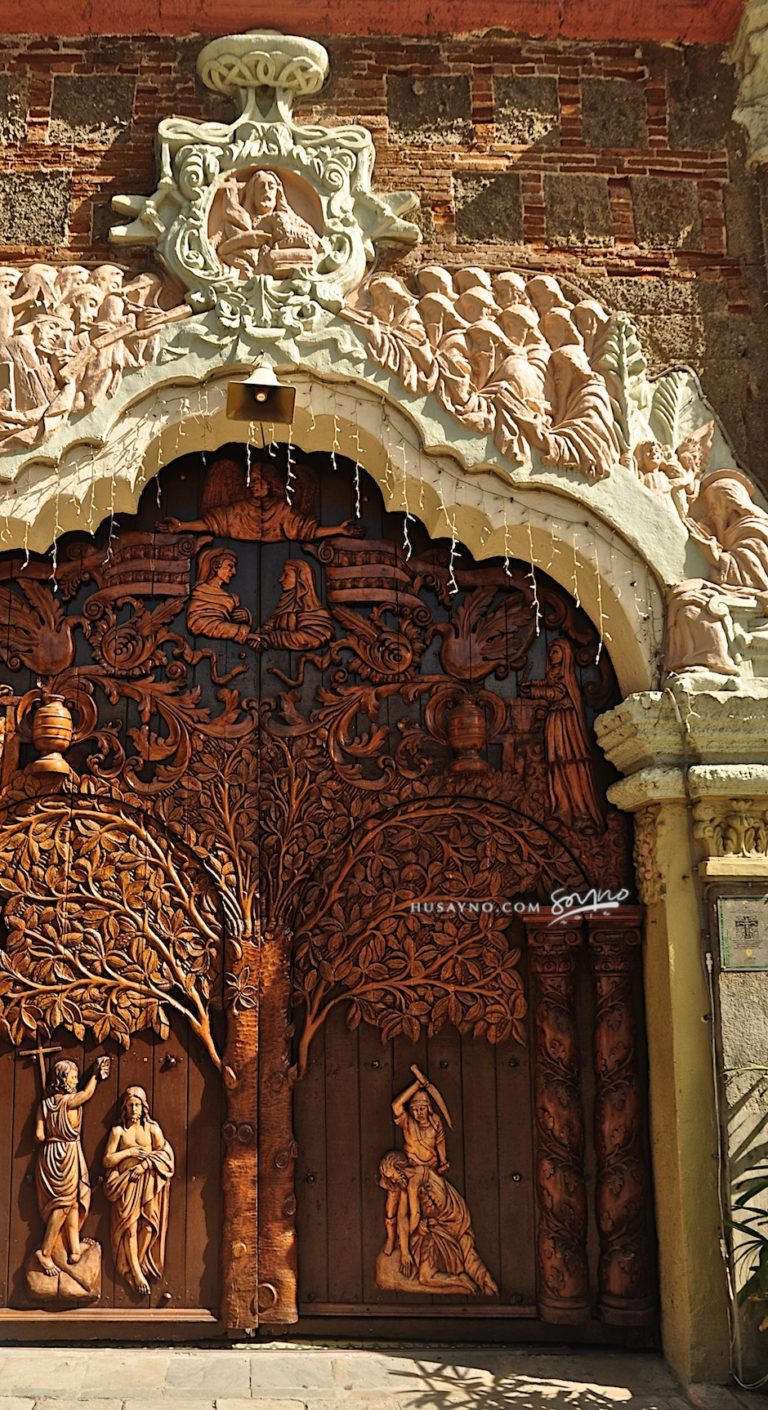
Rounded classical columns crowned with Corinthian capitals frame the structure, while swaying volutes and carved floral reliefs soften the rigidity of stone. These details speak of experimentation, adaptation, and craftsmanship rooted in place rather than imitation.


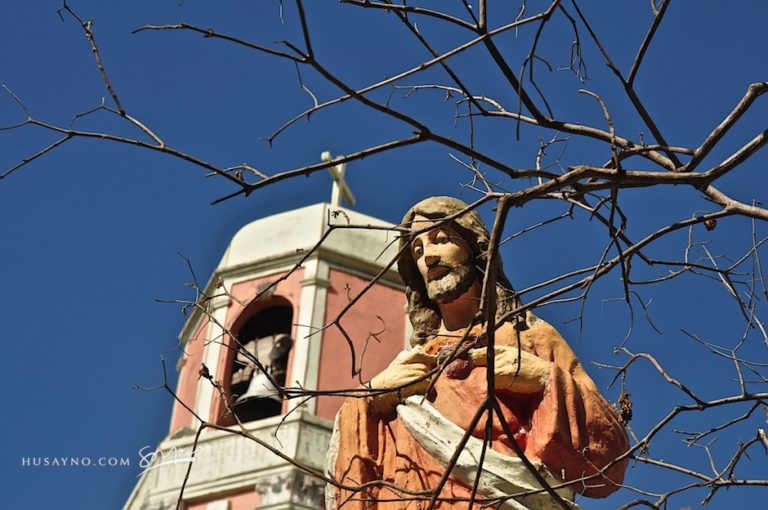
To the right of the main church stands the four-tiered bell tower, rebuilt in 1829 under Fray Antonio Llanos after earlier versions were found lacking in form. Today, the tower feels less ornamental and more watchful, a steady vertical marker in a town shaped by water and time.

Beneath the Church, Stories Continue

Below Calumpit Church lies one of its most intriguing features — a hidden tunnel woven into local memory and historical accounts. Over different periods, this underground passage reportedly served as a place to safeguard religious icons and church valuables during unrest. Later, it became a burial site for Spaniards and Filipino revolutionaries.


During World War II, the church grounds were said to be the final battlefield of Japanese General Tanaka. Whether fully documented or carried through oral history, the association adds another layer to the church’s role as a silent witness to both faith and conflict.

Faith That Flows with the River

Religion in Calumpit has always moved alongside water. Each June, devotion to Saint John the Baptist reaches its height through town-wide celebrations anchored by the famous Libad sa Ilog, a fluvial procession honoring the patron saint.


Boats become extensions of the church, prayers drift across the river, and the boundary between sacred space and daily life dissolves. For locals, these traditions are not performances for visitors but living rituals that reaffirm community and continuity.

A Pause for Pilgrims and Travelers

Today, Calumpit Church remains a meaningful stop for pilgrims, heritage travelers, and photographers drawn to places where history still breathes. Many visitors naturally extend their journey to nearby landmarks, including the Calumpit River that has shaped the town’s rhythms, Bagbag Bridge associated with key moments of the Philippine-American War, and Meyto Shrine, locally regarded as the cradle of Christianity in Bulacan.


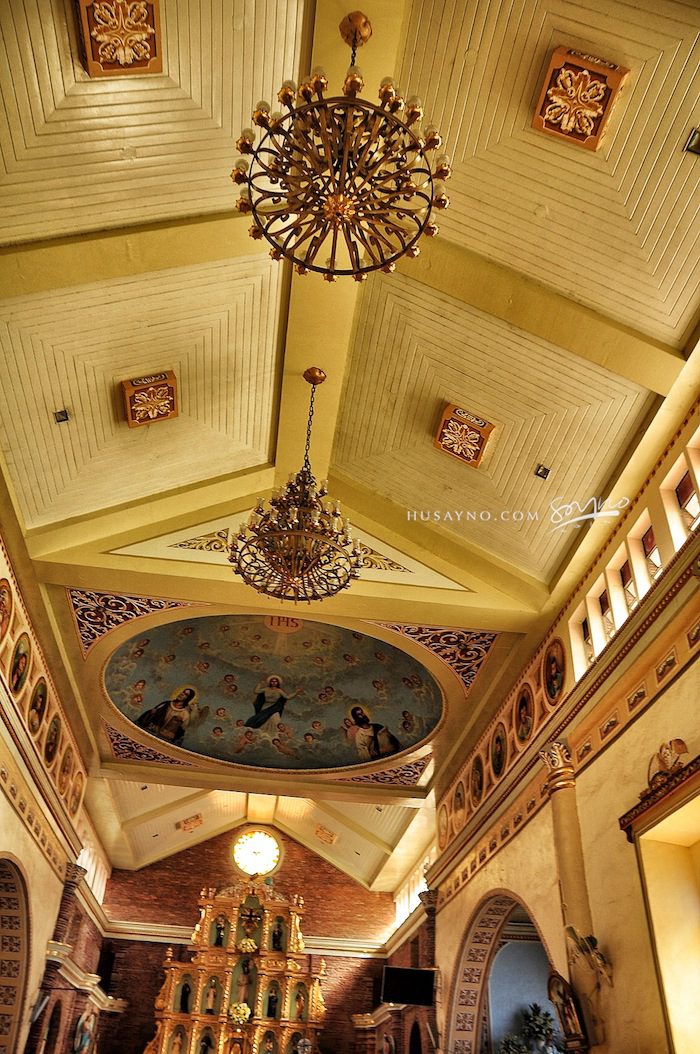
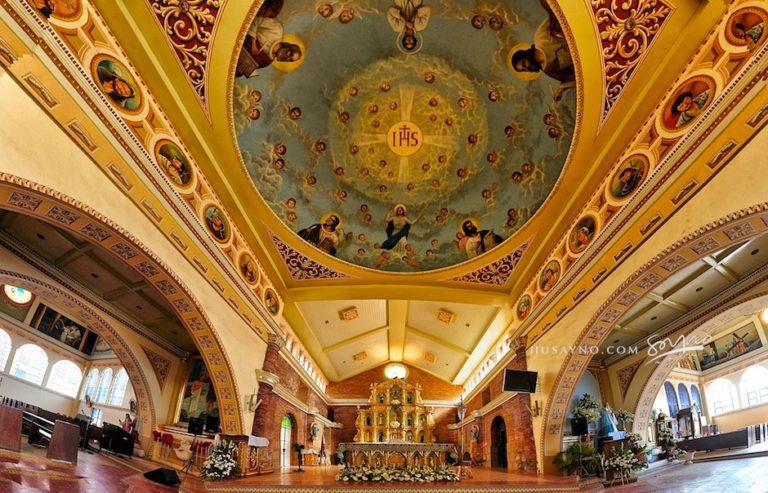
Inside the church, details reward those who linger. Intricate woodwork, altar craftsmanship, and spatial harmony reveal centuries of devotion layered rather than replaced, preserved through use rather than display.

RELATED STORIES

Barasoain Church: The Cradle of Democracy

Standing at the heart of Malolos City, Bulacan, Barasoain Church rises with a presence that feels both solemn and proud. Officially known as the Our


Read More »

Plaridel’s Simborio Chapel: Bulacan’s Octagonal Memory

In the middle of modern homes and daily routines in Plaridel, Bulacan, the Simborio Chapel stands with a kind of calm persistence. It doesn’t tower

Read More »
Meycauayan Church

Meycauayan Church: as a Witness to Time in Bulacan

Standing in Poblacion, Meycauayan City, Bulacan, the Saint Francis of Assisi Parish Church, more commonly called Meycauayan Church, anchors the town both physically and emotionally.

Read More »

Halamanan Festival: Guiguinto’s Floral Pride in Full Bloom

Halamanan Festival is a celebration that takes place every January 23rd in Guiguinto, Bulacan, the Garden Capital of the Philippines, celebrating the beauty of the

Read More »
Why Calumpit Church Endures

Calumpit Church stands not because it survived history untouched, but because it absorbed history — floods, wars, devotion, and change — and remained meaningful to the people who built their lives around it.


For travelers, it offers more than architectural beauty. It offers continuity. And for Calumpit, it remains what it has always been: a place where belief arrived early, stayed long, and learned how to endure.

I’m looking forward to the stories and images leaving a lasting positive impression on you, just as they have on me. Stay connected with us on social media for a weekly exploration of travel assignments and breathtaking visuals. Our focus is on championing local tourism, showcasing small businesses, and honoring the magnificence of the Philippines through the content we curate. Join us in spreading the word by clicking the ‘share’ buttons below. Your support means the world to us.

BROWSE BY REGION
  • metro MANILA
  • abra
  • albay
  • baguio city
  • BATAAN
  • batangas
  • Benguet
  • bulacan
  • cagayan
  • cavite
  • cebu
  • cotabato
  • davao oriental
  • Guimaras
  • ilocos norte
  • ilocos sur
  • Iloilo
  • Isabela
  • laguna
  • lanao del norte
  • maguindanao
  • negros occidental
  • nueva vizcaya
  • Pampanga
  • pangasinan
  • QUEZON
  • rizal
  • Samar
  • sarangani
  • Tarlac
  • zambales
  • zamboanga city

EXPLORE MORE about

  • bulacan
Meycauayan Church

Meycauayan Church: as a Witness to Time in Bulacan

Standing in Poblacion, Meycauayan City, Bulacan, the Saint Francis of Assisi Parish Church, more commonly called Meycauayan Church, anchors the town both physically and emotionally.

Read More »

Plaridel’s Simborio Chapel: Bulacan’s Octagonal Memory

In the middle of modern homes and daily routines in Plaridel, Bulacan, the Simborio Chapel stands with a kind of calm persistence. It doesn’t tower

Read More »

Halamanan Festival: Guiguinto’s Floral Pride in Full Bloom

Halamanan Festival is a celebration that takes place every January 23rd in Guiguinto, Bulacan, the Garden Capital of the Philippines, celebrating the beauty of the

Read More »

Barasoain Church: The Cradle of Democracy

Standing at the heart of Malolos City, Bulacan, Barasoain Church rises with a presence that feels both solemn and proud. Officially known as the Our
Read More »

BROWSE BY CATEGORIES

LOCATIONS
PROVINCES

Abra

Albay

Baguio City

Bataan

Batangas

Benguet

Bulacan

Cagayan

Cavite

Cebu

Cotabato

Davao Oriental

Guimaras

Ilocos Norte

Ilocos Sur

Iloilo

Isabela

Laguna

Lanao del Norte

Maguindanao

Manila

Negros Occidental

Nueva Vizcaya

Pampanga

Pangasinan

Quezon

Rizal

Samar

Sarangani

Tarlac

Zambales

Zamboanga City

ARCHITECTURE
HERITAGE

Bonifacio Monument Tutuban

Burdang Lumban Festival

Cagsawa Festival

Capones Lighthouse

Casa Manila

Christ the King Seminary

Corregidor Island Dark Tour Experience

Corregidor Island Reopens

Corregidor Island

Cultural Center of the Philippines

Fantasy World

Gabriela Silang Memorial Shrine

Gomburza National Monument

Hondagua

Iloilo Customs House

Intramuros

Jones Bridge

Jones Bridge

Kartilya ng Katipunan

La Loma Cemetery

LOAD MORE

CHURCHES
FAITH

Bacolor Church

Baguio Cathedral

Barasoain Church

Binondo Church

Calaca Church

Calumpit Church

Chong Hock Tong Temple

Feast of Black Nazarene

Greenbelt Chapel

Guadalupe Chapel Intramuros

Guadalupe Ruins Makati

La Naval de Manila

Las Piñas Bamboo Organ

Las Piñas Church

Lingayen Cathedral

Lubenas Festival

Lucban Church

Malate Church

Manila Abbey

Manila Cathedral

LOAD MORE

NATURAL & MAN-MADE
ATTRACTIONS

A&J Cafe

Alligator Lake

Amare La Cucina Baguio

Ambuklao Dam

Antipolo Cathedral

Apurawan Beach

Atimonan Port

Avilon Zoo

Azalea Hotels & Residences Baguio

Bagac Beach

Baguio Media Newseum

Balai Isabel

Balayan Bay

Baluarte de San Diego

Betis Church

Binondo Chinatown

Café Khawa

Callao Cave

Camara Island

Candle Festival of Candelaria

LOAD MORE

FESTIVALS &
EVENTS

Al Cinco de Noviembre Festival

Ana Kalang Festival

Antipolo Maytime Festival

Balacat Festival

Balitok Ti Alicia Festival

Bañamos Festival

Bato Art Festival

Bato Art Festival

Boling-Boling Festival

Buhayani Festival

Burdang Lumban Festival

Candle Festival

Dinagyang Festival

Feast of Santo Niño

Gilingan Festival

Halamanan Festival

Hambujan Festival

Iloilo Dinagyang Festival

Inaul Festival

Itik Festival

LOAD MORE
Facebook Twitter Instagram Envelope

All photographs that appear on the site are copyright of Mariano Sayno ©2022 Beauty of the philippines

All photographs that appear on the site are copyright of Mariano Sayno ©2022 Beauty of the philippines.com

Beauty of the philipipnes LOGO WHITE

BROWSE BY PROVINCE

Abra

Albay

Baguio City

Bataan

Batangas

Benguet

Bulacan

Cagayan

corregidor-island

Cavite

Cebu

Cotabato

Davao Oriental

Manggahan aFestival of Guimaras

Guimaras

Ilocos Norte

Ilocos Sur

dinagyang aliwan friesta husayno mariano sayno

Iloilo

Isabela

Laguna

Lanao del Norte

Maguindanao

Manila Bay by Mariano Sayno

Manila

Negros Occidental

Magat River Dupax Del Norte

Nueva Vizcaya

Pampanga

Lingayen Cathedral

Pangasinan

Quezon

Rizal

Samar

Sarangani

Tarlac

Zambales

Zamboanga City

Pandiyosesis na Dambana at Parokya ni San Juan Bautista, Poblacion Road, Calumpit, Bulacan, Philippines