BROWSE BY PROVINCE

Cebu City, Cebu
Fort San Pedro
Cebu’s Oldest Fortress and a Must-Visit Landmark
Share
Tweet
Email
EXPLORE Fort San Pedro

PUBLISHED September 1, 2022

PHOTOS | WORDS BY MARIANO SAYNO

  • Cebu City, Cebu
Visiting Fort San Pedro is like traveling back in time. It’s a place where you can learn about Cebu’s history, take stunning photos, and experience the past up close. It’s also easily accessible, located in Plaza Independencia, just minutes away from other historic sites like Magellan’s Cross, Basilica del Santo Niño, and the Heritage of Cebu Monument.
Explore the Philippines through my lens as we venture into Fort San Pedro with Point of View (POV) photography. Using a body cam, I’ll guide you on an interactive tour, revealing the behind-the-scenes of capturing the shots shared here. Let’s dive into this visual journey together and uncover the wonders through my lens!
Let’s explore the PHILIPPINES through my lens as we journey on a photo slideshow to Fort San Pedro. Join me in this visual adventure and discover the wonders captured through my lens! Check out the shared slideshow here.

Right in the heart of Cebu City, where history meets modern life, stands Fort San Pedro—the oldest and smallest Spanish fort in the Philippines. Though it may not be as massive as other forts, its walls have witnessed centuries of battles, revolutions, and change. Today, it stands as a beautifully preserved piece of history, welcoming visitors who want to step back in time and explore Cebu’s past.

Check out the video for more highlights. See what I’ve captured through my lens with Point of View (POV) photography. Using a body cam, I’ll take you on an interactive tour, showing you behind-the-scenes moments of capturing the shots shared here.
Check out the video below for additional features. Explore what I’ve captured through my lens in this cinematic slideshow.

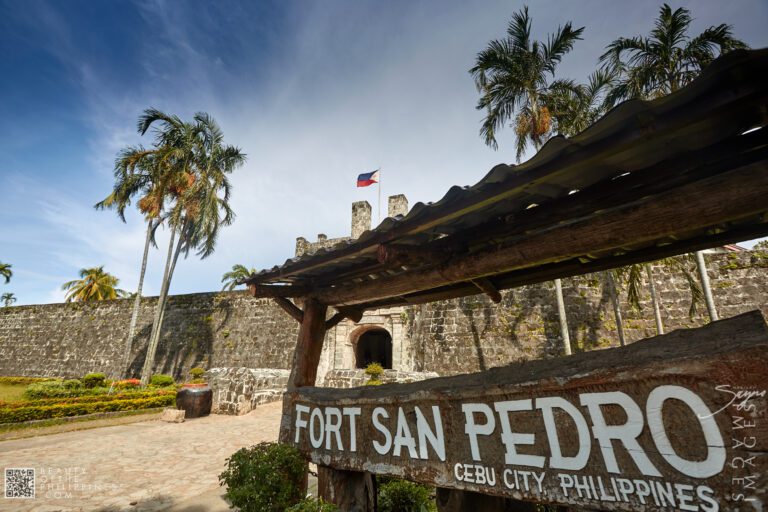
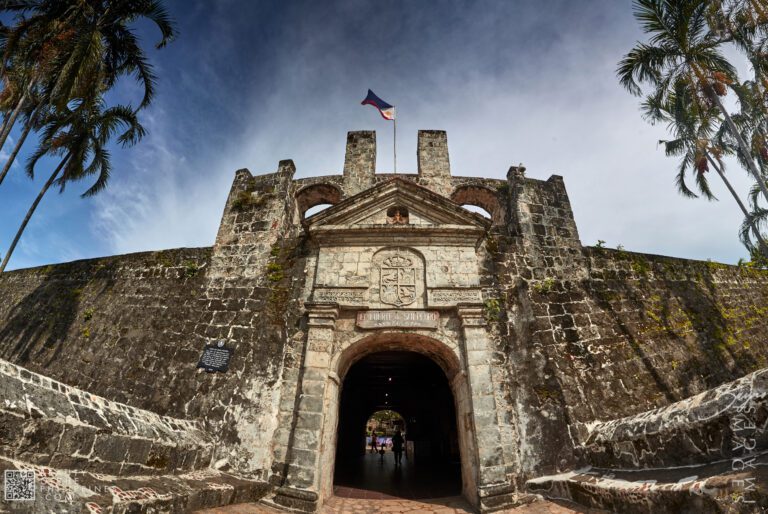
ABOVE: Built by Miguel López de Legazpi, Fort San Pedro started as a wooden stronghold before the Spaniards reinforced it to withstand ongoing battles

ABOVE: Built by Miguel López de Legazpi, Fort San Pedro started as a wooden stronghold before the Spaniards reinforced it to withstand ongoing battles

The Beginning of Fort San Pedro

The fort traces its roots to when Spanish explorer Miguel López de Legazpi arrived in Cebu. To protect the settlement from attacks by local warriors and pirates, he built a small wooden fort by the sea. Over time, as conflicts continued, the Spaniards realized they needed something stronger and more permanent.

Eventually, the fort was rebuilt using coral stones, turning it into a solid triangular fortress. Each corner had a baluarte (bastion) where cannons were placed, ready to defend against invaders. It became a key military base for the Spanish as they ruled the islands.

A Fort That Witnessed Revolutions

Fort San Pedro remained under Spanish control for over 300 years—until the Philippine Revolution began. Filipino revolutionaries in Cebu, led by Pantaleon Villegas (Leon Kilat), fought against the Spanish in what became known as the Battle of Tres de Abril. After days of battle, the revolutionaries briefly took control of the city, and Fort San Pedro was captured from the Spaniards.

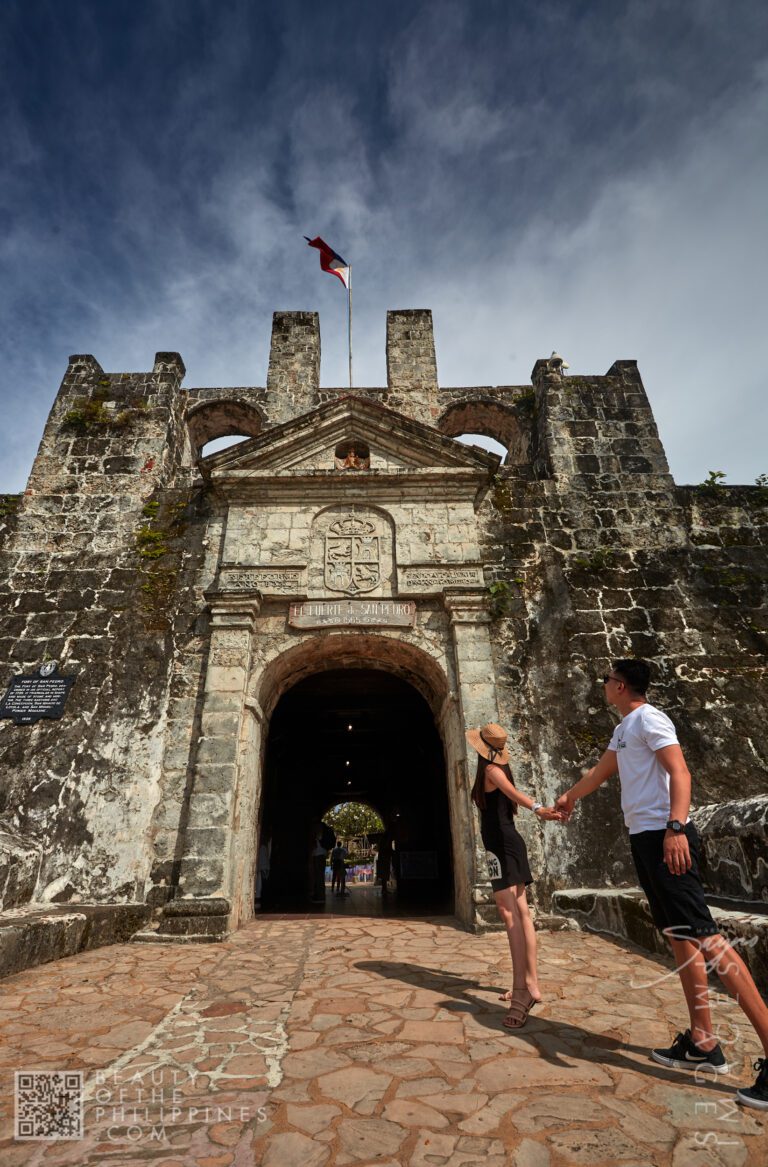
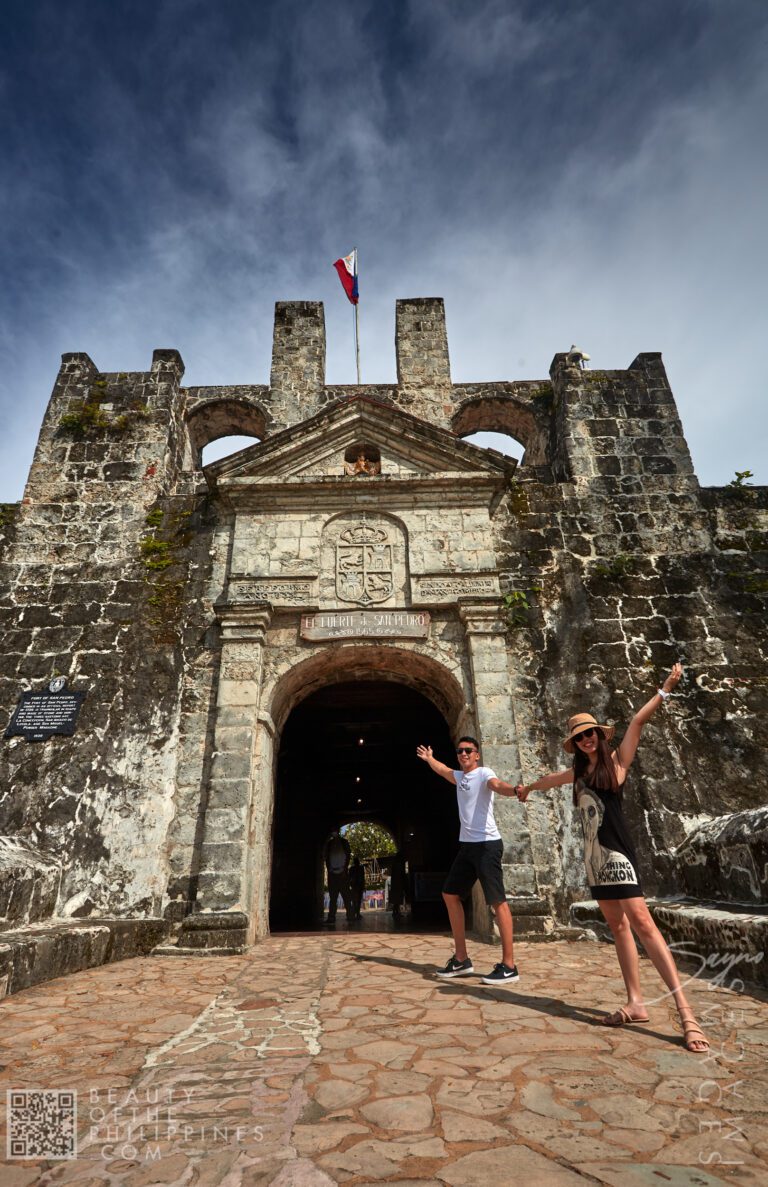
ABOVE: A couple stands in front of Fort San Pedro’s entrance, taking a pose with the historic site as a backdrop.

ABOVE: A couple stands in front of Fort San Pedro’s entrance, taking a pose with the historic site as a backdrop.

However, when Spain lost to the United States later that year, the Philippines was handed over to the Americans. The fort then became a military barracks under the new rulers, marking another shift in Cebu’s history.

World War II and the Fort’s Darkest Days

When World War II broke out, the Philippines fell under Japanese occupation. The fort, once again, became a military base—this time for the Japanese forces. It was used as a prison, armory, and headquarters, making it a feared place during the war.

ABOVE: During the Philippine Revolution, Cebuano forces led by Leon Kilat seized Fort San Pedro. After Spain’s defeat, the Americans took control, turning it into a military barracks.

ABOVE: During the Philippine Revolution, Cebuano forces led by Leon Kilat seized Fort San Pedro. After Spain’s defeat, the Americans took control, turning it into a military barracks.

As the war neared its end, battles between the Japanese and Filipino-American forces left parts of the fort damaged. It became a refuge for civilians who had lost their homes and a hospital for the wounded. After the war, Fort San Pedro was left in ruins, its walls scarred by years of conflict.

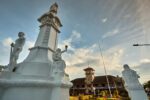
ABOVE: A statue of Spanish explorer Miguel López de Legazpi stands outside the walls of Fort San Pedro.

ABOVE: A statue of Spanish explorer Miguel López de Legazpi stands outside the walls of Fort San Pedro.

From Ruins to a Cultural Treasure

After the war, Cebu’s leaders decided to restore the fort instead of letting it crumble. It was converted into a public park, and the Cebu Garden Club turned its inner courtyard into a beautiful garden.


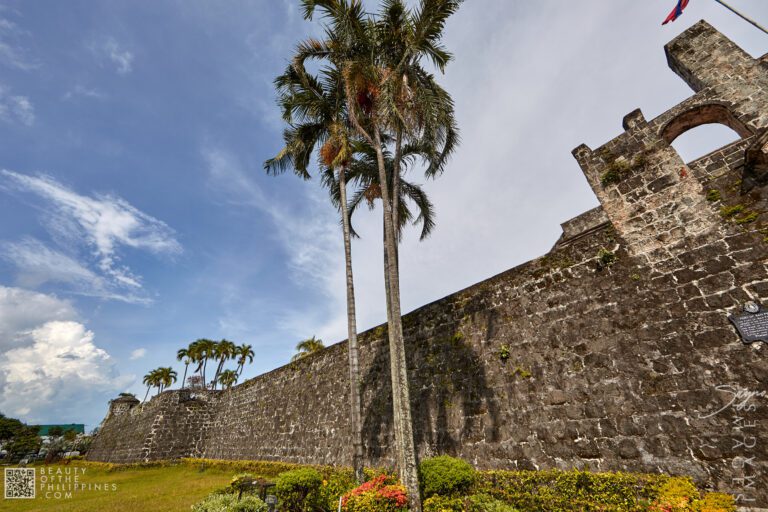
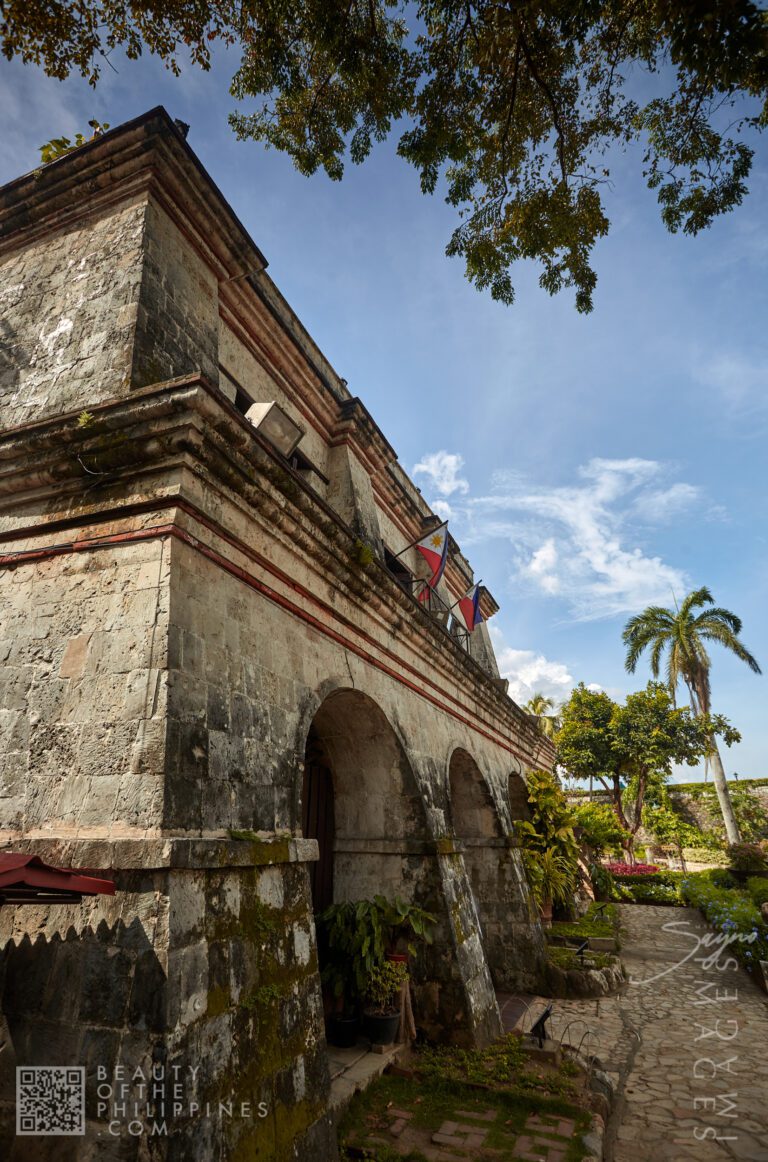
Eventually, the fort was officially recognized as a National Historical Landmark, ensuring its preservation. Since then, it has been carefully maintained, allowing visitors to see its original coral stone walls, old barracks, and bastions.

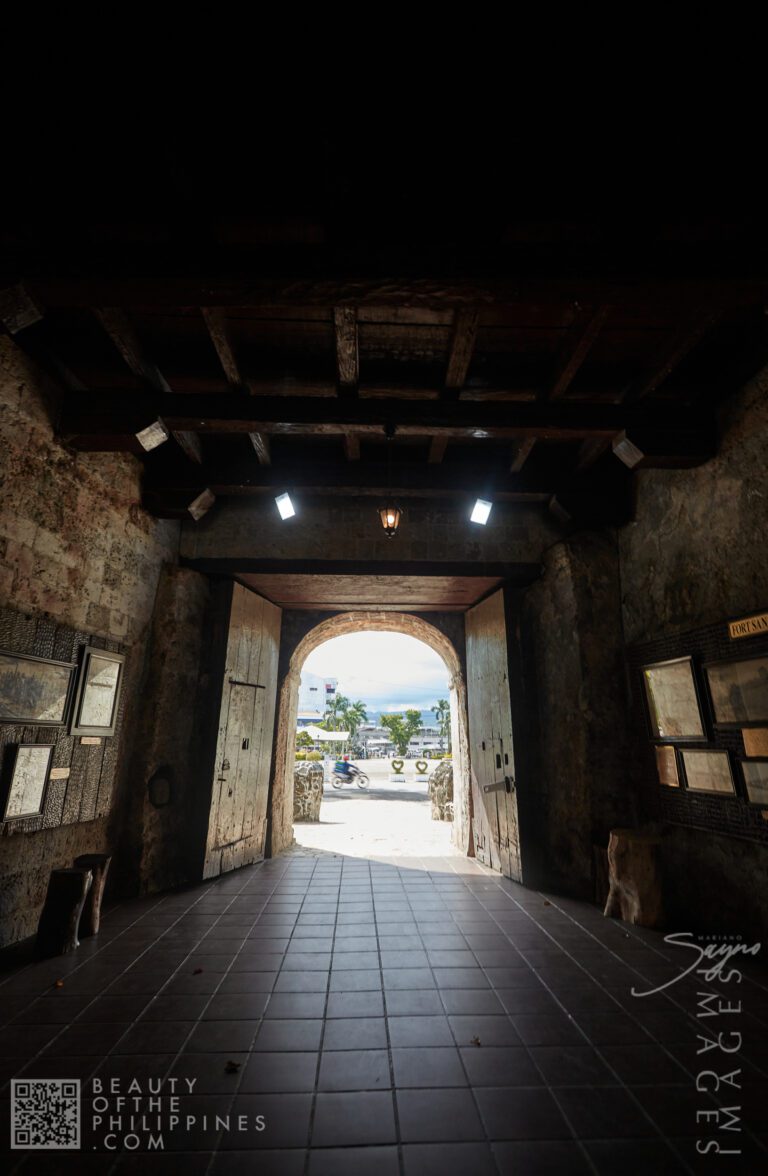
ABOVE: The Fort San Pedro Museum, located within the historic walls of the fort, showcases a collection of artifacts, documents, and photographs that offer visitors a deeper insight into Cebu’s colonial past.

ABOVE: The Fort San Pedro Museum, located within the historic walls of the fort, showcases a collection of artifacts, documents, and photographs that offer visitors a deeper insight into Cebu’s colonial past.

RELATED STORIES

Manaragat Festival: Celebrating Catbalogan’s Coastal Heritage and Community Spirit

They have likely come across the tales, the narrative of Catbalogan City’s transformation from a modest fishing village into a thriving city in Eastern Visayas.

Read More »

Dinagyang Festival: A Faithful Fusion of Music, Colors, Culture, and Spiritual Celebration in Iloilo City

Are you ready to experience some of the most unique and vivid festivities in the Philippines – Dinagyang Festival? This vibrant celebration is one of

Read More »

Iloilo Dinagyang Festival: A Cultural Highlight of the 127th Philippine Independence Day

You know what? You haven’t truly felt the power of Filipino pride until you’ve seen the pulse of Dinagyang beating alongside the roar of Independence

Read More »

Al Cinco de Noviembre Festival: Negros Occidental’s Clever Revolt Reenacted at Araw ng Kalayaan 2025

In Negros Occidental, history isn’t something confined to textbooks or museum walls—it’s lived, celebrated, and retold with heart. One of the most remarkable examples of

Read More »

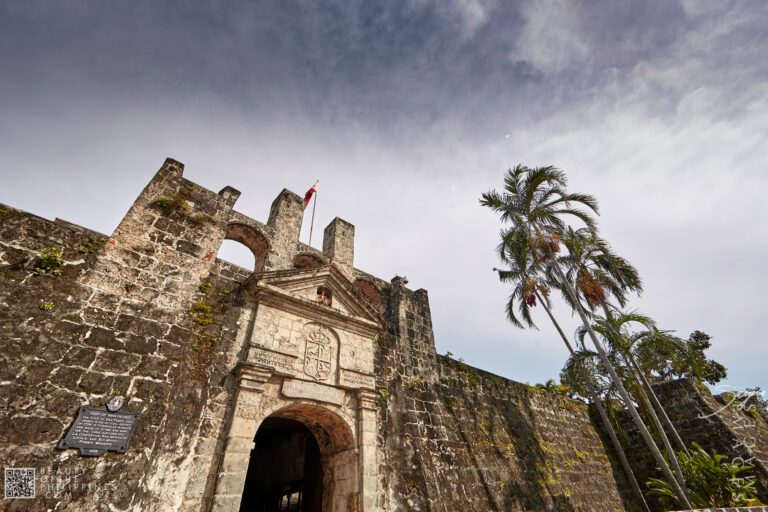
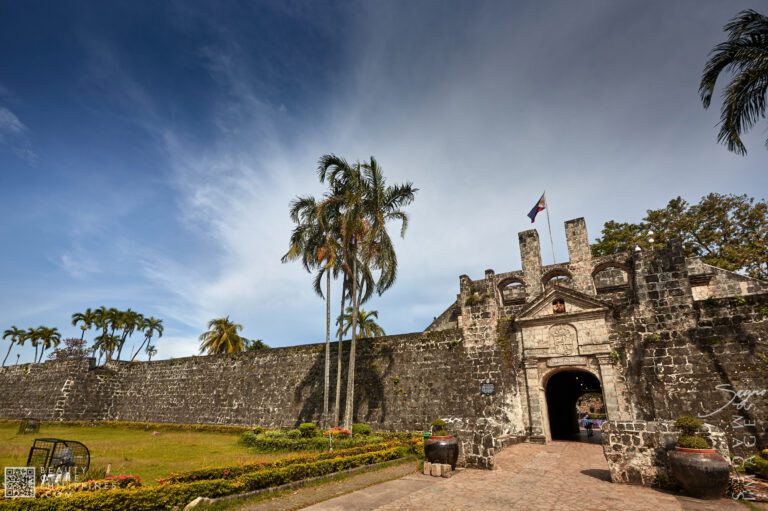
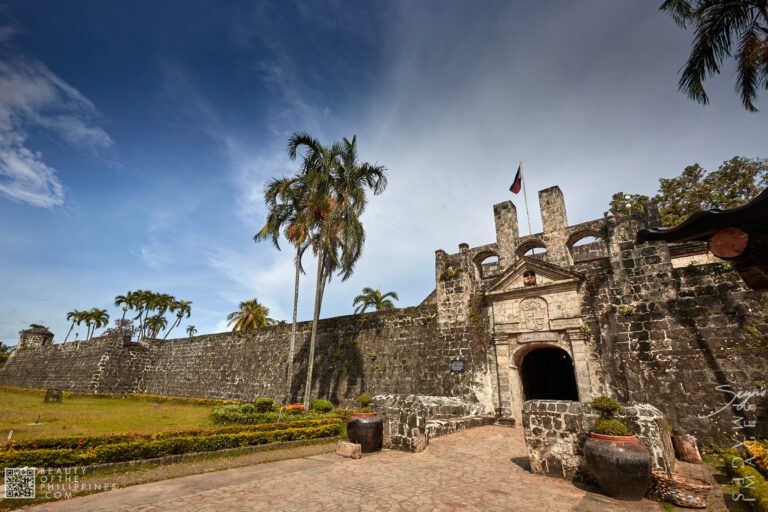
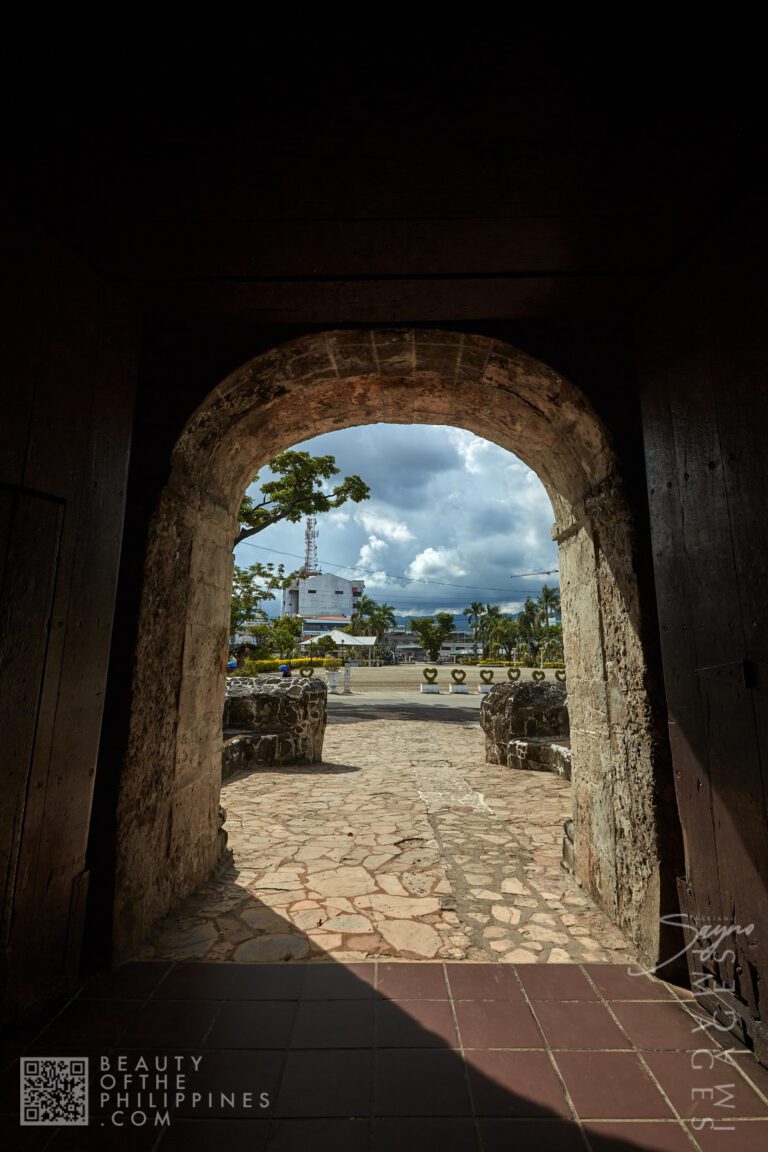
ABOVE: After the war, Fort San Pedro was restored as a park and later declared a National Historical Landmark, preserving its coral stone walls, barracks, and bastions.

ABOVE: After the war, Fort San Pedro was restored as a park and later declared a National Historical Landmark, preserving its coral stone walls, barracks, and bastions.

What to See Inside Fort San Pedro


Today, Fort San Pedro is a top tourist attraction in Cebu, offering visitors a glimpse into the past. Inside, you’ll find:


Old Spanish-era cannons still mounted on the fort’s walls
Historical exhibits featuring old photos, documents, and artifacts
✅ Ruins of barracks and prison cells used during the war
✅ A scenic garden courtyard perfect for relaxing and taking photos
✅ Viewpoints on the bastions, where you can see the old harbor area


Walking through its halls, you can imagine the Spanish soldiers standing guard, the revolutionaries planning their attacks, and the war refugees finding shelter inside its walls.

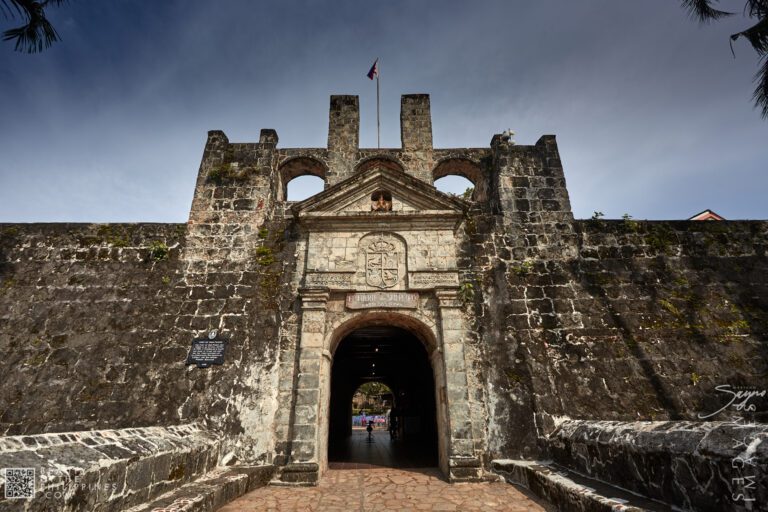
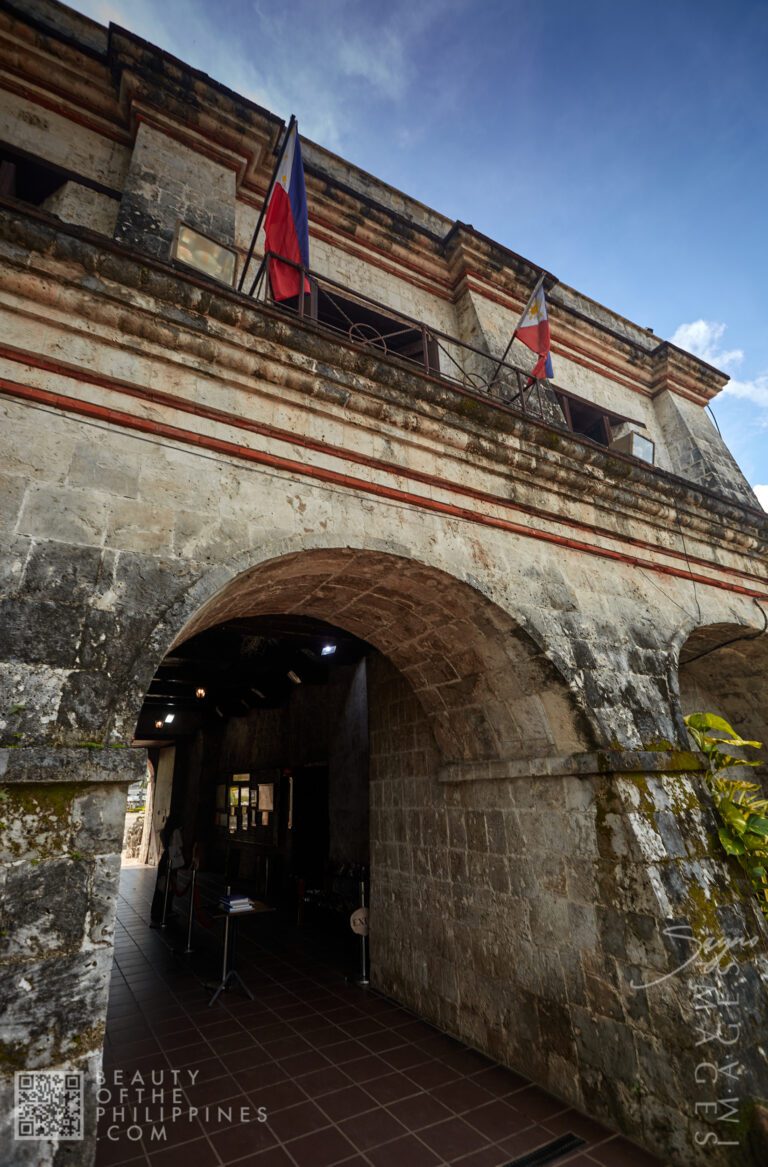
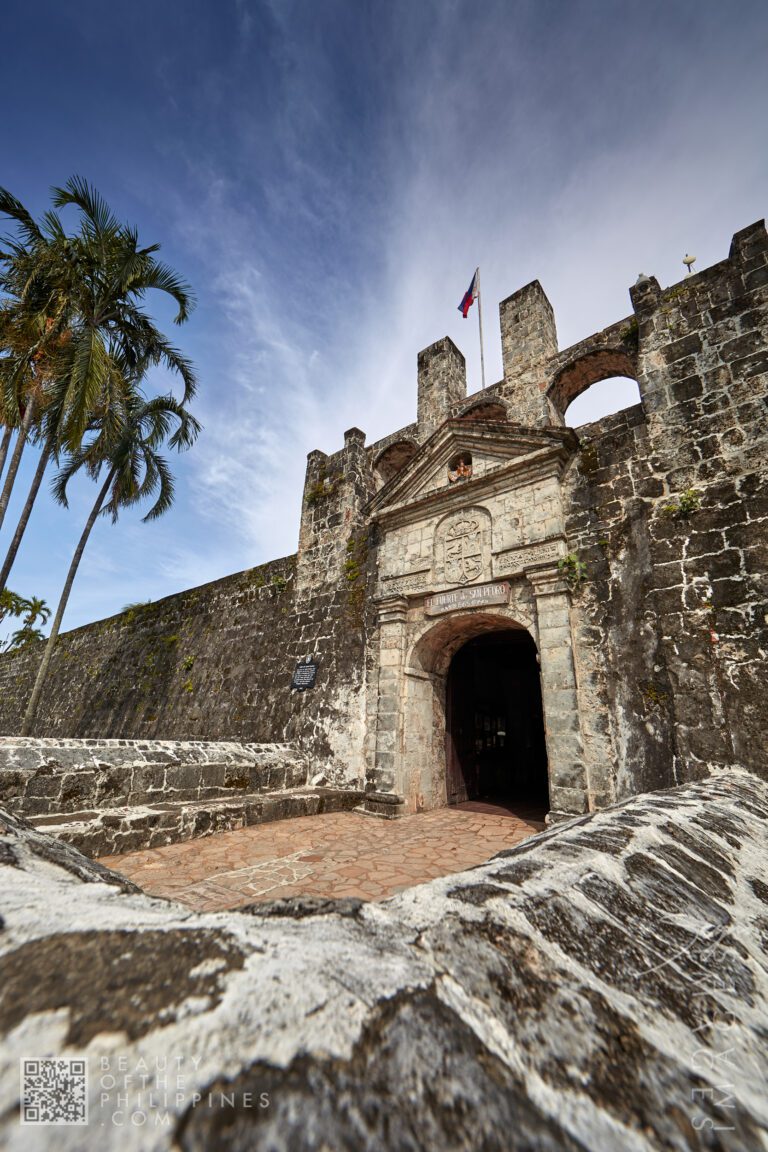
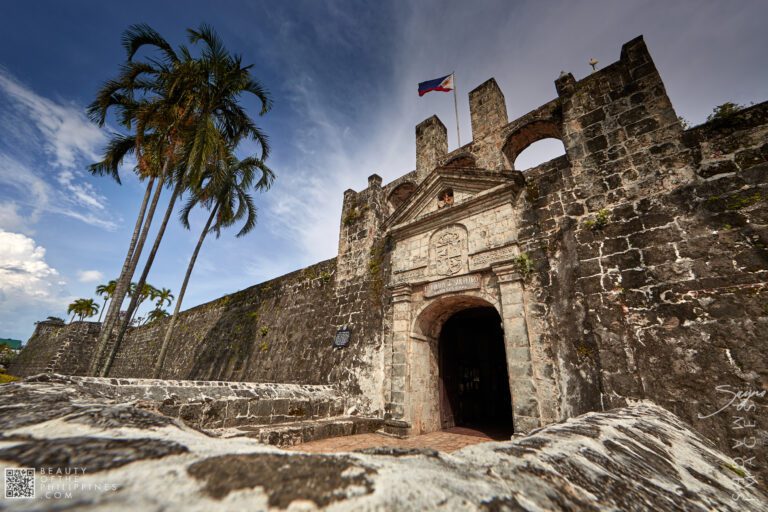
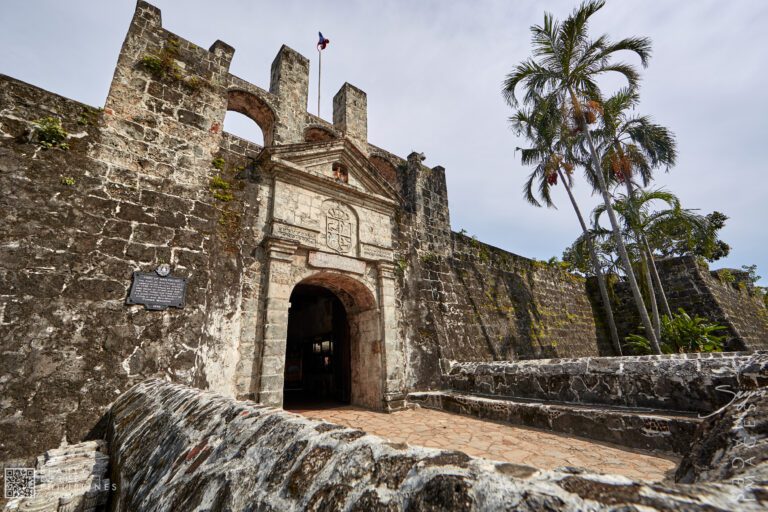
ABOVE: A wide-angle shot of Fort San Pedro’s weathered coral-stone facade.

ABOVE: A wide-angle shot of Fort San Pedro’s weathered coral-stone facade.

Why Visit Fort San Pedro?


Visiting Fort San Pedro is like traveling back in time. It’s a place where you can learn about Cebu’s history, take stunning photos, and experience the past up close. It’s also easily accessible, located in Plaza Independencia, just minutes away from other historic sites like Magellan’s Cross, Basilica del Santo Niño, and the Heritage of Cebu Monument.


📍 Location: Plaza Independencia, Cebu City
🕒 Open Hours: 8:00 AM – 7:00 PM daily
🎟️ Entrance Fee: Budget-friendly rates (varies, check with the tourism office)


Whether you’re a history buff, a culture lover, or just someone looking for a peaceful spot to explore, Fort San Pedro is a must-visit. Step inside and let its walls tell you the stories of Cebu’s past.


Planning a trip to Cebu? Make sure to add Fort San Pedro to your itinerary and experience the magic of history firsthand!

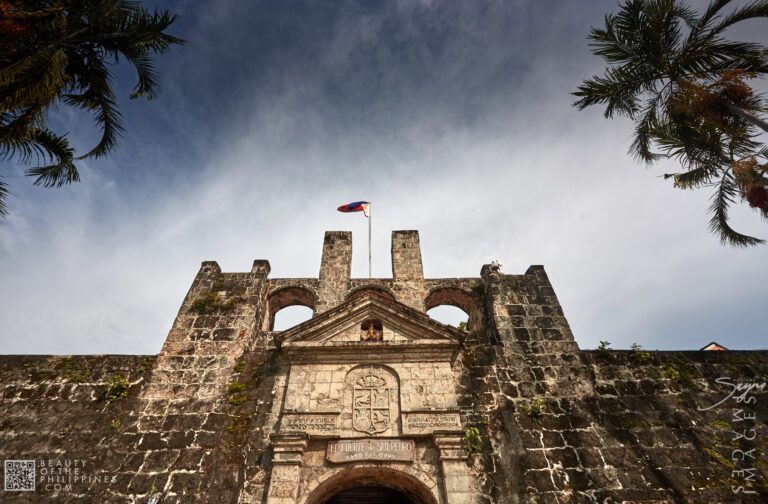
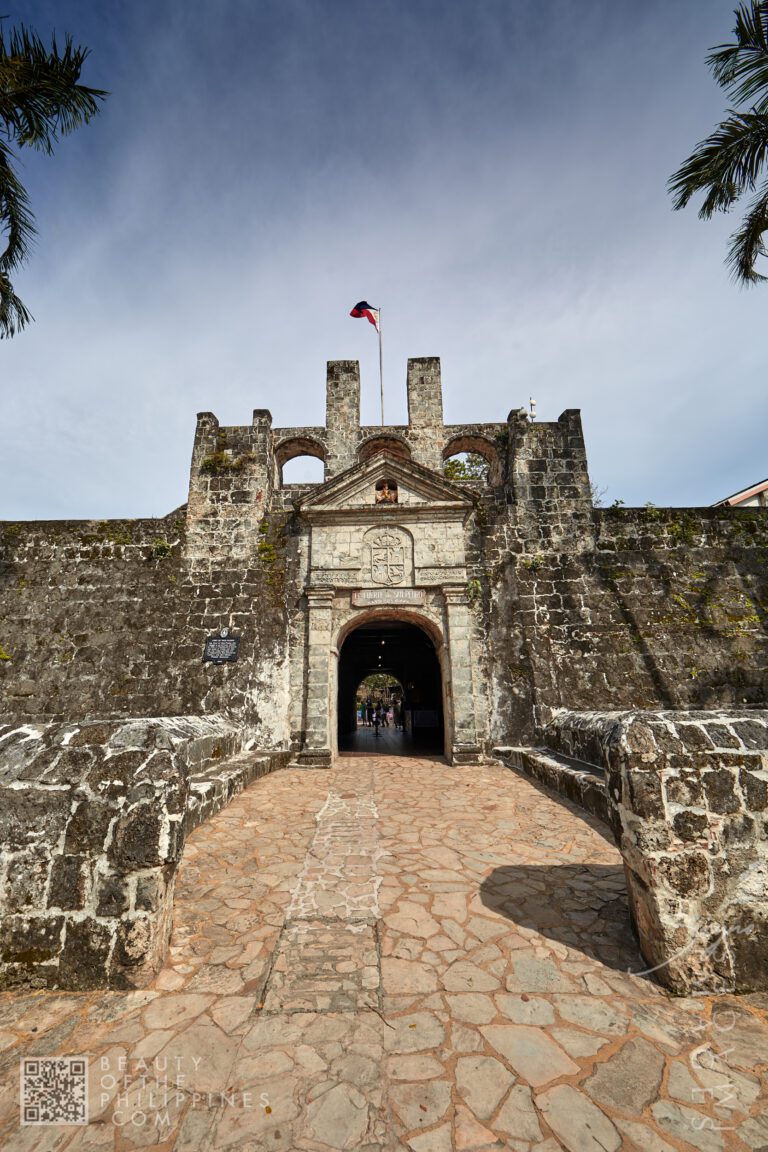
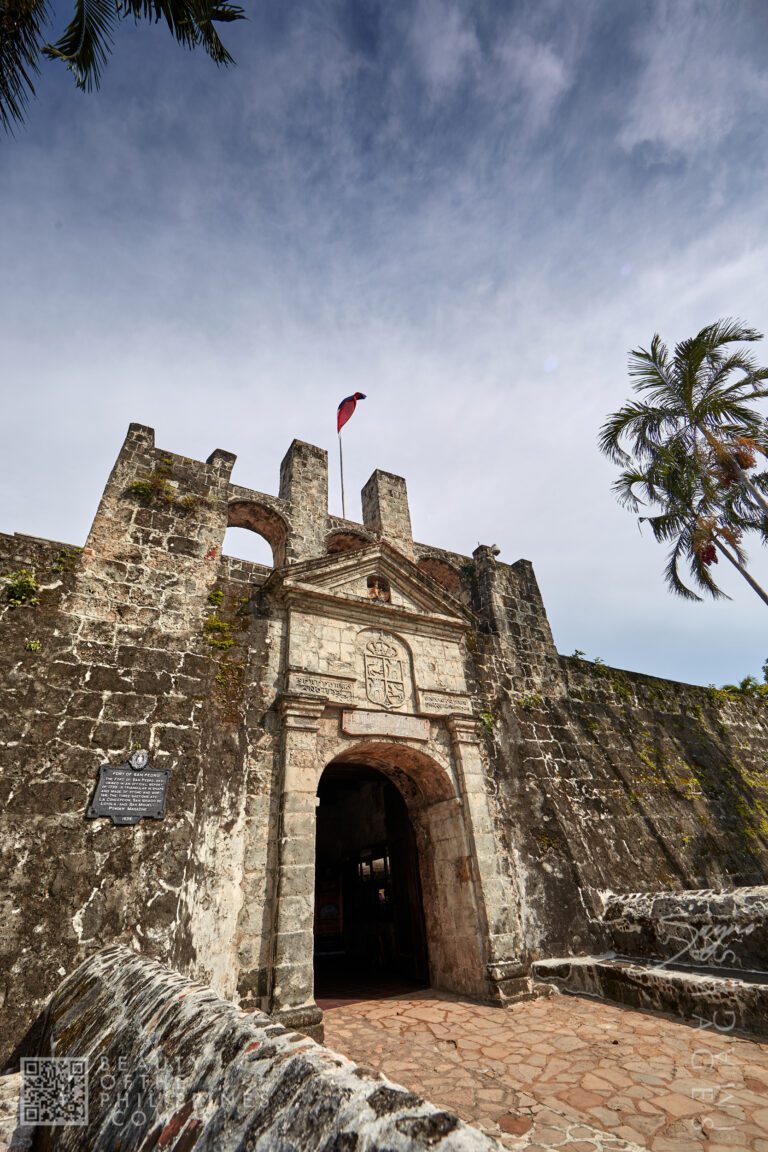
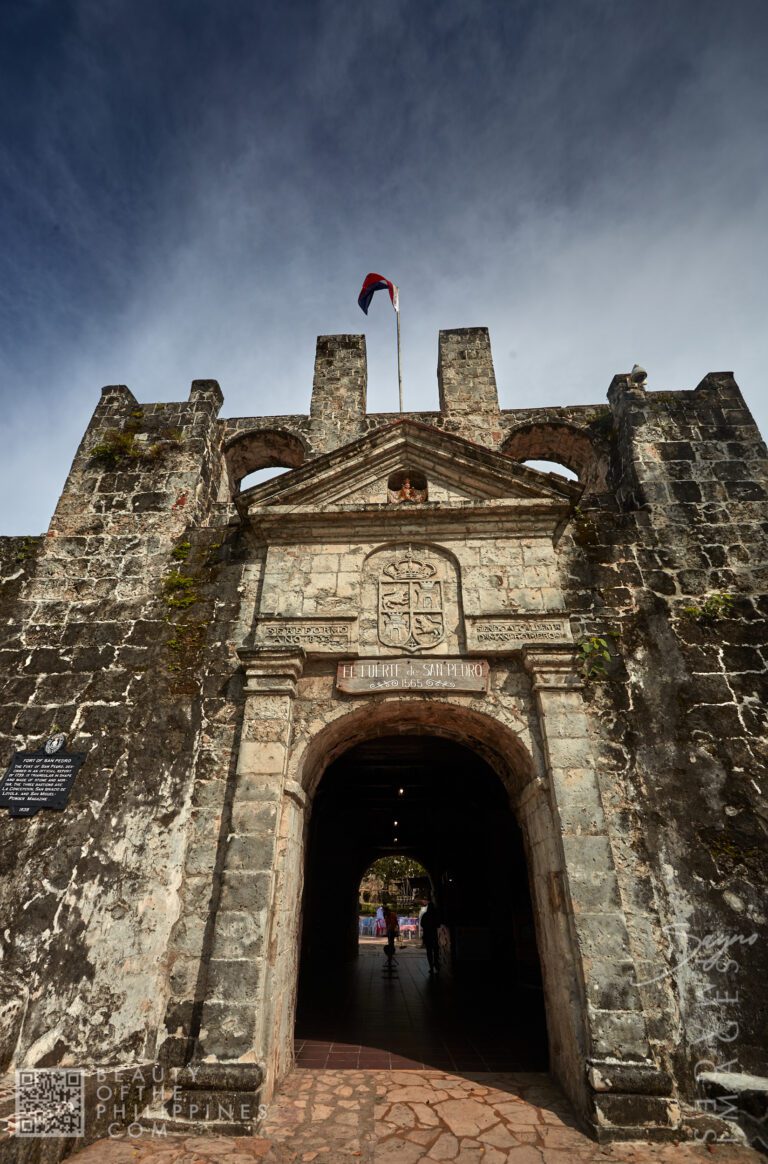
ABOVE: The entrance of Fort San Pedro, with its distinct arc shape.

ABOVE: The entrance of Fort San Pedro, with its distinct arc shape.

I’m looking forward to the stories and images leaving a lasting positive impression on you, just as they have on me. Stay connected with us on social media for a weekly exploration of travel assignments and breathtaking visuals. Our focus is on championing local tourism, showcasing small businesses, and honoring the magnificence of the Philippines through the content we curate. Join us in spreading the word by clicking the ‘share’ buttons below. Your support means the world to us.

BROWSE BY REGION
  • MANILA
  • abra
  • BATAAN
  • batangas
  • Benguet
  • bulacan
  • cagayan
  • cavite
  • cebu
  • Guimaras
  • Iloilo
  • Isabela
  • laguna
  • Pampanga
  • pangasinan
  • QUEZON
  • rizal
  • Samar
  • Tarlac
  • zambales
  • mindanao

EXPLORE MORE about

Visayas

Iloilo Customs House: A Historic Neoclassical Landmark and Maritime Museum

The Iloilo Customs House, also known as Aduana de Iloílo in Spanish, is a historic building in Iloilo City constructed in 1916 during the American

Read More »

Iloilo Dinagyang Festival: A Cultural Highlight of the 127th Philippine Independence Day

You know what? You haven’t truly felt the power of Filipino pride until you’ve seen the pulse of Dinagyang beating alongside the roar of Independence

Read More »
Manggahan Festival

Manggahan Festival: Celebrating Sweetness in Guimaras

It is well known around the world that Guimaras island produces the sweetest mangoes in the world, which is why the Manggahan Festival is named

Read More »

Sinulog Festival: A Spectacle of Devotion, Dance, and Vibrance in Cebu!

Cebu’s Sinulog Festival is celebrated every 3rd Sunday of January, and is the most popular festival of the country. The feast honors the Holy Image

Read More »

Tangke Saltwater Lagoon: Iloilo’s Hidden “Natural Pool” Adventure

If you’re craving an adventure that feels straight out of a tropical dream, let me tell you about a little slice of paradise tucked away

Read More »

Al Cinco de Noviembre Festival: Negros Occidental’s Clever Revolt Reenacted at Araw ng Kalayaan 2025

In Negros Occidental, history isn’t something confined to textbooks or museum walls—it’s lived, celebrated, and retold with heart. One of the most remarkable examples of

Read More »

CCLEX Beyond the Bridge: More Than Just a Road in Cebu

When we talk about Cebu, the first things that come to mind are sinfully good lechon, crystal-clear beaches, and a mix of urban chaos and

Read More »

Osmeña Peak: Cebu’s Scenic Summit

Osmeña Peak, situated in Dalaguete, Cebu province, was once known as Tan-awan. This striking summit carries the name of President Sergio Osmeña Sr., born in


Read More »

Manaragat Festival: Celebrating Catbalogan’s Coastal Heritage and Community Spirit

They have likely come across the tales, the narrative of Catbalogan City’s transformation from a modest fishing village into a thriving city in Eastern Visayas.

Read More »

Dinagyang Festival: A Faithful Fusion of Music, Colors, Culture, and Spiritual Celebration in Iloilo City

Are you ready to experience some of the most unique and vivid festivities in the Philippines – Dinagyang Festival? This vibrant celebration is one of

Read More »

Cagsawa Festival: A Celebration of Resilience and Heritage in the Shadow of Mayon

Every February, the quiet town of Daraga, Albay bursts into life with color, dance, and culture as it celebrates the Cagsawa Festival — a month-long

Read More »

BROWSE BY CATEGORIES

LOCATIONS
PROVINCES

Abra

Bataan

Batangas

Benguet

Bulacan

Cagayan

Cavite

Cebu

Guimaras

Iloilo

Isabela

Laguna

Manila

Mindanao

Nueva Viscaya

Pampanga

Pangasinan

Quezon

Rizal

Samar

Tarlac

Zambales

ARCHITECTURE
HERITAGE

Andres Bonifacio Birthplace Monument

Bonifacio Monumento

Capones Lighthouse

Casa Manila

Christ the King Seminary

Corregidor Island

Cultural Center of the Philippines

Fantasy World

Gabriela Silang Memorial Shrine

Gomburza National Monument

Hondagua

Iloilo Customs House

Intramuros

Jones Bridge

Kartilya ng Katipunan

La Loma Cemetery

Liwasang Bonifacio

Luneta Hotel

Malagonlong Bridge

Manila American Cemetery and Memorial

LOAD MORE

CHURCHES
FAITH

Antipolo Maytime Festival

Bacolor Church

Baguio Cathedral

Barasoain Church

Binondo Church

Calaca Church

Calumpit Church

Chong Hock Tong Temple

Greenbelt Chapel

Guadalupe Church Ruins

La Naval de Manila

Lingayen Cathedral

Lucban Church

Malate Church

Manila Abbey

Manila Cathedral

The Manila Golden Mosque

Meycauayan Church

Morong Church

Mount Carmel Shrine

LOAD MORE

NATURAL & MAN-MADE
ATTRACTIONS

Alligator Lake

Amare La Cucina Baguio

Ambuklao Dam

Antipolo Church

Atimonan Port

Avilon Zoo

Azalea Hotels & Residences Baguio

Bagac Beach

Balai Isabel

Balayan Bay

Baluarte de San Diego

Betis Church

Binondo Chinatown

Buhay na Kubol’s Senturyons

Cagsawa Festival

Callao Cave

Camara Island

Capones Island

Carmona Race Track

Carriedo Fountain

LOAD MORE

FESTIVALS &
EVENTS

Al Cinco de Noviembre Festival

Ana Kalang Festival

Balacat Festival

Balitok Ti Alicia Festival

Bañamos Festival

Bato Art Festival

Boling-Boling Festival

Buhayani Festival

Burdang Lumban Festival

Candle Festival

Dinagyang Festival

Embracing the Vibrant Timpuyog Festival

Feast of Santo Niño de Tondo

Guilingan Festival

Halamanan Festival

Hambujan Festival

Iloilo Dinagyang Festival

Inaul Festival

Itik Festival

Kalivungan Festival

LOAD MORE
Facebook Twitter Instagram Envelope

All photographs that appear on the site are copyright of Mariano Sayno ©2022 Beauty of the philippines

All photographs that appear on the site are copyright of Mariano Sayno ©2022 Beauty of the philippines.com

Beauty of the philipipnes LOGO WHITE

BROWSE BY PROVINCE

Abra

Bataan

Batangas

Benguet

Bulacan

Cagayan

corregidor-island

Cavite

Cebu

Guimaras

dinagyang aliwan friesta husayno mariano sayno

Iloilo

Isabela

Laguna

Manila Bay by Mariano Sayno

Manila

Mindanao

Magat River Dupax Del Norte

Nueva Viscaya

Pampanga

Lingayen Cathedral

Pangasinan

Quezon

Rizal

Samar

Tarlac

Zambales

Fort San Pedro, A. Pigafetta Street, Cebu City, Cebu, Philippines