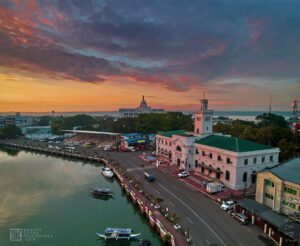
Iloilo Customs House: A Historic Neoclassical Landmark and Maritime Museum
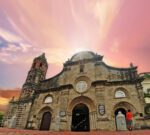
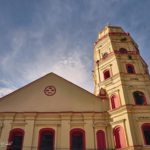
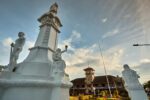
The Iloilo Customs House, also known as Aduana de Iloílo in Spanish, is a historic building in Iloilo City constructed in 1916 during the American

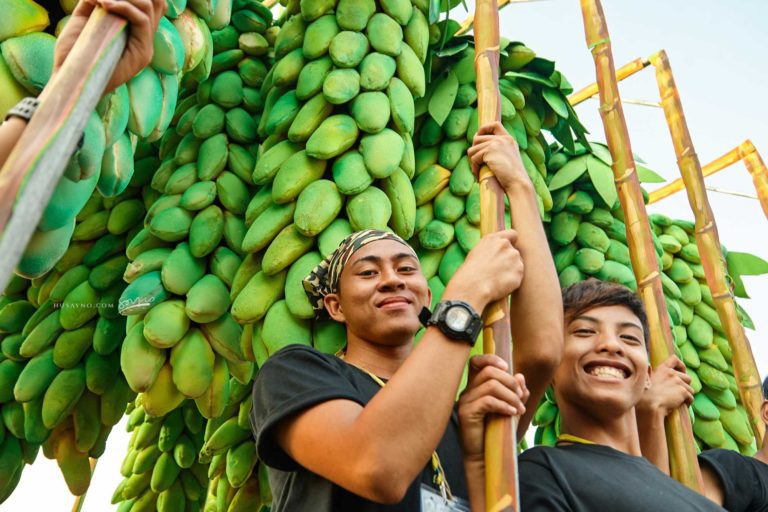
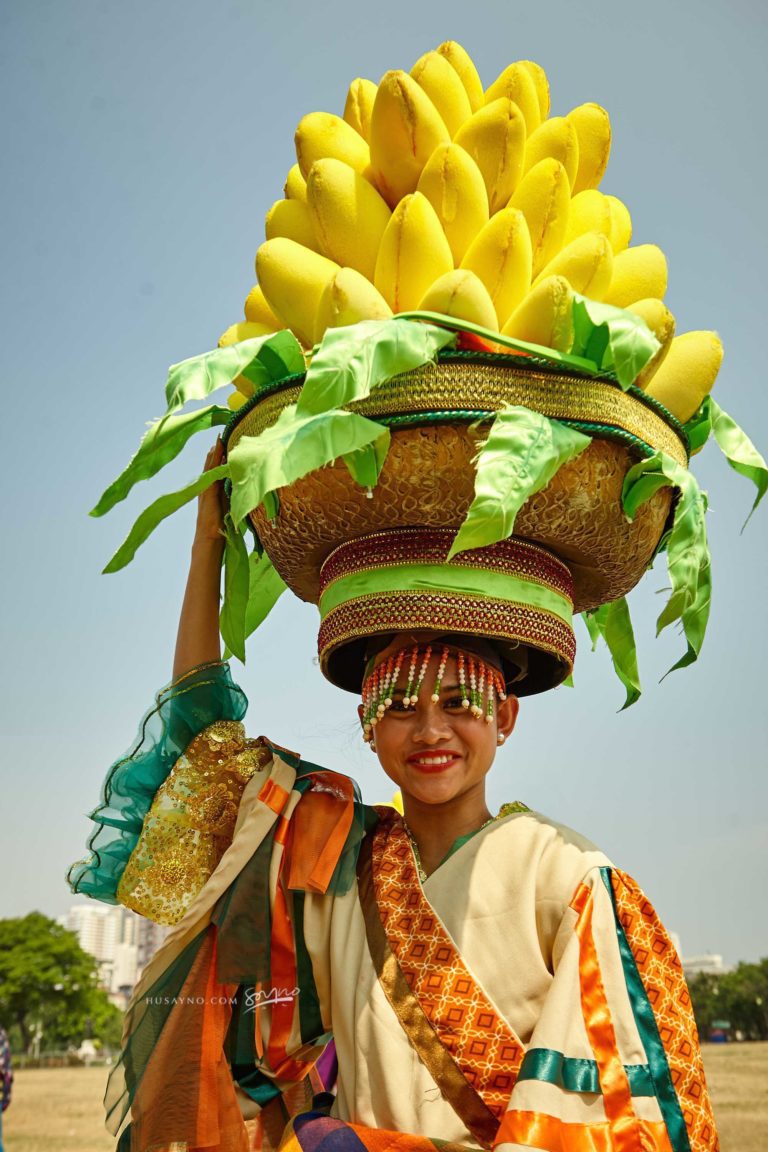
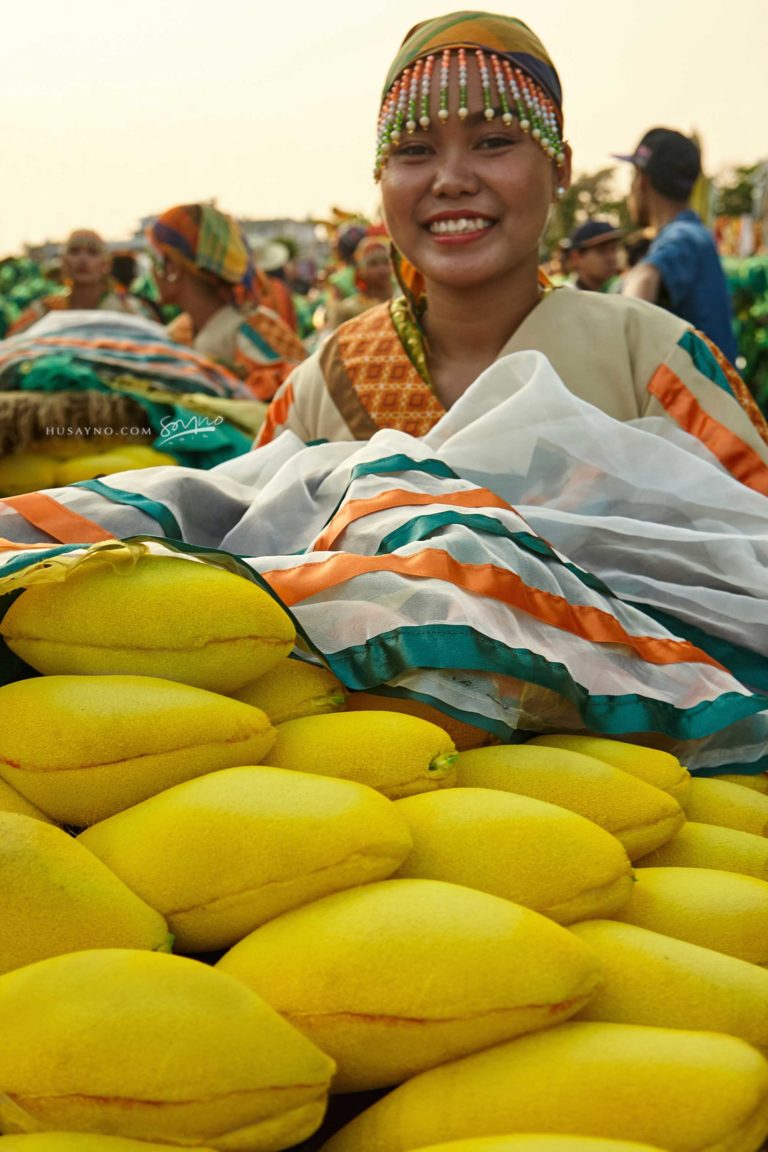
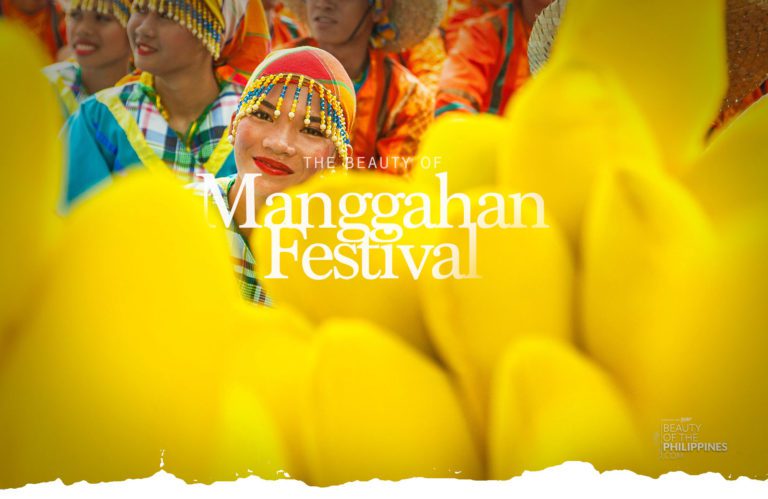
The Manggahan Festival is celebrated every May in Guimaras, a small island province in Western Visayas, Philippines. Rooted in both cultural heritage and agricultural pride, the festival commemorates the province’s establishment as a full-fledged Philippine province while honoring its mango industry, acclaimed worldwide for sweetness and quality. The word “Manggahan” comes from mangga, the Filipino term for mango, reflecting the centrality of the fruit in the province’s identity, economy, and community life. What began as a week-long local festivity has grown into a month-long celebration, drawing visitors from across the Philippines and abroad, blending agriculture, cultural performance, and food experiences into a single, vibrant festival.
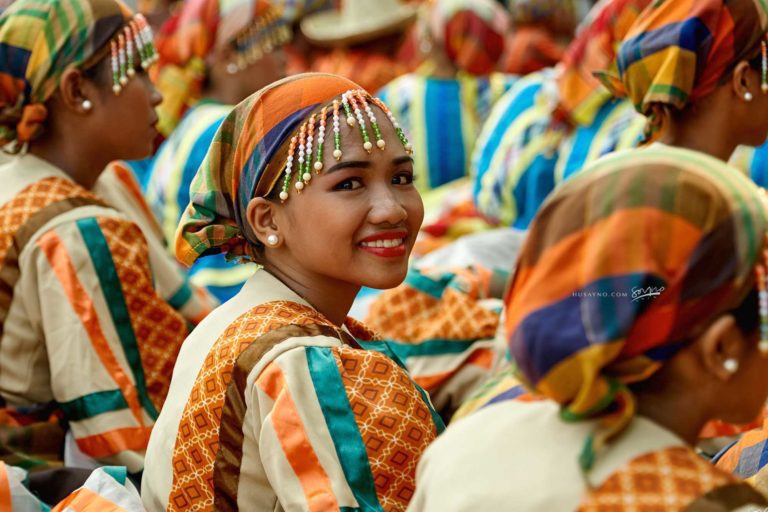
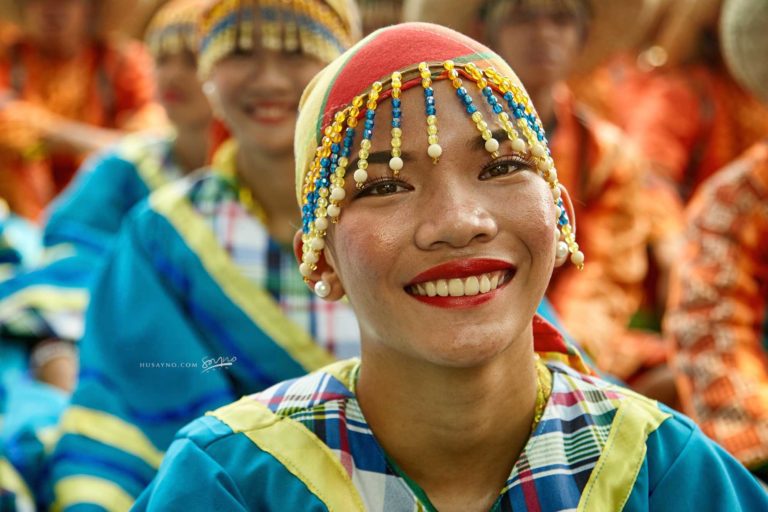
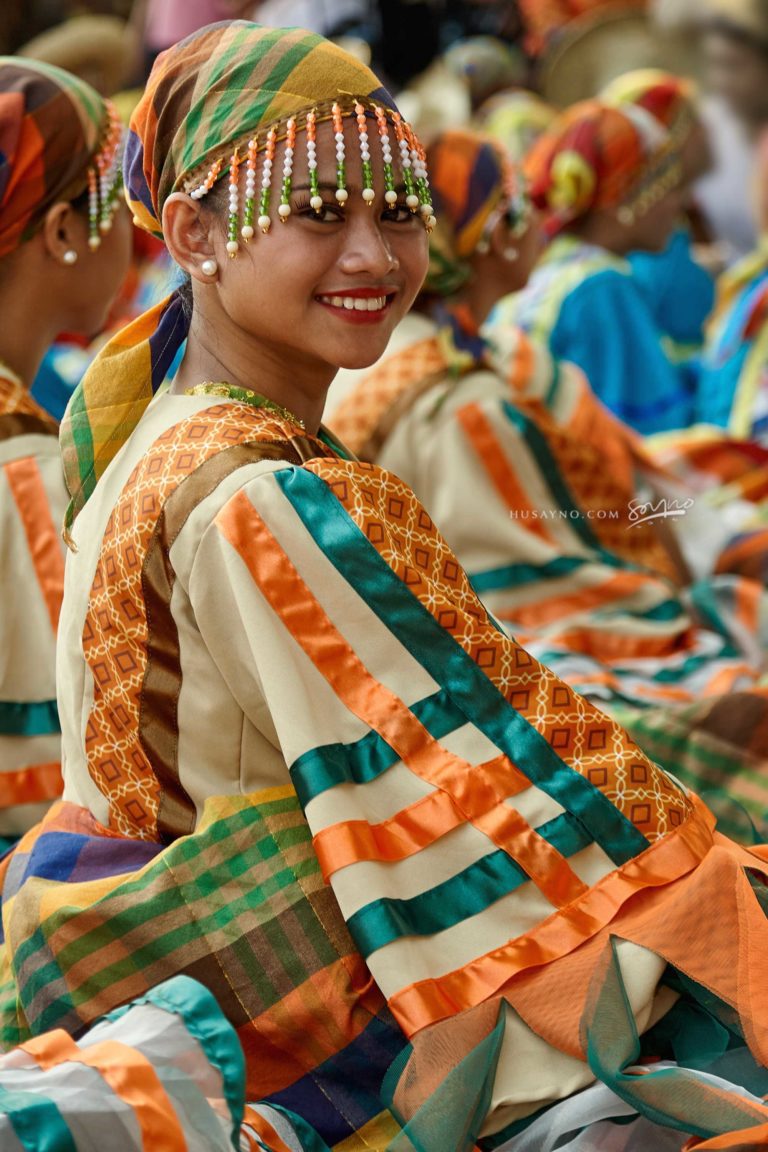
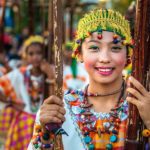
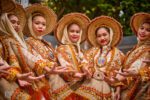
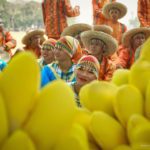
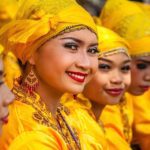
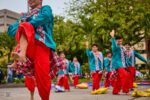
During the Manggahan Festival, the streets of Jordan, Guimaras transform into stages for cultural expression and community pride. The Agri-Trade Fair showcases the finest mango produce, from fresh fruits to dried mangoes, jams, and specialty items. Colorful Cultural Street Dancing Competitions see representatives from the five municipalities performing intricate choreography in native costumes, telling stories of heritage and local life. The Mango Eat-All-You-Can challenge is a crowd favorite, letting visitors savor Guimaras’ famous mangoes in a fun, interactive way. Additional activities include parades, food festivals, and pageants, including the coronation of Mr. and Miss Guimaras, ensuring the streets are alive with color, sound, and local flavor.
One of the highlights of the festival is its Western Visayas Invitational Cultural Presentation, bringing together other major regional festivals such as Ati-Atihan of Aklan, MassKara Festival of Bacolod, and Dinagyang Festival of Iloilo City. These performances create a cultural dialogue, showcasing regional pride and offering festivalgoers a diverse and rich experience of Western Visayan artistry and tradition.
Beyond culture, the festival plays a key role in Guimaras’ economic development. Mango farmers and local vendors report significant sales, with earnings during the festival period reaching around ₱15 million, nearly 40% higher than previous years. Tourist arrivals spike as well, highlighting the festival’s magnetism: visitor numbers climbed from roughly 52,873 the previous year to over 68,000 during the festival period. This underscores the festival’s dual role as both a cultural celebration and a driver of tourism and local economic growth.
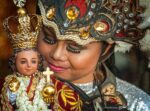
Central to the festival’s energy is Hubon Binagtong sa Manggahan, a cultural troupe from Cabalagnan National High School, Nueva Valencia. They have consistently earned top honors in regional competitions such as the Kasadyahan Regional Cultural Competition at Dinagyang Festival, winning accolades like Best in Costume, Best in Choreography, and Best in Performance. Their artistry not only uplifts the Manggahan Festival but also reinforces Guimaras’ identity and cultural pride.
The Aliwan Festival, held annually in Metro Manila, serves as the Philippines’ grand festival convergence, often referred to as the Festival of Festivals. Here, Guimaras proudly showcased Hubon Binagtong sa Manggahan. Competing against national contingents, the troupe finished as first runner-up in the street dancing category, marking a milestone that placed the Manggahan Festival on the national cultural map. This achievement reflects the artistic excellence of the province and the festival’s enduring spirit.
The Manggahan Festival is more than just a celebration of mangoes; it’s a vibrant lens into Guimaras’ soul. Every street, every dance, and every sweet bite tells a story of tradition, community, and pride. Being there feels like stepping into a living tapestry of culture and flavor, where local artistry, agriculture, and joyful crowds come together in harmony, leaving a lasting impression on anyone fortunate enough to experience it.
RELATED STORIES

The Iloilo Customs House, also known as Aduana de Iloílo in Spanish, is a historic building in Iloilo City constructed in 1916 during the American


You know what? You haven’t truly felt the power of Filipino pride until you’ve seen the pulse of Dinagyang beating alongside the roar of Independence


Tangke Saltwater Lagoon—often shortened to just Tangke—sits quietly on Isla de Gigantes Sur, part of the municipality of Carles in northern Iloilo. You don’t spot


Are you ready to experience some of the most unique and vivid festivities in the Philippines – Dinagyang Festival? This vibrant celebration is one of


I’m looking forward to the stories and images leaving a lasting positive impression on you, just as they have on me. Stay connected with us on social media for a weekly exploration of travel assignments and breathtaking visuals. Our focus is on championing local tourism, showcasing small businesses, and honoring the magnificence of the Philippines through the content we curate. Join us in spreading the word by clicking the ‘share’ buttons below. Your support means the world to us.
EXPLORE MORE about


Are you ready to experience some of the most unique and vivid festivities in the Philippines – Dinagyang Festival? This vibrant celebration is one of


You know what? You haven’t truly felt the power of Filipino pride until you’ve seen the pulse of Dinagyang beating alongside the roar of Independence


Tangke Saltwater Lagoon—often shortened to just Tangke—sits quietly on Isla de Gigantes Sur, part of the municipality of Carles in northern Iloilo. You don’t spot


The Iloilo Customs House, also known as Aduana de Iloílo in Spanish, is a historic building in Iloilo City constructed in 1916 during the American
BROWSE BY CATEGORIES
BROWSE BY PROVINCE