BROWSE BY PROVINCE

Casiguran, Sorsogon
Most Holy Rosary Shrine
Through the Quiet Streets of Casiguran, Sorsogon
Share
Tweet
Email
EXPLORE Most Holy Rosary Shrine

PUBLISHED March 22, 2026

PHOTOS | WORDS BY MARIANO SAYNO

  • Casiguran, Sorsogon
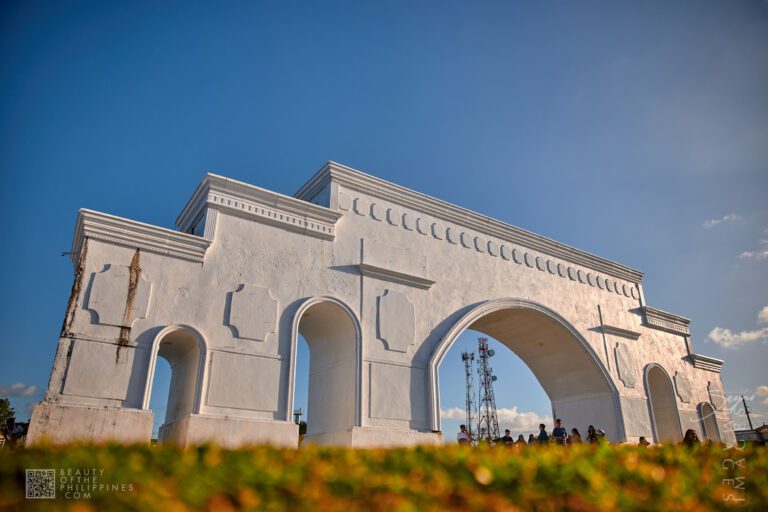
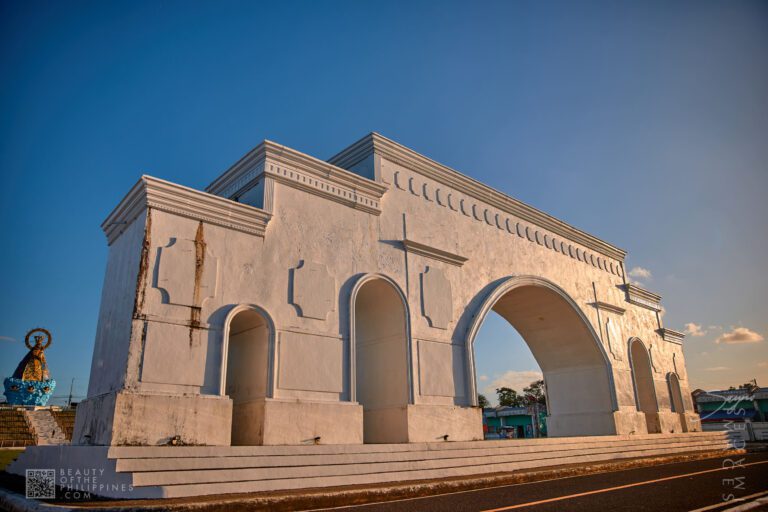
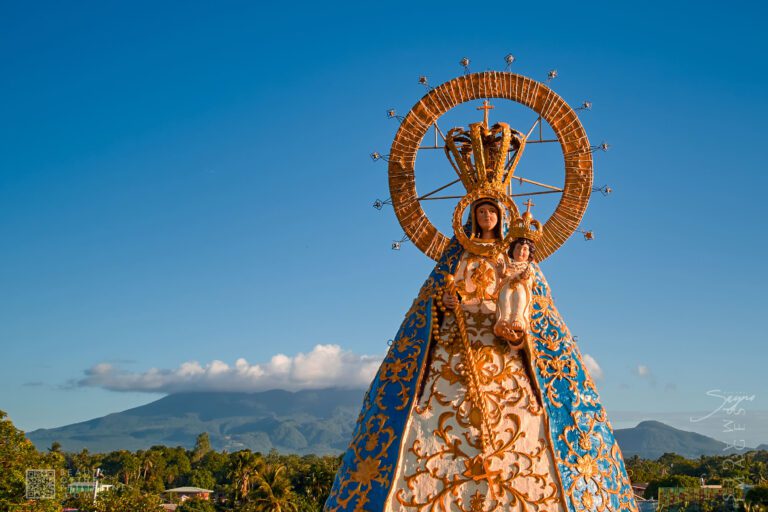
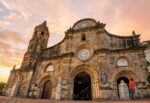
Along the inland roads of Casiguran, the landscape of Sorsogon Province shifts into a quieter provincial rhythm where farmland, modest town centers, and everyday parish life define the atmosphere more than coastal tourism landmarks often associated with the wider region. At the heart of this setting stands the Most Holy Rosary Shrine, locally recognized through the Our Lady of the Most Holy Rosary Parish, where devotion to the Rosary has shaped generations of communal prayer, fiestas, and daily religious practice. The church functions both as a working parish and a pilgrimage site, rooted in centuries-old Catholic tradition that traces its origins to early Spanish missionary activity around the 1600s in Casiguran. Unlike large basilicas or heavily commercialized pilgrimage destinations, the shrine reflects an environment shaped by lived faith rather than spectacle, where visitors encounter processions, candle-lit devotion, and town-centered religious activity. Within the broader context of Bicol Region tourism, it represents a quieter but deeply meaningful layer of inland spiritual travel, where faith, community identity, and provincial life remain closely intertwined.
Explore the Philippines through my lens as we venture into Most Holy Rosary Shrine with Point of View (POV) photography. Using a body cam, I’ll guide you on an interactive tour, revealing the behind-the-scenes of capturing the shots shared here. Let’s dive into this visual journey together and uncover the wonders through my lens!
Let’s explore the PHILIPPINES through my lens as we journey on a photo slideshow to Most Holy Rosary Shrine. Join me in this visual adventure and discover the wonders captured through my lens! Check out the shared slideshow here.
Where Inland Sorsogon Opens Into Parish-Centered Life

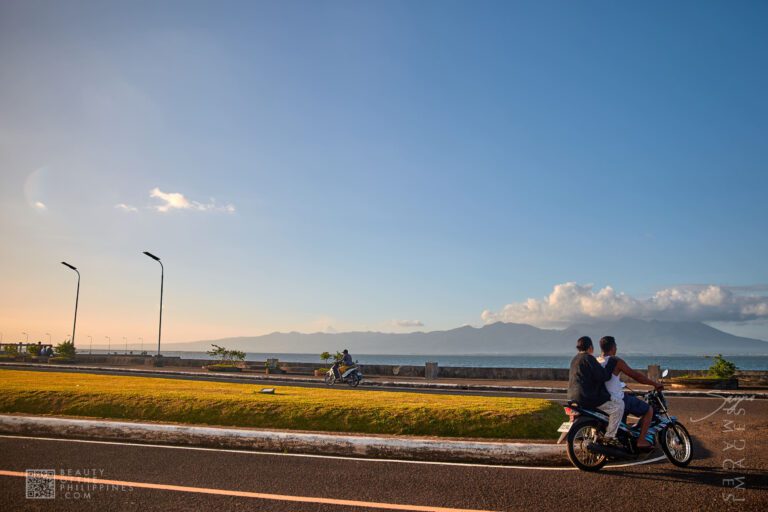
Arriving in Casiguran, the experience of the Most Holy Rosary Shrine begins within a landscape defined by inland provincial movement rather than coastal tourism imagery often associated with Sorsogon Province. Agricultural stretches, rolling terrain, and residential clusters form the surrounding environment, while the town proper gradually reveals the presence of parish-centered activity shaping daily routines.


Unlike destination churches positioned within heavily urbanized pilgrimage corridors, the shrine sits within a working municipal setting where faith is not separated from everyday life. Church bells, street-level gatherings, and devotional practices naturally blend into the rhythm of the town. The parish grounds act as both spiritual and civic space, reflecting how deeply embedded Catholic tradition remains within Casiguran’s social structure.


For visitors, the experience is less about isolated monument viewing and more about entering a living provincial environment where the church continues to function as the center of community identity.

Check out the video for more highlights. See what I’ve captured through my lens with Point of View (POV) photography. Using a body cam, I’ll take you on an interactive tour, showing you behind-the-scenes moments of capturing the shots shared here.
Check out the video below for additional features. Explore what I’ve captured through my lens in this cinematic slideshow.
Foundations Rooted in Spanish Missionary Expansion

The historical origins of the parish trace back to early Spanish missionary expansion across the Bicol Peninsula, with records placing the establishment of the Casiguran parish around the year 1600. This makes it one of the older ecclesiastical foundations within Sorsogon Province, emerging during a period when missionary settlements were actively shaping the region’s municipal development.


During this colonial period, the introduction of Marian devotion played a central role in structuring religious life. The dedication to Our Lady of the Most Holy Rosary reflects this tradition, linking the parish to one of the most enduring devotional practices in Filipino Catholic culture.


Over centuries, the Rosary became deeply integrated into household prayer, novenas, fiesta celebrations, and communal observances. This continuity remains visible today, where devotion is not confined to ritual but actively expressed within daily parish life in Casiguran.

A Parish Within the Broader Faith Landscape of Bicol

The Bicol Region is widely recognized as one of the strongest centers of Marian devotion in the Philippines, where pilgrimage routes and local fiestas shape both cultural identity and travel movement. Within this landscape, Sorsogon Province offers a mix of coastal and inland religious experiences, each contributing differently to regional tourism patterns.


While destinations like whale shark interaction areas and island sites often dominate external perceptions of Sorsogon tourism, inland municipalities such as Casiguran present a different narrative centered on faith-based continuity and provincial heritage. The Most Holy Rosary Shrine contributes to this inland identity by serving as both a functioning parish and a devotional landmark embedded within town life.


For travelers seeking slower and more reflective journeys, the shrine represents a quieter form of pilgrimage where cultural immersion occurs through observation of local religious rhythms rather than curated tourism experiences.

Devotion, Processions, and the Rhythm of Marian Observance

Religious life in Casiguran becomes especially active during October, traditionally observed in Catholic practice as the Month of the Holy Rosary. During this period, the parish environment transforms into a center of heightened devotional activity, with novena prayers, Marian processions, candle offerings, and communal recitations of the Rosary.


The feast associated with the Most Holy Rosary Shrine draws devotees not only from within Casiguran but also from nearby municipalities across Sorsogon Province. Streets surrounding the church become extensions of the parish space, filled with movement, prayer, and shared gatherings.


Local economic activity also aligns with these events. Vendors, transport operators, food stalls, and flower sellers participate in the influx of pilgrims, creating a temporary but meaningful intersection between devotion and livelihood. Unlike large pilgrimage centers with formal commercial infrastructure, the atmosphere here remains distinctly provincial, shaped by local participation rather than institutional tourism systems.

The Marian Image and a Contemporary Devotional Landmark

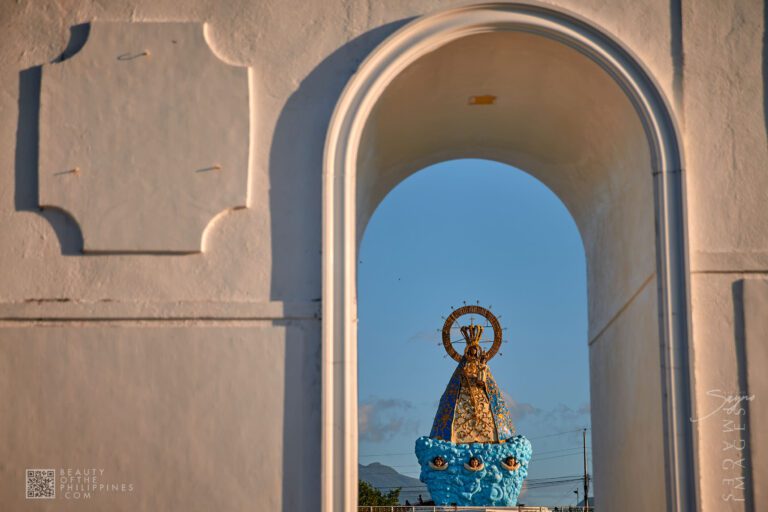
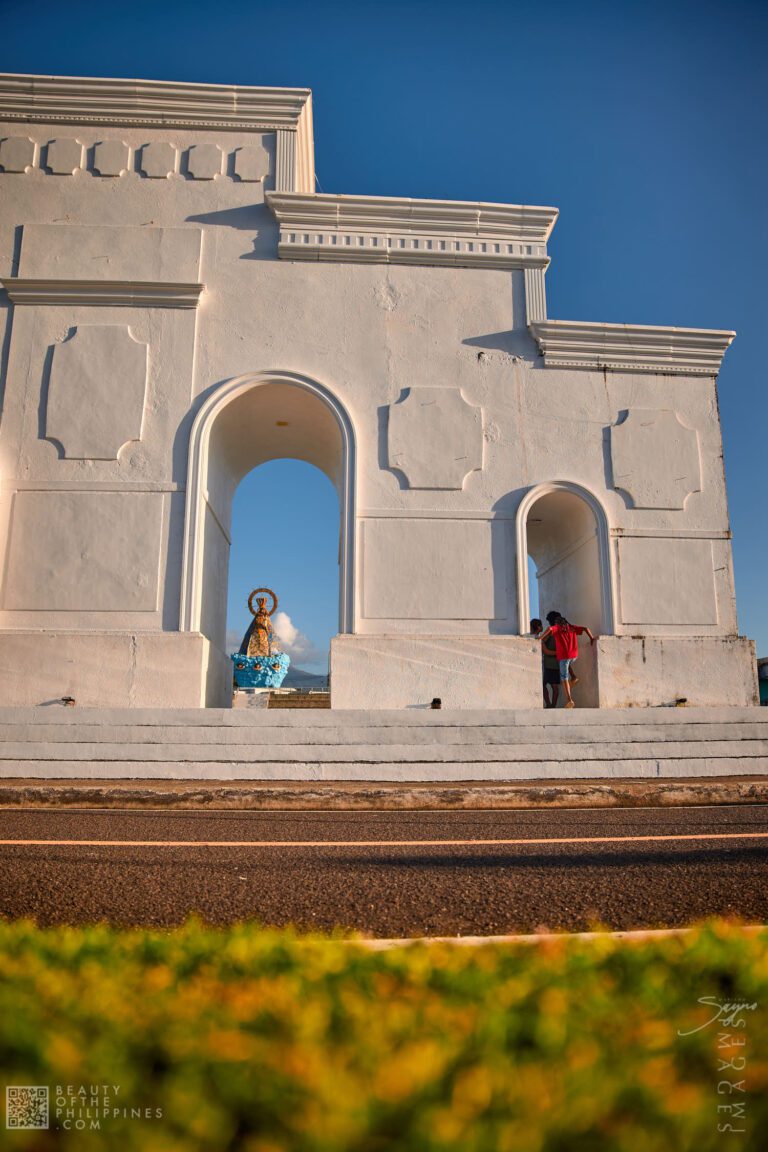
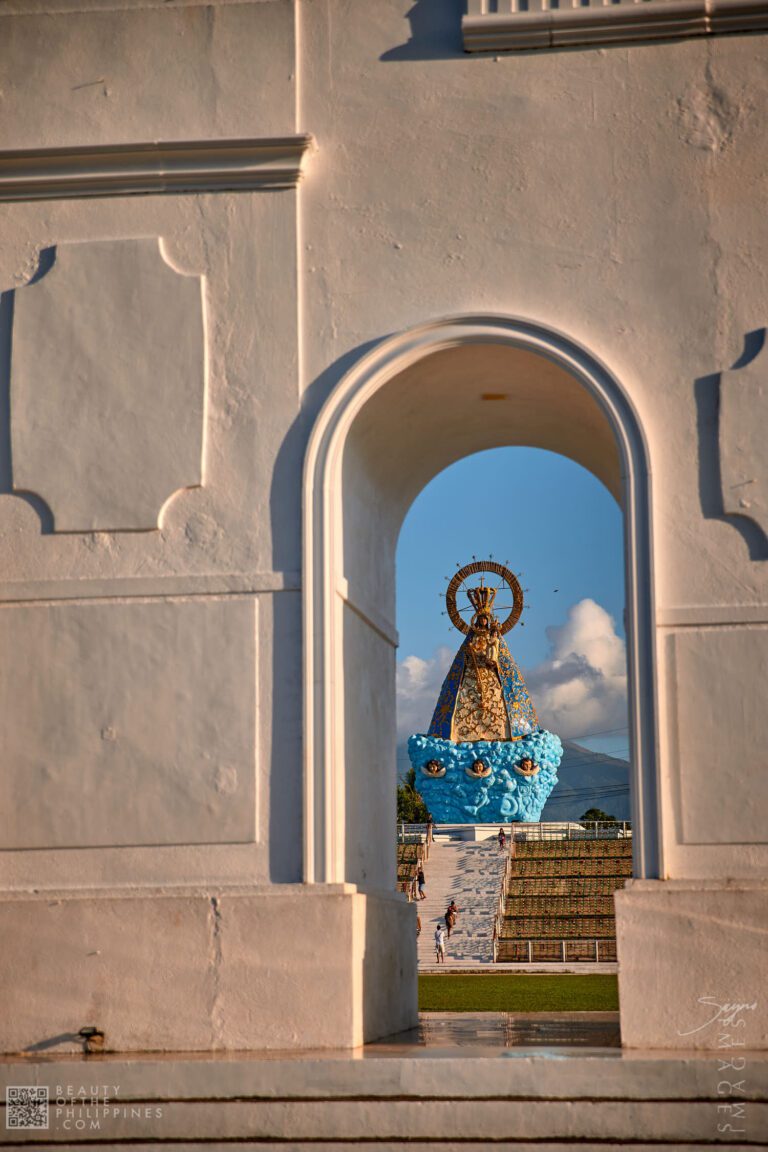
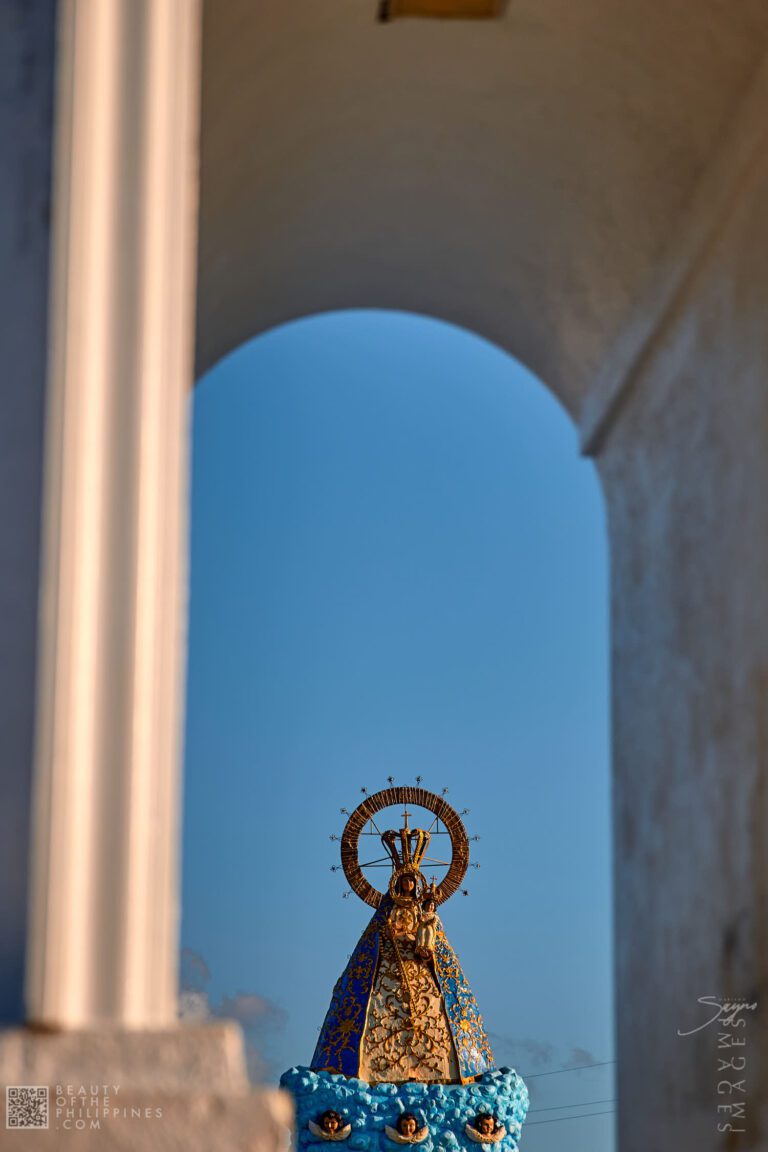
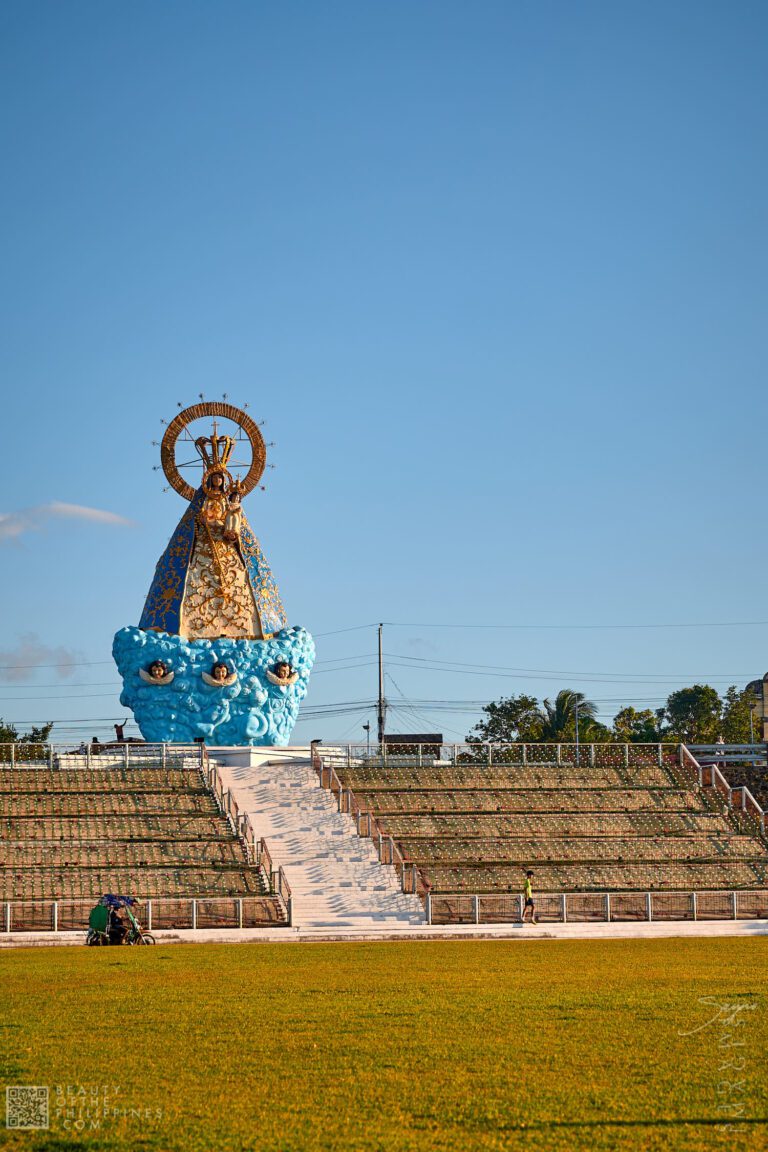
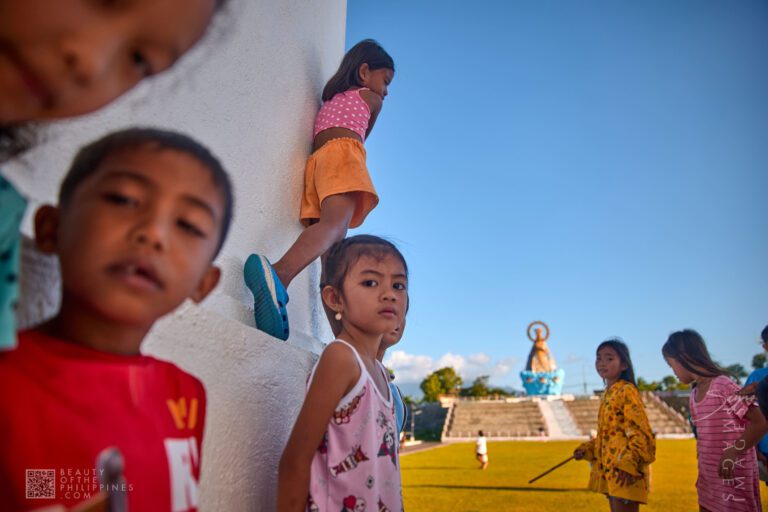
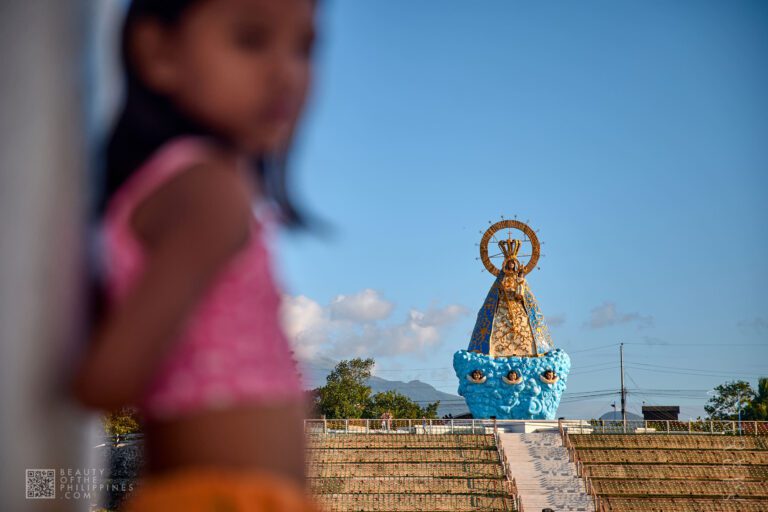
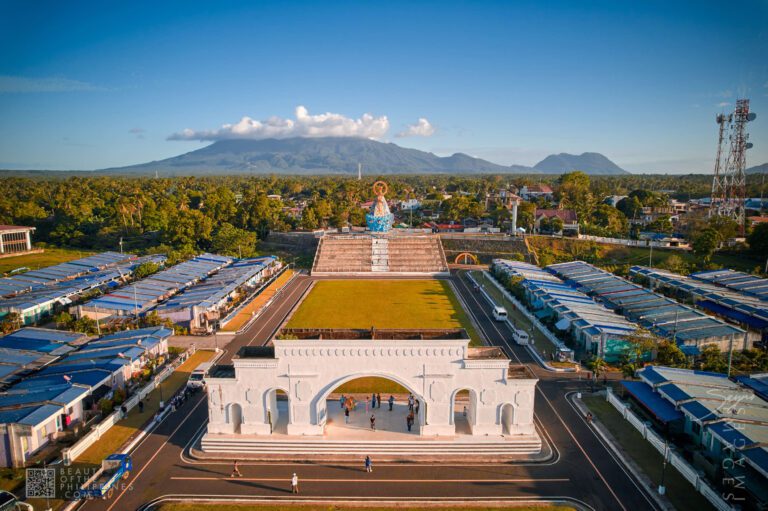
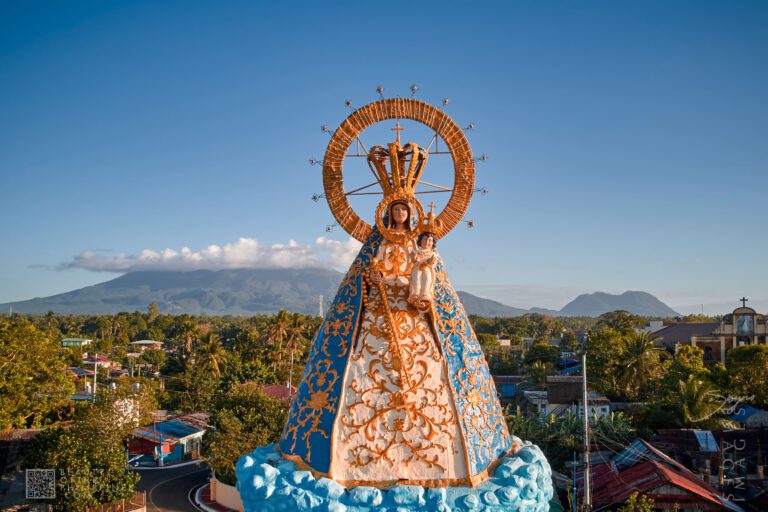
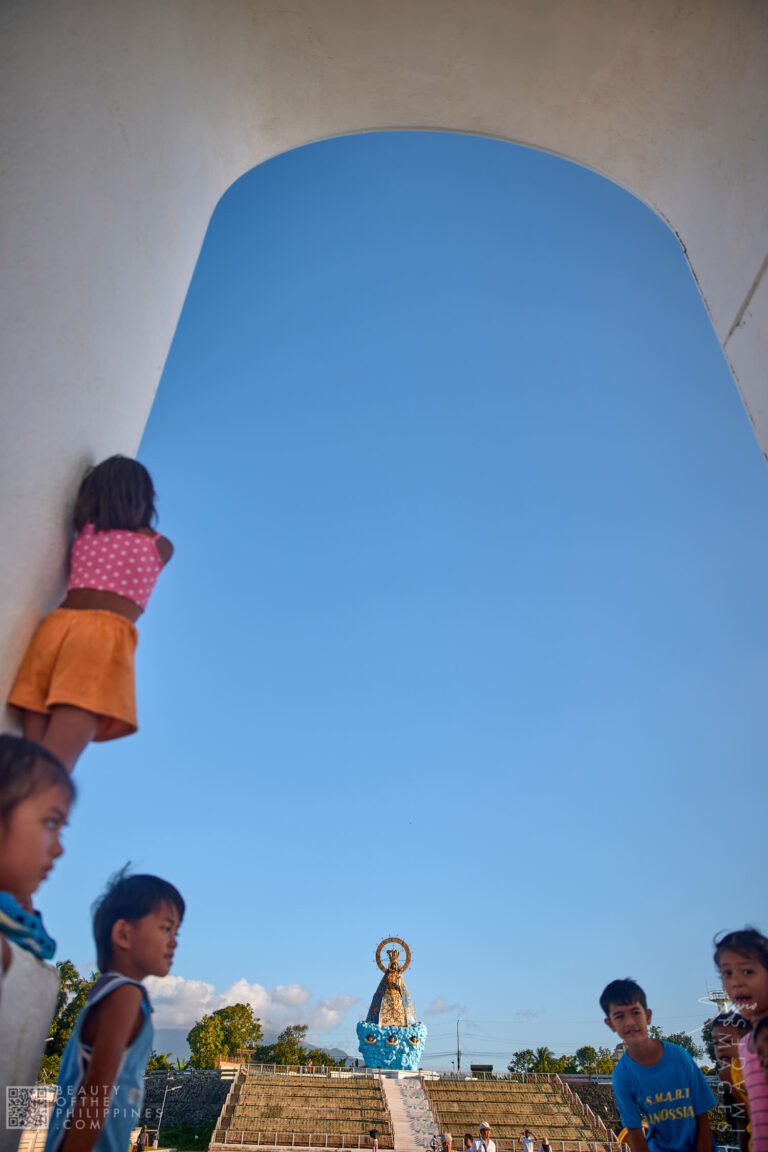
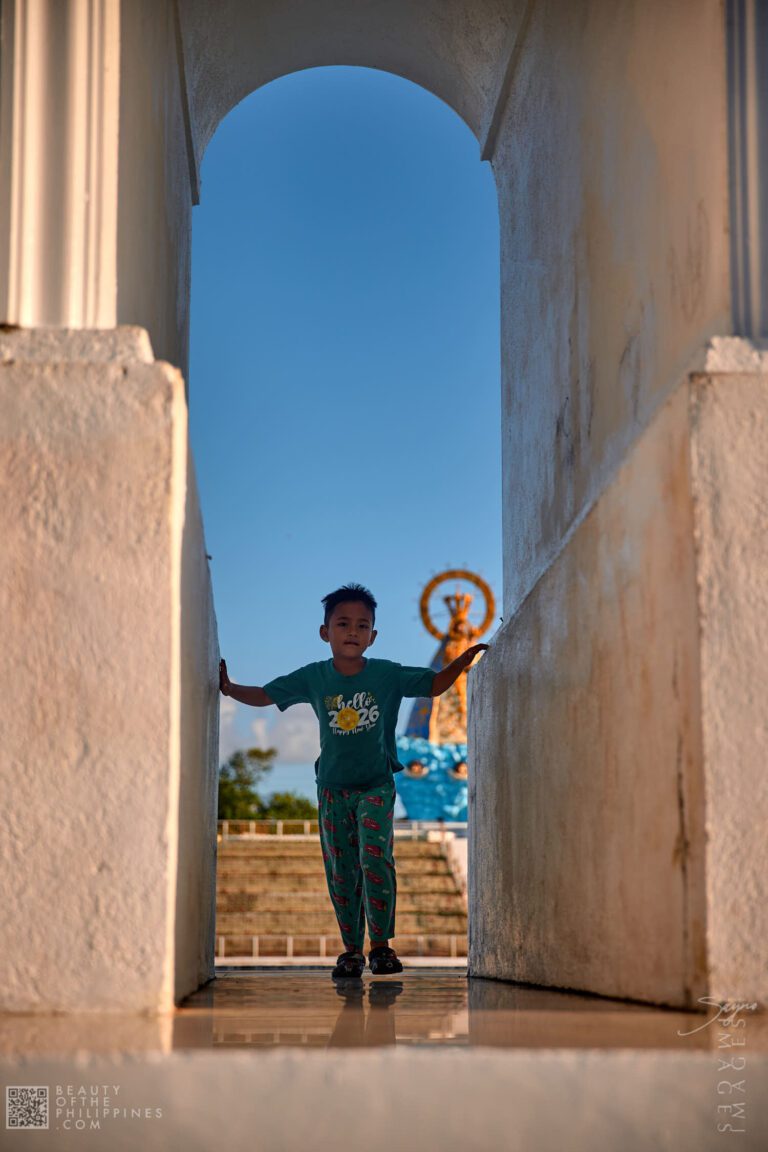
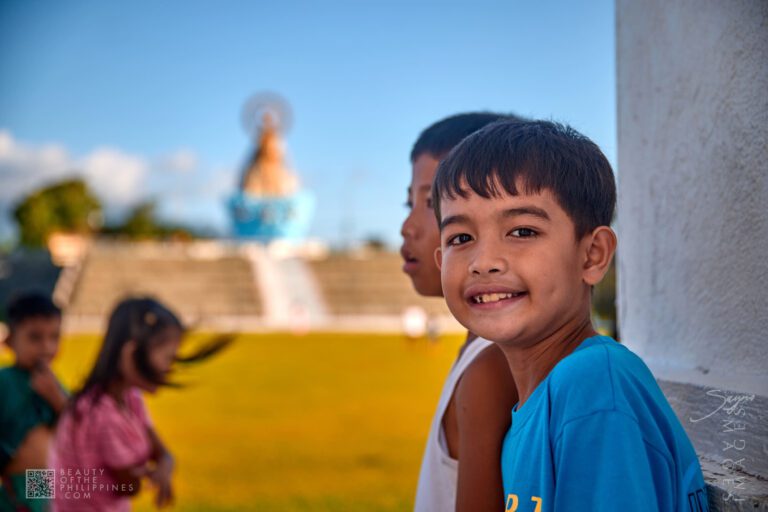
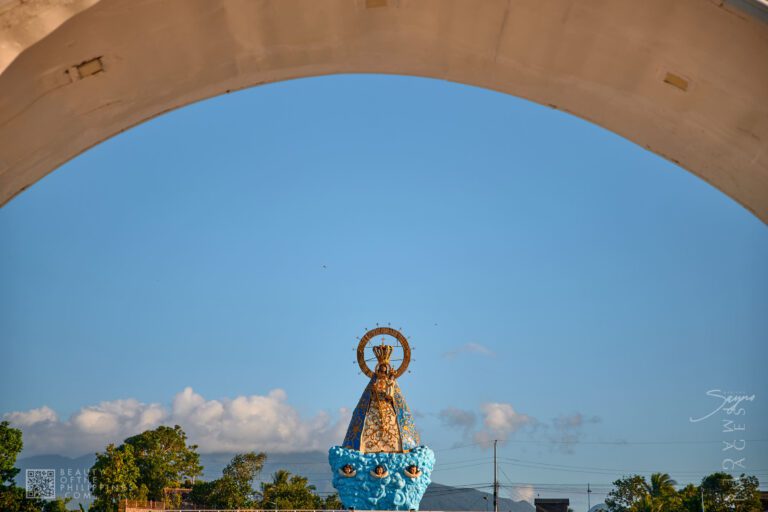
A more recent development in the shrine’s visual identity was the presence of a large Marian image within the parish complex, which became widely recognized as one of the most photographed religious landmarks in Casiguran. Its scale and visibility turned it into a contemporary devotional symbol associated with the town itself.


However, in October 2025, the structure was significantly affected by a fire incident that damaged portions of the image. Reports at the time indicated that the blaze may have been linked to unattended devotional candles, though investigations were initially conducted to determine the exact cause, as reported by GMA Network.


The event drew strong emotional reactions from devotees across Sorsogon and nearby provinces, reflecting how deeply the image had become embedded in local religious identity. Rather than diminishing the shrine’s significance, the incident became part of its evolving narrative—highlighting themes of devotion, fragility, restoration, and communal memory.


By 2026, the shrine carries both its long historical legacy and this recent moment that reshaped public awareness of its devotional landscape.

Living Parish Space and Provincial Church Architecture

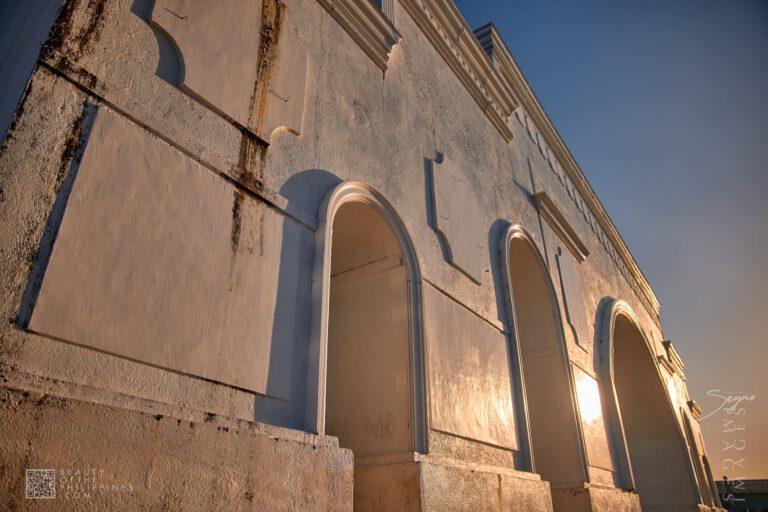
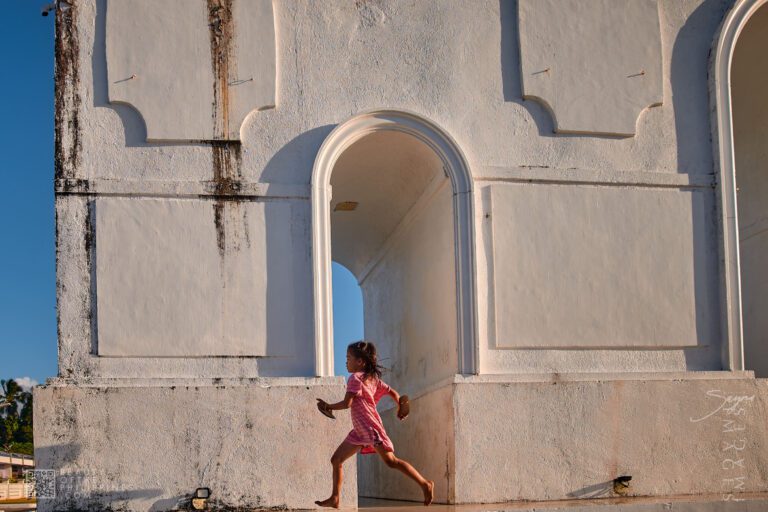
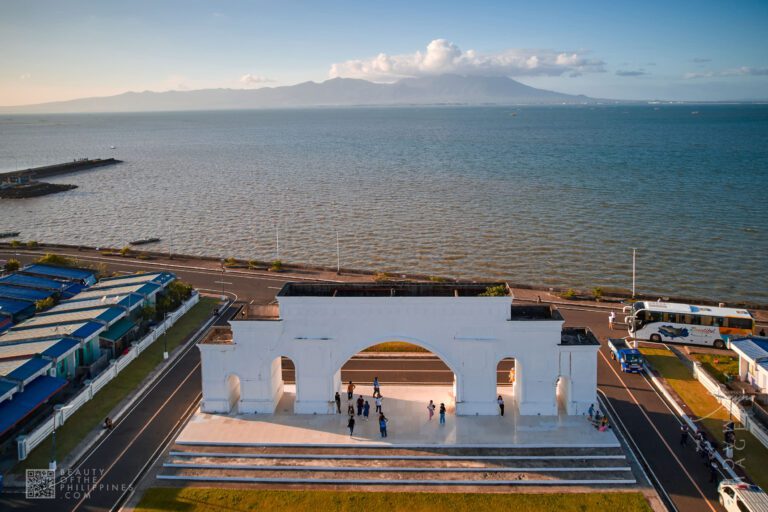
Architecturally, the Most Holy Rosary Shrine reflects the layered evolution typical of long-functioning parish churches in the Philippines. Unlike preserved colonial basilicas designed primarily for heritage display, the church environment has developed through continuous use, adaptation, and community-driven expansion across generations.


Its character is defined less by ornamental monumentality and more by functionality and lived religious practice. Parish structures, surrounding streets, and devotional spaces collectively shape the visitor experience, forming a spatial environment where faith remains active rather than archived.


This distinction is essential in understanding its tourism identity. Visitors are not primarily drawn to rare architectural features but to the atmosphere of ongoing devotion, where parish life remains visibly integrated into the town’s daily rhythm.

Casiguran’s Everyday Spiritual Landscape

Outside major feast periods, Casiguran maintains a slower provincial rhythm where the parish remains central to community life. Daily Mass, quiet prayer, candle offerings, and informal gatherings shape the environment around the shrine.


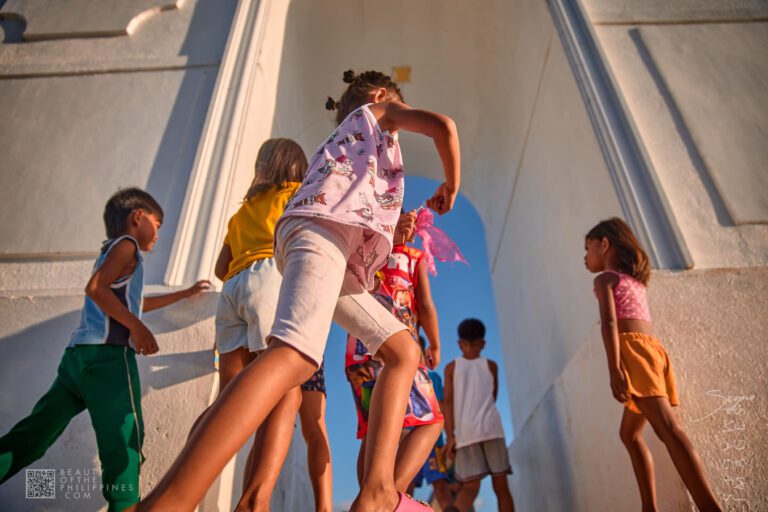
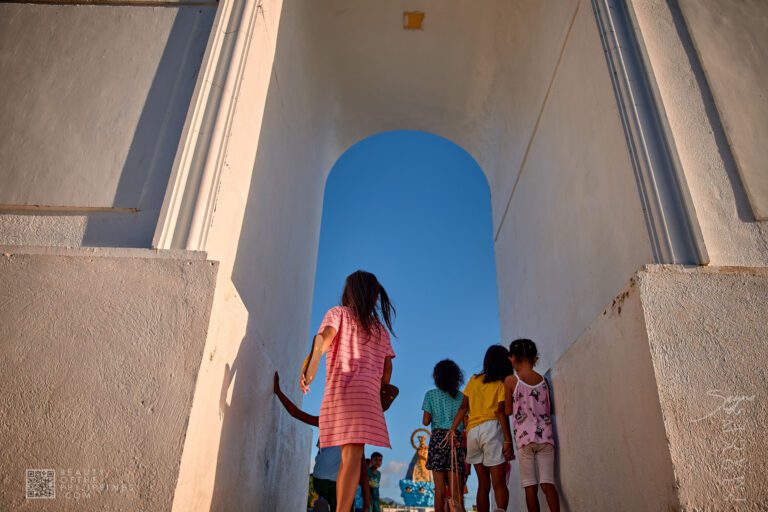
The poblacion area reflects this continuity through tricycles moving along narrow streets, residents passing through the plaza, and churchgoers entering and exiting the parish grounds throughout the day. Even in ordinary moments, the presence of devotion remains visible in subtle ways embedded within town life.


For cultural travelers and photographers, this everyday authenticity becomes one of the most compelling aspects of the shrine. It offers a direct view into how Catholic tradition continues functioning not as staged heritage, but as lived practice within a provincial setting in Sorsogon Province.

Access Routes and Inland Provincial Travel

The Most Holy Rosary Shrine remains accessible through road networks connecting Casiguran to Sorsogon City and neighboring municipalities such as Juban. Public transportation typically includes buses, vans, jeepneys, and tricycle routes that operate across mainland Sorsogon.


Because the shrine is located within the town center, it is relatively easy to reach for travelers already exploring inland routes in the province. While Casiguran does not experience the same tourism volume as coastal destinations such as Donsol or Matnog, it increasingly attracts visitors interested in heritage churches, cultural travel, and slower provincial itineraries.


This aligns with broader domestic travel trends where tourism increasingly favors experiential and culturally grounded destinations over fast-paced sightseeing circuits.

RELATED STORIES

Sorsogon Sports Arena: The Expanding Sports Tourism Landscape of Bicol

Approaching Sorsogon City, the presence of the Sorsogon Sports Arena (SSA) becomes part of a wider shift in landscape where developing urban zones gradually replace

Read More »

Subic Beach: Along the Pink Shorelines of Calintaan Island, Matnog

The experience of Subic Beach begins at the southernmost coastal municipality of Matnog, a strategic gateway that connects Luzon to the Visayas through ferry routes


Read More »

Gubat Sorsogon Surfing Site: Waves and Wide Shores at Buenavista Beach

There are beaches that announce themselves with loud crowds and rows of establishments, and then there are places like Gubat Sorsogon Surfing Site in Buenavista

Read More »
A Quiet but Enduring Layer of Sorsogon Tourism

By 2026, the Most Holy Rosary Shrine represents a quieter yet culturally meaningful dimension of Sorsogon tourism. Its importance lies not in architectural grandeur or global recognition but in its continuity as a living center of devotion shaped by centuries of Rosary tradition.


It reflects several broader tourism patterns across the Philippines, including renewed interest in Marian pilgrimage sites, stronger appreciation for inland provincial travel, and growing engagement with faith-based cultural experiences. More than a historical structure, it functions as a living devotional environment where community identity, religious practice, and provincial life remain closely interconnected.


For travelers, the shrine is ultimately experienced not as a destination in isolation, but as part of Casiguran’s broader atmosphere—where faith continues to shape the rhythm of streets, gatherings, and everyday provincial existence.

I’m looking forward to the stories and images leaving a lasting positive impression on you, just as they have on me. Stay connected with us on social media for a weekly exploration of travel assignments and breathtaking visuals. Our focus is on championing local tourism, showcasing small businesses, and honoring the magnificence of the Philippines through the content we curate. Join us in spreading the word by clicking the ‘share’ buttons below. Your support means the world to us.

BROWSE BY REGION
  • metro MANILA
  • abra
  • albay
  • baguio city
  • BATAAN
  • batangas
  • Benguet
  • bulacan
  • cagayan
  • cavite
  • cebu
  • cotabato
  • davao oriental
  • Guimaras
  • ilocos norte
  • ilocos sur
  • Iloilo
  • Isabela
  • laguna
  • lanao del norte
  • maguindanao
  • negros occidental
  • nueva vizcaya
  • palawan
  • Pampanga
  • pangasinan
  • QUEZON
  • rizal
  • Samar
  • sarangani
  • sorsogon
  • Tarlac
  • zambales
  • zamboanga city

EXPLORE MORE about

  • Sorsogon

Subic Beach: Along the Pink Shorelines of Calintaan Island, Matnog

The experience of Subic Beach begins at the southernmost coastal municipality of Matnog, a strategic gateway that connects Luzon to the Visayas through ferry routes
Read More »

Gubat Sorsogon Surfing Site: Waves and Wide Shores at Buenavista Beach

There are beaches that announce themselves with loud crowds and rows of establishments, and then there are places like Gubat Sorsogon Surfing Site in Buenavista
Read More »

Sorsogon Sports Arena: The Expanding Sports Tourism Landscape of Bicol

Approaching Sorsogon City, the presence of the Sorsogon Sports Arena (SSA) becomes part of a wider shift in landscape where developing urban zones gradually replace

Read More »

BROWSE BY CATEGORIES

LOCATIONS
PROVINCES

Abra

Albay

Baguio City

Bataan

Batangas

Benguet

Bulacan

Cagayan

Cavite

Cebu

Cotabato

Davao Oriental

Guimaras

Ilocos Norte

Ilocos Sur

Iloilo

Isabela

Laguna

Lanao del Norte

Maguindanao

Manila

Negros Occidental

Nueva Vizcaya

Palawan

Pampanga

Pangasinan

Quezon

Rizal

Samar

Sarangani

Sorsogon

Tarlac

Zambales

Zamboanga City

ARCHITECTURE
HERITAGE

Bonifacio Monument Tutuban

Burdang Lumban Festival

Cagsawa Festival

Capones Lighthouse

Casa Manila

Christ the King Seminary

Corregidor Island Dark Tour Experience

Corregidor Island Reopens

Corregidor Island

Cultural Center of the Philippines

Fantasy World

Gabriela Silang Memorial Shrine

Gomburza National Monument

Hondagua

Iloilo Customs House

Intramuros

Jones Bridge

Jones Bridge

Kartilya ng Katipunan

La Loma Cemetery

LOAD MORE

CHURCHES
FAITH

Bacolor Church

Baguio Cathedral

Barasoain Church

Binondo Church

Calaca Church

Calumpit Church

Chong Hock Tong Temple

Feast of Black Nazarene

Greenbelt Chapel

Guadalupe Chapel Intramuros

Guadalupe Ruins Makati

La Naval de Manila

Las Piñas Bamboo Organ

Las Piñas Church

Lingayen Cathedral

Lubenas Festival

Lucban Church

Malate Church

Manila Abbey

Manila Cathedral

LOAD MORE

NATURAL & MAN-MADE
ATTRACTIONS

A&J Cafe

Alligator Lake

Amare La Cucina Baguio

Ambuklao Dam

Angeles City Holy Rosary Parish Church

Antipolo Cathedral

Apurawan Beach

Atimonan Port

Avilon Zoo

Azalea Hotels & Residences Baguio

Bagac Beach

Baguio Media Newseum

Balai Isabel

Balayan Bay

Baluarte de San Diego

Betis Church

Binondo Chinatown

Binuatan Creations

Bustos Dam

Café Khawa

LOAD MORE

FESTIVALS &
EVENTS

Al Cinco de Noviembre Festival

Ana Kalang Festival

Antipolo Maytime Festival

Balacat Festival

Balitok Ti Alicia Festival

Bañamos Festival

Bato Art Festival

Bato Art Festival

Boling-Boling Festival

Buhayani Festival

Burdang Lumban Festival

Candle Festival

Dinagyang Festival

Feast of Santo Niño

Gilingan Festival

Halamanan Festival

Hambujan Festival

Iloilo Dinagyang Festival

Inaul Festival

Itik Festival

LOAD MORE
Facebook Twitter Instagram Envelope

All photographs that appear on the site are copyright of Mariano Sayno ©2022 Beauty of the philippines

All photographs that appear on the site are copyright of Mariano Sayno ©2022 Beauty of the philippines.com

Beauty of the philipipnes LOGO WHITE

BROWSE BY PROVINCE

Abra

Albay

Baguio City

Bataan

Batangas

Benguet

Bulacan

Cagayan

corregidor-island

Cavite

Cebu

Cotabato

Davao Oriental

Manggahan aFestival of Guimaras

Guimaras

Ilocos Norte

Ilocos Sur

dinagyang aliwan friesta husayno mariano sayno

Iloilo

Isabela

Laguna

Lanao del Norte

Maguindanao

Manila Bay by Mariano Sayno

Manila

Negros Occidental

Magat River Dupax Del Norte

Nueva Vizcaya

Palawan

Pampanga

Lingayen Cathedral

Pangasinan

Quezon

Rizal

Samar

Sarangani

Sorsogon

Tarlac

Zambales

Zamboanga City

Our Lady of the Most Holy Rosary Parish Church - Central, Casiguran, Sorsogon (Diocese of Sorsogon), Casiguran, Sorsogon, Philippines