BROWSE BY PROVINCE

Plaridel, Bulacan
Plaridel Cemetery
The Quiet Heritage Ground of Old Quingua
Share
Tweet
Email
EXPLORE Plaridel Cemetery

PUBLISHED February 20, 2016

PHOTOS | WORDS BY MARIANO SAYNO

  • Plaridel, Bulacan
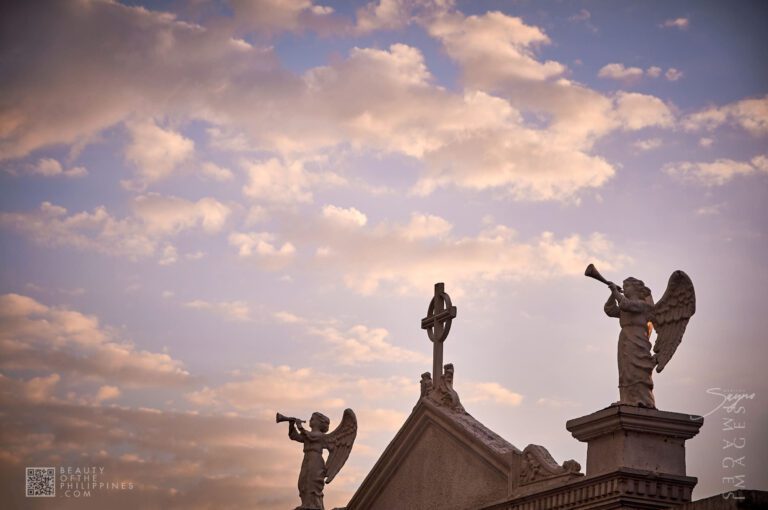
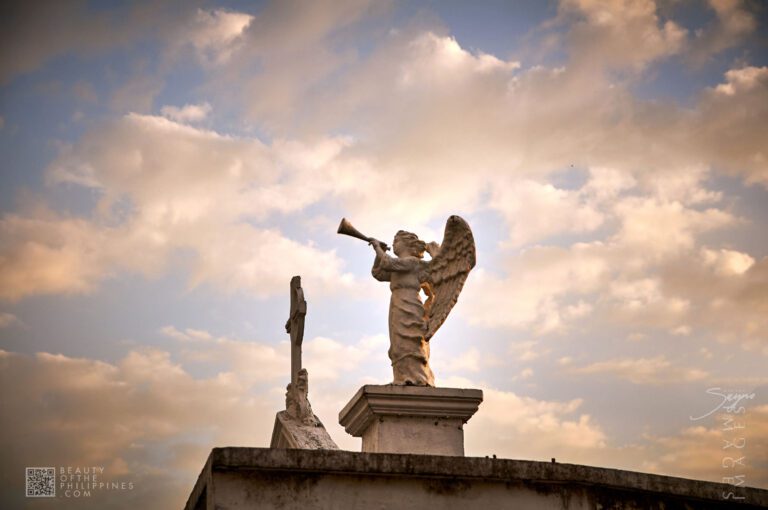
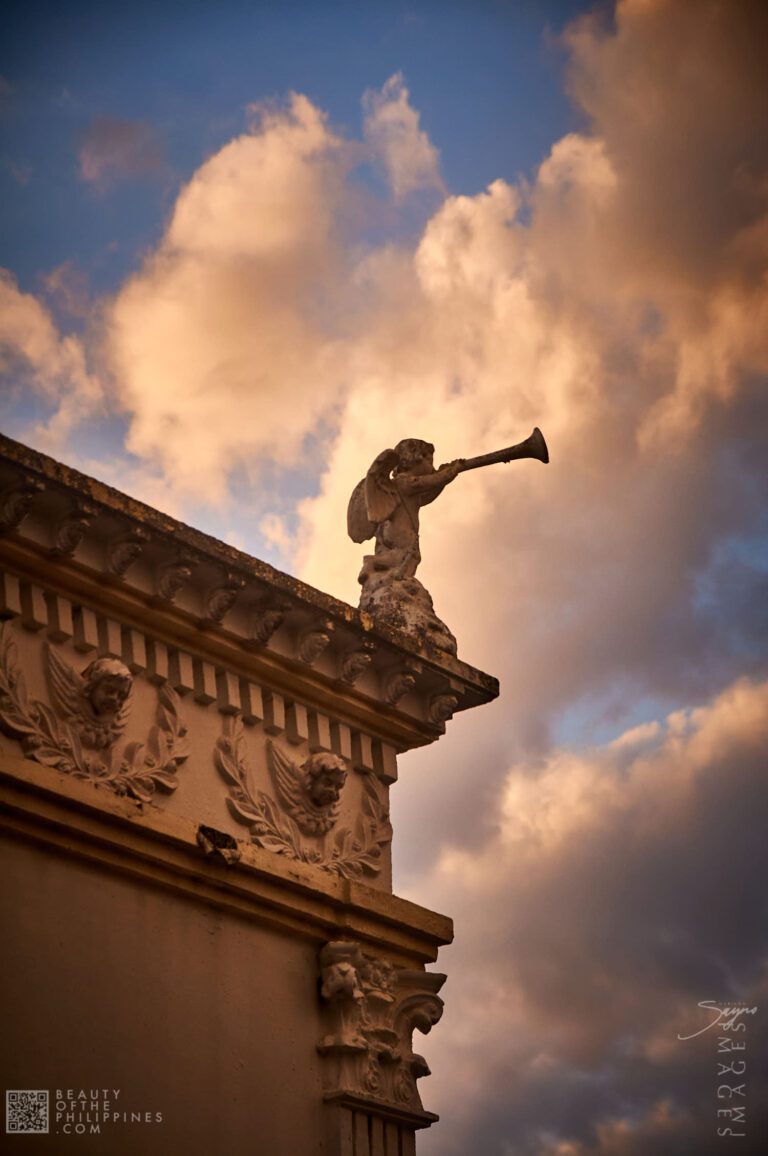
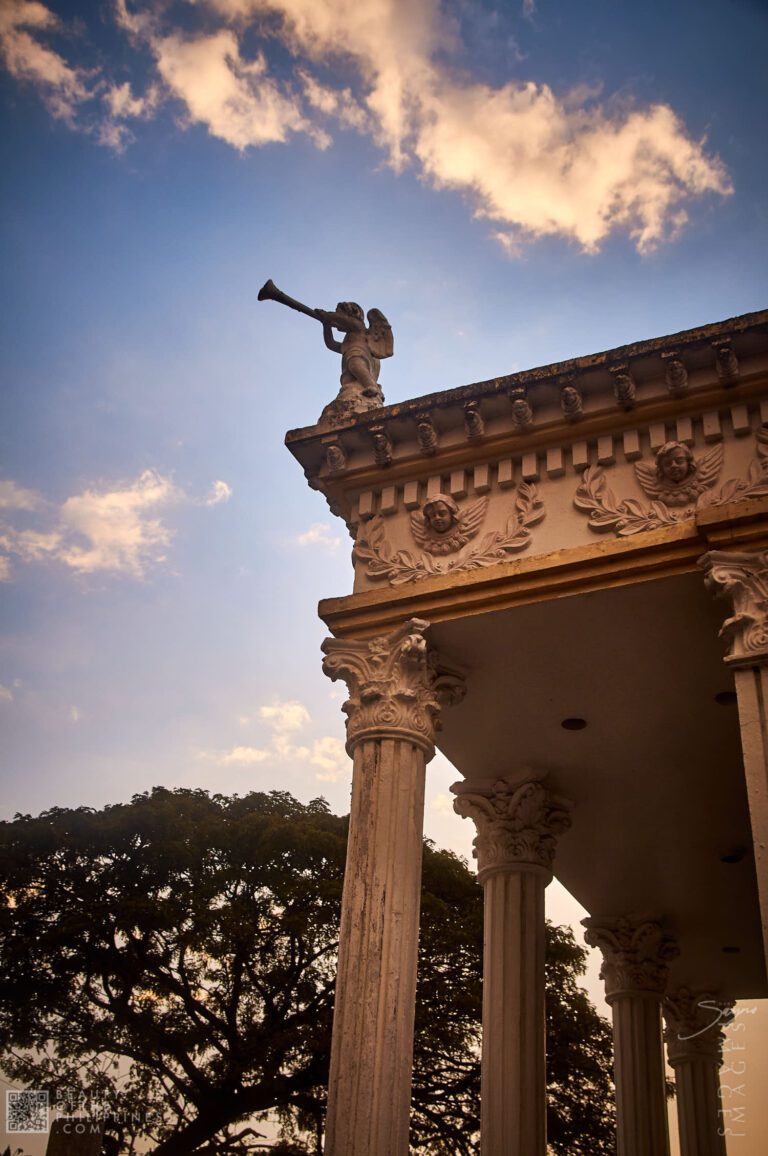
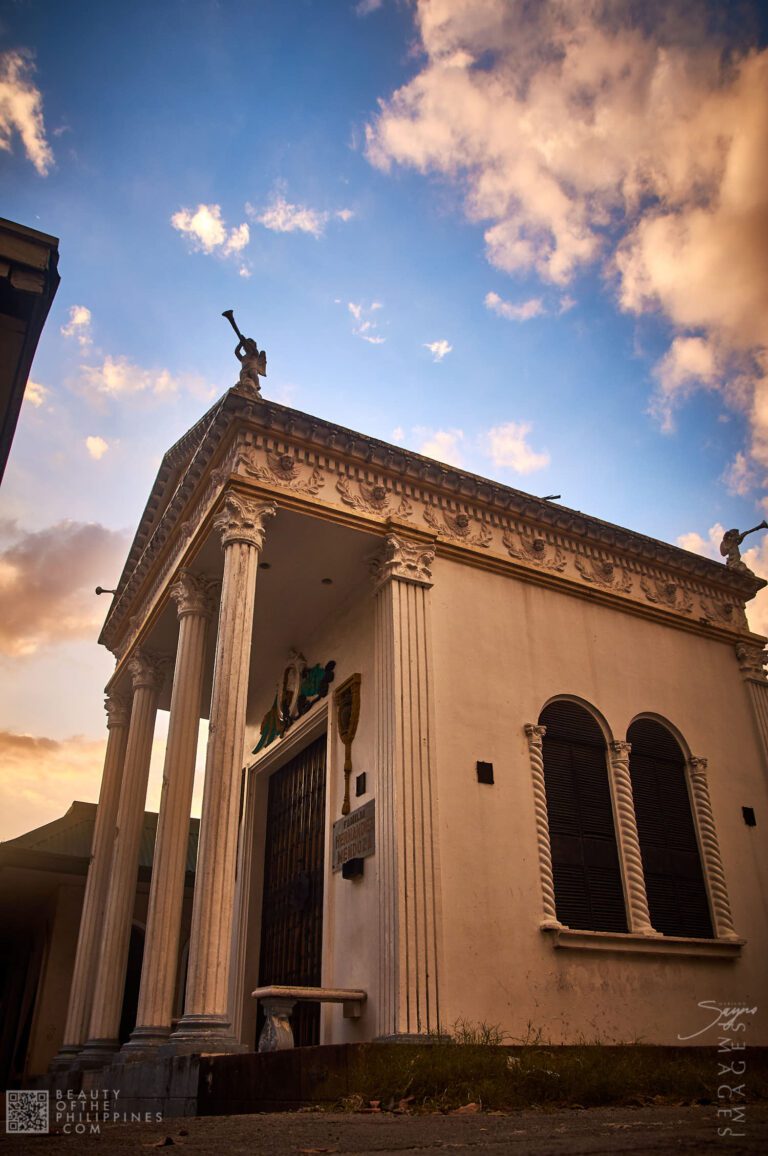
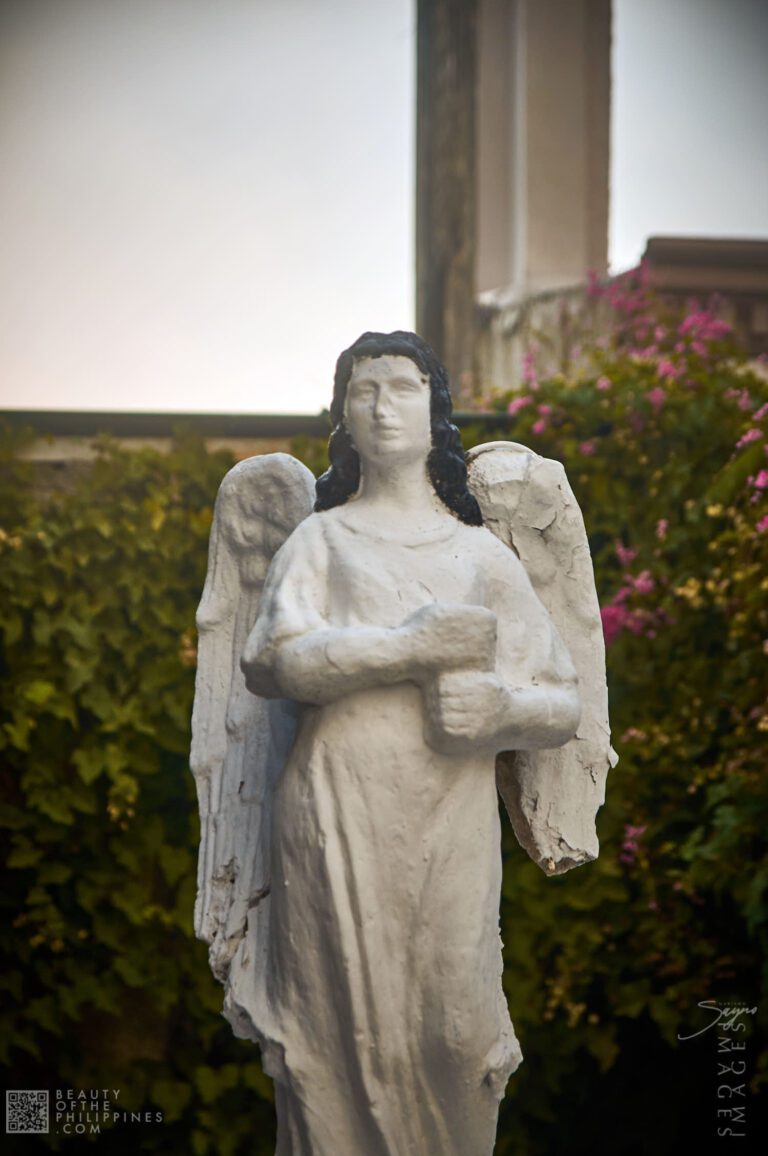
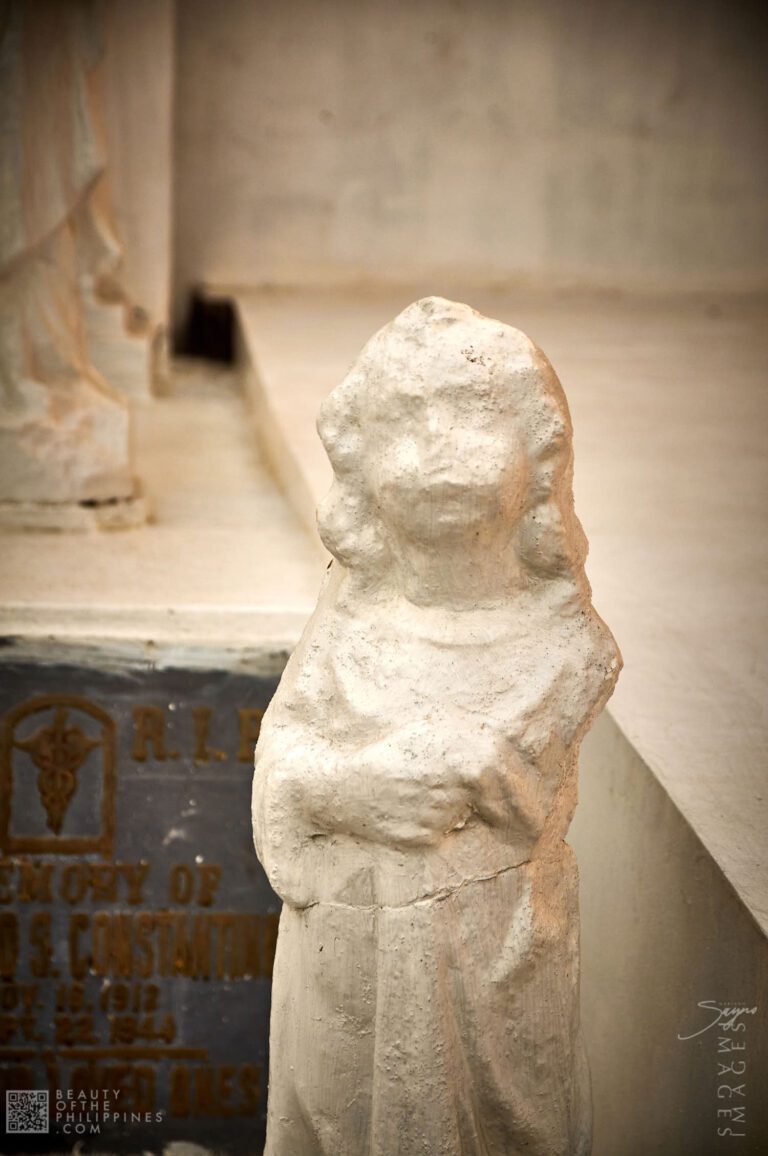
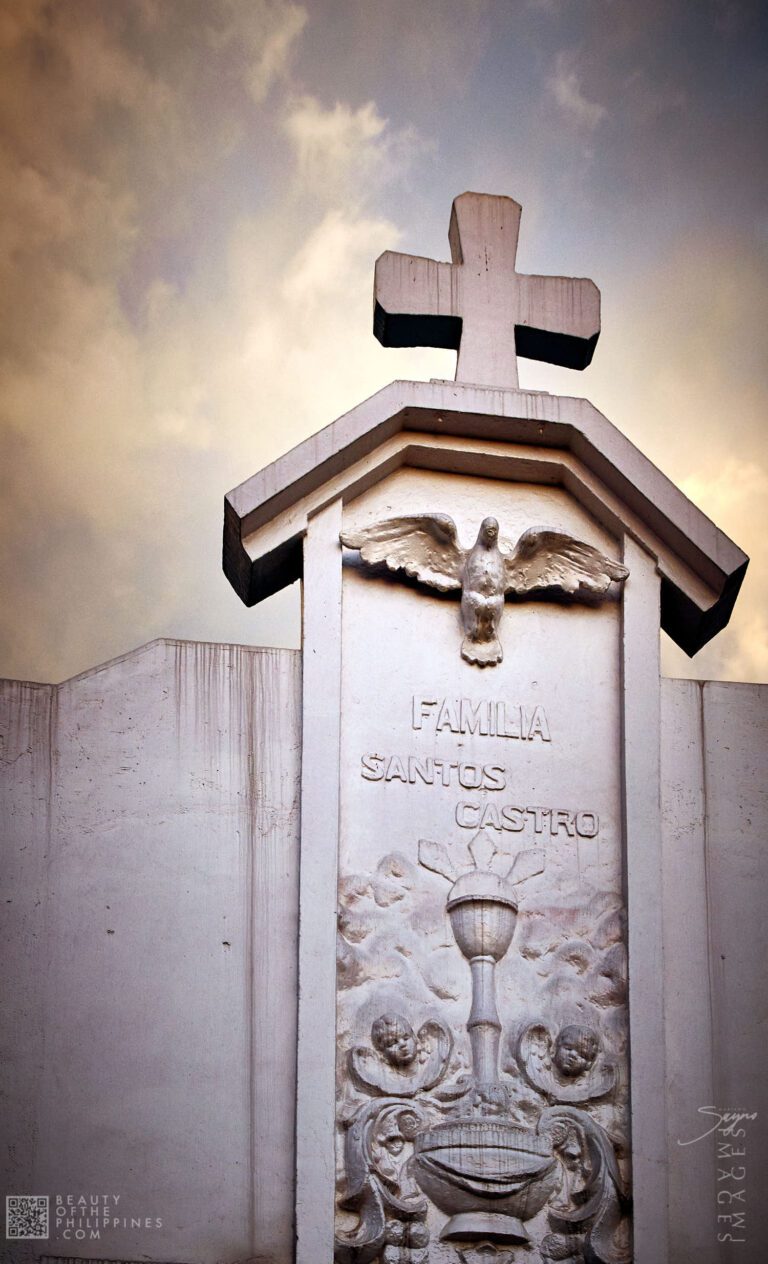
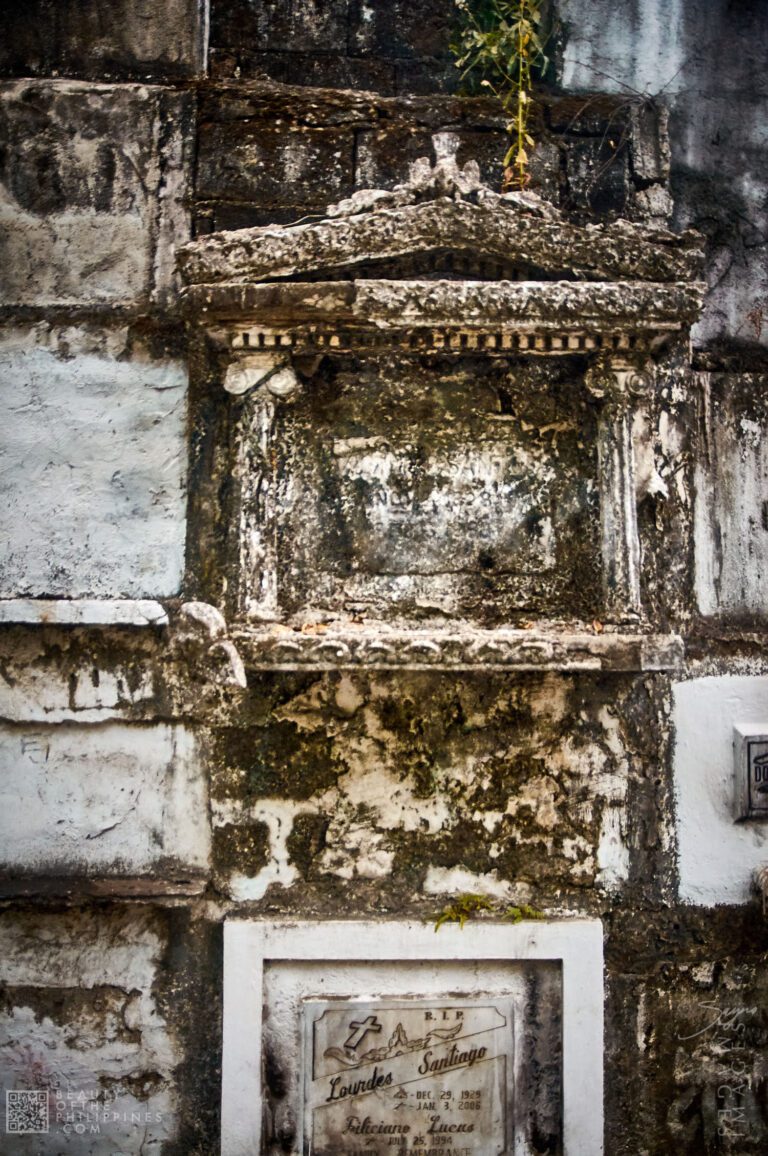
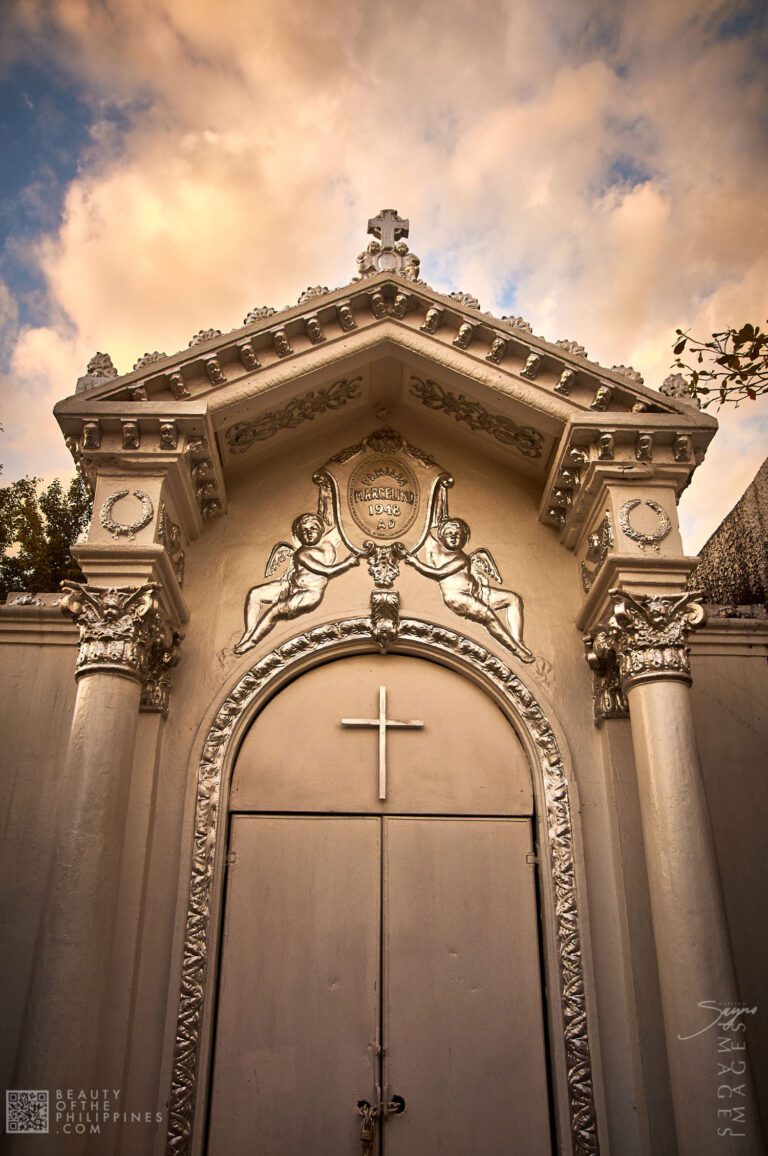
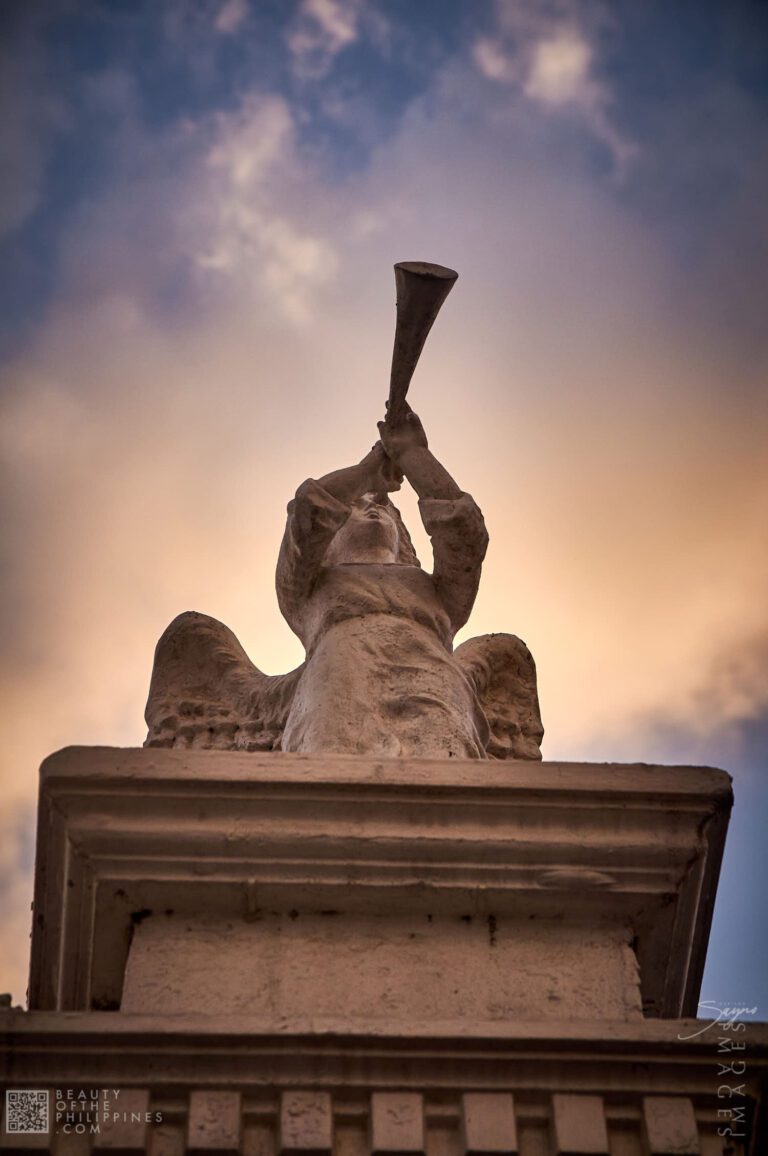
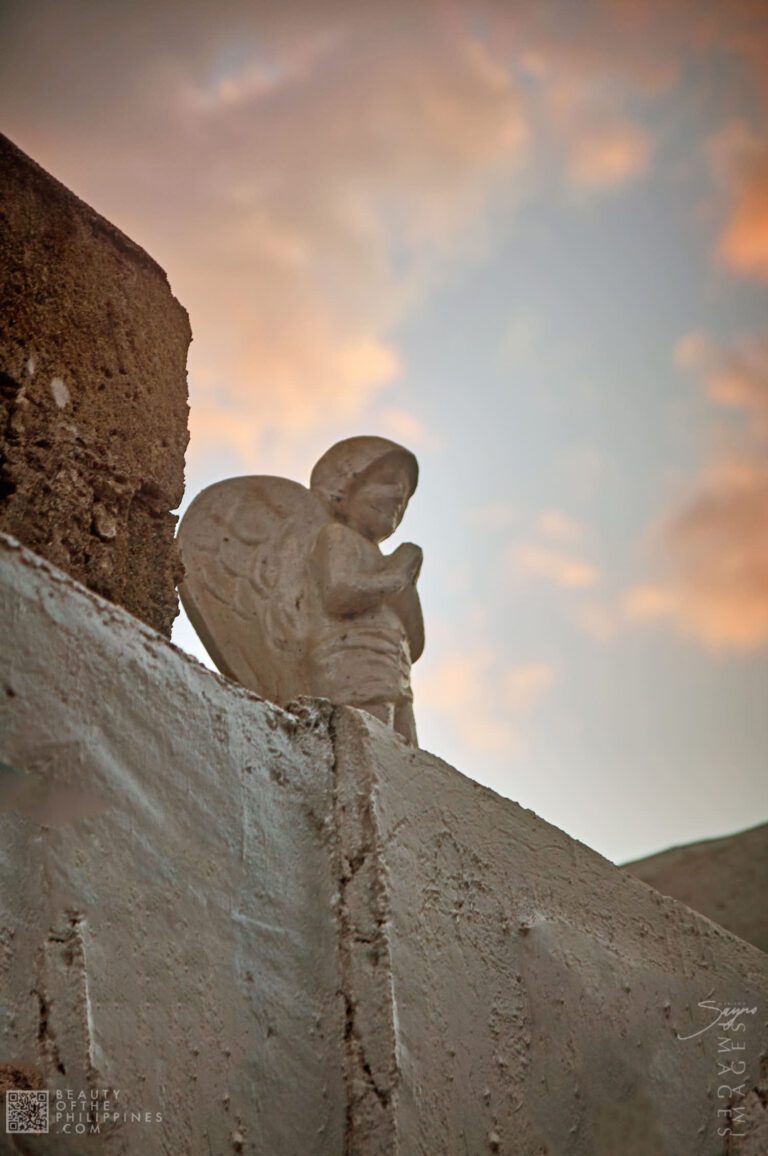
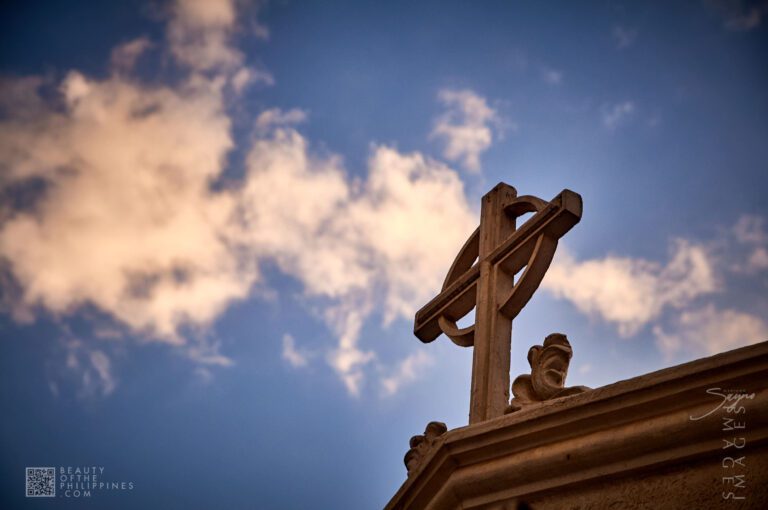
At the quiet edge of Plaridel, Bulacan, the layers of an old colonial town remain legible through spaces that were once designed to structure both life and death. Formerly known as Quingua, the town’s identity was reshaped in 1936 in honor of Marcelo H. del Pilar, but its deeper origins trace back to around 1595 when Augustinian missionaries began organizing early settlements along a Spanish ecclesiastical model. Within this framework, Plaridel Cemetery formed part of the essential triad of church, plaza, and burial ground that defined pueblo planning during the Spanish period. Today, its historical presence is most closely associated with the nearby Santiago Apostol Parish Church and the enduring form of the Simborio Chapel, an 1800s mortuary structure. What remains of the cemetery is no longer an isolated sacred field but a space gradually absorbed by surrounding residential life. For visitors, it presents a quiet intersection of memory, architecture, and everyday modern Plaridel.
Explore the Philippines through my lens as we venture into Plaridel Cemetery with Point of View (POV) photography. Using a body cam, I’ll guide you on an interactive tour, revealing the behind-the-scenes of capturing the shots shared here. Let’s dive into this visual journey together and uncover the wonders through my lens!
Let’s explore the PHILIPPINES through my lens as we journey on a photo slideshow to Plaridel Cemetery. Join me in this visual adventure and discover the wonders captured through my lens! Check out the shared slideshow here.
When Quingua Was Still Being Shaped by Colonial Order

In the historical geography of Plaridel, Bulacan, the origin of Plaridel Cemetery is inseparable from the formation of Quingua, its earlier identity before the renaming in 1936 in honor of Marcelo H. del Pilar. Around 1595, Augustinian missionaries established early religious settlements in the area, introducing the Spanish colonial model of town planning that organized space around a central church, public plaza, and cemetery. This structure was not simply architectural—it was ideological, defining how daily life, governance, and spiritual practice were physically arranged within the town.


The cemetery, in this system, was not peripheral. It was embedded within the town’s sacred geography, functioning as an extension of religious authority and communal life. Death was not separated from civic space but placed within its immediate architectural logic.

Check out the video for more highlights. See what I’ve captured through my lens with Point of View (POV) photography. Using a body cam, I’ll take you on an interactive tour, showing you behind-the-scenes moments of capturing the shots shared here.
Check out the video below for additional features. Explore what I’ve captured through my lens in this cinematic slideshow.
The Parish Core and Its Silent Extension

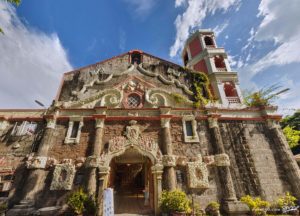
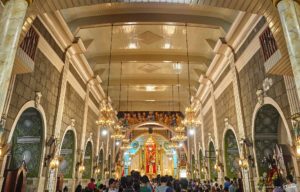
The historical presence of Plaridel Cemetery is deeply tied to the nearby Santiago Apostol Parish Church, one of the most significant religious landmarks in the municipality. During the Spanish period, the church served as the spiritual and administrative center of the town, while the cemetery operated as its sanctioned resting ground.


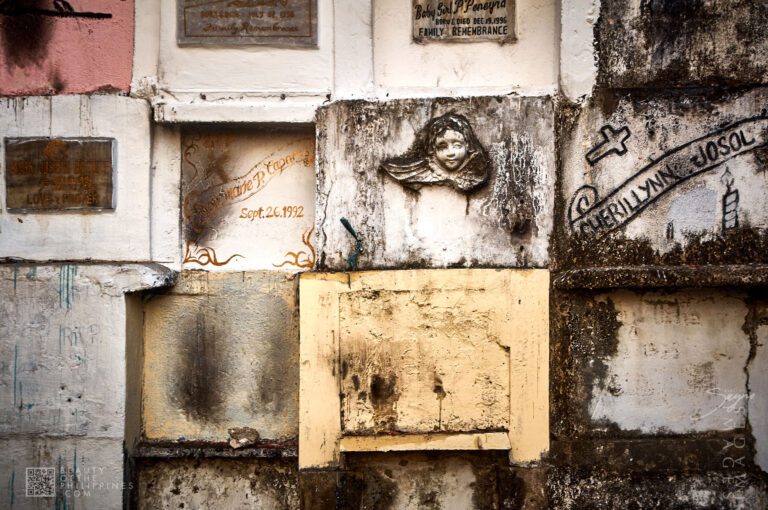
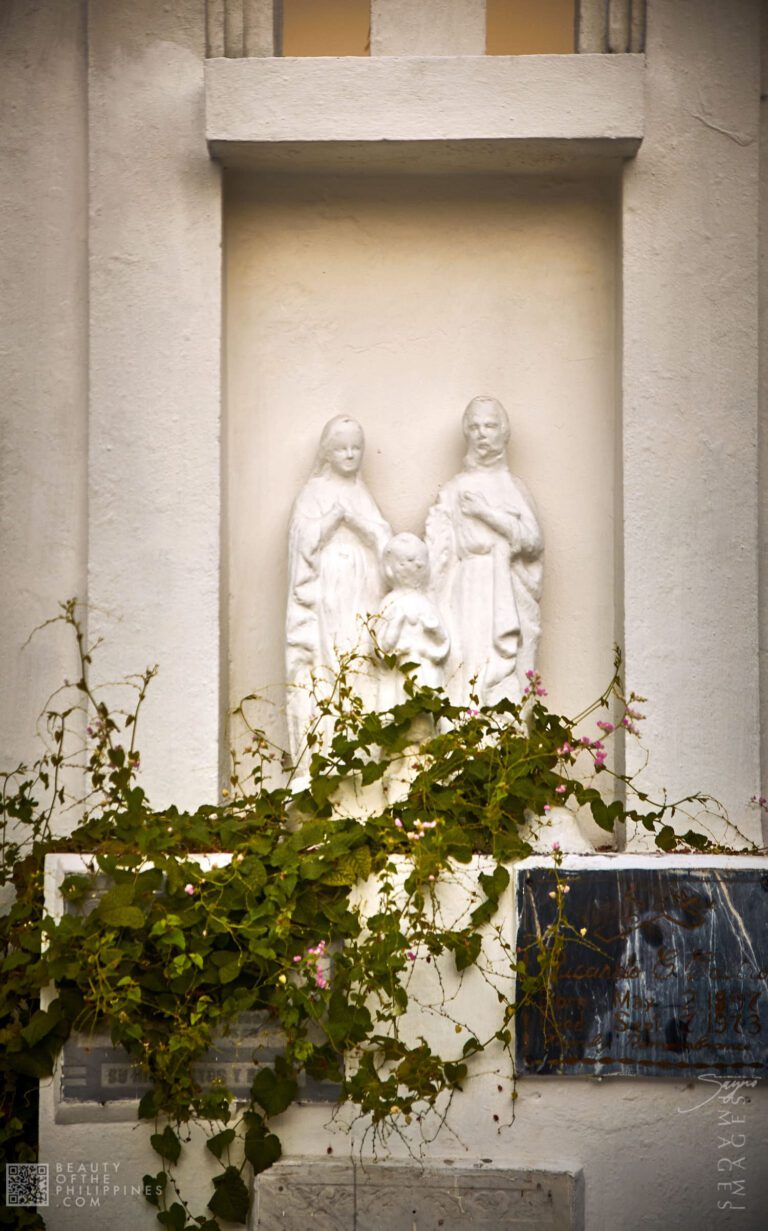
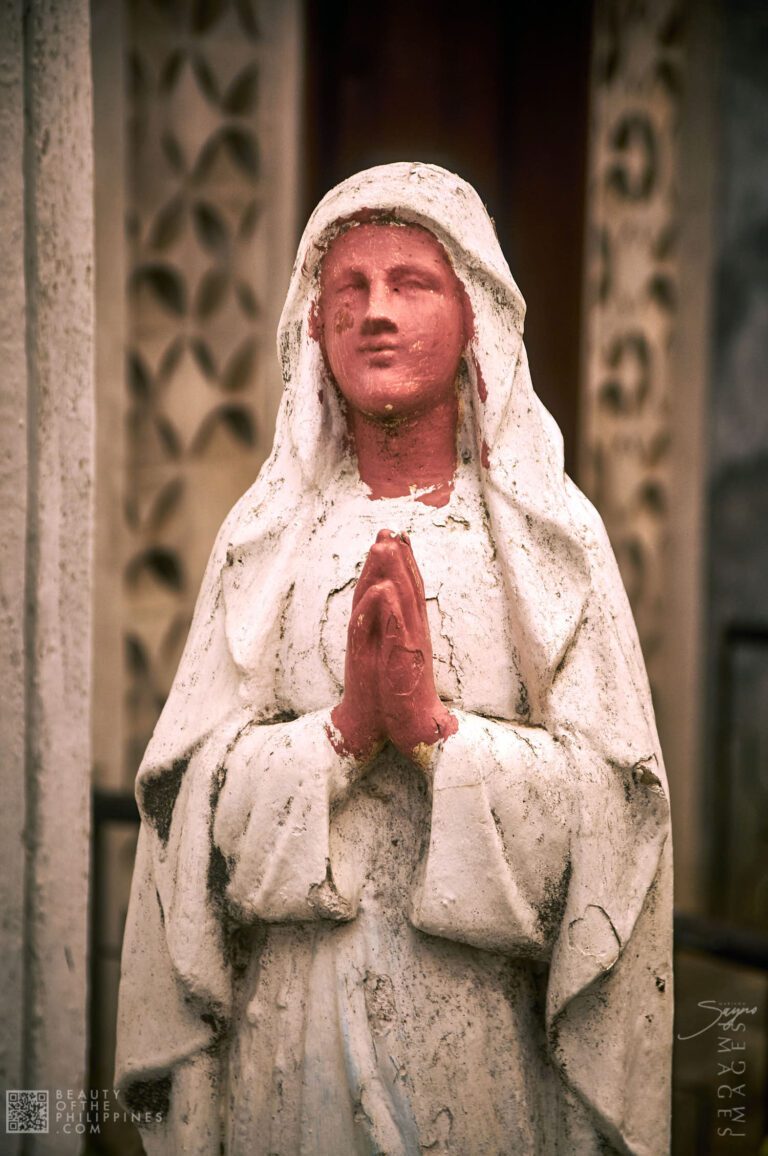
Burial practices during this era followed strict Catholic doctrine, shaping how graves were marked, how ceremonies were conducted, and how memory was preserved. The cemetery functioned as an extension of the parish, reinforcing the idea that life and death existed within a single continuous spiritual system rather than separate domains.


Even today, this relationship between church and cemetery remains key to understanding how early Plaridel was spatially and culturally constructed.

The Simborio Chapel as Surviving Architectural Memory

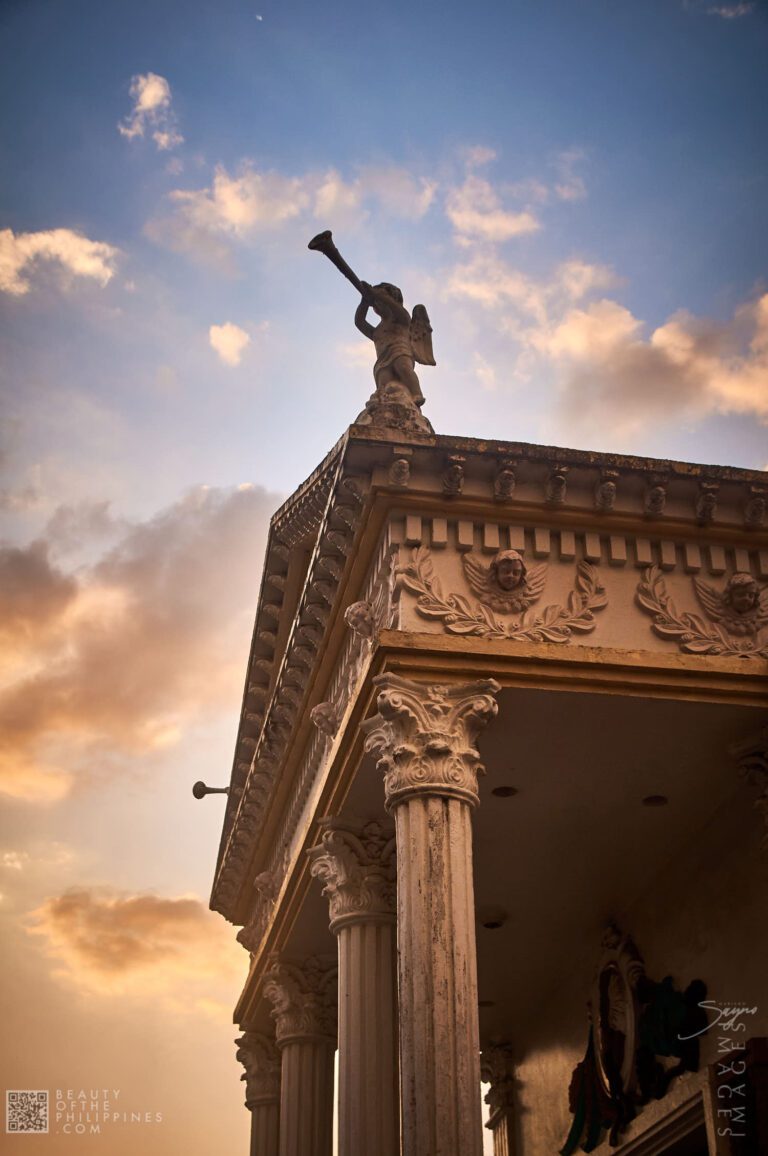
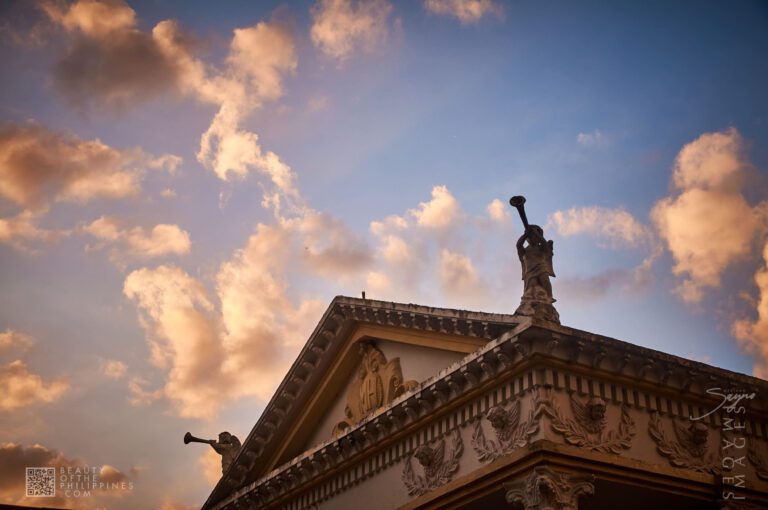
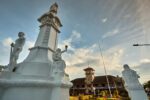
At the most visually distinctive point of the old cemetery stands the Simborio Chapel, believed to date back to the 1800s. This octagonal adobe mortuary structure is one of the rare surviving examples of its type in Bulacan, carrying both architectural and ritual significance.


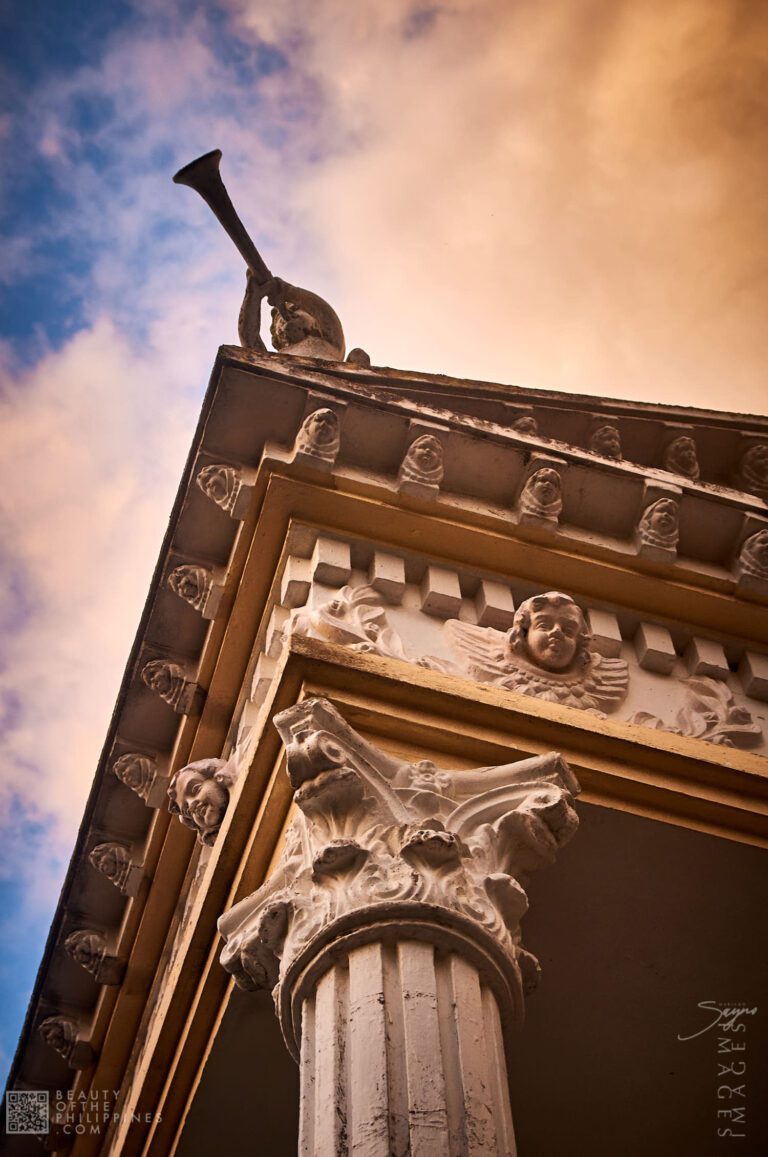
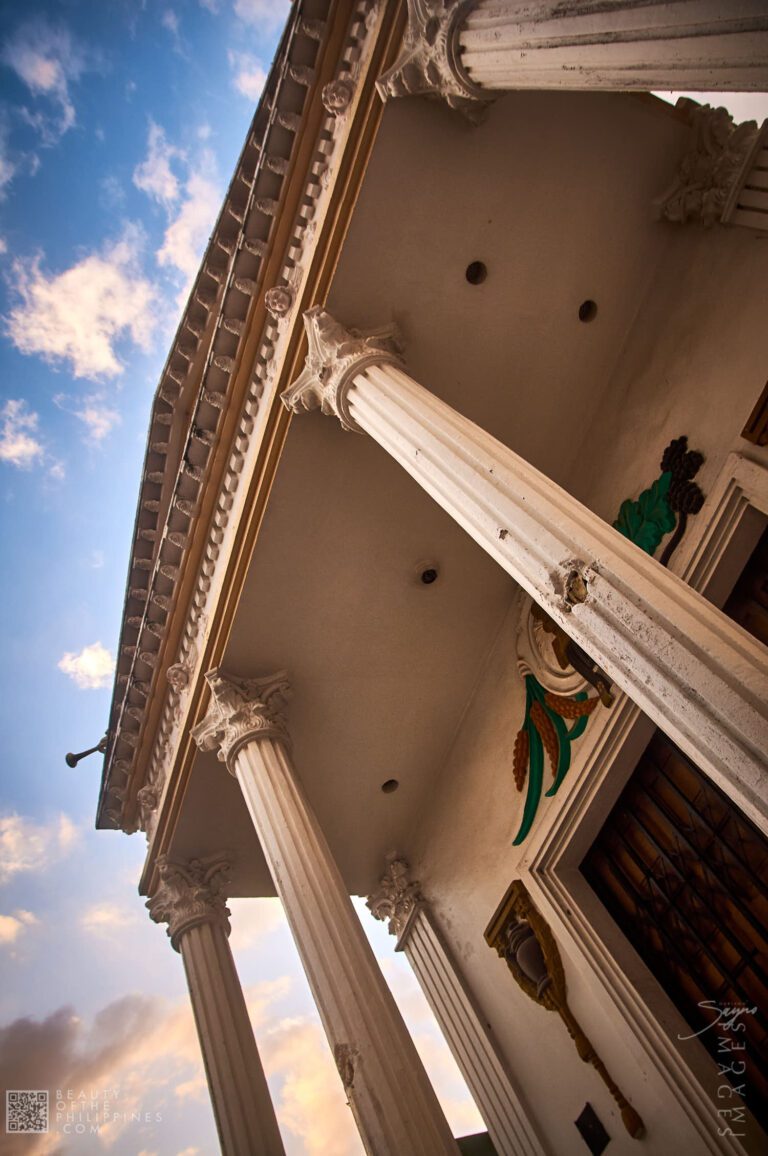
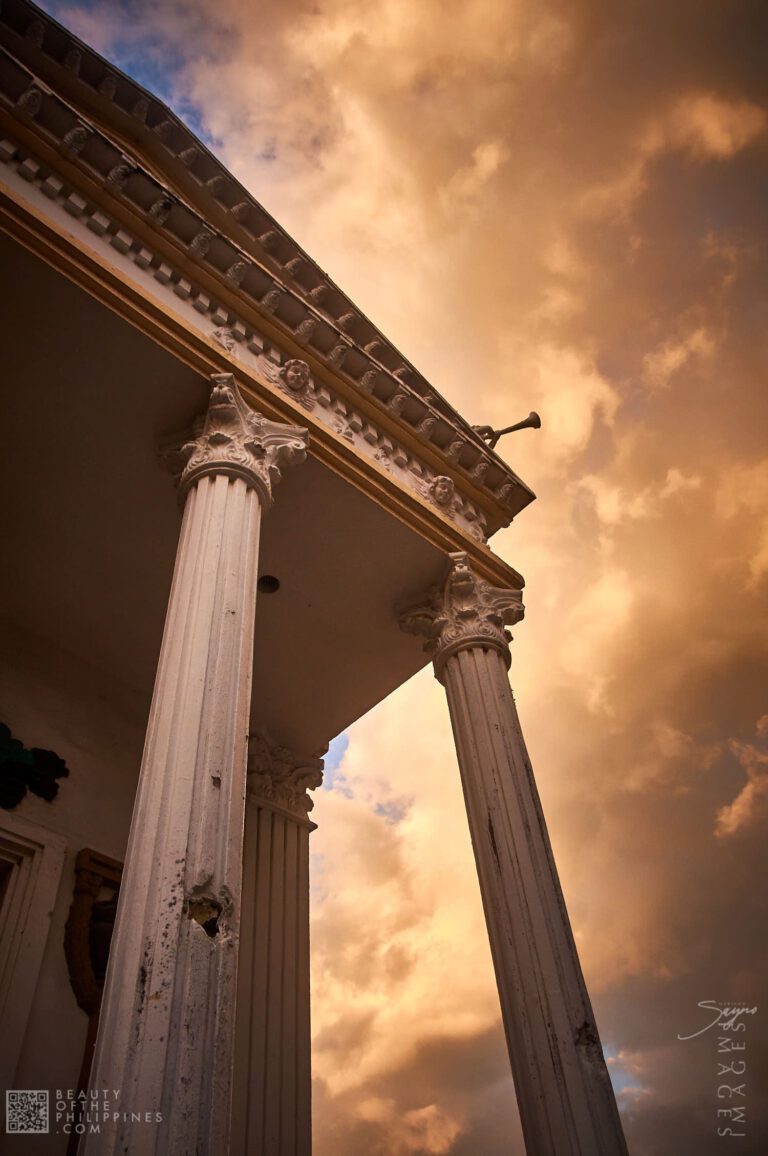
Its construction reflects Spanish-era masonry techniques adapted to local conditions—thick adobe walls, compact geometry, and a design that emphasizes enclosure and solemnity. The octagonal plan is particularly notable, as it differs from the more common rectangular colonial chapels found elsewhere in the Philippines.


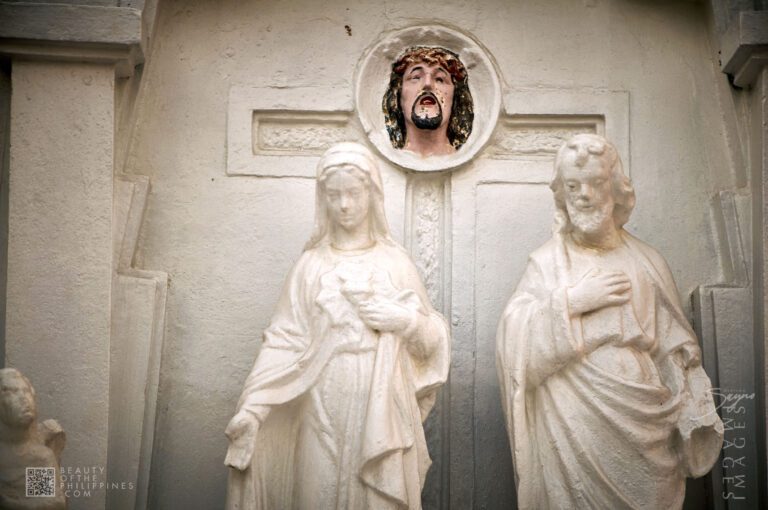
Architectural features such as pointed arch openings, semicircular recesses, and a compact dome-like form suggest its original function as a mortuary chapel associated with burial rites and cemetery ceremonies. While its exact historical usage has shifted over time, its physical presence continues to anchor the memory of the cemetery that once surrounded it.

A Burial Ground Rewritten by Urban Growth

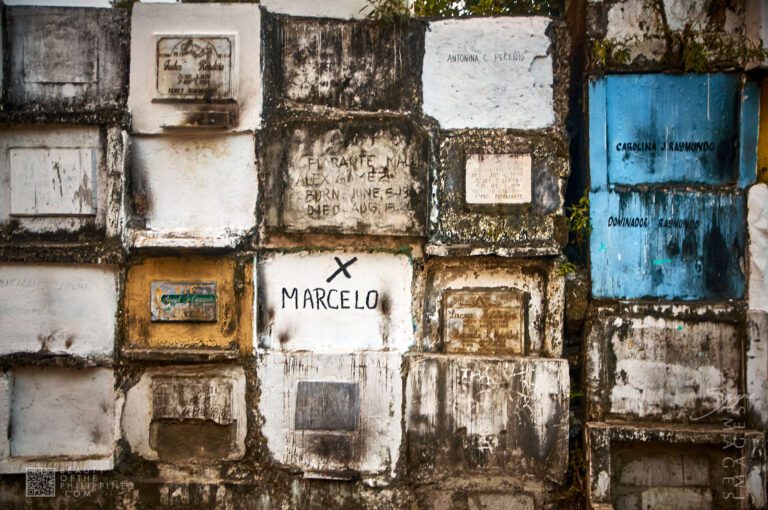
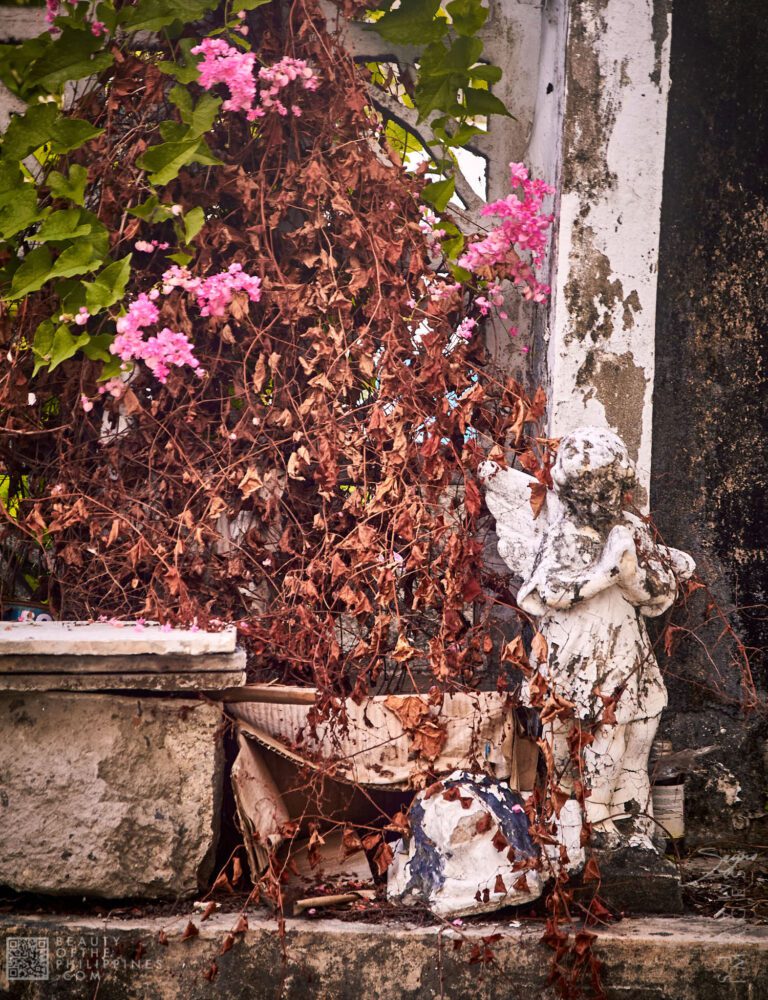
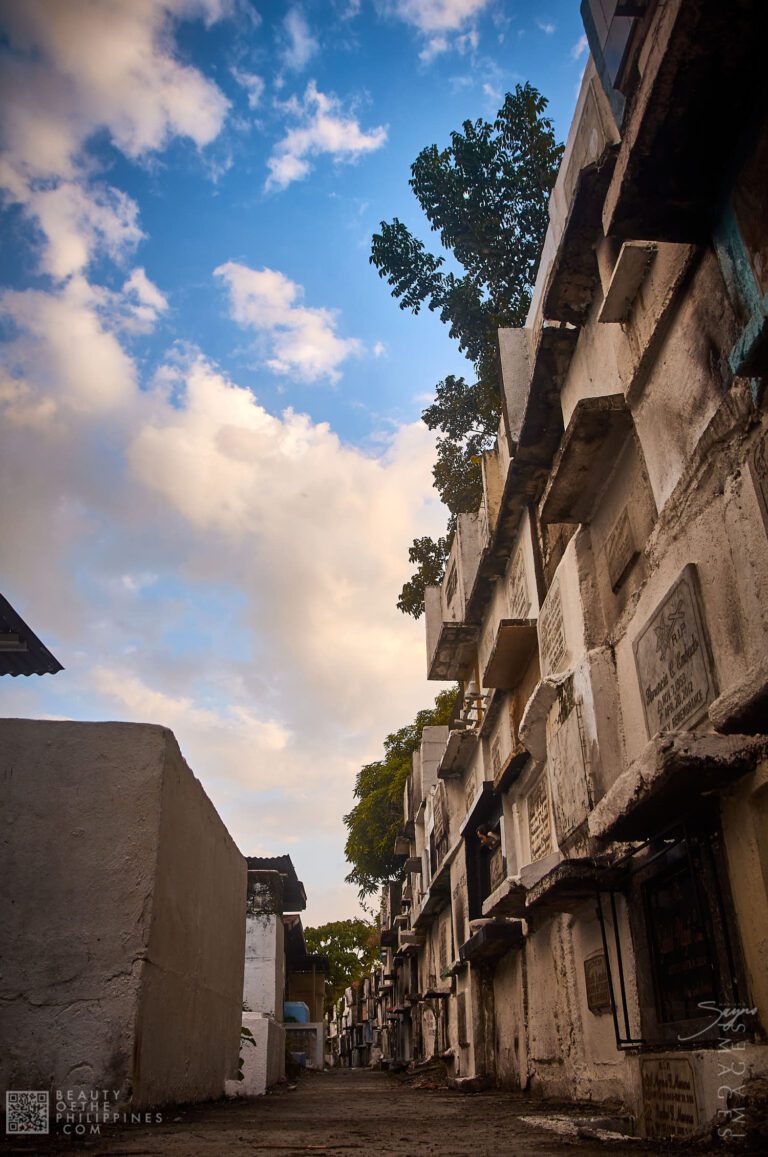
Over the years, the landscape around Plaridel Cemetery has undergone gradual but significant transformation. What was once a clearly defined burial space has been absorbed into surrounding residential development, leaving the Simborio Chapel as the most visible surviving marker of the original cemetery grounds.


This shift creates a layered visual condition: colonial mortuary architecture now standing within a living neighborhood. Streets, houses, and everyday movement now surround a structure that once existed within a dedicated sacred enclosure.


For field observation, this transition is important because it shows how heritage sites in provincial towns often evolve not through preservation boundaries, but through gradual integration into modern life.

Plaridel Within Broader Bulacan Heritage Routes

Within the larger cultural geography of Bulacan, Plaridel Cemetery contributes to a network of historical sites that include the Battle of Quingua markers, Casa Real Shrine, and heritage routes associated with Marcelo H. del Pilar. Each of these sites represents different dimensions of the province’s history—revolutionary, civic, religious, and colonial.


In contrast, the cemetery adds a quieter layer to this narrative. It does not emphasize political events or grand public memory, but instead focuses on ritual space, mortality, and architectural continuity. This makes it a complementary rather than competing heritage site within the province’s historical circuit.

RELATED STORIES

Plaridel’s Simborio Chapel: Bulacan’s Octagonal Memory

In the middle of modern homes and daily routines in Plaridel, Bulacan, the Simborio Chapel stands with a kind of calm persistence. It doesn’t tower

Read More »
Calumpit Church Bulacan

Calumpit Church: and the River-Born Story of a Town

In the heart of Calumpit, Bulacan, rises San Juan Bautista Parish Church, more commonly called Calumpit Church. You don’t need a guidebook to sense its

Read More »

Barasoain Church: The Cradle of Democracy

Standing at the heart of Malolos City, Bulacan, Barasoain Church rises with a presence that feels both solemn and proud. Officially known as the Our


Read More »
Meycauayan Church

Meycauayan Church: as a Witness to Time in Bulacan

Standing in Poblacion, Meycauayan City, Bulacan, the Saint Francis of Assisi Parish Church, more commonly called Meycauayan Church, anchors the town both physically and emotionally.

Read More »
Reading the Site Through Photography and Slow Observation

From a traveler-photographer perspective, Plaridel Cemetery is less about structured tourism and more about visual documentation and spatial reading. The presence of the Simborio Chapel offers a focal subject, but the surrounding environment—the integration of heritage architecture into everyday residential space—is equally significant.


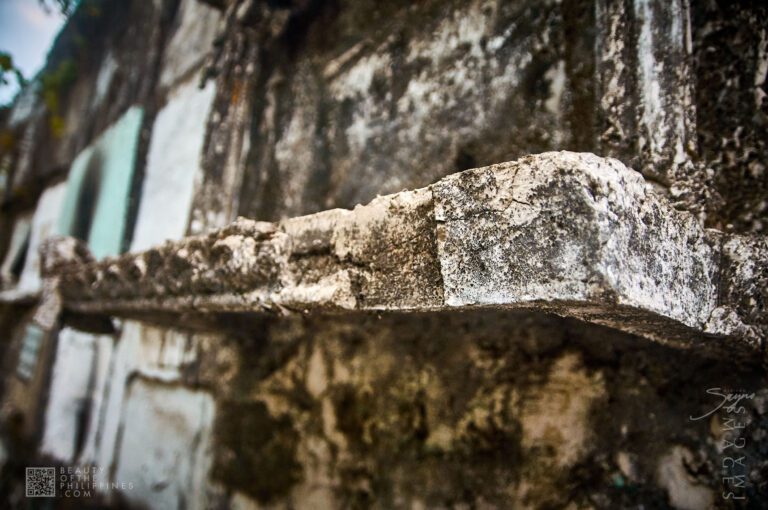
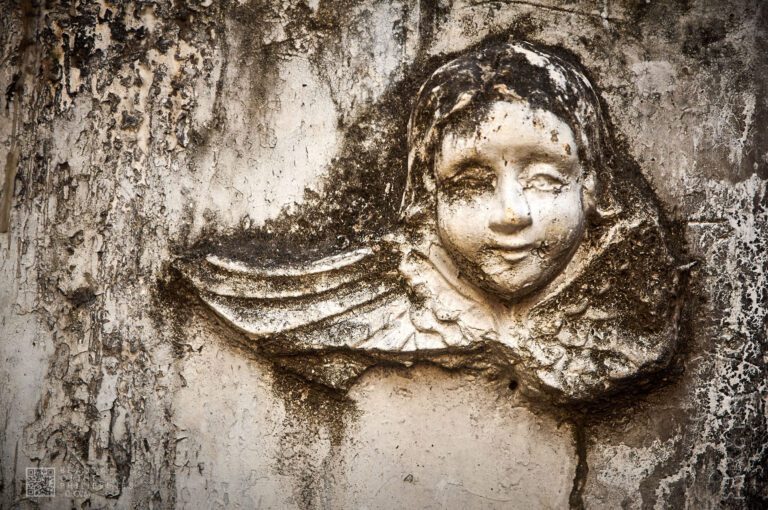
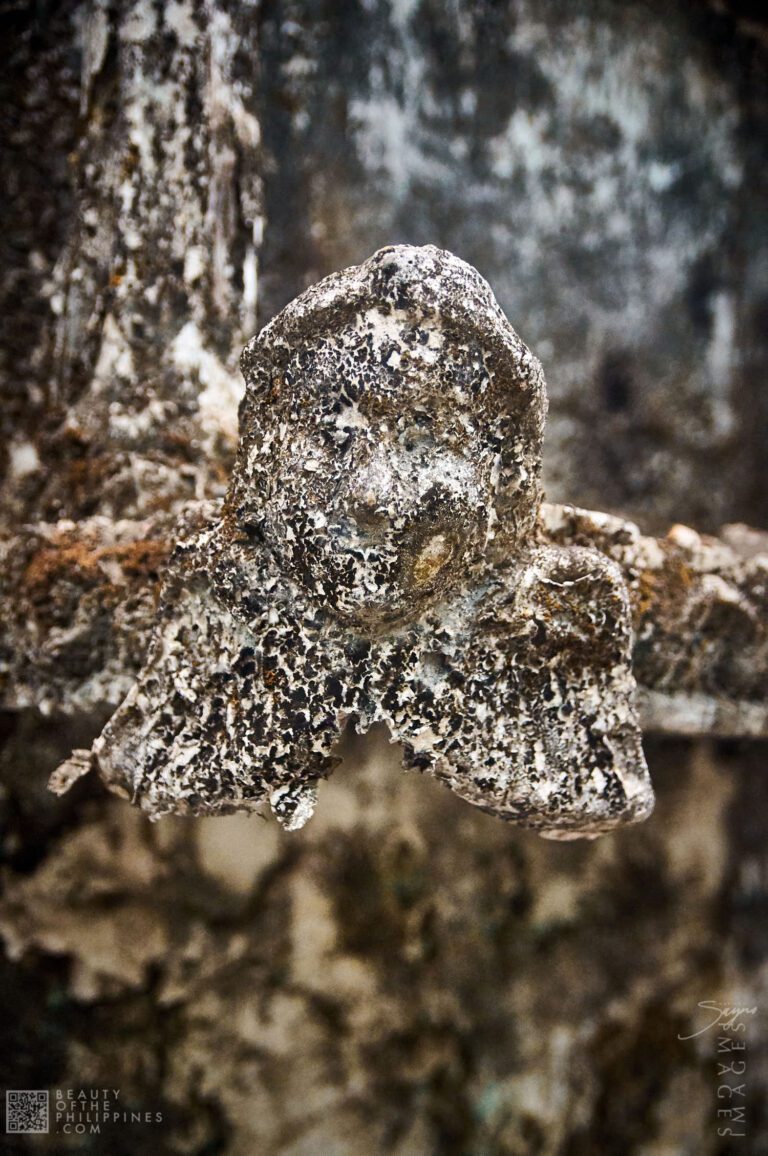
The site encourages slow observation: textures of adobe walls, contrast between old masonry and modern construction, and the subtle tension between sacred memory and lived neighborhood activity. It is a location where historical interpretation emerges through framing, light, and proximity rather than formal exhibits.

I’m looking forward to the stories and images leaving a lasting positive impression on you, just as they have on me. Stay connected with us on social media for a weekly exploration of travel assignments and breathtaking visuals. Our focus is on championing local tourism, showcasing small businesses, and honoring the magnificence of the Philippines through the content we curate. Join us in spreading the word by clicking the ‘share’ buttons below. Your support means the world to us.

BROWSE BY REGION
  • metro MANILA
  • abra
  • albay
  • baguio city
  • BATAAN
  • batangas
  • Benguet
  • bulacan
  • cagayan
  • cavite
  • cebu
  • cotabato
  • davao oriental
  • Guimaras
  • ilocos norte
  • ilocos sur
  • Iloilo
  • Isabela
  • laguna
  • lanao del norte
  • maguindanao
  • negros occidental
  • nueva vizcaya
  • palawan
  • Pampanga
  • pangasinan
  • QUEZON
  • rizal
  • Samar
  • sarangani
  • sorsogon
  • Tarlac
  • zambales
  • zamboanga city

EXPLORE MORE about

  • bulacan
Calumpit Church Bulacan

Calumpit Church: and the River-Born Story of a Town

In the heart of Calumpit, Bulacan, rises San Juan Bautista Parish Church, more commonly called Calumpit Church. You don’t need a guidebook to sense its

Read More »
Meycauayan Church

Meycauayan Church: as a Witness to Time in Bulacan

Standing in Poblacion, Meycauayan City, Bulacan, the Saint Francis of Assisi Parish Church, more commonly called Meycauayan Church, anchors the town both physically and emotionally.

Read More »

Bustos Dam: A Living Water and Agricultural Landmark Along the Angat River

At the agricultural edge of Bustos, Bulacan, the Bustos Dam sits within Barangay Tibagan, aligned along the natural course of the Angat River system. The

Read More »

Barasoain Church: The Cradle of Democracy

Standing at the heart of Malolos City, Bulacan, Barasoain Church rises with a presence that feels both solemn and proud. Officially known as the Our
Read More »

Halamanan Festival: Guiguinto’s Floral Pride in Full Bloom

Halamanan Festival is a celebration that takes place every January 23rd in Guiguinto, Bulacan, the Garden Capital of the Philippines, celebrating the beauty of the

Read More »

Plaridel’s Simborio Chapel: Bulacan’s Octagonal Memory

In the middle of modern homes and daily routines in Plaridel, Bulacan, the Simborio Chapel stands with a kind of calm persistence. It doesn’t tower
Read More »

BROWSE BY CATEGORIES

LOCATIONS
PROVINCES

Abra

Albay

Baguio City

Bataan

Batangas

Benguet

Bulacan

Cagayan

Cavite

Cebu

Cotabato

Davao Oriental

Guimaras

Ilocos Norte

Ilocos Sur

Iloilo

Isabela

Laguna

Lanao del Norte

Maguindanao

Manila

Negros Occidental

Nueva Vizcaya

Palawan

Pampanga

Pangasinan

Quezon

Rizal

Samar

Sarangani

Sorsogon

Tarlac

Zambales

Zamboanga City

ARCHITECTURE
HERITAGE

Bonifacio Monument Tutuban

Burdang Lumban Festival

Cagsawa Festival

Capones Lighthouse

Casa Manila

Christ the King Seminary

Corregidor Island Dark Tour Experience

Corregidor Island Reopens

Corregidor Island

Cultural Center of the Philippines

Fantasy World

Gabriela Silang Memorial Shrine

Gomburza National Monument

Hondagua

Iloilo Customs House

Intramuros

Jones Bridge

Jones Bridge

Kartilya ng Katipunan

La Loma Cemetery

LOAD MORE

CHURCHES
FAITH

Bacolor Church

Baguio Cathedral

Barasoain Church

Binondo Church

Calaca Church

Calumpit Church

Chong Hock Tong Temple

Feast of Black Nazarene

Greenbelt Chapel

Guadalupe Chapel Intramuros

Guadalupe Ruins Makati

La Naval de Manila

Las Piñas Bamboo Organ

Las Piñas Church

Lingayen Cathedral

Lubenas Festival

Lucban Church

Malate Church

Manila Abbey

Manila Cathedral

LOAD MORE

NATURAL & MAN-MADE
ATTRACTIONS

A&J Cafe

Alligator Lake

Amare La Cucina Baguio

Ambuklao Dam

Antipolo Cathedral

Apurawan Beach

Atimonan Port

Avilon Zoo

Azalea Hotels & Residences Baguio

Bagac Beach

Baguio Media Newseum

Balai Isabel

Balayan Bay

Baluarte de San Diego

Betis Church

Binondo Chinatown

Bustos Dam

Café Khawa

Callao Cave

Camara Island

LOAD MORE

FESTIVALS &
EVENTS

Al Cinco de Noviembre Festival

Ana Kalang Festival

Antipolo Maytime Festival

Balacat Festival

Balitok Ti Alicia Festival

Bañamos Festival

Bato Art Festival

Bato Art Festival

Boling-Boling Festival

Buhayani Festival

Burdang Lumban Festival

Candle Festival

Dinagyang Festival

Feast of Santo Niño

Gilingan Festival

Halamanan Festival

Hambujan Festival

Iloilo Dinagyang Festival

Inaul Festival

Itik Festival

LOAD MORE
Facebook Twitter Instagram Envelope

All photographs that appear on the site are copyright of Mariano Sayno ©2022 Beauty of the philippines

All photographs that appear on the site are copyright of Mariano Sayno ©2022 Beauty of the philippines.com

Beauty of the philipipnes LOGO WHITE

BROWSE BY PROVINCE

Abra

Albay

Baguio City

Bataan

Batangas

Benguet

Bulacan

Cagayan

corregidor-island

Cavite

Cebu

Cotabato

Davao Oriental

Manggahan aFestival of Guimaras

Guimaras

Ilocos Norte

Ilocos Sur

dinagyang aliwan friesta husayno mariano sayno

Iloilo

Isabela

Laguna

Lanao del Norte

Maguindanao

Manila Bay by Mariano Sayno

Manila

Negros Occidental

Magat River Dupax Del Norte

Nueva Vizcaya

Palawan

Pampanga

Lingayen Cathedral

Pangasinan

Quezon

Rizal

Samar

Sarangani

Sorsogon

Tarlac

Zambales

Zamboanga City

Plaridel Cemetery, J. Padilla, Plaridel, Bulacan, Philippines