
Capas Train Station: Kilometre 106 of Memory
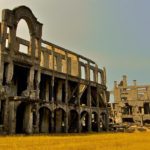
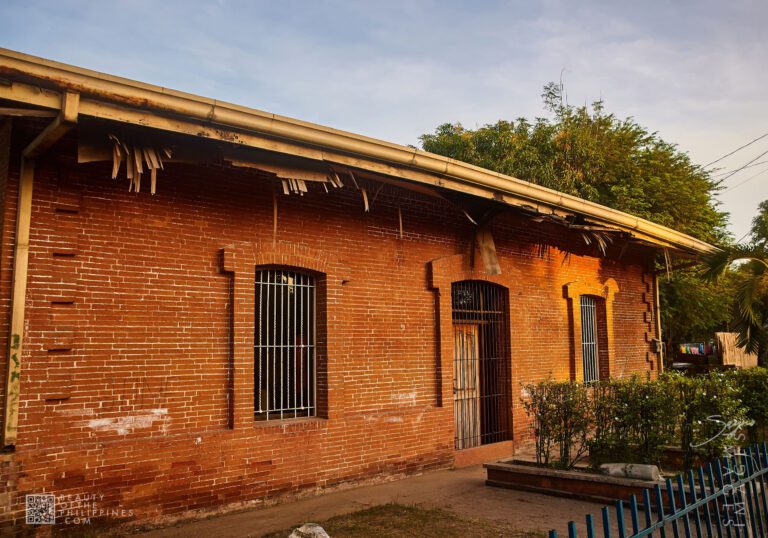
The Capas Train Station is located in Barangay Sto. Domingo II, Capas, Tarlac, and was once part of the historic ManilaāDagupan railway line operated by
Moving through Tarlac Province, the landscape opens up in a way that feels unhurried. Wide roads cut through agricultural plains, the horizon stretches farther than expected, and the sky seems to take up more space. This is a province shaped by movement ā of people, of harvests, of history ā yet it carries itself with a calm that settles in as you travel deeper.
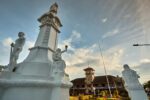
In Tarlac City, daily life unfolds with a steady rhythm. Markets open early, streets stay active without feeling crowded, and public spaces remain part of routine. The city doesnāt rely on spectacle; instead, it reveals itself through ordinary moments ā vendors arranging produce, tricycles lining up under shade, conversations drifting across sidewalks.
Heading north toward Moncada and Paniqui, the province leans fully into its agricultural identity. Fields of rice and sugarcane define the view, broken only by irrigation channels and clusters of homes. These towns feel grounded, shaped by seasons rather than schedules. Early mornings here are especially telling, when light settles gently over the fields and work begins quietly.
History surfaces in subtle but meaningful ways. In Capas, the presence of the Capas National Shrine offers a reflective pause. Set against a broad, open landscape, the site feels deliberately spacious, allowing visitors to sit with the weight of memory rather than rush through it. The surrounding town carries on as usual, creating a contrast that feels respectful rather than distant.

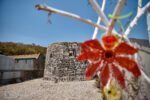
The Capas Train Station is located in Barangay Sto. Domingo II, Capas, Tarlac, and was once part of the historic ManilaāDagupan railway line operated by

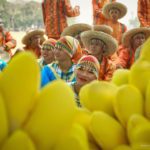
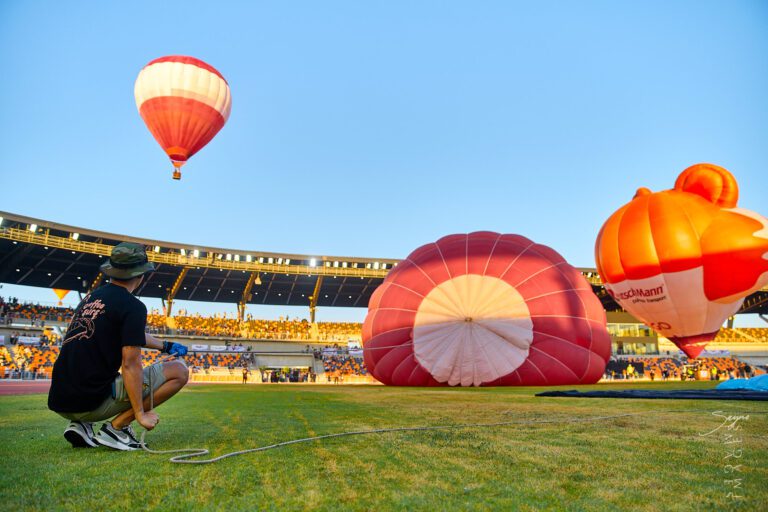
The Philippine International Hot Air Balloon Fiesta in New Clark City offered a spectacular showcase of aviation prowess and cultural celebration, leaving attendees captivated by
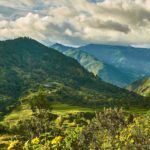
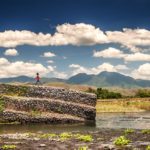
The western side of Tarlac shifts tone as you move toward Bamban and the foothills of Mount Pinatubo. The land becomes more textured, with lahar-formed terrain and greener slopes. Travel here feels more exploratory ā roads narrow slightly, views change quickly, and the environment reminds you how deeply natural events have shaped this provinceās story.
Food in Tarlac mirrors its diversity. Eateries serve straightforward meals meant to sustain long days, while family-run kitchens hold onto recipes influenced by the mix of cultures that passed through the region. Meals are filling, familiar, and shared without ceremony ā the kind that fits naturally into a long day on the road.

As a traveler and photographer, Tarlac Province invites observation rather than anticipation. Youāre not chasing dramatic landmarks; youāre documenting continuity ā how land supports life, how towns remain connected, how history lingers quietly alongside the present.
Leaving Tarlac, what stays with you isnāt a single scene, but a sense of space ā physical and emotional ā that allows stories to unfold without being rushed.
EXPLORE MORE ABOUT THE
Philippines
BROWSE BY CATEGORIES
BROWSE BY PROVINCE