Ocean Adventure: Marine Life and Lagoon Experiences
Located within the pristine Subic Bay Freeport Zone in Zambales, Ocean Adventure stands as the Philippines’ first open-water marine theme park. Surrounded by lush rainforest

The approach always begins at Pundaquit Beach in San Antonio, Zambales. A small boat cuts across the waters of the West Philippine Sea, and slowly the rugged outline of Capones Island sharpens into view. The cliffs appear dramatic even from a distance, but what captures attention immediately is that white vertical line standing firm against rock and sky — Capones Lighthouse, officially known as Faro de Punta Capones.
From the boat, the lighthouse doesn’t feel decorative. It feels purposeful. Built to warn, built to guide, built to endure.
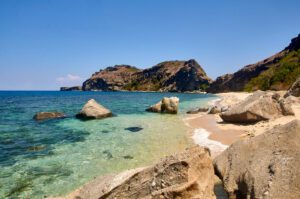
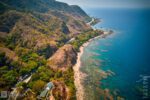
ABOVE: Capones Island features reddish soil and cliffs, a beach scattered with pebbles, and clear, sparkling water. Travelers can hike up the hill using pathways—some smooth with cement and others rugged—offering a diverse adventure to explore the island’s natural charm.
Constructed in the late 1880s during the final decades of Spanish rule, Capones Lighthouse formed part of a strategic network of coastal light stations designed to protect vessels navigating hazardous waters. These seas were not forgiving. The rock formations around Capones Island created dangerous blind spots for ships approaching Subic Bay, Manila Bay, and nearby trade routes.
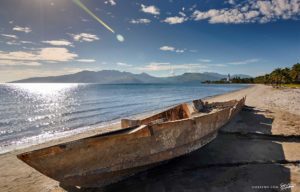
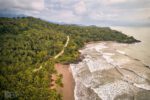
ABOVE: As you hike towards the lighthouse, you’ll be greeted by a stunning view that rewards your trek with breathtaking beauty. At the pebble beach below, you’ll see waiting bancas, adding excitement for tourists eager to explore more.
After years of engineering challenges — including determining the correct elevation and light orientation to eliminate shadow zones caused by the island’s terrain — the lighthouse was completed in 1890. Its first illumination took place on July 16, followed by a formal inauguration on August 1 of the same year.
Originally equipped with a first-order Fresnel lens imported from Europe, the lighthouse projected white flashes visible up to approximately 25 nautical miles. For sailors of that era, this was not simply architecture; it was survival.
ABOVE: As you walk along the trail, you gradually see the lighthouse ahead, drawing your attention and guiding your path. The gate, standing tall, is crafted from intricately designed wrought iron.
Standing roughly 65 feet high, the square masonry tower rises from a cliffside platform in crisp white contrast against stone and sea. Double balconies wrap around the structure, leading to a lantern room that once housed the powerful European lens. Its design reflects colonial engineering principles while adapting to the island’s harsh coastal environment.
What makes it compelling, especially through a camera lens, is the isolation. There are no nearby town plazas or busy streets — only wind, waves, and rock formations sculpted by time. The height and orientation were deliberately calculated to maximize maritime visibility, ensuring the beam cut through darkness without obstruction.
Today, while the original lantern and lens have been replaced with modern solar-powered systems maintained by the Philippine Coast Guard, the tower remains operational — still guiding vessels across these waters.
ABOVE: Located on Capones Island in San Antonio, Zambales, the Capones Island Lighthouse stands tall, inviting travelers and sea enthusiasts alike. Its historical importance and the stunning surroundings make it a must-see destination, offering a glimpse into the past amidst breathtaking scenery.
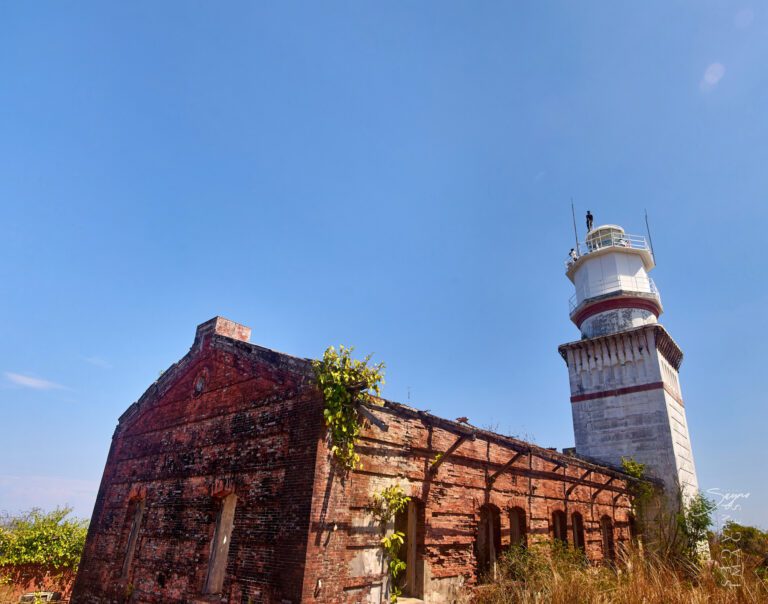
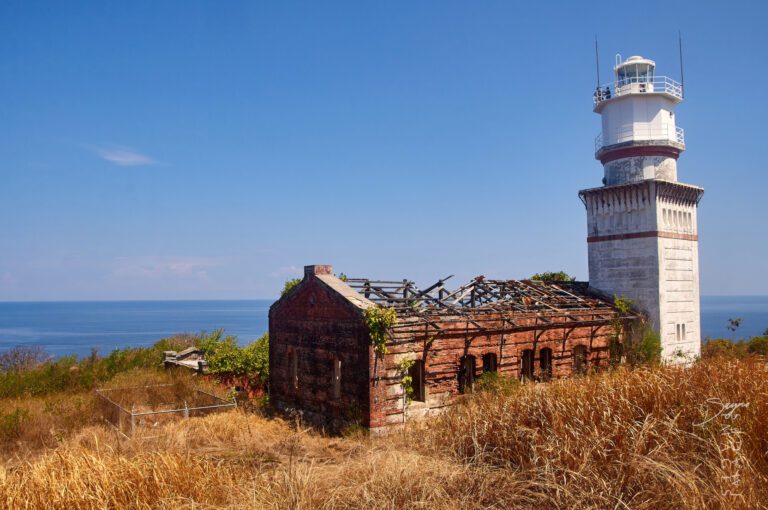
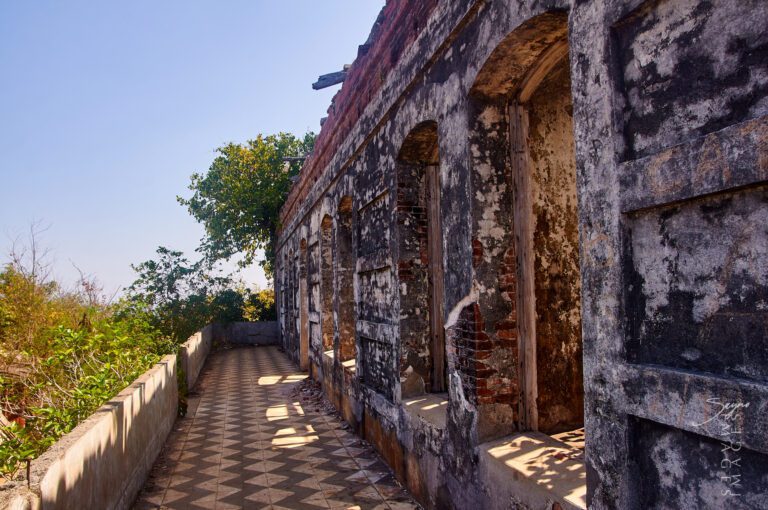
Beside the tower stands the old keeper’s house, once occupied by the torreos who maintained the light. The structure now shows its age — weathered brick, fading surfaces, exposed signs of wear. But these details add depth rather than diminish value.
Photographing the keeper’s quarters reveals something intimate about the place. You can almost imagine the rhythm of daily life — polishing lenses, checking fuel supplies, scanning horizons at dusk. Lighthouse duty meant vigilance, often in solitude. That atmosphere lingers.
For travelers drawn to heritage sites, this corner of the island offers a tangible connection to maritime tradition that goes beyond textbooks.
ABOVE: Taking a close-up of the lighthouse, this photo highlights its beautifully renovated tower. The square design stands out with its two balconies and lantern, all painted in a white color, maintaining its classic charm over time.
Reaching the lighthouse requires a short but steady trek from the shoreline. The path cuts across uneven terrain, rocky sections, and patches of dry grass. It’s not a polished tourist trail — and that’s part of the experience.
At the top, the view expands dramatically. The West Philippine Sea stretches uninterrupted, merging with the horizon. On clear days, the outline of the Zambales mountain range frames the inland side. The vantage point transforms the lighthouse from a subject into a viewpoint.
Below, the northern and eastern shores of Capones Island reveal white sand pockets and swimming coves. Many visitors combine the lighthouse trek with beach time, creating a balance between heritage exploration and coastal leisure.
ABOVE: From the cliff’s edge, this photo captures the iconic Capones Island Lighthouse amidst its stunning scenery. Standing here offers a broad view of the lighthouse and its surroundings, but caution is advised due to the steep terrain.
Among surviving Spanish-era lighthouses in the country, Capones Lighthouse stands as one of the most recognizable. It endured colonial transitions, technological upgrades, and shifting maritime systems. Though modern navigation tools now assist ships, the tower continues its role — adapted but not obsolete.
RELATED STORIES

Located within the pristine Subic Bay Freeport Zone in Zambales, Ocean Adventure stands as the Philippines’ first open-water marine theme park. Surrounded by lush rainforest



Located in the heart of Subic Bay Freeport Zone, Zoobic Safari is a premier destination for nature lovers and thrill-seekers. Spanning 25 hectares, this one-of-a-kind


There is no way anyone can ignore the beauty of Pamatawan River if they are traveling in the area of the coast of Pundaquit in


The journey to Camara Island begins at Pundaquit, a coastal barangay in San Antonio, Zambales, where small bancas line the shore ready to ferry island-hoppers


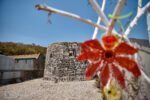
ABOVE: This vibrant photo captures local kids adding lively energy to the setting. They’re often seen helping boatmen or fishermen, and having fun on their island with visitors. The weathered houses of the tower keepers add a charming rustic touch, adding character to the scene.
Its value lies not only in function but in symbolism. The lighthouse represents a time when maritime routes shaped economic growth, when coastal engineering demanded precision, and when remote stations like this formed part of a much larger safety network across the archipelago.


ABOVE: Climb the lighthouse tower and go up its beautiful spiral staircase with fascinating designs. From the top, enjoy a wide view that covers the whole area around you. It’s a memorable experience for everyone who makes the journey up.
For tourism, it offers something distinct from resort destinations. It combines landscape, history, engineering, and narrative in one compact island experience. The journey itself becomes part of the memory — from boat ride to cliff ascent to standing beside a tower that has witnessed more than a century of tides.


I’m looking forward to the stories and images leaving a lasting positive impression on you, just as they have on me. Stay connected with us on social media for a weekly exploration of travel assignments and breathtaking visuals. Our focus is on championing local tourism, showcasing small businesses, and honoring the magnificence of the Philippines through the content we curate. Join us in spreading the word by clicking the ‘share’ buttons below. Your support means the world to us.
EXPLORE MORE about


The journey to Camara Island begins at Pundaquit, a coastal barangay in San Antonio, Zambales, where small bancas line the shore ready to ferry island-hoppers


Located in the heart of Subic Bay Freeport Zone, Zoobic Safari is a premier destination for nature lovers and thrill-seekers. Spanning 25 hectares, this one-of-a-kind


Located within the pristine Subic Bay Freeport Zone in Zambales, Ocean Adventure stands as the Philippines’ first open-water marine theme park. Surrounded by lush rainforest


There is no way anyone can ignore the beauty of Pamatawan River if they are traveling in the area of the coast of Pundaquit in


Pundakit, or the Municipality of Pundaquit of San Antonio, in Zambales Province, is a fishing village that boasts a multilingual local population (Ilocano, Zambal, Tagalog)


Along the Waterfront Road of Subic Bay Freeport Zone in Zambales, The Lighthouse Marina Resort rises as both a hotel and a visual landmark that


Located within the pristine Subic Bay Freeport Zone in Zambales, Ocean Adventure stands as the Philippines’ first open-water marine theme park. Surrounded by lush rainforest


Travelers cruising along the national highway near Kalaklan Point in Olongapo City may suddenly notice a simple, all-white tower rising against the deep blue waters


Located within the pristine Subic Bay Freeport Zone in Zambales, Ocean Adventure stands as the Philippines’ first open-water marine theme park. Surrounded by lush rainforest


Subic Spanish Gate, located along Sampson Road near Dewey Avenue in Olongapo City, was built in 1885 as the western entrance to the Spanish naval


The first thing that strikes you about Capones Island rising off the west coast of Luzon is its silhouette — a bone‑shaped landmass of rock


Subic bay is well known for its collection of shipwrecks from the past, as well as being visited frequently by the American Navy for military
BROWSE BY CATEGORIES
BROWSE BY PROVINCE