BROWSE BY PROVINCE

Zamboanga City
Zamboanga City Hall
A Heritage Anchor at the Heart of Plaza Rizal
Share
Tweet
Email
EXPLORE Zamboanga City Hall

PUBLISHED September 17, 2022

PHOTOS | WORDS BY MARIANO SAYNO

  • Zamboanga City
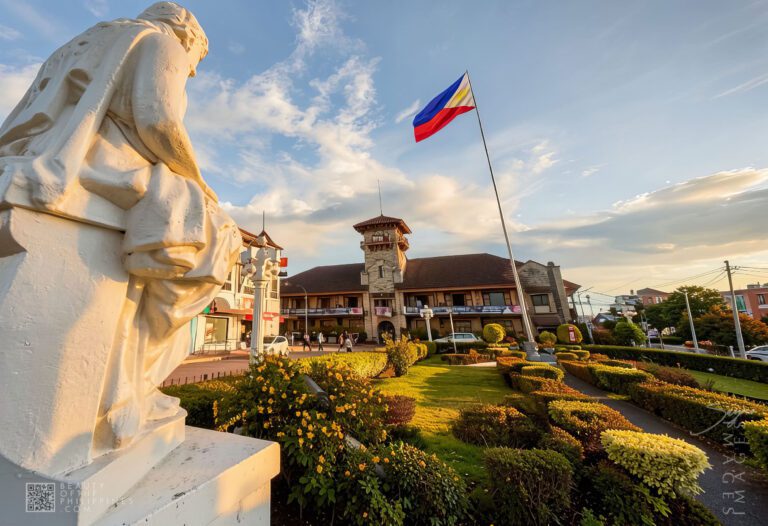
Standing across Plaza Rizal, facing the tower of Zamboanga City Hall, you don’t just see a government building — you sense layers of authority, transition, and memory. It’s one of those landmarks that quietly frames the city’s daily rhythm while holding more than a century of political and architectural history in its walls.
Explore the Philippines through my lens as we venture into Zamboanga City Hall with Point of View (POV) photography. Using a body cam, I’ll guide you on an interactive tour, revealing the behind-the-scenes of capturing the shots shared here. Let’s dive into this visual journey together and uncover the wonders through my lens!
Let’s explore the PHILIPPINES through my lens as we journey on a photo slideshow to Zamboanga City Hall. Join me in this visual adventure and discover the wonders captured through my lens! Check out the shared slideshow here.
A Landmark at the Edge of Plaza Rizal

I first approached Zamboanga City Hall from the open grounds of Plaza Rizal, and what struck me immediately was its balance. The building doesn’t overwhelm the space — it defines it. Officially called Bahay-Pamahalaan ng Lungsod ng Zamboanga, it stands at one end of the historic park, anchoring the downtown core and forming part of the city’s recognized heritage district.

Check out the video for more highlights. See what I’ve captured through my lens with Point of View (POV) photography. Using a body cam, I’ll take you on an interactive tour, showing you behind-the-scenes moments of capturing the shots shared here.
Check out the video below for additional features. Explore what I’ve captured through my lens in this cinematic slideshow.

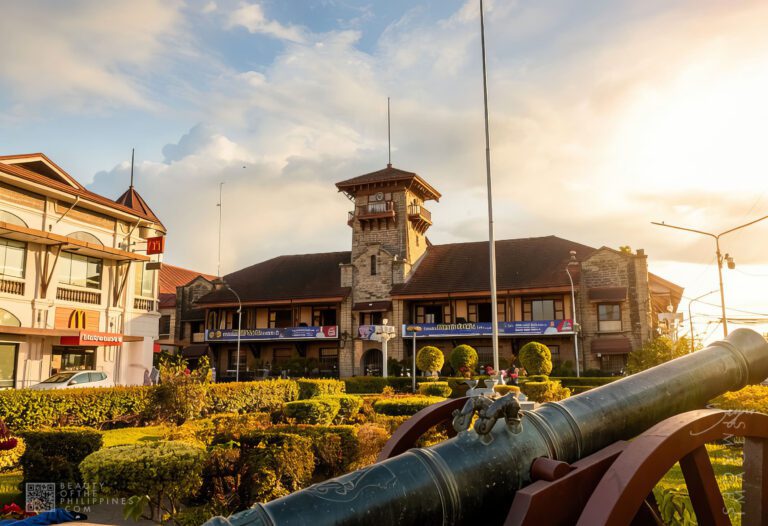
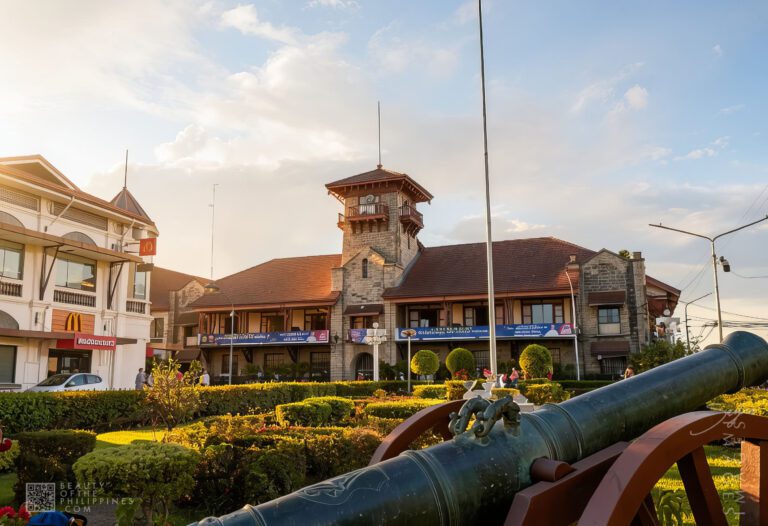
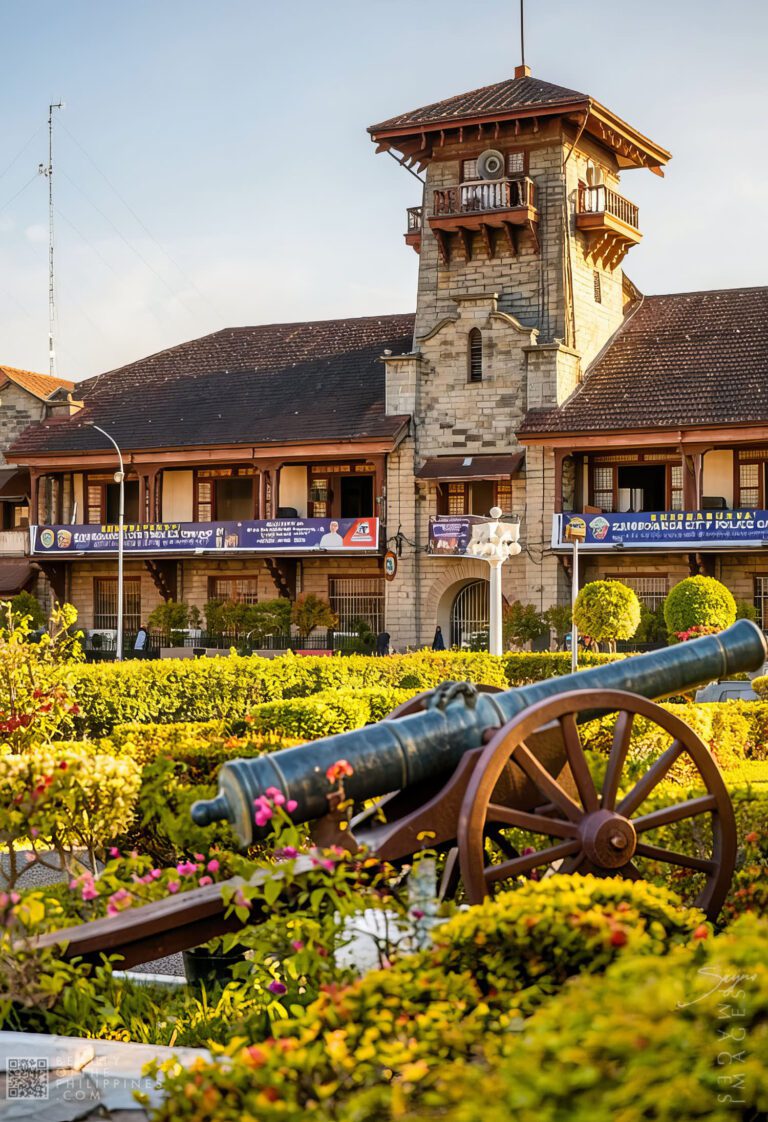
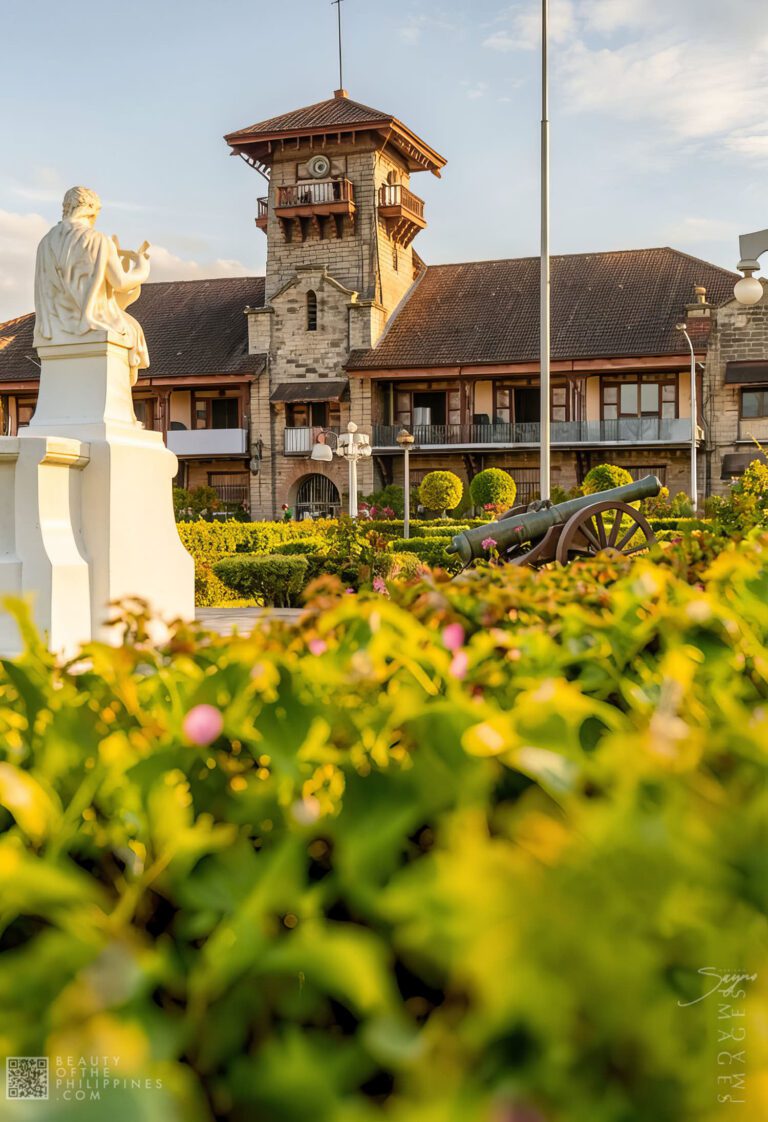
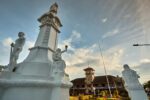
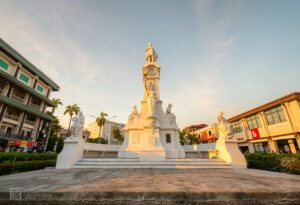
ABOVE: The Zamboanga City Hall, constructed between 1905 and 1907, is a striking symbol of Zamboanga City’s rich historical and architectural heritage.

ABOVE: The Zamboanga City Hall, constructed between 1905 and 1907, is a striking symbol of Zamboanga City’s rich historical and architectural heritage.

There’s movement all around — tricycles, students, vendors, city employees — yet the structure remains steady, almost composed. As a photographer, that tower becomes your natural focal point. It pulls your eye upward, then outward, back into the plaza. You start realizing that this isn’t just administrative space. It’s visual identity.

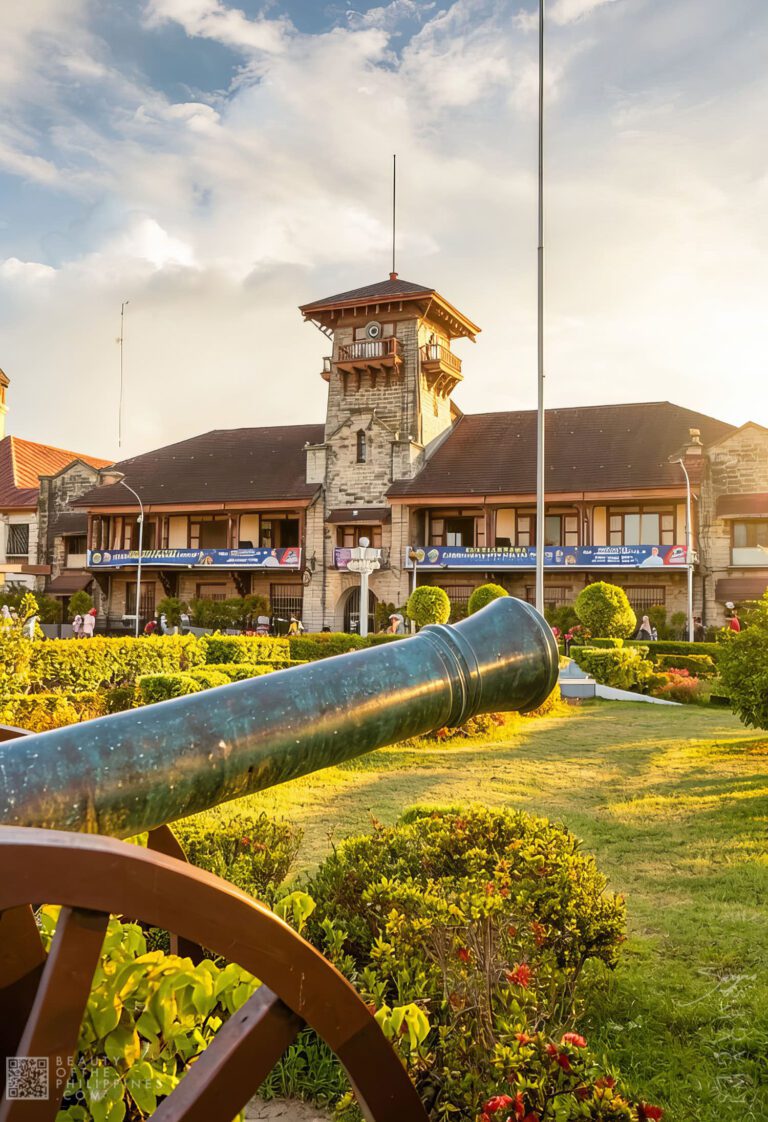
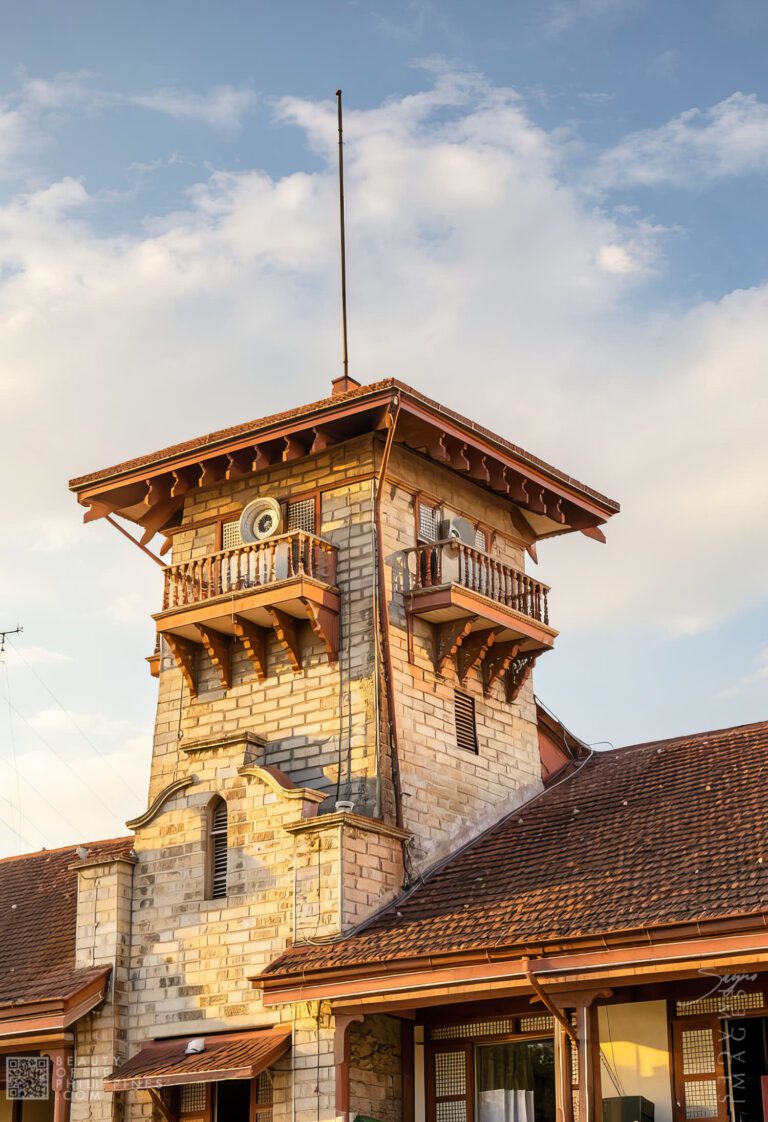
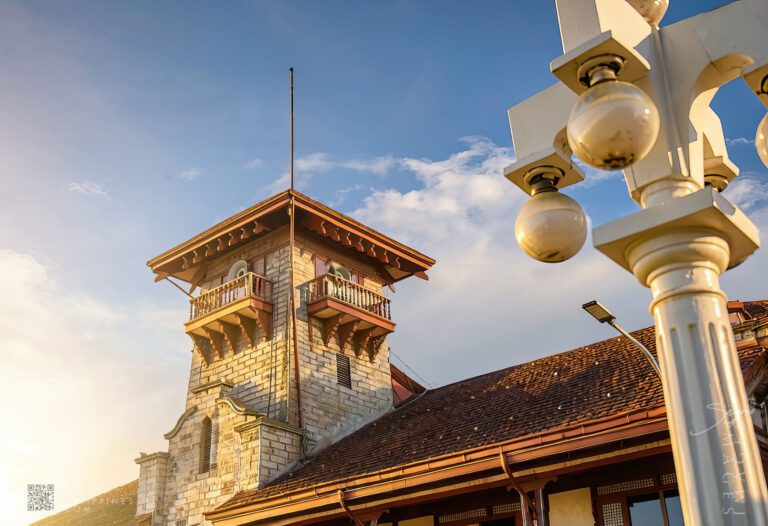
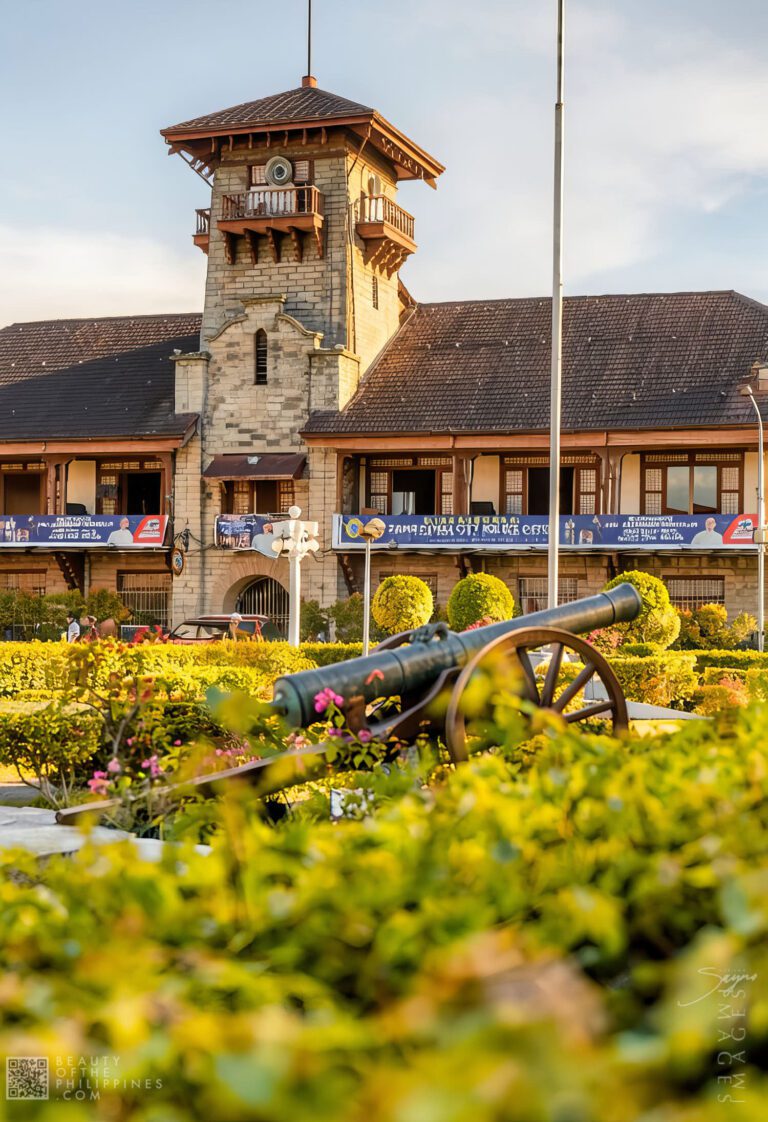
ABOVE: The City Hall’s central tower, designed by William Parsons, stands as a striking feature of Spanish-colonial architecture, adorned with decorative corbels, cantilevered balconies, and a functional clock.

ABOVE: The City Hall’s central tower, designed by William Parsons, stands as a striking feature of Spanish-colonial architecture, adorned with decorative corbels, cantilevered balconies, and a functional clock.

Built for Authority: From Moro Province to City Government

The story of Zamboanga City Hall begins in 1905, during the American colonial period, when construction started under the United States federal government. By 1907, the building was completed — not as a city hall yet, but as the official residence of the military governor of the Moro Province, a vast administrative territory covering much of Mindanao and the Sulu Archipelago.

Standing there today, it’s difficult to imagine the weight of authority once concentrated inside those walls. The American military governors who operated here played significant roles in restructuring governance in the southern Philippines. This building wasn’t peripheral — it was central to regional power.

In 1914, it transitioned again, becoming the seat of the Department of Mindanao and Sulu, marking a shift from military to more structured civil governance. Then on February 26, 1937, when Zamboanga officially became a city, the structure took on its present role as City Hall. That continuity — from military seat to civilian administration — is part of what makes this building compelling from a tourism perspective. It tells a political story without needing a museum label.

Architecture That Reflects Two Eras

What fascinates me most is how the architecture quietly reflects overlapping histories. Recognized as a National Historical Site, the building blends Spanish colonial sensibilities with American-era design influence.

Although symmetrical and stately in proportion — reminiscent of Spanish-era civic buildings — aspects of its development were influenced by William Parsons, an American architect associated with important government structures during the early 20th century. That combination gives the building a layered personality.

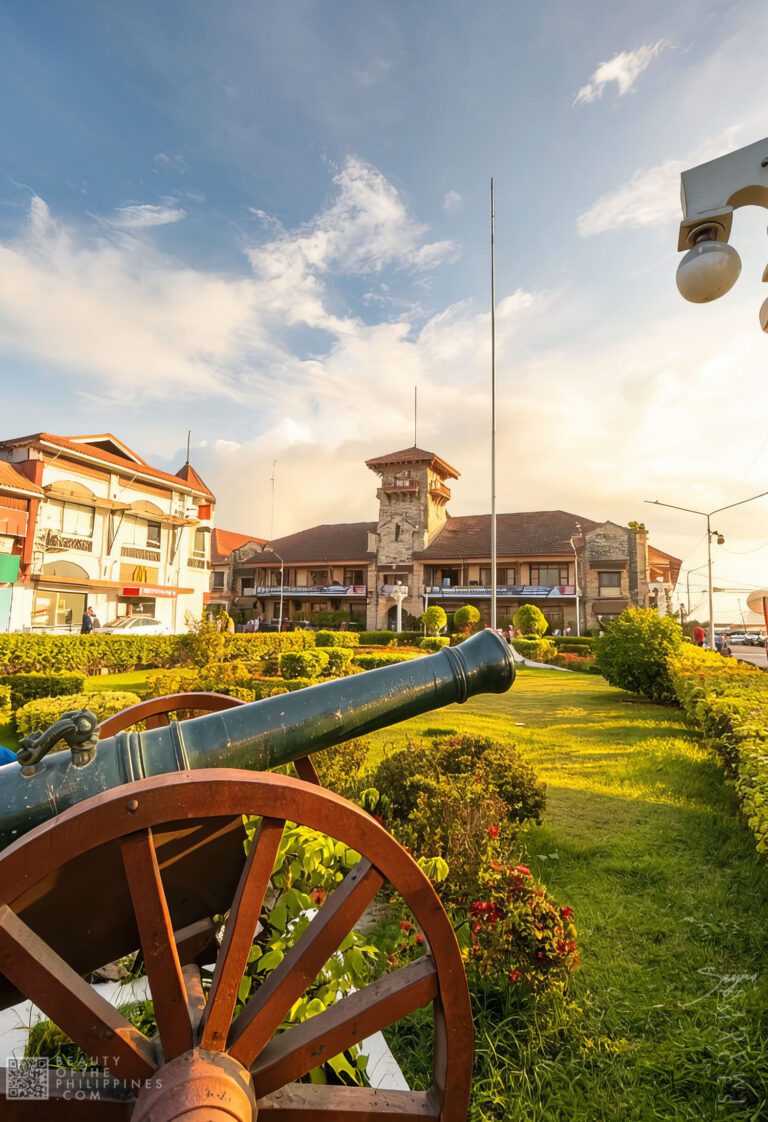
ABOVE: Originally the Moro Province seat and later Zamboanga City Hall, the building has been a key administrative hub since the American governance era and the city’s establishment in 1937.

ABOVE: Originally the Moro Province seat and later Zamboanga City Hall, the building has been a key administrative hub since the American governance era and the city’s establishment in 1937.

The most striking feature is its central tower. Rising above the façade, it holds a clock crowned by a hip roof, framed by decorative corbels and cantilevered wooden balconies. From certain angles around Plaza Rizal, the tower feels almost cinematic — especially during late afternoon when shadows sharpen the stone details.

The grand arched entrance on the ground level reinforces its civic importance. You can stand there and watch people enter for routine transactions, and it feels symbolic — governance unfolding beneath heritage arches. Flanking the tower, the rusticated stonework and balconies add texture and depth to the façade. It’s restrained, but dignified.

A Stop Within the Heritage Zone

For travelers exploring the Zamboanga Heritage Zone, the City Hall fits naturally into a walking route that includes Fort Pilar, nearby churches, and historic plazas. It functions as both a destination and a contextual landmark.

RELATED STORIES

Taluksangay Mosque: The Oldest Islamic Center in the Zamboanga Peninsula

The drive east from Zamboanga City proper toward Barangay Taluksangay shifts gradually from busy urban streets to a calmer coastal stretch. About 19 kilometers out,

Read More »

Rainbow Mosque: The Story Behind Zamboanga’s Most Vibrant Landmark

Driving through Tumaga Road in Barangay Sta. Maria, I remember how the dome appeared before I even realized I was looking for it. The colors

Read More »

Architectural tours often pause here to discuss the shift from American military governance to civilian administration. But even without formal narration, the building’s presence speaks. Its stone façade contrasts beautifully against the openness of Rizal Park, and for photographers, the symmetry and tower lines create strong compositional anchors.

During civic gatherings and festivals — particularly the Zamboanga Hermosa Festival each October — the surroundings come alive. Processions pass through, cultural displays fill the plaza, and the City Hall becomes a visual backdrop to community celebration. It’s during these moments that the building feels less like bureaucracy and more like shared space.

Experiencing It Today

Despite its historical weight, Zamboanga City Hall remains an active government center where the mayor and officials conduct daily affairs. Visitors can’t wander freely through offices, but the exterior is accessible, and the plaza setting allows travelers to absorb its architectural and historical value without barriers.

From a tourism standpoint, it represents continuity. Architecture here is not frozen — it’s lived in. And maybe that’s what makes it powerful. The building has witnessed colonial transitions, wartime realities, and the growth of a modern Mindanao city. Yet it still opens its doors each day for ordinary civic life.

For anyone tracing the evolution of governance in the Philippines, especially in the south, this structure offers more than aesthetic appreciation. It offers context — visible, solid, and still standing.

I’m looking forward to the stories and images leaving a lasting positive impression on you, just as they have on me. Stay connected with us on social media for a weekly exploration of travel assignments and breathtaking visuals. Our focus is on championing local tourism, showcasing small businesses, and honoring the magnificence of the Philippines through the content we curate. Join us in spreading the word by clicking the ‘share’ buttons below. Your support means the world to us.

BROWSE BY REGION
  • metro MANILA
  • abra
  • albay
  • baguio city
  • BATAAN
  • batangas
  • Benguet
  • bulacan
  • cagayan
  • cavite
  • cebu
  • cotabato
  • davao oriental
  • Guimaras
  • ilocos norte
  • ilocos sur
  • Iloilo
  • Isabela
  • laguna
  • lanao del norte
  • maguindanao
  • negros occidental
  • nueva vizcaya
  • Pampanga
  • pangasinan
  • QUEZON
  • rizal
  • Samar
  • sarangani
  • Tarlac
  • zambales
  • zamboanga city

EXPLORE MORE about

  • Zamboanga del Sur

Rainbow Mosque: The Story Behind Zamboanga’s Most Vibrant Landmark

Driving through Tumaga Road in Barangay Sta. Maria, I remember how the dome appeared before I even realized I was looking for it. The colors

Read More »

Taluksangay Mosque: The Oldest Islamic Center in the Zamboanga Peninsula

The drive east from Zamboanga City proper toward Barangay Taluksangay shifts gradually from busy urban streets to a calmer coastal stretch. About 19 kilometers out,

Read More »

BROWSE BY CATEGORIES

LOCATIONS
PROVINCES

Abra

Albay

Baguio City

Bataan

Batangas

Benguet

Bulacan

Cagayan

Cavite

Cebu

Cotabato

Davao Oriental

Guimaras

Ilocos Norte

Ilocos Sur

Iloilo

Isabela

Laguna

Lanao del Norte

Maguindanao

Manila

Negros Occidental

Nueva Vizcaya

Pampanga

Pangasinan

Quezon

Rizal

Samar

Sarangani

Tarlac

Zambales

Zamboanga City

ARCHITECTURE
HERITAGE

Bonifacio Monument Tutuban

Burdang Lumban Festival

Cagsawa Festival

Capones Lighthouse

Casa Manila

Christ the King Seminary

Corregidor Island Dark Tour Experience

Corregidor Island Reopens

Corregidor Island

Cultural Center of the Philippines

Fantasy World

Gabriela Silang Memorial Shrine

Gomburza National Monument

Hondagua

Iloilo Customs House

Intramuros

Jones Bridge

Jones Bridge

Kartilya ng Katipunan

La Loma Cemetery

LOAD MORE

CHURCHES
FAITH

Bacolor Church

Baguio Cathedral

Barasoain Church

Binondo Church

Calaca Church

Calumpit Church

Chong Hock Tong Temple

Feast of Black Nazarene

Greenbelt Chapel

Guadalupe Chapel Intramuros

Guadalupe Ruins Makati

La Naval de Manila

Las Piñas Bamboo Organ

Las Piñas Church

Lingayen Cathedral

Lubenas Festival

Lucban Church

Malate Church

Manila Abbey

Manila Cathedral

LOAD MORE

NATURAL & MAN-MADE
ATTRACTIONS

A&J Cafe

Alligator Lake

Amare La Cucina Baguio

Ambuklao Dam

Antipolo Cathedral

Apurawan Beach

Atimonan Port

Avilon Zoo

Azalea Hotels & Residences Baguio

Bagac Beach

Baguio Media Newseum

Balai Isabel

Balayan Bay

Baluarte de San Diego

Betis Church

Binondo Chinatown

Café Khawa

Callao Cave

Camara Island

Candle Festival of Candelaria

LOAD MORE

FESTIVALS &
EVENTS

Al Cinco de Noviembre Festival

Ana Kalang Festival

Antipolo Maytime Festival

Balacat Festival

Balitok Ti Alicia Festival

Bañamos Festival

Bato Art Festival

Bato Art Festival

Boling-Boling Festival

Buhayani Festival

Burdang Lumban Festival

Candle Festival

Dinagyang Festival

Feast of Santo Niño

Gilingan Festival

Halamanan Festival

Hambujan Festival

Iloilo Dinagyang Festival

Inaul Festival

Itik Festival

LOAD MORE
Facebook Twitter Instagram Envelope

All photographs that appear on the site are copyright of Mariano Sayno ©2022 Beauty of the philippines

All photographs that appear on the site are copyright of Mariano Sayno ©2022 Beauty of the philippines.com

Beauty of the philipipnes LOGO WHITE

BROWSE BY PROVINCE

Abra

Albay

Baguio City

Bataan

Batangas

Benguet

Bulacan

Cagayan

corregidor-island

Cavite

Cebu

Cotabato

Davao Oriental

Manggahan aFestival of Guimaras

Guimaras

Ilocos Norte

Ilocos Sur

dinagyang aliwan friesta husayno mariano sayno

Iloilo

Isabela

Laguna

Lanao del Norte

Maguindanao

Manila Bay by Mariano Sayno

Manila

Negros Occidental

Magat River Dupax Del Norte

Nueva Vizcaya

Pampanga

Lingayen Cathedral

Pangasinan

Quezon

Rizal

Samar

Sarangani

Tarlac

Zambales

Zamboanga City

Zamboanga City Hall, North South Valderosa Street, Zamboanga, Zamboanga del Sur, Philippines