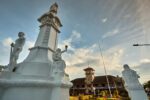
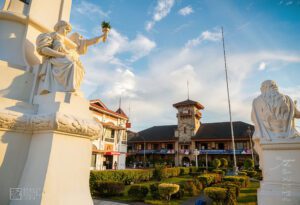
Zamboanga City Hall: A Heritage Anchor at the Heart of Plaza Rizal
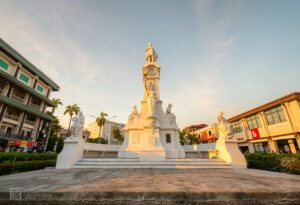
Built between 1905 and 1907, the Zamboanga City Hall, officially known as Bahay Pamahalaan ng Lungsod ng Zamboanga, is a striking landmark that stands as
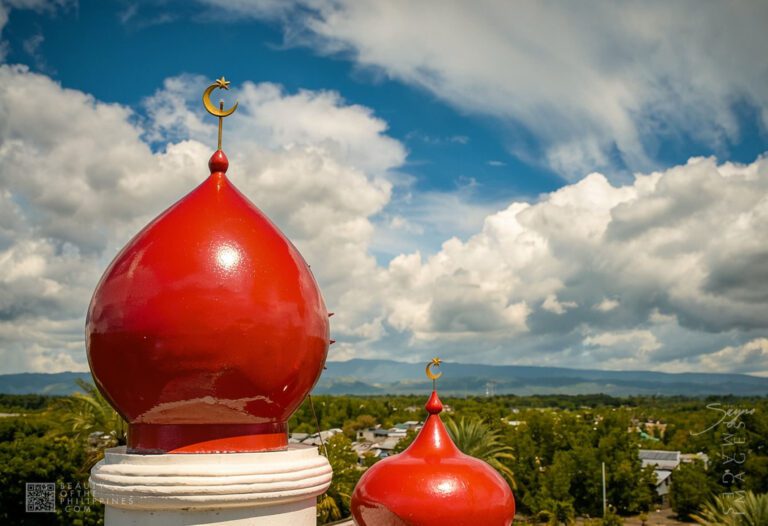
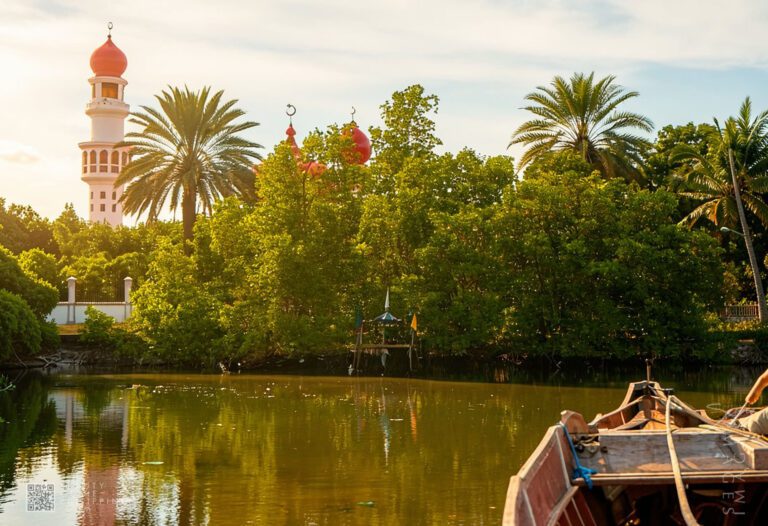
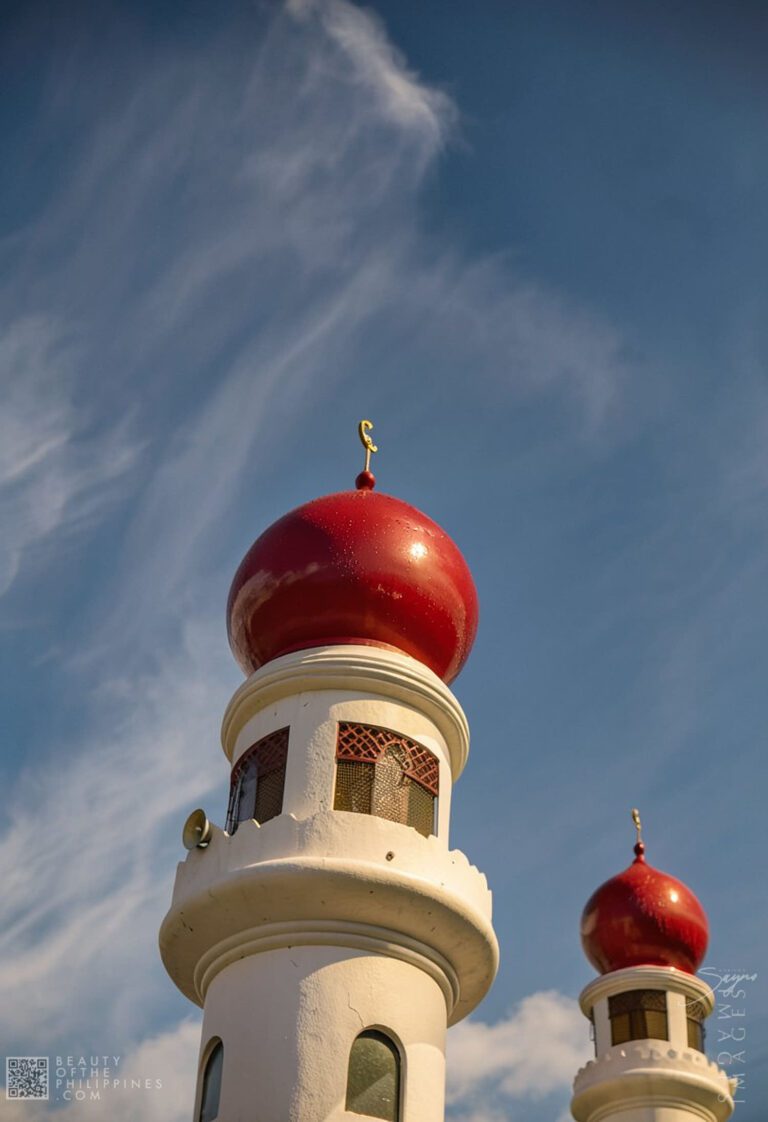
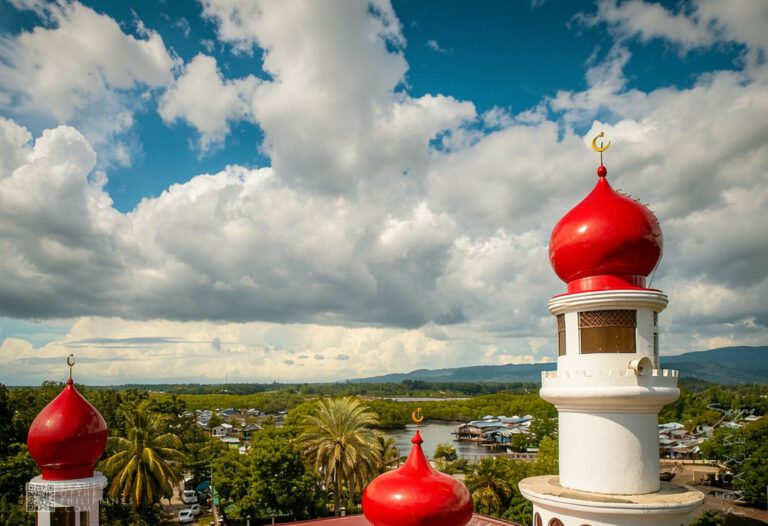
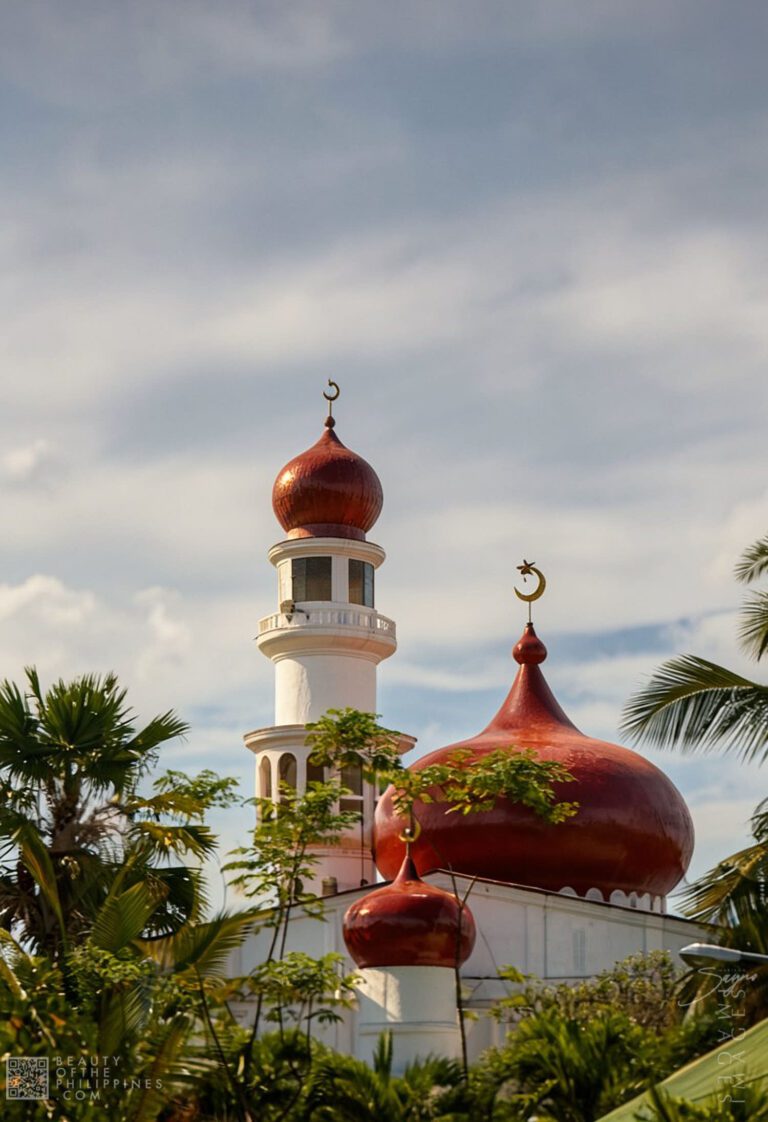
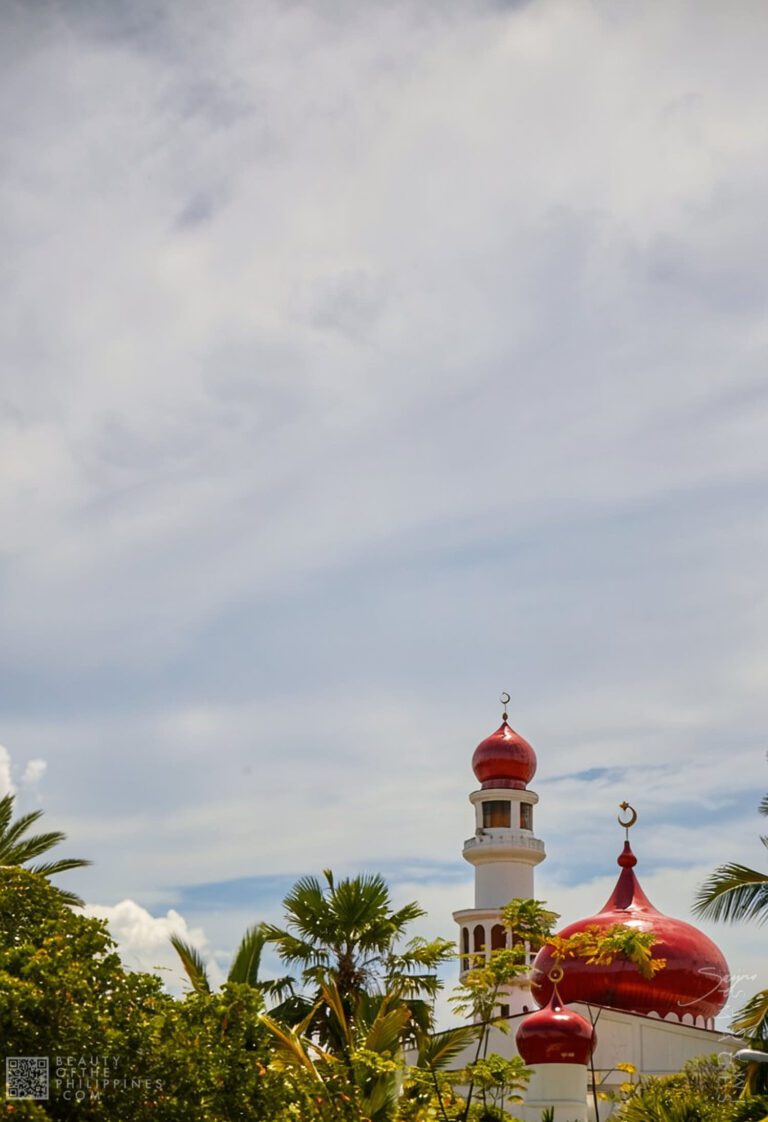
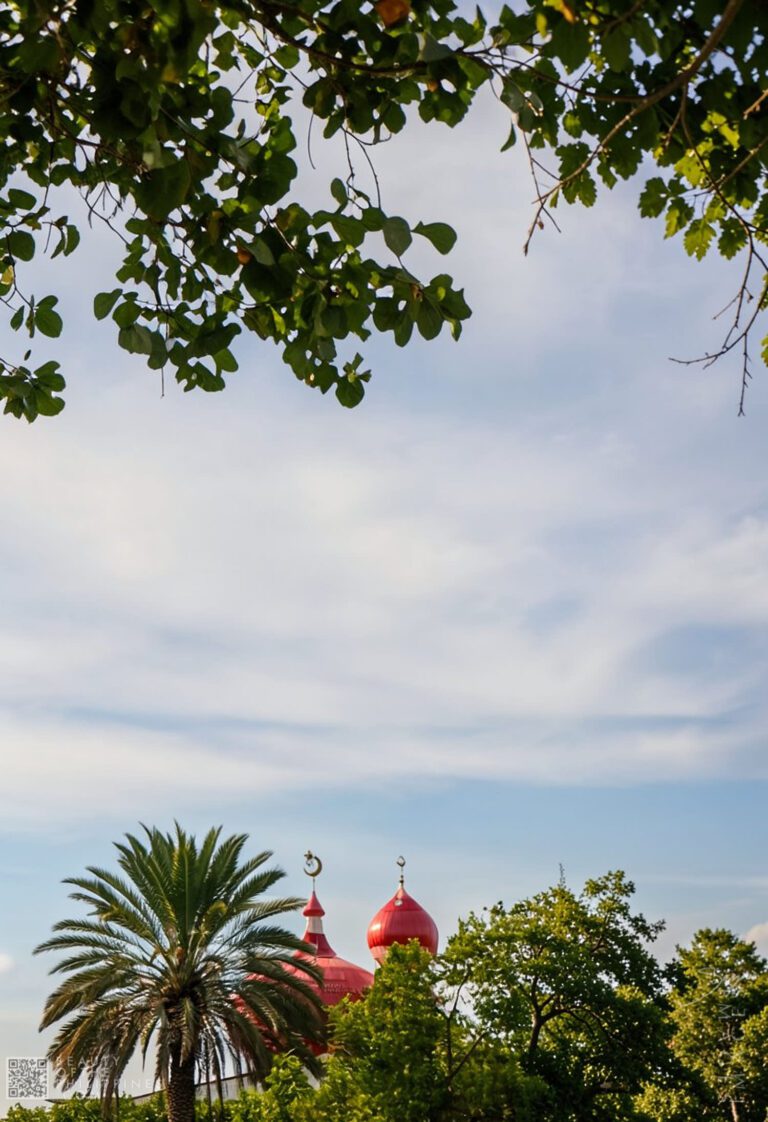
The drive east from Zamboanga City proper toward Barangay Taluksangay shifts gradually from busy urban streets to a calmer coastal stretch. About 19 kilometers out, the red domes begin to appear above the village landscape. That first glimpse of Taluksangay Mosque, locally known as Masjid sin Taluksangay, feels understated yet powerful.
As a travel photographer, I often look for structures that tell their story even before I step inside. This mosque does exactly that. It stands not only as one of the most culturally significant landmarks in Western Mindanao, but also as the oldest mosque in the Zamboanga Peninsula, constructed in 1885 by Hadji Abdullah Maas Nuno, a respected chieftain of the Sama Banguingui people. Its presence signals that this was, and remains, an early center of Islamic propagation in the region.
History here is not abstract. It feels layered into the ground itself. From the late 19th century onward, Muslim missionaries traveled from Saudi Arabia, Turkey, India, Malaysia, Indonesia, and Borneo to Taluksangay. They came not briefly, but with purpose — to teach, to study, and to anchor Islamic learning in this part of Mindanao.
In 1914, a representative of the Sultan of Turkey, known as the Sheik-Al-Islam, visited Taluksangay, affirming its importance within the broader Islamic world. That detail alone shifts the perspective. This was not an isolated village mosque; it was connected to a wider spiritual network across continents.
Even during the unrest of the early 1970s linked to the Moro National Liberation Front (MNLF) conflicts, Taluksangay maintained its relevance. Figures such as General Fidel V. Ramos visited the area. Despite instability in parts of Mindanao during that period, the mosque remained a place of continuity — a symbol that faith communities endure even through political upheaval.
Today, the mosque carries a Level II historical marker from the National Historical Commission of the Philippines, formally recognizing its central role in the spread of Islam in the region.
What makes Taluksangay Mosque more meaningful is the community around it. The village population is largely Muslim, composed mainly of descendants of the Sama Banguingui — historically known across Southeast Asia for their maritime skills. Colonial accounts often labeled them as pirates, yet they maintained their identity and autonomy through centuries of change.
Walking through the village, I realized that the mosque is inseparable from these people. It is not preserved behind ropes or glass panels. It breathes with daily life — prayers, conversations, children moving in and out of the courtyard. Cultural tourism here is not staged; it is lived.
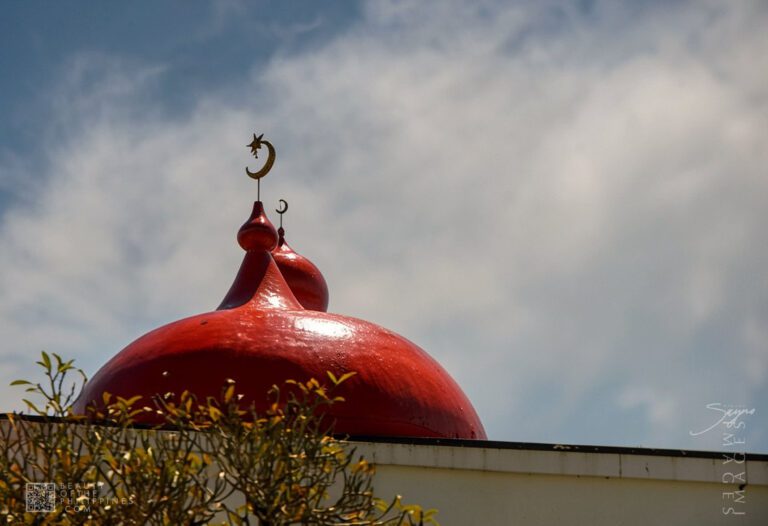
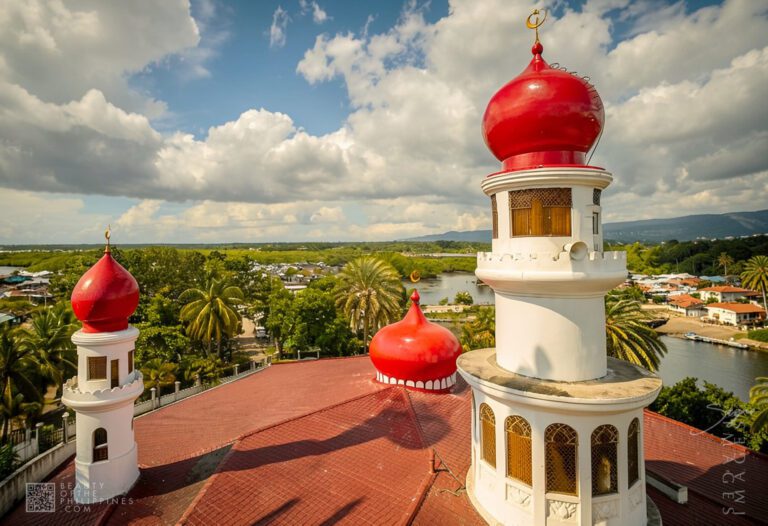
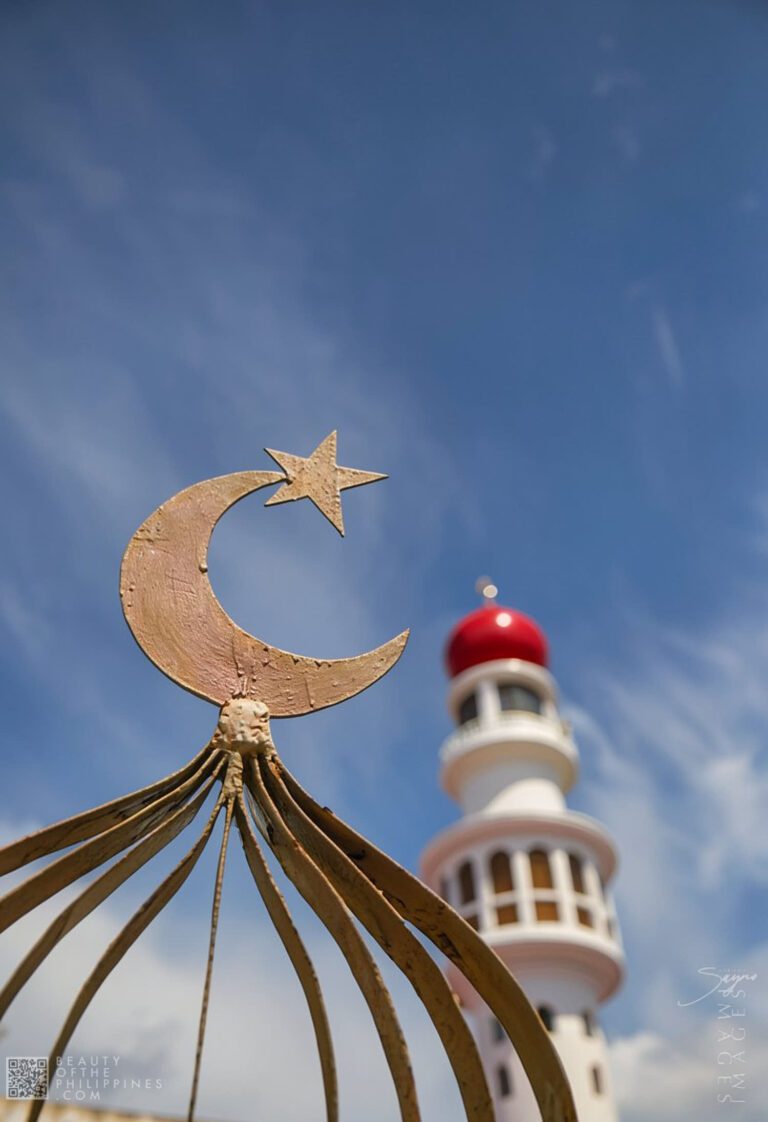
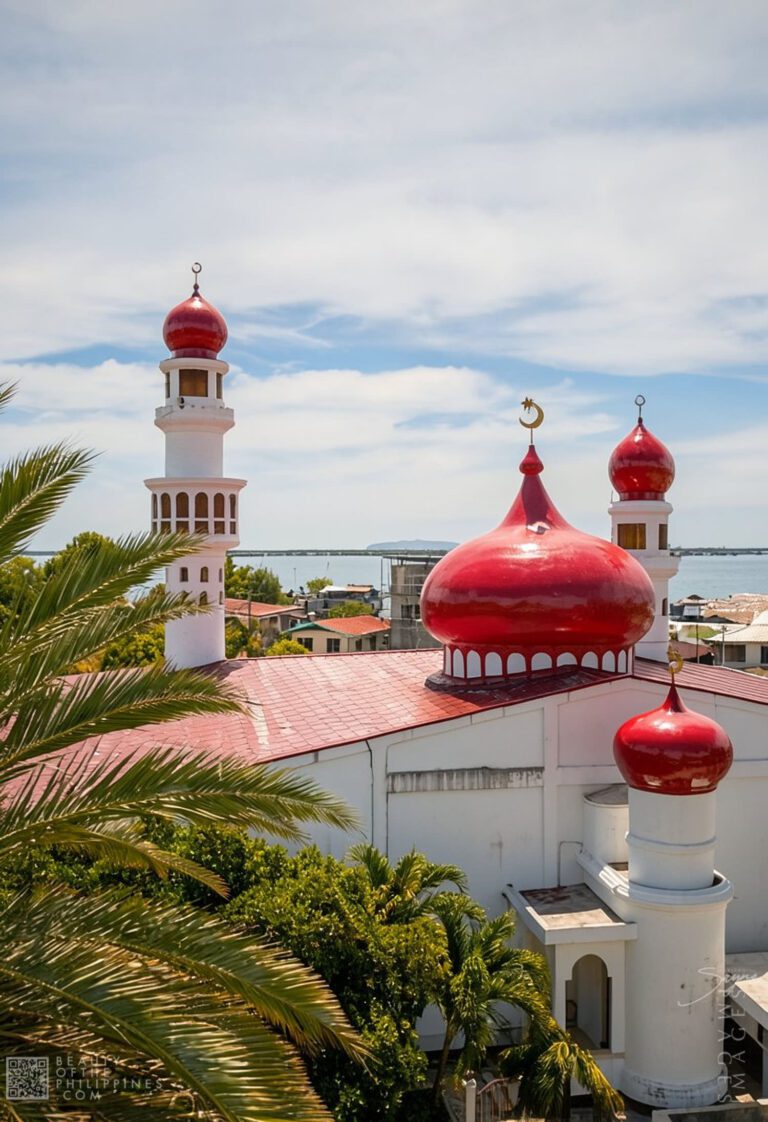
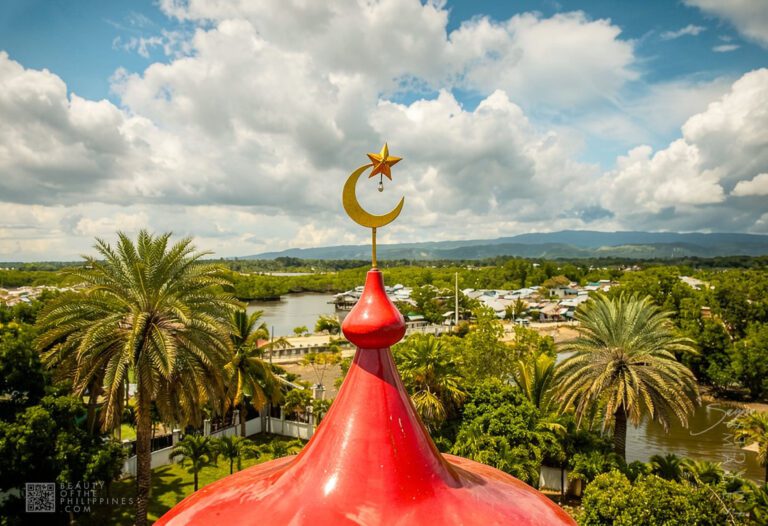
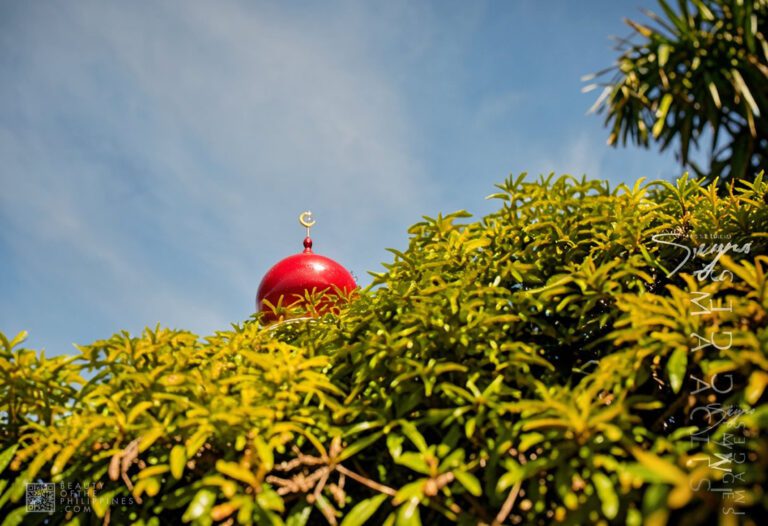
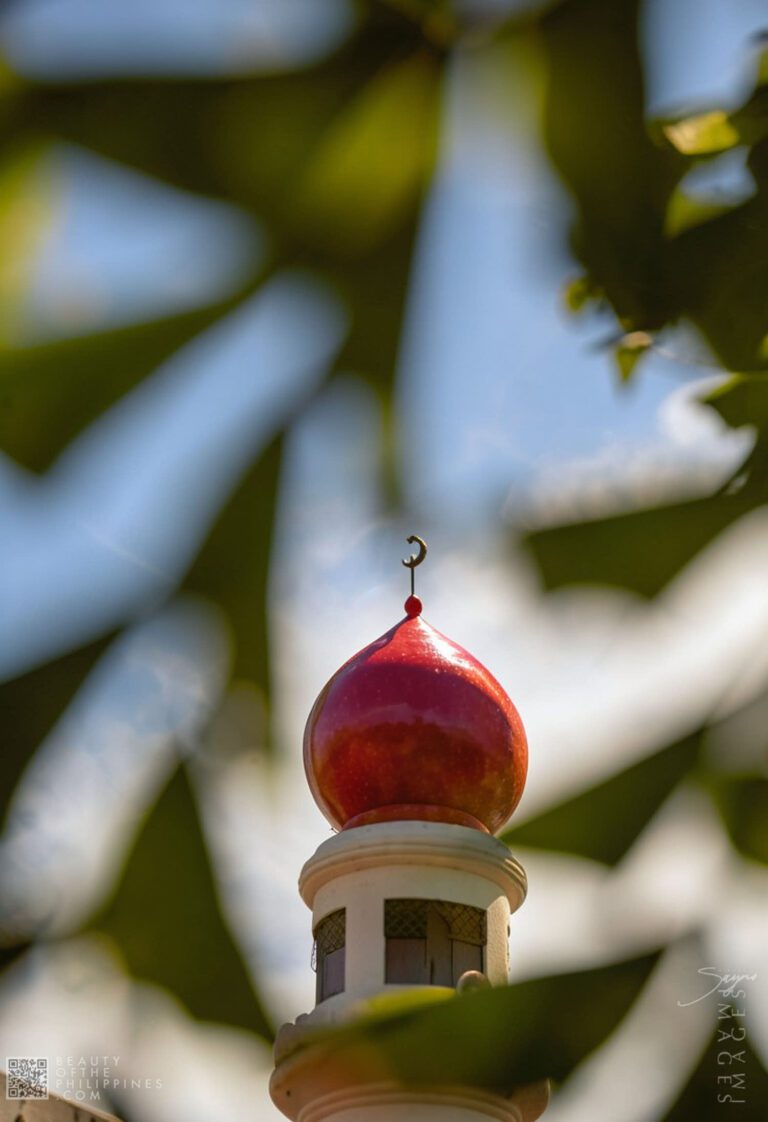
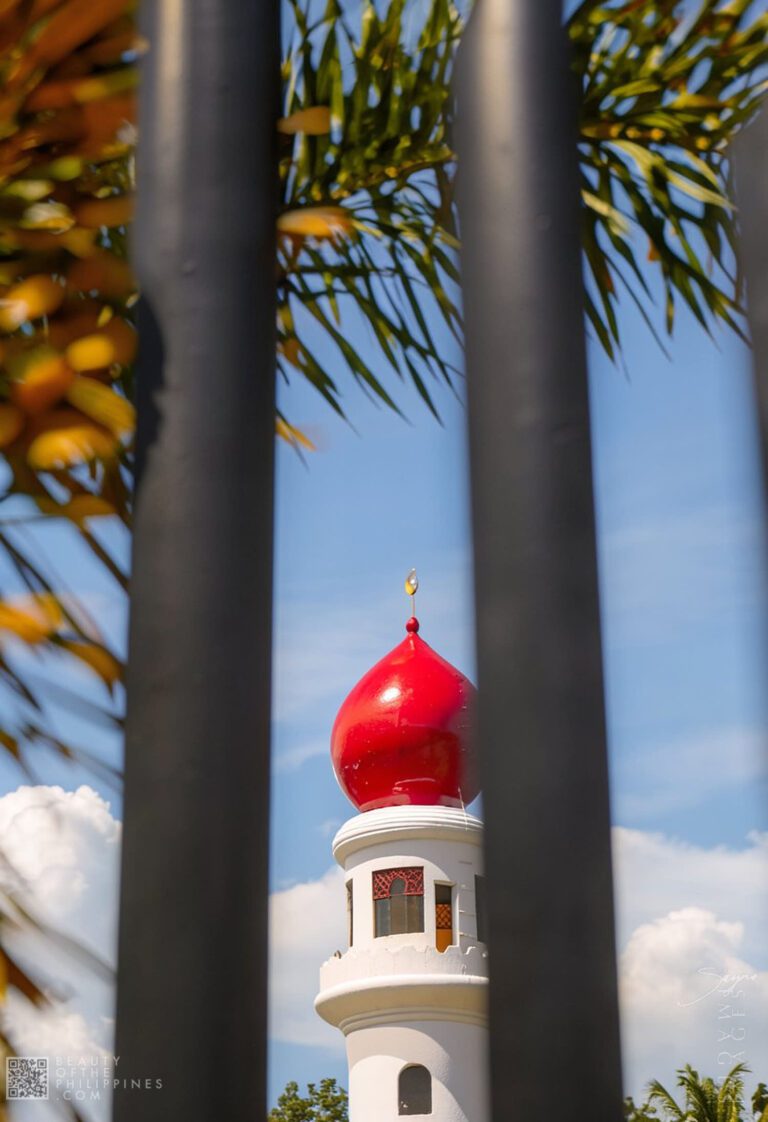
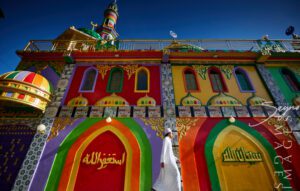
Architecturally, the mosque has undergone renovations, yet it retains defining features that make it instantly recognizable. The distinctive red domes rise against the tropical sky — a strong visual element that naturally draws the eye of any photographer.
Minarets and prayer halls reflect a blend of local design sensibilities and broader Islamic influences, shaped by centuries of intercultural exchange. The riverside setting adds to the atmosphere. There is a calmness in the air, especially during quieter hours, when the reflection of the structure meets the soft movement of water.
For photography, timing matters. Morning light softens the red tones of the domes, while late afternoon casts longer shadows that highlight the architectural lines.
RELATED STORIES

Built between 1905 and 1907, the Zamboanga City Hall, officially known as Bahay Pamahalaan ng Lungsod ng Zamboanga, is a striking landmark that stands as


Driving through Tumaga Road in Barangay Sta. Maria, I remember how the dome appeared before I even realized I was looking for it. The colors


The mosque is open year-round, with no fixed entrance fee, though donations are welcomed for upkeep. As an active house of worship, modest attire is expected. Women are advised to wear headscarves, and both men and women should avoid shorts or sleeveless tops. Photography is generally permitted, but asking permission when people are within the frame is part of respectful travel.
Reaching Taluksangay Mosque from the city center takes about 30 to 45 minutes by jeepney or hired tricycle. The route itself feels like a transition — from city energy to village rhythm.
A visit to Taluksangay pairs naturally with other heritage sites in Zamboanga City. Paseo del Mar offers a waterfront contrast ideal for sunset. Fort Pilar Shrine presents another layer of interfaith history, illustrating how different religious traditions have shaped the city. Local markets and barter trade areas reveal the diverse influences that define this southern gateway.
Taken together, these destinations create a fuller narrative of Zamboanga — pre-colonial, colonial, and deeply rooted in Islamic heritage.
I’m looking forward to the stories and images leaving a lasting positive impression on you, just as they have on me. Stay connected with us on social media for a weekly exploration of travel assignments and breathtaking visuals. Our focus is on championing local tourism, showcasing small businesses, and honoring the magnificence of the Philippines through the content we curate. Join us in spreading the word by clicking the ‘share’ buttons below. Your support means the world to us.
EXPLORE MORE about


Built between 1905 and 1907, the Zamboanga City Hall, officially known as Bahay Pamahalaan ng Lungsod ng Zamboanga, is a striking landmark that stands as


Driving through Tumaga Road in Barangay Sta. Maria, I remember how the dome appeared before I even realized I was looking for it. The colors
BROWSE BY CATEGORIES
BROWSE BY PROVINCE