Rainbow Mosque: The Story Behind Zamboanga’s Most Vibrant Landmark
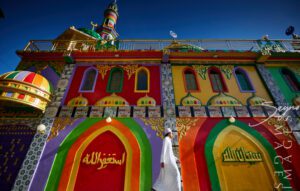
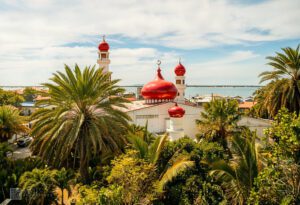
Driving through Tumaga Road in Barangay Sta. Maria, I remember how the dome appeared before I even realized I was looking for it. The colors
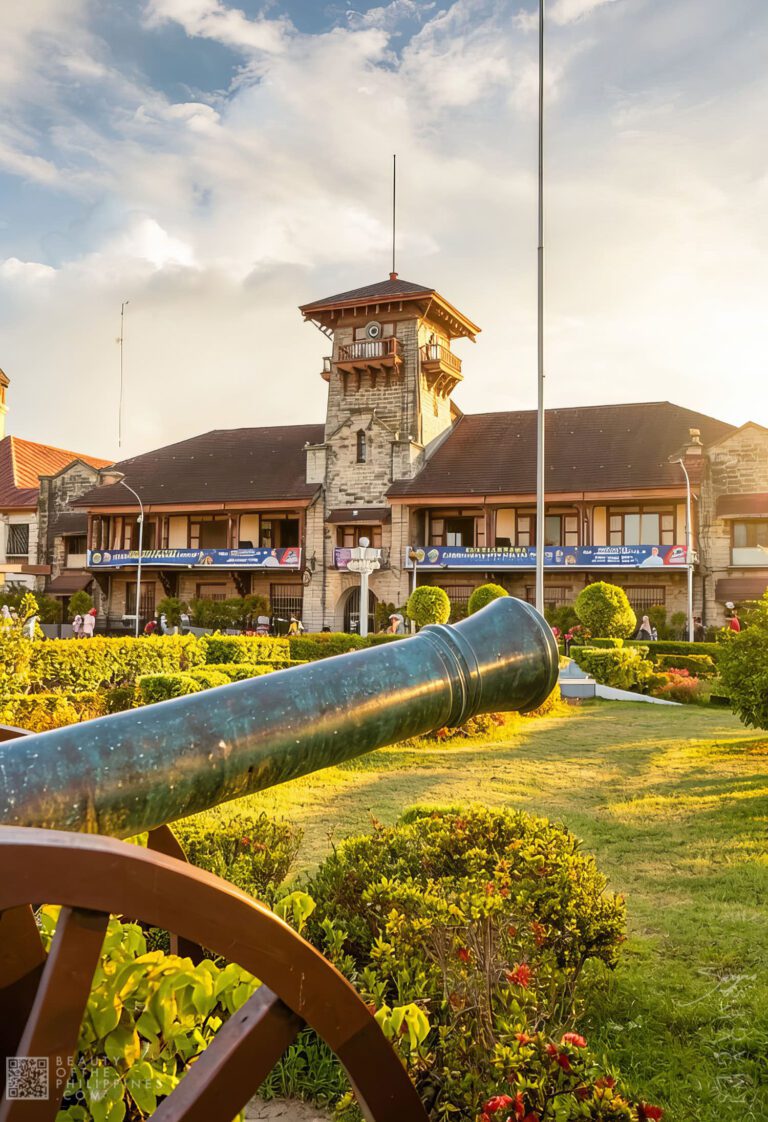
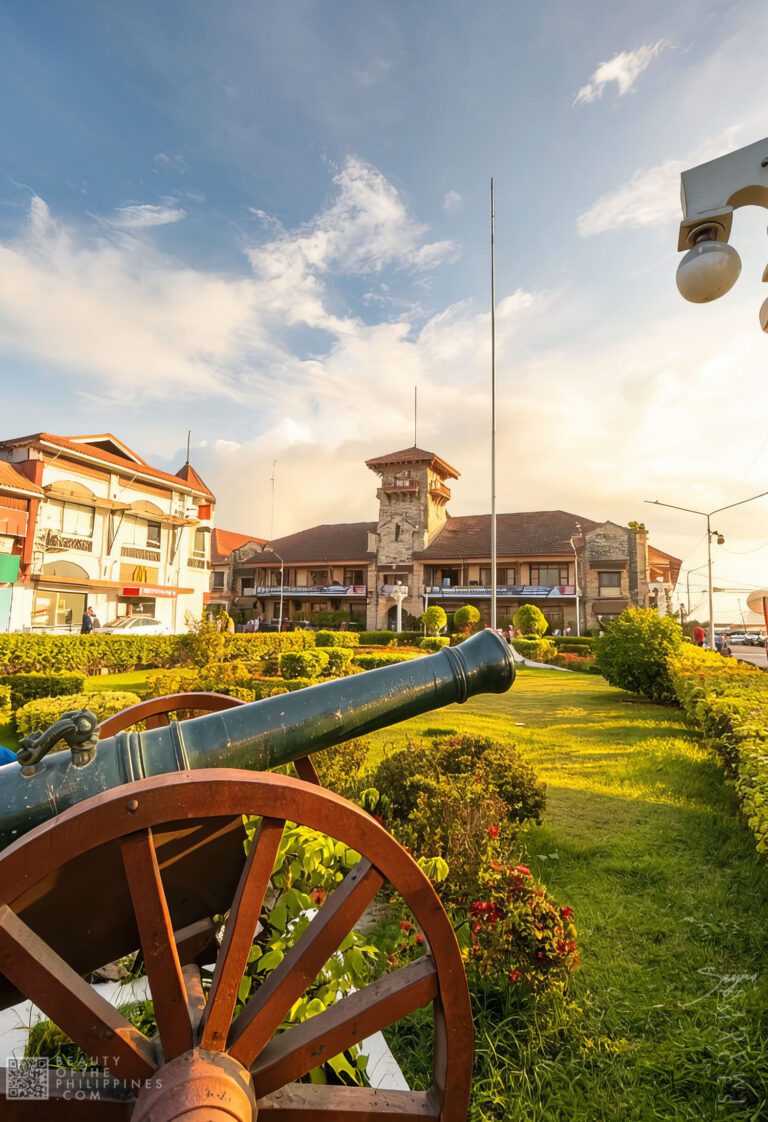
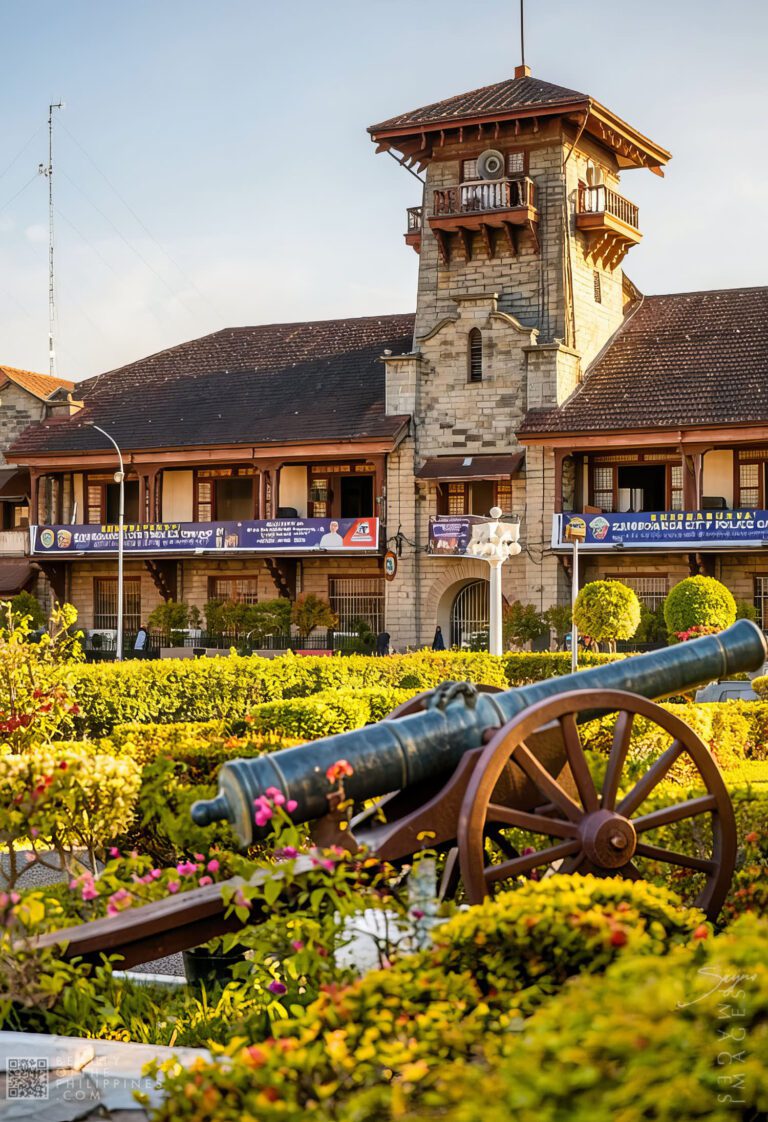
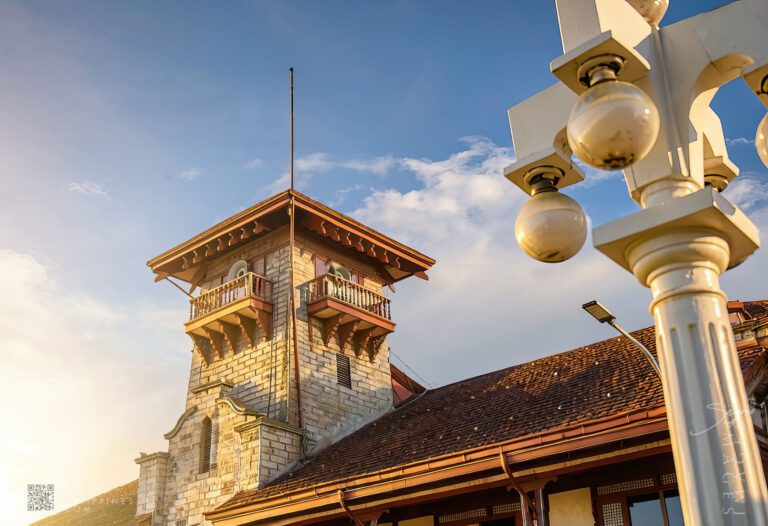
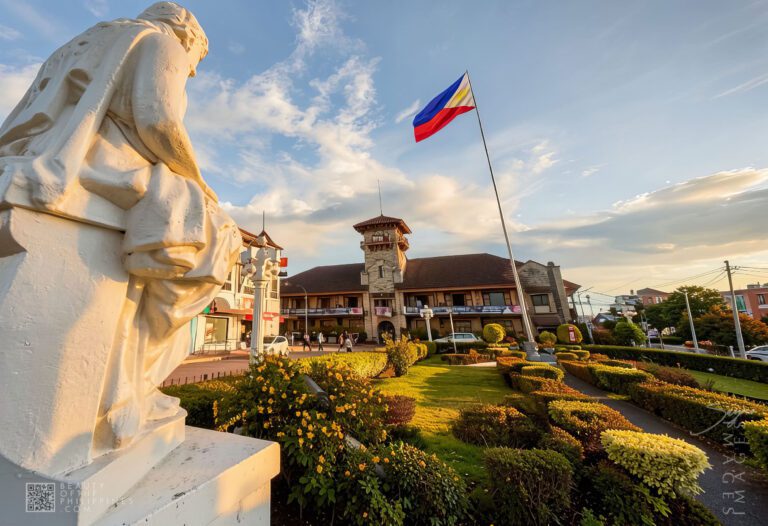
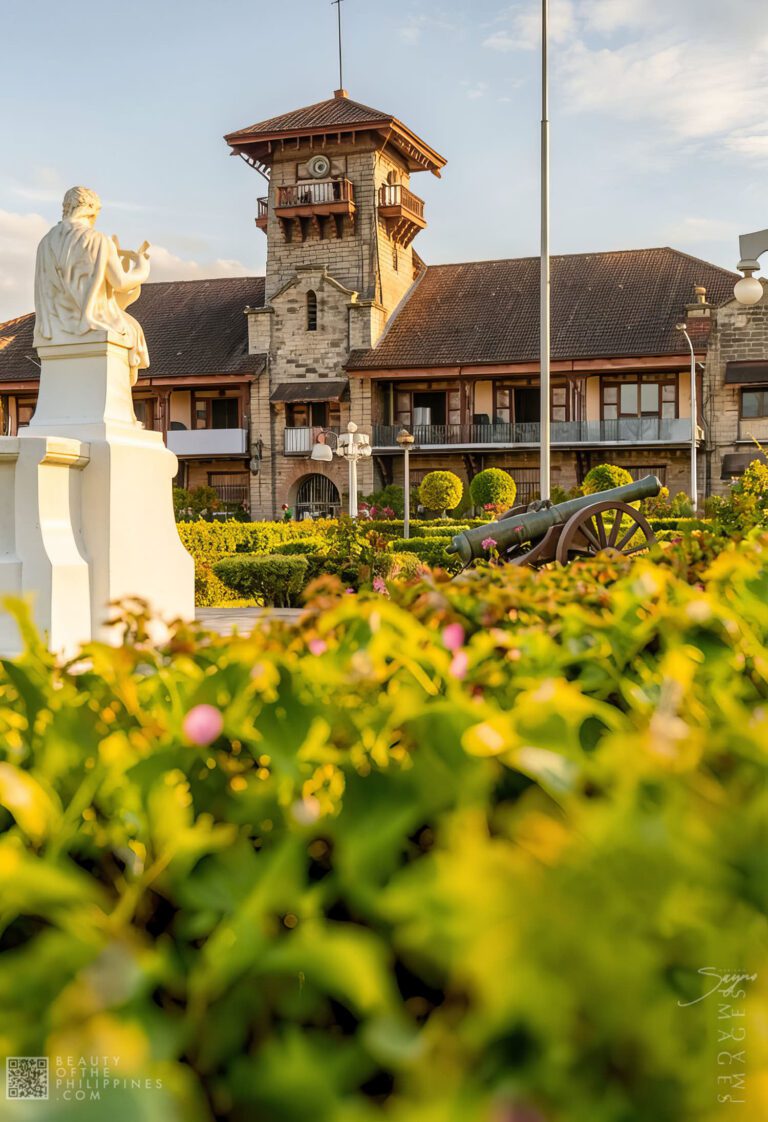
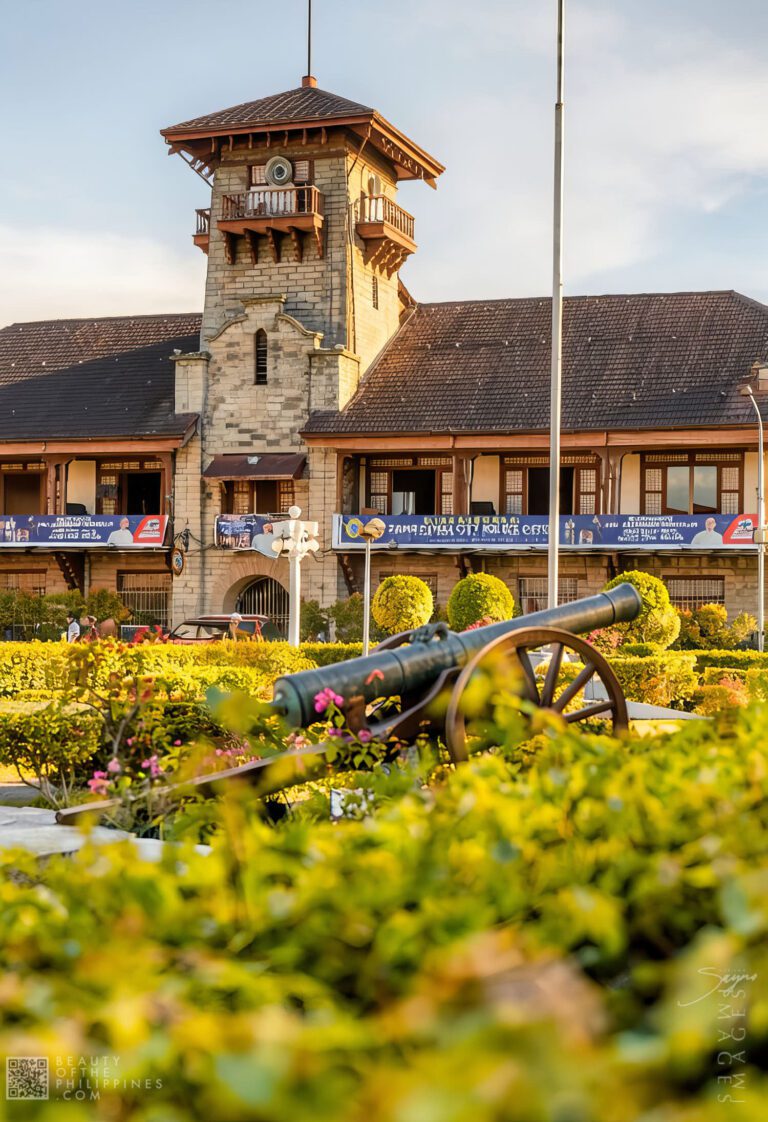
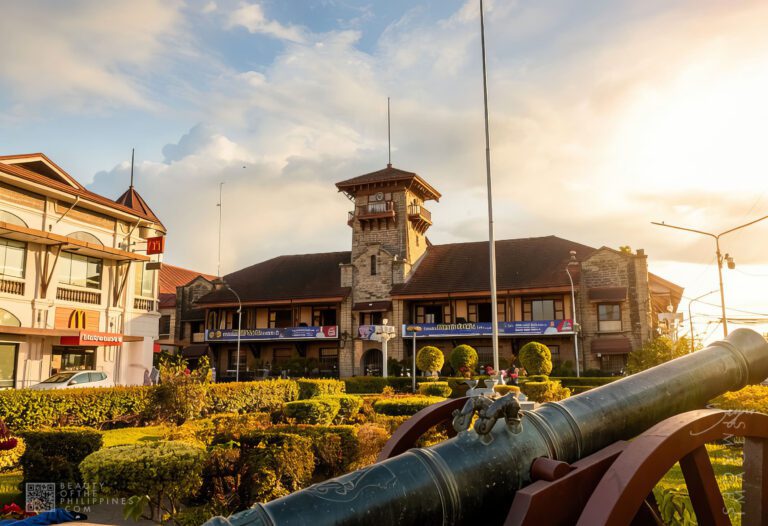
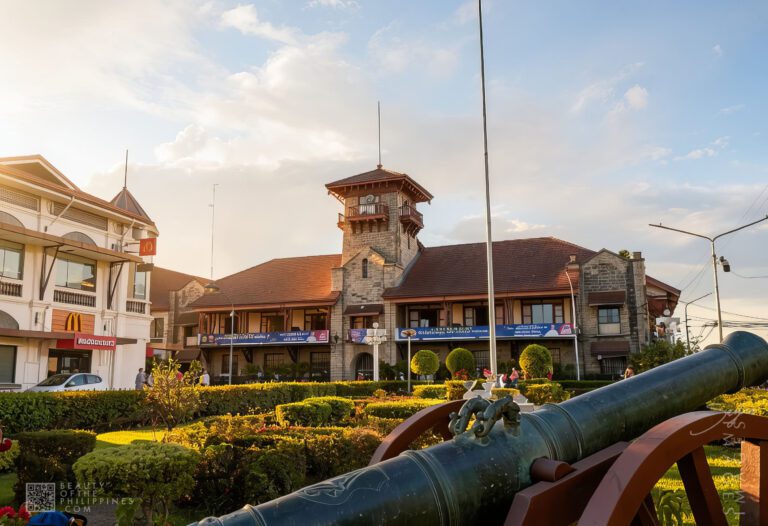
At the center of Plaza Rizal stands one of the most recognizable civic landmarks in Mindanao: Zamboanga City Hall. Seen from the surrounding streets of downtown Zamboanga City, the building immediately draws attention through its clock tower, symmetrical façade, and distinctly colonial appearance that contrasts sharply with the movement of modern commercial life around it. Government employees, students, commuters, tourists, marketgoers, and photographers all pass through the district daily, making the area one of the clearest examples of how heritage architecture continues functioning within the living rhythm of a contemporary Philippine city.
Unlike heritage structures preserved mainly as museum sites, the City Hall remains fully integrated into the daily operations of the city itself. Public offices continue to function inside the building while visitors gather outside along the edges of Plaza Rizal, often photographing the façade during late afternoons when sunlight emphasizes the textures of the stonework and arches. The atmosphere surrounding the structure reflects the broader identity of Zamboanga — historic yet active, colonial yet distinctly shaped by the layered cultures of western Mindanao.
For travelers arriving in the city for the first time, the district surrounding the City Hall often becomes an introduction to the urban character that gives Zamboanga its reputation as “Asia’s Latin City.” The surrounding streets reveal a blend of old civic architecture, churches, plazas, seafood restaurants, transportation routes, Chavacano conversations, and modern commercial activity unfolding within the same urban landscape.
The history of Zamboanga City Hall traces back to the early years of the American colonial period in the Philippines. Construction began in 1905 under the authority of the United States federal government and was completed in 1907. At the time, the building was not yet intended to serve as a city hall. Instead, it functioned as the official residence of the military governor of the former Moro Province, the vast administrative territory established by the Americans to govern much of Muslim Mindanao and the Sulu Archipelago.
Its administrative role expanded further in the years that followed. The structure later became the seat of the Department of Mindanao and Sulu and eventually the provincial government headquarters of the old Zamboanga Province. Only in 1937, shortly after Zamboanga formally became a chartered city, did the building officially assume its role as the city hall.
This continuity of civic use gives the structure unusual historical importance within the Philippines. Many government buildings from the colonial period were either demolished, abandoned, or heavily modernized over time. Zamboanga City Hall, however, retained its administrative purpose across several political periods, including the era of American military governance, the Commonwealth period, postwar reconstruction, and the modern era of local government administration.
Because of this significance, the building was recognized by the National Historical Commission of the Philippines as a National Historical Site, formally acknowledging its role not only in local governance but also in the broader political and cultural history of the country.
Architecturally, Zamboanga City Hall remains one of the most visually distinguished government buildings in Mindanao. The structure reflects a fusion of Filipino colonial civic architecture and American-era urban planning sensibilities, resulting in a building that feels ceremonial rather than purely administrative.
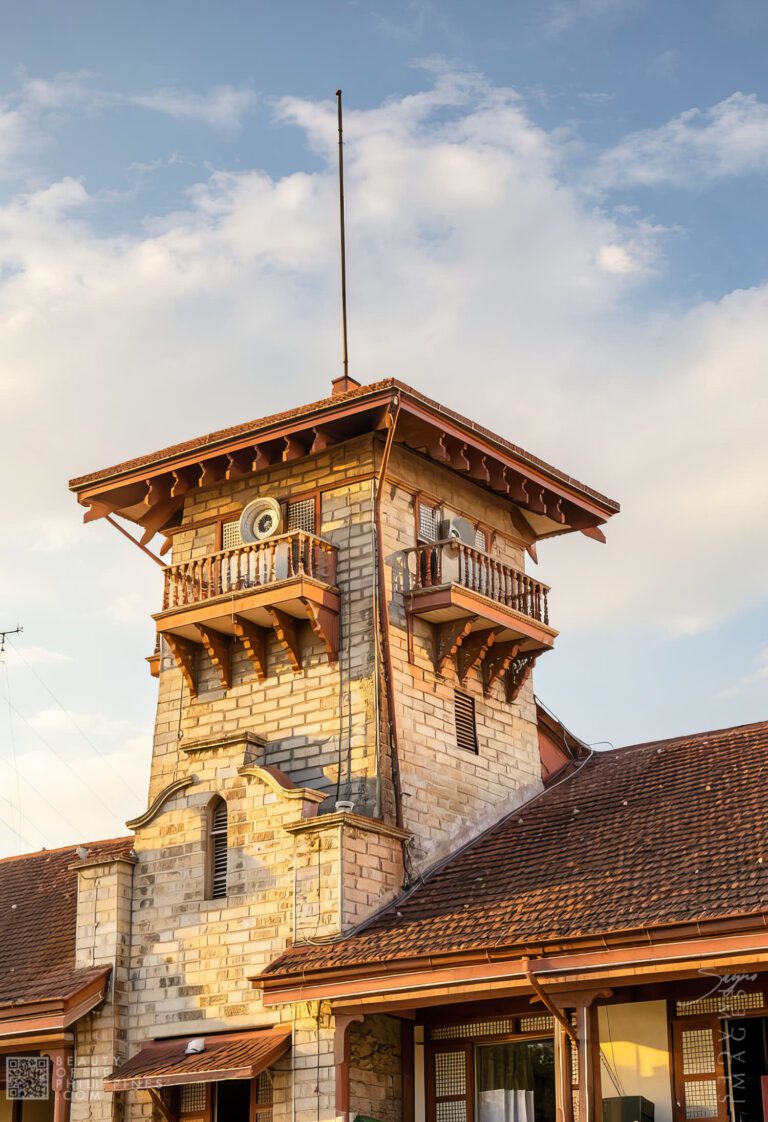
Its most recognizable feature is the central clock tower rising above the façade. Visible from different sections of the surrounding district, the tower gives the structure a landmark quality that immediately separates it from ordinary municipal buildings elsewhere in the country. Decorative balconies, arched openings, rusticated stone textures, and carefully balanced proportions contribute to its stately appearance.
The building’s placement beside Plaza Rizal also follows older principles of Spanish colonial urban planning, where government institutions, public squares, churches, and gathering spaces were intentionally positioned close to one another. This relationship remains visible today, especially when viewed from the plaza where the City Hall, nearby religious structures, and surrounding civic spaces continue forming the traditional urban core of Zamboanga City.
For photographers, the structure becomes especially striking during late afternoon. Shadows from the arches and clock tower create strong contrasts across the façade, emphasizing the age, depth, and texture of the architecture. Many travel photographers consider this period one of the best times to document the building, particularly when the plaza begins filling with residents moving through the district after office hours.
The tourism importance of Zamboanga City Hall extends far beyond architecture alone. The structure visually represents the mixed cultural identity that defines Zamboanga City, making it one of the strongest civic symbols of the city’s historical character.
Unlike many urban centers in the Philippines, Zamboanga developed with a particularly strong Hispanic influence that remains visible not only in architecture but also in language and local identity. The continued use of Chavacano, a Spanish-based creole language, gives the city a cultural atmosphere distinct from many other parts of the country. The colonial appearance of the City Hall complements this identity so strongly that the building itself has become one of the most recognizable architectural symbols of the city’s Hispanic-era legacy.
Yet the surrounding environment also reflects a broader and more layered Mindanao identity shaped by Muslim maritime traditions and the presence of Sama-Bajau, Tausug, Yakan, Christian, and other indigenous communities. This combination creates a cityscape unlike heritage districts in Luzon or the Visayas. Within only a few blocks of the City Hall, visitors may encounter Chavacano-speaking residents, seafood markets, modern commercial establishments, vintas displayed in tourism imagery, mosques, churches, and contemporary urban businesses operating side by side.
For many visitors, this contrast becomes one of the defining impressions of the city: a colonial civic structure standing within a multicultural coastal environment where Hispanic influence, Islamic traditions, and modern Mindanao commerce coexist within the same streets.
By the mid-2020s, Zamboanga City increasingly positioned itself as a cultural tourism destination in southern Philippines. While many visitors initially associate the city with destinations such as Fort Pilar, Santa Cruz Island, and the brightly colored vintas, the City Hall gradually became a regular stop within heritage walking tours focused on the old urban center.
Its location contributes greatly to this tourism role. Situated within the city’s civic core, the building remains easily accessible to travelers exploring nearby attractions such as Paseo del Mar, the Metropolitan Cathedral of the Immaculate Conception, museums, markets, commercial streets, and waterfront districts. Travelers moving through the downtown area frequently encounter the City Hall naturally as part of their route through the city.
The surrounding district also remains active during civic celebrations, local festivals, commemorative events, and city holidays. During these occasions, Plaza Rizal and the streets surrounding the City Hall become gathering spaces for cultural showcases, public ceremonies, performances, and community activities. This continued public use reinforces the building’s identity as living heritage rather than a static monument disconnected from ordinary life.
In recent years, even newer commercial developments across Zamboanga began incorporating local visual motifs inspired by vintas and indigenous weaving traditions. This broader urban trend indirectly strengthens the tourism relevance of the City Hall because it reinforces architecture and cultural identity as central elements of how the city presents itself to visitors.
One of the most important aspects of Zamboanga City Hall as a tourism landmark is that it remains a functioning civic institution rather than a preserved ruin or isolated museum structure. Visitors encounter an active government center embedded within a historically layered district where contemporary urban life unfolds continuously around heritage architecture.
This “living heritage” quality differentiates the building from many historic sites elsewhere in the Philippines. Office workers move through the same corridors connected to decades of political administration, while residents continue using the surrounding plaza as part of daily city life. The structure’s relevance comes not from commercialization or reconstruction but from continuity — the fact that it continues serving the city while preserving much of its historical character.
For tourism writing, this continuity matters because modern heritage tourism increasingly values authenticity and lived experience. Visitors to Zamboanga City Hall are not observing an isolated relic disconnected from the present. Instead, they experience a government landmark that remains woven into the civic, cultural, and historical identity of Zamboanga City itself.
The building ultimately succeeds as a tourism landmark because it captures multiple layers of the city’s story within a single structure: colonial administration, Chavacano heritage, postwar rebuilding, civic continuity, multicultural urban life, and the evolving identity of one of the most historically distinct cities in Mindanao.
RELATED STORIES

Driving through Tumaga Road in Barangay Sta. Maria, I remember how the dome appeared before I even realized I was looking for it. The colors


The approach toward Little Sta. Cruz Island Sandbar begins along the coastlines facing the southwestern edge of Zamboanga City, where tourism boats gradually leave the


The drive east from Zamboanga City proper toward Barangay Taluksangay shifts gradually from busy urban streets to a calmer coastal stretch. About 19 kilometers out,


The atmosphere surrounding Plaza Rizal begins to reveal itself long before visitors step directly into the park. Moving through the downtown district of Zamboanga City,

I’m looking forward to the stories and images leaving a lasting positive impression on you, just as they have on me. Stay connected with us on social media for a weekly exploration of travel assignments and breathtaking visuals. Our focus is on championing local tourism, showcasing small businesses, and honoring the magnificence of the Philippines through the content we curate. Join us in spreading the word by clicking the ‘share’ buttons below. Your support means the world to us.
EXPLORE MORE about


The atmosphere surrounding Plaza Rizal begins to reveal itself long before visitors step directly into the park. Moving through the downtown district of Zamboanga City,


The drive east from Zamboanga City proper toward Barangay Taluksangay shifts gradually from busy urban streets to a calmer coastal stretch. About 19 kilometers out,


The approach toward Little Sta. Cruz Island Sandbar begins along the coastlines facing the southwestern edge of Zamboanga City, where tourism boats gradually leave the


Driving through Tumaga Road in Barangay Sta. Maria, I remember how the dome appeared before I even realized I was looking for it. The colors
BROWSE BY CATEGORIES
BROWSE BY PROVINCE