

Taluksangay Mosque: The Oldest Islamic Center in the Zamboanga Peninsula
The drive east from Zamboanga City proper toward Barangay Taluksangay shifts gradually from busy urban streets to a calmer coastal stretch. About 19 kilometers out,
The approach toward Little Sta. Cruz Island Sandbar begins along the coastlines facing the southwestern edge of Zamboanga City, where tourism boats gradually leave the mainland and move into the waters of the Basilan Strait. From the city’s coastal jump-off points near Paseo del Mar and Fort Pilar, the urban shoreline slowly fades behind the open sea as the islands of the Sta. Cruz group begin to appear in the distance.
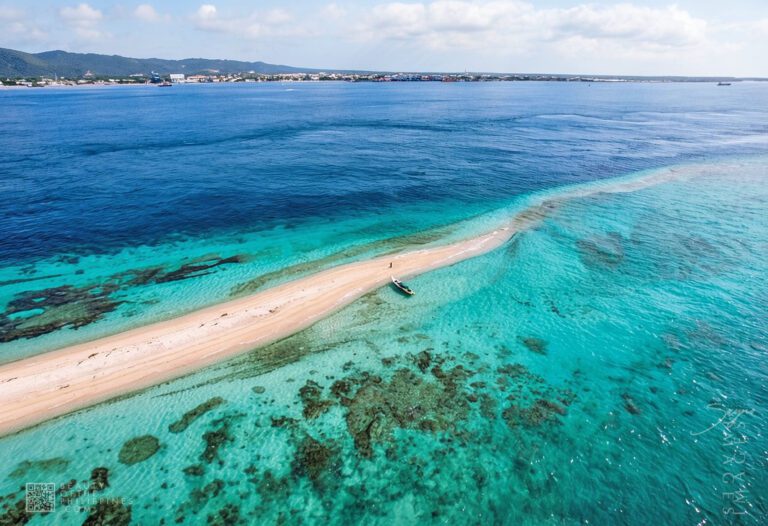
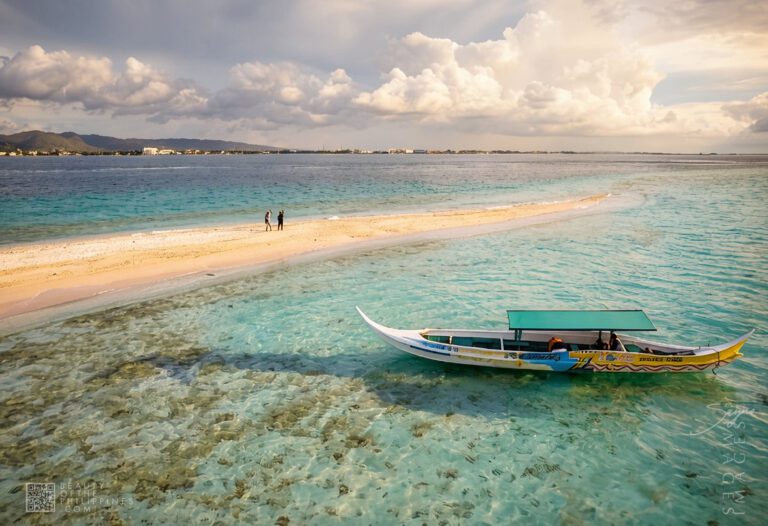
The journey itself forms part of the tourism experience. The boat ride, which usually lasts between fifteen and thirty minutes depending on sea conditions, reveals changing shades of water that shift from darker blue channels into lighter turquoise shallows near the islands. During calmer weather, the sea surface becomes almost reflective beneath the morning light, while reef formations and pale sandbanks begin to emerge beneath the water long before the sandbar itself fully appears.
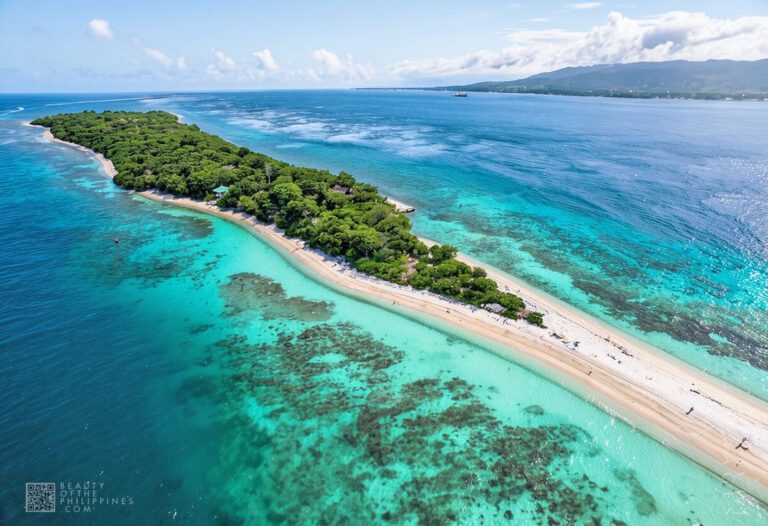
Located roughly four kilometers from mainland Zamboanga, Little Sta. Cruz Island forms part of the larger Great and Little Sta. Cruz Islands Protected Landscape and Seascape, a protected area established under Presidential Proclamation No. 271 in 2000. While the island occupies only a relatively small landmass, the surrounding waters encompass a much larger protected marine environment containing reef systems, shallow coastal zones, and ecologically sensitive habitats managed under conservation regulations.
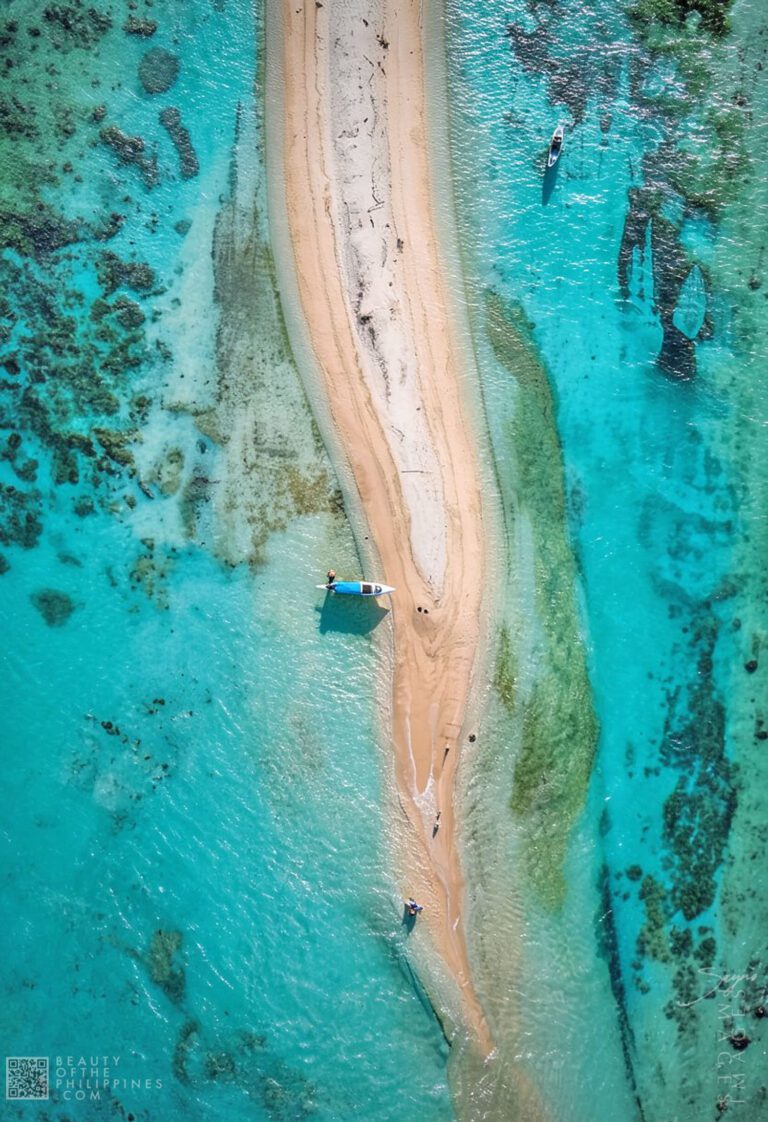
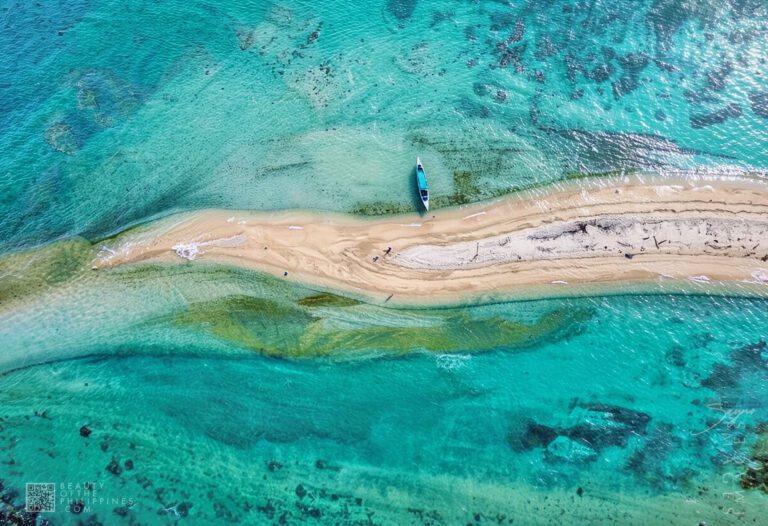
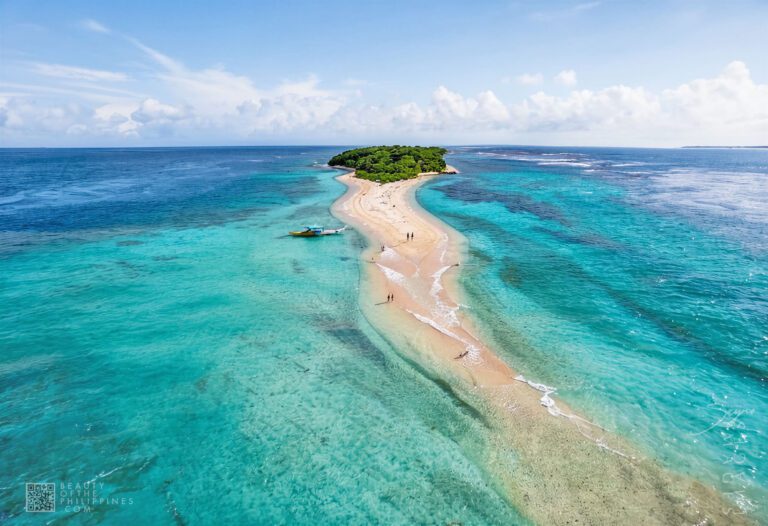
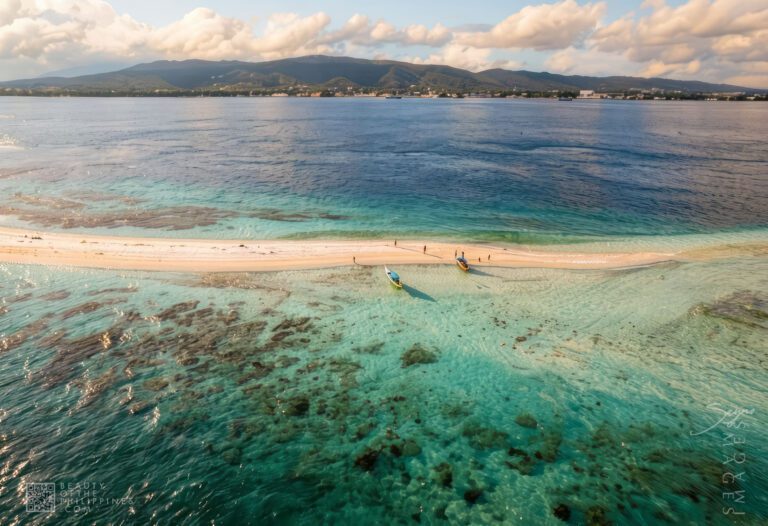
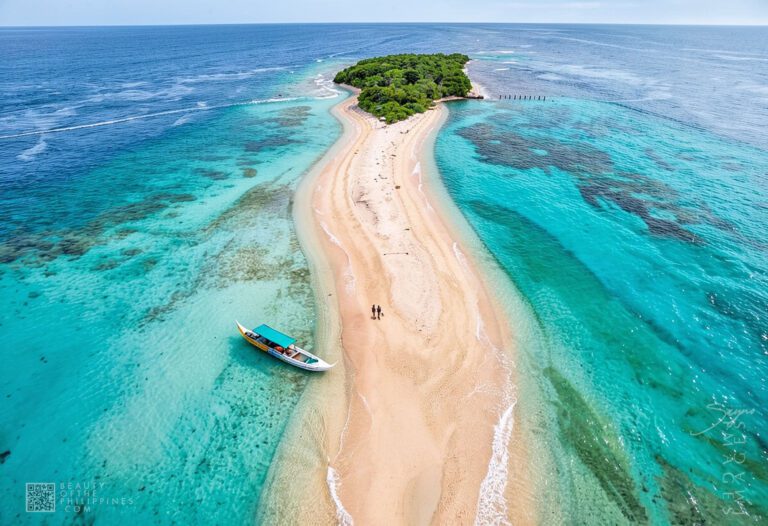
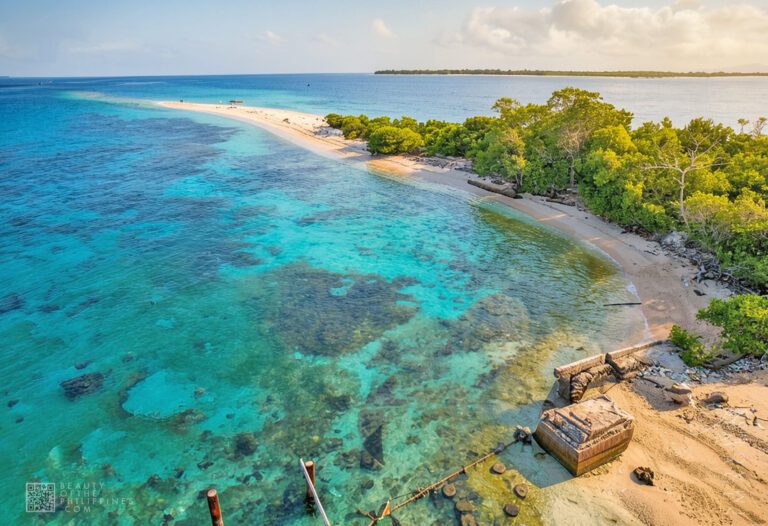
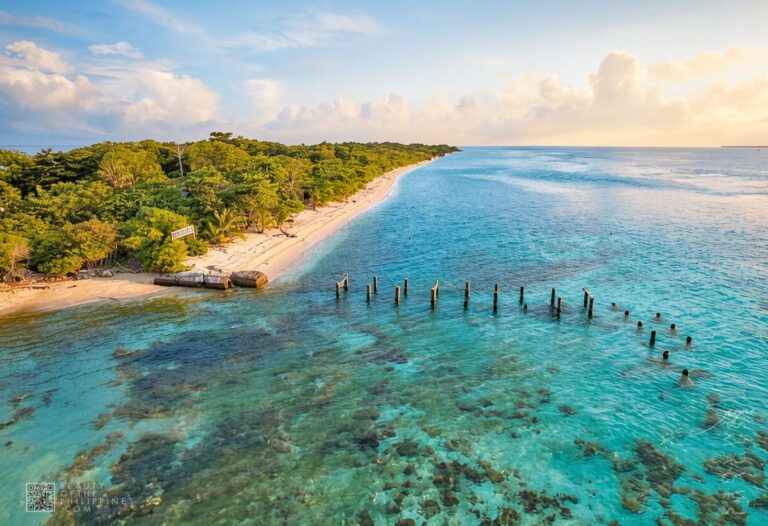
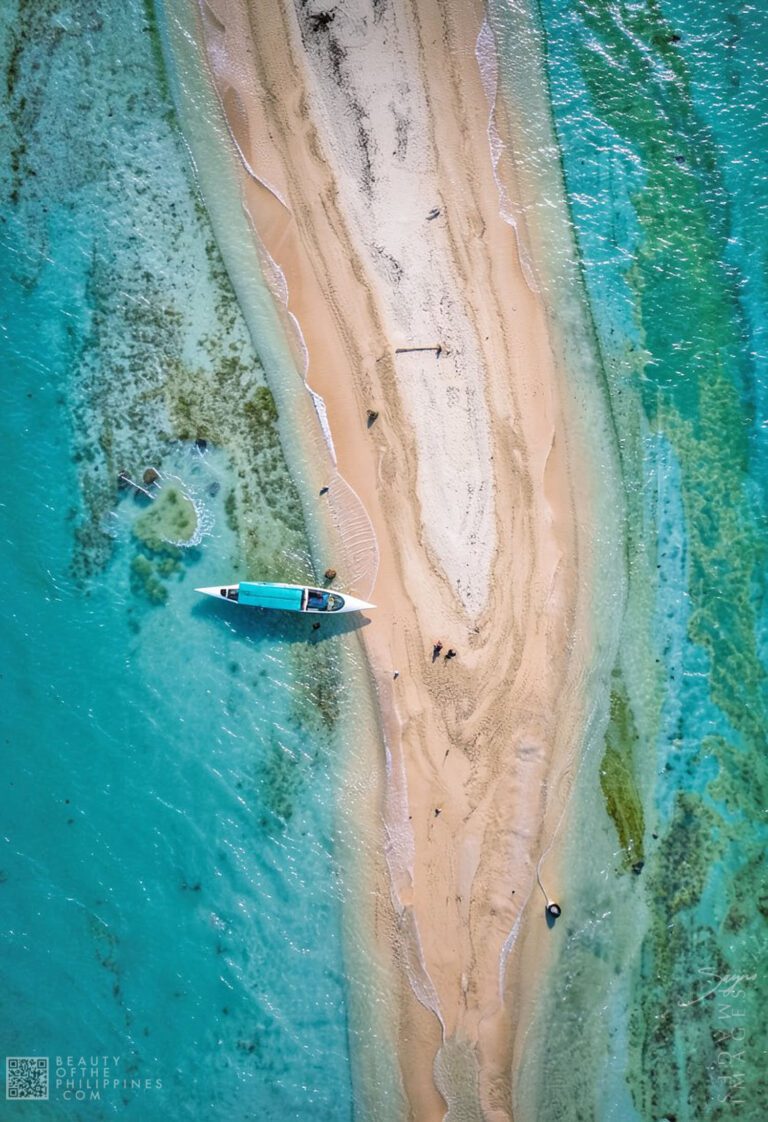
Unlike permanent coastlines with fixed outlines, the shape of Little Sta. Cruz Island Sandbar changes continuously depending on tide movement, seasonal coastal conditions, and water currents moving through the surrounding marine zone. During lower tides and calmer sea conditions, the sandbar becomes more visible as a long ribbon of pale sand extending into shallow water. At other times, sections of the formation partially disappear beneath shifting waves and tidal movement.
What distinguishes the sandbar from many ordinary tropical shorelines in the Philippines is the subtle pink coloration associated with the wider Sta. Cruz Islands. The color does not come from artificial enhancement or unusually bright mineral deposits but from crushed fragments of red organ pipe corals scientifically known as Tubipora musica. Over time, remnants of these coral structures mix naturally with fine white sand, producing faint rosy tones visible under direct sunlight.
Many travelers note that the pink coloration appears softer and more natural in person than in heavily edited social media photographs. Instead of an intensely pink shoreline, the sand often appears cream-colored with light blush tones that become more noticeable under midday sunlight or when viewed closely after drying. This understated appearance contributes to the island’s realism as a natural coastal environment rather than a highly stylized tourist image.
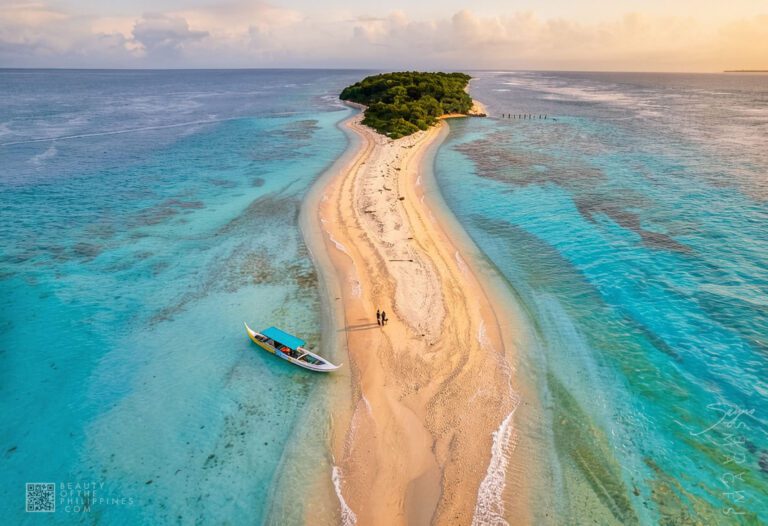
The surrounding waters intensify the visual contrast of the sandbar itself. During sunny weather, the shallow blue-green sea surrounding the pale shoreline creates strong gradients of color, particularly where deeper reef patches appear beneath the surface. Even at sea level, the landscape often resembles aerial imagery because of the clarity of the water and the visible transitions between sand, coral zones, and deeper channels.
Most visitors first encounter the larger and more widely promoted Great Sta. Cruz Island, long recognized internationally because of its pink coralline beach. The island gained additional global attention after being cited by National Geographic among the world’s notable beaches because of its naturally pink shoreline.
Tourism operations in the area remain concentrated primarily on Great Sta. Cruz Island, where controlled visitor facilities and eco-tour activities are more established. From there, guided boat excursions move toward the surrounding waters and the quieter environment around Little Sta. Cruz Island Sandbar.
The contrast between the two islands forms one of the most memorable visual experiences in western Mindanao. On one side stands the more developed eco-tourism beachfront of Great Sta. Cruz Island, where visitors gather for regulated beach activities and guided tours. On the other lies the calmer and more protected atmosphere surrounding Little Sta. Cruz, where the sandbar, shallow waters, and marine scenery feel more isolated from the activity of the main island.
Because of conservation measures and security regulations, access to Little Sta. Cruz Island itself is more restricted than access to the main pink beach. Tourism visits to the sandbar are generally brief and carefully coordinated through authorized tours. Many travelers experience the area primarily through sightseeing, photography, or short sandbar stops rather than prolonged beach recreation.


A typical tourism visit usually begins at the city tourism registration area near Paseo del Mar, where visitors arrange permits, environmental briefings, and coordinated boat transportation. From there, eco-tour routes combine several coastal experiences into a single trip across the protected waters.
The sandbar is commonly included within island-hopping activities, marine sightseeing routes, drone photography excursions, snorkeling tours, and eco-trips connected to nearby mangrove systems. Several operators also organize guided viewing activities focused specifically on the coastal formations surrounding the islands.
Time spent directly on the sandbar itself is often intentionally limited. Many travelers report that stops are relatively short and focused mainly on sightseeing and photography rather than extended swimming sessions. Certain sections of the surrounding waters experience strong tidal movement and changing currents, especially during transitional tide periods, leading authorities to restrict swimming in some areas for safety and environmental protection.
Despite these limitations, the waters themselves remain among the strongest attractions of the destination. On clear days, the sea surrounding the sandbar reveals remarkable visibility, with pale shallows gradually deepening into darker blue marine zones farther from shore. The layered color patterns created by coral formations, reef shadows, and sunlight across the water surface contribute heavily to the destination’s growing popularity among photographers and travel documentarians.


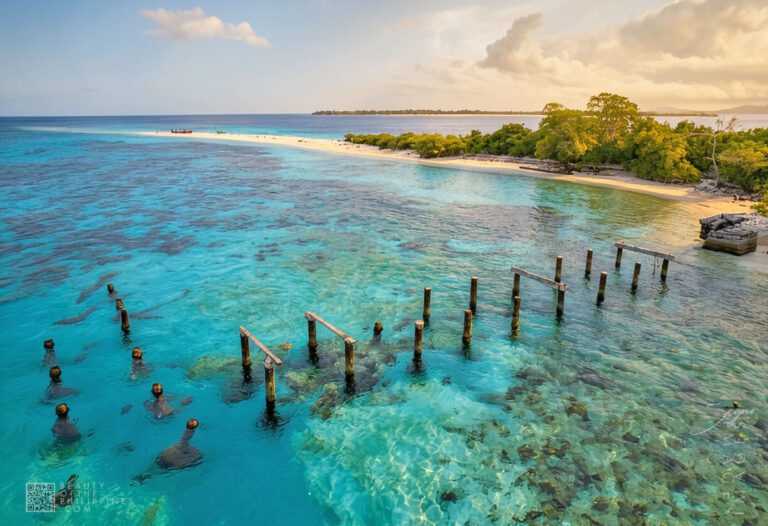
Beyond the open coastline of the sandbar, the surrounding protected area also contains important mangrove and lagoon ecosystems closely connected to tourism activity around the Sta. Cruz Islands. Many eco-tours combine sandbar visits with guided mangrove cruises using small paddle boats or brightly painted local watercraft moving through narrow channels lined with dense mangrove growth.
The atmosphere inside these lagoons differs greatly from the exposed openness of the sandbar. While the shoreline areas are dominated by sunlight, open sea, and broad coastal views, the mangrove channels feel quieter and more enclosed. Calm brackish waters reflect the surrounding vegetation while supporting juvenile fish species, coastal wildlife, and marine habitats essential to the broader ecosystem.
The ecological significance of the area extends far beyond tourism scenery alone. The protected waters surrounding Little Sta. Cruz Island support coral reef systems, mangrove habitats, seagrass beds, coastal bird populations, and marine biodiversity zones that remain highly sensitive to environmental disturbance.
Conservation efforts became increasingly strict over the years as authorities sought to avoid the environmental damage experienced by many heavily commercialized beach destinations elsewhere in the Philippines. Visitor limits, regulated tourism schedules, plastic restrictions, designated swimming areas, and controlled boat operations all became part of the island management strategy intended to preserve the marine environment.
These measures are especially important because the pink sand itself depends on fragile coral ecosystems. Damage to coral populations directly affects the natural processes responsible for producing the crushed coral fragments that give the shoreline its distinct coloration.
The experience surrounding the Sta. Cruz Islands also reflects the broader cultural and maritime identity of Zamboanga City. Traditional vintas, recognized for their brightly colored sails and strong connection to coastal Muslim communities in Mindanao, frequently appear in tourism imagery associated with the islands and surrounding waters.
The islands exist within a region shaped by overlapping cultural influences including Chavacano heritage, Sama-Bajau maritime traditions, Tausug communities, and wider coastal cultures across western Mindanao. For many travelers, visiting the sandbar becomes only one part of a larger encounter with the city itself.
Trips to the islands are often combined with seafood dining near the waterfront, sunset walks at Paseo del Mar, visits to Fort Pilar, and explorations of local markets within the city proper. This broader tourism environment has helped strengthen Zamboanga City’s reputation not only as a historical gateway in southern Philippines but also as one of the country’s more visually distinctive marine tourism destinations.


By the mid-2020s, Little Sta. Cruz Island Sandbar had become increasingly recognized among drone photographers, landscape documentarians, travel vloggers, and eco-tourism enthusiasts. Aerial photography particularly transformed public perception of the destination, revealing the curved geometry of the sandbar against the deeper blue waters of the Basilan Strait.
During sunrise and late morning, calmer wind conditions and clearer water visibility often create the best conditions for photography. At these hours, reflections become softer while the pale pink tones of the shoreline appear more visible beneath direct sunlight. From above, the meeting of shallow turquoise waters, reef shadows, exposed sandbanks, and deeper sea channels creates one of the most visually distinct coastal landscapes in western Mindanao.
At the same time, tourism management remains intentionally controlled. Boat availability still depends heavily on weather and sea conditions, and trips are regularly suspended during rough seas or tropical disturbances. Visitors are advised to follow environmental regulations closely by avoiding coral damage, minimizing plastic waste, respecting swimming restrictions, and using reef-safe sun protection.
Large-scale resort developments remain absent from the Little Sta. Cruz Island area itself, helping preserve its undeveloped atmosphere. Most travelers stay within mainland Zamboanga City and experience the islands through coordinated day tours rather than overnight commercial resort stays.
This balance between accessibility and ecological protection has become central to the destination’s growing reputation. Unlike mass-tourism beach destinations centered on nightlife and extensive commercial expansion, Little Sta. Cruz Island Sandbar represents a quieter model of Philippine coastal tourism — one focused on protected marine environments, controlled visitor access, and the preservation of fragile natural scenery.
Its importance within Philippine tourism lies not only in the visual appeal of its pink shoreline but also in what it demonstrates about the future of island travel in the country: that marine environments can remain environmentally protected while still welcoming tourism, and that the coastal destinations of Mindanao continue gaining recognition far beyond their historical image as secondary travel routes in the southern Philippines.


RELATED STORIES


The drive east from Zamboanga City proper toward Barangay Taluksangay shifts gradually from busy urban streets to a calmer coastal stretch. About 19 kilometers out,


At the center of Plaza Rizal stands one of the most recognizable civic landmarks in Mindanao: Zamboanga City Hall. Seen from the surrounding streets of


Driving through Tumaga Road in Barangay Sta. Maria, I remember how the dome appeared before I even realized I was looking for it. The colors


The atmosphere surrounding Plaza Rizal begins to reveal itself long before visitors step directly into the park. Moving through the downtown district of Zamboanga City,
I’m looking forward to the stories and images leaving a lasting positive impression on you, just as they have on me. Stay connected with us on social media for a weekly exploration of travel assignments and breathtaking visuals. Our focus is on championing local tourism, showcasing small businesses, and honoring the magnificence of the Philippines through the content we curate. Join us in spreading the word by clicking the ‘share’ buttons below. Your support means the world to us.
EXPLORE MORE about


Driving through Tumaga Road in Barangay Sta. Maria, I remember how the dome appeared before I even realized I was looking for it. The colors


The atmosphere surrounding Plaza Rizal begins to reveal itself long before visitors step directly into the park. Moving through the downtown district of Zamboanga City,


The drive east from Zamboanga City proper toward Barangay Taluksangay shifts gradually from busy urban streets to a calmer coastal stretch. About 19 kilometers out,


At the center of Plaza Rizal stands one of the most recognizable civic landmarks in Mindanao: Zamboanga City Hall. Seen from the surrounding streets of
BROWSE BY CATEGORIES
BROWSE BY PROVINCE