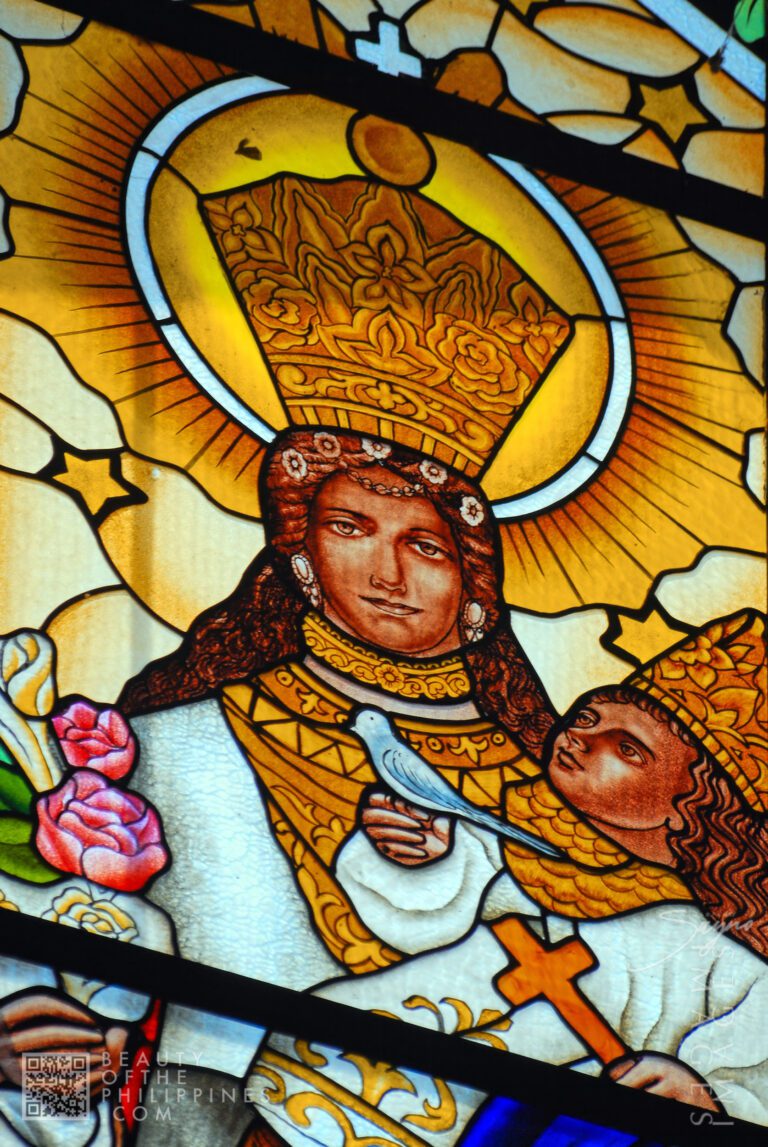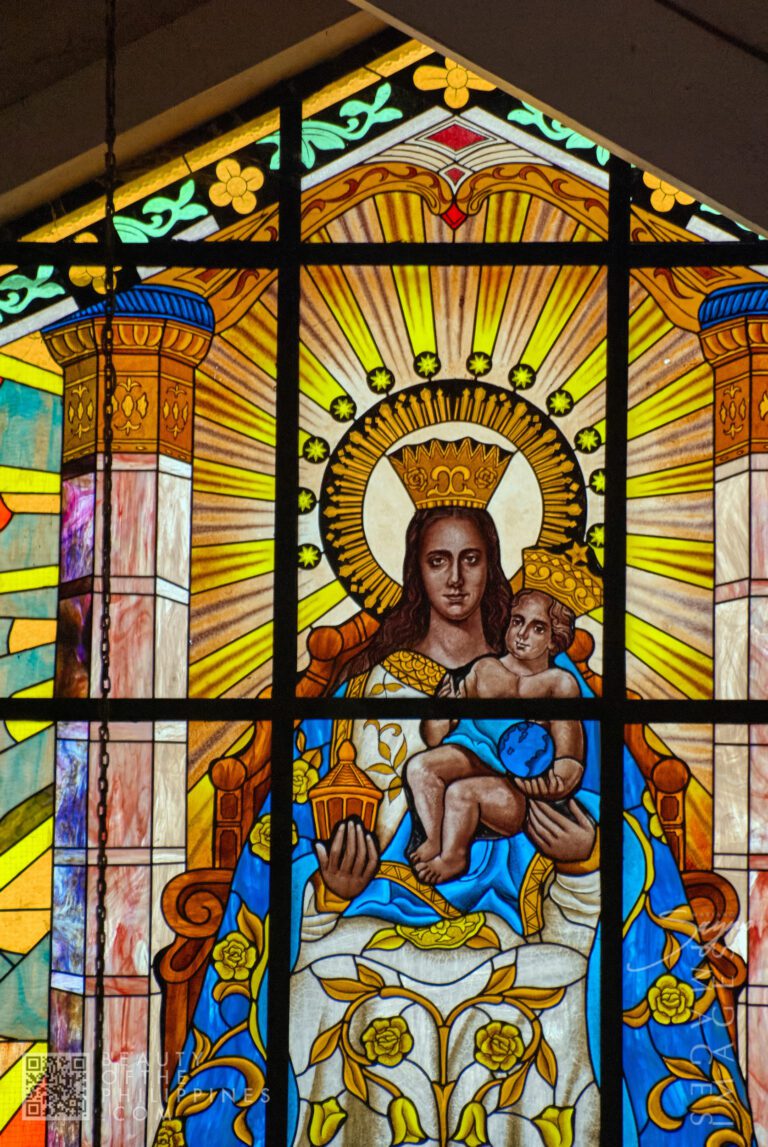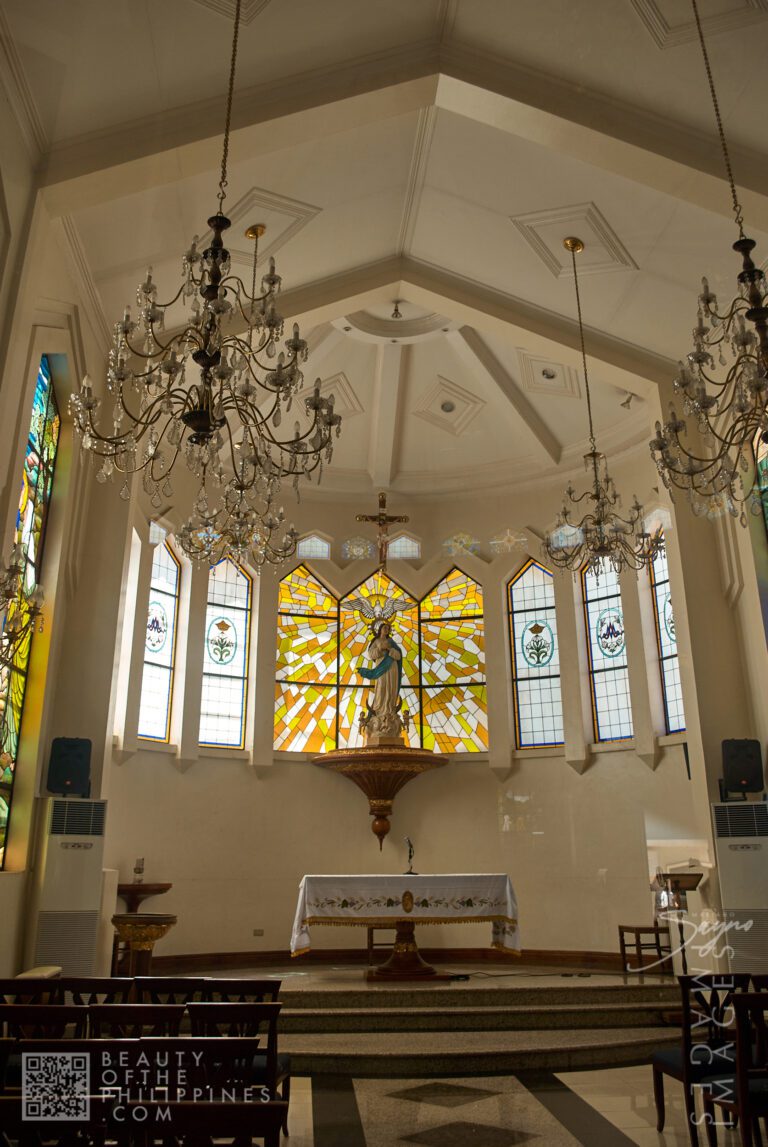
ABOVE: A stained-glass vision of Our Lady of Peace and Good Voyage at Antipolo Church.
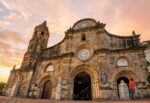
Perched atop the hills east of Metro Manila in Antipolo City, Antipolo Cathedral — formally the National Shrine of Our Lady of Peace and Good Voyage (Mahal na Birhen ng Kapayapaan at Mabuting Paglalakbay) — has long been a beacon for pilgrims and travelers alike. The cathedral enshrines a 17th-century wooden image of the Blessed Virgin Mary, called Our Lady of Peace and Good Voyage, revered as the protector of travelers, sailors, and those embarking on journeys.
ABOVE: A stained-glass vision of Our Lady of Peace and Good Voyage at Antipolo Church.


The story begins in 1626, when the image arrived from Acapulco, Mexico, via the galleon El Almirante, under Governor-General Juan Niño de Tabora. Initially housed in Intramuros, Manila, it was eventually entrusted to the Jesuits, who oversaw the construction of the Antipolo church. Local tradition recounts that during construction, the image would mysteriously vanish only to be found atop a tipolo tree (Artocarpus blancoi), guiding the decision to relocate the church to its current hilltop site — a story that continues to inspire devotion and curiosity.
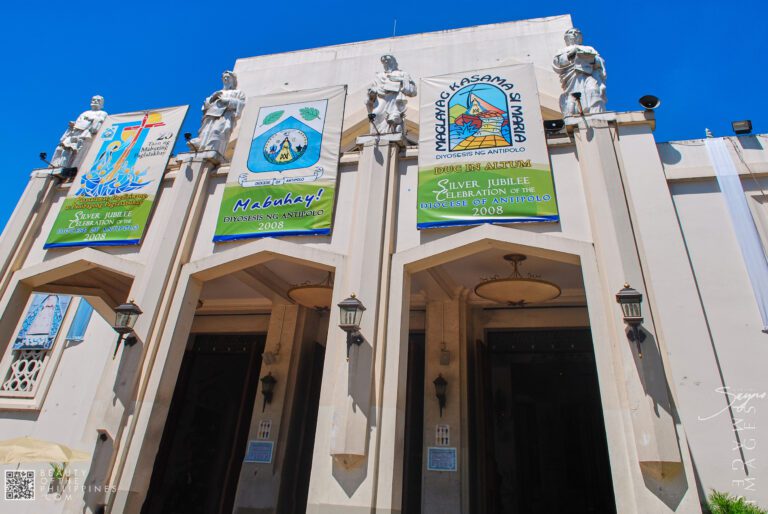
The first church was completed in 1632 but faced repeated challenges, including the Sangley (Chinese) uprising in 1639 and earthquakes in 1645, 1824, and 1863. Despite these trials, devotion grew, drawing pilgrims such as José Rizal in 1868. During World War II, the original structure was destroyed, and the image was safeguarded in nearby towns and in Quiapo Church in Manila before returning to Antipolo on 15 October 1945. The reconstructed church, completed in 1954 under architect José L. de Ocampo, balances traditional ecclesiastical design with modern practicality, earning recognition as a National Shrine shortly thereafter.
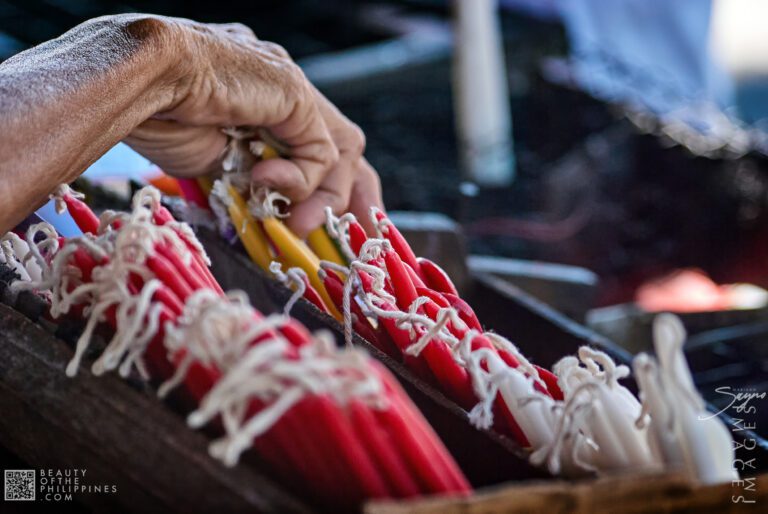
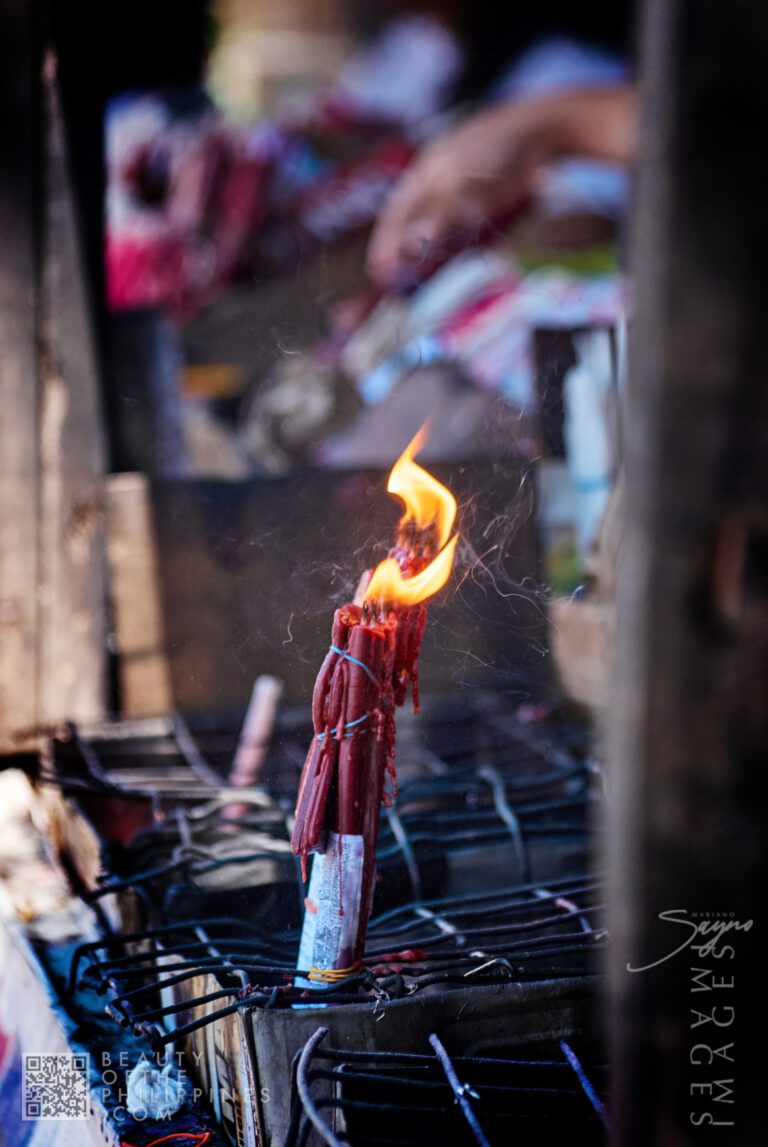
Visitors to Antipolo Cathedral encounter living traditions that merge faith, community, and tourism. The annual pilgrimage season — spanning May through July — sees devotees walking from Manila to Antipolo in the Alay Lakad (Walk of Faith), some barefoot, in acts of thanksgiving or petitions for safe journeys. Beyond the physical pilgrimage, daily practices include candle lighting, prayers, and offerings, creating an atmosphere that blends spirituality with Filipino cultural expression.
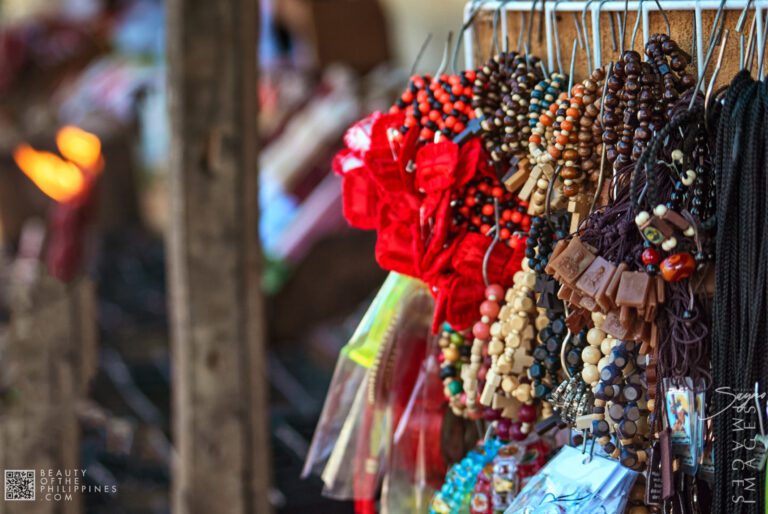
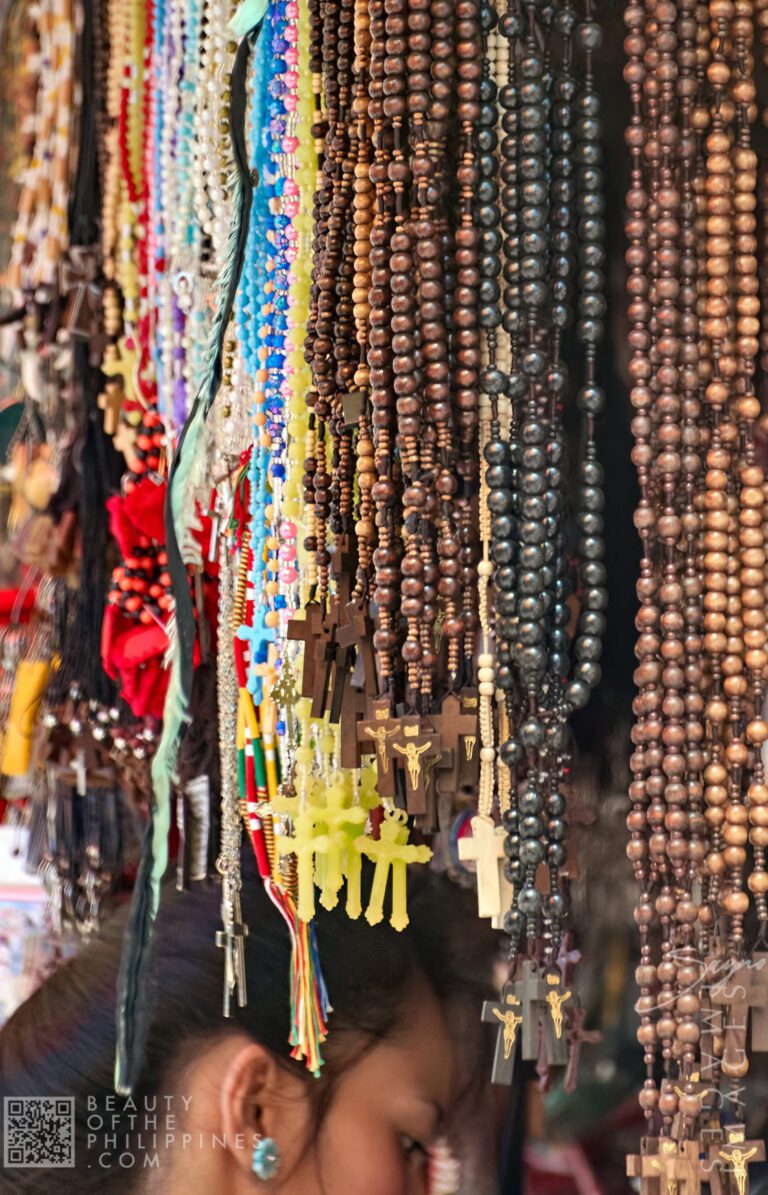
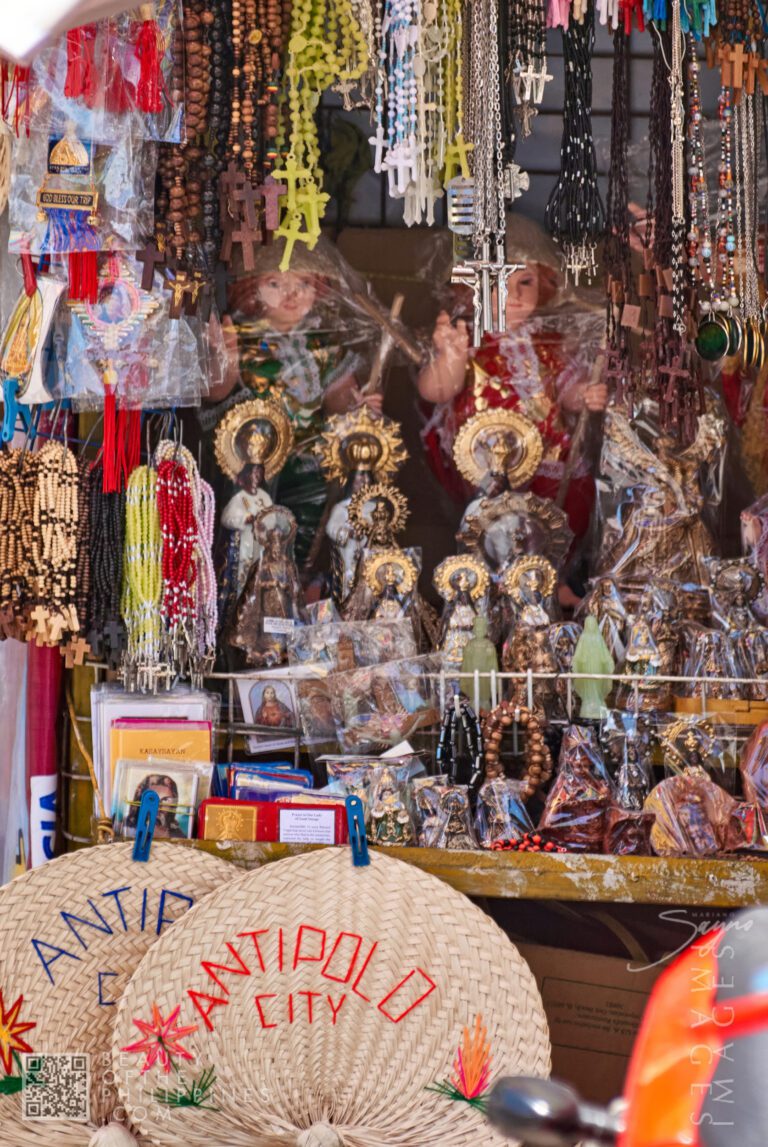
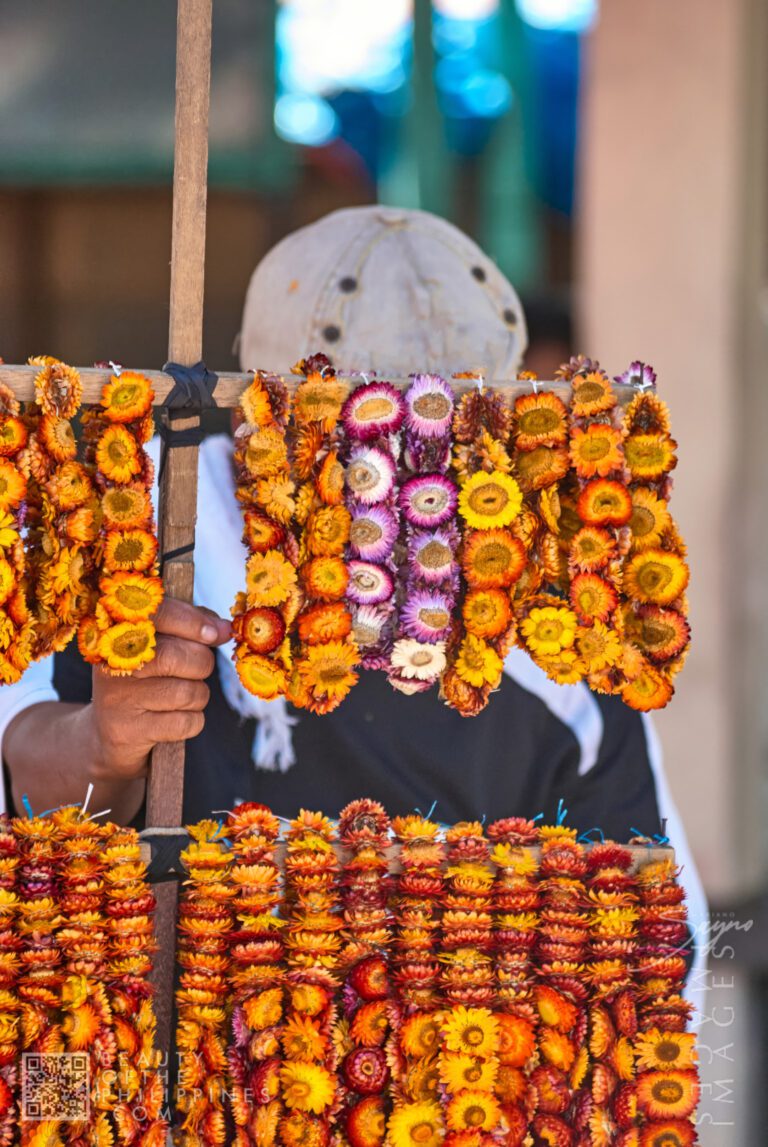
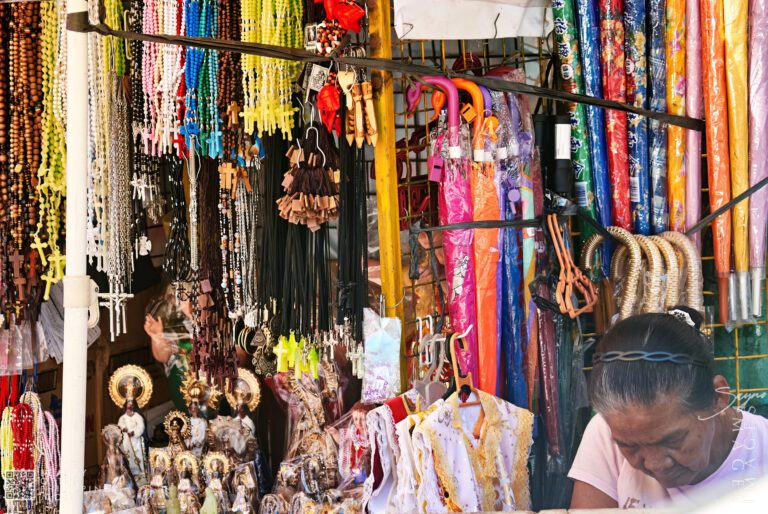
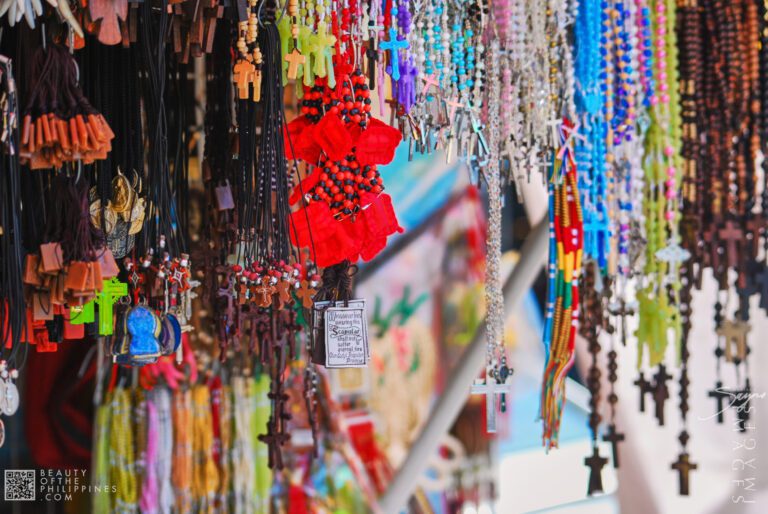
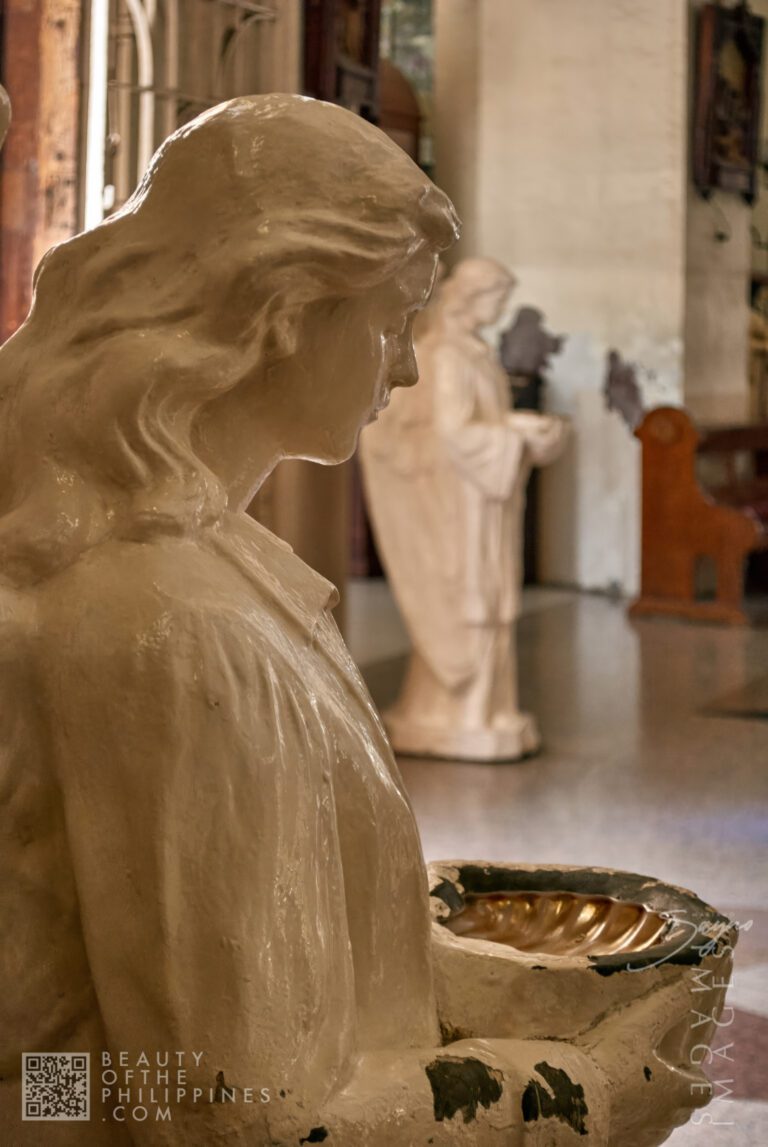
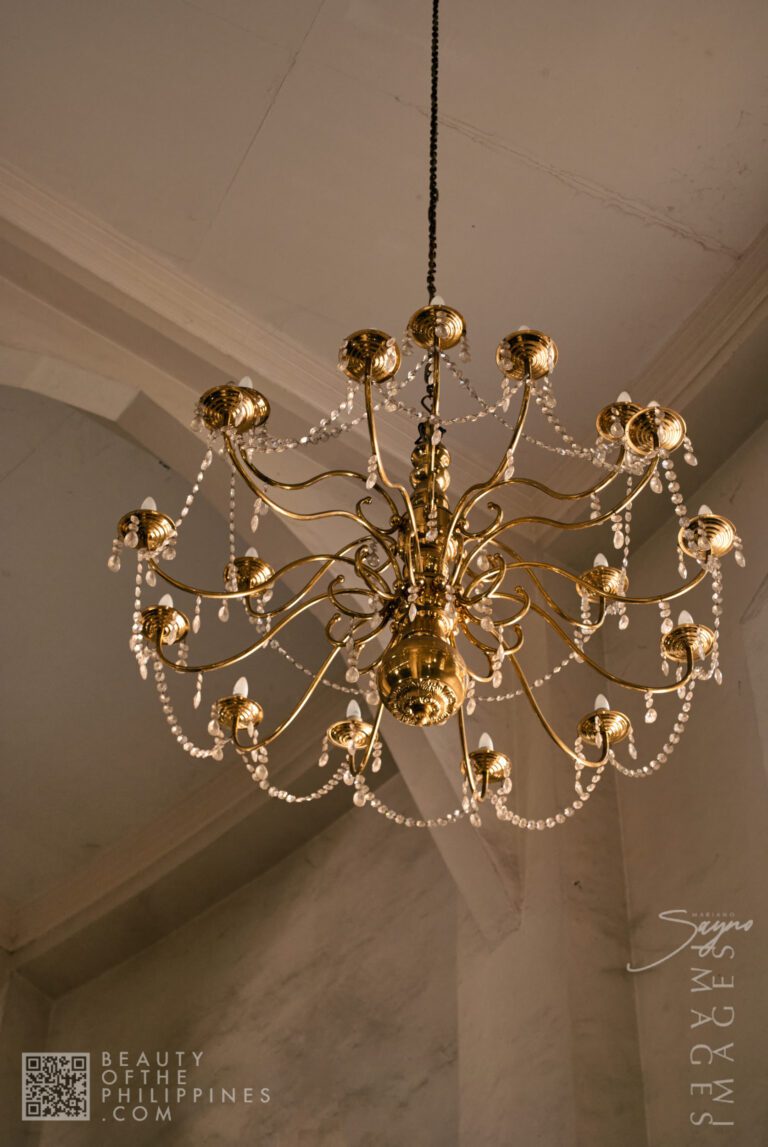
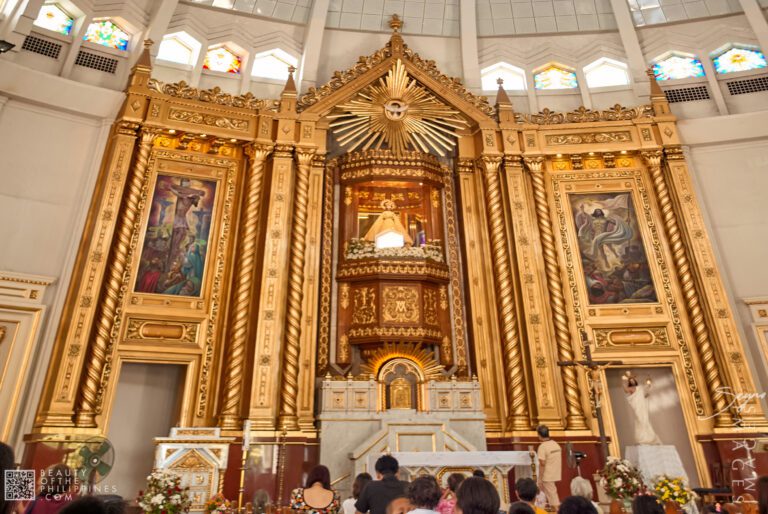
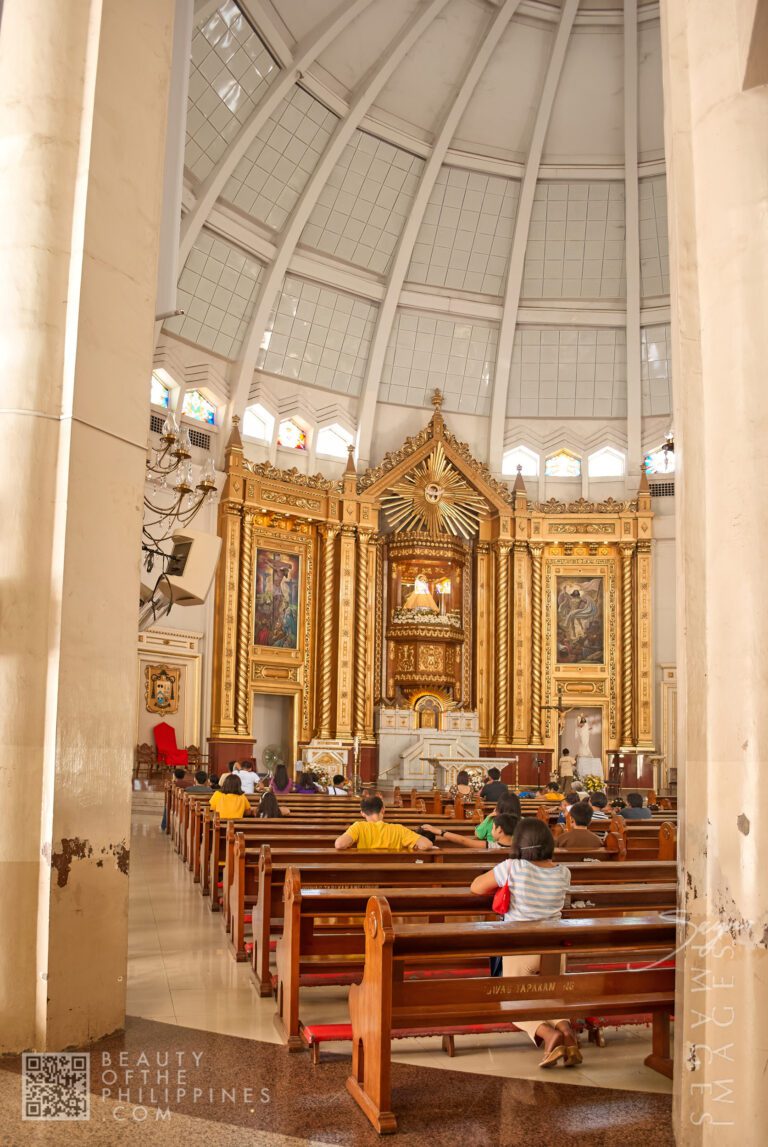
Inside, the cathedral provides a spacious nave and altar accommodating large congregations. The surrounding plaza and candle stations bustle with activity, especially during peak pilgrimage periods, offering both a visual spectacle and a cultural immersion. For travelers, the experience is dual: quiet reflection inside the cathedral and vibrant local life just outside, including vendors selling candles, rosaries, and Antipolo specialties like kasuy and suman.
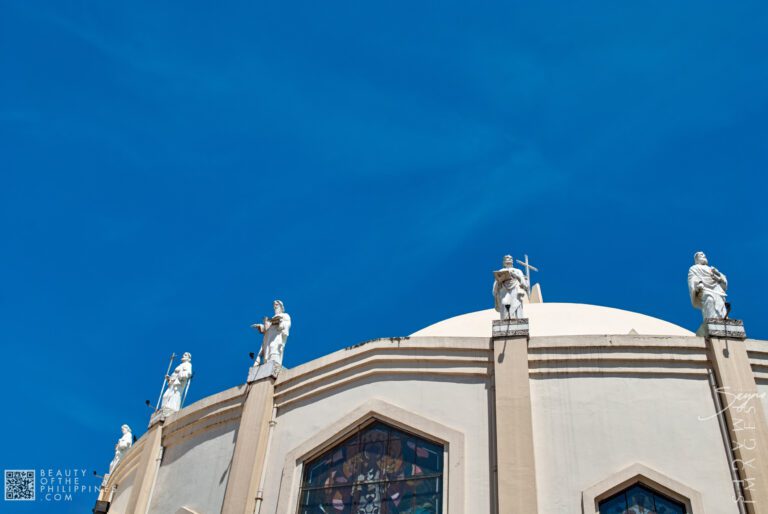
ABOVE: Antipolo Cathedral’s dome crowned with saintly figures.
Beyond the structural and historical aspects, Antipolo Cathedral embodies centuries of devotion and cultural continuity. Its story — from a trans-Pacific galleon to wartime safeguarding and post-war reconstruction — illustrates resilience and enduring faith. Visiting the cathedral is not just a spiritual act but a journey into the heart of Filipino traditions, making it an essential stop for both pilgrims and cultural travelers.
RELATED STORIES

There are more than 3,000 specimens of exotic wildlife in the Avilon Zoo; representing more than 600 species of birds, mammals, reptiles, amphibians, freshwater fish


June 12, 2025, isn’t just another national holiday—it marks a unique opportunity to witness two deeply rooted Filipino traditions side by side. In the heart


This festival, known as “Tayo na sa Antipolo Maytime Festival”, is one of the most popular celebrations in the Philippines due to the fact that


One of the most photographed churches in the province of Rizal, the Morong Church is located in Morong of the Rizal Province, and is considered


ABOVE: Worshippers gather inside Antipolo Cathedral, Philippines, beneath a gold-accented altar.
I’m looking forward to the stories and images leaving a lasting positive impression on you, just as they have on me. Stay connected with us on social media for a weekly exploration of travel assignments and breathtaking visuals. Our focus is on championing local tourism, showcasing small businesses, and honoring the magnificence of the Philippines through the content we curate. Join us in spreading the word by clicking the ‘share’ buttons below. Your support means the world to us.
EXPLORE MORE about


There are more than 3,000 specimens of exotic wildlife in the Avilon Zoo; representing more than 600 species of birds, mammals, reptiles, amphibians, freshwater fish


One of the most photographed churches in the province of Rizal, the Morong Church is located in Morong of the Rizal Province, and is considered


Pinto Art Museum and exhibition gallery serve as a vibrant showcase for the incredible paintings and sculptures crafted by local artists. Nestled in the historical


This festival, known as “Tayo na sa Antipolo Maytime Festival”, is one of the most popular celebrations in the Philippines due to the fact that


June 12, 2025, isn’t just another national holiday—it marks a unique opportunity to witness two deeply rooted Filipino traditions side by side. In the heart

BROWSE BY CATEGORIES
BROWSE BY PROVINCE