The Pulse of Heritage in the Age of Progress: Ibagiw Festival Brought Timeless Art to Life
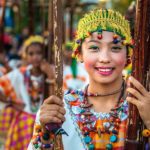
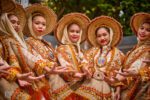
Baguio City, the Summer Capital of the Philippines, has long been celebrated for its vibrant art scene and rich cultural heritage. In 2025, the Ibagiw
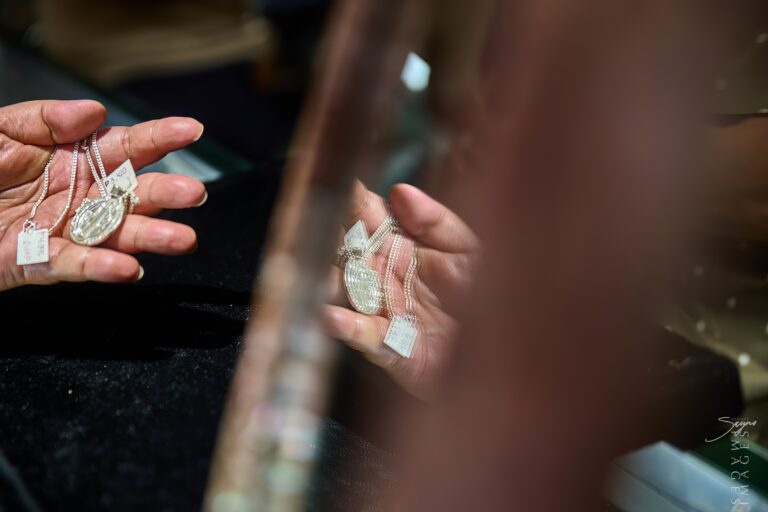
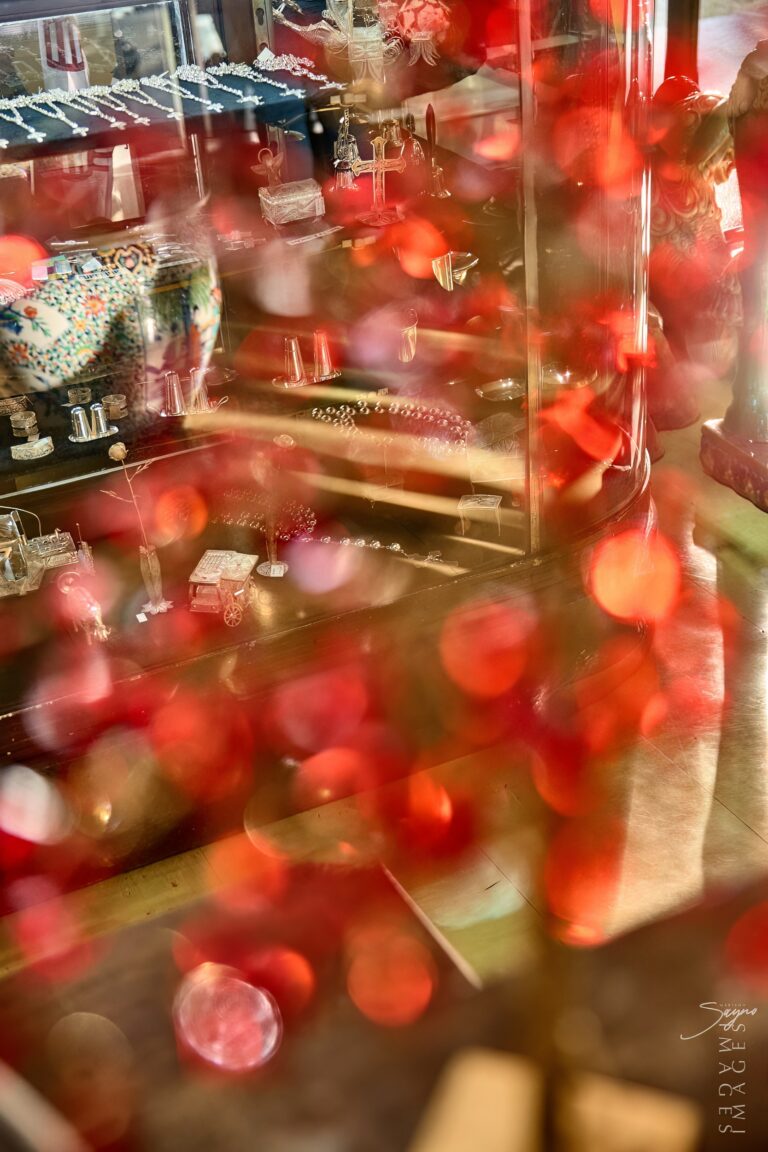
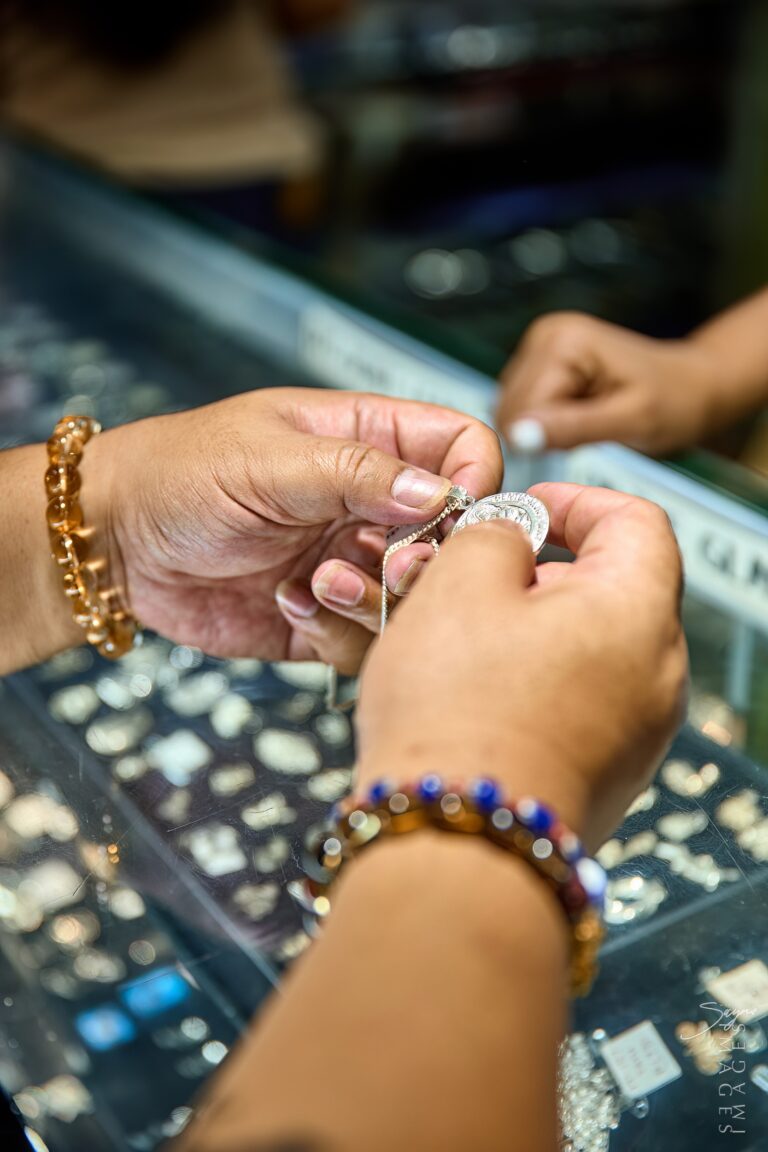
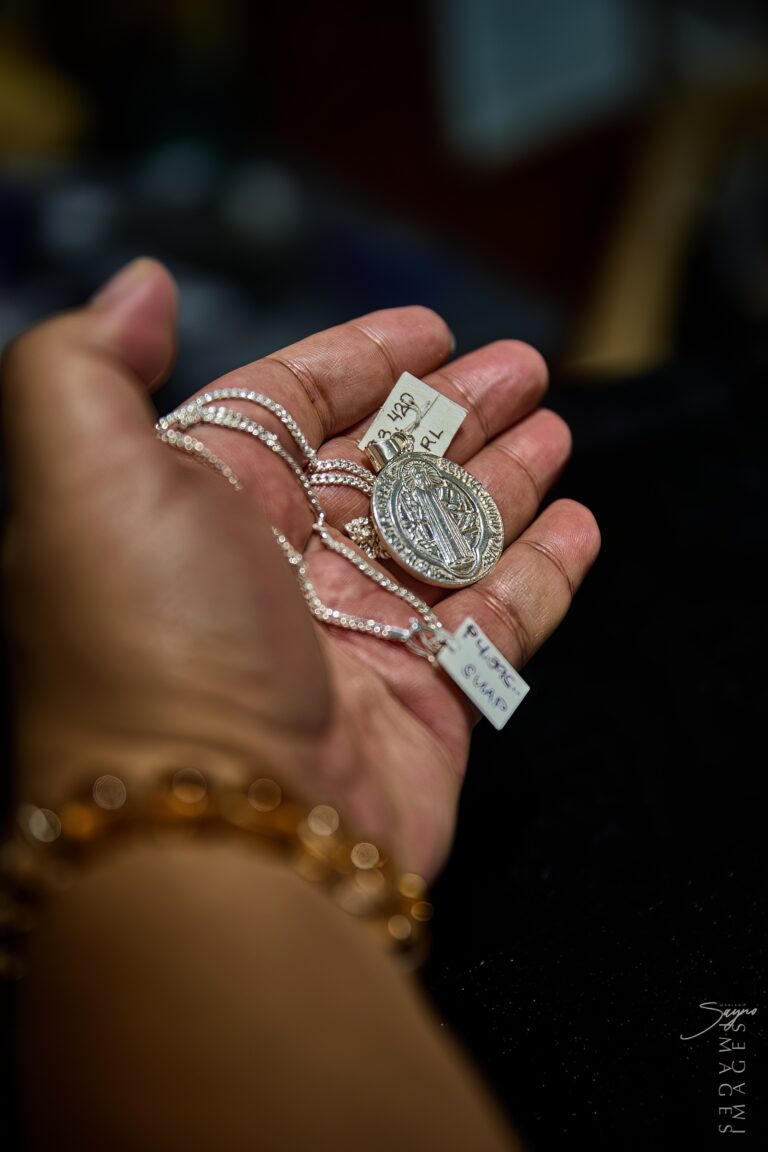
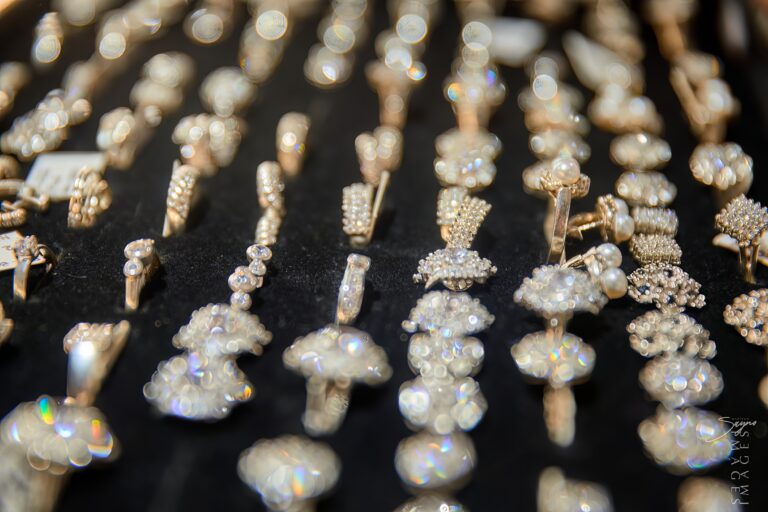
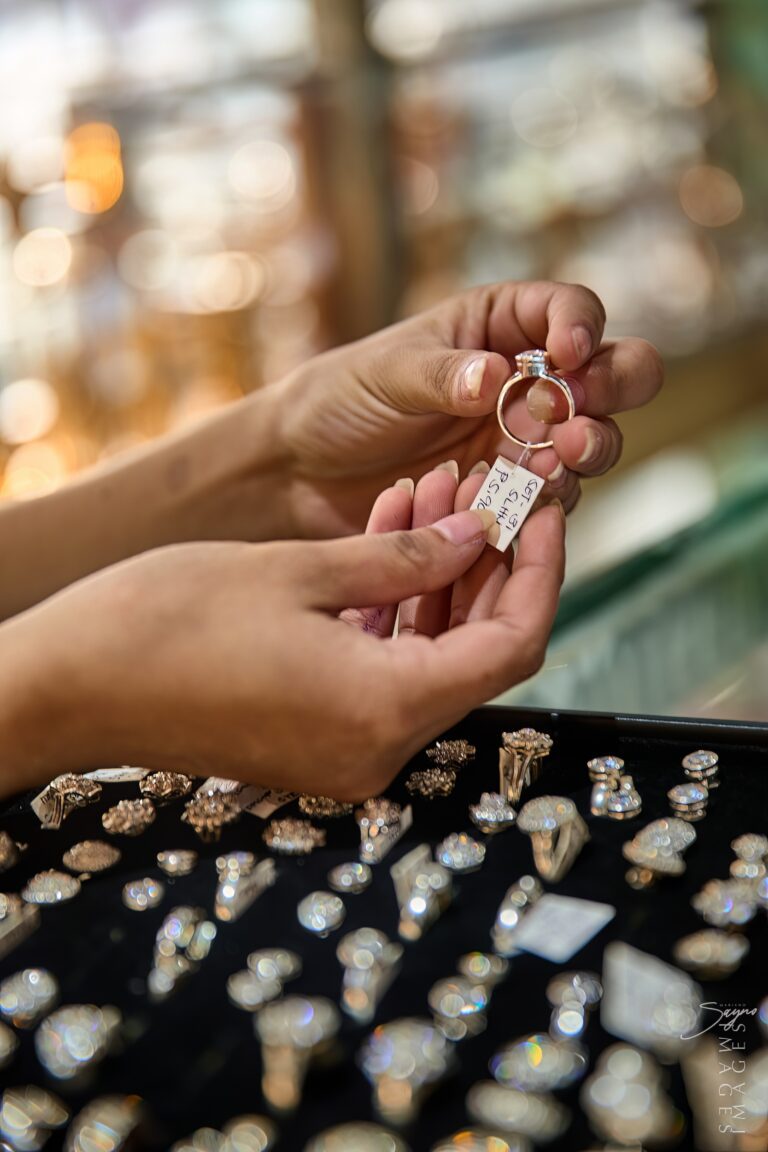
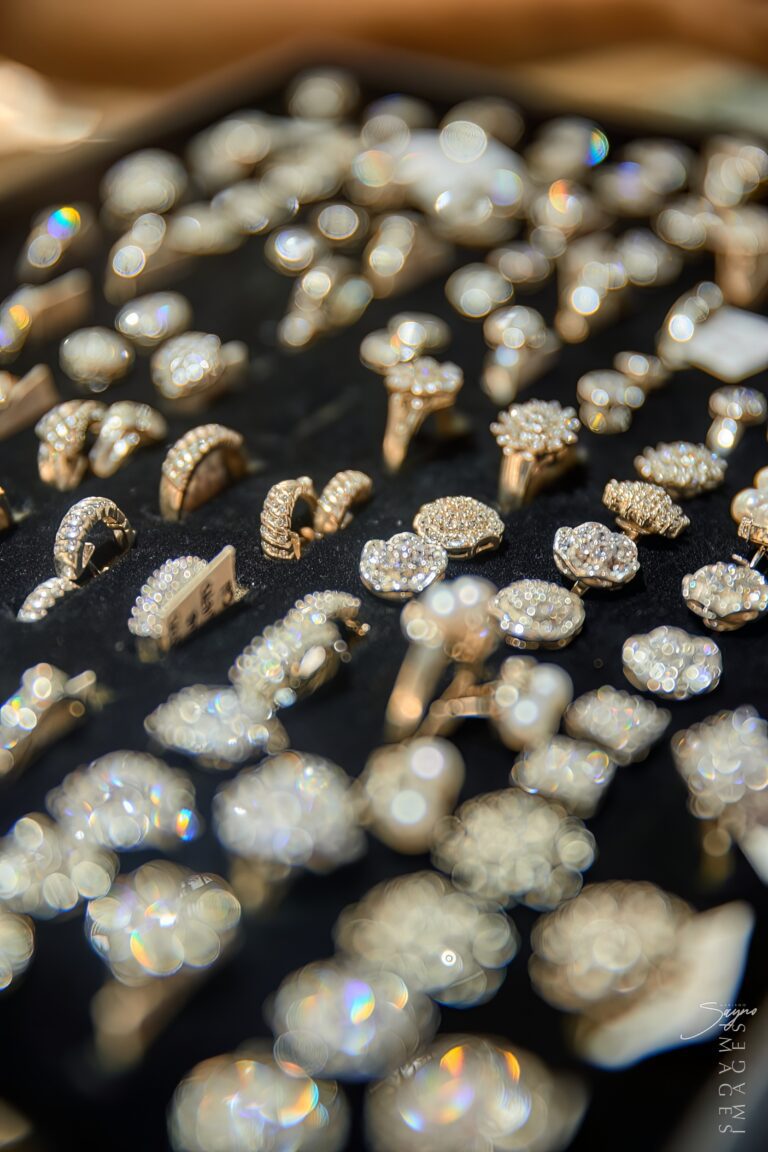
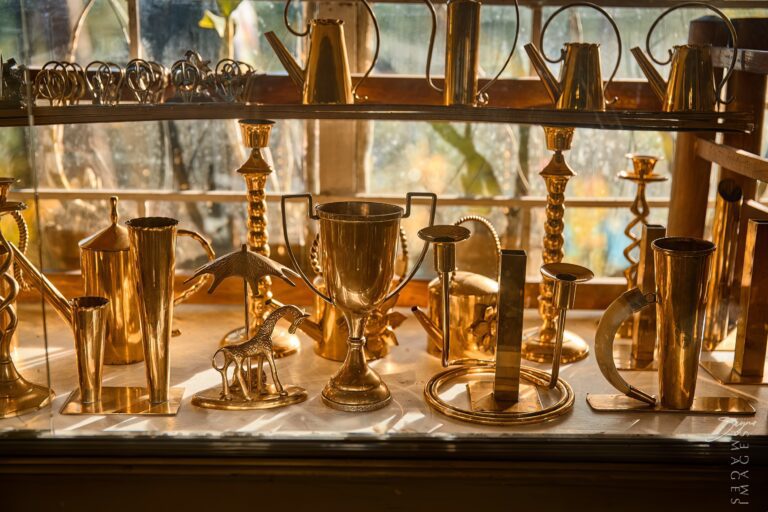
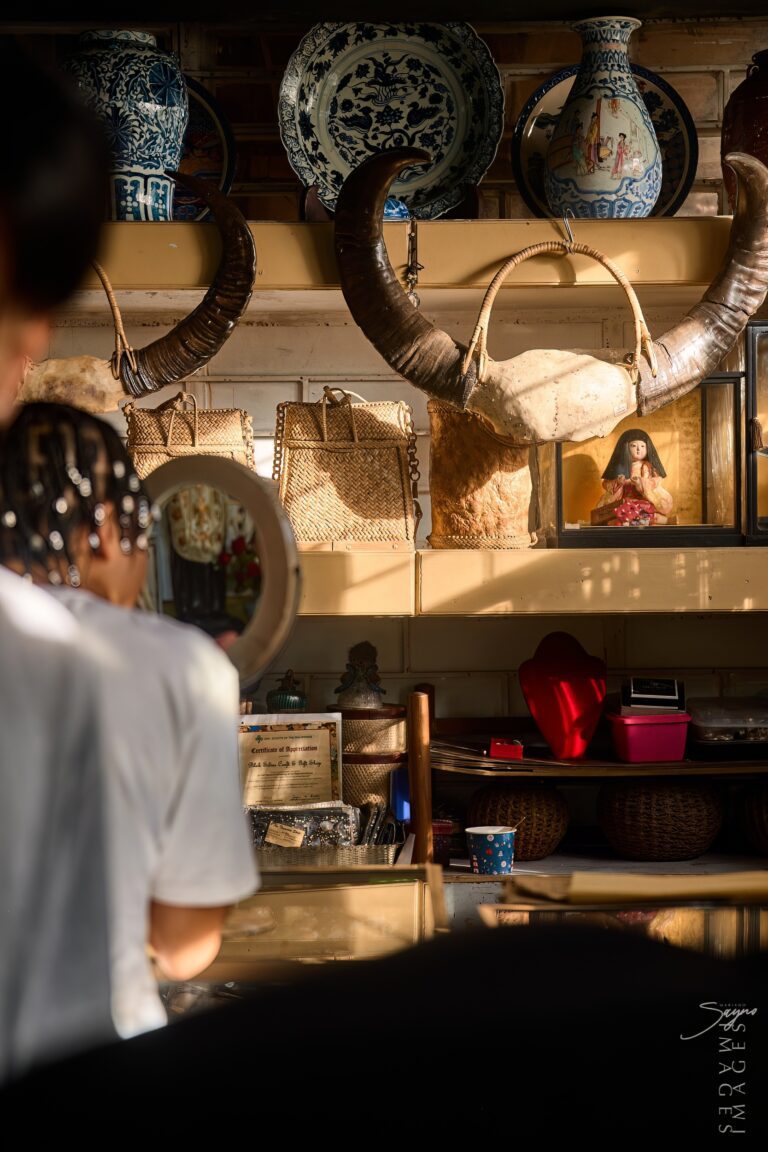
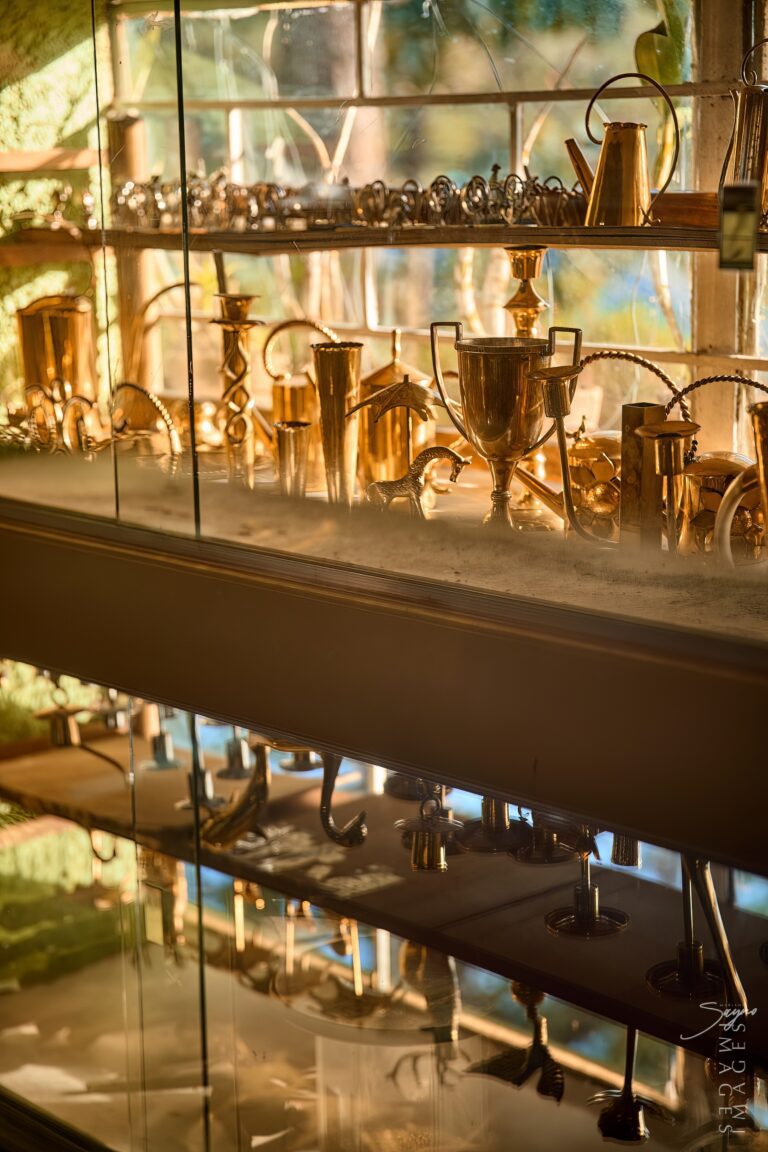
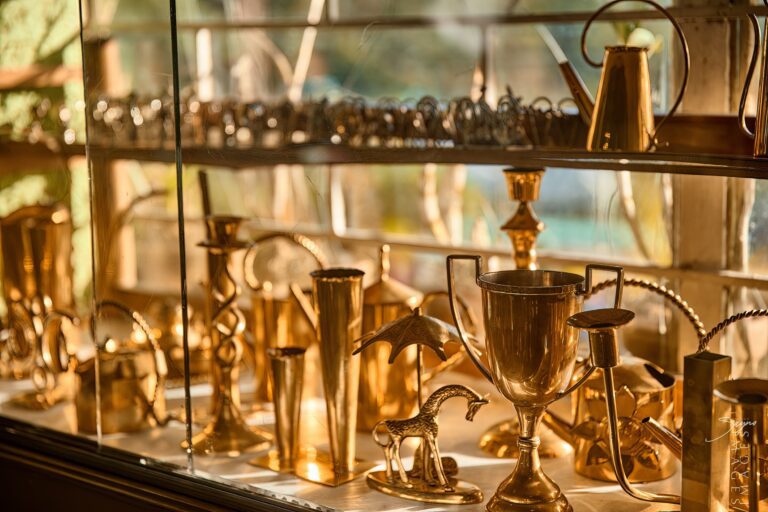
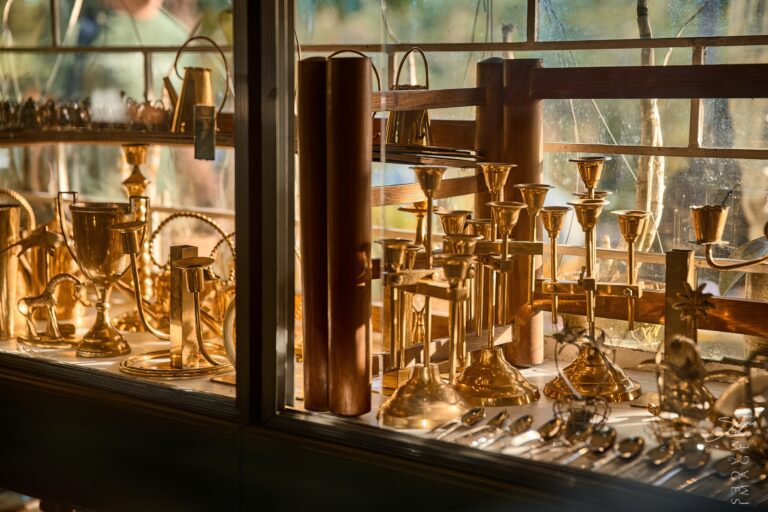
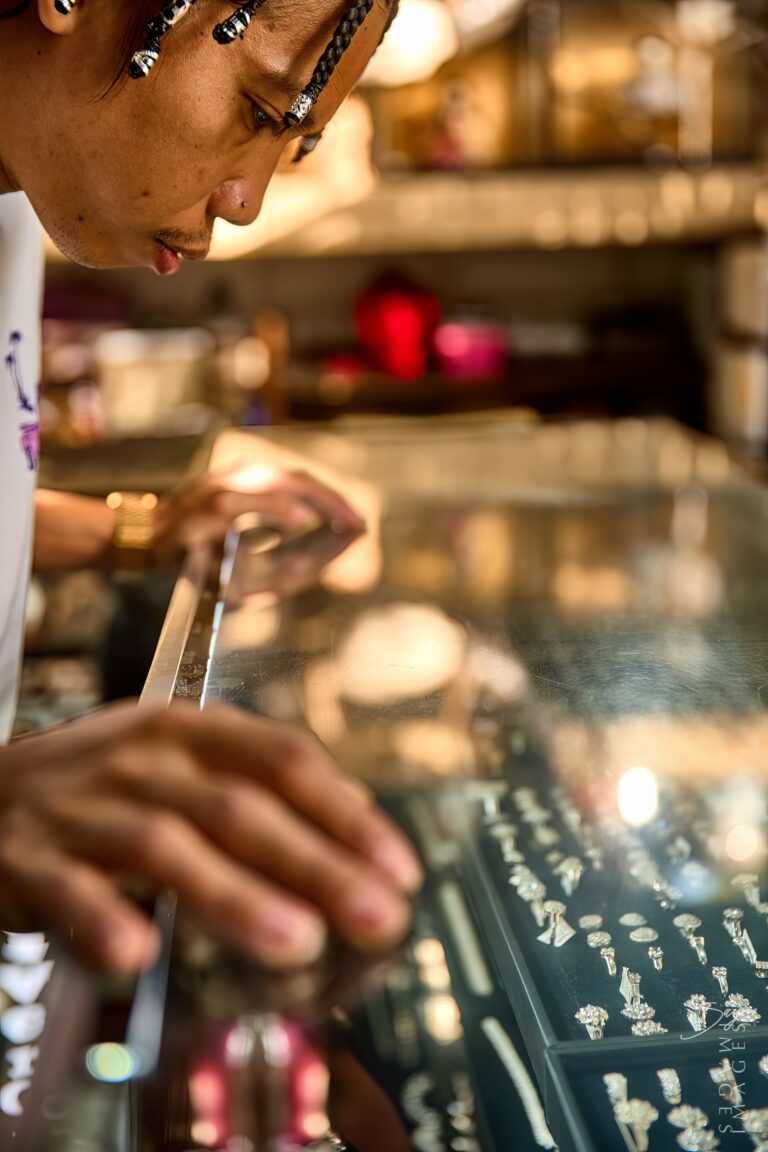
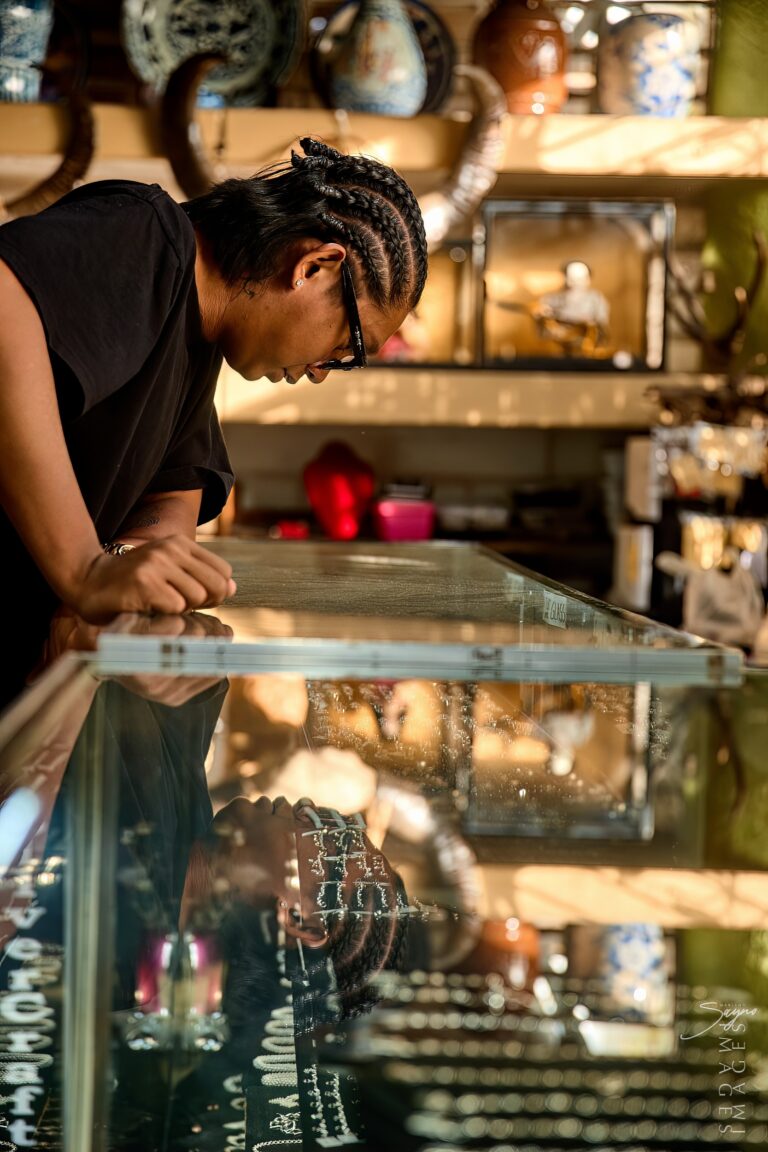
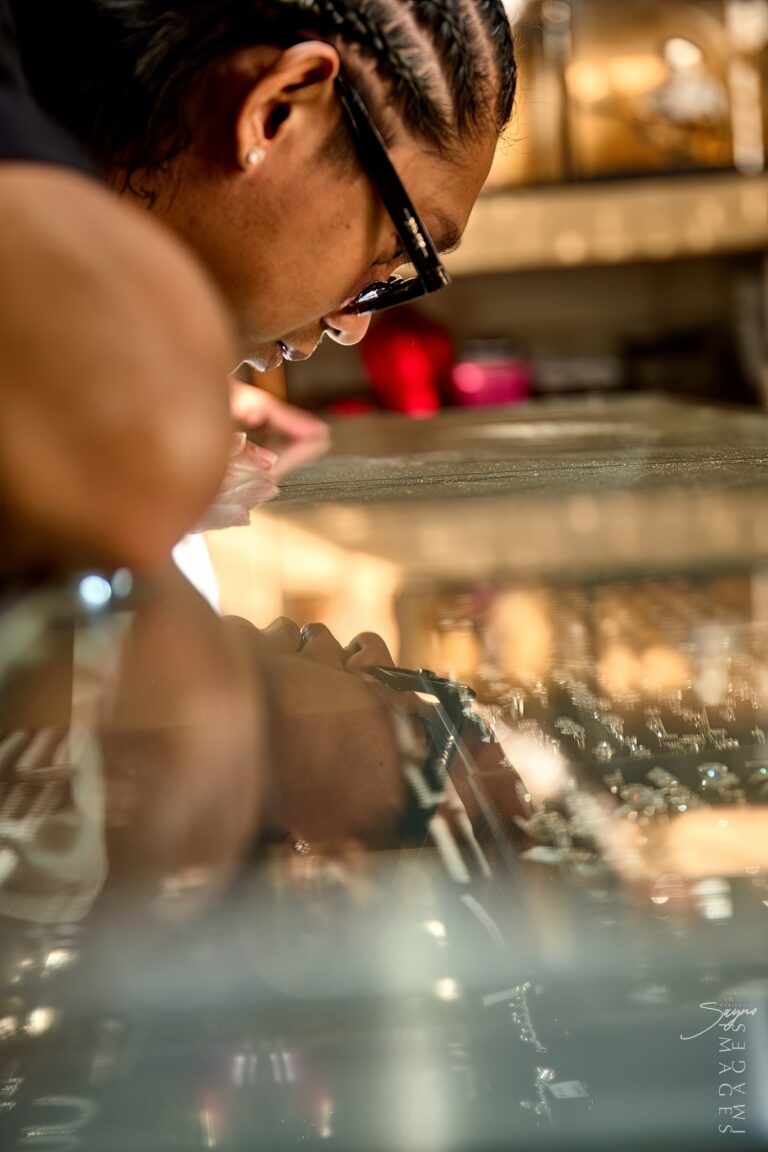
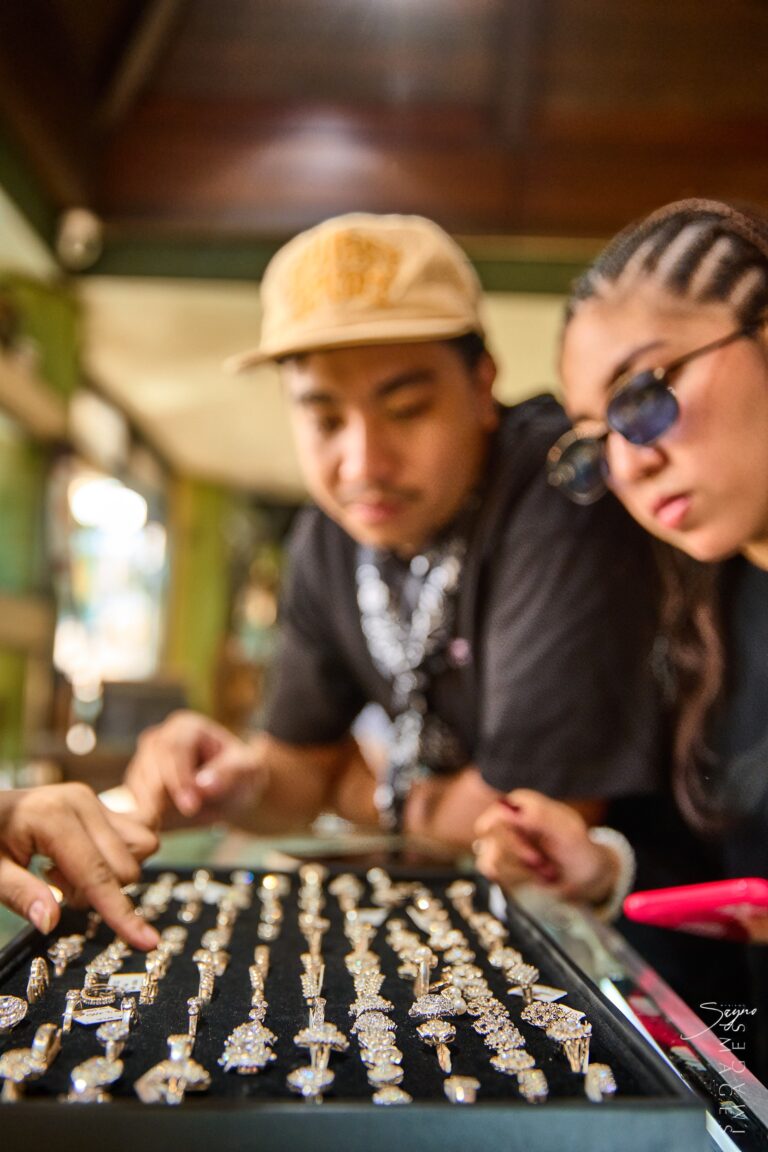
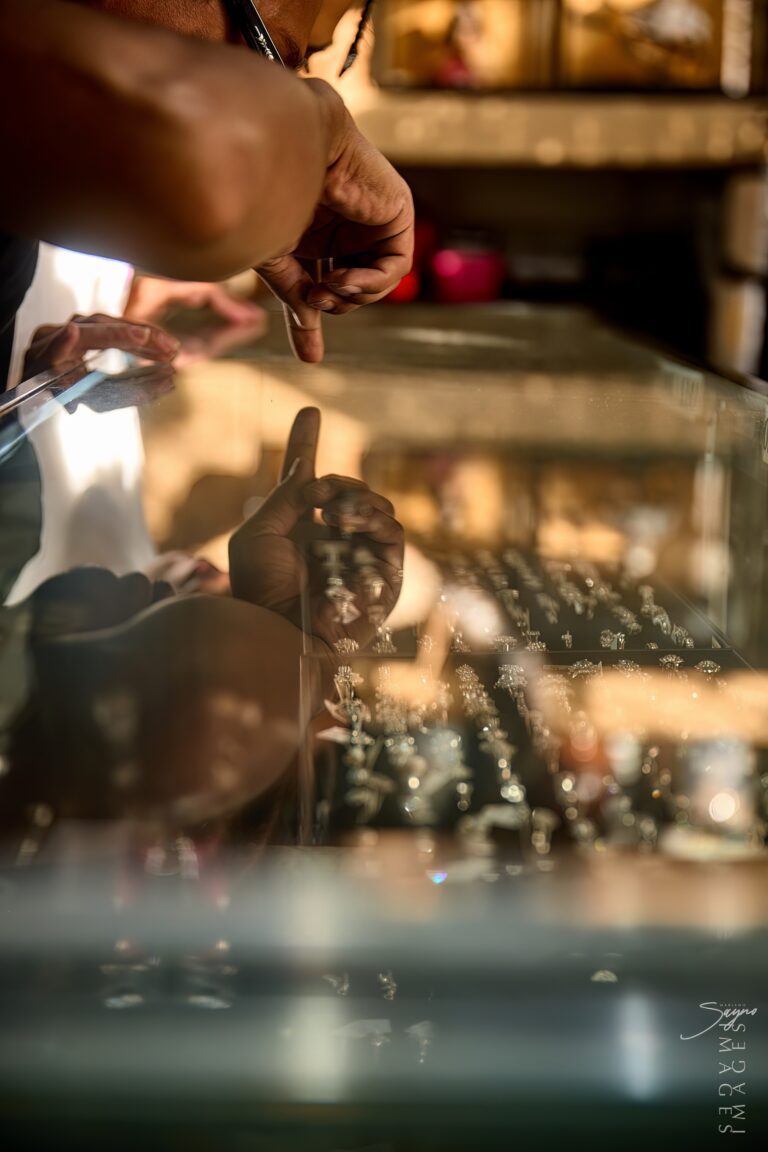
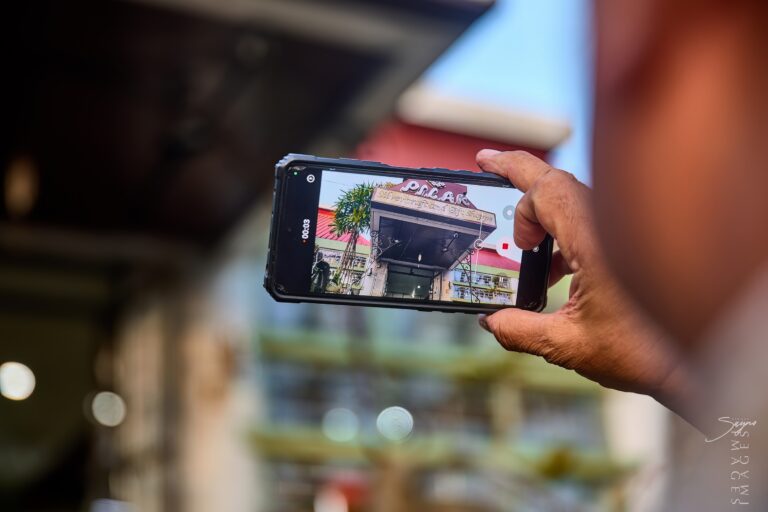
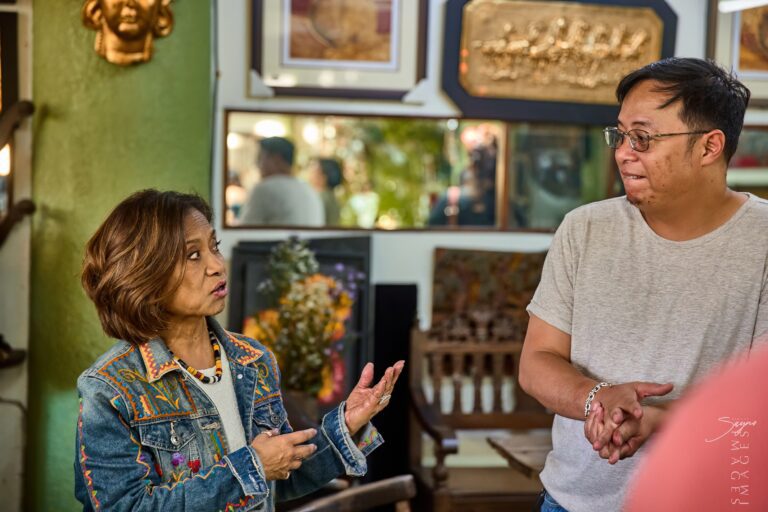
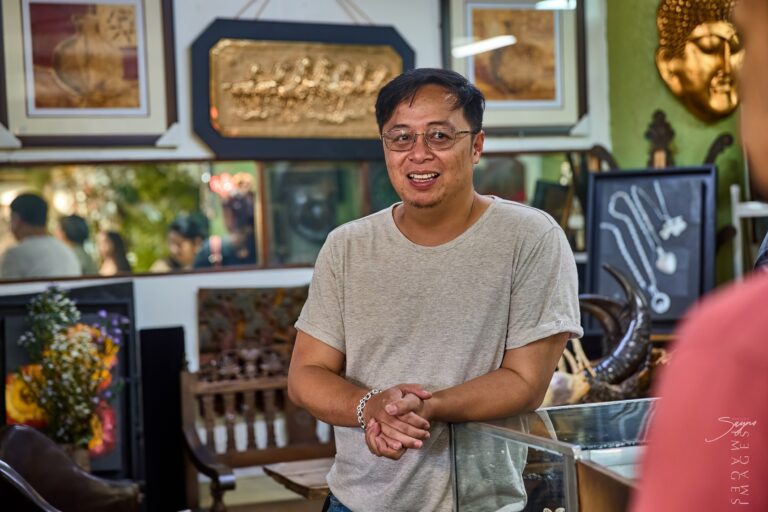
Pilak Silvercraft and Gift Shoppe is one of Baguio City’s enduring gateways into the proud tradition of Cordilleran craftsmanship. Located along Leonard Wood Road, just a short walk from major tourist landmarks, the shop is more than a place to buy jewelry—it’s a cultural stop where visitors witness Baguio’s artistic soul in handworked silver. For decades, Pilak has carried forward a craft shaped by the mountains, local artistry, and the city’s identity as a UNESCO Creative City.
Long before Baguio became synonymous with silver, Filipino communities were already skilled metalworkers. Archaeological evidence shows that as early as 1000 BC, indigenous Filipinos mined and crafted gold, silver, and copper into jewelry and ornamental objects. These creations were highly sophisticated, demonstrating advanced metallurgical knowledge, from gold ingots known as bulawan to intricate jewelry rivaling neighboring civilizations.
The Cordillera region, home to Baguio, developed extensive trade networks, exchanging precious metals with lowland communities for textiles and livestock. Centuries later, Spanish chroniclers documented a thriving inter-Cordillera trade in Igorot gold, underscoring a legacy where metalwork was both culture and livelihood. For Cordillerans, each piece drawn from the earth carried memory, story, and meaning.
Modern Baguio silversmithing began in the early 20th century, when Belgian CICM missionaries introduced silversmithing into local vocational training. This knowledge exchange built on the Cordilleras’ long-standing metalworking expertise. As Baguio developed into an American hill station and mining town, its cool climate, scenic beauty, and growing tourism industry created fertile ground for silvercraft to flourish. Visionaries like Maximo Bautista helped establish the city’s reputation for exceptional craftsmanship. By the mid-20th century, Baguio silver had become iconic souvenirs for tourists, collectors, and visiting dignitaries.
By the 1970s and 1980s, Baguio’s silver industry reached its golden age. Session Road glittered with silver shops, and stalls around Mines View Park offered handcrafted rings, necklaces, and figurines. Families such as the Marcelos—founders of Pilak Silvercraft—built generational businesses, training their children in the craft from a young age. The city’s identity became intertwined with the gleam of sterling silver and the rhythmic tapping of hammers shaping metal into art.
The 1990s brought challenges. Tourism slowed, and cheaper, mass-produced alternatives flooded the market. Rising costs and shrinking profits forced many artisans to close shops or abandon the craft, threatening generations of knowledge from hammering techniques to filigree mastery. By the end of the decade, Baguio’s once-thriving silver industry had shrunk to a handful of workshops.
Yet even in this downturn, the resilience of local artisans shone through. Many remaining workshops adapted, focusing on quality, personalized pieces, and passing their skills to a new generation. Communities rallied to preserve these traditions, showing that the craft was more than commerce—it was identity and pride.
Revival came in 2017, when UNESCO recognized Baguio as a Creative City for Crafts and Folk Art. The National Commission for Culture and the Arts (NCCA) acknowledged silversmithing as part of the city’s Cultural Heritage Treasure. Support followed: the DTI-CAR facilitated participation in trade fairs such as Manila FAME, while PHILEXPORT-CAR helped artisans reach broader markets.
Pilak Silvercraft actively contributed to this revival. Workshops now teach students to create basic silver pendants, rings, and earrings in just two weeks. Displaced miners were retrained through TESDA programs to transform raw metal into art. Today, Baguio’s silvercraft is slowly regaining momentum, combining centuries-old techniques with new opportunities for creativity and sustainable livelihoods.
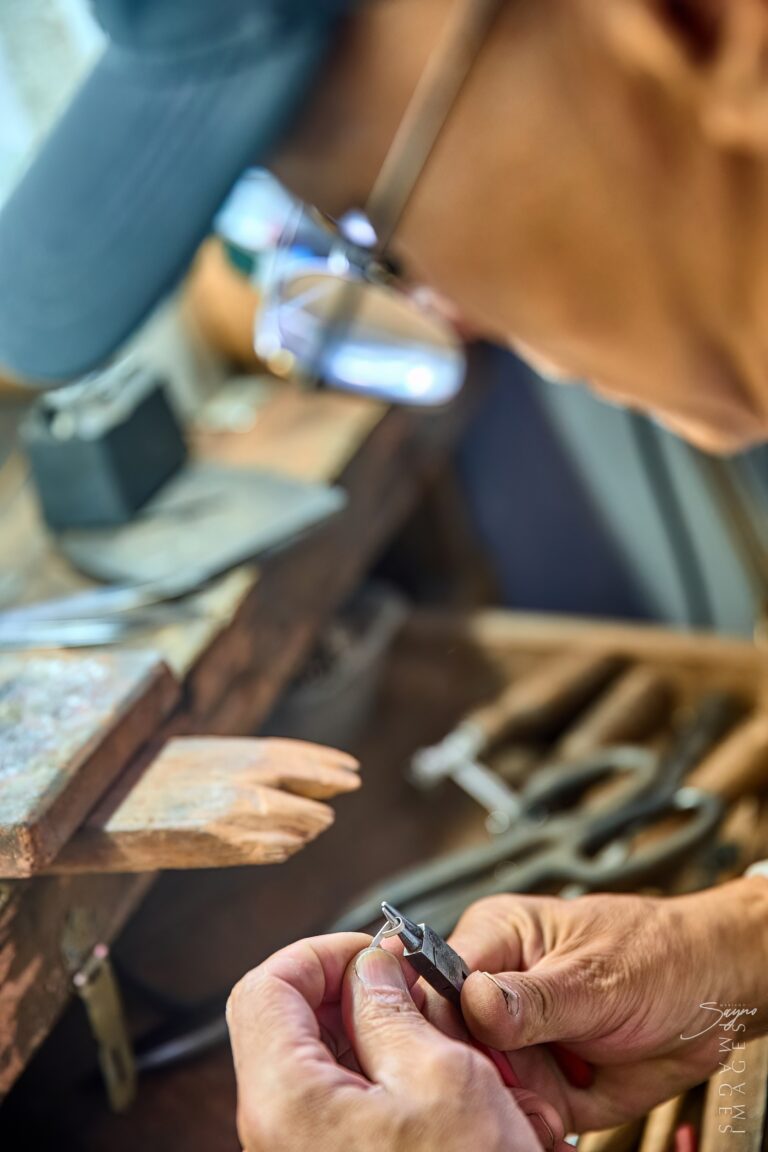
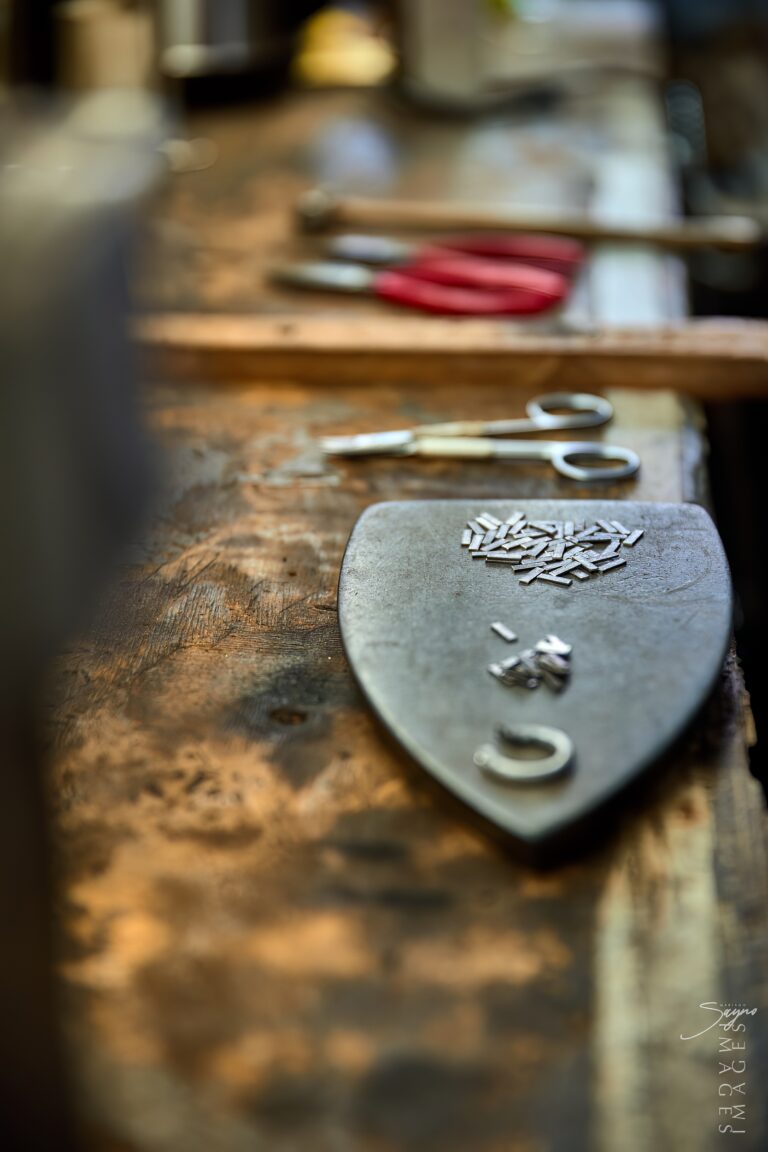
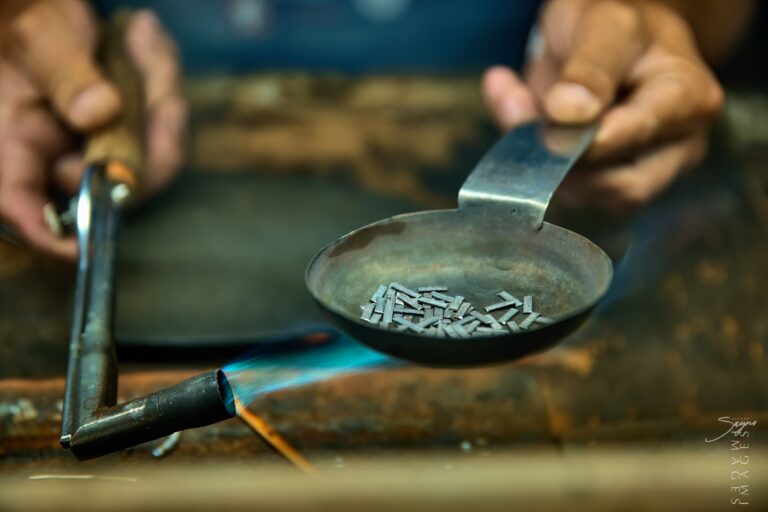
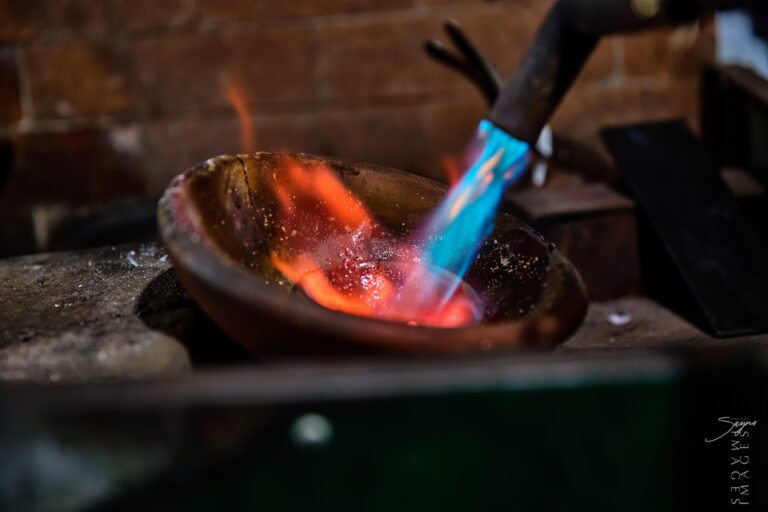
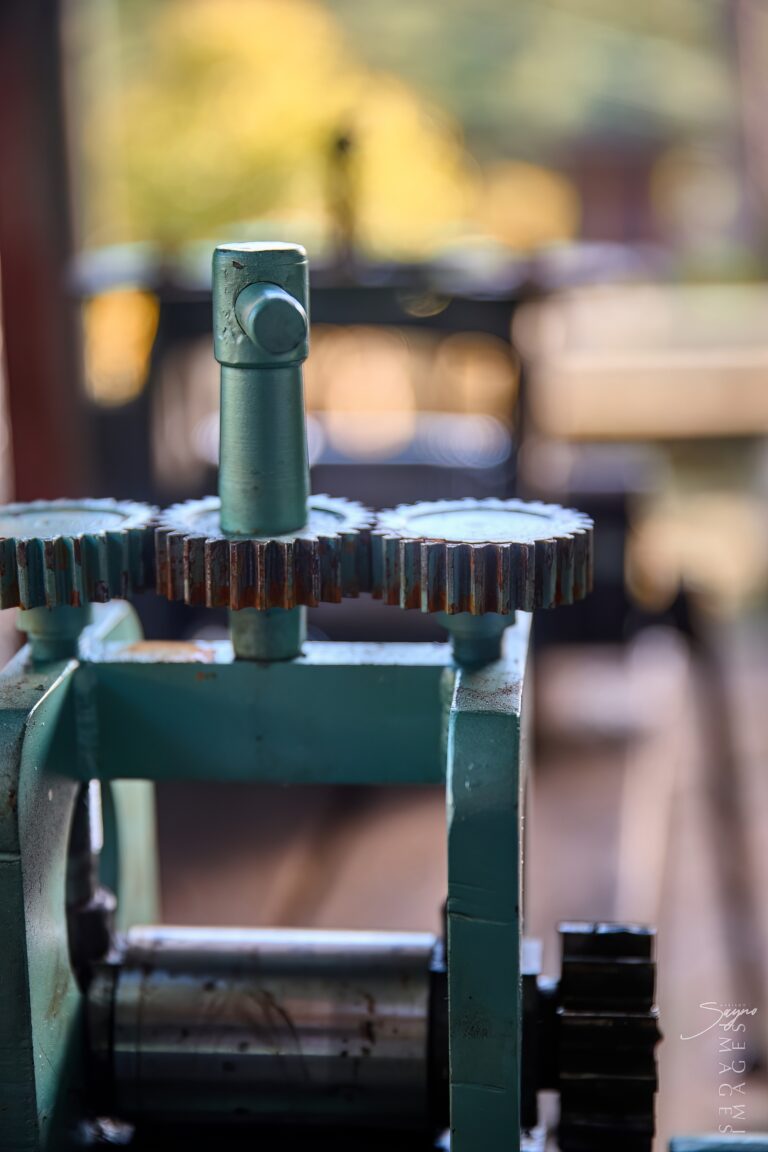
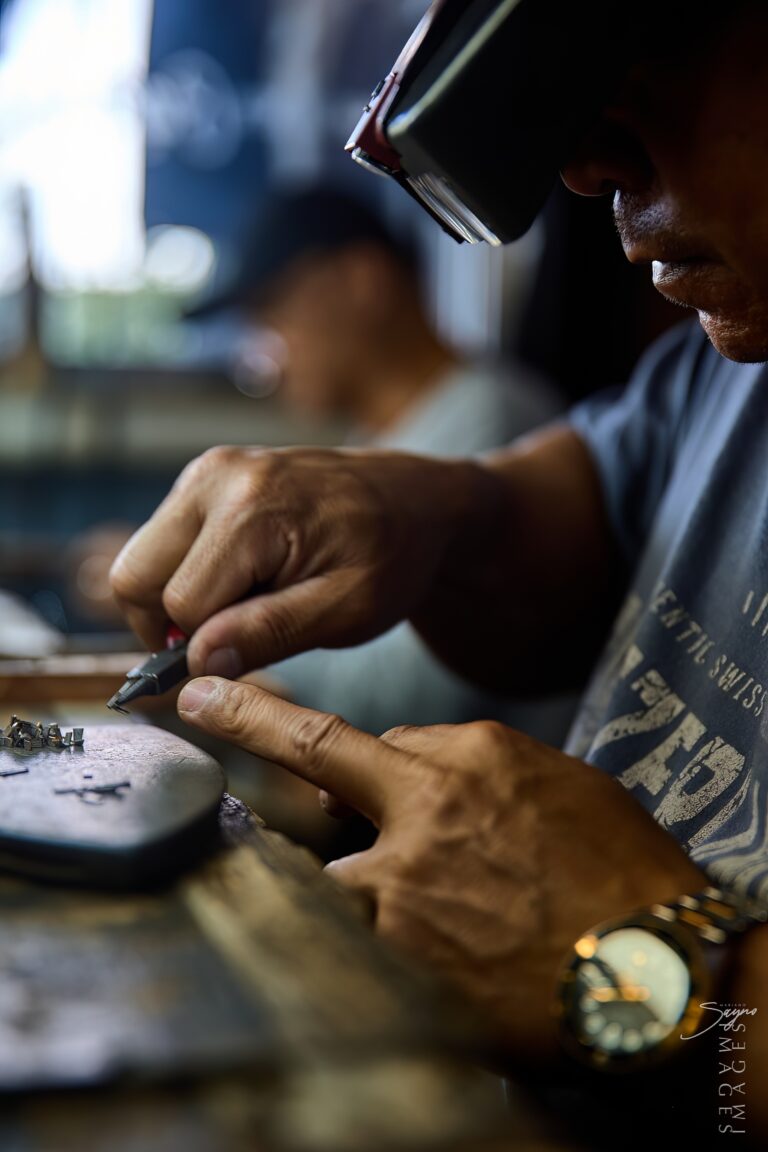
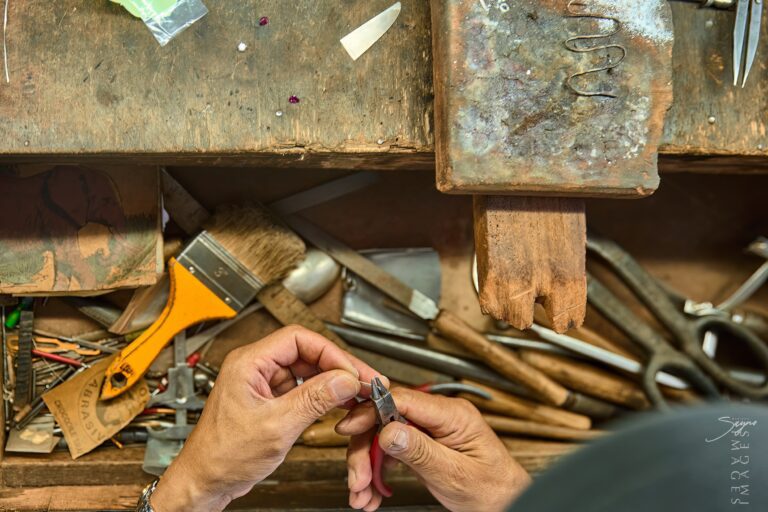
Step inside one of Baguio’s few remaining silver workshops, and it becomes clear why this craft matters. There are no assembly lines, no machines churning out identical pieces. There is only the artisan, the silver, and a set of tools, many worn smooth over decades of use.
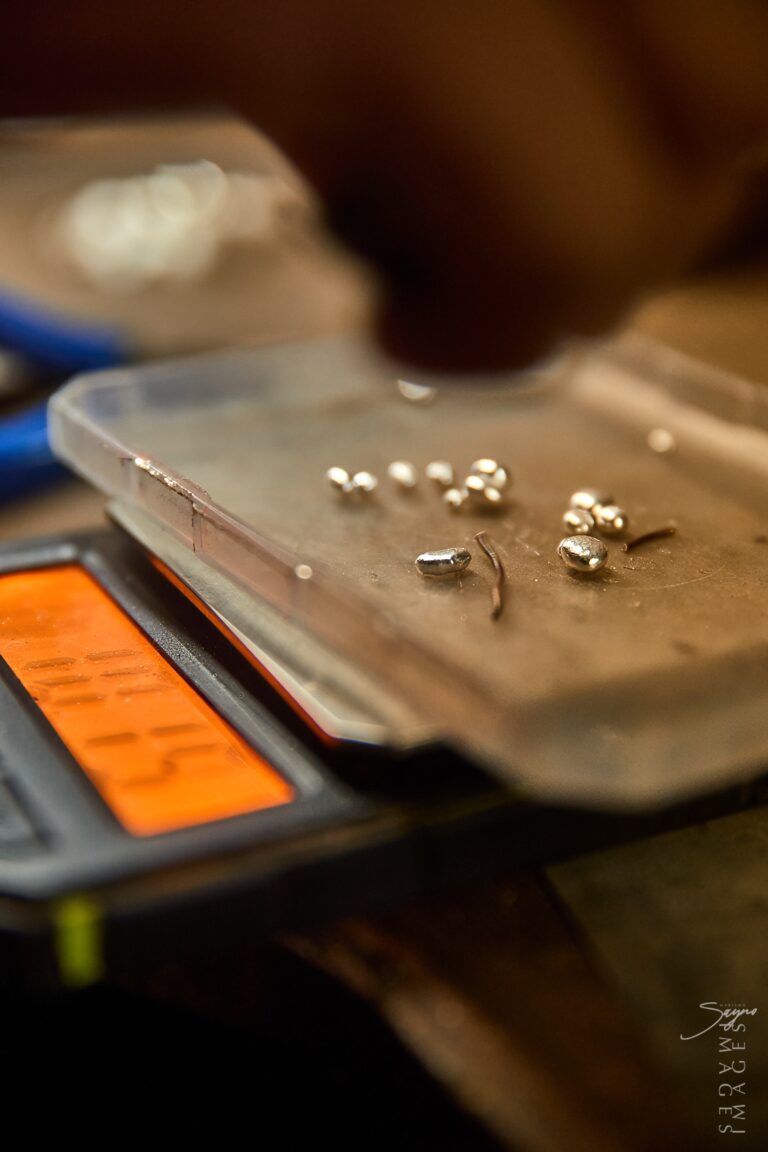
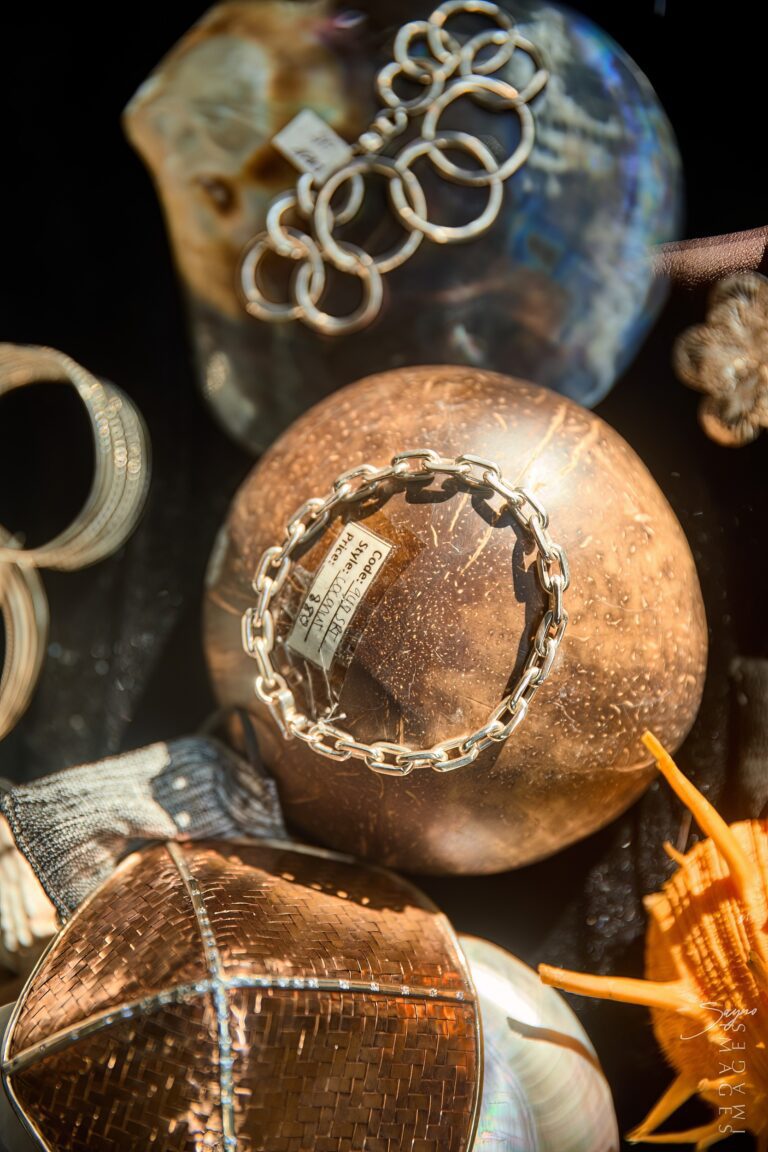
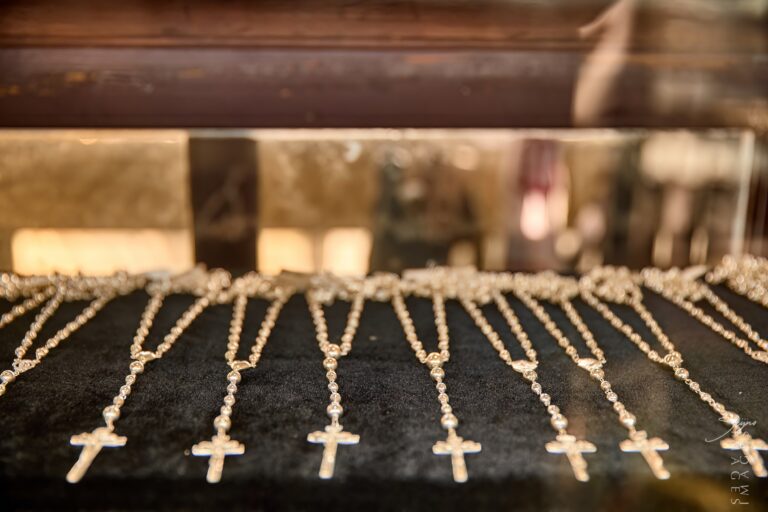
Baguio silversmiths work primarily with sterling silver, typically 92.5% pure, though some ateliers like Pilak Silvercraft use 95% or higher. These are solid silver creations, built to endure a lifetime.
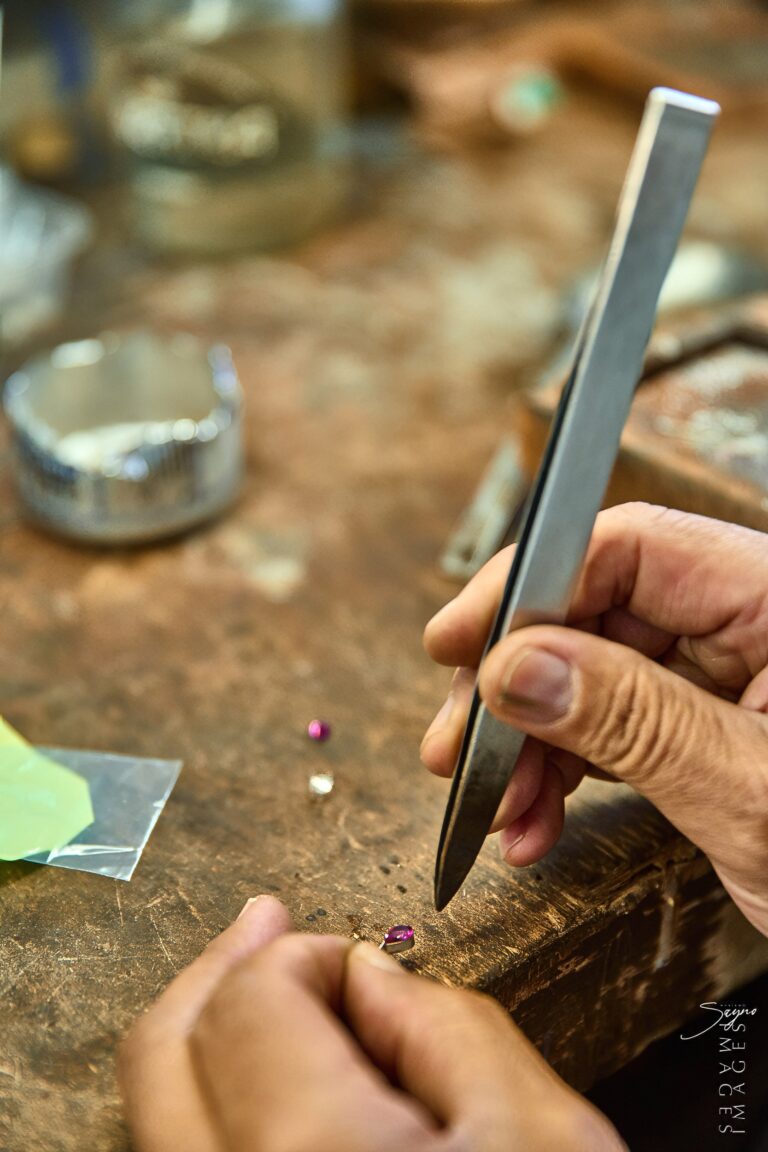
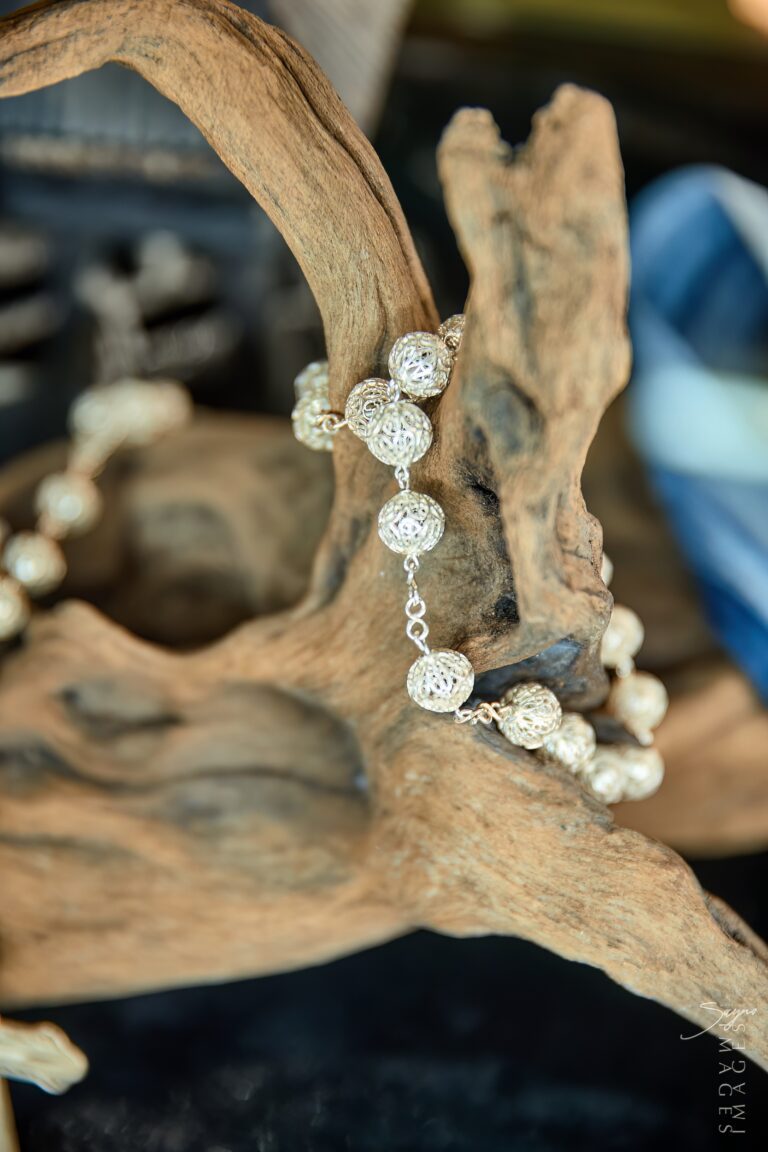
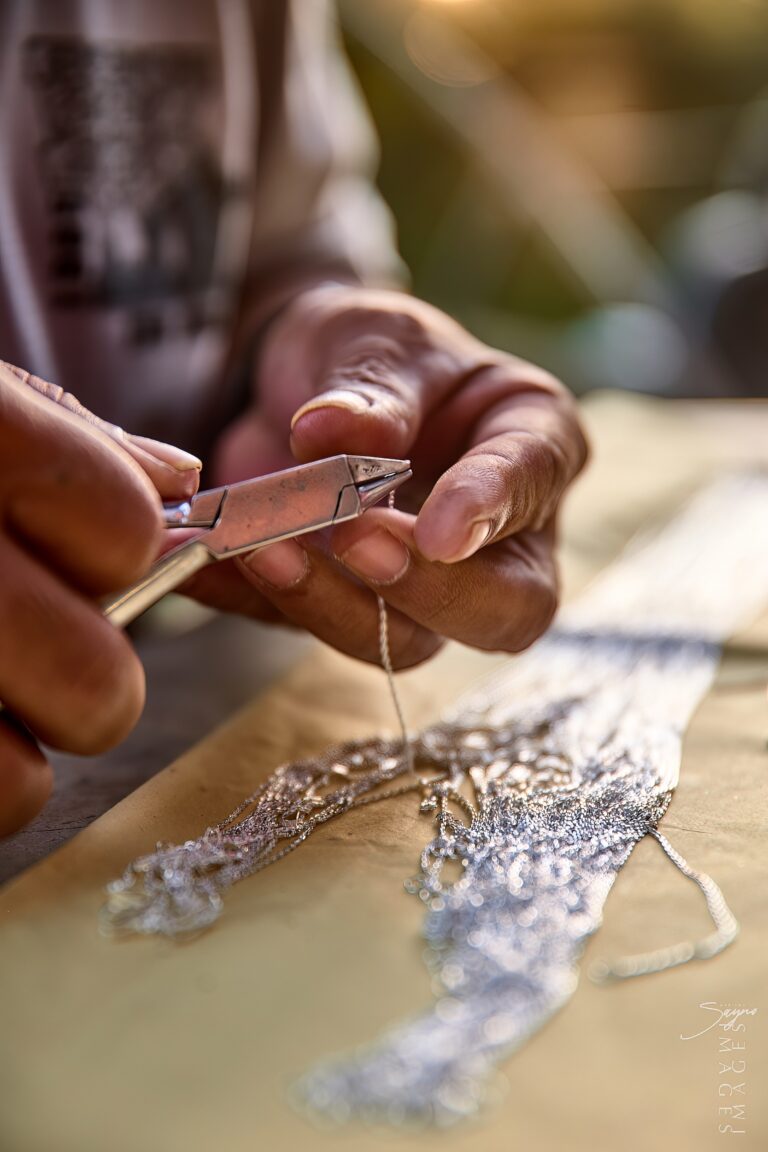
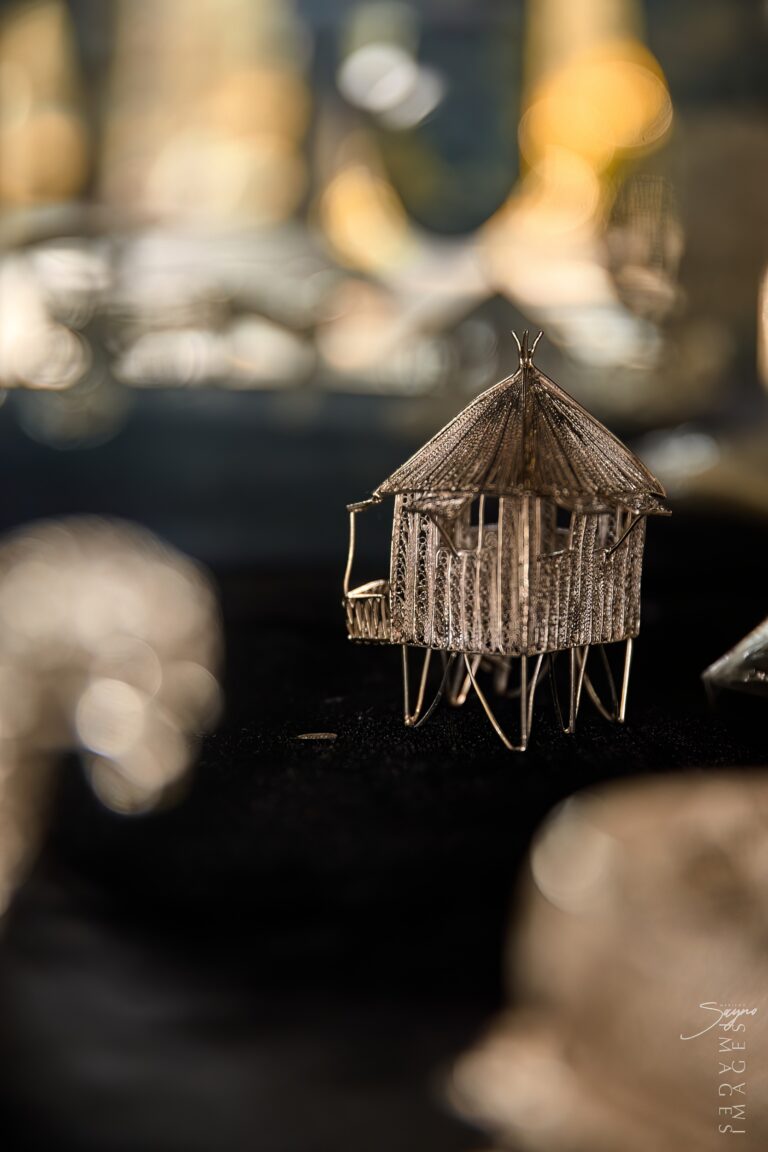
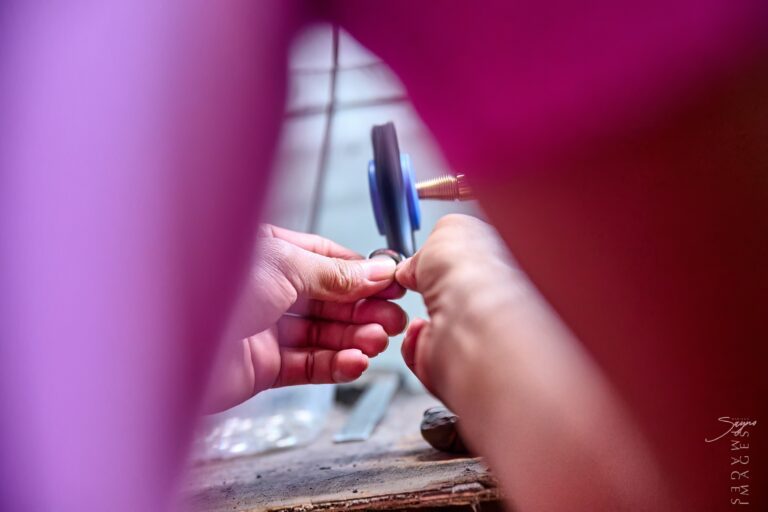
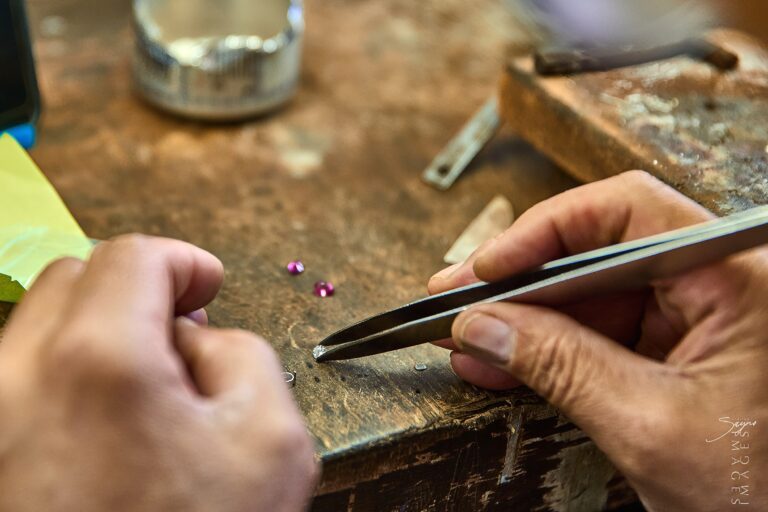
Each piece is painstakingly handcrafted using techniques that have remained largely unchanged for over a century. Delicate filigree twists and solders fine silver wires into lace-like patterns. Repoussé raises designs in relief from the reverse side, while engraving carves fine details into the metal. Precision soldering joins components without compromising the silver, and semi-precious stones like turquoise, jade, and agate are carefully set into bezels.
The process is deliberate and time-intensive. A single pendant can take hours—or even days—depending on its complexity. Artisans learn through apprenticeships, often within families, mastering how silver responds to heat, pressure, and annealing.
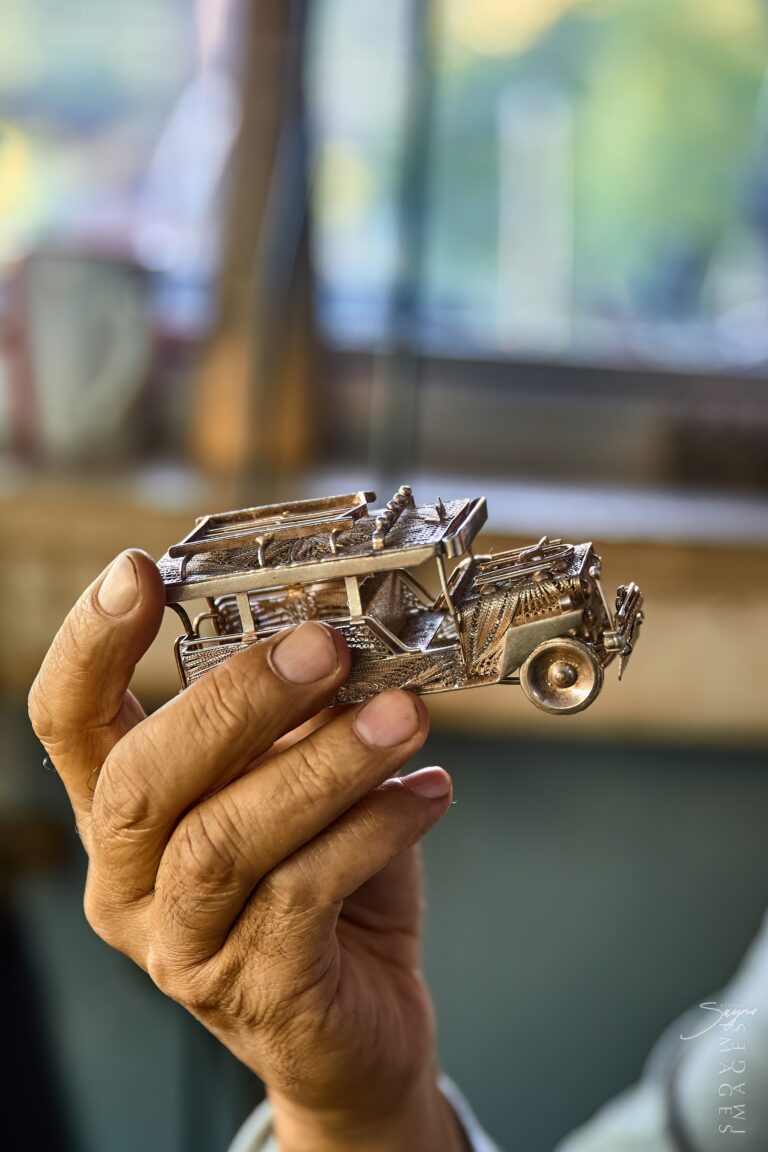
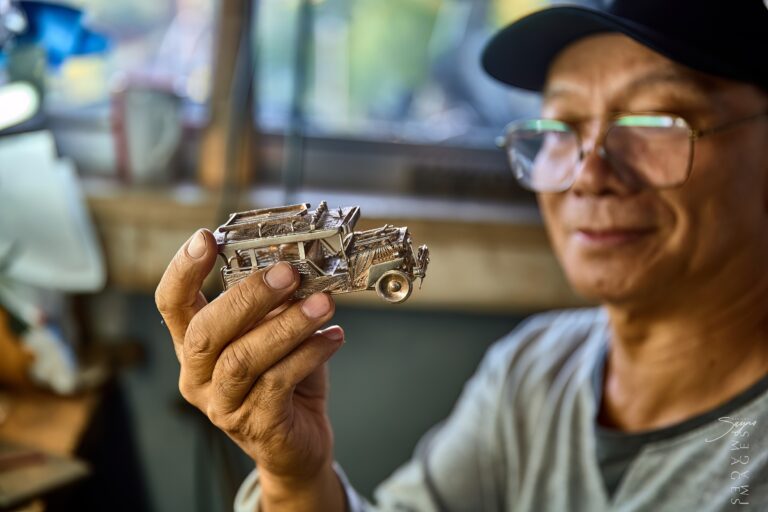
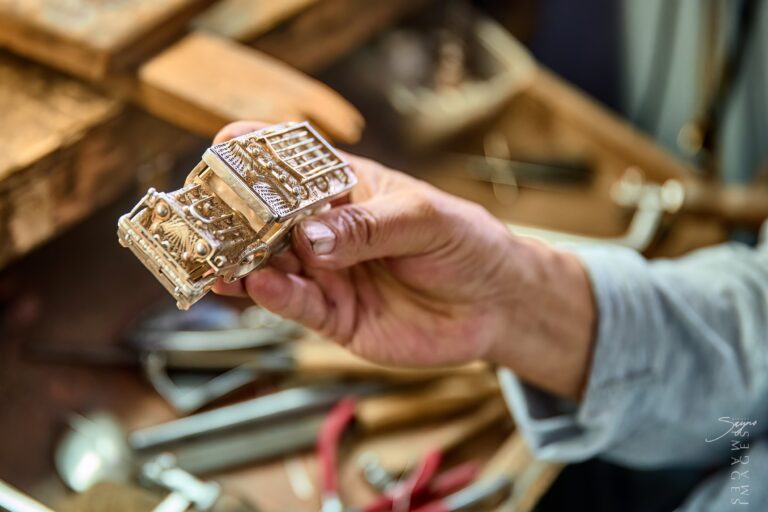
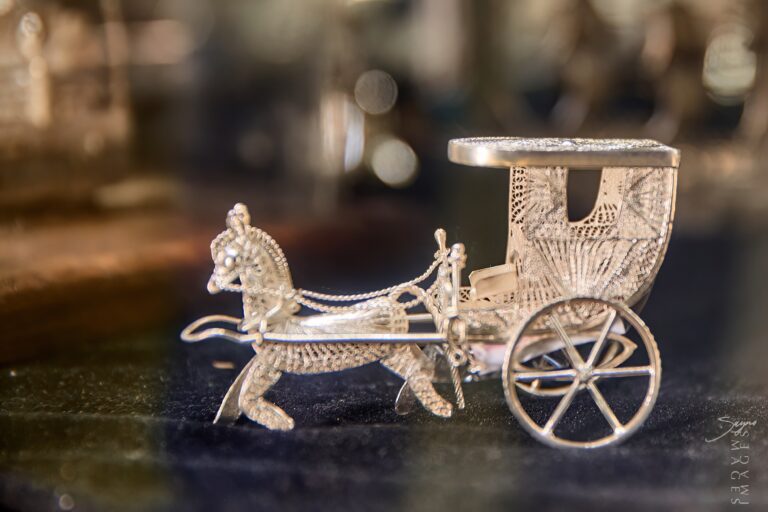
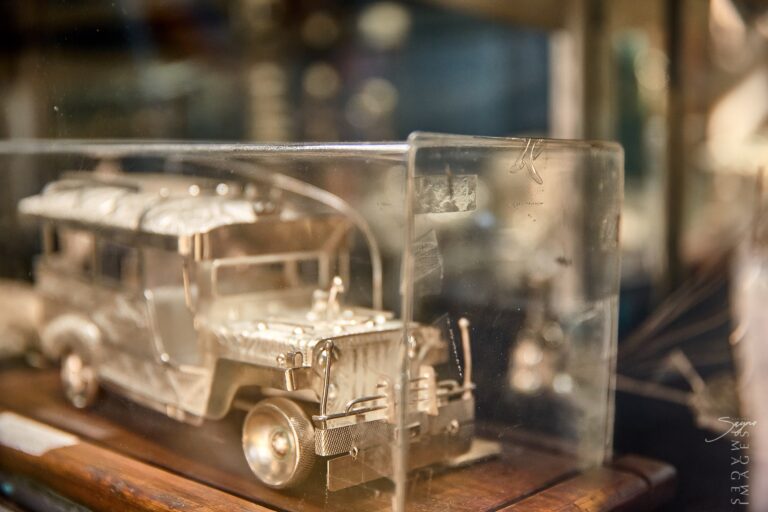
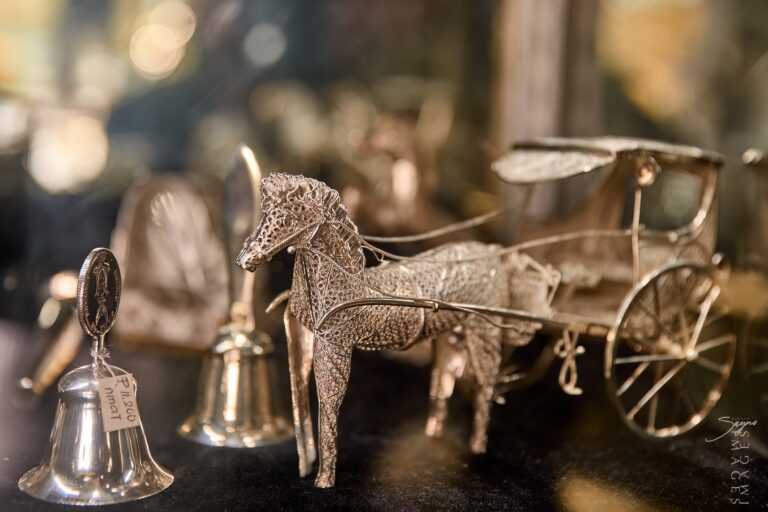
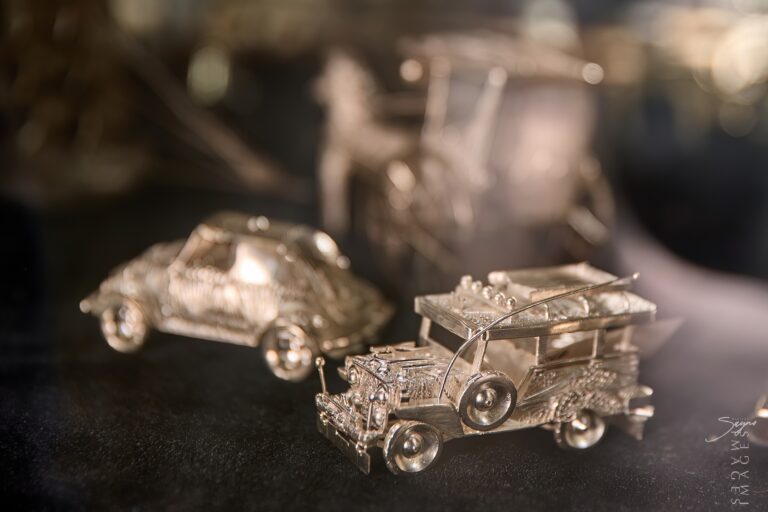
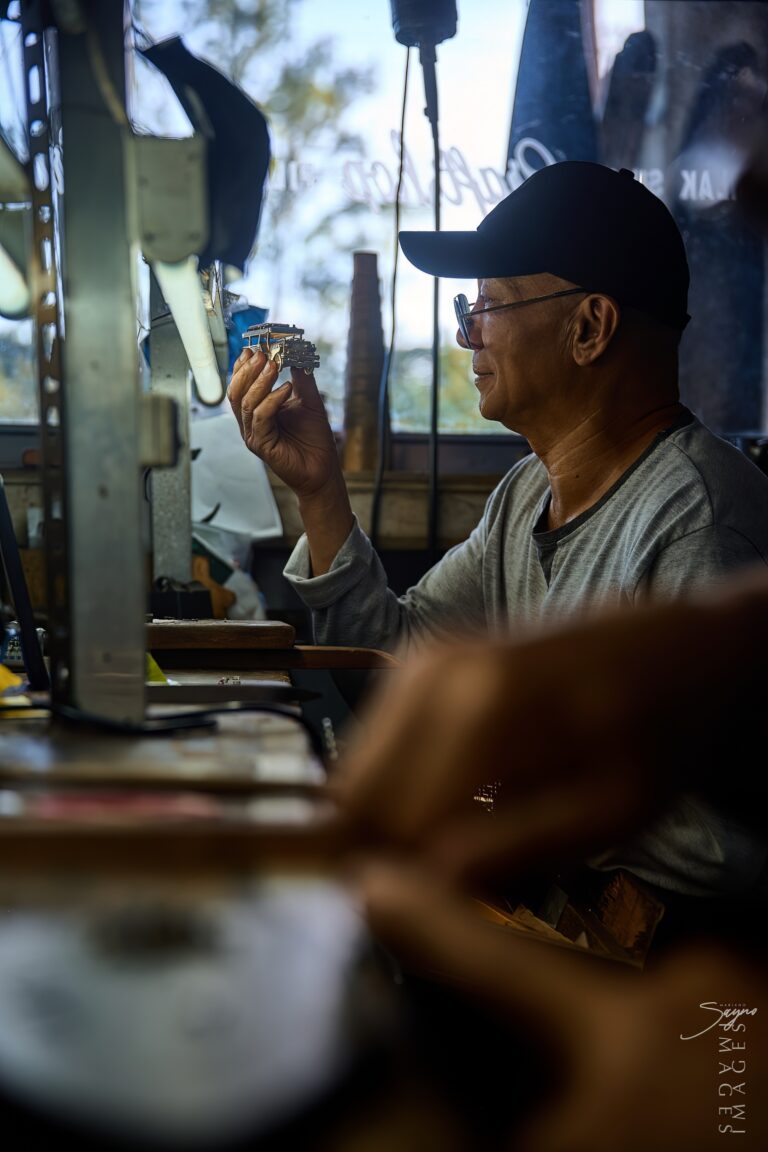
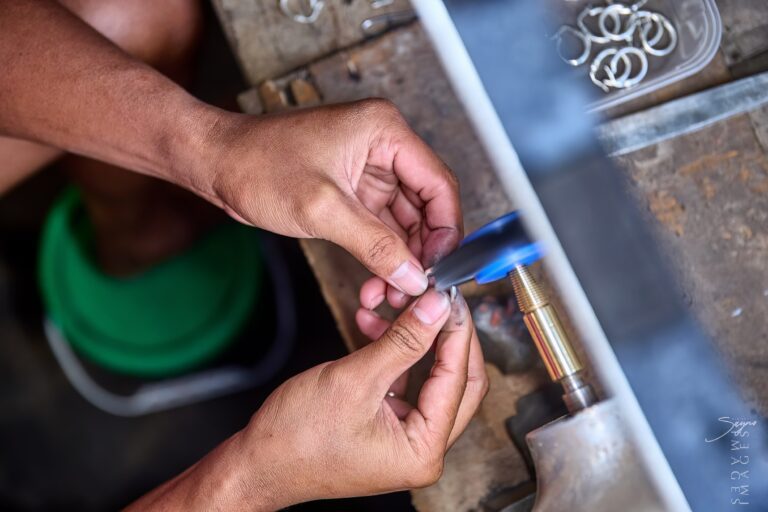
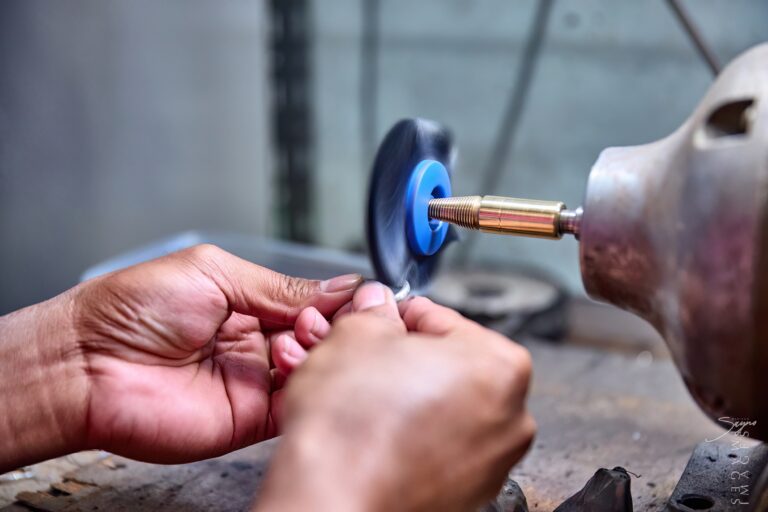
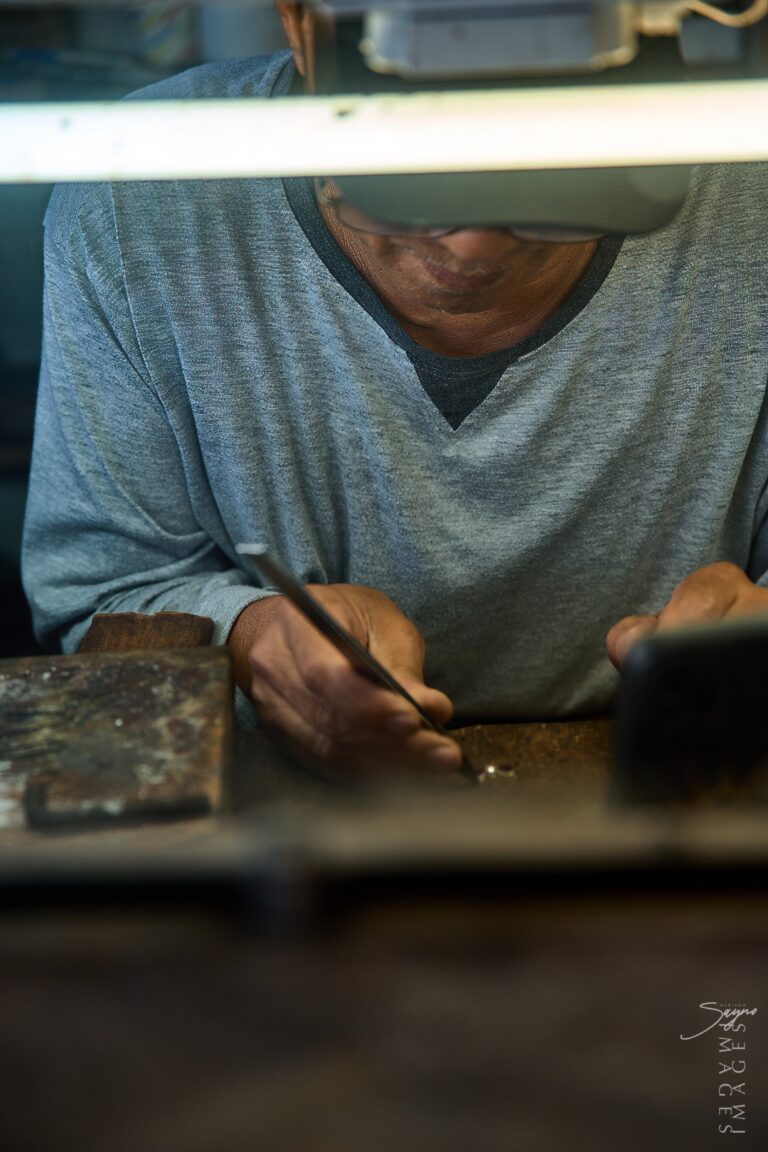
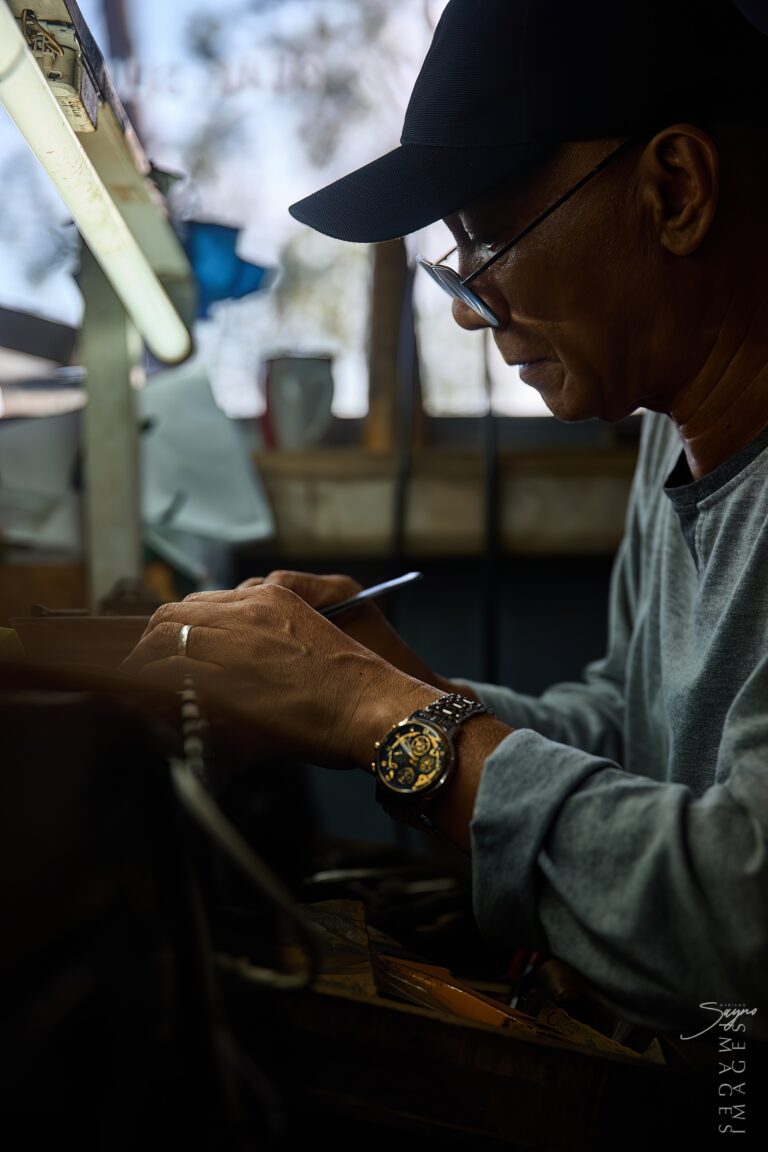
Inside Pilak, the artisan’s bench is the heart of the experience. Travelers can watch silversmiths bend, solder, engrave, and polish pieces, each reflecting both skill and cultural heritage. Among them is Max Aromin, now 62 years old, a seasoned platero (silversmith) who has dedicated over 35 years to shaping silver. He continues to bring Philippine icons to life—kalesas, jeepneys, and other cultural symbols—showing that passion and craftsmanship only deepen with time. Visitors can also commission bespoke creations—engraved rings, motif-inspired pendants, or milestone keepsakes—combining personal significance with Cordilleran tradition.
RELATED STORIES

Baguio City, the Summer Capital of the Philippines, has long been celebrated for its vibrant art scene and rich cultural heritage. In 2025, the Ibagiw


Travelers wandering through the cool, pine-scented corners of Baguio often search for places that blend good food, local creativity, and that distinct highland charm the


Mines View Park stands as one of Baguio City’s most iconic and historically layered landmarks — a place where sweeping mountain scenery meets memory, labor,


When you think of Baguio, you imagine pine‑scented breezes, foggy mornings, and cozy cafés tucked into the city’s winding streets. Among these, Guest Haven Coffee


Pilak’s designs draw on Cordilleran art forms, featuring geometric patterns, mountain silhouettes, sunbursts, pine trees, and local flora. These motifs let travelers carry a tangible piece of Baguio’s indigenous heritage.


Shopping at Pilak supports local silversmiths and contributes to preserving traditional craft. Baguio’s creative ecosystem spans woodcarvers, weavers, painters, and metalworkers, all sustaining the city’s cultural identity.


First-time visitors are encouraged to browse slowly, observe the workshop, and ask about silver purity, care instructions, and customizations. For special orders, visiting early or contacting the shop in advance ensures smooth coordination.


A visit to Pilak is a chance to witness living tradition in action: to see silver transform under skilled hands, to hear stories carried through generations, and to take home a piece of Baguio’s identity. By supporting this craft, travelers not only bring home a unique keepsake but also contribute to a vibrant creative community that continues to grow, inspire, and shine.
Pilak is proof that even in a changing world, the artistry, passion, and cultural pride of Baguio’s silversmiths remain alive—and brighter than ever.
I’m looking forward to the stories and images leaving a lasting positive impression on you, just as they have on me. Stay connected with us on social media for a weekly exploration of travel assignments and breathtaking visuals. Our focus is on championing local tourism, showcasing small businesses, and honoring the magnificence of the Philippines through the content we curate. Join us in spreading the word by clicking the ‘share’ buttons below. Your support means the world to us.
EXPLORE MORE about


Perched along Marcos Highway inside The Podium Boutique Hotel, Hoka Brew welcomes visitors with a warm, wood-themed interior and wide windows framing the lush, pine-covered


When you think of Baguio, you imagine pine‑scented breezes, foggy mornings, and cozy cafés tucked into the city’s winding streets. Among these, Guest Haven Coffee


High above the bustle of Baguio’s commercial districts, Café Khawa rises along Loakan Road as a ridge-top sanctuary where sweeping mountain views dominate the experience.


Le Coq Bleu Baguio is a welcoming space where comfort meets creativity. Owned by Chantal Michaut-Pangilinan, a Frenchwoman who has lived in the city for


Azalea Residences Baguio welcomes travelers with the perfect balance of comfort, convenience, and modern design in the heart of the City of Pines. Nestled along


Nestled in the heart of Baguio City, the Our Lady of Atonement Cathedral—more popularly known as Baguio Cathedral—stands as a masterpiece of neo-Romanesque architecture and


Originally known as the Baguio Flower Festival, the Panagbenga Festival is a month-long annual flower festival held every February in Baguio City, that celebrates and


Baguio Media Newseum, also known as the Art World & Media Newseum, offers travelers a unique experience beyond the familiar pine forests and scenic viewpoints

Baguio City has long been celebrated for its cool climate, mountain landscapes, and thriving creative culture. Within the Baguio Botanical Garden sits the Harvest Creative


Mines View Park stands as one of Baguio City’s most iconic and historically layered landmarks — a place where sweeping mountain scenery meets memory, labor,

If you are planning a trip to the highlands of the Philippines, particularly around Baguio or Benguet, a visit to Dulche Chocolates offers a uniquely


Travelers wandering through the cool, pine-scented corners of Baguio often search for places that blend good food, local creativity, and that distinct highland charm the


Baguio City, the Summer Capital of the Philippines, has long been celebrated for its vibrant art scene and rich cultural heritage. In 2025, the Ibagiw


The Kasiyana “All Will Be Well” Art Exhibit at Gallery 2600 in Baguio brings together more than 20 local artists whose works reflect the Kankanaey


Amid the cool mountain air and pine-scented streets of Baguio City, there is a place where the warmth of a crackling wood-fired oven meets the
BROWSE BY CATEGORIES
BROWSE BY PROVINCE