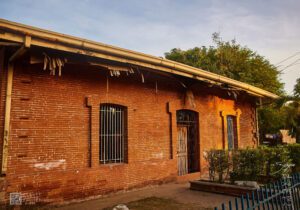


Capas Train Station: Kilometre 106 of Memory
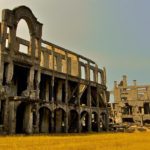
The Capas Train Station is located in Barangay Sto. Domingo II, Capas, Tarlac, and was once part of the historic Manila–Dagupan railway line operated by

Many motorists know Tarlac as a province crossed on the journey to northern Luzon, yet once the highways give way to municipal roads, another landscape appears. Broad agricultural plains dominate much of the province, and rice farming has long shaped local life here. These fertile lowlands, supported by irrigation systems and favorable terrain, place Tarlac among the agricultural heartlands of the Philippines.
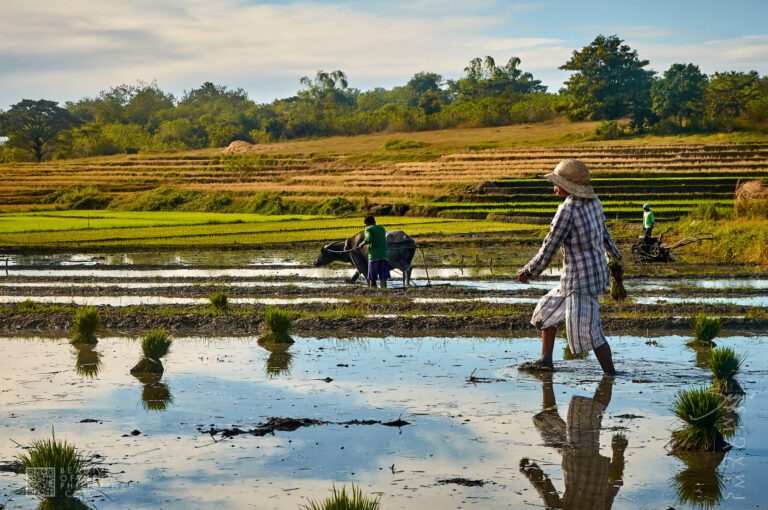
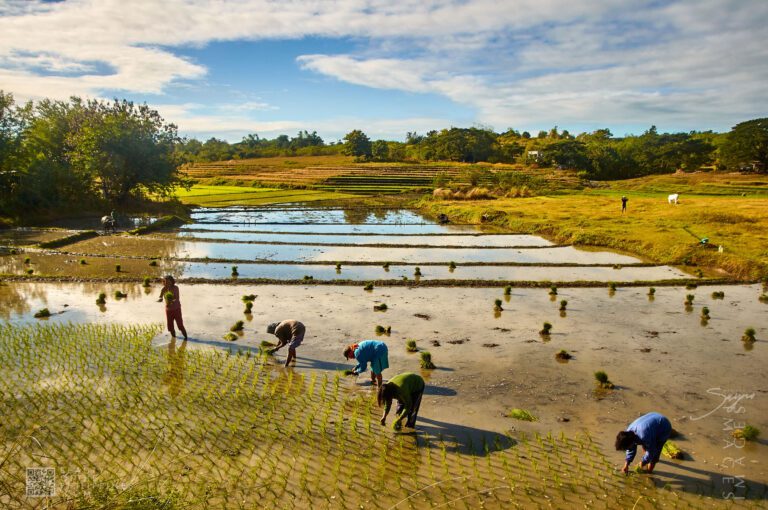
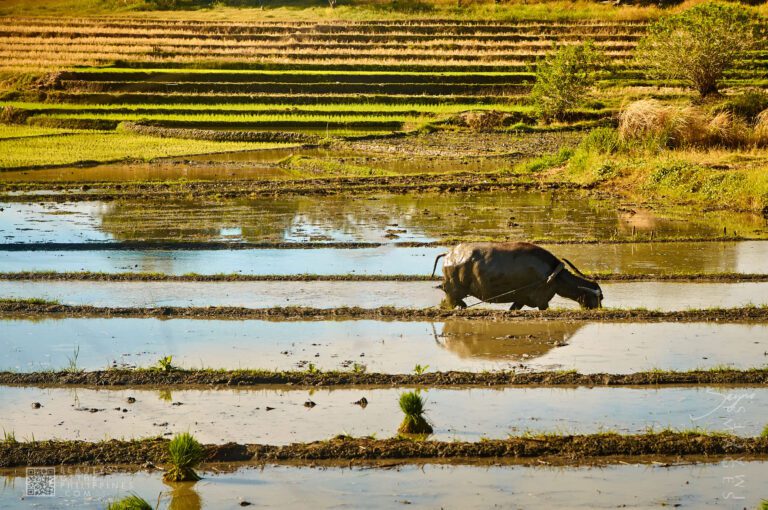
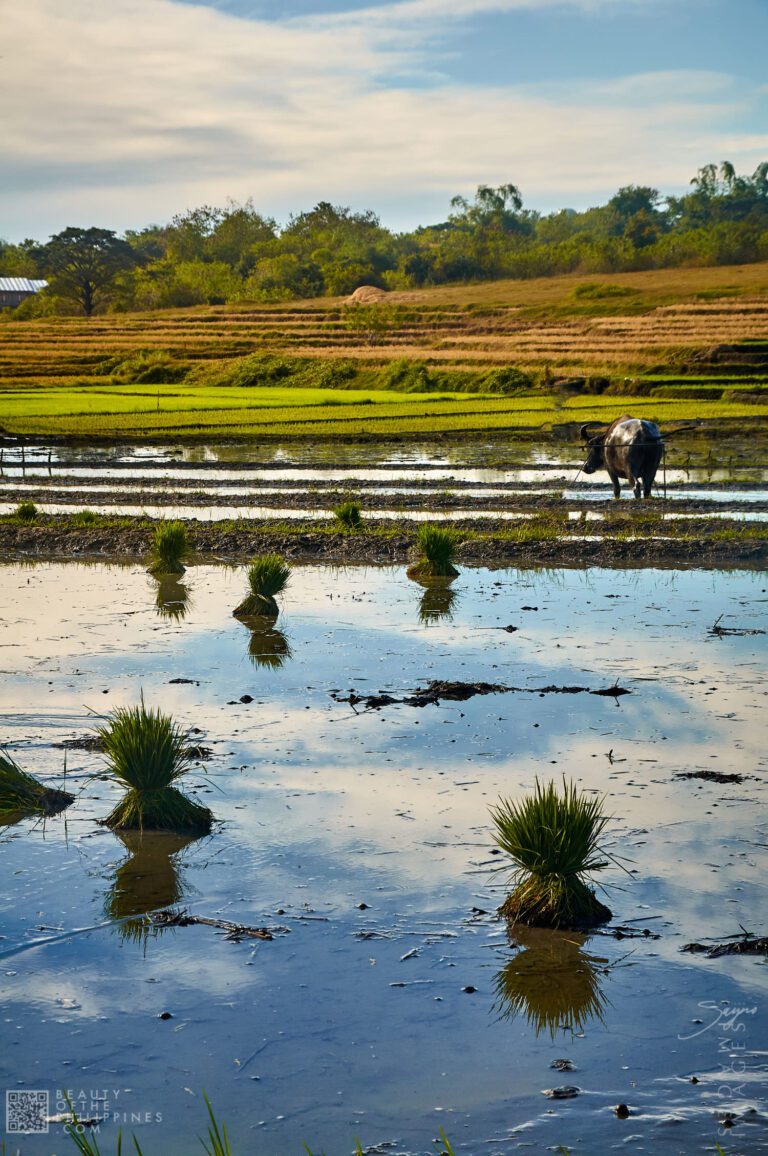
For a traveler carrying a camera, the first impression is space. The horizon feels wider here. Roads run beside paddies for kilometers, interrupted only by trees, homes, irrigation canals, and the occasional carabao resting near the field edge.
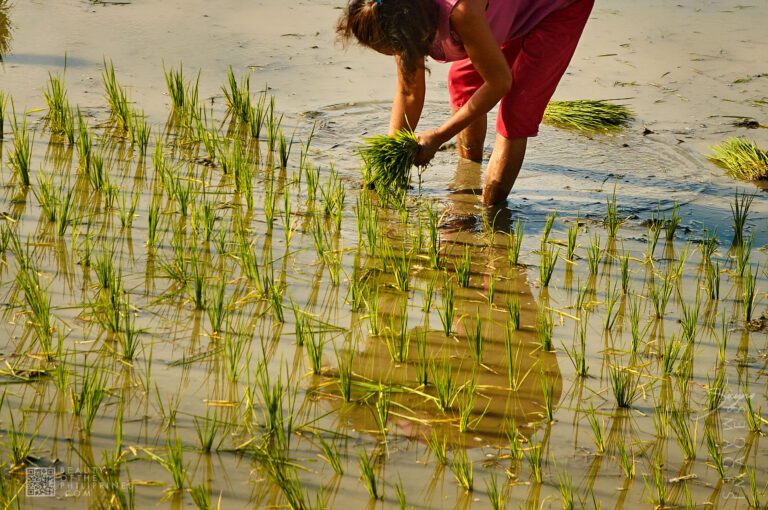
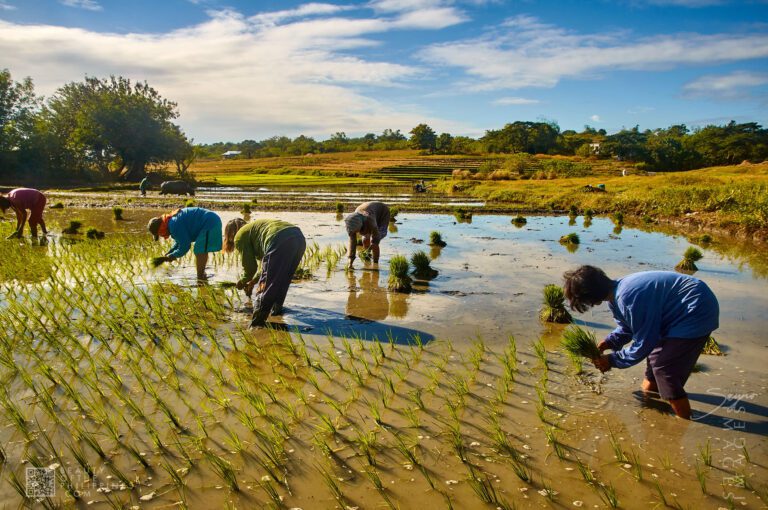
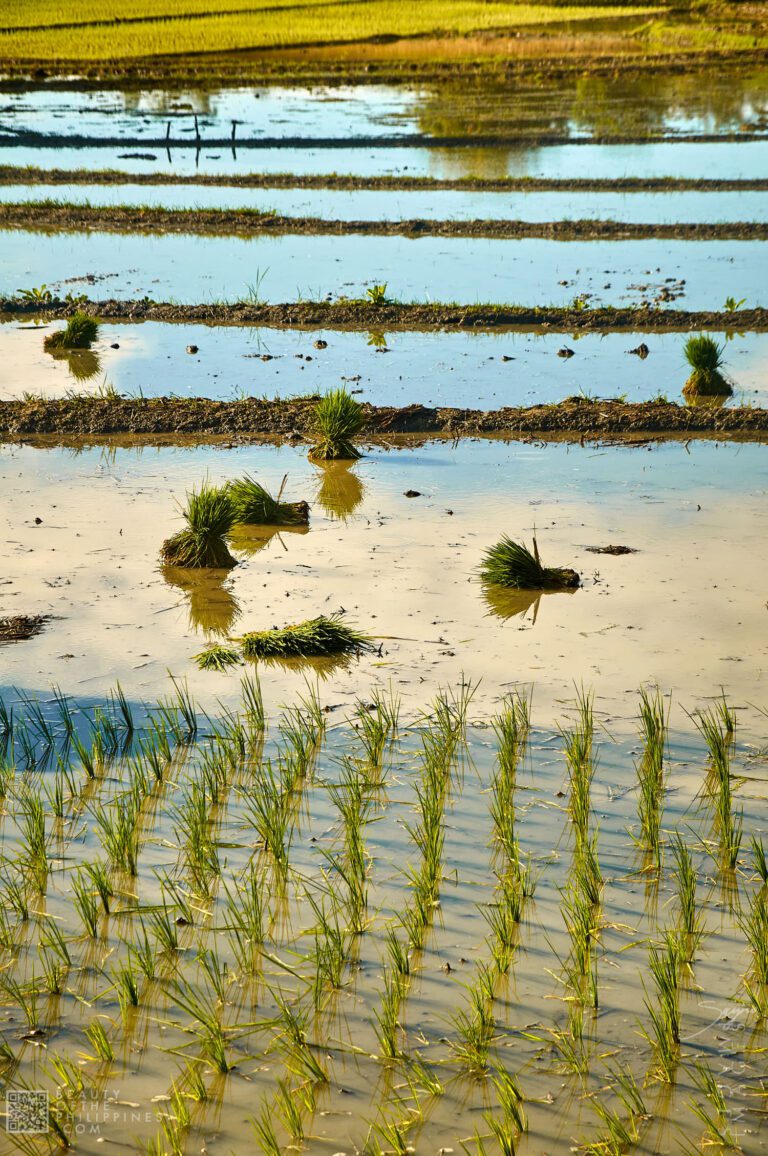
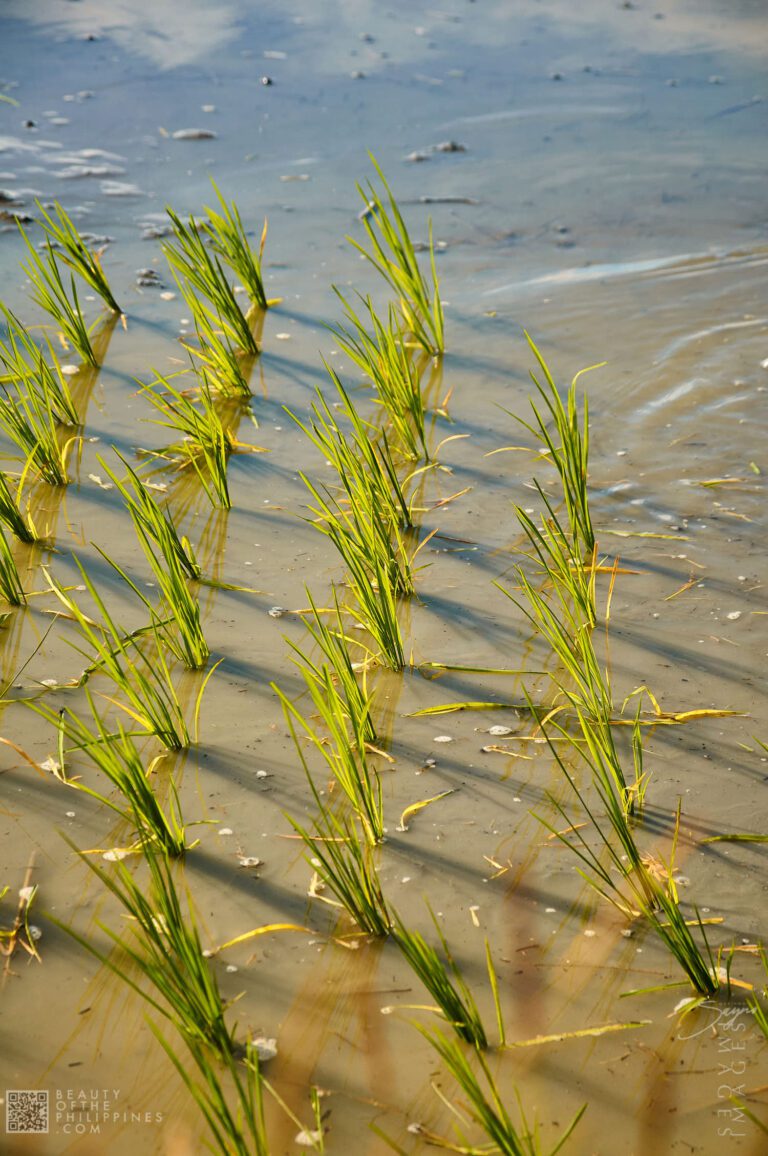
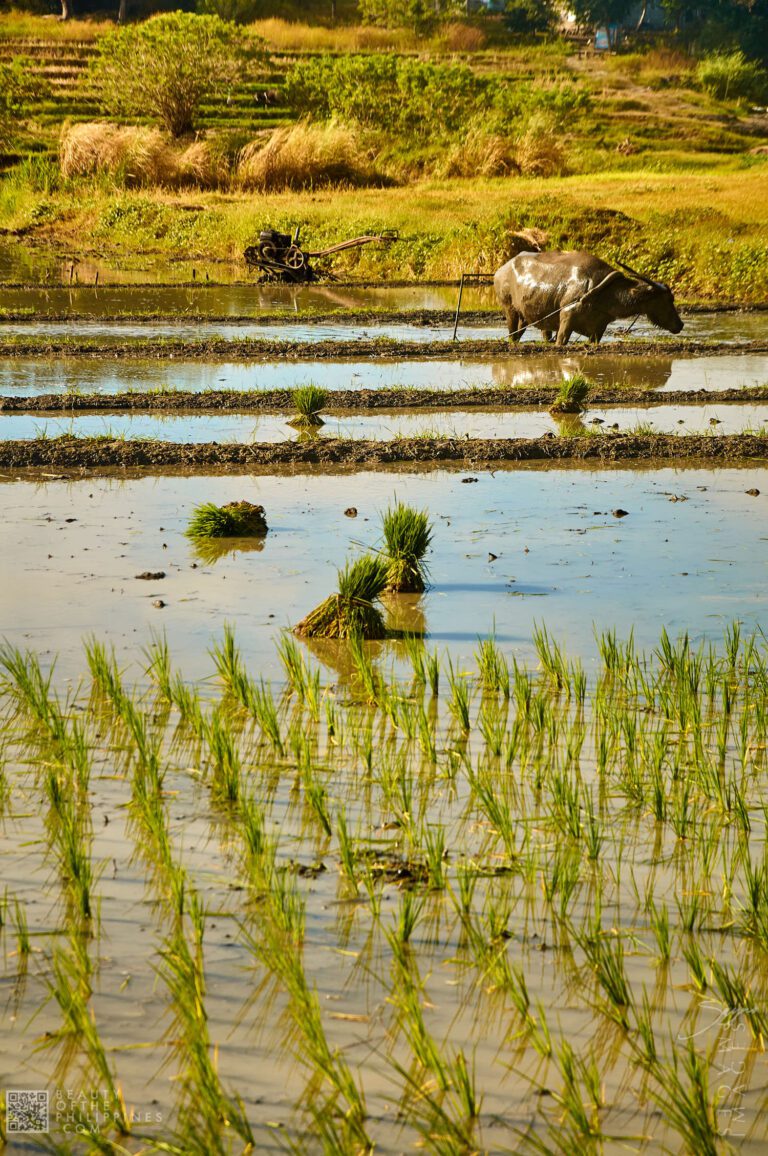
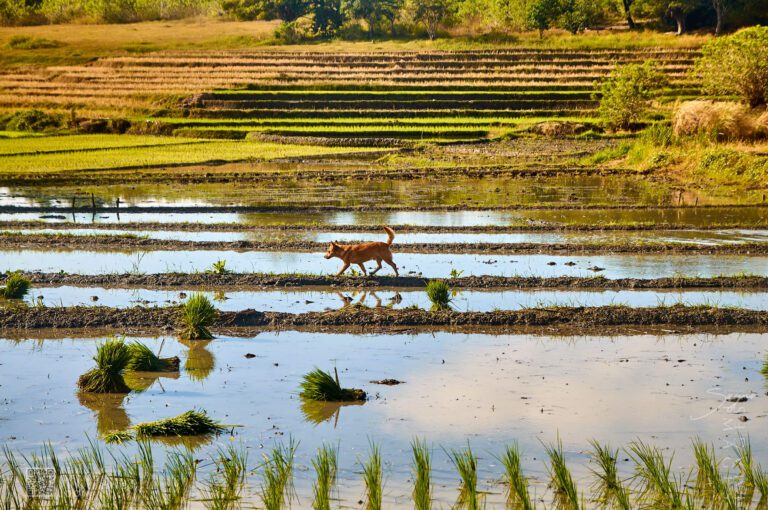
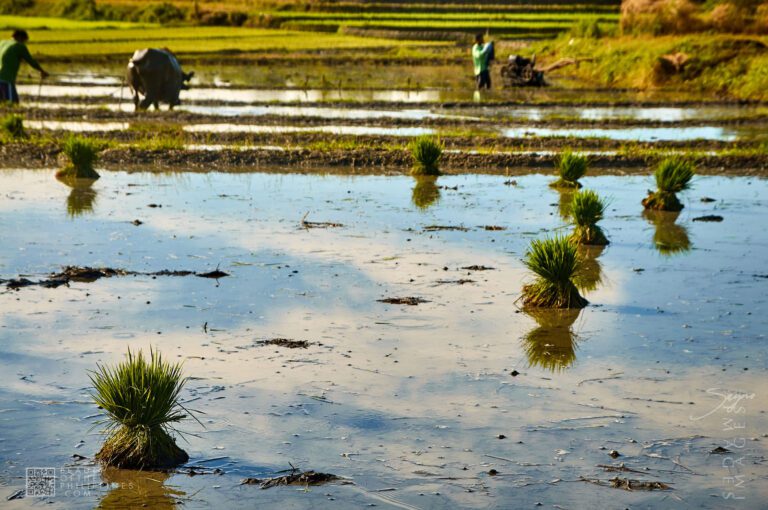
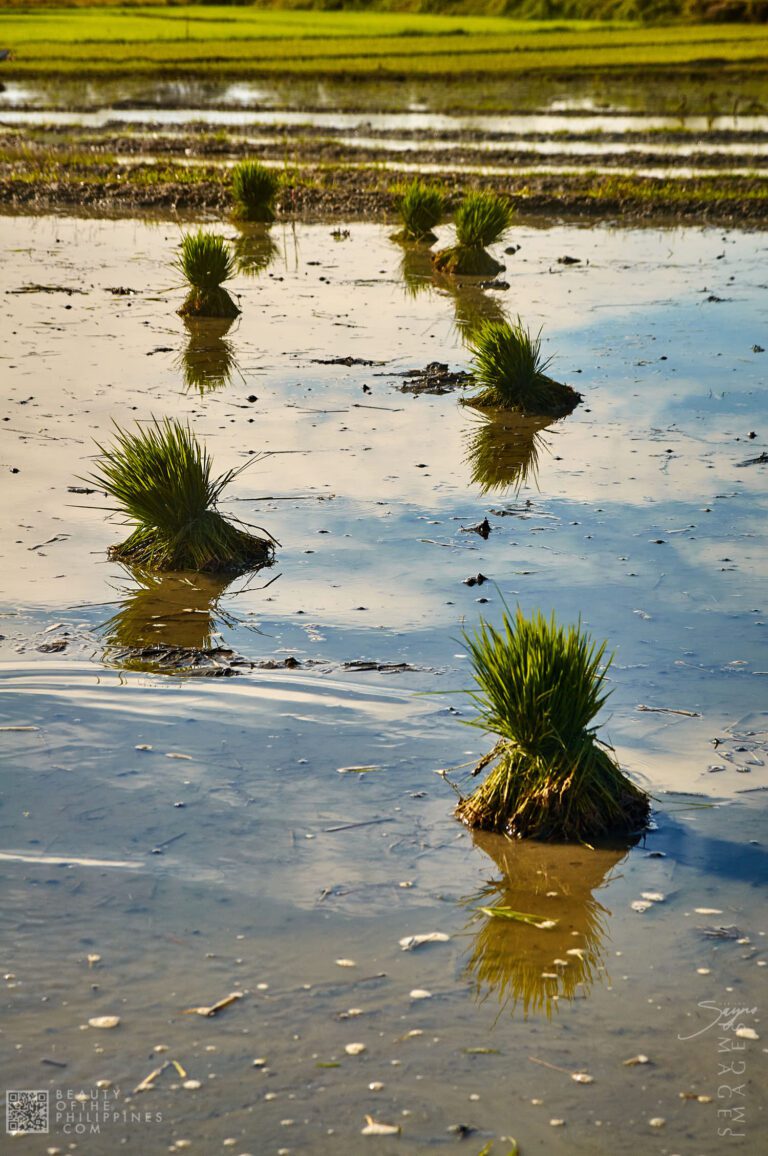
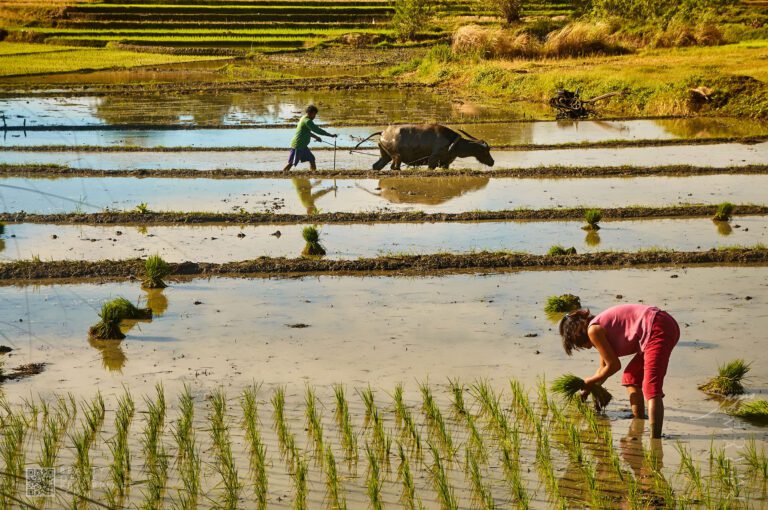
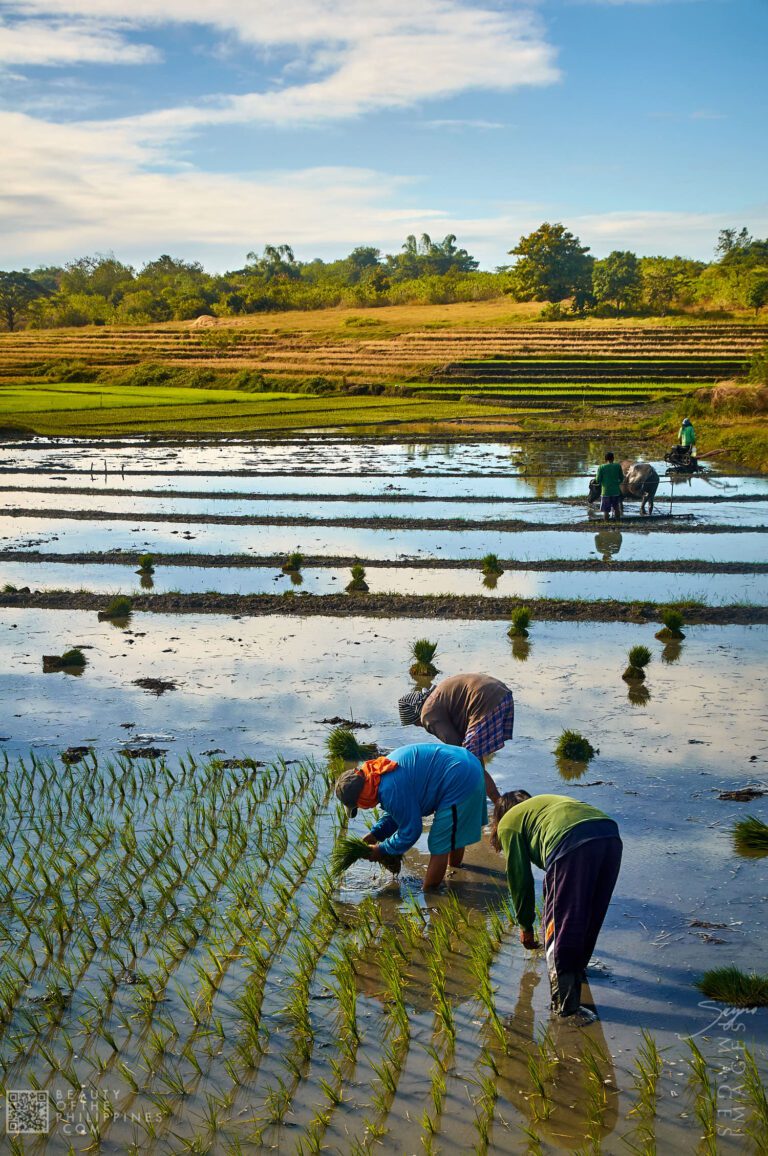
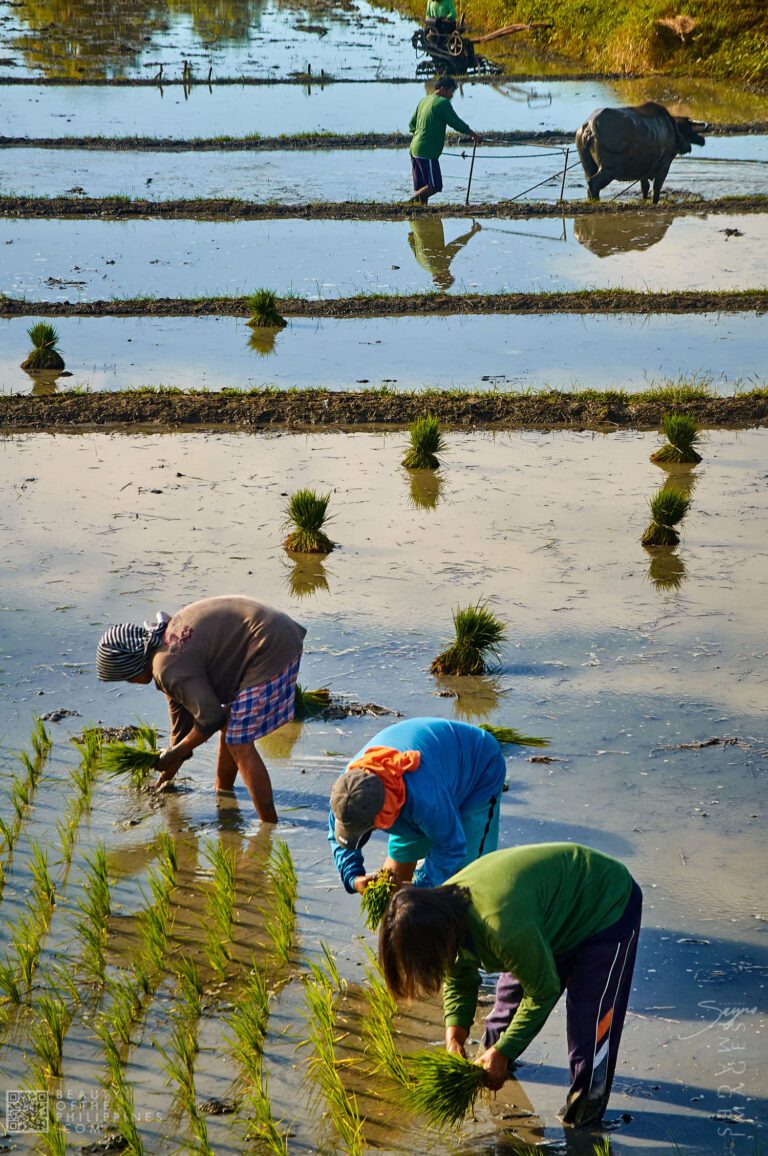
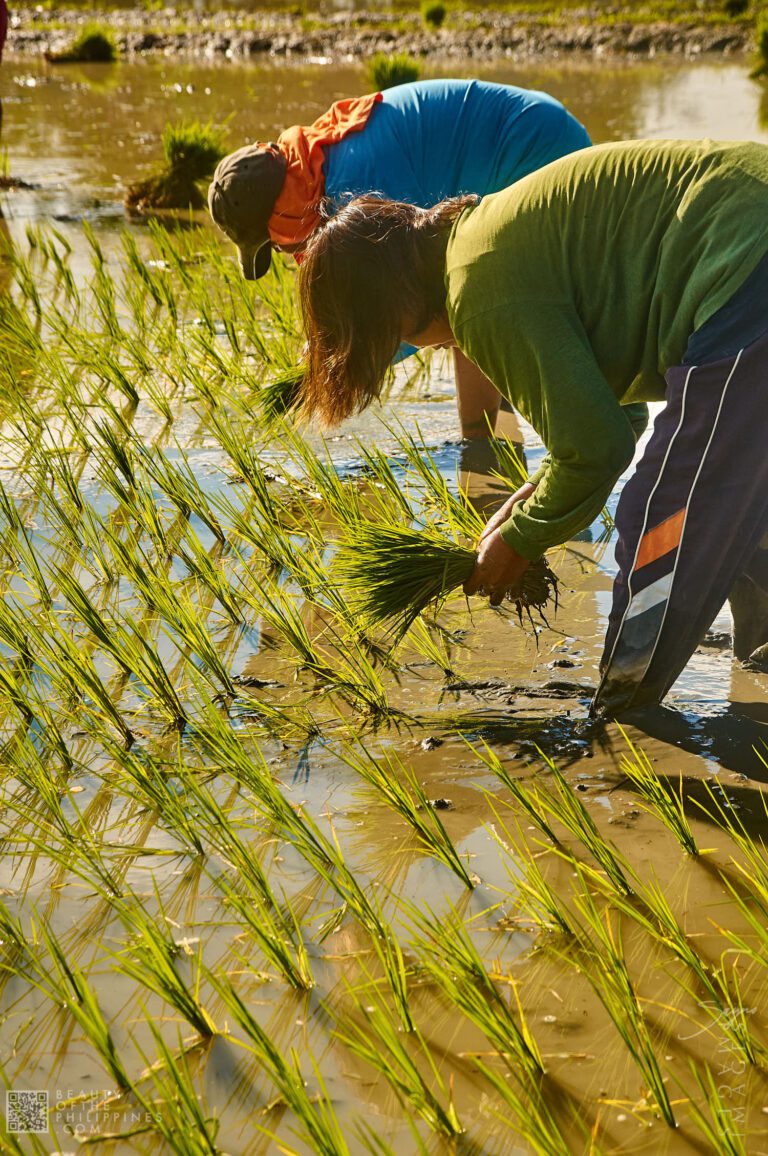
Rice fields in Tarlac are never fixed in one appearance. During planting periods, paddies fill with shallow water, turning the land into reflective surfaces that mirror clouds and sunrise colors. In growing months, the same areas become layers of vivid green moving with the wind. Before harvest, fields shift into warm gold tones that glow best in late afternoon light.
This seasonal transformation gives the province an advantage many destinations seek: reasons to return more than once. A visit during planting offers one mood, while harvest months tell an entirely different visual story.
Accessibility is one of Tarlac’s strongest tourism assets. From Metro Manila, travel is made easier through major road links such as SCTEX and TPLEX, making day trips, weekend drives, school excursions, and even company retreats realistic options. Unlike more remote farm provinces requiring longer journeys, Tarlac sits within practical reach of urban travelers wanting countryside air without committing to a long expedition.
That convenience matters. Rural tourism often depends not only on beauty, but on how easily people can reach it.
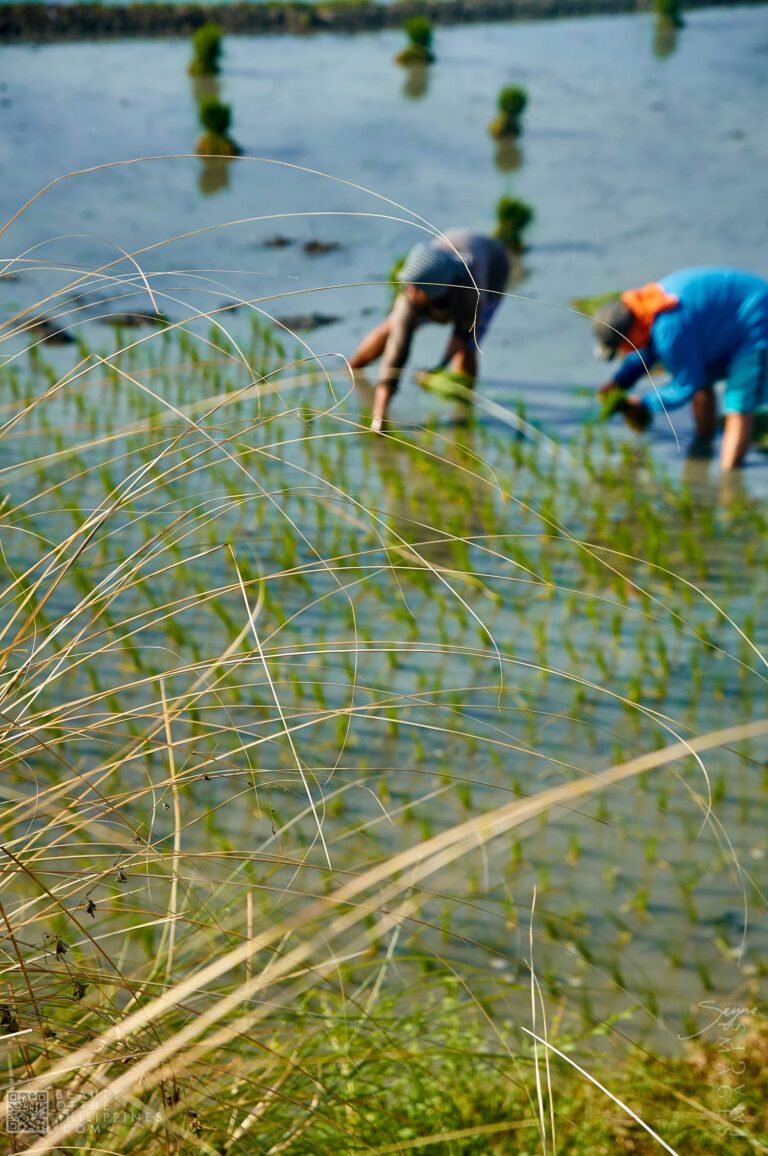
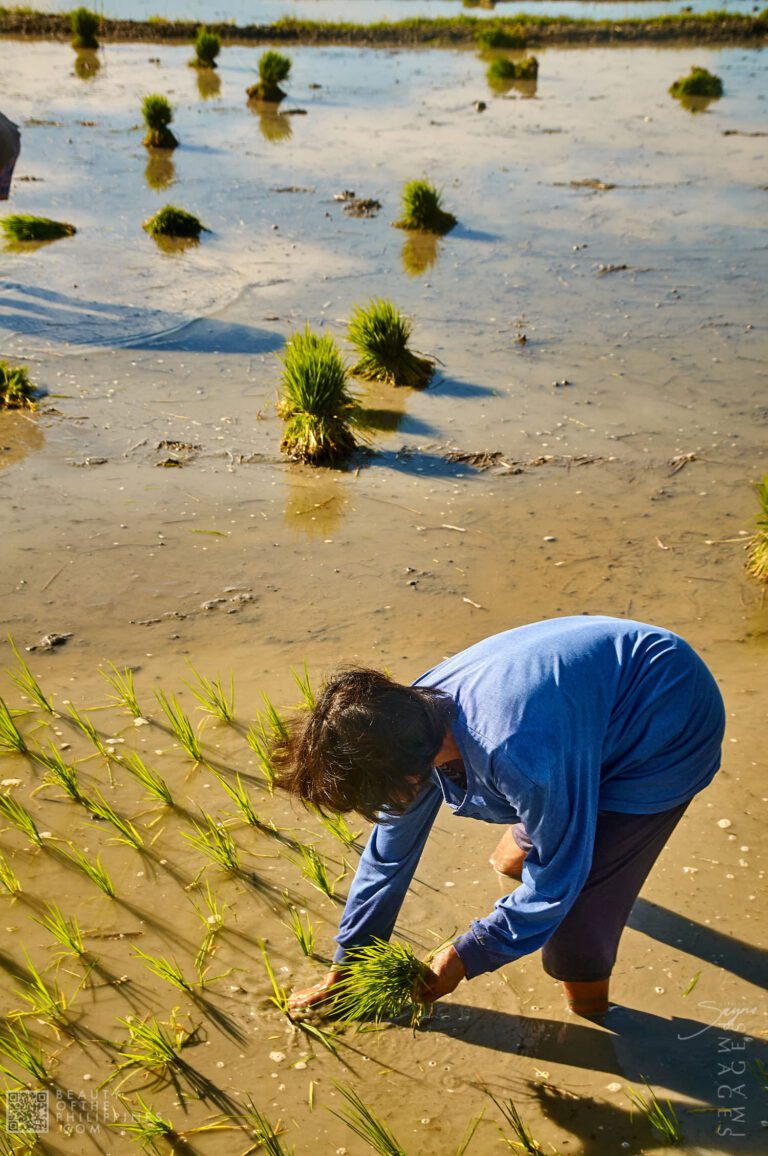
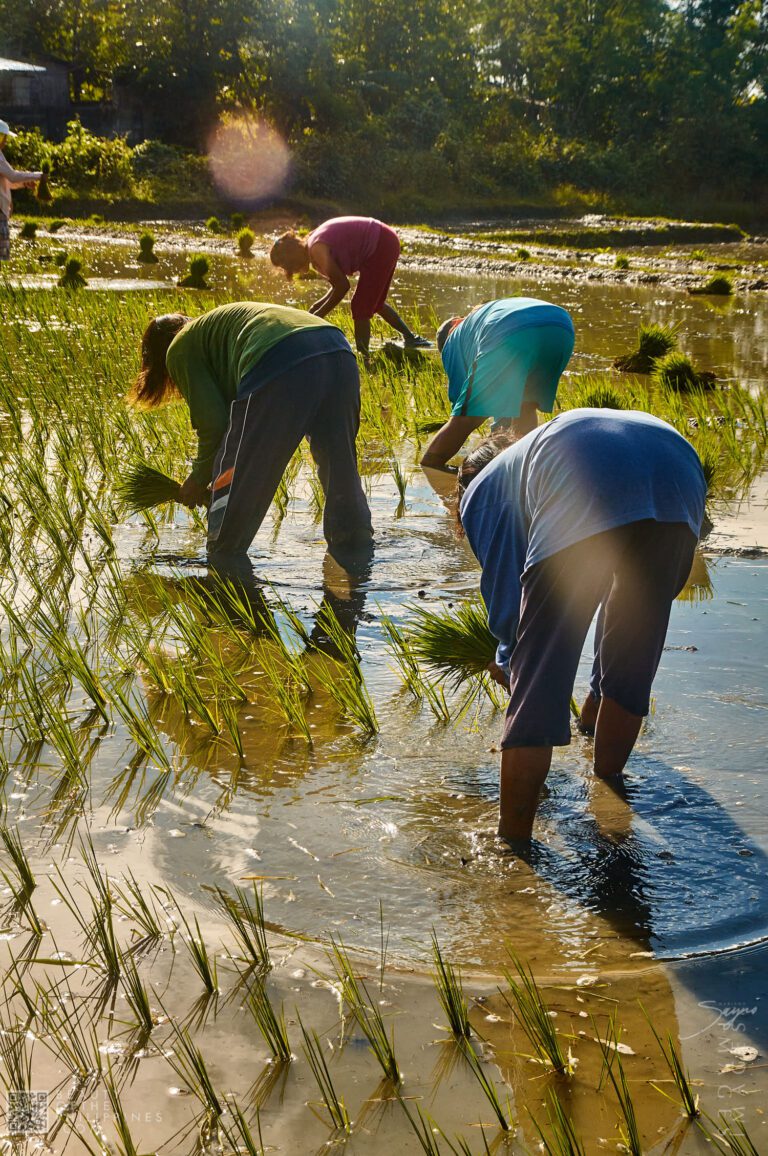
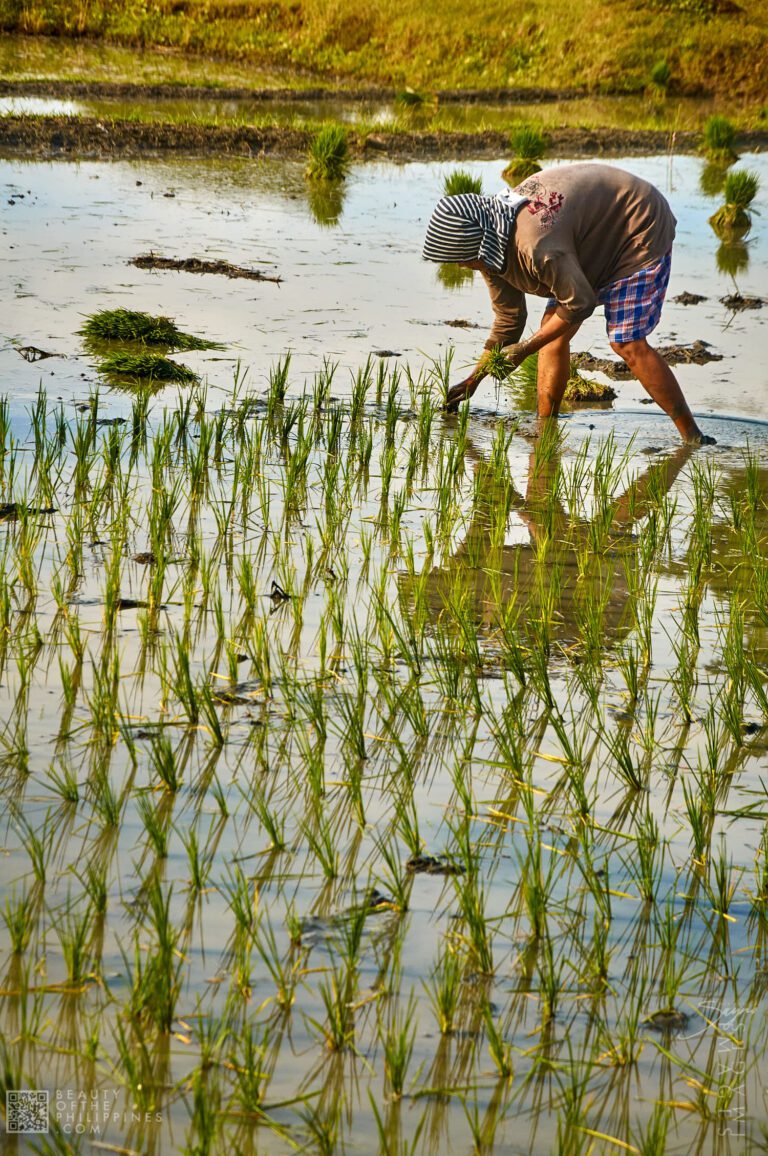
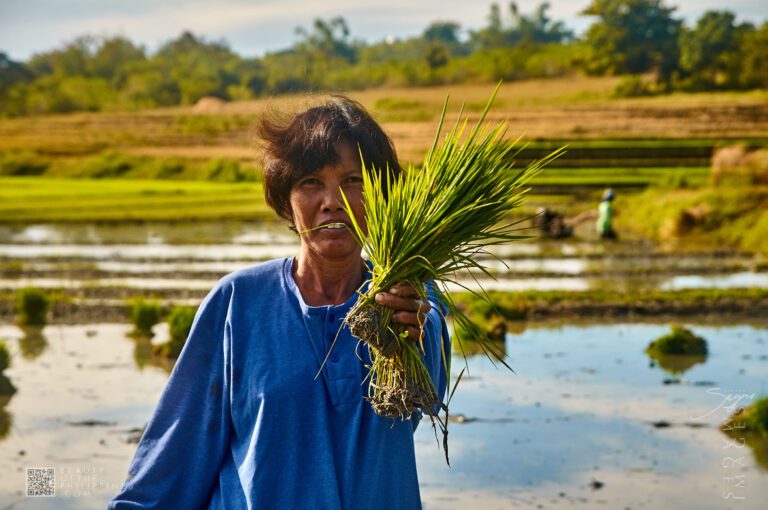
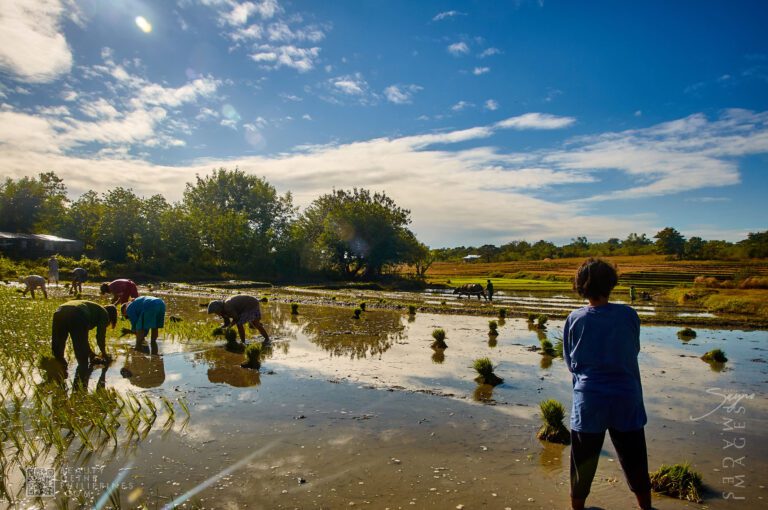
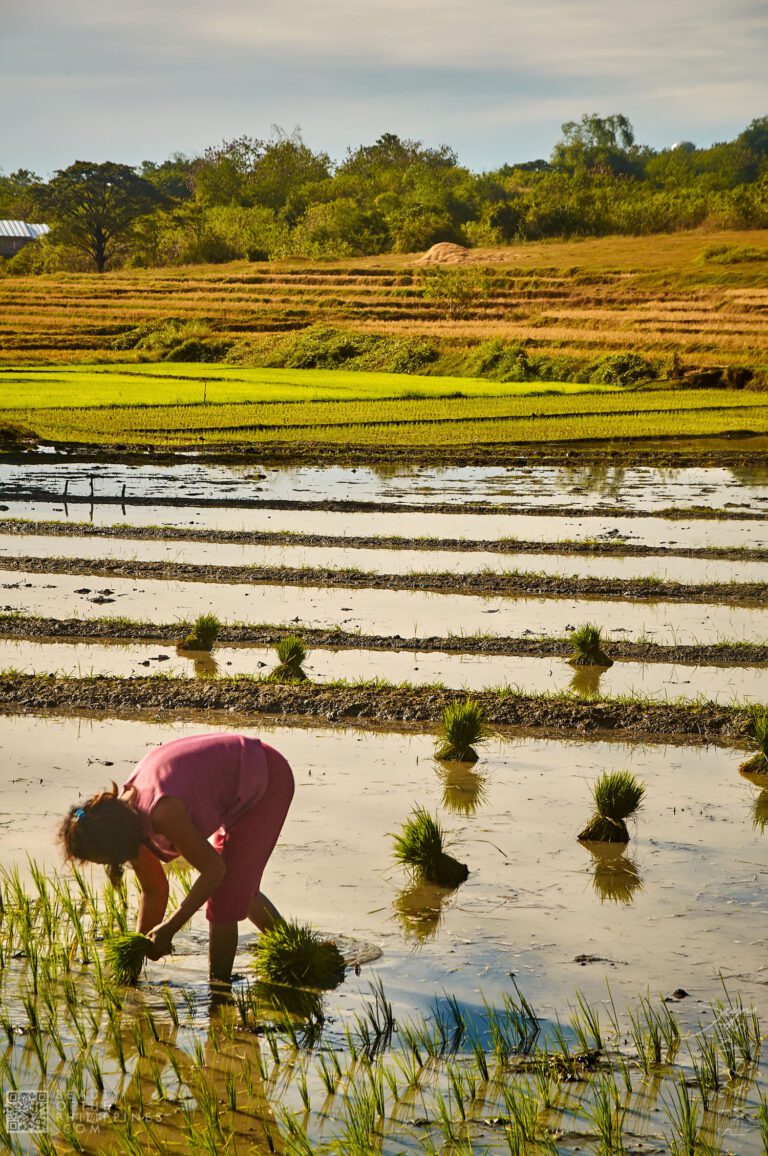
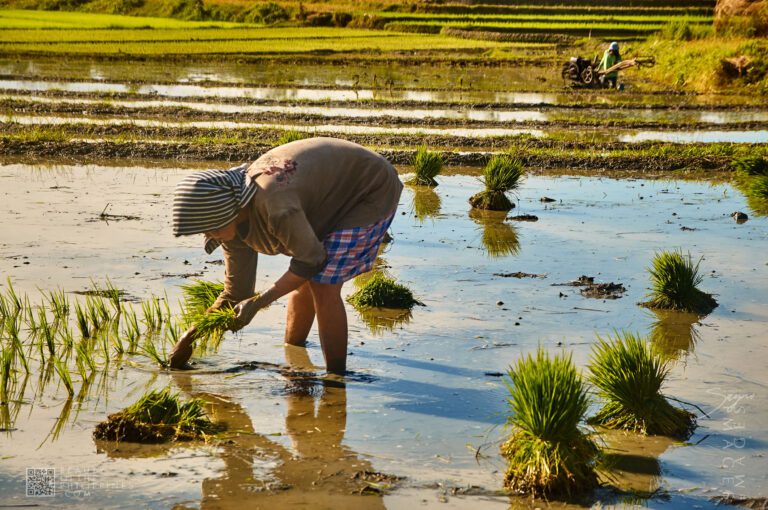
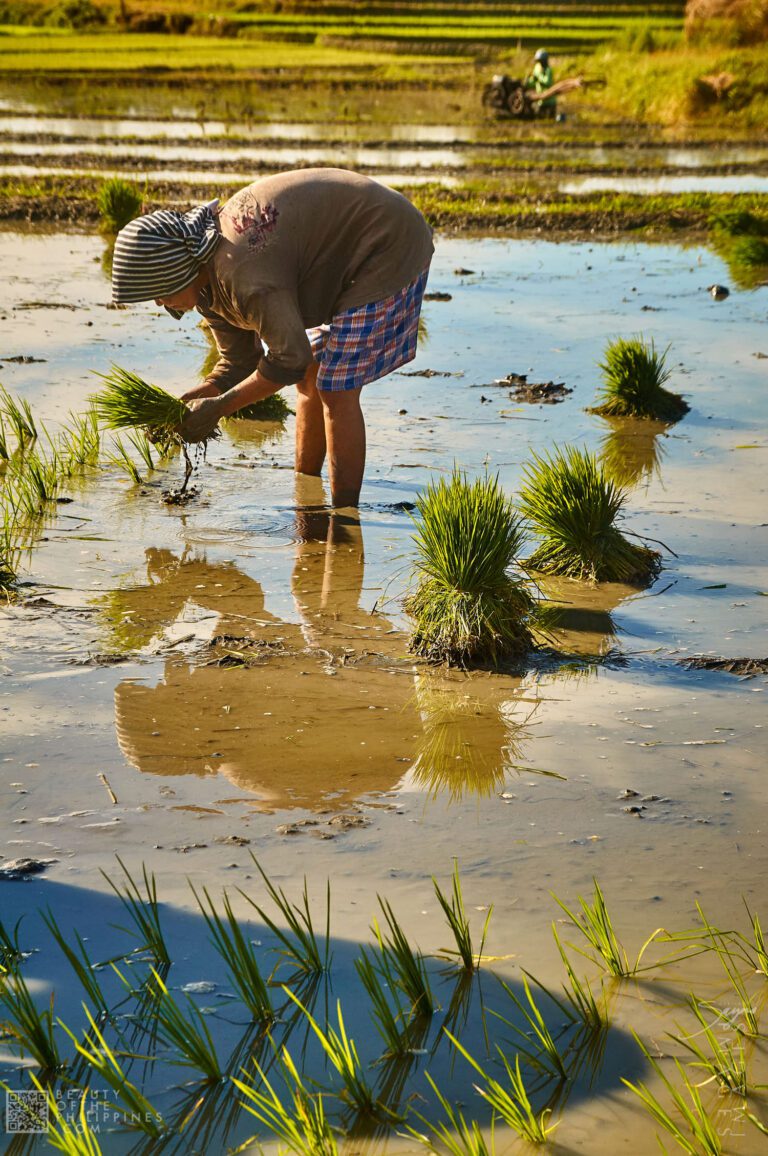
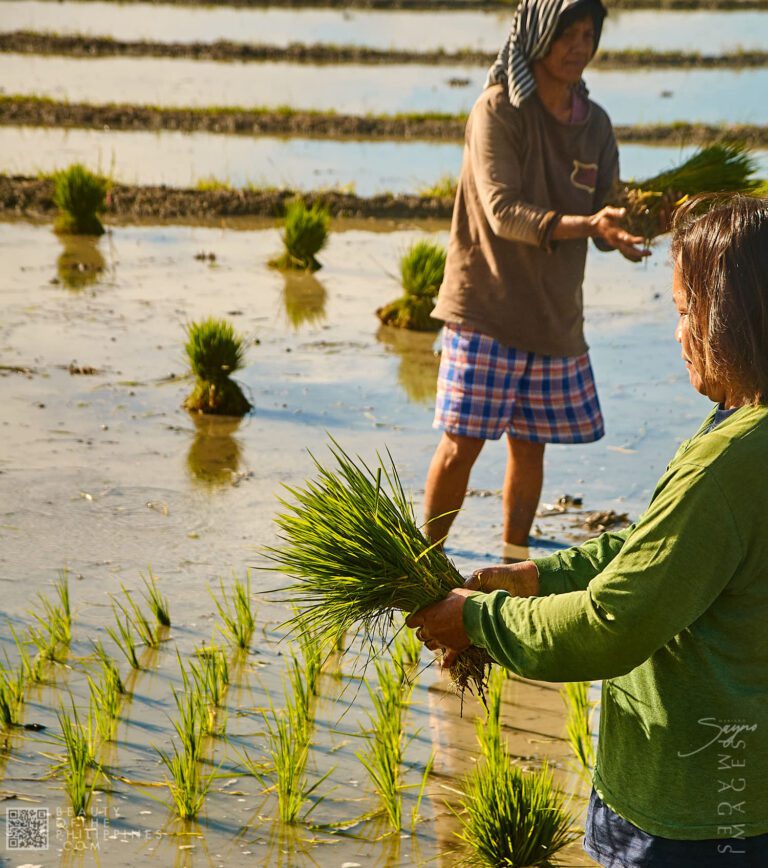
Rice tourism should never stop at scenery. The deeper value lies in understanding the work behind each harvest. Farms in Tarlac have the potential to welcome visitors into hands-on planting sessions where boots sink into mud and seedlings are transplanted by hand. Seasonal guests could also witness cutting stalks, threshing demonstrations, grain drying, and hauling sacks after harvest.
Traditional farming methods using carabaos still carry cultural appeal, while modern operations featuring tractors, seeders, irrigation systems, dryers, and rice mills tell the story of how farming continues to evolve.
These experiences turn a simple field into a living classroom.
For photographers, Tarlac offers something increasingly rare—clean horizons and uncluttered compositions. Sunrise mist over flooded paddies creates mirror reflections. Golden-hour light during harvest can make even an ordinary roadside field look cinematic.
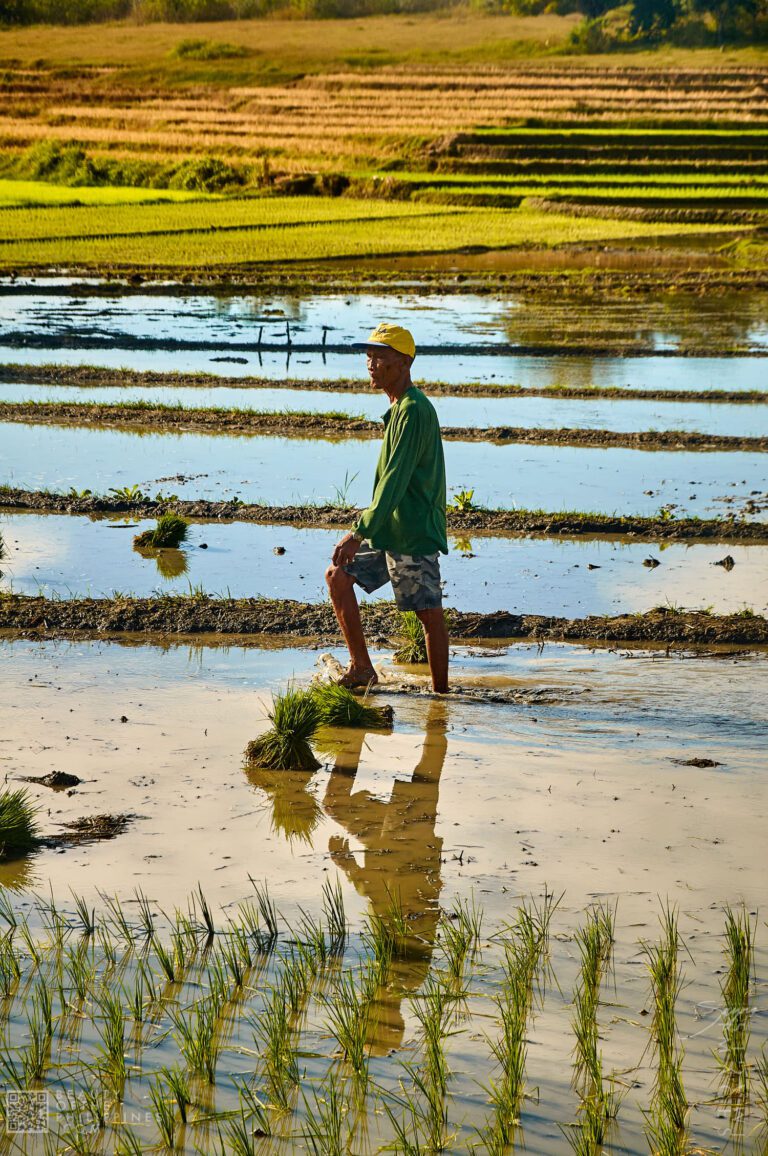
Then there are the human moments: farmers repairing dikes, lifting sacks, planting rows by hand, pausing under hats during noon heat. These scenes carry weight because they are real and unperformed. During monsoon months, dramatic skies rolling over open plains can transform the landscape into something almost theatrical.
The province’s openness gives the sky room to participate in every frame.
Agricultural travel becomes richer when it reaches the table. In Tarlac, rice-centered tourism could naturally include farm lunches built around fresh vegetables, local poultry, grilled fish, and heirloom family recipes. Traditional delicacies such as bibingka, suman, puto, and biko would fit easily into workshop-style visitor experiences.
Even the process itself has appeal: from palay to milling, from milling to cooking, from cooking to tasting. That journey connects visitors to food in a direct and memorable way.
The province is not beginning from zero. Barangay Dolores in Capas has been recognized as an emerging agri-tourism area where farms offer tours, healthy dining, produce sales, accommodations, and educational activities. Flower farms in the province have also attracted attention, proving that travelers are willing to drive to Tarlac for visually rewarding rural experiences.
That matters because it shows existing demand. Rice tourism would be building on momentum already present.
Several municipalities stand out for future rice-focused travel experiences. Victoria carries a strong farming identity. Pura offers large agricultural lands and a traditional rural atmosphere. Gerona combines productive farmlands with easier access. Ramos presents scenic countryside settings. Capas benefits from tourism traffic linked to Mt. Pinatubo and the New Clark corridor. Even the outskirts of Tarlac City could host short farm visits for urban travelers.
Each area offers a slightly different version of the same countryside story.


RELATED STORIES


The Capas Train Station is located in Barangay Sto. Domingo II, Capas, Tarlac, and was once part of the historic Manila–Dagupan railway line operated by


The Philippine International Hot Air Balloon Fiesta in New Clark City offered a spectacular showcase of aviation prowess and cultural celebration, leaving attendees captivated by


Awareness remains one of the biggest obstacles. Many travelers simply do not know what Tarlac offers beyond highways and transit stops. Other barriers include limited branding, uneven visitor facilities, seasonal weather risks, lack of packaged tours, and stronger competition from provinces already known for tourism.
Still, these are solvable issues. What the province already possesses—authentic farming landscapes and real agricultural identity—cannot be manufactured elsewhere.


The rice lands of Tarlac hold more than crops. They hold opportunities for farmers to diversify income, for rural communities to create jobs, for younger generations to remain engaged in agriculture, and for visitors to understand where daily food truly begins.
Some destinations build attractions from scratch. Tarlac already has one. It is written in soil, water, weather, and the steady rhythm of planting and harvest. Those who slow down long enough to see it often leave with a deeper appreciation of the Philippine countryside.
I’m looking forward to the stories and images leaving a lasting positive impression on you, just as they have on me. Stay connected with us on social media for a weekly exploration of travel assignments and breathtaking visuals. Our focus is on championing local tourism, showcasing small businesses, and honoring the magnificence of the Philippines through the content we curate. Join us in spreading the word by clicking the ‘share’ buttons below. Your support means the world to us.
EXPLORE MORE about


The Capas Train Station is located in Barangay Sto. Domingo II, Capas, Tarlac, and was once part of the historic Manila–Dagupan railway line operated by


The Philippine International Hot Air Balloon Fiesta in New Clark City offered a spectacular showcase of aviation prowess and cultural celebration, leaving attendees captivated by
BROWSE BY CATEGORIES
BROWSE BY PROVINCE