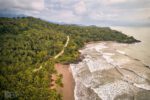
Gubat Sorsogon Surfing Site: Waves and Wide Shores at Buenavista Beach
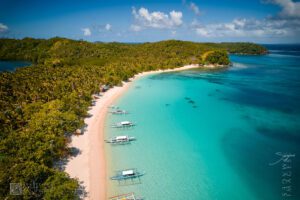
There are beaches that announce themselves with loud crowds and rows of establishments, and then there are places like Gubat Sorsogon Surfing Site in Buenavista
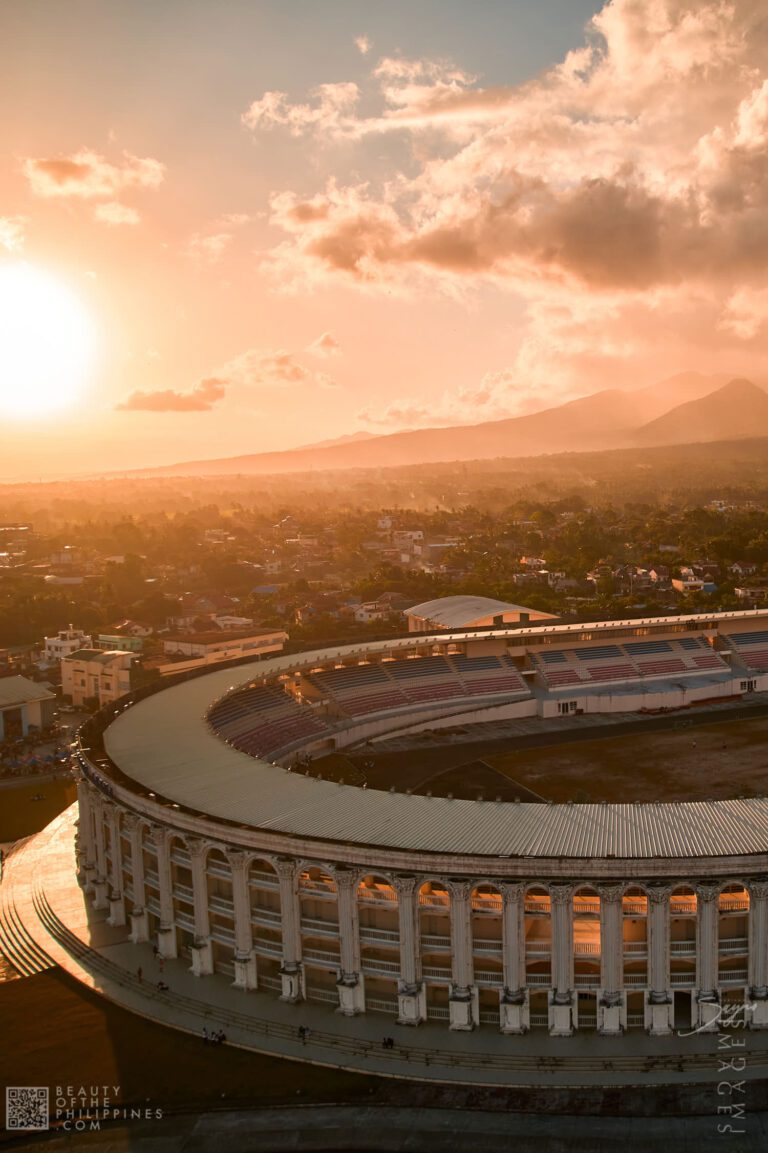
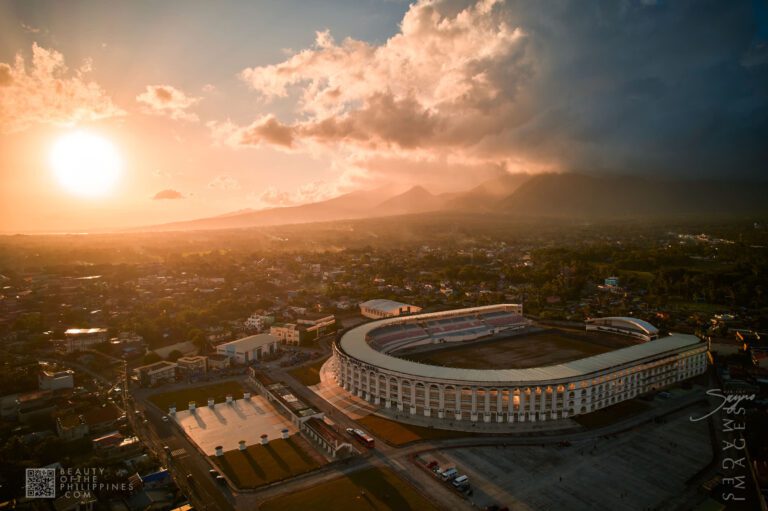
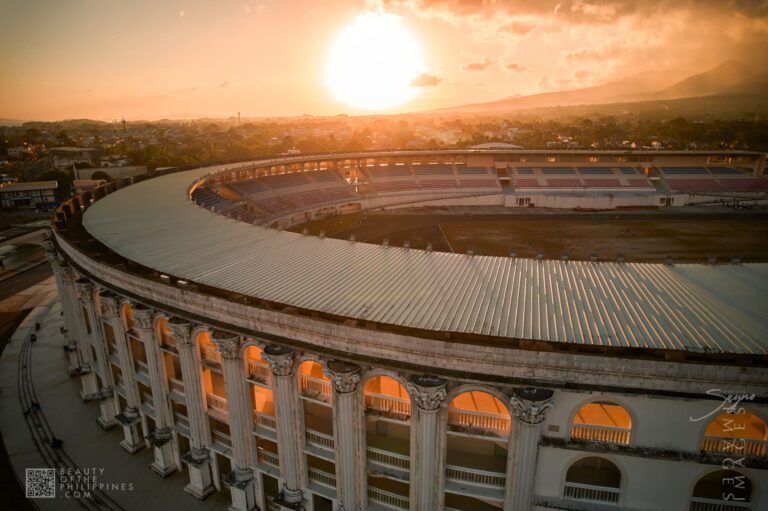
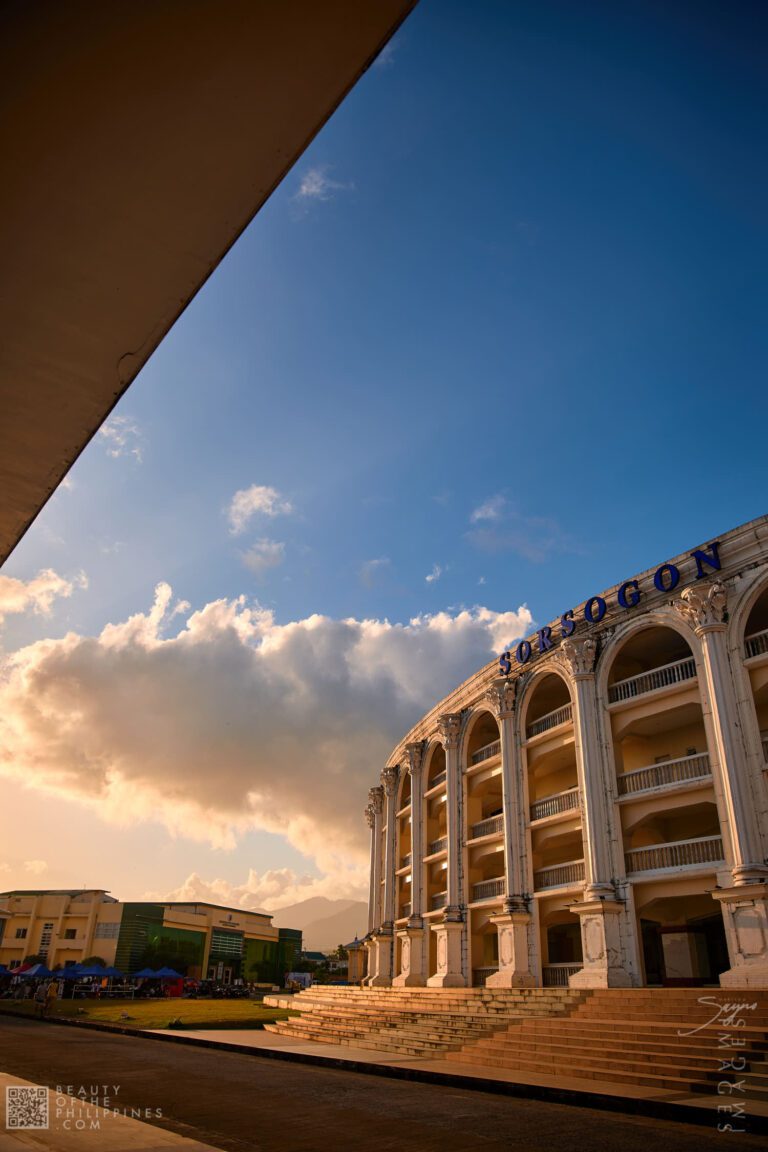
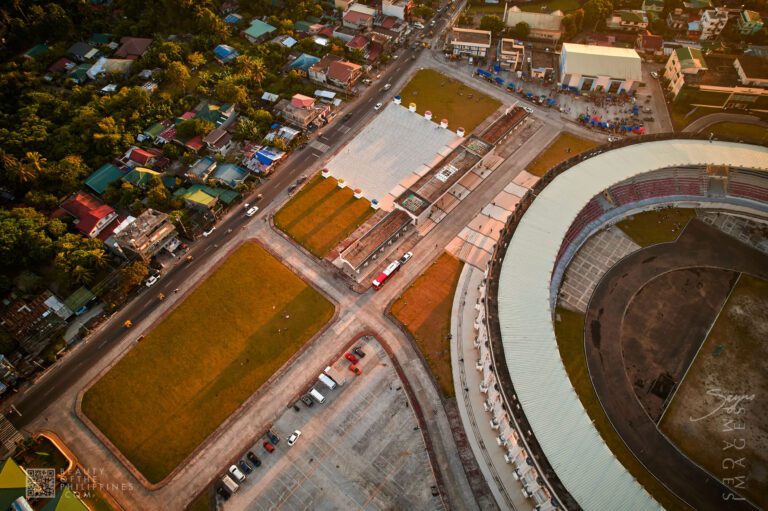
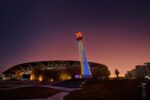
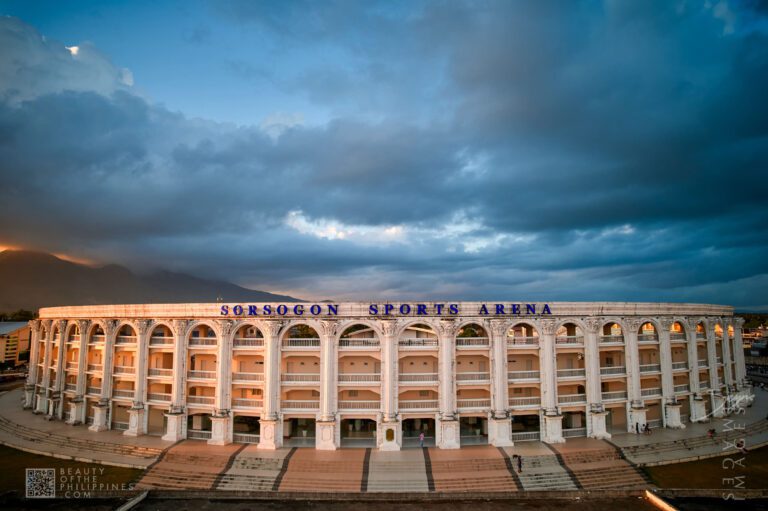
Approaching Sorsogon City, the presence of the Sorsogon Sports Arena (SSA) becomes part of a wider shift in landscape where developing urban zones gradually replace quieter provincial edges. Located within Barangay Balogo, the arena forms the central structure of the larger Sorsogon Sports Complex, positioning it as a key landmark in the city’s growing infrastructure network.
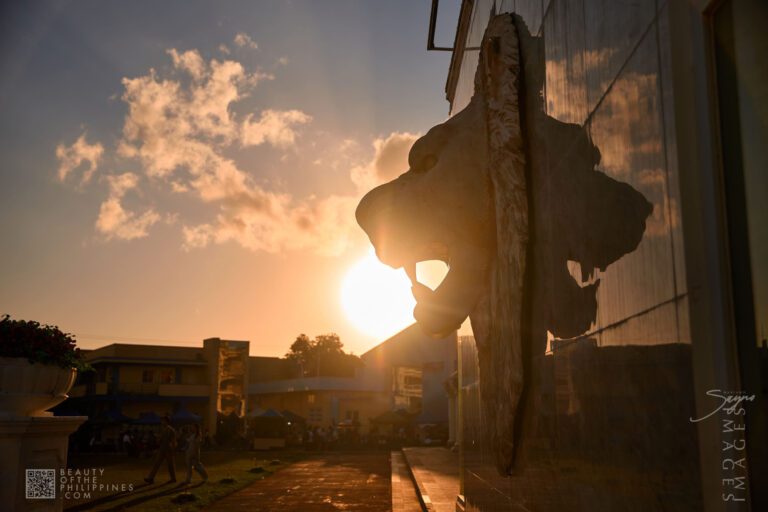
From a tourism perspective, the arena is experienced not only as a sports venue but as a civic space that reflects the city’s changing direction. The surrounding area continues to develop with emerging commercial establishments, transport routes, and event-support facilities that respond to the growing flow of visitors during competitions and festivals. This integration of urban expansion and event infrastructure gives the site a dual identity—functional during daily hours, and highly animated during major provincial gatherings.
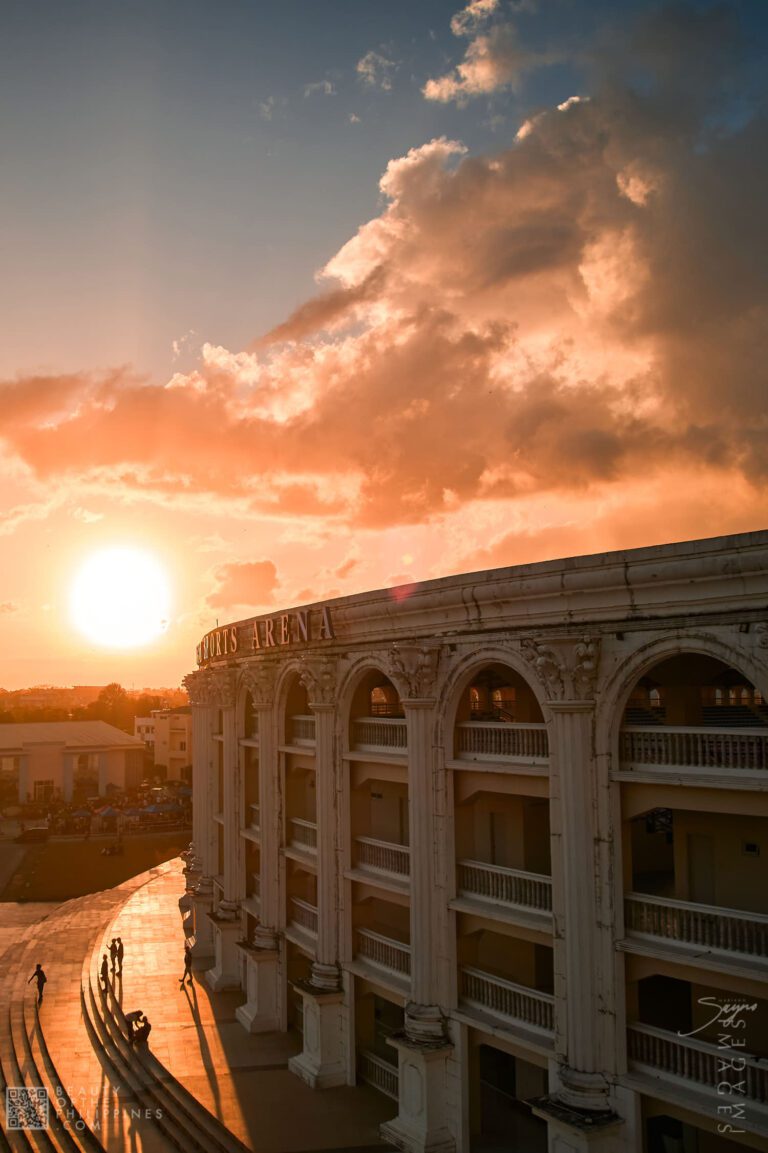
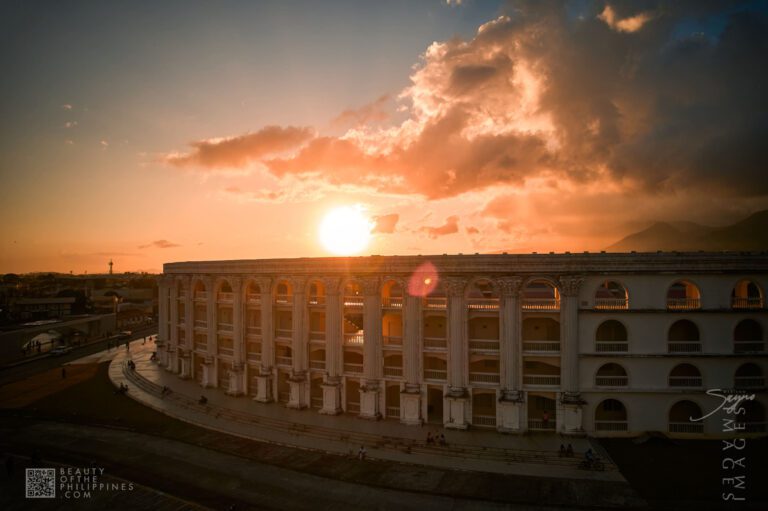
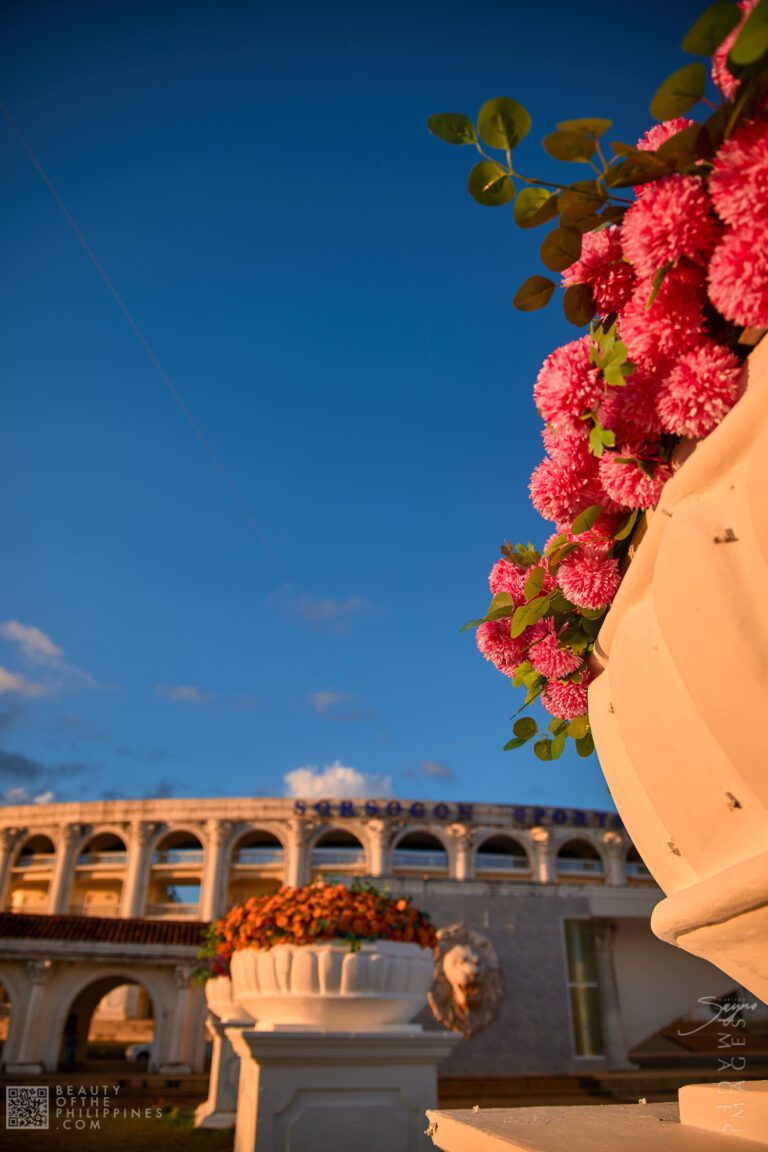
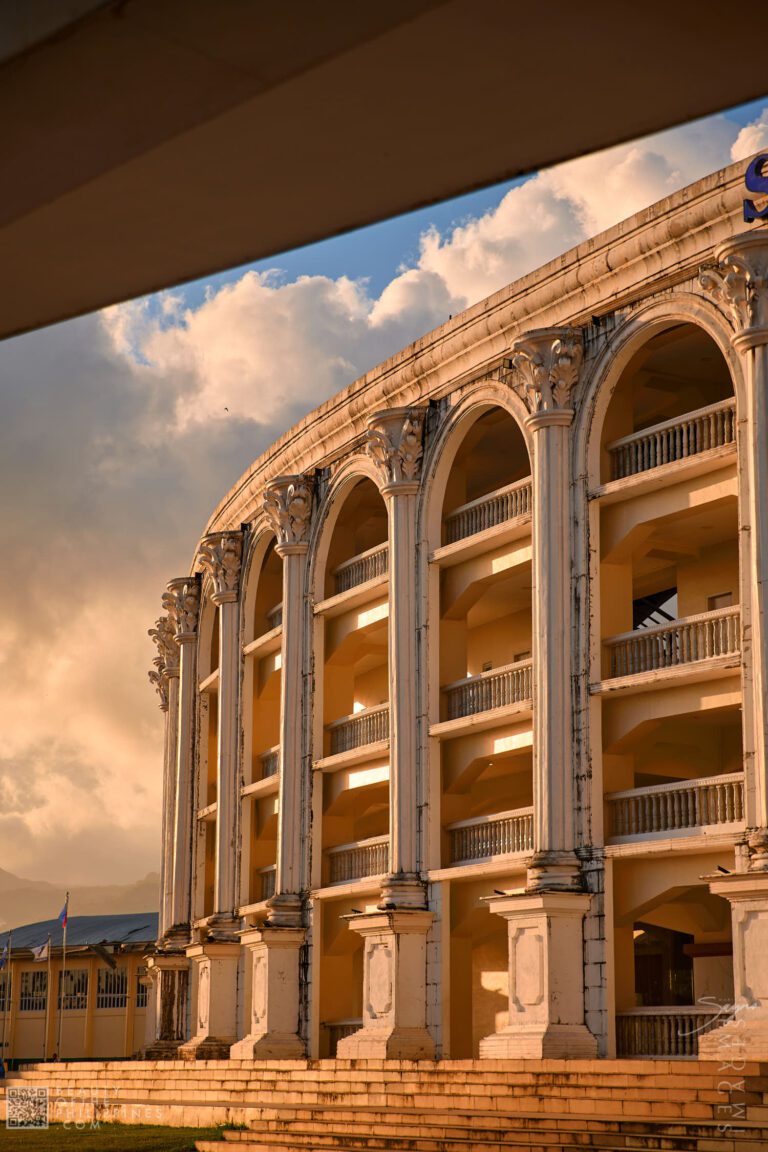
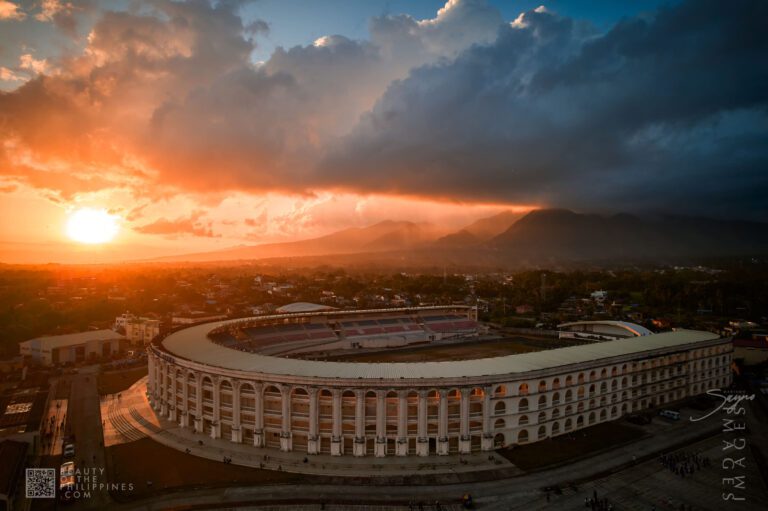
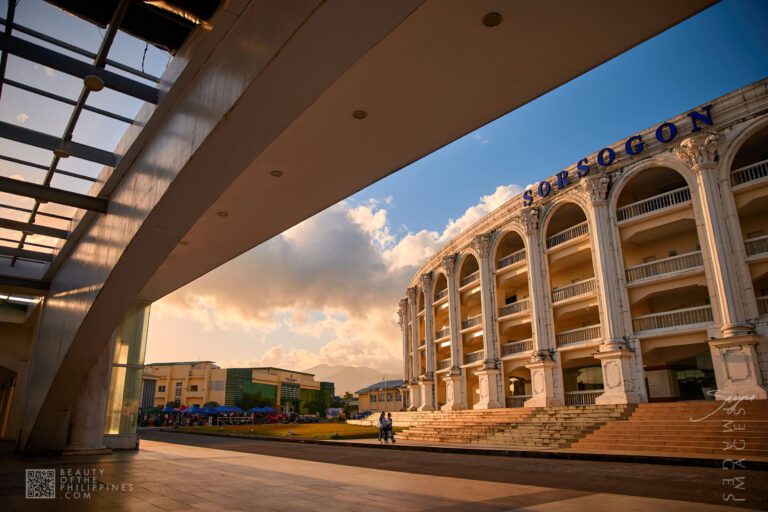
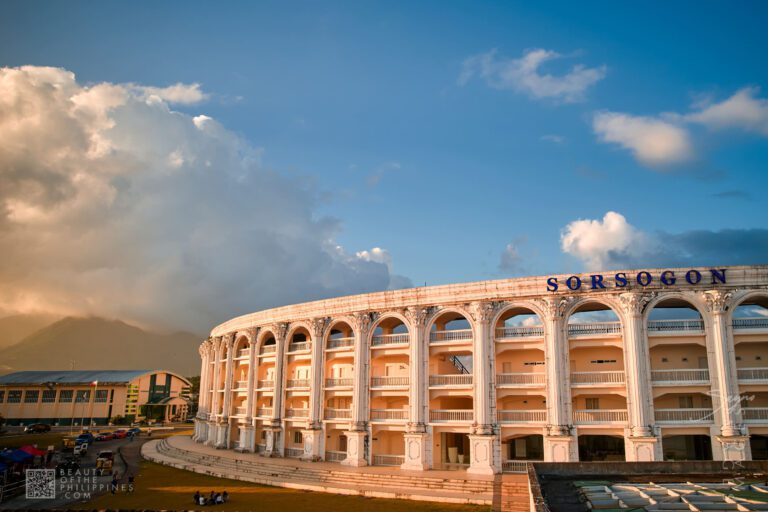
One of the most recognizable aspects of the Sorsogon Sports Arena is its Roman Colosseum-inspired architectural design. The structure carries a circular, open-scale visual identity that immediately sets it apart from conventional regional stadiums in the Philippines. This design choice contributes not only to its aesthetic recognition but also to its symbolic representation of endurance, competition, and collective gathering.
The arena features a seating capacity of approximately 12,000 spectators, with configurations that can expand to around 15,000 to 20,000 depending on event requirements. At its core is a grass-based athletics field surrounded by an oval track, forming the primary competition zone for athletic events. The structure is part of a broader 7.1-hectare development that includes training zones, event halls, dormitory facilities, and support areas for athletes and officials.
Rather than existing as a single-purpose stadium, the arena operates as a multi-functional sports campus, designed for both competitive events and long-term athletic development across the region.
Before its transformation, the site was associated with the older Balogo Sports Complex, which later underwent extensive redevelopment under government infrastructure initiatives aimed at decentralizing sports facilities outside Metro Manila. This redevelopment marked a shift in how provincial cities like Sorsogon City positioned themselves within national sports planning.
The construction of the arena was closely linked to preparations for hosting major sporting events, including the Palarong Pambansa, which was later affected by pandemic-related scheduling changes. Despite these disruptions, development continued through the late 2010s, culminating in a completed facility valued at approximately ₱887 million.
This investment positioned the arena as one of the most significant provincial sports infrastructure projects in recent years, reflecting a broader national trend toward strengthening regional athletic facilities.
The formal inauguration of the Sorsogon Sports Arena took place on October 17, 2024, aligning with key civic celebrations in Sorsogon Province, including the founding anniversary and the Kasanggayahan Festival. The opening marked not only the completion of a major infrastructure project but also the introduction of a new regional venue capable of hosting large-scale events.
During its launch, the arena was presented as a multifunctional space intended for national and regional sports competitions, concerts, cultural performances, conferences, and training camps for athletes. This positioning reinforced its role as more than a sports facility, extending its relevance into cultural and institutional event hosting.
From a tourism standpoint, the inauguration also amplified Sorsogon’s visibility within Bicol Region, linking sports infrastructure with civic celebration and visitor movement across the province.
By 2026, the Sorsogon Sports Arena has become a central anchor in the sports tourism ecosystem of Southern Luzon. Its presence contributes to a growing pattern where provincial cities host larger events that were once concentrated in metropolitan centers.
When events take place at the arena, visitor flow extends beyond the stadium itself, influencing nearby accommodation demand, transport activity, and local food establishments across Sorsogon City. This ripple effect strengthens the city’s hospitality sector and encourages longer stays for visiting spectators and participants.
The arena also indirectly supports access to nearby tourism destinations, including coastal attractions and marine experiences in surrounding municipalities. This combination of sports events and regional exploration reflects a broader tourism behavior where visitors integrate competition schedules with leisure travel.
Beyond its structural and functional role, the Sorsogon Sports Arena carries symbolic meaning for the province. It represents a shift in identity from a traditionally agriculture- and tourism-centered economy toward a more diversified landscape that includes sports infrastructure, event hosting, and regional development branding.
Its distinctive architectural form has also contributed to its recognition as a modern landmark within Sorsogon City, frequently appearing in promotional materials and regional tourism narratives. The structure has become part of how the city visually defines itself within Bicol Region, reinforcing its presence in both local and national conversations about infrastructure growth.
The development of the Sorsogon Sports Arena reflects a broader national direction toward decentralizing major sports infrastructure across the Philippines. In this context, Sorsogon’s investment in a large-scale sports facility strengthens its position within Bicol Region as both an athletic hub and an emerging event tourism destination.
The arena’s existence contributes to a more interconnected regional identity, where sports, culture, and tourism operate within the same developmental framework. Rather than serving solely as a competition venue, it functions as a catalyst for visitor movement, civic engagement, and regional visibility.
In the evolving landscape of Southern Luzon, the Sorsogon Sports Arena stands as a landmark shaped by both infrastructure planning and tourism behavior—an open civic space where athletic performance and provincial identity continue to intersect.
RELATED STORIES

There are beaches that announce themselves with loud crowds and rows of establishments, and then there are places like Gubat Sorsogon Surfing Site in Buenavista


Arriving in Casiguran, the experience of the Most Holy Rosary Shrine begins within a landscape defined by inland provincial movement rather than coastal tourism imagery


The experience of Subic Beach begins at the southernmost coastal municipality of Matnog, a strategic gateway that connects Luzon to the Visayas through ferry routes

I’m looking forward to the stories and images leaving a lasting positive impression on you, just as they have on me. Stay connected with us on social media for a weekly exploration of travel assignments and breathtaking visuals. Our focus is on championing local tourism, showcasing small businesses, and honoring the magnificence of the Philippines through the content we curate. Join us in spreading the word by clicking the ‘share’ buttons below. Your support means the world to us.
EXPLORE MORE about


The experience of Subic Beach begins at the southernmost coastal municipality of Matnog, a strategic gateway that connects Luzon to the Visayas through ferry routes


There are beaches that announce themselves with loud crowds and rows of establishments, and then there are places like Gubat Sorsogon Surfing Site in Buenavista

Arriving in Casiguran, the experience of the Most Holy Rosary Shrine begins within a landscape defined by inland provincial movement rather than coastal tourism imagery
BROWSE BY CATEGORIES
BROWSE BY PROVINCE