Kalivungan Festival: A Gathering of Unity in Cotabato
I arrived in North Cotabato, now officially called Cotabato Province, with the sound of gongs echoing from a distance. September 1 carries a particular energy

In the coastal municipality of Kiamba in Sarangani Province, the word “timpuyog” carries weight. Rooted in Ilocano, it means unity, togetherness, working hand in hand toward a shared purpose. That meaning isn’t decorative — it defines the very spirit of the Timpuyog Festival, the town’s annual cultural celebration held every February in time with Kiamba’s Foundation Anniversary on February 14.
Standing in the middle of town during festival week, you don’t just hear music. You feel coordination. Barangays move as one. Students perform with collective rhythm. Even visitors become part of that shared tempo.
The 13th edition of the festival coincided with the 69th Foundation Anniversary of Kiamba, stretching from February 7 to February 14. The Municipal Plaza transformed into a visual landmark — thousands of umbrellas suspended overhead, turning public space into a symbolic ceiling of solidarity.
As a travel photographer, that umbrella installation immediately drew my lens upward. It wasn’t just decorative; it was metaphor made visible. Each umbrella distinct, yet forming one unified canopy. It echoed the festival’s message more clearly than any slogan could.
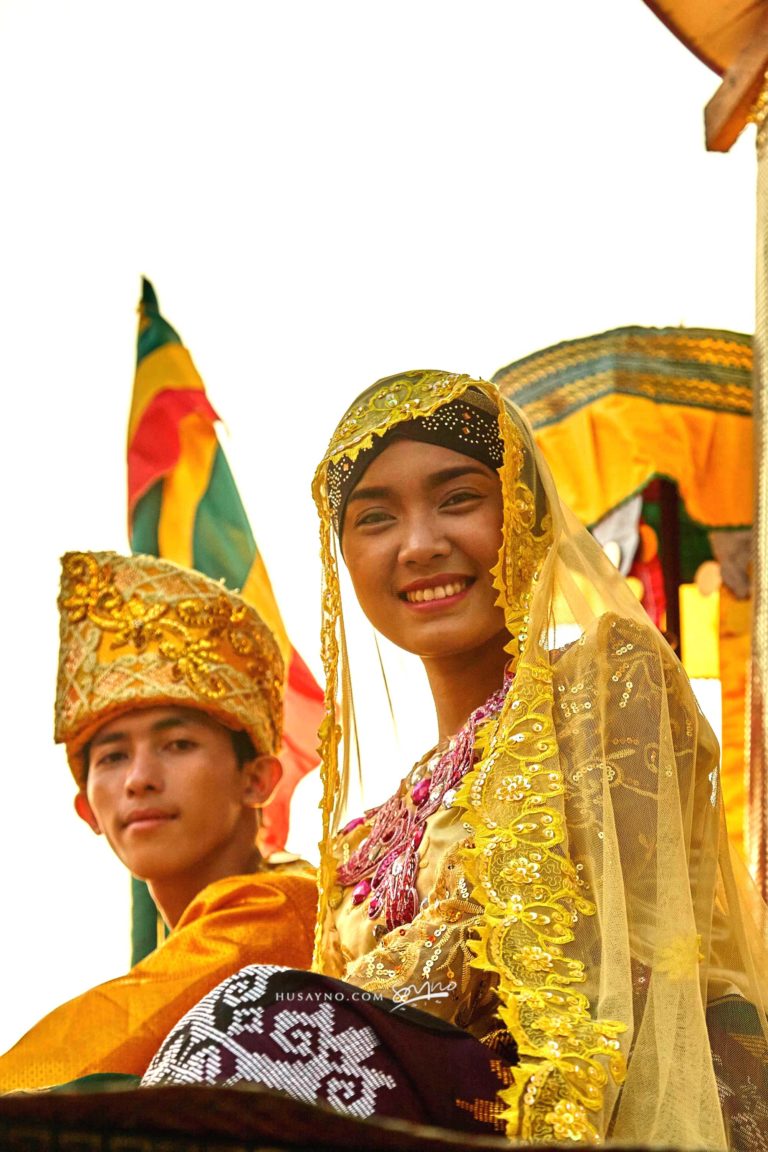
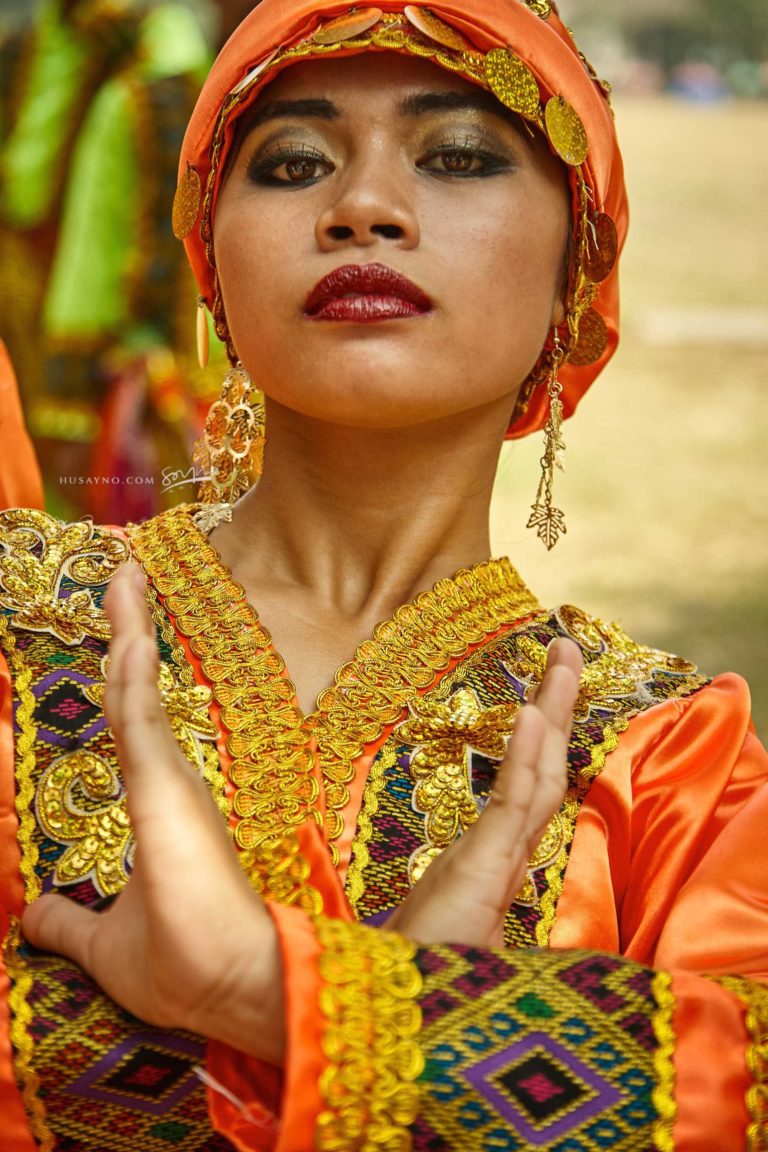
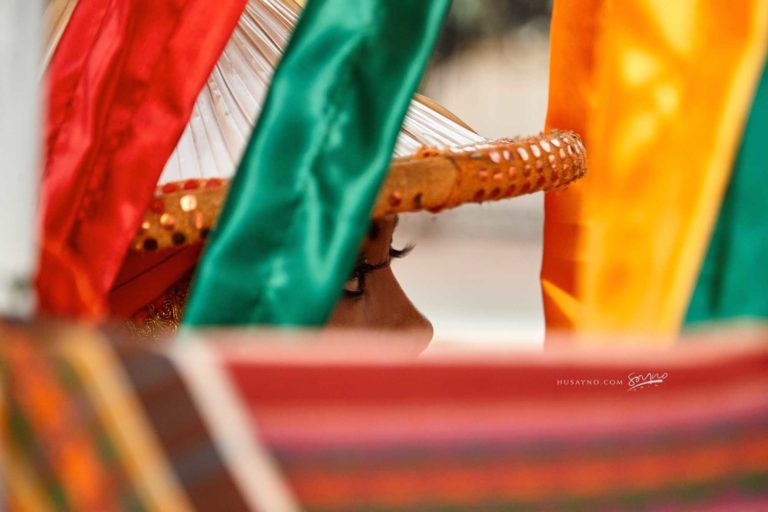
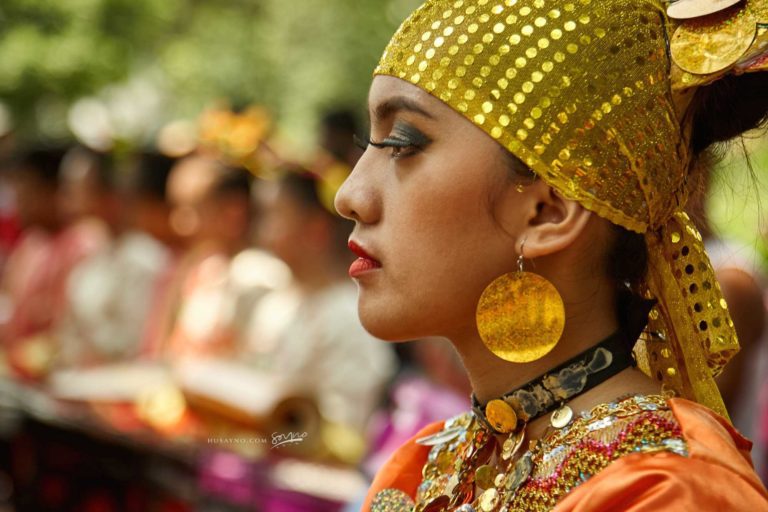
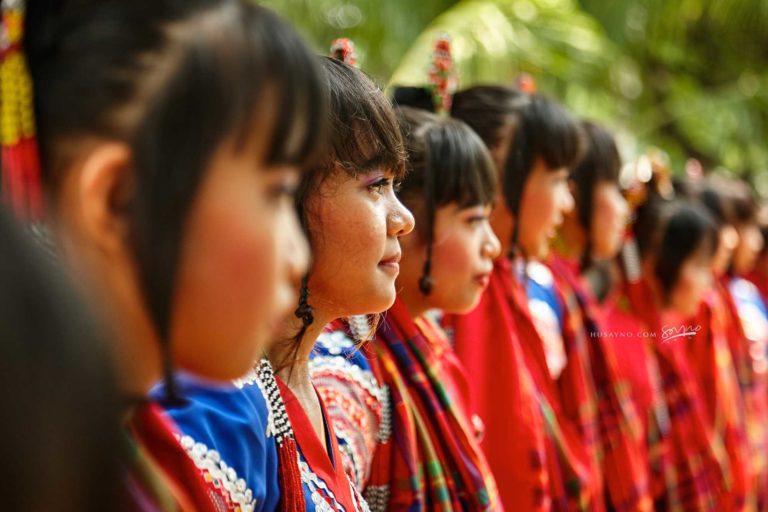
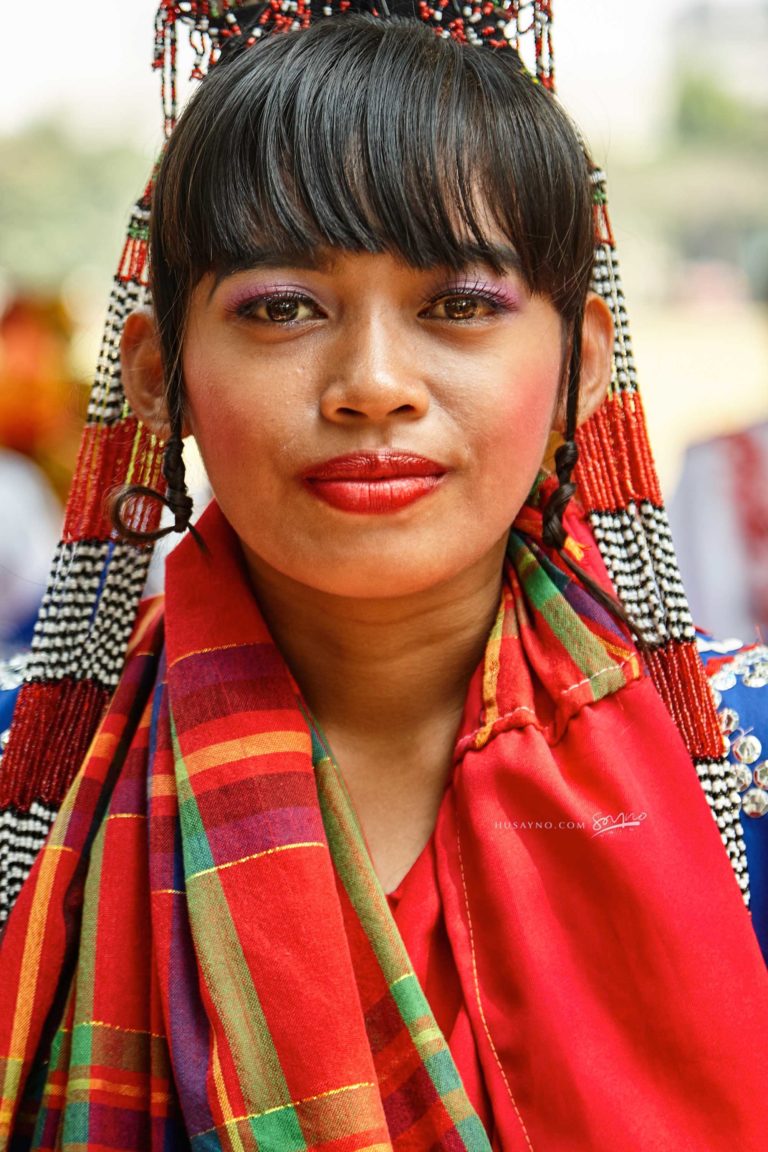
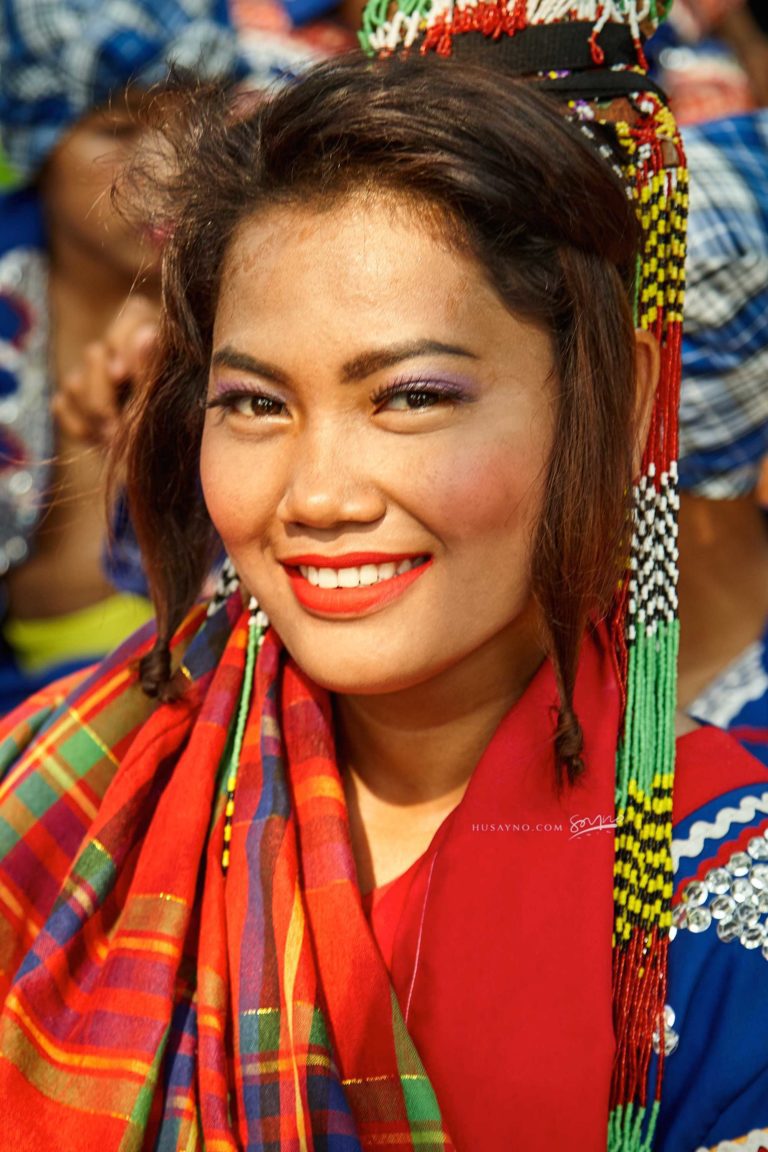
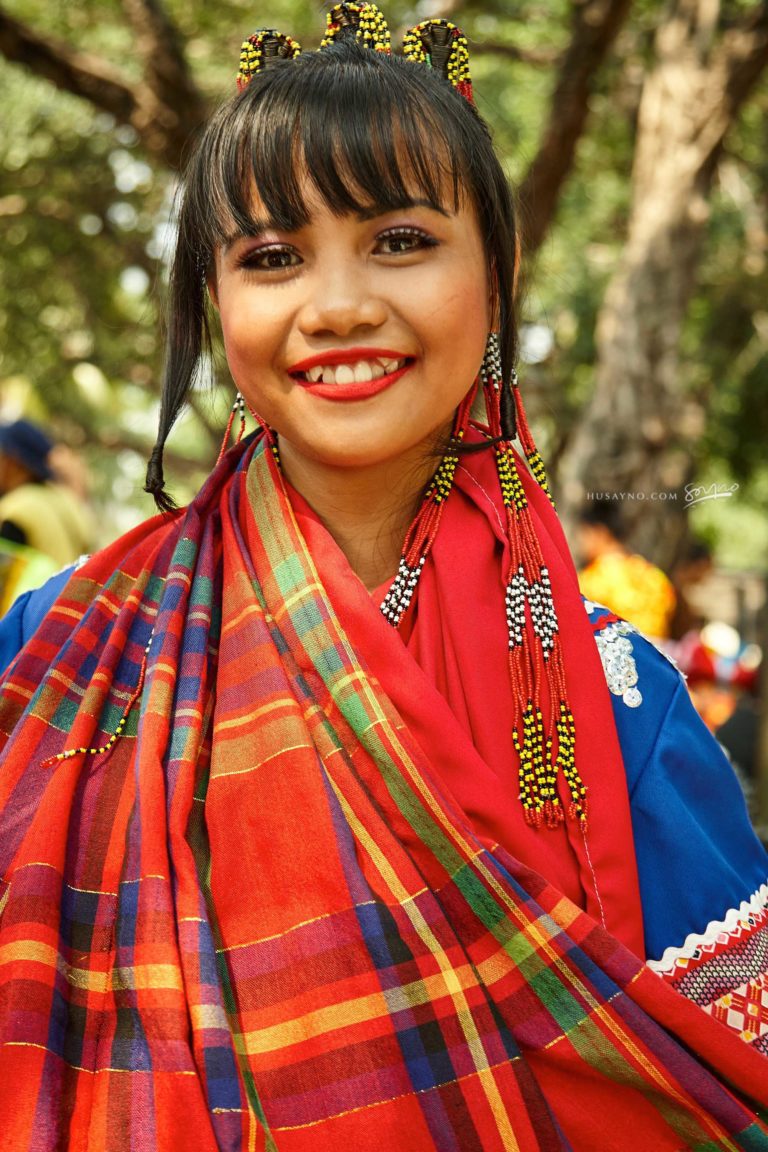
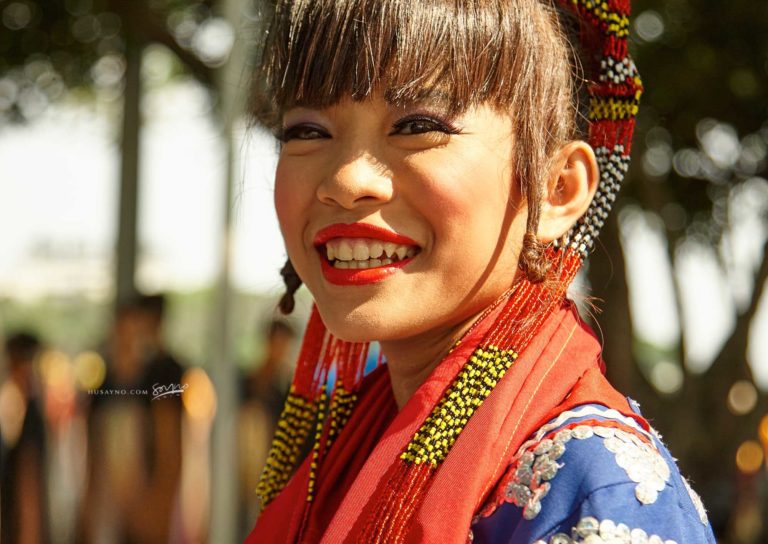
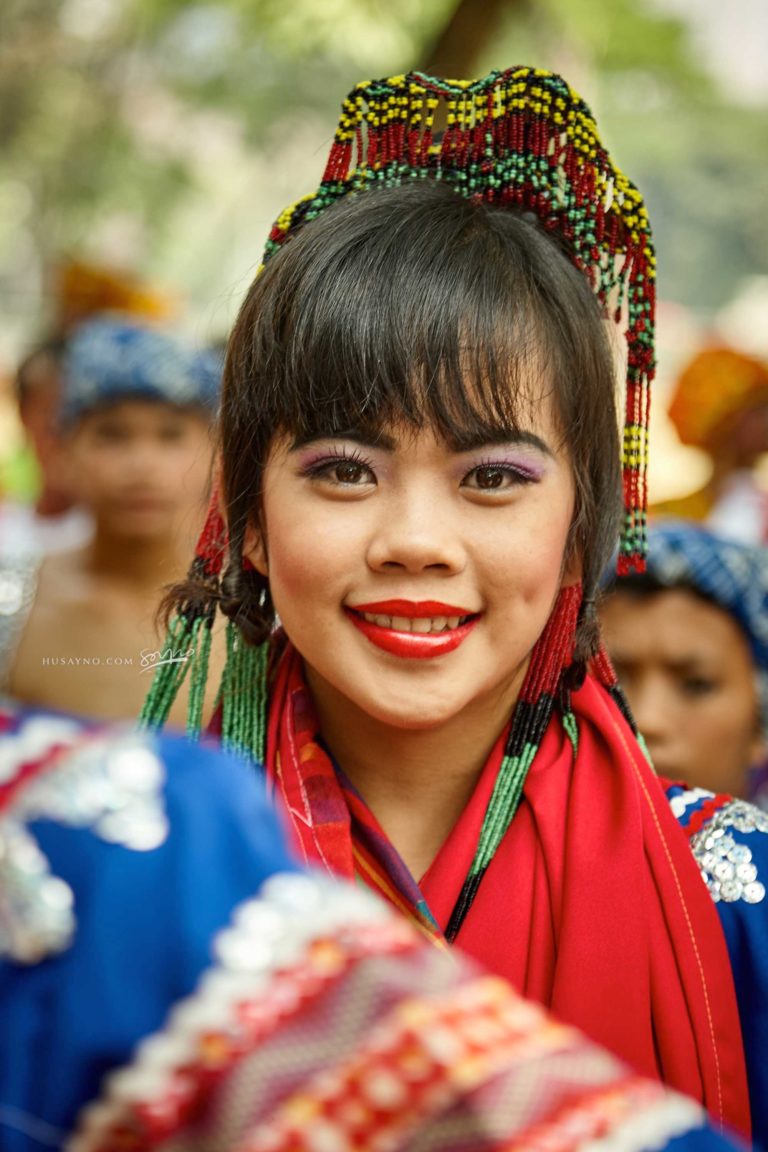
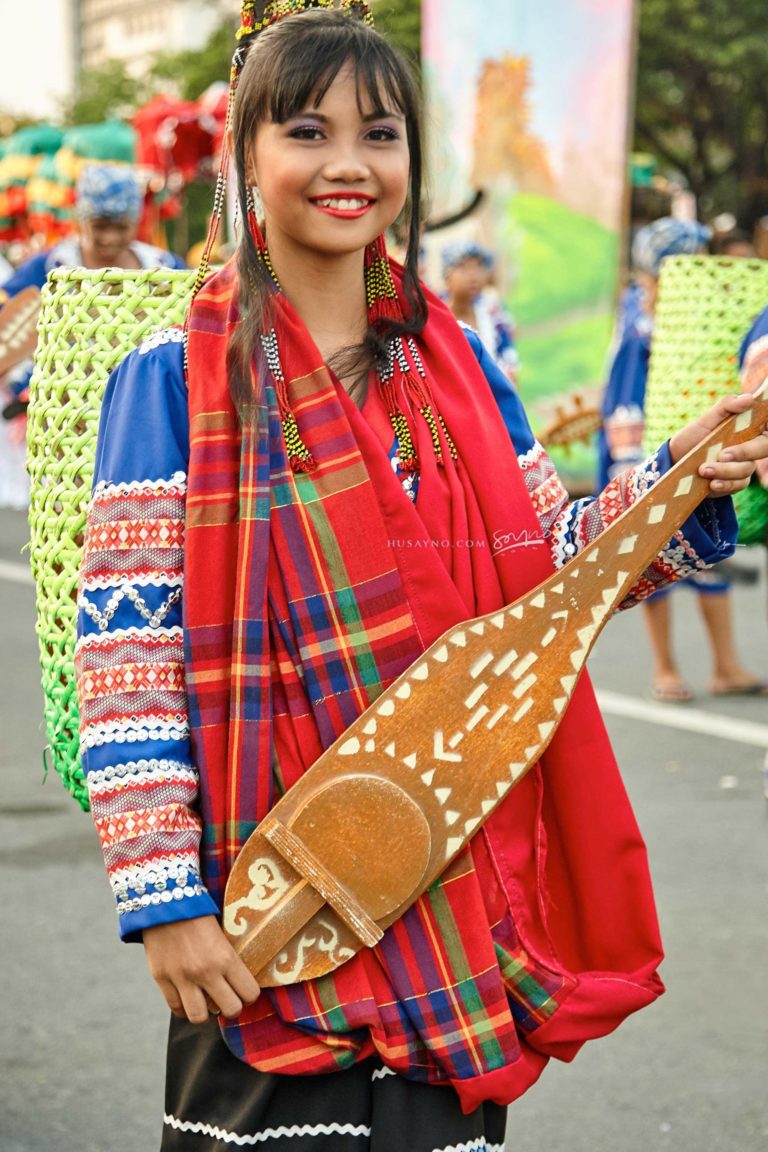
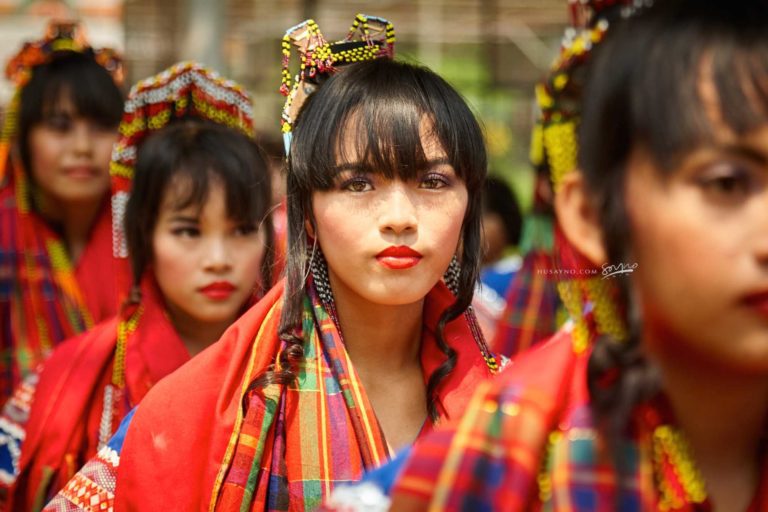
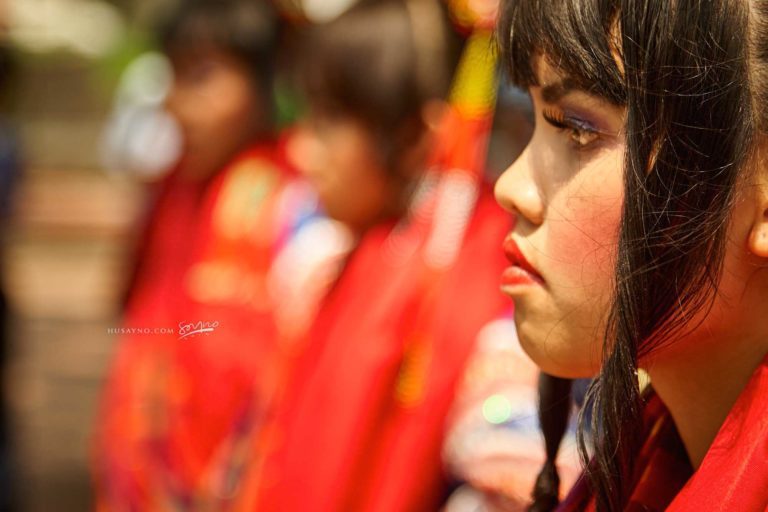
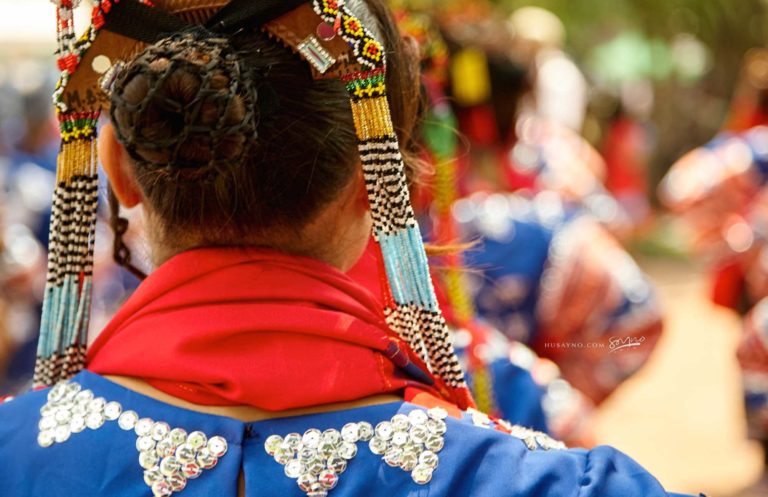
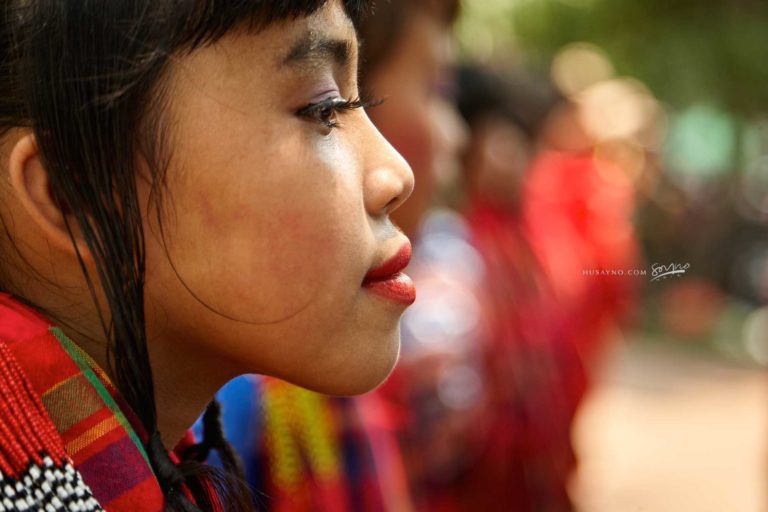
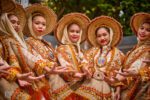
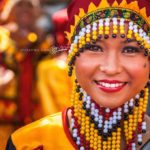
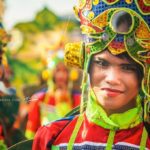
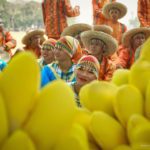
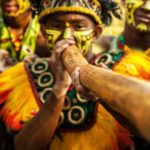
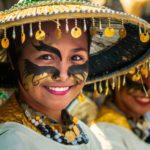
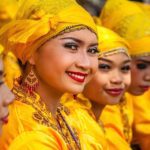
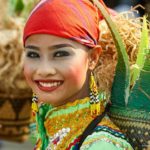
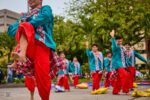
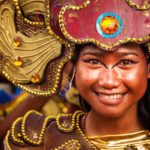
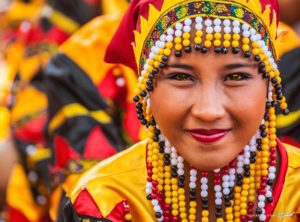
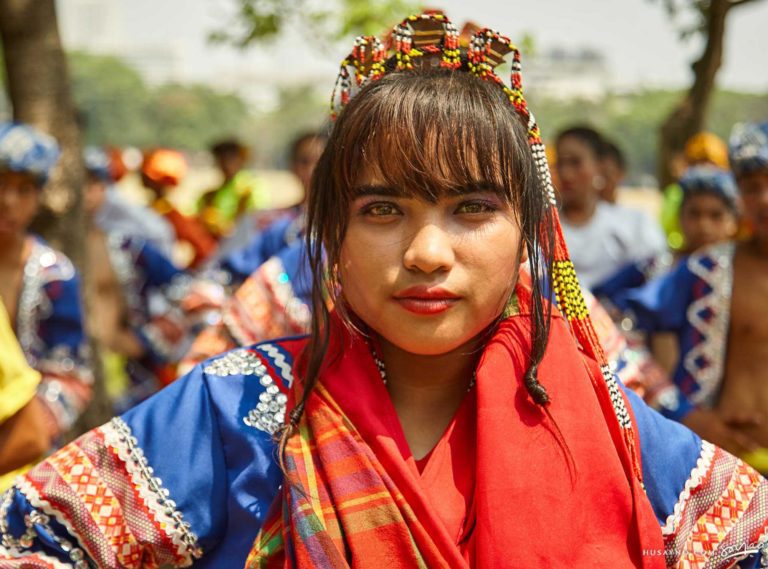
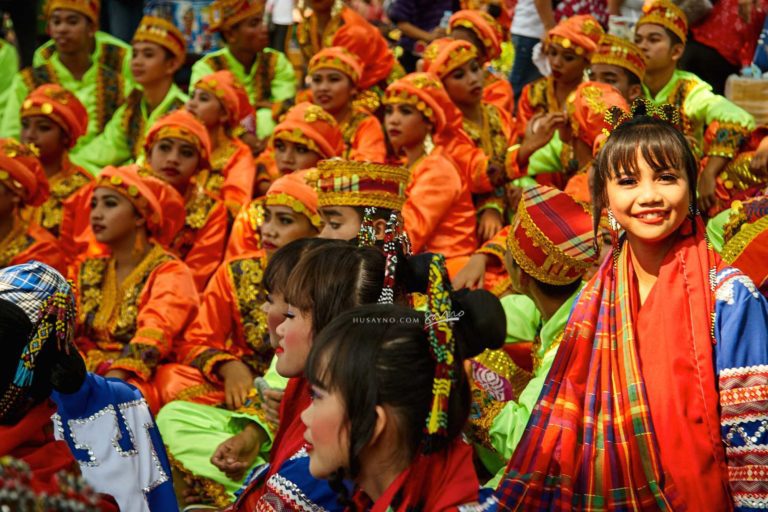
When the street dancing contingents moved through Kiamba’s roads, the choreography blended tribal gestures with synchronized modern formations. The costumes reflected layers of cultural influence — Moro, Bisaya, and Indigenous communities — each performance narrating fragments of Kiamba’s identity through rhythm and color.
There’s something compelling about festivals outside the usual Luzon and Visayas circuits. In Mindanao, the storytelling feels less rehearsed for tourists and more rooted in lived tradition. Watching the dancers, you sense community pride rather than commercial polish.
Beyond the parade routes, the festival atmosphere extended into concerts and carnival spaces. Daylight hours carried children’s laughter from fair rides, while evenings amplified live music performances that pulled families and travelers into shared celebration.
Sports competitions and traditional Filipino games — tug-of-war, bankarera, and athletic contests — brought different generations into one playing field. I noticed how grandparents watched from shaded areas while youth teams competed nearby. It wasn’t fragmented programming; it was collective participation.
RELATED STORIES

I arrived in North Cotabato, now officially called Cotabato Province, with the sound of gongs echoing from a distance. September 1 carries a particular energy


Festival week also opened doors to local craftsmanship. Stalls displayed woven banig mats, bamboo crafts, and coconut shell souvenirs — tangible reminders of Sarangani’s artistry. Food booths offered pinakbet and dinakdakan, accompanied by tuba and lambanog served in modest cups.
For a traveler, these aren’t just snacks or souvenirs. They are entry points into place-based memory. You taste geography. You hold tradition in your hands.


While Timpuyog Festival is rooted in Kiamba, its reach has extended beyond municipal borders. At the Aliwan Fiesta in Pasay City, the performing arts troupe from James L. Chiongbian National Trade School represented Kiamba among contingents from across the Philippines.
Though not among top prize winners, their participation placed Kiamba on the same national platform as festivals like Panagbenga and Sinulog. For a coastal town in Sarangani, that visibility mattered. It signaled that unity from a small municipality could resonate on a national stage.
The Timpuyog Festival has grown into one of southern Mindanao’s meaningful cultural gatherings. It highlights not just performance, but diversity — the intersection of Indigenous, Moro, and settler influences shaping Kiamba’s identity.
For travelers, it offers something different from larger commercial festivals. You don’t simply observe; you interact. You sit beside residents at plaza benches. You eat what they eat. You move through spaces that aren’t built for spectacle alone but for community life.
In that sense, Timpuyog becomes more than a calendar event. It becomes an invitation to understand Sarangani Province through its people.
I’m looking forward to the stories and images leaving a lasting positive impression on you, just as they have on me. Stay connected with us on social media for a weekly exploration of travel assignments and breathtaking visuals. Our focus is on championing local tourism, showcasing small businesses, and honoring the magnificence of the Philippines through the content we curate. Join us in spreading the word by clicking the ‘share’ buttons below. Your support means the world to us.
EXPLORE MORE about


I arrived in North Cotabato, now officially called Cotabato Province, with the sound of gongs echoing from a distance. September 1 carries a particular energy
BROWSE BY CATEGORIES
BROWSE BY PROVINCE