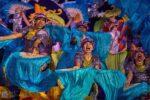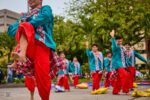
Halamanan Festival: Guiguinto’s Floral Pride in Full Bloom
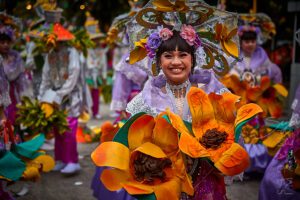
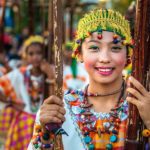
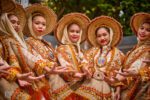
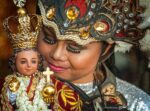
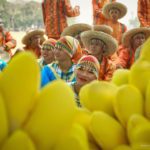
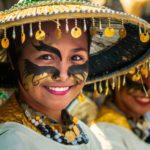
Halamanan Festival is a celebration that takes place every January 23rd in Guiguinto, Bulacan, the Garden Capital of the Philippines, celebrating the beauty of the
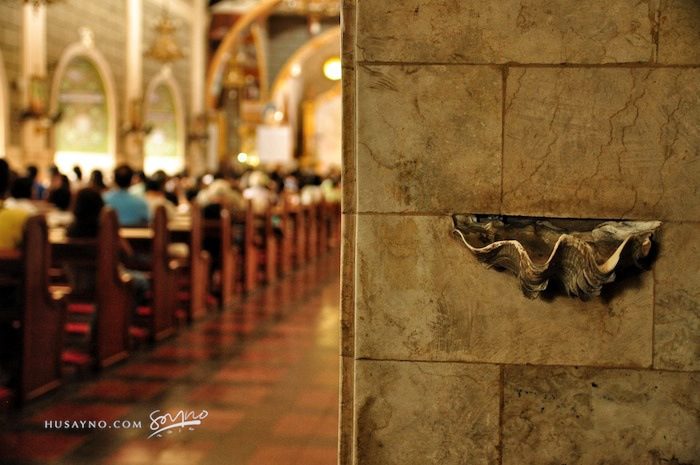
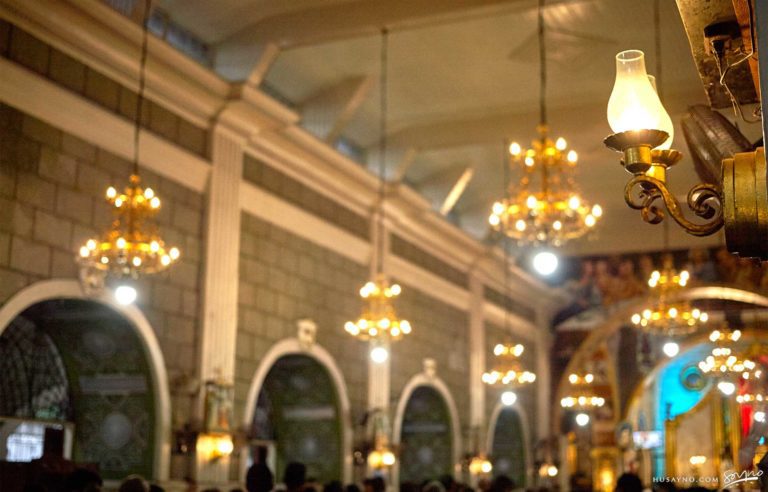
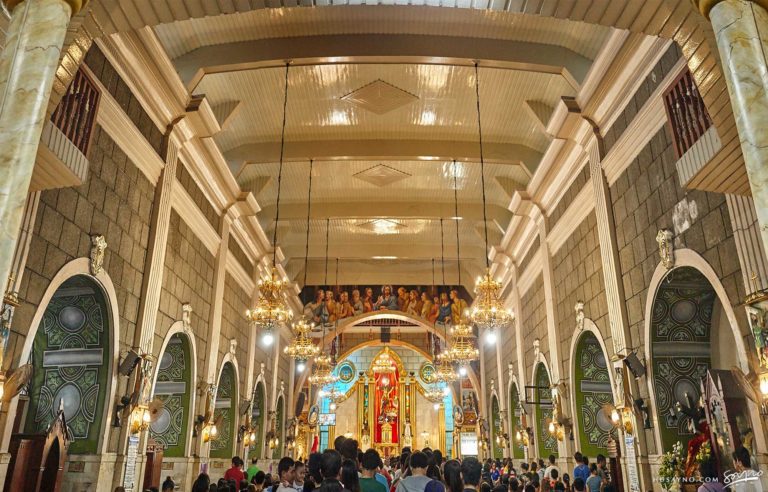
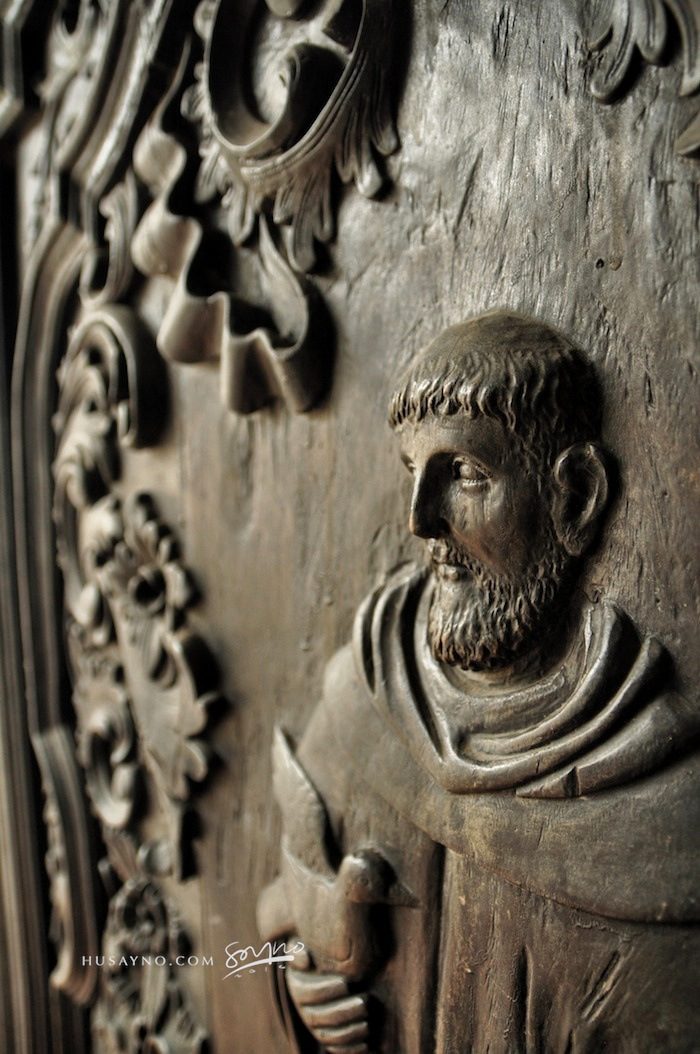
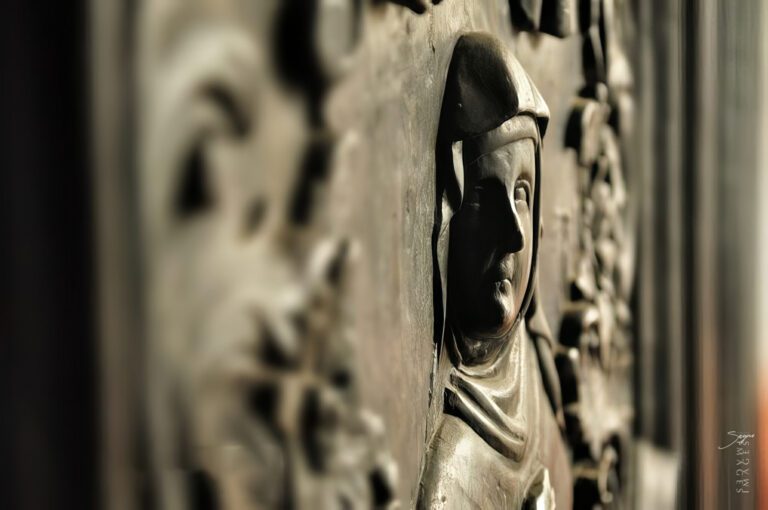
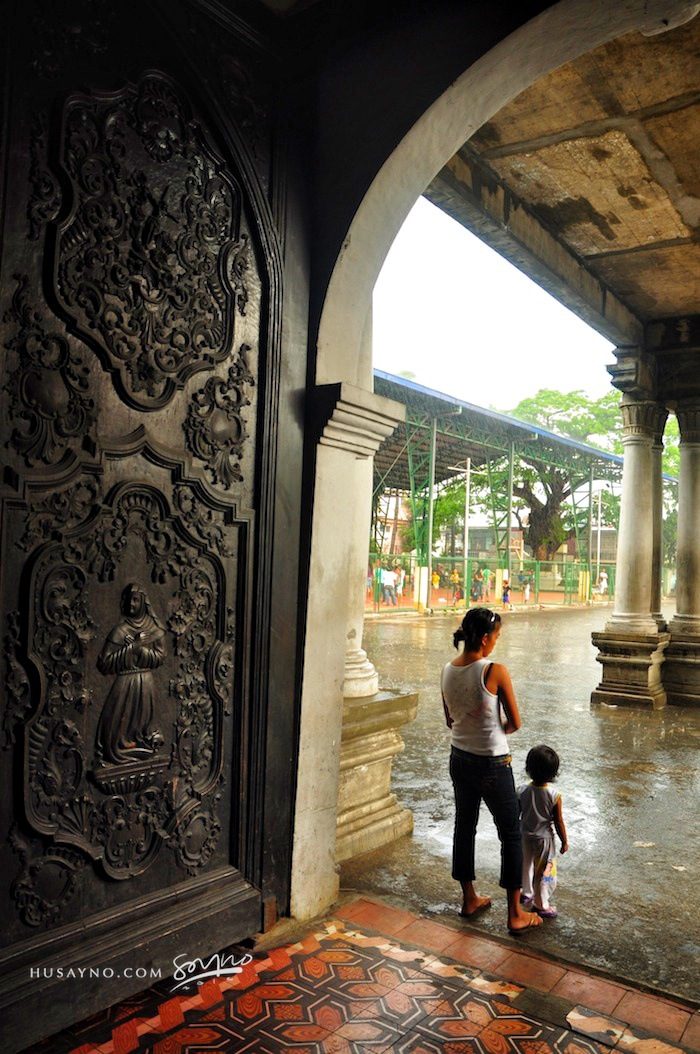
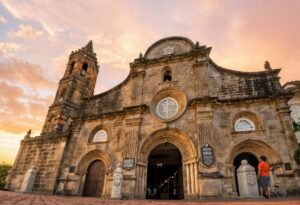
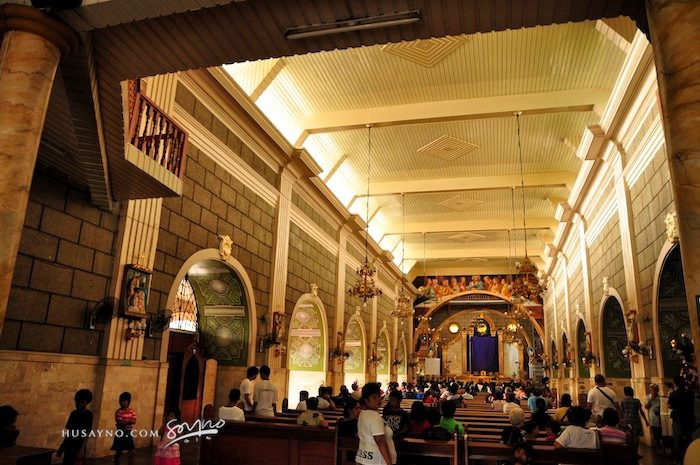
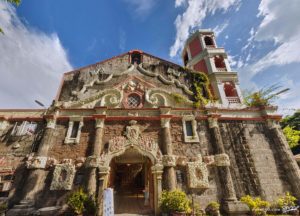
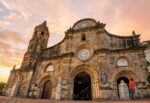
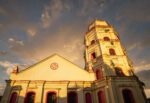
Standing in Poblacion, Meycauayan City, Bulacan, the Saint Francis of Assisi Parish Church, more commonly called Meycauayan Church, anchors the town both physically and emotionally. It’s not just where bells ring and masses are held—it’s where centuries overlap. Recognized as a Level II historic structure by the National Historical Commission of the Philippines in 1939, the church holds a rare position as one of the country’s oldest and most culturally significant places of worship.
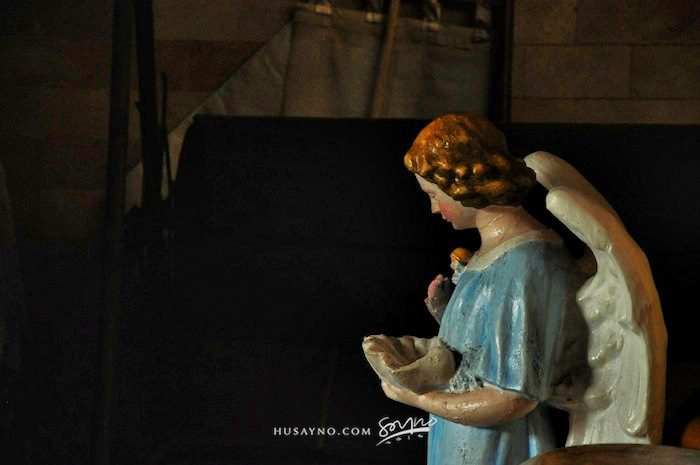
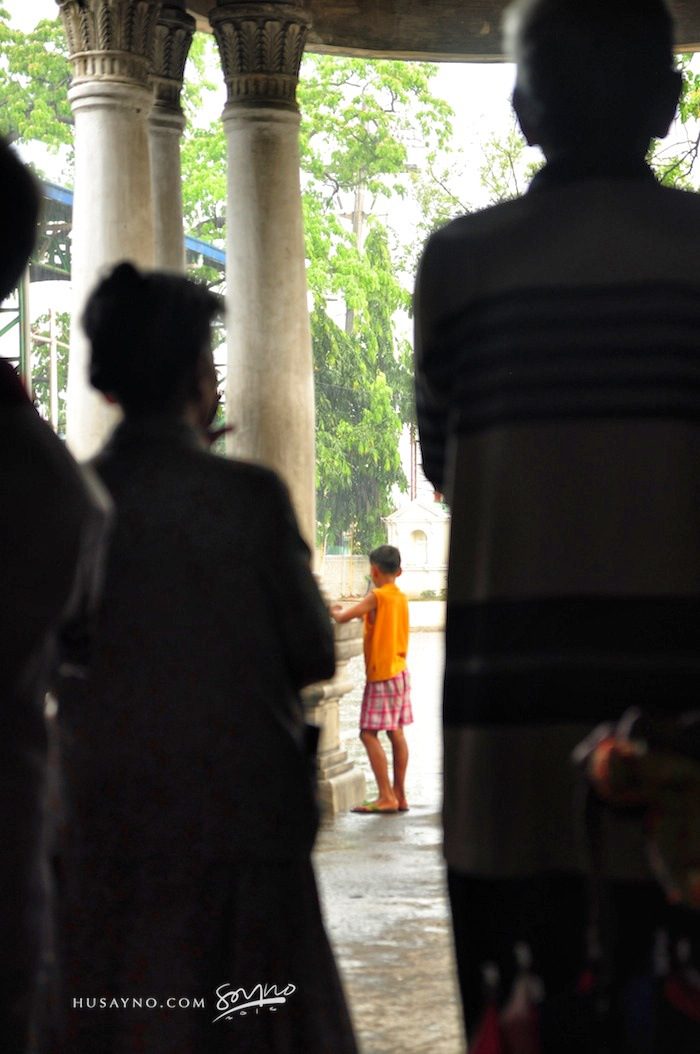
As a photographer, what strikes me first isn’t scale but presence. The church doesn’t dominate the town—it belongs to it.
The story of Meycauayan Church begins in 1578, when Franciscan missionaries Fr. Juan de Plasencia and Fr. Diego de Oropesa established the parish. Like many early churches, its first structure was modest—made of nipa and bamboo—and located in Sitio Torril, now part of Barangay Bahay Pare.
Nature had other plans. A powerful typhoon in 1588 destroyed the original church, prompting the Spanish colonial government to order the construction of a more permanent adobe church in 1589 at Lagolo. That site served the faithful for decades, until repeated attacks forced yet another move.
By 1668, under Fray Nicolas Santiago, O.F.M., the church finally settled into its present location. That relocation wasn’t just strategic—it shaped the identity of the town that grew around it.
What you see today is not a single-era structure but a layered one.
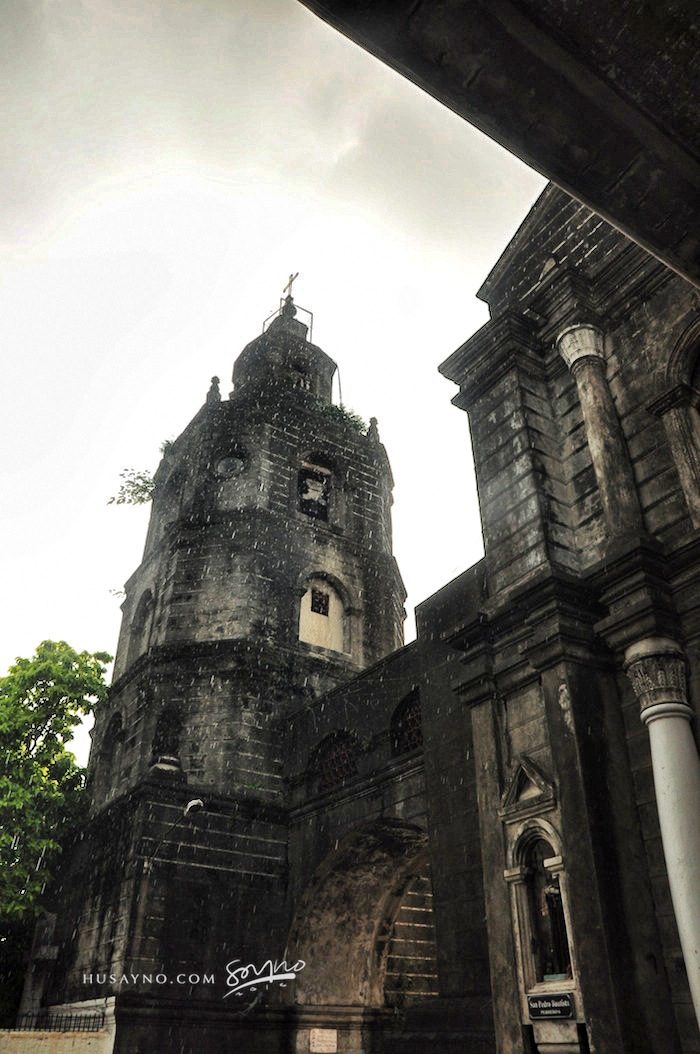
The bell tower, added in 1800 by Fr. Francisco Gascueña, immediately catches attention. Connected to the main church by a rare arched bridge, it’s one of those details photographers quietly appreciate—functional, unusual, and unmistakably colonial.
The convent, constructed between 1731 and 1759, tells another story. Once home to the Escuela Parroquial, it later doubled as a venue for civic gatherings during both the Spanish period and revolutionary years. Through earthquakes, storms, and political shifts, the church adapted rather than disappeared.
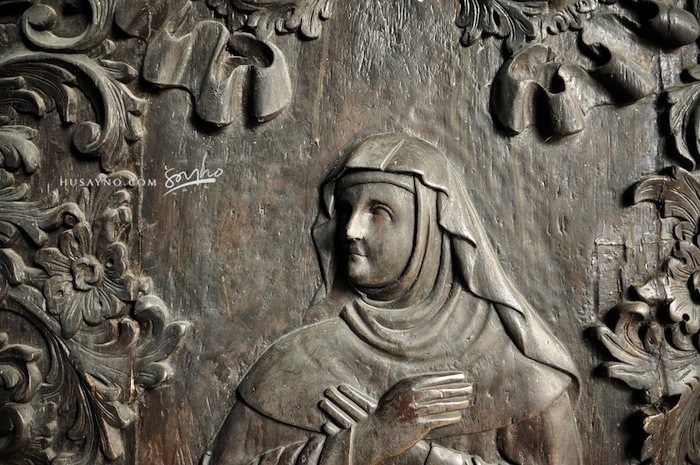
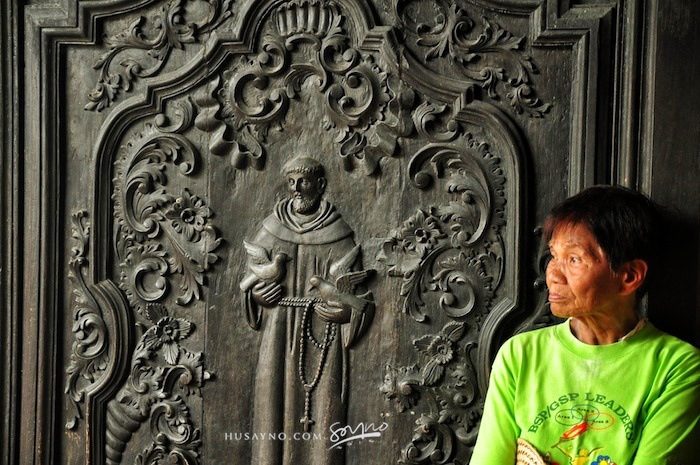
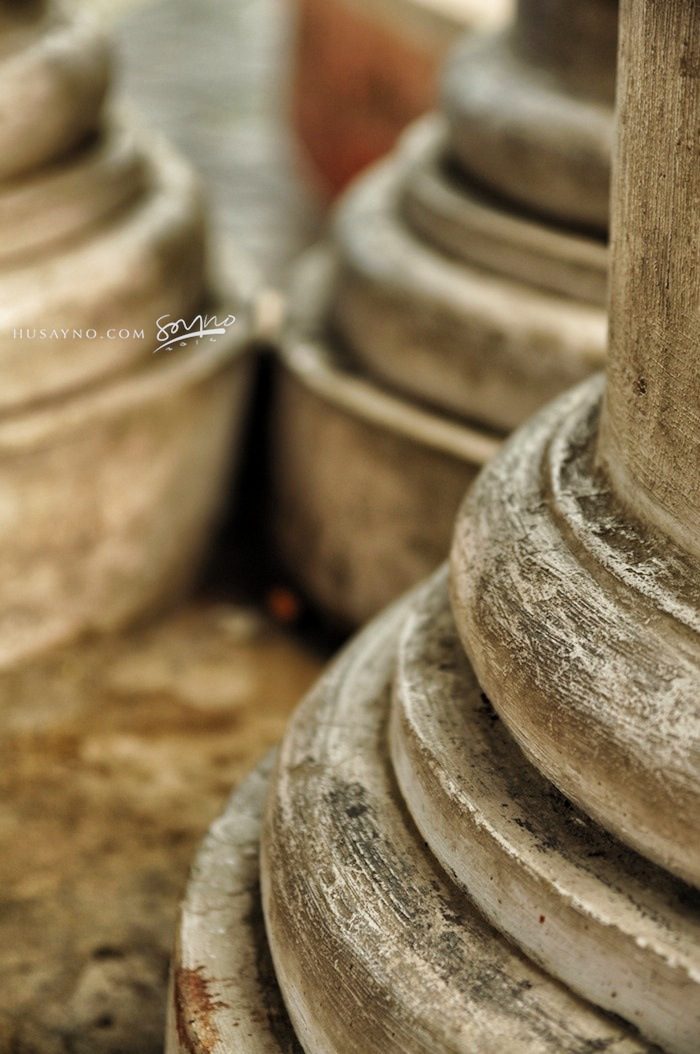
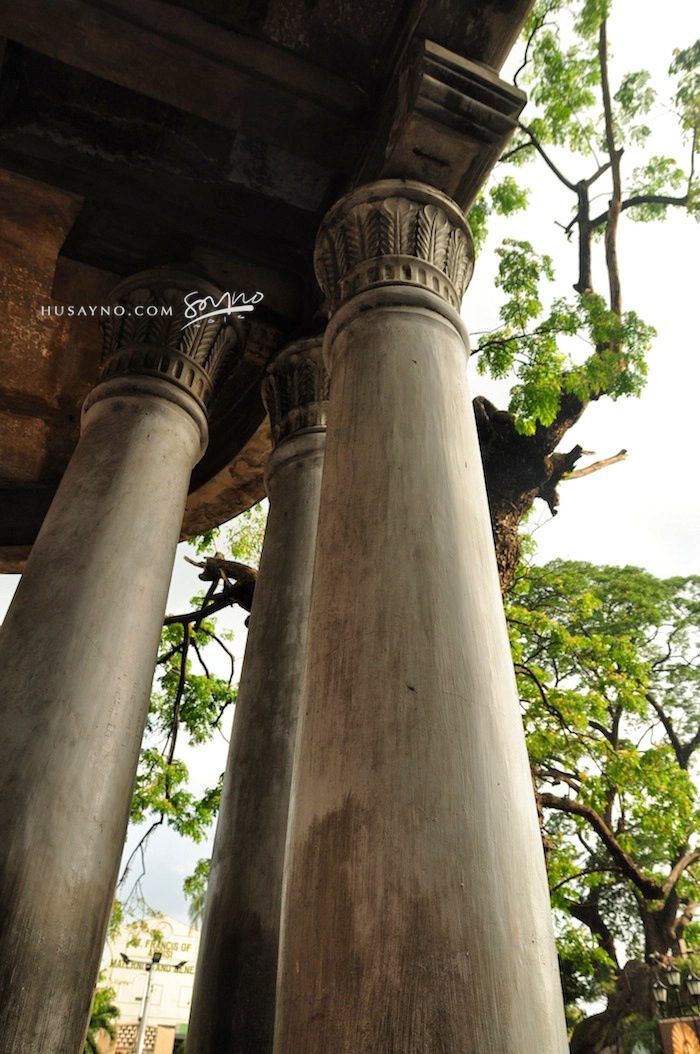
That endurance is visible in the stonework itself—uneven in places, softened by age, but still standing.
Meycauayan Church has never been spared from conflict.
During the Philippine-American War, the church and convent were used as temporary headquarters by American forces, resulting in damage and loss of church possessions. Decades later, tragedy struck again with the Great Fire of Meycauayan in April 1949, which destroyed numerous buildings and consumed priceless church relics—including the ornate retablo built in 1854 by Fr. Benito de Madridejos.
Not everything was lost. Sacred objects like the tabernacle survived and are now preserved at the Museo Parrochial de Meycauayan, a parish museum established to safeguard what history tried to erase.
What lingers most isn’t the destruction—it’s the persistence.
Beyond the altar, history continues quietly.
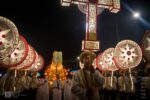
The Cross of Sitio Torril, believed to date back to the late 17th century, connects the present parish to its original site. Rediscovered in 2001, it is brought back annually for public veneration—a ritual that physically moves history through the streets.
Just outside, the Meycauayan Tree, an acacia over a century old, stands as living witness. In the 1890s, a young Manuel L. Quezon is said to have played beneath its branches. It’s the kind of detail you don’t rush past once you know it.
What keeps Meycauayan Church alive is that it never froze in time.
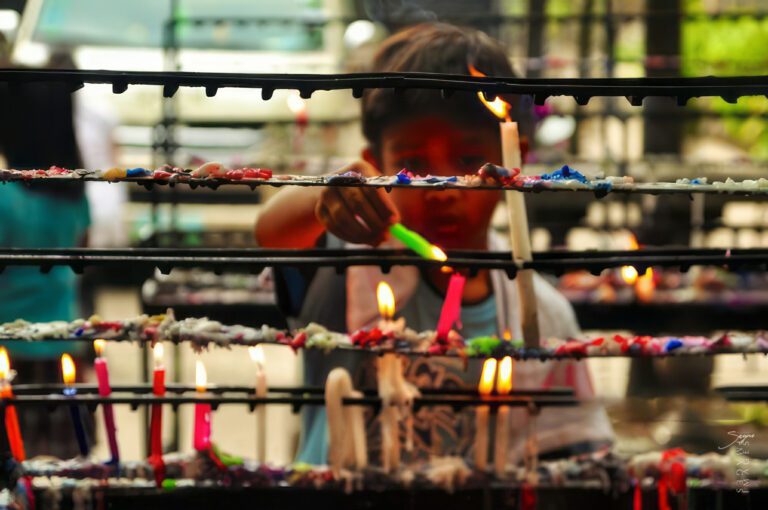
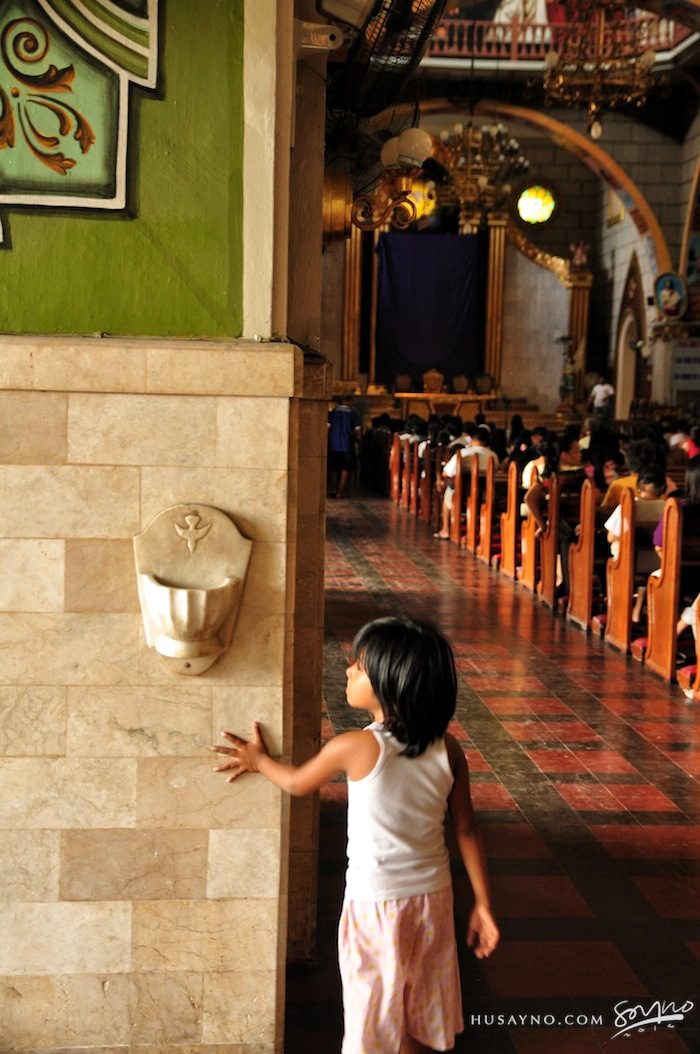
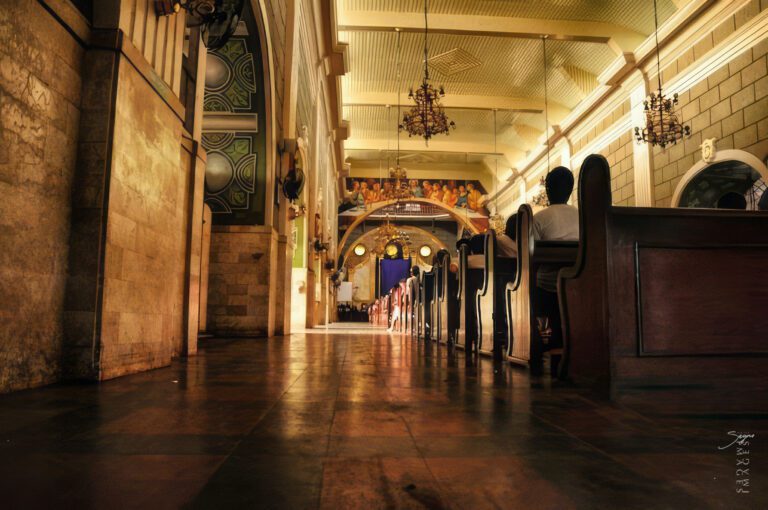
Regular masses, community rituals, and the annual feast of St. Francis of Assisi every October 4 ensure the church remains part of daily life. For visitors, it offers more than heritage—it offers continuity. For locals, it’s simply where faith has always lived.
Leaving the church grounds, I didn’t feel like I had “visited” a landmark. It felt more like being allowed to step briefly into a story still being written.
RELATED STORIES

Halamanan Festival is a celebration that takes place every January 23rd in Guiguinto, Bulacan, the Garden Capital of the Philippines, celebrating the beauty of the


In the heart of Calumpit, Bulacan, rises San Juan Bautista Parish Church, more commonly called Calumpit Church. You don’t need a guidebook to sense its


In the middle of modern homes and daily routines in Plaridel, Bulacan, the Simborio Chapel stands with a kind of calm persistence. It doesn’t tower


Standing at the heart of Malolos City, Bulacan, Barasoain Church rises with a presence that feels both solemn and proud. Officially known as the Our


I’m looking forward to the stories and images leaving a lasting positive impression on you, just as they have on me. Stay connected with us on social media for a weekly exploration of travel assignments and breathtaking visuals. Our focus is on championing local tourism, showcasing small businesses, and honoring the magnificence of the Philippines through the content we curate. Join us in spreading the word by clicking the ‘share’ buttons below. Your support means the world to us.
EXPLORE MORE about


Standing at the heart of Malolos City, Bulacan, Barasoain Church rises with a presence that feels both solemn and proud. Officially known as the Our


In the heart of Calumpit, Bulacan, rises San Juan Bautista Parish Church, more commonly called Calumpit Church. You don’t need a guidebook to sense its


Halamanan Festival is a celebration that takes place every January 23rd in Guiguinto, Bulacan, the Garden Capital of the Philippines, celebrating the beauty of the


In the middle of modern homes and daily routines in Plaridel, Bulacan, the Simborio Chapel stands with a kind of calm persistence. It doesn’t tower
BROWSE BY CATEGORIES
BROWSE BY PROVINCE