Cagsawa Festival: A Celebration of Resilience and Heritage in the Shadow of Mayon
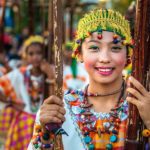
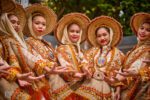
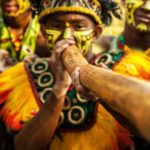
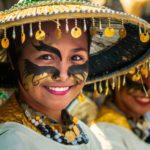
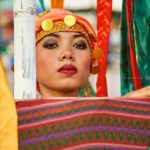
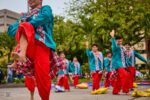
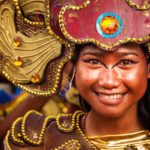
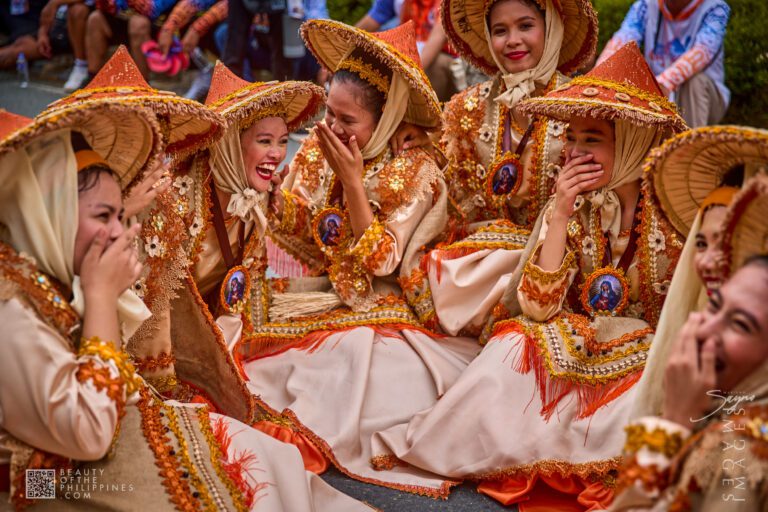
Every February, the quiet town of Daraga, Albay bursts into life with color, dance, and culture as it celebrates the Cagsawa Festival — a month-long

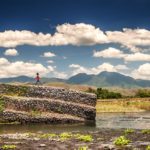
Traveling through Albay Province feels like moving alongside a constant presence. No matter where you are, the land seems oriented toward the same focal point — the silhouette of Mayon Volcano. It rises with a quiet confidence, shaping not just the landscape but the daily rhythm of the towns that surround it.
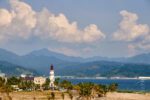
In Legazpi City, the relationship between people and nature is immediately visible. Urban life unfolds with the volcano always in view, reminding you how closely beauty and risk coexist here. Streets are active, the port remains busy, and public spaces feel designed to look outward — toward the mountain, the sea, or both.
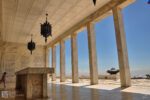
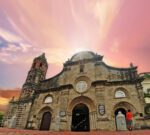
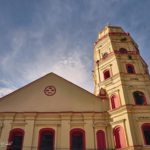
Move west toward Daraga, and history becomes more tangible. The elevated grounds near the old church offer long views of Mayon, especially during clear afternoons. Structures here feel intentionally placed, shaped by centuries of adaptation to the land. You don’t need to chase viewpoints — they reveal themselves naturally as you move through town.
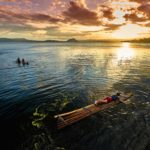
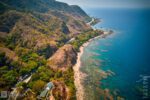
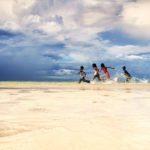
Along the coast, Sto. Domingo and Bacacay show Albay’s quieter, maritime side. Fishing communities begin their day early, and the shoreline remains practical rather than polished. Boats are tools before they are visuals, and the sea is treated with familiarity rather than awe. Still, when light hits just right, even the simplest scenes hold weight.

Every February, the quiet town of Daraga, Albay bursts into life with color, dance, and culture as it celebrates the Cagsawa Festival — a month-long

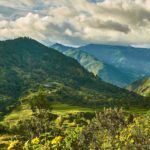
Inland towns like Guinobatan and Camalig reveal a slower pace. Farmlands stretch outward, shaped by volcanic soil that continues to support livelihoods. Roads here feel less about destination and more about transition, guiding you past fields, small chapels, and roadside markets that quietly mark the passing day.


Food in Albay reflects both abundance and restraint. Dishes lean toward bold flavors, shaped by local produce and long-standing techniques. Meals are filling, meant to sustain, and often shared. There’s no rush to reinvent — what works stays.
As a traveler and photographer, Albay Province encourages awareness. You begin to notice how communities adapt — how buildings, routines, and traditions exist in conversation with the land. The volcano isn’t a backdrop; it’s a participant.
Leaving Albay, what lingers isn’t just the image of Mayon, but the sense of coexistence — a place shaped by nature, yet steady in its own way.
EXPLORE MORE ABOUT THE
Philippines
BROWSE BY CATEGORIES