Capones Island: Sun, Sand, Sea, and Stories by Zambales Shore
The first thing that strikes you about Capones Island rising off the west coast of Luzon is its silhouette — a bone‑shaped landmass of rock

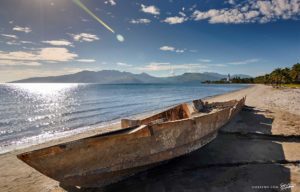
The journey to Camara Island begins at Pundaquit, a coastal barangay in San Antonio, Zambales, where small bancas line the shore ready to ferry island-hoppers across a sparkling, shallow channel. In under 15 minutes, the island appears — its modest silhouette punctuated by gentle sand coves and jagged rock faces. The first impression is one of seclusion: fewer footprints, calmer waters, and a sense of intimacy that larger tourist sites rarely offer.
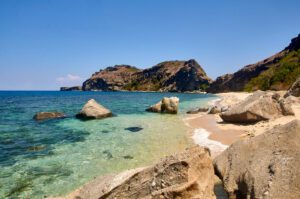
Stepping onto the beach, the air is thick with salt and the quiet hum of the sea. You notice the subtle shifts in sand texture, small tidal pools reflecting the sky, and occasional seabirds darting overhead. Every glance reveals a new detail to photograph: patterns in sand and stone, gradients of blue and green in the shallow water, and the contrast between sunlit cliffs and shaded rocks.
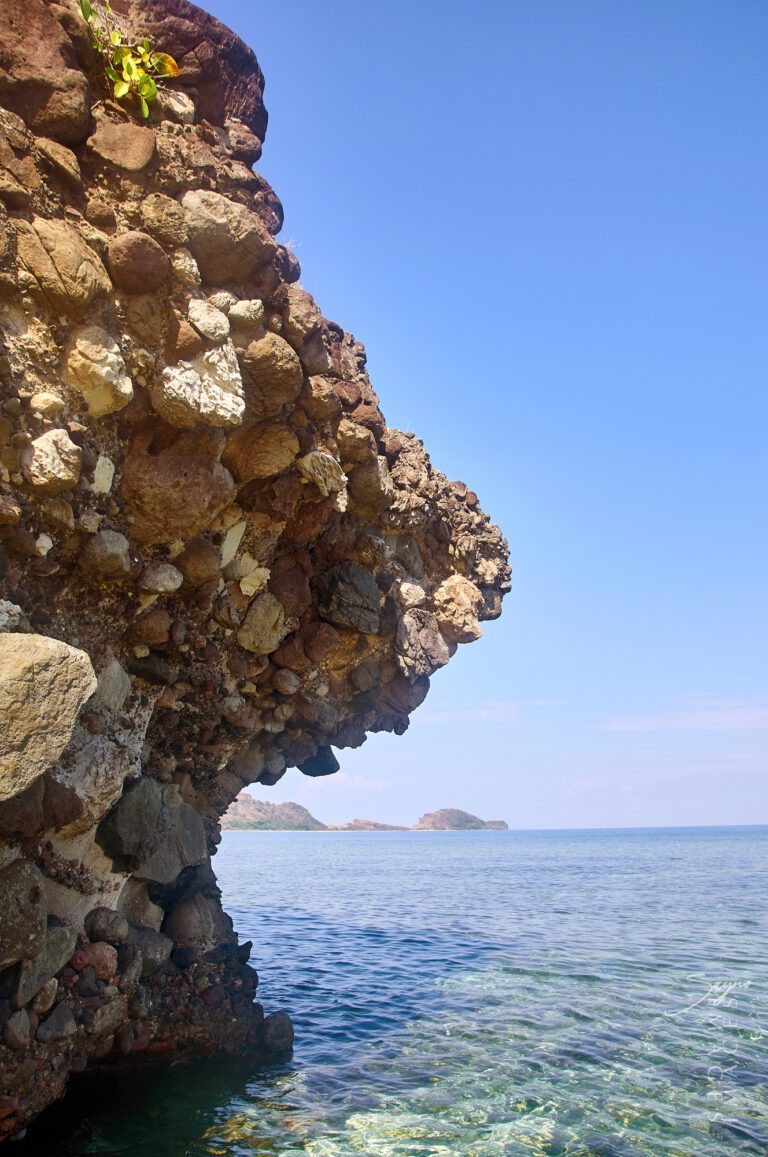
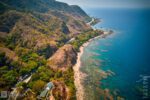
Camara Island’s coastline is a mosaic of textures. The eastern beaches are soft and ideal for swimming, while the western shore features jagged cliffs sculpted by centuries of wind and waves. Tide pools along these rocky edges hold tiny crabs, mollusks, and colorful fish, offering close-up encounters for curious travelers. For photographers, the interplay of light on wet rocks during morning and late afternoon is particularly striking, providing natural frames and dramatic contrasts.
Exploring the island’s perimeter on foot is surprisingly rewarding. Even though it is small enough to circumnavigate in under an hour, every bend in the shoreline reveals a fresh perspective: secluded sand pockets, shallow reefs, and panoramic views of the West Philippine Sea. The scale of the island encourages slow movement, inviting travelers to pause, observe, and engage with both land and water.
Camara Island’s marine environment is exceptional for its size. Clear waters allow for excellent visibility of coral formations and reef fish. Snorkelers can spot small schools of colorful fish, sea urchins tucked among coral, and occasional starfish. Because human traffic is limited, the reefs are healthier than on more visited islands, making it a rewarding experience for both casual swimmers and dedicated underwater photographers.
Timing your visit matters: low tide exposes tidal pools and reef edges for photography and exploration, while high tide allows swimmers to glide over deeper coral beds. Early mornings provide calm waters, soft sunlight, and fewer boats, making it ideal for both reflection and capturing cinematic images.
While Camara Island is often overlooked compared to Capones Island or Anawangin Cove, it works perfectly as a mid-stop in a full-day island-hopping itinerary. Its small scale allows travelers to linger without feeling rushed. A typical day trip includes: morning departure from Pundaquit, first stop at Camara for exploration and snorkeling, followed by Capones or other nearby coves, returning by late afternoon. This sequencing maximizes daylight and photographic potential while maintaining a relaxed pace.
RELATED STORIES

The first thing that strikes you about Capones Island rising off the west coast of Luzon is its silhouette — a bone‑shaped landmass of rock



Subic bay is well known for its collection of shipwrecks from the past, as well as being visited frequently by the American Navy for military


Located in the heart of Subic Bay Freeport Zone, Zoobic Safari is a premier destination for nature lovers and thrill-seekers. Spanning 25 hectares, this one-of-a-kind


The approach always begins at Pundaquit Beach in San Antonio, Zambales. A small boat cuts across the waters of the West Philippine Sea, and slowly


Visitors should come prepared. There are no restaurants, restrooms, or commercial services on Camara Island, so packing food, water, and snorkeling gear is essential. Footwear suited for both sand and rock is recommended due to mixed terrain. The dry season (November–May) is optimal: calmer seas, stable weather, and vibrant marine life make every visit worthwhile.


For photographers, light direction and tide cycles play a critical role. Early morning sun highlights tidal pools and eastern beaches, while late afternoon golden light illuminates cliffs and rock formations with warmth. A wide-angle lens captures the full scope of the island’s small, yet diverse, landscapes.


I’m looking forward to the stories and images leaving a lasting positive impression on you, just as they have on me. Stay connected with us on social media for a weekly exploration of travel assignments and breathtaking visuals. Our focus is on championing local tourism, showcasing small businesses, and honoring the magnificence of the Philippines through the content we curate. Join us in spreading the word by clicking the ‘share’ buttons below. Your support means the world to us.
EXPLORE MORE about


The first thing that strikes you about Capones Island rising off the west coast of Luzon is its silhouette — a bone‑shaped landmass of rock


Pundakit, or the Municipality of Pundaquit of San Antonio, in Zambales Province, is a fishing village that boasts a multilingual local population (Ilocano, Zambal, Tagalog)


Located within the pristine Subic Bay Freeport Zone in Zambales, Ocean Adventure stands as the Philippines’ first open-water marine theme park. Surrounded by lush rainforest


Subic Spanish Gate, located along Sampson Road near Dewey Avenue in Olongapo City, was built in 1885 as the western entrance to the Spanish naval


There is no way anyone can ignore the beauty of Pamatawan River if they are traveling in the area of the coast of Pundaquit in


Located in the heart of Subic Bay Freeport Zone, Zoobic Safari is a premier destination for nature lovers and thrill-seekers. Spanning 25 hectares, this one-of-a-kind


Along the Waterfront Road of Subic Bay Freeport Zone in Zambales, The Lighthouse Marina Resort rises as both a hotel and a visual landmark that


Subic bay is well known for its collection of shipwrecks from the past, as well as being visited frequently by the American Navy for military


Located within the pristine Subic Bay Freeport Zone in Zambales, Ocean Adventure stands as the Philippines’ first open-water marine theme park. Surrounded by lush rainforest


The approach always begins at Pundaquit Beach in San Antonio, Zambales. A small boat cuts across the waters of the West Philippine Sea, and slowly


Located within the pristine Subic Bay Freeport Zone in Zambales, Ocean Adventure stands as the Philippines’ first open-water marine theme park. Surrounded by lush rainforest


Travelers cruising along the national highway near Kalaklan Point in Olongapo City may suddenly notice a simple, all-white tower rising against the deep blue waters

BROWSE BY CATEGORIES
BROWSE BY PROVINCE