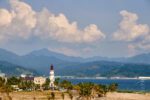
Arriving in Catbalogan City, you immediately sense that the sea is not just scenery—it is structure. Boats line parts of Maqueda Bay, fishermen prepare their gear, and conversations drift toward tides and weather. The Manaragat Festival grows from that everyday reality.
The word manaragat in Waray means “people of the sea” or fisherfolk. It is often mistakenly called “Maranagat,” but locally, the distinction matters. The name reflects identity, not just branding. This festival honors a community shaped by water—its risks, its bounty, and its rhythms.
The celebration was inaugurated in 2004 by the local government through the City Culture and Arts Council. At first, it was known as the Mangirisda Festival, derived from isda, meaning fish—highlighting the fishing livelihood. By 2007, the festival evolved into the Manaragat Festival, shifting emphasis from the catch itself to the broader relationship between people and sea.
That shift may sound subtle, but standing along the bay during festival week, you feel the difference. It is no longer only about fish; it is about belonging.
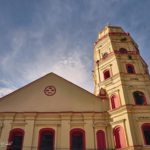
The festival aligns with the August feast of Señor San Bartolome Apostol, patron saint of Catbalogan. The culminating day falls around August 24. Local belief holds that the saint safeguards the marine resources of Maqueda Bay, ensuring continued sustenance for the city’s fishing communities.
Religious rites, bay-front ceremonies, and blessings of the sea are woven into the schedule. As a traveler documenting the celebration, I noticed how seamlessly prayer and performance coexist. Devotion is not a separate event—it frames the entire atmosphere.
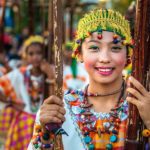
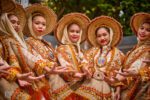
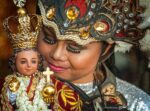
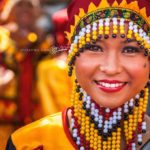
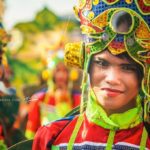
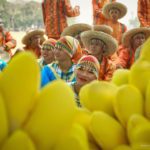
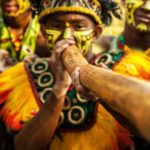
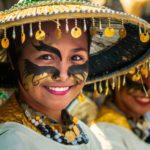
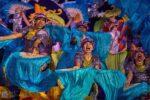
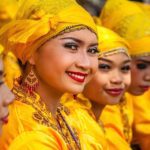
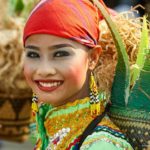
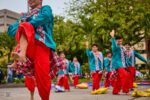
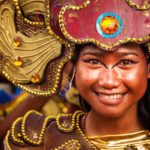
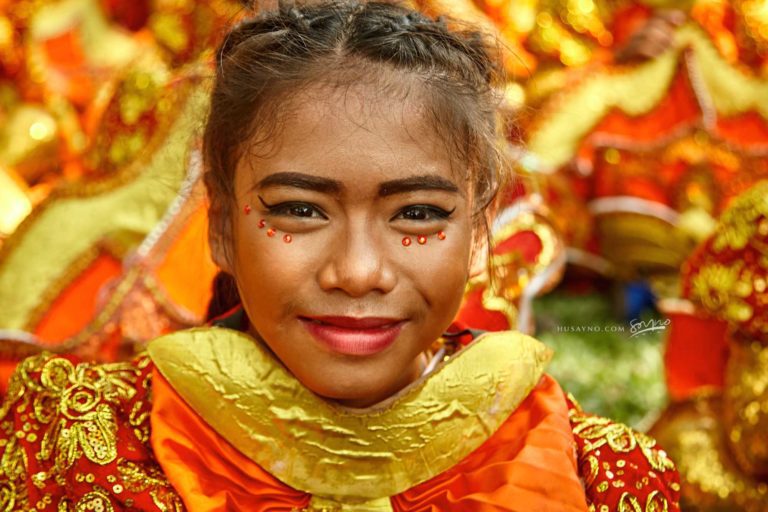
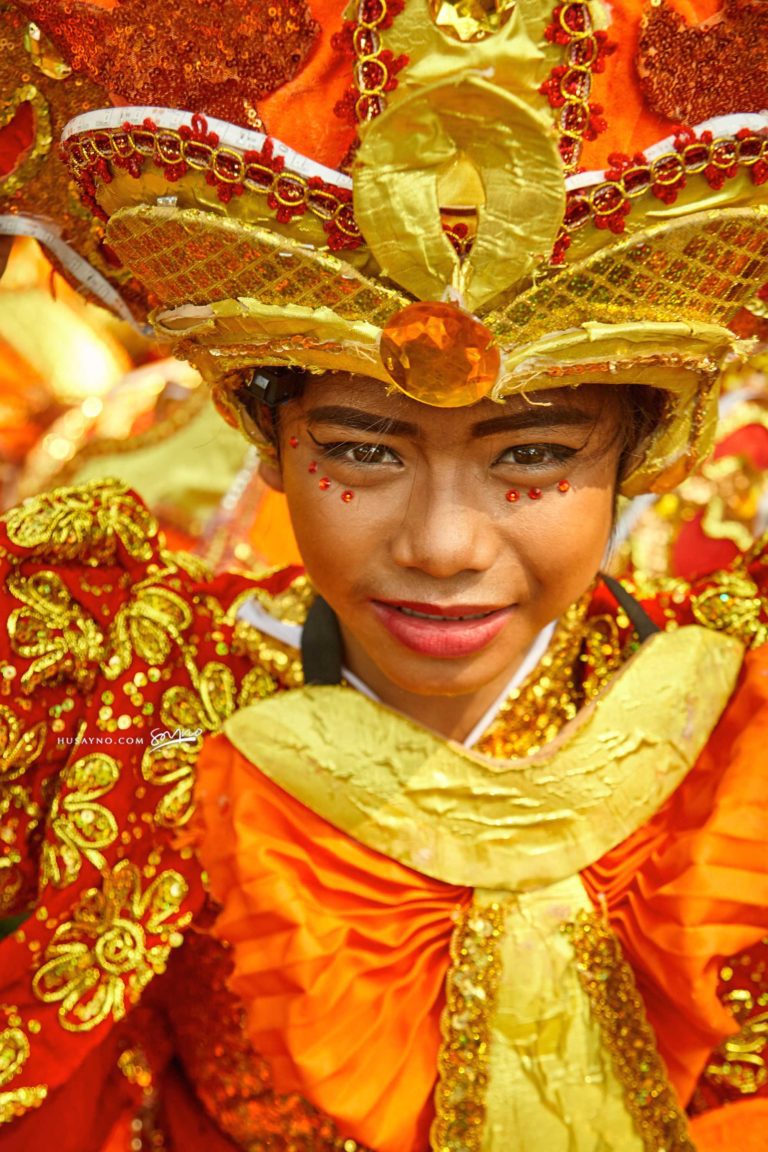
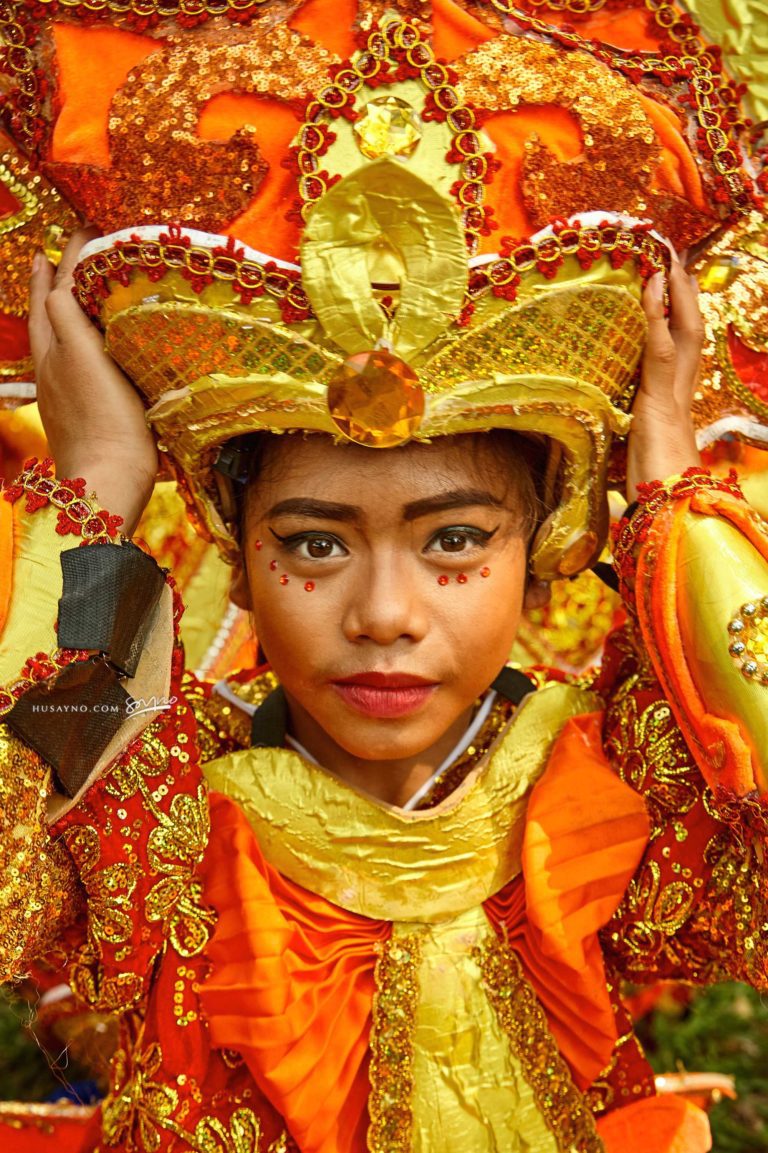
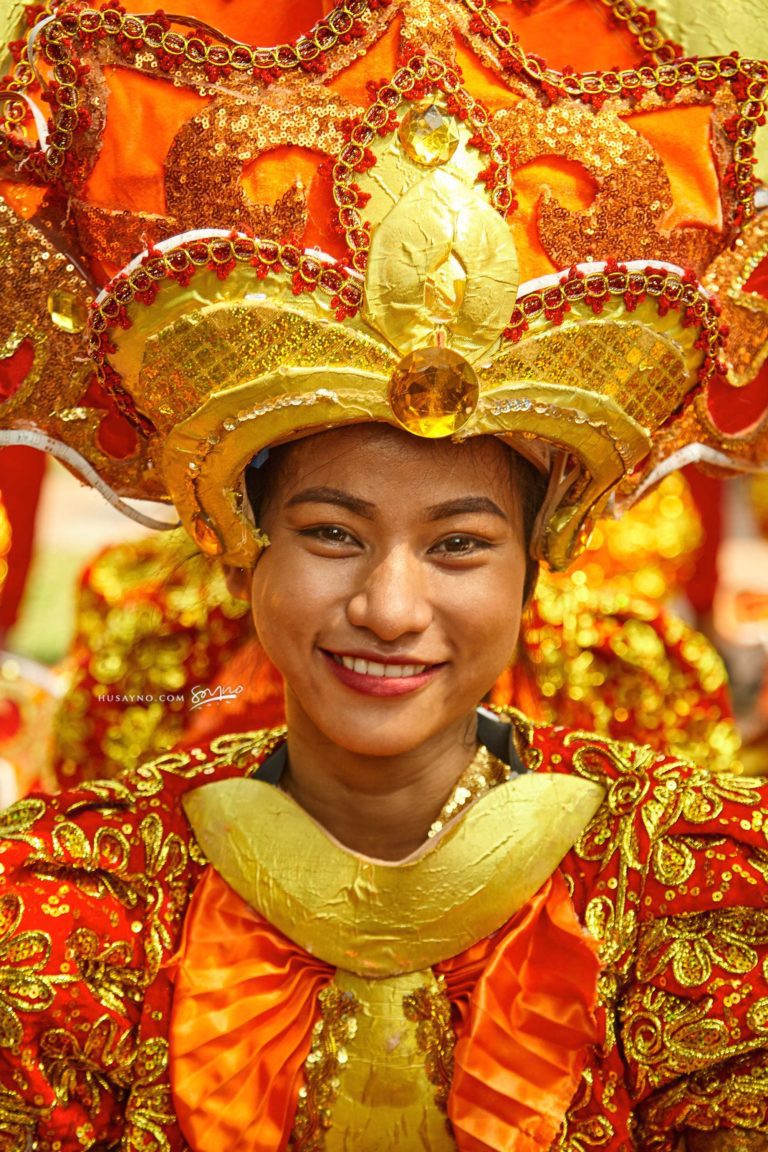
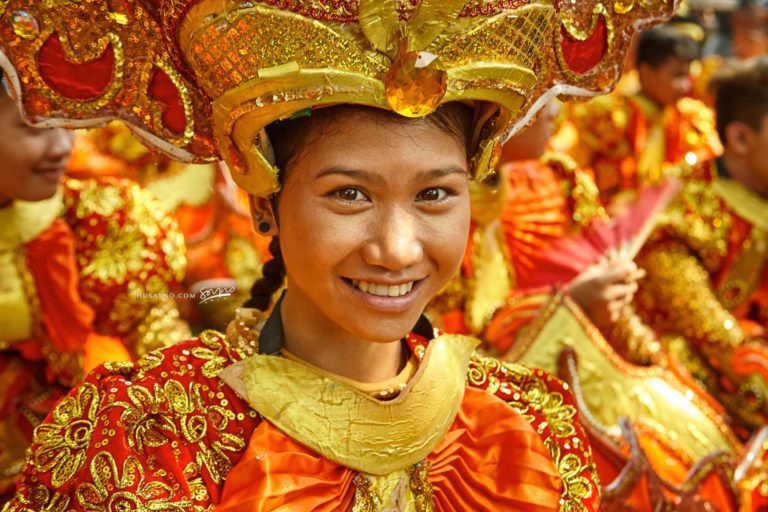
The grand street dance competitions are visual storytelling in motion. School and community contingents perform choreographies that depict life above and below the sea’s surface. Costumes echo marine biodiversity—fish patterns, wave-like fabrics, oceanic hues.
In 2017, Samar National School emerged as champion in the festival’s local competitions. That victory carried weight beyond trophies. It earned them the chance to represent Catbalogan in major showcases like the Sinulog Festival in Cebu. Watching their performance, I remember thinking how youth energy and tradition can amplify each other when given the right platform.
Beauty pageants such as Miss Manaragat also form part of the celebration, but these are not mere displays of glamour. Contestants advocate for environmental stewardship and cultural awareness, tying representation to responsibility.
Meanwhile, agro-industrial and seafood fairs fill the air with the scent of grilled catch and regional dishes. Fisherfolk and producers present their harvests, turning the festival into both marketplace and meeting ground. It is tourism layered over livelihood—not replacing it, but highlighting it.
RELATED STORIES
One of the defining moments for the festival was its participation in Aliwan Fiesta 2017, often called the “Mother of All Fiestas.” Representing Catbalogan City, Tribu Katbalaugan competed in the Street Dance Parade.
They placed 3rd nationally—standing alongside powerhouses like Dinagyang Festival of Iloilo and Manggahan Festival of Guimaras. For a city not always at the forefront of national tourism campaigns, that recognition resonated deeply. It showed that Samar’s coastal narrative could hold its own on a major cultural stage.
As someone observing through a lens, that achievement felt like a tide lifting more than just performers—it lifted visibility for Samar, for Eastern Visayas, for communities often overshadowed by more commercial destinations.
Throughout August, civic parades, music shows, cultural presentations, and street performances animate Catbalogan. Visitors from neighboring towns and across the region arrive to witness a festival that is rooted rather than manufactured.
The Manaragat Festival operates as a platform for tourism development, youth engagement, cultural preservation, and economic activity. But walking through the streets—camera in hand—I found that its real strength lies in authenticity. It celebrates resilience. It celebrates unity. It celebrates a way of life tied to the sea without romanticizing its hardships.
For travelers seeking coastal festivals in the Philippines, this one offers a layered experience: faith, performance, seafood markets, maritime rituals, and a city that knows exactly who it is.
I’m looking forward to the stories and images leaving a lasting positive impression on you, just as they have on me. Stay connected with us on social media for a weekly exploration of travel assignments and breathtaking visuals. Our focus is on championing local tourism, showcasing small businesses, and honoring the magnificence of the Philippines through the content we curate. Join us in spreading the word by clicking the ‘share’ buttons below. Your support means the world to us.
BROWSE BY CATEGORIES
BROWSE BY PROVINCE