

Antipolo Cathedral: A Spiritual Landmark in the Hills
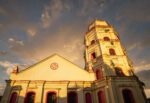
Perched atop the hills east of Metro Manila in Antipolo City, Antipolo Cathedral — formally the National Shrine of Our Lady of Peace and Good
The Climb Into Antipolo’s Retreat Landscapes
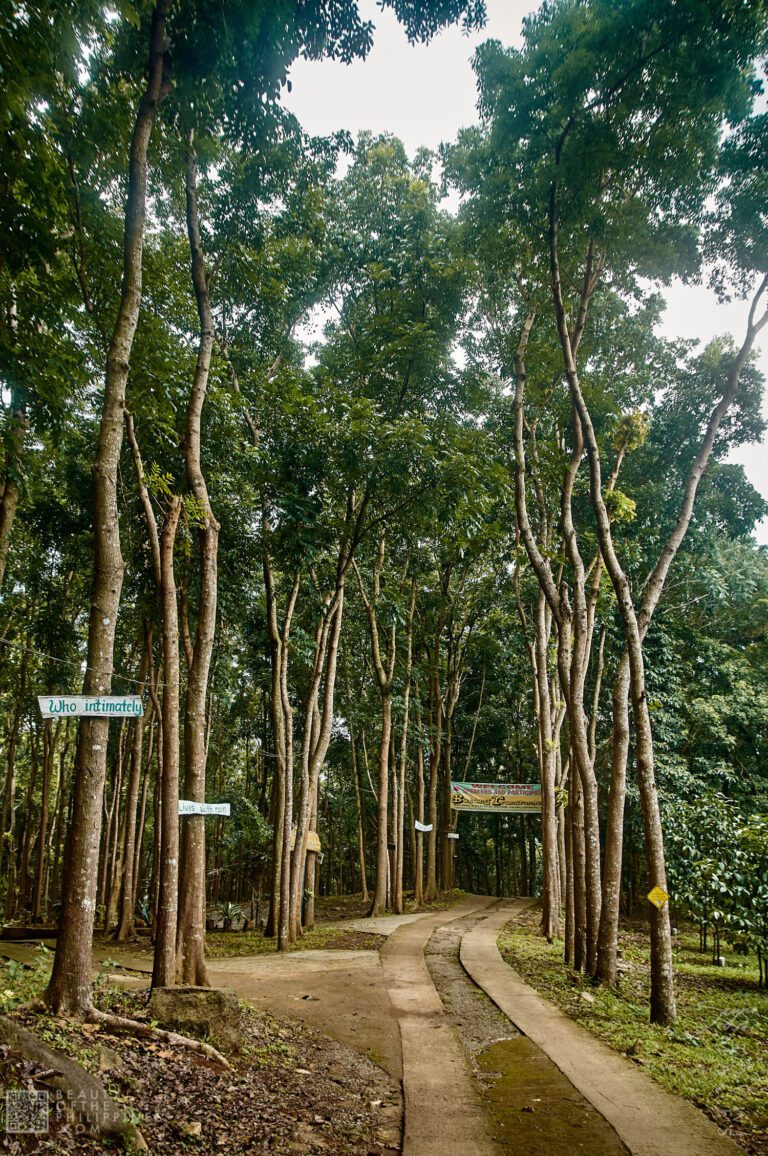
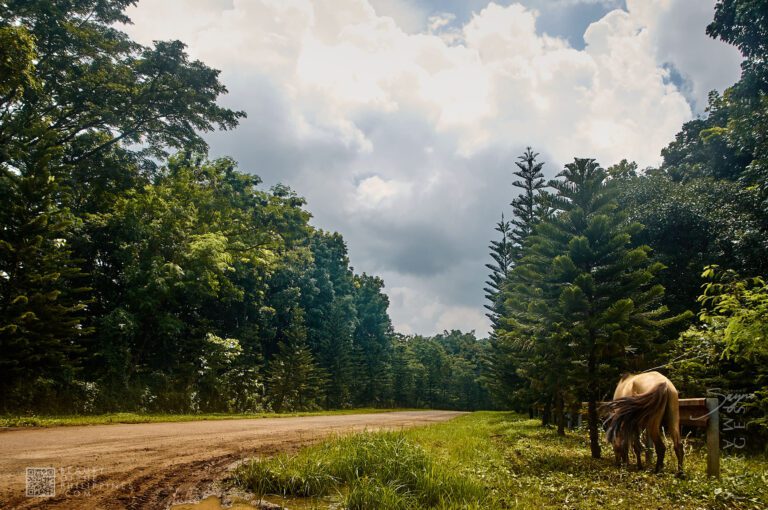
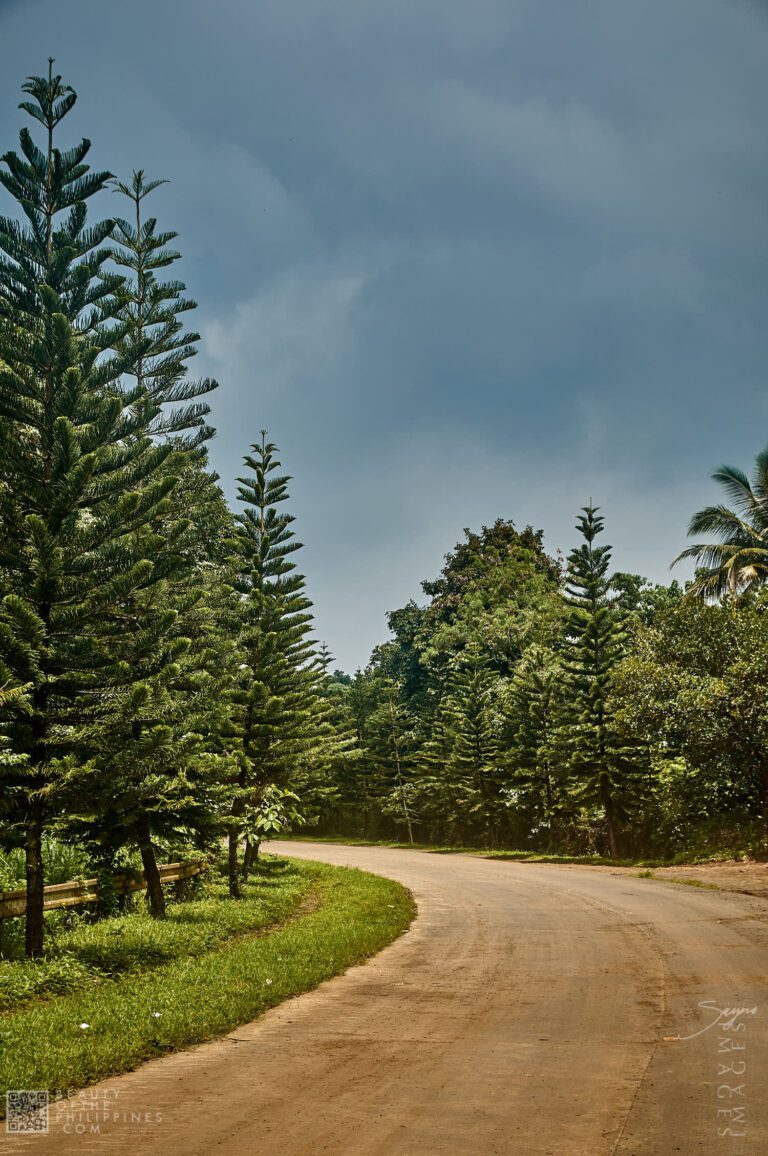
The experience of visiting Mount Carmel Chapel begins well before the structure itself becomes visible. Leaving the lowland districts connected to eastern Metro Manila, the route toward Phillip’s Sanctuary gradually changes in atmosphere as the roads climb into the upland portions of Antipolo. Traffic-heavy commercial corridors slowly give way to wooded terrain, shifting elevations, and cooler mountain air. The farther the drive continues toward the sanctuary, the more the environment begins to feel separated from the dense urban rhythm of nearby cities such as Quezon City, Pasig, and Marikina.
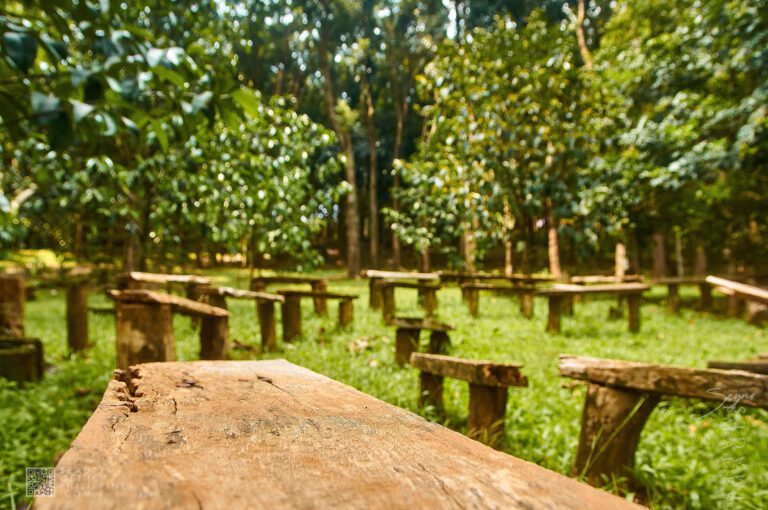
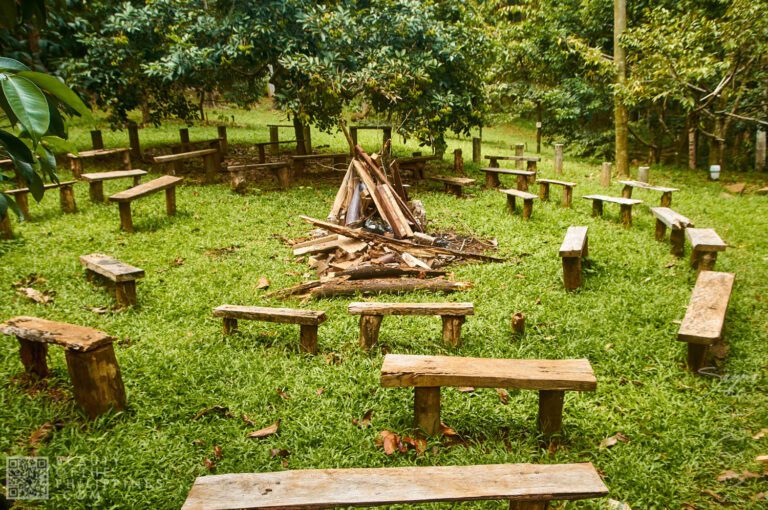
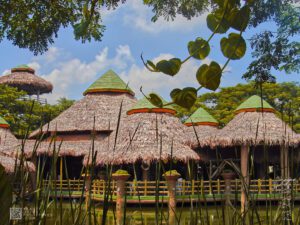
This environmental transition is essential to understanding the chapel’s tourism identity. Unlike many historic churches in the Philippines built around crowded plazas and urban centers, Mount Carmel Chapel exists within a retreat-oriented mountain sanctuary where silence, open space, and surrounding vegetation shape the visitor experience as much as the chapel itself. The structure is not encountered as a standalone roadside attraction but as part of a larger journey through trails, campsites, cottages, gardens, retreat halls, and outdoor gathering spaces spread across the sanctuary grounds.
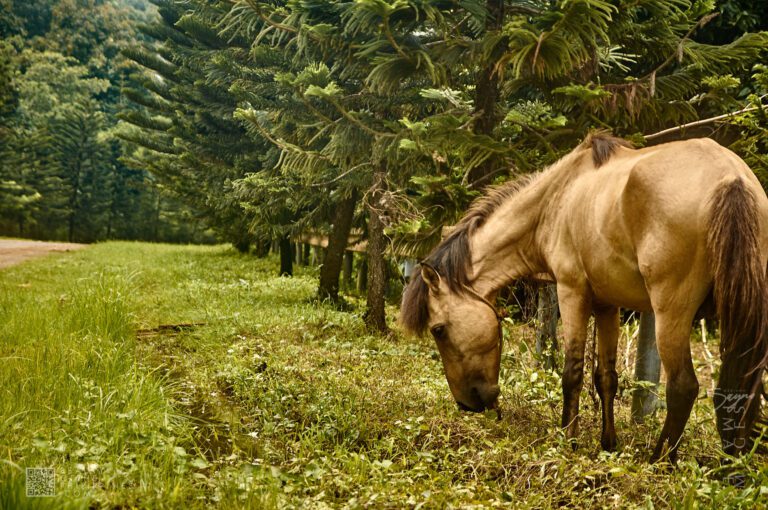
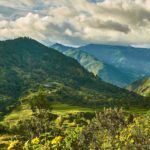
Situated near the lower reaches of the Sierra Madre foothills, the sanctuary occupies mountainous terrain that naturally reinforces its atmosphere of isolation and reflection. Even though the property remains accessible enough for day trips from the capital region, the gradual transition into forested uplands creates a sense of distance that many travelers seek when visiting Antipolo.
The wider history of Phillip’s Sanctuary traces back to land originally owned by the Pestaño family and used primarily for agricultural purposes, particularly as a pineapple plantation. Over time, the estate underwent a gradual transformation from farmland into a nature-oriented sanctuary and retreat complex. The property eventually became known as the Ens. Phillip Pestaño Ecological Sanctuary, named in memory of Ensign Phillip Andrew Pestaño of the Philippine Navy.
As the sanctuary evolved, its role expanded far beyond that of a private agricultural estate. Outdoor recreation, reflection-oriented activities, and spiritual retreat spaces became integrated into the property’s identity, creating a destination where ecology and contemplation exist within the same mountain environment. This transformation reflected larger tourism developments taking place across Rizal, particularly in upland areas where visitors increasingly sought destinations combining leisure, nature, and temporary escape from urban life.
The sanctuary steadily developed into a multi-purpose retreat landscape associated with recollections, youth camps, corporate gatherings, faith-centered activities, outdoor recreation, and intimate ceremonies. Within this broader setting, Mount Carmel Chapel emerged as one of the sanctuary’s most recognizable spaces for reflection and small gatherings.
Any tourism-focused discussion of Mount Carmel Chapel naturally connects to the broader religious identity of Antipolo itself. For decades, the city has remained one of the Philippines’ most recognized pilgrimage destinations because of devotion to Our Lady of Peace and Good Voyage housed at the Antipolo Cathedral. Pilgrims, religious travelers, and visitors participating in traditions such as Visita Iglesia have long associated the city with prayer journeys and spiritual travel.
This wider pilgrimage reputation influences how newer retreat-oriented sites across Antipolo are perceived today. Although Mount Carmel Chapel is contemporary in character rather than colonial in origin, it still benefits from the city’s longstanding association with healing spaces, retreats, and faith-centered journeys. Travelers visiting the chapel often approach the sanctuary with expectations already shaped by Antipolo’s historical reputation as a place connected to reflection and spiritual pause.
Over the last two decades, however, tourism in Antipolo gradually evolved beyond purely devotional travel. The city increasingly became associated not only with pilgrimage churches but also with cafés overlooking the skyline of Metro Manila, private resorts, eco-parks, hiking trails, art museums, mountain viewpoints, and nature sanctuaries. This shift created a tourism environment where religious destinations coexist alongside leisure and environmental attractions.
Within this context, Phillip’s Sanctuary represents a hybrid tourism model where eco-tourism and spiritual recreation intersect. Visitors do not simply arrive for prayer services or sightseeing alone; many come for retreat experiences shaped equally by landscape, atmosphere, and personal reflection.
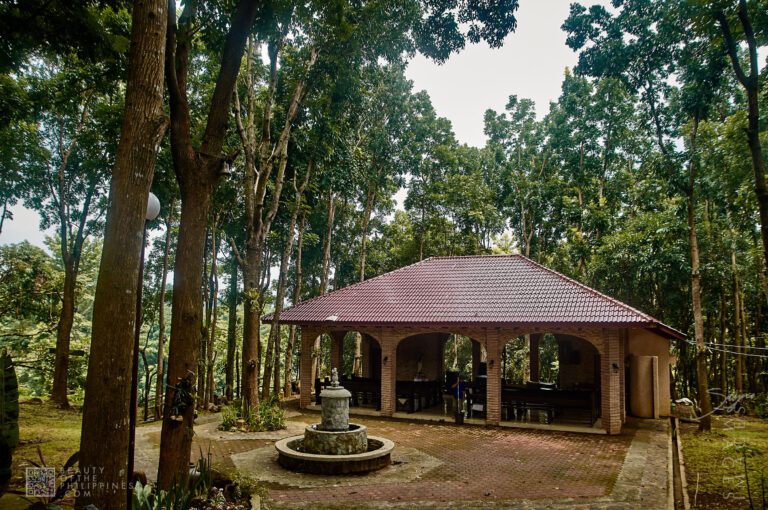
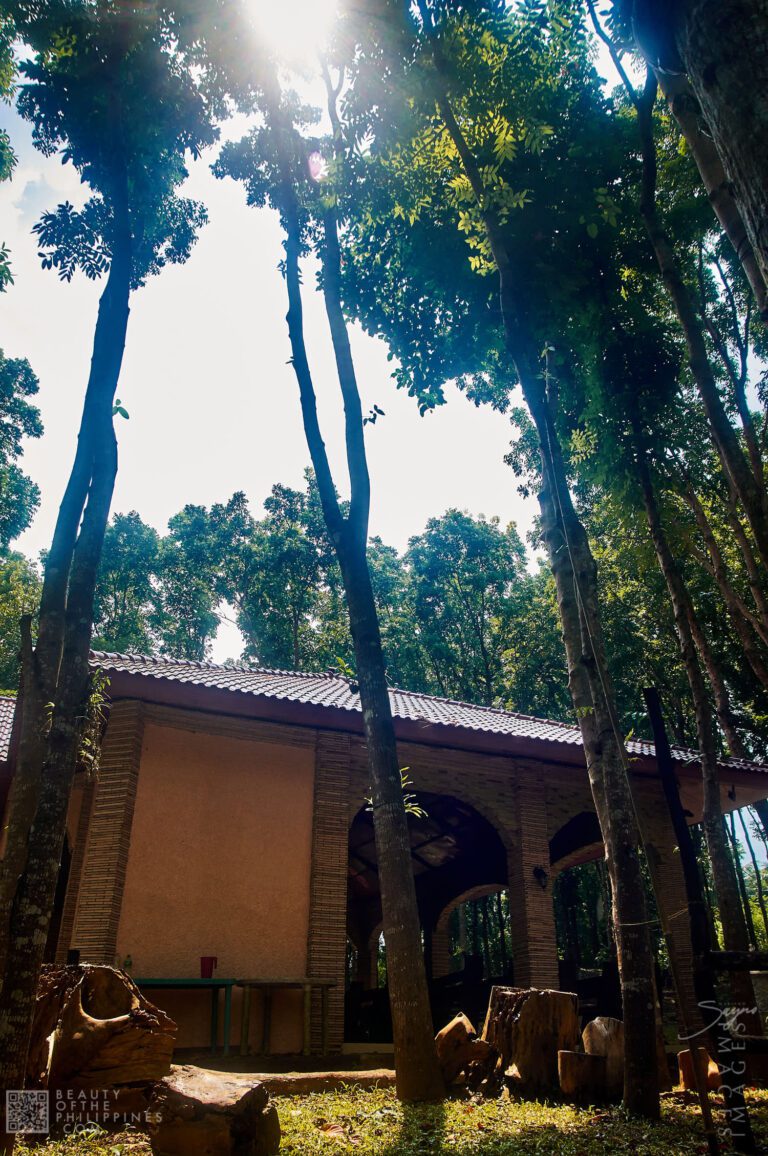
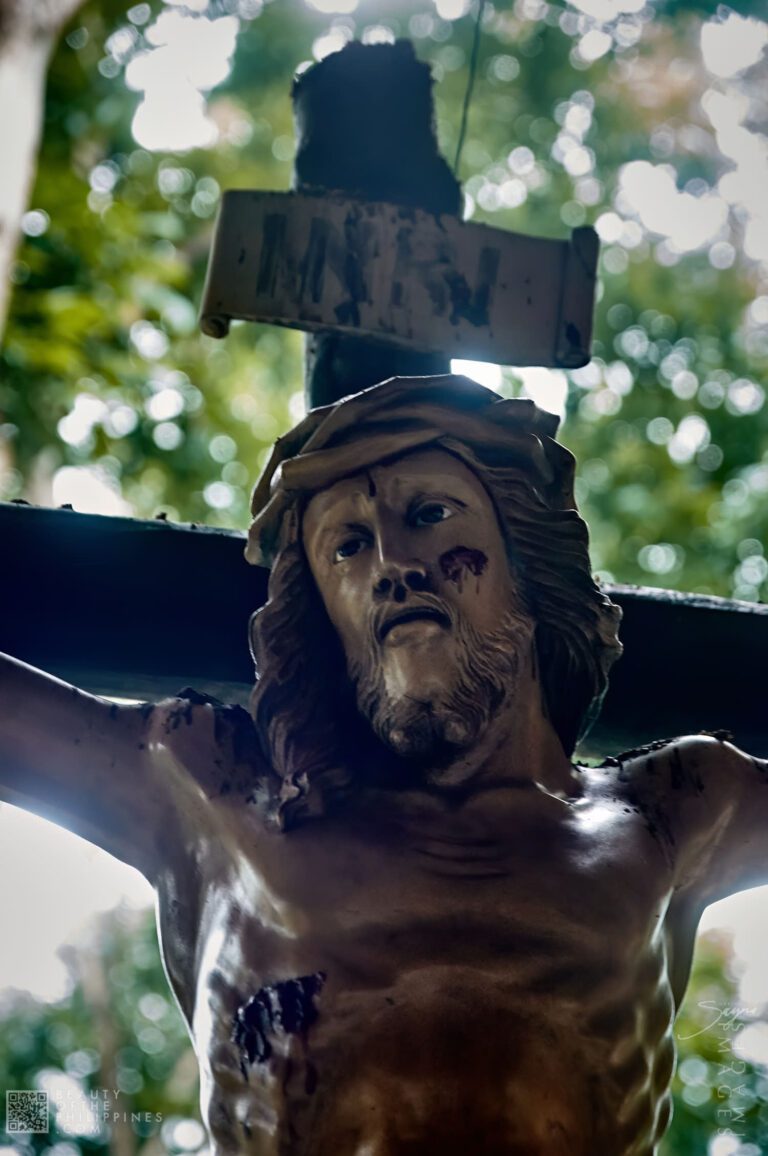
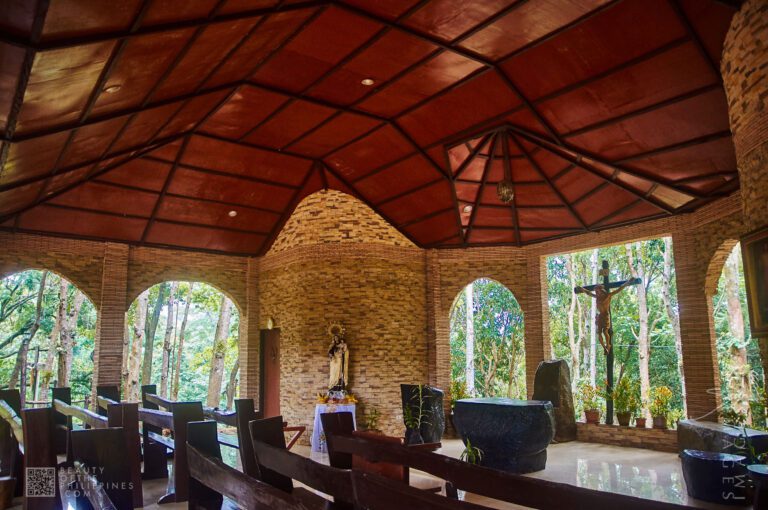
Compared with major churches in Rizal, publicly available documentation surrounding the architectural history of Mount Carmel Chapel remains relatively limited. Yet the chapel’s visual identity becomes immediately clear through its surroundings and overall atmosphere. Instead of following the monumental scale associated with Spanish colonial churches, the structure reflects the rustic character commonly seen in mountain retreat centers and woodland sanctuaries.
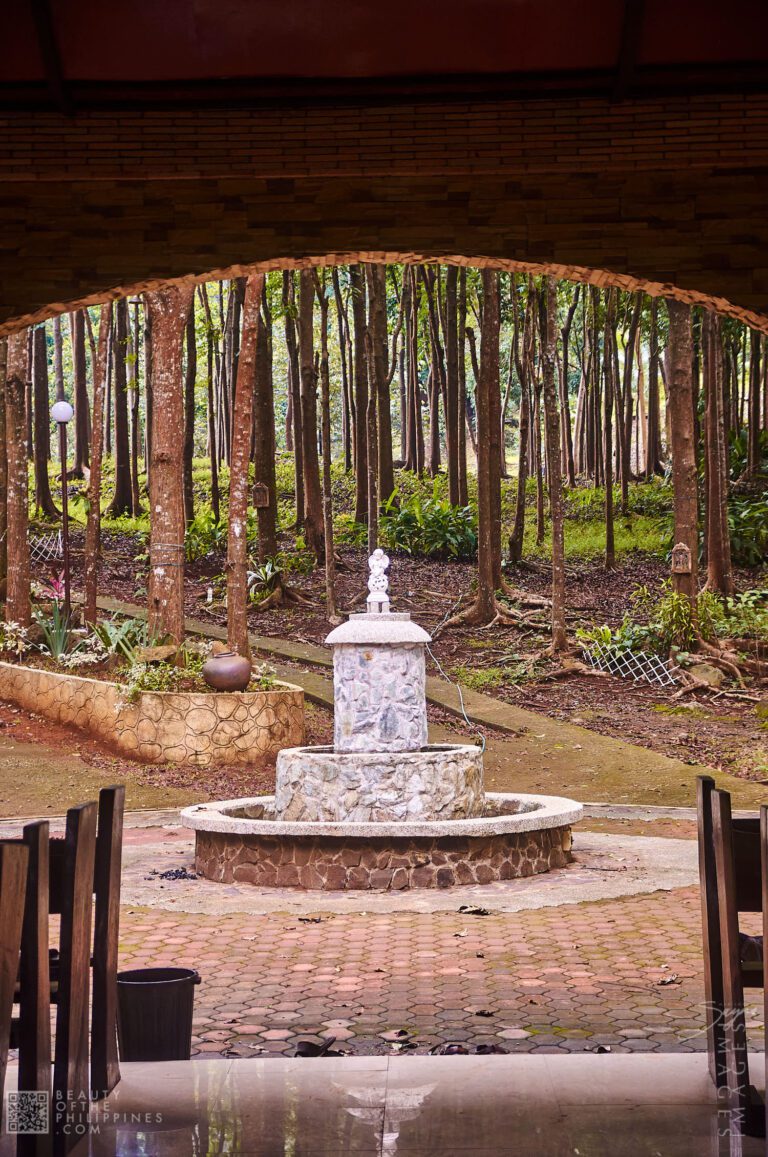
The chapel does not dominate the environment around it. Rather, it blends into the natural terrain through its modest scale and relationship with the surrounding landscape. Sloping ground, heavy vegetation, open skies, and mountain air become inseparable from the architectural experience itself. This integration between built structure and ecological surroundings aligns with broader eco-retreat design movements that became increasingly visible across Antipolo and neighboring parts of Rizal beginning in the late 2000s and continuing into the following decades.


Its tourism appeal comes largely from this atmosphere of intimacy and seclusion. Visitors are often drawn less by ornate architectural details and more by the emotional tone created by the sanctuary setting. During early mornings, fog and cool mountain air soften the wooded surroundings, creating the reflective mood frequently associated with the chapel in visitor photography and retreat documentation.
For photographers, the site offers a distinctly different visual experience compared with heritage churches in urban centers. Instead of stone facades framed by commercial activity and crowded streets, the chapel is encountered through forest paths, elevated landscapes, filtered mountain light, and open natural scenery.


One of the defining themes surrounding Phillip’s Sanctuary is its role within the growing movement of eco-spiritual tourism in the Philippines. The sanctuary was developed not only as an accommodation and recreational property but also as a space designed for retreats, recollections, youth gatherings, prayer activities, and reflection-oriented events.
This tourism model gained stronger relevance following the pandemic years, when many travelers began seeking open-air destinations and slower-paced experiences outside major urban districts. Nature-oriented environments became increasingly valued not only for recreation but also for emotional recovery, quiet reflection, and temporary disconnection from city life. Because of its proximity to the capital region, Antipolo benefited heavily from this shift toward accessible mountain escapes.


RELATED STORIES


Perched atop the hills east of Metro Manila in Antipolo City, Antipolo Cathedral — formally the National Shrine of Our Lady of Peace and Good


Pinto Art Museum and exhibition gallery serve as a vibrant showcase for the incredible paintings and sculptures crafted by local artists. Nestled in the historical


This festival, known as “Tayo na sa Antipolo Maytime Festival”, is one of the most popular celebrations in the Philippines due to the fact that


One of the most photographed churches in the province of Rizal, the Morong Church is located in Morong of the Rizal Province, and is considered




The sanctuary’s environmental features reinforce this identity. Earlier descriptions of the property emphasized extensive greenery, wooded terrain, fruit-bearing trees, mountain biking trails, campsites, and outdoor recreational systems integrated throughout the estate. These landscape elements shape the visitor experience long before travelers arrive at the chapel itself.
Narrow roads, changing elevation, and dense vegetation gradually create a feeling of retreat even during the approach toward the sanctuary. By the time visitors reach Mount Carmel Chapel, the emotional transition away from the city environment has already become part of the overall experience. The chapel therefore functions not merely as a religious structure but as part of a carefully layered mountain atmosphere centered on silence, reflection, and environmental immersion within the landscape of Rizal.


By the mid-2020s, Phillip’s Sanctuary had become increasingly associated with intimate weddings, prenup photography sessions, youth camps, spiritual retreats, and corporate gatherings. Within this setting, Mount Carmel Chapel naturally became one of the property’s focal ceremonial spaces because of its secluded ambiance and natural mountain backdrop.
This reflects a broader tourism trend across Rizal, where destinations increasingly market complete destination experiences rather than accommodations alone. Couples and event organizers often seek locations where mood, scenery, and environmental character become inseparable from the gathering itself. In Antipolo, mountain chapels and garden venues gained popularity because they offer a balance between accessibility and escape — close enough for practical travel from the city yet distant enough to create a genuine change in atmosphere.


The rustic simplicity of Mount Carmel Chapel complements this demand. Rather than overwhelming visitors with elaborate ornamentation, the chapel provides a quiet and reflective environment suited for smaller ceremonies and contemplative gatherings. The surrounding mountain landscape becomes part of the event itself, whether through mist-covered mornings, filtered sunlight through the trees, or the stillness that settles across the sanctuary during quieter hours of the day.


By 2026, retreat-oriented destinations across Rizal continued benefiting from the province’s growing reputation as an accessible corridor for nature, spirituality, and mountain leisure east of Metro Manila. While major landmarks such as the Antipolo Cathedral remained dominant within large-scale religious tourism, smaller destinations like Mount Carmel Chapel represented a quieter layer of contemporary pilgrimage culture.
Its significance lies not in age or monumental architecture but in how it reflects changing tourism patterns in the Philippines. The chapel embodies the movement toward experiential travel, eco-tourism, reflective spaces, and slower forms of visitation where atmosphere becomes as important as the destination itself.
For many travelers, the strongest memory of the site is not a single architectural detail but the gradual transition surrounding the visit — the movement away from crowded lowland roads toward forested slopes, elevated terrain, cool mountain air, and the quiet rhythm created by the sanctuary environment. Visitors do not simply arrive at Mount Carmel Chapel to see a structure; they encounter it through a layered mountain experience shaped by landscape, silence, ecology, and reflection within the uplands of Antipolo.
I’m looking forward to the stories and images leaving a lasting positive impression on you, just as they have on me. Stay connected with us on social media for a weekly exploration of travel assignments and breathtaking visuals. Our focus is on championing local tourism, showcasing small businesses, and honoring the magnificence of the Philippines through the content we curate. Join us in spreading the word by clicking the ‘share’ buttons below. Your support means the world to us.
EXPLORE MORE about


One of the most photographed churches in the province of Rizal, the Morong Church is located in Morong of the Rizal Province, and is considered


June 12, 2025, isn’t just another national holiday—it marks a unique opportunity to witness two deeply rooted Filipino traditions side by side. In the heart


Pinto Art Museum and exhibition gallery serve as a vibrant showcase for the incredible paintings and sculptures crafted by local artists. Nestled in the historical


There are more than 3,000 specimens of exotic wildlife in the Avilon Zoo; representing more than 600 species of birds, mammals, reptiles, amphibians, freshwater fish


This festival, known as “Tayo na sa Antipolo Maytime Festival”, is one of the most popular celebrations in the Philippines due to the fact that



Perched atop the hills east of Metro Manila in Antipolo City, Antipolo Cathedral — formally the National Shrine of Our Lady of Peace and Good
BROWSE BY CATEGORIES
BROWSE BY PROVINCE