


Lucban Pahiyas Festival: A Spectacularly Colorful Tradition in Quezon
Every May 15, the charming town of Lucban, Quezon bursts into a dazzling display of colors, artistry, and cultural pride as it celebrates the Pahiyas

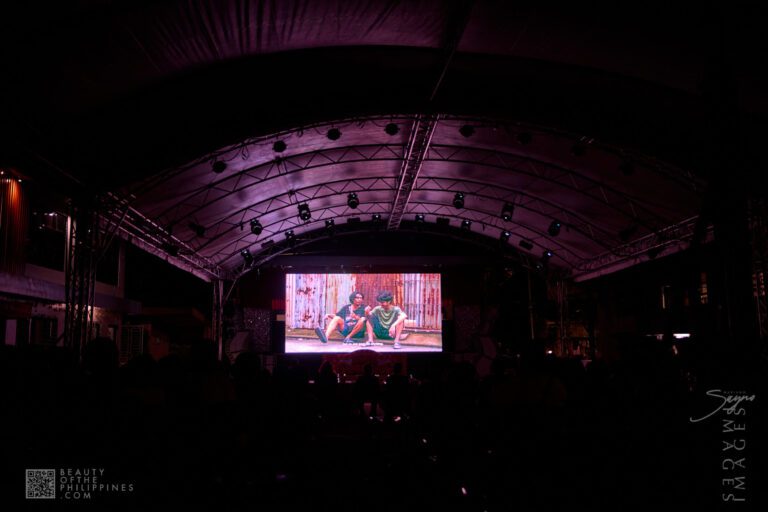
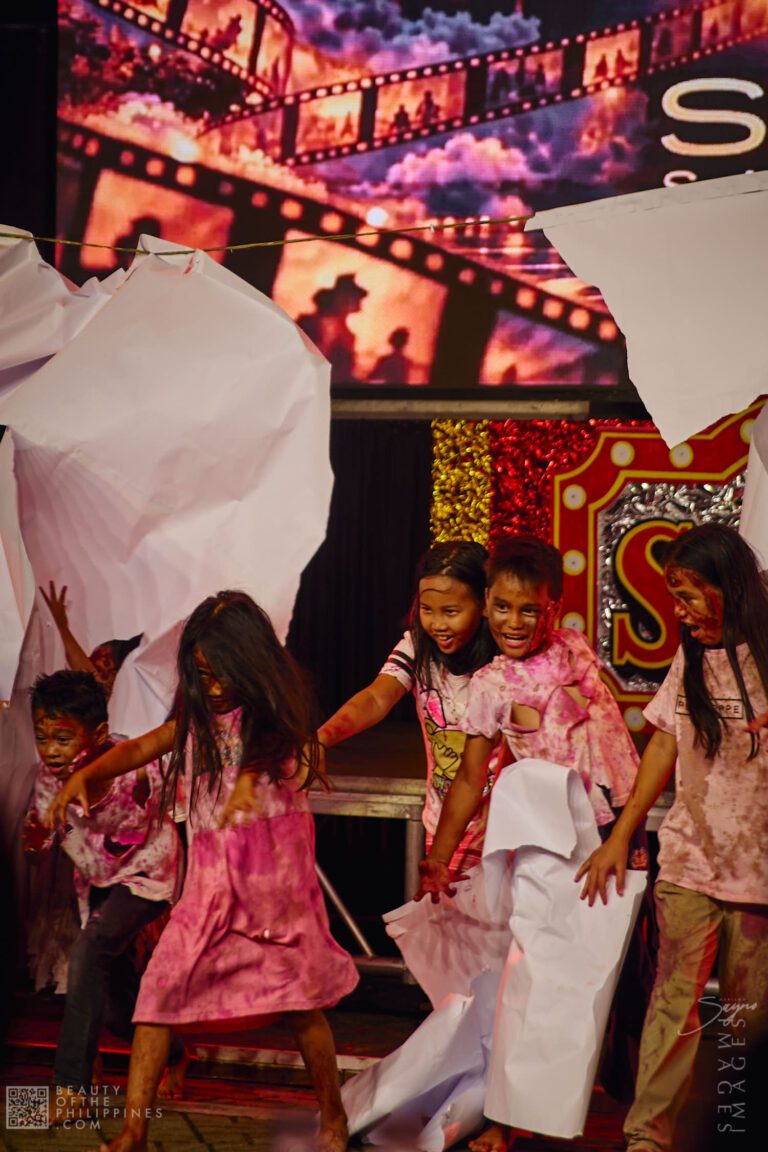
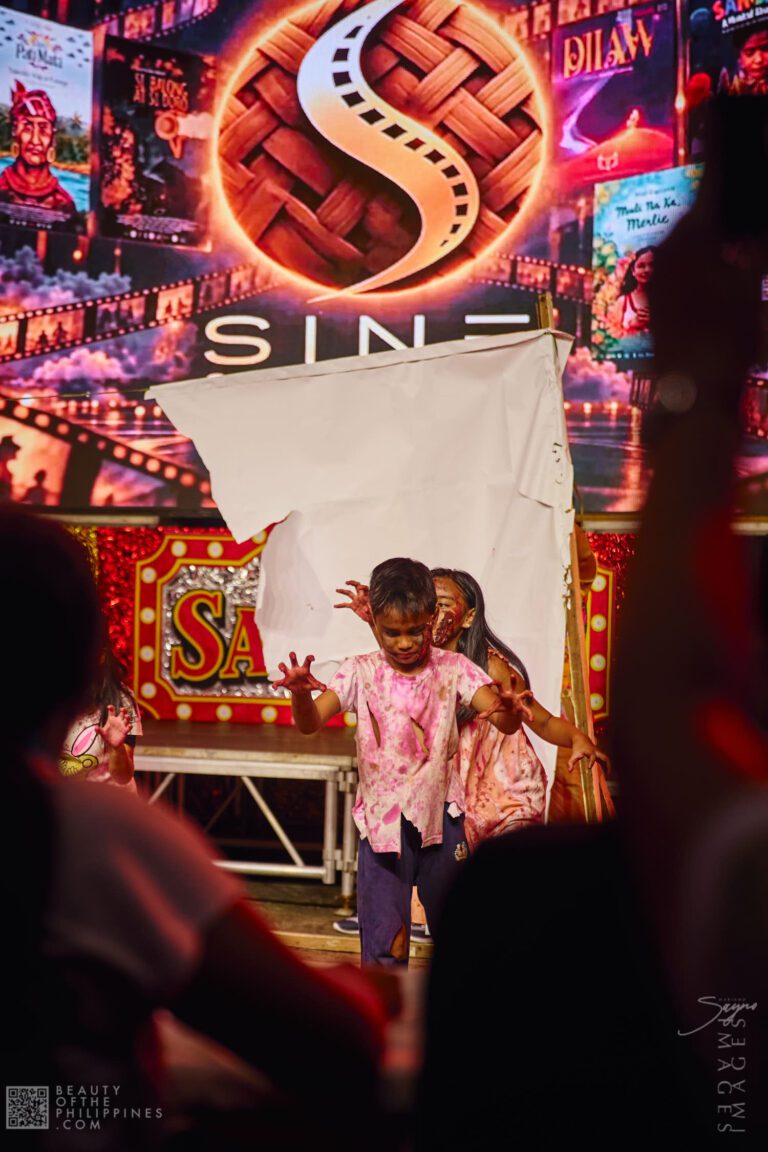
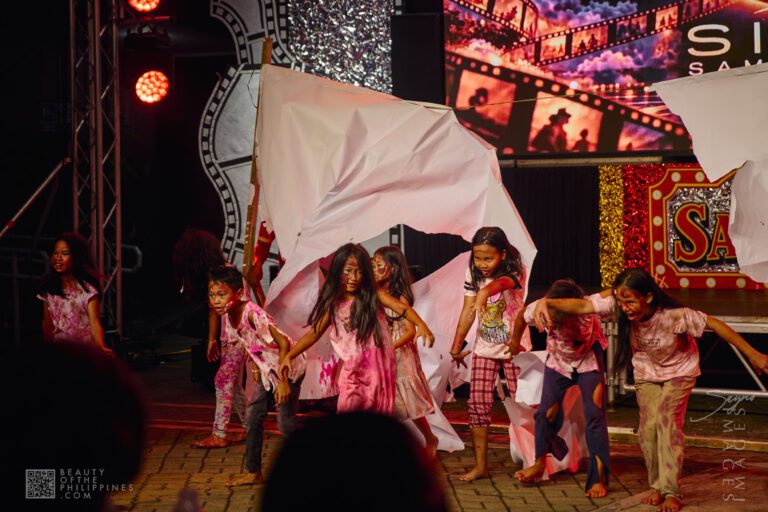
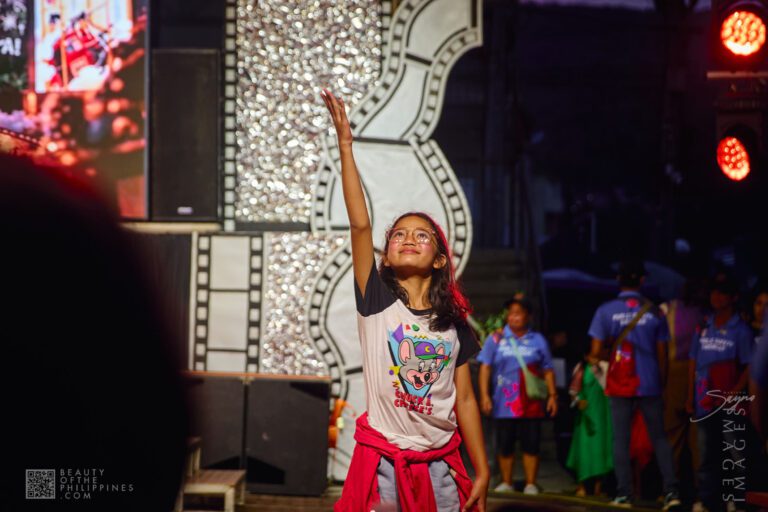
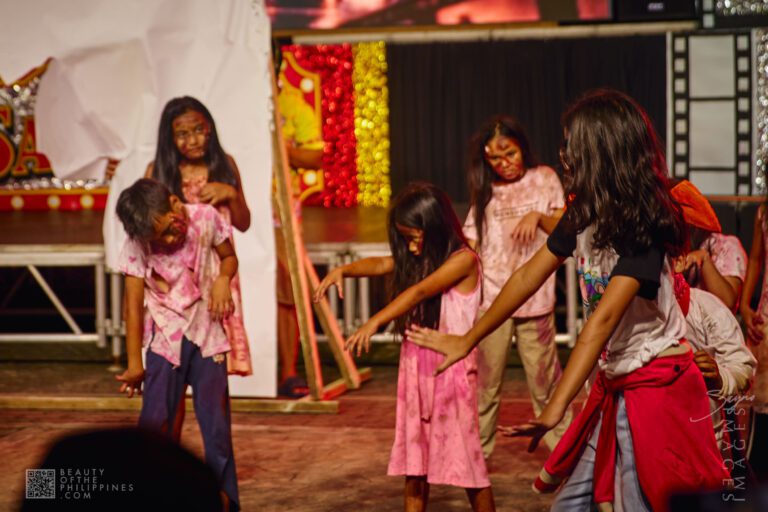
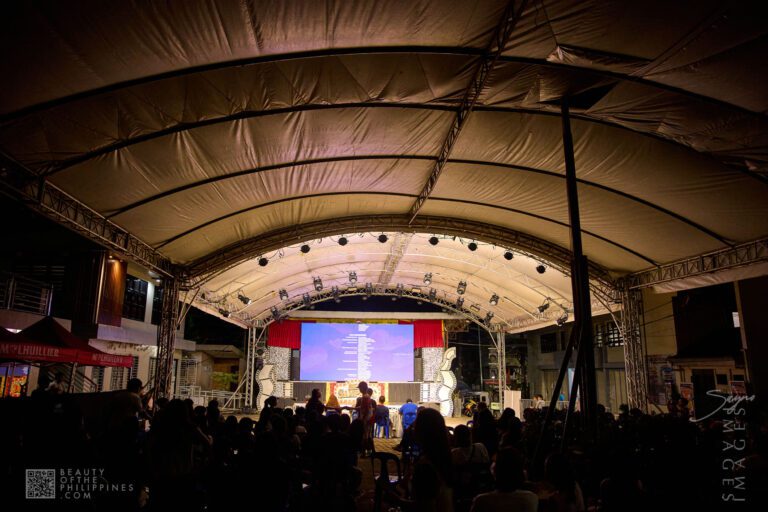
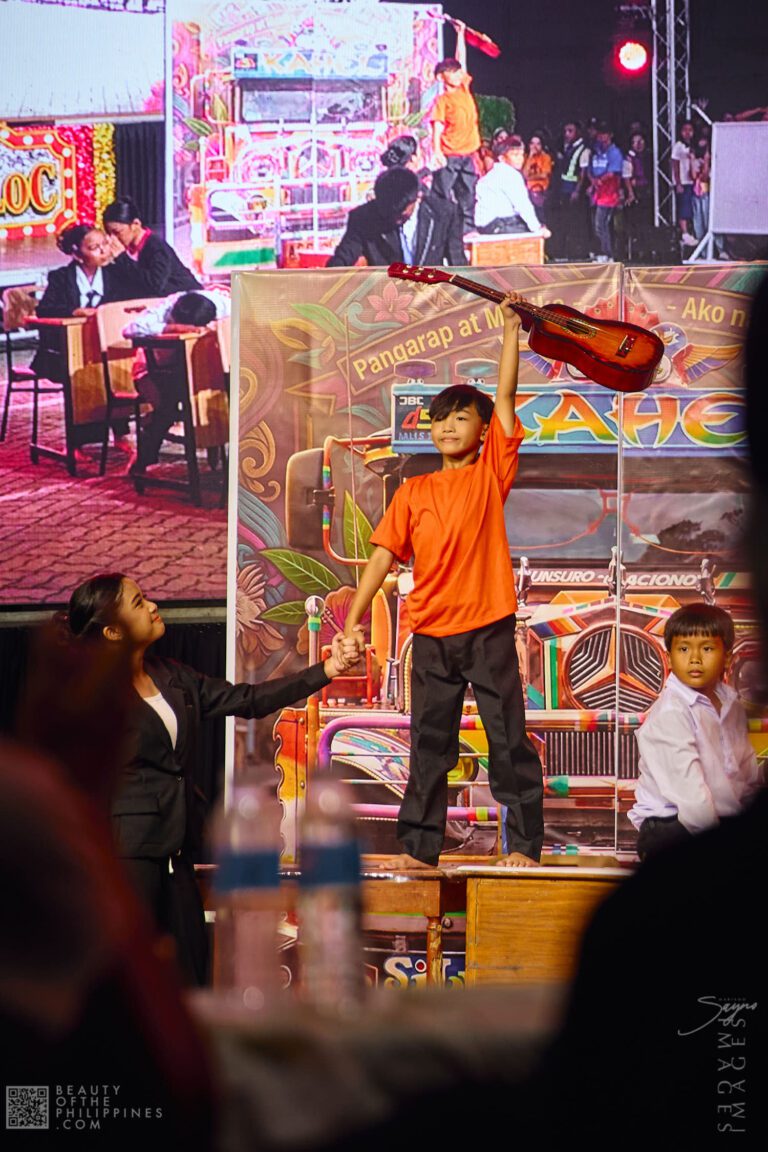
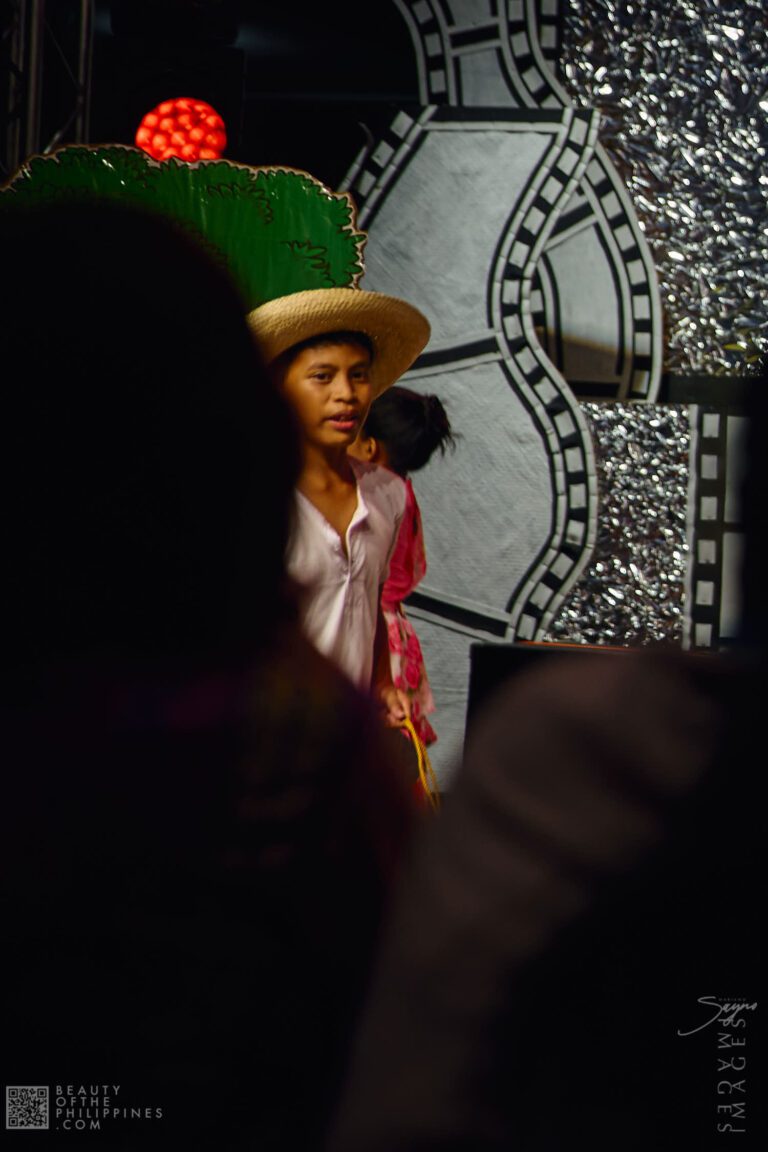
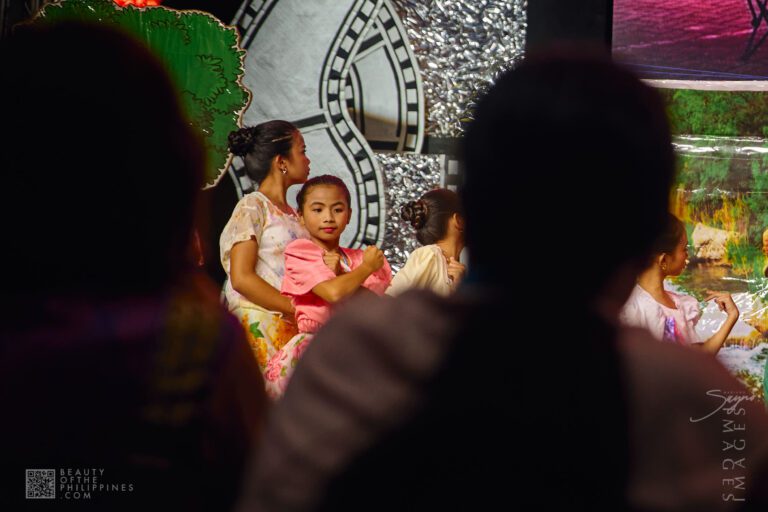
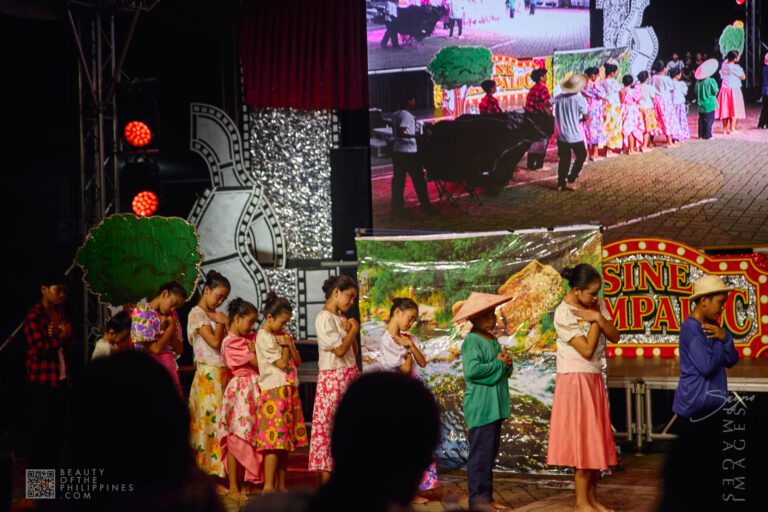
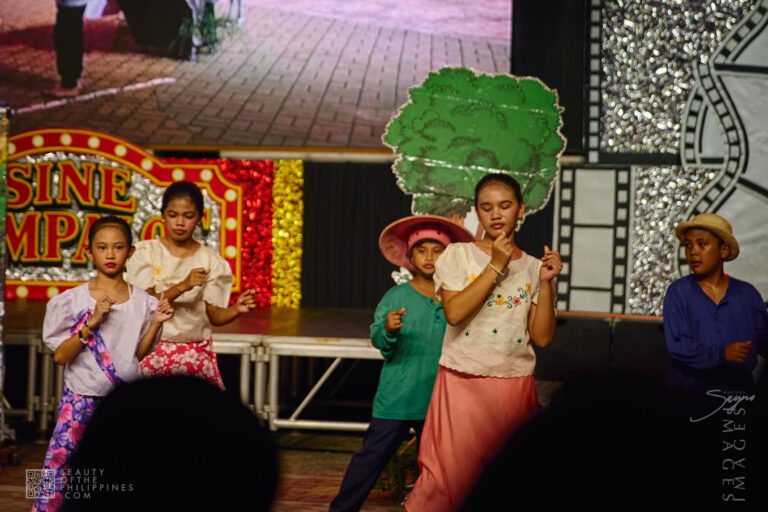
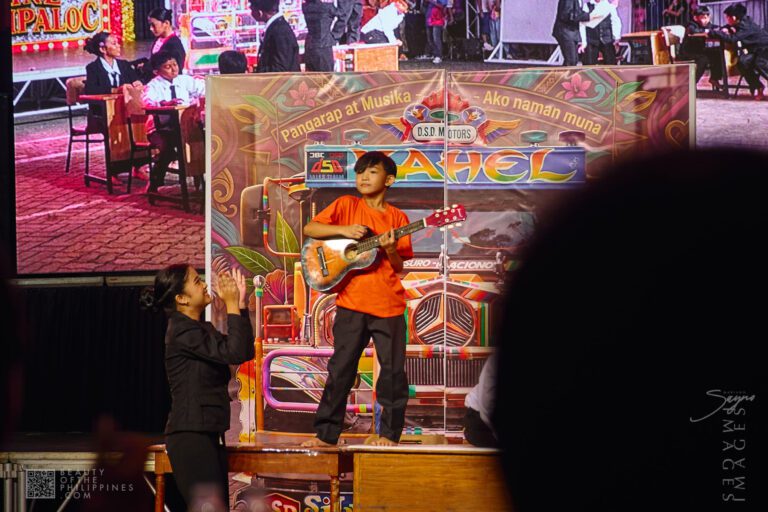
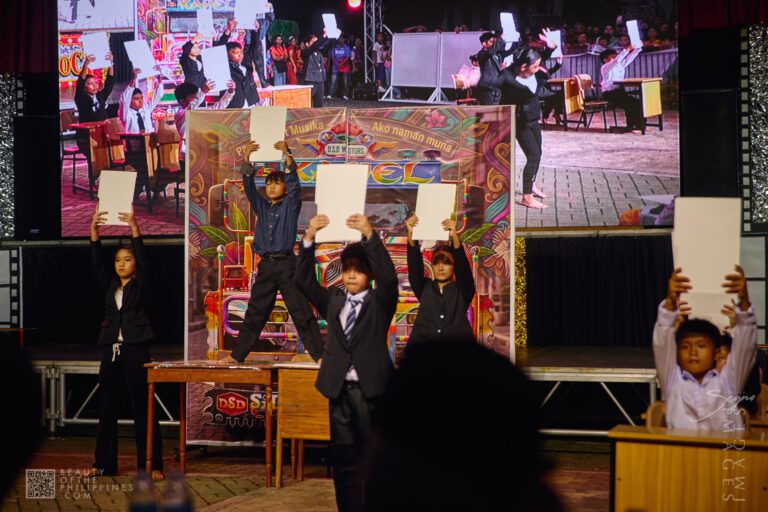
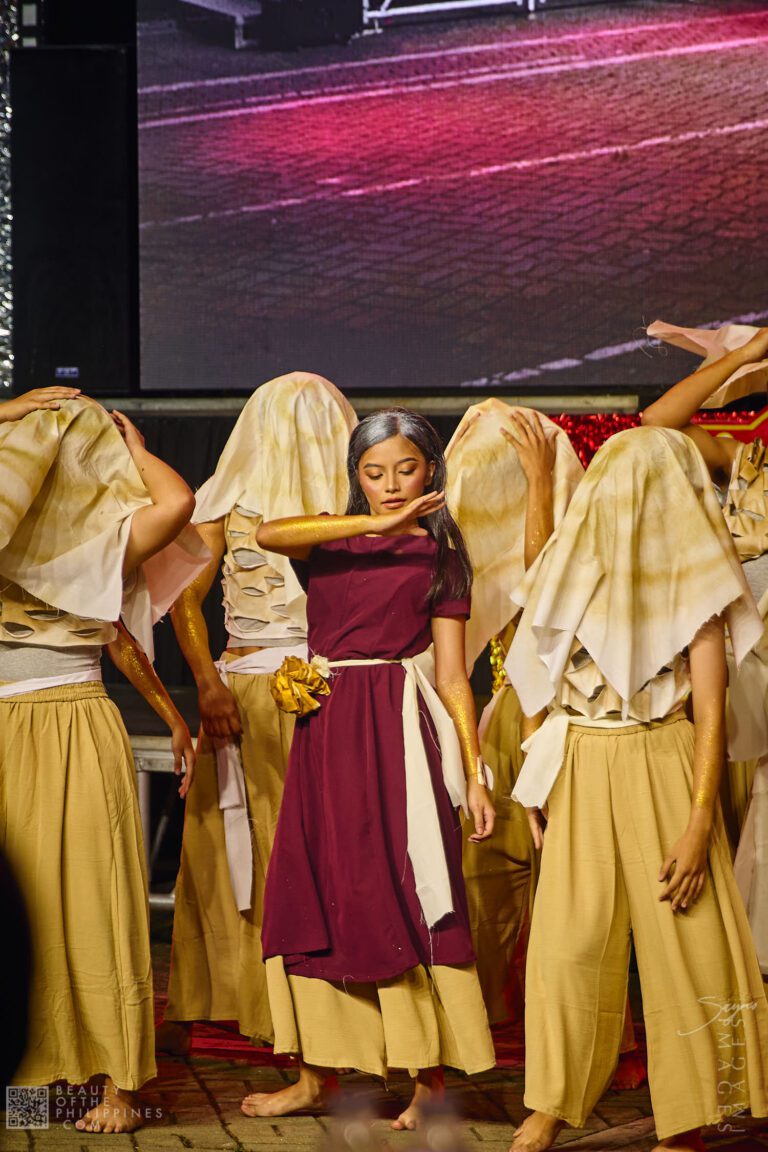
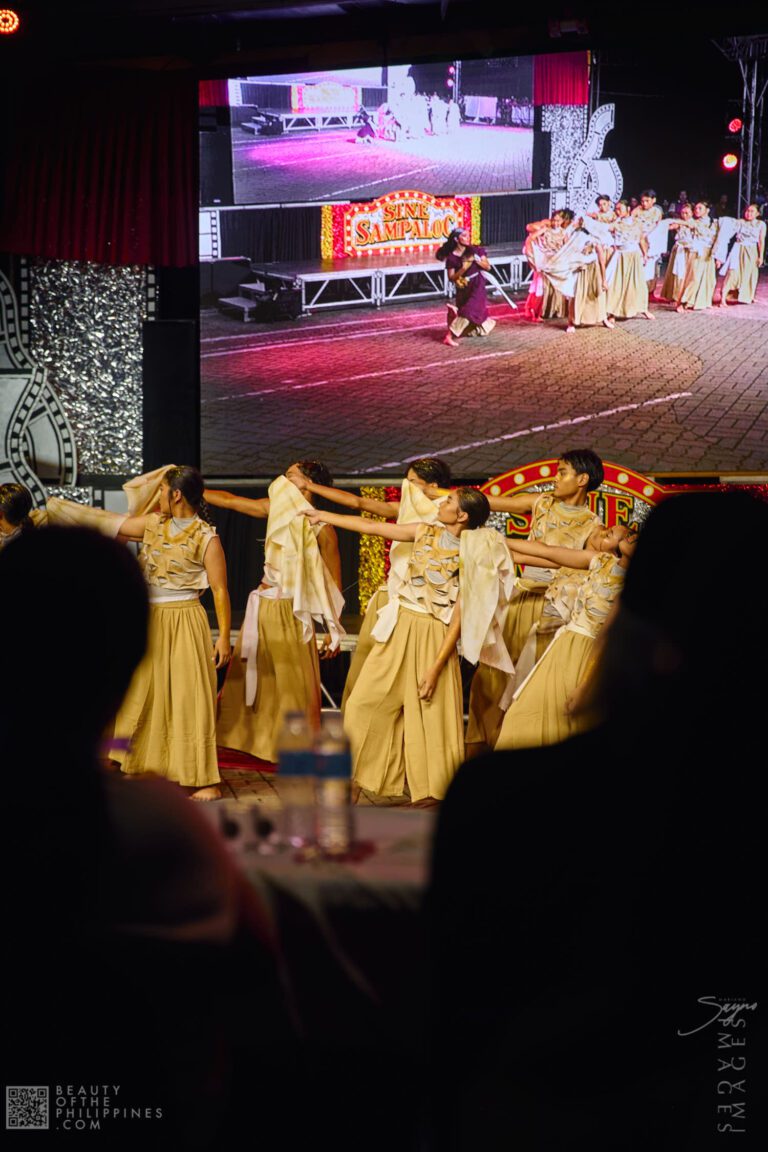
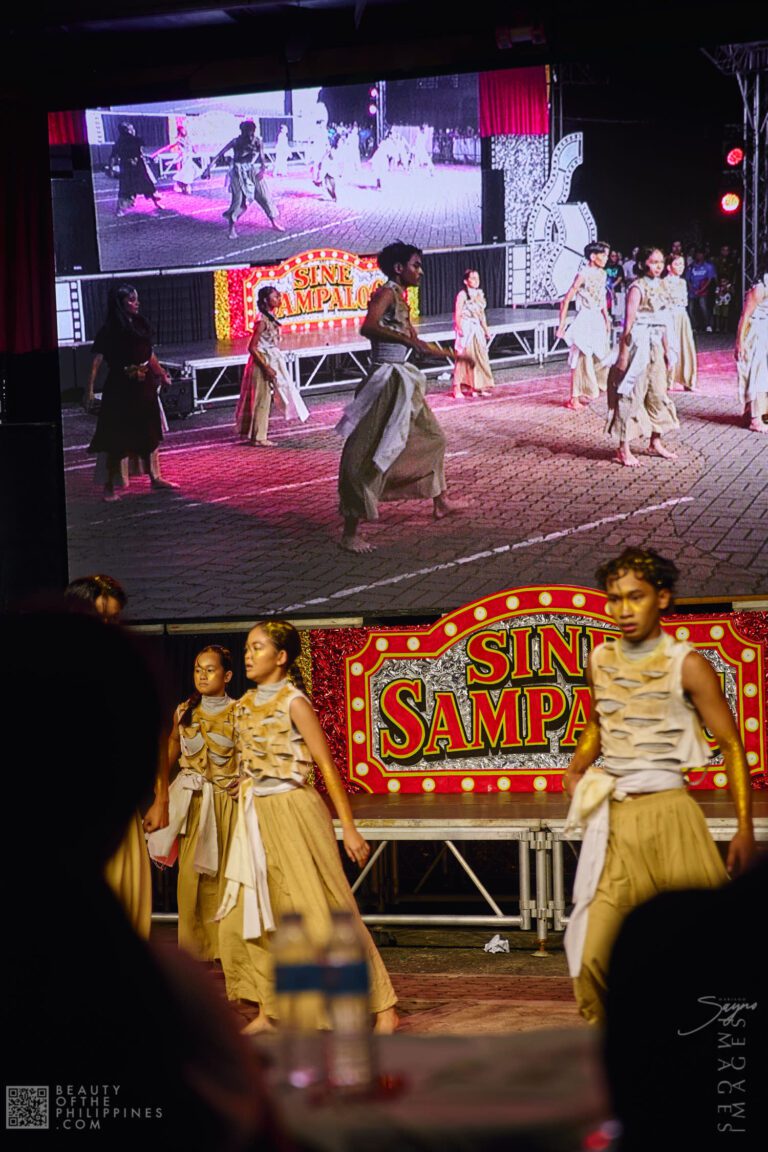
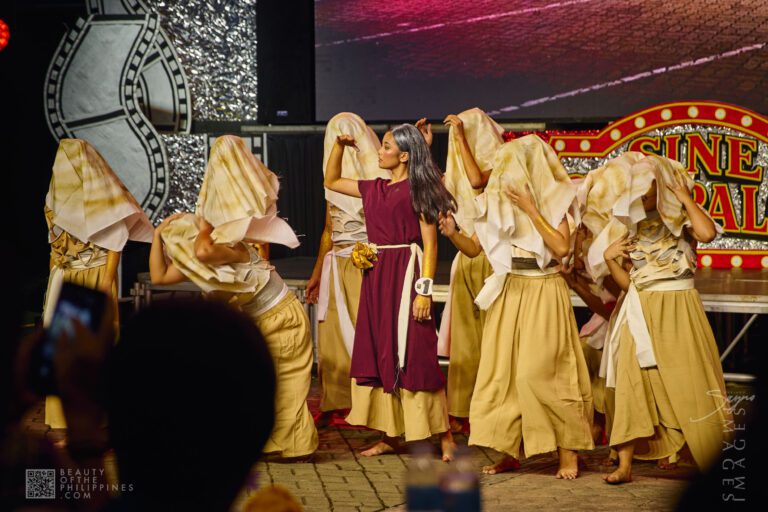
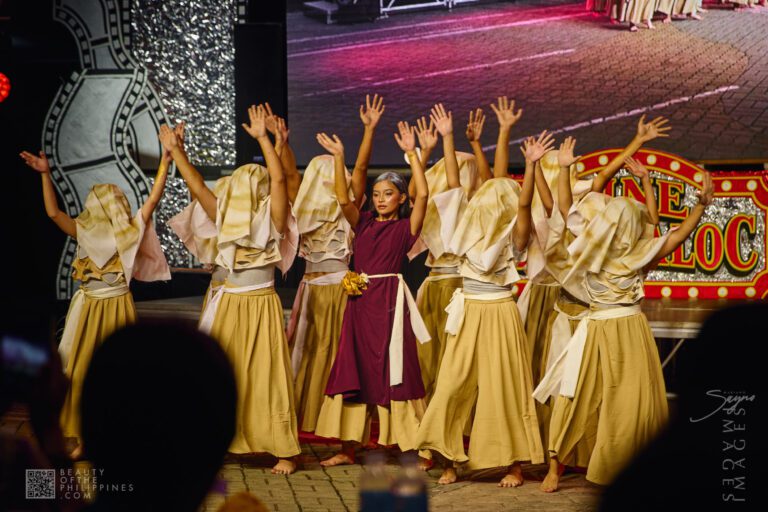
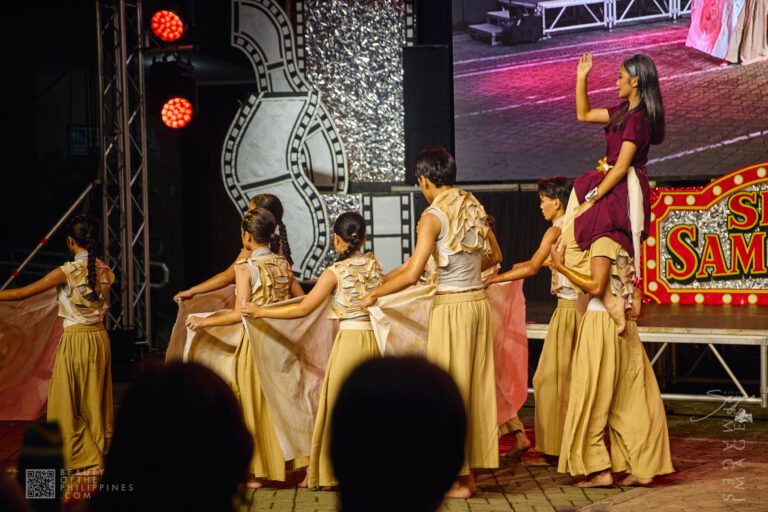
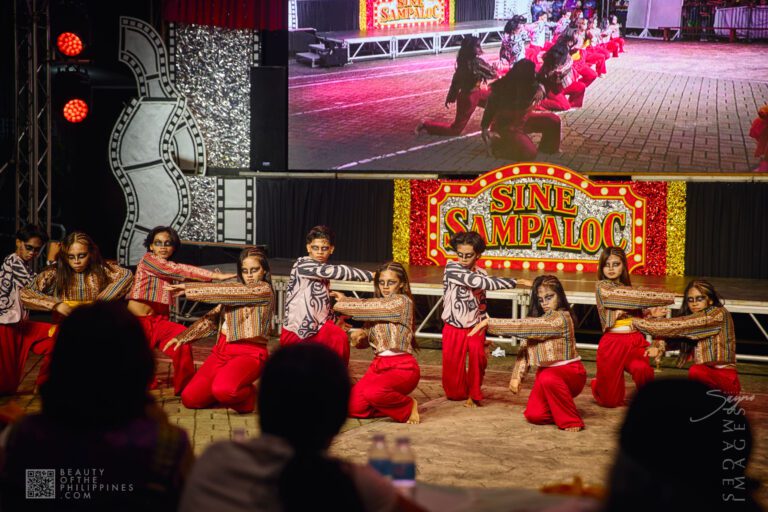
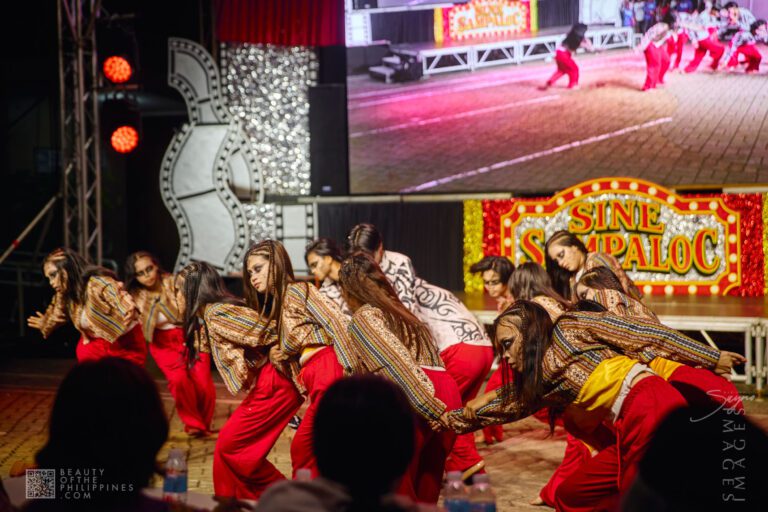
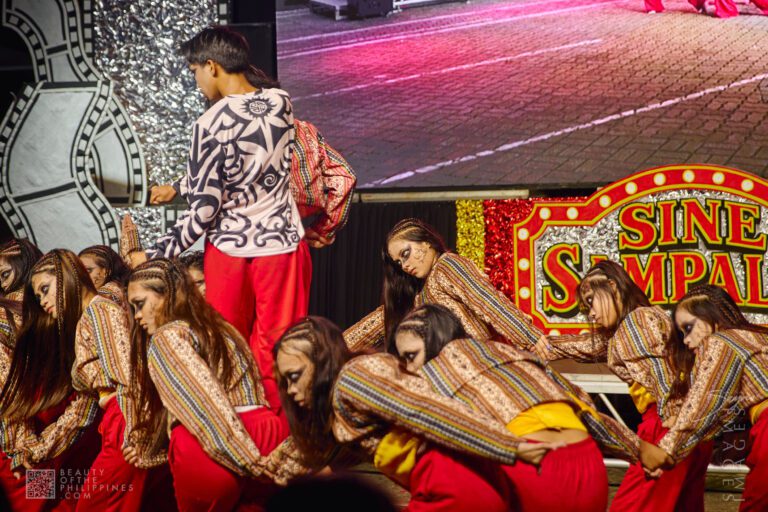
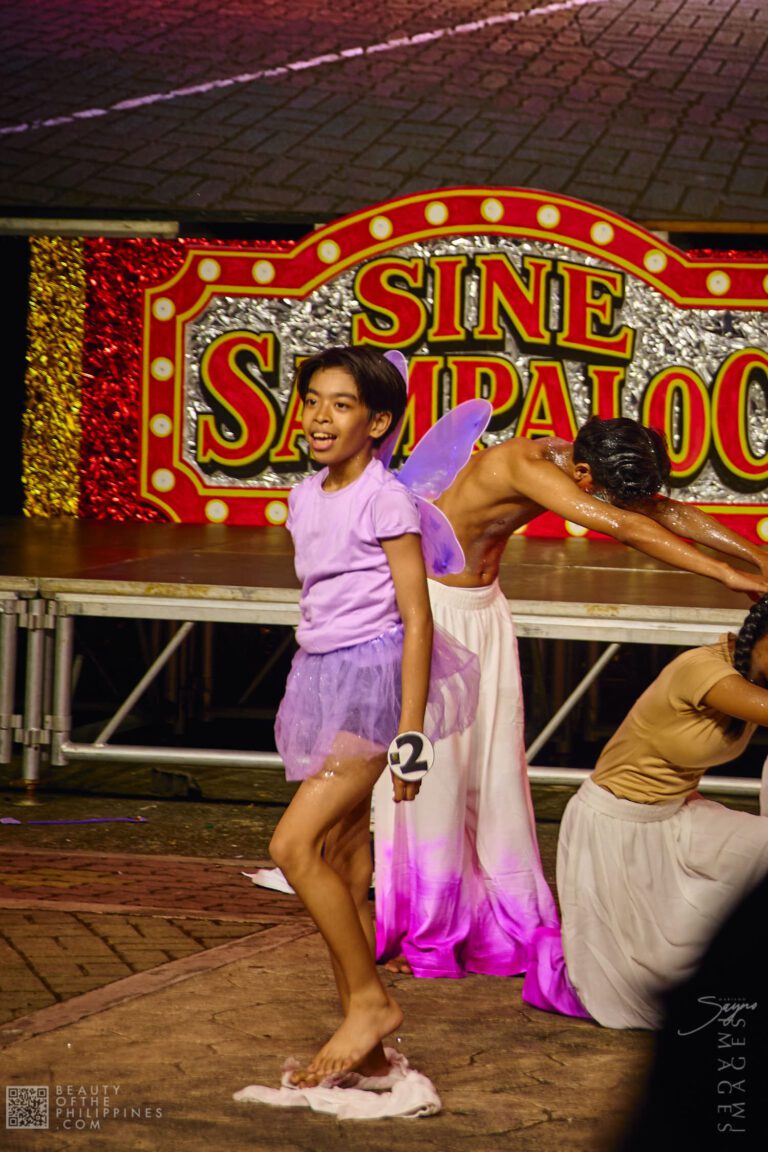
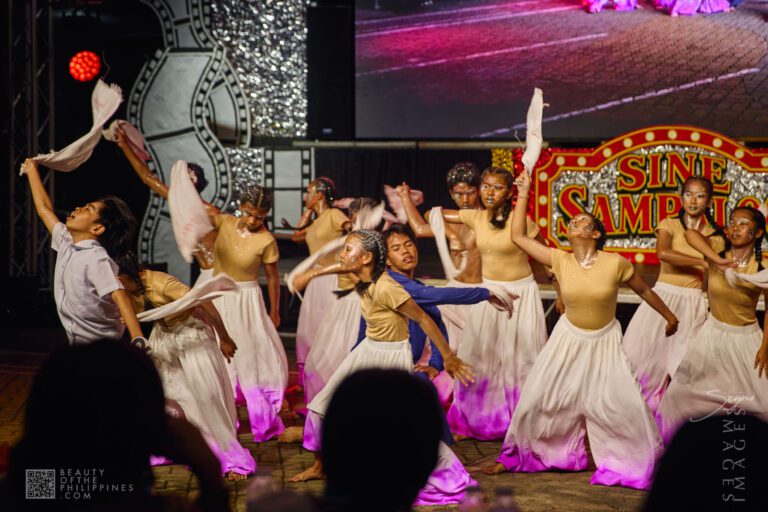
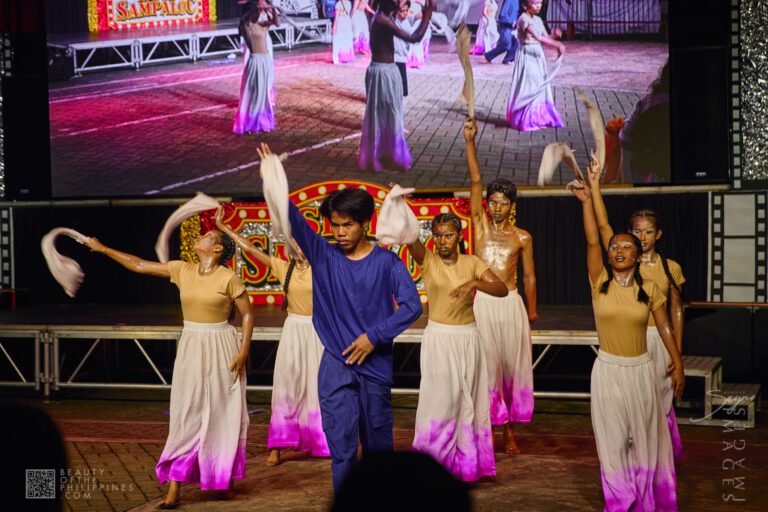
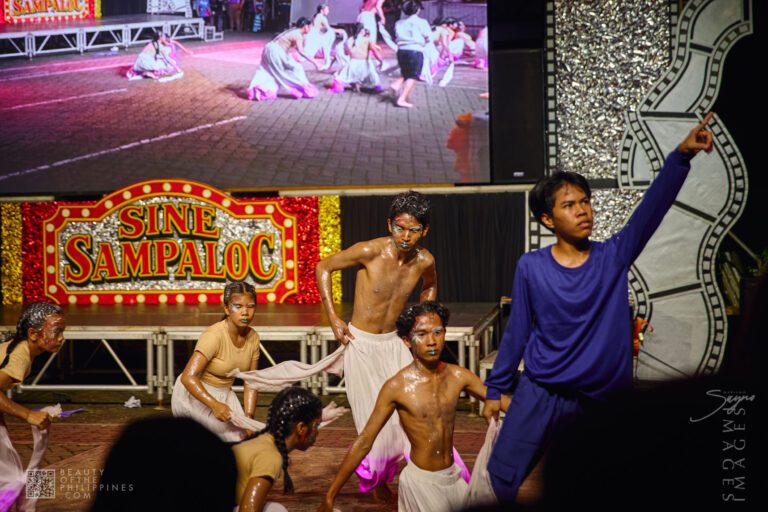
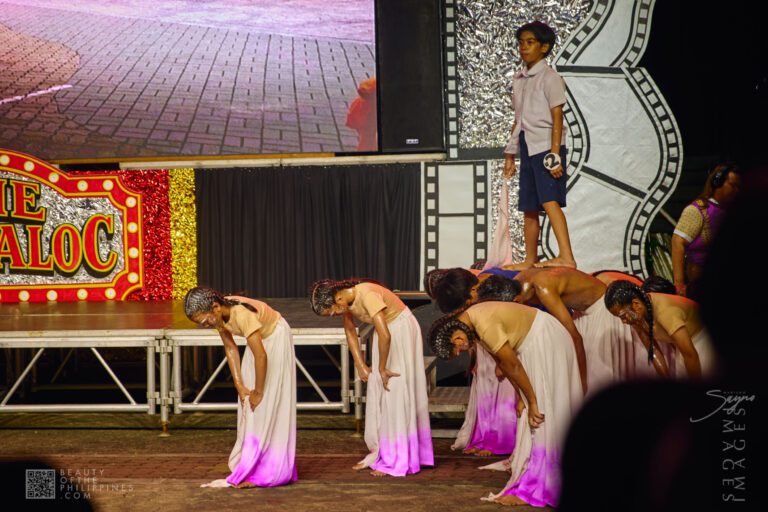
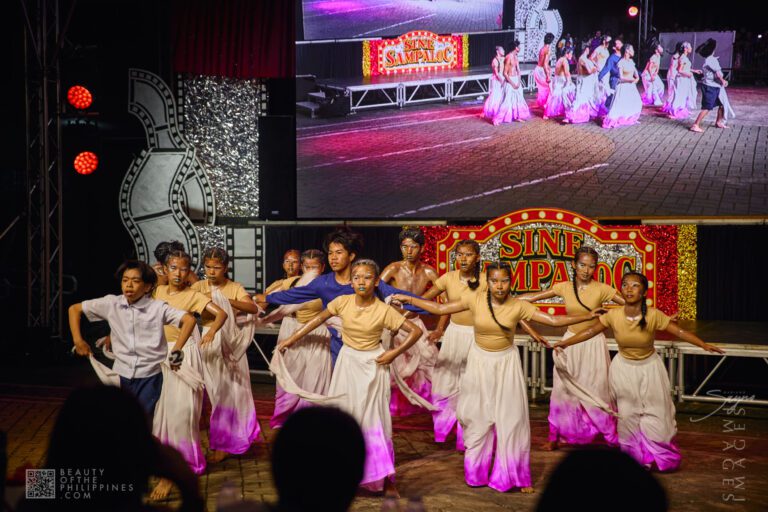
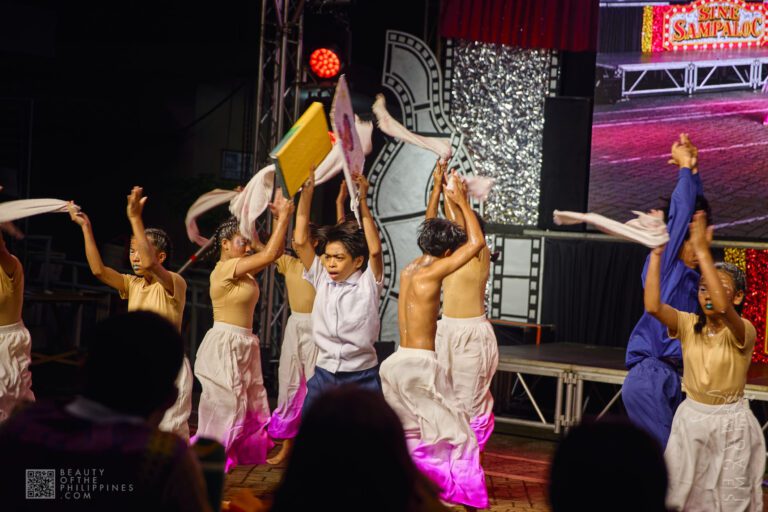
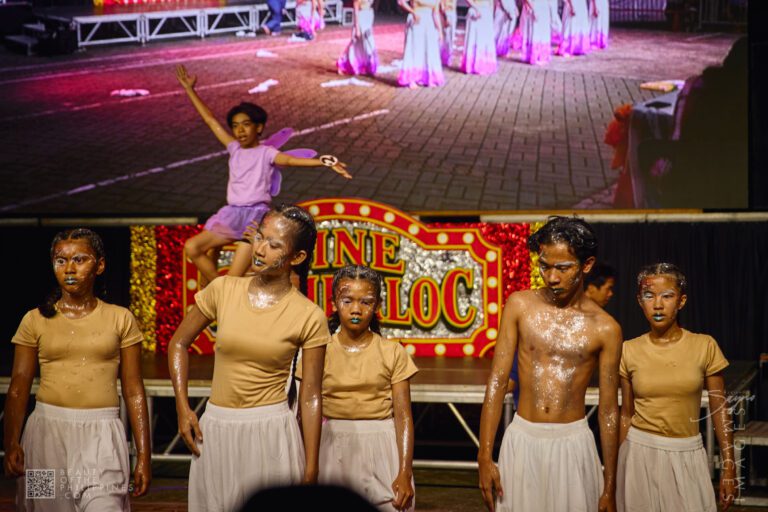
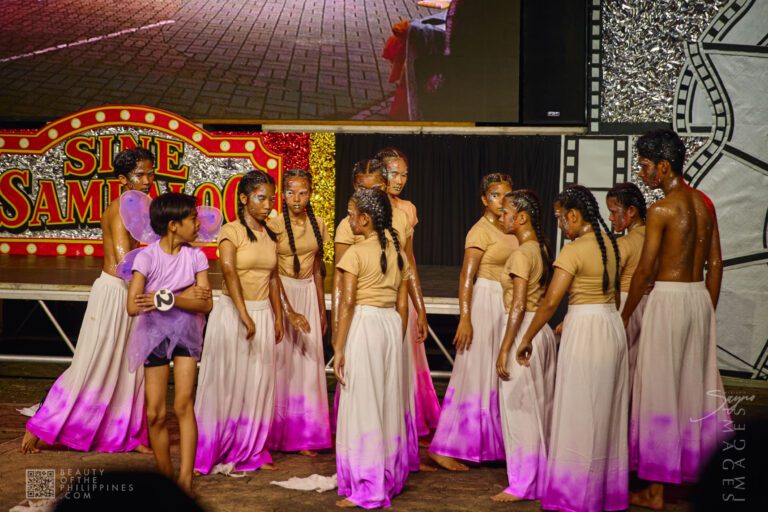
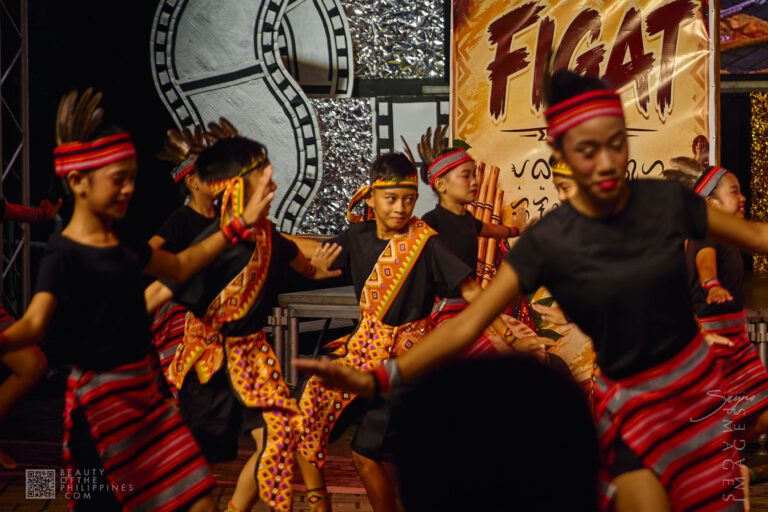
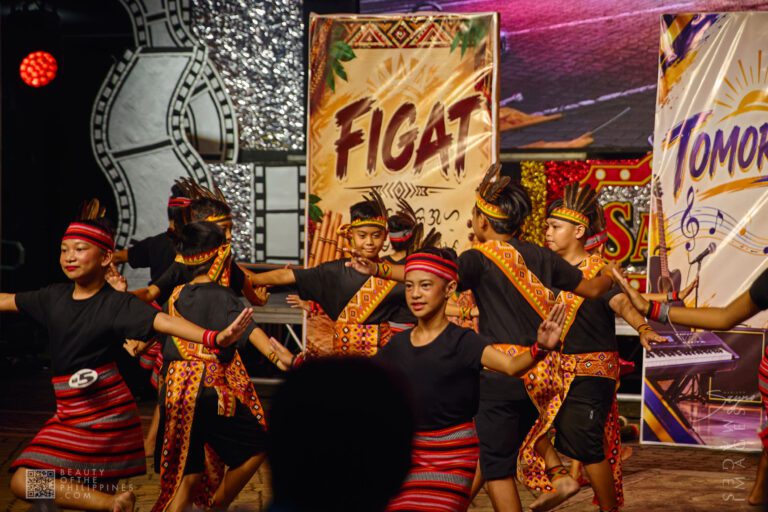
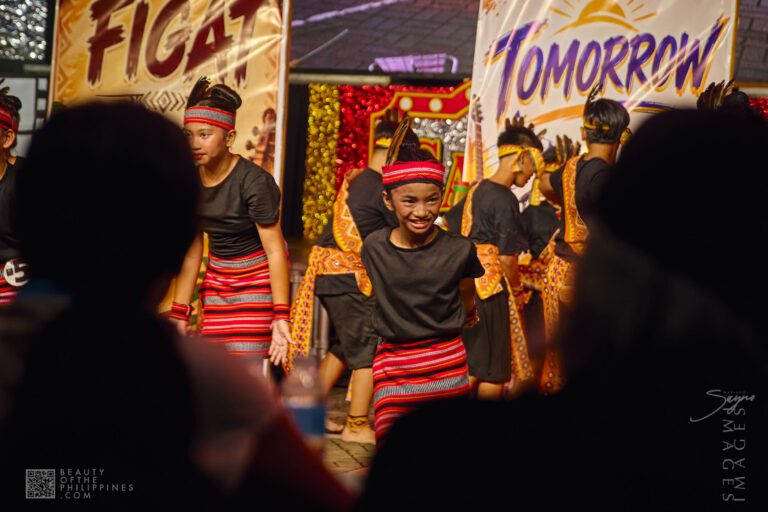
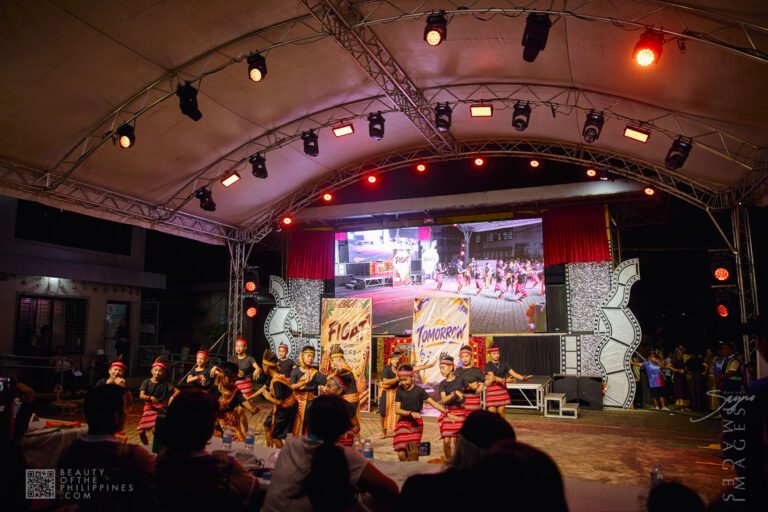
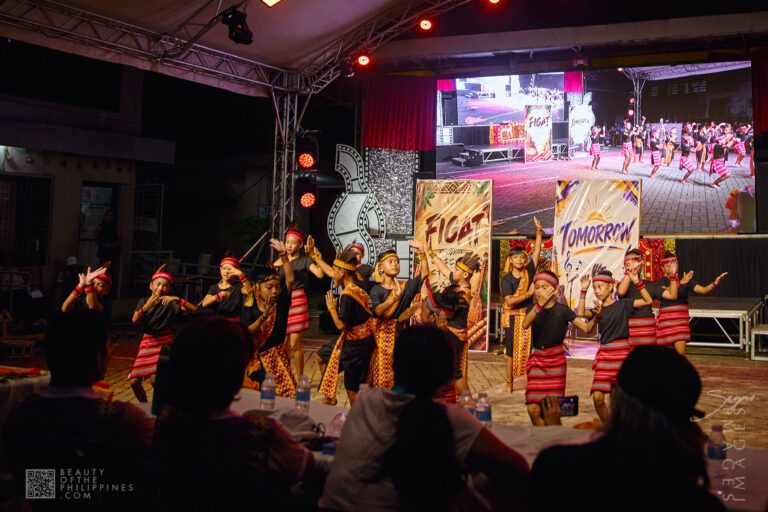
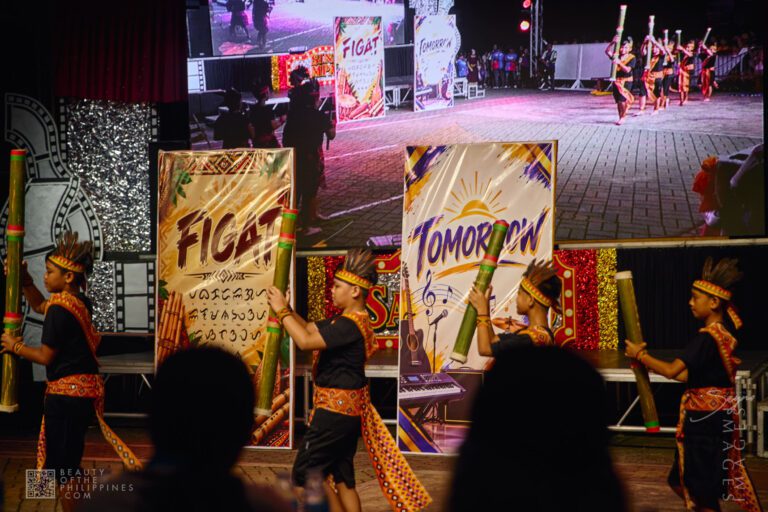
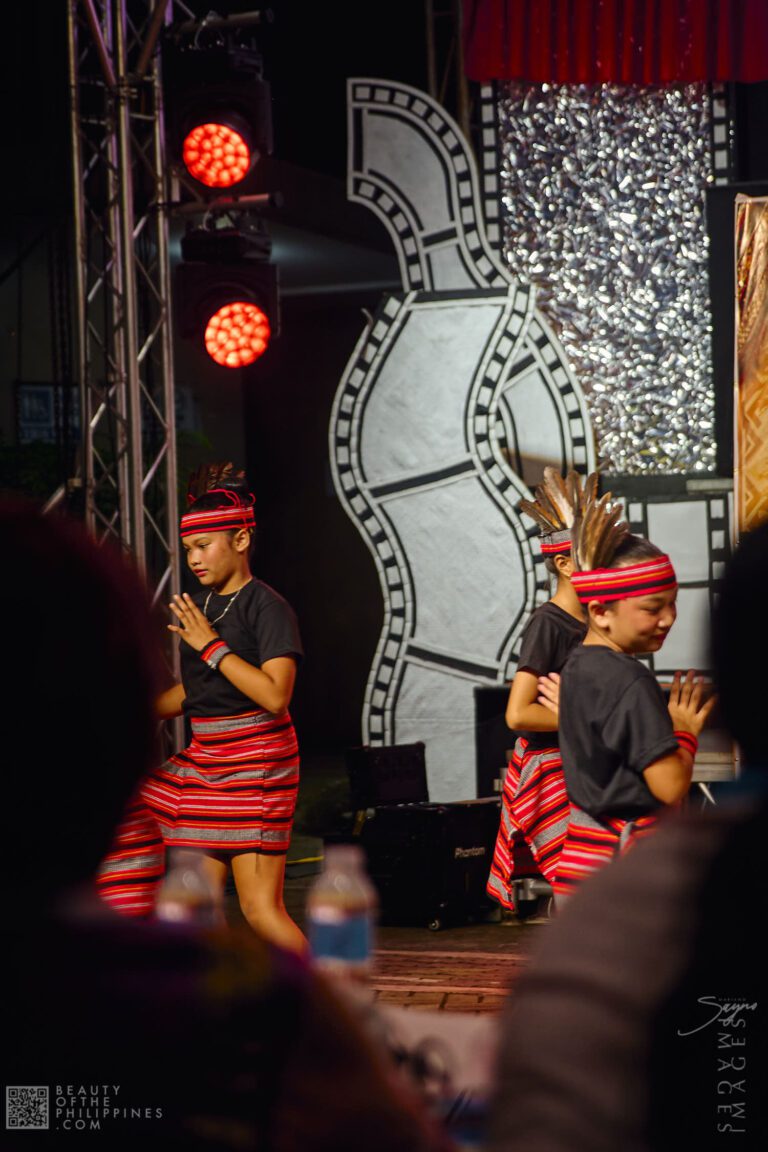
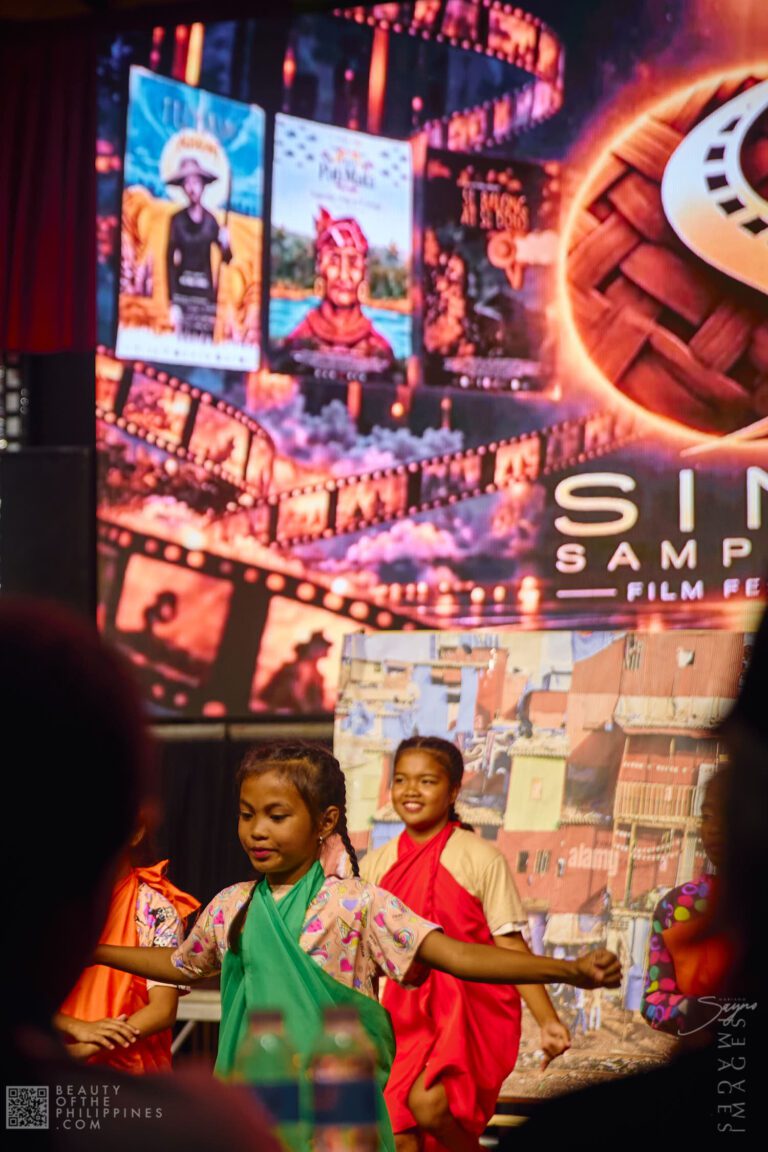
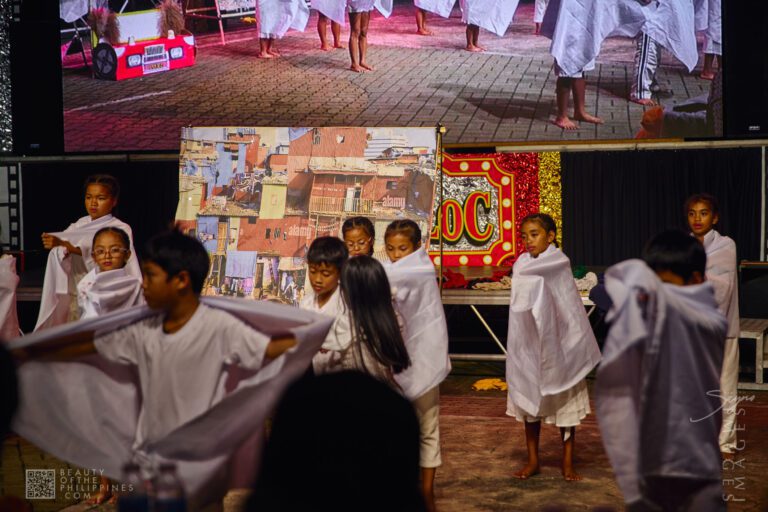
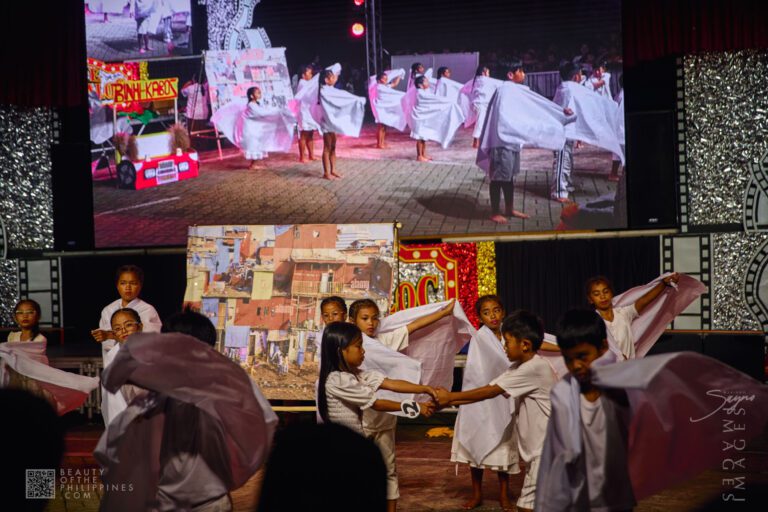
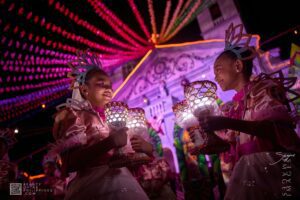
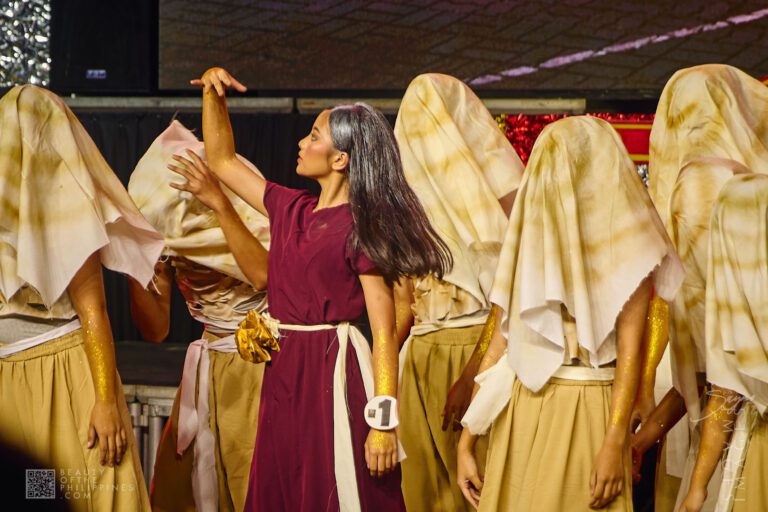
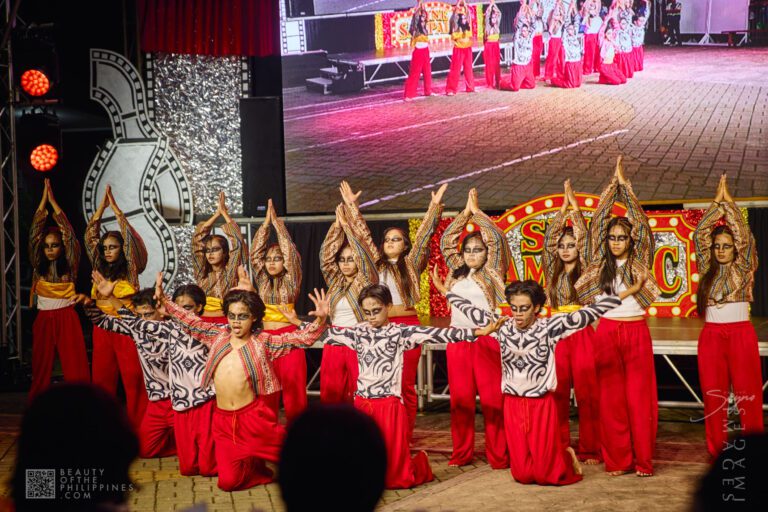
The strongest images from Sine Sampaloc Film Festival may not necessarily come from the film screenings themselves. In the interpretative-dance performances, the festival becomes something much more immediate: young performers taking over a public space, moving together through choreography while an audience watches from outside the stage. These moments reveal the community side of the festival clearly because the people in front of the camera are not simply spectators of cinema. They are participants in the cultural program.
The Second Sine Sampaloc Film Festival developed this broader approach by placing student creativity alongside film screenings. Its program included short reel films, interpretative dance, creative floats, storytelling and animation-related activities. The interpretative-dance competition was divided into Category A for primary school students and Category B for high school students, with Sampaloc Elementary School – Main documented among the participants.
That distinction matters when looking at the dance photographs. The performances are part of a film-centered festival, but they are also a youth activity in their own right. Movement becomes another language through which students can participate in storytelling and public cultural expression.
The dance component gives Sine Sampaloc a particularly human scale. Short films require cameras and editing, animation requires a different set of technical skills, and creative floats turn tricycles into moving visual displays. Interpretative dance places the students themselves at the center of the presentation.
That makes the performance especially relevant to the festival’s youth-development direction. The municipality has been working toward a continuing creative pipeline rather than treating the festival as a single annual entertainment program. Students who participated in earlier activities, including the animation workshop, were given opportunities to continue developing their skills. The municipality has also been working with the Department of Trade and Industry regarding production equipment for the local creative community.
The photographs of dancers therefore capture more than choreography. They show one of the ways a provincial cultural program is giving young residents a visible role in its development.
The character of Sine Sampaloc Film Festival becomes clearer when placed beside the first edition. The first festival was held from December 2025, at Sampaloc Municipal Park, with the Local Government of Sampaloc working with the Cinemalaya Foundation and the Cultural Center of the Philippines through the Lakbay Sine program. It featured film screenings and film-appreciation workshops for elementary and high-school students, with filmmakers including Zig Dulay and Lemuel Lorca conducting activities. Free evening screenings also brought together local residents and visitors from other parts of Quezon, including film enthusiasts who traveled from Atimonan.
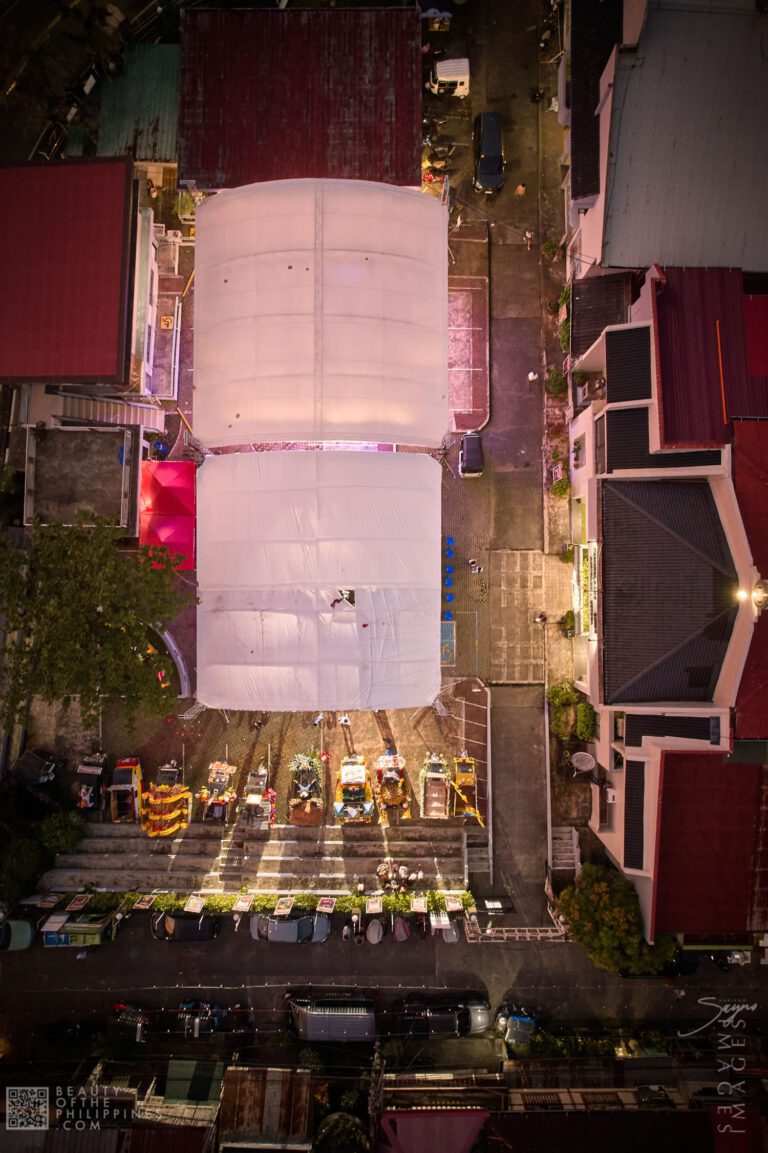
The municipal park was significant because it allowed cinema to enter a familiar public setting rather than requiring residents to travel to a major urban theater. The festival consequently became a community gathering as much as a cinema program.
The 2026 second edition continues that direction. The presence of interpretative dance, student filmmaking, creative floats, animation and storytelling means the festival has increasingly become a public space for making and performing, not simply watching.
Interpretative dance also changes how the festival can be photographed. Instead of focusing only on a screen, a film poster or a filmmaker, the camera can follow gestures, formations, expressions, costumes and the relationship between performers and spectators. The resulting images document a live community activity where students occupy a public cultural space.
This is particularly appropriate for Sampaloc, where the festival is developing alongside a wider effort to connect film with the municipality’s identity. The dance does not itself constitute film tourism, but it contributes to the environment that makes the festival culturally interesting to visitors. It shows that the municipality’s relationship with film is not limited to professional productions arriving from outside.
Local students are being given their own place within the story.


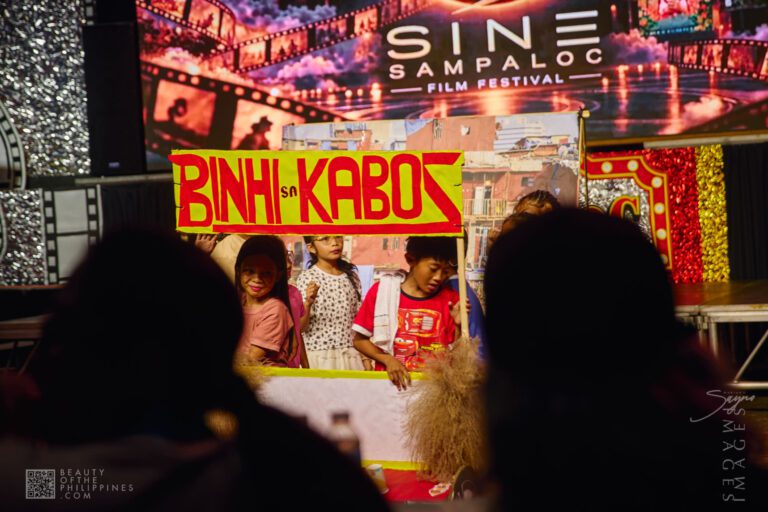
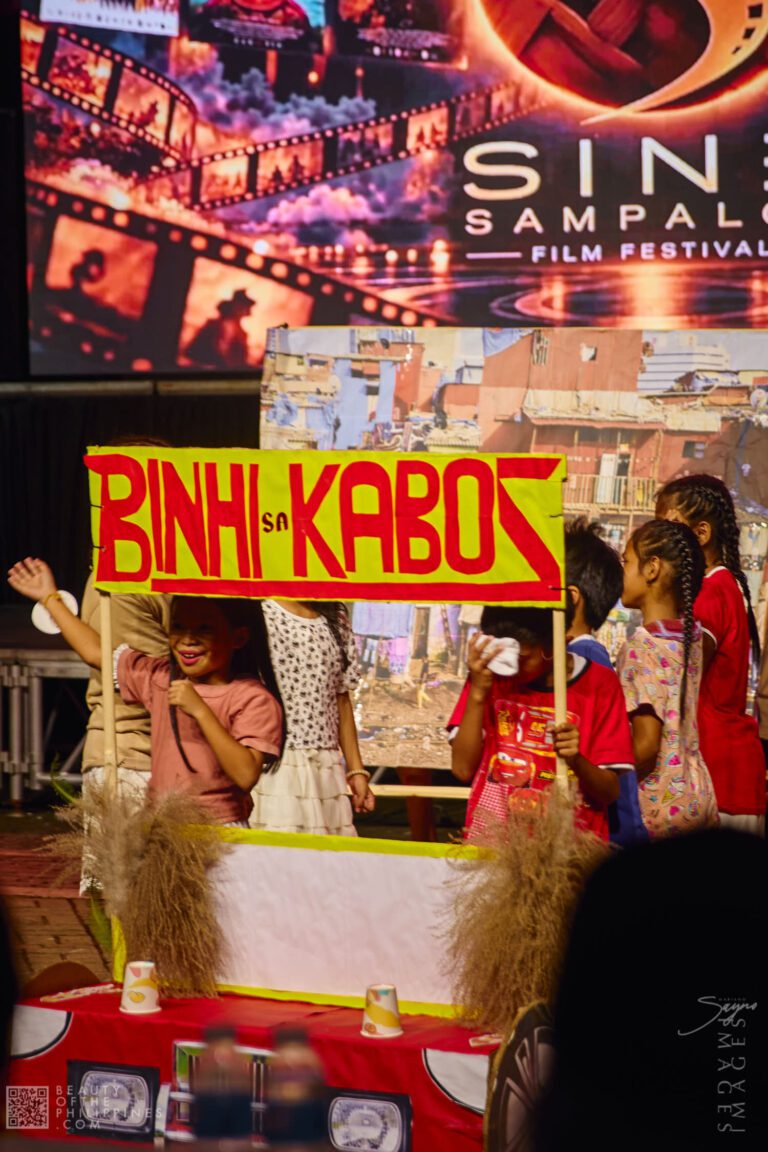
The interpretative-dance competition is only one part of a larger student-centered program. Short reel films provide students with a filmmaking format, while the creative float segment turns tricycles into moving artworks. Storytelling and animation activities expand the program into other forms of narrative and visual expression.
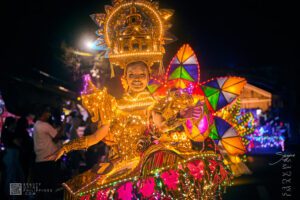
The creative floats are particularly fitting for a community festival because they take artistic work beyond a conventional stage. Their movement through public spaces gives residents another way to encounter the festival. Together with dance and student filmmaking, the floats show how Sine Sampaloc allows film culture to spill into different forms of community creativity.
For someone photographing the event, this variety also explains why the festival cannot be reduced to a conventional cinema program. Its visual story is made up of people, performances, moving displays, public spaces and the surrounding town.
The festival’s emergence is closely connected to Sampaloc’s growing relationship with filmmaking. Lav Diaz began shooting in the municipality in 2022 with Ang Kawalan ng Kawalan, followed by Phantosmia in 2023 and Magellan in 2024. Reporting has also noted that Diaz was working on another film set in Sampaloc.
Phantosmia became particularly associated with the town because approximately 99 percent of the film was shot there, and the four-hour film was featured on the final day of the first Sine Sampaloc Film Festival.
The connection between the filmmaker and the municipality has become more permanent than a temporary production visit. Reporting in 2026 described Lav Diaz as having based himself in Sampaloc, while his productions have also involved local residents as extras and crew members.
That local participation is important. Film production can involve a destination’s residents not only as an audience but as workers, suppliers, accommodation providers, artists and location partners.


The three-month filming of Magellan demonstrated some of the economic possibilities of production activity in Sampaloc. Houses that were normally unoccupied were used as temporary accommodations for production crews, local residents worked as extras, and local visual artists contributed to production design and set work.
For tourism, accommodation is an especially important part of this developing ecosystem. Reporting has described the opening of additional transient houses and training for their owners and caretakers, alongside resorts that can accommodate increased visitor demand.
These are practical elements behind a destination’s ability to host cultural visitors and film productions. They also demonstrate why the municipality’s film ambitions extend beyond scenery. A filming location requires people who can provide places to stay, local coordination, services, supplies and production assistance.
By the time of the second festival, Sampaloc had an existing film-location service capable of responding to production inquiries, coordinating with barangays, helping with location scouting, identifying suppliers and arranging transient accommodations. The municipality had also developed a film-location tour, allowing visitors to encounter places that can serve as references for future productions.
This changes the tourism potential of a film location. A river, rice field or old structure can first be useful to a filmmaker, but it can eventually become part of a visitor’s itinerary when the place is interpreted and made accessible as a destination experience.
The idea is especially relevant in Sampaloc, where film locations exist alongside nature, agriculture and heritage. A visitor who arrives because of the festival does not have to experience the municipality only through the event venue. The festival can become one point of entry into a wider landscape.


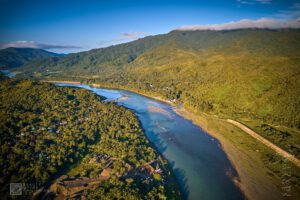
The landscapes associated with Sampaloc are part of the reason its film-tourism direction has gained attention. The municipality has freshwater rivers, waterfalls, rice fields, forested rolling hills, hanging wooden bridges and historic structures. The Philippine Daily Inquirer specifically identified these features as potential countryside film locations and reported on the town’s developing film-tourism direction.
The municipality’s planning documents also identify natural attractions including Asedillo Falls, Caldong Falls, Hangga Falls, Buho Falls, Pugto-pugto Falls, Malaog Cave, Tangob Cave and Magdalena Cave. Malaog Cave, in Barangay Apasan, is described in municipal planning material as an underground river with tourism potential.
These places provide another layer to the visitor experience. The festival may put young dancers and films in front of an audience, but outside the program, the surrounding municipality offers rivers, waterfalls, caves, agricultural landscapes and other outdoor experiences.
The visual character of Sampaloc is also closely tied to agriculture. Municipal planning material identifies coconut and copra production as a major land use, with rice and other crops contributing to the agricultural economy. It also records other local products and activities connected with farming and small-scale production.
This agricultural setting is relevant to film tourism because the countryside itself becomes part of the destination image. Rice fields, coconut areas, hills and rural roads provide the kind of environment associated with the productions that have been filmed in the municipality.
The town’s agricultural identity also gives visitors context beyond the festival. A place does not become a destination only through a single attraction; its everyday landscapes, products and community activities help define what travelers encounter when they arrive.


Another part of the local tourism story comes from handicrafts. Sampaloc is known for buri bags, hats and other handicrafts, while municipal planning documents identify buri production and weaving among local home industries alongside food products and woodwork.
The annual Bulihan Festival also showcases native products and local culture. The combination of handicrafts, agriculture, festivals and community arts provides an important backdrop to Sine Sampaloc because the film festival is entering a municipality that already has traditions of public cultural participation and local production.
The dancers therefore appear within a wider cultural landscape. Their performance is contemporary and festival-based, while the town around them carries older patterns of craft, agriculture, community celebration and local enterprise.


The connection with the Cultural Center of the Philippines and Lakbay Sine gives Sine Sampaloc a wider cultural dimension. The first festival brought films that provincial audiences might otherwise have had fewer opportunities to encounter locally. Cinemalaya festival director Chris Millado described the initiative as a way of bringing films that had previously been more accessible in Metro Manila to provincial audiences, particularly young students.
The connection continued with the second festival. Films brought through the Cultural Center of the Philippines included Coding Si Papa, whose actors Ariel Perino and child actor Zed Xyrus Martin visited Sampaloc. For Zed Xyrus Martin, it was his first experience seeing his film shown in a community setting outside a cinema.
That exchange is significant because it places a smaller Quezon municipality within a broader Philippine film network while still allowing the local community to shape the festival’s program.


RELATED STORIES


Every May 15, the charming town of Lucban, Quezon bursts into a dazzling display of colors, artistry, and cultural pride as it celebrates the Pahiyas



Pulong Pasig Sandbar, situated in the pristine coastal waters of Calauag, Quezon, is a breathtaking sandbar that emerges and disappears with the tides, offering an


When most travelers picture the Moriones Festival, it’s the streets of Marinduque that come to mind. Yet the Bondoc Peninsula in Quezon Province has its


Standing quietly at the center of town, Mulanay Church feels less like a monument and more like a steady presence. I noticed how time moves


One of the more interesting aspects of Sampaloc’s film story is that residents are not merely watching productions arrive. Local people have participated as extras and crew members, while artists, accommodation providers and other community members have become part of the production environment.
The municipality’s experience with Magellan demonstrated how production spending can circulate locally. The goal described by municipal officials is not to turn Sampaloc into the country’s largest film-location center, but to create opportunities through production services, local employment and creative skills.
This makes the student performances particularly relevant. The dancers represent an earlier stage of that same local creative ecosystem: young residents being given opportunities to develop and publicly express creative abilities.


The growth of Sine Sampaloc is also taking place within a formal tourism-development framework. The municipal government’s development framework identifies tourism potential connected with nature, outdoor recreation, agriculture, culture and other local resources.
The broader direction emphasizes sustainable tourism, employment opportunities, nature- and environment-friendly tourism development, and the development of Sampaloc as an agro-ecotourism destination. This gives the film festival a useful context: its tourism potential is developing alongside an existing municipal effort rather than appearing as an isolated cultural project.
For visitors, that distinction matters. The festival can introduce people to Sampaloc, but the destination has to offer reasons to stay, explore and return.


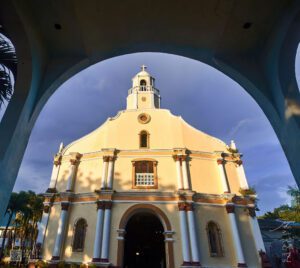
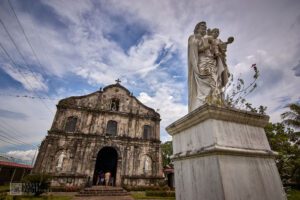
A visit connected to Sine Sampaloc can potentially extend into several parts of the municipality. Nature offers rivers, waterfalls, caves, hills and agricultural scenery. Culture can be encountered through buri handicrafts, local traditions and community festivals. Heritage resources include structures such as San Vicente Ferrer Parish Church, identified in reporting about the town’s tourism and film landscape.
There are also practical tourism services. Municipal records document environmental fees and tour-guide services for destinations including Malaog Cave, Hangga Falls and Asedillo Falls, showing that some natural attractions already operate within a managed tourism framework.
I’m looking forward to the stories and images leaving a lasting positive impression on you, just as they have on me. Stay connected with us on social media for a weekly exploration of travel assignments and breathtaking visuals. Our focus is on championing local tourism, showcasing small businesses, and honoring the magnificence of the Philippines through the content we curate. Join us in spreading the word by clicking the ‘share’ buttons below. Your support means the world to us.
EXPLORE MORE about


Located in the heart of Dolores, Quezon, the Hambujan Festival is a vibrant celebration that embodies the town’s rich heritage and deep connection with nature.


Right in the heart of Lucban, Quezon, you’ll find the San Luis Obispo de Tolosa Parish Church, more commonly known as Lucban Church. This centuries-old


This Christmas, Dolores shone as the creative heart of Quezon province. Paskotitap 2025 transformed the town into a radiant celebration of lights, movement, and storytelling—where


Gunao Lake, located in the charming town of Dolores in Quezon Province, remains a hidden treasure waiting to be discovered by adventurers seeking natural wonders.


Every May 15, the charming town of Lucban, Quezon bursts into a dazzling display of colors, artistry, and cultural pride as it celebrates the Pahiyas

Within Tayabas City, a place more frequently identified by the commanding Minor Basilica of Saint Michael the Archangel, the lively Mayohan Festival, ancestral houses, and


Standing quietly at the center of town, Mulanay Church feels less like a monument and more like a steady presence. I noticed how time moves


Quezon Zigzag Road, or Bitukang Manok, was constructed in 1969 during President Ferdinand Marcos’ administration. Engineers faced the challenge of traversing the rugged slopes of


This celebration of the “Candle Festival” takes place from the 31st of January to the 2nd of February each year and is held in order


In General Luna, Quezon, Holy Week is far from ordinary. The town’s quiet streets transform into a tapestry of devotion and local artistry through the


A Familiar Figure Along the Road The Sirena ng Atimonan stands along the Pan-Philippine Highway, right by the shores of Lamon Bay in Barangay Angeles,


Along the Edge of Lamon Bay I first approached Atimonan Port with the sea on one side and the steady traffic of the Maharlika Highway


Located in the town of San Narciso, Quezon Province, San Narciso Beach — or Talisay Beach as locals call it — stretches along the Philippine


Tucked along the Dumacaa River in Tayabas City, Malagonlong Bridge — or Puente de Malagonlong — is one of the Philippines’ oldest and longest stone


For travelers exploring Quezon Province, few festivals rival the energy and creativity of the Boling-Boling Festival in Catanauan. Celebrated in the days leading up to


When people talk about ports in Quezon Province, the bigger and busier ones usually come to mind first. But further south, along the Bondoc Peninsula,


The Sine Sampaloc Film Festival becomes particularly vivid when the program leaves the formal screening space and reaches the roads of Sampaloc, Quezon. Among the


At the heart of San Narciso town in Quezon, a modest but profoundly significant landmark rises — the San Narciso Church, officially named St. Joseph


Every May 15, the charming town of Lucban, Quezon, bursts into a kaleidoscope of colors, music, and movement for the Pahiyas Festival, a grand celebration

Finding A&J Cafe at J.P. Rizal Street corner E. Caparros Street in Barangay Pipisik, the space immediately communicates calm. Minimalist design, warm lighting, and an


The Candle Festival in Candelaria, Quezon, held from January 31 to February 5, 2026, celebrates devotion to Nuestra Señora de la Candelaria while highlighting community


Along Quezon Province’s eastern seaboard, Lamon Bay unfolds as a living tapestry of sea, sand, and human stories. Unlike the more visited Pacific-facing beaches of


The first impression of Agos River in Barangay Banugao, Infanta, Quezon can be deceptively quiet. Early light settles over the water, the river current keeps


When most travelers picture the Moriones Festival, it’s the streets of Marinduque that come to mind. Yet the Bondoc Peninsula in Quezon Province has its


Hondagua is a barangay in the Municipality of Lopez, within Quezon Province, part of Region IV-A (CALABARZON) on Luzon island, Philippines. It lies directly along


When you wander into the vibrant town of Lucban, Quezon, you can’t miss the aroma that defines its identity — the unmistakable, bold scent of


Every August, Quezon Province bursts with color, rhythm, and tradition as the Niyogyugan Festival takes over Lucena City. More than just a tribute to coconuts,


Beneath the Agos River Bridge in Barangay Banugao, the river takes on a different character in the early morning. The first light reaches the water,


Every time I walk toward Siain Port, the first thing that hits me is the line of the pier itself—long, straight, and stretching into Lamon


Every Holy Week, from Palm Sunday to Good Friday, the town of General Luna in Quezon transforms into a living stage of devotion and culture.


Traveling along the Maharlika Highway in the heart of Sariaya, Quezon Province, you can’t help but notice the quiet elegance of Sariaya Church. Known formally


The first impression of the Infanta Old Church Ruins is less about scale than texture. What remains is a fragment of masonry rather than a


Pulong Pasig Sandbar, situated in the pristine coastal waters of Calauag, Quezon, is a breathtaking sandbar that emerges and disappears with the tides, offering an

BROWSE BY CATEGORIES
BROWSE BY PROVINCE