BROWSE BY PROVINCE

Infanta, Quezon Province
Agos River
A Working Landscape of Water, Food and Community in Infanta
Share
Tweet
Email
EXPLORE Agos River

PUBLISHED September 18, 2026

PHOTOS | WORDS BY MARIANO SAYNO

  • Infanta, Quezon Province
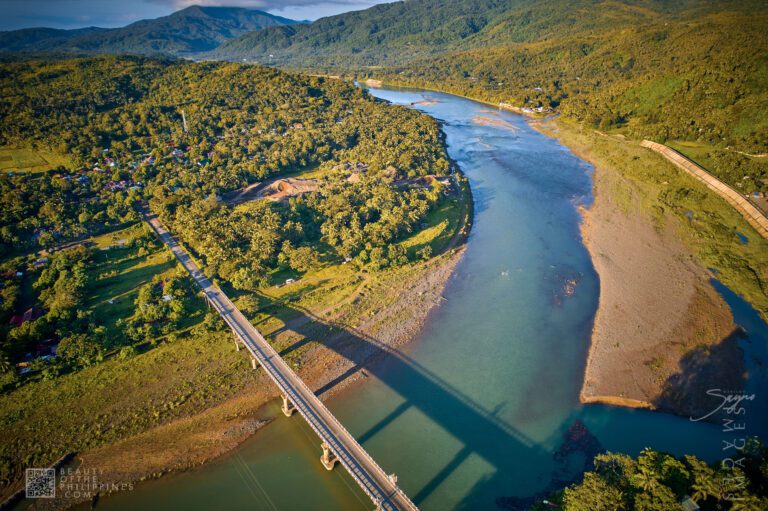
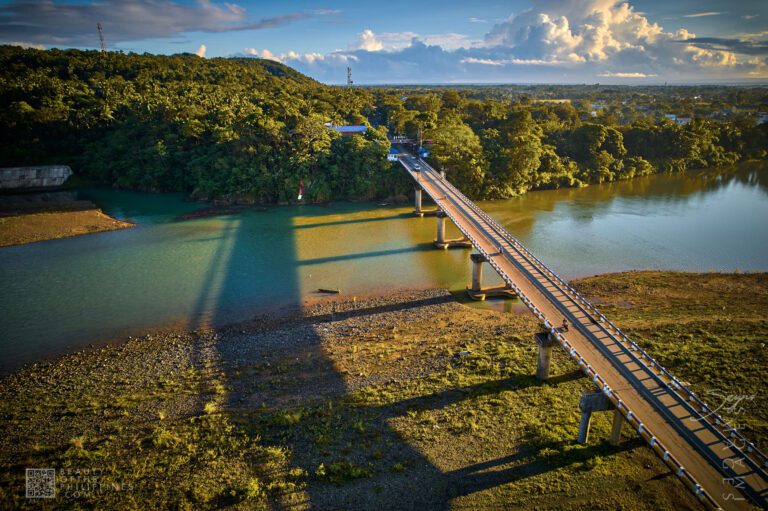
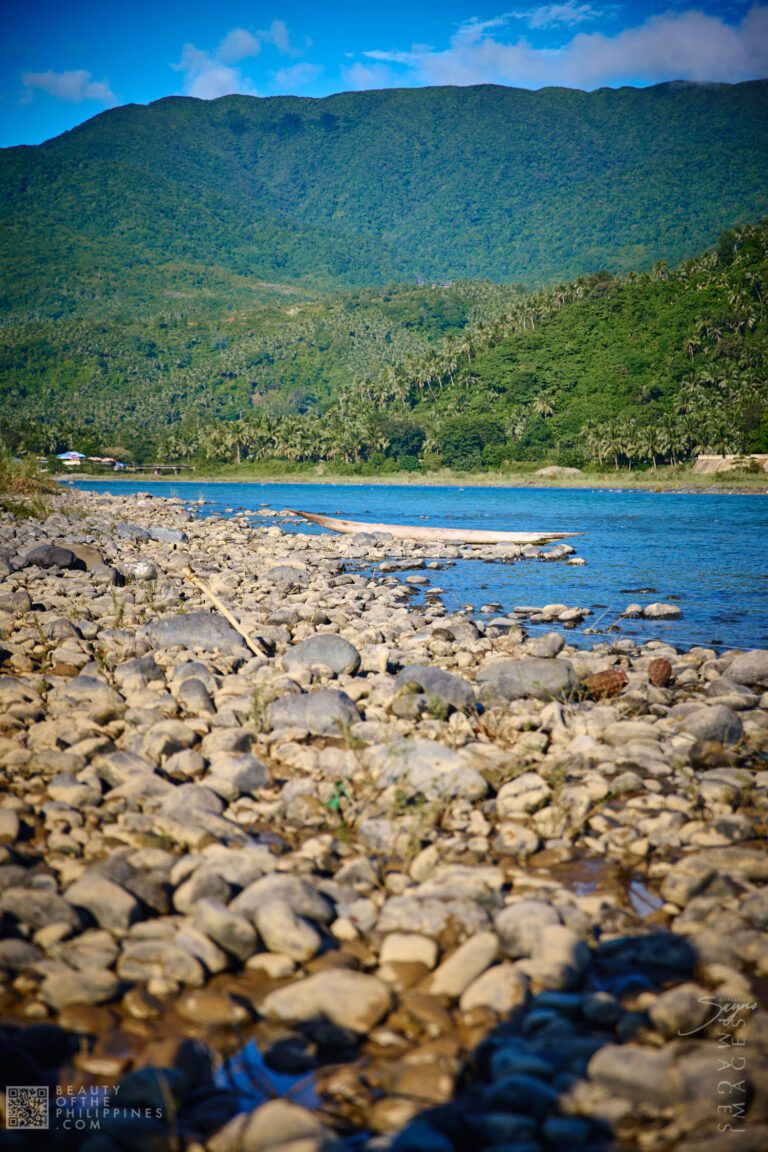
At the edge of Barangay Banugao in Infanta, Quezon, the early morning view of the Agos River can appear quiet at first, with boats beginning their movement as light reaches the water and birds become audible along the riverbanks. Yet the scene represents far more than a scenic stretch of water. The river has long been connected to transportation, fishing, agriculture and irrigation, helping shape the landscape and daily activities of communities in the lower Agos basin. Traditional fishing practices such as pagtatain also connect the river to local food and knowledge, while the practice has become part of the community-based HAYINfanta Guided Tour.
Explore the Philippines through my lens as we venture into Agos River with Point of View (POV) photography. Using a body cam, I’ll guide you on an interactive tour, revealing the behind-the-scenes of capturing the shots shared here. Let’s dive into this visual journey together and uncover the wonders through my lens!
Let’s explore the PHILIPPINES through my lens as we journey on a photo slideshow to Agos River. Join me in this visual adventure and discover the wonders captured through my lens! Check out the shared slideshow here.

A Morning View Into a Much Larger River Story

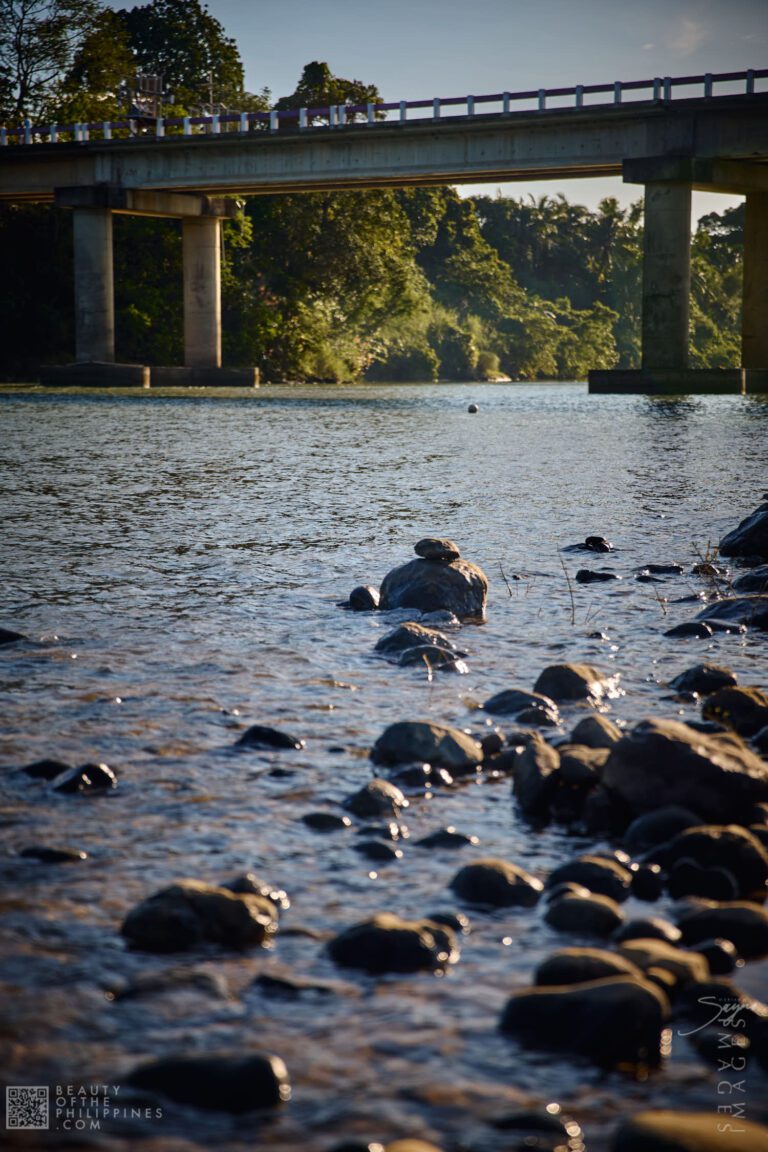
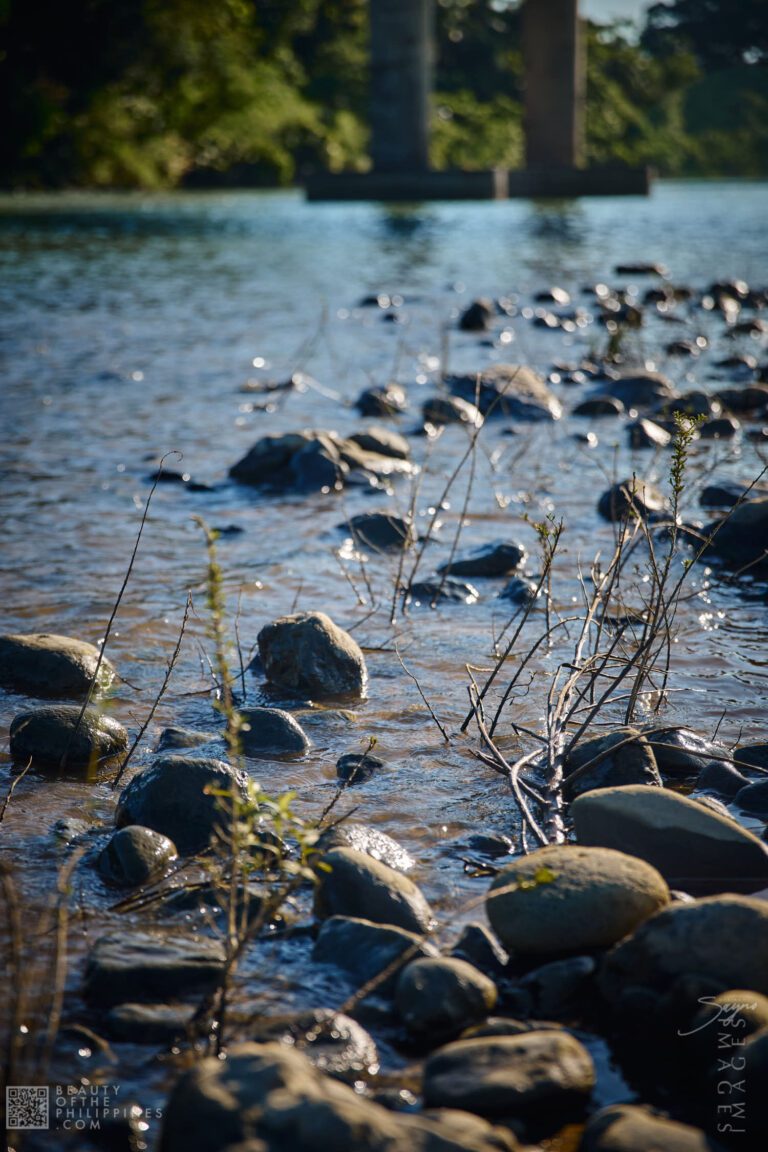
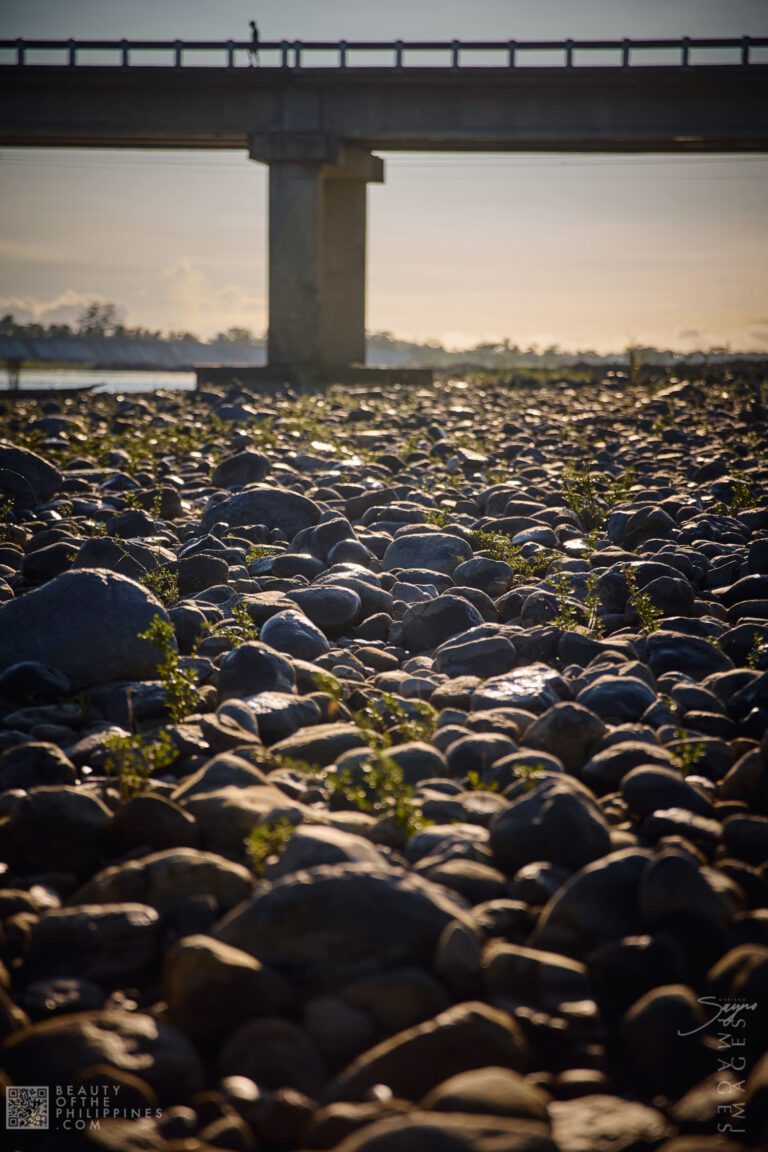
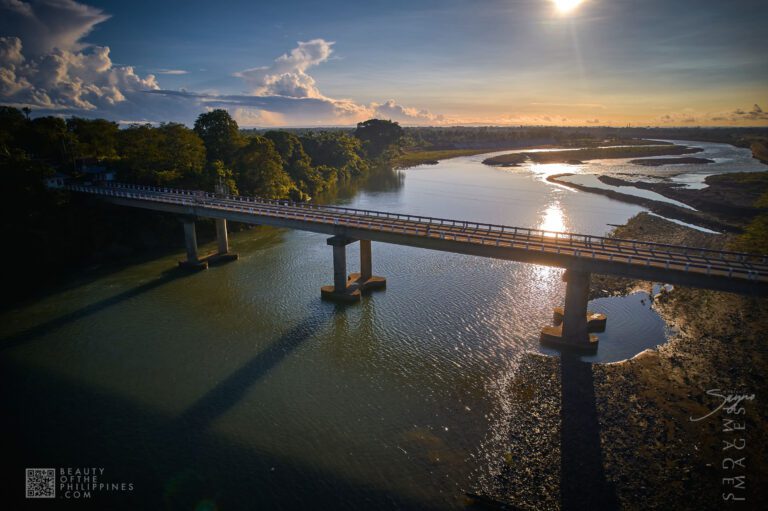
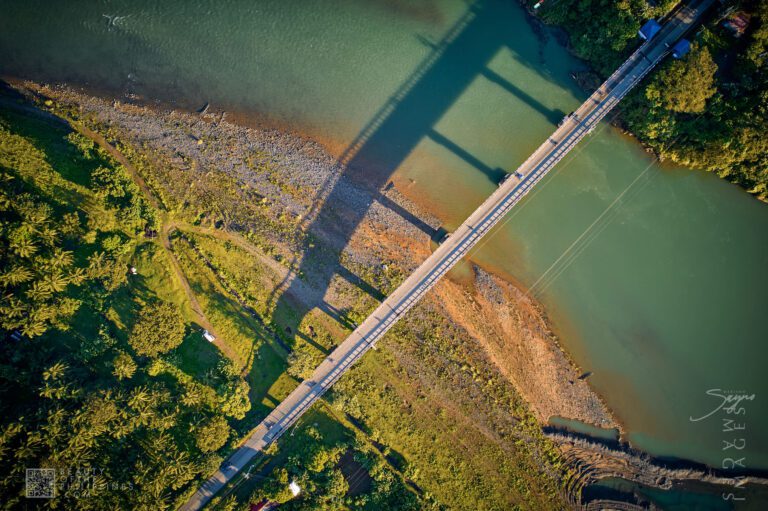
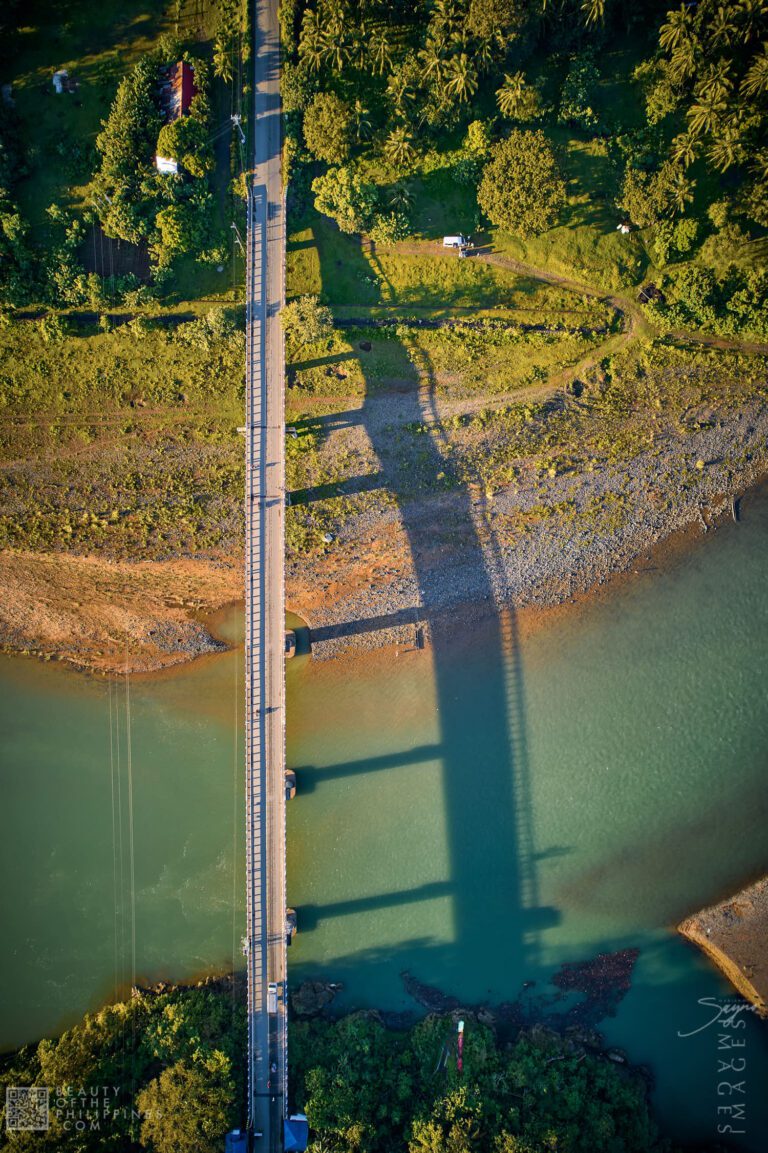
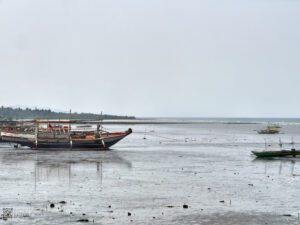
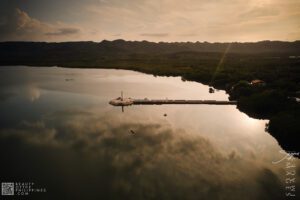
Beneath the Agos River Bridge in Barangay Banugao, the river takes on a different character in the early morning. The first light reaches the water, boats begin moving, and the sounds of the river and birds gradually become part of the surroundings. It is an ordinary scene in a community shaped by the water, but it also provides a useful starting point for understanding why Agos River matters to Infanta.


The river is not simply a landscape feature running through the municipality. Its lower reaches have long been used for navigation and irrigation, while river transport has helped move people, goods and agricultural products between upland communities and settlements. Historical environmental assessment also records fisheries and domestic uses among the river’s beneficial uses. What appears from the riverbank to be a quiet morning waterway is therefore part of a much larger system of movement, production and community life.

Check out the video for more highlights. See what I’ve captured through my lens with Point of View (POV) photography. Using a body cam, I’ll take you on an interactive tour, showing you behind-the-scenes moments of capturing the shots shared here.
Check out the video below for additional features. Explore what I’ve captured through my lens in this cinematic slideshow.
Where the Sierra Madre Meets Infanta’s Riverine Landscape

The setting becomes clearer when Agos River is viewed as part of Infanta’s wider geography. The municipality’s landscape includes agricultural, estuarine, mountainous, riverine and urban environments, placing the river within a transition between upland areas, cultivated land and lower coastal environments. The broader Agos system is connected to the Sierra Madre, and the lower basin forms an extensive alluvial landscape where communities and agricultural areas developed around the river system.


This geographic relationship gives the waterway significance beyond its immediate banks. The river carries the influence of the uplands into the lower landscape, while the communities along its course have developed ways of using the water for farming, transport and food. The result is a landscape where the natural environment and everyday human activity are difficult to separate.


The connection is also reflected in regional tourism planning. The REINA Tourism Development Plan, covering Real, Infanta and General Nakar, identifies Agos River in Barangays Ilog and Banugao as a nature attraction, with activities including swimming, bamboo rafting, picnicking and picture-taking. This places Banugao within an established tourism-planning context rather than treating the riverside setting as an isolated scenic viewpoint.

A River That Carries More Than Water

For communities around the lower Agos River, the waterway has historically been useful as a route. It records the movement of people, goods, farm products and forest products along the river between upland settlements and downstream communities.


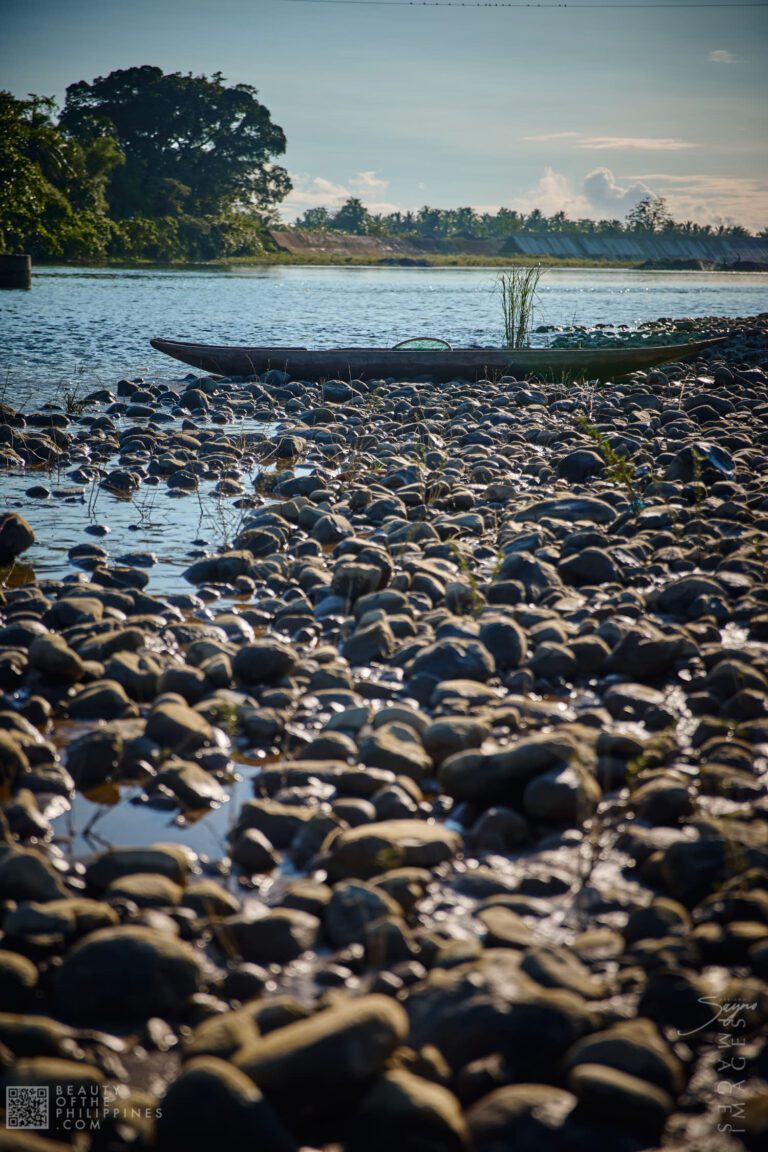
That history gives the boats seen along the river a meaning that goes beyond scenery. A boat on the water can be part of transportation, work and the movement of products that support households. The river’s practical role is also tied to agriculture through the Agos River Irrigation System of the National Irrigation Administration (NIA). A historical assessment recorded the system as supplying irrigation water to approximately 1,280 hectares of farmland.


The relationship remains relevant today. The NIA CALABARZON continues to undertake work associated with the Agos River Irrigation System, including river-protection projects completed in 2024 and further irrigation-system works recorded in 2026. The river therefore remains an active agricultural and infrastructure resource rather than a waterway preserved only as part of the past.

Fishing, Catch and the Knowledge of Pagtatain

Fishing adds another layer to the relationship between Agos River and the people of Infanta. The river has supported fisheries, while traditional knowledge associated with fishing has also become part of the municipality’s cultural-tourism efforts.


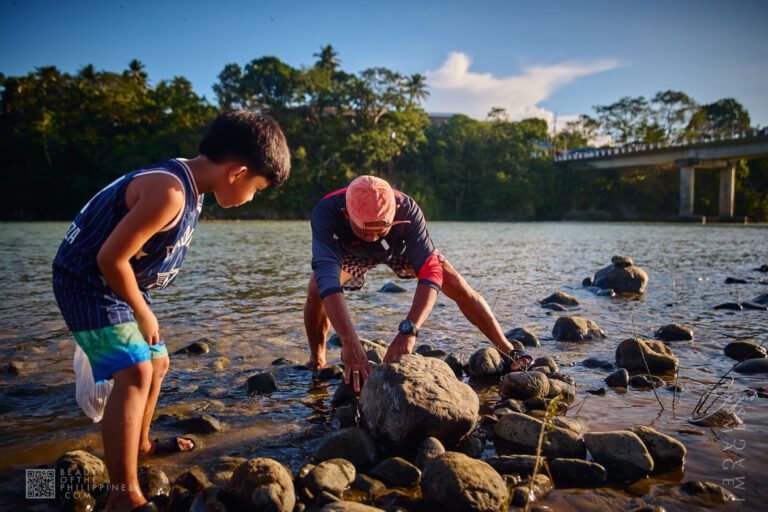
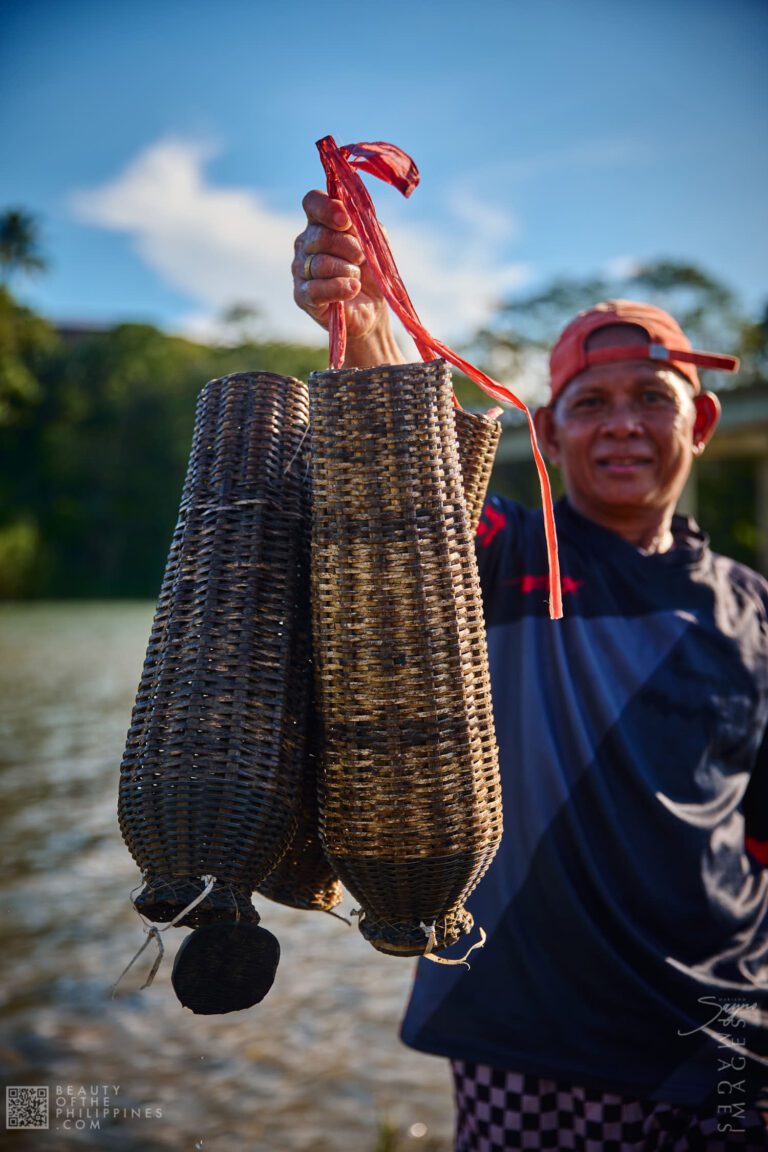
One of the clearest examples is pagtatain, a traditional fishing practice involving tain traps placed in the river to catch aquatic species. Tourism documentation for HAYINfanta identifies a pagtatain demonstration at Agos River, allowing visitors to encounter the practice through a local culture bearer rather than simply reading about it as an old tradition.


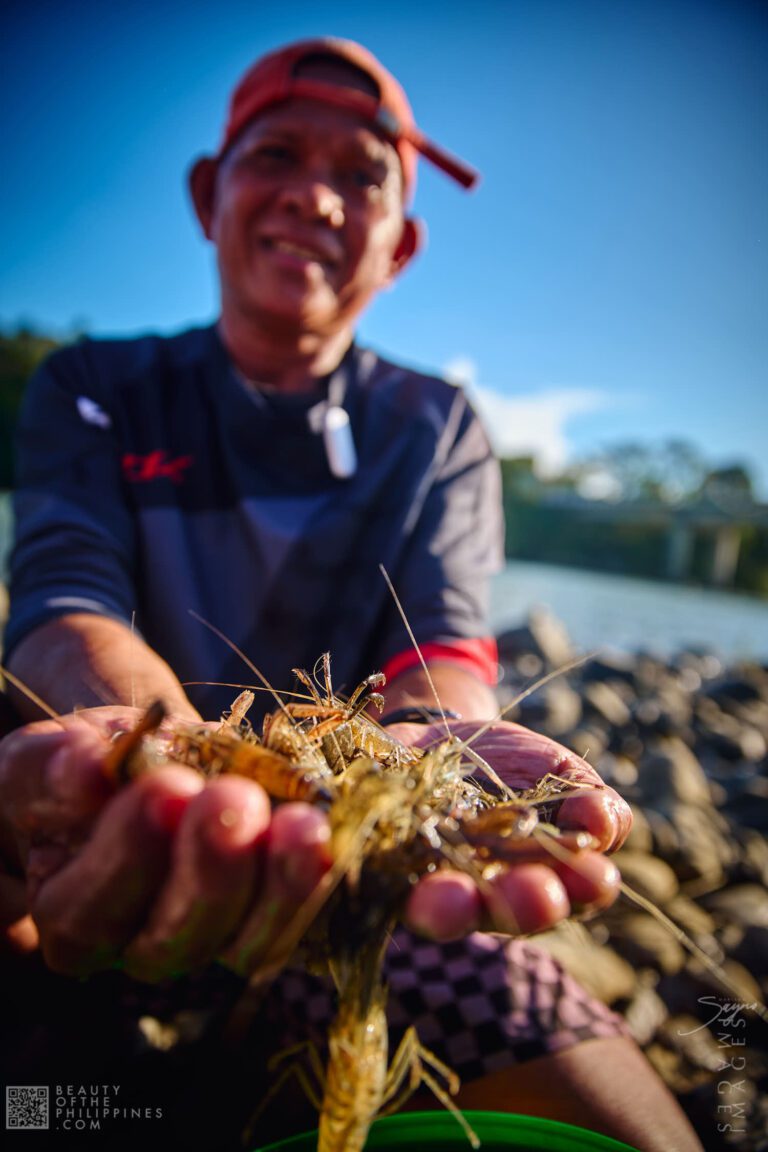
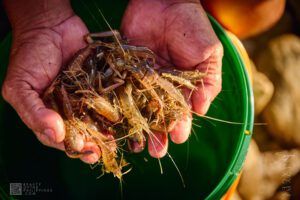
The documented catch associated with the practice includes freshwater shrimp and other small river species, with accounts also mentioning small fish, crabs and eel. Because descriptions of the trap materials vary across available sources, it is more technically responsible to describe them as traditional tain traps made from locally available plant materials.


The significance of pagtatain lies in what it connects. The practice links the river to food, local knowledge and livelihood, while the tourism program gives visitors an opportunity to understand how people have traditionally interacted with the water. In this setting, food tourism and cultural tourism meet at the riverbank.

From River Practice to Community-Based Tourism

The inclusion of pagtatain in HAYINfanta Guided Tour shows how Infanta is developing a tourism experience around local knowledge rather than scenery alone. The guided program brings visitors to Agos River before continuing to other cultural, agricultural and ecological sites, including the Old Spanish Church Ruins, Alitas Mangrove EcoPark, Moriones Farm (Bukid ni Dok), weaving activities, the Shared Service Facility and the Infanta Pasalubong Center.


The approach also places local residents inside the tourism experience. The program describes fisherfolk, farmers and private stakeholders as participants in tours and capacity-development activities, while community members can contribute as guides, storytellers, drivers and coaches for hands-on demonstrations. This makes the river part of a broader community-based tourism model in which visitors encounter the people and practices connected to the landscape.


The river can consequently serve as an entry point into understanding Infanta itself. A visit does not have to stop at the water’s edge. The surrounding tourism landscape connects the river with agriculture, food, heritage, mangroves, local products and community knowledge, creating a more complete picture of the municipality.

RELATED STORIES

Pahiyas Festival: Street Dancing, Floats, and the Spirit of San Isidro

Every May 15, the charming town of Lucban, Quezon, bursts into a kaleidoscope of colors, music, and movement for the Pahiyas Festival, a grand celebration


Read More »
Niyogyugan Festival

Niyogyugan Festival: Celebrating Quezon’s Coconut Heritage and Vibrant Culture

Every August, Quezon Province bursts with color, rhythm, and tradition as the Niyogyugan Festival takes over Lucena City. More than just a tribute to coconuts,

Read More »

Lucban Longganisa: A Garlicky Icon of Quezon’s Culinary Heritag

When you wander into the vibrant town of Lucban, Quezon, you can’t miss the aroma that defines its identity — the unmistakable, bold scent of

Read More »

Infanta Old Church Ruins & Burial Grounds: Tracing Infanta’s Forgotten Stone Landscape

The first impression of the Infanta Old Church Ruins is less about scale than texture. What remains is a fragment of masonry rather than a

Read More »
Protecting the River That Supports the Community

The growing tourism interest in Agos River also comes with an environmental responsibility. In November 2022, the municipal government of Infanta adopted what has been documented as the Philippines’ first local Rights of Nature ordinance, recognizing the rights of the Agos River and Sierra Madre and establishing the river as a protected area within the municipality.


The measure is significant because the river’s value is not limited to what visitors can see. Its water supports agriculture, fisheries and communities, while its wider watershed connects upland and lowland environments. Protection of the river therefore also concerns the resources that make local livelihoods possible.

Seeing Infanta Through the River

By the time the morning light spreads across Agos River in Banugao, the scene can still look simple: water, boats, birds, riverbanks and the surrounding landscape. But those visible details sit on top of a much deeper relationship between the river and the community.


The waterway has carried people and products, helped supply agricultural land, supported fisheries and provided food through traditional practices such as pagtatain. It has also become part of a tourism program that allows visitors to meet local knowledge holders and understand the relationship between livelihood and place. At the same time, the river is being treated as an environmental resource requiring protection, while tourism around other sections of the river is being more formally managed.


That is what makes Agos River worth experiencing in Infanta. Its importance does not come from scenery alone. The river brings together the landscape of the Sierra Madre, agricultural communities, fishing traditions, transportation, food, environmental stewardship and a developing tourism economy. Beneath the bridge in Barangay Banugao, an early-morning view is therefore only the surface of a much larger story—the story of a river that continues to be part of how the community lives, works and welcomes visitors.

I’m looking forward to the stories and images leaving a lasting positive impression on you, just as they have on me. Stay connected with us on social media for a weekly exploration of travel assignments and breathtaking visuals. Our focus is on championing local tourism, showcasing small businesses, and honoring the magnificence of the Philippines through the content we curate. Join us in spreading the word by clicking the ‘share’ buttons below. Your support means the world to us.

BROWSE BY REGION
  • metro MANILA
  • abra
  • albay
  • baguio city
  • BATAAN
  • batangas
  • Benguet
  • bulacan
  • cagayan
  • cavite
  • cebu
  • cotabato
  • davao oriental
  • Guimaras
  • ilocos norte
  • ilocos sur
  • Iloilo
  • Isabela
  • laguna
  • lanao del norte
  • maguindanao
  • negros occidental
  • nueva vizcaya
  • palawan
  • Pampanga
  • pangasinan
  • QUEZON
  • rizal
  • Samar
  • sarangani
  • sorsogon
  • Tarlac
  • zambales
  • zamboanga city

EXPLORE MORE about

  • Quezon

Pahiyas Festival: Street Dancing, Floats, and the Spirit of San Isidro

Every May 15, the charming town of Lucban, Quezon, bursts into a kaleidoscope of colors, music, and movement for the Pahiyas Festival, a grand celebration
Read More »

Candle Festival: From Local Tradition to National Spotlight

This celebration of the “Candle Festival” takes place from the 31st of January to the 2nd of February each year and is held in order

Read More »

Lucban Pahiyas Festival: A Spectacularly Colorful Tradition in Quezon

Every May 15, the charming town of Lucban, Quezon bursts into a dazzling display of colors, artistry, and cultural pride as it celebrates the Pahiyas

Read More »

Mulanay Church: A Quiet Witness to Mulanay’s History

Standing quietly at the center of town, Mulanay Church feels less like a monument and more like a steady presence. I noticed how time moves

Read More »

Lamon Bay: The Pacific Coast Jewel of Quezon

Along Quezon Province’s eastern seaboard, Lamon Bay unfolds as a living tapestry of sea, sand, and human stories. Unlike the more visited Pacific-facing beaches of

Read More »

Gunao Lake: A Hidden Gem in Dolores, Quezon

Gunao Lake, located in the charming town of Dolores in Quezon Province, remains a hidden treasure waiting to be discovered by adventurers seeking natural wonders.

Read More »

Infanta Old Church Ruins & Burial Grounds: Tracing Infanta’s Forgotten Stone Landscape

The first impression of the Infanta Old Church Ruins is less about scale than texture. What remains is a fragment of masonry rather than a

Read More »

Hondagua: Where Deep Waters and Old Rails Tell Stories

Hondagua is a barangay in the Municipality of Lopez, within Quezon Province, part of Region IV-A (CALABARZON) on Luzon island, Philippines. It lies directly along

Read More »

A&J Cafe: Exploring Gumaca One Sip at a Time

Finding A&J Cafe at J.P. Rizal Street corner E. Caparros Street in Barangay Pipisik, the space immediately communicates calm. Minimalist design, warm lighting, and an

Read More »
Niyogyugan Festival

Hambujan Festival: A Celebration of Agricultural Bounty and Spiritual Devotion

Located in the heart of Dolores, Quezon, the Hambujan Festival is a vibrant celebration that embodies the town’s rich heritage and deep connection with nature.

Read More »

San Narciso Church: The Spiritual Heart of Quezon Town

At the heart of San Narciso town in Quezon, a modest but profoundly significant landmark rises — the San Narciso Church, officially named St. Joseph

Read More »

Pabasa ng Pasyon: Experience Spiritual Devotion Through Song and Kubols

Every Holy Week, from Palm Sunday to Good Friday, the town of General Luna in Quezon transforms into a living stage of devotion and culture.

Read More »

Siain Port: From Copra Trade to Community Pier in Plaridel

Every time I walk toward Siain Port, the first thing that hits me is the line of the pier itself—long, straight, and stretching into Lamon

Read More »

Sine Sampaloc Film Festival: When a Small-Town Parade Becomes Part of the Film Story

The Sine Sampaloc Film Festival becomes particularly vivid when the program leaves the formal screening space and reaches the roads of Sampaloc, Quezon. Among the

Read More »
Niyogyugan Festival

Niyogyugan Festival: Celebrating Quezon’s Coconut Heritage and Vibrant Culture

Every August, Quezon Province bursts with color, rhythm, and tradition as the Niyogyugan Festival takes over Lucena City. More than just a tribute to coconuts,

Read More »

Pulong Pasig Sandbar: Walking the Endless White Sands of Calauag

Pulong Pasig Sandbar, situated in the pristine coastal waters of Calauag, Quezon, is a breathtaking sandbar that emerges and disappears with the tides, offering an

Read More »

Sine Sampaloc Film Festival: A Different Frame for Sampaloc, Seen Through Student Creativity

The strongest images from Sine Sampaloc Film Festival may not necessarily come from the film screenings themselves. In the interpretative-dance performances, the festival becomes something

Read More »

Sirena ng Atimonan: Where Folklore Meets the Sea

A Familiar Figure Along the Road The Sirena ng Atimonan stands along the Pan-Philippine Highway, right by the shores of Lamon Bay in Barangay Angeles,

Read More »

Senturyons of General Luna: Witnessing Quezon’s Sacred Rituals

In General Luna, Quezon, Holy Week is far from ordinary. The town’s quiet streets transform into a tapestry of devotion and local artistry through the

Read More »

Boling-Boling Festival: Street Revelry and Cultural Heritage in Catanauan

For travelers exploring Quezon Province, few festivals rival the energy and creativity of the Boling-Boling Festival in Catanauan. Celebrated in the days leading up to

Read More »

Lucban Church: Stone, Story, and the Spirit of Pahiyas

Right in the heart of Lucban, Quezon, you’ll find the San Luis Obispo de Tolosa Parish Church, more commonly known as Lucban Church. This centuries-old

Read More »

Candle Festival of Candelaria: A Marian Tribute to Nuestra Señora de la Candelaria

The Candle Festival in Candelaria, Quezon, held from January 31 to February 5, 2026, celebrates devotion to Nuestra Señora de la Candelaria while highlighting community

Read More »

San Narciso Beach: Talisay Cove’s Scenic Escape

Located in the town of San Narciso, Quezon Province, San Narciso Beach — or Talisay Beach as locals call it — stretches along the Philippine

Read More »
Malagonlong Bridge Tayabas Quezon

Malagonlong Bridge: A Timeless Crossing in Tayabas, Quezon

Tucked along the Dumacaa River in Tayabas City, Malagonlong Bridge — or Puente de Malagonlong — is one of the Philippines’ oldest and longest stone

Read More »

Quezon Zigzag Road: Adventure Through Bitukang Manok’s Winding Paths

Quezon Zigzag Road, or Bitukang Manok, was constructed in 1969 during President Ferdinand Marcos’ administration. Engineers faced the challenge of traversing the rugged slopes of

Read More »

Agos River: The Quiet Craft of Pagtatain in Infanta, Quezon

The first impression of Agos River in Barangay Banugao, Infanta, Quezon can be deceptively quiet. Early light settles over the water, the river current keeps

Read More »

Santuario De Las Almas: Tayabas’ Quiet Sanctuary of Memory and Colonial Echoes

Within Tayabas City, a place more frequently identified by the commanding Minor Basilica of Saint Michael the Archangel, the lively Mayohan Festival, ancestral houses, and

Read More »

Lucban Longganisa: A Garlicky Icon of Quezon’s Culinary Heritag

When you wander into the vibrant town of Lucban, Quezon, you can’t miss the aroma that defines its identity — the unmistakable, bold scent of
Read More »

Dolores’ Paskotitap 2025: Quezon’s One-of-a-Kind Christmas Celebration

This Christmas, Dolores shone as the creative heart of Quezon province. Paskotitap 2025 transformed the town into a radiant celebration of lights, movement, and storytelling—where

Read More »

Moriones Festival: Bondoc’s Barefoot Senturyon Revealed

When most travelers picture the Moriones Festival, it’s the streets of Marinduque that come to mind. Yet the Bondoc Peninsula in Quezon Province has its

Read More »

Atimonan Port: Gateway to Lamon Bay and the Island Routes of Quezon

Along the Edge of Lamon Bay I first approached Atimonan Port with the sea on one side and the steady traffic of the Maharlika Highway

Read More »

Sariaya Church: Sto. Cristo de Burgos and the Heritage of Quezon

Traveling along the Maharlika Highway in the heart of Sariaya, Quezon Province, you can’t help but notice the quiet elegance of Sariaya Church. Known formally
Read More »

San Narciso Port: A Small Harbor at the Center of Coastal Life

When people talk about ports in Quezon Province, the bigger and busier ones usually come to mind first. But further south, along the Bondoc Peninsula,


Read More »

BROWSE BY CATEGORIES

LOCATIONS
PROVINCES

Abra

Albay

Baguio City

Bataan

Batangas

Benguet

Bulacan

Cagayan

Cavite

Cebu

Cotabato

Davao Oriental

Guimaras

Ilocos Norte

Ilocos Sur

Iloilo

Isabela

Laguna

Lanao del Norte

Maguindanao

Manila

Negros Occidental

Nueva Vizcaya

Palawan

Pampanga

Pangasinan

Quezon

Rizal

Samar

Sarangani

Sorsogon

Tarlac

Zambales

Zamboanga City

ARCHITECTURE
HERITAGE

Bonifacio Monument Tutuban

Burdang Lumban Festival

Cagsawa Festival

Capones Lighthouse

Casa Manila

Christ the King Seminary

Corregidor Island Dark Tour Experience

Corregidor Island Reopens

Corregidor Island

Cultural Center of the Philippines

Fantasy World

Gabriela Silang Memorial Shrine

Gomburza National Monument

Hondagua

Iloilo Customs House

Intramuros

Jones Bridge

Jones Bridge

Kartilya ng Katipunan

La Loma Cemetery

LOAD MORE

CHURCHES
FAITH

Bacolor Church

Baguio Cathedral

Barasoain Church

Binondo Church

Calaca Church

Calumpit Church

Chong Hock Tong Temple

Feast of Black Nazarene

Greenbelt Chapel

Guadalupe Chapel Intramuros

Guadalupe Ruins Makati

La Naval de Manila

Las Piñas Bamboo Organ

Las Piñas Church

Lingayen Cathedral

Lubenas Festival

Lucban Church

Malate Church

Manila Abbey

Manila Cathedral

LOAD MORE

NATURAL & MAN-MADE
ATTRACTIONS

A&J Cafe

Agos River

Agos River

Alligator Lake

Amare La Cucina Baguio

Ambuklao Dam

Angeles City Holy Rosary Parish Church

Antipolo Cathedral

Apurawan Beach

Atimonan Port

Avilon Zoo

Azalea Hotels & Residences Baguio

Bagac Beach

Baguio Media Newseum

Balai Isabel

Balayan Bay

Baluarte de San Diego

Betis Church

Binondo Chinatown

Binuatan Creations

LOAD MORE

FESTIVALS &
EVENTS

Al Cinco de Noviembre Festival

Ana Kalang Festival

Antipolo Maytime Festival

Balacat Festival

Balitok Ti Alicia Festival

Bañamos Festival

Bato Art Festival

Bato Art Festival

Boling-Boling Festival

Buhayani Festival

Burdang Lumban Festival

Candle Festival

Dinagyang Festival

Feast of Santo Niño

Gilingan Festival

Halamanan Festival

Hambujan Festival

Iloilo Dinagyang Festival

Inaul Festival

Itik Festival

LOAD MORE
Facebook Twitter Instagram Envelope

All photographs that appear on the site are copyright of Mariano Sayno ©2022 Beauty of the philippines

All photographs that appear on the site are copyright of Mariano Sayno ©2022 Beauty of the philippines.com

Beauty of the philipipnes LOGO WHITE

BROWSE BY PROVINCE

Abra

Albay

Baguio City

Bataan

Batangas

Benguet

Bulacan

Cagayan

corregidor-island

Cavite

Cebu

Cotabato

Davao Oriental

Manggahan aFestival of Guimaras

Guimaras

Ilocos Norte

Ilocos Sur

dinagyang aliwan friesta husayno mariano sayno

Iloilo

Isabela

Laguna

Lanao del Norte

Maguindanao

Manila Bay by Mariano Sayno

Manila

Negros Occidental

Magat River Dupax Del Norte

Nueva Vizcaya

Palawan

Pampanga

Lingayen Cathedral

Pangasinan

Quezon

Rizal

Samar

Sarangani

Sorsogon

Tarlac

Zambales

Zamboanga City

Agos river, Infanta, Quezon, Philippines