Laiya Beach: Your Quick Escape to Sun, Sand, and Saltwater Joy
If you’ve ever found yourself stuck in Metro traffic, daydreaming about the beach while scrolling through Instagram—Laiya Beach might just be the answer your soul’s

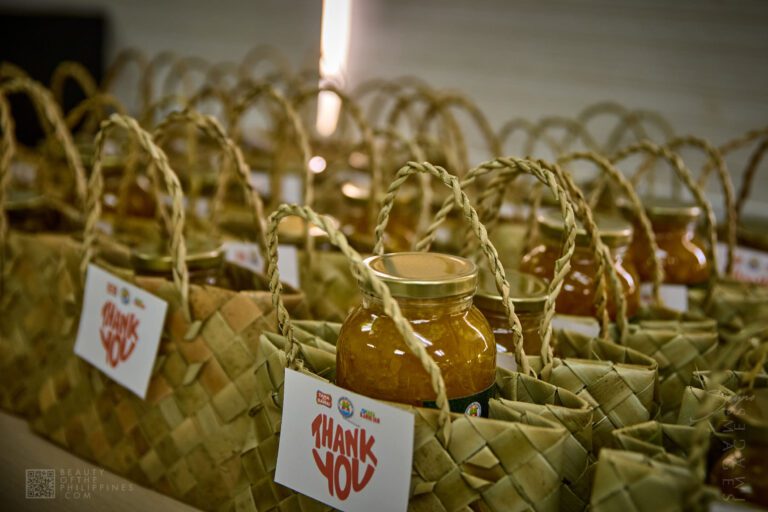
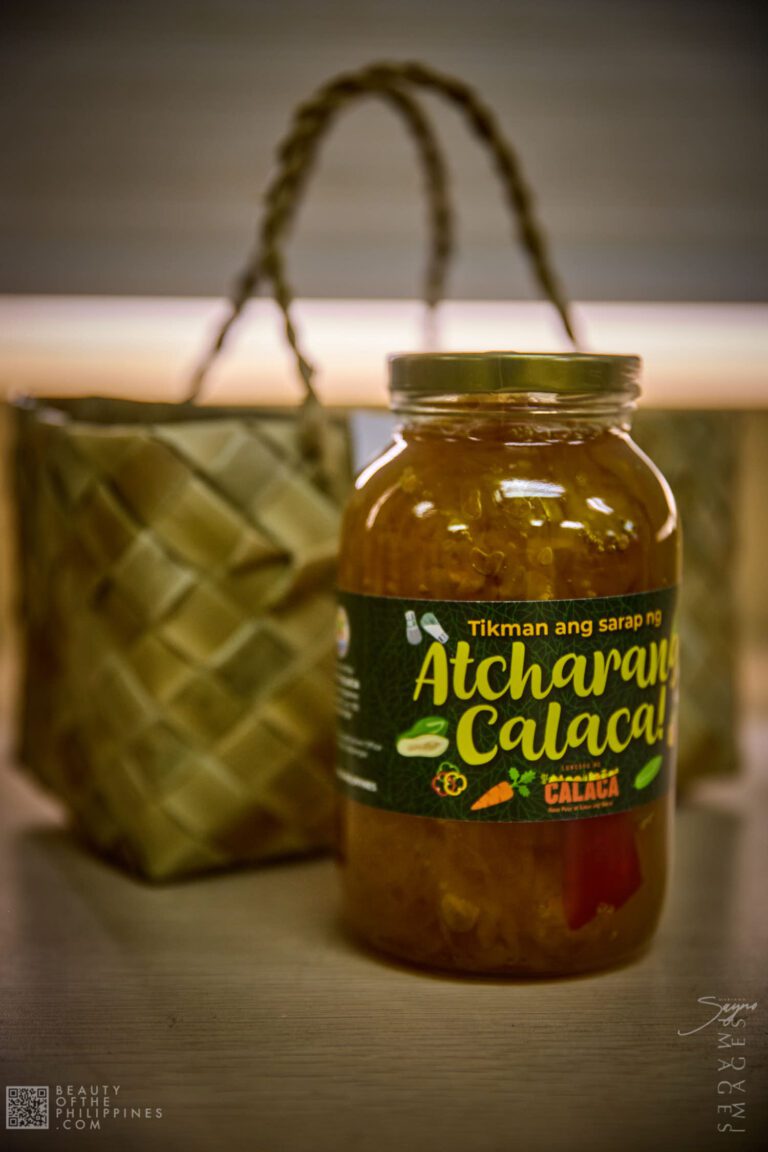
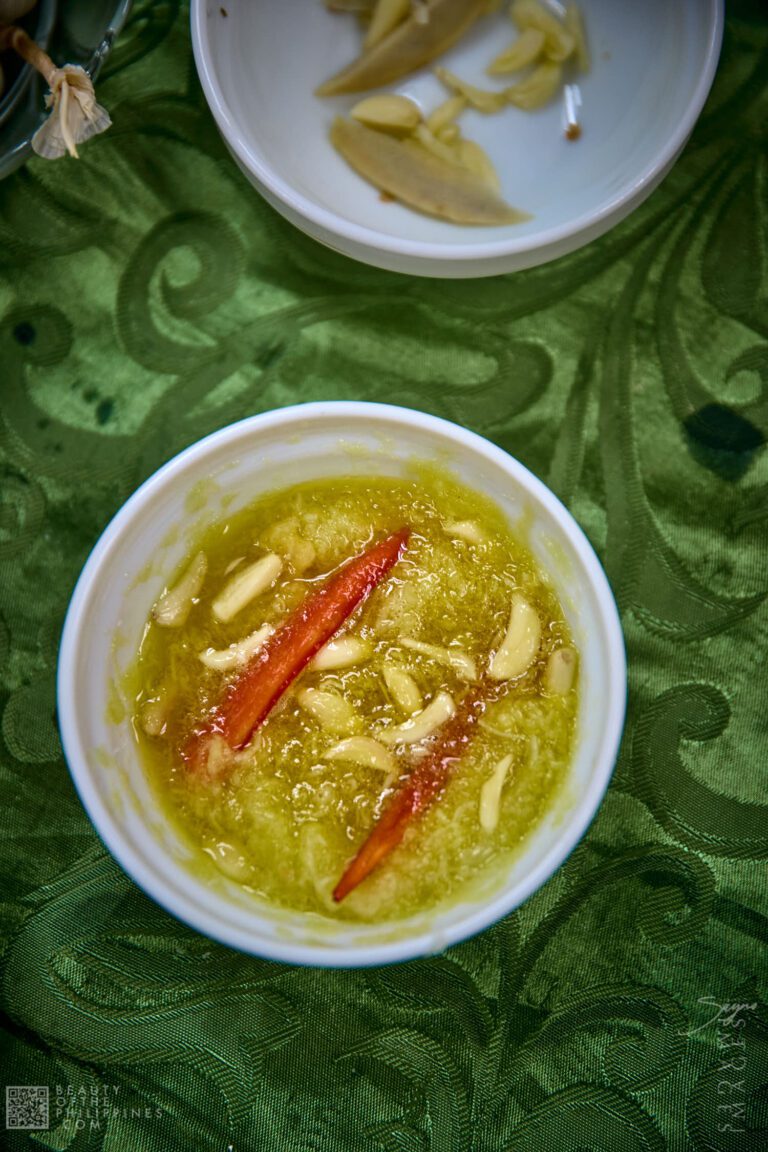
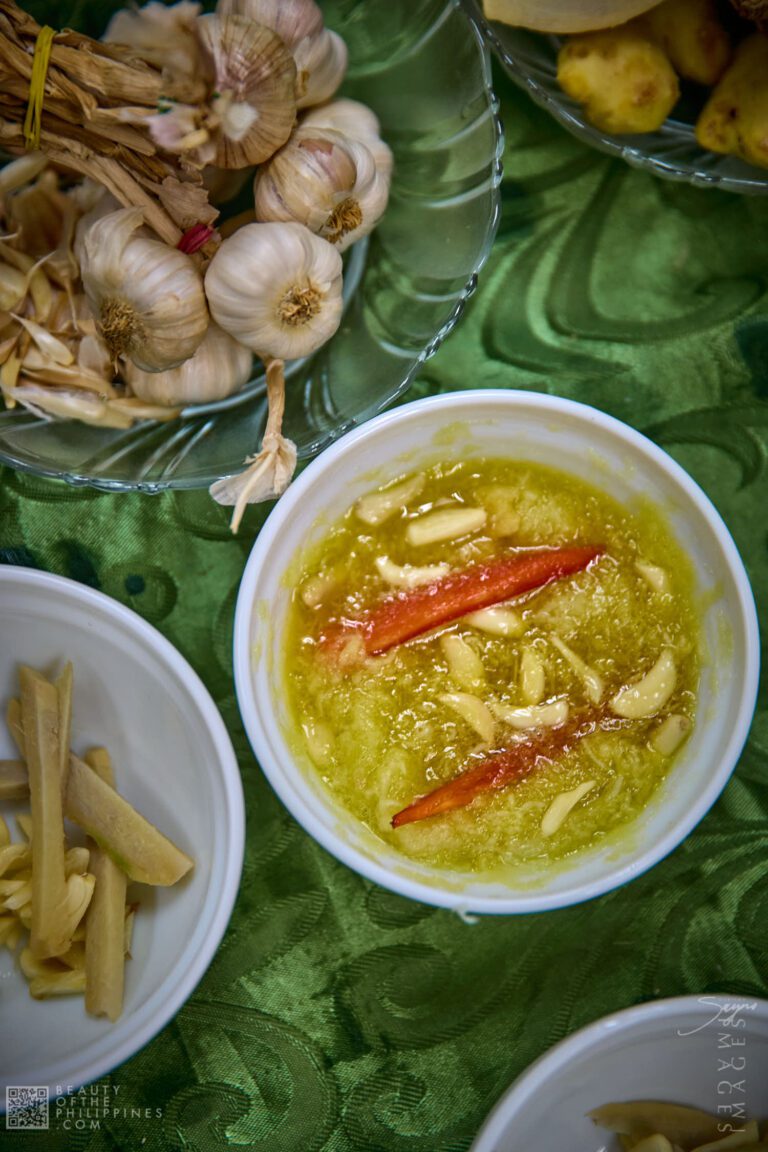
For visitors exploring Calaca City, Batangas, food offers one of the clearest ways to encounter the character of the community. Among the city’s most recognizable local products is Atcharang Calaca, a pickled delicacy that has become closely associated with Calaca’s identity, local livelihood, and celebrations. Commonly prepared from young green papaya and other vegetables preserved in a sweet-and-sour vinegar mixture, atchara is traditionally served as an appetizer or side dish, particularly alongside rich, fried, grilled, or savory Filipino food. In Calaca, however, it represents more than something placed on the dining table—it has become part of the city’s culinary heritage and a product visitors can bring home as pasalubong.
The identity of Atcharang Calaca is rooted in Calaca’s long association with atchara-making. While atchara itself is familiar throughout the Philippines, Calaca developed a particularly strong local tradition around the product. The city’s version is commonly associated with pickled green papaya, although local preparations can extend beyond papaya. Official city tourism information notes variations made with ampalaya, labong, ubod ng niyog, and seaweeds, showing how the local tradition can accommodate different ingredients and preparations. This variety also makes the term “Atcharang Calaca” broader than a single fixed recipe.
At the table, the appeal of atchara comes from contrast. Its acidity and sweetness can cut through the richness of grilled meat, fried dishes, and other savory preparations, making it a familiar accompaniment during meals and celebrations. In Calaca, the product has also developed a practical role as a gift for visitors, relatives, and friends, allowing a taste of the city to travel beyond the place where it was made. For travelers interested in local food, a jar of Atcharang Calaca therefore offers a simple but meaningful connection to the community’s everyday culinary culture.
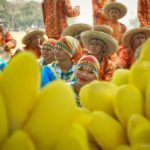
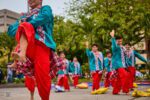
The importance of atchara to Calaca is especially visible through the CalacAtchara Festival, whose name combines “Calaca” and “atchara.” The celebration was developed to promote the city’s signature product and strengthen its place in the local economy and cultural identity. Historical accounts trace the festival’s beginnings to the mid-2000s under the leadership of then-mayor Sofronio Ona Jr., who promoted Atcharang Calaca at a time when the local industry was facing challenges related to processing and promotion.
One important change in the festival’s recent history is its schedule. CalacAtchara Festival is now celebrated in May, rather than October, following the city’s decision in 2023 to move the event to coincide with the city’s May celebrations and Araw ng Calaca. The change does not remove the festival’s connection with the city’s patronal traditions; instead, it places the atchara-centered celebration within a broader program of cultural, civic, agricultural, and community activities.
The festival has consequently become more than a food event. Past editions have incorporated agricultural fairs, exhibitions, competitions, performances, community activities, and other programs that bring together residents, visitors, and different sectors of the city. The 2024 celebration, for example, highlighted Atcharang Calaca as both a local delicacy and a livelihood product while framing the festival around pride in local identity and traditions.
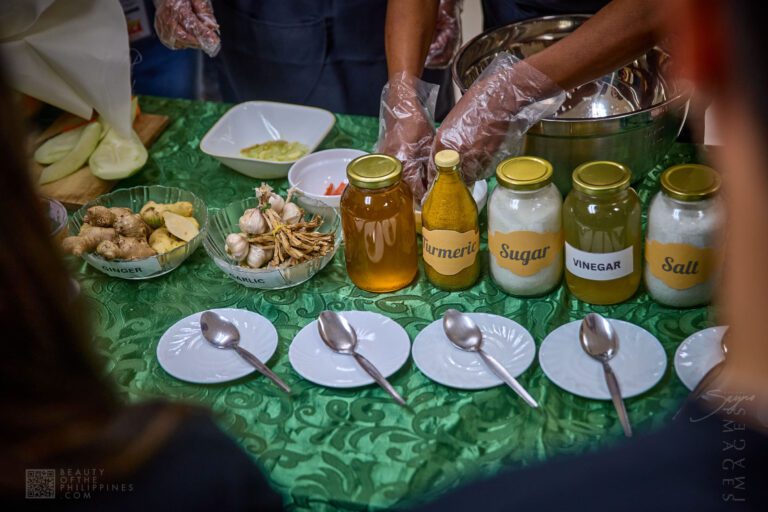
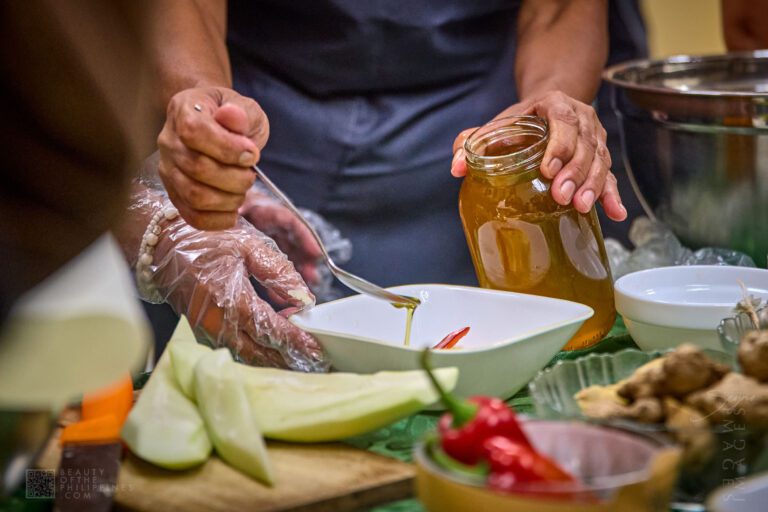
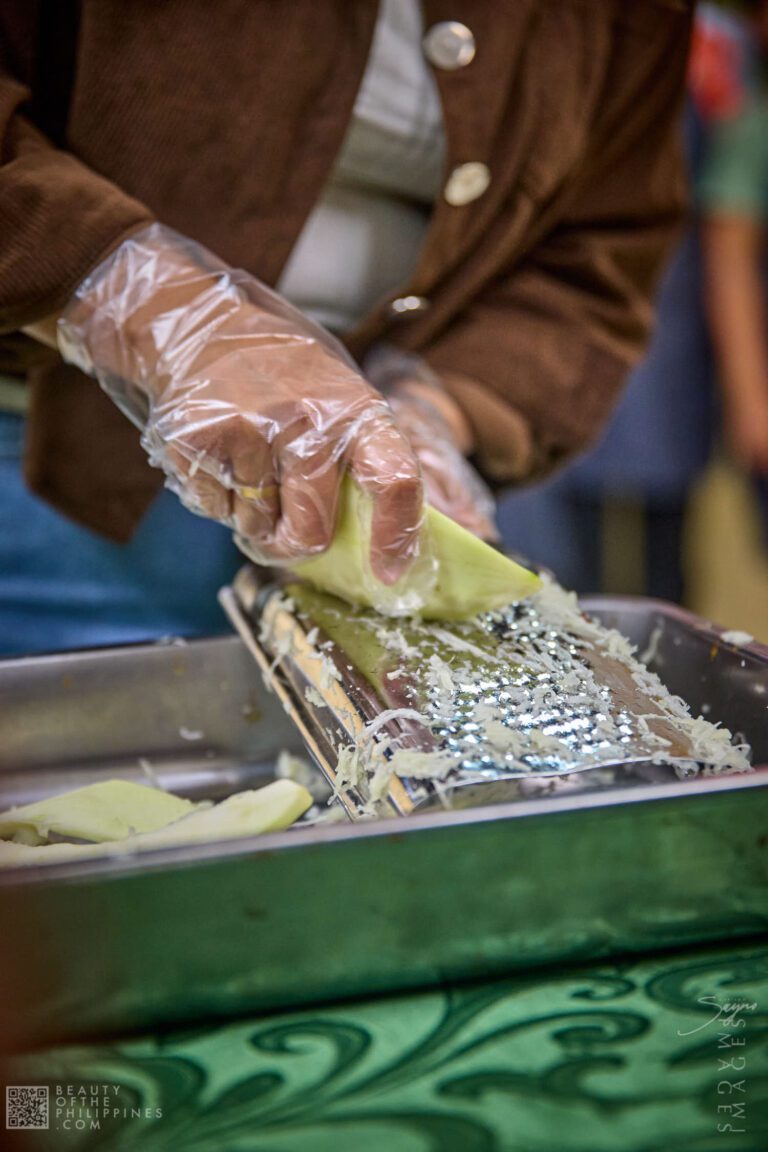
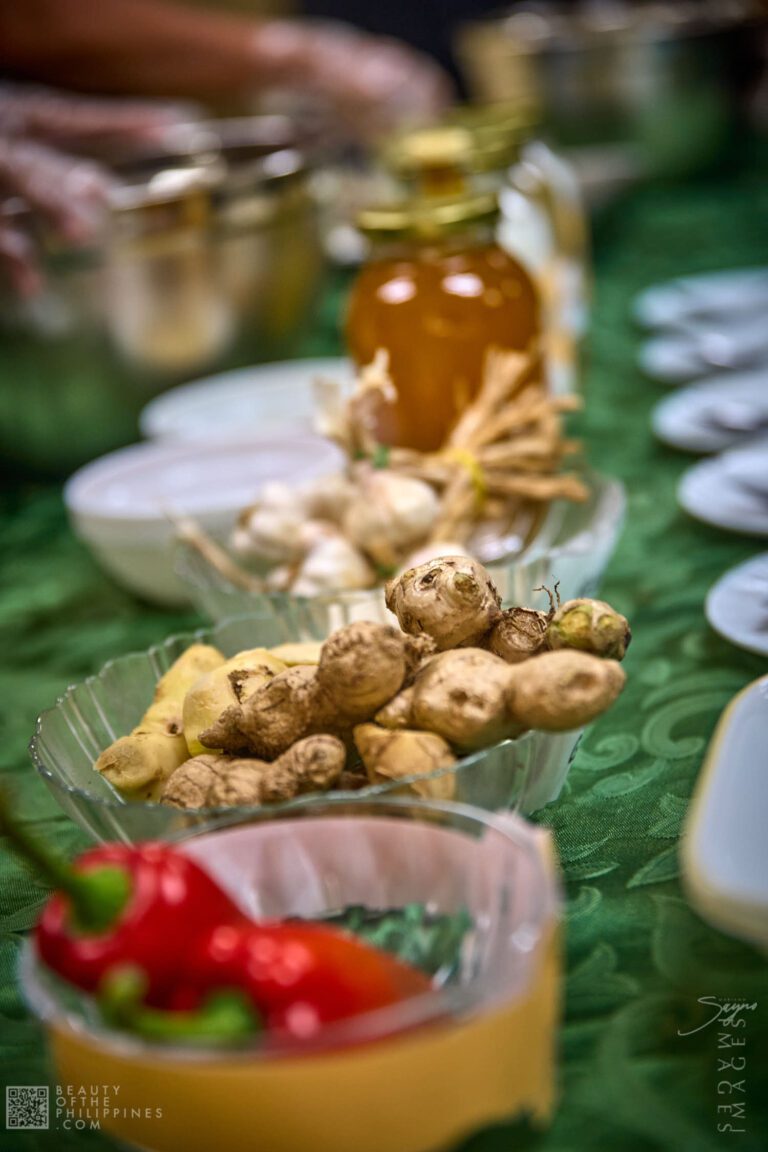
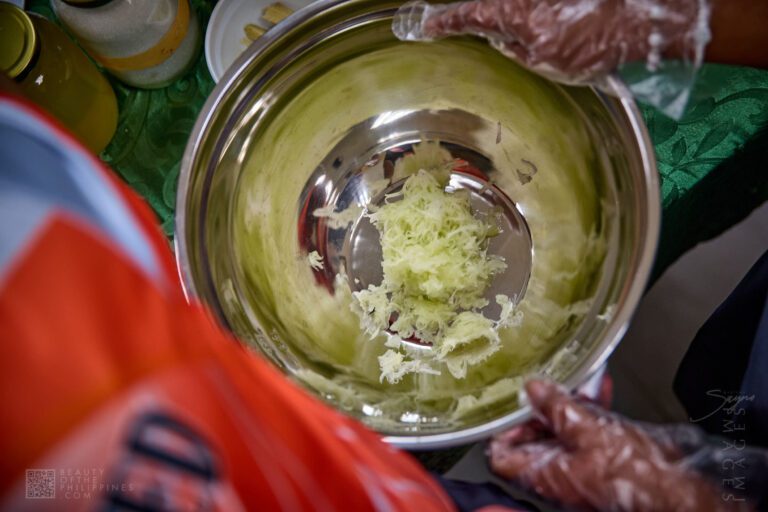
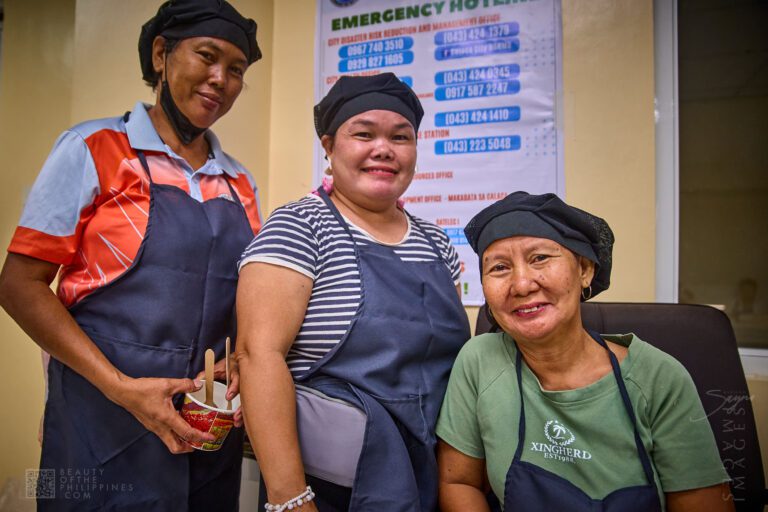
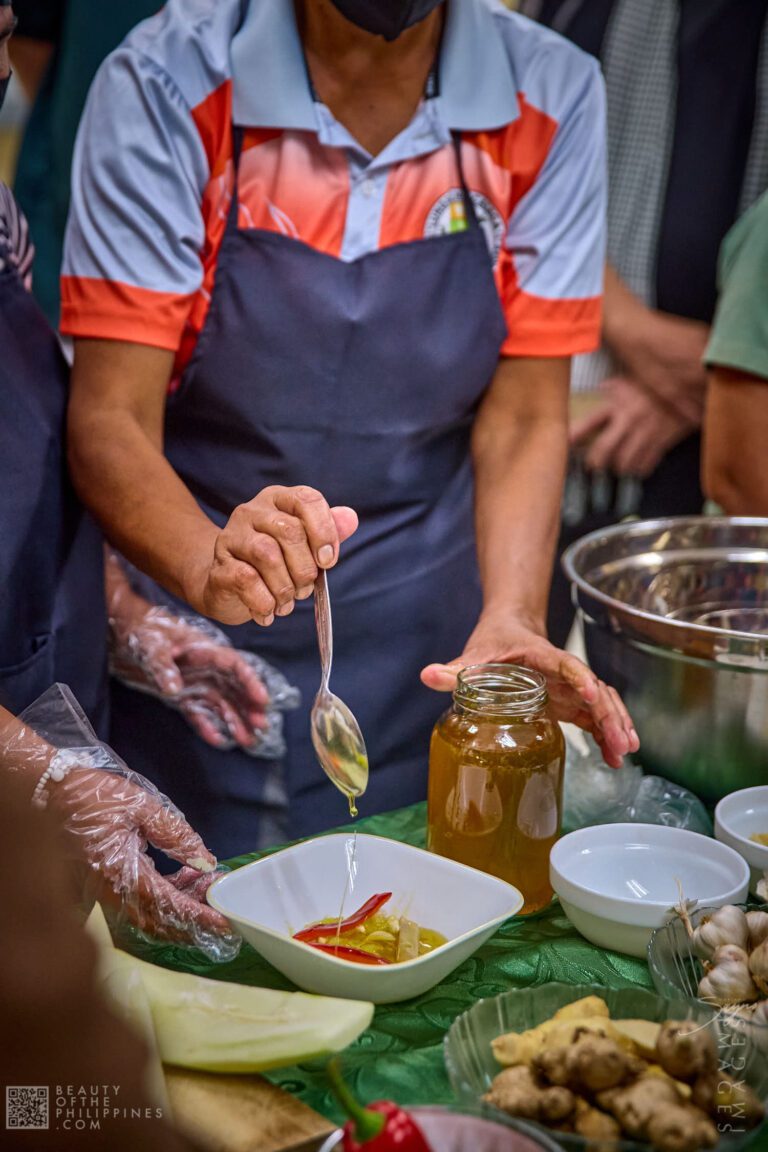
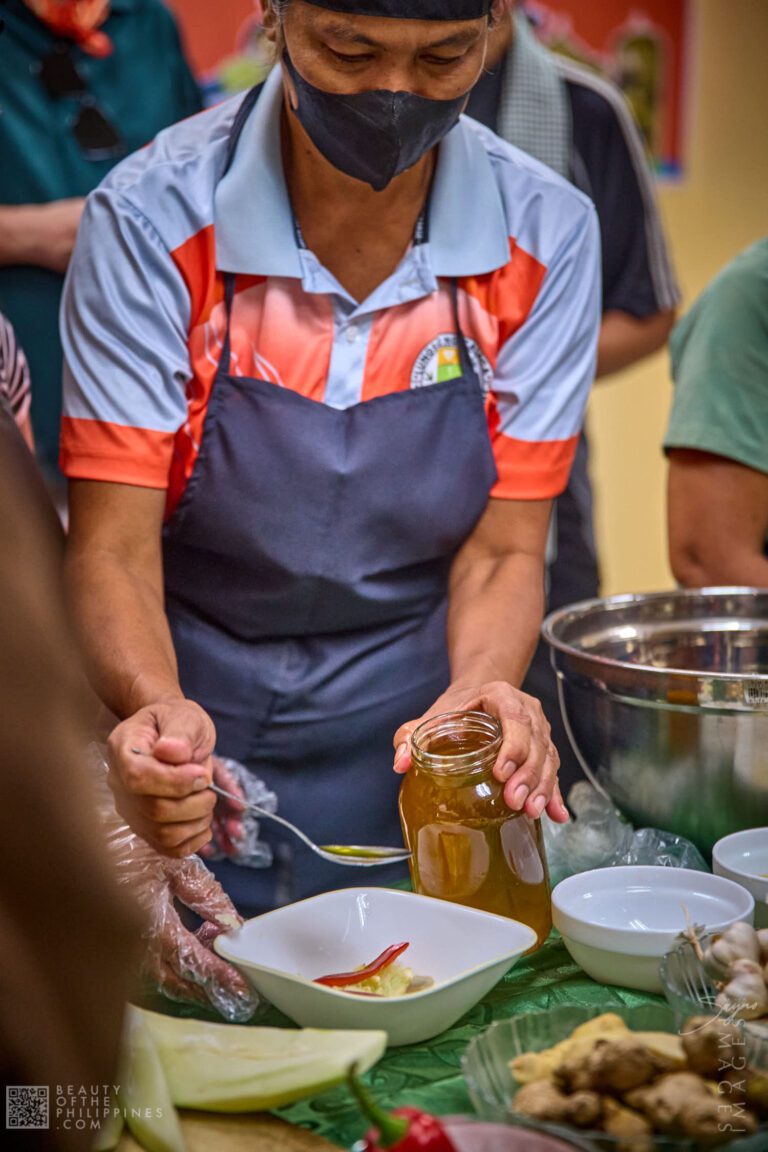
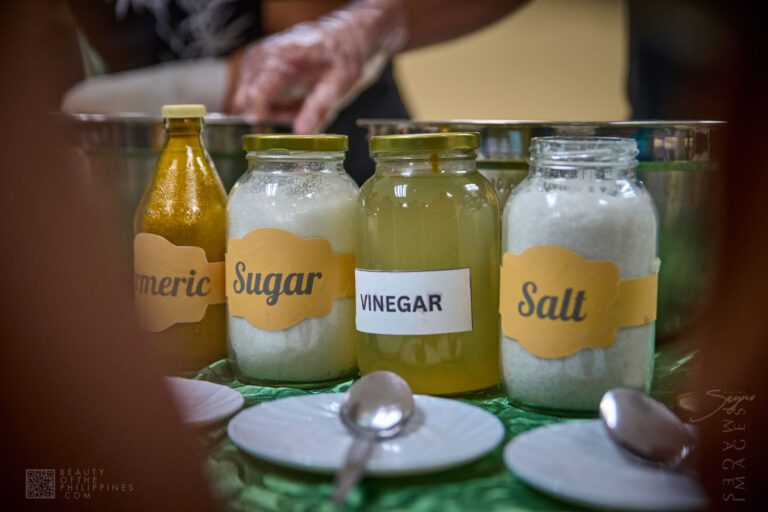
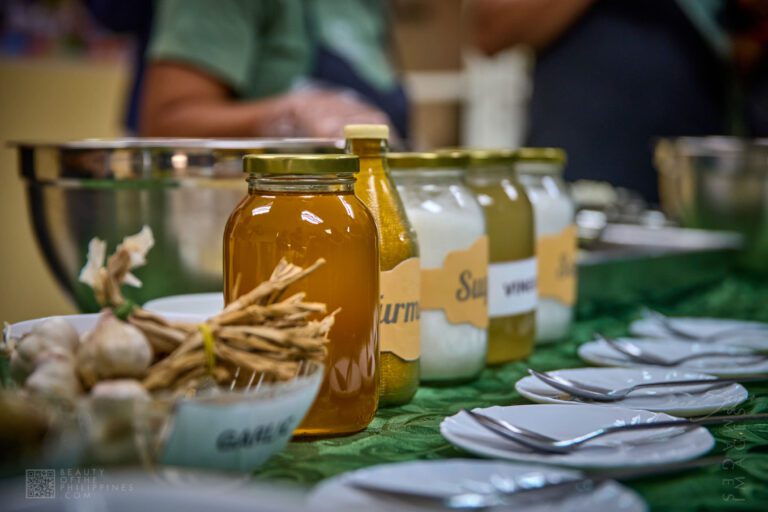
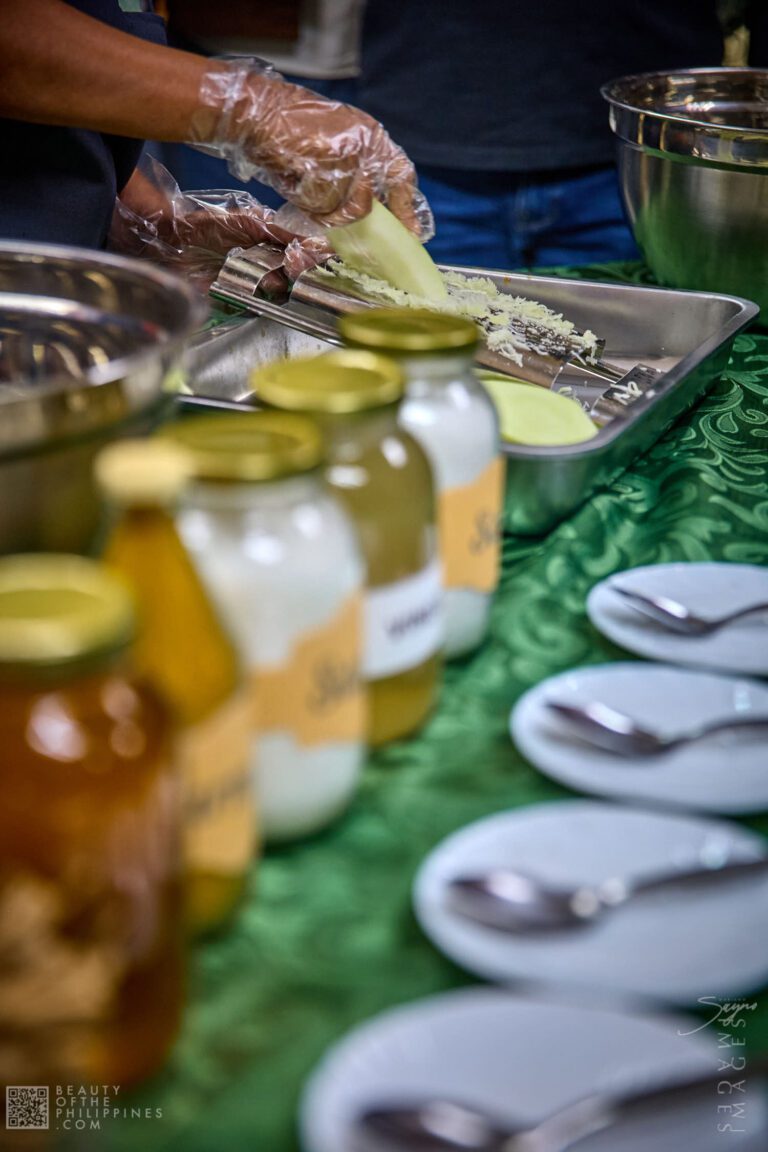
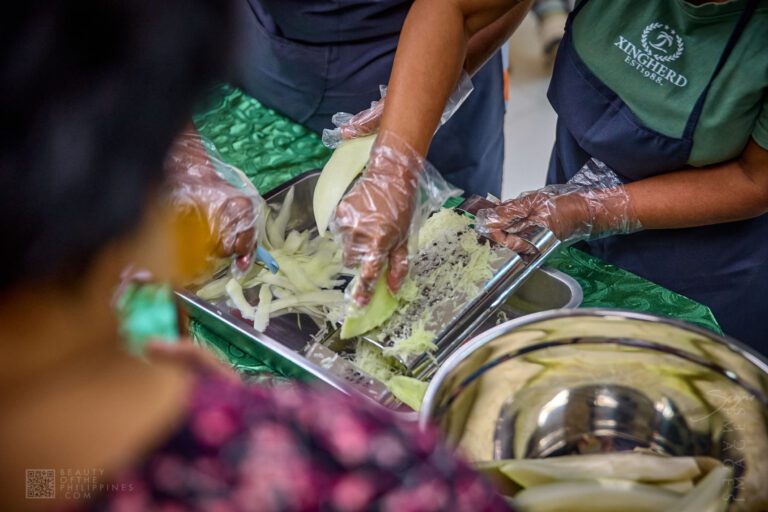
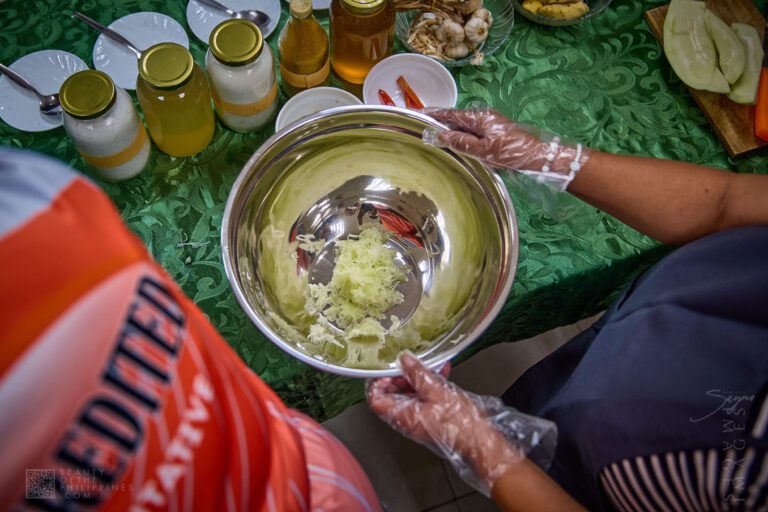
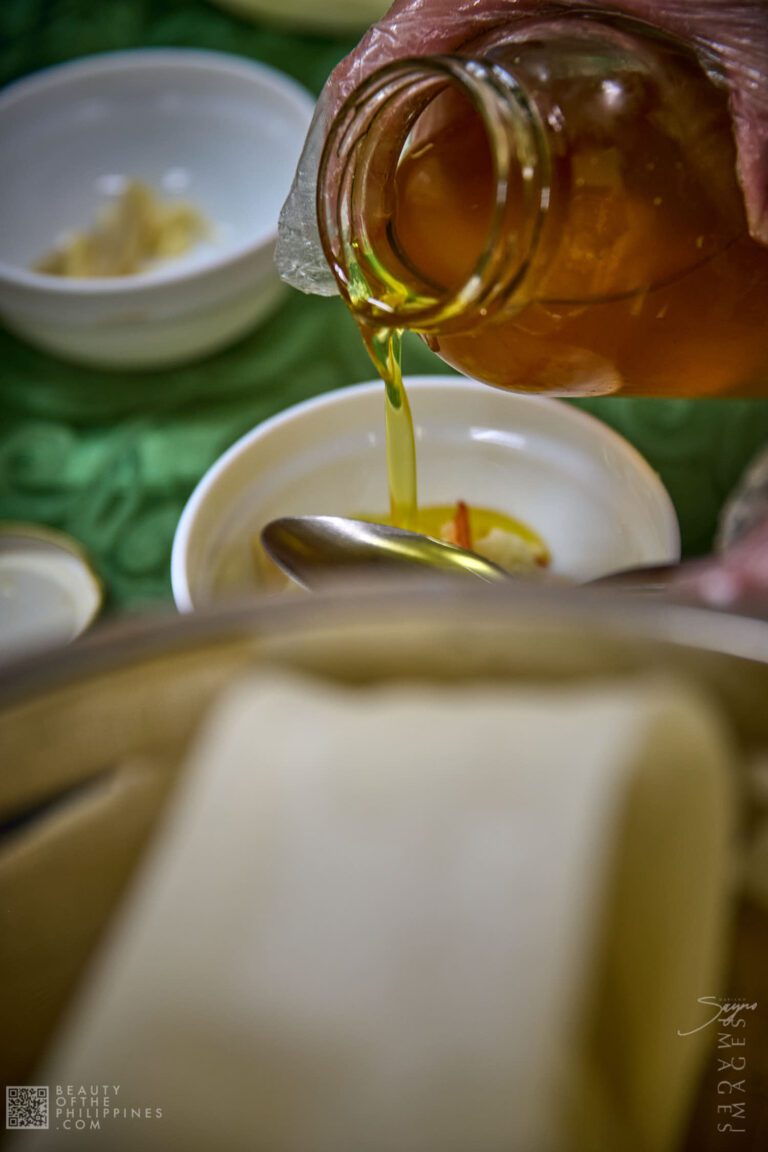
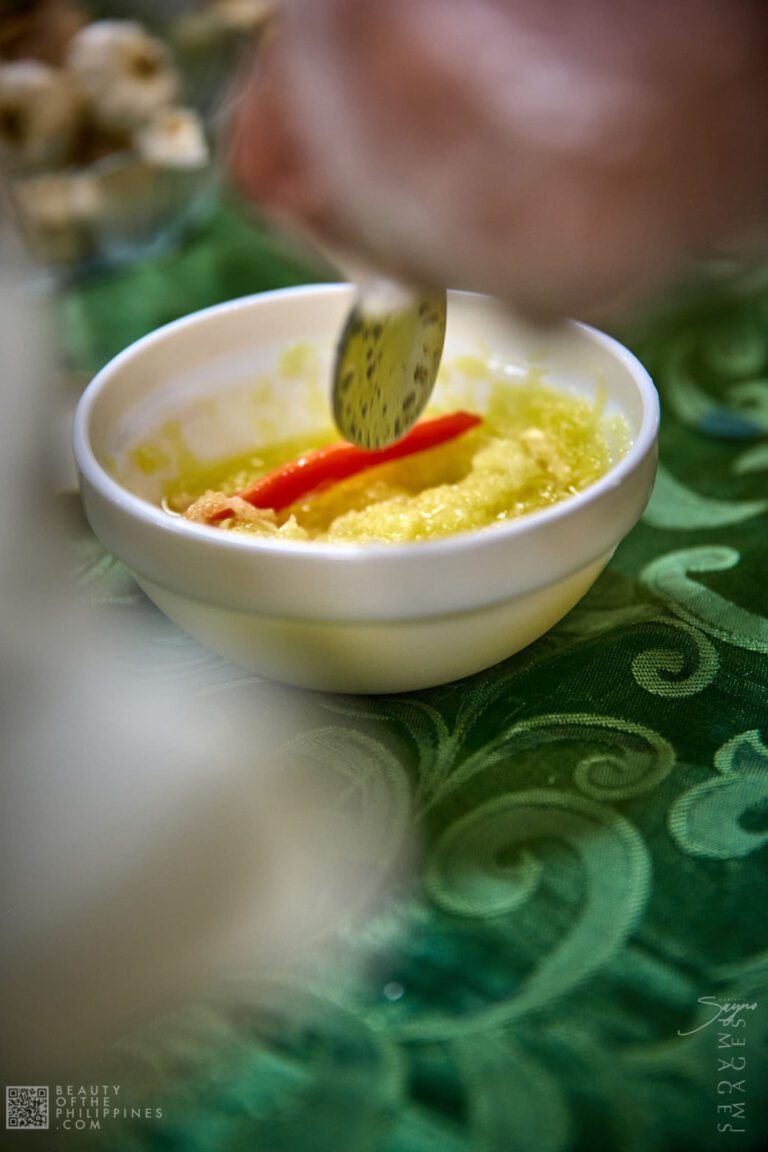
One of the more meaningful ways to understand Atcharang Calaca is to see how the product is made and to meet the people who help keep the tradition active. A recent food-and-heritage feature documented an atchara-making demonstration in Calaca City Hall led by women from NASAKA, identified in government documentation as the Nagkakaisang Samahan ng mga Kababaihan ng Quisumbing. The demonstration offered a closer look at the preparation of atchara while placing the food within the context of women’s community participation and local livelihood.
The role of NASAKA also reflects how food production can intersect with community development. In 2025, DOST-CALABARZON reported that NASAKA was among the community-based organizations in Calaca receiving support for food-safety and processing improvements. The group was included in training covering food safety hazards, good manufacturing practices, sanitation, quality control, traceability, and related production practices. DOST also reported the provision and demonstration of portable solar-drying equipment known as PORTASOL units for NASAKA, linking traditional food production with improved processing practices.
Although green papaya remains strongly associated with Atcharang Calaca, the city’s own tourism material points to a wider tradition of pickled products. Variations involving ampalaya, labong, coconut heart, and seaweeds demonstrate how local makers can work with different agricultural and coastal ingredients. This flexibility gives Calaca’s atchara tradition a distinctly community-based character, where the product can reflect available ingredients as well as individual preparation styles.
For visitors, tasting the product is also an opportunity to understand Calaca beyond its more visible festivals and landmarks. The city’s tourism program presents food alongside its agricultural landscapes, coastal setting, heritage structures, faith traditions, and other local products such as loming Calaca, empanada, tablea, sinaing na isda, and kapeng barako. Atcharang Calaca fits naturally into this wider picture because it connects food with farming, household preparation, livelihood, celebrations, and the city’s sense of place.
RELATED STORIES

If you’ve ever found yourself stuck in Metro traffic, daydreaming about the beach while scrolling through Instagram—Laiya Beach might just be the answer your soul’s


You know that feeling when you just want to escape the city buzz and dive straight into a chill beach vibe? Well, Calatagan South Beach,


Let’s be real—when you think of volcanoes, you probably imagine something massive and far-flung, right? But here in the Philippines, just 50-ish kilometers from Metro


Rising dramatically from the serene waters of Taal Lake in Batangas Province, Taal Volcano immediately captures attention with its extraordinary configuration — a volcano on


A visit centered on Atcharang Calaca does not have to be limited to buying a jar and leaving. When local demonstrations, food-related programs, or festival activities are available, visitors can look for opportunities to observe preparation, learn about the ingredients, and speak with community makers. Experiences involving local producers are particularly valuable because they reveal the human side of a product that might otherwise be encountered only as a packaged pasalubong.
The best time to connect Atcharang Calaca with the city’s larger cultural atmosphere is during CalacAtchara Festival, particularly because the festival now takes place in May. Visitors can potentially combine the food experience with the wider celebrations and other tourism activities staged by the city. Outside festival periods, however, Atcharang Calaca remains relevant as part of Calaca’s local food identity and as a product associated with pasalubong culture.
For travelers collecting local food products, Atcharang Calaca is one of the most recognizable edible reminders of the city. Its appeal comes from its combination of everyday familiarity and local identity: atchara is a common Filipino accompaniment, yet in Calaca it has been developed into a product closely associated with the city’s name, celebrations, community makers, and livelihood traditions. A properly sourced bottle or container of local atchara can therefore serve as more than a souvenir—it carries a small piece of Calaca’s food culture home with the visitor.
Ultimately, Atcharang Calaca is best understood not simply as pickled papaya, but as a food tradition that connects people, place, agriculture, enterprise, and celebration. From the women of NASAKA demonstrating the craft of atchara-making to the citywide energy of CalacAtchara Festival, the product offers visitors a flavorful way to encounter the character of Calaca City. For anyone exploring Batangas through its local food traditions, Atcharang Calaca provides a distinctly Calacazen experience—one that can be tasted, observed, photographed, and remembered long after the journey home.
I’m looking forward to the stories and images leaving a lasting positive impression on you, just as they have on me. Stay connected with us on social media for a weekly exploration of travel assignments and breathtaking visuals. Our focus is on championing local tourism, showcasing small businesses, and honoring the magnificence of the Philippines through the content we curate. Join us in spreading the word by clicking the ‘share’ buttons below. Your support means the world to us.
EXPLORE MORE about


Let’s be real—when you think of volcanoes, you probably imagine something massive and far-flung, right? But here in the Philippines, just 50-ish kilometers from Metro


Tapang Taal is one of the culinary specialties that gives Taal, Batangas, a distinct food identity. Unlike the beef tapa commonly associated with Filipino breakfasts,


Located in Barangay Caloocan, Talisay, Batangas—just a couple of hours’ drive from Metro Manila—is a quiet little spot that’s as unbothered as it is underrated:


The Fantasy World theme park sits alone and quietly in Lemery, Batangas Province, and is known as the supposed Disney World as well as one


Calaca Church, formally the Saint Raphael the Archangel Parish Church, was established shortly after the founding of Calaca on May 10, 1835. By 1836, local


It was once a stone church, that was built during the Spanish colonial era in Tanauan, Batangas, and was known as Tanauan Church or St


Taal Lake, located in Batangas on Luzon, is one of the Philippines’ most remarkable natural landscapes. This freshwater lake occupies a vast volcanic caldera, shaped


Tingloy is a unique municipality in Batangas Province, occupying Maricaban Island along with Caban Island and several smaller islets just south of the Calumpang Peninsula.


Among the many contributions of Balayan Bay that Batanguenos are proud of, the bay served as a fishing village and a summer retreat for locals


Known as the Caysasay Church, the Shrine of Our Lady of Caysasay is located in Barrio Caysasay, Taal, Batangas. This is a coral-hewn chapel that


If you’re craving that sweet spot where calm meets adventure—where you can sip coffee while staring at a volcano, then hop on a kayak right


You know that feeling when you just want to escape the city buzz and dive straight into a chill beach vibe? Well, Calatagan South Beach,


The Nasugbu area has an extensive collection of beaches and snorkeling spots which make it a popular summer destination. There are numerous swimming-related activities and


When exploring heritage towns in the Philippines, Taal in Batangas always stands out. Often overshadowed by Taal Lake and Taal Volcano, the town itself is


Taal Basilica stands at the heart of Taal Heritage Village in Batangas as both a monumental historic church and a living center of Catholic worship.


Tucked away in the historic town of Taal, Batangas, the Sta. Lucia Miracle Well—locally known as Balon ng Sta. Lucia—is more than just a quiet,


This Minor Basilica is canonically known as the Minor Basilica of Saint Martin of Tours and is located in the town of Taal, Batangas, within


If you’ve ever found yourself stuck in Metro traffic, daydreaming about the beach while scrolling through Instagram—Laiya Beach might just be the answer your soul’s

Taal Lake, also simply known as Lake Taal, is one of the Philippines’ most unique natural features — a volcanic lake occupying the caldera of


Standing before Taal Volcano, you quickly realize why it’s one of the Philippines’ most iconic natural landmarks. The sight of Volcano Island rising from the


Rising dramatically from the serene waters of Taal Lake in Batangas Province, Taal Volcano immediately captures attention with its extraordinary configuration — a volcano on
Taal Empanada is one of the local food specialties that gives Taal, Batangas its distinctive culinary character. Found among the food offerings associated with Taal


Each year, the Sigpawan Festival, which is held in Lemery, Batangas, takes place on Easter Sunday. The highlight of the festival is the Fluvial procession

BROWSE BY CATEGORIES
BROWSE BY PROVINCE