BROWSE BY PROVINCE

Infanta, Quezon
Infanta’s Old Church Ruins & Burial Grounds
Tracing Infanta’s Forgotten Stone Landscape
Share
Tweet
Email
EXPLORE Infanta's Old Church Ruins & Burial Grounds

PUBLISHED January 7, 2018

PHOTOS | WORDS BY MARIANO SAYNO

  • Infanta, Quezon
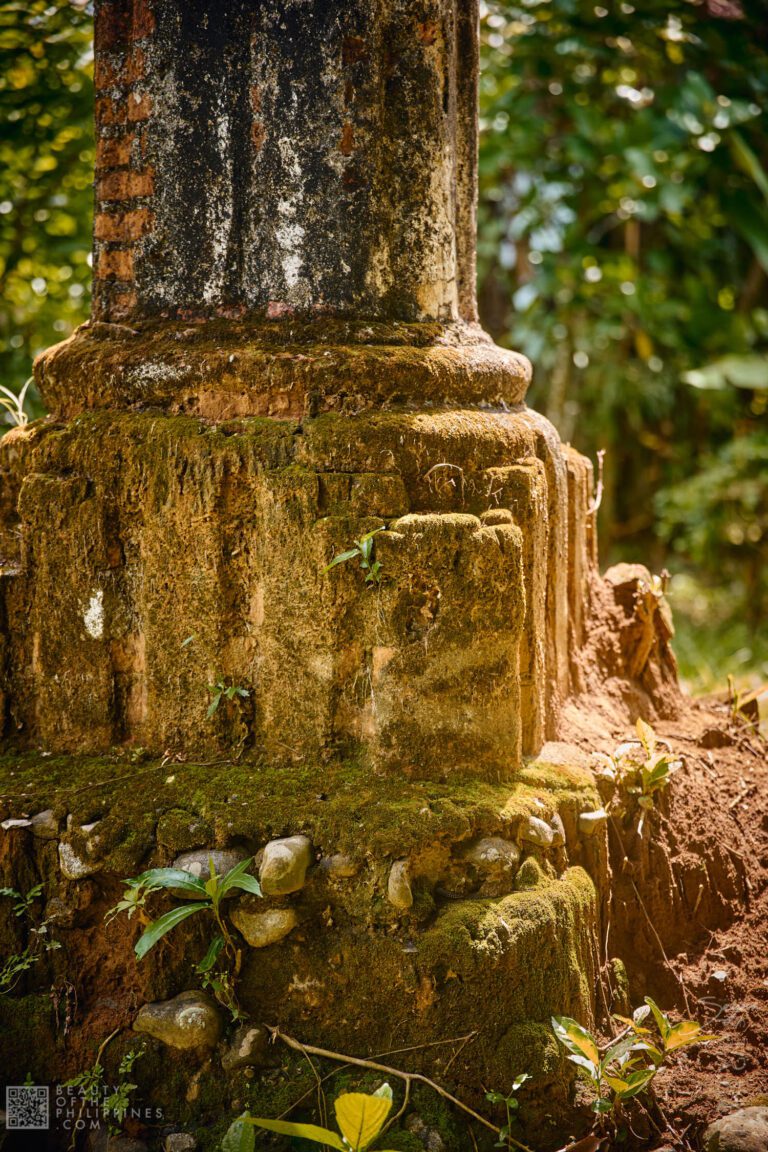
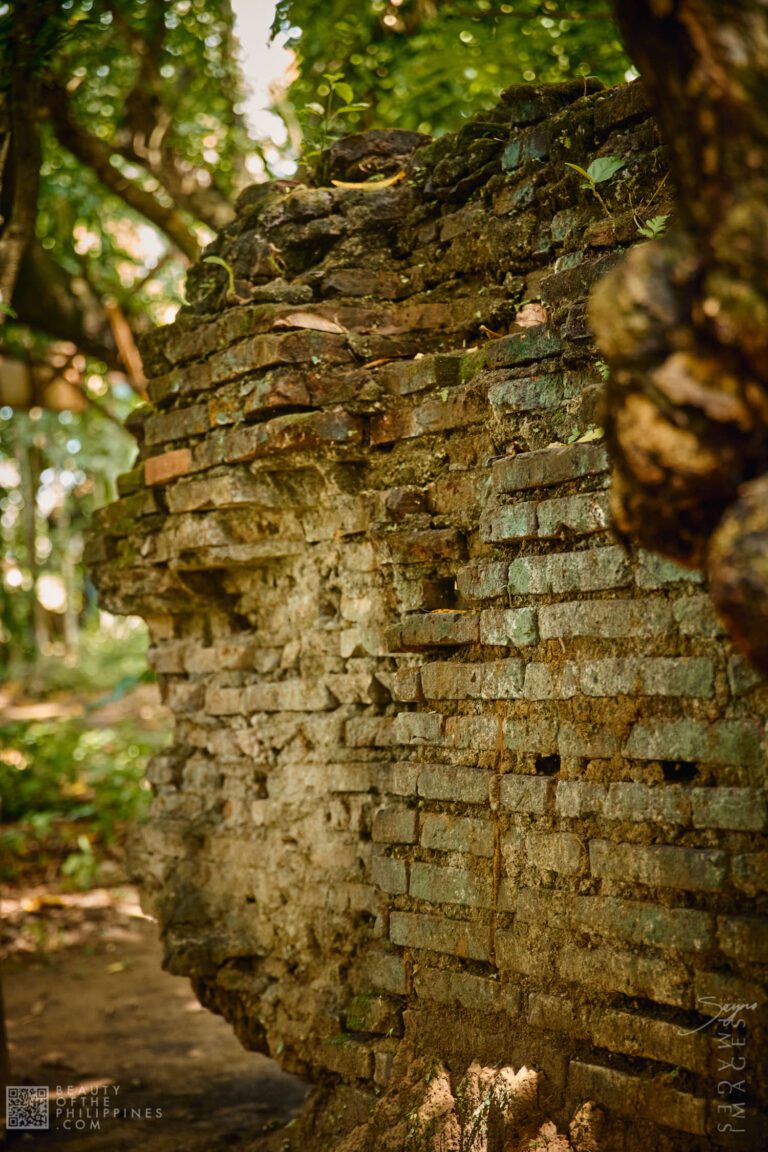
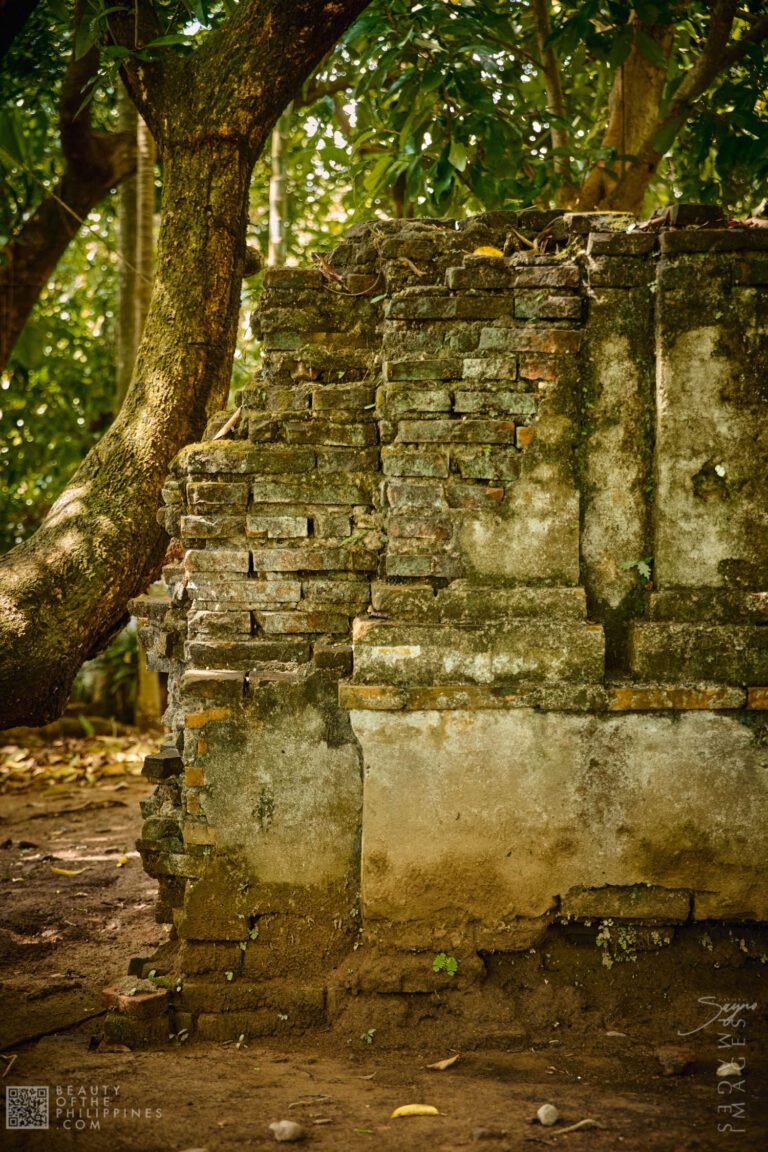
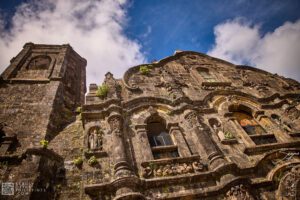
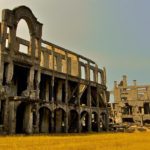
At the edge of Barangay Miswa in Infanta, Quezon, fragments of an old church and an associated burial ground preserve a quieter layer of the town’s religious and colonial past. The Old Spanish Church Ruins, identified by the municipality as the oldest visible ruins in Infanta, are made largely of adobe stone and are connected to a church-building history that stretches through the 18th and 19th centuries. Today, the ruins form part of HAYINfanta, bringing this fragment of Infanta’s past into a living heritage-tourism circuit.
Explore the Philippines through my lens as we venture into Infanta’s Old Church Ruins & Burial Grounds with Point of View (POV) photography. Using a body cam, I’ll guide you on an interactive tour, revealing the behind-the-scenes of capturing the shots shared here. Let’s dive into this visual journey together and uncover the wonders through my lens!
Let’s explore the PHILIPPINES through my lens as we journey on a photo slideshow to Infanta’s Old Church Ruins & Burial Grounds. Join me in this visual adventure and discover the wonders captured through my lens! Check out the shared slideshow here.
Where Miswa Keeps a Fragment of Old Infanta

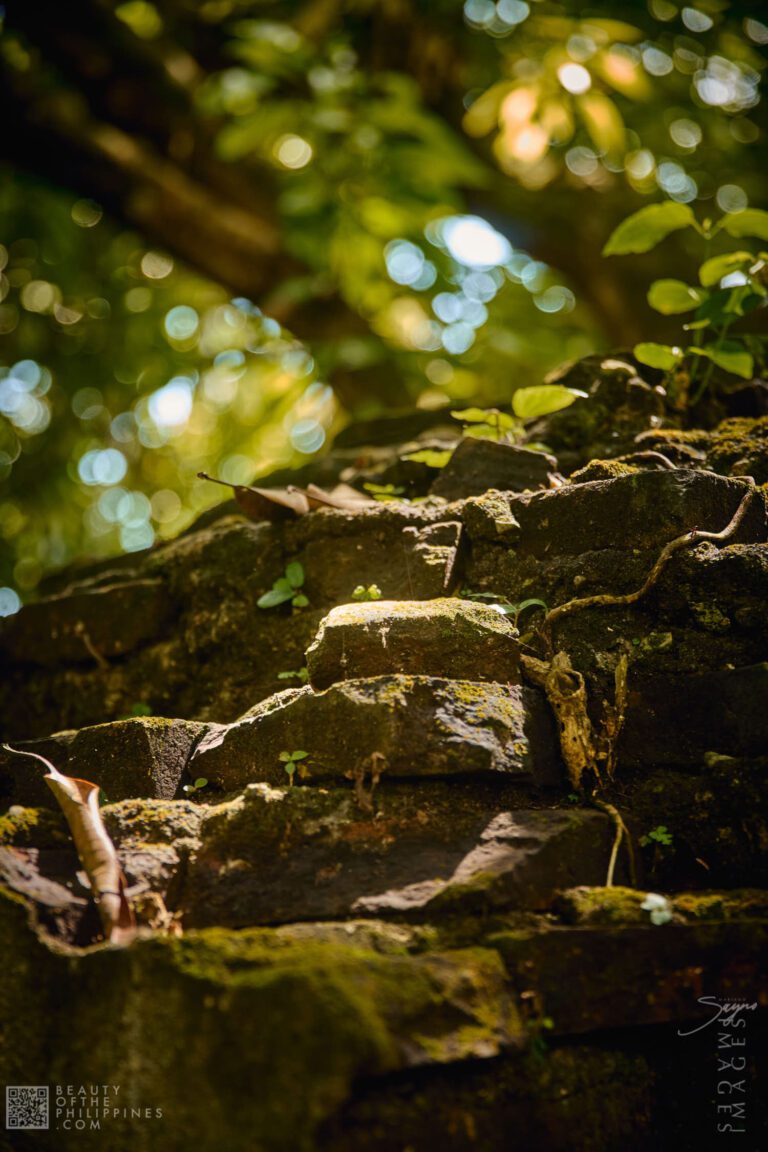
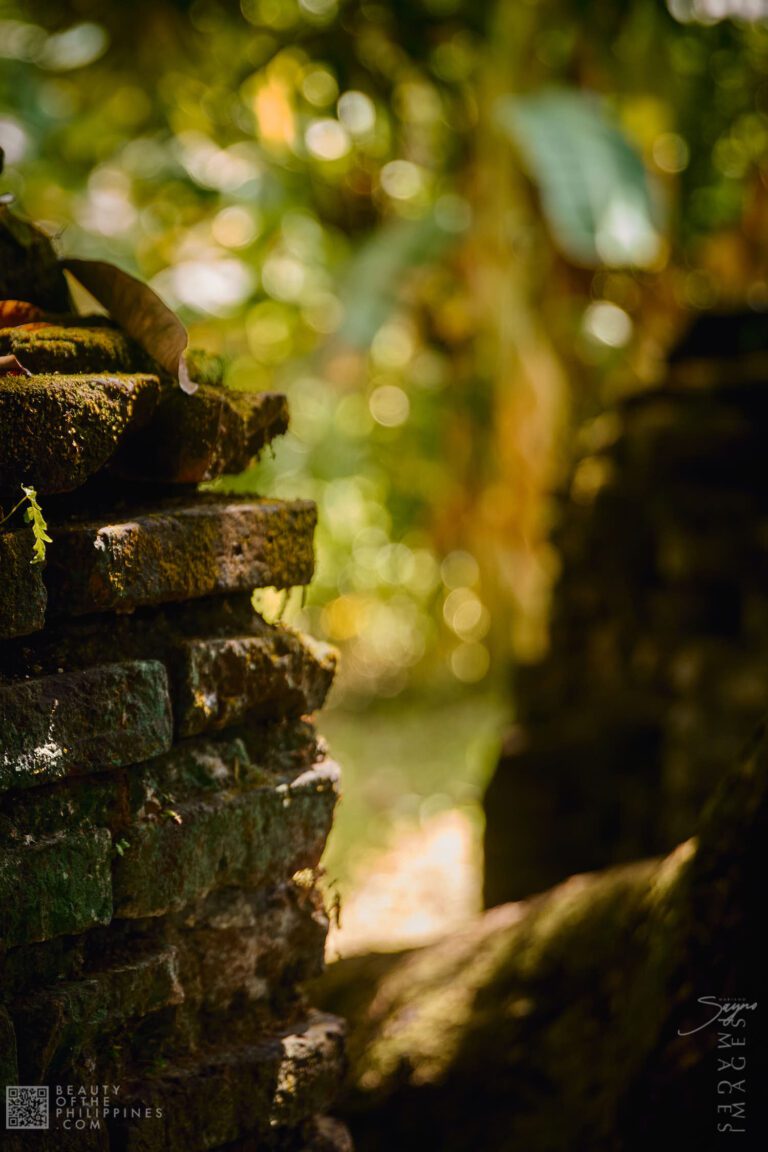
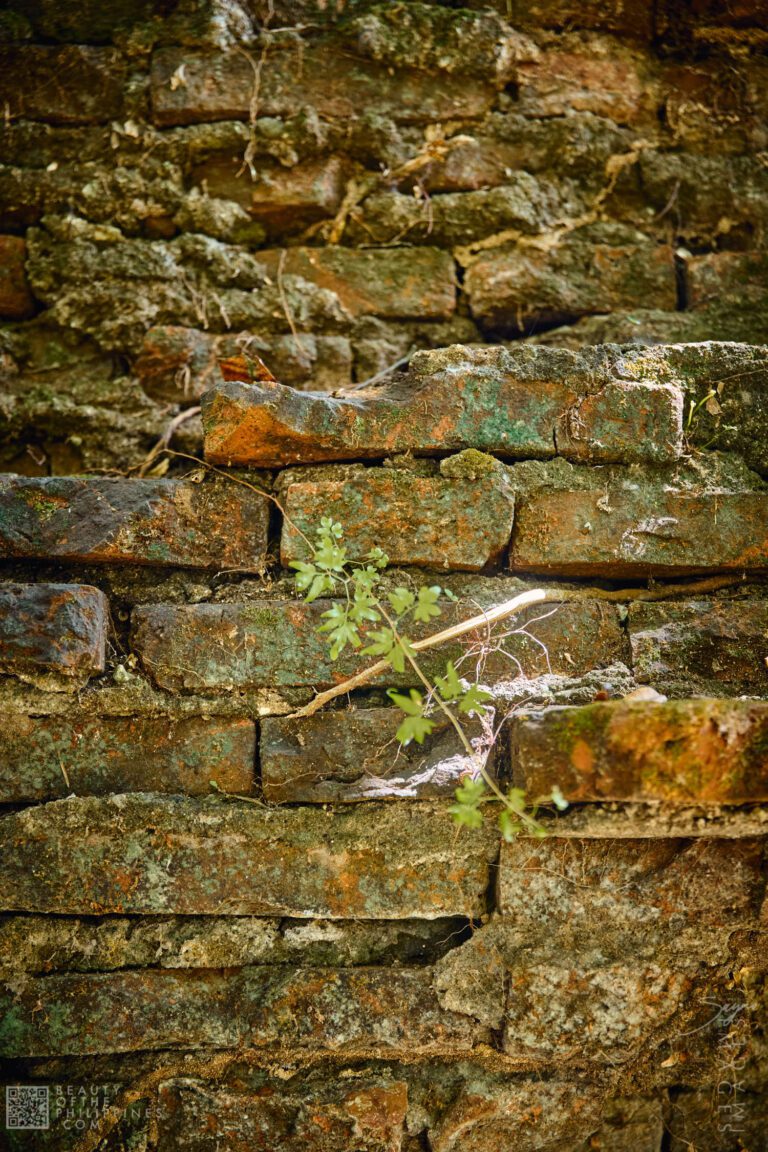
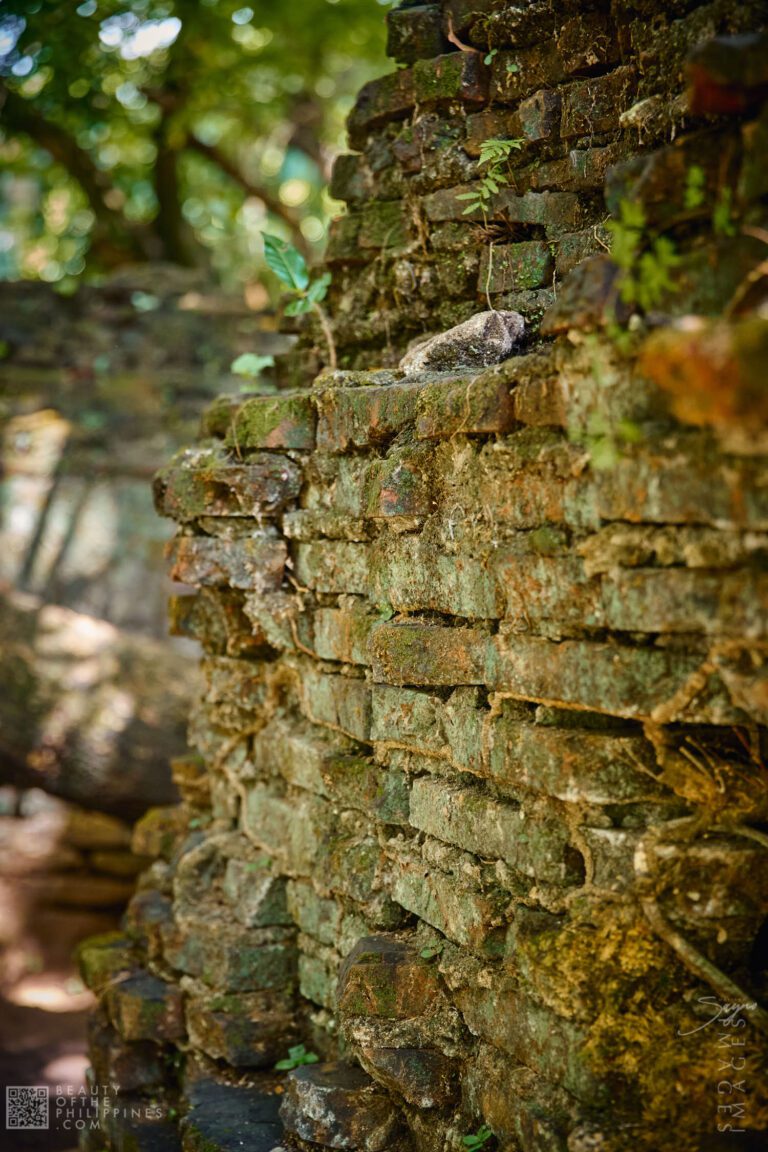
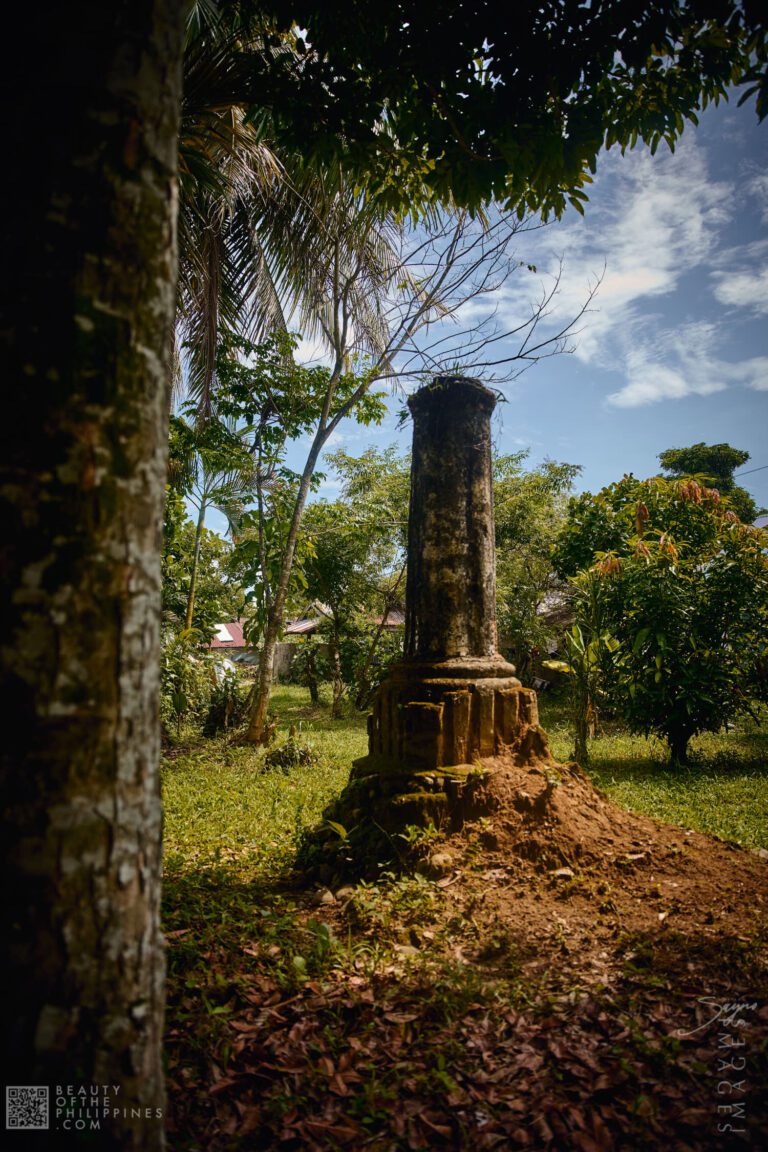
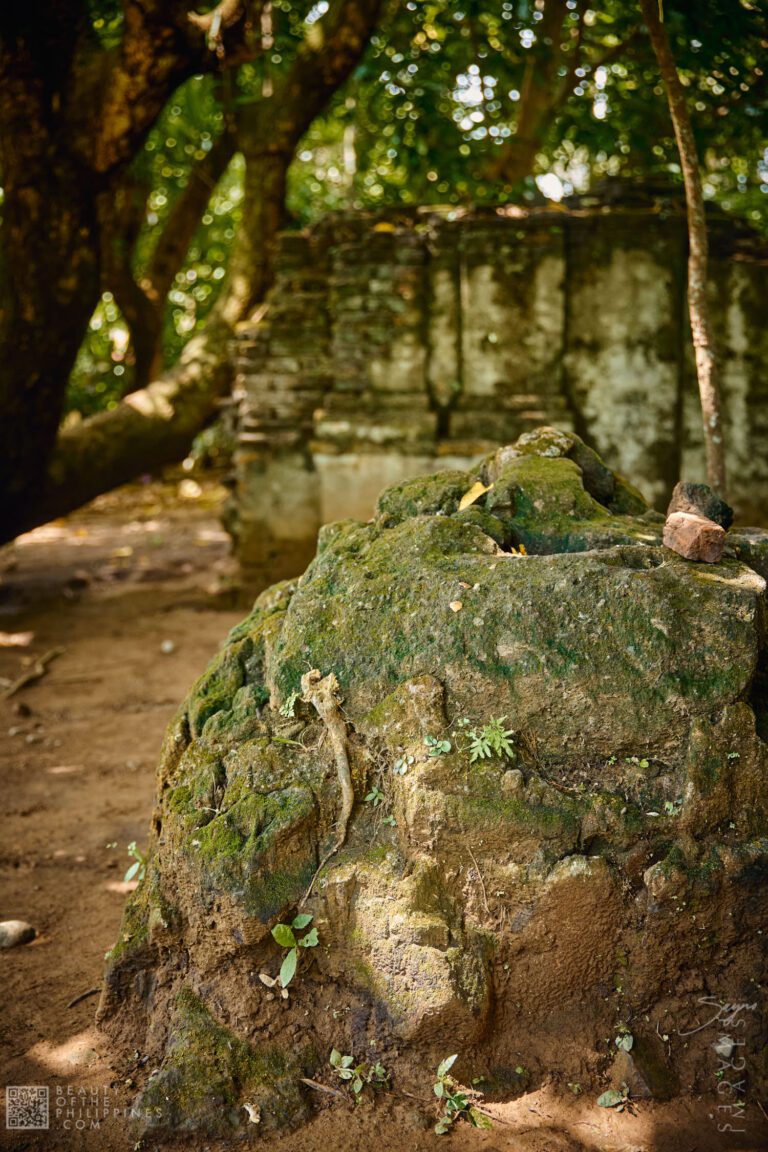
The first impression of the Infanta Old Church Ruins is less about scale than texture. What remains is a fragment of masonry rather than a complete church that can still be entered and experienced as an intact religious building. The municipality identifies the site with Barangay Miswa, where the ruins are accompanied by an old burial ground. In its 2021 annual report, the Municipality of Infanta specifically recorded a Memorandum of Understanding with the Prelature of Infanta for the preservation of the “old church ruins and burial ground” in Miswa.


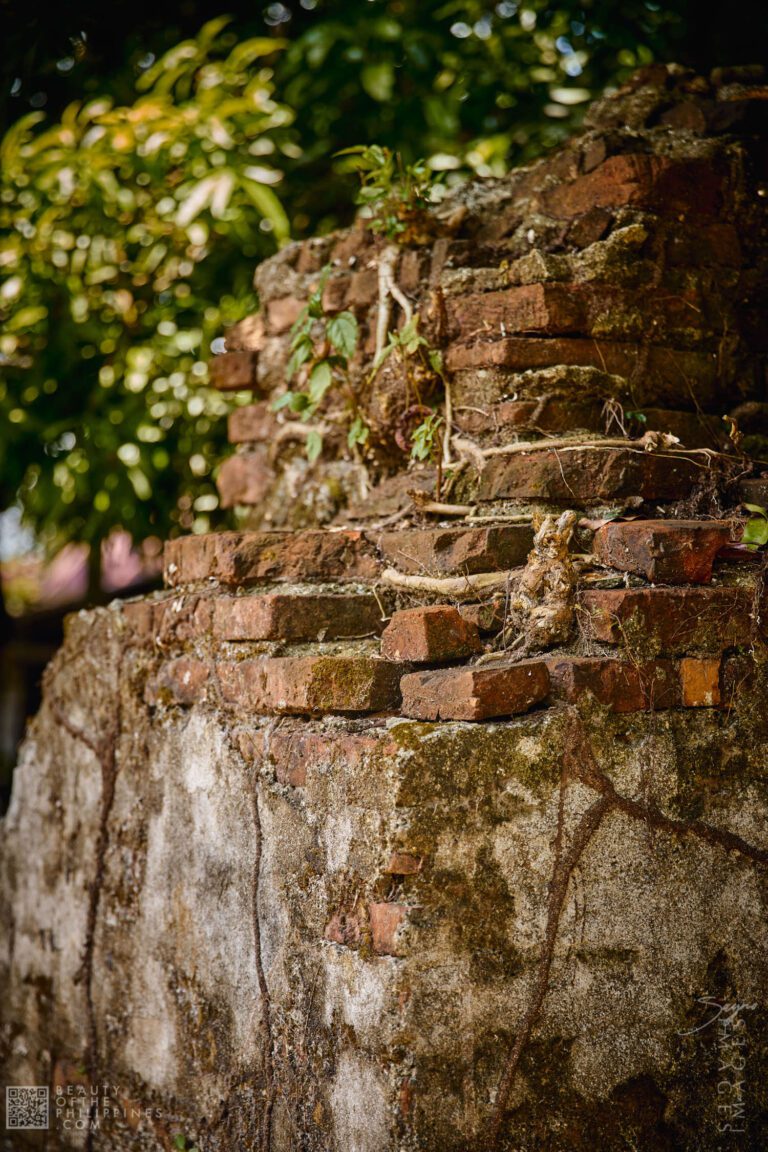
That description matters when photographing the place. The subject is not only a wall or a surviving architectural fragment. It is a small heritage landscape in which masonry, burial memory, community history, and the surrounding present-day town exist beside one another. The visible adobe construction gives the remains their strongest physical character, while the absence of the original complete structure makes the surviving portions feel more like evidence to be read than a conventional tourist attraction to be consumed.


The municipality’s tourism material calls these the oldest ruins that can be seen in Infanta, Quezon, describing them as being made of adobe stones. The same guide gives 1732 as their foundation date and associates their destruction with earthquakes in 1868 and 1880. Those dates, however, need to be read alongside the municipality’s broader historical account, which records Don Buenaventura Magnayon as having built a church in 1736 and Don Agustin de San Juan as having remodeled it in 1764. Rather than forcing these records into a single definitive construction date, the surviving ruins are better understood as part of an 18th-century church-building sequence whose exact chronology is still being clarified.

Check out the video for more highlights. See what I’ve captured through my lens with Point of View (POV) photography. Using a body cam, I’ll take you on an interactive tour, showing you behind-the-scenes moments of capturing the shots shared here.
Check out the video below for additional features. Explore what I’ve captured through my lens in this cinematic slideshow.
Before the Stone Walls, There Was Binangonan

The story of the ruins reaches further back than the masonry itself. The municipal history of Infanta traces the documented introduction of Christianity in the settlement to 1578, when Rev. Fr. Esteban Ortiz arrived at the community then known as Binangonan del Ampon and planted a wooden cross. That episode should not be mistaken for the construction date of the surviving ruins. Instead, it marks an earlier stage in the religious history of the settlement that eventually developed into modern Infanta.


The older names of the place also help explain why the ruins carry more weight than their physical remains might initially suggest. Historical references identify the settlement as Binangonan de Lampon and Binangonan del Ampon, while the municipality connects its earlier identity with the story of Nunong Karugtong. The name Infanta later entered the town’s history in 1835, when Juan Salvador is credited by the municipal account with giving the settlement its present name in honor of the daughter of King Philip II of Spain and the Jesus Infanta.


Seen from that longer perspective, the church was part of a transformation that unfolded over generations: an earlier settlement became a Christian mission community, then an organized colonial town with religious and civic structures, and eventually the municipality visitors encounter today. The ruins are therefore not an isolated architectural curiosity. They are one physical trace of how the town itself changed.

The Church Was More Than One Building

Historical accounts indicate that the church associated with St. Mark the Evangelist existed in lighter materials before the later stone structure. One historical description records a church made of bamboo and nipa until 1732, when it was destroyed by fire and replaced by a stone church. The municipal historical chronology provides another layer, recording the construction of a church by Don Buenaventura Magnayon in 1736 and its remodeling by Don Agustin de San Juan in 1764.


Other entries in the same municipal chronology place the church within a period when the settlement itself was being physically developed. Don Francisco Pagdamihan is credited with constructing two watchtowers in 1721. In 1835, Don Juan Salvador Tonzon widened the streets, while Don Bartolome Gurango constructed the Miswa–Real Road in 1858. Don Luis Ruidera is also credited with changing the church tower.


Those details make the surviving masonry easier to imagine as part of a functioning town rather than a solitary monument. Roads, defensive structures, religious buildings, and residential areas were developing around one another. The church belonged to that larger physical and social environment.


Reading the Earthquakes Without Oversimplifying the Ruins

The HAYINfanta guide attributes the destruction of the ruins to earthquakes in 1868 and 1880. Another local historical account instead records a strong earthquake in 1881 as the event that destroyed the church and belfry, after which the community adopted St. Mark as its patron.


The major 1880 earthquakes caused severe damage to masonry churches and other structures throughout Luzon, contributing to a wider reassessment of how large stone buildings could withstand the seismic conditions of the Philippines. But the available sources do not provide enough evidence to state with certainty that the specific Infanta ruins were destroyed by both an 1868 and an 1880 earthquake, nor should the 1881 account be presented as unquestionably settled.


For a photographer, that uncertainty does not weaken the place. If anything, it changes how the ruins are approached. The remaining walls can be documented as physical evidence of a much longer sequence of construction, alteration, damage, and survival, while the precise chronology remains a subject for historical verification.

The Burial Ground Changes the Way the Site Is Read

The burial ground deserves to remain in the name of the site rather than being treated as a footnote. The Municipality of Infanta itself identifies the heritage property as the “old church ruins and burial ground” in Barangay Miswa, linking the two within its preservation work.


Historically, the relationship between a church and its surrounding burial landscape was part of how religious communities organized memory and place. In the case of Miswa, the surviving evidence gives visitors another way to understand the ruins: not merely as the remains of an old building, but as part of a landscape connected to worship, death, community, and generations of residents.


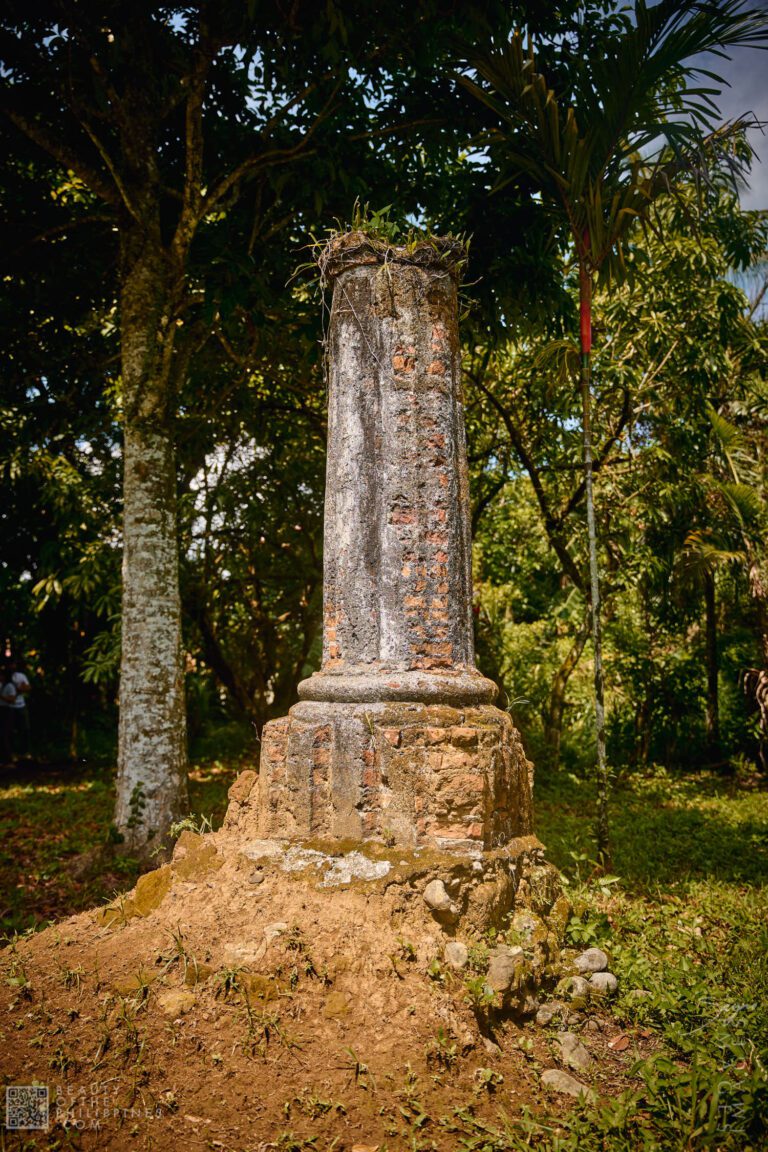
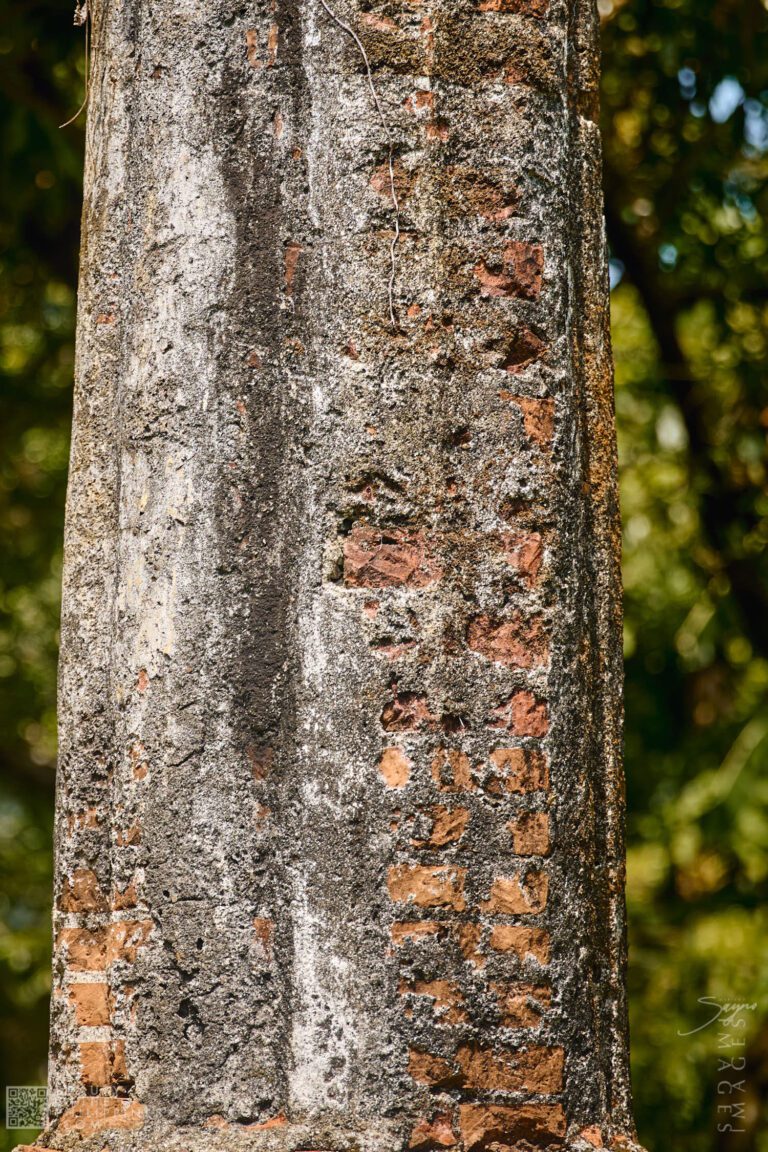
There are also other archaeological references to old cemeteries and possible church remains elsewhere in central Infanta. A heritage field investigation documented possible cemetery evidence near what is now Infanta Central Elementary School, along with brick fragments and standing remains interpreted as possible portions of different church structures. Researchers also noted a stone column with a brick base and evidence suggesting more than one church phase. 

RELATED STORIES

Lamon Bay: The Pacific Coast Jewel of Quezon

Along Quezon Province’s eastern seaboard, Lamon Bay unfolds as a living tapestry of sea, sand, and human stories. Unlike the more visited Pacific-facing beaches of


Read More »
Malagonlong Bridge Tayabas Quezon

Malagonlong Bridge: A Timeless Crossing in Tayabas, Quezon

Tucked along the Dumacaa River in Tayabas City, Malagonlong Bridge — or Puente de Malagonlong — is one of the Philippines’ oldest and longest stone

Read More »
Niyogyugan Festival

Hambujan Festival: A Celebration of Agricultural Bounty and Spiritual Devotion

Located in the heart of Dolores, Quezon, the Hambujan Festival is a vibrant celebration that embodies the town’s rich heritage and deep connection with nature.

Read More »

Pulong Pasig Sandbar: Walking the Endless White Sands of Calauag

Pulong Pasig Sandbar, situated in the pristine coastal waters of Calauag, Quezon, is a breathtaking sandbar that emerges and disappears with the tides, offering an

Read More »
Adobe, Brick, Stone, and the Layers Left Behind

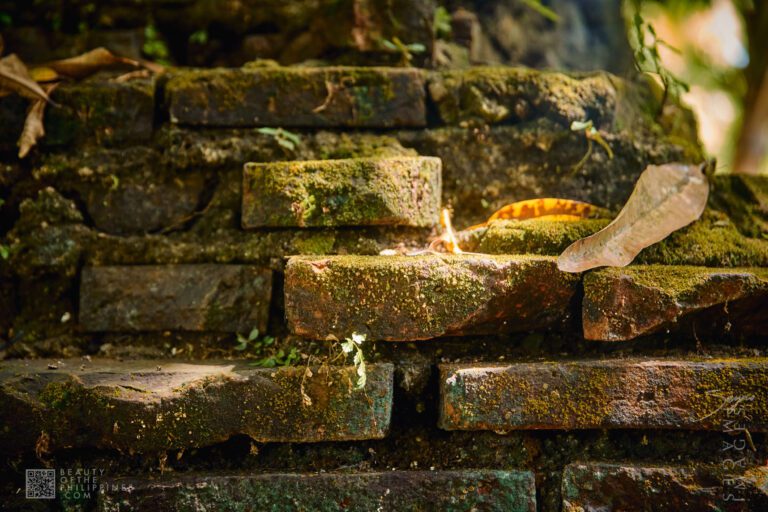
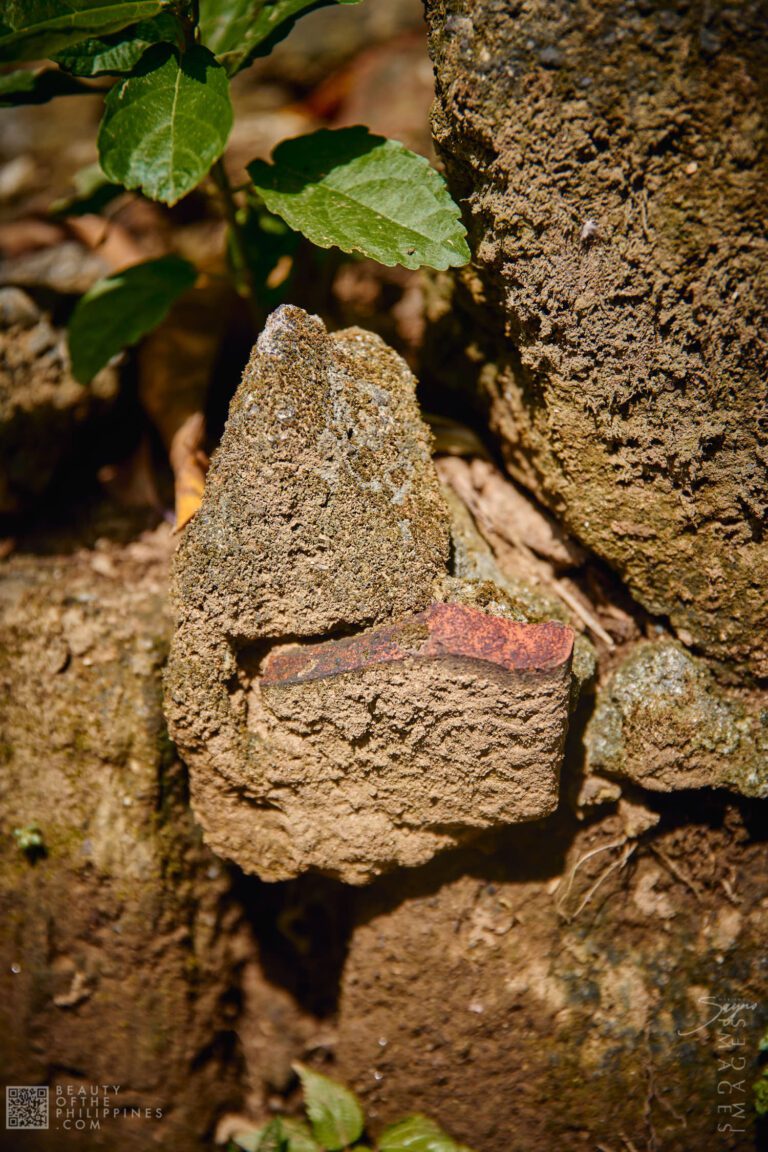
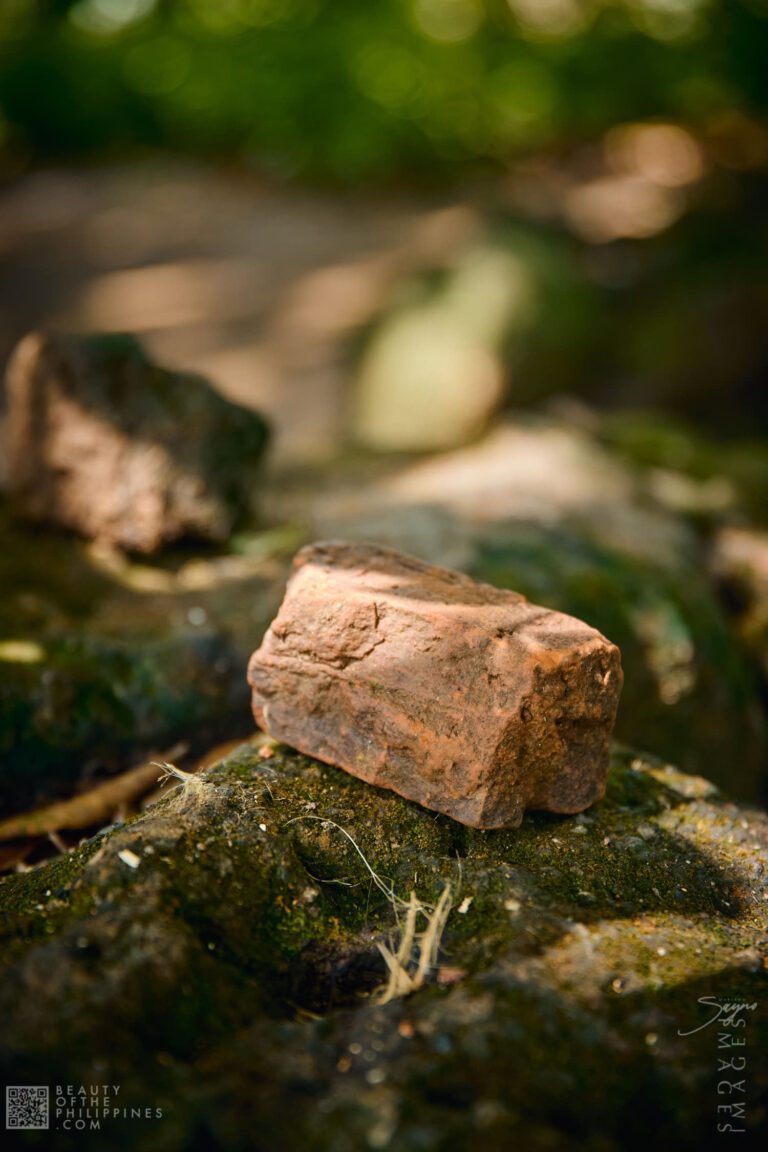
The most immediately recognizable material associated with the municipal description of the ruins is adobe. The HAYINfanta guide specifically describes the surviving ruins as being made of adobe stones. Broader archaeological observations from Infanta have also recorded stone masonry, brick or tisa fragments, adobe, and other traditional construction materials associated with possible Spanish-colonial church phases.


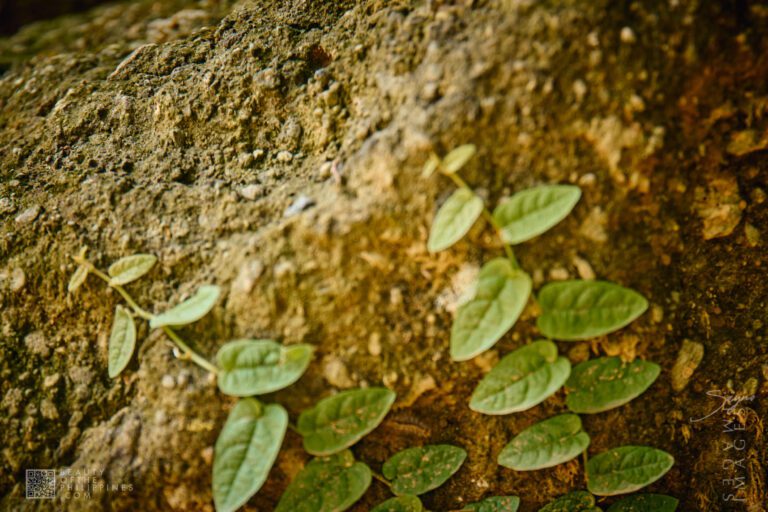
That combination is particularly useful from a photographic standpoint. Close frames can reveal the texture of the masonry, irregular joints, weathering, and differences between individual construction materials, while wider photographs can place the remains back into their present environment. The ruins do not need an exaggerated architectural label to be visually compelling. There is not enough authoritative documentation at present to confidently classify this particular site as Baroque, Earthquake Baroque, Romanesque, or another formal architectural style.


What can be documented more securely is the physical evidence of old construction and the possibility of several historical phases. That distinction keeps the photography grounded in what the site actually reveals.

From Preserved Ruin to Living Heritage

The story of the site did not end when the church became a ruin. In 2021, the Municipality of Infanta documented its preservation partnership with the Prelature of Infanta, specifically covering the old church ruins and burial ground in Barangay Miswa.


By 2024, the Infanta Culture, Heritage, Arts and Tourism Section (ICHATS) was reporting regular maintenance of the area in partnership with students residing at Bahay Paghubog. That detail gives the site a contemporary community dimension. Preservation is not happening only through distant institutions or formal heritage offices; local participation is part of the documented maintenance story.


The involvement also fits the broader philosophy of HAYINfanta, where community members can participate as guides, storytellers, drivers, and coaches during tourism activities. The ruins consequently sit within a living tourism model in which heritage is connected to the people who continue to inhabit the landscape.

A Heritage Stop Within the HAYINfanta Journey

Today, the Old Spanish Church Ruins are no longer treated solely as an abandoned historical remnant. They have been incorporated into the municipality’s HAYINfanta Guided Tour, prepared by ICHATS. The itinerary places the ruins alongside the Municipal Hall, Rizal statue, St. Mark’s Cathedral, Agos River, Alitas Mangrove Eco Park, Moriones Farm, the shared-service facility, and the Infanta Pasalubong Center.


The official program describes the stop as a quick guided tour, making the ruins part of a broader experience rather than a standalone leisure resort. The two-day itinerary continues from the heritage component toward mangroves, community food, agriculture, weaving, salt-making, and other local experiences.


That distinction is useful for travelers planning their expectations. The ruins are primarily a heritage, cultural, historical, and photography stop. There is no reliable documentation in the municipal tourism material establishing on-site hotel rooms, resort-style amenities, or recreational facilities at the ruins themselves. Accommodation, meals, guides, transportation, and other visitor services appear as components of the wider HAYINfanta package rather than facilities belonging to the ruin site.

Infanta Is Still Revisiting Its Own History

One of the more interesting things about documenting the ruins is that Infanta is actively examining its historical record. The municipality launched the locally researched history book Isang Paglalayag sa Kasaysayan ng Infanta, Quezon in 2024, as part of its broader culture and heritage work. The municipal historical material also reflects an evolving understanding of the town’s chronology, which makes older online accounts worth checking against newer local research.


That ongoing historical work is visible beyond publications. In January 2026, representatives of the National Historical Commission of the Philippines (NHCP) visited Infanta for documentation and assessment activities involving locations requested by the local government for possible historical markers. The municipal report identifies participating NHCP history and architecture personnel and a representative of the Quezon Province Heritage, History, Culture & Arts Council.

Looking at the Ruins as Part of Present-Day Infanta

By September 2026, the Infanta Municipal Tourism Council and Local Culture and Arts Council were still discussing the validation of cultural properties as part of the municipality’s continuing tourism, culture, and arts programs. That makes the ruins particularly relevant to a present-day travel record: their story is not finished, and their place within the town’s heritage landscape is still being documented and refined.


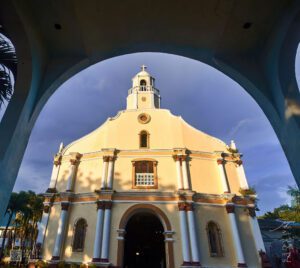
For someone arriving with a camera, the strongest experience may come from resisting the temptation to photograph the site only as an abandoned structure. The more revealing frame includes the surrounding context—the relationship between the old masonry and the present community, the memory of the burial ground, the continuation of Catholic heritage through St. Mark’s Cathedral, and the broader movement of HAYINfanta from historic sites toward rivers, mangroves, agriculture, food, and community experiences.


The Old Church Ruins & Burial Grounds of Infanta are therefore best encountered as a fragment within a much larger story. Their adobe remains point toward the Spanish-period town, their burial landscape adds another layer of memory, and their preservation connects the past with people still working to document and care for it. What the camera records today is not simply a ruin left behind by history, but a heritage place still being interpreted, maintained, and reconsidered by the community around it.

I’m looking forward to the stories and images leaving a lasting positive impression on you, just as they have on me. Stay connected with us on social media for a weekly exploration of travel assignments and breathtaking visuals. Our focus is on championing local tourism, showcasing small businesses, and honoring the magnificence of the Philippines through the content we curate. Join us in spreading the word by clicking the ‘share’ buttons below. Your support means the world to us.

BROWSE BY REGION
  • metro MANILA
  • abra
  • albay
  • baguio city
  • BATAAN
  • batangas
  • Benguet
  • bulacan
  • cagayan
  • cavite
  • cebu
  • cotabato
  • davao oriental
  • Guimaras
  • ilocos norte
  • ilocos sur
  • Iloilo
  • Isabela
  • laguna
  • lanao del norte
  • maguindanao
  • negros occidental
  • nueva vizcaya
  • palawan
  • Pampanga
  • pangasinan
  • QUEZON
  • rizal
  • Samar
  • sarangani
  • sorsogon
  • Tarlac
  • zambales
  • zamboanga city

EXPLORE MORE about

  • Quezon

Moriones Festival: Bondoc’s Barefoot Senturyon Revealed

When most travelers picture the Moriones Festival, it’s the streets of Marinduque that come to mind. Yet the Bondoc Peninsula in Quezon Province has its

Read More »
Niyogyugan Festival

Hambujan Festival: A Celebration of Agricultural Bounty and Spiritual Devotion

Located in the heart of Dolores, Quezon, the Hambujan Festival is a vibrant celebration that embodies the town’s rich heritage and deep connection with nature.

Read More »

Boling-Boling Festival: Street Revelry and Cultural Heritage in Catanauan

For travelers exploring Quezon Province, few festivals rival the energy and creativity of the Boling-Boling Festival in Catanauan. Celebrated in the days leading up to

Read More »

Candle Festival: From Local Tradition to National Spotlight

This celebration of the “Candle Festival” takes place from the 31st of January to the 2nd of February each year and is held in order

Read More »
Malagonlong Bridge Tayabas Quezon

Malagonlong Bridge: A Timeless Crossing in Tayabas, Quezon

Tucked along the Dumacaa River in Tayabas City, Malagonlong Bridge — or Puente de Malagonlong — is one of the Philippines’ oldest and longest stone

Read More »
Niyogyugan Festival

Niyogyugan Festival: Celebrating Quezon’s Coconut Heritage and Vibrant Culture

Every August, Quezon Province bursts with color, rhythm, and tradition as the Niyogyugan Festival takes over Lucena City. More than just a tribute to coconuts,

Read More »

Lucban Church: Stone, Story, and the Spirit of Pahiyas

Right in the heart of Lucban, Quezon, you’ll find the San Luis Obispo de Tolosa Parish Church, more commonly known as Lucban Church. This centuries-old

Read More »

Siain Port: From Copra Trade to Community Pier in Plaridel

Every time I walk toward Siain Port, the first thing that hits me is the line of the pier itself—long, straight, and stretching into Lamon

Read More »

Pulong Pasig Sandbar: Walking the Endless White Sands of Calauag

Pulong Pasig Sandbar, situated in the pristine coastal waters of Calauag, Quezon, is a breathtaking sandbar that emerges and disappears with the tides, offering an

Read More »

Lucban Longganisa: A Garlicky Icon of Quezon’s Culinary Heritag

When you wander into the vibrant town of Lucban, Quezon, you can’t miss the aroma that defines its identity — the unmistakable, bold scent of

Read More »

Pahiyas Festival: Street Dancing, Floats, and the Spirit of San Isidro

Every May 15, the charming town of Lucban, Quezon, bursts into a kaleidoscope of colors, music, and movement for the Pahiyas Festival, a grand celebration

Read More »

Sirena ng Atimonan: Where Folklore Meets the Sea

A Familiar Figure Along the Road The Sirena ng Atimonan stands along the Pan-Philippine Highway, right by the shores of Lamon Bay in Barangay Angeles,

Read More »

Dolores’ Paskotitap 2025: Quezon’s One-of-a-Kind Christmas Celebration

This Christmas, Dolores shone as the creative heart of Quezon province. Paskotitap 2025 transformed the town into a radiant celebration of lights, movement, and storytelling—where

Read More »

Atimonan Port: Gateway to Lamon Bay and the Island Routes of Quezon

Along the Edge of Lamon Bay I first approached Atimonan Port with the sea on one side and the steady traffic of the Maharlika Highway

Read More »

Sariaya Church: Sto. Cristo de Burgos and the Heritage of Quezon

Traveling along the Maharlika Highway in the heart of Sariaya, Quezon Province, you can’t help but notice the quiet elegance of Sariaya Church. Known formally

Read More »

San Narciso Beach: Talisay Cove’s Scenic Escape

Located in the town of San Narciso, Quezon Province, San Narciso Beach — or Talisay Beach as locals call it — stretches along the Philippine

Read More »

Mulanay Church: A Quiet Witness to Mulanay’s History

Standing quietly at the center of town, Mulanay Church feels less like a monument and more like a steady presence. I noticed how time moves

Read More »

Lamon Bay: The Pacific Coast Jewel of Quezon

Along Quezon Province’s eastern seaboard, Lamon Bay unfolds as a living tapestry of sea, sand, and human stories. Unlike the more visited Pacific-facing beaches of
Read More »

Candle Festival of Candelaria: A Marian Tribute to Nuestra Señora de la Candelaria

The Candle Festival in Candelaria, Quezon, held from January 31 to February 5, 2026, celebrates devotion to Nuestra Señora de la Candelaria while highlighting community
Read More »

San Narciso Church: The Spiritual Heart of Quezon Town

At the heart of San Narciso town in Quezon, a modest but profoundly significant landmark rises — the San Narciso Church, officially named St. Joseph
Read More »

Lucban Pahiyas Festival: A Spectacularly Colorful Tradition in Quezon

Every May 15, the charming town of Lucban, Quezon bursts into a dazzling display of colors, artistry, and cultural pride as it celebrates the Pahiyas
Read More »

Senturyons of General Luna: Witnessing Quezon’s Sacred Rituals

In General Luna, Quezon, Holy Week is far from ordinary. The town’s quiet streets transform into a tapestry of devotion and local artistry through the

Read More »

San Narciso Port: A Small Harbor at the Center of Coastal Life

When people talk about ports in Quezon Province, the bigger and busier ones usually come to mind first. But further south, along the Bondoc Peninsula,

Read More »

A&J Cafe: Exploring Gumaca One Sip at a Time

Finding A&J Cafe at J.P. Rizal Street corner E. Caparros Street in Barangay Pipisik, the space immediately communicates calm. Minimalist design, warm lighting, and an
Read More »

Santuario De Las Almas: Tayabas’ Quiet Sanctuary of Memory and Colonial Echoes

Within Tayabas City, a place more frequently identified by the commanding Minor Basilica of Saint Michael the Archangel, the lively Mayohan Festival, ancestral houses, and

Read More »

Hondagua: Where Deep Waters and Old Rails Tell Stories

Hondagua is a barangay in the Municipality of Lopez, within Quezon Province, part of Region IV-A (CALABARZON) on Luzon island, Philippines. It lies directly along

Read More »

Pabasa ng Pasyon: Experience Spiritual Devotion Through Song and Kubols

Every Holy Week, from Palm Sunday to Good Friday, the town of General Luna in Quezon transforms into a living stage of devotion and culture.
Read More »

Gunao Lake: A Hidden Gem in Dolores, Quezon

Gunao Lake, located in the charming town of Dolores in Quezon Province, remains a hidden treasure waiting to be discovered by adventurers seeking natural wonders.
Read More »

Quezon Zigzag Road: Adventure Through Bitukang Manok’s Winding Paths

Quezon Zigzag Road, or Bitukang Manok, was constructed in 1969 during President Ferdinand Marcos’ administration. Engineers faced the challenge of traversing the rugged slopes of


Read More »

BROWSE BY CATEGORIES

LOCATIONS
PROVINCES

Abra

Albay

Baguio City

Bataan

Batangas

Benguet

Bulacan

Cagayan

Cavite

Cebu

Cotabato

Davao Oriental

Guimaras

Ilocos Norte

Ilocos Sur

Iloilo

Isabela

Laguna

Lanao del Norte

Maguindanao

Manila

Negros Occidental

Nueva Vizcaya

Palawan

Pampanga

Pangasinan

Quezon

Rizal

Samar

Sarangani

Sorsogon

Tarlac

Zambales

Zamboanga City

ARCHITECTURE
HERITAGE

Bonifacio Monument Tutuban

Burdang Lumban Festival

Cagsawa Festival

Capones Lighthouse

Casa Manila

Christ the King Seminary

Corregidor Island Dark Tour Experience

Corregidor Island Reopens

Corregidor Island

Cultural Center of the Philippines

Fantasy World

Gabriela Silang Memorial Shrine

Gomburza National Monument

Hondagua

Iloilo Customs House

Intramuros

Jones Bridge

Jones Bridge

Kartilya ng Katipunan

La Loma Cemetery

LOAD MORE

CHURCHES
FAITH

Bacolor Church

Baguio Cathedral

Barasoain Church

Binondo Church

Calaca Church

Calumpit Church

Chong Hock Tong Temple

Feast of Black Nazarene

Greenbelt Chapel

Guadalupe Chapel Intramuros

Guadalupe Ruins Makati

La Naval de Manila

Las Piñas Bamboo Organ

Las Piñas Church

Lingayen Cathedral

Lubenas Festival

Lucban Church

Malate Church

Manila Abbey

Manila Cathedral

LOAD MORE

NATURAL & MAN-MADE
ATTRACTIONS

A&J Cafe

Alligator Lake

Amare La Cucina Baguio

Ambuklao Dam

Angeles City Holy Rosary Parish Church

Antipolo Cathedral

Apurawan Beach

Atimonan Port

Avilon Zoo

Azalea Hotels & Residences Baguio

Bagac Beach

Baguio Media Newseum

Balai Isabel

Balayan Bay

Baluarte de San Diego

Betis Church

Binondo Chinatown

Binuatan Creations

Bustos Dam

Café Khawa

LOAD MORE

FESTIVALS &
EVENTS

Al Cinco de Noviembre Festival

Ana Kalang Festival

Antipolo Maytime Festival

Balacat Festival

Balitok Ti Alicia Festival

Bañamos Festival

Bato Art Festival

Bato Art Festival

Boling-Boling Festival

Buhayani Festival

Burdang Lumban Festival

Candle Festival

Dinagyang Festival

Feast of Santo Niño

Gilingan Festival

Halamanan Festival

Hambujan Festival

Iloilo Dinagyang Festival

Inaul Festival

Itik Festival

LOAD MORE
Facebook Twitter Instagram Envelope

All photographs that appear on the site are copyright of Mariano Sayno ©2022 Beauty of the philippines

All photographs that appear on the site are copyright of Mariano Sayno ©2022 Beauty of the philippines.com

Beauty of the philipipnes LOGO WHITE

BROWSE BY PROVINCE

Abra

Albay

Baguio City

Bataan

Batangas

Benguet

Bulacan

Cagayan

corregidor-island

Cavite

Cebu

Cotabato

Davao Oriental

Manggahan aFestival of Guimaras

Guimaras

Ilocos Norte

Ilocos Sur

dinagyang aliwan friesta husayno mariano sayno

Iloilo

Isabela

Laguna

Lanao del Norte

Maguindanao

Manila Bay by Mariano Sayno

Manila

Negros Occidental

Magat River Dupax Del Norte

Nueva Vizcaya

Palawan

Pampanga

Lingayen Cathedral

Pangasinan

Quezon

Rizal

Samar

Sarangani

Sorsogon

Tarlac

Zambales

Zamboanga City

Infanta, Quezon, Philippines